

Essential Safety Tips for Gorilla Habituation Uganda: The Complete Guide to a Safe and Unforgettable Experience
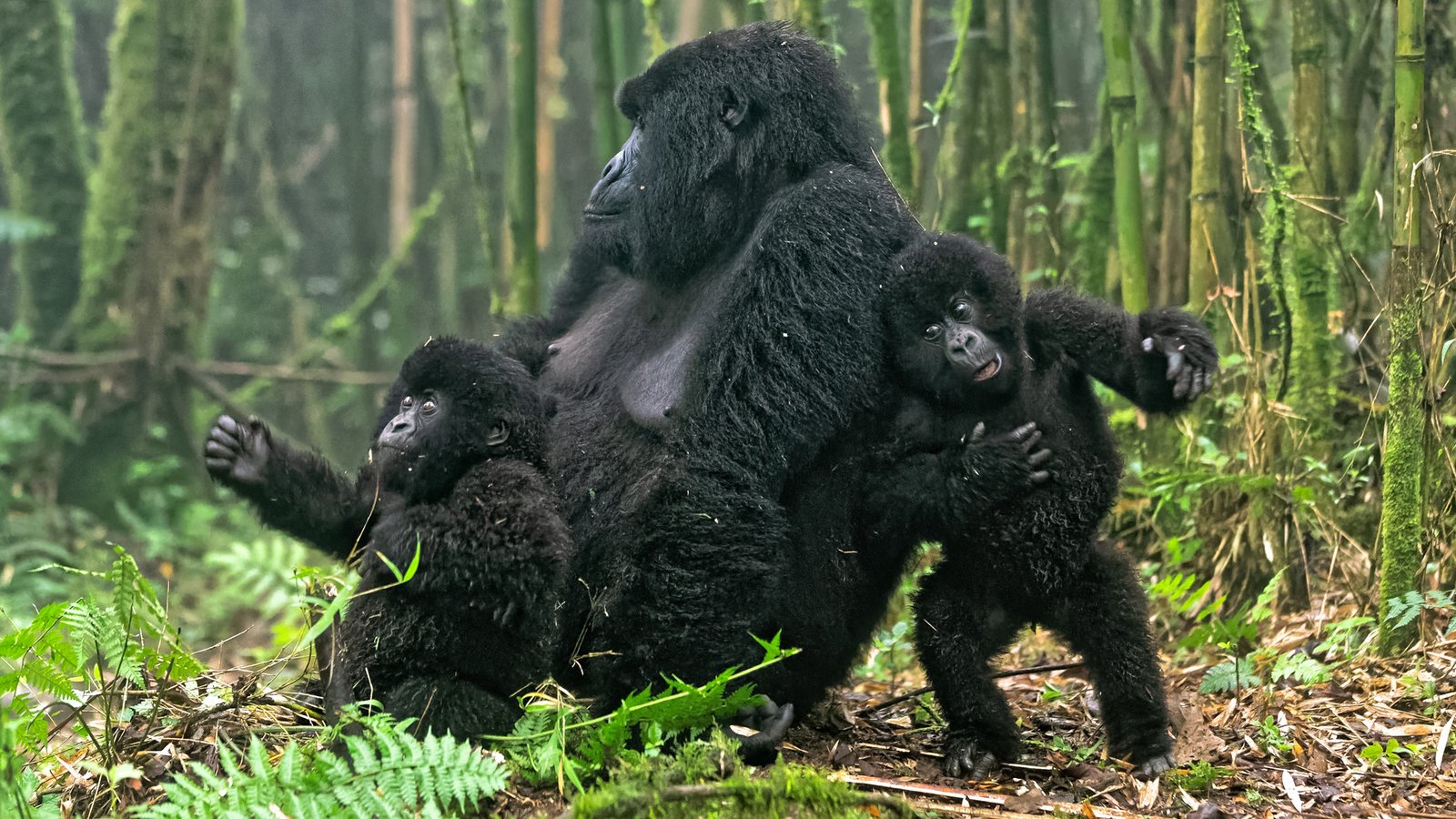
Safety Tips for Gorilla Habituation Uganda while participating in the gorilla habituation experience is one of the most exclusive and rewarding wildlife adventures in Africa. Unlike regular gorilla trekking, which allows visitors to spend one hour with a fully habituated gorilla family, the gorilla habituation experience gives guests up to four extraordinary hours alongside a mountain gorilla family that is still becoming accustomed to human presence. This unique conservation activity offers deeper insights into gorilla behavior while allowing visitors to accompany researchers, trackers, veterinarians, and Uganda Wildlife Authority rangers during their daily fieldwork. Understanding Safety Tips for Gorilla Habituation Uganda is essential for ensuring that this once-in-a-lifetime experience remains safe for both visitors and the endangered mountain gorillas.
The gorilla habituation experience takes place exclusively in the Rushaga Sector of Bwindi Impenetrable National Park, a UNESCO World Heritage Site renowned for its ancient rainforest, rich biodiversity, and one of the largest populations of endangered mountain gorillas in the world. Since participants spend much longer in the forest than standard trekkers and often travel through more remote sections of the park, following Safety Tips for Gorilla Habituation Uganda becomes even more important. Every guideline is carefully designed to protect visitors while also minimizing any disturbance to the gorillas and their natural environment.
This comprehensive guide explores the most important Safety Tips for Gorilla Habituation Uganda, explaining why each recommendation matters, how it contributes to conservation, and how proper preparation allows visitors to fully enjoy one of Uganda’s most remarkable wildlife experiences.
Why Safety Tips for Gorilla Habituation Uganda Are So Important
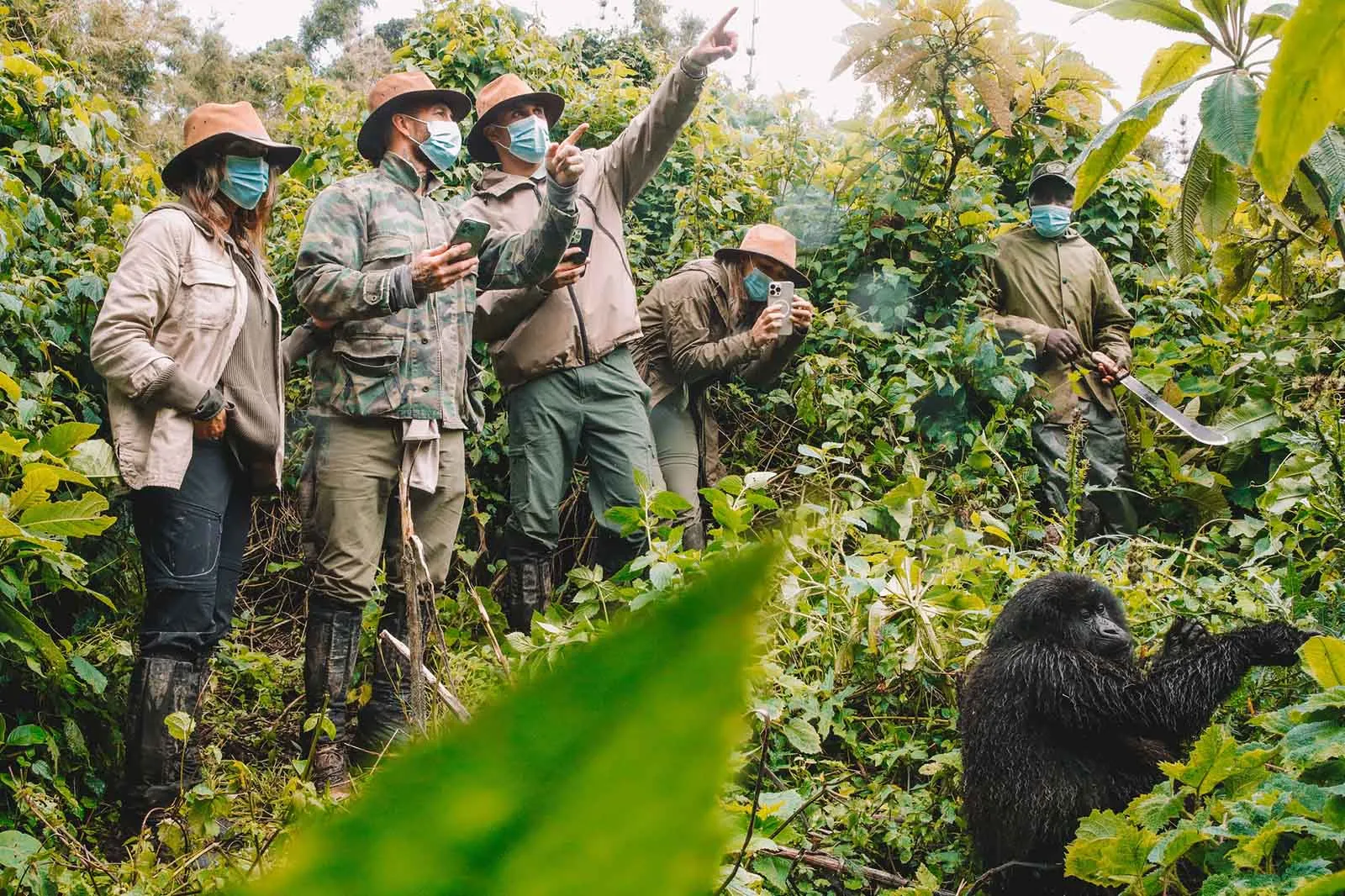
The mountain gorillas living in Bwindi Impenetrable National Park are among the world’s most endangered primates. Their survival depends not only on conservation programs but also on responsible tourism practices that minimize stress, disease transmission, and human disturbance. Following Safety Tips for Gorilla Habituation Uganda helps maintain this delicate balance by ensuring visitors interact responsibly with gorillas while protecting themselves throughout the journey.
Unlike animals in zoos, mountain gorillas remain completely wild. Although they gradually become accustomed to human presence during habituation, they continue behaving naturally within their forest habitat. Respecting safety guidelines allows researchers to continue the habituation process successfully while ensuring gorillas remain calm and comfortable during visitor encounters.
Safety also extends beyond wildlife interactions. The dense rainforest contains steep hills, slippery trails, tangled vegetation, and changing weather conditions that require careful preparation. Understanding Safety Tips for Gorilla Habituation Uganda ensures visitors can confidently navigate these challenges while focusing on enjoying the remarkable experience.
Attend the Mandatory Ranger Briefing Before the Trek
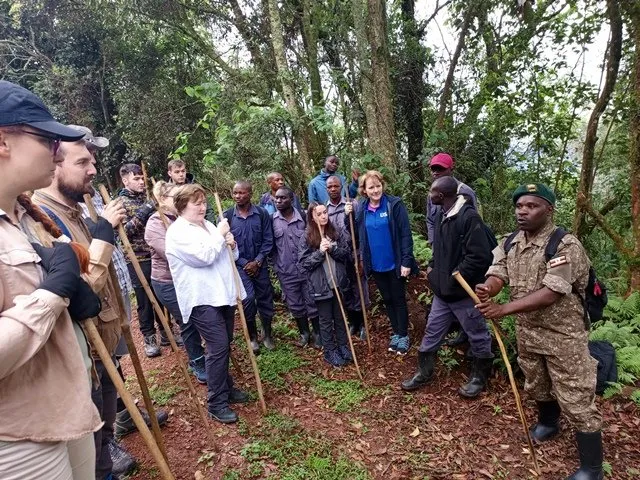
One of the most important Safety Tips for Gorilla Habituation Uganda begins before entering the forest. Every visitor must attend a detailed pre-trek briefing conducted by experienced Uganda Wildlife Authority rangers. During this session, participants learn about gorilla behavior, trekking procedures, emergency protocols, photography guidelines, environmental protection measures, and the correct way to behave when approaching a gorilla family.
The briefing also explains how to react in different situations, including what to do if a gorilla approaches closely or if a silverback displays natural dominance behaviors. Understanding these procedures before entering the rainforest greatly increases visitor confidence while ensuring everyone responds appropriately during the encounter.
Listening carefully to every instruction is essential because the guidance provided by park rangers is based on decades of conservation experience and scientific research.
Always Follow Your Ranger’s Instructions
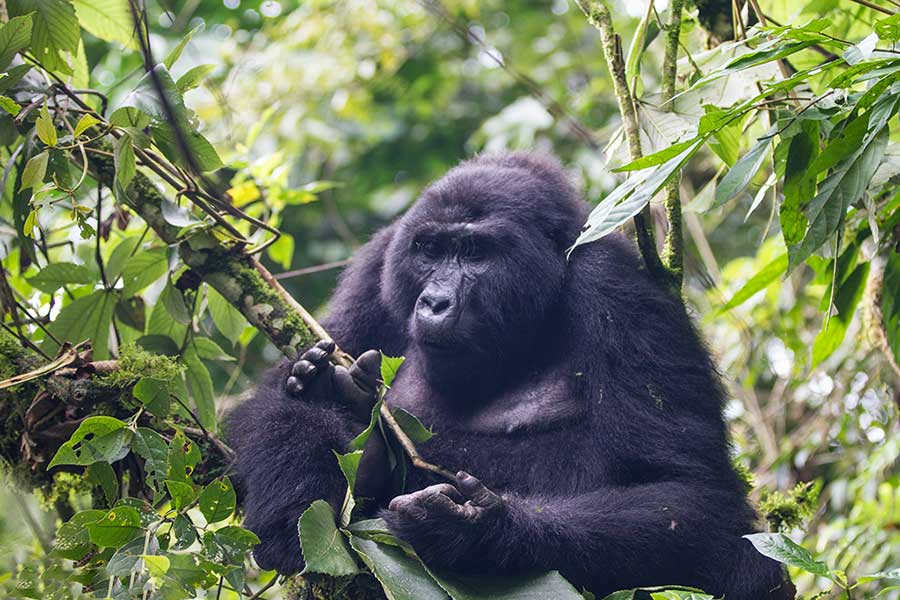
Among all Safety Tips for Gorilla Habituation Uganda, following ranger instructions is perhaps the most important. Rangers spend years training in mountain gorilla behavior, rainforest navigation, conservation management, and visitor safety. Throughout the trek they continually assess the environment, monitor gorilla movements, and determine the safest routes for visitors.
If a ranger asks the group to stop, remain quiet, move slowly, or change position, these instructions should be followed immediately without hesitation. Their decisions are always based on protecting both visitors and the gorillas.
The ranger’s expertise allows participants to enjoy close wildlife encounters while minimizing risks and maintaining respectful interactions with the gorilla family.
Maintain the Recommended Distance from the Gorillas
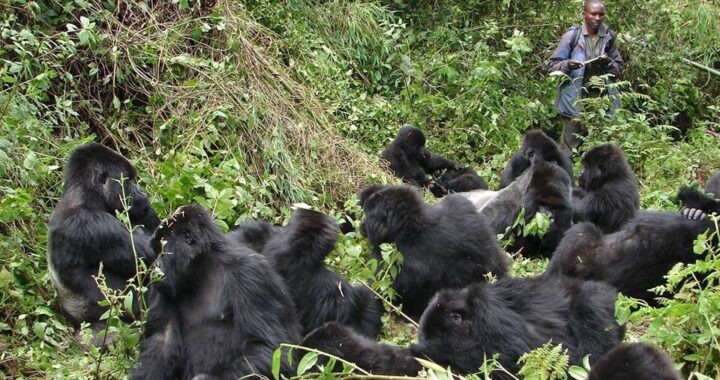
A fundamental aspect of Safety Tips for Gorilla Habituation Uganda is maintaining the recommended viewing distance of approximately seven meters from the gorillas whenever possible. This distance reduces the likelihood of transmitting human illnesses while allowing gorillas to continue behaving naturally.
Mountain gorillas share approximately ninety-eight percent of human DNA, making them highly susceptible to common human diseases such as influenza, colds, and respiratory infections. Even mild illnesses that seem insignificant to humans can have devastating consequences for gorilla populations.
Occasionally gorillas may voluntarily approach visitors during the habituation experience. If this happens, visitors should remain calm, avoid sudden movements, and allow the gorillas to decide the distance while following ranger instructions.
Never Visit the Gorillas If You Feel Sick
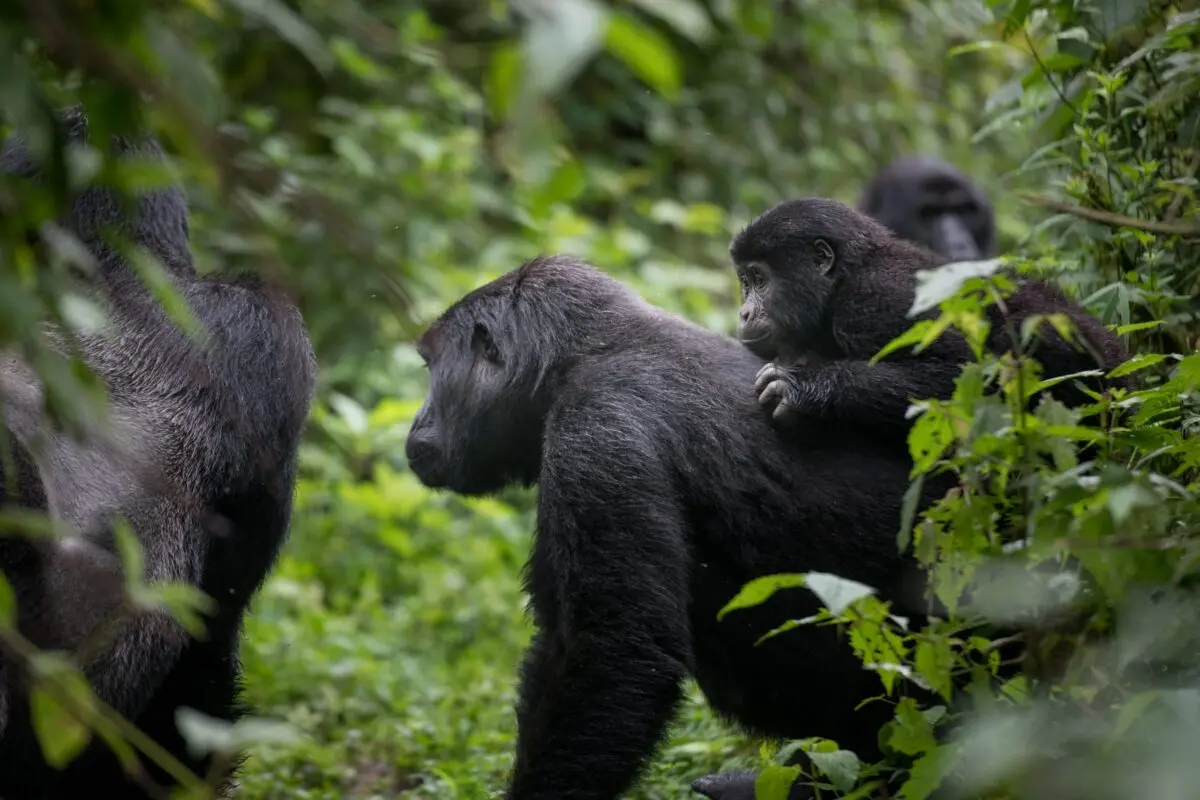
Protecting mountain gorillas begins with responsible visitor behavior. One of the most important Safety Tips for Gorilla Habituation Uganda is avoiding participation if you have symptoms of illness such as coughing, fever, sore throat, flu, or respiratory infections.
Because gorillas are highly vulnerable to diseases transmitted by humans, park authorities may deny participation to anyone showing signs of illness. While this may be disappointing, it is an essential conservation measure that helps safeguard endangered gorilla populations.
Travelers who feel unwell should inform their safari operator or park authorities immediately rather than risking disease transmission.
Move Calmly and Avoid Sudden Movements
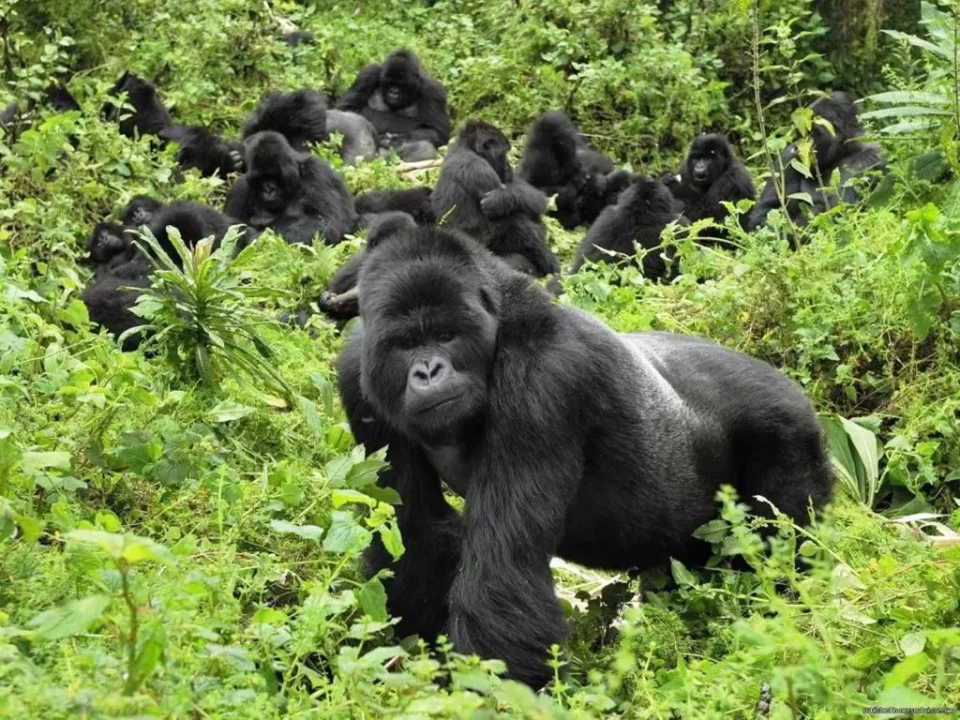
The gorilla habituation experience allows visitors to observe gorillas behaving naturally. One of the key Safety Tips for Gorilla Habituation Uganda is moving slowly and avoiding sudden gestures that could startle the animals.
Mountain gorillas are generally peaceful and tolerant when visitors behave respectfully. Sudden movements, loud noises, or running can create unnecessary stress and interfere with their normal behavior.
Remaining calm helps maintain a relaxed atmosphere, allowing researchers to continue observing the gorillas while providing visitors with exceptional photographic opportunities.
Wear Appropriate Clothing and Hiking Equipment
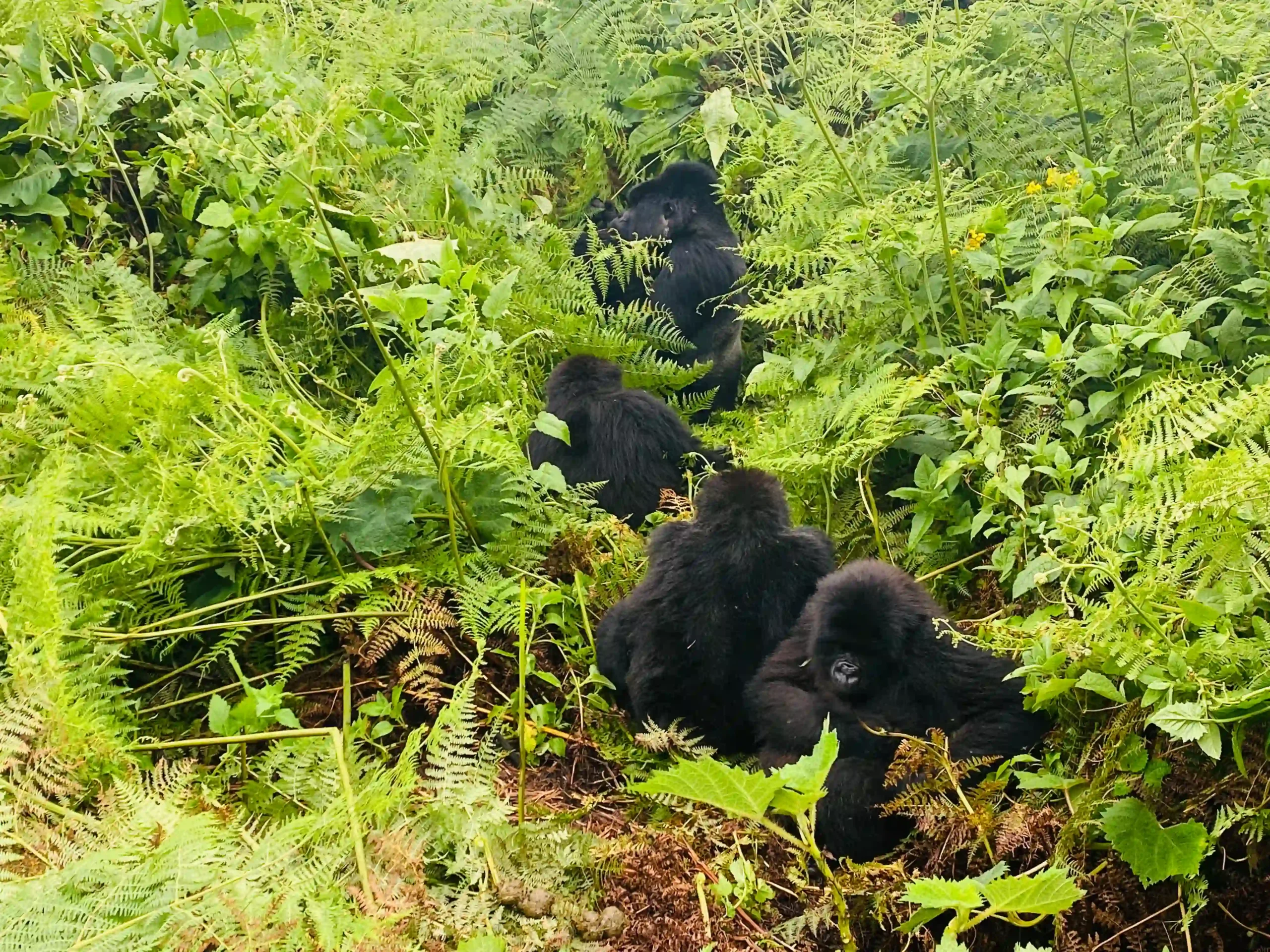
Proper clothing plays an important role in Safety Tips for Gorilla Habituation Uganda. Visitors should wear waterproof hiking boots with strong grip, long trousers, long-sleeved shirts, gardening gloves, and lightweight waterproof jackets suitable for rainforest conditions.
The forest contains thorny vegetation, insects, slippery mud, and uneven terrain. Appropriate clothing protects visitors while increasing comfort throughout the long trekking day.
Neutral-colored clothing is also recommended because bright colors may unnecessarily attract attention or disturb wildlife.
Stay Hydrated and Pace Yourself
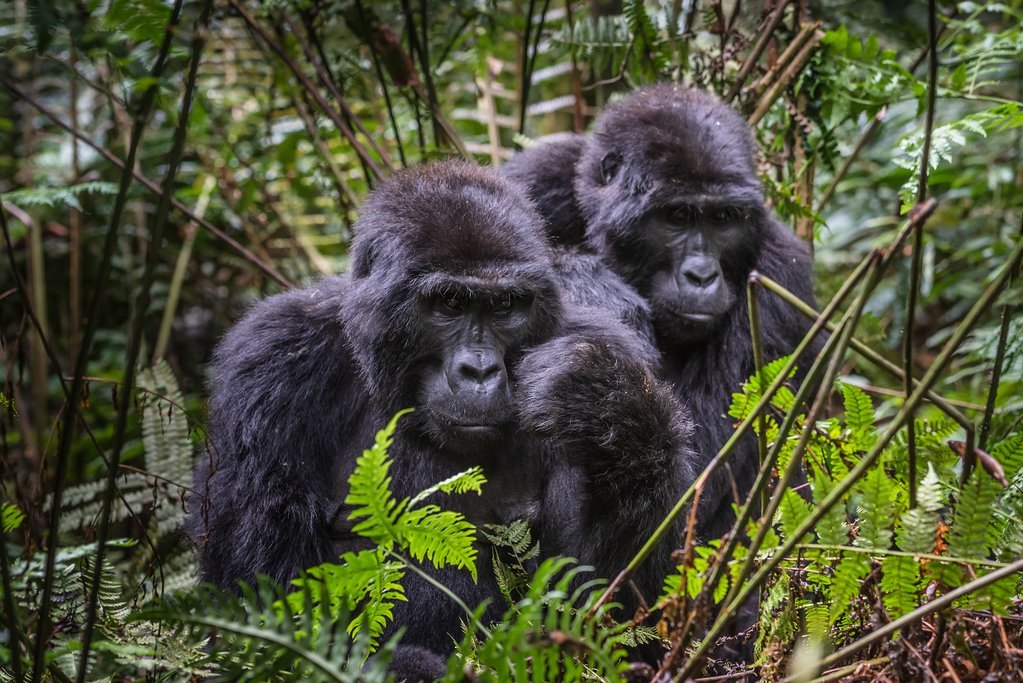
Gorilla habituation often involves several hours of hiking before spending four hours with the gorillas. One of the practical Safety Tips for Gorilla Habituation Uganda is maintaining proper hydration throughout the day.
Carrying enough drinking water helps prevent dehydration, especially during warm or humid conditions. Visitors should also maintain a comfortable walking pace and take advantage of rest breaks provided by the guides.
Conserving energy during the hike allows participants to fully appreciate the extended gorilla encounter without excessive fatigue.
Respect the Forest Environment
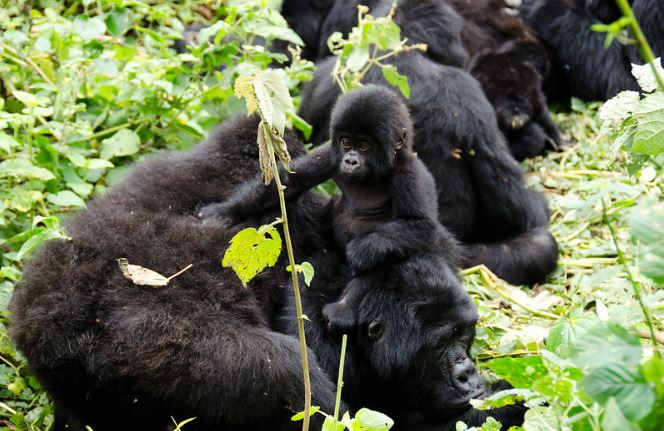
An important part of Safety Tips for Gorilla Habituation Uganda involves protecting Bwindi’s unique ecosystem. Visitors should never litter, damage vegetation, remove plants, or disturb wildlife encountered during the trek.
The rainforest supports hundreds of bird species, butterflies, mammals, reptiles, and countless plant species in addition to mountain gorillas. Responsible behavior helps preserve this biodiversity for future generations.
Respecting the environment also demonstrates appreciation for the conservation efforts that have made gorilla tourism one of Uganda’s greatest conservation success stories.
Photography Safety During Gorilla Habituation
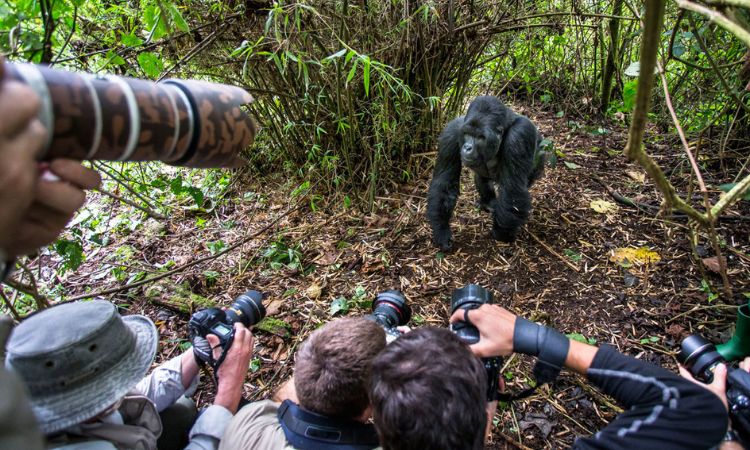
Photography is one of the highlights of gorilla habituation, but following Safety Tips for Gorilla Habituation Uganda ensures photographs are captured responsibly. Camera flash must never be used because it may startle or disturb the gorillas.
Visitors should prepare camera settings before approaching the gorillas to minimize unnecessary movement during the encounter. Silent camera modes are recommended whenever available.
Maintaining awareness of your surroundings while photographing helps prevent accidents on uneven terrain and ensures you remain attentive to ranger instructions.
Why Hiring a Porter Improves Safety
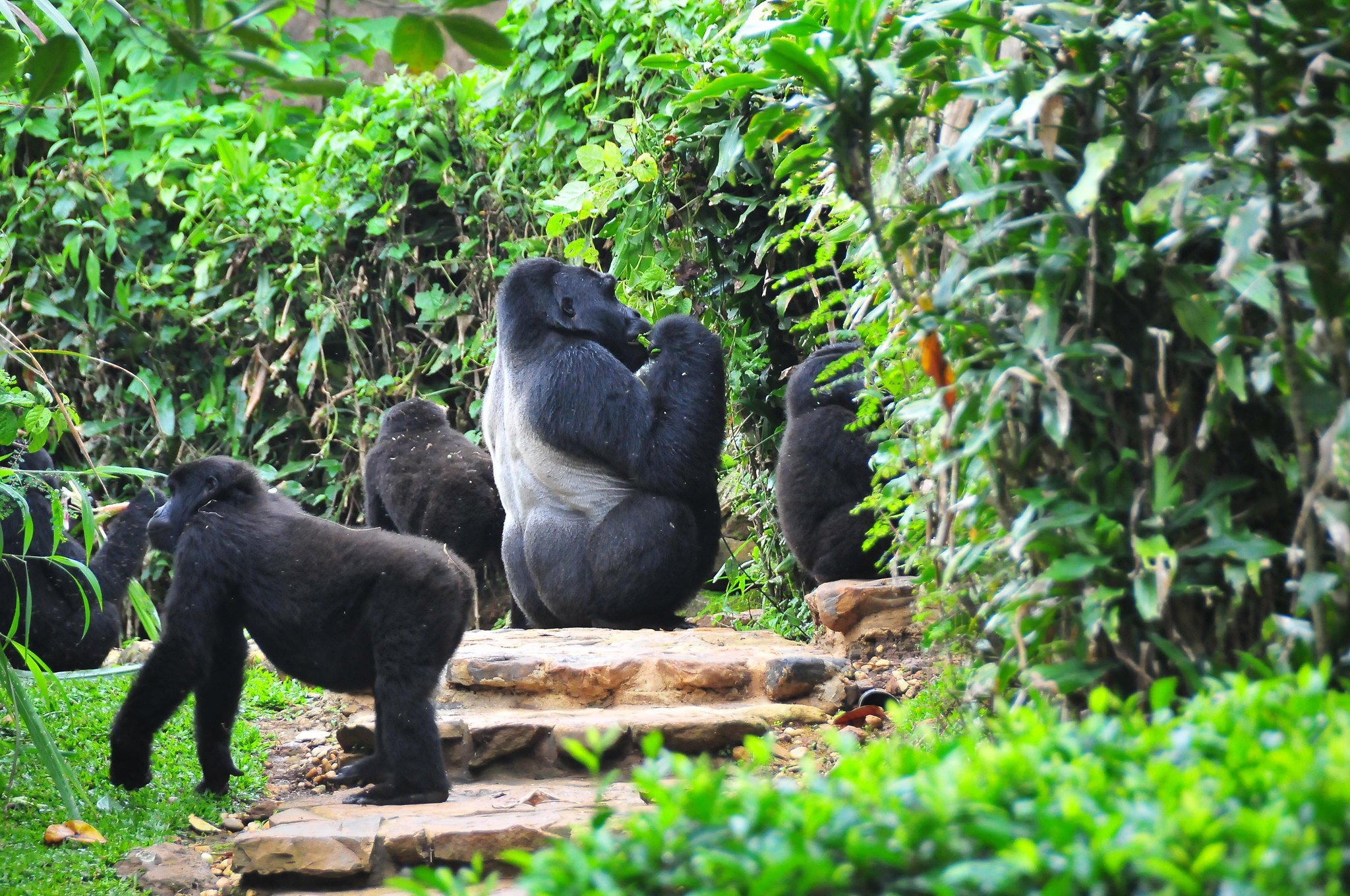
Hiring a porter is one of the smartest ways to follow Safety Tips for Gorilla Habituation Uganda. Porters carry backpacks, camera equipment, and personal belongings while assisting visitors across steep hills, muddy trails, and slippery forest paths.
Reducing the weight you carry improves balance, decreases fatigue, and lowers the risk of slips or falls. Porters also provide valuable physical support when navigating challenging sections of the rainforest.
Their assistance allows visitors to concentrate fully on enjoying the experience while remaining safe throughout the trek.
Emergency Preparedness During Gorilla Habituation
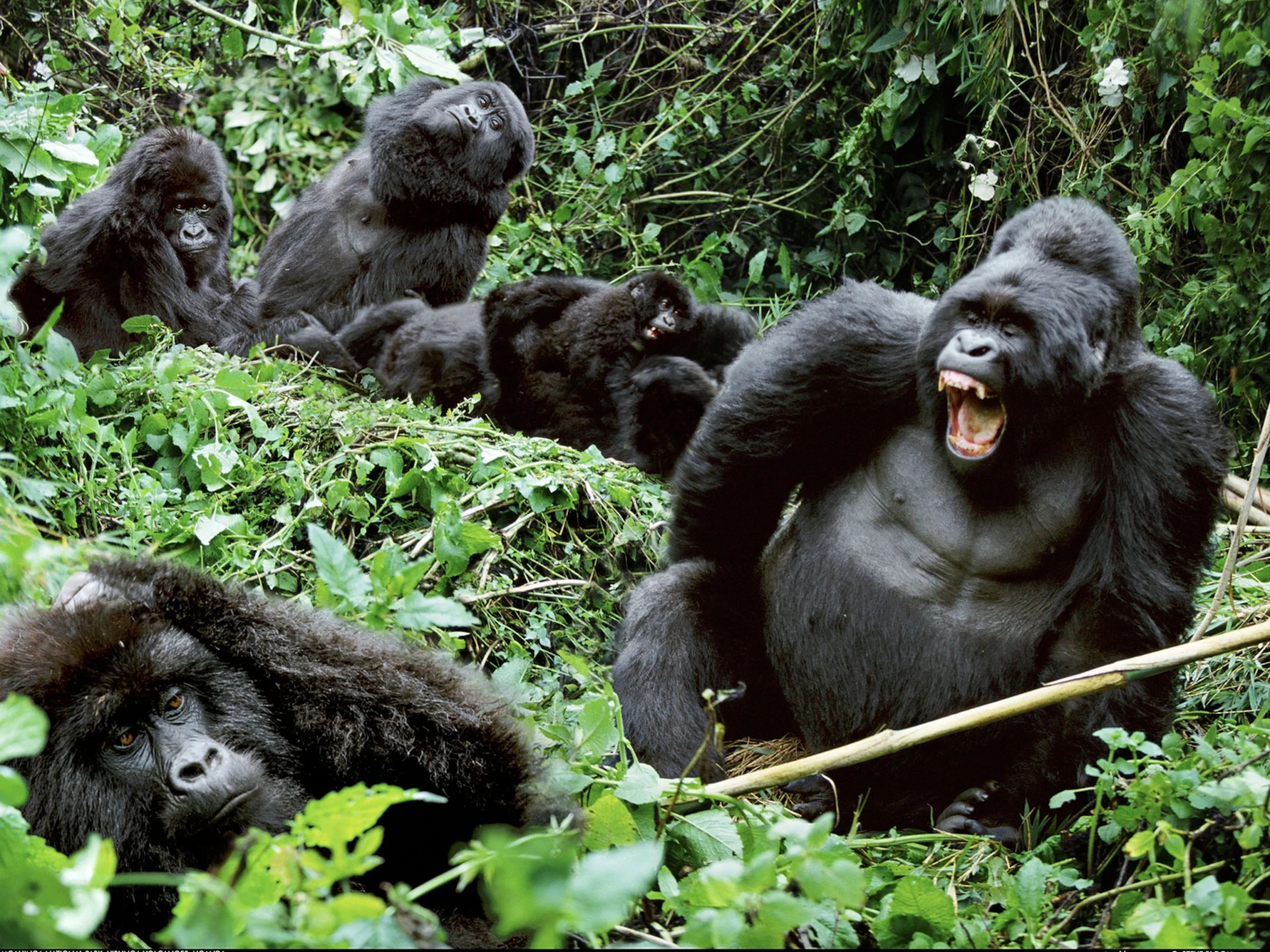
Although emergencies are extremely rare, Uganda Wildlife Authority has well-established safety procedures in place. Rangers carry communication equipment and are trained to respond effectively to medical situations, difficult terrain, changing weather conditions, and wildlife encounters.
Visitors should always inform their safari operator of any existing medical conditions before traveling. Carrying necessary medications, informing guides about allergies, and purchasing comprehensive travel insurance further enhance personal safety during the safari.
Preparation ensures that unexpected situations can be managed quickly and professionally without disrupting the overall experience.
Why Responsible Safety Practices Protect Conservation
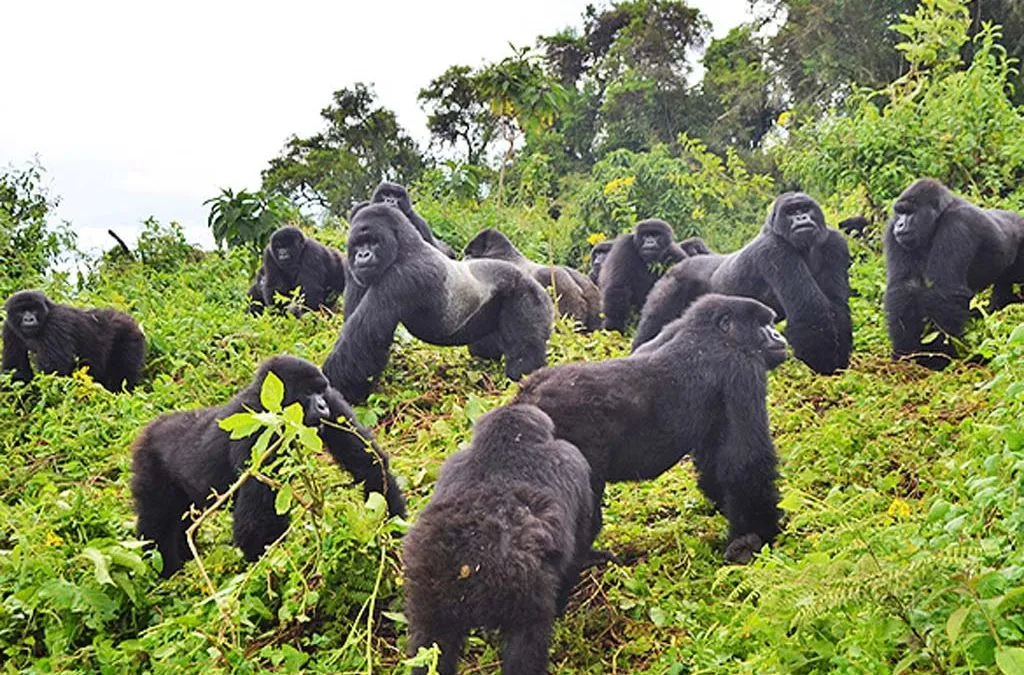
Following Safety Tips for Gorilla Habituation Uganda extends beyond personal well-being. Every responsible decision made by visitors contributes directly to mountain gorilla conservation.
Maintaining proper distances, avoiding illness, respecting ranger instructions, and protecting the rainforest environment all help preserve the fragile relationship between humans and these endangered primates. Responsible tourism generates funding for conservation while ensuring gorillas remain healthy and continue thriving in their natural habitat.
By respecting every safety guideline, visitors become active participants in one of Africa’s most successful conservation programs.
Frequently Asked Questions About Safety Tips for Gorilla Habituation Uganda
1. What are the most important Safety Tips for Gorilla Habituation Uganda?
The most important Safety Tips for Gorilla Habituation Uganda include listening carefully to your ranger, maintaining the recommended distance from the gorillas, avoiding sudden movements, remaining quiet during the encounter, and wearing suitable hiking clothing and boots. These guidelines are designed to protect both visitors and the mountain gorillas.
Following these safety measures allows researchers to continue the habituation process without unnecessary disturbance. Since mountain gorillas are still becoming accustomed to human presence, respectful behavior helps ensure they remain calm and continue behaving naturally.
By observing these guidelines throughout your safari, you contribute to conservation while enjoying one of the world’s most extraordinary wildlife experiences.
2. Why are Safety Tips for Gorilla Habituation Uganda so important?
Safety Tips for Gorilla Habituation Uganda protect visitors, rangers, researchers, and the endangered mountain gorillas. The gorillas are wild animals living in their natural environment, and although they are becoming familiar with people, they still require respect and careful interaction.
These safety measures also reduce the risk of disease transmission because gorillas share approximately 98% of human DNA and are vulnerable to many common human illnesses. Simple precautions help preserve the health of entire gorilla families.
Additionally, the rainforest environment contains steep slopes, muddy trails, and dense vegetation, making proper preparation essential for visitor safety.
3. Should I attend the ranger briefing before the trek?
Yes. One of the most essential Safety Tips for Gorilla Habituation Uganda is attending the mandatory briefing conducted by Uganda Wildlife Authority rangers before entering the forest.
During the briefing, visitors learn about gorilla behavior, trekking procedures, emergency protocols, photography rules, and how to respond if gorillas approach closely. The information provided prepares visitors for a safe and enjoyable experience.
Missing or ignoring the briefing can reduce your understanding of important conservation and safety procedures.
4. What should I do if a gorilla walks toward me?
If a gorilla approaches you during the habituation experience, remain calm and remember that this situation is covered by the official Safety Tips for Gorilla Habituation Uganda.
Do not run, shout, or make sudden movements. Stay still, avoid direct eye contact with the gorilla, and quietly follow your ranger’s instructions. In many cases, curious gorillas simply investigate visitors before moving away peacefully.
The experienced rangers carefully monitor every encounter and know exactly how to manage these situations safely.
5. How far should I stay from the gorillas?
One of the most important Safety Tips for Gorilla Habituation Uganda recommends maintaining a minimum distance of approximately seven meters from the gorillas whenever possible.
This distance helps reduce the risk of transmitting human diseases while allowing the gorillas to behave naturally. Although gorillas occasionally choose to move closer to visitors, guests should never intentionally approach them.
Respecting the recommended distance protects both wildlife and visitors.
6. Can I participate if I have a cold or flu?
No. Among the most critical Safety Tips for Gorilla Habituation Uganda is avoiding the trek if you are experiencing symptoms such as coughing, fever, sore throat, flu, or respiratory infections.
Mountain gorillas are highly susceptible to human illnesses, and even minor infections can seriously affect their health. Uganda Wildlife Authority may prevent anyone showing symptoms from participating.
Protecting gorilla health is always the highest priority.
7. What should I wear for a safe gorilla habituation experience?
Following Safety Tips for Gorilla Habituation Uganda begins with wearing suitable clothing. Visitors should wear waterproof hiking boots, long trousers, long-sleeved shirts, gardening gloves, and a lightweight waterproof jacket.
These items protect against insects, thorny vegetation, muddy trails, and changing mountain weather. Neutral-colored clothing is recommended because it blends naturally into the forest environment.
Proper clothing significantly improves both safety and comfort throughout the trek.
8. Are mountain gorillas dangerous?
Mountain gorillas are generally peaceful animals, especially when visitors follow all Safety Tips for Gorilla Habituation Uganda. They are naturally calm and spend most of their day feeding, resting, and interacting with family members.
Problems rarely occur because experienced rangers carefully monitor gorilla behavior and guide visitors appropriately. Respecting gorillas, remaining quiet, and following ranger instructions help maintain a peaceful encounter.
The gorilla habituation experience has an excellent safety record due to these strict procedures.
9. Why should I follow the ranger’s instructions?
Rangers are highly trained professionals with extensive experience managing gorilla encounters. One of the key Safety Tips for Gorilla Habituation Uganda is following every instruction they provide throughout the trek.
Their decisions are based on gorilla behavior, visitor safety, weather conditions, and conservation requirements. They understand when to stop, move, remain silent, or adjust positions to ensure everyone stays safe.
Trusting the ranger’s expertise is essential throughout the experience.
10. Can I use flash photography?
No. Flash photography is prohibited under the official Safety Tips for Gorilla Habituation Uganda because bright flashes may disturb or startle the gorillas.
Visitors should prepare their camera settings before reaching the gorillas and use natural lighting throughout the encounter. Modern cameras perform very well in rainforest conditions without flash.
Respectful photography helps maintain a relaxed environment for both gorillas and researchers.
11. Why is silence important during gorilla habituation?
Maintaining a quiet environment is one of the fundamental Safety Tips for Gorilla Habituation Uganda. Loud conversations, shouting, or unnecessary noise may disturb the gorillas and interrupt their natural behavior.
The purpose of habituation is to allow gorillas to gradually become comfortable with human presence while continuing their normal daily activities. Quiet visitors contribute positively to this conservation process.
Silence also enhances the overall experience by allowing everyone to appreciate the sounds of the rainforest.
12. Is hiring a porter recommended for safety?
Yes. Hiring a porter is strongly encouraged as part of Safety Tips for Gorilla Habituation Uganda because they help visitors navigate difficult terrain safely.
Porters carry heavy backpacks, assist with balance on muddy slopes, and provide physical support during steep climbs and descents. Their assistance reduces fatigue and lowers the risk of slips and falls.
Supporting local porters also contributes directly to conservation and community development.
13. What should I do if I become tired during the trek?
One of the practical Safety Tips for Gorilla Habituation Uganda is to communicate openly with your ranger if you begin feeling tired. The trek is not a race, and regular rest breaks are provided whenever necessary.
Walking at a steady pace, staying hydrated, and allowing yourself time to recover help ensure you complete the trek comfortably.
Experienced guides always prioritize visitor safety over speed.
14. Is gorilla habituation safe for older travelers?
Yes. Many older visitors successfully participate by following Safety Tips for Gorilla Habituation Uganda and preparing appropriately before the safari.
Hiring a porter, maintaining a comfortable walking pace, and informing guides about any health concerns greatly improve the experience. Visitors with limited mobility can discuss available assistance with their safari operator before traveling.
Good preparation makes the experience accessible to many age groups.
15. What happens if it rains during gorilla habituation?
Rain is common in Bwindi, so Safety Tips for Gorilla Habituation Uganda recommend carrying waterproof clothing and wearing boots with strong grip.
The trek normally continues during light or moderate rainfall because mountain gorillas remain active regardless of weather conditions. Visitors should simply walk more carefully and follow ranger guidance on slippery trails.
Rain often creates beautiful rainforest scenery while adding to the adventure.
16. How can I prepare physically before the trek?
Preparing physically is an important part of Safety Tips for Gorilla Habituation Uganda. Walking regularly, climbing stairs, hiking local trails, or cycling several weeks before your safari helps improve endurance.
Comfortable fitness preparation reduces fatigue during the long trekking day and allows visitors to fully enjoy the four-hour gorilla encounter.
Wearing your hiking boots before traveling also helps prevent blisters.
17. Why shouldn’t I touch the gorillas?
Touching gorillas is strictly prohibited under Safety Tips for Gorilla Habituation Uganda. Physical contact increases the risk of disease transmission between humans and gorillas while also disrupting their natural behavior.
Even if a curious gorilla approaches closely, visitors should remain still and allow the animal to move freely without attempting interaction.
Respecting this rule is essential for successful conservation.
18. Can children participate in gorilla habituation?
No. According to Uganda Wildlife Authority regulations and Safety Tips for Gorilla Habituation Uganda, participants must be at least 15 years old.
The activity involves long hours of hiking, challenging terrain, and mature behavior around wild gorillas. The age restriction protects both children and the gorillas.
Families with younger children can enjoy many other wildlife experiences elsewhere in Uganda.
19. What should I pack to stay safe during gorilla habituation?
Packing appropriately forms an important part of Safety Tips for Gorilla Habituation Uganda. Visitors should bring waterproof clothing, hiking boots, gloves, drinking water, snacks, insect repellent, sunscreen, a camera, binoculars, and personal medications.
A small backpack and walking stick also improve comfort during the trek. Hiring a porter allows most of this equipment to be carried without increasing physical strain.
Good preparation contributes significantly to a successful safari.
20. How do Safety Tips for Gorilla Habituation Uganda help protect conservation?
Following Safety Tips for Gorilla Habituation Uganda protects endangered mountain gorillas while supporting long-term conservation efforts. Respecting viewing distances, avoiding visits when sick, remaining quiet, following ranger instructions, and protecting the rainforest all contribute to the wellbeing of gorilla families.
Responsible visitor behavior also helps researchers continue the habituation process successfully, generating tourism revenue that supports conservation, scientific research, and surrounding communities.
By following every safety recommendation, visitors become active partners in preserving one of the world’s most remarkable wildlife species while enjoying an unforgettable gorilla habituation experience in Uganda.
Book Your Safe Gorilla Habituation Adventure in Uganda
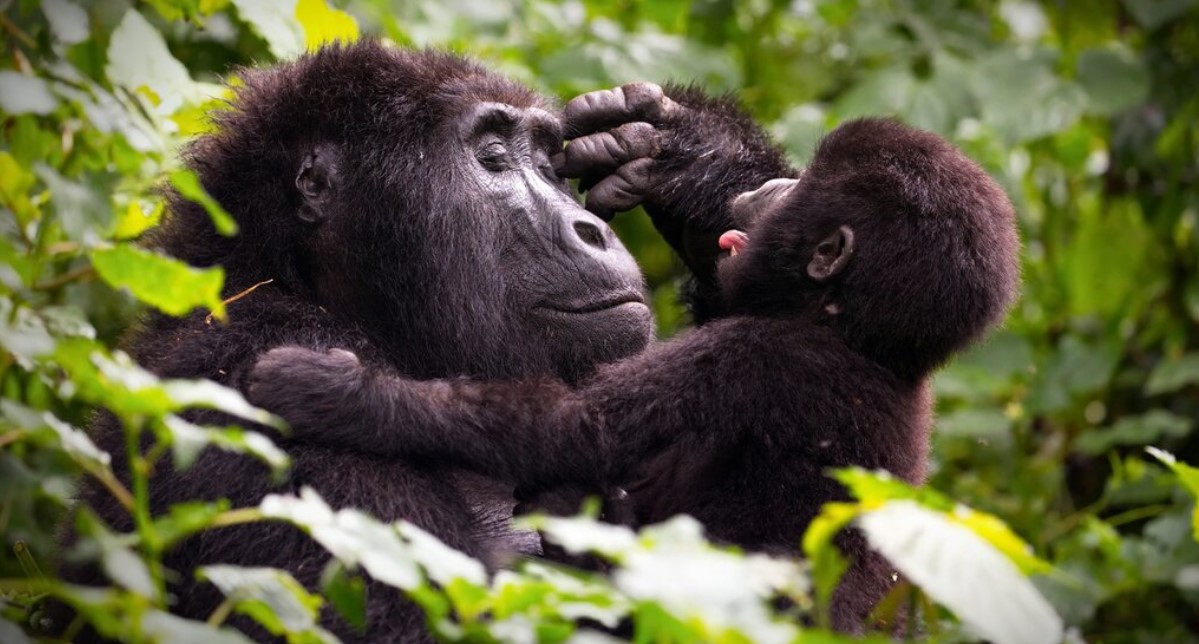
Planning a gorilla habituation safari involves much more than securing a permit. It requires expert guidance, careful preparation, and a clear understanding of Safety Tips for Gorilla Habituation Uganda before entering the rainforest. Choosing an experienced safari company ensures every aspect of your journey is professionally organized, allowing you to enjoy this once-in-a-lifetime experience with complete confidence.
Our safari specialists assist with gorilla habituation permits, accommodation reservations, airport transfers, private transportation, domestic flights, porter arrangements, and detailed pre-departure information covering fitness preparation, packing lists, weather expectations, and all essential Safety Tips for Gorilla Habituation Uganda. We ensure every traveler arrives fully prepared to enjoy a safe, comfortable, and unforgettable encounter with mountain gorillas.
Whether you are traveling alone, as a couple, with family, or as part of a photography expedition, we create personalized itineraries tailored to your travel style, fitness level, and interests. Our experienced team remains available to answer every question before your safari, helping you understand exactly what to expect throughout the gorilla habituation experience.
Contact us today to begin planning your gorilla habituation adventure in Bwindi Impenetrable National Park. With expert planning, professional guidance, and a thorough understanding of Safety Tips for Gorilla Habituation Uganda, you can experience one of Africa’s greatest wildlife encounters while contributing directly to the conservation of the world’s endangered mountain gorillas.