Language


Bwindi Impenetrable National Park
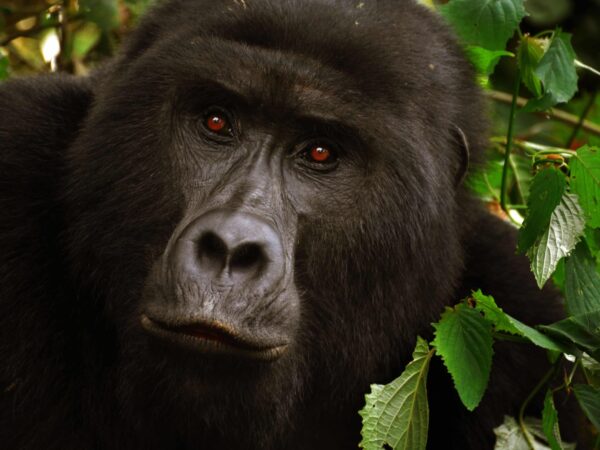
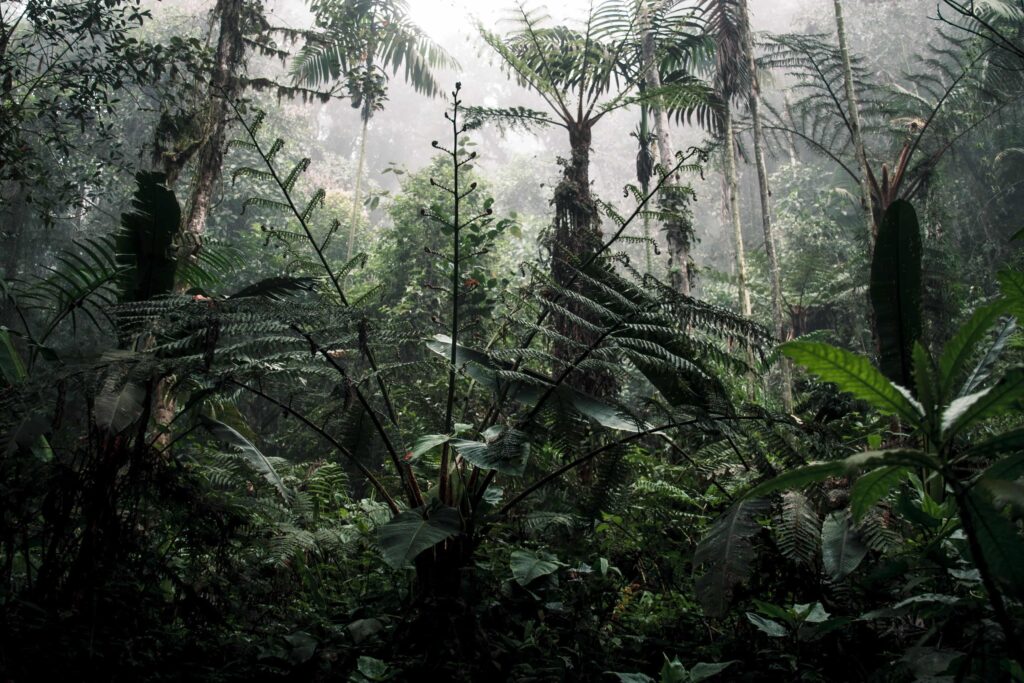
Bwindi Impenetrable National Park. is the Home for Gorilla Habituation giving you the chance to spend 4 hours in the company of the Mountain Gorillas in Uganda. You’ll trek into the forest alongside park rangers – blazing a trail through the wilder sides of the forest – in search for gorilla families.
Overview
About Bwindi National Park
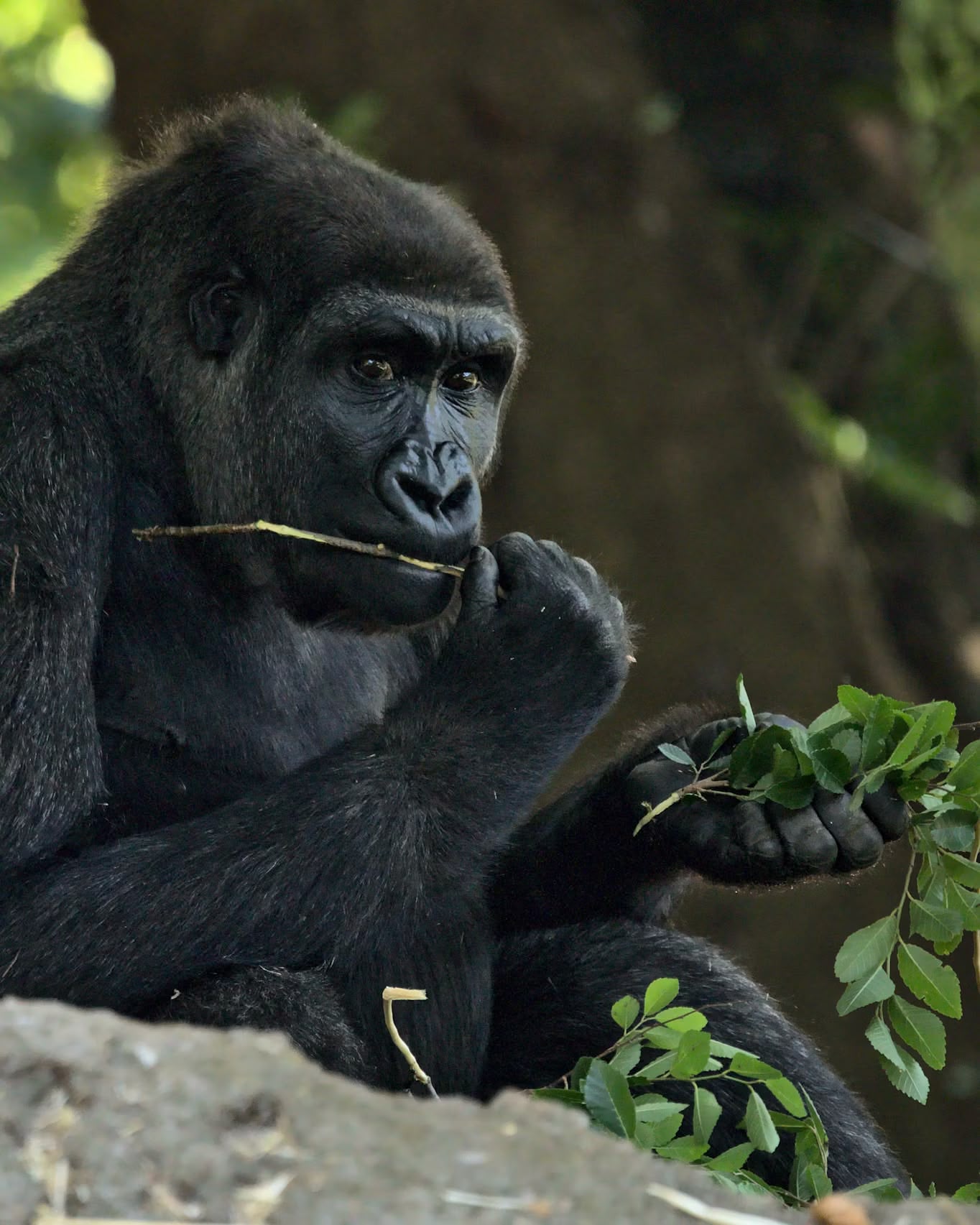
Bwindi is best known as the home of the endangered mountain gorilla. Yet the real magic isn’t simply seeing a gorilla—it’s the journey to find one. Trekking through tangled vines, crossing small streams, and following experienced trackers through the dense forest creates a sense of anticipation that few wildlife experiences can match.
Things to Do While At Bwindi National Park
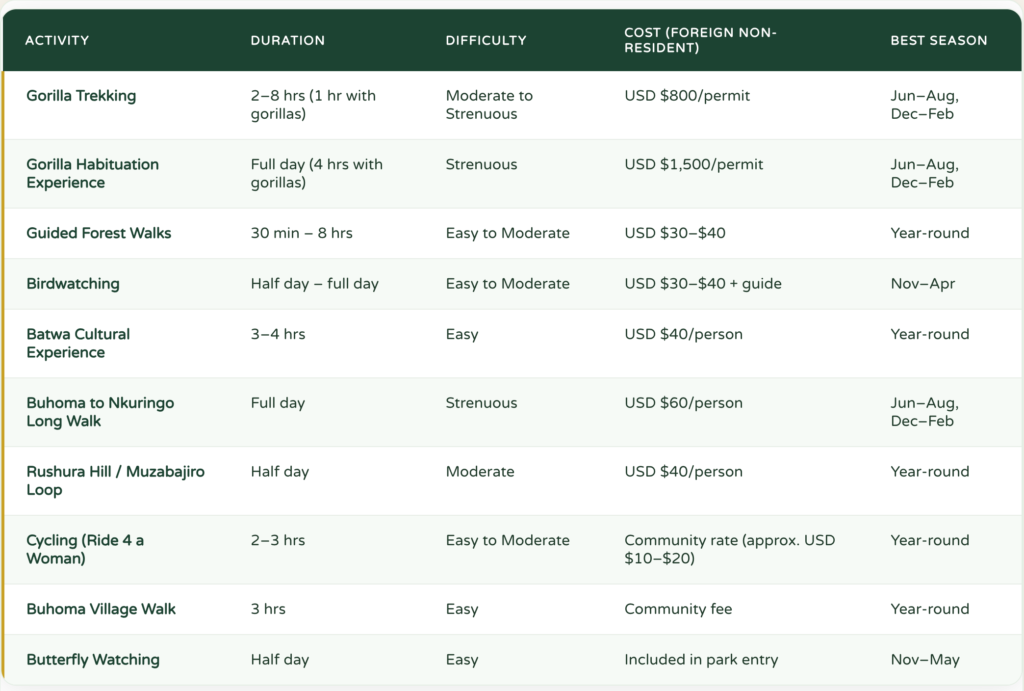
There are many variations of activities you can do while visiting Bwindi Impenetrable national Park
Gorilla Habituation
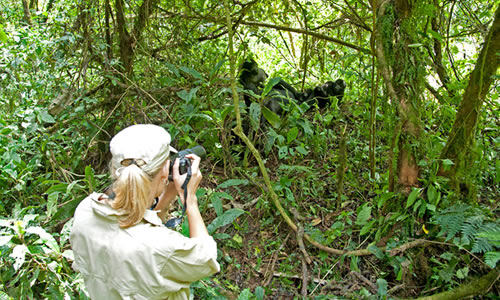
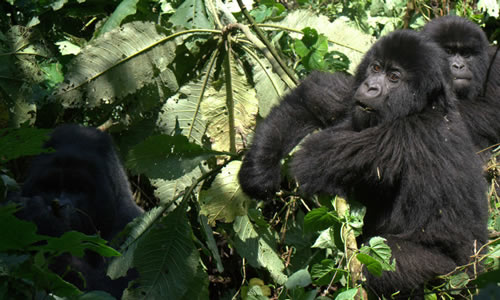
Spend four unforgettable hours with a wild gorilla family and witness the incredible process of habituation. Accompanied by researchers and expert trackers, you’ll venture deep into Bwindi’s rainforest and observe gorillas as they feed, play, and interact in their natural habitat. It’s a rare opportunity to go beyond a simple encounter and experience a deeper connection with these remarkable primates.
Batwa Cultural Experience
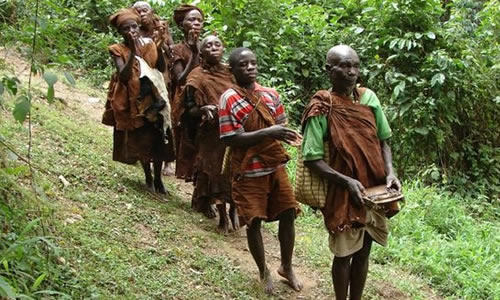
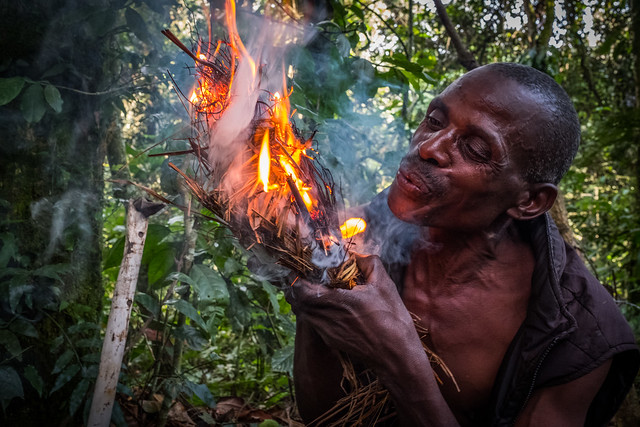
Discover the rich heritage of the Batwa people, the original inhabitants of Bwindi Forest. Through storytelling, music, dance, and traditional demonstrations, you’ll gain insight into a unique way of life shaped by generations of living in harmony with the rainforest. It’s a meaningful cultural journey that brings the history of Bwindi to life.
Gorilla
Trekking
Gorilla Trekking
Follow experienced trackers through the dense rainforest in search of one of Bwindi’s famous mountain gorilla families. Every step builds anticipation until you come face to face with these gentle giants in the wild. Few wildlife experiences are as powerful, humbling, and unforgettable as spending time with mountain gorillas in their natural home.
Guided Forest Walks
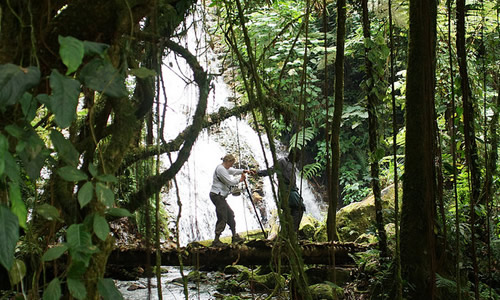
Slow down and experience Bwindi beyond the gorillas. Guided forest walks take you along scenic trails where you’ll discover colourful birds, unique plant life, hidden forest secrets, and breathtaking views. Led by knowledgeable local guides, this peaceful adventure offers a deeper appreciation of one of Africa’s most remarkable rainforests.
Things to See at Bwindi Impenetrable National Park
There are different attractions in Bwindi Impenetrable National Park. From the rare mountain gorillas to endangered chimpanzees, scenic water falls and more. Here are the top things to see during your trip to Bwindi National Park;
Mountain Gorillas
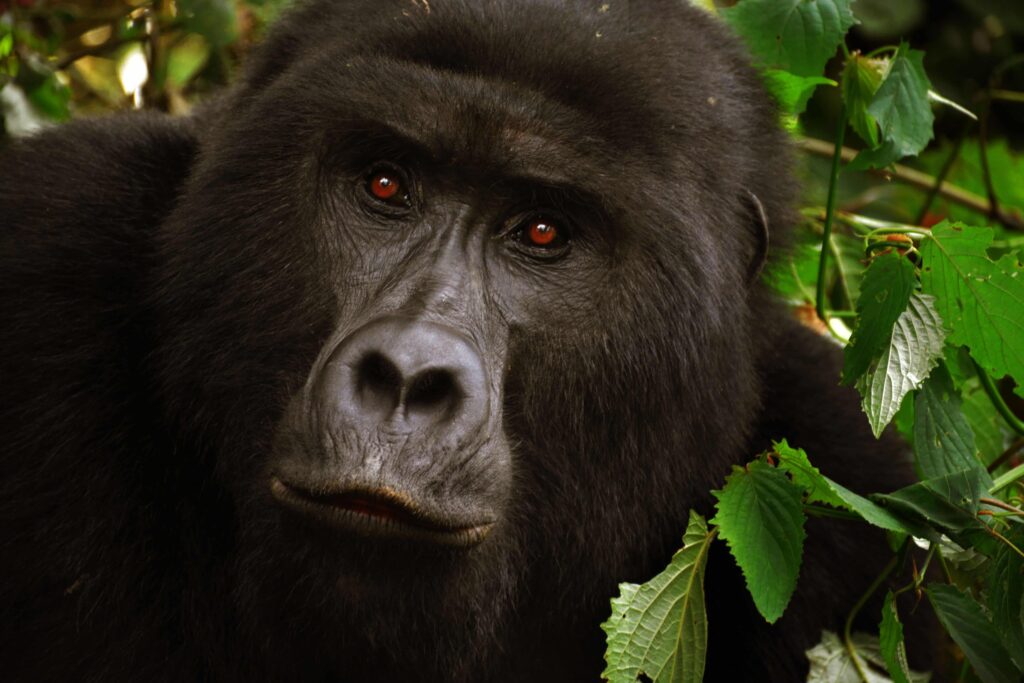
The dense rain forest of Bwindi hosts the largest population of the mountain gorillas. It hosts almost half of the world’s population of mountain gorillas.
Chimpanzees
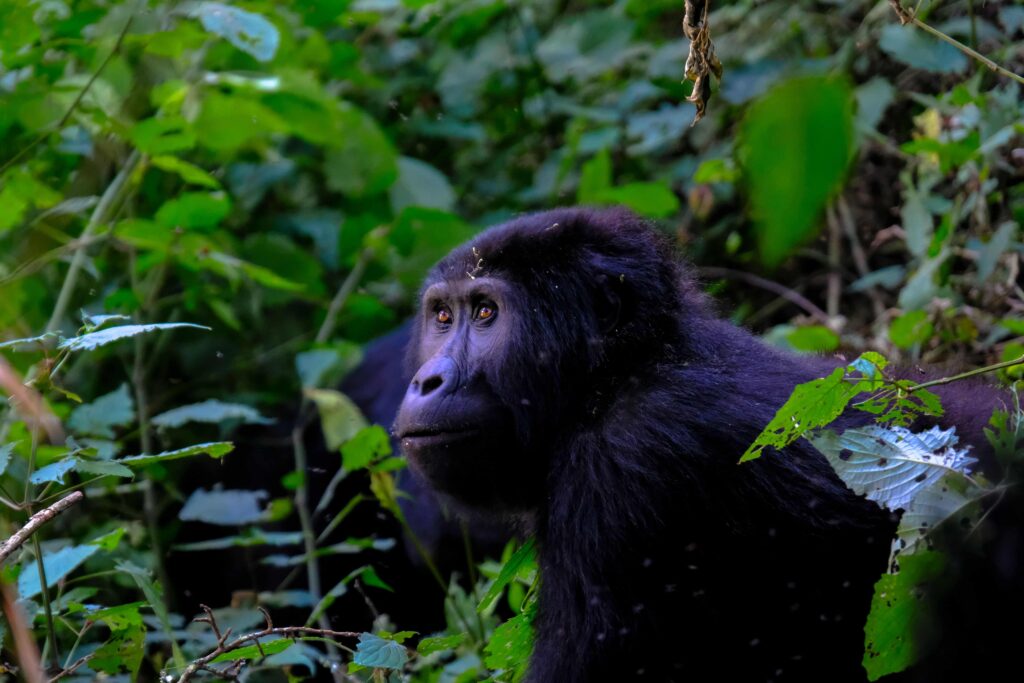
There is a thriving population of chimpanzees in Bwindi Forest. Though these apes have not yet been habituated for tourism, there are chances to encounter them on a gorilla trek.
Birds of Bwindi
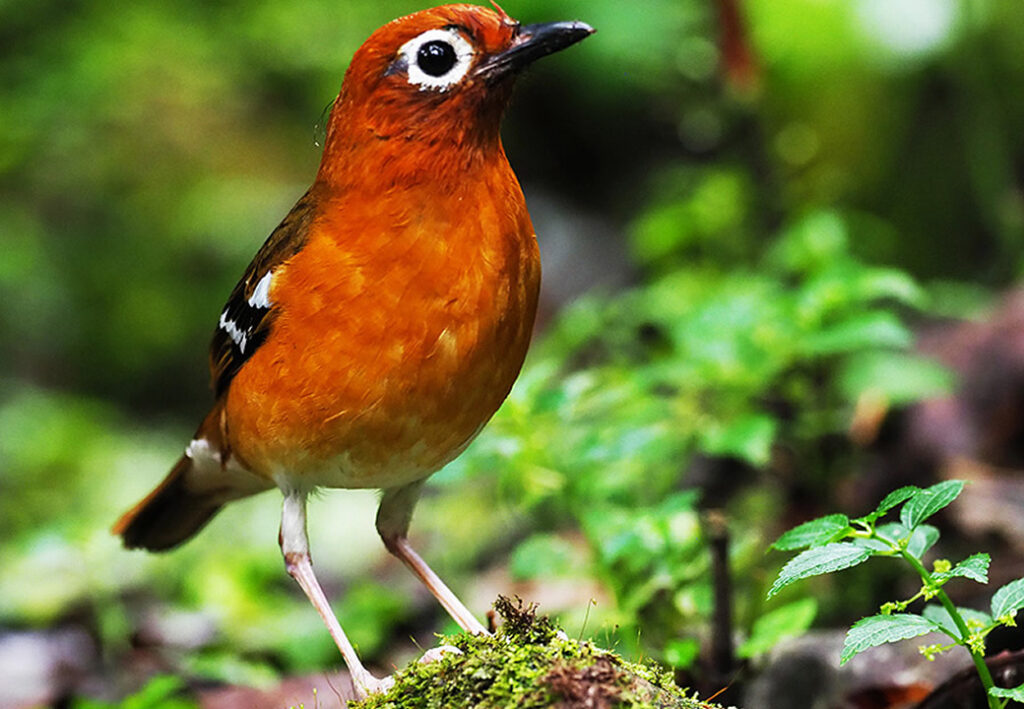
There is an impressive list of over 350 species found in Bwindi Forest. These include localised birds that you cannot find elsewhere in Uganda.
Best Gorilla Habituation Offers for 2026/2030
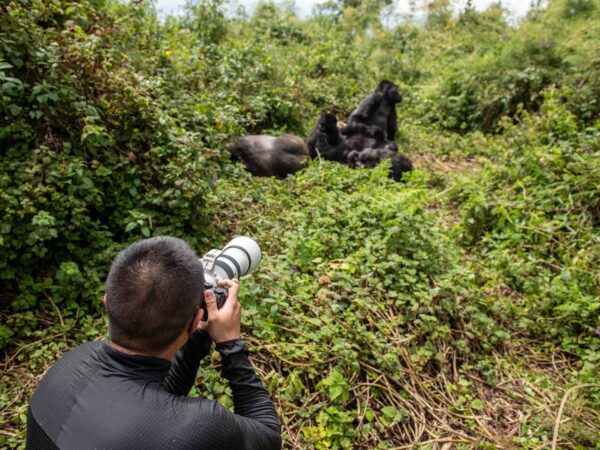
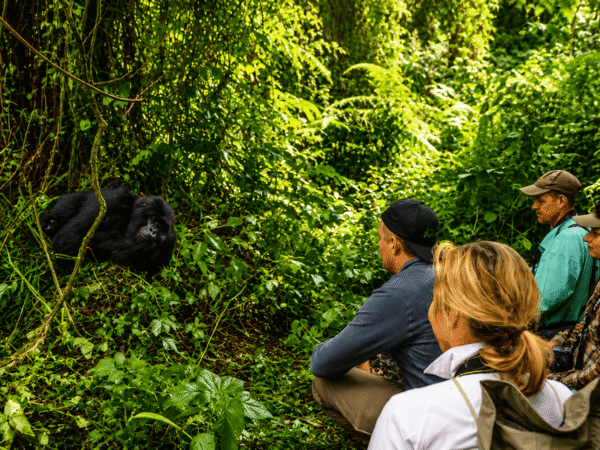
Plan your next Gorilla Habituation
Plan your trip in minutes and enjoy every moment of your desert escape.
FAQs
Frequently Asked Questions
Everything you need to know before Gorilla Habituation in Bwindi Impenetrable Forest.
How do I get to Bwindi Impenetrable National Park from Kampala?
Bwindi is approximately 550 km from Kampala — an 8–9 hour drive via Masaka and Kabale, or 8 hours via Mbarara. A 4WD vehicle is recommended, especially in rainy months. Faster options include charter flights from Entebbe or Kajjansi to Kisoro or Kihihi airstrips (approx. 1.5 hours), followed by a 30–60 minute road transfer to your lodge.
How many gorilla families are available for trekking?
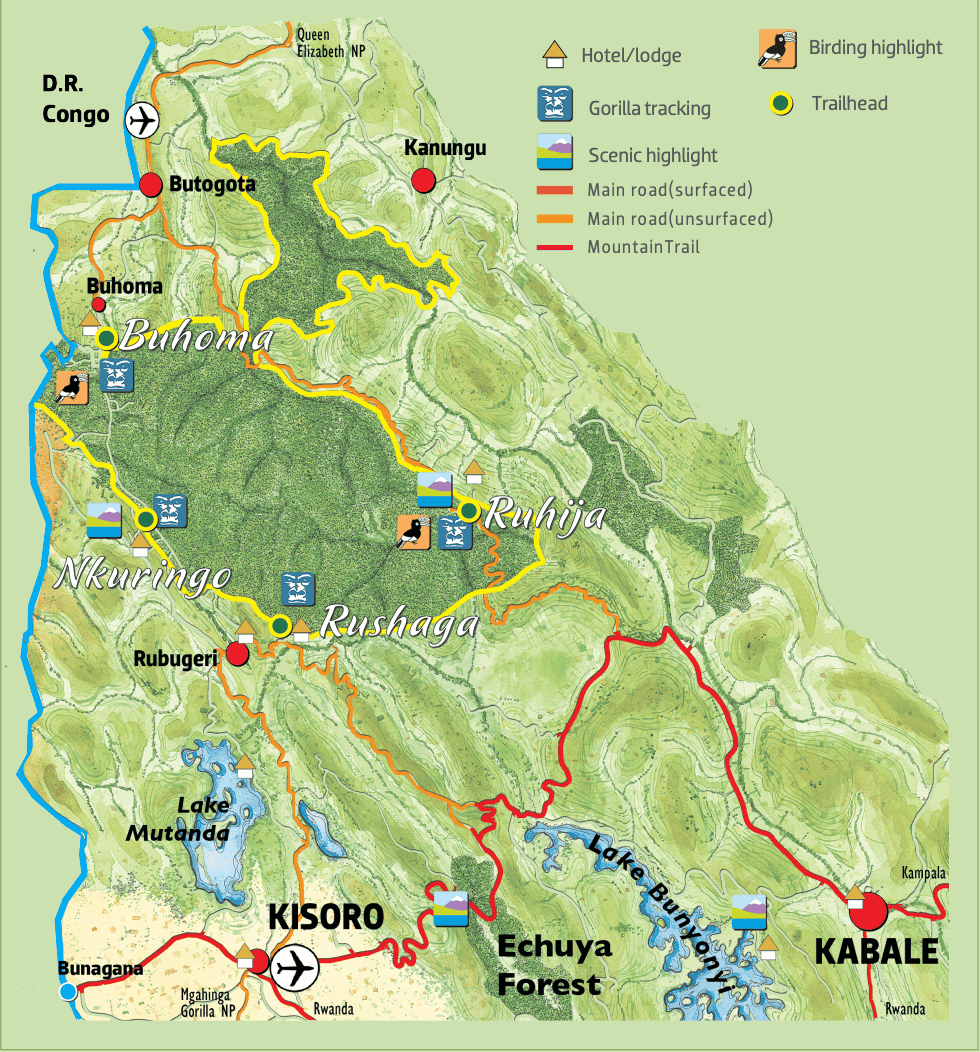
Bwindi has over 20 habituated gorilla families open to trekking — more than anywhere else in the world. They are spread across four sectors: Buhoma, Ruhija, Rushaga, and Nkuringo, each with a different landscape and atmosphere. A maximum of 8 visitors per family per day is strictly enforced to minimise stress on the animals and protect their health.
What is the Gorilla Habituation Experience?
The Habituation Experience (GHEX) costs $1,500 USD per person and is only available in the Rushaga sector. Unlike standard trekking, it involves spending up to 4 hours with a semi-habituated gorilla family alongside researchers, as they document the gorillas’ daily movements and behaviours. Only 4 visitors per day are permitted, making it an extraordinarily intimate and raw encounter.
When is the best time to go gorilla trekking in Bwindi?
The dry seasons (June–August and December–February) are ideal — trails are less muddy, the forest is easier to navigate, and morning light makes for better photography. That said, gorilla trekking operates year-round and the wet months offer fewer crowds and lush, dramatic scenery. The forest’s high altitude means temperatures remain cool throughout the year.
Ready to Start Your Next
Gorilla Habituation Safaris?
Browse through our destioations and find the perfect safari for your loved ones