

The Ultimate Gorilla Habituation Uganda 2026–2030 Guide: Plan the Adventure of a Lifetime
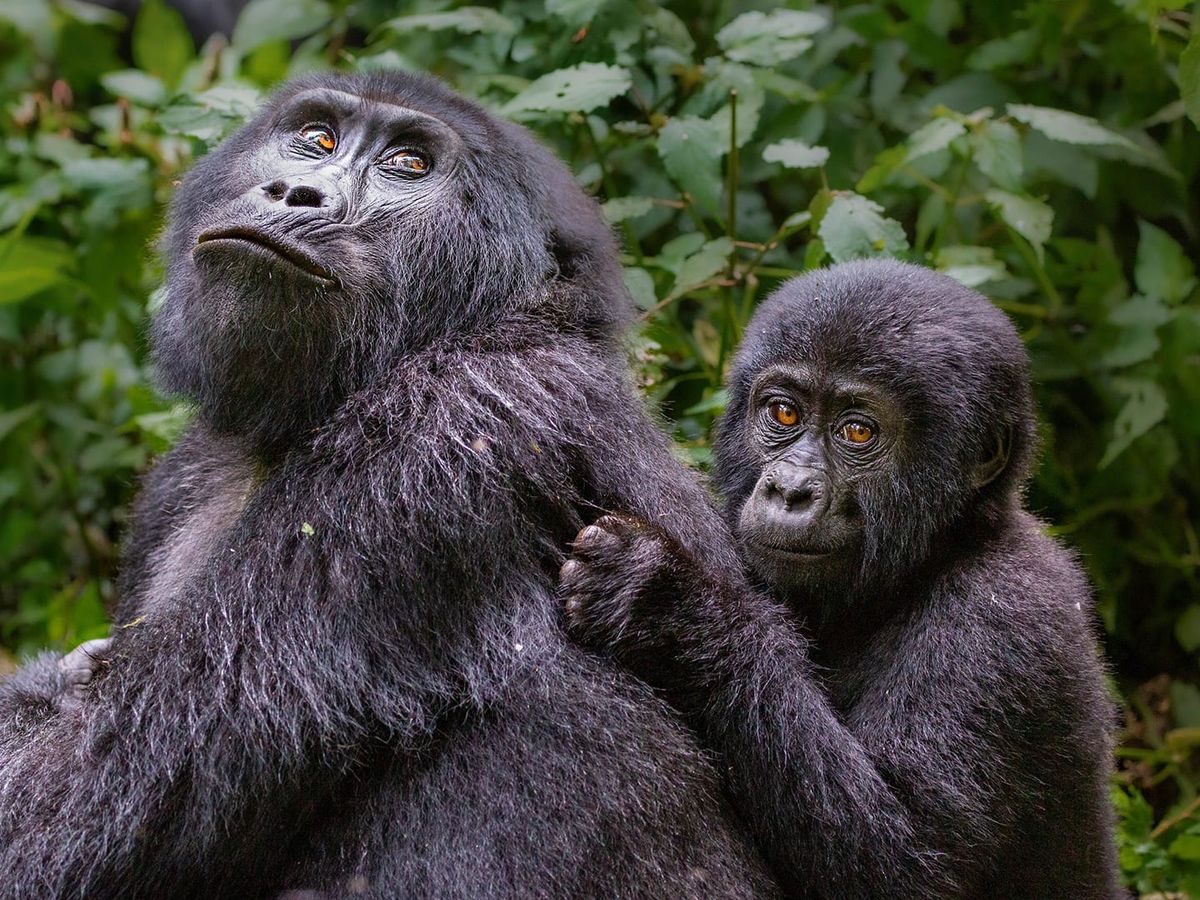
The Gorilla Habituation Uganda 2026–2030 Guide is your complete resource for planning one of Africa’s most exclusive and unforgettable wildlife experiences. Between 2026 and 2030, Uganda is expected to remain the only destination in the world where travelers can legally participate in the extraordinary Gorilla Habituation Experience, an activity that allows visitors to spend up to four hours with a semi-habituated mountain gorilla family while accompanying experienced Uganda Wildlife Authority rangers, researchers, trackers, and conservationists.
Unlike traditional gorilla trekking, where visitors spend only one hour observing a fully habituated gorilla family, the Gorilla Habituation Experience provides an immersive conservation journey. Participants witness the daily work involved in gradually introducing wild gorillas to carefully managed human presence while learning about mountain gorilla behavior, ecology, family dynamics, health monitoring, and long-term conservation.
This Gorilla Habituation Uganda 2026–2030 Guide explains everything travelers need to know for planning a successful safari during the 2026–2030 travel period. From permits and costs to accommodation, travel routes, conservation, photography, fitness requirements, health regulations, and booking advice, this guide provides comprehensive information to help you prepare for one of the world’s greatest wildlife adventures.
What is the Gorilla Habituation Experience?
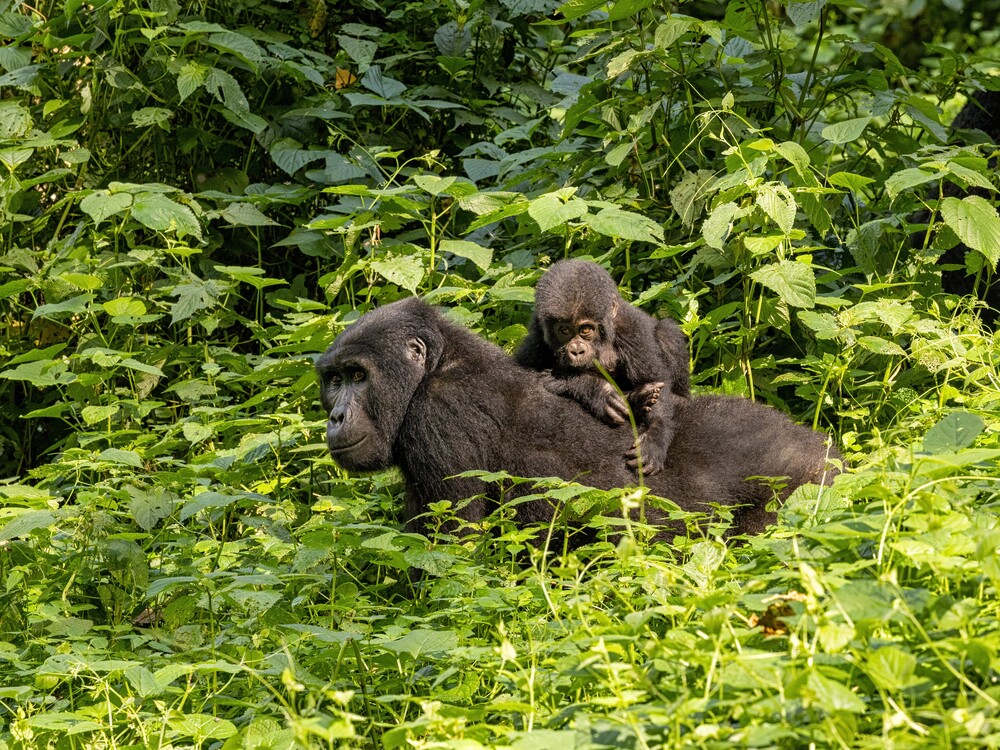
The Gorilla Habituation Experience is a conservation-based wildlife activity that gives visitors the rare opportunity to accompany scientists and Uganda Wildlife Authority teams as they continue the final stages of habituating a wild mountain gorilla family. Habituation is a slow and carefully controlled scientific process that helps gorillas gradually become accustomed to the presence of researchers without changing their natural behavior or making them dependent on humans.
The process generally takes between two and three years. During this period, researchers spend time with the gorillas almost every day, slowly reducing the animals’ fear while carefully monitoring their health, movement, feeding habits, social relationships, breeding behavior, and responses to human presence.
The Gorilla Habituation Uganda 2026–2030 Guide emphasizes that habituation is not domestication. Mountain gorillas remain entirely wild throughout the process. Visitors simply gain a unique opportunity to observe conservation work while enjoying one of the most authentic wildlife encounters available anywhere in the world.
Why Uganda Will Remain the Leading Destination for Gorilla Habituation Between 2026 and 2030
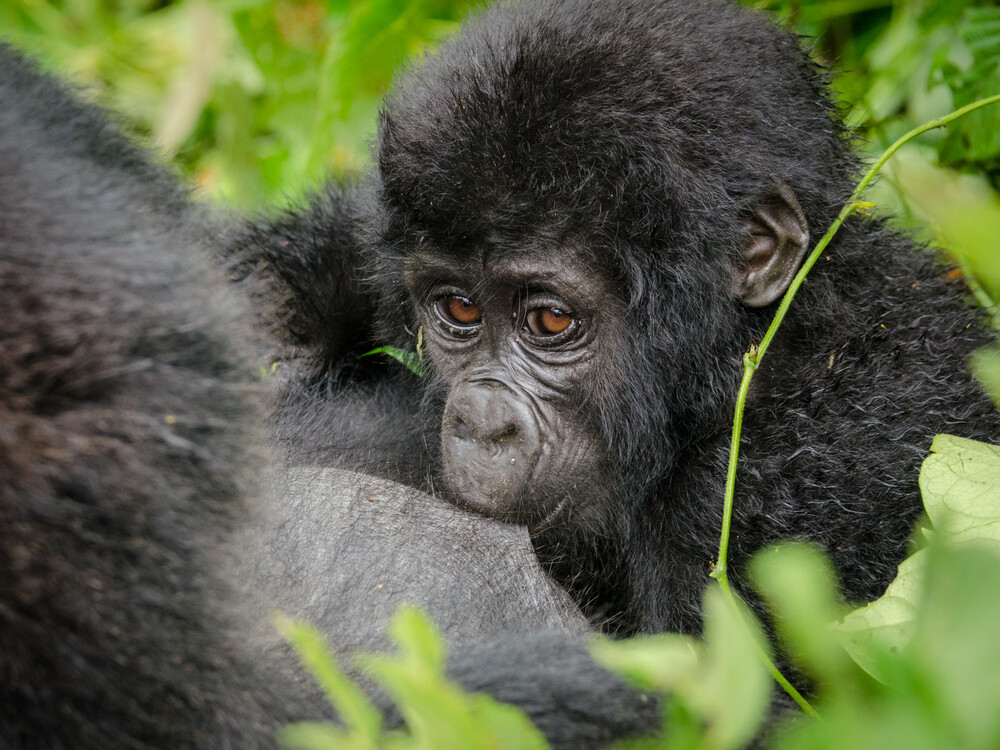
Uganda has earned international recognition for its commitment to mountain gorilla conservation through sustainable tourism, scientific research, and community involvement. Between 2026 and 2030, Bwindi Impenetrable National Park will continue serving as the world’s only destination offering tourists the Gorilla Habituation Experience.
The country’s conservation success is built on strong partnerships between the Uganda Wildlife Authority, conservation organizations, local communities, researchers, and responsible tourism operators. Revenue generated through gorilla permits supports habitat protection, veterinary care, anti-poaching patrols, scientific research, ranger training, environmental education, and community development projects.
The Gorilla Habituation Uganda 2026–2030 Guide recommends Uganda not only because of its exclusive habituation program but also because the country offers exceptional wildlife diversity. Visitors can easily combine gorilla habituation with chimpanzee trekking, Big Five safaris, boat cruises, birdwatching, cultural experiences, mountain hiking, and scenic lakes, creating one of Africa’s most complete safari destinations.
Where Does Gorilla Habituation Take Place?
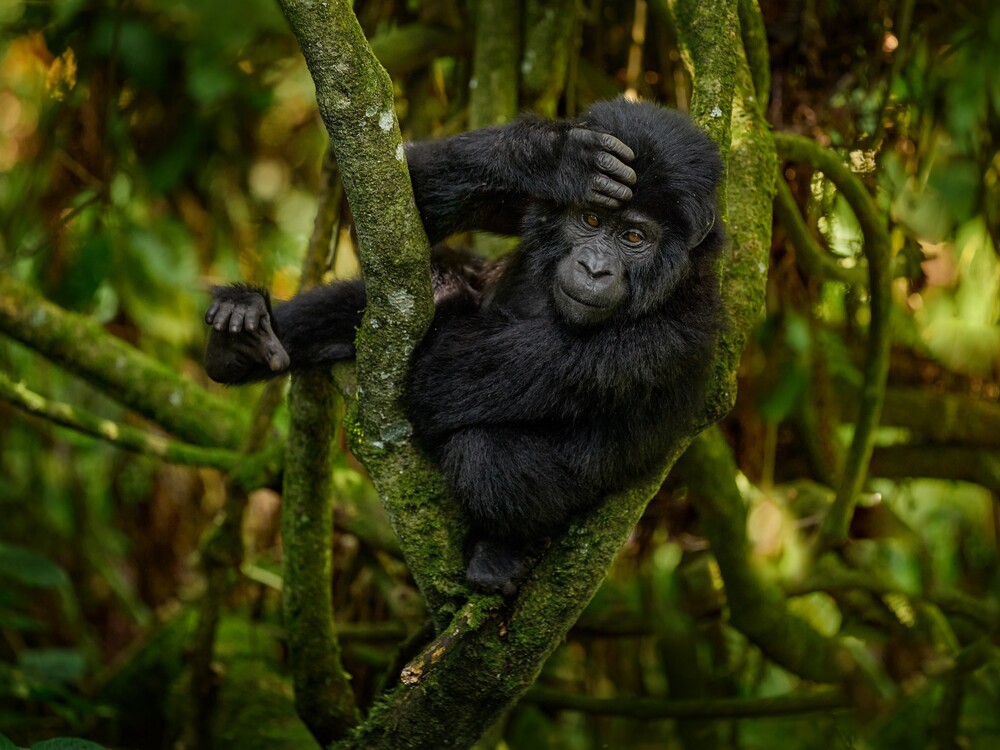
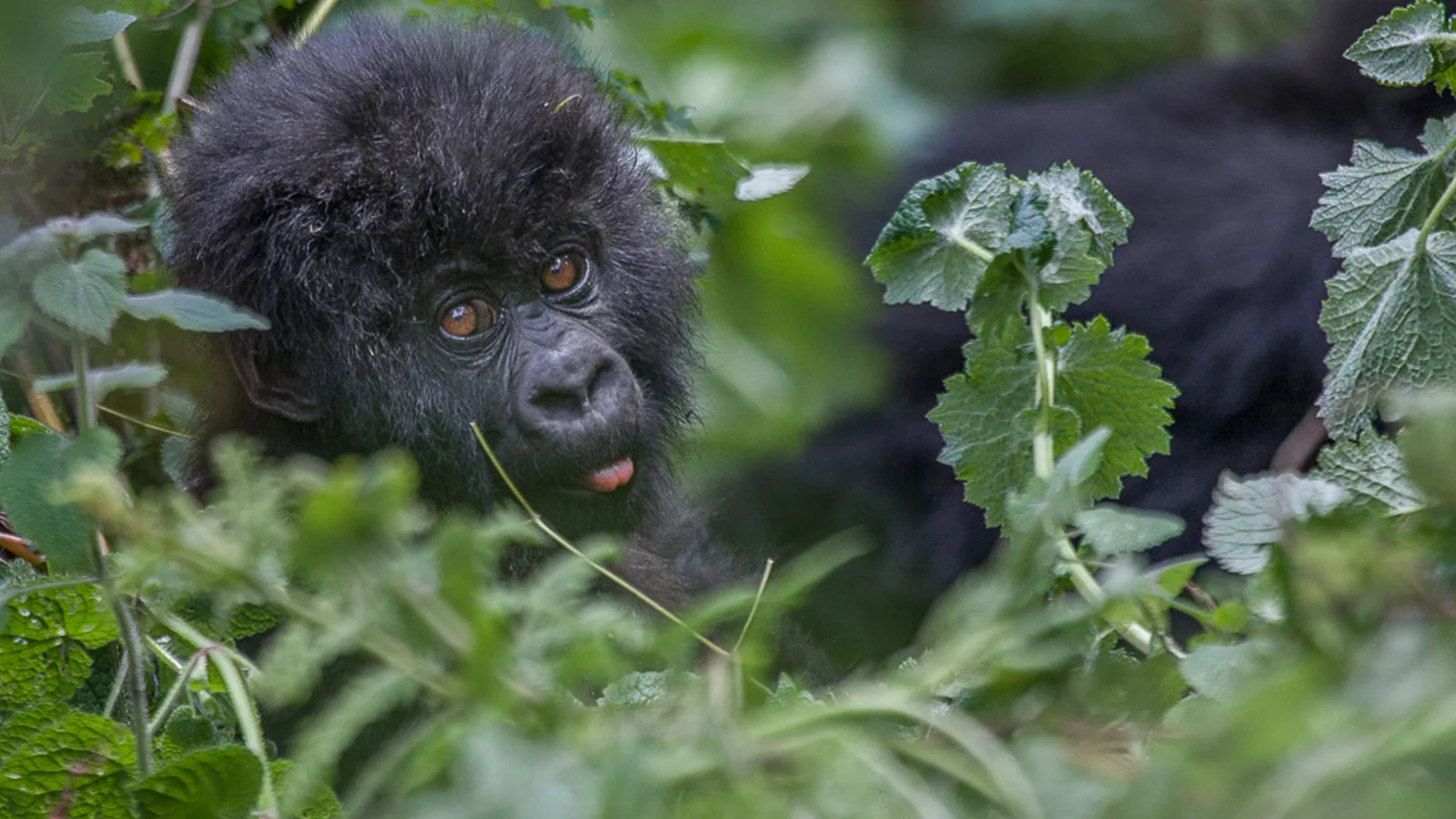
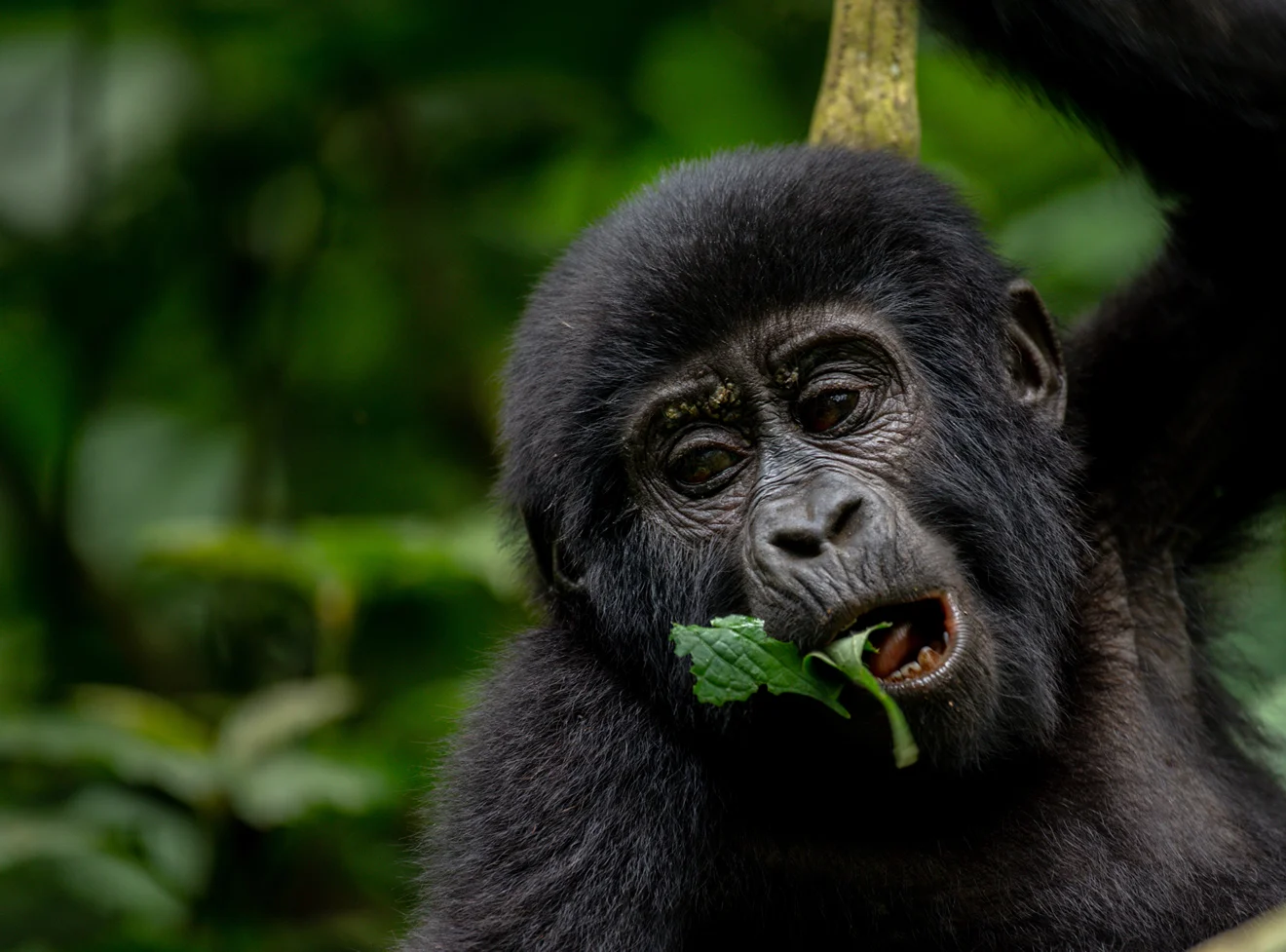
The Gorilla Habituation Experience is conducted exclusively in the Rushaga sector of Bwindi Impenetrable National Park, located in southwestern Uganda near the borders of Rwanda and the Democratic Republic of Congo.
Bwindi is one of Africa’s oldest tropical rainforests and a UNESCO World Heritage Site renowned for its remarkable biodiversity. Covering more than 320 square kilometers of mountainous rainforest, the park supports nearly half of the world’s remaining mountain gorilla population alongside hundreds of bird species, butterflies, reptiles, amphibians, forest elephants, and numerous other mammals.
Rushaga is particularly important because it contains several gorilla families and provides suitable habitat for ongoing habituation projects. The area’s rugged terrain, dense vegetation, and pristine forest ecosystems create an authentic wilderness setting where visitors experience mountain gorillas exactly as they live in nature.
What to Expect During the Gorilla Habituation Experience
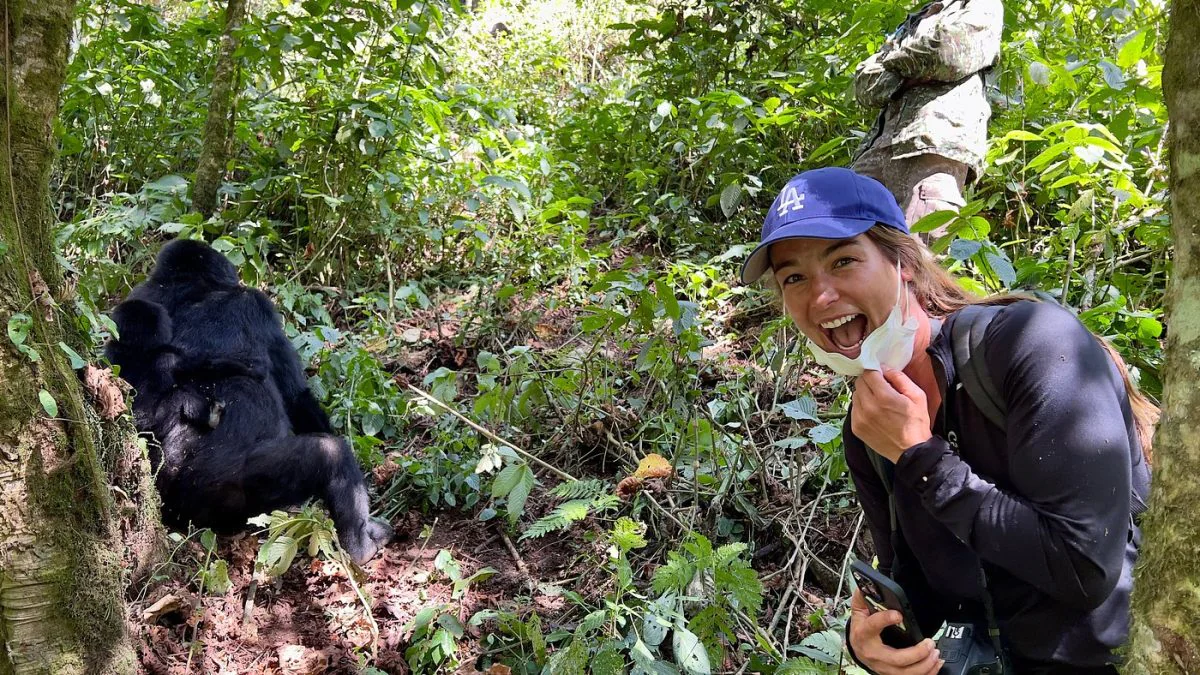
The day begins before sunrise with registration and a comprehensive briefing at the Uganda Wildlife Authority headquarters in Rushaga. Rangers explain safety procedures, conservation guidelines, photography regulations, trekking expectations, and proper behavior around mountain gorillas.
After the briefing, visitors join a small team consisting of experienced ranger guides, trackers, researchers, and armed rangers before entering the rainforest.
Tracking begins by following clues such as fresh nests, feeding remains, footprints, broken vegetation, and vocalizations left by the gorillas. Depending on where the family has traveled overnight, the trek may take one hour or several hours.
Upon locating the gorillas, participants spend up to four extraordinary hours observing the family. During this time, visitors witness feeding, grooming, communication, climbing, nesting behavior, playful interactions among juveniles, maternal care, and the protective role of dominant silverbacks.
Researchers explain individual gorilla personalities, social hierarchy, ecological importance, and the scientific purpose behind each observation, making every moment educational as well as emotionally unforgettable.
Gorilla Habituation Versus Gorilla Trekking
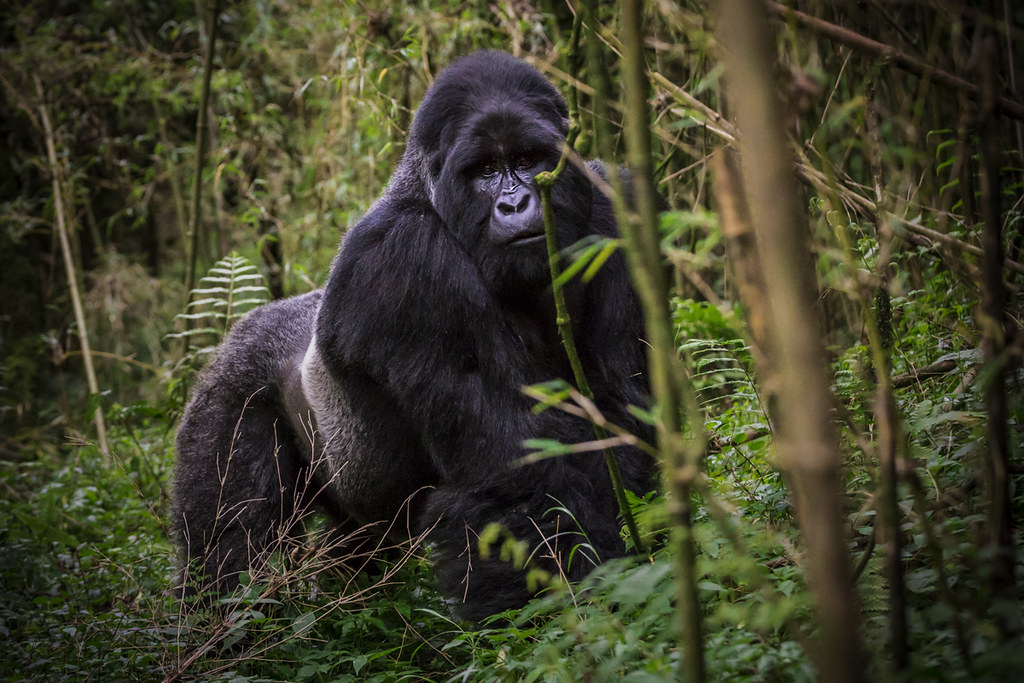
One of the most common questions addressed in the Gorilla Habituation Uganda 2026–2030 Guide concerns the difference between gorilla habituation and traditional gorilla trekking.
Traditional gorilla trekking allows visitors to spend one hour with a fully habituated gorilla family that has already completed the habituation process. These families receive tourists daily under carefully managed conditions.
The Gorilla Habituation Experience, however, provides up to four hours with a gorilla family that is still adapting to human presence. Visitors accompany researchers rather than simply visiting the gorillas, gaining insight into conservation science while observing more natural and less predictable behavior.
Another important distinction is group size. Gorilla trekking allows up to eight visitors per family, whereas gorilla habituation is limited to only four participants each day. This creates a quieter, more intimate atmosphere that benefits both visitors and gorillas.
Wildlife Beyond the Mountain Gorillas
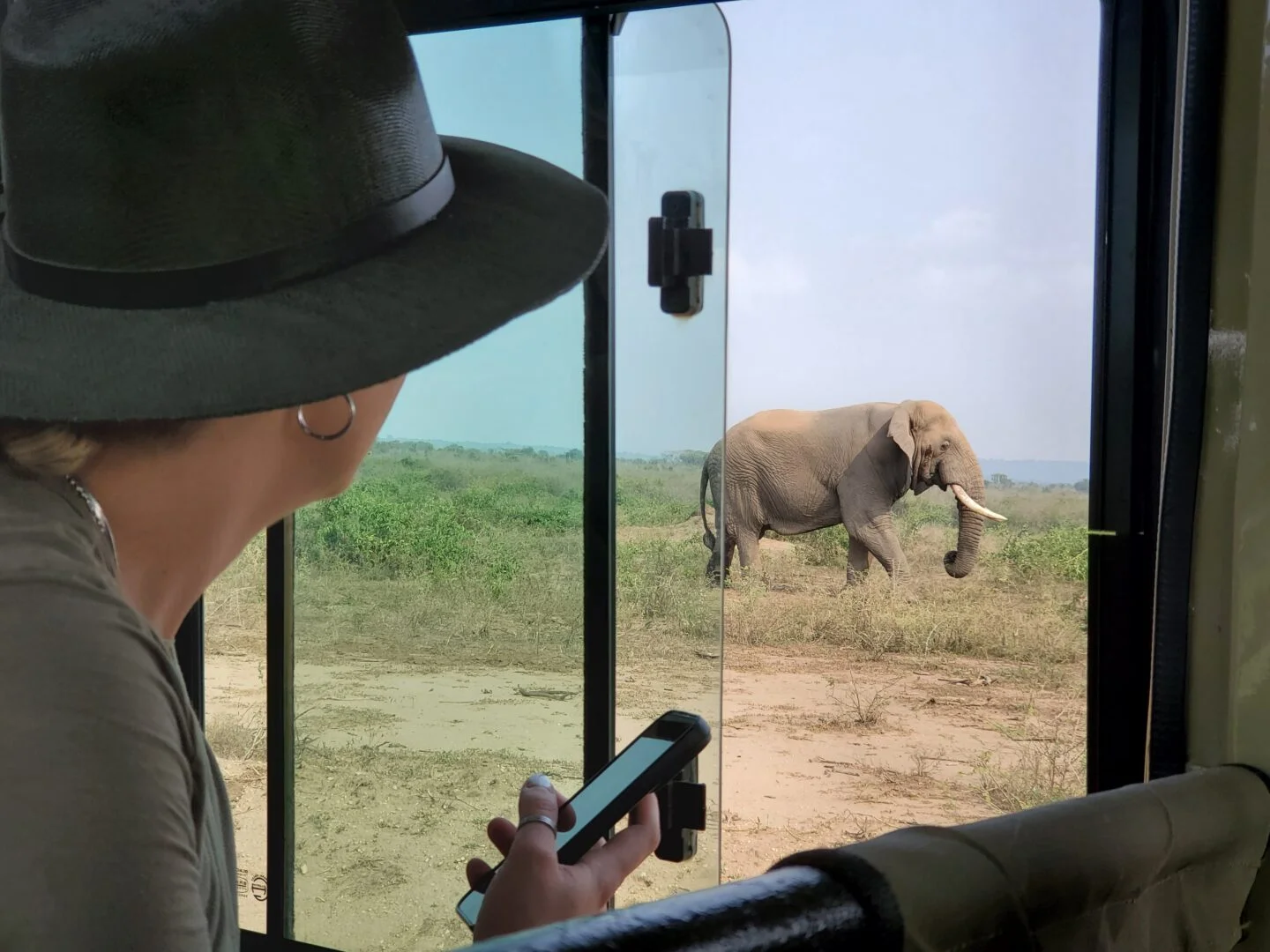
Although mountain gorillas are the main attraction, the Gorilla Habituation Uganda 2026–2030 Guide encourages visitors to appreciate Bwindi’s extraordinary biodiversity.
The forest supports several primate species, including black-and-white colobus monkeys, blue monkeys, L’Hoest’s monkeys, vervet monkeys, and olive baboons. Visitors may also encounter forest elephants, giant forest hogs, bushbucks, duikers, and various reptiles and amphibians.
Bird enthusiasts consider Bwindi one of Africa’s finest birdwatching destinations because it protects numerous Albertine Rift endemic species alongside hornbills, turacos, flycatchers, sunbirds, robins, and colorful forest birds.
The rainforest itself is equally fascinating. Ancient hardwood trees, towering ferns, hanging vines, orchids, moss-covered trunks, and medicinal plants create an enchanting environment that has evolved over thousands of years.
Fitness Requirements for Gorilla Habituation
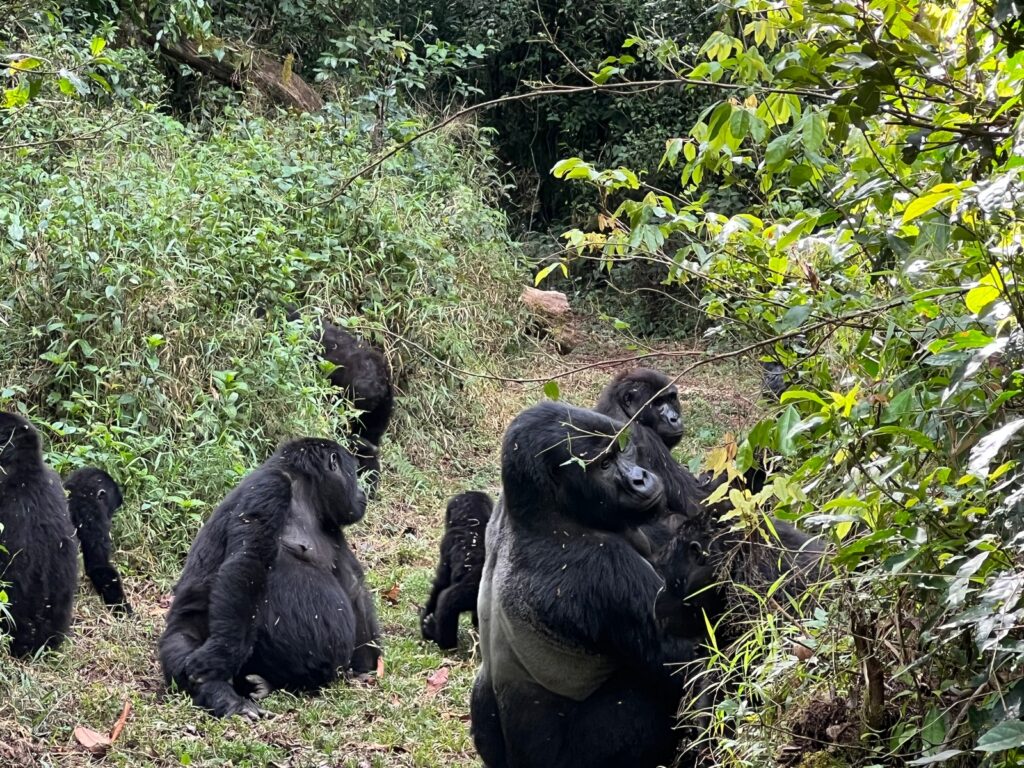
The Gorilla Habituation Experience requires moderate physical fitness because participants hike through mountainous rainforest, steep slopes, muddy trails, and dense vegetation. The duration of the trek varies depending on the gorillas’ movements, making each experience unique.
The Gorilla Habituation Uganda 2026–2030 Guide recommends preparing with regular walking or hiking before your safari. Comfortable waterproof hiking boots, lightweight clothing, and sufficient hydration greatly improve the overall experience.
Travelers who need additional assistance can hire experienced local porters or arrange sedan chair services carried by trained community members. These services make the experience accessible to older travelers and visitors with limited mobility while supporting local employment.
Conservation Success and Responsible Tourism
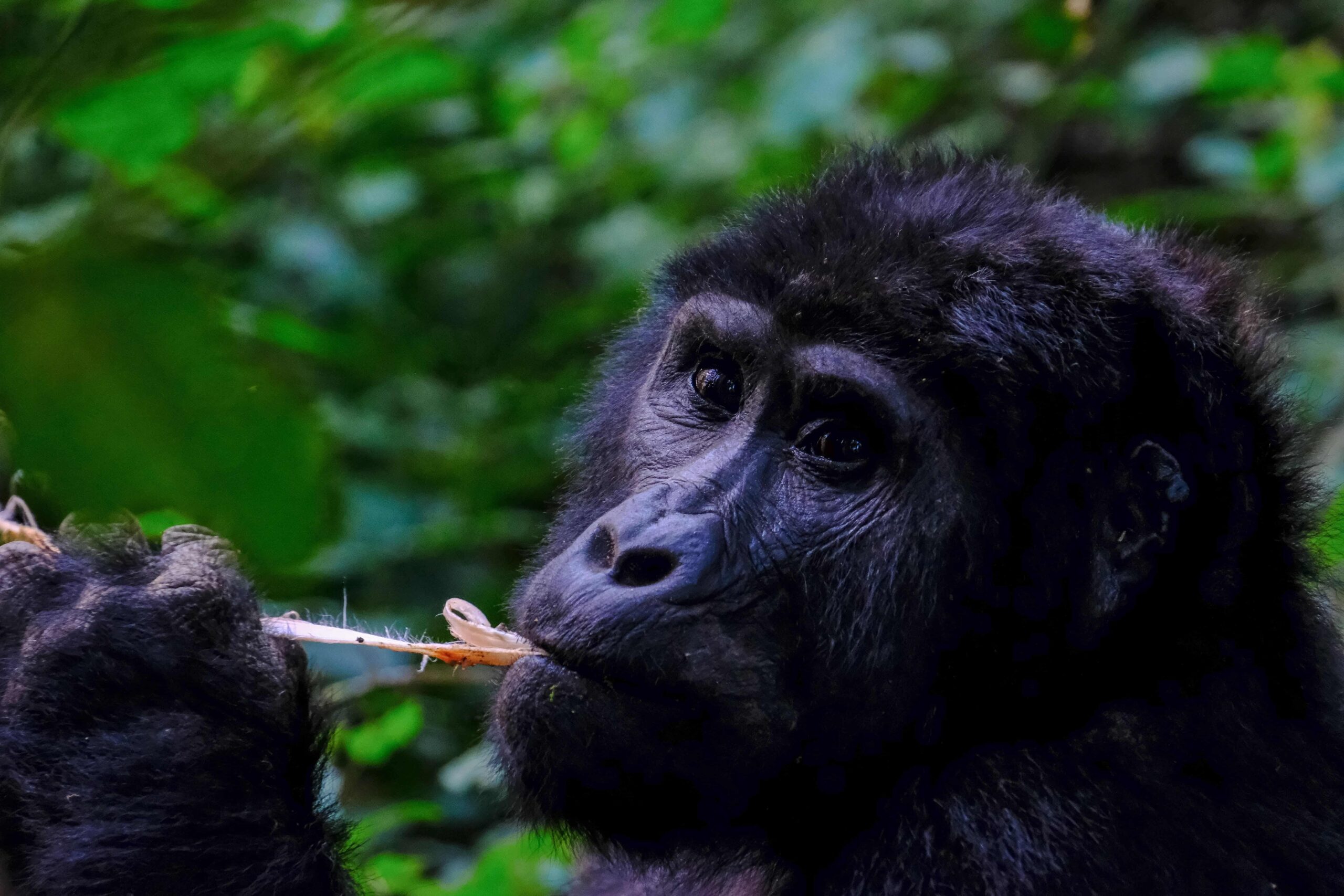
Uganda’s Gorilla Habituation Experience represents one of the world’s leading examples of conservation through responsible tourism. Every permit purchased contributes directly to protecting endangered mountain gorillas while supporting surrounding communities.
Revenue generated from tourism funds anti-poaching operations, veterinary care, scientific monitoring, habitat restoration, ranger salaries, community education, healthcare initiatives, schools, and sustainable development projects.
The Gorilla Habituation Uganda 2026–2030 Guide highlights that responsible tourism has played a major role in increasing mountain gorilla populations over recent decades. By visiting Uganda, travelers become active contributors to one of Africa’s greatest conservation success stories.
Why the Gorilla Habituation Experience Should Be on Your 2026–2030 Travel List
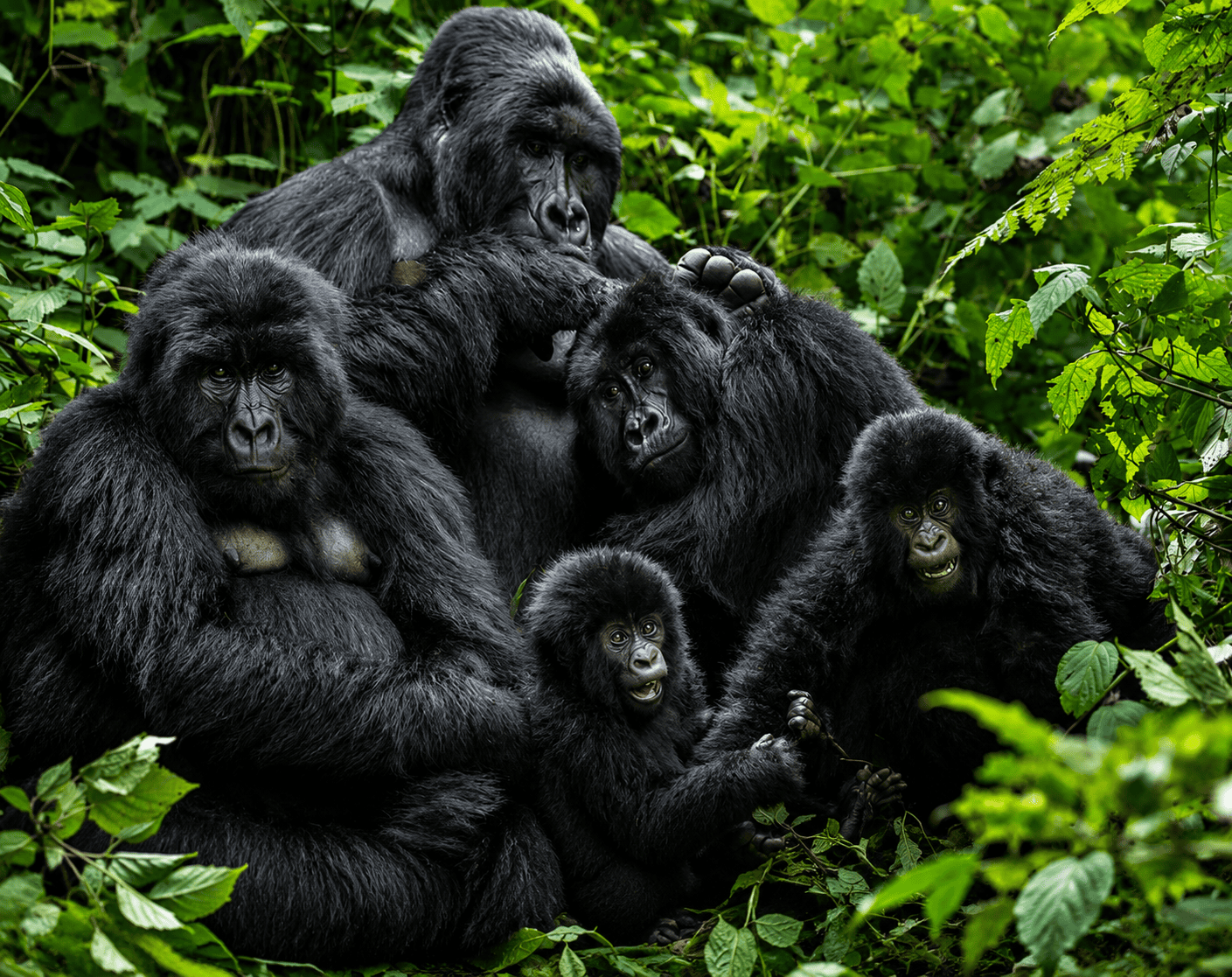
As international travel continues to grow between 2026 and 2030, the Gorilla Habituation Experience remains one of the rarest wildlife adventures available anywhere in the world. Very few people will ever spend four uninterrupted hours observing endangered mountain gorillas in their natural habitat while learning directly from the researchers dedicated to protecting them.
The experience combines adventure, education, conservation, photography, and emotional connection in ways that few other safaris can match. Visitors frequently describe watching playful infants, protective silverbacks, nurturing mothers, and complex family interactions as life-changing moments that deepen their appreciation for wildlife conservation.
The Gorilla Habituation Uganda 2026–2030 Guide recommends planning well in advance because permit availability remains extremely limited. Early reservations provide the best opportunity to secure preferred travel dates, accommodation, and customized safari itineraries.
Whether you are a first-time visitor to Africa, a returning wildlife enthusiast, a professional photographer, a conservation supporter, or someone seeking a truly meaningful adventure, the Gorilla Habituation Experience promises memories that will last a lifetime. Uganda’s remarkable commitment to conservation, combined with the exclusivity of this extraordinary activity, ensures that Gorilla Habituation will continue to rank among the world’s finest wildlife experiences throughout 2026, 2027, 2028, 2029, and 2030.
Frequently Asked Questions About the Gorilla Habituation Uganda 2026–2030
What is the Gorilla Habituation Uganda 2026–2030 Guide?
The Gorilla Habituation Uganda 2026–2030 Guide is a comprehensive planning resource for travelers who want to experience Uganda’s exclusive Gorilla Habituation Experience between 2026 and 2030. It covers every important aspect of the safari, including gorilla habituation permits, current costs, booking procedures, travel routes, accommodation, conservation efforts, packing lists, health requirements, photography advice, fitness preparation, and the best times to visit. Whether you are planning your safari years in advance or looking for last-minute availability, this guide provides the information needed to organize an unforgettable gorilla adventure in Uganda.
What is the Gorilla Habituation Experience according to the Gorilla Habituation Uganda 2026–2030?
The Gorilla Habituation Uganda 2026–2030 Guide explains that the Gorilla Habituation Experience is an exclusive conservation activity where visitors spend up to four hours with a mountain gorilla family that is still undergoing the habituation process. Accompanied by Uganda Wildlife Authority rangers, researchers, trackers, and conservationists, participants observe how wild gorillas gradually become accustomed to human presence while remaining completely wild. Unlike standard gorilla trekking, this experience offers greater educational value and a much longer encounter with the gorillas.
Where does the Gorilla Habituation Uganda 2026–2030 Guide recommend visitors go for the experience?
The Gorilla Habituation Uganda 2026–2030 Guide recommends traveling to the Rushaga sector of Bwindi Impenetrable National Park in southwestern Uganda. This is currently the only location in the world where tourists are allowed to participate in the Gorilla Habituation Experience. Bwindi’s ancient rainforest, spectacular biodiversity, and internationally recognized conservation programs make it one of Africa’s most extraordinary safari destinations.
How much does the Gorilla Habituation Experience cost according to the Gorilla Habituation Uganda 2026–2030 Guide?
According to the Gorilla Habituation Uganda 2026–2030 Guide, the official Gorilla Habituation permit costs USD 1,500 per international non-resident. This fee allows visitors to spend up to four hours with a semi-habituated mountain gorilla family under the supervision of professional conservation teams. Permit fees contribute directly to mountain gorilla conservation, habitat protection, veterinary care, anti-poaching patrols, scientific research, ranger operations, and community development projects surrounding Bwindi Impenetrable National Park.
Is the Gorilla Habituation Uganda 2026–2030 Guide suitable for first-time visitors to Uganda?
Yes. The Gorilla Habituation Uganda 2026–2030 Guide is specifically designed to help both first-time and experienced travelers confidently plan their safari. The guide explains entry requirements, visa information, transportation options, accommodation recommendations, packing advice, health precautions, and safari planning in detail. Even if you have never visited Uganda before, following this guide will make organizing your Gorilla Habituation Experience straightforward and stress-free.
How is Gorilla Habituation different from Gorilla Trekking according to the Gorilla Habituation Uganda 2026–2030 Guide?
The Gorilla Habituation Uganda 2026–2030 Guide explains that traditional Gorilla Trekking allows visitors to spend one hour with a fully habituated gorilla family that is already comfortable with tourists. The Gorilla Habituation Experience, however, allows visitors to spend up to four hours with a family that is still becoming accustomed to human presence. Participants also join researchers and rangers during conservation activities, providing deeper insight into gorilla behavior, family dynamics, scientific research, and wildlife protection.
What is the best time to follow the Gorilla Habituation Uganda 2026–2030 Guide and visit Uganda?
The Gorilla Habituation Uganda 2026–2030 Guide recommends traveling during the dry seasons from June to September and December to February when hiking trails are generally easier to navigate and weather conditions are favorable for trekking and photography. However, Gorilla Habituation is available throughout the year, and many travelers enjoy visiting during the rainy seasons because the forest is exceptionally green, visitor numbers are lower, and permit availability may be better.
How physically demanding is the Gorilla Habituation Experience?
The Gorilla Habituation Uganda 2026–2030 Guide explains that the experience requires moderate physical fitness because participants hike through steep hills, dense rainforest, muddy trails, and uneven terrain. Trekking time varies depending on where the gorillas move each day and may range from one to several hours before locating the family. Guides adjust the pace according to participants, and visitors who need assistance can hire trained local porters or arrange sedan chair services to make the experience more comfortable.
What should I pack according to the Gorilla Habituation Uganda 2026–2030 Guide?
The Gorilla Habituation Uganda 2026–2030 Guide recommends bringing waterproof hiking boots, long trousers, long-sleeved shirts, a lightweight waterproof jacket, gardening gloves, insect repellent, sunscreen, a reusable water bottle, energy snacks, a camera with extra batteries and memory cards, binoculars, a comfortable daypack, and neutral-colored clothing suitable for rainforest conditions. Packing properly greatly improves both comfort and safety during the trek.
Is the Gorilla Habituation Uganda 2026–2030 Guide suitable for wildlife photographers?
Absolutely. The Gorilla Habituation Uganda 2026–2030 Guide highly recommends the experience for photographers because visitors spend four hours with the gorillas instead of only one. This allows significantly more time to photograph natural behaviors such as feeding, grooming, climbing, social interactions, nesting, and playful activities among young gorillas. The limited number of visitors also provides better viewing positions and fewer distractions while photographing wildlife.
How many people are allowed during the Gorilla Habituation Experience?
The Gorilla Habituation Uganda 2026–2030 Guide explains that only four visitors are permitted to visit each habituating gorilla family every day. This small group size minimizes stress on the gorillas while creating a peaceful and highly personalized experience for visitors. It also allows researchers to interact more closely with participants, answer questions, and explain ongoing conservation work throughout the four-hour encounter.
Can I combine the Gorilla Habituation Experience with other Uganda safari destinations?
Yes. The Gorilla Habituation Uganda 2026–2030 Guide recommends combining Gorilla Habituation with Uganda’s many other attractions to create a complete safari experience. Popular additions include chimpanzee trekking in Kibale National Park, game drives in Queen Elizabeth National Park, boat cruises on the Kazinga Channel, wildlife safaris in Murchison Falls National Park, golden monkey tracking in Mgahinga Gorilla National Park, birdwatching, cultural experiences with the Batwa community, and relaxation at Lake Bunyonyi. Combining multiple destinations allows visitors to experience Uganda’s incredible wildlife diversity in a single journey.
How does Gorilla Habituation support conservation according to the Gorilla Habituation Uganda 2026–2030 Guide?
The Gorilla Habituation Uganda 2026–2030 Guide highlights that Gorilla Habituation is one of the world’s most successful examples of conservation through responsible tourism. Permit revenue supports anti-poaching patrols, veterinary services, scientific monitoring, habitat restoration, ranger training, environmental education, healthcare, schools, and sustainable community projects surrounding Bwindi Impenetrable National Park. Every visitor directly contributes to protecting endangered mountain gorillas while improving the livelihoods of local communities.
How far in advance should I book after reading the Gorilla Habituation Uganda 2026–2030 Guide?
The Gorilla Habituation Uganda 2026–2030 Guide strongly recommends booking your Gorilla Habituation permit at least six to twelve months before your planned travel dates. Because only a limited number of permits are issued each day, demand is consistently high, particularly during peak travel seasons. Booking early increases your chances of securing your preferred dates, choosing the best accommodation, and creating a customized safari itinerary without last-minute compromises.
How do I book my safari after reading the Gorilla Habituation Uganda 2026–2030?
Booking your safari is simple with NextGEN Safaris. After using the Gorilla Habituation Uganda 2026–2030 Guide to plan your trip, contact our safari specialists with your preferred travel dates, number of travelers, accommodation preferences, and any additional destinations you wish to include. We will first verify official Gorilla Habituation permit availability through the Uganda Wildlife Authority before preparing a personalized itinerary and detailed quotation. Once confirmed, we arrange your permits, accommodation, transportation, airport transfers, professional guides, meals, and all safari logistics, ensuring that your Gorilla Habituation Experience between 2026 and 2030 is professionally organized, seamless, and truly unforgettable.
Book Your Gorilla Habituation Uganda 2026–2030 Safari with NextGEN Safaris
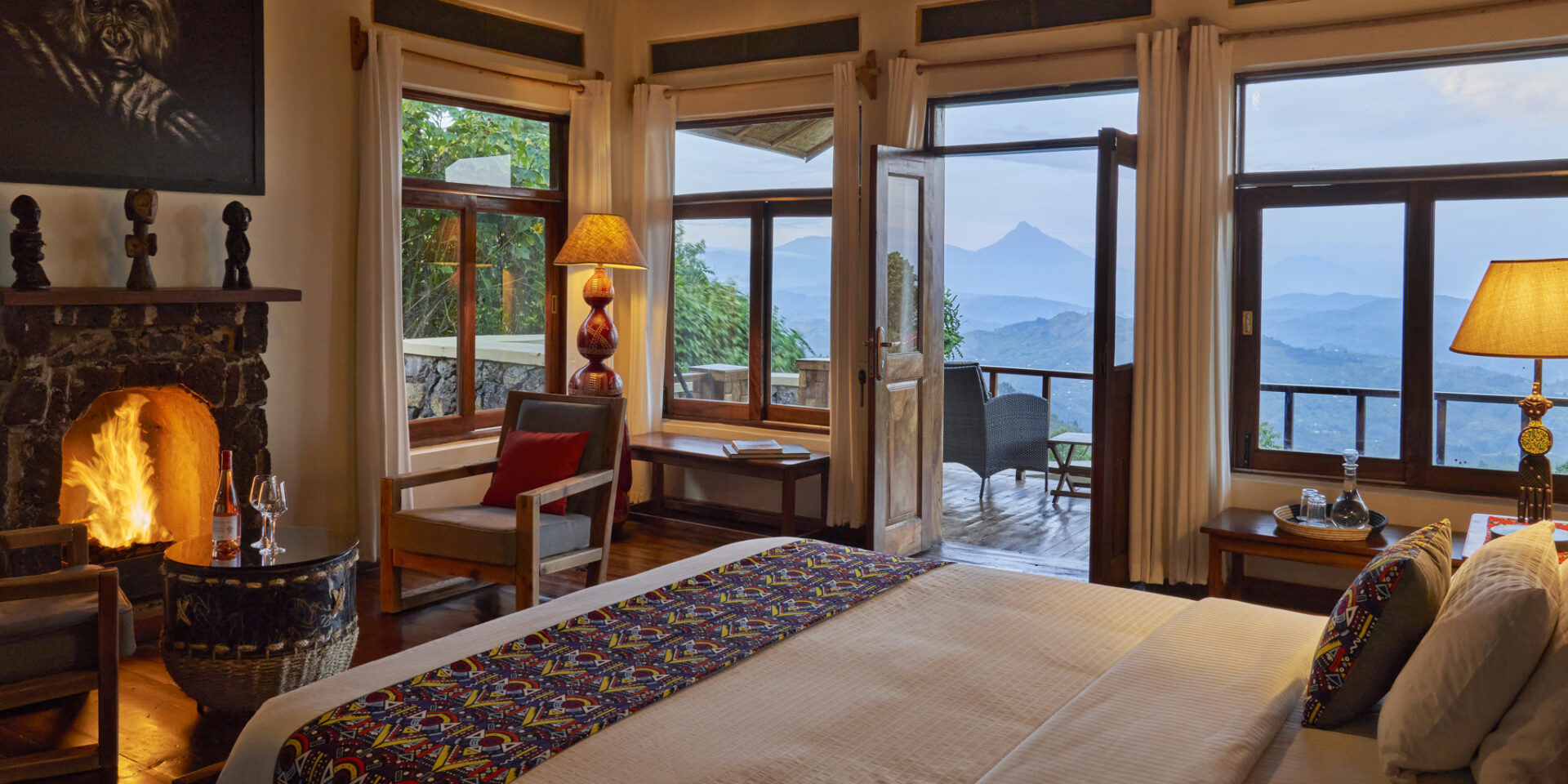
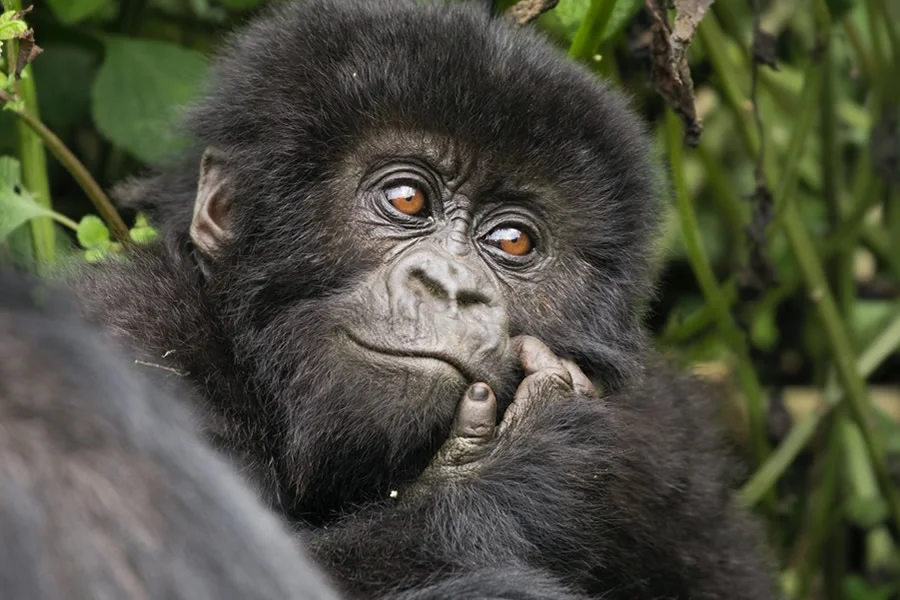
Booking your safari early is one of the most important recommendations in this Gorilla Habituation Uganda 2026–2030 Guide. The Gorilla Habituation Experience is one of Africa’s most exclusive wildlife activities, with only a very limited number of permits available each day. Because demand is expected to remain exceptionally high throughout the 2026–2030 travel period, securing your permit well in advance gives you the best opportunity to travel on your preferred dates while also allowing enough time to plan flights, accommodation, transportation, and additional safari activities.
At NextGEN Safaris, we make the booking process simple, transparent, and completely personalized. Our experienced safari consultants work directly with the Uganda Wildlife Authority to check official Gorilla Habituation permit availability before confirming your reservation. Once permits are available, we prepare a customized itinerary based on your travel dates, budget, accommodation preferences, and the experiences you would like to include during your visit to Uganda.
The Gorilla Habituation Uganda 2026–2030 Guide recommends reserving permits at least six to twelve months before travel, particularly for departures between June and September or December and February when visitor demand is highest. Since only four visitors are allowed to participate with each habituating gorilla family per day, permits often sell out months in advance. Booking early provides greater flexibility when selecting lodges close to the Rushaga sector of Bwindi Impenetrable National Park and helps avoid disappointment.
One of the greatest advantages of booking through NextGEN Safaris is the opportunity to customize your Gorilla Habituation adventure. Many travelers choose to combine the experience with chimpanzee trekking in Kibale National Park, game drives in Queen Elizabeth National Park, wildlife safaris in Murchison Falls National Park, golden monkey tracking in Mgahinga Gorilla National Park, cultural visits with the Batwa community, birdwatching excursions, or relaxing stays at Lake Bunyonyi. We carefully design each itinerary to match your interests while ensuring smooth travel between destinations.
Choosing NextGEN Safaris means partnering with a trusted local safari company that has extensive knowledge of Uganda’s gorilla tourism industry. Our commitment to professional service, transparent pricing, personalized itineraries, and responsible tourism ensures that every guest enjoys a seamless booking experience while contributing directly to mountain gorilla conservation and sustainable community development.
If you are ready to experience one of the world’s most extraordinary wildlife encounters, contact NextGEN Safaris today after reading this Gorilla Habituation Uganda 2026–2030 Guide. Our safari specialists will check official permit availability, recommend the best travel dates, prepare a personalized quotation, and manage every aspect of your booking from start to finish. From your arrival in Uganda to your unforgettable four-hour encounter with mountain gorillas in Bwindi Impenetrable National Park, we are committed to making your Gorilla Habituation safari between 2026 and 2030 truly exceptional.