

The Fascinating Guide to Gorilla Family Behavior During Habituation: Discover the Hidden World of Uganda’s Mountain Gorillas
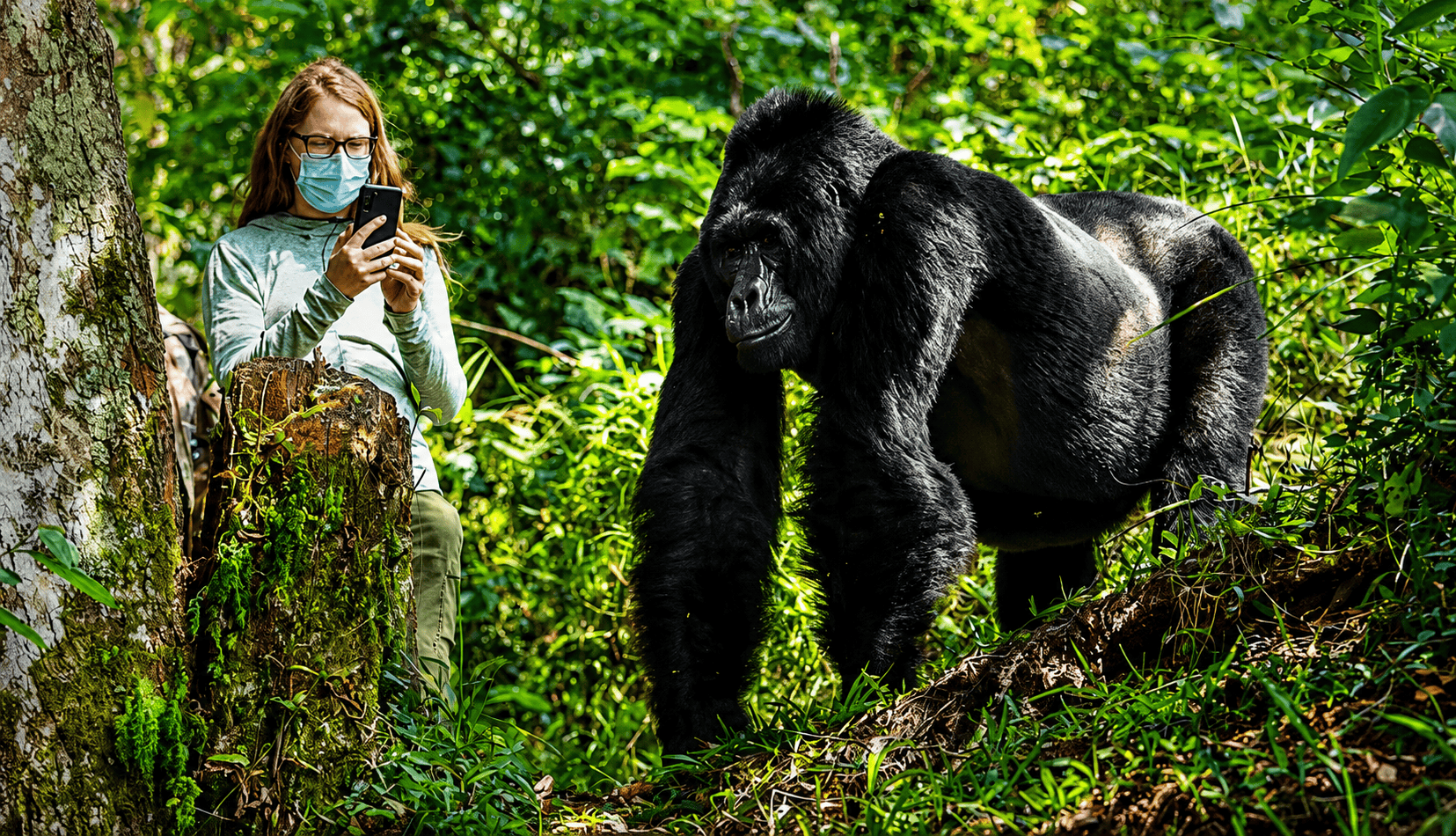
Gorilla Family Behavior During Habituation provides one of the most extraordinary opportunities to explore the hidden social world of mountain gorillas and understand how these incredible primates live, communicate, and interact within their natural environment. Unlike traditional gorilla trekking, where visitors spend approximately one hour with a fully habituated gorilla family, gorilla habituation offers a much deeper and more immersive experience, allowing travelers to spend up to four hours observing gorillas alongside experienced researchers, professional trackers, and knowledgeable guides.
During this unique conservation experience, visitors gain a rare opportunity to witness the daily lives of mountain gorillas as they gradually become familiar with limited human presence. The purpose of habituation is not to change the natural behavior of gorillas but to allow careful observation while maintaining their normal routines, relationships, and social structures.
Understanding Gorilla Family Behavior During Habituation allows travelers to discover the remarkable complexity of gorilla communities, including their family hierarchy, communication systems, parenting techniques, feeding patterns, emotional connections, and survival strategies. Every gorilla plays an important role within the group, from the dominant silverback responsible for protection and leadership to mothers caring for their young and juveniles learning essential social skills through play and interaction.
Located in Uganda’s famous Bwindi Impenetrable National Park, gorilla habituation takes place within one of Africa’s most biologically diverse rainforests. The dense vegetation, ancient trees, and rich ecosystem provide the perfect environment for observing mountain gorillas as they move, feed, rest, and interact naturally within their habitat.
During the habituation experience, travelers do not simply see gorillas from a distance; they become observers of a fascinating family system where every movement, vocal sound, facial expression, and physical interaction has meaning. A silverback’s protective behavior, a mother’s care for her infant, juveniles playing together, and family members grooming one another all reveal the strong bonds that hold gorilla communities together.
The extended time spent with the gorillas allows visitors to notice details that are often missed during shorter encounters. Travelers can observe how gorillas communicate with one another, how they resolve conflicts, how they choose feeding locations, and how they maintain relationships within their family groups.
Gorilla Family Behavior During Habituation is therefore much more than a wildlife viewing activity. It is an educational and conservation-focused journey that provides insight into the intelligence, emotions, and social connections of mountain gorillas. By witnessing these behaviors firsthand, visitors develop a deeper appreciation of why protecting gorilla habitats and supporting conservation efforts are essential for the survival of these endangered animals.
A gorilla habituation experience allows travelers to enter the world of mountain gorillas respectfully and responsibly, creating unforgettable memories while gaining a greater understanding of how each member contributes to the strength, unity, and survival of the family.
What Is Gorilla Habituation and Why Does Family Behavior Matter?

Gorilla habituation is a careful conservation process where wild gorilla families gradually become accustomed to the presence of humans without changing their natural behaviors.
The process can take several years and involves researchers, conservation specialists, and trackers who spend time with gorilla groups while studying their movements, personalities, and social structures.
The study of Gorilla Family Behavior During Habituation is essential because it helps conservation teams understand how gorillas communicate, interact, reproduce, and respond to changes within their environment.
During habituation, visitors are not simply observing animals; they are witnessing a living social system where every gorilla has a role. From the dominant silverback protecting the group to mothers raising young ones and juveniles learning survival skills, every interaction tells a story.
The Social Structure of Mountain Gorilla Families
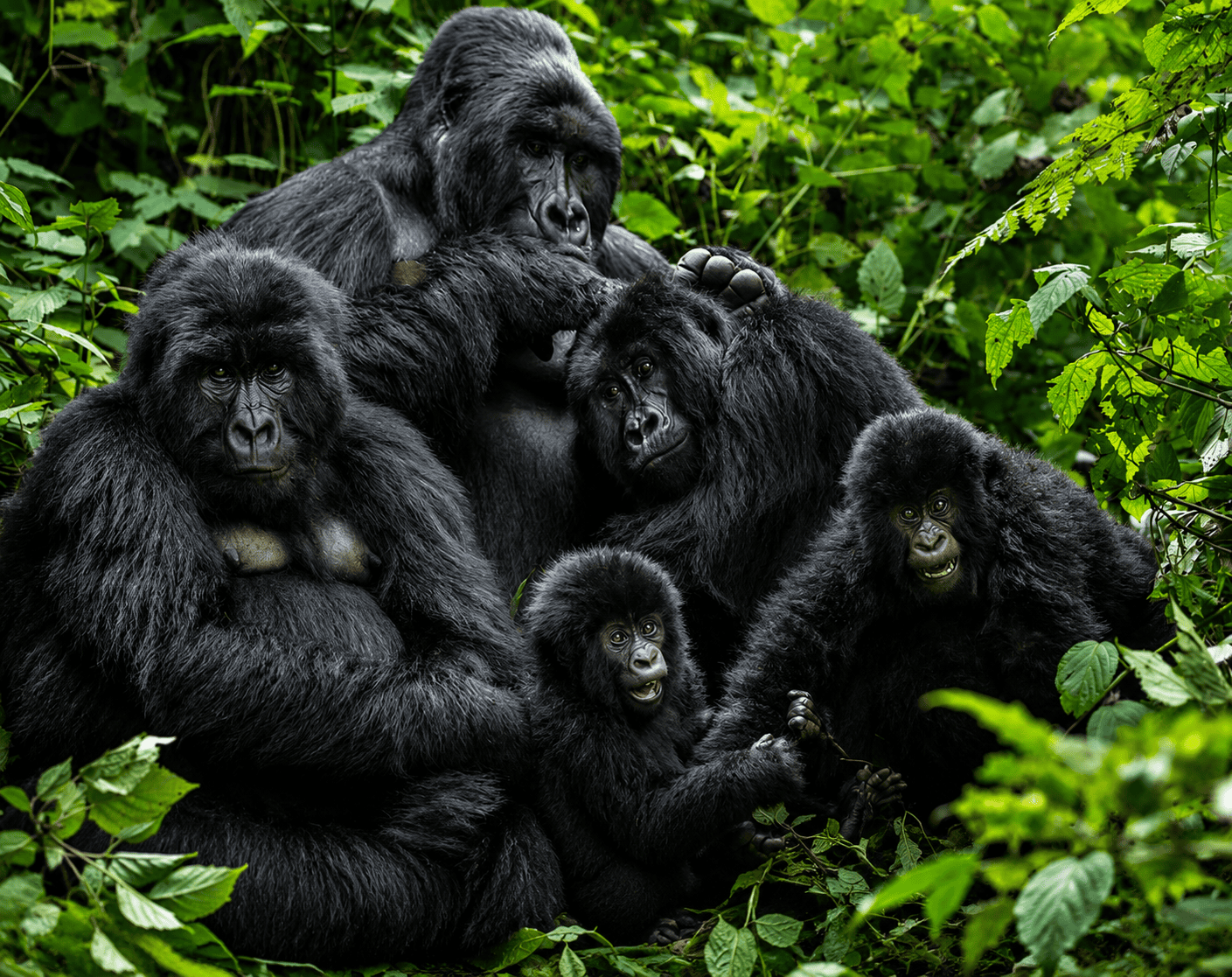
One of the most remarkable aspects of Gorilla Family Behavior During Habituation is the highly organized social structure within gorilla groups.
Mountain gorillas live in close family units usually led by a dominant silverback. The silverback is the leader and protector of the group, responsible for maintaining order, defending against threats, and guiding movements through the forest.
During habituation, visitors often observe the silverback displaying leadership behaviors such as monitoring family members, positioning himself between the group and potential danger, and controlling interactions within the family.
Although the silverback appears powerful, gorilla families depend on cooperation between all members. Females, juveniles, and younger males all contribute to the stability and survival of the group.
The extended observation time during habituation provides a rare chance to understand these relationships beyond what is possible during standard trekking.
The Role of the Silverback During Gorilla Habituation
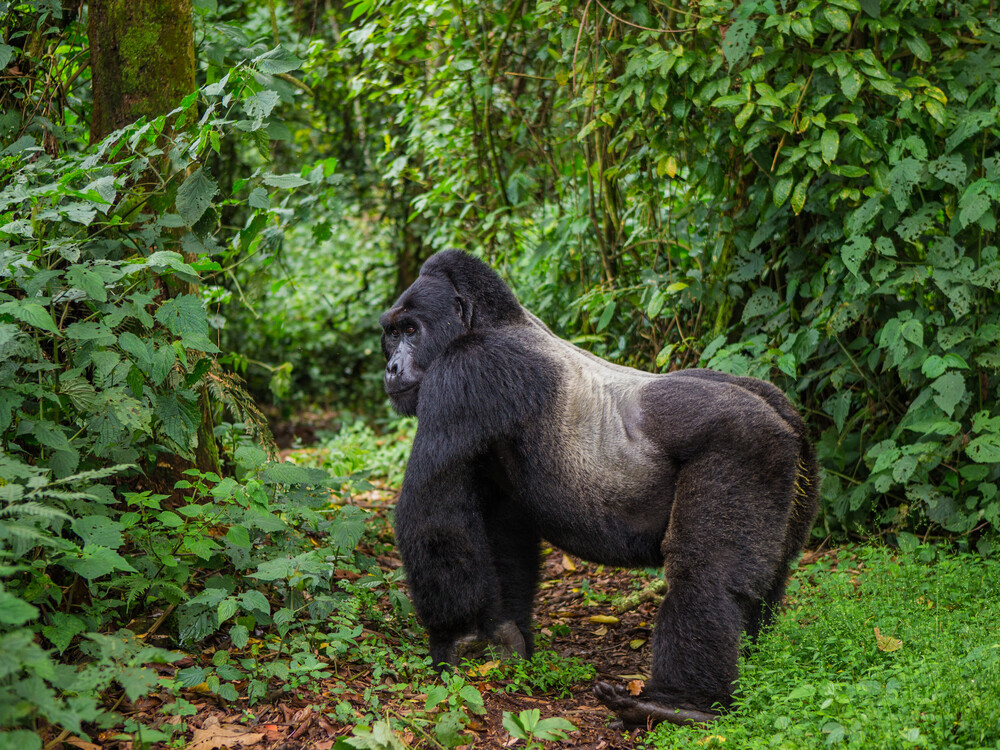
The silverback plays one of the most important roles in Gorilla Family Behavior During Habituation.
A mature male gorilla develops the distinctive silver hair on his back as he reaches adulthood. This physical feature represents maturity, strength, and leadership within the family.
During a habituation experience, visitors may observe the silverback performing different behaviors, including:
Maintaining group discipline.
Protecting family members from threats.
Leading the group to feeding areas.
Communicating through vocalizations and body movements.
Deciding when the family moves to another location.
The silverback’s behavior provides fascinating insight into gorilla leadership and demonstrates the importance of strong social bonds within mountain gorilla communities.
Mother and Infant Relationships in Gorilla Families
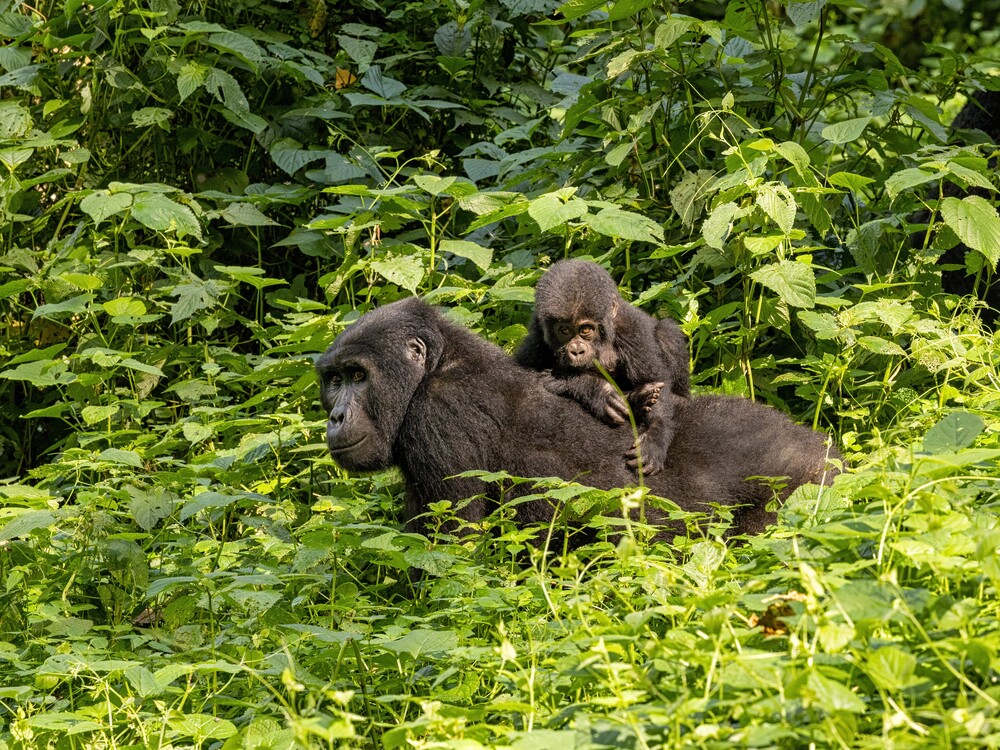
The relationship between mothers and infants is one of the most emotional parts of Gorilla Family Behavior During Habituation.
Female gorillas dedicate significant time to caring for their young, carrying them through the forest, protecting them, and teaching them essential survival behaviors.
During habituation, visitors may witness mothers gently grooming infants, allowing them to ride on their backs, and guiding them as they explore their surroundings.
Young gorillas depend on their mothers during their early years and learn important skills by observing older members of the family.
These interactions reveal the strong emotional connections that exist within gorilla groups and highlight the importance of protecting gorilla habitats for future generations.
Playful Behavior of Young Gorillas
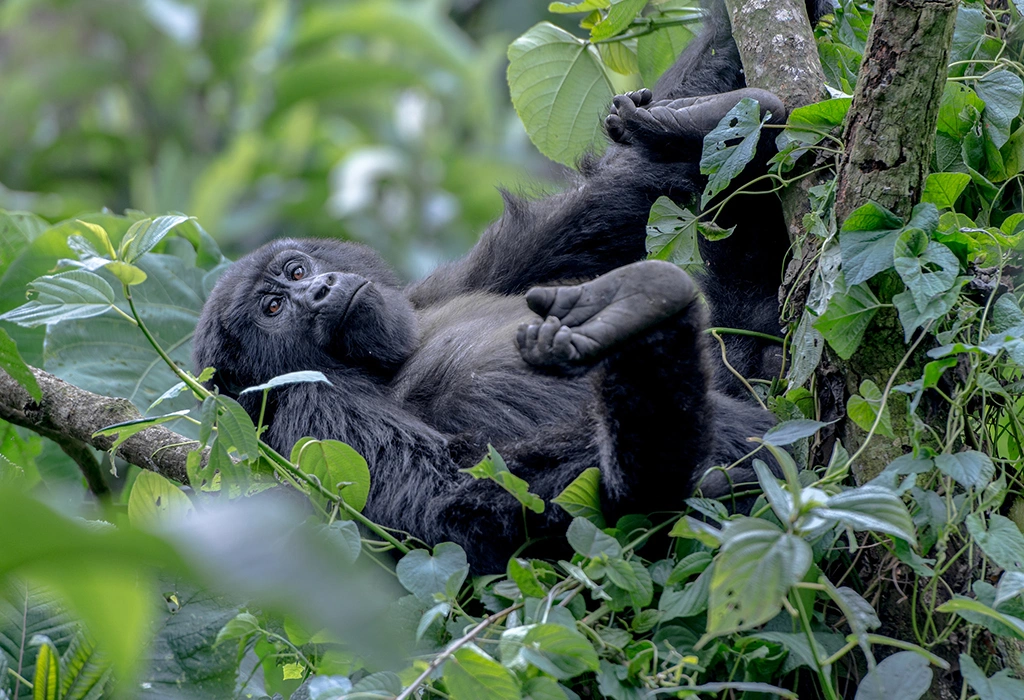
Young gorillas are among the most entertaining members of the family, and their playful activities are an important part of Gorilla Family Behavior During Habituation.
Juvenile gorillas spend much of their time exploring, climbing trees, wrestling with siblings, and interacting with other family members.
Although these activities appear playful, they serve an important purpose. Through play, young gorillas develop physical strength, communication skills, confidence, and social understanding.
During habituation, travelers have more time to observe these behaviors, creating unforgettable moments as young gorillas discover their rainforest environment.
Gorilla Communication and Social Interactions During Habituation
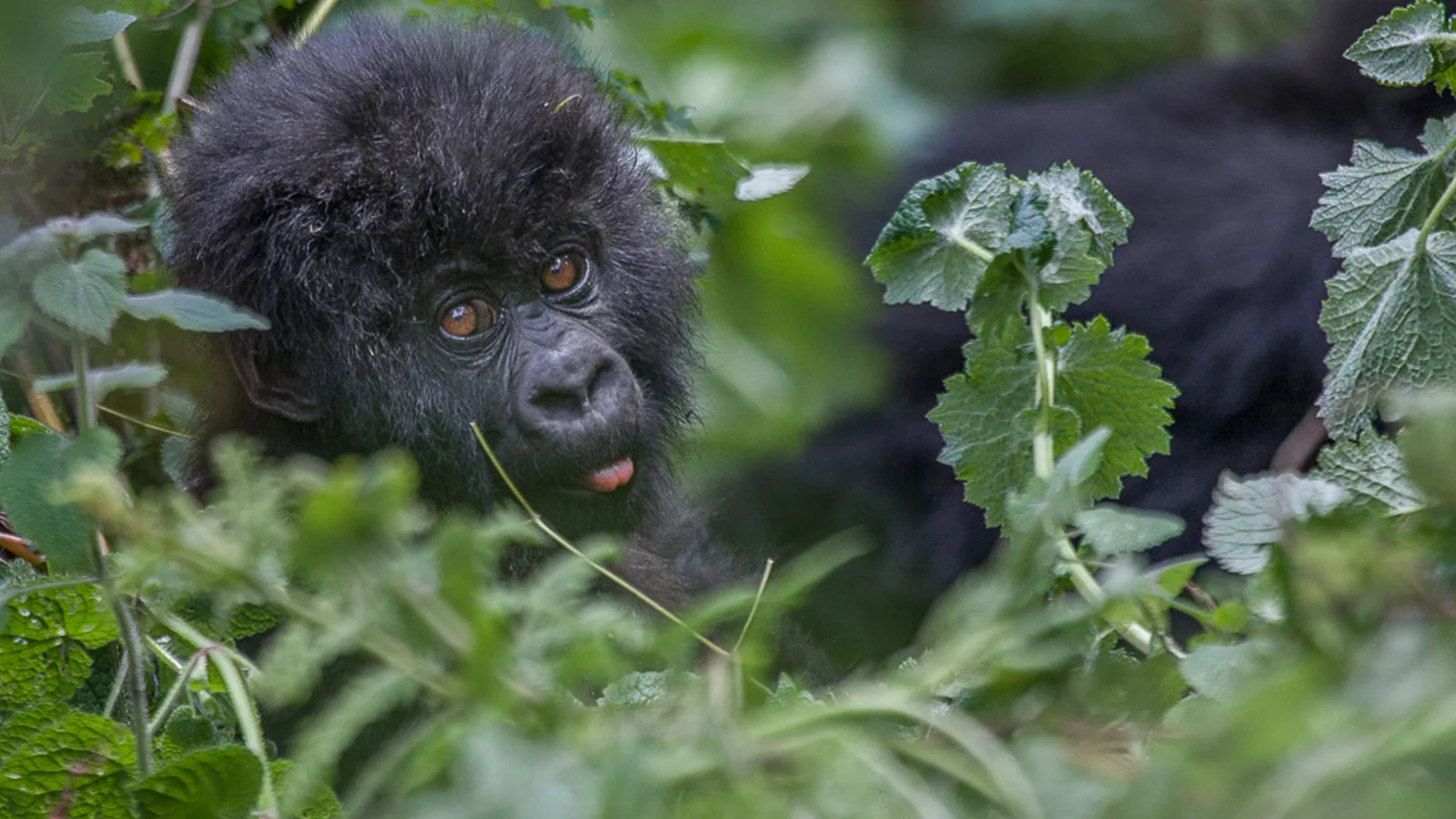
Communication is one of the most fascinating aspects of Gorilla Family Behavior During Habituation, offering visitors a deeper understanding of how mountain gorillas express emotions, maintain relationships, and organize their family groups. During a gorilla habituation experience in Uganda, travelers do not simply observe gorillas moving through the forest; they witness a complex social world where every sound, movement, and interaction has meaning.
Mountain gorillas are highly intelligent and social animals that depend on communication to survive. Within a gorilla family, individuals constantly exchange information through vocal sounds, facial expressions, body postures, gestures, grooming, and physical contact. Understanding these behaviors is one of the most rewarding parts of Gorilla Family Behavior During Habituation because it reveals the emotional connections and social intelligence of these endangered primates.
Unlike a short gorilla trekking encounter, gorilla habituation provides up to four hours of observation, giving visitors more opportunities to notice subtle communication patterns between different members of the family. During this extended time, guides and trackers explain how each behavior contributes to the stability, safety, and unity of the gorilla group.
Vocal Communication Between Gorilla Family Members
One of the most important elements of Gorilla Family Behavior During Habituation is observing how gorillas use different sounds to communicate with one another. Although mountain gorillas do not use human language, they have developed a variety of vocal signals that help them express emotions, maintain contact, and respond to situations within the forest.
Visitors participating in gorilla habituation may hear soft grunts, gentle calls, hoots, barks, and other vocal expressions as gorillas interact. These sounds are often used when family members are moving through dense vegetation, feeding, resting, or checking the location of other individuals.
For example, a mother gorilla may use soft sounds to reassure her infant, while younger gorillas may vocalize during play or when seeking attention from older members of the group. Adult gorillas may also use specific sounds to communicate comfort, curiosity, excitement, or alertness.
Through expert explanations from guides, visitors learn that these sounds are not random noises but important forms of communication that help maintain strong family connections. This makes Gorilla Family Behavior During Habituation a truly educational wildlife experience.
Silverback Communication and Leadership Displays
The silverback is the central figure in Gorilla Family Behavior During Habituation, and much of the family’s communication revolves around his leadership role. As the dominant male, the silverback uses powerful body language, vocalizations, and physical displays to guide, protect, and maintain order within the group.
One of the most famous behaviors visitors may witness is chest beating. While many people associate chest beating with aggression, it can have several meanings depending on the situation. A silverback may beat his chest to display strength, respond to excitement, attract attention, communicate dominance, or warn others.
During gorilla habituation, observing silverback communication provides a unique opportunity to understand how leadership works within gorilla societies. Visitors may see the silverback positioning himself between his family and possible threats, making specific sounds to control movement, or calmly observing the activities of other members.
These moments reveal the responsibility carried by the silverback and demonstrate how communication helps maintain harmony within the family.
Facial Expressions and Body Language Among Gorillas
Another fascinating part of Gorilla Family Behavior During Habituation is learning how gorillas communicate without making sounds. Their facial expressions and body movements provide important information about their emotions and intentions.
Gorillas use posture, eye direction, movement, and physical positioning to express themselves. A relaxed gorilla may sit calmly while feeding, while an alert individual may change posture, look carefully around, or move closer to family members.
Visitors may observe different body signals, including:
A gorilla approaching slowly to show curiosity.
A younger gorilla bowing or lowering its body as a sign of respect.
A family member moving closer to another individual for reassurance.
A silverback using his body position to control movement within the group.
Understanding these behaviors makes Gorilla Family Behavior During Habituation more meaningful because visitors begin to recognize the emotions and intentions behind every interaction.
Why Gorilla Communication Makes Habituation an Unforgettable Experience
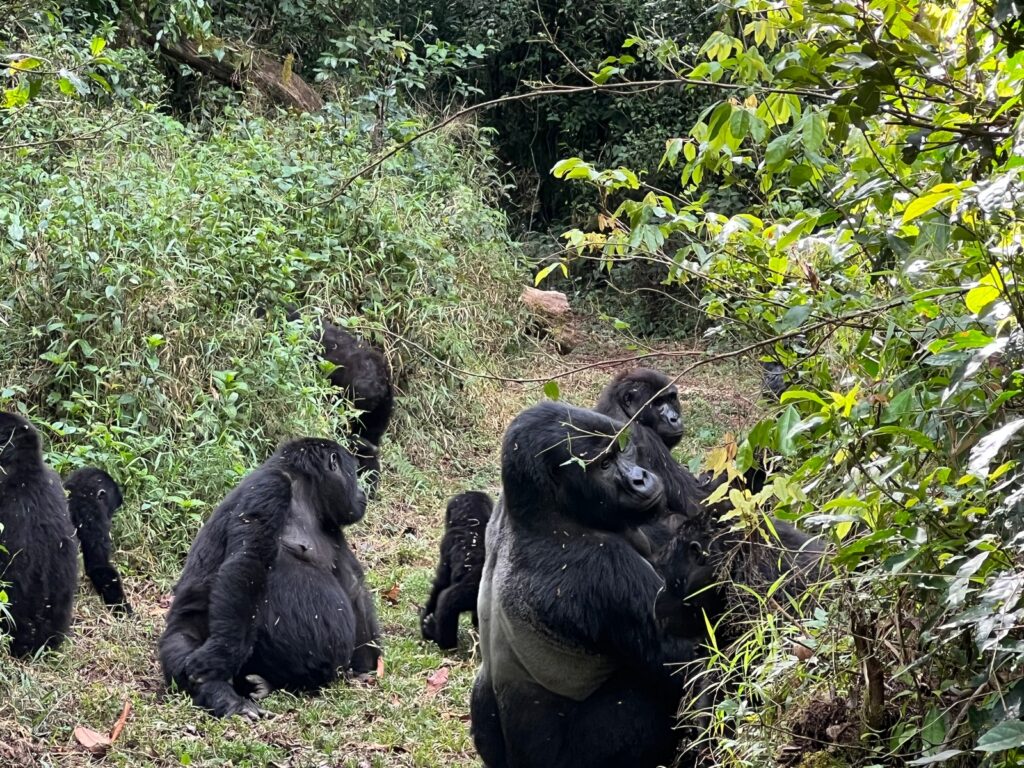
Understanding communication is one of the main reasons why Gorilla Family Behavior During Habituation is such a remarkable experience. Visitors gain a rare opportunity to witness the emotional world of mountain gorillas and understand how they build relationships, protect their families, and survive together in the rainforest.
Every vocal sound, gesture, grooming session, and interaction tells a story about the life of the gorilla family. Through habituation, travelers discover that gorillas are not simply animals to observe but intelligent, social beings with strong family connections.
Experiencing Gorilla Family Behavior During Habituation allows visitors to leave Uganda with a deeper respect for mountain gorillas and a stronger appreciation of the conservation efforts protecting them for future generations.
Grooming Behavior and Family Bonding

Grooming is one of the most important behaviors observed during gorilla habituation.
Gorillas groom each other to maintain hygiene, strengthen social relationships, and build trust between family members.
Within a gorilla family, grooming helps create strong connections between individuals, especially between mothers and young ones or close companions.
Observing grooming behaviors provides a deeper understanding of the emotional intelligence and social complexity of mountain gorillas.
The extended time available during habituation increases the chances of witnessing these peaceful and meaningful interactions.
Feeding Patterns and Daily Activities of Gorilla Families
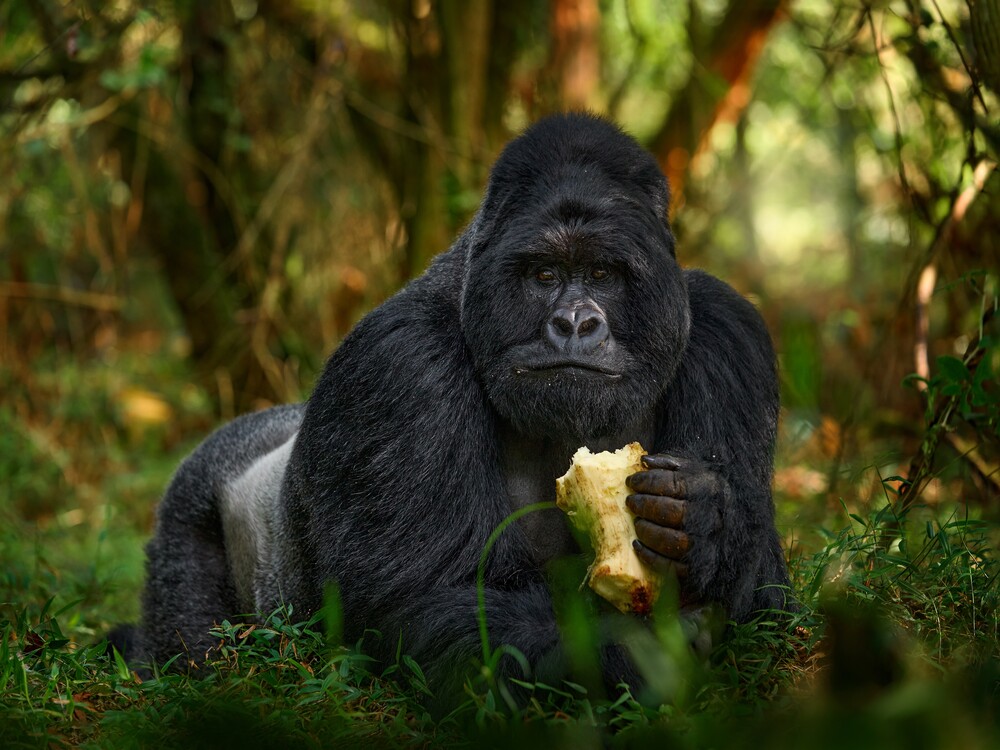
Another important aspect of Gorilla Family Behavior During Habituation is understanding how gorillas spend their daily lives.
Mountain gorillas are mainly herbivores and spend several hours feeding on leaves, shoots, stems, roots, and seasonal fruits found within the rainforest.
During habituation, visitors can observe gorillas searching for food, selecting plants, moving between feeding locations, and resting after meals.
Researchers use these observations to understand gorilla nutrition, movement patterns, and habitat requirements.
Seeing gorillas feeding naturally in the forest provides a powerful connection between travelers and the ecosystem that supports them.
How Gorilla Families React During Habituation
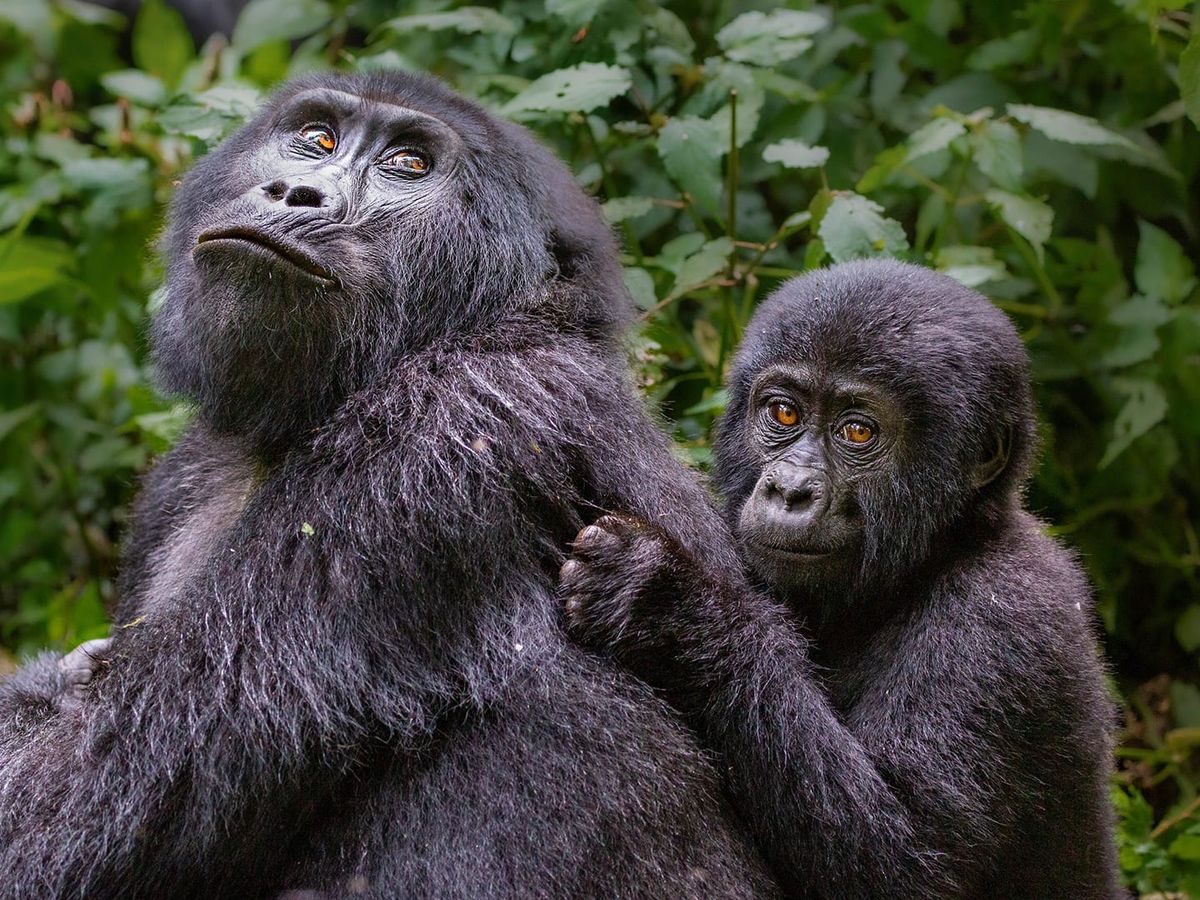
A unique part of Gorilla Family Behavior During Habituation is observing how gorillas gradually respond to human presence.
Unlike fully habituated groups, semi-habituated gorillas may show different reactions as they continue adjusting to researchers and visitors.
Some individuals may appear curious, while others may remain cautious and focused on their daily activities.
Professional guides and trackers carefully monitor these behaviors to ensure the gorillas remain comfortable and undisturbed.
The purpose of habituation is not to change gorillas but to allow responsible observation while maintaining their natural behaviors.
The Importance of Researchers and Trackers in Understanding Gorilla Behavior
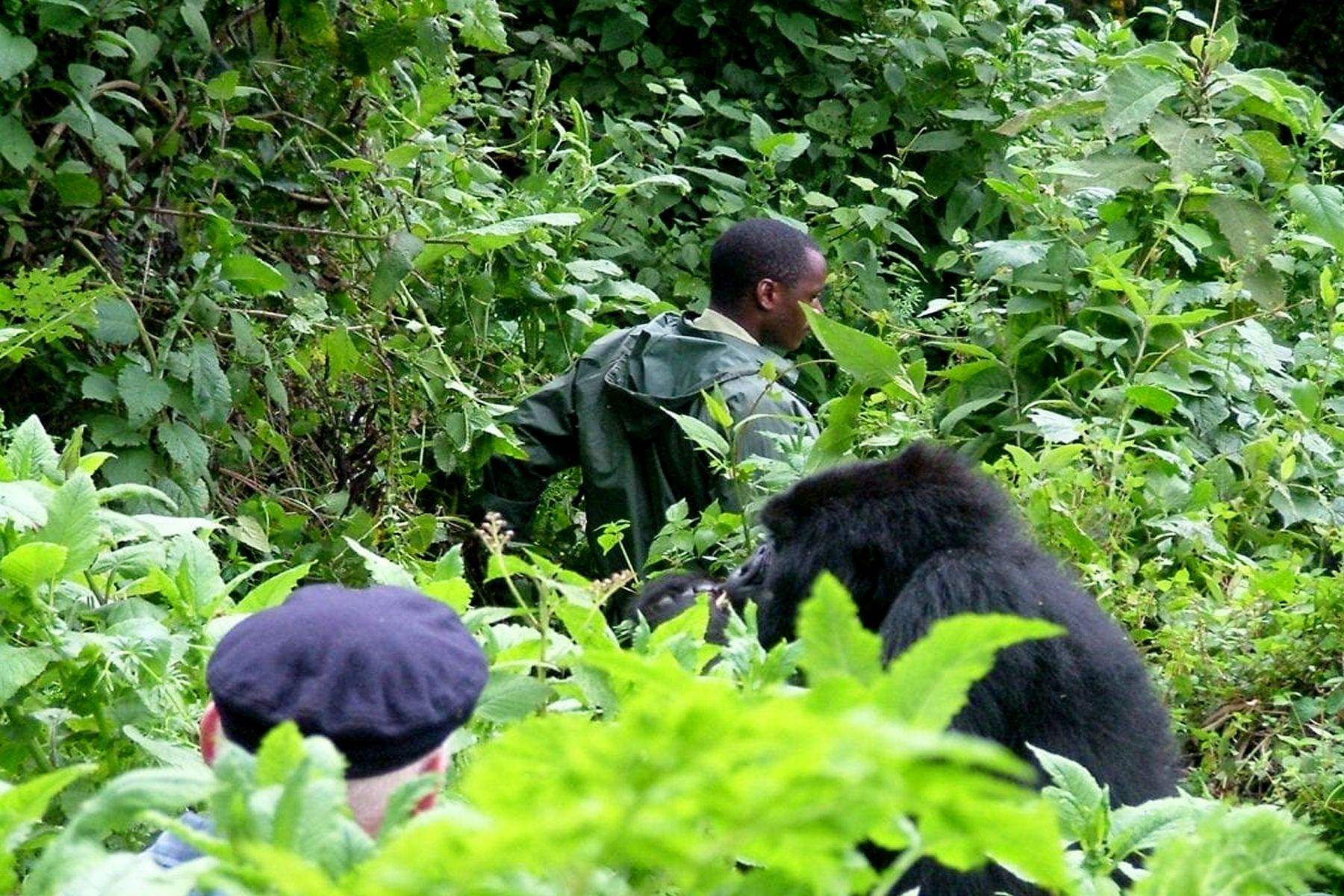
Researchers and trackers play an essential role in studying Gorilla Family Behavior During Habituation.
They spend countless hours monitoring gorilla families, identifying individual animals, recording behaviors, and studying relationships within groups.
Their work helps conservation organizations protect gorilla populations and develop effective strategies for long-term survival.
During a habituation experience, visitors benefit from their knowledge as they explain individual gorilla personalities, family history, and conservation challenges.
Photography Opportunities During Gorilla Family Habituation
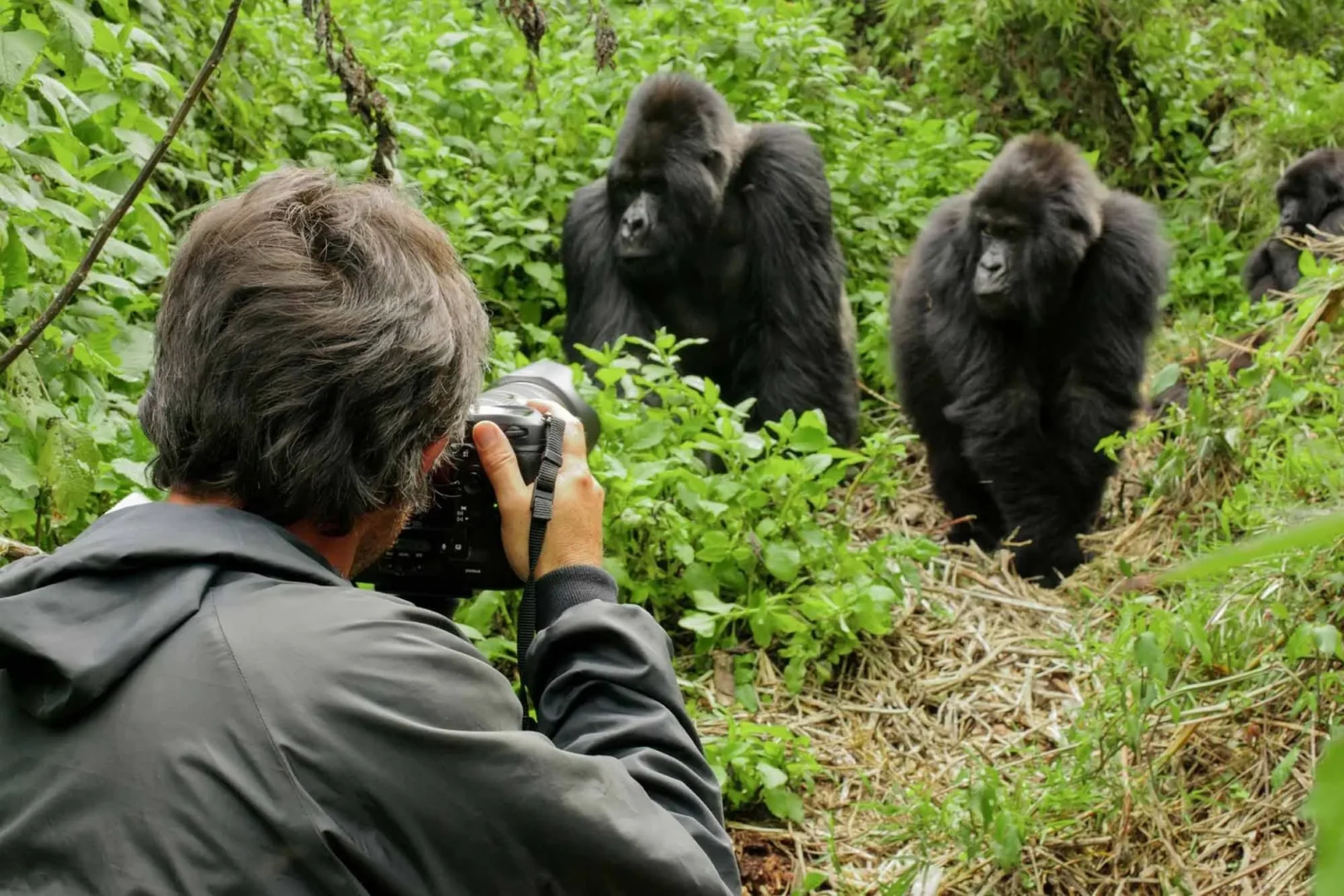
Gorilla habituation provides exceptional opportunities for wildlife photography because travelers have more time to observe natural behaviors.
Photographers can capture meaningful moments such as:
A silverback protecting his family.
A mother caring for her infant.
Young gorillas playing together.
Family members feeding peacefully in the forest.
However, responsible photography is essential. Visitors must follow guidelines that protect gorillas from disturbance while capturing unforgettable memories.
Best Place to Experience Gorilla Family Behavior During Habituation
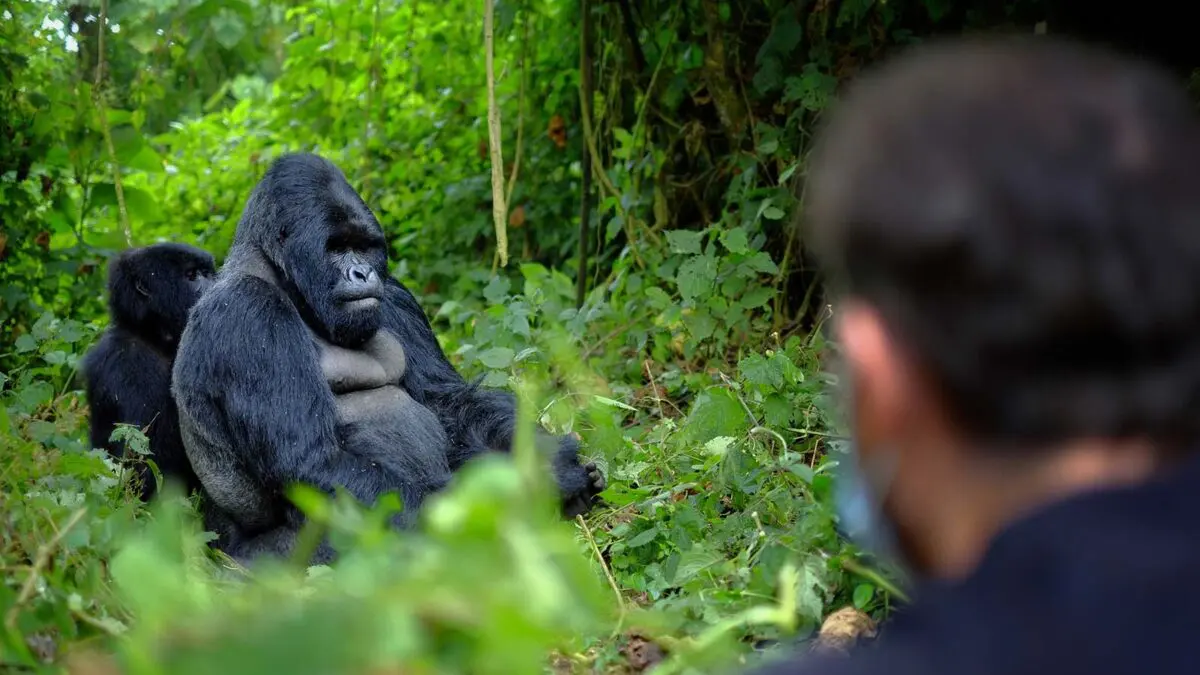
Uganda is one of the best destinations in the world for observing mountain gorillas.
The main location for gorilla habituation is the Rushaga sector of Bwindi Impenetrable National Park, a UNESCO-recognized rainforest famous for its biodiversity and endangered mountain gorillas.
The forest provides a natural environment where visitors can observe gorilla families living freely while supporting conservation efforts.
The surrounding communities, scenic landscapes, and rich wildlife make Bwindi one of Africa’s most rewarding safari destinations.
Best Time to Experience Gorilla Family Behavior During Habituation

Gorilla habituation is available throughout the year, but certain seasons provide more comfortable trekking conditions.
The dry seasons from June to September and December to February are popular because forest trails are usually easier to navigate.
However, the rainy seasons also offer unique advantages, including lush vegetation, fewer visitors, and excellent photography opportunities.
Frequently Asked Questions About Gorilla Family Behavior During Habituation
1. What is Gorilla Family Behavior During Habituation?
Gorilla Family Behavior During Habituation refers to the natural social activities, interactions, communication patterns, and relationships observed among mountain gorillas while they are undergoing the habituation process.
During this experience, visitors learn how gorillas organize their families, how the silverback leads the group, how mothers care for infants, how juveniles develop social skills, and how different members communicate with each other through sounds, gestures, and physical contact.
2. Why is Gorilla Family Behavior During Habituation important to understand?
Understanding Gorilla Family Behavior During Habituation helps visitors appreciate that mountain gorillas are highly intelligent and socially complex animals with strong family bonds.
By observing their natural behaviors, travelers gain insight into gorilla communication, leadership structures, parenting methods, and survival strategies. This knowledge also increases awareness about why mountain gorilla conservation and habitat protection are important.
3. What behaviors can visitors see during gorilla habituation?
During gorilla habituation, visitors may observe a wide range of natural behaviors, including feeding, resting, grooming, playing, communicating, moving through the forest, and caring for young ones.
The extended observation time allows travelers to witness unique moments such as silverbacks protecting their families, mothers interacting with infants, juveniles practicing social behaviors, and family members strengthening relationships through grooming.
4. How does the silverback contribute to Gorilla Family Behavior During Habituation?
The silverback plays a central role in Gorilla Family Behavior During Habituation because he is responsible for protecting, guiding, and maintaining order within the gorilla family.
Visitors may observe the silverback leading movements through the forest, protecting females and young gorillas, making communication displays such as chest beating, and responding to situations that affect the group.
His leadership helps maintain stability and safety within the family.
5. How do mountain gorillas communicate during habituation?
Mountain gorillas communicate using a combination of vocal sounds, body language, facial expressions, and physical interactions.
During Gorilla Family Behavior During Habituation, visitors may hear soft grunts, calls, and other vocalizations while also observing gestures such as grooming, touching, posture changes, and movement patterns.
These communication methods help gorillas maintain relationships, express emotions, and resolve social situations within the group.
6. Can visitors see baby gorillas during a habituation experience?
Yes, visitors may have the opportunity to see baby gorillas during a habituation experience.
Baby gorillas are an important part of Gorilla Family Behavior During Habituation because they demonstrate strong family connections through their interactions with mothers and other group members.
Travelers may observe mothers carrying, protecting, grooming, and teaching infants while young gorillas explore their surroundings and learn important survival skills.
7. How does gorilla habituation differ from normal gorilla trekking?
The main difference between gorilla habituation and normal gorilla trekking is the amount of time visitors spend observing the gorillas and the level of behavioral understanding gained.
Regular gorilla trekking usually allows one hour with a fully habituated gorilla family, while gorilla habituation provides up to four hours with a gorilla group still undergoing the process of becoming comfortable with human presence.
This longer period provides more opportunities to study Gorilla Family Behavior During Habituation, including communication, feeding, social bonding, and family interactions.
8. Where can I experience Gorilla Family Behavior During Habituation in Uganda?
The best place to experience Gorilla Family Behavior During Habituation is Uganda’s Bwindi Impenetrable National Park, especially the Rushaga sector where gorilla habituation experiences are conducted.
Bwindi’s ancient rainforest provides a natural habitat where mountain gorillas live freely. The forest environment allows visitors to observe gorillas interacting naturally while supporting conservation efforts aimed at protecting this endangered species.
9. How do guides help visitors understand gorilla family behaviors?
Professional guides and trackers play an important role in explaining Gorilla Family Behavior During Habituation by interpreting what visitors see during their encounter.
They explain gorilla communication, individual personalities, family relationships, feeding habits, and social interactions. Their knowledge helps travelers understand the meaning behind different behaviors rather than simply watching the gorillas.
This expert interpretation turns the experience into an educational conservation journey
10. How can I book a gorilla habituation experience to observe gorilla family behavior?
To experience Gorilla Family Behavior During Habituation, travelers can book a professionally organized gorilla habituation safari with a trusted Uganda safari company such as NextGEN Safaris.
A complete booking process includes arranging gorilla habituation permits, accommodation near Bwindi Impenetrable National Park, transportation, experienced guides, and a personalized itinerary based on your travel interests.
Planning in advance is highly recommended because gorilla habituation permits are limited and demand is high throughout the year. With expert planning, travelers can enjoy a safe, meaningful, and unforgettable journey into the world of mountain gorillas.
Book Your Gorilla Habituation Experience With NextGEN Safaris
Experiencing Gorilla Family Behavior During Habituation requires careful planning, expert guidance, and reliable safari arrangements.
At NextGEN Safaris, we specialize in creating unforgettable Uganda gorilla habituation journeys designed around your interests, travel style, and expectations.
Our team assists with every important detail, including gorilla habituation permits, accommodation, transportation, professional guides, and customized safari itineraries.
We understand that gorilla habituation is more than a wildlife activity. It is a rare opportunity to connect with one of the world’s most fascinating animals and witness behaviors that reveal their intelligence, emotions, and family connections.
Whether you are a wildlife photographer, conservation enthusiast, couple, or adventurous traveler, we design experiences that allow you to discover Uganda’s mountain gorillas in the most meaningful way.
With our local expertise and commitment to responsible tourism, your journey becomes more than a safari. It becomes a story of discovery, conservation, and unforgettable memories.