

Ultimate What to Expect Physically During Trek Guide: Complete Gorilla Trekking Fitness & Preparation Guide
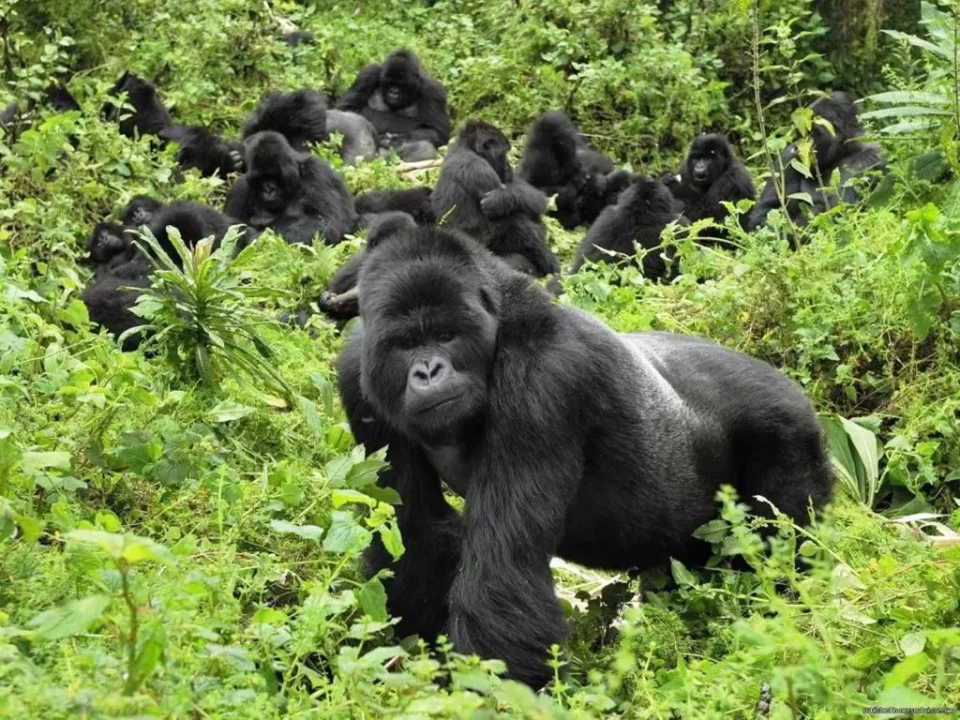
If you are planning a gorilla trekking adventure in Uganda or Rwanda, one of the most important questions you will ask is What to Expect Physically During Trek. Gorilla trekking is one of Africa’s most extraordinary wildlife experiences, but it also involves hiking through tropical rainforests, climbing hills, crossing streams, and navigating uneven terrain to find endangered mountain gorillas in their natural habitat. Understanding What to Expect Physically During Trek allows you to prepare both mentally and physically, making your adventure far more enjoyable and rewarding.
Many first-time visitors worry that gorilla trekking requires exceptional athletic ability. In reality, the experience is designed for ordinary travelers with a reasonable level of fitness. Every day, visitors ranging from young adults to seniors successfully complete gorilla treks under the guidance of experienced Uganda Wildlife Authority and Rwanda Development Board rangers. The key lies in understanding the physical demands, wearing the right equipment, and maintaining realistic expectations.
This comprehensive guide explains What to Expect Physically During Trek, from the terrain and hiking duration to weather conditions, altitude, stamina requirements, and practical preparation tips. Whether you are planning your first gorilla safari or returning for another unforgettable encounter, knowing what lies ahead will help you approach the trek with confidence and excitement.
Why Understanding What to Expect Physically During Trek Matters
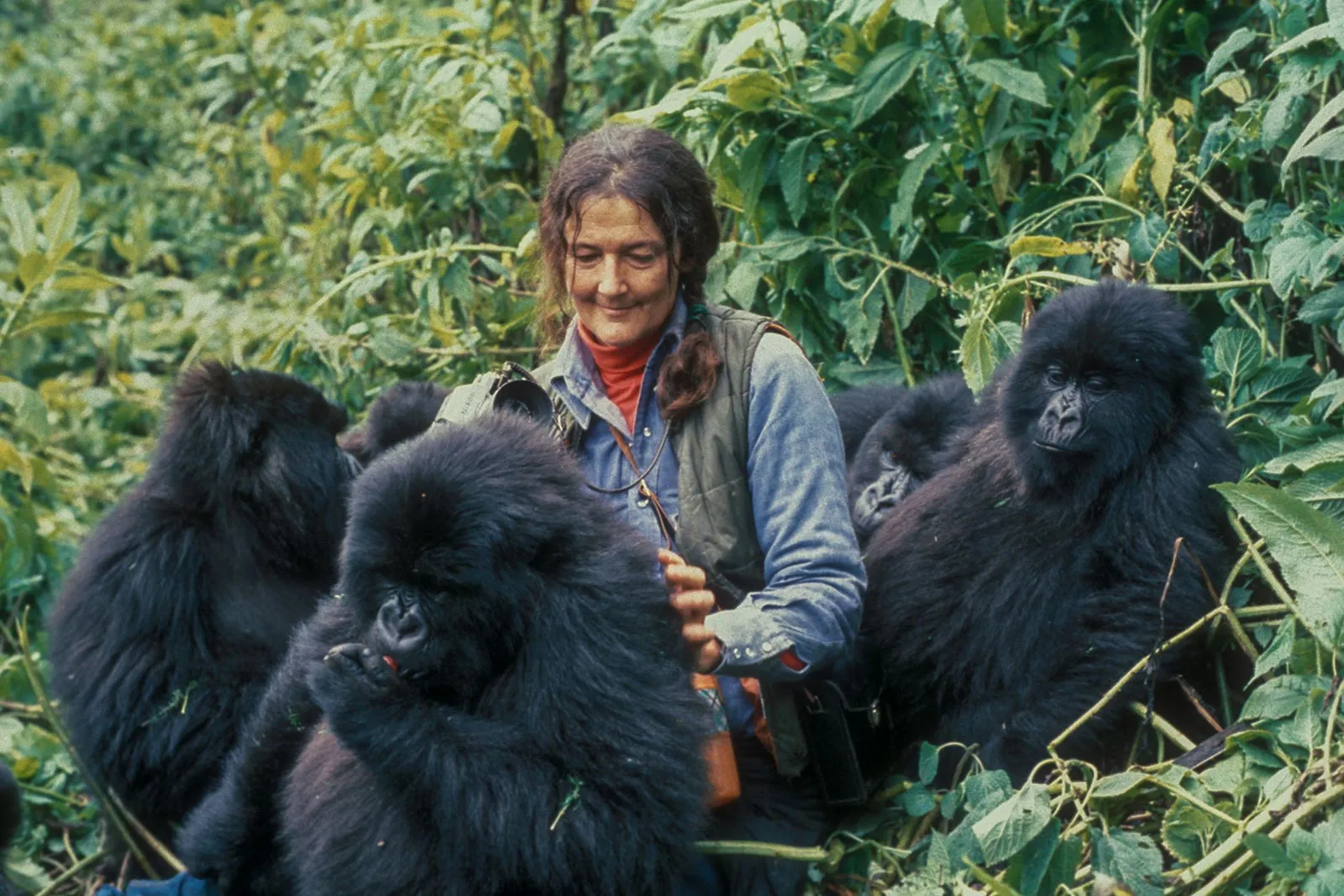
Preparing for a gorilla safari goes beyond securing permits and booking accommodation. Understanding What to Expect Physically During Trek plays a major role in determining how comfortable, confident, and successful your experience will be. Many travelers arrive expecting a simple forest walk, only to discover that mountain gorillas often move across steep valleys, thick vegetation, and rugged rainforest terrain. Having realistic expectations removes unnecessary anxiety and allows you to fully appreciate the adventure.
The physical challenge is actually one of the reasons gorilla trekking feels so rewarding. Unlike viewing wildlife from a safari vehicle, trekking requires you to become part of the forest environment. Every muddy trail, uphill climb, and winding path builds anticipation until the unforgettable moment when you finally stand face to face with a family of mountain gorillas. Understanding What to Expect Physically During Trek transforms the hike into an essential part of the experience rather than an obstacle.
Proper preparation also reduces the likelihood of fatigue, discomfort, and injuries. Wearing suitable hiking boots, carrying sufficient water, stretching before the trek, and maintaining a moderate fitness routine before traveling all contribute to a much more enjoyable safari. Travelers who understand the physical demands often finish their trek feeling accomplished, energized, and amazed by what they have experienced.
The Physical Nature of Gorilla Trekking
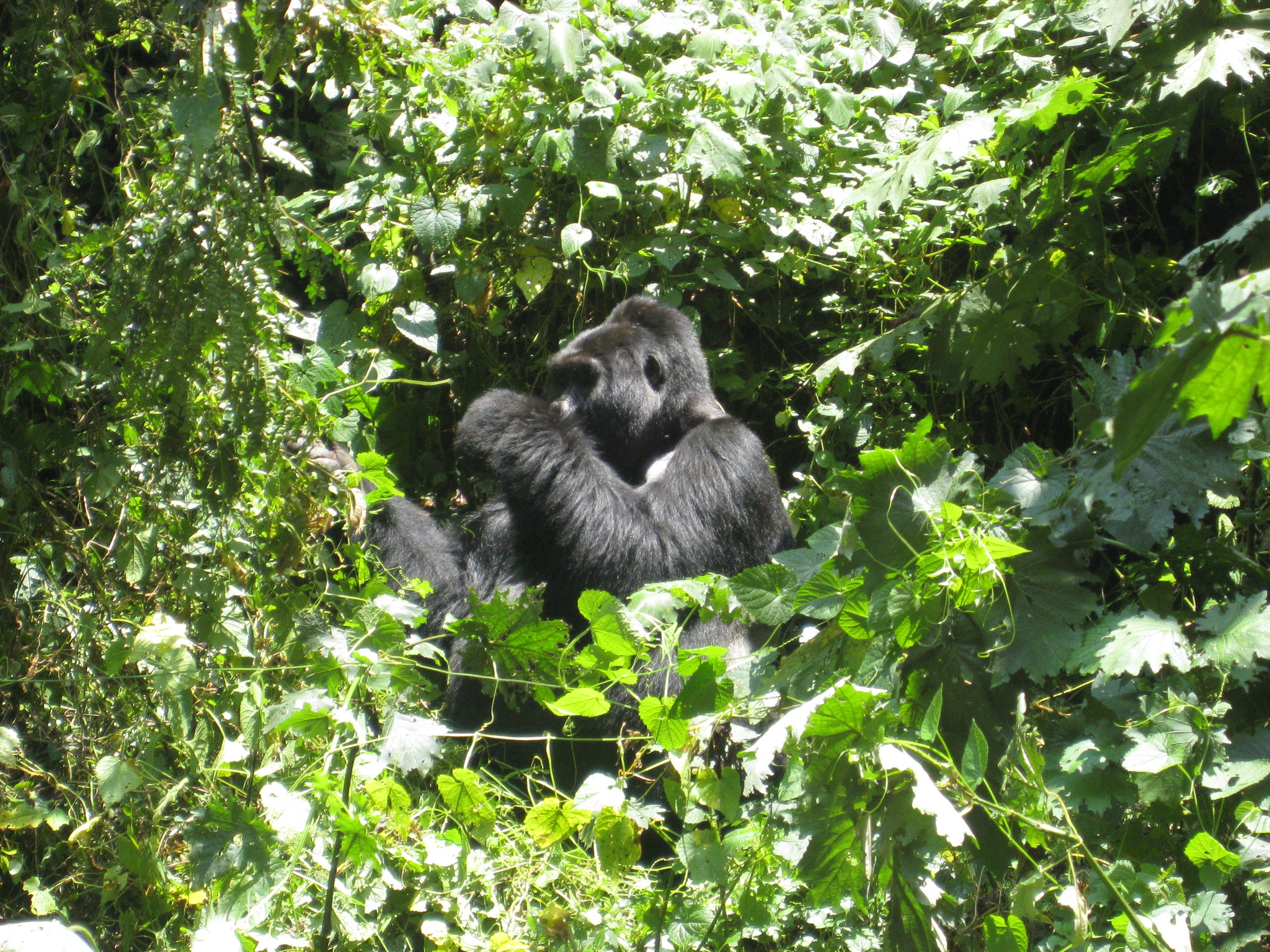
One of the first things to understand about What to Expect Physically During Trek is that no two gorilla treks are exactly alike. Mountain gorillas are wild animals that move freely throughout protected forests, meaning their location changes every day. Rangers begin searching early each morning by communicating with trackers who monitor gorilla movements, but the exact hiking distance cannot be predicted before the trek begins.
Some visitors locate their assigned gorilla family within an hour of entering the forest, while others may spend four, five, or even six hours hiking before reaching the gorillas. The duration depends entirely on where the gorillas have traveled overnight and how accessible the terrain is on that particular day.
The journey itself is rarely a straight path. Trekkers may climb hills, descend into valleys, navigate thick undergrowth, cross small streams, and carefully step over exposed tree roots and fallen logs. These varying conditions make every trek unique and contribute to the authentic wilderness experience that has made gorilla trekking famous worldwide.
Although the hike can be physically demanding, experienced rangers carefully manage the pace of every group. Frequent rest breaks are provided whenever necessary, allowing visitors to recover, hydrate, and appreciate the surrounding rainforest before continuing.
How Difficult Is What to Expect Physically During Trek?
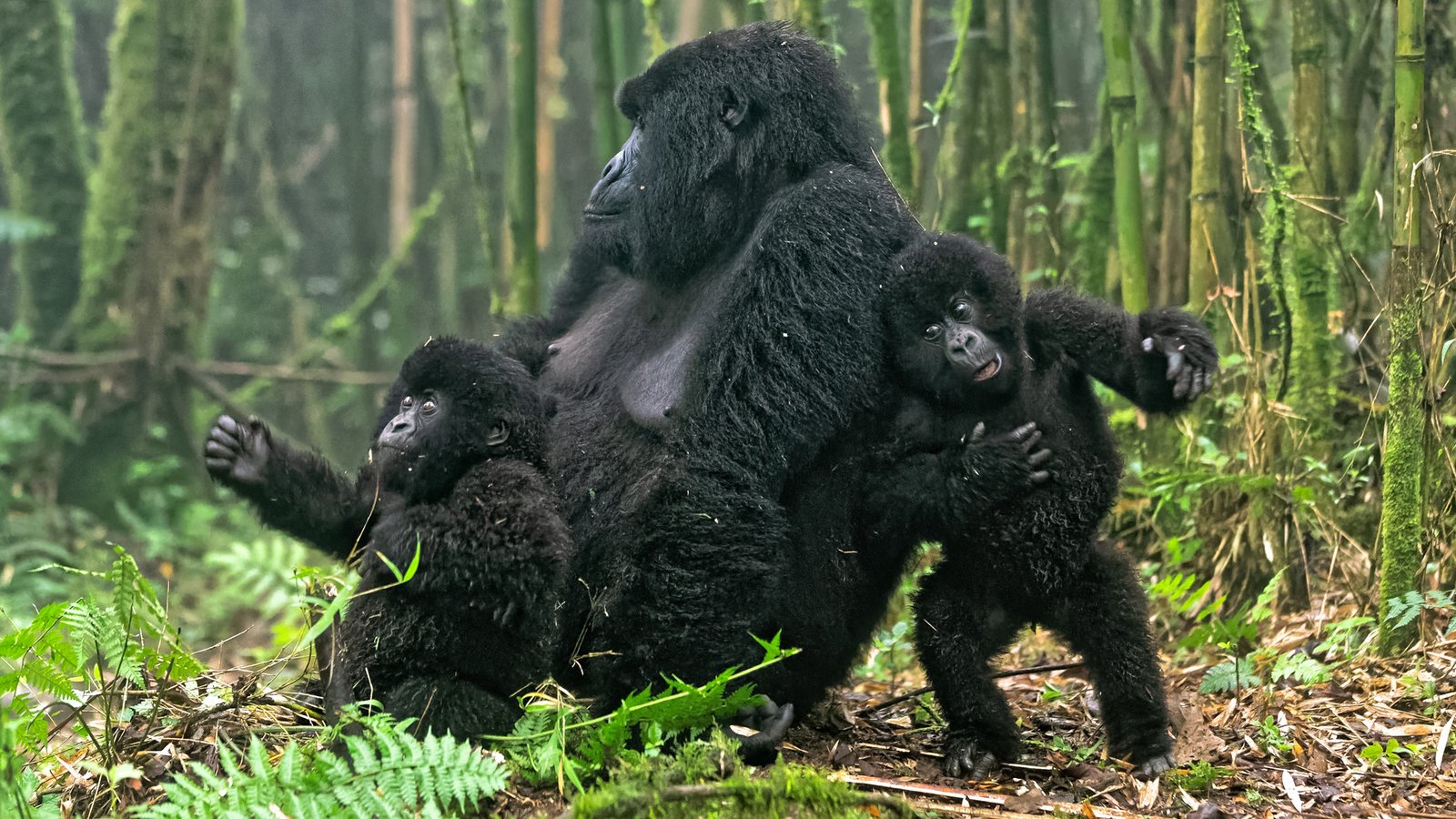
The difficulty level of What to Expect Physically During Trek varies considerably depending on weather conditions, the assigned gorilla family, and your own physical condition. Gorilla trekking should not be confused with technical mountain climbing, but it is certainly more challenging than walking through a city park or botanical garden.
In Uganda’s Bwindi Impenetrable National Park, the terrain tends to be steeper and more varied because of the park’s mountainous landscape. Visitors often encounter narrow forest paths, dense vegetation, slippery slopes, and significant elevation changes. Rwanda’s Volcanoes National Park generally offers slightly more open bamboo forests, although hikers still experience steep volcanic terrain.
The difficulty is balanced by the expertise of professional guides who continually assess the group’s progress. They adjust walking speeds, identify safer routes, and provide encouragement throughout the journey. Visitors are never expected to rush, and the emphasis remains on safety and enjoyment rather than speed.
Ultimately, most travelers describe gorilla trekking as moderately challenging rather than overwhelmingly difficult. The excitement of finally encountering mountain gorillas often causes hikers to forget the physical effort they invested in reaching them.
Understanding the Terrain You Will Encounter
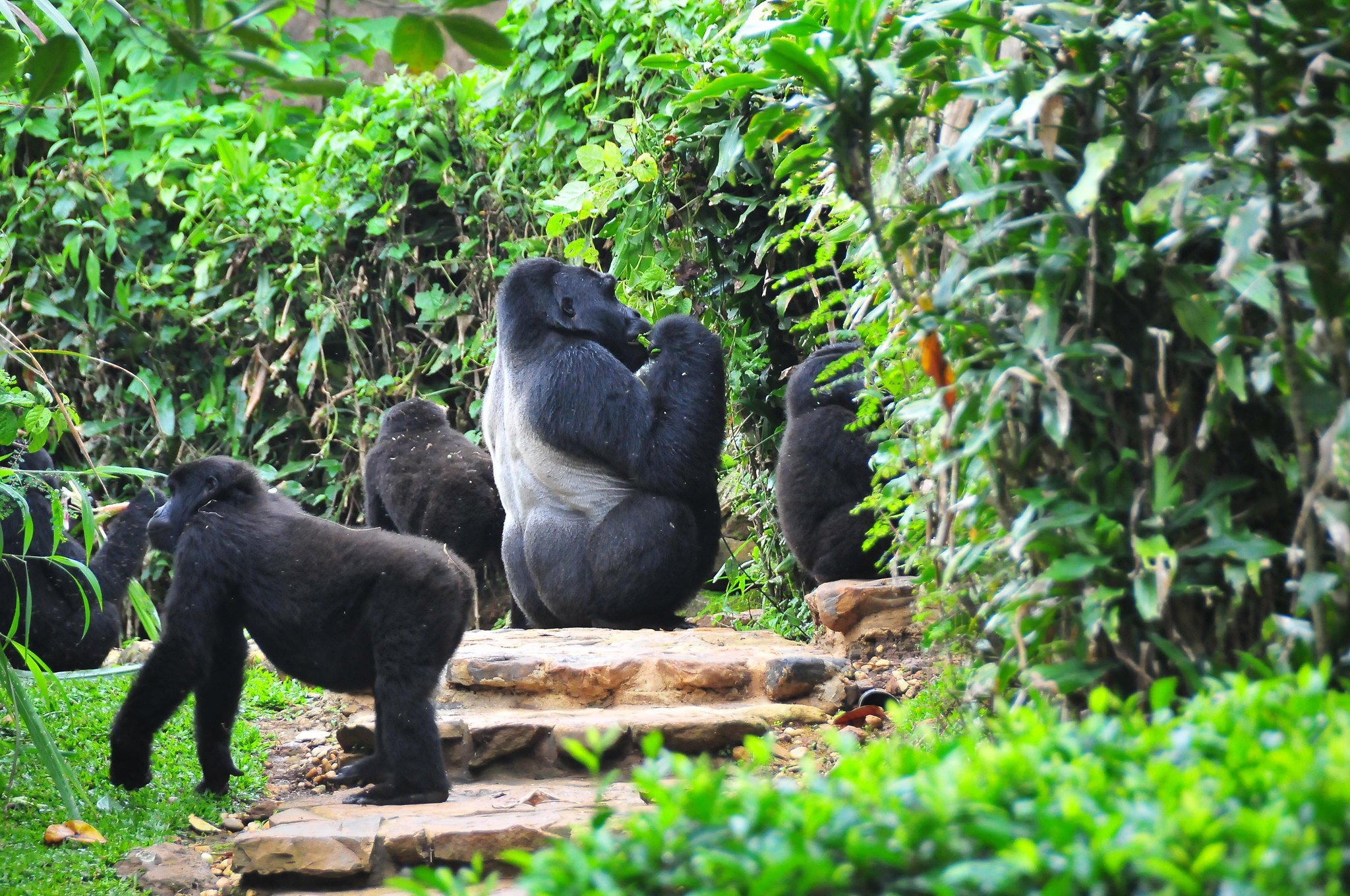
Knowing What to Expect Physically During Trek requires understanding the remarkable rainforest environment where mountain gorillas live. The forests of Bwindi and Volcanoes National Park are ancient ecosystems characterized by thick vegetation, towering trees, moss-covered rocks, and constantly changing landscapes.
Trails frequently pass through muddy sections, especially after rainfall, requiring careful footing and sturdy hiking boots with strong grip. Dense undergrowth sometimes requires guides to clear pathways using machetes, particularly when gorillas have moved away from established trails.
Steep hills are common because mountain gorillas naturally prefer higher elevations. Climbs may be gradual in some areas but considerably steeper in others. Descending can sometimes prove even more physically demanding than climbing, especially when trails become slippery.
Visitors should also expect occasional river crossings, exposed tree roots, rocky surfaces, and fallen branches. These natural obstacles are simply part of the rainforest environment and contribute to the authentic wilderness adventure.
Despite these challenges, every step through the forest reveals incredible biodiversity. Birds, butterflies, monkeys, colorful plants, and towering ferns surround trekkers throughout the journey, making the hike itself an unforgettable experience long before the gorillas appear.
How Long Will the Trek Last?
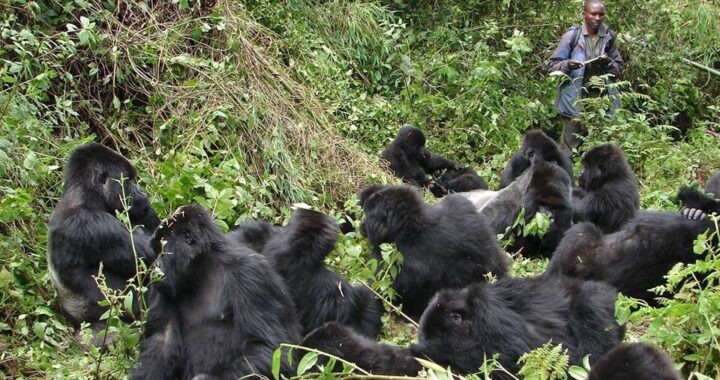
One of the most frequently asked questions regarding What to Expect Physically During Trek concerns the amount of time spent hiking. There is no guaranteed duration because mountain gorillas move freely every day.
Some lucky visitors encounter gorillas within thirty to sixty minutes, while others spend several hours searching through the rainforest. Most treks fall somewhere between two and six hours, including the return journey.
Once the gorillas are located, every group is permitted exactly one hour in their presence. During this remarkable hour, visitors quietly observe family interactions, photograph the gorillas, and witness behaviors rarely seen anywhere else in the world.
Although many people initially focus on the hiking time, they often discover that the anticipation created during the trek makes the final encounter even more meaningful.
How Much Fitness Do You Really Need?
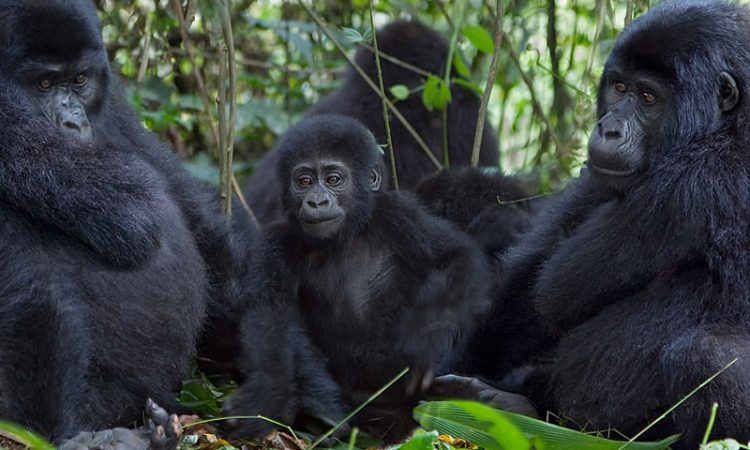
Many travelers researching What to Expect Physically During Trek overestimate the level of fitness required. Gorilla trekking is designed for ordinary travelers rather than elite athletes. A reasonable level of cardiovascular fitness, combined with determination and patience, is generally sufficient.
Individuals who regularly walk, cycle, swim, or climb stairs usually adapt well to the physical demands of the trek. Even travelers who exercise only occasionally often complete the hike successfully by maintaining a steady pace and taking advantage of rest stops.
Preparing several weeks before your safari by increasing your walking distance, practicing on hills, and strengthening your legs can significantly improve your overall experience. Simple activities such as brisk walking for thirty to sixty minutes several times a week often provide excellent preparation.
The goal is not speed but endurance. Gorilla trekking rewards persistence far more than athletic performance.
Weather Conditions and Their Physical Impact
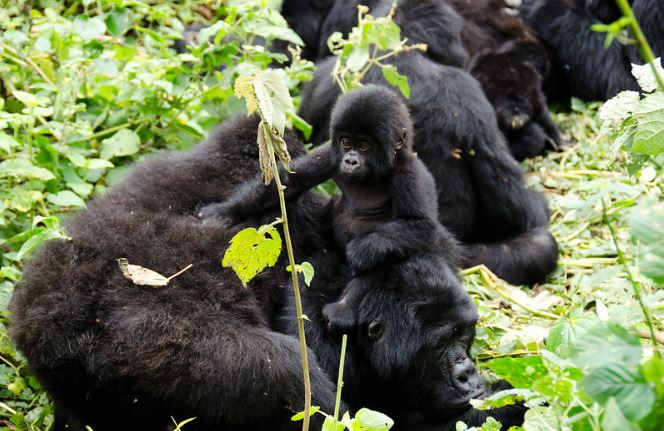
Weather plays an important role in What to Expect Physically During Trek. Uganda and Rwanda’s mountain forests receive rainfall throughout much of the year, creating cool temperatures and lush vegetation but also muddy trails and slippery slopes.
Rain rarely stops gorilla trekking because the gorillas remain active regardless of weather conditions. Instead, visitors simply adapt by wearing waterproof clothing and appropriate hiking gear.
Humidity can increase physical fatigue, especially during uphill climbs. Staying hydrated becomes particularly important throughout the trek. Most experienced guides encourage visitors to drink water regularly even when they do not feel thirsty.
The constantly changing weather also adds to the adventure. Morning sunshine may quickly give way to mist, light rain, or cool mountain breezes, creating dramatic rainforest scenery unlike anywhere else in Africa.
Why the Physical Challenge Makes the Experience More Rewarding
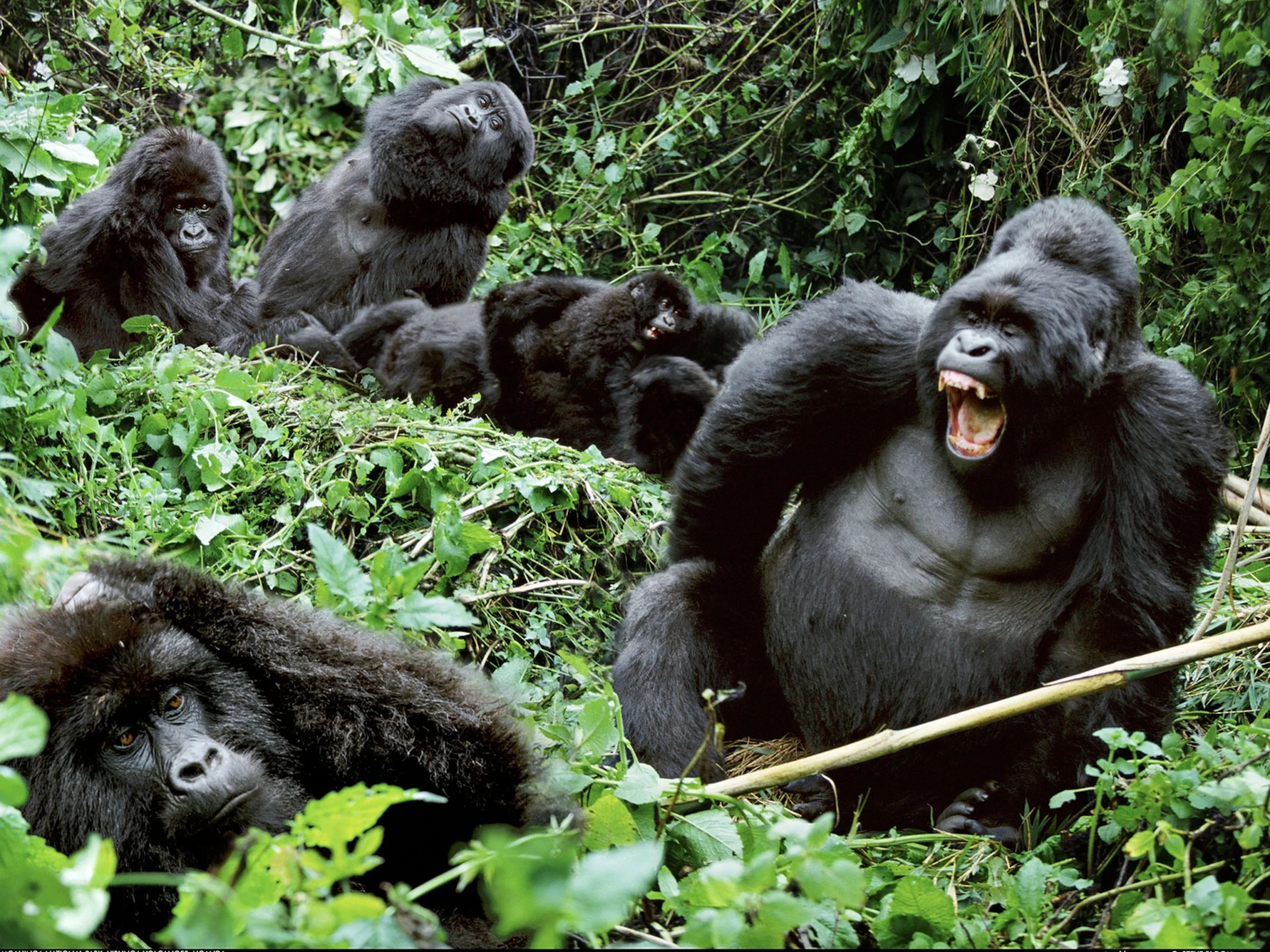
Understanding What to Expect Physically During Trek helps travelers appreciate that the hike itself is not separate from the gorilla experience it is an essential part of it. Every step through the rainforest builds anticipation, excitement, and appreciation for the remote habitat these endangered primates call home.
The physical effort creates a sense of accomplishment that few wildlife experiences can match. By the time visitors finally stand quietly before a silverback gorilla, they recognize that they have entered one of the world’s most protected and pristine ecosystems through their own determination.
Many travelers describe the emotional reward as far greater than the physical effort. The sight of a gorilla family feeding, grooming, playing, or caring for young infants quickly erases memories of muddy boots and tired legs. Instead, the trek becomes part of an unforgettable personal story that lasts a lifetime.
Why Choosing Experienced Safari Experts Matters
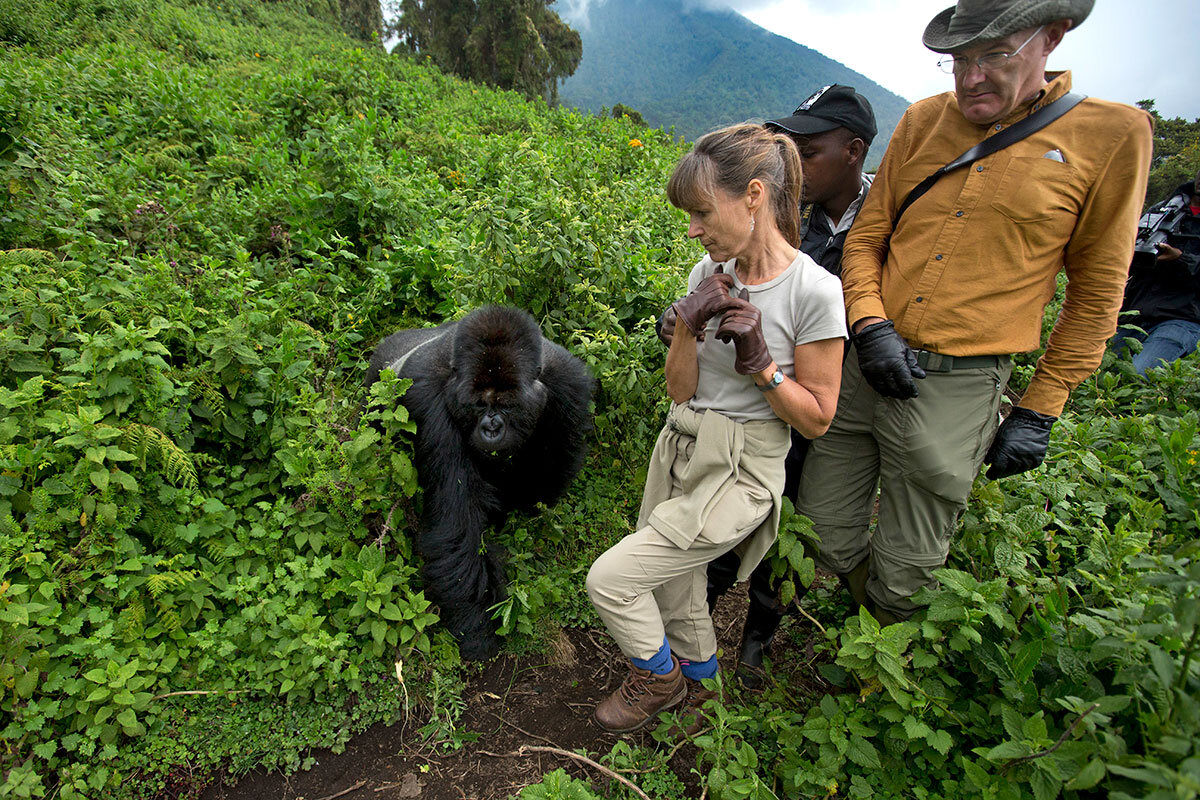
Successfully preparing for What to Expect Physically During Trek begins with choosing an experienced safari operator. Knowledgeable tour specialists help travelers select the best trekking destination, recommend suitable accommodation close to the trekking sectors, advise on proper equipment, and explain exactly what to expect before arriving at the park.
Experienced safari companies also arrange permits, transportation, porter services, and personalized itineraries that allow visitors sufficient time to rest before and after trekking. This thoughtful planning reduces unnecessary stress and helps travelers focus entirely on enjoying the adventure.
With professional guidance, realistic preparation, and the right expectations, What to Expect Physically During Trek becomes far less intimidating and far more exciting. The result is a safe, comfortable, and truly life-changing gorilla trekking experience in the magnificent rainforests of Uganda or Rwanda.
Frequently Asked Question About What to Expect Physically During Trek
1. What to Expect Physically During Trek?
When planning a gorilla adventure, one of the biggest questions travelers ask is What to Expect Physically During Trek. Gorilla trekking is an active rainforest experience rather than a simple nature walk. The trek can range from a relatively easy one-hour hike to a demanding journey lasting six or more hours, depending on where the gorilla family is located that day. Every trek is different because mountain gorillas move freely through their natural habitat. Understanding What to Expect Physically During Trek helps you prepare mentally and physically, ensuring you enjoy every moment of the adventure.
The terrain often includes steep hills, muddy forest trails, tangled vegetation, fallen logs, and occasional river crossings. Rangers choose the safest routes possible, but the rainforest remains wild and unpredictable. Walking sticks, porters, and proper hiking boots significantly reduce the challenge, making the experience manageable for travelers of different ages and fitness levels. Most visitors finish the trek feeling physically tired but emotionally rewarded after spending one unforgettable hour with a gorilla family.
2. How Fit Do I Need to Be for Gorilla Trekking?
Many first-time visitors worry about What to Expect Physically During Trek because they are not professional hikers. Fortunately, you do not need to be an athlete to enjoy gorilla trekking. People of varying fitness levels, including seniors, successfully complete gorilla treks every day in Uganda and Rwanda. What matters most is maintaining a reasonable level of health and being prepared for several hours of walking.
If you can comfortably walk for several hours on uneven ground or climb moderate hills, you are generally fit enough for the experience. Regular walking, stair climbing, cycling, or light hiking before your safari can greatly improve your endurance. Preparing in advance reduces fatigue and increases your confidence when facing the rainforest terrain.
The guides and rangers maintain a comfortable pace, allowing trekkers to rest whenever necessary. Gorilla trekking is not a race but an adventure designed for people who appreciate wildlife and nature.
3. How Long Does the Trek Usually Last?
A major part of understanding What to Expect Physically During Trek is knowing that trekking duration varies every single day. Since mountain gorillas roam freely, no guide can accurately predict exactly how long it will take to locate them. Some groups are found within an hour, while others require several hours of hiking through dense rainforest.
Most gorilla treks last between two and six hours, including the return journey. Once the gorillas are located, every visitor receives one magical hour to observe and photograph the family while maintaining a respectful distance. This hour often feels much shorter than expected because of the incredible experience.
Although the walking time is unpredictable, experienced rangers constantly communicate with trackers ahead of the group, helping reduce unnecessary hiking whenever possible.
4. Is Gorilla Trekking Very Difficult?
Many travelers researching What to Expect Physically During Trek wonder whether gorilla trekking is extremely difficult. The answer depends on the gorilla family’s location, weather conditions, and individual fitness. Some treks are relatively easy, while others involve climbing steep forest slopes and navigating muddy trails.
Uganda’s Bwindi Impenetrable National Park generally offers more varied and sometimes steeper terrain than Rwanda’s Volcanoes National Park. However, both destinations provide unforgettable experiences regardless of the physical challenge. Rangers adjust the trekking pace to suit the group and ensure everyone’s safety.
With proper preparation, suitable hiking gear, and a positive attitude, most visitors find the trek challenging but entirely worthwhile. The excitement of finally seeing mountain gorillas quickly makes the physical effort feel insignificant.
5. Will I Have to Climb Steep Hills?
One important aspect of What to Expect Physically During Trek is the possibility of climbing steep hills. Mountain gorillas naturally inhabit mountainous rainforests, meaning some elevation changes are unavoidable. Depending on the gorilla family’s location, trekkers may ascend or descend forested slopes throughout the day.
The trails can become slippery, especially after rainfall, making sturdy waterproof hiking boots extremely valuable. Rangers frequently stop to allow trekkers to catch their breath and enjoy the surrounding forest scenery.
Walking sticks provided at the park headquarters offer excellent support on steep sections and significantly improve stability during both climbs and descents.
6. Will the Forest Trails Be Muddy?
Anyone researching What to Expect Physically During Trek should prepare for muddy conditions. Uganda and Rwanda’s tropical rainforests receive rainfall throughout much of the year, creating soft, muddy trails even during relatively dry seasons.
Waterproof hiking boots with excellent grip are among the most important items to pack. Gaiters help keep mud out of your boots, while quick-drying clothing increases comfort throughout the hike. Gloves also provide protection when holding branches or climbing over natural obstacles.
Although muddy trails require extra effort, they are simply part of the authentic rainforest experience that makes gorilla trekking so unique.
7. Can Seniors Participate in Gorilla Trekking?
Many older travelers wonder What to Expect Physically During Trek and whether age prevents participation. Fortunately, many seniors successfully complete gorilla trekking every year. Good general health is more important than age itself.
Uganda and Rwanda also provide sedan chair services, where trained porters carry visitors who have limited mobility up and down the mountain. This service enables many elderly travelers to enjoy close encounters with mountain gorillas without excessive physical strain.
Hiring a porter also makes the trek much easier, as they assist with carrying backpacks and provide physical support on difficult sections of the trail.
8. Should I Hire a Porter?
Understanding What to Expect Physically During Trek includes knowing the value of hiring a porter. Many first-time trekkers initially think they do not need one, only to realize during the hike how helpful they are.
Porters carry backpacks, camera equipment, drinking water, and walking sticks while also providing assistance over slippery rocks, steep hills, and muddy sections. Their experience often makes the trek significantly easier and safer.
Hiring a porter also directly supports local communities living around the national parks, making it both a practical and responsible tourism choice.
9. What Should I Wear During the Trek?
Preparing for What to Expect Physically During Trek begins with wearing the right clothing. Long-sleeved shirts, long trousers, waterproof hiking boots, gardening gloves, and a waterproof rain jacket provide the best protection against mud, insects, thorny vegetation, and changing weather.
Neutral-colored clothing is recommended because bright colors may disturb wildlife. Moisture-wicking fabrics help regulate body temperature during long hikes through humid rainforest conditions.
Comfortable clothing allows you to focus entirely on the extraordinary experience rather than discomfort.
10. What Happens If It Rains During the Trek?
Rain is a natural part of What to Expect Physically During Trek, particularly in tropical rainforests where weather changes quickly. Gorilla trekking continues in most rainy conditions because mountain gorillas remain active regardless of the weather.
A lightweight waterproof jacket, backpack rain cover, and waterproof boots become essential equipment. Even when mornings begin sunny, afternoon showers can develop unexpectedly.
Many experienced travelers actually enjoy trekking during light rain because the forest becomes even more vibrant, fresh, and atmospheric.
11. Can Beginners Complete Gorilla Trekking?
Yes. One of the biggest misconceptions about What to Expect Physically During Trek is that only experienced hikers can participate. In reality, many visitors have never completed a mountain hike before their gorilla safari.
Professional guides carefully lead every group, ensuring beginners receive encouragement and adequate rest throughout the trek. The pace remains comfortable for everyone involved.
Proper preparation, suitable footwear, and maintaining a positive attitude are usually enough for first-time trekkers to successfully complete the experience.
2. Will High Altitude Affect Me?
Since gorilla habitats are located in mountainous regions, What to Expect Physically During Trek includes hiking at elevations between approximately 2,000 and 3,000 meters above sea level.
Some visitors experience mild shortness of breath during steep climbs, particularly if arriving directly from lower elevations. Drinking plenty of water, walking slowly, and taking regular breaks usually minimize these effects.
Most travelers adapt quickly and experience no significant altitude-related problems.
13. How Much Walking Is Involved?
A common concern regarding What to Expect Physically During Trek is the total amount of walking required. Depending on the gorilla family’s movements, visitors may walk anywhere from a few kilometers to considerably longer distances through forest trails.
The return journey often follows a different route and may involve additional climbing or descending. However, experienced rangers continually monitor the group’s comfort and adjust the pace accordingly.
The physical effort becomes secondary once visitors encounter a gorilla family in its natural habitat.
14. Will I Need Special Hiking Equipment?
Preparing for What to Expect Physically During Trek does not require expensive mountaineering equipment. Comfortable waterproof hiking boots, long clothing, a rain jacket, gloves, and a small backpack are generally sufficient.
Walking sticks are usually provided at the park headquarters and greatly improve balance during challenging sections of the trek. Hiring a porter further reduces physical strain.
Simple, practical equipment is often all that is needed for a successful gorilla trekking adventure.
15. Can Children Participate in Gorilla Trekking?
When discussing What to Expect Physically During Trek, it is important to know that gorilla trekking has minimum age requirements. Visitors must generally be at least 15 years old in both Uganda and Rwanda.
The age restriction exists because the trek can be physically demanding and because younger children may struggle to remain calm around wild gorillas. Older teenagers who meet the age requirement usually perform very well during the hike.
Families with younger children can explore many other wildlife and cultural activities while waiting until children become eligible for gorilla trekking.
16. What Happens If I Become Too Tired?
Understanding What to Expect Physically During Trek includes knowing that rangers prioritize visitor safety and comfort. Frequent rest breaks are encouraged, especially during steeper climbs or warmer conditions.
Porters can assist physically by helping visitors maintain balance across difficult terrain. If necessary, guides adjust the group’s pace to ensure everyone progresses comfortably.
Communication is important—never hesitate to tell your guide if you need additional rest during the trek.
17. Is Gorilla Trekking Safe Despite the Physical Challenge?
Although What to Expect Physically During Trek includes uneven terrain and forest obstacles, gorilla trekking remains one of Africa’s safest wildlife experiences when conducted with authorized park rangers.
Guides receive extensive training in visitor safety, wildlife behavior, and emergency procedures. Before entering the forest, every group receives a comprehensive safety briefing explaining what to expect throughout the trek.
Following ranger instructions allows visitors to safely enjoy one of the world’s most extraordinary wildlife encounters.
18. How Can I Prepare Physically Before My Safari?
The best way to prepare for What to Expect Physically During Trek is by increasing your activity level several weeks before travel. Regular walking, hiking, climbing stairs, cycling, or light cardiovascular exercise improves endurance and confidence.
Practicing with the hiking boots you plan to wear helps prevent blisters during the actual trek. Stretching exercises also improve flexibility when navigating uneven rainforest terrain.
Even moderate preparation makes the trekking experience noticeably easier and more enjoyable.
19. Does the Physical Effort Make Gorilla Trekking Worth It?
Every traveler wondering What to Expect Physically During Trek eventually asks whether the physical effort is worthwhile. The overwhelming answer from previous visitors is yes. Standing just a few meters from a peaceful mountain gorilla family creates memories that last a lifetime.
The sense of achievement after completing the hike adds to the emotional impact of the encounter. Many visitors describe it as one of the greatest wildlife experiences on Earth.
The temporary physical challenge quickly fades, while the unforgettable encounter with mountain gorillas remains forever.
20. How Does Knowing What to Expect Physically During Trek Improve My Experience?
Learning What to Expect Physically During Trek before your safari removes uncertainty and allows you to prepare with confidence. Knowing about the terrain, hiking duration, weather conditions, and required equipment helps you arrive ready for the adventure rather than worrying about the unknown.
Preparation also enables you to focus on appreciating the incredible biodiversity of Uganda’s Bwindi Impenetrable National Park or Rwanda’s Volcanoes National Park. Instead of being surprised by steep trails or muddy paths, you can fully immerse yourself in the rainforest experience and enjoy every step of the journey.
Ultimately, understanding What to Expect Physically During Trek transforms gorilla trekking from a challenging hike into a rewarding conservation adventure. With realistic expectations, proper preparation, and guidance from experienced rangers, the physical effort becomes part of the unforgettable story you will proudly share for years to come.
Book Your Gorilla Trekking Adventure with Confidence
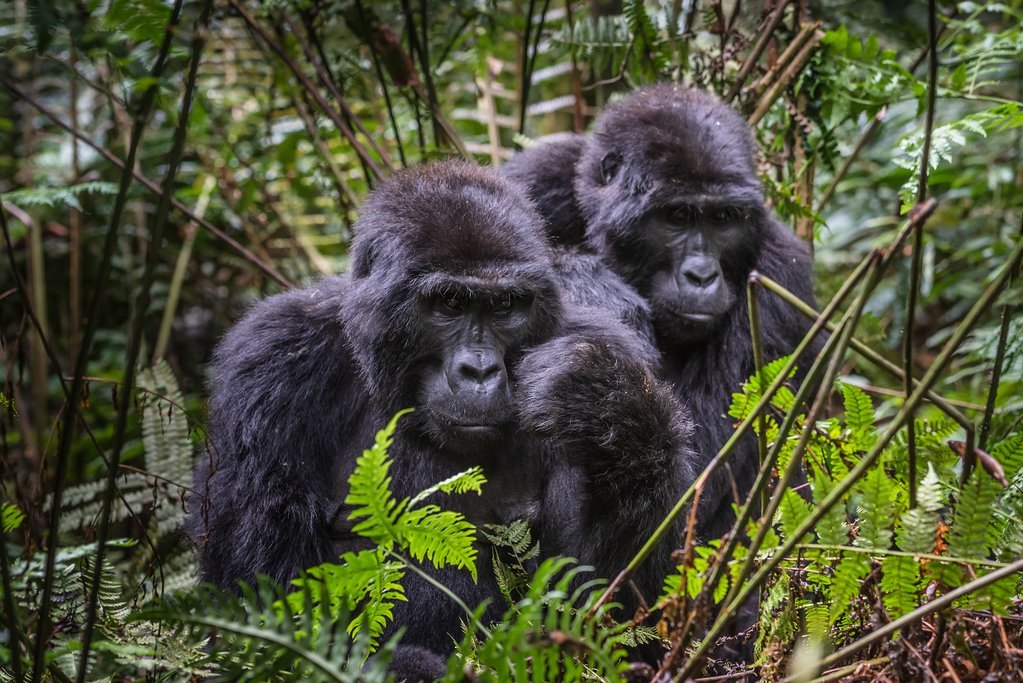
Planning a gorilla safari begins with understanding What to Expect Physically During Trek, but turning that knowledge into an unforgettable experience requires careful planning and expert support. From securing highly sought-after gorilla permits to selecting the right trekking sector and comfortable accommodation, every detail plays an important role in ensuring your safari is enjoyable from start to finish. Booking with an experienced safari company means you receive professional guidance before, during, and after your trek, allowing you to focus on the incredible experience awaiting you in the rainforest.
When you book your gorilla trekking safari with us, we take time to understand your travel style, fitness level, budget, preferred travel dates, and overall expectations. This allows us to recommend the most suitable gorilla trekking destination, whether you prefer the diverse landscapes of Bwindi Impenetrable National Park, the scenic Virunga Mountains of Rwanda, or the unique experience of Mgahinga Gorilla National Park. Since What to Expect Physically During Trek varies from one location and gorilla family to another, our team helps match you with the trekking experience that best suits your abilities and interests.
Beyond permit reservations, we organize every aspect of your safari. This includes airport transfers, private transportation, accommodation bookings, domestic flights where required, porter arrangements, cultural experiences, game drives, chimpanzee tracking, golden monkey trekking, boat cruises, and visits to other national parks. Many travelers choose to combine gorilla trekking with classic wildlife safaris, creating an unforgettable East African adventure that showcases the very best of Uganda and Rwanda.
Because What to Expect Physically During Trek differs from person to person, we design fully customized itineraries rather than offering one-size-fits-all packages. Younger travelers seeking adventure may enjoy longer hiking routes and multiple trekking experiences, while senior travelers or families may prefer itineraries with additional rest days, shorter transfer distances, or accommodation located closer to the trekking starting points. We carefully tailor every safari to maximize comfort without compromising the quality of the experience.
Our experienced safari team remains available throughout your planning process to answer every question about What to Expect Physically During Trek. Whether you are wondering about hiking distances, weather conditions, altitude, photography opportunities, accommodation options, visas, travel insurance, or border crossings between Uganda and Rwanda, we provide honest, accurate, and up-to-date information based on years of organizing successful gorilla safaris.
Booking early gives you the greatest flexibility in choosing your preferred travel dates, gorilla permits, and accommodation. It also allows sufficient time to prepare physically for the trek and organize international travel arrangements. Whether you are traveling solo, as a couple, with friends, or as part of a family group, early planning ensures the best possible safari experience.
Your journey to meet the world’s endangered mountain gorillas begins long before you step into the rainforest. It starts with choosing trusted safari experts who understand every detail of What to Expect Physically During Trek and who are committed to making your adventure smooth, safe, and unforgettable. Contact us today to begin planning your personalized gorilla trekking safari, and let us help you create an extraordinary wildlife experience that will remain one of the greatest highlights of your lifetime.