

The Ultimate Guide to What You See During Gorilla Habituation: An Extraordinary Journey Into Uganda’s Wild Gorilla World
Discover What You See During Gorilla Habituation in Uganda
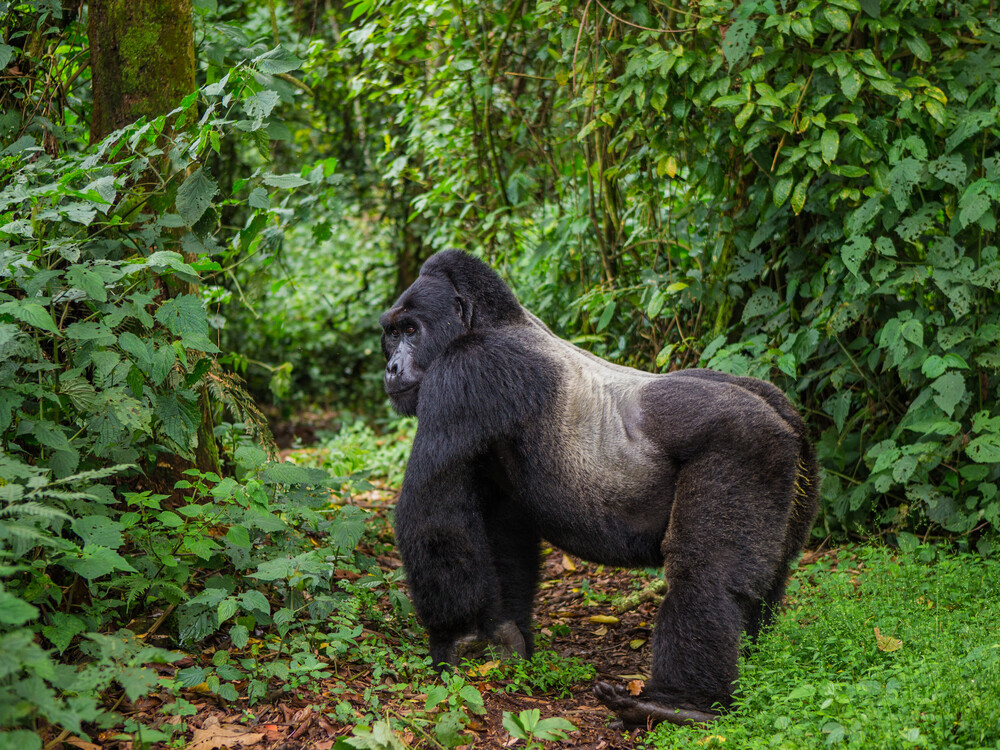
Understanding What You See During Gorilla Habituation helps travelers appreciate why this experience is considered one of Uganda’s most immersive primate adventures. During this special journey, visitors witness the daily lives, behaviors, personalities, and natural interactions of wild mountain gorillas while gaining deeper insight into their conservation and protection.
Located in Uganda’s famous Bwindi Impenetrable National Park, gorilla habituation takes place mainly in the southern sectors of the forest, especially the Rushaga sector. The experience combines adventure, scientific discovery, and meaningful wildlife encounters, creating memories that go beyond ordinary safari experiences.
Understanding Gorilla Habituation: A Unique Wildlife Experience
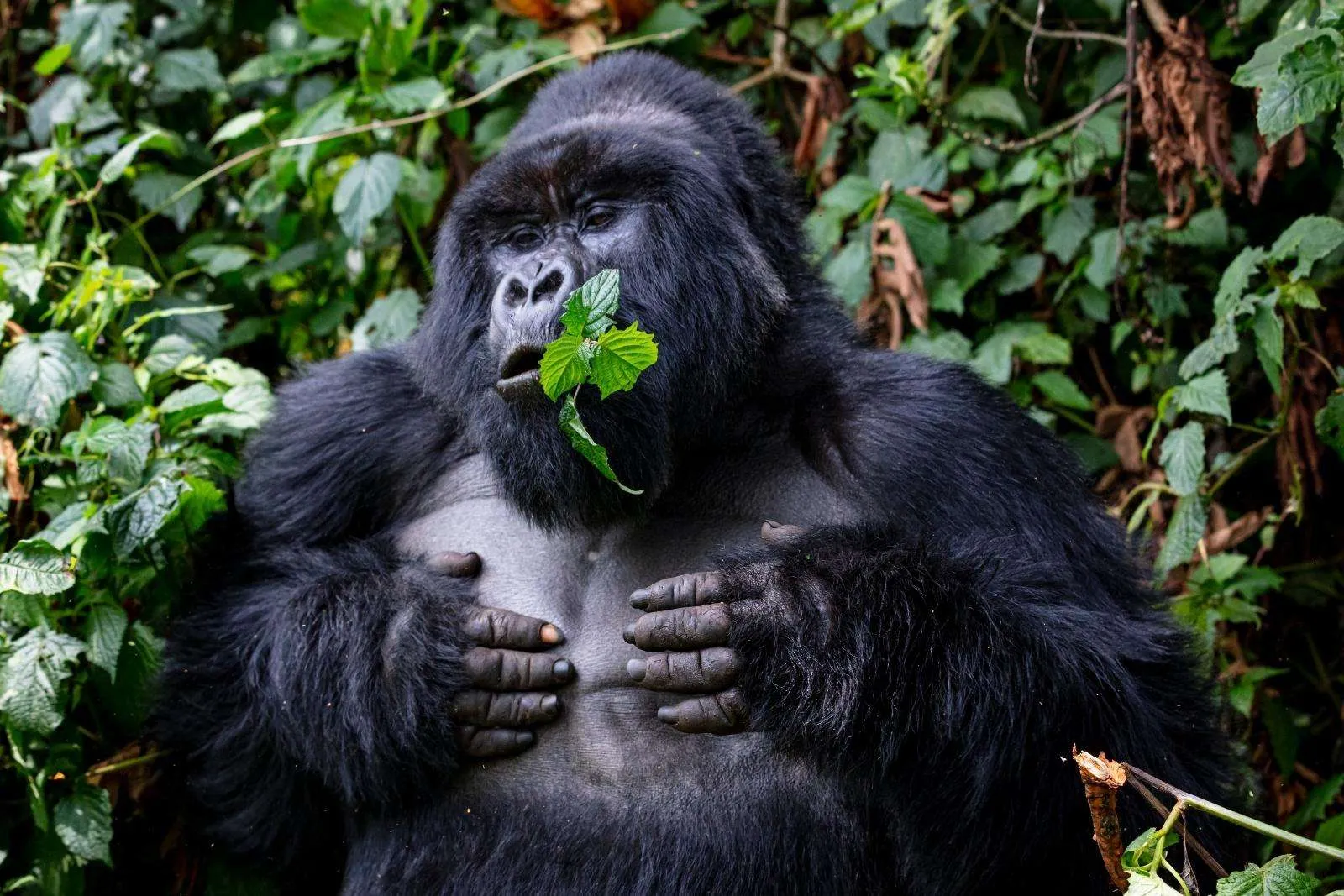
Gorilla habituation is a gradual conservation process where wild gorilla groups are carefully introduced to the presence of humans. The process usually takes several years and involves researchers, conservation teams, and experienced trackers spending time with gorilla families until the animals become comfortable with limited human observation.
During habituation, gorillas are not considered fully accustomed to visitors. This means the experience feels more authentic because travelers observe gorillas while they are still displaying many natural behaviors and reactions.
When participating in this activity, visitors do not simply see gorillas sitting calmly in one location. Instead, they follow their movements through the rainforest, observe their social relationships, and learn how conservation teams study their behavior.
The extended time spent in the forest creates opportunities to witness moments that are often missed during regular trekking, making What You See During Gorilla Habituation a fascinating topic for travelers planning a once-in-a-lifetime Uganda safari.
The First Moments in the Rainforest During Gorilla Habituation
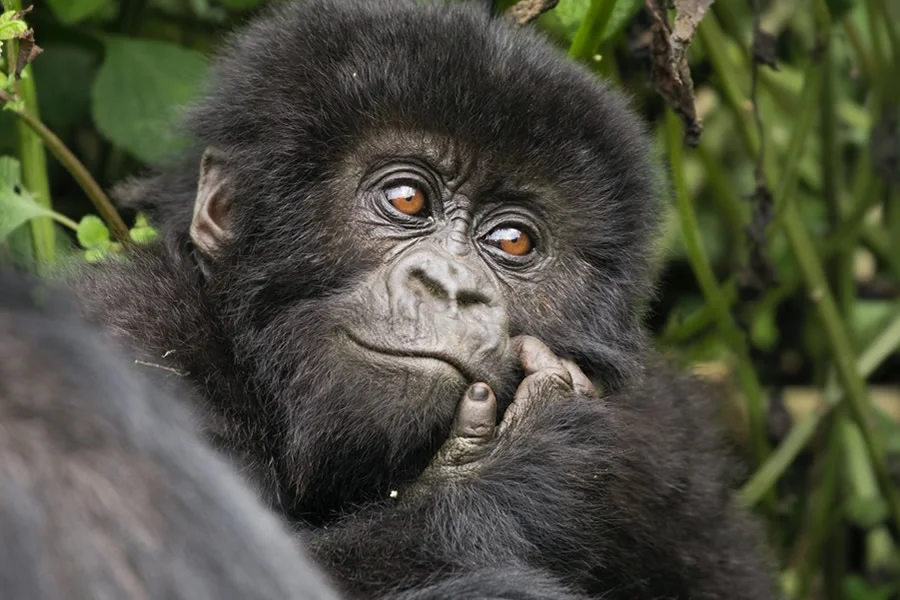
One of the most unforgettable parts of gorilla habituation begins before finding the gorillas themselves. The journey starts deep inside Bwindi’s ancient rainforest, a UNESCO-recognized ecosystem famous for its incredible biodiversity.
As you walk through the dense vegetation, you experience the sounds, smells, and atmosphere of one of Africa’s oldest forests. The forest environment itself becomes part of the adventure, with towering trees, thick vines, colorful plants, bird calls, butterflies, and signs of wildlife creating an unforgettable wilderness experience.
Before reaching the gorillas, visitors often see evidence of their presence, including broken vegetation, feeding areas, footprints, and nests left behind from previous nights. These discoveries help build anticipation as trackers carefully follow the gorilla family’s movements.
The journey through the forest provides a deeper appreciation of the habitat that supports these endangered primates.
Seeing Mountain Gorillas in Their Natural Environment
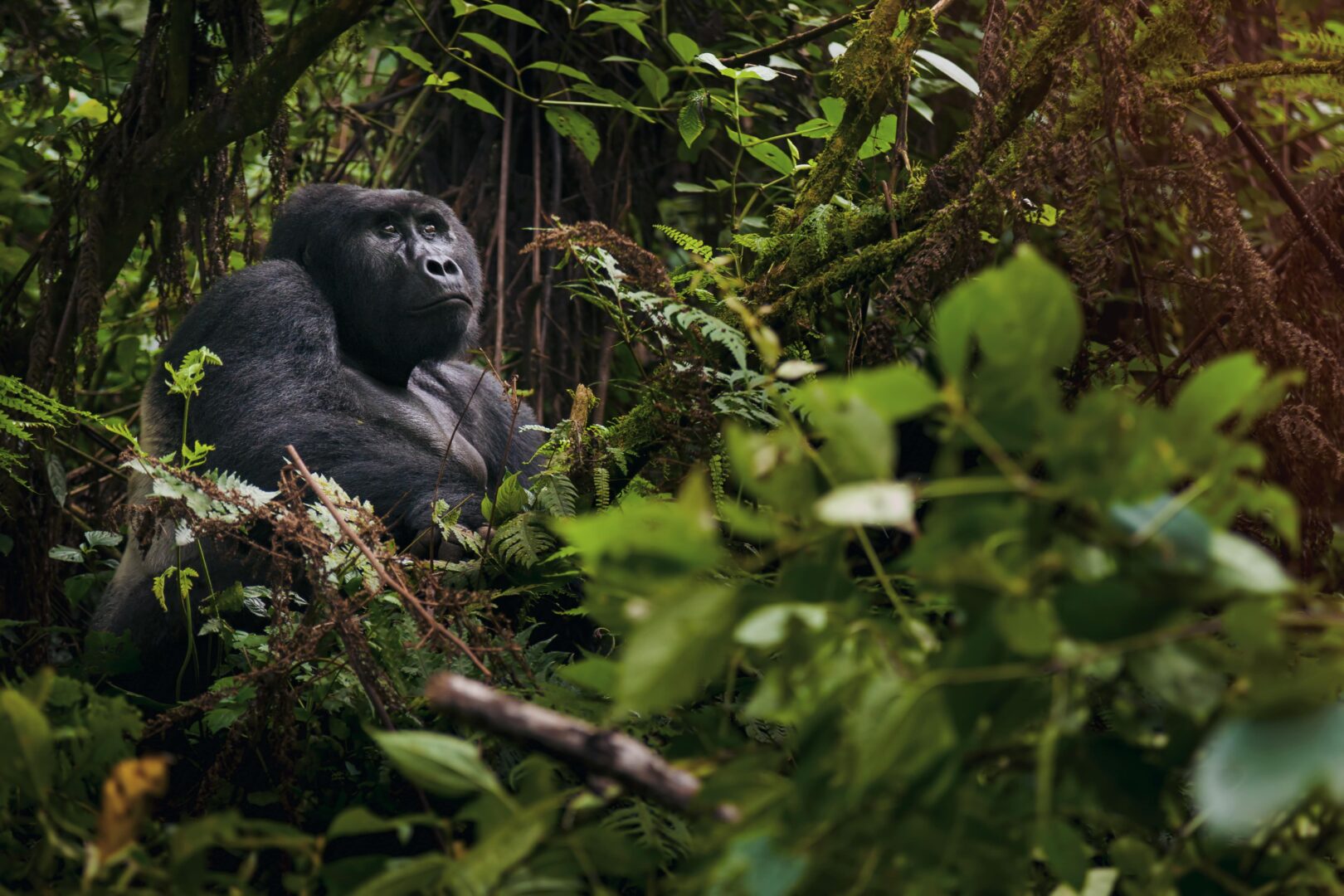
The highlight of What You See During Gorilla Habituation is the opportunity to observe mountain gorillas living freely in their natural rainforest home.
Unlike viewing animals in captivity or controlled environments, gorilla habituation provides a genuine wildlife encounter where gorillas decide how they interact with their surroundings.
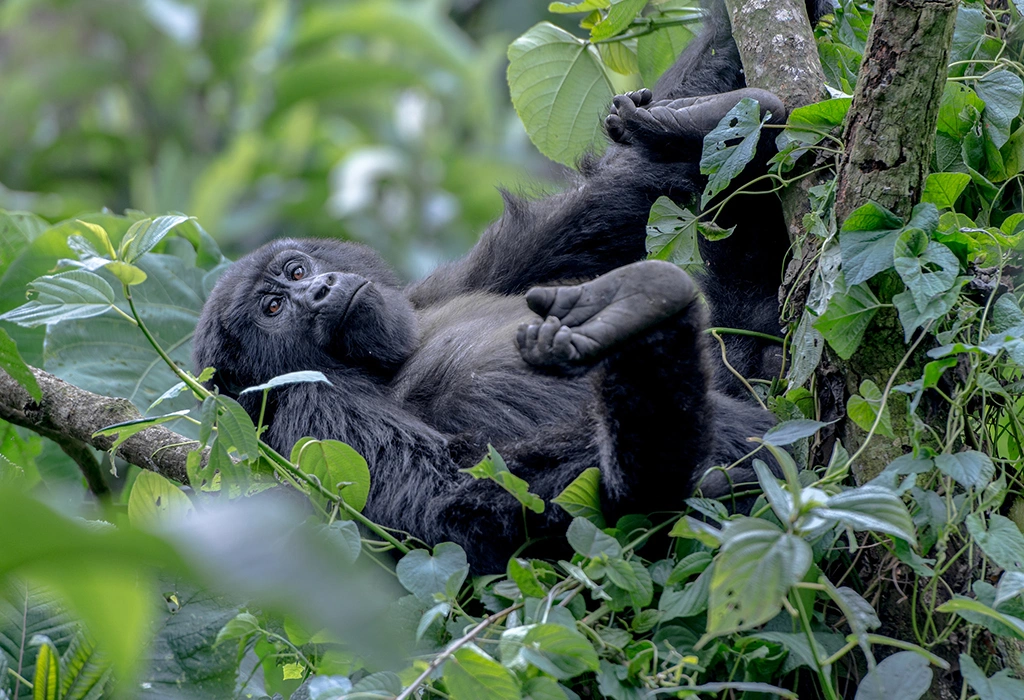
Visitors may observe gorillas feeding on fresh vegetation, climbing trees, resting beneath forest canopies, moving through thick vegetation, or interacting with other members of their family.
Every encounter is different because gorillas have unique personalities and daily routines. Some individuals may appear curious and approach closer, while others may remain focused on feeding or caring for their family.
The unpredictability of these encounters makes every gorilla habituation experience completely unique.
Observing Gorilla Family Social Structures
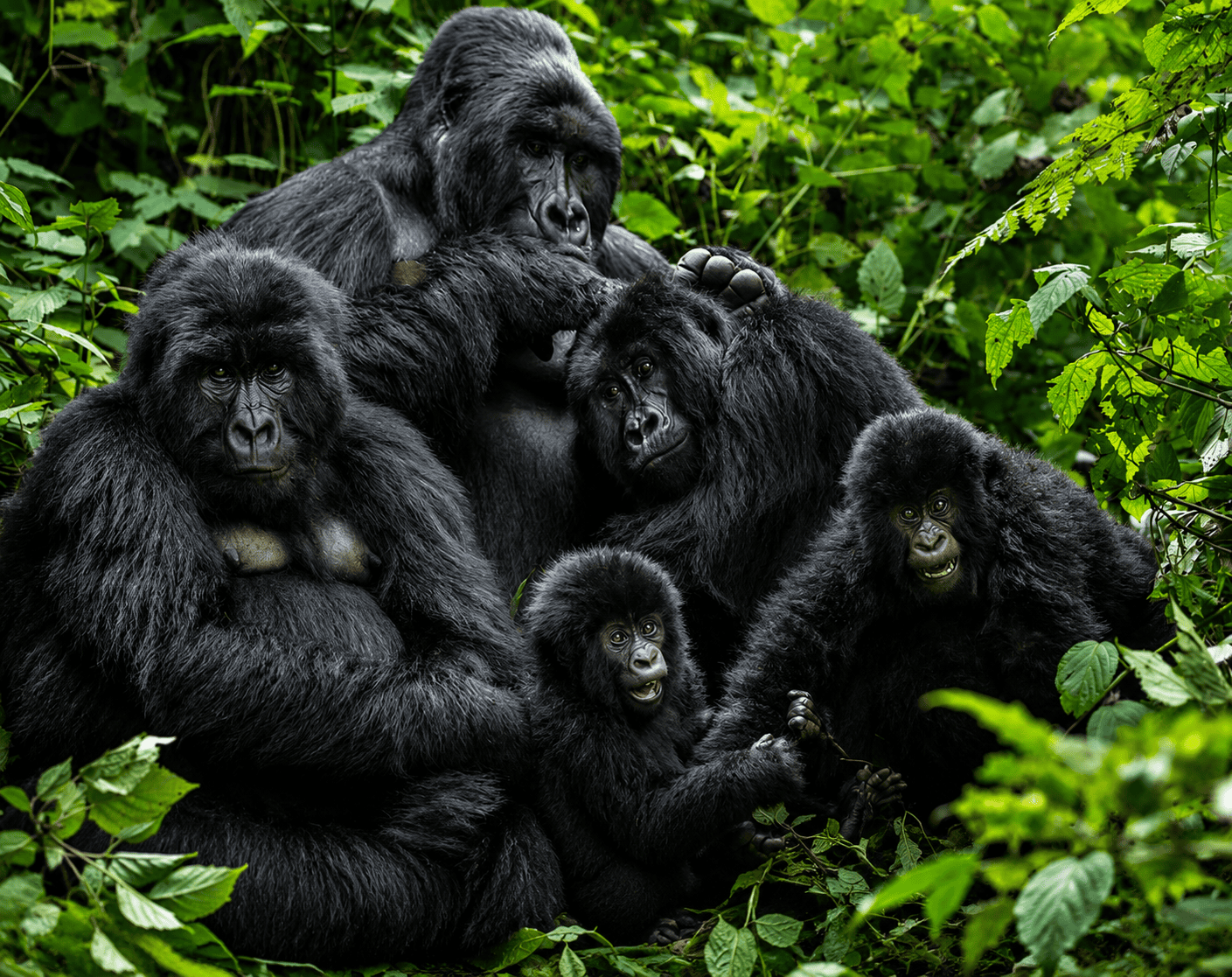
One of the most fascinating things you see during gorilla habituation is the complex social organization of mountain gorilla families.
Gorillas live in groups led by a dominant silverback, whose responsibility is protecting the family and maintaining order. During habituation, visitors have more time to observe how different individuals interact and communicate.
You may see the silverback carefully watching over the group, making decisions about movement, responding to challenges, or resting while other gorillas continue their activities.
Female gorillas play an important role in raising young ones, and visitors often witness mothers carrying infants, grooming them, and teaching them essential survival skills.
Young gorillas are among the most entertaining members of the group. They can often be seen playing, climbing, chasing each other, and practicing behaviors they will use as adults.
The longer observation period during habituation allows travelers to understand gorilla relationships in a much deeper way.
Watching Gorilla Feeding Behaviors
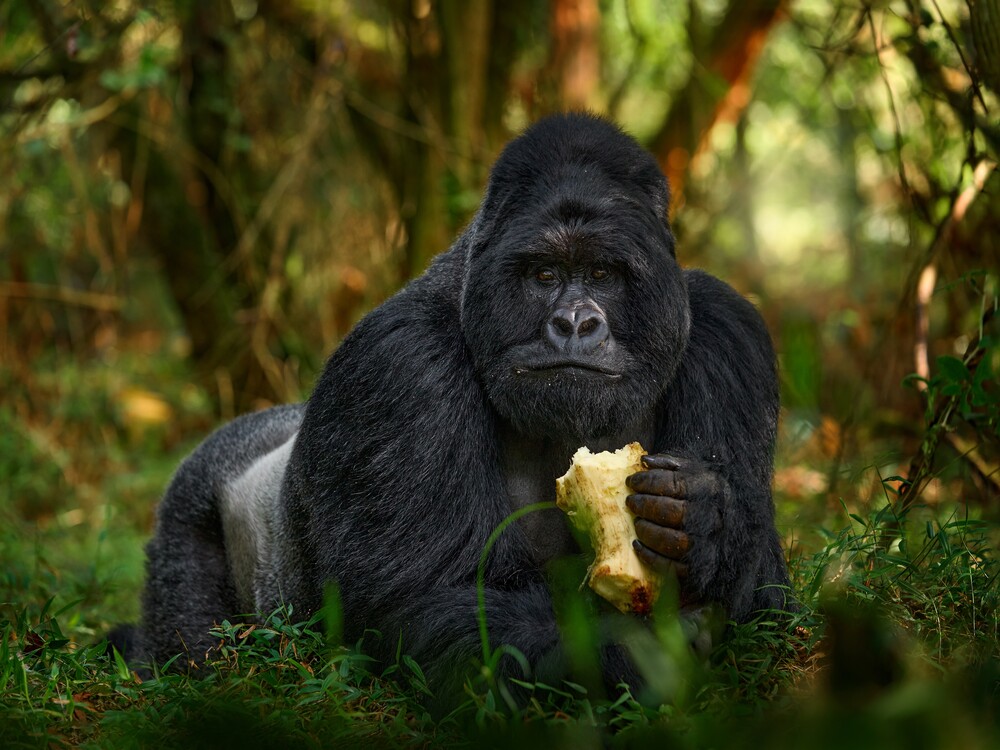
Another remarkable experience during gorilla habituation is observing how mountain gorillas find and consume their food.
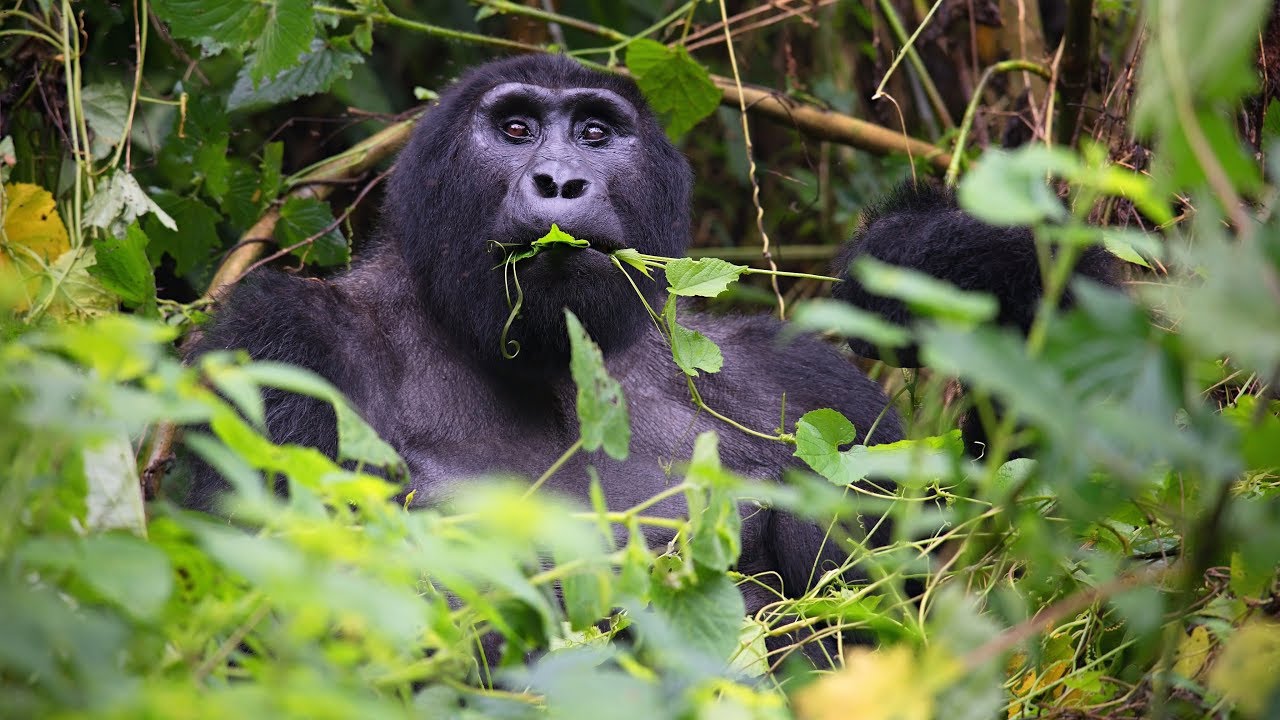
Gorillas are primarily herbivores and spend much of their day searching for plants, leaves, shoots, roots, and fruits available within the forest.
During habituation, visitors may watch gorillas carefully selecting vegetation, using their hands to collect food, and moving through different areas of the forest in search of feeding opportunities.
Researchers often use these moments to explain gorilla diets, movement patterns, and the importance of protecting their forest habitat.
Seeing gorillas feeding peacefully in the wild provides a powerful connection between travelers and the natural world.
Witnessing Gorilla Communication and Behaviors
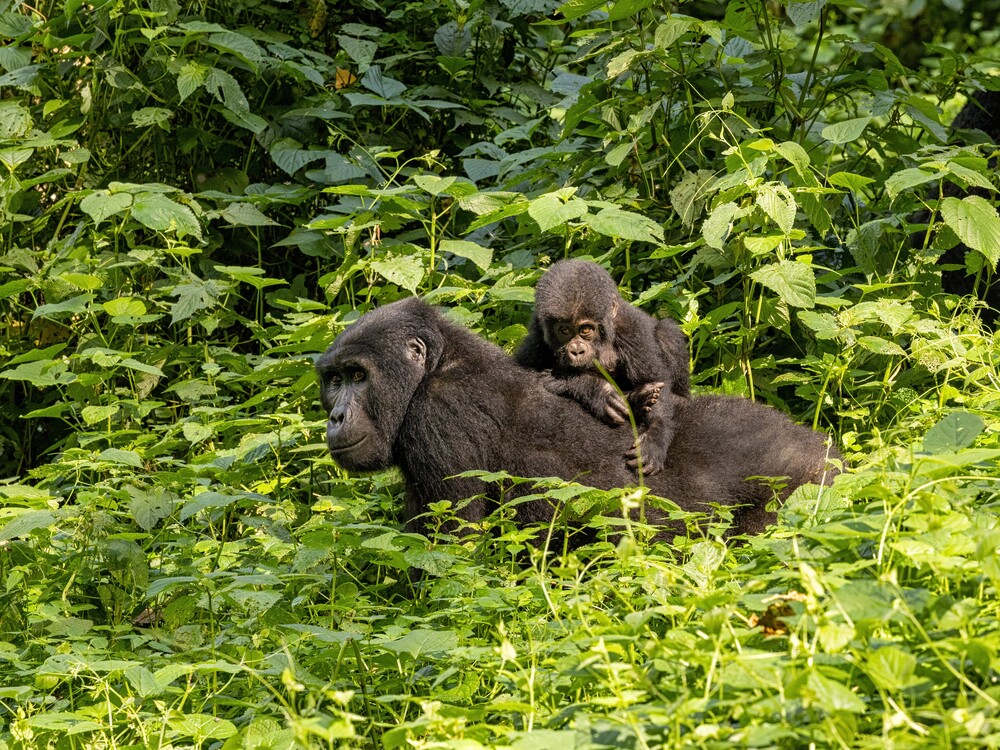
Mountain gorillas communicate through a combination of sounds, body movements, facial expressions, and physical interactions.
During gorilla habituation, visitors may witness different forms of communication, including chest beating, vocal sounds, playful movements, grooming behaviors, and social interactions.
A silverback may display dominance through powerful body language, while younger gorillas may engage in playful activities that help develop their social skills.
Grooming is another important behavior you may observe. Gorillas groom one another to strengthen relationships, maintain cleanliness, and reinforce family bonds.
The extended time available during habituation increases the chances of witnessing these fascinating behaviors.
Seeing Gorilla Infants and Young Gorillas

One of the most emotional experiences during gorilla habituation is observing baby gorillas and young individuals within the family.
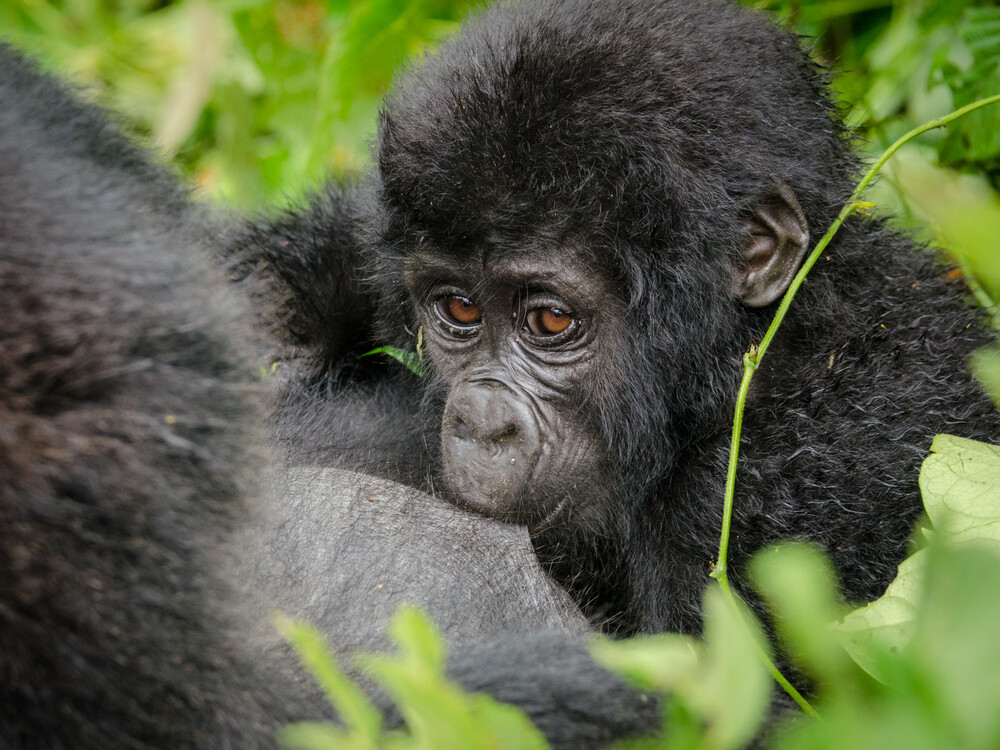
Gorilla infants depend heavily on their mothers during their early years. Visitors may see mothers carrying babies through the forest, protecting them from danger, and teaching them how to survive.
Young gorillas are naturally playful and energetic. They often spend time climbing, wrestling, exploring their environment, and interacting with older members of the group.
These moments provide travelers with a deeper understanding of gorilla development and the importance of conservation efforts protecting future generations.
Meeting Conservation Researchers and Gorilla Trackers
A major difference between ordinary trekking and habituation is the opportunity to learn directly from conservation experts.
During the experience, visitors are accompanied by professional trackers and guides who understand gorilla behavior, forest ecology, and conservation challenges.
Researchers explain how gorillas are monitored, how individual animals are identified, and how habituation contributes to protecting endangered mountain gorillas.
Their knowledge transforms the experience from simple wildlife viewing into an educational conservation journey.
Travelers leave with a stronger appreciation of the efforts required to protect these incredible animals.
The Birds, Wildlife, and Biodiversity Around Gorilla Habituation
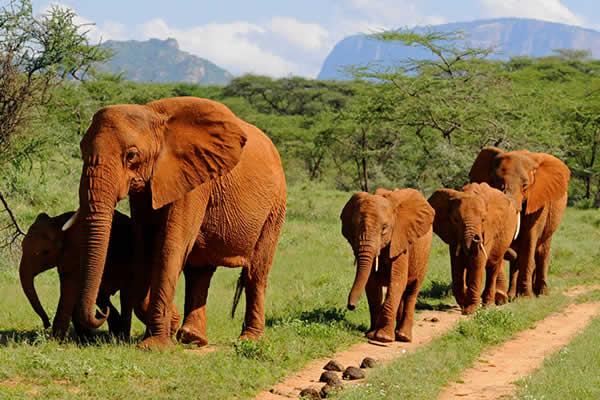
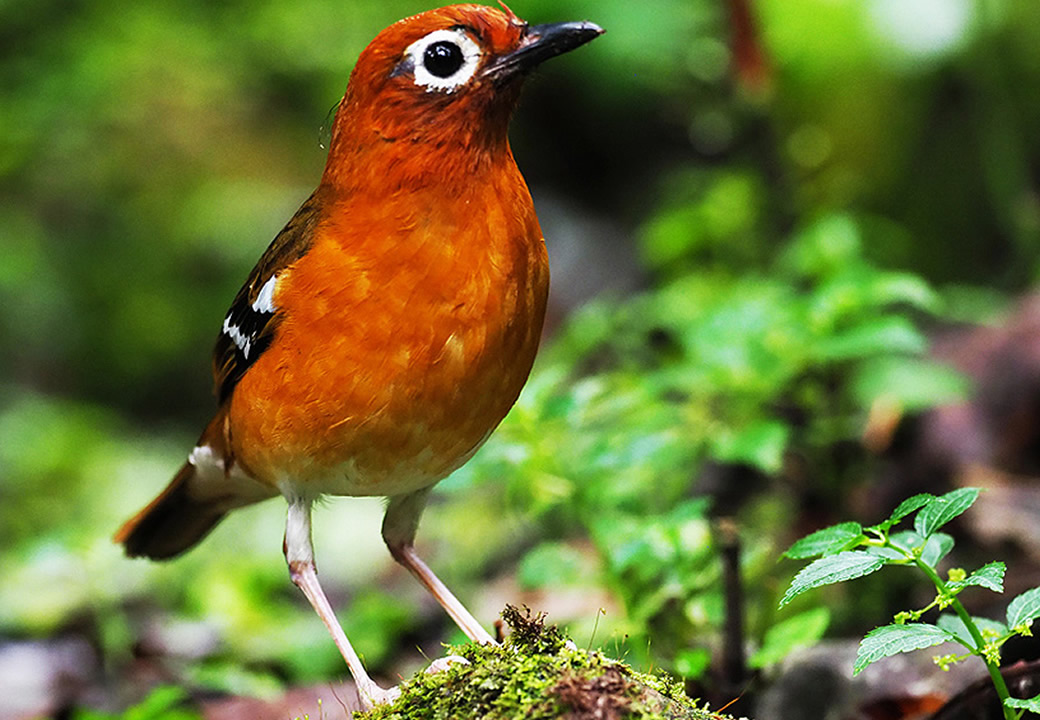
Although mountain gorillas are the main attraction, the rainforest surrounding them contains incredible biodiversity.
During your habituation adventure, you may encounter colorful forest birds, butterflies, primates, reptiles, and unique plant species.
Bwindi is home to hundreds of bird species, including several Albertine Rift endemics, making the journey especially rewarding for nature lovers and photographers.
The forest ecosystem demonstrates how protecting gorilla habitats benefits countless other species that depend on the same environment.
Gorilla Habituation Photography Opportunities
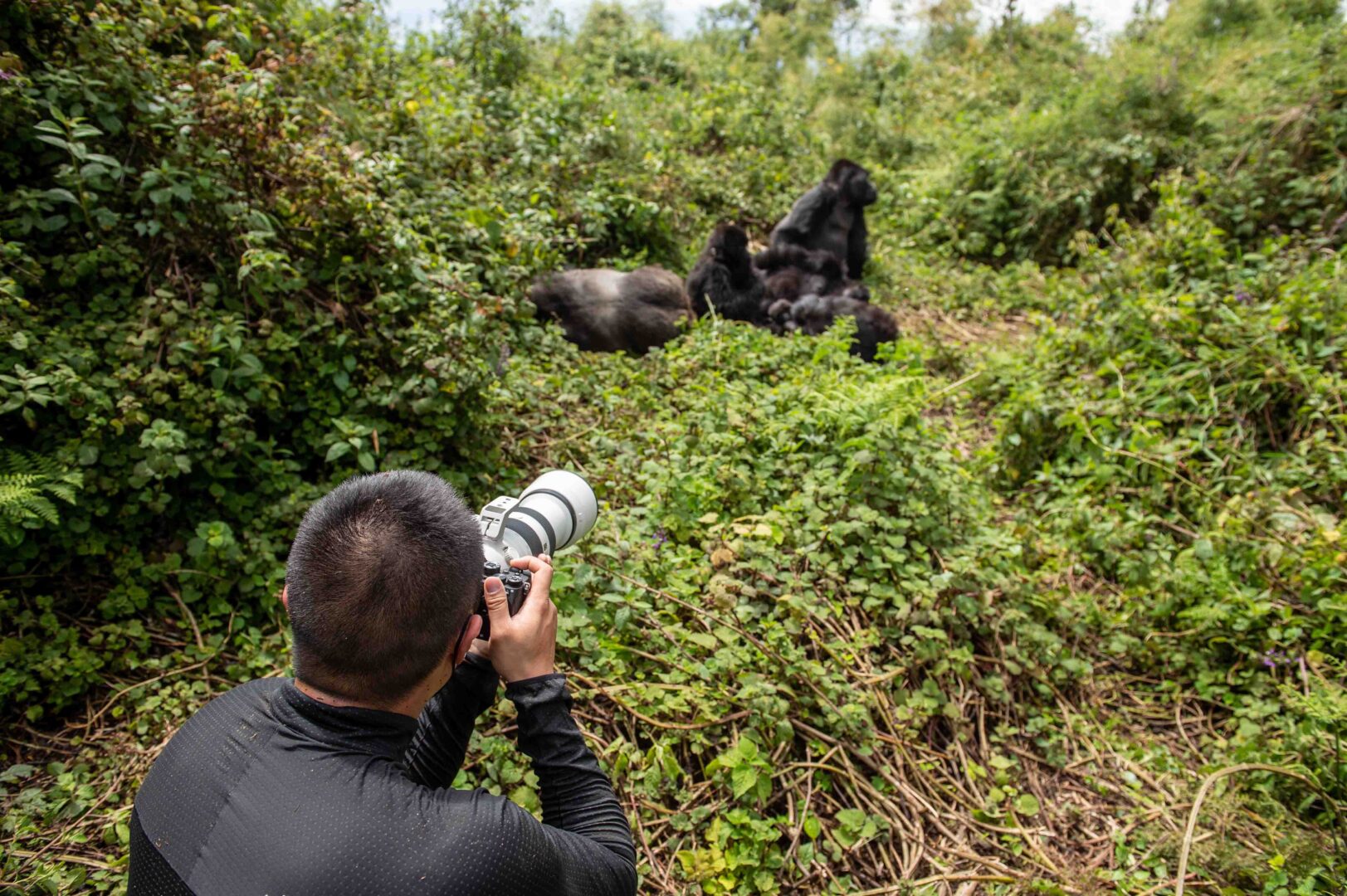
For wildlife photographers, gorilla habituation provides exceptional opportunities because of the extended observation time.
The four-hour experience allows photographers more time to capture different behaviors, expressions, and interactions within the gorilla family.
You may photograph silverbacks displaying strength, mothers caring for infants, young gorillas playing, or individuals resting peacefully among rainforest vegetation.
Professional guides also help visitors understand responsible photography practices, ensuring that photography does not disturb the gorillas.
Travelers should bring appropriate camera equipment, extra batteries, and protective gear because rainforest conditions can be unpredictable.
Gorilla Habituation vs Gorilla Trekking: What Makes It Different?
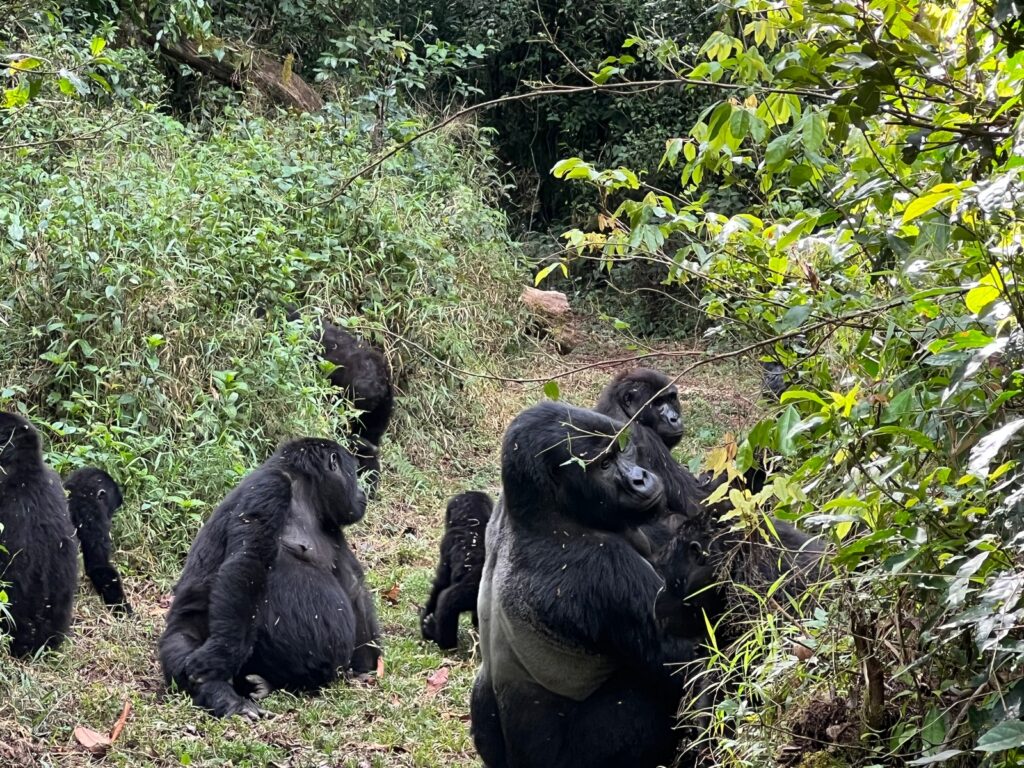
The biggest difference between gorilla trekking and habituation is the amount of time spent with the gorillas and the level of immersion.
Standard gorilla trekking provides approximately one hour with a fully habituated gorilla family. It is ideal for travelers who want a shorter but unforgettable wildlife encounter.
Gorilla habituation provides up to four hours with a semi-habituated family, offering more opportunities to observe natural behaviors and learn from researchers.
For travelers seeking deeper wildlife experiences, photography opportunities, and conservation-focused adventures, habituation offers a more exclusive experience.
Best Time to Experience Gorilla Habituation in Uganda
Gorilla habituation can be enjoyed throughout the year, but some seasons provide more comfortable trekking conditions.
The dry seasons from June to September and December to February are generally preferred because forest trails are less slippery and hiking conditions are easier.
The rainy seasons can also provide rewarding experiences because vegetation becomes greener and the forest atmosphere becomes especially beautiful.
Since gorilla permits are limited, travelers planning gorilla habituation should reserve their permits well in advance, especially during peak travel months.
What to Expect During Your Gorilla Habituation Experience

A typical gorilla habituation day begins early in the morning with registration and briefing at the park headquarters.
Your professional guide and tracking team will explain safety guidelines, forest conditions, and what to expect during the adventure.
You then enter the rainforest and begin tracking the gorilla family. The duration of the walk depends on where the gorillas moved after their previous night’s nesting location.
Once the gorillas are located, you spend several hours observing their behavior while maintaining respectful distances and following conservation guidelines.
After the encounter, you return through the forest with unforgettable memories and a deeper understanding of mountain gorilla conservation.
Gorilla Habituation Cost and Permit Information

Gorilla habituation permits in Uganda are more expensive than standard trekking permits because they provide a longer and more exclusive experience.
The permit includes access to the habituation experience, guidance from professional trackers, and support from conservation teams.
The cost may change depending on Uganda Wildlife Authority updates, availability, and travel seasons.
Travelers should plan their budgets carefully by considering additional expenses such as accommodation, transportation, meals, flights, and optional safari activities.
Frequently Asked Questions About What You See During Gorilla Habituation
What You See During Gorilla Habituation?
The most common question travelers ask is What You See During Gorilla Habituation and what makes this experience different from normal gorilla trekking. During Gorilla Habituation, visitors see wild mountain gorillas living naturally in Bwindi Impenetrable National Park while they are still undergoing the process of becoming comfortable with human presence. Guests can observe silverbacks, mothers, infants, juveniles, and other family members as they feed, communicate, rest, groom, and interact within their natural rainforest environment. The experience also includes seeing conservation researchers and trackers studying gorilla behavior and supporting their protection.
Where does What You See During Gorilla Habituation take place?
When asking What You See During Gorilla Habituation, location plays an important role because this experience only happens in the Rushaga Sector of Bwindi Impenetrable National Park in southwestern Uganda. Visitors see mountain gorillas inside one of Africa’s oldest rainforests, surrounded by thick vegetation, mist-covered hills, unique plants, birds, and other wildlife. Rushaga is the only sector where gorilla families are currently undergoing official habituation under Uganda Wildlife Authority supervision.
What gorilla behaviors can you see during Gorilla Habituation?
Understanding What You See During Gorilla Habituation means exploring the wide range of natural behaviors that visitors can witness. During the four-hour encounter, guests may see gorillas feeding on forest plants, grooming one another, communicating through sounds and body language, resting, moving through vegetation, playing, protecting their families, and caring for young ones. Because visitors spend more time with the gorillas than during standard trekking, there are more opportunities to observe these fascinating behaviors.
Can you see a silverback during Gorilla Habituation?
Yes, seeing a powerful silverback is one of the most memorable parts of What You See During Gorilla Habituation. Silverbacks are mature male gorillas responsible for leading and protecting their family groups. Visitors may see silverbacks feeding calmly, monitoring their surroundings, interacting with other gorillas, displaying leadership behavior, and maintaining order within the group. Researchers also explain the important role silverbacks play in gorilla society.
What You See During Gorilla Habituation compared to normal Gorilla Trekking?
The difference between What You See During Gorilla Habituation and normal gorilla trekking is the depth of the experience. During regular trekking, visitors spend one hour with a fully habituated gorilla family. During Gorilla Habituation, visitors spend up to four hours with a semi-habituated family and can observe more detailed behaviors, learn from researchers, and understand how gorillas gradually become accustomed to humans.
Do you see baby gorillas during Gorilla Habituation?
Yes, one of the most emotional parts of What You See During Gorilla Habituation is seeing baby gorillas interacting with their mothers and other family members. Visitors may observe infants being carried, nursing, playing, learning from older gorillas, and developing important survival skills. These moments provide a deeper understanding of gorilla family relationships and the strong bonds between mothers and their young.
What You See During Gorilla Habituation for wildlife photographers?
For photographers, What You See During Gorilla Habituation offers some of the best wildlife photography opportunities in Uganda. The extended four-hour encounter allows photographers to capture silverback portraits, gorilla family interactions, feeding behaviors, infant moments, and rainforest scenes. Unlike shorter encounters, the additional time provides more opportunities to wait for natural behaviors and capture meaningful images.
What forest scenery can you see during Gorilla Habituation?
The answer to What You See During Gorilla Habituation goes beyond gorillas because the experience takes place inside the spectacular Bwindi Impenetrable Forest. Visitors see ancient rainforest trees, thick vegetation, beautiful forest landscapes, streams, colorful butterflies, birds, and unique plant species. The journey through the forest creates a complete nature experience before even reaching the gorillas.
Can you see other animals during Gorilla Habituation?
Although mountain gorillas are the main attraction, What You See During Gorilla Habituation may also include sightings of other forest wildlife. Visitors may encounter different monkey species such as black-and-white colobus monkeys and blue monkeys, forest birds, butterflies, reptiles, and other creatures that share Bwindi’s ecosystem. The rainforest itself is an important part of the adventure.
What You See During Gorilla Habituation from researchers?
One unique aspect of What You See During Gorilla Habituation is the opportunity to learn directly from researchers and conservation experts. Visitors see how scientists identify individual gorillas, monitor their health, record behaviors, and study social relationships. Researchers explain how habituation supports conservation, veterinary care, and responsible tourism while allowing gorillas to remain wild.
How close can you get to gorillas during Gorilla Habituation?
During What You See During Gorilla Habituation, visitors follow strict conservation rules and maintain a safe distance from the gorillas. Rangers guide the encounter carefully to ensure that both visitors and gorillas remain safe. Although the gorillas may sometimes move closer naturally, guests are always encouraged to respect their space and avoid disturbing their behavior.
What feeding behaviors can you see during Gorilla Habituation?
One of the fascinating answers to What You See During Gorilla Habituation is watching gorillas feed naturally in the rainforest. Visitors may see gorillas selecting leaves, shoots, stems, flowers, roots, and other forest vegetation. Researchers explain how feeding habits influence gorilla movements and how these behaviors help maintain the balance of the rainforest ecosystem.
What communication can you see during Gorilla Habituation?
During What You See During Gorilla Habituation, visitors can observe the complex ways gorillas communicate. Gorillas use vocalizations, facial expressions, gestures, and body movements to interact with each other. Guests may hear different calls used for maintaining contact, expressing emotions, warning others, or communicating within the family group.
Is Gorilla Habituation better for seeing natural gorilla behavior?
Many travelers believe What You See During Gorilla Habituation provides a better opportunity to see natural gorilla behavior because of the longer observation time. Spending up to four hours with the gorillas allows visitors to witness more activities and interactions compared to shorter encounters. The experience provides a deeper understanding of gorilla personalities, family structures, and daily routines.
What time of year is best for What You See During Gorilla Habituation?
The What You See During Gorilla Habituation experience is available throughout the year in Uganda. The dry seasons from June to September and December to February are popular because trails are generally easier to hike. However, the rainy seasons offer lush rainforest scenery, fewer visitors, and excellent photography conditions. Mountain gorillas can be observed successfully in every season.
What should I carry to enjoy What You See During Gorilla Habituation?
To fully enjoy What You See During Gorilla Habituation, visitors should prepare properly for rainforest conditions. Essential items include waterproof hiking boots, long trousers, long-sleeved clothing, a rain jacket, gardening gloves, insect repellent, water, snacks, a camera, spare batteries, binoculars, and waterproof bags. Proper preparation ensures comfort during several hours inside Bwindi Forest.
How difficult is the hike for What You See During Gorilla Habituation?
The hiking experience is an important part of What You See During Gorilla Habituation. Bwindi Forest has steep slopes, muddy paths, and uneven terrain, meaning visitors should have moderate fitness levels. However, professional guides and porters provide assistance, and the pace can be adjusted according to individual abilities. Many travelers of different ages successfully complete this adventure.
How long do you spend seeing gorillas during Gorilla Habituation?
A major highlight of What You See During Gorilla Habituation is the extended viewing period of up to four hours. This allows visitors to observe changes in gorilla behavior throughout the encounter, from feeding and movement to resting and social interactions. The longer duration makes the experience more educational and immersive than standard gorilla trekking.
How does What You See During Gorilla Habituation support conservation?
The experience of What You See During Gorilla Habituation directly contributes to mountain gorilla conservation. Permit revenue supports ranger patrols, scientific research, veterinary programs, forest protection, and community conservation initiatives around Bwindi. By participating, travelers help protect endangered mountain gorillas while enjoying a responsible wildlife experience.
Why book What You See During Gorilla Habituation with NextGEN Safaris?
Booking What You See During Gorilla Habituation with NextGEN Safaris ensures that every detail of your adventure is professionally managed. Our team arranges official gorilla habituation permits, comfortable accommodation near Bwindi, experienced safari guides, reliable 4×4 transportation, airport transfers, and customized Uganda safari itineraries.
With local expertise and personalized planning, NextGEN Safaris helps travelers experience the incredible moments of What You See During Gorilla Habituation while supporting sustainable gorilla tourism and unforgettable conservation experiences in Uganda.
Book Your What You See During Gorilla Habituation Experience With NextGEN Safaris.
Planning your What You See During Gorilla Habituation adventure requires expert organization because permits are limited and the experience is highly exclusive. NextGEN Safaris specializes in creating unforgettable Gorilla Habituation journeys in Uganda, combining conservation, adventure, comfort, and personalized service.
Our team arranges official Uganda Wildlife Authority Gorilla Habituation permits, comfortable accommodation near Bwindi Impenetrable National Park, private 4×4 safari vehicles, professional driver-guides, airport transfers, and customized safari itineraries.
We help travelers prepare for every aspect of What You See During Gorilla Habituation, including advice on packing, photography preparation, fitness requirements, travel routes, and combining the experience with other Uganda attractions.
Whether you are a photographer, conservation enthusiast, honeymoon traveler, family, or first-time safari visitor, NextGEN Safaris ensures that your Gorilla Habituation journey is smooth, educational, and unforgettable.
The opportunity to discover What You See During Gorilla Habituation is a rare chance to connect with mountain gorillas in one of the world’s most important conservation environments. Contact NextGEN Safaris today to secure your permit and begin planning an extraordinary journey into Bwindi Forest, where unforgettable wildlife encounters and conservation memories await.