

The Ultimate Guide: When to Avoid Gorilla Habituation Uganda – Plan Your Perfect Mountain Gorilla Experience
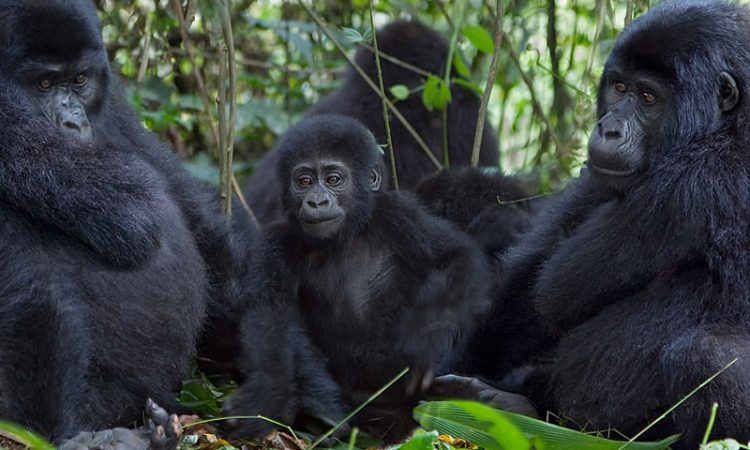
Knowing When to Avoid Gorilla Habituation Uganda is crucial for travelers who want a safe, comfortable, and memorable experience in Bwindi Impenetrable National Park or Mgahinga Gorilla National Park. Gorilla habituation is a unique opportunity to spend up to four hours with semi-habituated mountain gorilla families, observing their natural behavior and learning about their social structures. However, certain periods may present challenges due to extreme weather, difficult forest conditions, or high tourist demand.
Understanding When to Avoid Gorilla Habituation Uganda ensures that travelers can select the most suitable time to visit, avoid potential discomfort, and maximize the opportunity for exceptional wildlife experiences. Factors such as heavy rainfall, muddy trails, extreme humidity, and peak tourist seasons can affect trekking conditions, photography opportunities, and overall enjoyment.
While gorilla habituation is possible year-round, recognizing periods that may compromise safety, comfort, or the quality of the experience is essential. By planning around these factors, visitors can enjoy the full richness of observing mountain gorillas in their natural rainforest habitat.
NextGEN Safaris emphasizes that knowledge of When to Avoid Gorilla Habituation Uganda is not meant to discourage travel, but to empower travelers to make informed decisions and ensure a safer, more rewarding encounter with these incredible primates.
Seasonal Challenges: Rainy Periods and Trail Conditions
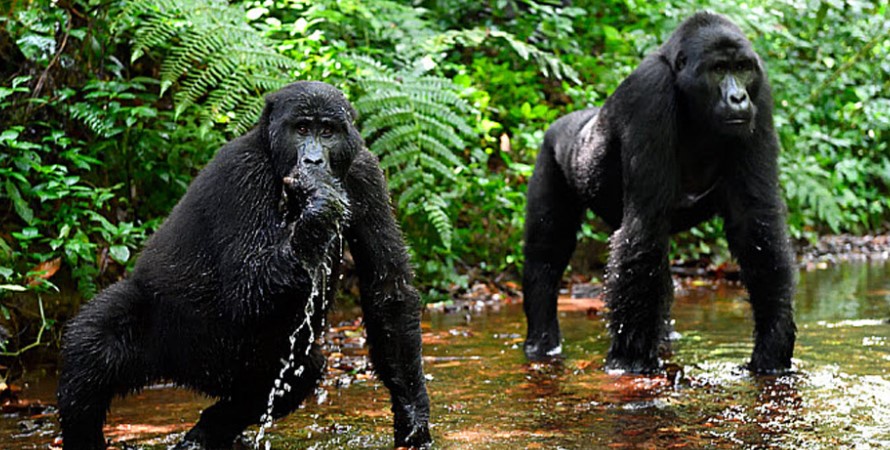
One of the most important aspects of When to Avoid Gorilla Habituation Uganda is understanding the effects of Uganda’s rainy seasons. Bwindi and Mgahinga are tropical rainforests, meaning rainfall occurs throughout the year, but March to May and October to November are considered the peak rainy months.
During these periods, trails can become extremely muddy and slippery, increasing the difficulty of hiking through dense forest. Extended treks in heavy rainfall may be physically demanding, especially for travelers carrying photography equipment or those with limited hiking experience.
Heavy rainfall can also affect visibility, making it more difficult to photograph gorillas or capture detailed images of family interactions. Wet conditions may reduce comfort, increase exposure to insects, and affect the overall experience for some travelers.
Understanding these seasonal challenges allows visitors to know When to Avoid Gorilla Habituation Uganda if their priority is easier trekking, comfort, or professional photography. Travelers can still enjoy habituation during rainy periods with proper preparation, but it is generally recommended to consider drier months for a more accessible experience.
Peak Tourist Periods: Avoiding Crowded Gorillas
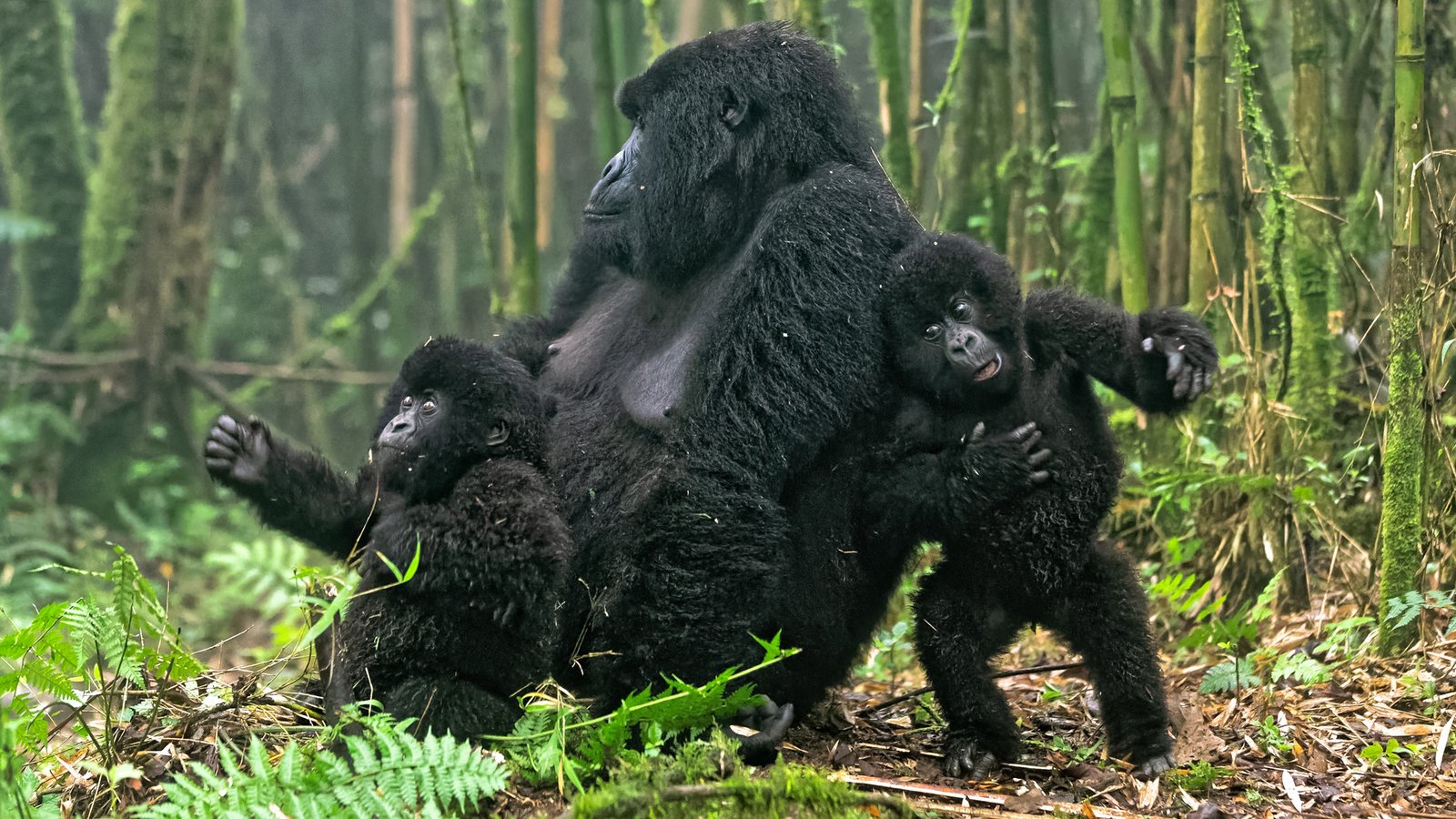
Another key factor in determining When to Avoid Gorilla Habituation Uganda is high tourist seasons. The dry months from June to September and the December–February holiday period are highly popular for gorilla habituation experiences.
During these peak months, daily habituation permits are limited, and forest trails may feel more crowded. Some travelers may prefer quieter conditions to fully immerse themselves in the gorilla experience and capture unobstructed photographs.
High-demand periods can also result in increased accommodation prices and higher overall travel costs. Travelers seeking a more intimate encounter may consider planning visits during shoulder seasons, outside the main peak months, to avoid crowds while still enjoying favorable trekking conditions.
By understanding When to Avoid Gorilla Habituation Uganda, visitors can balance their preferences for comfort, exclusivity, and wildlife observation without compromising the quality of the experience.
Health Considerations: Illness and Vulnerable Periods
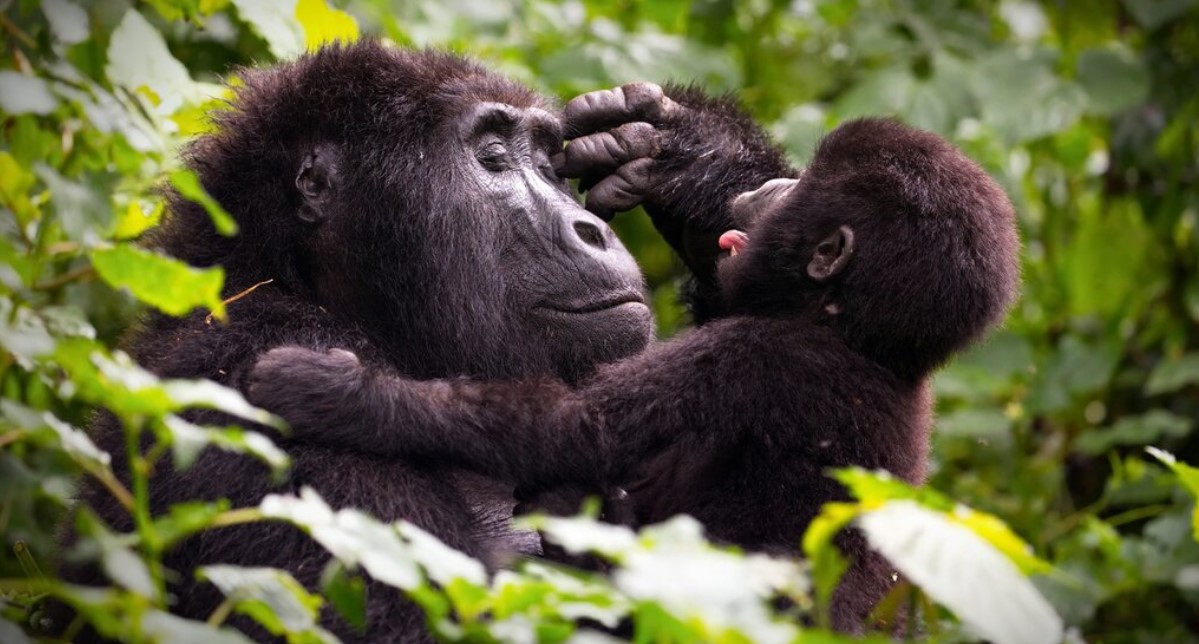
Knowledge of When to Avoid Gorilla Habituation Uganda also involves health precautions. Mountain gorillas are highly susceptible to human-borne illnesses, including respiratory infections and flu-like symptoms.
Travelers who are ill, have recently recovered from contagious diseases, or are carrying infections should postpone their gorilla habituation experience to avoid putting these endangered animals at risk. Conservation guidelines strictly prohibit close contact between sick humans and gorillas.
Additionally, the humid rainforest environment during wet periods may exacerbate certain health risks such as fungal infections, heat stress, or mosquito-borne illnesses. Choosing the right time to visit ensures both human safety and gorilla welfare are maintained.
Following guidance from professional safari operators like NextGEN Safaris helps travelers understand When to Avoid Gorilla Habituation Uganda for personal health and to ensure responsible tourism practices.
When Weather and Conditions Make Habituation Difficult
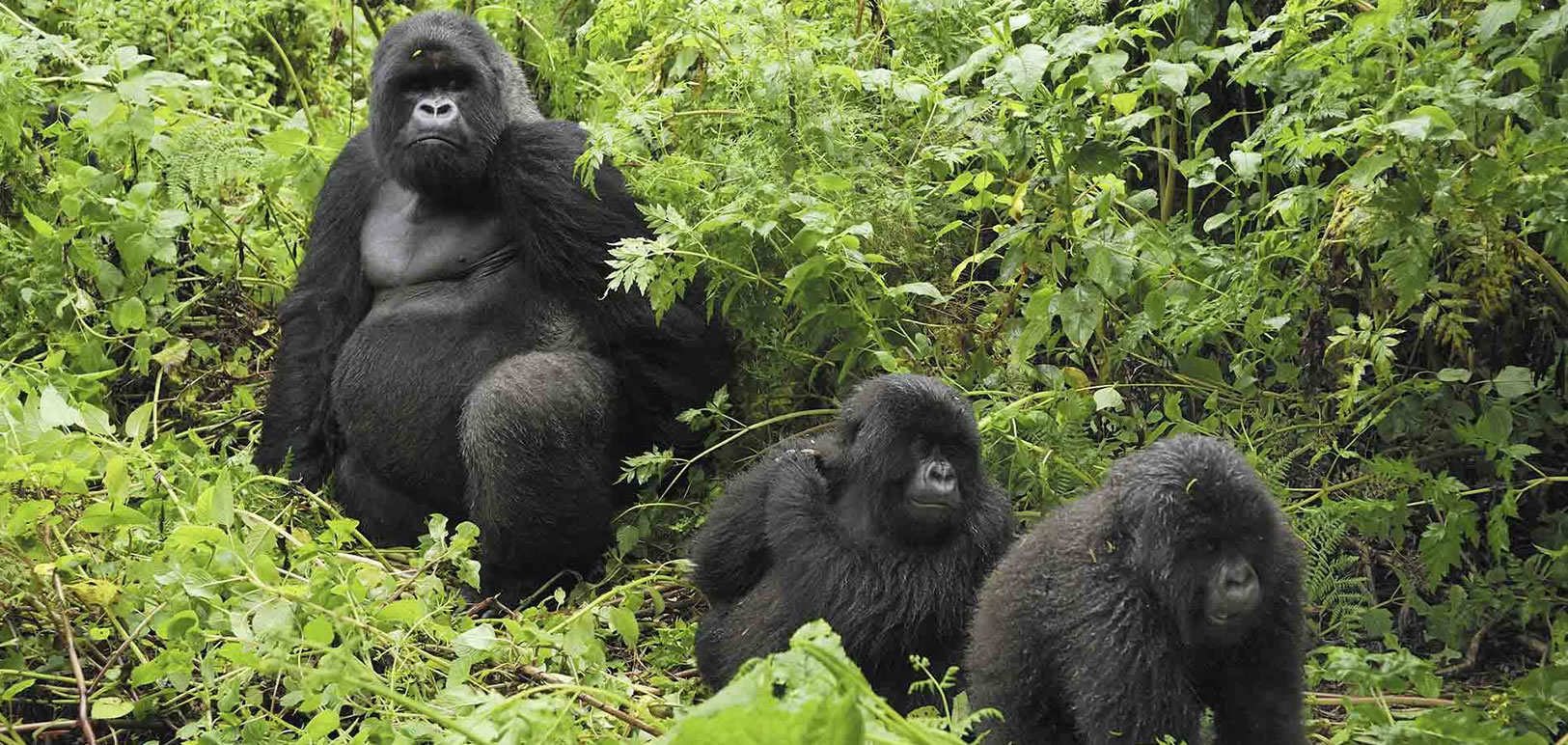
While habituation is possible throughout the year, extreme weather events such as prolonged heavy rainfall, storms, or exceptionally muddy conditions may temporarily affect the trekking experience.
Knowing When to Avoid Gorilla Habituation Uganda in these situations allows travelers to avoid delays, trail closures, or uncomfortable encounters. Guides and trackers constantly monitor weather forecasts to ensure visitor safety while protecting gorilla welfare.
Planning a visit during periods of stable weather provides better opportunities for photography, longer observation times, and safer movement along forest trails. Travelers can fully appreciate the beauty of Bwindi and Mgahinga and capture meaningful interactions with gorilla families.
NextGEN Safaris provides expert advice on the best windows to schedule visits, taking into account weather patterns, trail conditions, and habituation schedules.
Photography Considerations: Capturing the Best Images
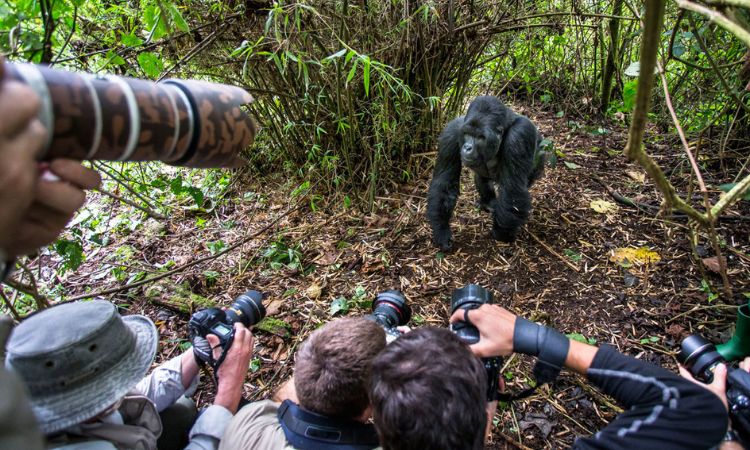
For photographers, understanding When to Avoid Gorilla Habituation Uganda is critical for capturing high-quality images. Rainy periods, low-light conditions, or dense fog may reduce visibility and limit photographic opportunities.
Dry months usually offer better light and more predictable conditions for wildlife photography, making it easier to capture details of gorilla expressions, interactions, and social behaviors.
Even during wet periods, some photographers enjoy the dramatic effect of mist and lush rainforest greenery, but inexperienced travelers or those seeking clear shots may prefer drier months.
Being aware of When to Avoid Gorilla Habituation Uganda for photography ensures that every visitor can plan their equipment, lenses, and shooting strategies accordingly.
Experience Gorilla Habituation Safely and Comfortably
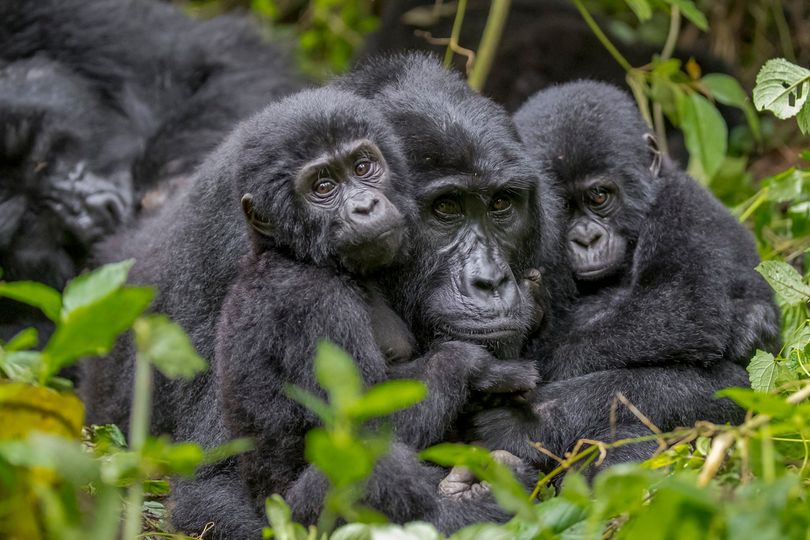
Understanding When to Avoid Gorilla Habituation Uganda empowers travelers to make informed decisions. By selecting optimal periods based on weather, trail conditions, visitor traffic, health considerations, and photography goals, visitors can maximize their enjoyment of this once-in-a-lifetime wildlife adventure.
Mountain gorilla habituation is an extraordinary opportunity to connect with one of Africa’s most endangered species while supporting conservation. Choosing the right time to visit ensures that visitors leave with unforgettable memories and meaningful photographs.
NextGEN Safaris is dedicated to providing expert guidance, safe trekking, and a professionally organized itinerary that considers When to Avoid Gorilla Habituation Uganda, ensuring every visit is ethical, educational, and inspiring.
Contact NextGEN Safaris today to plan your responsibly timed gorilla habituation safari in Bwindi Impenetrable National Park or Mgahinga Gorilla National Park.
Frequently Asked Questions About When to Avoid Gorilla Habituation Uganda
1. When should I avoid gorilla habituation in Uganda?
Travelers should consider When to Avoid Gorilla Habituation Uganda during peak rainfall months, typically March to May and October to November, when trails become muddy and difficult to navigate. While gorilla habituation is possible during these months, trekking can be physically challenging, especially for first-time visitors or those carrying heavy equipment. Choosing drier months often ensures easier hiking, safer movement, and more comfortable conditions for extended observation of gorilla families.
2. Are there health-related periods to avoid gorilla habituation?
Yes, When to Avoid Gorilla Habituation Uganda includes times when travelers are ill. Mountain gorillas are highly susceptible to human-borne diseases, including respiratory infections and flu-like illnesses. Visiting while sick risks the gorillas’ health and is strictly prohibited by Uganda Wildlife Authority regulations. Visitors must postpone their experience if they are unwell to protect both the animals and other participants.
3. Should I avoid gorilla habituation during extreme rain?
During heavy storms or prolonged rainfall, it is recommended to consider When to Avoid Gorilla Habituation Uganda for safety reasons. Extremely wet conditions can make trails slippery, obscure visibility, and increase the risk of falls. Professional guides monitor the weather and may recommend rescheduling or adjusting itineraries to maintain both visitor safety and gorilla welfare.
4. Is habituation more challenging during rainy seasons?
Yes, gorilla habituation can be more physically demanding during rainy months. Knowing When to Avoid Gorilla Habituation Uganda helps travelers plan for easier trekking during drier periods. Trails may become muddy, steep, and slippery, requiring stronger footwear, additional hiking effort, and careful attention. Proper preparation with rain gear and sturdy boots is essential for visitors choosing to go during wetter periods.
5. Are there periods to avoid due to high tourist numbers?
High visitor traffic is a factor in determining When to Avoid Gorilla Habituation Uganda. The dry seasons, especially June to September and December to February, attract the highest number of tourists. While these months have better weather, habituation permits may be fully booked, and forest trails may feel busier. Travelers seeking a quieter, more private experience may prefer shoulder or rainy months.
6. Can poor weather affect photography during habituation?
Yes, poor weather influences When to Avoid Gorilla Habituation Uganda for photographers. Low-light conditions, mist, or heavy rain can reduce visibility and impact the quality of images. Dry months often provide more consistent lighting, whereas rainy periods may produce dramatic but challenging photographic conditions. Photographers must plan their equipment and travel months based on their desired outcomes.
7. Does rain affect gorilla behavior?
Mountain gorillas continue their normal behaviors regardless of rain. While knowing When to Avoid Gorilla Habituation Uganda is important for visitor comfort, gorillas remain active, feeding, grooming, and communicating with family members. Rain may slightly alter their movement patterns, but it does not stop habituation from occurring.
8. Are the dry months always the safest for habituation?
While dry months are generally easier for trekking and less physically demanding, knowing When to Avoid Gorilla Habituation Uganda requires considering other factors such as peak tourist crowds. Dry seasons provide predictable trails, but visitors should still prepare with proper hiking gear and follow guide instructions to ensure safety.
9. Is gorilla habituation permitted year-round?
Yes, habituation is available throughout the year. Understanding When to Avoid Gorilla Habituation Uganda helps visitors choose periods that optimize comfort, safety, and photographic opportunities without compromising the gorilla experience. Rainy seasons and off-peak months still offer valid habituation opportunities, though with additional challenges.
10. Can first-time visitors go during the rainy season?
Yes, but they should be aware of When to Avoid Gorilla Habituation Uganda in terms of weather challenges. First-time visitors may find muddy trails and wet conditions physically demanding. Proper preparation, guidance from experienced trackers, and waterproof gear are essential for a safe and enjoyable experience.
11. Should elderly or less fit travelers avoid certain periods?
Yes, understanding When to Avoid Gorilla Habituation Uganda helps elderly or less physically fit travelers avoid peak rainfall months and extremely muddy conditions. Scheduling during drier months ensures safer hiking conditions and reduces strain during extended habituation experiences.
12. Does high humidity affect the best time to visit?
Yes, humidity is a factor in When to Avoid Gorilla Habituation Uganda. While gorillas are adapted to humid rainforest conditions, visitors may find high humidity uncomfortable, especially when combined with muddy trails during rainy seasons. Drier months offer more comfortable conditions for extended treks.
13. Are there months when habituation permits are harder to get?
Yes, during peak travel periods (June–September and December–February), habituation permits may be fully booked. Knowing When to Avoid Gorilla Habituation Uganda ensures visitors plan well in advance to secure permits and preferred trekking slots.
14. Can photography be done in all seasons?
Yes, but photographers should consider When to Avoid Gorilla Habituation Uganda based on lighting and trail conditions. Dry months generally provide better light and easier access, while rainy months offer dramatic rainforest scenes but may require specialized camera protection and planning.
15. Is there a risk of trail closures in certain months?
Yes, extreme rainfall or storm conditions can temporarily affect trail access. Understanding When to Avoid Gorilla Habituation Uganda ensures travelers are prepared for potential changes in trekking routes and can plan backup options with guides and safari operators.
16. How does visitor crowding affect habituation experience?
Peak dry seasons may result in higher visitor numbers, which is a consideration for When to Avoid Gorilla Habituation Uganda. Crowded trails can reduce intimacy and limit photography opportunities, making shoulder seasons or quieter months appealing to travelers seeking privacy.
17. Are rainy months good for unique photography?
Yes, despite being part of periods to consider When to Avoid Gorilla Habituation Uganda, rainy months provide misty, lush scenery for creative photography. Fewer visitors also allow photographers more freedom to capture intimate gorilla behaviors.
18. How can NextGEN Safaris help plan around these periods?
NextGEN Safaris advises clients on When to Avoid Gorilla Habituation Uganda, helping them select periods that maximize comfort, safety, and photographic opportunities. We provide expertise on permits, accommodation, transportation, and trekking conditions to ensure a smooth and memorable experience.
19. Can I combine habituation with other safari activities despite avoiding certain periods?
Yes, understanding When to Avoid Gorilla Habituation Uganda allows travelers to plan complementary activities such as chimpanzee trekking, wildlife safaris, or cultural visits during off-peak or drier periods. This ensures a full Uganda wildlife experience.
20. How do I book a gorilla habituation safari to avoid challenging periods?
Booking with NextGEN Safaris ensures expert guidance on When to Avoid Gorilla Habituation Uganda. We help select the optimal months, secure permits, arrange accommodation, and provide experienced guides to guarantee a safe, ethical, and unforgettable habituation experience in Bwindi or Mgahinga.
Booking Considerations: Planning Your Gorilla Habituation Visit
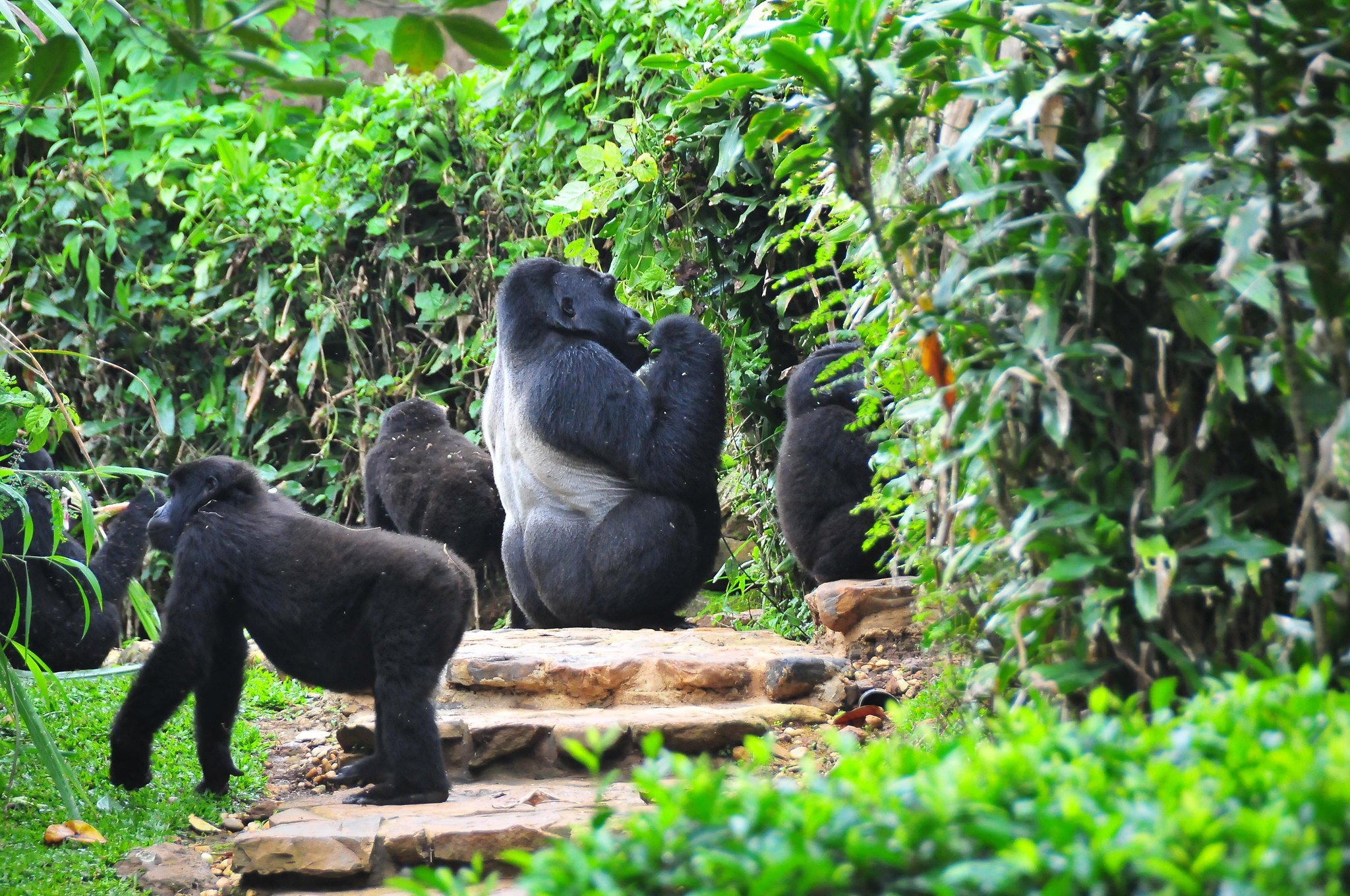
For travelers seeking to optimize their experience and avoid periods of challenging weather, high visitor traffic, or potential health risks, careful planning is essential. Understanding When to Avoid Gorilla Habituation Uganda is the first step toward creating a smooth, safe, and unforgettable encounter with mountain gorillas. By being strategic about the timing of your visit, you can enjoy easier forest trails, better visibility for photography, and more comfortable trekking conditions throughout Bwindi Impenetrable National Park or Mgahinga Gorilla National Park.
NextGEN Safaris provides expert guidance on determining When to Avoid Gorilla Habituation Uganda, taking into account individual preferences, physical fitness, photographic ambitions, and other travel considerations. Our team evaluates seasonal weather patterns, trail conditions, and visitor traffic to recommend the optimal period for your gorilla adventure. We coordinate all logistics, including gorilla habituation permits, private or group trekking arrangements, accommodation selection, and transportation to ensure visitors can focus on experiencing gorilla families safely and responsibly.
Advanced planning is particularly critical during peak seasons typically June to September and December to February—when permits are in high demand. Securing your gorilla habituation permit well in advance guarantees access to the limited daily spots and helps avoid disappointment. Additionally, early planning ensures that preferred lodges or luxury accommodations near Bwindi or Mgahinga are available, allowing you to enjoy proximity to the trekking sectors, minimizing travel fatigue, and maximizing your forest time.
Planning around off-peak months or drier periods not only enhances comfort but also provides a more intimate experience with gorilla families. During these times, trails are more manageable, visitor numbers are lower, and the forest environment feels quieter and more immersive. Travelers also benefit from guides who can dedicate more attention to interpreting gorilla behavior, explaining social dynamics, and supporting photography or observational goals.
Booking through NextGEN Safaris guarantees a professionally coordinated trip that prioritizes both visitor safety and gorilla welfare. Our team manages all details from initial permit application and itinerary planning to in-forest guidance ensuring your habituation experience is seamless and fully ethical. Whether you aim to visit during peak seasons for optimal weather or during quieter months for a more private encounter, NextGEN Safaris ensures that your journey is tailored to your needs, maximizing your ability to enjoy and document these extraordinary primates responsibly.
By planning with an experienced operator, visitors gain peace of mind, knowing they are avoiding the periods most likely to present difficulties while fully benefiting from the rich wildlife, lush forest scenery, and unparalleled access that gorilla habituation offers. Every detail from timing, trail conditions, and accommodation to guide expertise is carefully considered to ensure the most rewarding and unforgettable experience possible in Uganda’s magnificent rainforests.