

The Complete Guide to Semi-Habituated Gorillas Explained: Discover Uganda’s Extraordinary Gorilla Habituation Experience
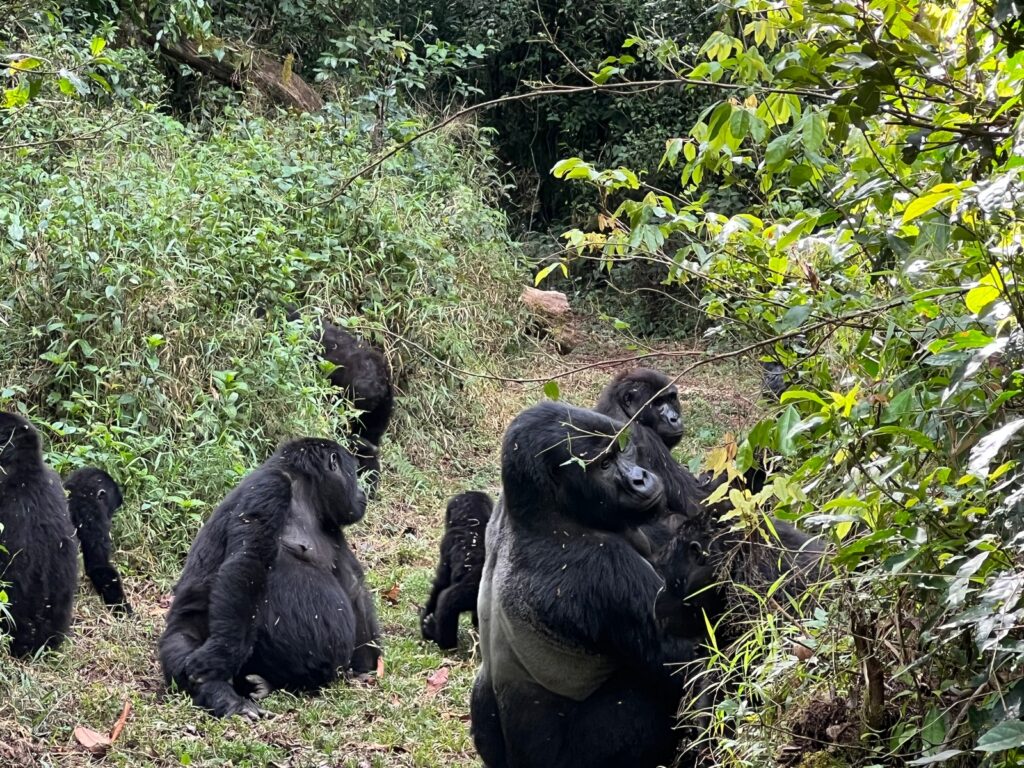
Semi-Habituated Gorillas Explained provides travelers with a deeper understanding of one of the most fascinating stages in mountain gorilla conservation. Semi-habituated gorillas are wild gorilla groups that are gradually becoming accustomed to the presence of humans through a careful and controlled process known as gorilla habituation.
Unlike fully habituated gorillas that are comfortable with regular visitor encounters during standard gorilla trekking, semi-habituated gorillas are still learning to accept limited human observation. This means their behaviors remain more natural, unpredictable, and closer to how wild gorillas interact when humans are not present.
The experience of observing semi-habituated gorillas explained offers a rare opportunity to witness mountain gorillas during an important conservation stage. Visitors can observe natural behaviors such as feeding, social interactions, communication, parenting, movement through the forest, and relationships within the family group.
Understanding Semi-Habituated Gorillas Explained helps travelers appreciate that gorilla habituation is not about making gorillas tame or changing their personality. Instead, it is a scientific process that allows researchers, conservation teams, and carefully managed tourism experiences to study and protect these endangered animals while minimizing disturbance.
In Uganda, this unique experience takes place mainly in the Rushaga sector of Bwindi Impenetrable National Park, where visitors can spend extended time with gorilla families undergoing habituation.
What Are Semi-Habituated Gorillas?
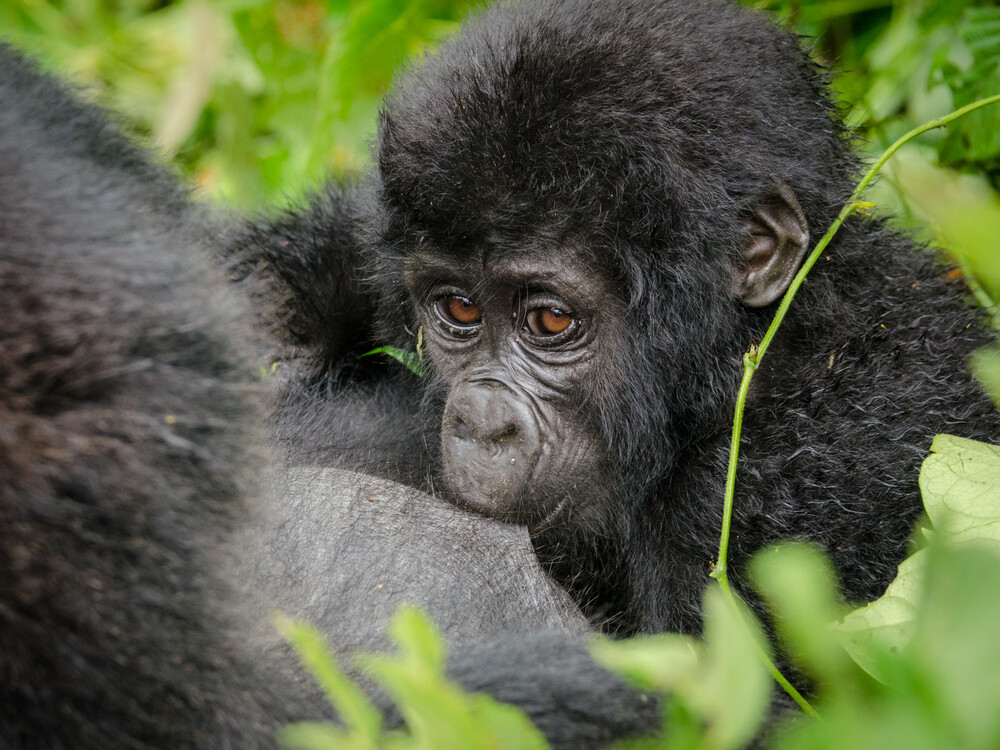
When discussing Semi-Habituated Gorillas Explained, it is important to understand that semi-habituated gorillas are not wild gorillas that have become friendly with humans. They are still wild animals that are gradually becoming comfortable with the presence of researchers, trackers, and limited groups of visitors.
The habituation process involves carefully introducing gorillas to humans over time while ensuring they continue their natural behaviors. Researchers spend regular periods observing the gorilla family, learning their movements, identifying individual members, and allowing the animals to slowly become familiar with human presence.
Semi-habituated gorillas may still show natural reactions when encountering humans. Some individuals may be curious and observe visitors, while others may remain cautious or maintain distance.
This level of unpredictability is what makes observing semi-habituated gorillas explained such a remarkable wildlife experience. Travelers are not simply visiting animals that are accustomed to people; they are witnessing an important moment in the relationship between conservation, research, and responsible tourism.
The Difference Between Semi-Habituated Gorillas and Fully Habituated Gorillas

A key part of Semi-Habituated Gorillas Explained is understanding the difference between semi-habituated and fully habituated gorilla families.
Fully habituated gorillas have completed the habituation process and are comfortable with regular human visitors. These are the gorilla groups visited during standard gorilla trekking experiences, where travelers spend approximately one hour observing them.
Semi-habituated gorillas are still undergoing this process. They are familiar with researchers and trackers but are not yet fully accustomed to frequent tourist encounters.
This difference creates a unique experience because semi-habituated gorillas often display more natural behaviors. Visitors may observe stronger reactions, more cautious movements, and authentic interactions that reflect how gorillas behave before regular tourism begins.
Gorilla habituation allows travelers to see the transition between completely wild gorillas and groups that can safely participate in conservation tourism.
The Gorilla Habituation Process Explained
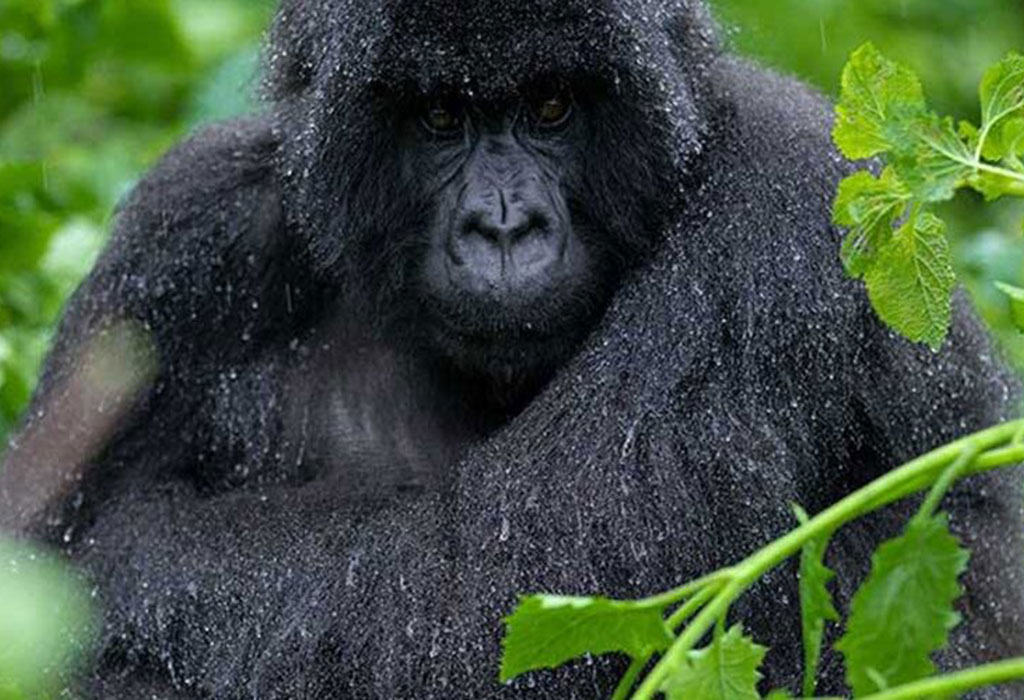
The process of creating semi-habituated gorillas explained requires patience, expertise, and years of conservation work.
Researchers and trackers begin by identifying wild gorilla groups and gradually spending time near them. They study their behavior, recognize individual gorillas, and carefully increase their exposure to human presence.
During this period, experts monitor important factors such as stress levels, feeding patterns, social relationships, and changes in behavior.
The goal is not to make gorillas dependent on humans but to allow them to tolerate human observation while continuing their natural way of life.
When studying Semi-Habituated Gorillas Explained, travelers discover that habituation is a conservation tool designed to support research, protection, and sustainable tourism
What You Can See When Observing Semi-Habituated Gorillas
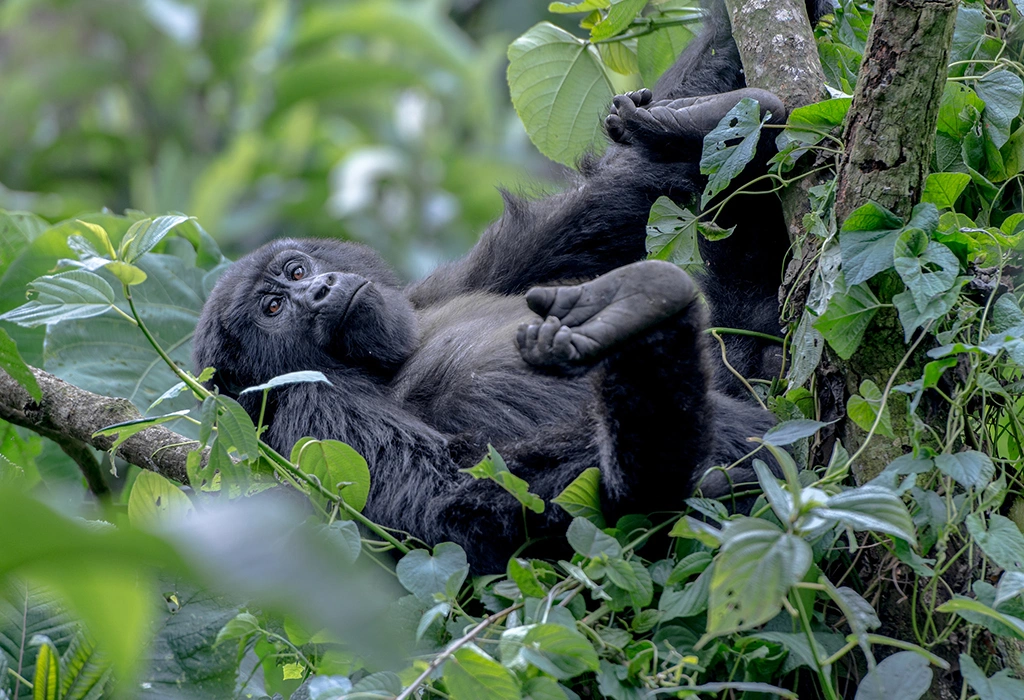
One of the most exciting parts of Semi-Habituated Gorillas Explained is understanding what visitors can expect during the actual experience.
Because semi-habituated gorillas are still developing comfort around humans, encounters can be incredibly authentic. Travelers may witness behaviors that show the true personality of wild mountain gorillas.
Visitors may observe:
The silverback leading and protecting the family.
Mothers caring for young infants.
Juveniles playing and learning social skills.
Gorillas feeding on forest vegetation.
Family members communicating through sounds and body movements.
Gorillas resting beneath the rainforest canopy.
The extended time available during habituation provides more opportunities to understand these behaviors and appreciate the complexity of gorilla societies.
Natural Gorilla Behavior During Semi-Habituation
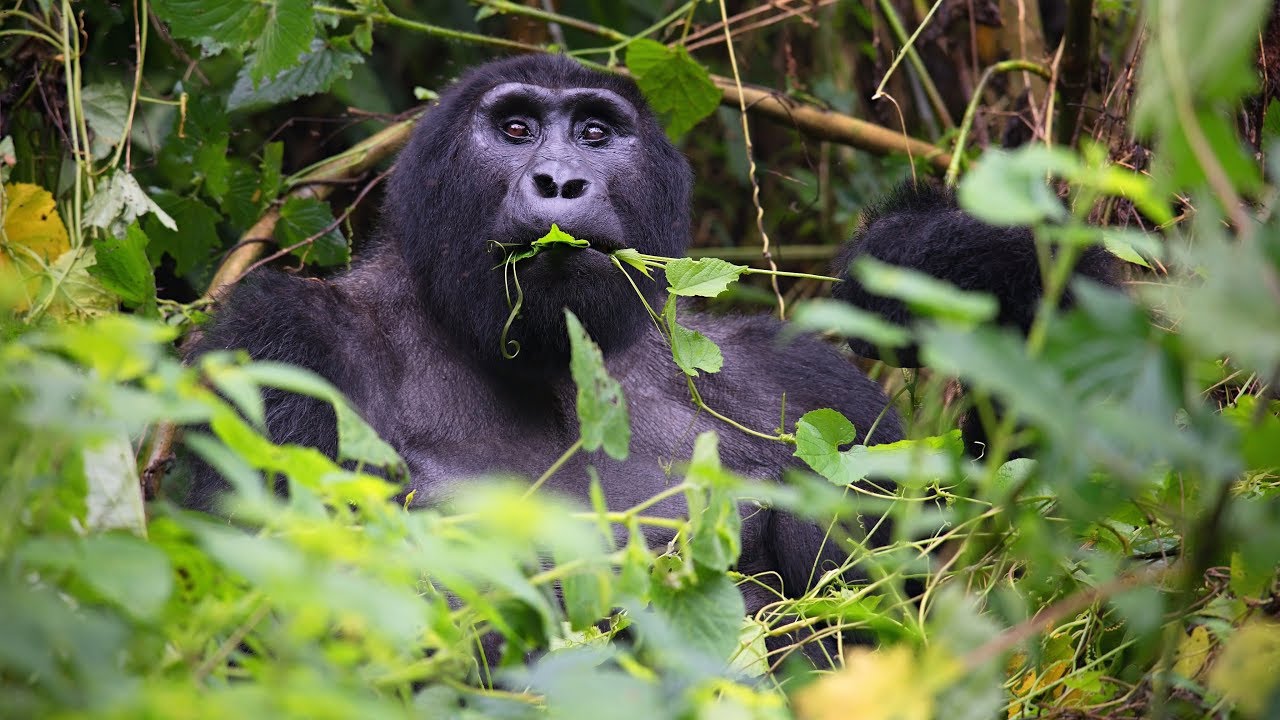
One of the main reasons travelers choose this experience is because semi-habituated gorillas explained often display very natural behaviors.
During standard trekking, visitors usually encounter gorillas that are already comfortable with human presence. During habituation, travelers experience a closer look at how gorillas behave while still adjusting to observation.
They may see gorillas making decisions independently, moving through thick vegetation, interacting with family members, or responding naturally to their environment.
This makes Semi-Habituated Gorillas Explained an important topic for travelers who want a deeper connection with wildlife and conservation.
The experience provides insight into the daily lives of mountain gorillas before they become regular participants in tourism activities.
Communication Among Semi-Habituated Gorilla Families
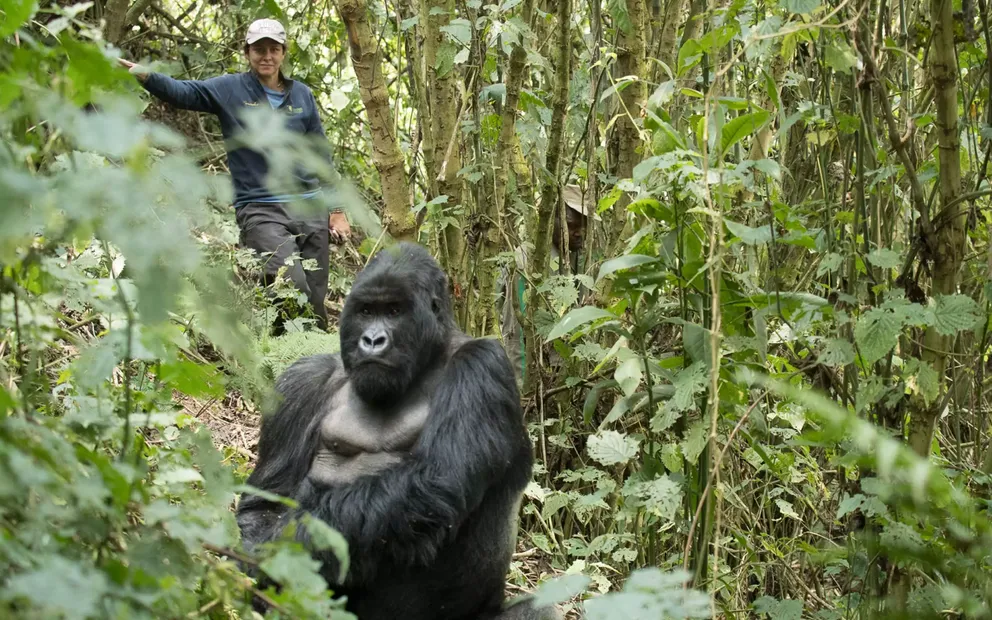
Communication is one of the most fascinating aspects of observing Semi-habituated gorillas
Gorillas communicate through vocal sounds, facial expressions, body movements, and physical contact.
During habituation, visitors may witness silverbacks displaying dominance, mothers communicating with infants, and family members using sounds to maintain contact while moving through the forest.
Because semi-habituated gorillas are less accustomed to human presence, these behaviors may appear more natural and spontaneous.
Understanding these interactions helps travelers appreciate the intelligence and emotional complexity of mountain gorillas.
The Role of Silverbacks in Semi-Habituated Gorilla Groups
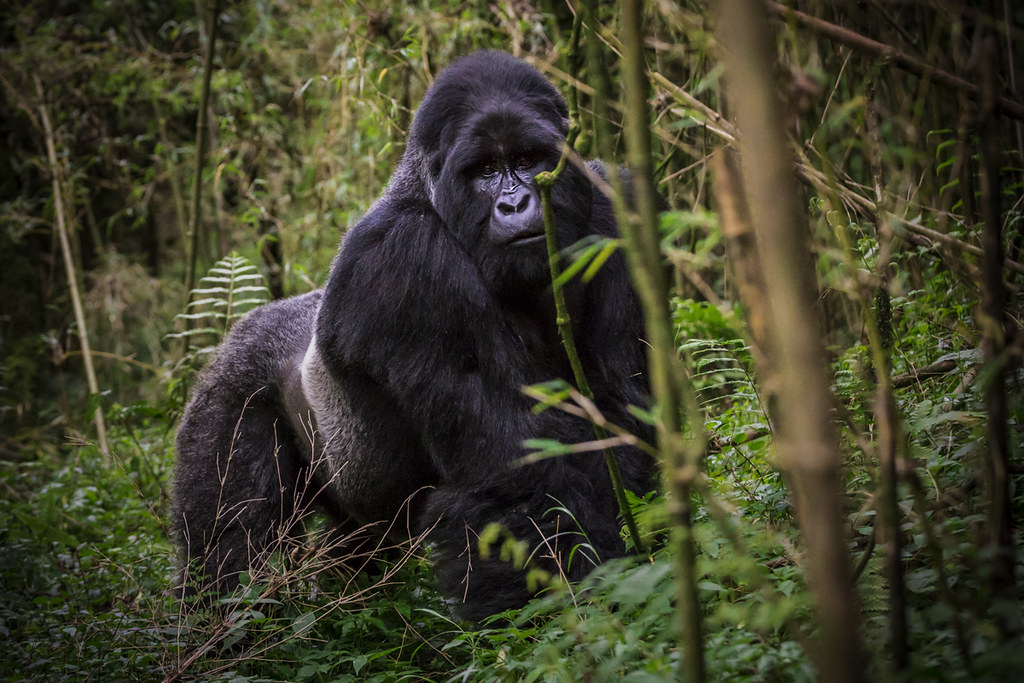
The silverback plays an essential role in the survival and organization of semi-habituated gorilla families.
During the habituation experience, visitors can observe how silverbacks protect their families, manage group movements, and respond to different situations.
A silverback may position himself between visitors and other family members, monitor activities around the group, or communicate through powerful displays.
These behaviors demonstrate leadership, responsibility, and the strong social bonds that define gorilla communities.
Why Semi-Habituated Gorillas Are Important for Conservation
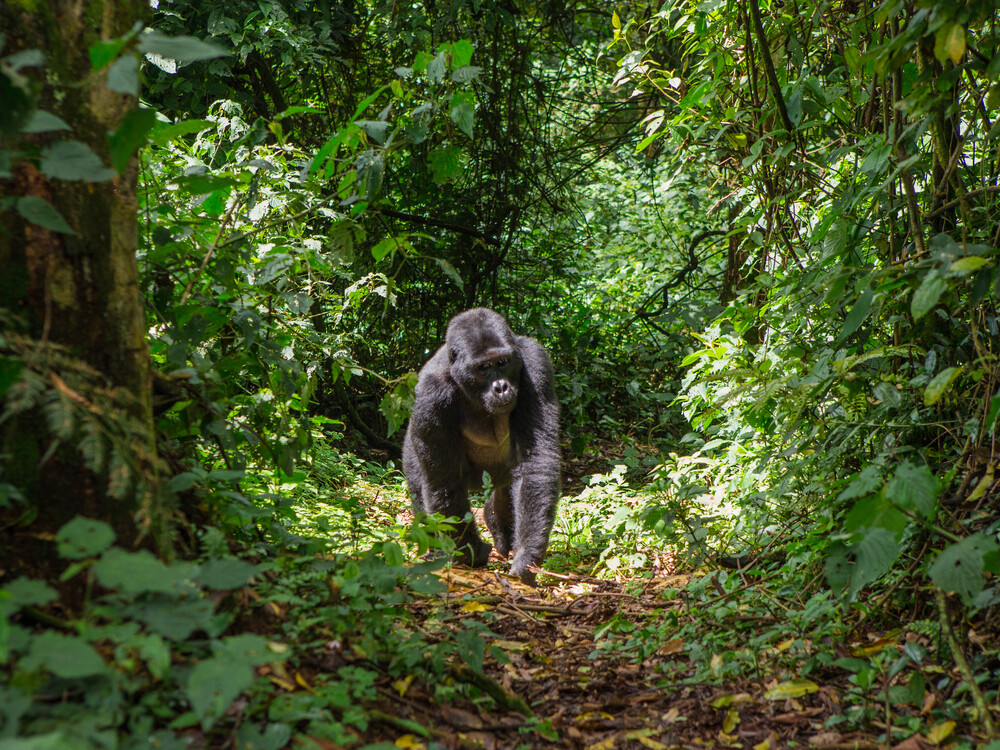
Understanding Semi-Habituated Gorillas Explained also highlights the important role these gorilla groups play in conservation.
Habituation allows researchers to study gorillas closely, collect important information, monitor health, and develop strategies to protect populations.
Tourism revenue generated from gorilla habituation contributes to conservation programs, ranger activities, and community initiatives around gorilla habitats.
By participating in responsible gorilla habituation experiences, travelers directly support efforts to protect endangered mountain gorillas.
Best Place to Experience Semi-Habituated Gorillas in Uganda
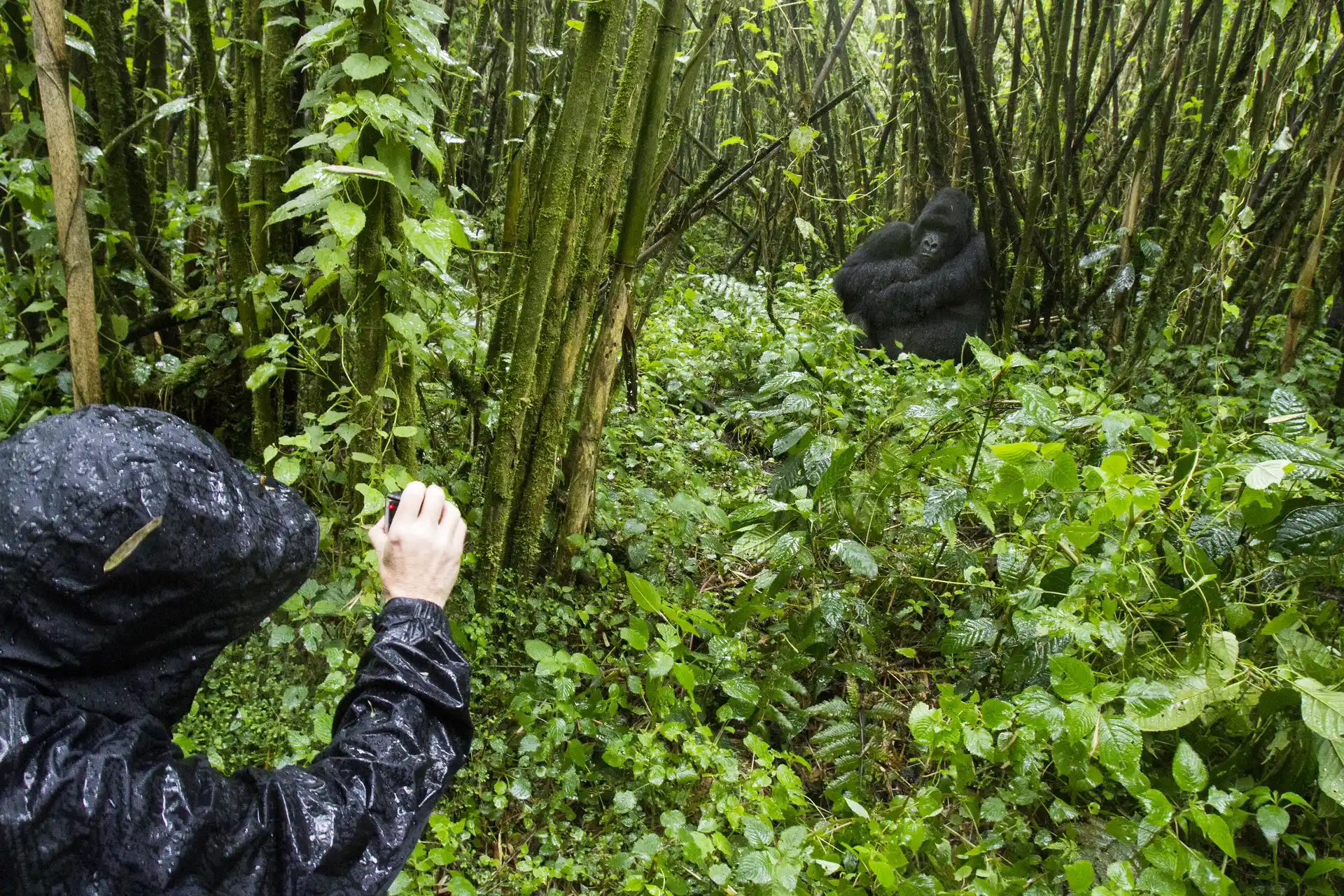
Uganda is one of the best destinations for travelers interested in observing semi-habituated gorillas.
The Rushaga sector of Bwindi Impenetrable National Park is the main location where gorilla habituation experiences take place.
The area offers incredible rainforest scenery, diverse wildlife, and opportunities to learn about conservation efforts protecting mountain gorillas.
Travelers visiting Rushaga can combine their habituation experience with other Uganda safari adventures, including wildlife viewing, cultural experiences, and nature exploration.
Best Time to See Semi-Habituated Gorillas in Uganda
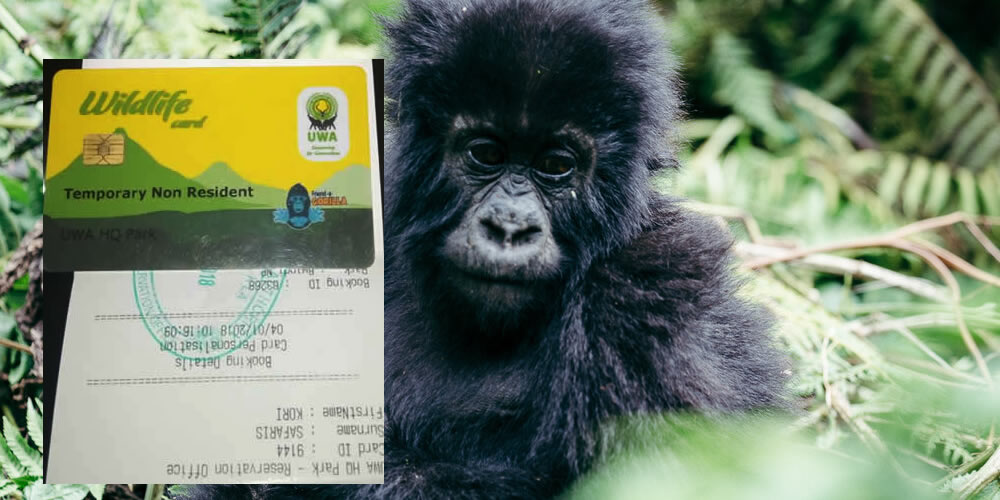
Semi-habituated gorillas can be visited throughout the year, but certain seasons offer more comfortable trekking conditions.
The dry seasons from June to September and December to February are popular because forest trails are usually easier to navigate.
However, the rainy seasons also provide rewarding experiences with greener forests, fewer visitors, and excellent photography opportunities.
Since habituation permits are limited, travelers should plan and book early to secure their preferred dates.
What Makes Semi-Habituated Gorilla Experiences Special?
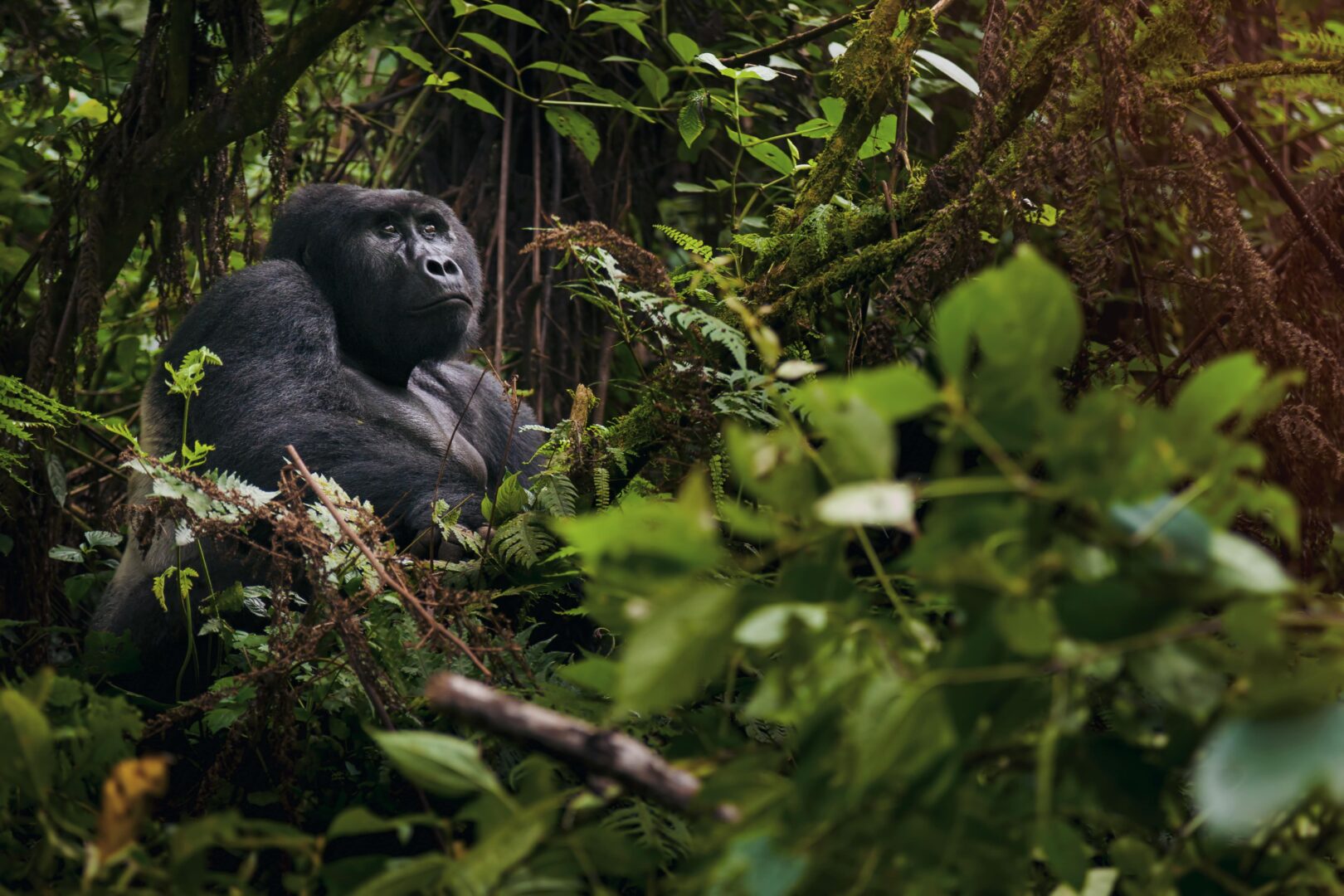
The uniqueness of Semi-Habituated Gorillas Explained lies in the authenticity of the encounter.
This experience allows travelers to witness gorillas at a stage where they are still behaving more like wild animals while gradually becoming comfortable with conservation teams.
The longer observation period creates opportunities to notice details that are often missed during shorter wildlife experiences.
For travelers passionate about conservation, photography, and understanding animal behavior, observing semi-habituated gorillas provides one of Africa’s most meaningful wildlife adventures.
Frequently Asked Questions About Semi-Habituated Gorillas Explained
1. What are semi-habituated gorillas?
Semi-Habituated Gorillas Explained refers to mountain gorilla families that are still undergoing the habituation process and have not yet become fully comfortable with regular human visitors.
These gorillas remain wild animals but have gradually been introduced to the presence of researchers, conservation teams, and limited visitors. The process allows experts to study their behavior, monitor their health, and prepare them for carefully managed tourism experiences while ensuring their natural behaviors remain unchanged.
Unlike fully habituated gorillas that are regularly visited during standard gorilla trekking, semi-habituated gorillas may still display more natural reactions, making the experience more unpredictable and authentic.
2. What is the purpose of habituating semi-habituated gorillas?
The purpose of habituation is to allow researchers and conservation teams to safely observe and study mountain gorillas while protecting their natural lifestyle.
Through Semi-Habituated Gorillas Explained, travelers learn that habituation is not about domesticating gorillas or making them dependent on humans. Instead, it is a conservation process that helps experts understand gorilla behavior, social structures, health, reproduction, and environmental needs.
The information collected during habituation helps improve conservation strategies and supports the long-term survival of endangered mountain gorillas.
3. How long does it take for gorillas to become fully habituated?
The habituation process can take several years because gorillas need time to gradually become comfortable with human presence.
During this period, researchers and trackers carefully monitor the gorilla family while recording their reactions, behaviors, and social relationships.
The process cannot be rushed because the welfare of the gorillas is the highest priority. Conservation teams ensure that the animals continue feeding, moving, communicating, and interacting naturally throughout habituation.
4. What is the difference between semi-habituated gorillas and fully habituated gorillas?
The main difference is the level of comfort gorillas have around humans.
Semi-habituated gorillas are still learning to tolerate human observation and may behave more cautiously. They may keep their distance, observe visitors carefully, or react differently depending on the situation.
Fully habituated gorillas have completed the process and are comfortable with regular visitor encounters during normal gorilla trekking.
Semi-Habituated Gorillas Explained helps travelers understand that this stage offers a unique opportunity to witness gorillas while they are still displaying many natural wild behaviors.
5. Can visitors interact directly with semi-habituated gorillas?
No, visitors do not physically interact with semi-habituated gorillas explained.
The experience is based on respectful observation while maintaining recommended distances and following strict conservation guidelines.
Although the gorillas may come closer or observe visitors out of curiosity, travelers must allow the animals to decide their movements naturally.
The goal of gorilla habituation is observation and understanding, not direct contact.
6. Where can I see semi-habituated gorillas in Uganda?
Semi-habituated gorillas can mainly be experienced in the Rushaga sector of Bwindi Impenetrable National Park.
Bwindi is one of the world’s most important mountain gorilla habitats and provides a protected rainforest environment where gorilla families can thrive.
The Rushaga sector is well known for gorilla habituation experiences because it hosts gorilla families undergoing the gradual process of becoming accustomed to human presence.
7. How many hours can I spend with semi-habituated gorillas?
One of the biggest advantages of observing semi-habituated gorillas is the extended viewing time.
Visitors participating in gorilla habituation can spend up to four hours with the gorilla family once they locate them.
This longer period provides more opportunities to observe natural behaviors, including feeding, communication, grooming, movement, parenting, and interactions between family members.
The extended time makes the experience more educational compared to shorter gorilla trekking encounters.
8. What behaviors can I observe from semi-habituated gorillas?
During a semi-habituated gorilla experience, visitors may observe a wide range of natural behaviors.
These include silverbacks protecting their families, mothers caring for infants, juveniles playing, gorillas searching for food, family members grooming each other, and individuals communicating through sounds and body language.
Because semi-habituated gorillas are still adjusting to human presence, their behavior can be more spontaneous and unpredictable, creating a unique wildlife experience.
9. Are semi-habituated gorillas safe to visit?
Yes, observing semi-habituated gorillas is safe when conducted under the guidance of trained trackers, researchers, and professional guides.
Before entering the forest, visitors receive a briefing about safety rules, appropriate behavior, and how to respect the gorillas.
The tracking teams understand gorilla behavior and monitor the animals carefully to ensure both visitors and gorillas remain safe throughout the encounter.
10. Why is observing semi-habituated gorillas considered a unique wildlife experience?
Semi-Habituated Gorillas Explained reveals why this experience is different from ordinary wildlife viewing.
Travelers are not simply watching animals from a distance. They are observing a conservation process and witnessing gorillas at a stage where they are still behaving very naturally.
The opportunity to spend several hours watching family interactions, communication patterns, and social relationships provides a deeper connection with mountain gorillas.
11. Can photographers participate in semi-habituated gorilla experiences?
Yes, semi-habituated gorilla experiences are excellent for wildlife photographers.
The longer observation period allows photographers more opportunities to capture meaningful moments such as silverback displays, infant interactions, feeding behaviors, and family bonding.
However, photographers must follow responsible photography rules, including avoiding flash photography and respecting the recommended distance from gorillas.
12. What role do trackers play during a semi-habituated gorilla experience?
Trackers are essential in helping visitors locate and understand semi-habituated gorilla families.
They enter the forest early to follow signs of gorilla movement, identify locations, and monitor the family before visitors arrive.
During the encounter, trackers provide valuable information about individual gorillas, their behaviors, and their history.
Their expertise helps transform the experience into an educational conservation journey.
13. How do semi-habituated gorillas communicate?
Semi-habituated gorillas communicate through vocal sounds, facial expressions, body movements, and physical interactions.
Visitors may observe chest beating by silverbacks, gentle vocalizations between family members, grooming behaviors, playful interactions, and gestures showing comfort or warning.
Understanding these communication methods is an important part of Semi-Habituated Gorillas Explained because it reveals the intelligence and emotional complexity of mountain gorillas.
14. Do semi-habituated gorillas behave differently from fully habituated gorillas?
Yes, semi-habituated gorillas may behave differently because they are still becoming comfortable with human observation.
They may show more curiosity, caution, or natural reactions compared to fully habituated groups.
These differences make the experience especially valuable for travelers interested in animal behavior because they can observe gorillas in a more natural state.
15. What should I carry when visiting semi-habituated gorillas?
Visitors should prepare for rainforest conditions by carrying suitable hiking equipment and protective clothing.
Important items include waterproof hiking boots, long trousers, long-sleeved shirts, rain gear, gloves, insect repellent, drinking water, snacks, and a camera.
Bwindi’s rainforest environment can be wet and challenging, so proper preparation improves comfort during the experience.
16. How does semi-habituated gorilla tourism support conservation?
Semi-habituated gorilla tourism contributes directly to mountain gorilla conservation through funding, research support, and community development.
Revenue from gorilla experiences helps support protected areas, ranger activities, conservation programs, and initiatives benefiting communities around gorilla habitats.
By participating responsibly, travelers become part of efforts to protect these endangered animals.
17. Can semi-habituated gorilla experiences be combined with other Uganda safaris?
Yes, many travelers combine gorilla habituation with other Uganda safari experiences.
A complete itinerary may include chimpanzee tracking in Kibale Forest, wildlife viewing in Queen Elizabeth National Park, boat cruises, birdwatching, and cultural experiences.
A professional safari company can design a customized itinerary that combines gorilla conservation experiences with Uganda’s other natural attractions.
18. What makes semi-habituated gorillas important for research?
Semi-habituated gorillas provide researchers with valuable opportunities to study gorilla behavior, social relationships, health, and adaptation.
Because they are still transitioning through the habituation process, researchers can learn how gorillas respond to controlled human observation.
This information helps improve conservation methods and supports the protection of mountain gorilla populations
19. Why should I book a semi-habituated gorilla experience with NextGEN Safaris?
NextGEN Safaris provides professionally organized gorilla habituation experiences designed around comfort, safety, and conservation.
Our team assists with permit arrangements, accommodation, transportation, experienced guides, and customized safari planning.
With local expertise and knowledge of Uganda’s wildlife destinations, we help travelers experience Semi-Habituated Gorillas Explained through a meaningful and unforgettable journey.
20. How can I book a semi-habituated gorilla safari in Uganda?
Booking a semi-habituated gorilla safari begins by sharing your preferred travel dates, budget, and interests with a trusted safari company.
NextGEN Safaris helps organize every part of your experience, including gorilla habituation permits, transport to Bwindi, accommodation, professional guides, and additional safari activities.
Since habituation permits are limited, early booking is recommended to secure availability and create the best possible gorilla adventure.
Experience the fascinating world of semi-habituated gorillas in Uganda and discover their behaviors, relationships, and conservation story with expert local support.
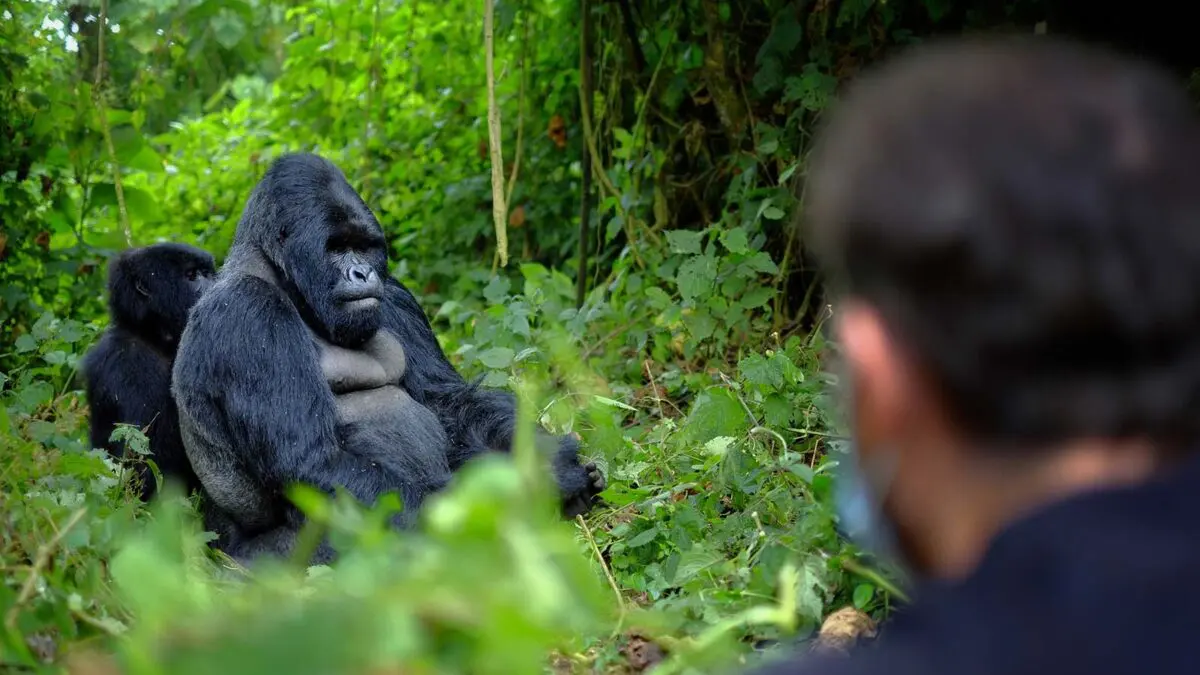
Book Your Semi-Habituated Gorilla Experience With NextGEN Safaris
Planning a Semi habituated gorilla experience requires expert organization, reliable information, and professional safari support.
At NextGEN Safaris, we specialize in creating unforgettable Uganda gorilla habituation journeys that connect travelers with mountain gorillas while supporting responsible tourism and conservation.
Our team assists with every important part of your adventure, including habituation permit arrangements, accommodation selection, transportation, professional guides, and customized safari planning.
We understand that every traveler has different expectations. Some guests want a photography-focused adventure, others prefer luxury comfort, while some seek a deeper conservation experience.
Our experts design personalized itineraries that match your interests and ensure you experience the best of Uganda’s gorilla world.
From your first inquiry to your final departure, NextGEN Safaris provides professional support, local expertise, and attention to detail.
Experience the incredible world of semi-habituated gorillas and discover their behaviors, relationships, and natural environment with a trusted Uganda safari partner.https://jewelgorillasafaris.com/