

Ultimate What to Pack for Gorilla Habituation Uganda: The Complete Packing Guide for an Unforgettable Adventure
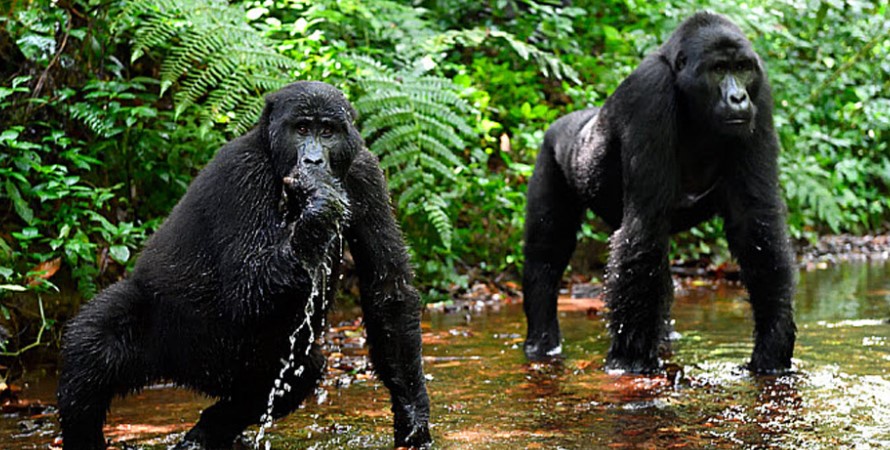
Preparing for a gorilla habituation experience is one of the most exciting parts of planning a safari to Uganda. Unlike a standard gorilla trek, where visitors spend one hour with a fully habituated gorilla family, the gorilla habituation experience allows you to spend up to four extraordinary hours observing a semi-habituated family alongside researchers, trackers, veterinarians, and Uganda Wildlife Authority rangers. Because this unique conservation activity involves longer hiking hours, more rugged rainforest terrain, and changing mountain weather, understanding What to Pack for Gorilla Habituation Uganda is essential for ensuring a comfortable, safe, and enjoyable adventure.
Many travelers underestimate how much the right equipment can influence their overall experience. Packing correctly not only keeps you comfortable throughout the day but also protects you from rain, mud, insects, thorny vegetation, and fluctuating temperatures in Bwindi Impenetrable National Park. Knowing What to Pack for Gorilla Habituation Uganda allows you to focus entirely on the incredible encounter with mountain gorillas rather than worrying about discomfort or missing essential items.
This comprehensive guide explains What to Pack for Gorilla Habituation Uganda, covering clothing, footwear, photography equipment, health essentials, travel accessories, and practical tips that will help you prepare like an experienced gorilla trekker.
Why Knowing What to Pack for Gorilla Habituation Uganda Is So Important
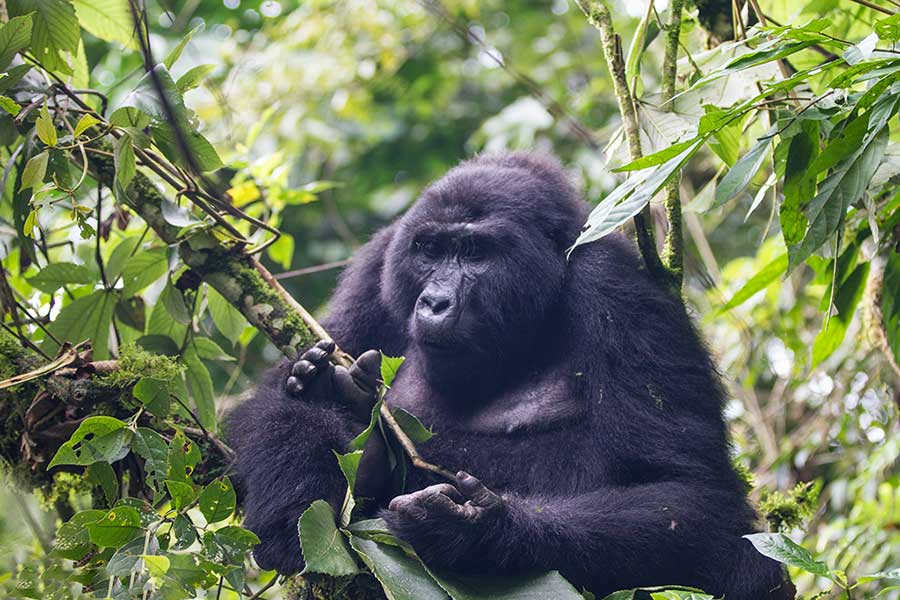
Understanding What to Pack for Gorilla Habituation Uganda is one of the most important parts of preparing for your safari because gorilla habituation is physically more demanding than regular gorilla trekking. Visitors often spend six to ten hours in the rainforest, including the hike to locate the gorillas, four hours observing them, and the return walk through the forest.
Bwindi Impenetrable National Park is a tropical mountain rainforest where conditions change rapidly. Bright sunshine can quickly turn into heavy rainfall, while dry trails may become muddy within minutes. Proper packing ensures you remain comfortable regardless of the weather while protecting your clothing, electronic devices, and personal belongings.
Packing correctly also improves your safety. Suitable hiking boots reduce the risk of slipping, long clothing protects against scratches and insect bites, and waterproof gear keeps you dry throughout the trek. Every item you carry should serve a practical purpose, helping you enjoy the experience without unnecessary weight or inconvenience.
Choose Comfortable and Durable Hiking Clothing
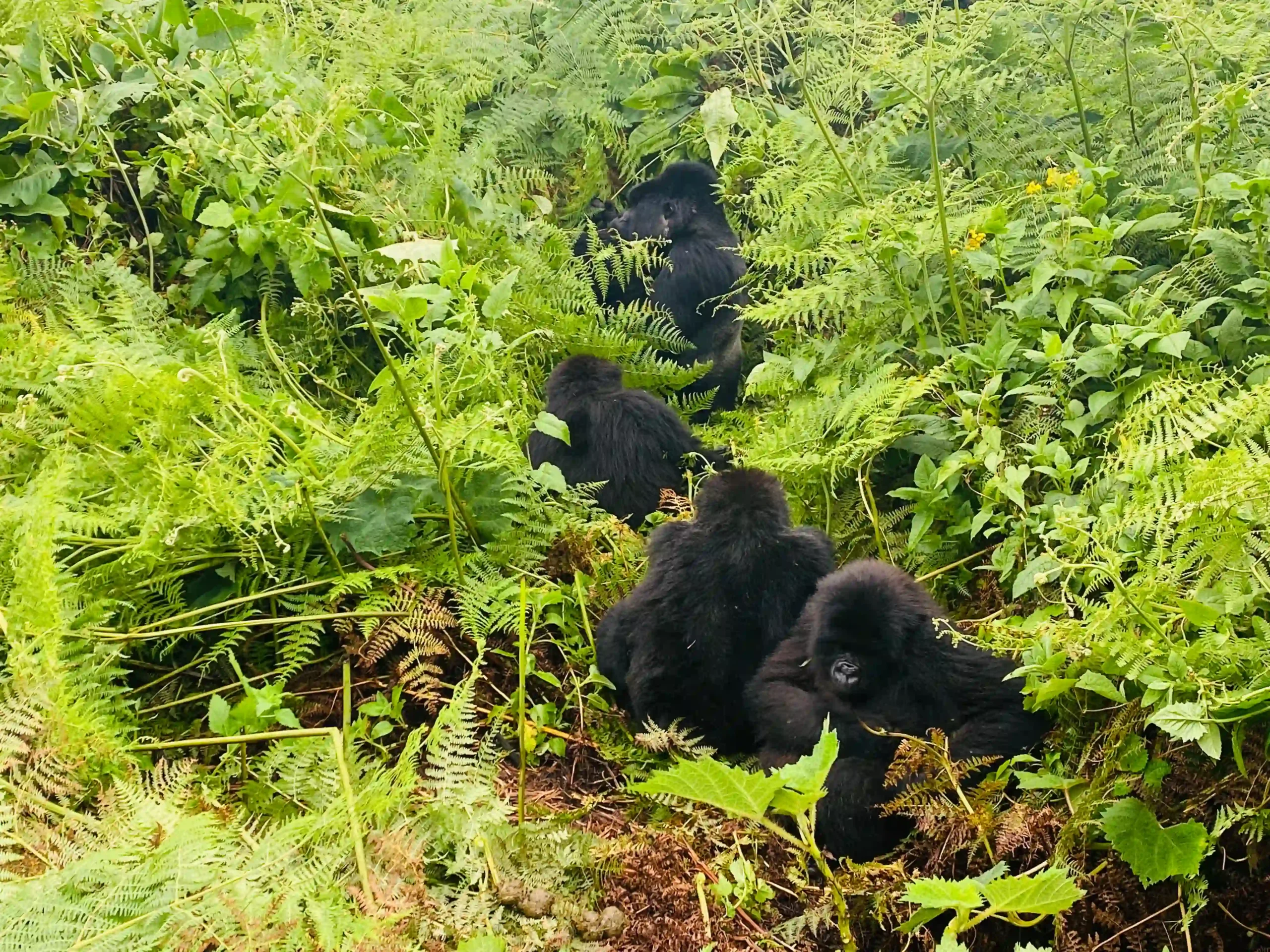
One of the first considerations when deciding What to Pack for Gorilla Habituation Uganda is selecting clothing that offers comfort, protection, and flexibility throughout the day. Lightweight long-sleeved shirts and long trousers are strongly recommended because they protect your skin from thorny vegetation, insects, and stinging plants commonly found in the rainforest.
Breathable fabrics help regulate body temperature during long hikes while allowing moisture to evaporate more efficiently than heavy cotton clothing. Neutral colors such as green, khaki, grey, and brown blend naturally into the forest environment and are generally preferred for wildlife activities.
Layering is also important because mountain temperatures can change significantly between early morning and midday. Wearing lightweight layers allows you to adjust your clothing according to changing weather conditions without becoming uncomfortable.
Invest in Quality Waterproof Hiking Boots
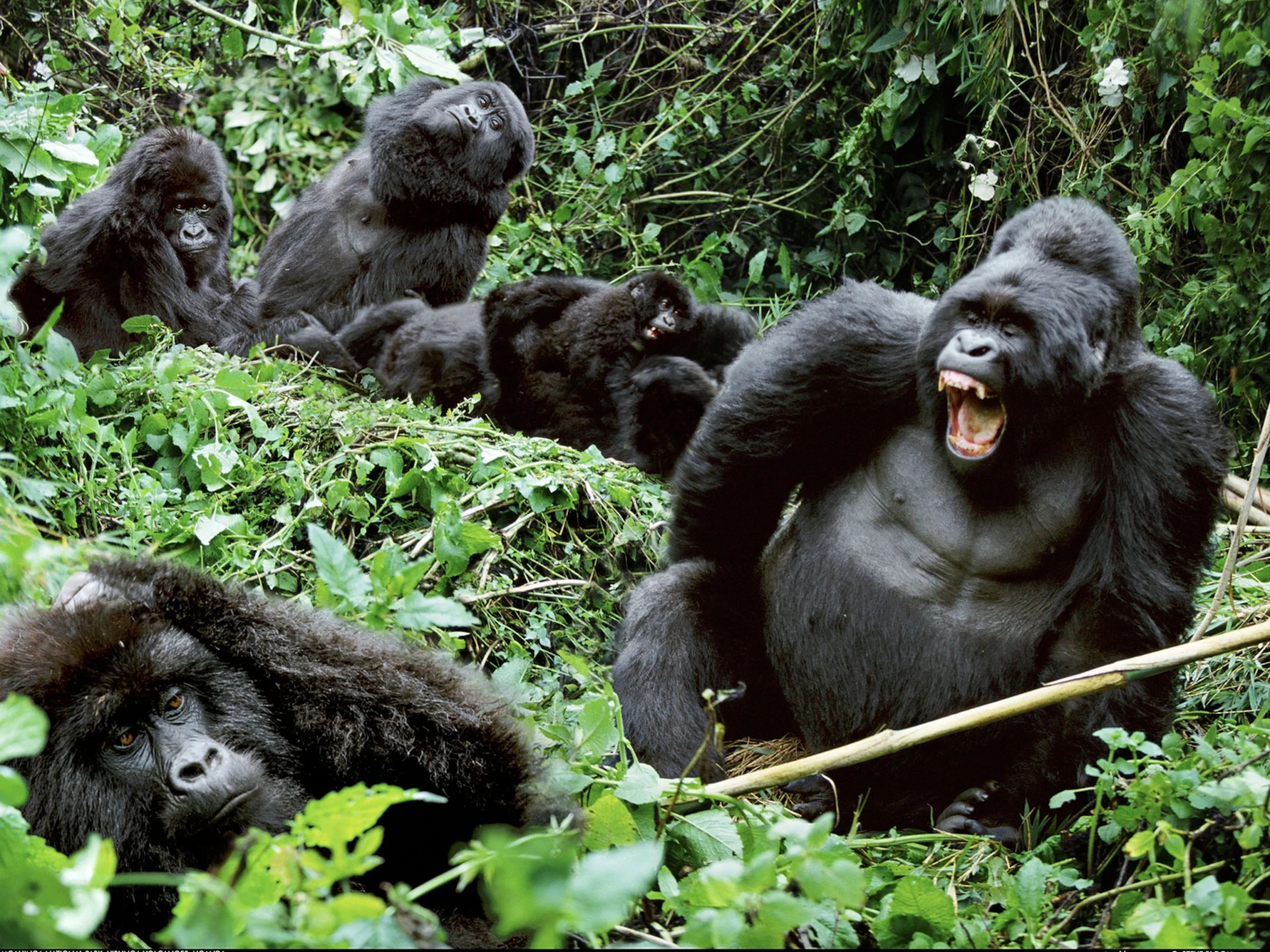
If there is one item that should never be overlooked when considering What to Pack for Gorilla Habituation Uganda, it is a pair of high-quality waterproof hiking boots. Gorilla habituation takes place deep within Bwindi’s mountainous rainforest, where visitors regularly encounter muddy trails, slippery slopes, rocky paths, exposed tree roots, and uneven ground.
Well-fitting hiking boots with strong ankle support and deep tread provide excellent stability throughout the trek. Waterproof boots help keep your feet dry during rainfall and while crossing wet forest sections, reducing discomfort and the likelihood of blisters.
It is highly recommended to wear your hiking boots several times before your safari to ensure they are fully broken in and comfortable for long-distance walking.
Carry a Reliable Waterproof Rain Jacket
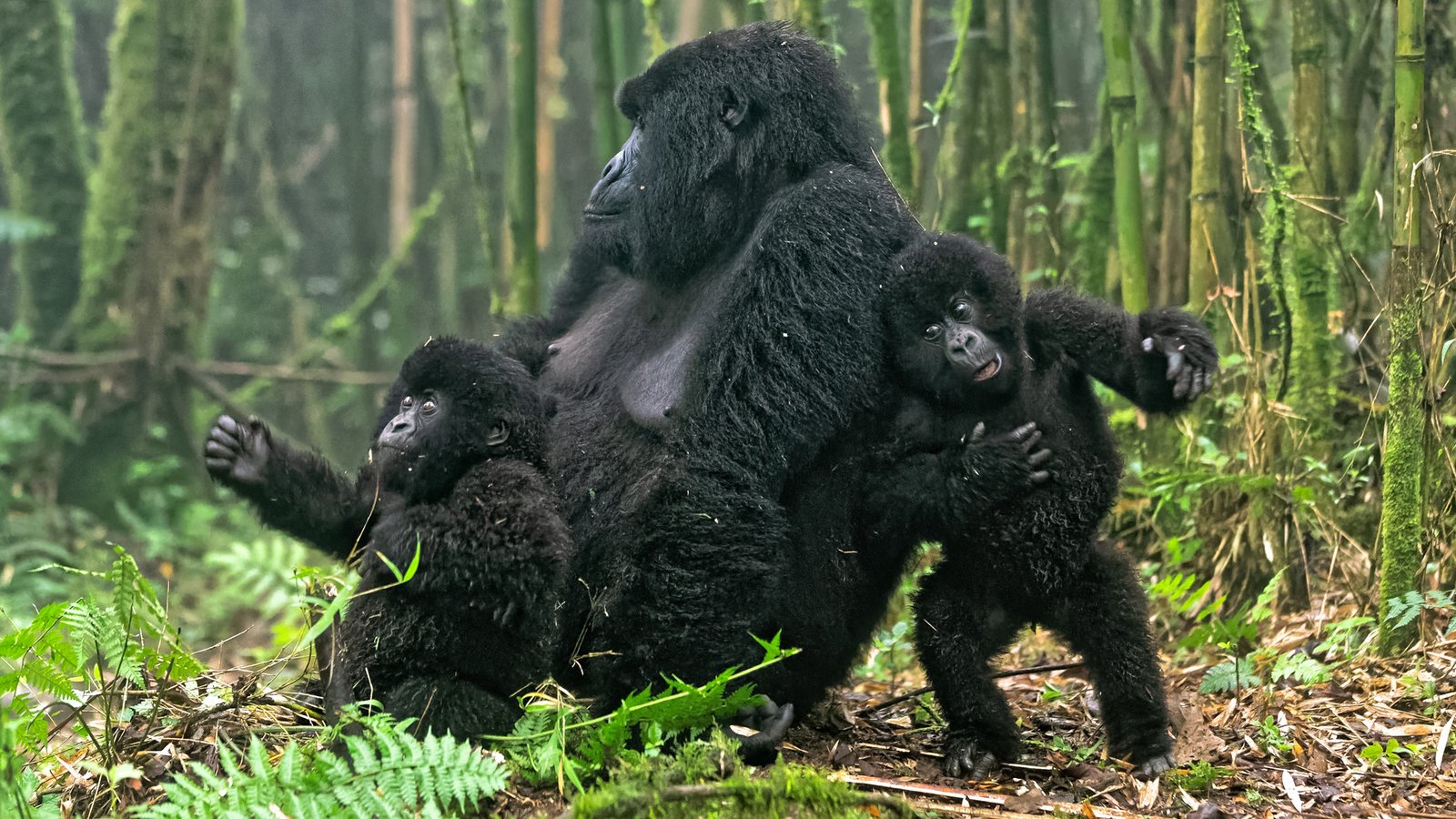
Rain can occur at any time in Bwindi Impenetrable National Park, regardless of the season. Therefore, an essential part of What to Pack for Gorilla Habituation Uganda is a lightweight waterproof rain jacket that provides protection without adding unnecessary weight.
A quality rain jacket keeps your clothing dry during unexpected showers while helping maintain body temperature in cooler mountain conditions. Choosing a breathable waterproof jacket prevents overheating during long periods of walking.
Even during the dry season, experienced guides strongly recommend carrying rain protection because mountain weather can change unexpectedly.
Don’t Forget Gardening Gloves
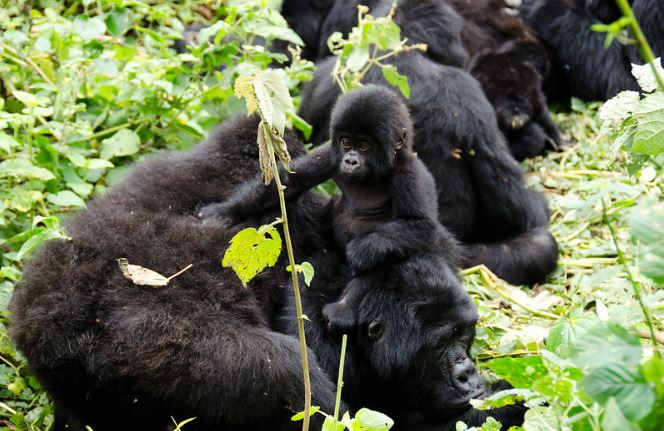
Many first-time visitors are surprised to discover that gardening gloves are among the most practical items included in What to Pack for Gorilla Habituation Uganda. During the trek, hikers often hold onto branches, vines, and vegetation while climbing steep slopes or navigating difficult terrain.
Lightweight gloves protect your hands from thorns, rough bark, stinging plants, and sharp vegetation while improving grip on slippery surfaces.
Simple gardening gloves are inexpensive, lightweight, and incredibly useful throughout the trek.
Pack Enough Drinking Water and Energy Snacks
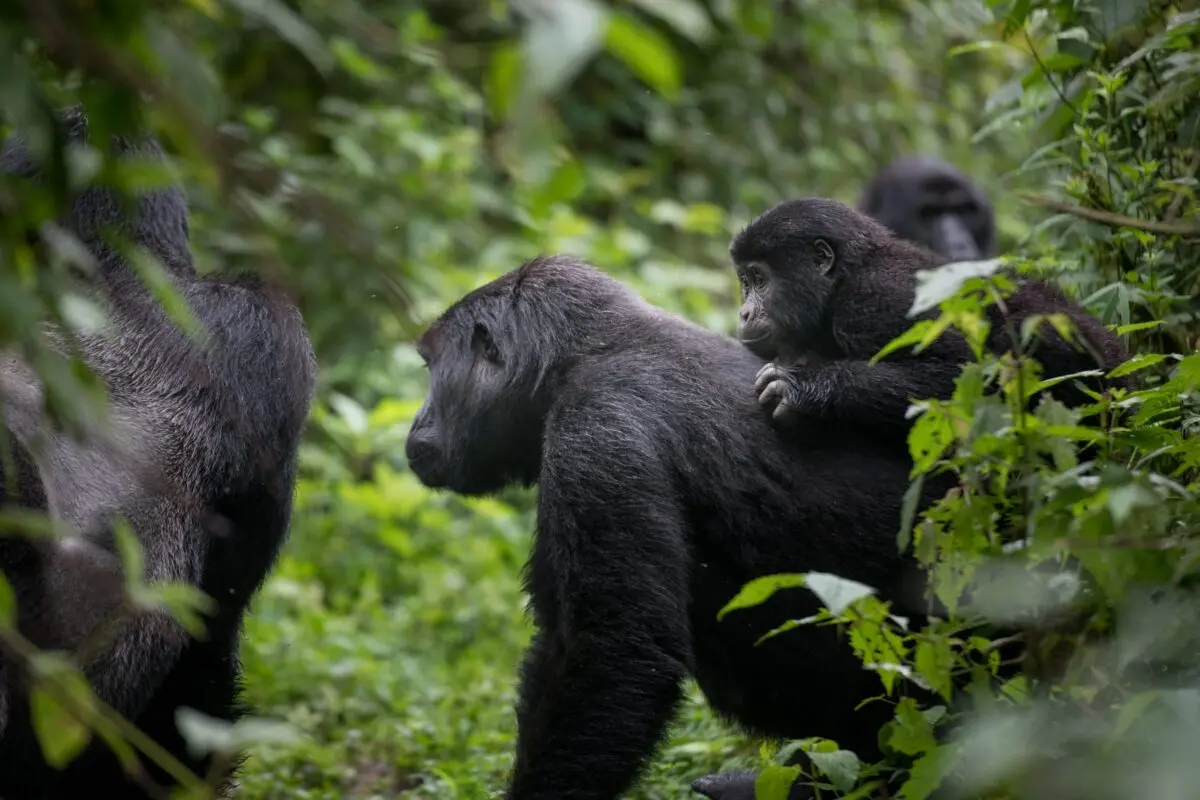
Hydration plays a major role in any successful gorilla habituation experience. Since visitors may spend an entire day in the rainforest, What to Pack for Gorilla Habituation Uganda should always include sufficient drinking water to remain hydrated throughout the hike.
Energy-rich snacks such as granola bars, dried fruit, nuts, chocolate, or energy biscuits help maintain energy levels during the longer trekking hours. Most safari operators also provide packed lunches because visitors often remain in the forest throughout the afternoon.
Staying properly hydrated and nourished helps reduce fatigue while improving overall comfort during the trek.
Bring a Small Comfortable Backpack
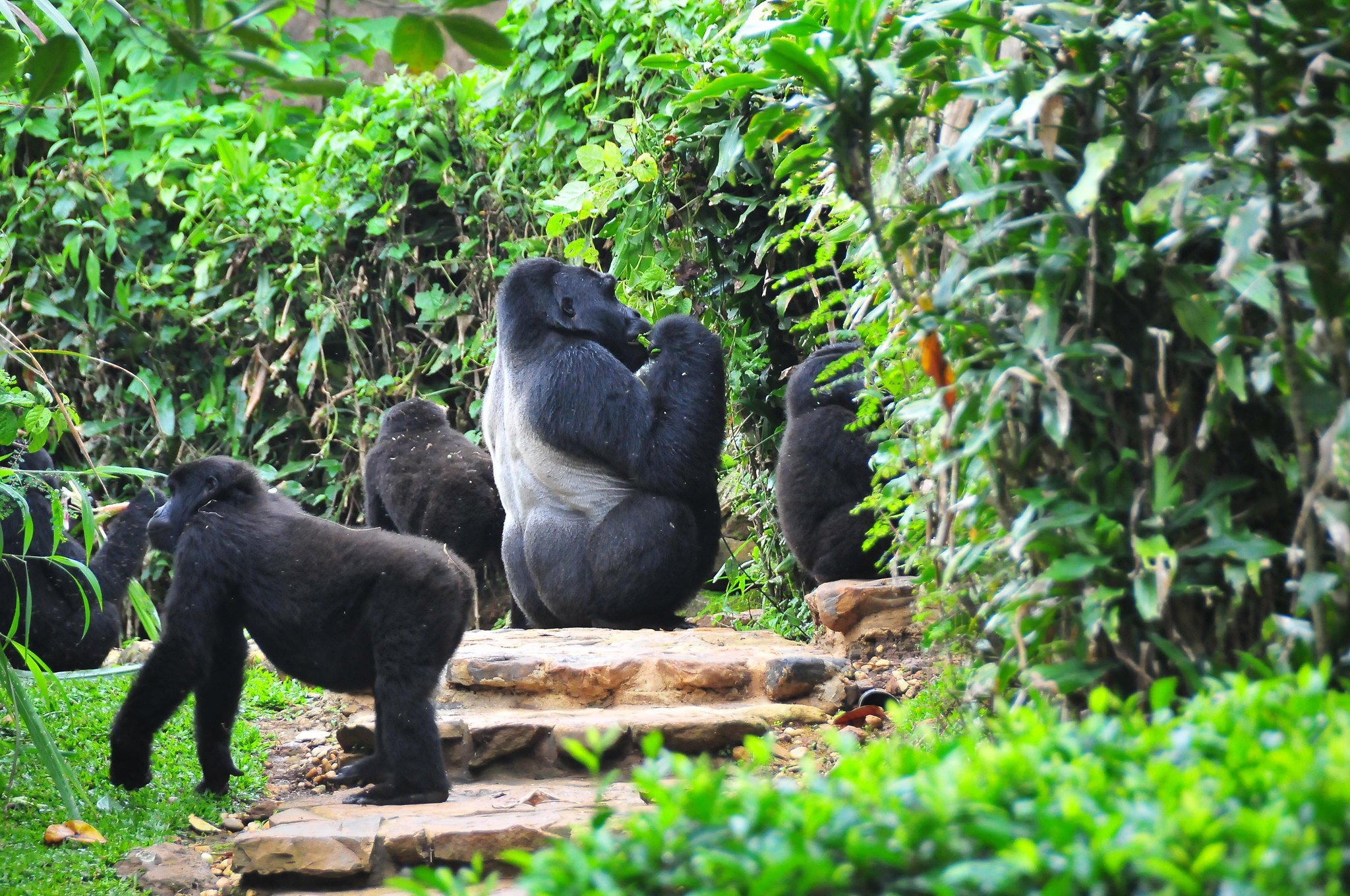
A lightweight backpack is another essential item when considering What to Pack for Gorilla Habituation Uganda. It provides enough space for water, snacks, rain gear, camera equipment, sunscreen, gloves, insect repellent, and personal items while remaining comfortable to carry.
Many visitors choose to hire a porter, allowing the backpack to be carried throughout the trek while they walk freely. This significantly reduces physical strain, especially during longer hikes associated with gorilla habituation.
A waterproof backpack or rain cover provides additional protection for valuable equipment during rainy weather.
Photography Equipment for Gorilla Habituation
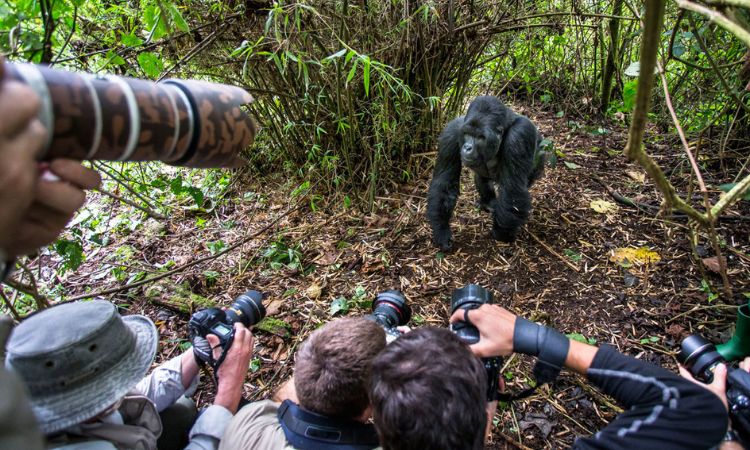
Capturing unforgettable moments is one of the highlights of gorilla habituation, making photography equipment an important part of What to Pack for Gorilla Habituation Uganda. A good camera with a moderate telephoto lens performs exceptionally well because visitors remain several meters from the gorillas.
Extra batteries and memory cards are strongly recommended since charging facilities are unavailable inside the forest. A waterproof camera bag provides additional protection during rain.
Flash photography is strictly prohibited because it may disturb the gorillas. Preparing camera settings before reaching the gorilla family allows you to photograph quietly without unnecessary movement.
Health and Personal Care Essentials
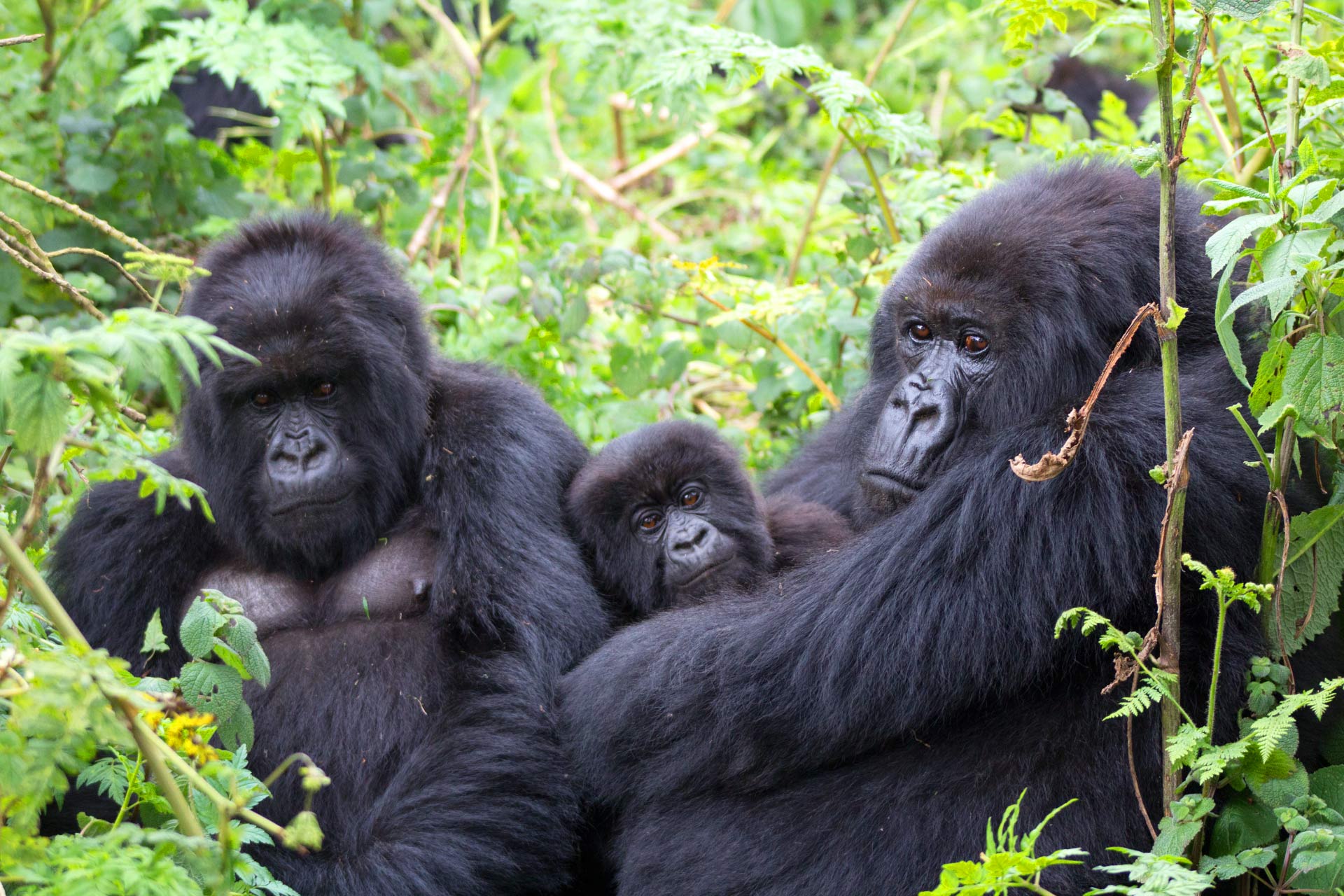
Another important aspect of What to Pack for Gorilla Habituation Uganda includes personal healthcare items. Insect repellent helps reduce mosquito and insect bites, while sunscreen protects exposed skin during open sections of the trek.
Visitors should also carry personal medications, small adhesive bandages, pain relievers, lip balm, hand sanitizer, and tissues. Although professional guides are prepared for emergencies, having your own essential items increases comfort throughout the day.
Maintaining good personal health before the trek is equally important. Visitors experiencing flu-like symptoms should postpone participation to protect the endangered mountain gorillas from human diseases.
Travel Documents and Important Essentials
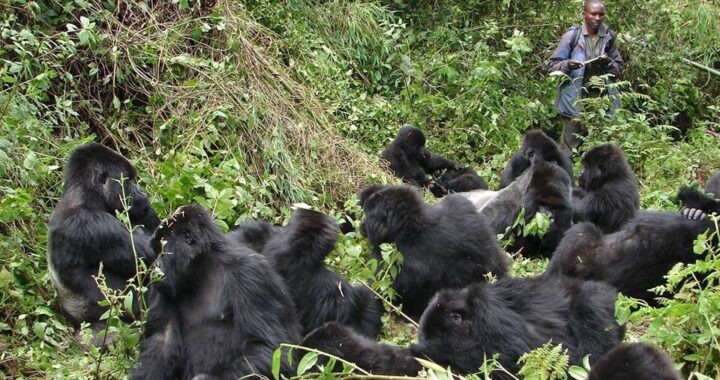
Preparing What to Pack for Gorilla Habituation Uganda also includes ensuring all necessary travel documents are easily accessible. Visitors should carry passports, gorilla habituation permits, travel insurance information, vaccination certificates where required, and emergency contact details.
Keeping digital copies stored securely on your phone or cloud storage provides additional security should physical documents become misplaced.
Organizing important paperwork before departure reduces stress and allows the safari to begin smoothly.
Pack Light but Pack Smart
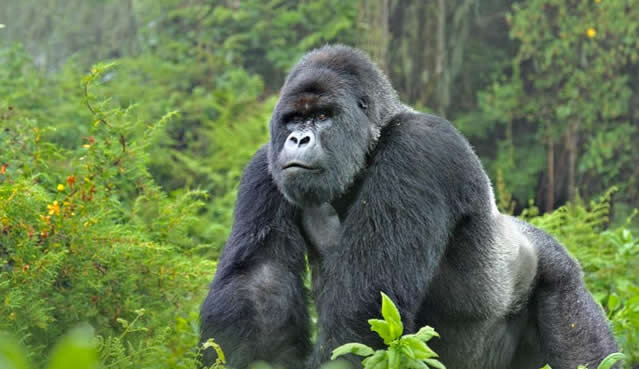
A common mistake many travelers make when considering What to Pack for Gorilla Habituation Uganda is bringing too many unnecessary items. Since the trek involves long hours of walking through mountainous rainforest, carrying excessive weight quickly becomes tiring.
Instead of packing large quantities of clothing or unnecessary accessories, focus on versatile items that provide comfort, protection, and practical value. Every item in your backpack should have a specific purpose during the trek.
Traveling light not only improves mobility but also makes the entire experience more enjoyable.
Why Proper Packing Makes Gorilla Habituation More Enjoyable
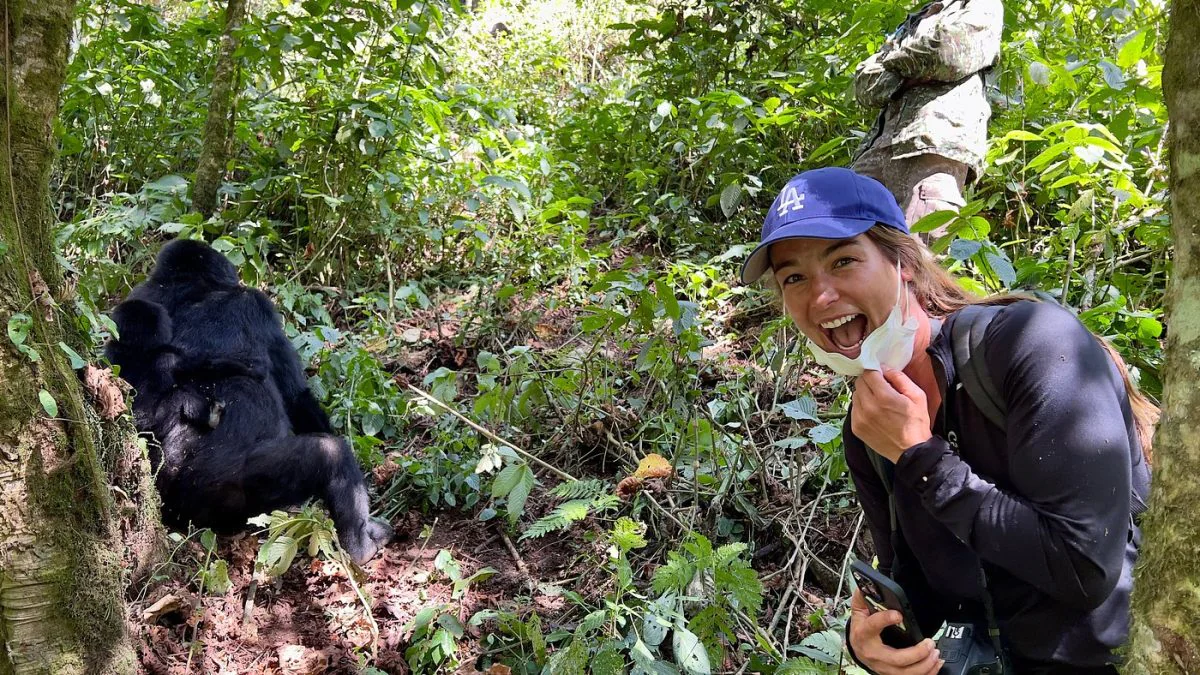
Knowing What to Pack for Gorilla Habituation Uganda allows visitors to fully immerse themselves in the experience without being distracted by uncomfortable clothing, wet equipment, or forgotten essentials. Proper preparation reduces physical strain while increasing confidence before entering the rainforest.
The right gear enables you to concentrate entirely on observing mountain gorillas, photographing remarkable wildlife behavior, and appreciating one of Africa’s most extraordinary conservation experiences.
Thoughtful packing transforms gorilla habituation from a physically demanding hike into an unforgettable wildlife adventure.
Frequently Asked Questions About What to Pack for Gorilla Habituation Uganda
1. What should I pack for Gorilla Habituation Uganda?
Knowing What to Pack for Gorilla Habituation Uganda is essential for enjoying a comfortable and successful adventure in Bwindi Impenetrable National Park. Since the gorilla habituation experience can last between six and ten hours, including the trek and four hours with the gorillas, visitors should pack practical items that provide comfort, protection, and convenience throughout the day.
Essential items include waterproof hiking boots, long-sleeved shirts, long trousers, a waterproof rain jacket, gardening gloves, drinking water, energy snacks, insect repellent, sunscreen, a small backpack, and personal medications. Every item should serve a useful purpose while keeping your backpack as light as possible.
Packing wisely allows you to focus on the incredible gorilla encounter instead of worrying about changing weather, difficult terrain, or forgotten essentials.
2. Why is it important to know What to Pack for Gorilla Habituation Uganda?
Understanding What to Pack for Gorilla Habituation Uganda helps visitors prepare for the unique conditions of Bwindi’s tropical rainforest. Unlike many wildlife activities, gorilla habituation involves long hours of hiking through steep, muddy, and densely forested terrain before spending four unforgettable hours observing mountain gorillas.
The weather can change rapidly, with sunshine quickly giving way to rain or cool mountain temperatures. Proper clothing and equipment help visitors remain comfortable regardless of the conditions.
Good preparation also improves safety by reducing the risk of slips, blisters, dehydration, and unnecessary physical fatigue.
3. What type of hiking boots should I pack?
One of the most important items when deciding What to Pack for Gorilla Habituation Uganda is a pair of waterproof hiking boots with excellent grip and ankle support. Bwindi’s rainforest trails often become muddy and slippery, especially after rainfall.
Quality hiking boots improve stability while reducing the risk of slipping on steep slopes, rocky paths, exposed roots, and wet ground. Comfortable boots also reduce foot fatigue during long hours of walking.
Visitors should wear their hiking boots before traveling to ensure they are properly broken in and comfortable.
4. Should I pack waterproof clothing?
Yes. Waterproof clothing is an essential part of What to Pack for Gorilla Habituation Uganda because rainfall can occur during any month of the year. Even if the morning begins with clear skies, showers can develop quickly in the rainforest.
A lightweight waterproof jacket keeps you dry without becoming uncomfortable during extended hiking. Waterproof backpack covers are also useful for protecting cameras, phones, and personal belongings.
Remaining dry throughout the trek significantly improves overall comfort.
5. What clothes should I wear for gorilla habituation?
When preparing What to Pack for Gorilla Habituation Uganda, visitors should choose lightweight long-sleeved shirts and long trousers made from breathable materials. These provide protection against insects, thorny vegetation, and scratches while remaining comfortable during physical activity.
Neutral colors such as khaki, green, brown, or grey are recommended because they blend naturally into the forest environment. Bright colors should generally be avoided.
Layering clothing allows visitors to adapt easily to changing mountain temperatures throughout the day.
6. Are gardening gloves necessary?
Yes. Gardening gloves are one of the most practical items included in What to Pack for Gorilla Habituation Uganda. During the trek, visitors often hold onto branches, vines, or tree trunks while climbing steep hills or descending slippery slopes.
Gloves protect your hands from thorns, rough bark, and stinging plants while improving grip in difficult terrain.
Although inexpensive, they greatly increase comfort during the hike.
7. How much water should I pack?
Hydration is extremely important when considering What to Pack for Gorilla Habituation Uganda. Since the activity lasts most of the day, visitors should carry enough drinking water to remain hydrated throughout the hike.
Many safari operators recommend carrying at least two liters of water, depending on weather conditions and individual needs. Drinking regularly helps reduce fatigue and improves endurance.
A reusable water bottle or hydration pack works very well during the trek.
8. Should I bring snacks during gorilla habituation?
Yes. Energy-rich snacks are an important part of What to Pack for Gorilla Habituation Uganda because the trek can be physically demanding. Snacks help maintain energy levels before and after spending time with the gorillas.
Good options include nuts, dried fruit, energy bars, chocolate, biscuits, or granola bars. Most safari operators also provide packed lunches for visitors participating in gorilla habituation.
Keeping your energy levels stable makes the experience much more enjoyable.
9. What type of backpack should I carry?
A lightweight, comfortable backpack is highly recommended when planning What to Pack for Gorilla Habituation Uganda. It should be large enough to carry water, snacks, rain gear, cameras, insect repellent, sunscreen, and other essential items.
Many visitors hire a porter who carries the backpack throughout the trek, making the hike significantly easier.
Choosing a waterproof backpack or using a rain cover provides additional protection for valuable equipment.
10. What camera equipment should I pack?
Photography is one of the highlights of gorilla habituation, making camera equipment an important consideration when deciding What to Pack for Gorilla Habituation Uganda.
A DSLR, mirrorless camera, or high-quality compact camera with a moderate telephoto lens works well in the rainforest. Visitors should also bring spare batteries, extra memory cards, and protective waterproof bags.
Flash photography is not permitted because it may disturb the mountain gorillas.
11. Should I pack binoculars?
Although the main focus of What to Pack for Gorilla Habituation Uganda is preparing for gorilla viewing, binoculars are an excellent addition to your packing list.
Bwindi Impenetrable National Park is home to hundreds of bird species, primates, butterflies, and other fascinating wildlife. Binoculars allow visitors to enjoy these species while hiking to and from the gorillas.
Lightweight binoculars are easy to carry and greatly enhance the overall safari experience.
12. Do I need insect repellent?
Yes. Insect repellent is an essential part of What to Pack for Gorilla Habituation Uganda because the rainforest contains mosquitoes and other insects throughout the year.
Applying insect repellent before entering the forest reduces the likelihood of bites and improves comfort during the trek.
Visitors should choose environmentally friendly repellents whenever possible.
13. Should I carry personal medication?
Absolutely. Personal medications should always be included in What to Pack for Gorilla Habituation Uganda. Visitors should carry any prescription medication they require throughout the day.
Simple items such as pain relievers, adhesive bandages, allergy medication, lip balm, and hand sanitizer can also be useful during the trek.
Keeping medications easily accessible ensures they are available whenever needed.
14. What travel documents should I pack?
An important part of What to Pack for Gorilla Habituation Uganda involves organizing your travel documents before leaving for the park.
Visitors should carry their passport, gorilla habituation permit, travel insurance information, vaccination certificates if required, and emergency contact details.
Keeping digital copies stored securely on your phone or cloud storage provides additional security.
15. Should I pack sunscreen even though the trek is in a forest?
Yes. Although much of the trek takes place beneath forest canopy, sunscreen remains an important part of What to Pack for Gorilla Habituation Uganda.
Some sections of the trail are exposed to direct sunlight, particularly near park entrances or open clearings. Applying sunscreen helps protect exposed skin during these periods.
Combining sunscreen with a wide-brimmed hat offers even greater protection.
16. Is a walking stick included or should I pack one?
Visitors planning What to Pack for Gorilla Habituation Uganda often wonder whether they need to carry their own walking stick.
In most cases, walking sticks are provided at the park headquarters before the trek begins. These sturdy wooden sticks greatly improve balance on steep, muddy, and slippery trails.
Some visitors still prefer bringing adjustable trekking poles, although they are not essential.
17. Should I pack extra clothes?
Packing an additional lightweight shirt or pair of socks can be helpful when considering What to Pack for Gorilla Habituation Uganda.
Rain, mud, and physical activity may leave clothing damp by the end of the trek. Having clean clothes available after returning to your lodge makes the journey back much more comfortable.
Extra clothing should remain at the lodge unless specifically needed during the trek.
18. Can I pack too much?
Yes. One of the most common mistakes when deciding What to Pack for Gorilla Habituation Uganda is bringing unnecessary items that increase the weight of your backpack.
Every item carried throughout the day adds to physical fatigue. Visitors should focus only on practical essentials that improve comfort, safety, or convenience.
Packing light while including all necessary equipment creates the best balance.
19. Should I hire a porter if I have a heavy backpack?
Yes. Hiring a porter is highly recommended when preparing What to Pack for Gorilla Habituation Uganda, particularly if you plan to carry camera equipment or additional personal belongings.
Porters safely carry your backpack while helping you navigate difficult terrain. This reduces fatigue and allows you to enjoy the experience more comfortably.
Hiring a porter also supports local communities and contributes directly to conservation.
20. Where can I get advice about What to Pack for Gorilla Habituation Uganda?
The best source of information about What to Pack for Gorilla Habituation Uganda is your experienced safari operator. Professional tour companies provide detailed packing lists based on the season, weather forecast, fitness level, and individual travel requirements.
Your safari consultant can recommend the most suitable clothing, footwear, photography equipment, and personal items while helping you avoid unnecessary packing.
Following expert advice ensures you arrive fully prepared for one of Africa’s most extraordinary wildlife experiences, allowing you to enjoy every moment of your gorilla habituation adventure in Uganda with complete confidence.
Book Your Gorilla Habituation Safari with Confidence
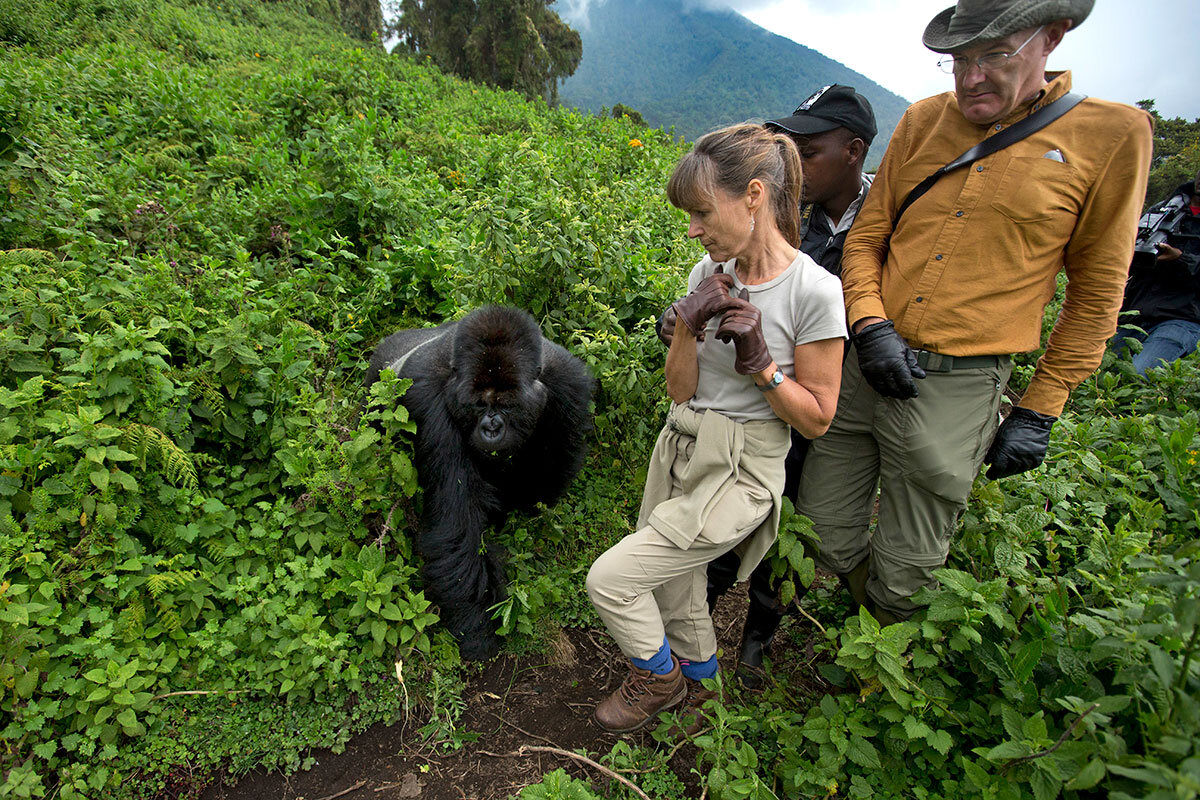
Planning your gorilla habituation experience involves much more than simply deciding What to Pack for Gorilla Habituation Uganda. It requires securing limited gorilla habituation permits, selecting suitable accommodation near the Rushaga Sector of Bwindi Impenetrable National Park, organizing transportation, understanding fitness requirements, and preparing for changing rainforest conditions.
Our experienced safari specialists help you organize every aspect of your journey, including gorilla habituation permits, accommodation, airport transfers, private safari vehicles, porter arrangements, and comprehensive pre-departure information. We provide personalized advice on What to Pack for Gorilla Habituation Uganda, ensuring you arrive fully prepared for a safe, comfortable, and unforgettable experience.
Whether you are traveling as a solo adventurer, couple, family, wildlife photographer, or small group, we design customized gorilla habituation safaris that match your interests, travel style, and budget. Our team remains available throughout your planning process to answer every question and help you prepare for one of Africa’s greatest wildlife encounters.
Contact us today to begin planning your gorilla habituation adventure in Uganda. With expert guidance, careful preparation, and a complete understanding of What to Pack for Gorilla Habituation Uganda, you can confidently experience the magic of spending four incredible hours with one of the world’s most endangered and fascinating primates in the heart of Bwindi Impenetrable National Park.