What Does a Gorilla Habituation Permit Include?
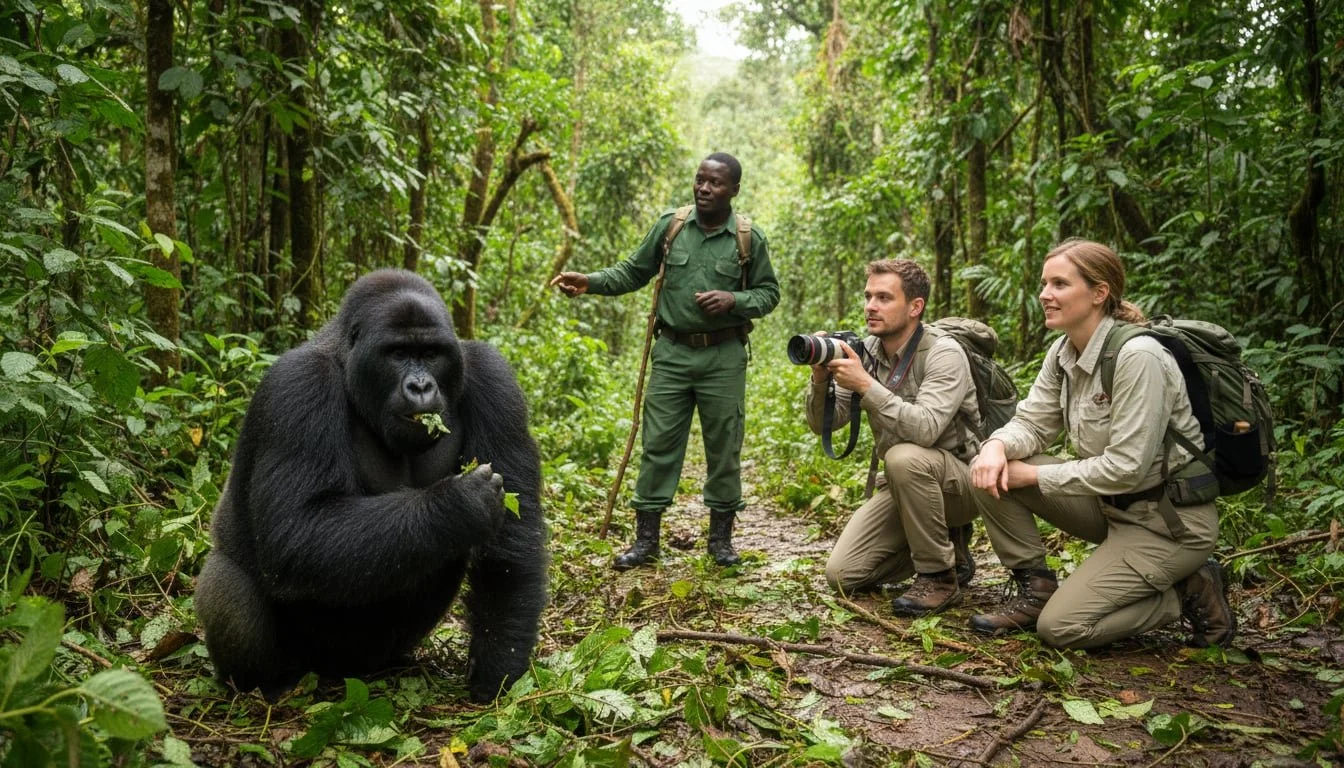
What Does a Gorilla Habituation Permit Include? A Uganda Gorilla Habituation permit gives you authorised access to the Gorilla Habituation Experience in Bwindi Impenetrable National Park, including the official guide fee, park entrance fees for the activity day and a community development contribution. Beyond those tariff inclusions, the experience itself allows you to accompany authorised researchers, habituators, guides and trackers into the forest as part of the carefully controlled process through which selected mountain gorilla families gradually become accustomed to human presence. Uganda Wildlife Authority currently allows a maximum of four hours of viewing during the Gorilla Habituation Experience once you reach the gorillas, compared with a maximum of one hour during standard gorilla trekking. The permit therefore represents much more than a simple entrance ticket because it combines legal access to the protected forest, professional guiding, conservation management and extended observation of wild mountain gorillas in their natural habitat.
For a foreign non-resident travelling during the current 2026 period, the Gorilla Habituation permit is priced at USD 1,500, while the published visitor categories also provide different rates for foreign residents, Rest of Africa travellers and eligible East African Community citizens. Uganda Wildlife Authority has already announced that the foreign non-resident rate will rise to USD 1,800 from 1 January 2027, while the foreign resident rate will become USD 1,600, the Rest of Africa rate will be USD 1,000 and the East African Community citizen rate will remain UGX 750,000. Understanding what this significant permit price actually covers is essential because many travellers mistakenly assume that accommodation, transport, porter assistance and other safari expenses are automatically included when they are not.
The Gorilla Habituation permit should therefore be understood as the official conservation and wildlife-access component of your Bwindi experience rather than as a complete Uganda safari package. It authorises your participation on a specific activity date, gives you access to the relevant protected area and professional UWA team, and allows you to spend considerably more time with mountain gorillas than you would receive under an ordinary trekking permit. Your hotel, private safari vehicle, domestic flights, international flights, porter, travel insurance, personal expenses and other travel services are separate unless a tour operator has packaged those items together with your permit in a complete safari quotation.
Does a Gorilla Habituation Permit Include Bwindi National Park Entrance?
Yes. One of the most important inclusions in the Gorilla Habituation permit is your park entrance fee for the day on which you complete the activity. Uganda Wildlife Authority‘s published conservation tariff specifically states that the gorilla permit rates include park entrance fees for the day, together with the guide fee and a community development contribution. This means that if you have already paid for an official Gorilla Habituation permit, you should not normally be calculating a separate standard Bwindi entrance fee simply to participate in the same habituation experience on that date.
This inclusion is useful because national park entrance fees are normally separate charges for many wildlife activities. With Gorilla Habituation, UWA has structured the permit so that the primary protected-area access required for the experience is incorporated into the permit price. This makes the USD 1,500 foreign non-resident rate in 2026 easier to understand because it is not merely the price of standing beside gorillas for four hours. It also incorporates your authorised access to the national park for the official activity day.
However, the fact that park entrance is included should not be interpreted as unlimited access to every activity available inside or around Bwindi. If you decide to add another separately priced experience, such as a nature walk, cultural activity or another wildlife product, the applicable activity charge may still need to be paid. The habituation permit covers the official Gorilla Habituation Experience and its associated park entrance rather than functioning as a universal pass for every tourism product in the region.
Does the Gorilla Habituation Permit Include Professional Guiding?
Yes. The official guide fee forms part of the permit price, and this is one of the most valuable elements of the experience. Uganda Wildlife Authority‘s tariff explicitly states that the gorilla rates include the guide fee, while its permit-management guidelines further explain that visitors undertaking gorilla activities must be accompanied by UWA guides and trackers and must follow the applicable gorilla tracking procedures.
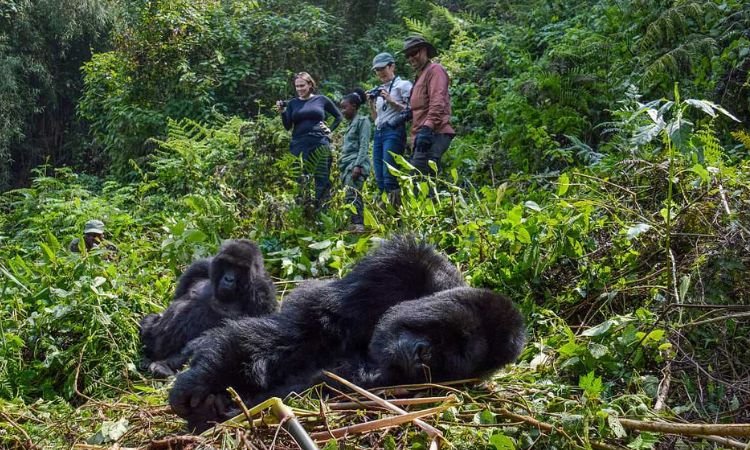
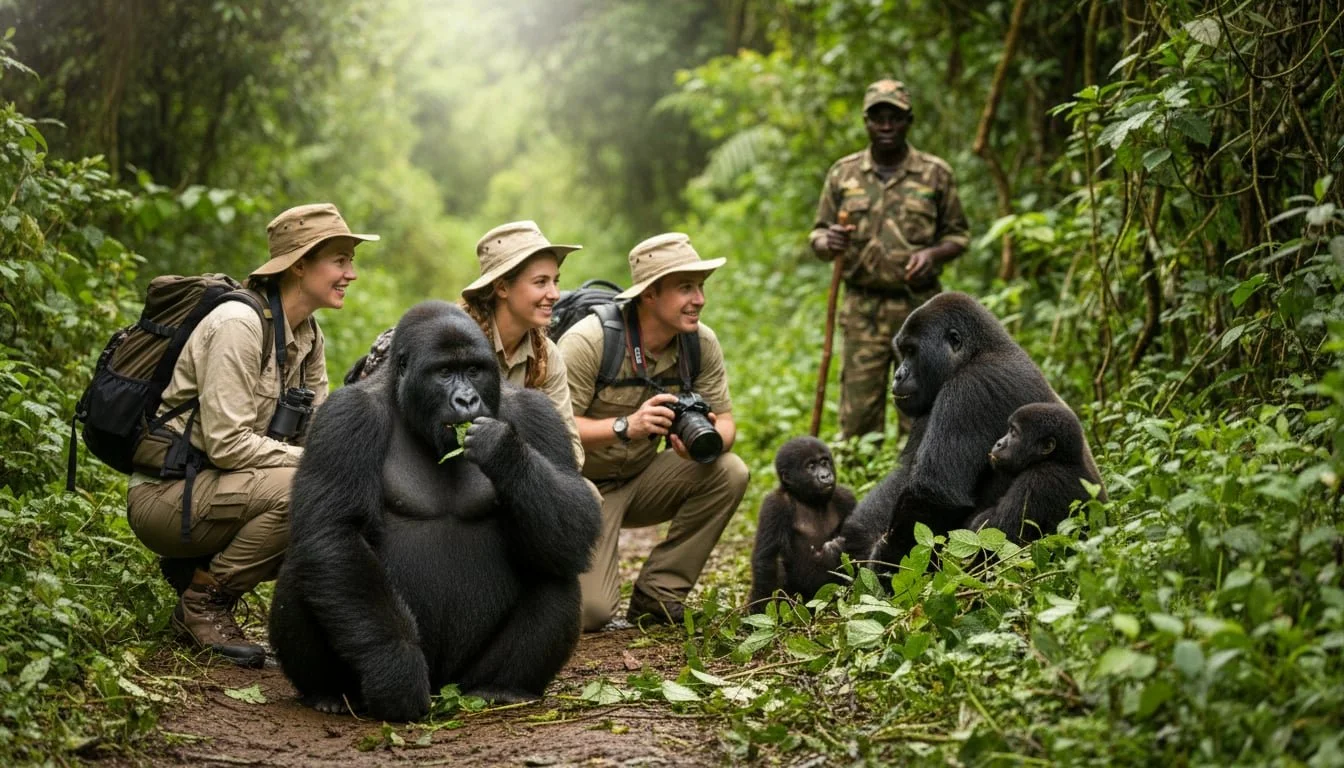
Professional guiding is essential because Bwindi is not an attraction where visitors independently follow marked paths until they find gorillas. Mountain gorillas move freely through dense rainforest, and their position changes according to where they fed, travelled and nested. Trackers use their knowledge of the forest, previous gorilla movements, nesting areas, feeding signs and other information to locate the family.
The professional team also protects the gorillas from inappropriate human behaviour. Visitors must be managed carefully because mountain gorillas are wild great apes that are vulnerable to disturbance and disease transmission. The guide explains how to behave, where to stand, how to move when the gorillas move and what to do if an animal approaches. This professional management helps make close wildlife observation possible without turning the experience into uncontrolled tourism.
During Gorilla Habituation, guiding becomes even more important because the family is involved in the process of becoming accustomed to controlled human presence. The behaviour of such gorillas may differ from that of families that have already received tourism visits for years. Some individuals may be more cautious, and the team must continually interpret the gorillas’ behaviour while managing the visitor experience responsibly.
Does the Permit Include Trackers?
Trackers are part of the official UWA-managed experience. Uganda Wildlife Authority‘s guidelines state that gorilla clients are accompanied by UWA guides and trackers when undertaking the activity. Their work is crucial because finding a free-ranging mountain gorilla family in a large, densely vegetated forest would be extremely difficult without people who know how to interpret gorilla movements.
The tracking process often begins with information about where the family was last observed or where it nested. From there, the professional team can follow feeding remains, broken vegetation, footprints, nests and other signs. The gorillas may have moved significantly since the previous observation, meaning finding them can take time.
This tracking period is part of the broader Gorilla Habituation day even though the four-hour viewing period does not begin the moment you leave the briefing point. UWA distinguishes between tracking time and viewing time. Tracking time covers the experience from after briefing until you return for debriefing, while viewing time begins when you actually reach the gorillas.
This distinction matters because your permit gives you access to the entire organised activity, not simply the four hours after the gorillas are found. You may spend substantial time hiking through Bwindi before the direct encounter begins, and the expertise of trackers is central to making that search successful.
Does a Gorilla Habituation Permit Include Four Hours With the Gorillas?
The Gorilla Habituation Experience allows a maximum viewing time of four hours once visitors reach the gorillas. Uganda Wildlife Authority‘s current management guidelines clearly distinguish this from standard tracking, for which the maximum viewing period is one hour. This four-hour allowance is one of the most important reasons travellers choose Gorilla Habituation and one of the key factors explaining why the permit costs considerably more than an ordinary gorilla trekking permit.
The four hours should not be confused with the total time spent in the forest. Your day begins earlier, and UWA’s guidelines state that the Gorilla Habituation Experience can begin from around 6:30 a.m. and continue until visitors return to the briefing location for debriefing. If the gorillas are far from the starting area, you may spend several hours tracking before direct viewing begins. The overall forest day can therefore be much longer than four hours.
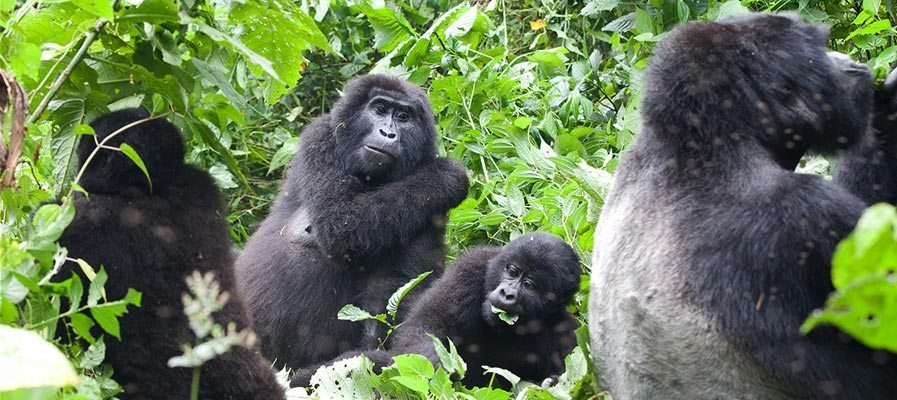
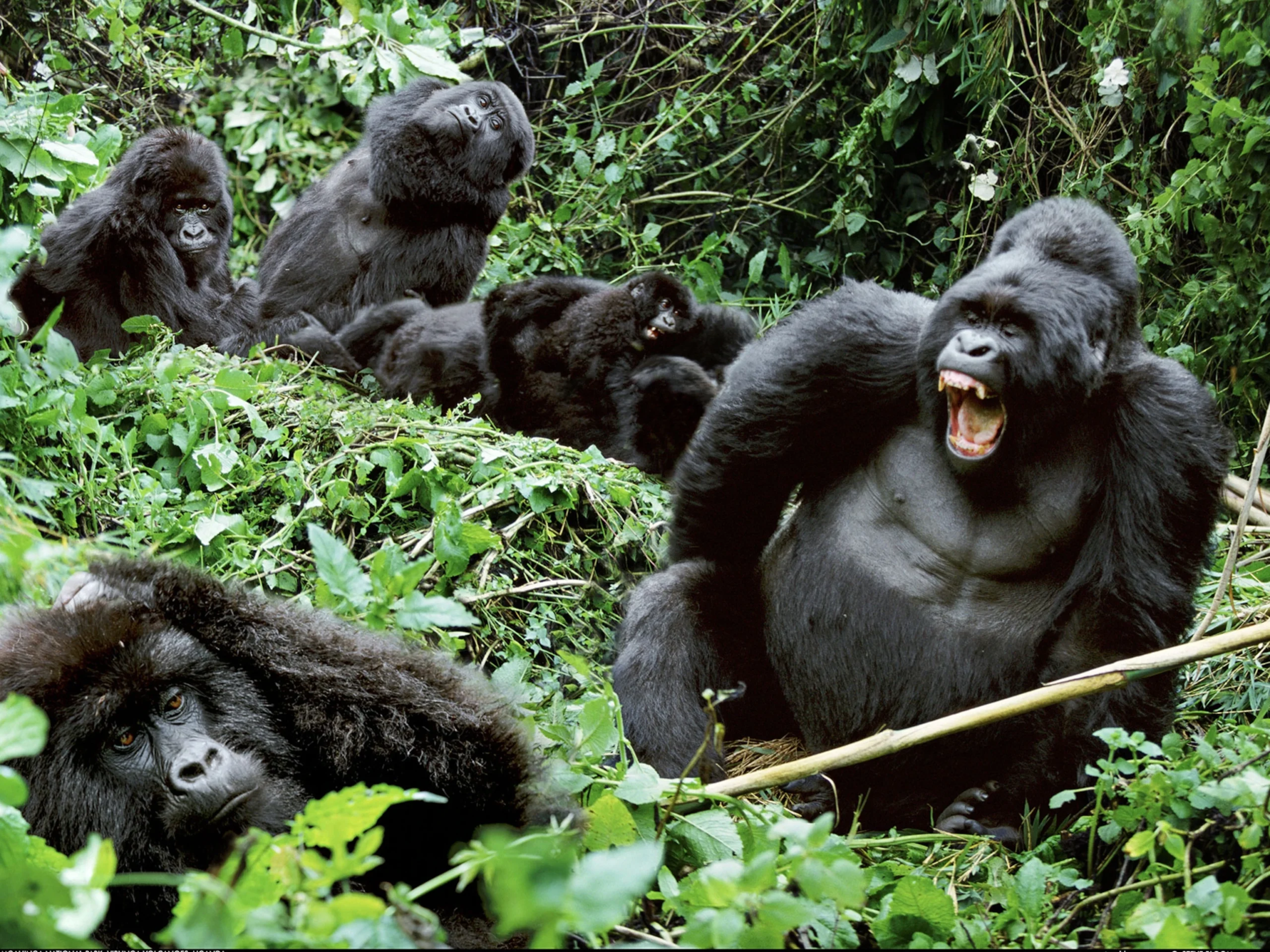
Once you reach the family, the longer viewing period allows the experience to unfold more naturally. You may initially find the gorillas feeding in dense vegetation, then watch them move into a different area, settle to rest, interact socially or begin travelling again. During a standard one-hour trek, there is limited time for behaviour to change dramatically. During habituation, four hours can reveal a much richer picture of family life.
For photographers, the additional time is especially valuable because forest conditions are unpredictable. A gorilla may initially be hidden behind leaves or facing away from you, but several hours of observation increase the possibility that positions, light and behaviour will change naturally. The permit does not guarantee perfect photographs, but the longer viewing allowance gives you more time to wait rather than feeling pressured to capture every image immediately.
Does the Permit Include Participation in the Habituation Process?
Yes, within the controlled visitor experience established by Uganda Wildlife Authority. UWA defines the Gorilla Habituation Experience as allowing visitors to accompany researchers and habituators into the forest for the purpose of participating in the process of habituating gorillas to human presence. This is one of the most significant differences between Gorilla Habituation and ordinary gorilla trekking.
Habituation should not be understood as training gorillas or making them tame. Mountain gorillas remain wild animals throughout the process. The objective is to gradually reduce their fear or defensive reaction toward carefully controlled human observers so that researchers and, eventually, tourists can be present without causing unacceptable disturbance.
For a visitor, participation primarily means accompanying the professional team and observing the process under strict guidance. You are not expected to interact directly with gorillas, feed them or attempt to influence their behaviour. Your role is carefully managed because the welfare of the family always takes priority over the tourist experience.
This conservation context gives the permit a depth that ordinary entrance tickets do not have. You are paying for access to a process that can take a long period of careful monitoring and repeated professional contact before a family is considered sufficiently habituated for conventional tourism.
Does the Permit Include Researchers and Habituators?
The Gorilla Habituation Experience is specifically defined by UWA around accompanying researchers and habituators into the forest. This gives the experience a stronger research and conservation character than ordinary gorilla trekking.
The presence of professionals involved with the habituation process can help travellers understand details that may otherwise go unnoticed. They may be familiar with individual gorillas, family relationships and the group’s behavioural history. Longer observation can therefore become educational as well as visually exciting.
However, travellers should understand that the precise composition of the field team can vary according to operational requirements. The permit provides access to the officially managed Gorilla Habituation Experience rather than a contractual guarantee that one particular named scientist or researcher will personally accompany your group.
The value lies in entering the forest within the official habituation programme, where monitoring and behavioural understanding are central to the activity.
Does the Permit Include a Morning Briefing?
The official experience includes the required validation, orientation and briefing process before visitors proceed into the forest. Uganda Wildlife Authority‘s guidelines state that visitors must report to the designated entry-point reception for permit validation, orientation and briefing before undertaking gorilla activities. After successful validation, visitors proceed for briefing by UWA guides.
The briefing is important because even travellers who have previously seen gorillas need to understand the particular rules governing the day’s activity. Guides explain how the trek operates, how visitors should behave when the family is reached and why conservation rules must be respected.
The briefing also creates an opportunity to prepare mentally for the forest. Gorilla Habituation can involve a long day, so understanding how tracking time differs from viewing time helps visitors manage expectations. The four-hour viewing allowance does not mean you will necessarily return to the lodge four hours after departure.
Permit and identity verification is also part of this process. UWA checks documents against booking information before visitors are allowed to proceed. This is why travellers should carry the appropriate identification and ensure that the visitor category used when booking the permit is correct.
Does the Permit Include a Specific Gorilla Family?
A Gorilla Habituation permit gives you access to the authorised activity, but it should not be understood as ownership of or an absolute right to select a particular gorilla family. UWA’s guidelines explain that gorilla permits are booked according to the date and designated entry point, while visitors are allocated to specific gorilla family groups on the day according to approved operating procedures.
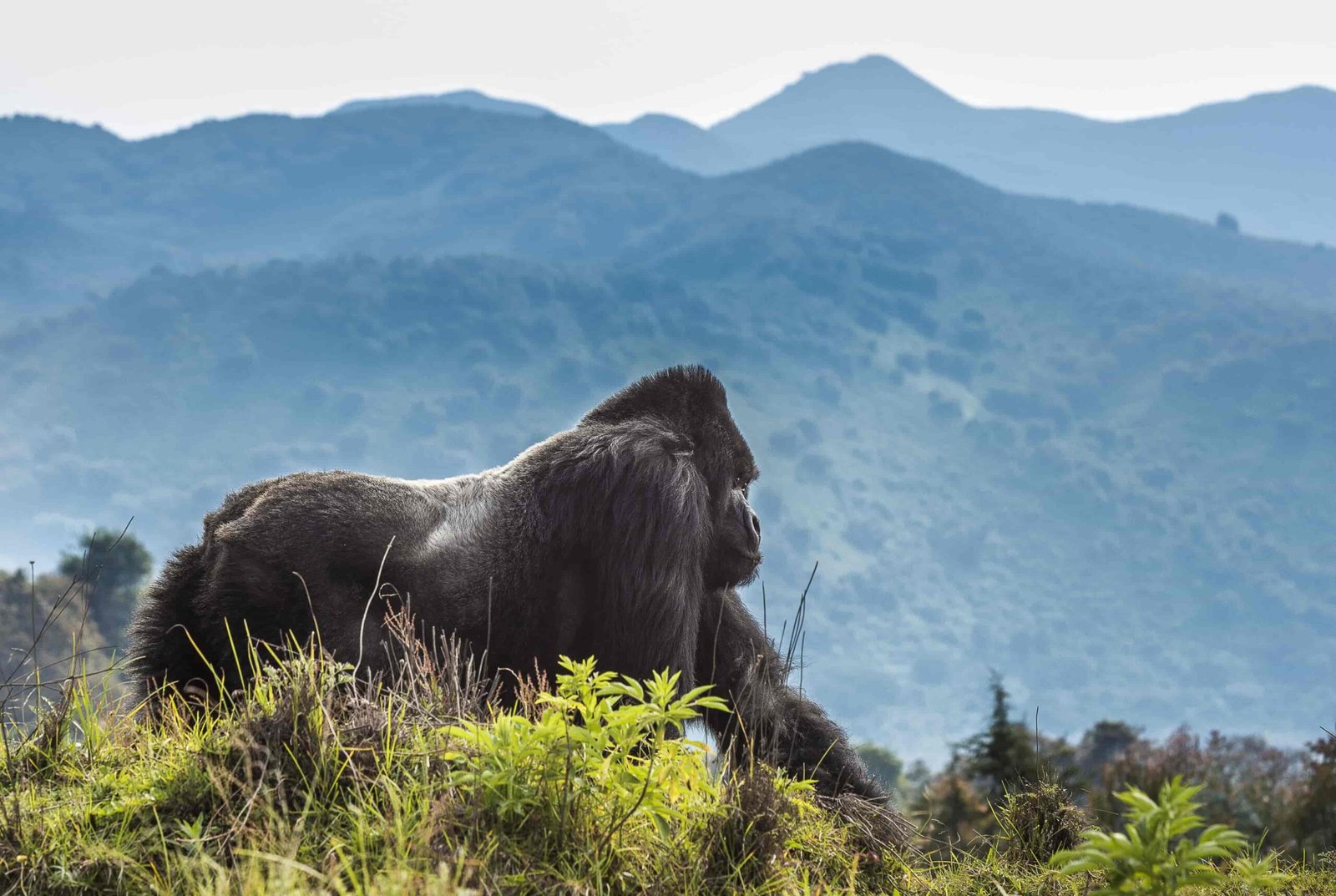
This is an important planning detail because families are living animals whose movements and management status can change. A particular family that is suitable for habituation at one stage may not remain the same tourism product indefinitely. Conservation authorities need flexibility to manage access according to animal welfare and operational conditions.
Travellers should therefore book the Gorilla Habituation Experience rather than becoming excessively attached to a particular family name seen in an old travel article. What matters most is that your permit is valid for the correct date and designated Bwindi entry point.
This also affects accommodation selection. Bwindi has different tourism sectors, and staying near the correct entry point is much more important than choosing a lodge purely because it is marketed as being near the national park.
Does the Permit Include Access to Bwindi Only?
The Gorilla Habituation Experience itself is currently associated with Bwindi Impenetrable National Park. UWA’s published tariff lists Gorilla Habituation under Bwindi, whereas ordinary gorilla tracking is available in both Bwindi and Mgahinga Gorilla National Park.
This means you should not purchase a habituation permit expecting to choose between Bwindi and Mgahinga on the morning of your activity. The permit is tied to the authorised programme and relevant location.
Bwindi’s geography makes this particularly important because the national park is not one small tourism site with a single entrance. Different sectors and entry points serve different gorilla tourism operations, and travel between them can take significant time on mountain roads.
Your tour operator should therefore match accommodation and transportation to the confirmed permit location rather than arranging the permit after the rest of the safari has already been fixed.
Does the Permit Include a Community Development Contribution?
Yes. Uganda Wildlife Authority‘s tariff specifically states that the gorilla permit rates include a community development contribution. This element is especially important because gorilla conservation cannot be separated from the communities living around Bwindi.
Protected areas impose real restrictions on neighbouring communities, particularly where land is scarce and wildlife can sometimes affect crops or livelihoods. Connecting tourism revenue with community development helps make wildlife protection economically meaningful beyond the park itself.
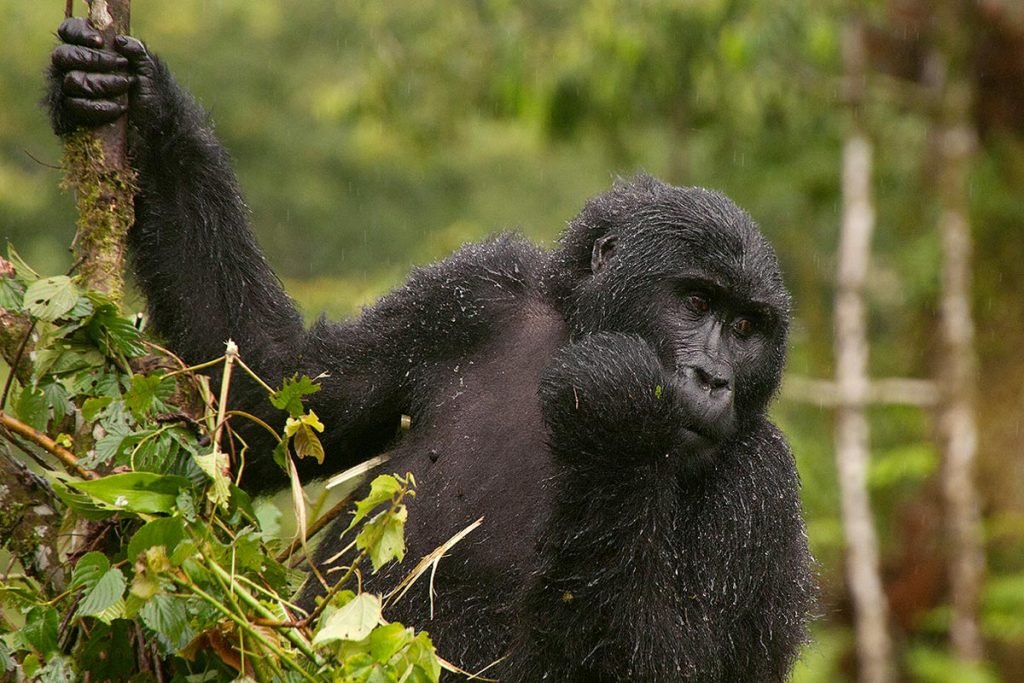
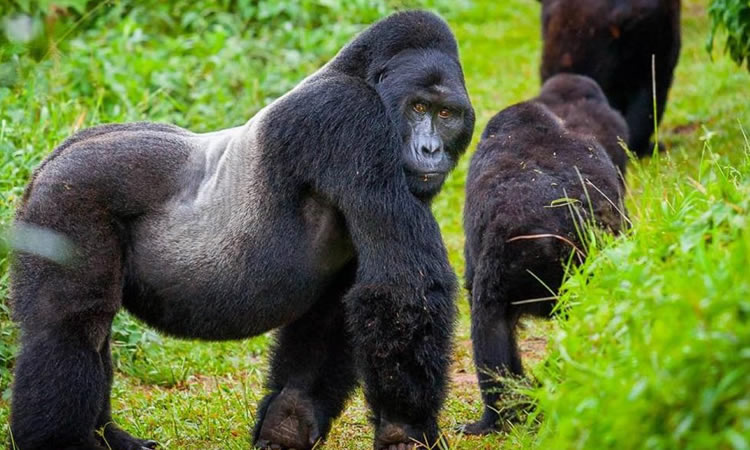
Uganda Wildlife Authority has continued emphasising community participation in gorilla conservation. In its 2026 discussion of Uganda’s gorilla conservation journey, UWA highlighted employment opportunities around Bwindi and reported that revenue sharing has supported surrounding communities.
The community contribution means part of the economic value associated with your permit extends beyond simply paying for your time in the forest. Your presence contributes to a wider tourism economy involving rangers, guides, porters, lodge workers, drivers and communities around the protected area.
This does not mean every dollar of the permit goes directly to a village project. The permit finances a broader UWA-managed conservation structure, and the tariff explicitly identifies community development as one of the components included in the rate.
Does the Permit Include Conservation Support?
In practical terms, purchasing an official permit supports the system through which Uganda Wildlife Authority manages gorilla tourism and protected areas. The permit creates revenue from maintaining living mountain gorillas and intact habitat, giving conservation measurable economic value.
The direct tariff inclusions are guide fees, park entrance for the day and a community development contribution. The wider economic significance extends further because the experience depends on park management, rangers, trackers, monitoring systems and conservation partnerships.
Uganda’s mountain gorilla conservation history demonstrates why this matters. UWA continues to describe disease monitoring, veterinary support, community engagement and partnerships with conservation organisations as important elements of the long-term protection of the species.
Travellers therefore should not think of the permit as simply purchasing access to an animal. It is part of a controlled tourism model designed to generate substantial value from relatively low numbers of visitors while protecting the gorillas from uncontrolled mass tourism.
Does the Permit Include a Gorilla Sighting Guarantee?
The permit gives you access to the official tracking and habituation experience, but mountain gorillas remain free-ranging wild animals. No ethical wildlife authority can treat them like an attraction that appears at a guaranteed viewing platform at a fixed time.
Professional monitoring means conservation teams generally have considerable knowledge of gorilla movements, but natural behaviour can still affect the experience. The family may move farther than expected, weather may complicate tracking, or unusual circumstances may affect access.
Uganda Wildlife Authority‘s permit guidelines address situations in which visitors track for a whole day but fail to see the gorillas. UWA may authorise rescheduling to the following day, and where no suitable rescheduling slot is available or the traveller’s itinerary prevents an additional day, its guidelines provide for a possible refund of 60 percent of the permit value following certification of the failure to access the gorillas and subject to the stated conditions.
This policy demonstrates an important difference between access and guarantee. The permit buys participation in the official experience; it does not turn wild gorillas into a guaranteed commercial performance.
Does the Permit Include Accommodation?
No. Accommodation is not part of the official Gorilla Habituation permit. Your lodge must be booked separately or included within a complete safari package prepared by your tour operator.
This distinction is one of the most common sources of confusion when travellers research prices online. Someone may read that a permit costs USD 1,500 and assume that the amount covers the entire Bwindi visit. In reality, the permit is only the official activity component.
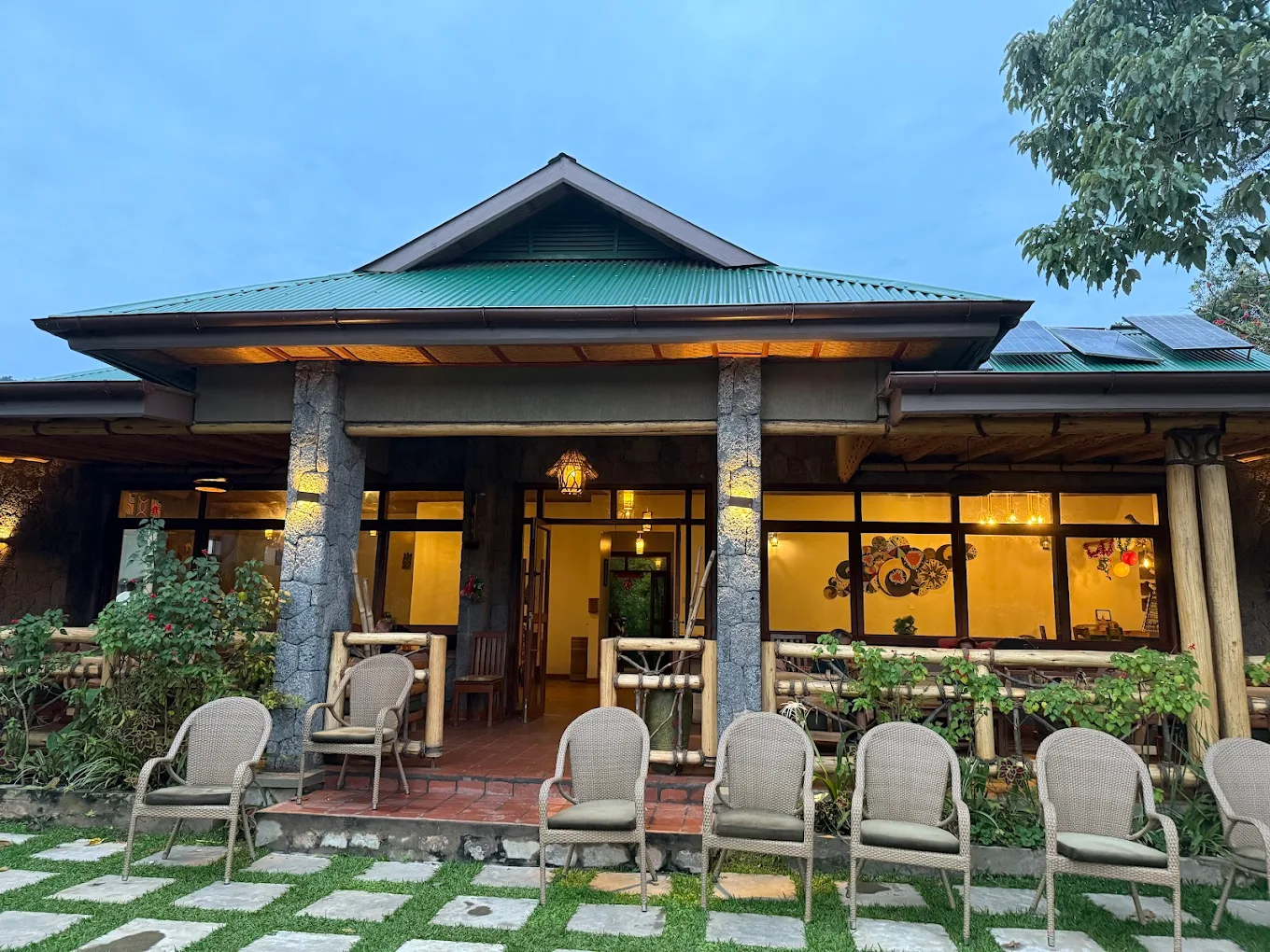
The cost of accommodation can vary enormously. Travellers can choose relatively simple properties, comfortable mid-range lodges, luxury lodges or some of the most exclusive forest accommodation available in Uganda. Regardless of the lodge chosen, the official permit provides the same regulated habituation activity for visitors in the same permit category.
Location is often more important than luxury level. Because the experience begins early, staying near the correct designated entry point protects your expensive permit and avoids an unnecessarily stressful morning transfer.
Does the Permit Include Transportation to Bwindi?
No. Transportation from Entebbe, Kampala, Kigali or another destination is separate from the Gorilla Habituation permit.
This means travellers need to budget for road transport or domestic flights depending on the itinerary. A private Uganda safari often includes a four-wheel-drive vehicle, fuel and professional driver-guide for the journey to Bwindi, but those services come from the safari package rather than UWA’s habituation permit.
A luxury itinerary may use scheduled or charter flights to southwestern Uganda before completing the final section to the lodge by road. This can reduce travel time substantially but increases the overall safari price.
Travellers beginning in Kigali can reach southwestern Uganda by road after completing the appropriate border formalities, but again, the cost of that cross-border transportation is not included in the habituation permit.
The easiest way to understand the budget is to treat the permit as one fixed official activity cost and transportation as a separate itinerary cost.
Does the Permit Include a Private Safari Vehicle?
No. The UWA permit does not include a private Land Cruiser or other safari vehicle for reaching Bwindi, travelling between lodges or returning to the airport.
A private vehicle is commonly included when you book a complete Uganda safari through a tour operator. In that case, the quotation may combine the permit, vehicle, driver-guide, accommodation and meals into one overall price.
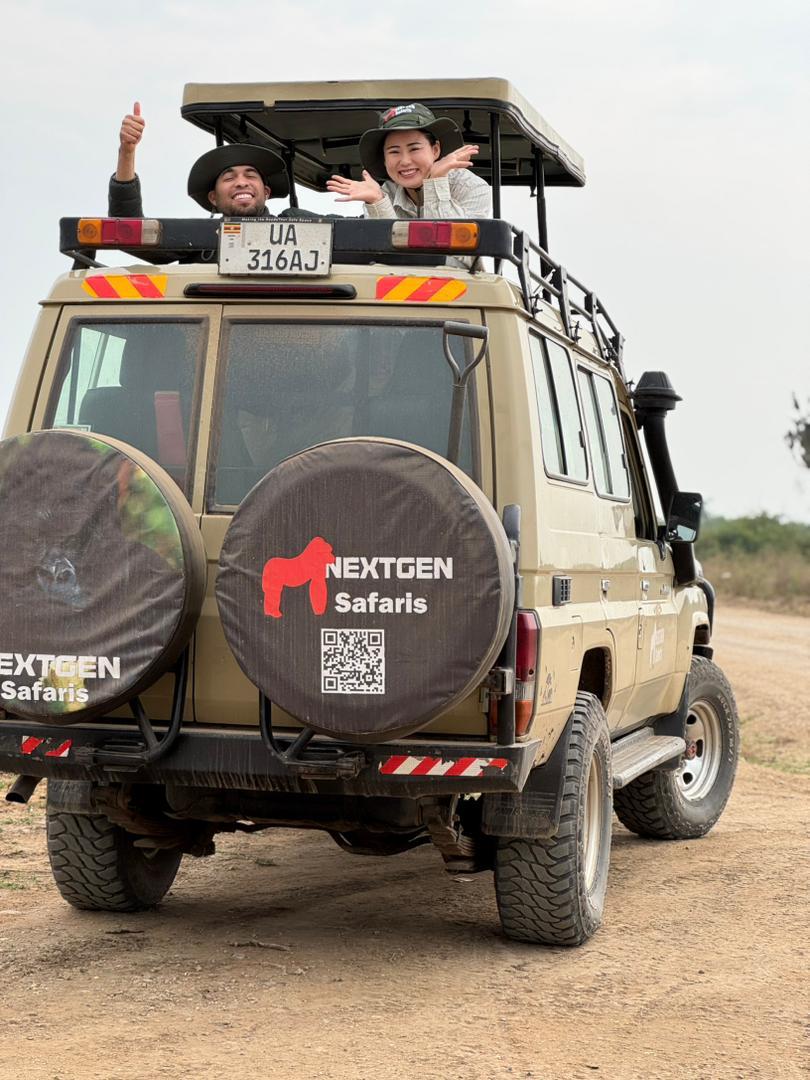
Travellers should therefore read safari quotations carefully. If a company states that the Gorilla Habituation permit is included, that means the official permit cost has been incorporated into the package. It does not mean the permit itself pays for the private vehicle.
This distinction is useful when comparing quotations from different companies because one package may include the permit while another shows it as a separate compulsory cost.
Does the Permit Include Domestic Flights?
No. Domestic flights are separate from the official permit. Flying to southwestern Uganda is an optional transportation choice rather than a built-in component of Gorilla Habituation.
For travellers with limited time, flights can make the safari much more efficient because they reduce the lengthy road transfer from Entebbe to Bwindi. Luxury itineraries often use domestic flights for precisely this reason.
However, the USD 1,500 permit does not become more expensive or cheaper according to whether you arrive by aircraft or road. The official permit category determines the activity price, while your choice of transportation determines the wider safari budget.
This flexibility allows travellers to experience the same Gorilla Habituation activity at very different overall price levels. Someone can build a relatively economical road-based safari, while another person can combine the same official permit with luxury lodges and domestic flights.
Does the Permit Include Meals or a Packed Lunch?
Meals are not listed among the official UWA Gorilla Habituation permit inclusions. Your breakfast, packed lunch and dinner normally come from your lodge or complete safari arrangement rather than from the permit itself.
This is particularly important for Gorilla Habituation because the day can be long. Since the activity can begin around 6:30 a.m. and the overall tracking period may continue for many hours, travellers should leave the lodge properly prepared with sufficient drinking water and an appropriate packed meal arranged through the accommodation or tour operator.
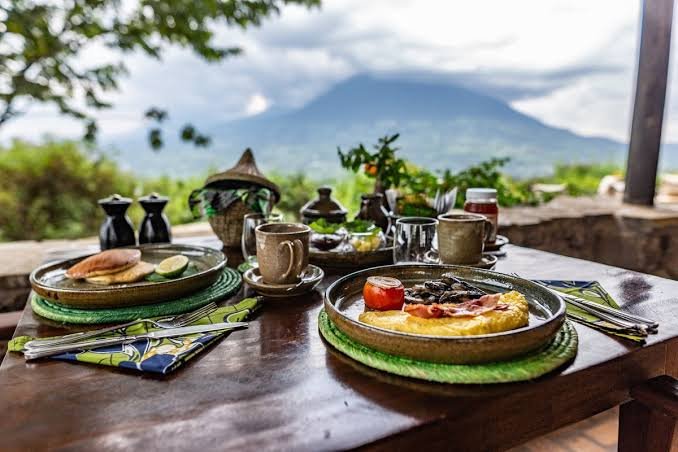
A good safari package should make this logistical detail easy, but travellers booking components independently should not assume UWA will automatically provide food because they hold an expensive permit.
The same applies to drinking water and snacks. These are practical trekking preparations rather than official permit inclusions.
Does the Permit Include a Porter?
No. Personal porter assistance is not included in the standard Gorilla Habituation permit price.
A porter can nevertheless be one of the most useful additional services you purchase on the day. Bwindi’s terrain can be steep, wet and physically demanding, and a habituation day may keep you in the forest significantly longer than ordinary trekking.
A porter can carry your backpack, drinking water, packed lunch, camera equipment and rain protection, allowing you to conserve energy for the hike and gorilla encounter. Porters can also provide practical support on difficult sections of terrain.
For photographers carrying heavier equipment, the benefit can be substantial. Spending a relatively small additional amount for help can protect the quality of an experience built around a permit costing USD 1,500 in 2026 or USD 1,800 from 2027.
Porter employment also provides direct tourism income to people living around the park, extending the economic benefits of gorilla tourism beyond the official permit structure.
Does the Permit Include Hiking Equipment?
No. Your personal clothing and trekking equipment remain your responsibility.
The permit does not provide hiking boots, rain jackets, gloves, long trousers, camera protection or other personal equipment. These items should be organised before arriving for the activity.
This is important because Bwindi is a rainforest and weather can change quickly. Strong footwear with reliable grip can make a major difference on muddy slopes, while long clothing helps protect your skin from vegetation.
A rain jacket is useful even during periods generally considered drier because rainfall can occur throughout the year.
The permit gives you access to the experience, but it does not remove the need to prepare properly for the physical environment in which that experience takes place.
Does the Permit Include Photography?
Personal photography during the authorised experience is part of what most visitors naturally do, but the permit should not be understood as including professional camera equipment or specialised photographic services.
You bring your own camera, lenses, batteries and memory cards. If you need a dedicated photographer, videographer or specialist equipment support, those arrangements would be separate.
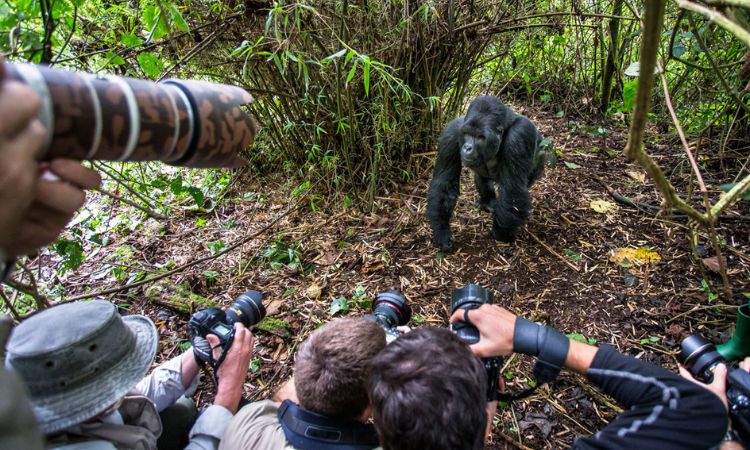
The four-hour maximum viewing period makes Gorilla Habituation particularly attractive to photographers because it gives far more time than standard trekking. You may have opportunities to wait for changing behaviour, different positions or improved light rather than trying to capture everything during a one-hour window.
Photography remains subject to wildlife rules and the instructions of the professional team. The experience exists first for responsible conservation-based observation rather than for creating a guaranteed photography session.
Does the Permit Include Travel Insurance?
No. Travel insurance is a separate personal travel expense.
Given the cost of the permit and the physical nature of the activity, comprehensive travel insurance is highly advisable. A Gorilla Habituation safari can involve expensive permits, flights, accommodation and transfers, so unexpected illness or disruption can affect a substantial financial investment.
Uganda Wildlife Authority has its own rules regarding cancellations, illness and refunds, but these should not be confused with private travel insurance. UWA’s guidelines provide specific procedures under which cancellations or partial refunds may be considered, and those rules do not replace a traveller’s broader insurance protection.
Your insurance policy may cover matters outside UWA’s responsibility, such as international flight disruption, baggage problems or medical emergencies, depending on the policy purchased.
Does the Permit Include Visa or Immigration Costs?
No. Uganda immigration requirements and any applicable visa fees are separate from the Gorilla Habituation permit.
The permit is issued for the wildlife activity and does not serve as permission to enter Uganda. International travellers must separately meet Uganda’s immigration requirements applicable to their nationality and itinerary.
This distinction is particularly relevant for travellers starting from Kigali because they will cross from Rwanda into Uganda before reaching Bwindi. Even though the route can be convenient, the Gorilla Habituation permit does not replace the documents needed for the international border crossing.
Travellers combining Uganda with Rwanda or Kenya may also need to consider the appropriate national or regional immigration arrangements separately from their gorilla permit.
Does the Permit Include Tips?
No. Gratuities are not part of the official permit price.
Tipping guides, porters, lodge staff or other tourism workers is a personal matter and should be budgeted separately where travellers choose to give gratuities.
The official UWA guide fee is already included in the permit, meaning you are not required to pay another compulsory guiding charge simply to receive the authorised UWA guide for the activity. A voluntary tip, however, is different from a compulsory guide fee and remains outside the permit price.
Understanding this distinction helps travellers avoid confusing optional personal spending with official wildlife charges.
Does the Permit Include Another National Park Benefit?
Uganda Wildlife Authority‘s published gorilla tariff also states that each gorilla permit holder is entitled to a day’s free entrance into Mount Elgon National Park and Toro-Semuliki Wildlife Reserve, usable within one month before or after tracking, while activity fees in those protected areas remain separate.
This is a lesser-known benefit and should not be confused with free activities. The entrance benefit does not mean that every tourism activity inside those areas is included. If you choose an activity carrying its own fee, that charge still applies.
For travellers building a longer Uganda itinerary, however, the provision can add some additional value to a gorilla permit.
Because tariff conditions can be updated, travellers intending to use this benefit should reconfirm it with UWA or their licensed tour operator when planning the actual itinerary.
Does the Permit Include the Correct Visitor Category Automatically?
The permit price depends on the visitor category under which you qualify, and UWA requires supporting documentation. Its guidelines distinguish East African Community citizens, Rest of Africa citizens, foreign residents and foreign non-residents and specify the types of documentation used to verify these categories.
This means the permit does not give travellers freedom to choose whichever price looks most attractive. The rate must correspond with the traveller’s genuine eligibility.
Foreign residents, for example, need appropriate residency documentation, while foreign non-residents normally rely on their valid passport details.
This verification is important because permit pricing differs significantly between categories. From 1 January 2027, the announced rates become USD 1,800 for foreign non-residents, USD 1,600 for foreign residents, USD 1,000 for Rest of Africa travellers and UGX 750,000 for East African Community citizens.
Travellers should therefore give accurate passport and residency details to the authorised booking channel from the beginning.
Does the Permit Include Flexible Rescheduling?
Not automatically. Uganda Wildlife Authority has formal rescheduling rules rather than allowing unlimited free date changes.
Its permit guidelines state that a specific permit may be allowed up to two reschedules subject to availability. The first permitted reschedule can be made without a rescheduling fee under the stated conditions, while a second reschedule attracts a surcharge of 25 percent of the permit cost. UWA also specifies time limits and conditions surrounding these changes.
This means the permit should be purchased only after travel dates are reasonably firm. Gorilla Habituation is expensive, and changing plans later may introduce additional costs or availability problems.
The need for planning became even more important in 2026 when UWA suspended its former seven-day unpaid reservation window. Since 1 March 2026, the official system has required operators to secure permits through full payment at the time of booking rather than holding an unpaid reservation for seven days.
Availability should therefore be treated seriously once a suitable permit is found.
Does the Permit Include a Refund if You Become Sick?
A full automatic refund should not be assumed. UWA has specific cancellation and refund procedures, including provisions relating to illness and failure to access gorillas.
Its guidelines state that visitors who develop or display signs of illness before tracking may be prevented from visiting gorillas or chimpanzees and referred for medical assessment. The guidelines then set out circumstances under which authorised refunds may be considered.
These restrictions exist because great apes can be vulnerable to diseases carried by humans. Protecting the gorillas may therefore take priority over a visitor’s desire to proceed after paying for an expensive permit.
This is another reason comprehensive travel insurance matters. The wildlife authority‘s refund procedure and your private insurance serve different purposes and should not be treated as interchangeable.
Is the Permit Price the Same as the Total Gorilla Habituation Safari Cost?
No. This is perhaps the most important distinction for anyone budgeting a Uganda gorilla trip.
The permit represents the official Gorilla Habituation Experience. Your complete safari cost also includes the practical services required to reach Bwindi, stay near the correct activity location and continue your journey afterward.
Two travellers can therefore purchase exactly the same permit but spend very different amounts on the overall holiday. One may travel by road, stay in comfortable mid-range accommodation and keep the itinerary short. Another may use domestic flights, stay at luxury lodges and combine Bwindi with several national parks.
Both travellers can participate in the same official habituation experience.
This means a USD 1,500 permit should never be advertised as though it represents the complete cost of travelling to Uganda for Gorilla Habituation. It is the foundation of the experience, not the entire safari budget.
What Will the Permit Include When the Price Rises in 2027?
Uganda Wildlife Authority’s February 2026 notice confirms that revised tariff rates take effect on 1 January 2027, raising the foreign non-resident Gorilla Habituation rate to USD 1,800 and the foreign resident rate to USD 1,600 while setting the Rest of Africa rate at USD 1,000 and the East African Community rate at UGX 750,000.
The price increase does not turn Gorilla Habituation into an all-inclusive holiday package. Accommodation, transportation, porter assistance, international flights and personal travel expenses remain separate unless another provider packages them together with the permit.
The core value continues to come from authorised access to the specialised Gorilla Habituation Experience and the conservation framework surrounding it.
Travellers planning 2027 safaris should therefore update the permit figure while continuing to calculate the surrounding safari services separately.
Why Is the Community Contribution Important?
The community development component helps explain why gorilla permits are designed as conservation products rather than ordinary attraction tickets. Mountain gorillas survive in protected forests surrounded by communities with real social and economic needs.
Conservation works more effectively when people living beside wildlife can benefit from tourism and see long-term economic value in keeping the forest protected.
UWA’s recent reporting on gorilla conservation emphasises employment, livelihood projects and revenue sharing around the Bwindi-Mgahinga Conservation Area. This creates a broader relationship between the traveller’s spending and the destination.
The community contribution contained within the permit should therefore be seen as part of the long-term sustainability of gorilla tourism rather than an unrelated administrative charge.
Why Does the Permit Not Include Everything?
Separating the official permit from accommodation, transportation and other services makes sense because different travellers want completely different styles of safari.
If UWA bundled one hotel and one transportation system into every permit, travellers would lose flexibility. A backpacker, mid-range traveller, photographer and ultra-luxury guest would all be forced into the same tourism package even though their needs differ significantly.

Instead, the permit protects the core conservation experience while allowing the private tourism industry to provide different accommodation and transport options around it.
This structure makes it possible to spend heavily on the gorilla experience while controlling other costs. A traveller can choose a comfortable but modest lodge and still receive the same official four-hour habituation allowance as someone staying in an extremely expensive property.
The central wildlife experience therefore remains regulated by UWA, while the wider safari can be customised around your preferences and budget.
Is a Gorilla Habituation Permit Worth What It Includes?
For travellers who want extended time with mountain gorillas, the permit can provide exceptional value because it offers an experience that ordinary gorilla trekking cannot reproduce in the same way.
The four-hour maximum viewing period creates enough time to move beyond the initial excitement of seeing gorillas. You can begin noticing relationships within the family, feeding patterns, juvenile behaviour and the changes that occur as the gorillas move or settle throughout the encounter.
The experience also brings you closer to the conservation process because UWA defines Gorilla Habituation around accompanying researchers and habituators involved in gradually familiarising the gorillas with controlled human presence.
The permit is therefore particularly valuable for wildlife photographers, primate enthusiasts and travellers who place gorillas at the centre of their Uganda journey.
Someone whose primary goal is simply to see mountain gorillas once may find ordinary trekking sufficient and more economical. Value depends on how much importance you place on the additional time and conservation context.
What Does a Gorilla Habituation Permit Include in 2026?
What Does a Gorilla Habituation Permit Include in 2026? The official permit includes your guide fee, park entrance fees for the habituation day and a community development contribution. It also authorises your participation in the Gorilla Habituation Experience in Bwindi, where UWA allows a maximum of four hours of viewing after you reach the gorillas.
The experience includes the required permit validation, briefing and official management by UWA guides and trackers. It gives you access to an activity that UWA defines as accompanying researchers and habituators into the forest as part of the process of habituating gorillas to human presence.
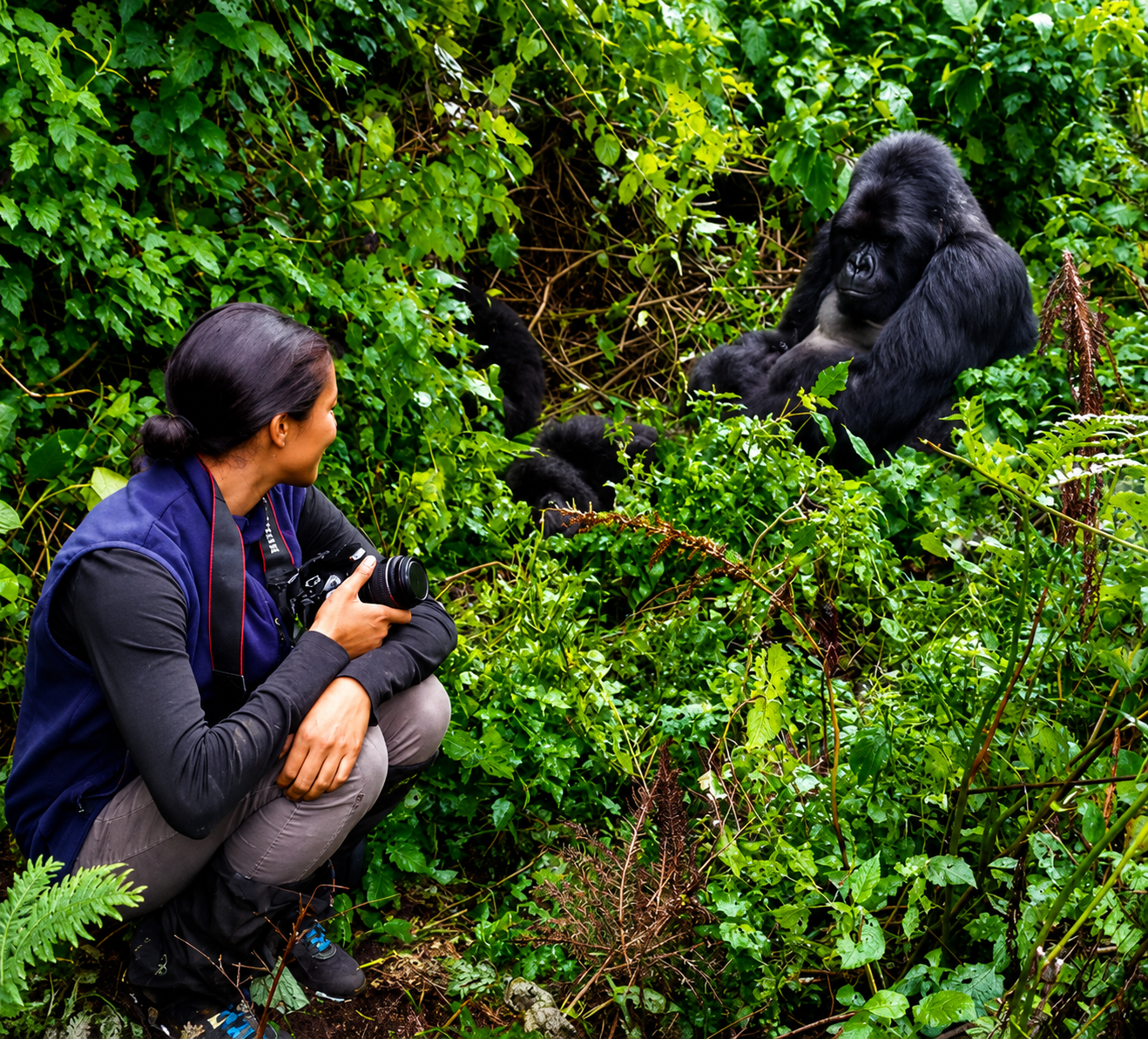
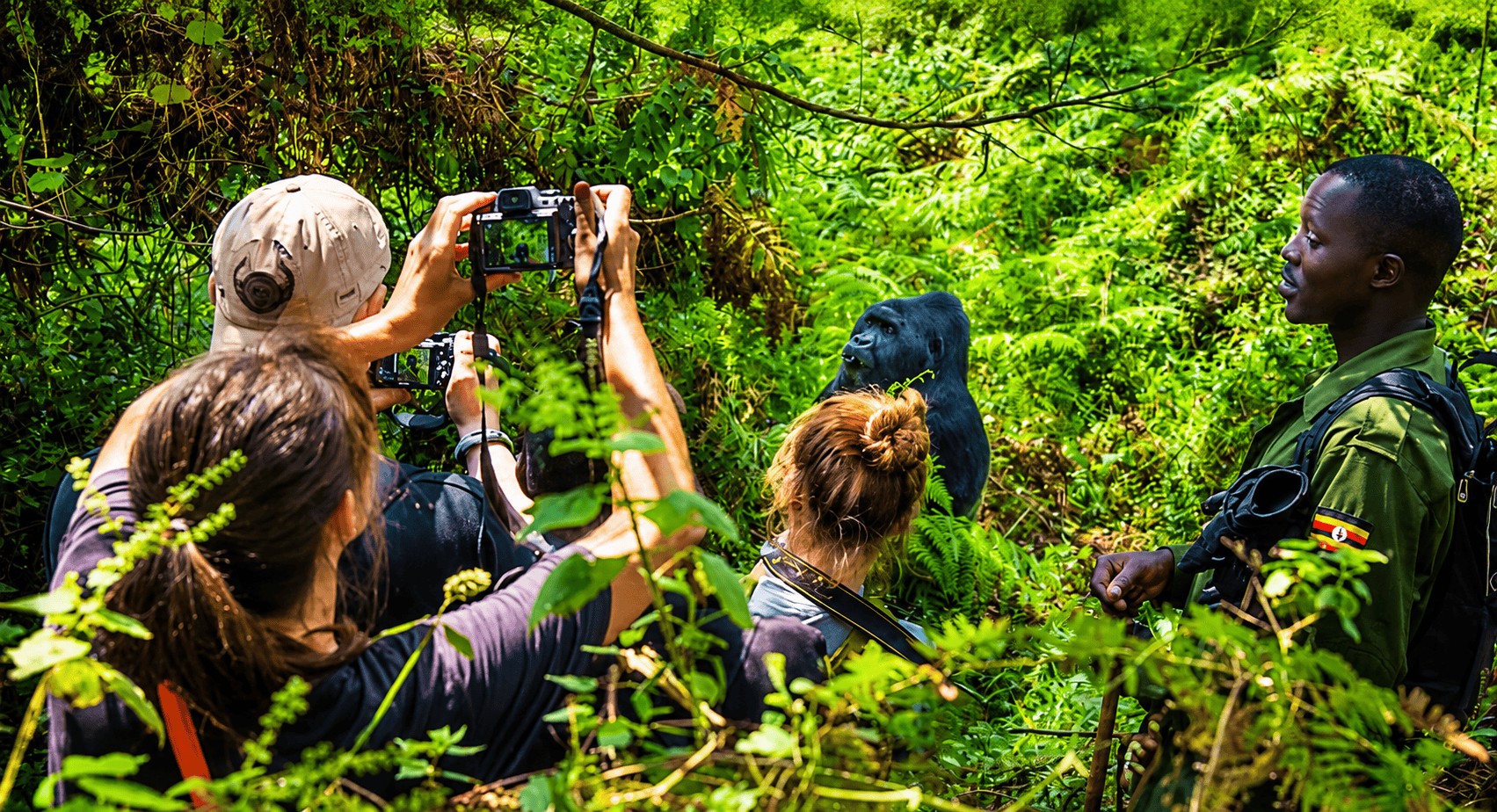
For foreign non-residents, the current permit figure used for 2026 Gorilla Habituation is USD 1,500. Other eligible visitor categories have different rates.
What the permit does not include is equally important. Your accommodation, private transport, domestic or international flights, porter assistance, personal trekking equipment, visa, travel insurance, gratuities and other safari activities need to be arranged separately unless your tour operator has incorporated them into one package.
Final Answer: What Does a Gorilla Habituation Permit Include?
What Does a Gorilla Habituation Permit Include? At its core, the Uganda Gorilla Habituation permit includes authorised participation in the official Gorilla Habituation Experience in Bwindi Impenetrable National Park, your UWA guide fee, national park entrance for the activity day and a community development contribution. It places you within a professionally managed experience where guides, trackers, researchers and habituators work around a selected mountain gorilla family as the animals gradually become accustomed to carefully controlled human presence.
The permit also gives you one of the most important advantages of Gorilla Habituation: a maximum viewing period of four hours after you reach the gorillas. Standard gorilla trekking provides only a maximum of one hour, making the habituation permit particularly valuable for travellers who want extended behavioural observation or photography.
Your experience begins before those four hours. You report to the appropriate entry point, your permit and documentation are validated, you receive orientation and briefing, and you enter the forest under official guidance. The team then tracks the gorillas through their natural habitat. Only when you reach them does the designated viewing time begin.
The permit’s conservation value extends beyond the forest encounter because the official tariff includes a community development contribution. Gorilla tourism therefore forms part of a broader system involving protected-area management, professional guiding, monitoring and community benefits around Bwindi.
However, travellers should not mistake the permit for a complete safari package. Accommodation is not included. Your private safari vehicle is not included. Domestic and international flights are not included. A personal porter is not included. Meals, personal trekking equipment, visa costs, travel insurance and optional activities are separate unless your tour company specifically adds them to a package.
This separation gives you flexibility. You can combine the same Gorilla Habituation permit with a short mid-range safari, a longer road journey across Uganda or an ultra-luxury itinerary using premium lodges and domestic flights. The quality of your hotel may change, but the official UWA habituation experience remains the central protected wildlife product.
For travellers planning ahead, Uganda Wildlife Authority has announced that the foreign non-resident Gorilla Habituation permit will cost USD 1,800 from 1 January 2027, with foreign residents paying USD 1,600, Rest of Africa travellers USD 1,000 and eligible East African Community citizens UGX 750,000. The higher tariff still represents the official wildlife permit rather than accommodation or transportation.
The best way to think about the permit is therefore as your gateway into one of Uganda’s most specialised conservation experiences. It pays for much more than entry through a park gate, yet it deliberately does not attempt to cover every part of your holiday. It secures the regulated wildlife encounter, the professional conservation structure around it and the opportunity to spend substantially more time with mountain gorillas than is available during ordinary trekking.
For travellers who want to understand mountain gorillas rather than simply see them briefly, that combination of access, professional guidance, conservation involvement and extended viewing time is what makes the Gorilla Habituation permit one of the most distinctive wildlife permits available in Uganda.