What Does a Gorilla Habituation Permit Cost in Uganda?
Gorilla Habituation Permit Uganda costs USD 1,500 per foreign non-resident in 2026 for the official Gorilla Habituation Experience in Bwindi Impenetrable National Park. From 1 January 2027, the foreign non-resident permit increases to USD 1,800, while other visitor categories have different official rates depending on residency or citizenship status. The permit gives access to one of Uganda’s most specialised mountain gorilla experiences, allowing substantially more time with gorillas than ordinary trekking and making the permit one of the most important costs to understand when planning a Uganda gorilla habituation safari.
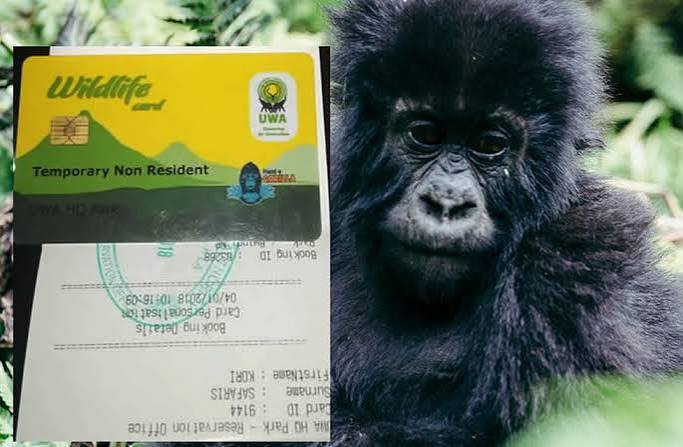
Travellers planning beyond 2026 need to pay particular attention to the date of their actual habituation experience because Uganda Wildlife Authority has already announced revised permit rates that take effect on 1 January 2027. Under the new structure, the foreign non-resident Gorilla Habituation permit rises from USD 1,500 to USD 1,800 per person, while the foreign resident rate increases from USD 1,000 to USD 1,600. The announced Rest of Africa rate remains USD 1,000, and the East African Community citizen rate remains UGX 750,000. The change was formally announced by Uganda Wildlife Authority in February 2026 and applies from the beginning of January 2027, meaning travellers planning a safari that crosses from December 2026 into January 2027 should calculate the permit price according to the actual day they will enter Bwindi for the habituation experience.
The cost of the permit is high because Gorilla Habituation is not the same activity as ordinaryv. During standard gorilla trekking in Uganda, visitors generally spend a maximum of one hour observing a fully habituated mountain gorilla family after the family has been located. The Gorilla Habituation Experience is considerably longer and allows a maximum of four hours of viewing after the encounter begins. Uganda Wildlife Authority’s current management guidelines state that the habituation experience can begin from around 6:30 a.m. and continue until participants return to the briefing point for debriefing. The same guidelines confirm that the maximum viewing time for Gorilla Habituation is four hours. This longer period with mountain gorillas is one of the main reasons the permit costs considerably more than a normal Uganda gorilla trekking permit.
What Is the Current Gorilla Habituation Permit Price in Uganda?
For most international travellers visiting Uganda in 2026, the most important figure is USD 1,500 per person. This is the foreign non-resident Gorilla Habituation permit price published by Uganda Wildlife Authority for Bwindi Impenetrable National Park. The permit is charged individually, meaning a couple requiring two permits should budget USD 3,000 in permit fees alone, while four foreign non-resident travellers would require USD 6,000 for four permits before accommodation, private transportation, domestic flights or other safari services are considered. The price should therefore be clearly separated from the total safari cost whenever travellers compare Uganda Gorilla Habituation packages because a safari quotation containing transport and lodges will naturally cost more than the official permit alone.
Foreign residents currently pay USD 1,000 under the existing tariff, but travellers should not simply select this category because they are temporarily staying in Uganda. Resident rates normally require appropriate proof that the traveller qualifies under the official residency rules. The same principle applies to the Rest of Africa and East African Community categories. A traveller’s nationality or qualifying residency status determines which permit rate applies, and supporting documentation may be required during the booking or verification process. Tour operators therefore need correct passport and residency information before confirming the permit category.
The difference between USD 1,500 and other visitor-category rates can be significant, particularly for couples and families. However, these different rates do not create different quality levels inside the forest. A foreign non-resident paying USD 1,500 and an eligible East African Community citizen paying the applicable local rate are participating in the same regulated Gorilla Habituation Experience if they are assigned to the same activity. The different prices reflect Uganda Wildlife Authority’s visitor categories rather than premium and standard versions of the forest encounter.
How Much Will a Uganda Gorilla Habituation Permit Cost in 2027?
From 1 January 2027, a foreign non-resident should budget USD 1,800 for one Gorilla Habituation permit. This represents an increase of USD 300 compared with the 2026 foreign non-resident rate. The foreign resident rate increases more substantially, rising to USD 1,600. Uganda Wildlife Authority‘s announced 2027 structure keeps the Rest of Africa rate at USD 1,000 and the East African Community citizen rate at UGX 750,000.
The increase has an immediate effect on the budget of travellers planning private gorilla safaris. A foreign non-resident couple trekking in December 2026 would have USD 3,000 in habituation permit costs at the current rate, while the same couple participating in January 2027 would require USD 3,600 for two permits. A group of four would move from USD 6,000 to USD 7,200 in permit expenditure. The rest of the safari could remain almost identical, yet the final quotation would increase because of the official wildlife permit rather than because a lodge or tour company changed its service price.
This is especially important for travellers researching prices through older websites. Gorilla permit information remains online for many years, and an article written before the tariff announcement may continue showing USD 1,500 even when someone is planning a 2027 safari. The travel year should therefore always be considered alongside the quoted amount. For 2026 travel, the current foreign non-resident habituation figure remains USD 1,500. For experiences taking place from 1 January 2027, the officially announced foreign non-resident figure is USD 1,800.
What Does the Gorilla Habituation Permit Include?
The Gorilla Habituation permit is more than a payment for time spent near the gorillas. Uganda Wildlife Authority’s published tariff explains that the permit rate includes the guide fee, park entrance fees for the day and a community development contribution. This means that travellers completing the habituation experience should not normally calculate an additional standard Bwindi entrance fee on top of the official permit for that same activity day, because the park-entry component is already incorporated into the permit structure.
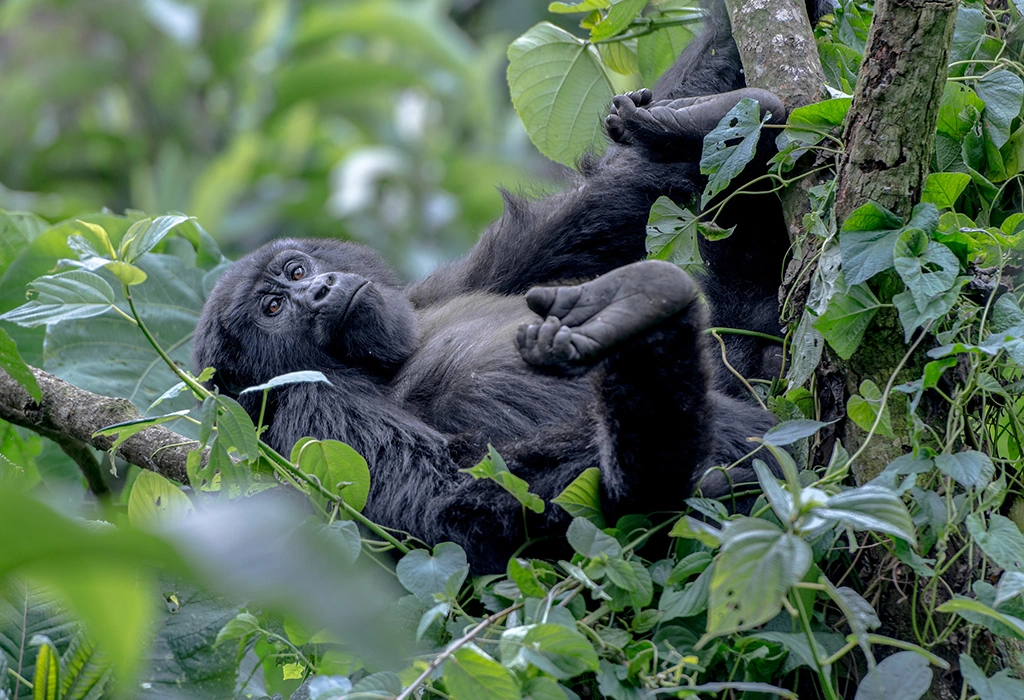
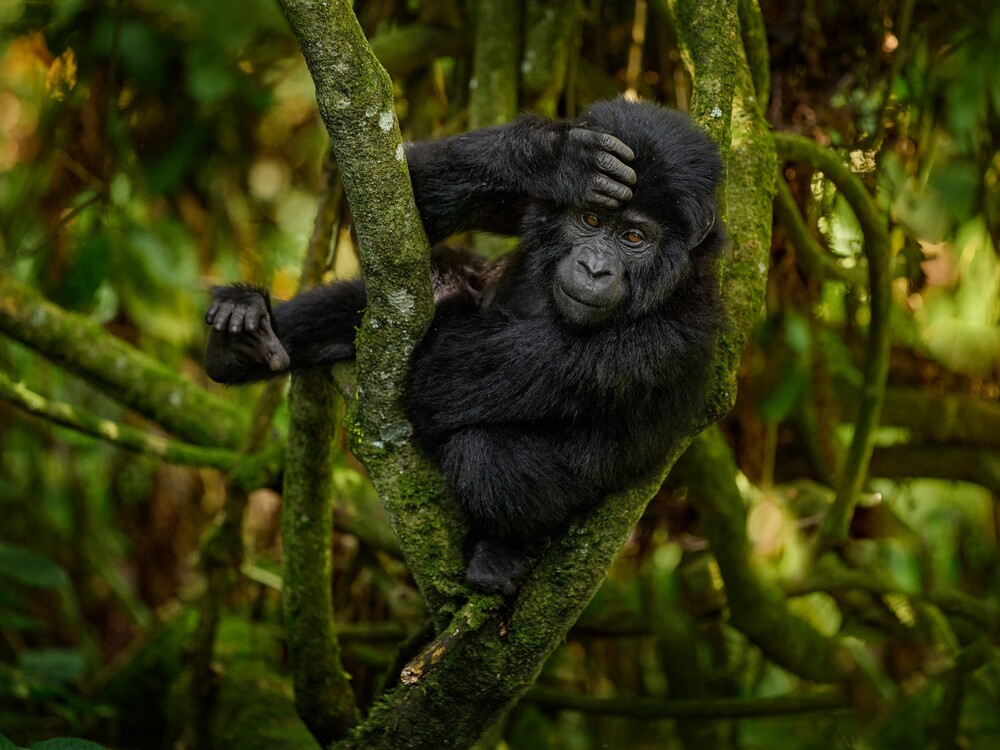
The guide component is essential because visitors cannot enter Bwindi independently and search for mountain gorillas. Gorilla tourism is tightly regulated to protect both visitors and the animals. Participants enter the forest with authorised personnel who understand gorilla behaviour, the terrain and the conservation rules governing the encounter. The guides and trackers help locate the gorilla family and manage visitor behaviour once contact is made. The permit therefore gives travellers legal access to an organised conservation experience rather than simply buying four hours of viewing time.
The community development contribution is equally important when considering what the permit represents. Mountain gorilla conservation takes place within a landscape where protected forest exists alongside densely populated communities. Tourism revenue can help strengthen the connection between wildlife conservation and local economic benefits. The permit is therefore part of a broader conservation and tourism system rather than an isolated entrance ticket.
What Is Not Included in the Gorilla Habituation Permit?
Although the permit is expensive, it should not be interpreted as an all-inclusive safari. The USD 1,500 foreign non-resident rate in 2026 does not automatically include your accommodation in Bwindi, transportation from Entebbe or Kampala, transport from Kigali, domestic flights, personal porter services, international airfare, visa expenses, personal travel insurance or optional activities elsewhere in Uganda. Those costs are normally added separately or incorporated into a complete safari package by the tour operator.
This distinction explains why travellers sometimes see very different prices for Gorilla Habituation safaris even though the official permit itself is the same. One traveller may stay in a comfortable mid-range lodge and reach Bwindi by road, while another may stay in an expensive luxury lodge and use domestic flights. Both may have the same foreign non-resident habituation permit, but the complete safari price can differ by thousands of dollars because everything surrounding the official forest experience is different.
Meals can also vary according to the accommodation arrangement. Many Bwindi lodges operate on meal plans that may include breakfast, lunch and dinner, while others may package services differently. A packed lunch is particularly important on habituation day because the activity may occupy much of the day. Whether that lunch is provided by the lodge or incorporated into the safari package is separate from the official UWA permit charge.
Why Is a Gorilla Habituation Permit More Expensive Than a Normal Gorilla Permit?
The most obvious difference is viewing time. Uganda’s ordinary mountain gorilla trekking permit for a foreign non-resident currently costs USD 800 under the published tariff, while the Gorilla Habituation Experience costs USD 1,500. Standard trekking provides a maximum viewing time of one hour after the gorilla family has been reached, whereas the Gorilla Habituation Experience allows a maximum of four hours. The traveller is therefore paying significantly more for substantially longer observation.
However, time alone does not explain the difference. Ordinary gorilla trekking normally involves families that are already fully habituated to controlled visitor presence. These groups have undergone a long process during which researchers and trackers gradually familiarised them with people. Gorilla Habituation provides access to part of that process rather than simply to the finished tourism product. Participants accompany the professional team and observe gorillas at a stage where their relationship with human observers may still be developing.
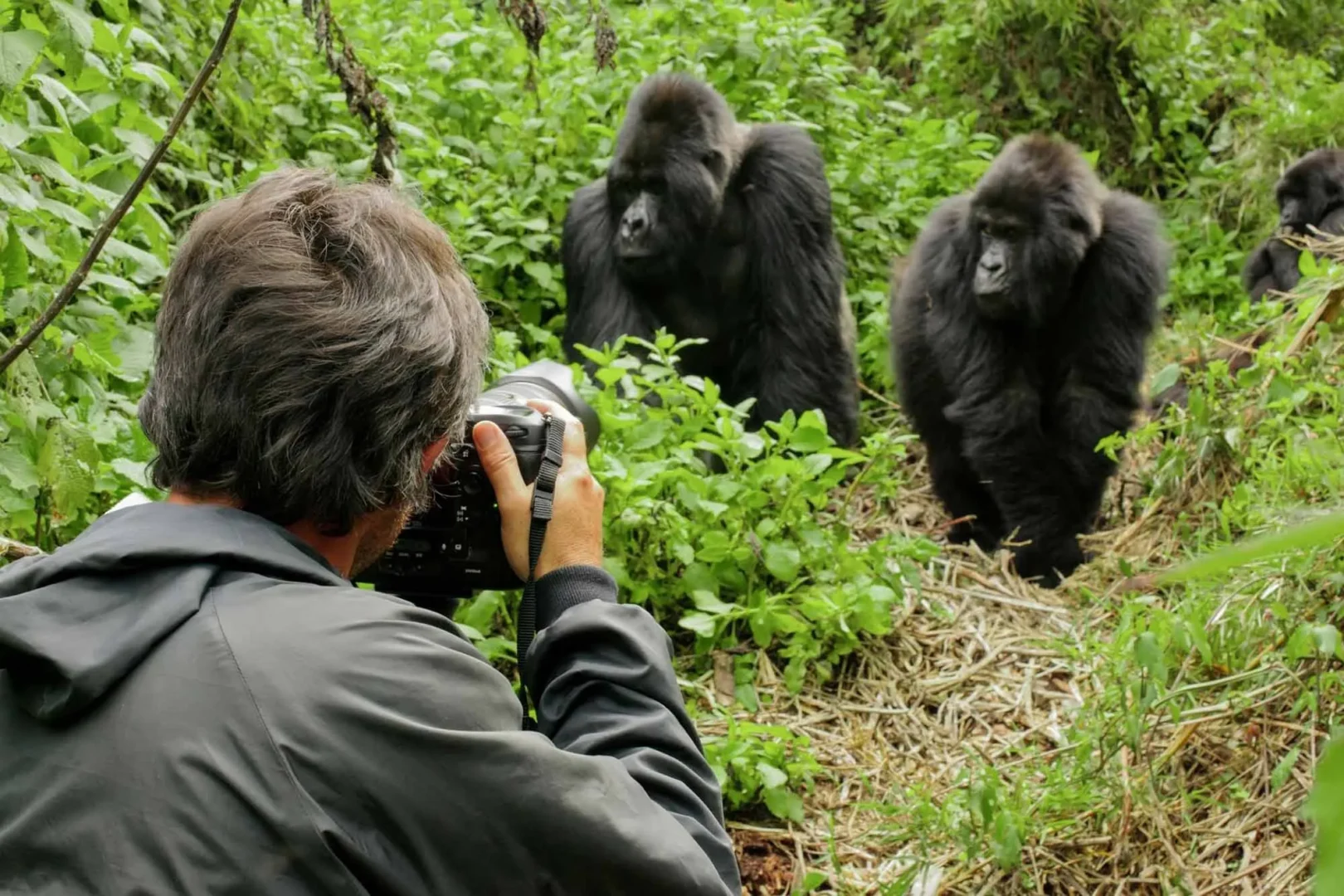
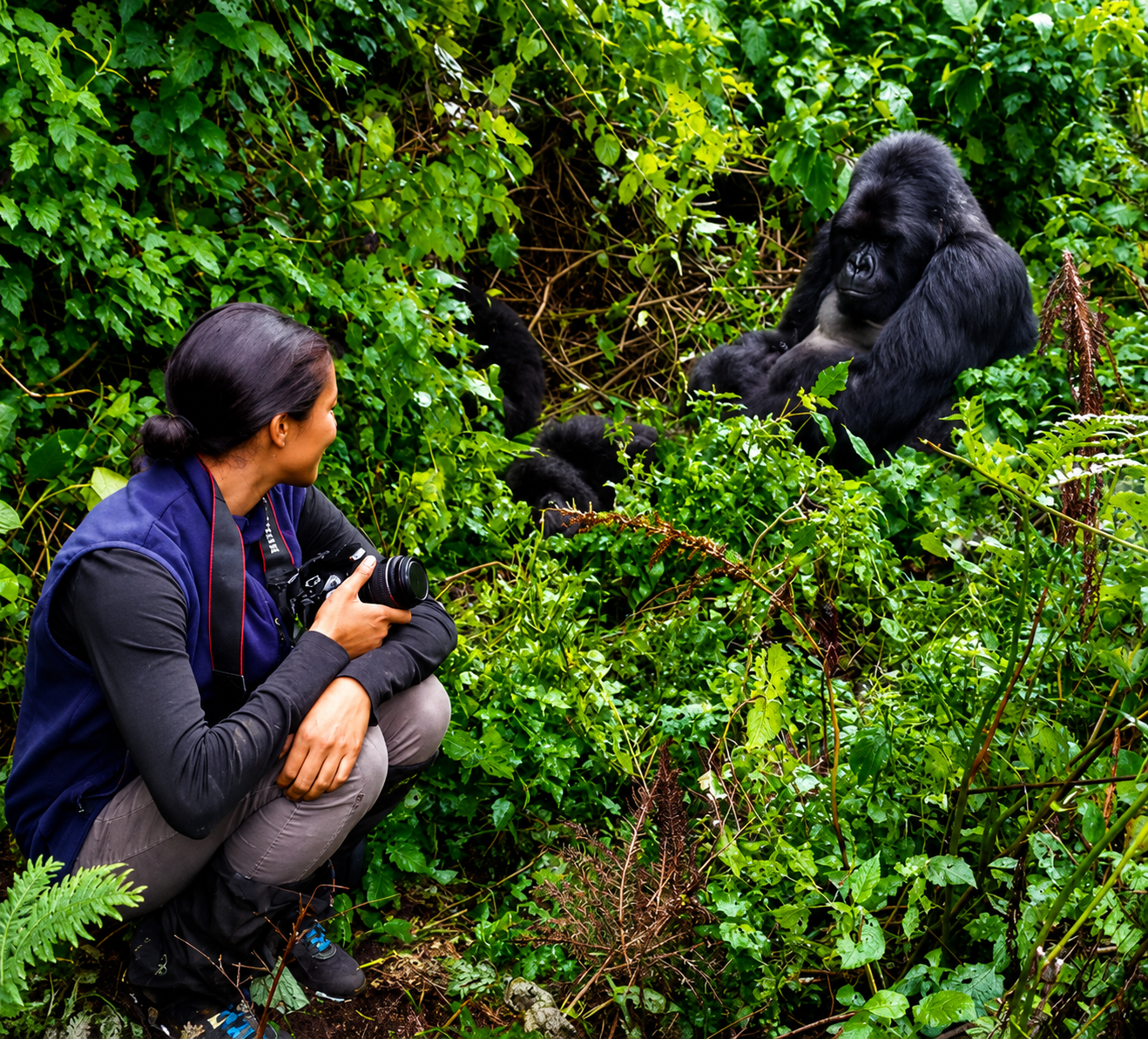
This can produce a different type of encounter. A fully habituated gorilla family may remain relatively calm around responsible visitors because controlled human presence has become familiar. A family undergoing habituation can be more cautious or mobile, creating an experience that demands patience and close attention to the instructions given by the professional team. The higher permit price therefore buys not only additional viewing time but access to one of Uganda’s most specialised primate conservation experiences.
Is the Four-Hour Gorilla Experience Guaranteed?
The permit allows a maximum viewing period of four hours once the gorillas are encountered during the Gorilla Habituation Experience, but travellers should understand what this wording means. It does not mean that you arrive at 6:30 a.m., sit beside the gorillas immediately and leave four hours later. The day includes briefing, entry into the forest, searching for the family, tracking their movements and finally the viewing period once contact is established.
Uganda Wildlife Authority defines tracking time as the overall experience from briefing until visitors return for debriefing, while viewing time begins when participants actually reach the primates. For Gorilla Habituation, UWA states that the activity can begin from 6:30 a.m. and that the maximum permitted viewing period is four hours. The total time spent in the forest can therefore be longer than four hours because locating the gorillas may itself take considerable time.
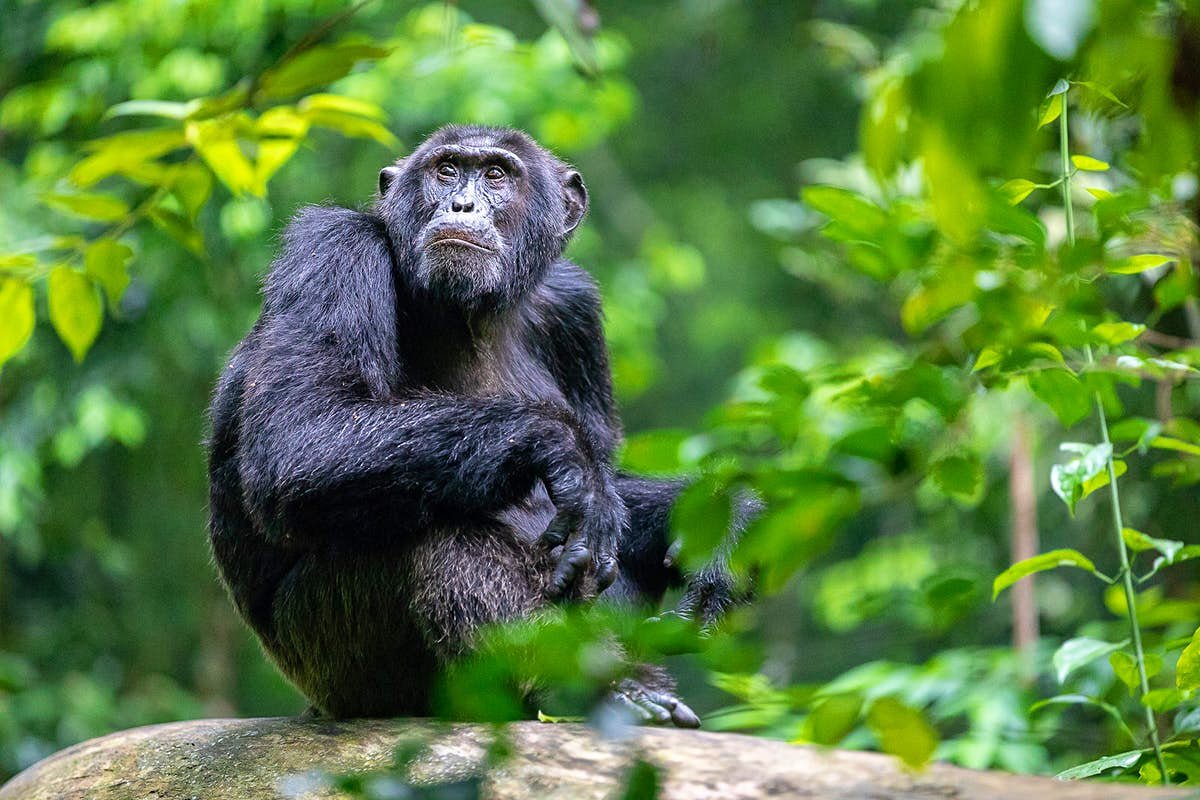
The unpredictability is part of the experience because mountain gorillas are not kept in enclosures or brought to a fixed observation location. They move naturally through Bwindi according to their feeding, resting and social behaviour. Visitors must follow their location rather than expecting the animals to adapt their day around the tourist schedule.
Where Can You Use a Gorilla Habituation Permit in Uganda?
The Gorilla Habituation Experience is associated with Bwindi Impenetrable National Park. Uganda Wildlife Authority‘s current conservation tariff lists Gorilla Habituation under Bwindi, while ordinary gorilla tracking is available in both Bwindi and Mgahinga Gorilla National Park. This is an important distinction for itinerary planning because travellers sometimes assume that habituation can be booked at either of Uganda’s mountain gorilla parks.
Bwindi is divided into different areas used for gorilla tourism, and the location associated with a specific permit matters when choosing accommodation. A lodge may advertise itself as being near Bwindi while still being several hours from the entry point relevant to a particular activity. Travellers should therefore confirm the exact location connected to their permit before booking a lodge solely because it appears geographically close to the national park.
This is particularly important on habituation morning because the experience begins early. Staying in the wrong part of Bwindi can create a difficult pre-dawn transfer over mountain roads and place unnecessary pressure on an already expensive activity. Accommodation should therefore follow the permit location rather than the other way around.
Does Uganda Offer Discounted Gorilla Habituation Permits in the Low Season?
Uganda Wildlife Authority introduced special low-season rates in 2026 for certain primate activities during April, May and November. The official announcement specifically shows discounted rates for ordinary gorilla tracking and chimpanzee tracking, with foreign non-resident gorilla tracking reduced to USD 600 and foreign resident tracking reduced to USD 500 during those selected months. However, Gorilla Habituation is not listed among the activities receiving the low-season discount in that announcement.

This means travellers should not automatically assume that a USD 1,500 Gorilla Habituation permit becomes cheaper simply because the safari takes place in April, May or November. Gorilla tracking and Gorilla Habituation are separate UWA products. A promotional or low-season tracking price does not automatically apply to the four-hour habituation experience unless Uganda Wildlife Authority specifically announces that it does.
This distinction is important for SEO pages and safari quotations because using the discounted tracking rate when describing Gorilla Habituation would significantly understate the true permit cost. Travellers interested specifically in habituation should budget using the official habituation rate applicable to their visitor category and travel date.
How Do You Book a Gorilla Habituation Permit?
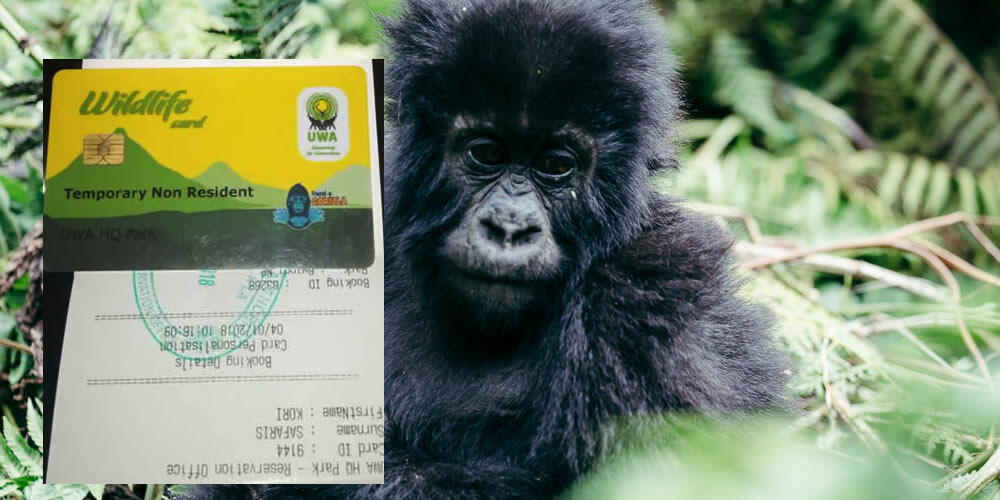
Uganda Wildlife Authority controls the permit system, and availability should be confirmed before the surrounding safari is finalised. UWA’s permit-management guidelines explain that eligible operators can access the booking system, view dates and locations with availability and proceed through the payment process. The guidelines specify that online permit payments must be made immediately and in full, and that unpaid attempts can be cancelled if payment is not completed successfully.
Booking procedures became even stricter in 2026. Uganda Wildlife Authority officially suspended the previous seven-day reservation window from 1 March 2026. Under the previous system, operators could reserve permits for several days without immediate payment. Under the new arrangement, permits are secured upon full payment at the time of booking. UWA explained that this change was intended to improve availability, fairness and transparency in permit allocation.
For travellers, the practical consequence is simple: seeing availability is not the same as owning a confirmed permit. If you have fixed dates and an available Gorilla Habituation space is found, delaying payment can allow that availability to disappear. This is particularly important because the activity has fewer spaces than ordinary gorilla trekking.
Can You Reserve the Permit and Pay Later?
Under the current 2026 system, travellers should not rely on the old seven-day unpaid holding period. Uganda Wildlife Authority‘s February 2026 notice states that the seven-day reservation window was suspended effective 1 March 2026 and that the system would allow operators to secure permits upon full payment at the time of booking.
This change affects how safari companies and travellers plan. Previously, a tour operator could sometimes place a temporary hold while the traveller arranged payment. That flexibility has been reduced. A traveller who is still deciding between dates may therefore need to make the decision before requesting the final permit booking.
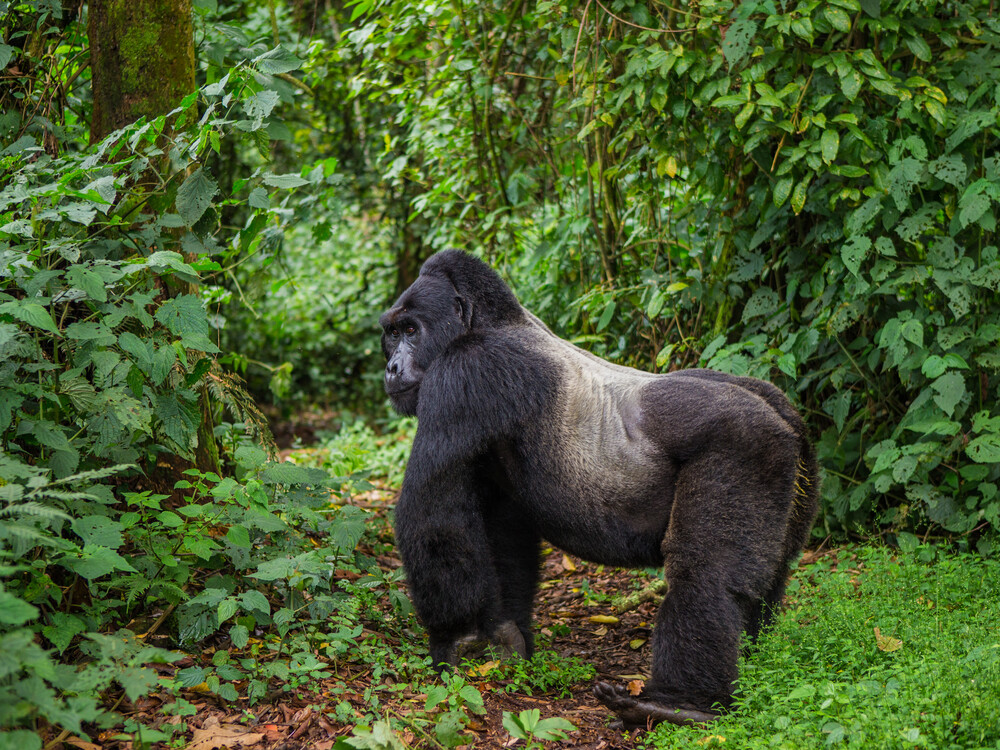
This also means safari planning should be organised carefully. International flights, lodge reservations and other non-refundable travel arrangements should ideally be coordinated with permit availability rather than booked first without checking whether the desired habituation date is available.
Why Is Full Payment Required for the Permit?
Mountain gorilla permits are limited tourism resources. Uganda cannot simply issue unlimited permits to satisfy demand because the number of people allowed around gorillas must remain carefully controlled. Requiring full payment reduces the likelihood that scarce permits remain blocked by travellers who are not genuinely committed to travelling.
The permit-management guidelines state that payments are made in full and that deposits are not accepted by UWA for these permits. The 2026 suspension of the unpaid reservation window strengthened this approach by making completed payment central to securing availability.
From a traveller’s perspective, this makes the permit one of the first major financial commitments of the safari. Because the amount is significant, travellers should make sure their names, travel date, visitor category and activity type are correct before money is transferred.
Is a Gorilla Habituation Permit Transferable?
Permit conditions are controlled by Uganda Wildlife Authority, and travellers should not treat a confirmed permit like an ordinary attraction ticket that can simply be handed to another person without restrictions. Gorilla tourism requires identification and regulated booking procedures, and the traveller details provided when the permit is purchased are important for managing access.
Because policies concerning amendments, cancellations, rescheduling and exceptional circumstances can change, travellers who need to alter a confirmed permit should work through the authorised booking channel used to secure it rather than privately attempting to sell or transfer it.
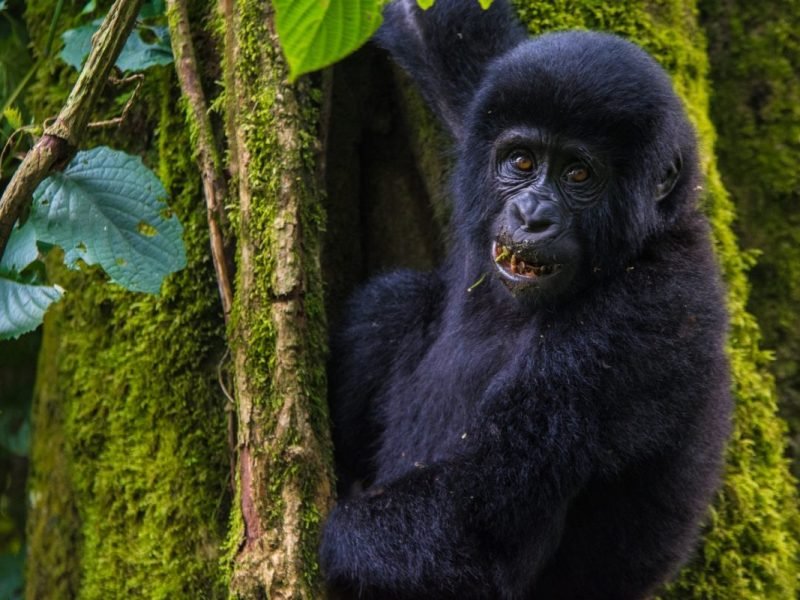
This is particularly important when the permit has been booked through a licensed Uganda tour operator because the operator can communicate with Uganda Wildlife Authority and determine what options are available under the current rules.
Can You Buy a Gorilla Habituation Permit at the Park Gate?
Travellers should not plan a valuable international safari around the assumption that a habituation permit will be available after arriving in Bwindi. Availability is limited, and the current system is designed around advance reservation and payment. The fact that Uganda Wildlife Authority maintains a booking system displaying permit availability demonstrates why the permit should be confirmed before the journey rather than treated as a casual same-day activity.
A traveller who arrives without a permit may discover that all available habituation spaces have already been sold for the desired date. Even if ordinary gorilla trekking spaces remain, that does not necessarily solve the problem for someone specifically wanting the four-hour habituation experience.
Advance booking becomes particularly important during months popular with international safari travellers, when accommodation and other tourism services around Bwindi can also fill quickly.
How Far in Advance Should You Book the Permit?
There is no single perfect booking period because availability changes according to season, travel demand and the number of permits released for the activity. However, travellers with fixed international flights should normally treat the habituation permit as a priority rather than waiting until shortly before travel.
The activity is considerably more limited than ordinary trekking, and the current immediate-payment system means available permits can move quickly once travellers confirm their safaris. A traveller planning a honeymoon, photography trip or once-in-a-lifetime primate safari often benefits from securing the habituation date before choosing every hotel and secondary activity.
Early booking is particularly sensible when several people must participate on the same date. Finding one remaining permit may help a solo traveller, but a family or group requiring four spaces needs enough simultaneous availability for everyone.
How Much Does the Permit Cost for a Couple?
A foreign non-resident couple completing Gorilla Habituation in 2026 should budget USD 3,000 for two permits. From 1 January 2027, the same two foreign non-resident permits will total USD 3,600 because the individual rate increases to USD 1,800.
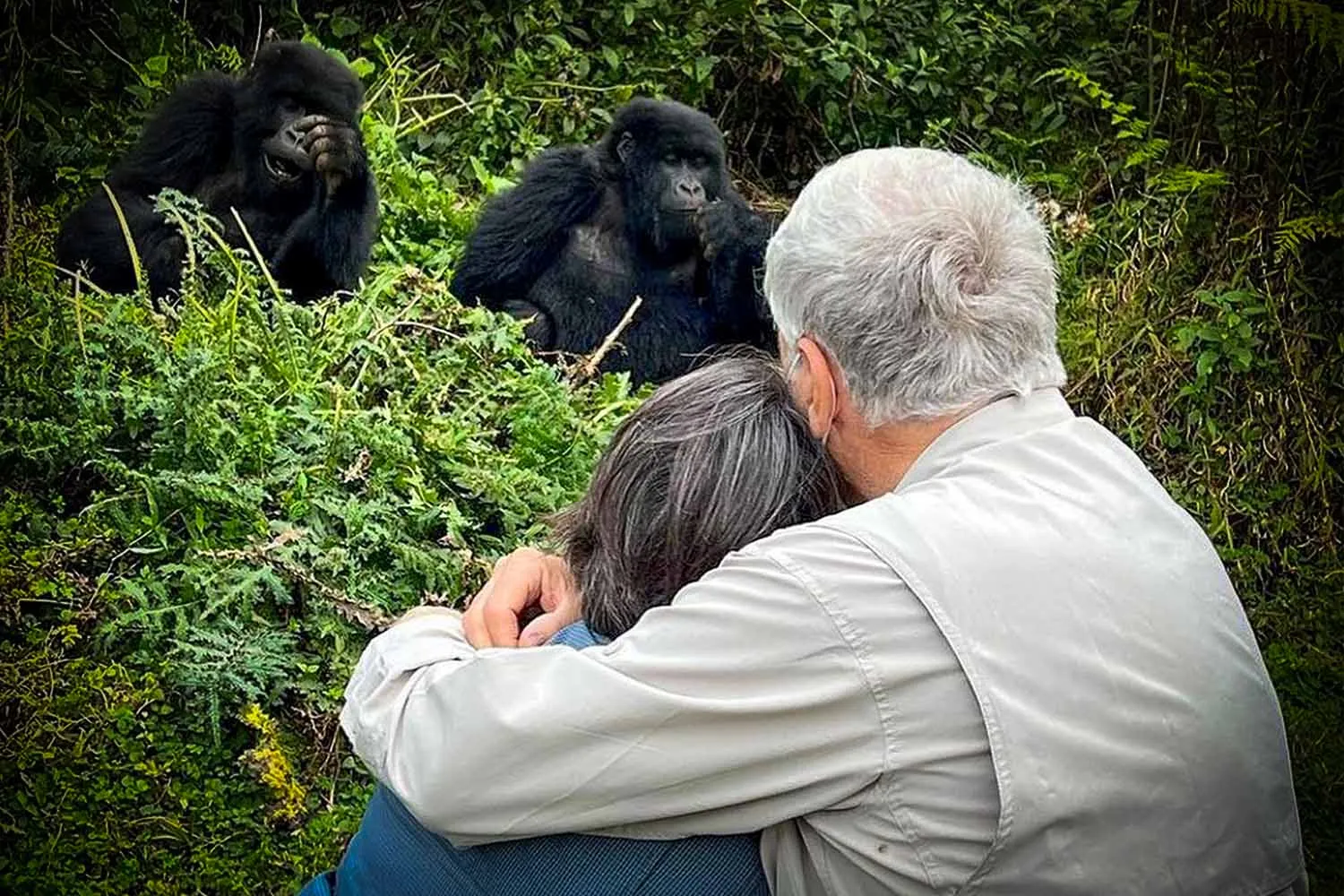
This figure is only the permit portion of the safari. The couple must still consider accommodation, private transportation, meals according to the lodge plan, porter support if desired and any flights used to reach southwestern Uganda.
Couples often achieve better per-person value than solo travellers on these surrounding logistics because vehicle and guide costs can be shared. The permit itself, however, remains charged per person.
How Much Does the Permit Cost for Four Travellers?
Four foreign non-resident travellers participating in 2026 require USD 6,000 in Gorilla Habituation permits. From January 2027, four foreign non-resident permits will cost USD 7,200 under the announced rate.
This demonstrates why permit price changes have such a large impact on family and group quotations. A USD 300 individual increase becomes an additional USD 1,200 for four travellers.
Groups can still benefit from sharing private transport and guide expenses, so the overall safari cost per person may become more efficient even though the permit itself does not receive a group discount.
Does a Child Pay the Same Gorilla Habituation Permit Price?
Gorilla experiences operate under conservation rules concerning participant eligibility, and travellers planning with teenagers should confirm the current age requirements before purchasing permits. The cost question should therefore come after determining whether the child is eligible to participate at all.
Families should not assume that a child automatically receives a reduced Gorilla Habituation permit simply because hotels or airlines may offer child prices. Gorilla permits are specialised conservation permits rather than ordinary accommodation charges, and visitor categories determine pricing.
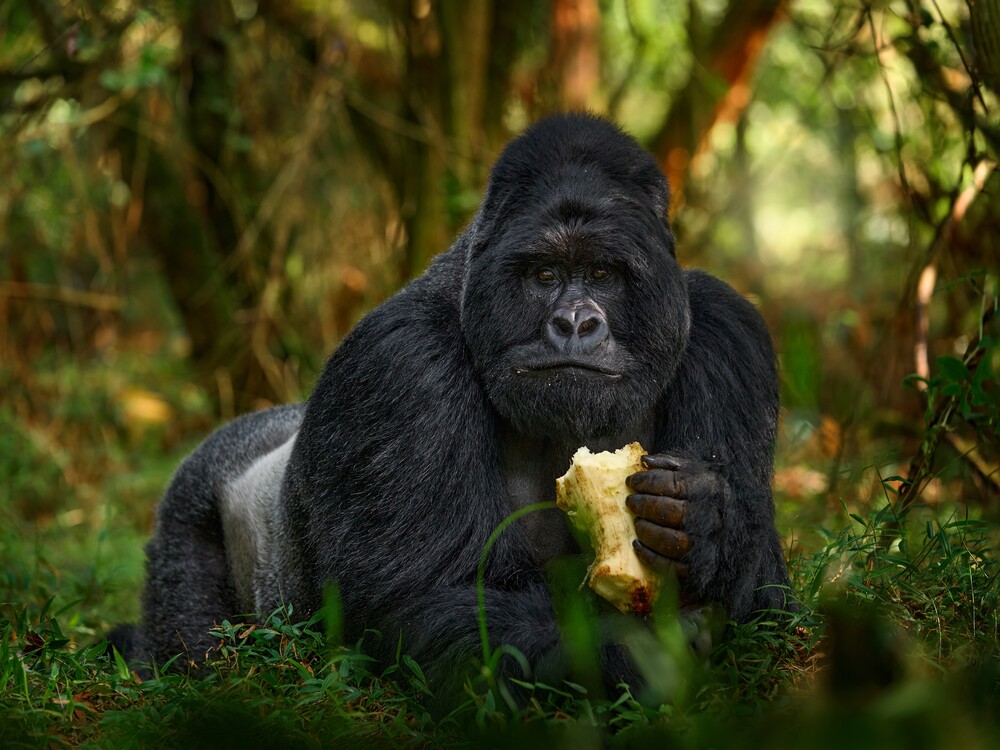
For families travelling with younger children who cannot participate, the itinerary may need to include childcare or a separate activity for the non-participating child while eligible family members enter the forest.
Is the Permit Price the Same for Solo Travellers?
Yes, within the same visitor category. A solo foreign non-resident pays the same official per-person Gorilla Habituation permit rate as one member of a couple or group. In 2026, that means USD 1,500, increasing to USD 1,800 from 1 January 2027.
Where solo travellers often spend more is outside the permit. A private safari vehicle, driver-guide and single accommodation room cannot be divided among several people, meaning the total safari cost per person can be higher.
The Gorilla Habituation Experience itself remains suitable for solo travel because individual permit holders participate within the regulated UWA activity rather than needing to bring their own full private group.
Does the Permit Include a Porter?
A personal porter should be treated as separate from the official permit. The published UWA tariff specifically identifies the guide fee, park entrance and community development contribution among the items incorporated into the Gorilla Habituation rate. Personal porter assistance is therefore an additional service travellers can arrange locally.
Hiring a porter can be particularly worthwhile for habituation because the day can be long. Carrying drinking water, rain gear, packed lunch and camera equipment through Bwindi’s steep terrain can become exhausting even for travellers in reasonable physical condition.
When considered against a USD 1,500 or USD 1,800 permit, the additional local cost of a porter can be a sensible investment in comfort and can also provide direct income within the communities surrounding the park.
Does the Permit Include Transportation?
No. The permit gives access to the official Gorilla Habituation Experience, but travellers must reach Bwindi and the correct activity area separately. Transportation is therefore one of the major additional expenses when calculating the true cost of the safari.
Travellers beginning in Entebbe can travel overland through southwestern Uganda or use domestic flights for part of the journey. Road travel generally requires more time, while flying can significantly reduce transfer hours.
Travellers beginning in Kigali can also reach parts of southwestern Uganda by crossing the Rwanda-Uganda border, but immigration procedures, cross-border vehicle arrangements and travel documents must be planned correctly.
The best route is therefore not determined by the permit price because the permit remains the same within each visitor category. Route choice affects convenience and the total safari budget rather than the official UWA habituation fee.
Does the Permit Include Accommodation?
Accommodation is not included in the official permit price. Travellers need a lodge or other approved accommodation arrangement in the Bwindi area, particularly on the night before habituation because the activity begins early.
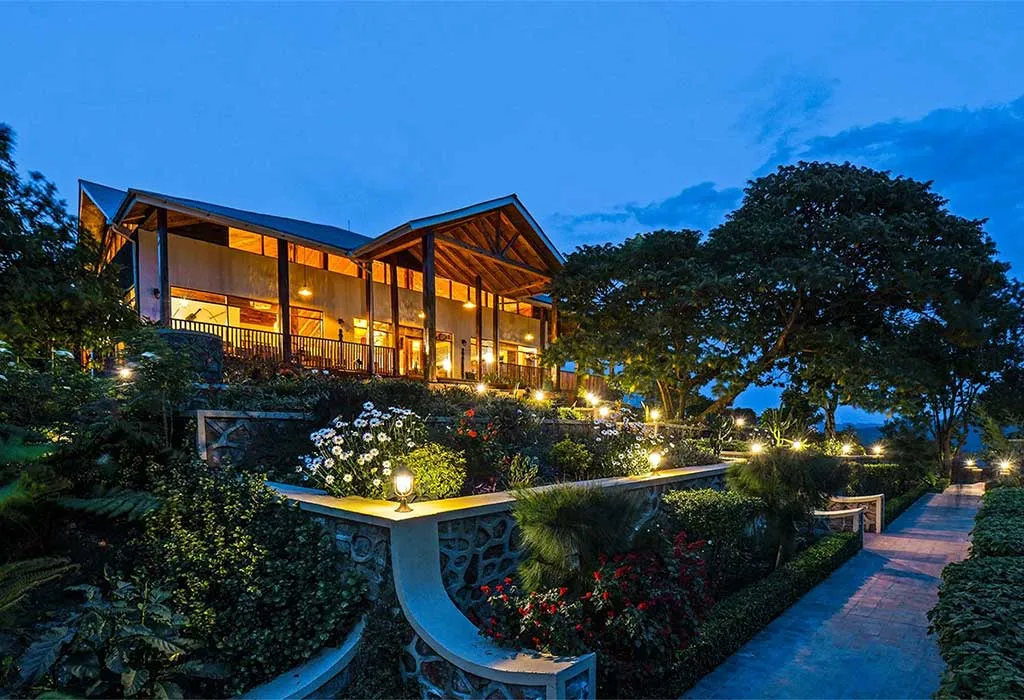
This creates a wide range of possible safari budgets. Budget and mid-range lodges can keep the overall trip more affordable, while premium properties can raise the total cost dramatically. The core habituation permit remains unchanged regardless of whether a traveller sleeps in a modest lodge or an ultra-luxury property.
For this reason, travellers should distinguish between paying more for the Gorilla Habituation Experience and paying more for the comfort surrounding it. The gorilla permit is an official conservation fee. The lodge price reflects the accommodation experience.
Is Gorilla Habituation Worth USD 1,500?
For travellers who genuinely want extended time with mountain gorillas, the 2026 permit can offer exceptional value because the maximum viewing period is four times longer than the standard one-hour encounter. The extra time creates opportunities to observe social behaviour, feeding, movement, resting, juvenile interactions and changes within the family that may not become apparent during a shorter visit.
Photographers can particularly appreciate the additional time because forest photography is unpredictable. Dense vegetation may initially hide the gorillas, light conditions can change rapidly and individuals may move into better positions later in the encounter. Four hours reduces some of the pressure to capture every desired photograph immediately.
The value is more difficult to justify for someone who simply wants a first encounter with a mountain gorilla and has a limited safari budget. Ordinary gorilla trekking remains an extraordinary experience and costs significantly less. Habituation is therefore best selected because the traveller wants the additional depth, not simply because it is the more expensive option.
Is Gorilla Habituation Still Good Value at USD 1,800 in 2027?
The increase to USD 1,800 makes the decision more significant, particularly when two or more travellers are participating. However, the central value proposition remains the same: up to four hours of viewing and participation in a specialised gorilla habituation experience in Bwindi.
For a serious wildlife photographer, primate enthusiast or traveller who may visit Uganda only once, the additional USD 300 compared with the previous foreign non-resident price may still represent a worthwhile investment when spread across the significance of the entire journey.
For travellers managing a strict budget, the increase may strengthen the case for ordinary gorilla trekking instead. The correct choice depends on whether extended observation is personally worth the price difference.
How Does Uganda Compare With Rwanda for Gorilla Permit Costs?
Rwanda and Uganda offer different gorilla tourism products and should not be compared using permit price alone. Rwanda’s standard international gorilla trekking permit has historically been priced at a premium, while Uganda provides both standard trekking and the specialised four-hour Gorilla Habituation Experience.
Uganda’s habituation permit is therefore not directly equivalent to Rwanda’s standard one-hour gorilla trek. A traveller comparing destinations should consider the viewing format, itinerary logistics, accommodation preferences and other safari experiences rather than assuming that similarly priced permits provide identical activities.
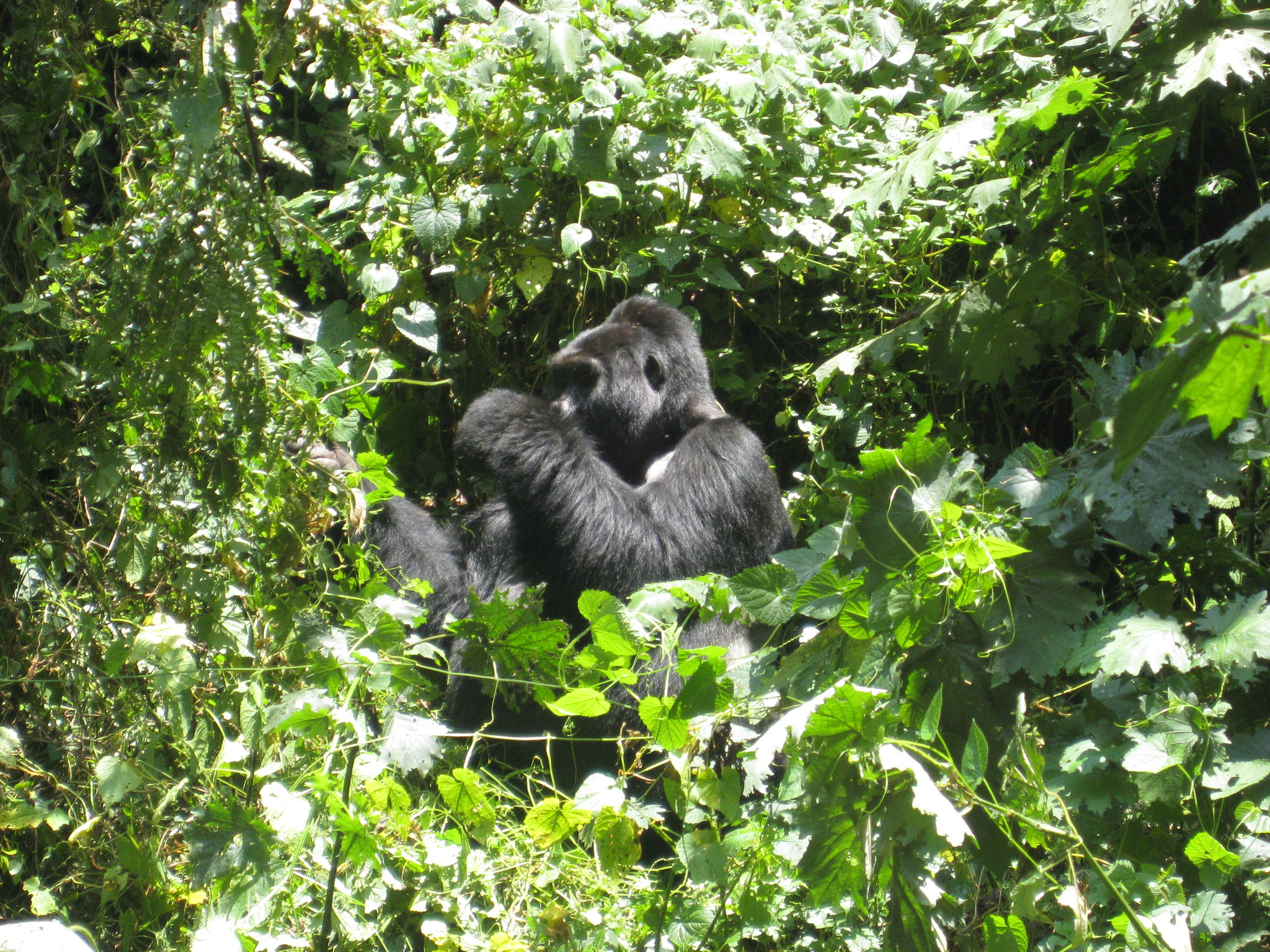
Uganda’s unique advantage for travellers interested specifically in habituation is the opportunity to spend substantially more time observing a family in Bwindi under the official Gorilla Habituation programme.
Why Does the Gorilla Habituation Permit Matter for Conservation?
Mountain gorilla tourism exists only because the animals and their habitat receive intensive protection. Permit revenue gives mountain gorillas economic importance while providing funding within the wider conservation system.
The official tariff’s inclusion of a community development contribution demonstrates that the permit is designed to connect tourism with communities around protected areas as well as with park operations. This is particularly significant around Bwindi, where forest protection must coexist with the needs of people living close to the national park.
Responsible tourism cannot replace law enforcement, scientific monitoring, veterinary support or habitat management, but it creates a financial incentive for continued protection and generates employment associated with conservation and tourism.
The high permit price should therefore be viewed partly as payment for access to a rare experience and partly within the economic model that helps keep that experience possible.
Why You Should Confirm the Permit Before Booking the Rest of the Safari
The Gorilla Habituation permit should normally become one of the first confirmed parts of the itinerary because the entire Bwindi schedule depends on the date and location of the activity.
A traveller who books an expensive lodge first and then discovers that no habituation permit is available for those dates may have to change accommodation or lose money on non-refundable arrangements. International flights can create similar problems when holiday dates are rigid.
The safest approach is to check permit availability, confirm the safari routing and then coordinate accommodation and transportation around that confirmed date.
The 2026 removal of the seven-day unpaid reservation window makes this coordination even more important because permits are now secured through full payment rather than being casually held for several days.
How Much Is a Gorilla Habituation Permit in Uganda in 2026?
How Much Is a Gorilla Habituation Permit in Uganda in 2026? The official foreign non-resident permit is USD 1,500 per person. Foreign residents currently pay USD 1,000, travellers qualifying under the Rest of Africa category pay USD 1,000 and eligible East African Community citizens pay UGX 750,000. The activity takes place in Bwindi Impenetrable National Park and offers a maximum of four hours of viewing once the gorillas have been encountered.
The permit includes the guide fee, park entrance fees for the activity day and a community development contribution, but it should not be confused with the total cost of the safari. Accommodation, transportation, flights, personal porter assistance, insurance and other travel expenses remain separate unless included in a tour operator’s package.
Travellers should also remember that UWA’s 2026 low-season discount announcement applies to normal gorilla tracking rather than listing Gorilla Habituation among the discounted activities. The habituation permit should therefore be budgeted at its official applicable rate rather than assuming that travel during April, May or November automatically reduces its price.
How Much Is a Gorilla Habituation Permit in Uganda From 2027?
From 1 January 2027, a foreign non-resident Gorilla Habituation permit will cost USD 1,800 per person according to Uganda Wildlife Authority‘s announced revised tariff. Foreign residents will pay USD 1,600, the Rest of Africa rate will be USD 1,000 and the East African Community citizen rate will remain UGX 750,000.
The increase makes accurate travel dates extremely important when creating quotations. A traveller completing habituation on 31 December 2026 and another doing it shortly after the new tariff becomes effective can face different permit costs even though their itineraries are otherwise almost identical.
Safari companies, travel agents and independent travellers should therefore avoid reusing old rates when preparing 2027 budgets.
Final Answer: How Much Is a Gorilla Habituation Permit in Uganda?
How Much Is a Gorilla Habituation Permit in Uganda? For foreign non-residents travelling in 2026, the official permit costs USD 1,500 per person. Foreign residents currently pay USD 1,000, qualifying Rest of Africa travellers pay USD 1,000 and eligible East African Community citizens pay UGX 750,000. The permit is specifically for the Gorilla Habituation Experience in Bwindi Impenetrable National Park and includes the official guiding component, park entry for the activity day and a community development contribution.
The experience is considerably more expensive than standard Uganda gorilla trekking because it allows a maximum of four hours with the gorillas once contact is established rather than the standard maximum of one hour. Uganda Wildlife Authority‘s current management guidelines show the habituation experience beginning from approximately 6:30 a.m. and continuing until participants return for debriefing, with the maximum viewing period set at four hours.
From 1 January 2027, the foreign non-resident Gorilla Habituation permit rises to USD 1,800 and the foreign resident permit rises to USD 1,600, while the officially announced Rest of Africa and East African Community rates remain USD 1,000 and UGX 750,000 respectively. This means travellers planning a 2027 safari should stop using the older USD 1,500 foreign non-resident price when calculating their budget.
The permit itself should also be separated from the overall cost of travelling to Bwindi. A complete Gorilla Habituation safari requires accommodation, transportation and other travel logistics, meaning the final holiday price will always be higher than the permit alone. Travellers using luxury lodges and domestic flights can spend considerably more than visitors choosing comfortable mid-range accommodation and road transportation, even though they may hold exactly the same UWA permit.
What makes the permit particularly valuable is the extraordinary amount of time it can provide with wild mountain gorillas. Four hours creates space to observe the family rather than simply trying to photograph everything immediately. Participants may watch the gorillas feed, move through the forest, interact socially, rest, care for infants and respond to different members of the family over a meaningful period. The activity also brings visitors closer to the conservation process because habituation involves gorillas that are gradually becoming accustomed to carefully controlled human presence.
The USD 1,500 price in 2026 is therefore best understood not simply as an entrance fee but as payment for one of Uganda’s most limited and specialised wildlife experiences. From 2027, that investment becomes USD 1,800 for a foreign non-resident. For travellers who want only a shorter first encounter with mountain gorillas, standard trekking can remain the more economical choice. For photographers, primate enthusiasts and travellers who value extended observation, the Gorilla Habituation permit provides access to an experience that is difficult to compare with conventional wildlife tourism anywhere else in Africa.
Booking early is increasingly important because Uganda Wildlife Authority suspended its former seven-day unpaid reservation period from 1 March 2026. Permits are now secured through full payment when booking, making confirmed availability especially valuable for travellers with fixed dates. Once the permit is confirmed, the accommodation and transportation can then be arranged around the correct Bwindi location and travel date.
For 2026, the central figure to remember is therefore USD 1,500 per foreign non-resident Gorilla Habituation permit. For travel from 1 January 2027, the figure becomes USD 1,800. Those prices represent the foundation of the Gorilla Habituation safari, while the final amount spent depends on how the traveller chooses to reach Bwindi, where they stay and what additional experiences are included around one of Uganda’s most remarkable mountain gorilla encounters.