

The Ultimate Guide to Tracking Bikingi Gorilla Group: Experience Uganda’s Iconic Mountain Gorillas
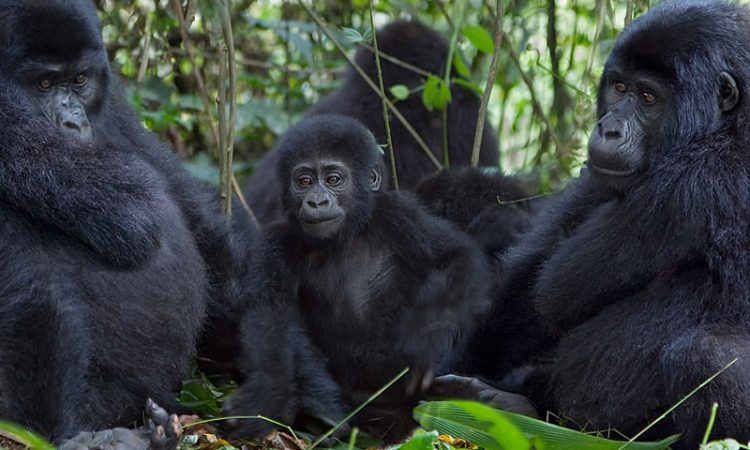
Tracking Bikingi Gorilla Group is one of the most sought-after experiences for travelers visiting Uganda’s Bwindi Impenetrable National Park. The Bikingi gorilla family is a semi-habituated group renowned for its dynamic social interactions, charismatic silverback, and close-knit family structure. Understanding the intricacies of Tracking Bikingi Gorilla Group offers visitors a rare opportunity to observe the behavior, communication, and family dynamics of mountain gorillas in their natural rainforest environment.
Unlike regular gorilla trekking, tracking the Bikingi group allows for a deeper immersion into their daily routines. Visitors can witness feeding, grooming, social play, and protective behaviors, often spending extended periods observing the family under the guidance of trained trackers and conservation experts. Tracking Bikingi Gorilla Group provides an educational and emotional experience, giving travelers insights into the intelligence, adaptability, and social cohesion of mountain gorillas.
This experience is particularly valuable for conservation-minded travelers. Observing the Bikingi family teaches how gorilla families are structured, how the dominant silverback manages the group, and how females and juveniles interact. Through Tracking Bikingi Gorilla Group, visitors gain an appreciation for the careful balance between wildlife tourism and conservation practices that ensures the long-term survival of these endangered primates.
Planning a trek to see the Bikingi gorillas requires professional guidance, as the family’s location, movement patterns, and comfort level with humans are monitored closely. Through Tracking Bikingi Gorilla Group, visitors can enjoy a safe, ethical, and deeply informative encounter with one of Bwindi’s most captivating gorilla families.
Location of the Bikingi Gorilla Group
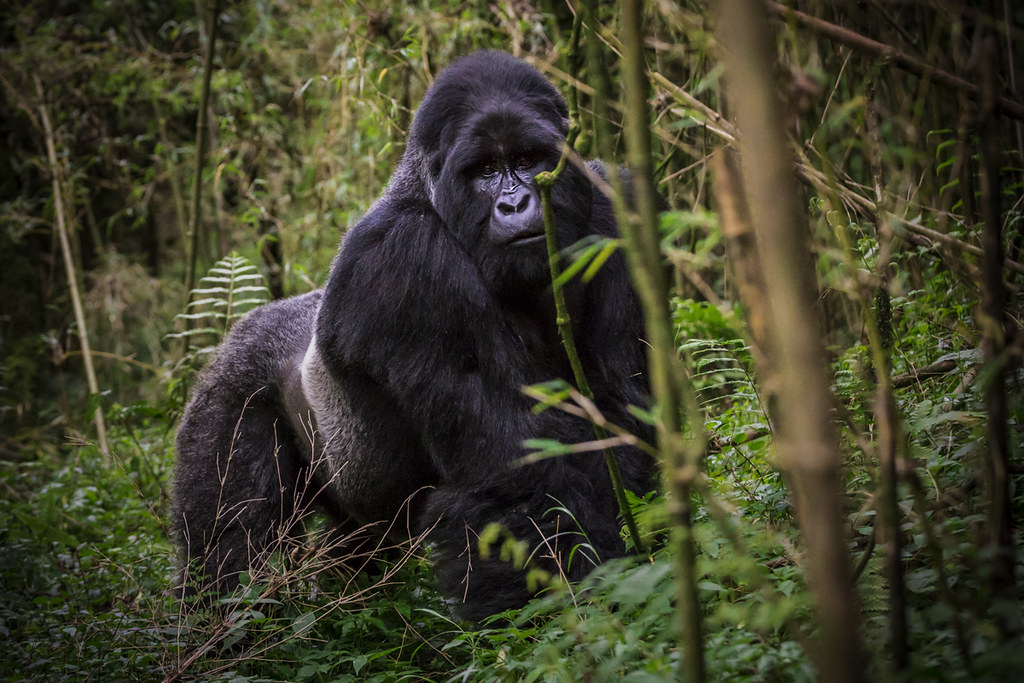
The Bikingi gorilla family resides in the Nkuringo sector of Bwindi Impenetrable National Park, located in southwestern Uganda. Tracking Bikingi Gorilla Group begins with understanding the geography and forest conditions of Nkuringo, which is characterized by rolling hills, dense rainforest, and a rich diversity of flora and fauna.
This sector provides the Bikingi group with a protected habitat, abundant food sources, and natural cover for resting and social interactions. The location also offers dramatic scenery for trekkers, from misty valleys to lush undergrowth, making Tracking Bikingi Gorilla Group a visually captivating experience as well as an educational one.
Travelers can access Nkuringo via road from Kampala or Entebbe, often taking approximately nine to ten hours through Uganda’s scenic countryside. Many visitors combine Tracking Bikingi Gorilla Group with other safari experiences, such as Queen Elizabeth National Park or Lake Mburo, to create a comprehensive wildlife itinerary.
The Bikingi group’s movements are monitored by Uganda Wildlife Authority and trained trackers, ensuring that visitors can safely locate the family without disrupting their natural behaviors. This meticulous monitoring is essential for ethical tourism and successful habituation efforts.
Understanding Bikingi Gorilla Social Structure
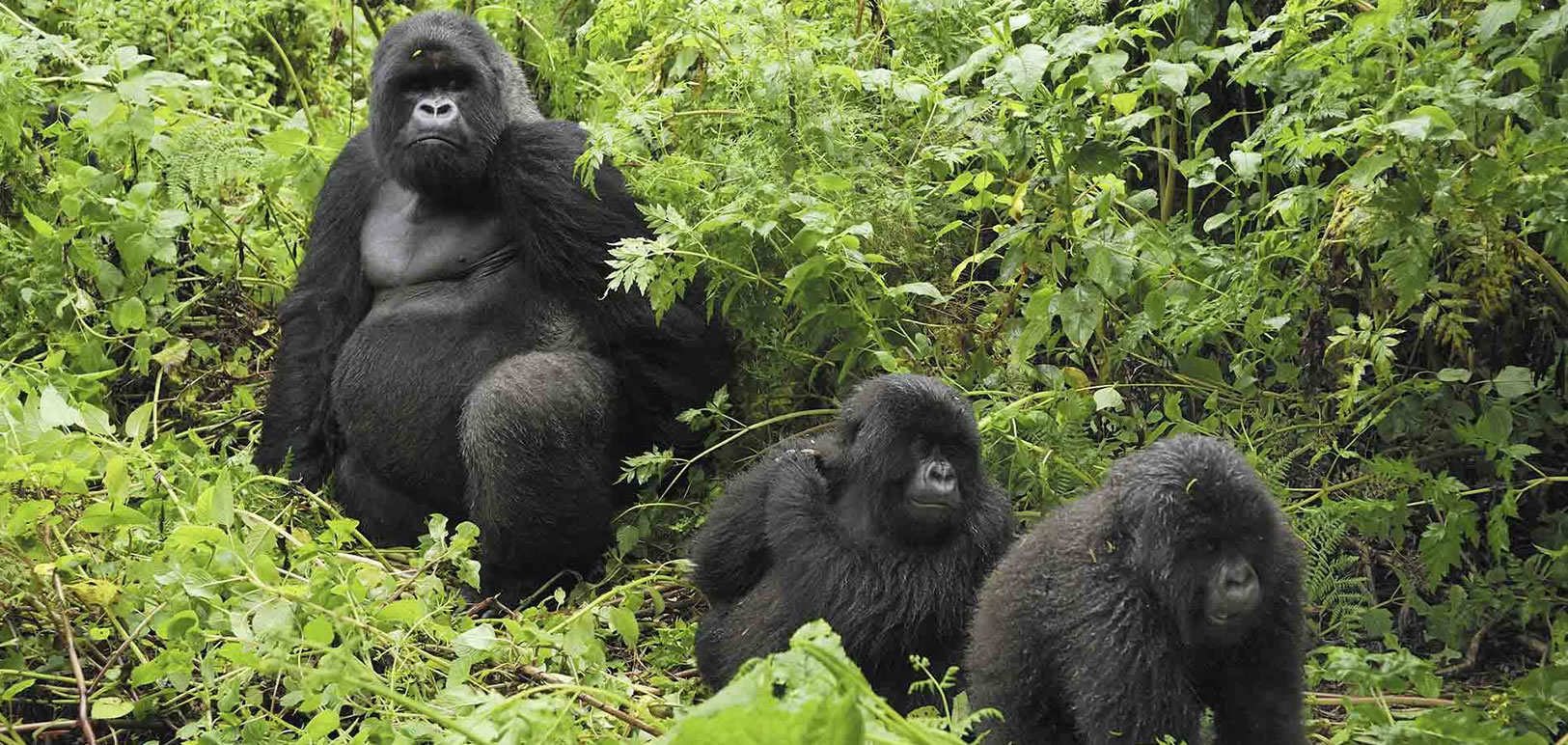
Observing Tracking Bikingi Gorilla Group provides insight into the complex social hierarchy of mountain gorillas. The dominant silverback leads the family, guiding movement, mediating conflicts, and protecting members from external threats. The silverback’s behavior is central to the stability and cohesion of the Bikingi family.
Adult females form strong bonds with the silverback and each other, nurturing infants and guiding juveniles through early social learning. Juveniles engage in play, exploration, and social interactions that are critical for skill development and understanding group dynamics. Tracking Bikingi Gorilla Group allows visitors to witness these relationships in action, from grooming rituals to subtle gestures that communicate trust, hierarchy, and affection.
Communication within the Bikingi family is equally fascinating. Observers of Tracking Bikingi Gorilla Group can see how vocalizations, chest-beating, facial expressions, and body postures convey authority, reassurance, or curiosity. This intricate communication system ensures that all members maintain harmony and coordination within the family.
Studying the social structure of the Bikingi family highlights the intelligence, adaptability, and emotional depth of mountain gorillas. By observing Tracking Bikingi Gorilla Group, visitors gain an understanding of how leadership, caregiving, and social learning are integrated into a functioning, thriving primate family.
Daily Behavior and Routines
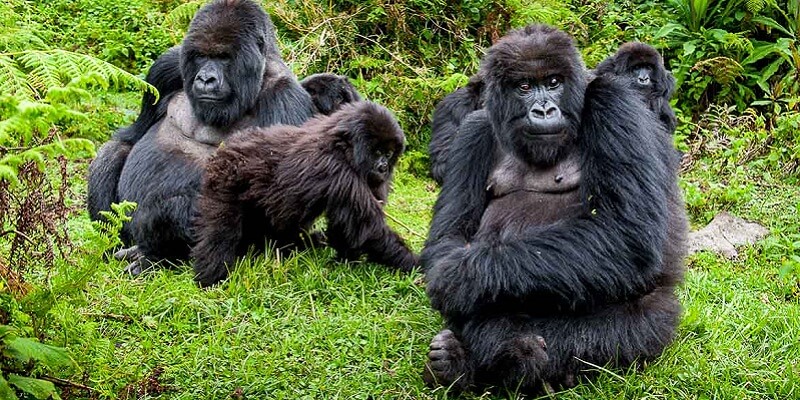
Daily life in the Bikingi gorilla family is full of activity and structured social interactions. When Tracking Bikingi Gorilla Group, visitors can follow the family through feeding routines, resting periods, movement through the forest, and social play. Each activity provides insight into gorilla energy management, foraging strategies, and the dynamics of group life.
The silverback coordinates the group’s movement from one feeding site to another, maintaining vigilance and ensuring family safety. Adult females supervise infants and juveniles, teaching them critical survival skills. Juveniles learn through imitation, exploration, and playful interactions, gradually integrating into the family’s hierarchy. Tracking Bikingi Gorilla Group allows visitors to witness these behaviors in natural settings, providing a deeper understanding than brief trekking encounters.
During habituation-based tracking, visitors may spend several hours observing these behaviors, allowing time to note patterns, interactions, and responses to environmental changes. Observing the daily routines of the Bikingi family illustrates how leadership, cooperation, and social bonding are maintained consistently.
Extended observation of Tracking Bikingi Gorilla Group highlights the intelligence and adaptability of gorillas as they navigate the forest, manage family relationships, and respond to subtle environmental cues. Visitors gain a comprehensive understanding of both individual personalities and collective family dynamics.
Interaction With Humans During Habituation
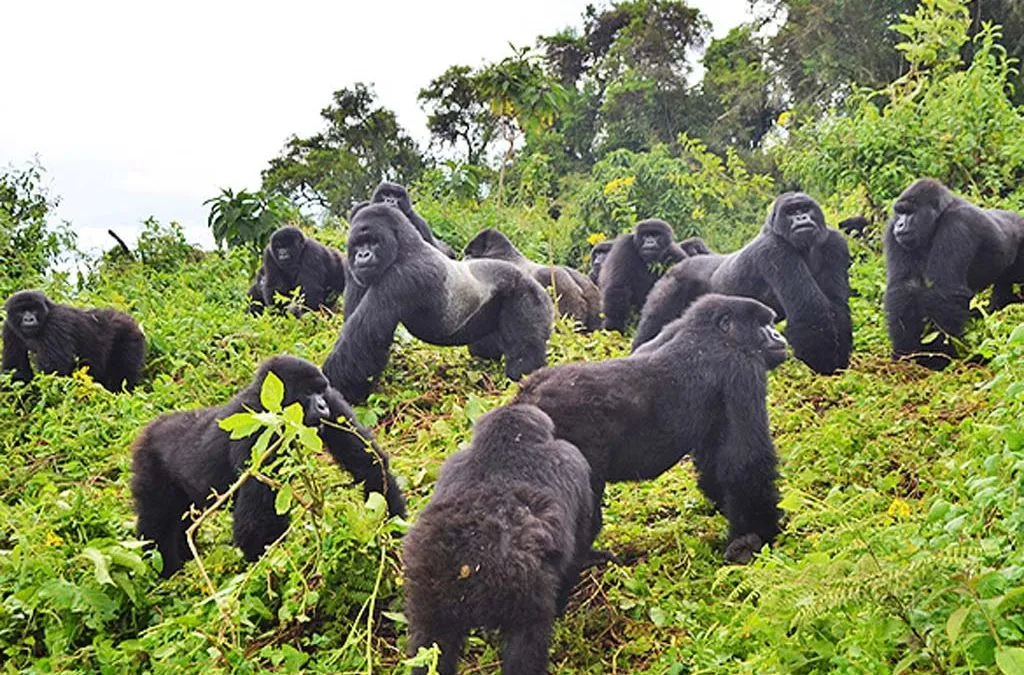
A key aspect of Tracking Bikingi Gorilla Group is understanding how silverbacks and other family members gradually accept human presence. Initially, the Bikingi gorillas may show curiosity or caution, but over time, they become accustomed to carefully managed observation by researchers and guided visitors.
The habituation process ensures that gorilla behaviors remain natural and undisturbed. Silverbacks demonstrate tolerance while maintaining authority, allowing females and juveniles to continue their routines. Visitors can observe these interactions safely and ethically when guided by trained trackers. Tracking Bikingi Gorilla Group provides insight into the gorillas’ adaptability and their capacity to tolerate human presence without stress.
Observing human interactions also reinforces the importance of strict guidelines during habituation. Visitors must maintain safe distances, follow instructions, and respect the family’s space, which is integral to ethical wildlife tourism.
Through Tracking Bikingi Gorilla Group, visitors gain firsthand understanding of how trust is built between gorillas and humans and how careful observation supports both educational and conservation goals.
Conservation Insights From Tracking Bikingi Gorilla Group
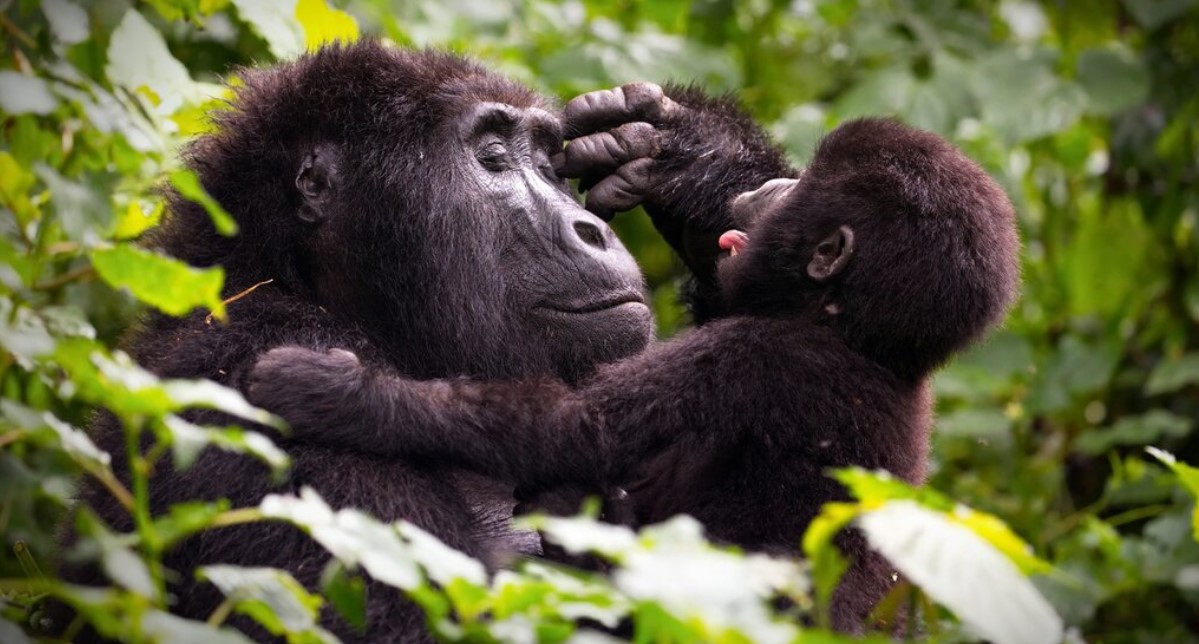
Studying Tracking Bikingi Gorilla Group provides critical conservation information. Researchers and trackers monitor the family’s health, reproduction, and social stability, which informs habitat protection strategies and population management.
Tourism focused on Bikingi gorillas generates revenue that funds ranger patrols, forest protection, and community projects, directly contributing to the long-term survival of mountain gorillas. Tracking Bikingi Gorilla Group demonstrates how research, observation, and responsible tourism converge to support conservation goals.
The behavior, social hierarchy, and responses of the Bikingi family provide data that helps guide park management decisions. Observing silverbacks, infants, and juveniles in their natural environment highlights the importance of minimizing stress and maintaining ethical tourism practices.
Through Tracking Bikingi Gorilla Group, visitors not only witness the intelligence and social sophistication of mountain gorillas but also participate in conservation efforts by supporting ethical, sustainable tourism initiatives in Uganda.
Frequently Asked Questions About Tracking Bikingi Gorilla Group
1. What does Tracking Bikingi Gorilla Group involve?
Tracking Bikingi Gorilla Group involves following one of Bwindi’s semi-habituated mountain gorilla families under the guidance of expert trackers and guides. Unlike regular gorilla trekking, tracking focuses on extended observation, allowing visitors to watch the Bikingi family’s natural behaviors, including social interactions, feeding, communication, and movement patterns. This process gives travelers a deeper understanding of gorilla social structure and daily routines in their natural environment.
During Tracking Bikingi Gorilla Group, visitors spend hours observing the family in the rainforest, noting how the silverback leads, how mothers care for infants, and how juveniles interact with peers. This long-duration observation provides insights into how gorilla families function as cohesive units and how leadership and social roles are distributed among members.
By participating in tracking experiences, visitors contribute to conservation efforts. Observing the family ethically and under strict guidance ensures minimal disturbance to the gorillas while supporting research, park management, and sustainable tourism practices that protect the Bikingi gorillas and their habitat.
2. Where is the Bikingi Gorilla Group located?
The Bikingi gorilla family resides in the Nkuringo sector of Bwindi Impenetrable National Park in southwestern Uganda. Tracking Bikingi Gorilla Group requires navigating lush, mountainous terrain filled with dense vegetation, misty valleys, and complex forest paths. This location provides the gorillas with abundant food, natural cover, and a secure environment, making Nkuringo one of the most scenic and biodiverse areas for gorilla observation.
Visitors need professional guidance for Tracking Bikingi Gorilla Group, as the forest terrain is challenging and the family moves throughout the sector in search of food. Expert trackers know the gorillas’ habitual routes, feeding sites, and resting areas, ensuring both the safety of visitors and the well-being of the family.
Understanding the Bikingi group’s location is also important for planning itineraries. Many visitors combine Tracking Bikingi Gorilla Group with other Uganda wildlife experiences, including safaris in Queen Elizabeth National Park, chimpanzee trekking in Kibale Forest, or cultural visits in local communities, creating a well-rounded Ugandan adventure.
3. Why is Tracking Bikingi Gorilla Group so popular?
Tracking Bikingi Gorilla Group is highly popular because it offers a unique, immersive experience that goes beyond traditional trekking. The extended observation period allows travelers to see natural family interactions, including silverback leadership, infant care, and juvenile play. Tourists often report that these close encounters create emotional connections and a deeper appreciation for gorilla intelligence and empathy.
The Bikingi group is semi-habituated, which means that while the gorillas are comfortable with human presence, their natural behaviors are preserved. This balance makes Tracking Bikingi Gorilla Group an educational experience that reveals subtle aspects of social structure, communication, and protective behaviors that are often missed in brief visits to fully habituated families.
Furthermore, tracking is important for conservation awareness. By observing the Bikingi family and learning about their daily lives, visitors understand the challenges of protecting endangered species. Tracking Bikingi Gorilla Group not only educates travelers but also contributes to funding conservation programs, making tourism directly beneficial for gorilla protection.
4. What can I learn about gorilla social structure?
Observing Tracking Bikingi Gorilla Group provides in-depth understanding of mountain gorilla social hierarchies. Each family is organized around a dominant silverback who leads, protects, and mediates the group, while females care for infants and juveniles learn social norms through play and interaction. Visitors can see how communication, cooperation, and authority maintain family cohesion.
Silverbacks communicate through vocalizations, gestures, and chest-beating displays to maintain control and signal safety. Females reinforce social bonds through grooming and nurturing, while juveniles engage in playful activities that teach them conflict resolution and social behavior. Tracking Bikingi Gorilla Group allows tourists to see these dynamics unfold naturally in real time.
Understanding social structure through tracking enhances the educational value of the experience. Observers gain insight into leadership, parental care, communication patterns, and group adaptation strategies. It also highlights the intelligence, emotional depth, and social sophistication that are central to Tracking Bikingi Gorilla Group.
5. How does the silverback behave during tracking?
During Tracking Bikingi Gorilla Group, the silverback demonstrates leadership and protective behaviors critical to family survival. He regulates movement through the forest, monitors family cohesion, and ensures infants and juveniles are safe. Observing these behaviors helps visitors understand the balance of authority, patience, and care in gorilla families.
Silverbacks use chest-beating, vocalizations, and body language to communicate with group members. During habituation-based tracking, their responses to human presence are closely monitored. A calm, tolerant silverback signals to the rest of the family that humans are safe, allowing females and juveniles to continue normal activities.
Visitors observing Tracking Bikingi Gorilla Group gain firsthand knowledge of the silverback’s multi-faceted role, from leader and protector to mentor. These observations provide context for understanding gorilla intelligence, social regulation, and adaptive leadership in natural settings.
6. How do females interact within the Bikingi family?
Females play a central role in Tracking Bikingi Gorilla Group by nurturing infants, maintaining social cohesion, and supporting the silverback. They communicate through grooming, gentle touches, and soft vocalizations that reinforce bonds and reduce tension within the family.
Mothers guide juveniles, teach survival skills, and mediate minor conflicts among young gorillas. These interactions are critical for social learning, helping juveniles navigate hierarchy, understand rules, and integrate fully into the family. Observing these behaviors through Tracking Bikingi Gorilla Group reveals how female roles are essential for family stability.
Visitors also witness how females interact with the silverback, respecting his authority while maintaining independence in caregiving and foraging. These patterns highlight the cooperative balance that defines gorilla family life and provide a deeper understanding of Tracking Bikingi Gorilla Group beyond simple observation.
7. What role do juveniles play in the family?
Juveniles are central to understanding Tracking Bikingi Gorilla Group, as they engage in play and exploration that teaches social rules, physical coordination, and communication. Playful wrestling, chasing, and mimicry help young gorillas develop skills necessary for survival and social integration.
Through observation, visitors see how juveniles learn by imitating adults, interacting with peers, and responding to the silverback’s guidance. These behaviors are crucial for understanding how gorilla families maintain cohesion and prepare the next generation for independent life.
Tracking juveniles also allows visitors to see personality differences, learning styles, and social preferences within the Bikingi group. Studying these interactions provides a nuanced understanding of Tracking Bikingi Gorilla Group, highlighting both individual traits and family-wide behavioral patterns.
8. How long does a typical Bikingi tracking experience last?
A typical Tracking Bikingi Gorilla Group experience lasts between three and four hours, depending on the gorillas’ location, movement, and activity levels. Extended observation allows visitors to see feeding, grooming, play, communication, and leadership behaviors in a more natural and uninterrupted setting.
The duration provides enough time to observe complex interactions between the silverback, females, and juveniles, giving insight into hierarchy, decision-making, and social learning. Tracking Bikingi Gorilla Group over several hours also allows for documentation, photography, and guided interpretation by trackers.
This extended exposure differentiates habituation-based tracking from standard trekking experiences, giving visitors a deeper appreciation for gorilla intelligence, adaptability, and family dynamics.
9. Are Bikingi gorillas safe to observe?
Yes, Tracking Bikingi Gorilla Group is safe when conducted under professional guidance. Trained trackers and guides ensure visitors maintain proper distance, follow ethical guidelines, and observe without disturbing the family.
Gorillas in the Bikingi group are semi-habituated, meaning they tolerate human presence while retaining natural behaviors. Observing safely allows visitors to learn about social interactions, communication, and leadership without causing stress to the gorillas.
Ethical observation is a core component of Tracking Bikingi Gorilla Group, ensuring the safety of both humans and gorillas while preserving the authenticity of their natural behaviors.
10. How do gorillas communicate during tracking?
Tracking Bikingi Gorilla Group provides unique opportunities to observe gorilla communication. Silverbacks use chest-beating, deep vocalizations, and posturing to assert authority, signal danger, and coordinate group movements.
Females and juveniles communicate through softer sounds, grooming, and playful gestures. These interactions help maintain social bonds, reduce stress, and teach social rules. Observing these cues gives visitors a comprehensive understanding of Tracking Bikingi Gorilla Group and the intelligence underlying their social structure.
Extended observation allows travelers to notice subtleties such as infant calls, juvenile play signals, and silverback alerts, illustrating the complex communication network that sustains gorilla families.
Booking Your Tracking Bikingi Gorilla Group Experience
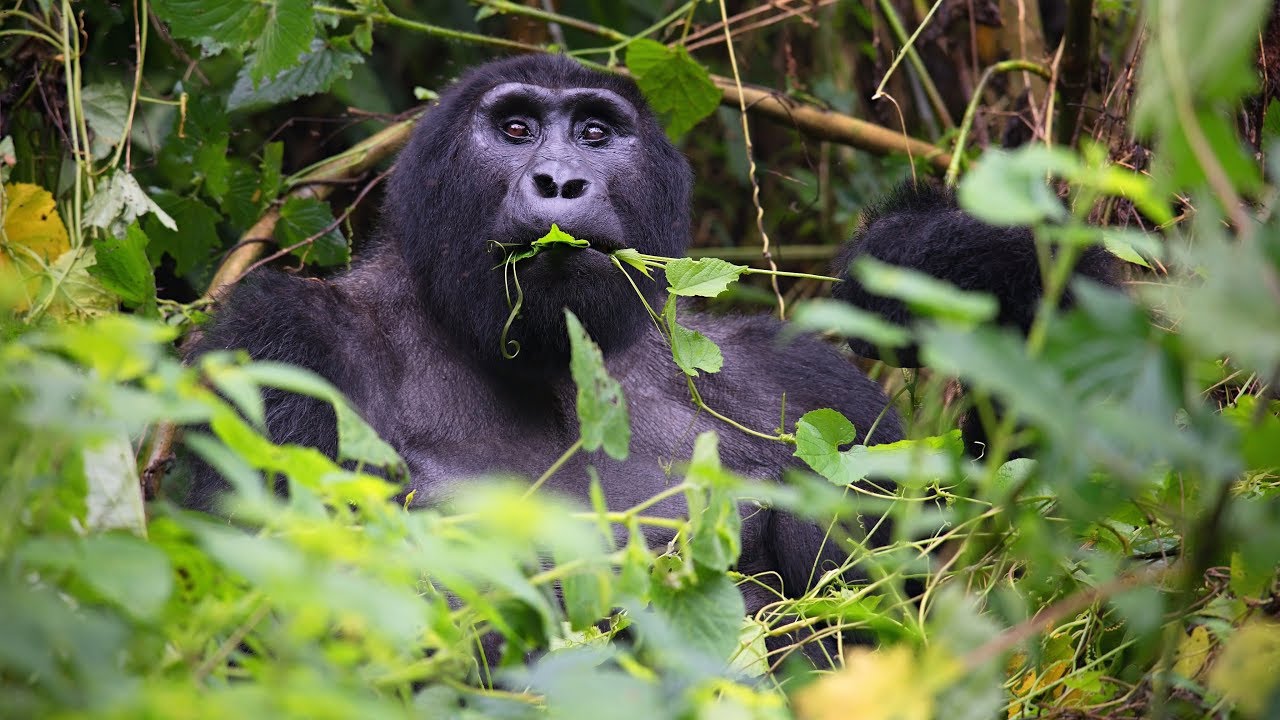
To experience Tracking Bikingi Gorilla Group, travelers should plan their visit with professional safari operators such as NextGEN Safaris. Our team organizes gorilla permits, expert guides, accommodation near Bwindi, transportation, and personalized itineraries tailored to visitor preferences.
Guides provide detailed commentary on the silverback’s leadership, family interactions, social bonding, and communication patterns, ensuring that each visitor gains a comprehensive understanding of Tracking Bikingi Gorilla Group.
Booking through NextGEN Safaris guarantees safe, ethical, and immersive observation, allowing travelers to witness the Bikingi gorilla family in natural, undisturbed settings while learning about conservation and habituation techniques.
Reserve your Uganda gorilla trekking adventure today to experience Tracking Bikingi Gorilla Group, observing the intelligence, leadership, and family dynamics that make this mountain gorilla family one of Bwindi’s most remarkable wildlife encounters.