

Ultimate Gorilla Habituation Packing Checklist: The Complete Guide for a Perfect Uganda Gorilla Experience
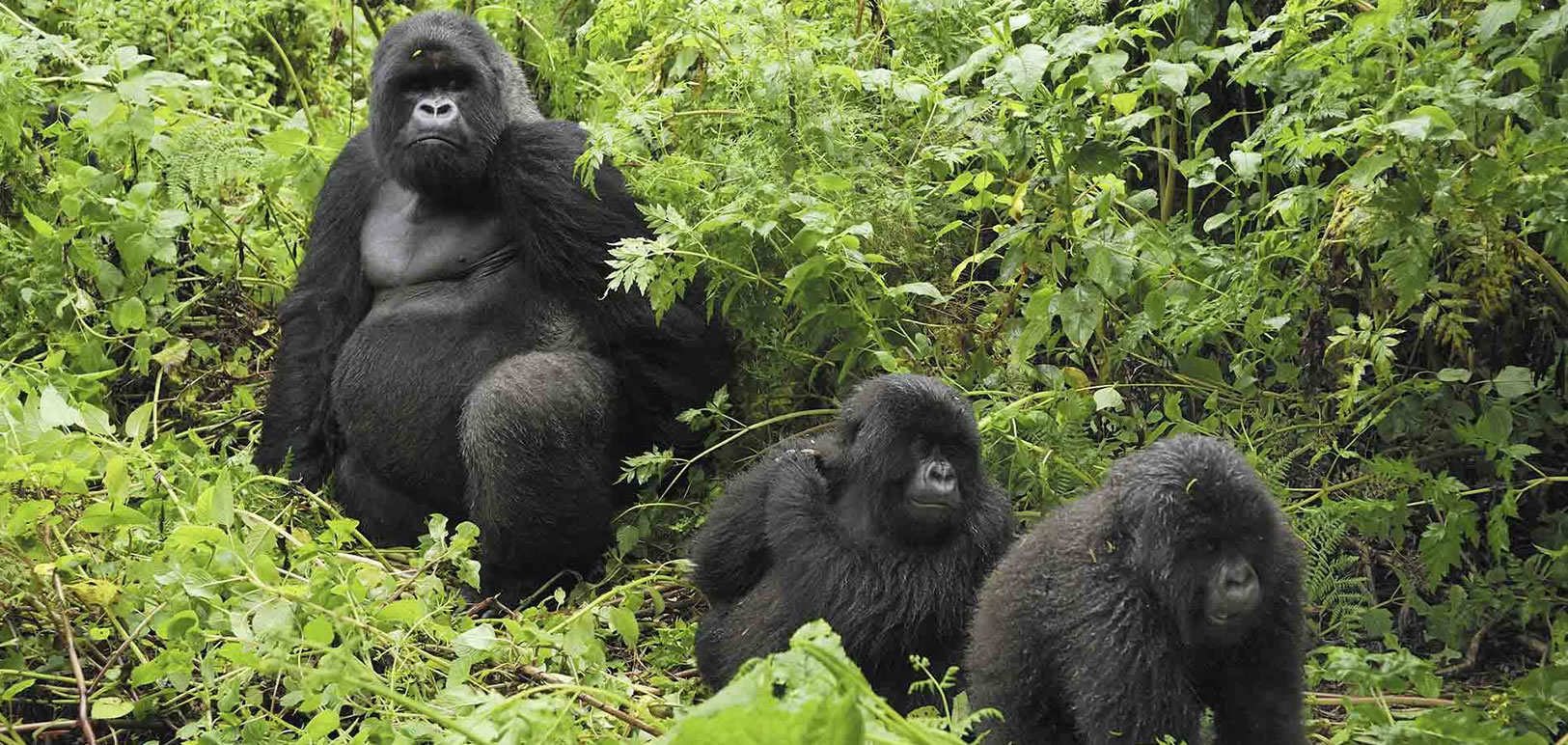
Preparing for a gorilla habituation experience in Uganda requires careful planning because this is far more than a simple wildlife excursion. Unlike standard gorilla trekking, where visitors spend one hour with a fully habituated gorilla family, the gorilla habituation experience allows travelers to spend up to four hours observing a semi-habituated gorilla family while accompanying researchers, trackers, and Uganda Wildlife Authority rangers. Since the experience involves longer hours inside the rainforest, challenging hiking conditions, and unpredictable weather, having the right Gorilla Habituation Packing Checklist is essential for comfort, safety, and enjoyment.
The gorilla habituation experience takes place in the spectacular Bwindi Impenetrable National Park, a UNESCO World Heritage Site located in southwestern Uganda. This ancient rainforest is characterized by steep hills, thick vegetation, muddy trails, and a cool mountain climate. A well-prepared traveler understands that the correct clothing, footwear, equipment, and personal items can make the difference between a stressful journey and an unforgettable adventure.
A complete Gorilla Habituation Packing Checklist helps visitors prepare for every situation they may encounter during the trek. From waterproof hiking boots and protective clothing to photography equipment and personal essentials, every item plays an important role in ensuring you remain comfortable while exploring one of Africa’s most remarkable ecosystems.
This detailed guide explains everything you need to know when preparing your Gorilla Habituation Packing Checklist, helping you arrive in Uganda fully prepared for a safe, rewarding, and memorable mountain gorilla encounter.
Why You Need a Gorilla Habituation Packing Checklist
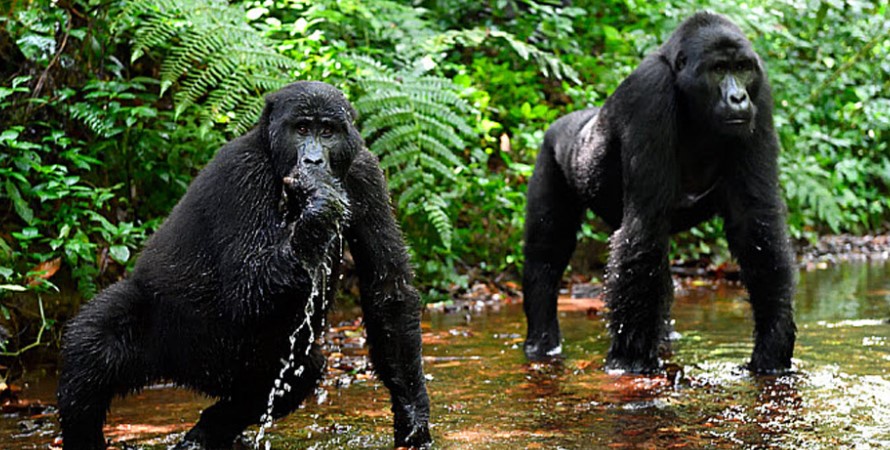
A gorilla habituation experience is physically demanding and requires visitors to spend a full day in the rainforest environment. Unlike a traditional safari where most wildlife viewing happens from a vehicle, this adventure involves walking through dense forest, climbing hills, crossing muddy sections, and navigating natural obstacles before reaching the gorilla family.
A carefully prepared Gorilla Habituation Packing Checklist ensures you have everything needed to handle changing weather conditions, difficult terrain, and long hours outdoors. Without proper preparation, visitors may experience unnecessary discomfort caused by wet clothing, unsuitable shoes, lack of hydration, or inadequate protection from the forest environment.
The right packing strategy also allows you to travel lighter. Carrying unnecessary items increases fatigue during the trek, while missing important essentials can affect your overall experience. The goal is to pack practical, lightweight, and reliable equipment that supports your adventure without creating unnecessary burden.
Essential Hiking Clothing for Gorilla Habituation
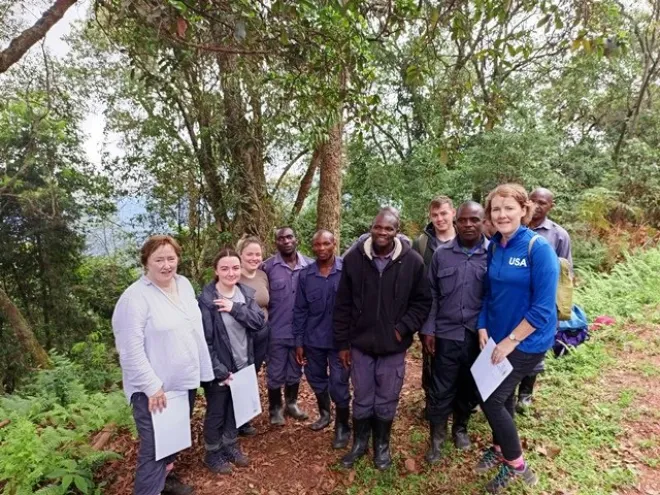
Choosing appropriate clothing is one of the most important parts of any Gorilla Habituation Packing Checklist. The rainforest environment requires clothing that provides protection while allowing freedom of movement during long hours of hiking.
Long-sleeved shirts and long trousers are highly recommended because they protect your skin from thorny plants, insects, and branches encountered along forest trails. Lightweight and breathable materials are ideal because they help regulate body temperature while preventing excessive sweating during climbs.
Neutral-colored clothing such as green, brown, grey, or khaki is preferred because it blends naturally with the forest environment. Comfortable clothing also makes it easier to move through dense vegetation and enjoy the experience without distractions.
Packing extra layers is useful because temperatures can change throughout the day. Early mornings in Bwindi can feel cool, while hiking may generate warmth as your body becomes active.
Waterproof Hiking Boots: The Most Important Item
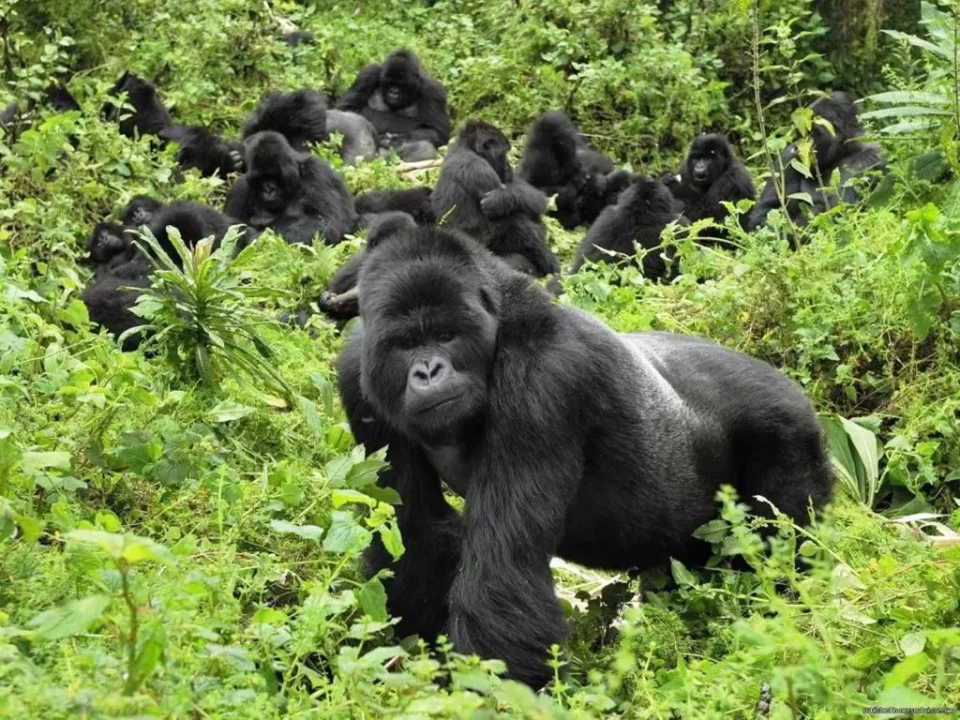
A reliable pair of waterproof hiking boots should always be at the top of your Gorilla Habituation Packing Checklist. The trails of Bwindi Impenetrable National Park can become muddy, slippery, and challenging, especially during the rainy seasons.
Good hiking boots provide ankle support, strong grip, and protection from wet conditions. They help prevent slips on steep slopes and make walking through muddy areas significantly easier.
It is important to choose boots that are already comfortable before arriving in Uganda. Wearing brand-new boots during the trek can cause painful blisters and discomfort, especially during the long hours required for gorilla habituation.
Rain Gear and Weather Protection
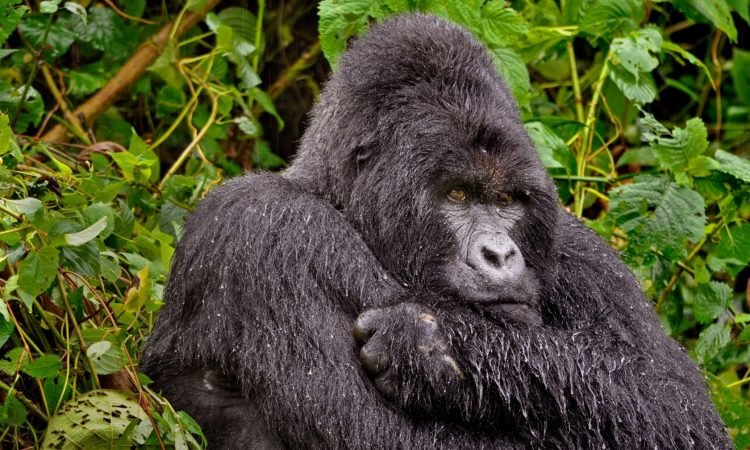
Rainforests are unpredictable environments, making waterproof protection an essential part of your Gorilla Habituation Packing Checklist. Even during Uganda’s drier months, rainfall can occur suddenly because Bwindi experiences a tropical mountain climate.
A lightweight waterproof jacket keeps you dry while remaining easy to carry. A waterproof backpack cover protects important items such as cameras, phones, documents, and extra clothing.
A poncho can also provide additional protection, especially during heavier rainfall. Staying dry improves comfort and helps maintain body temperature during the trek.
Gardening Gloves and Hand Protection
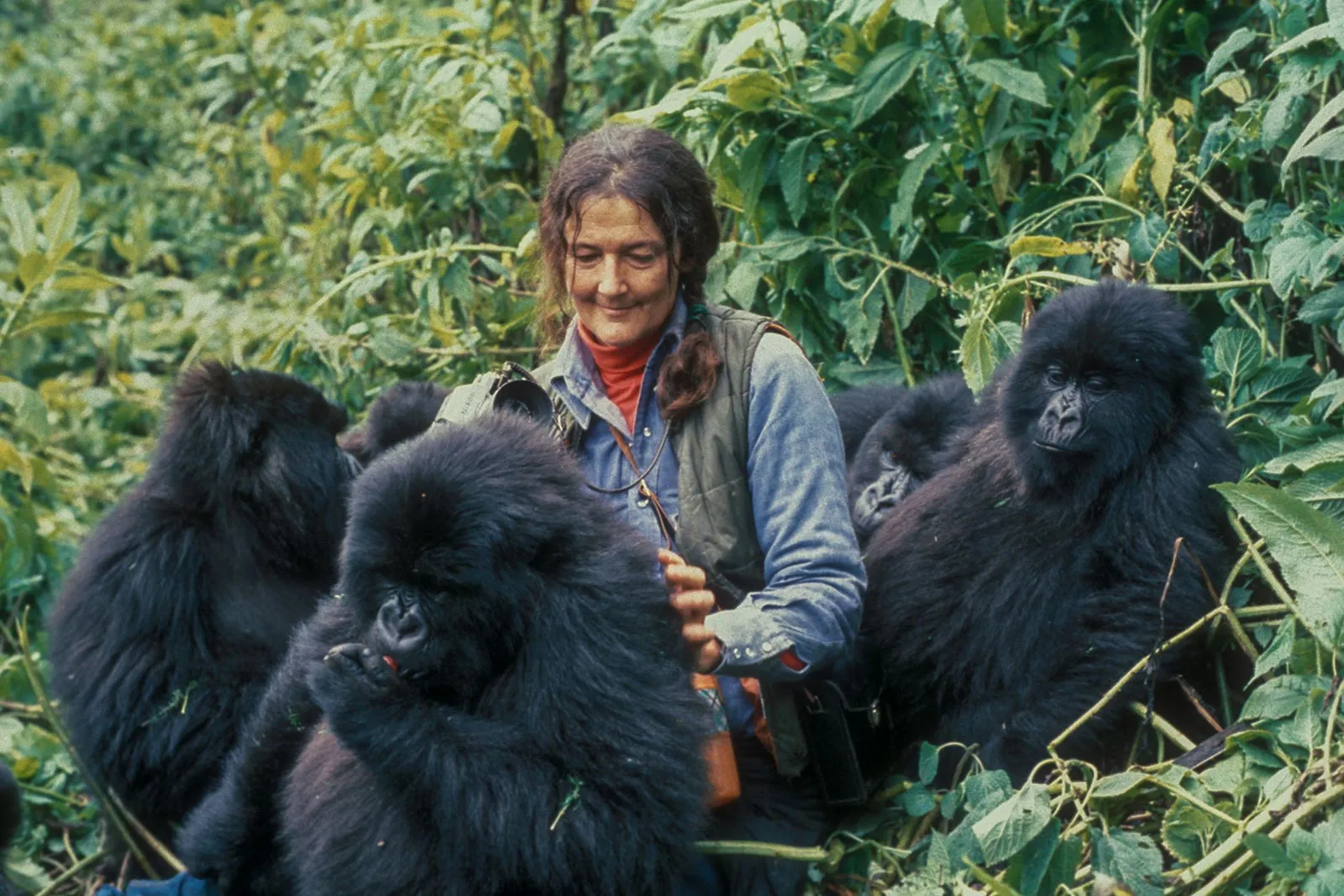
Many experienced gorilla trekkers consider gardening gloves an underrated but extremely useful item on their Gorilla Habituation Packing Checklist. During the trek, visitors often use their hands for support while moving through thick vegetation or climbing steep sections.
Gloves protect your hands from sharp branches, thorny plants, insects, and rough tree surfaces. They also improve grip when holding onto vegetation for balance.
Simple waterproof or lightweight gardening gloves are inexpensive, easy to pack, and provide excellent protection throughout the rainforest journey.
Backpack Selection and Organization
A comfortable backpack is an important part of your Gorilla Habituation Packing Checklist because it carries the essentials required during the trek. The ideal backpack should be lightweight, comfortable, and large enough to hold water, snacks, rain gear, camera equipment, and personal items.
A waterproof backpack or rain cover is highly recommended because rainforest weather can change quickly. Keeping equipment organized in waterproof bags inside your backpack provides additional protection.
Many visitors choose to hire a porter who carries their backpack throughout the trek. This reduces physical strain and allows you to focus completely on the incredible gorilla experience.
Photography Equipment for Capturing the Experience
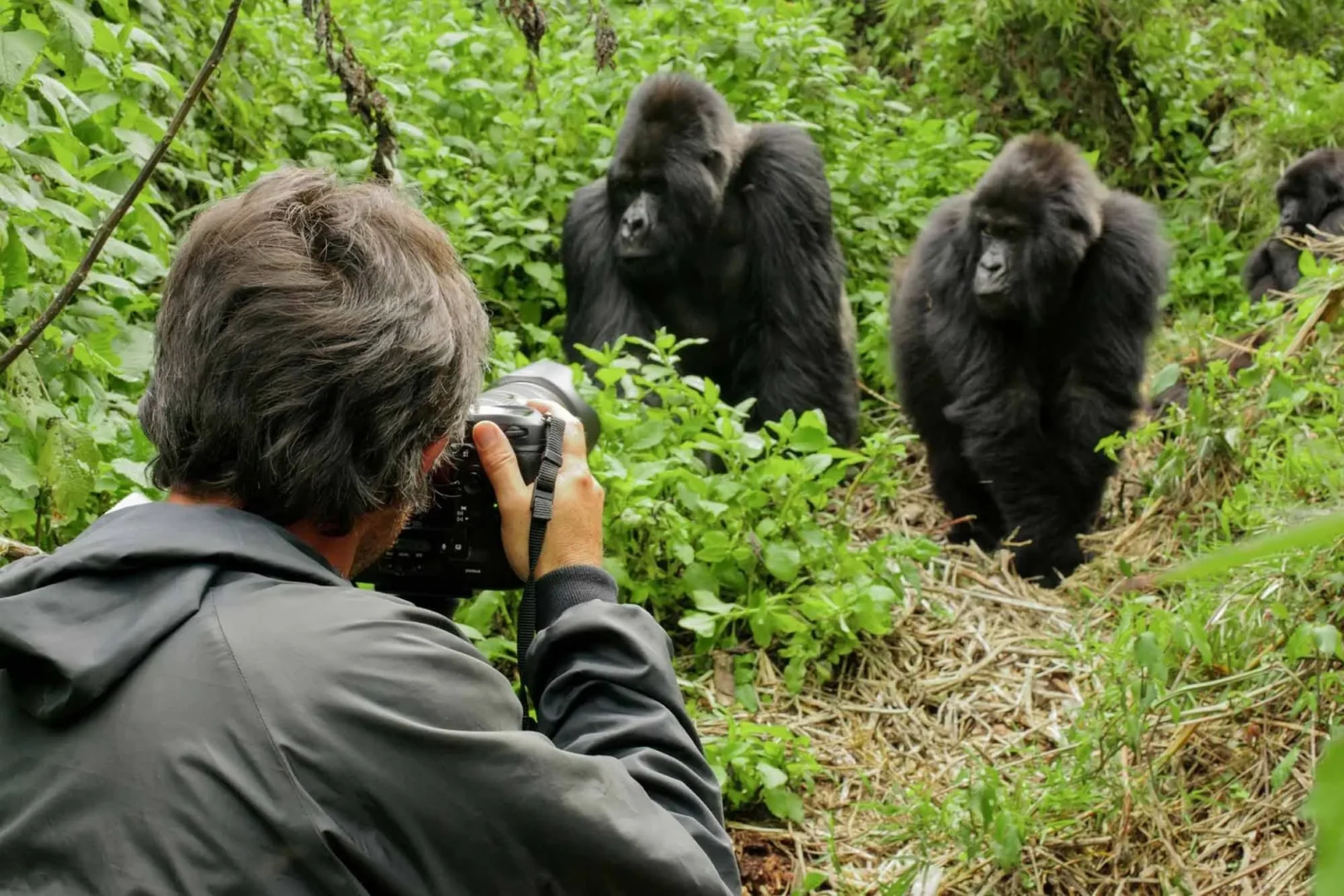
For many travelers, photography is one of the highlights of gorilla habituation, making camera equipment an important consideration on your Gorilla Habituation Packing Checklist.
A quality camera, extra batteries, memory cards, and protective waterproof storage are highly recommended. A telephoto lens allows you to capture detailed images while maintaining the required respectful distance from the gorillas.
Visitors should remember that flash photography is not allowed because it can disturb the animals. Preparing your camera settings before reaching the gorillas allows you to capture memorable moments quietly and responsibly.
Health and Personal Care Items
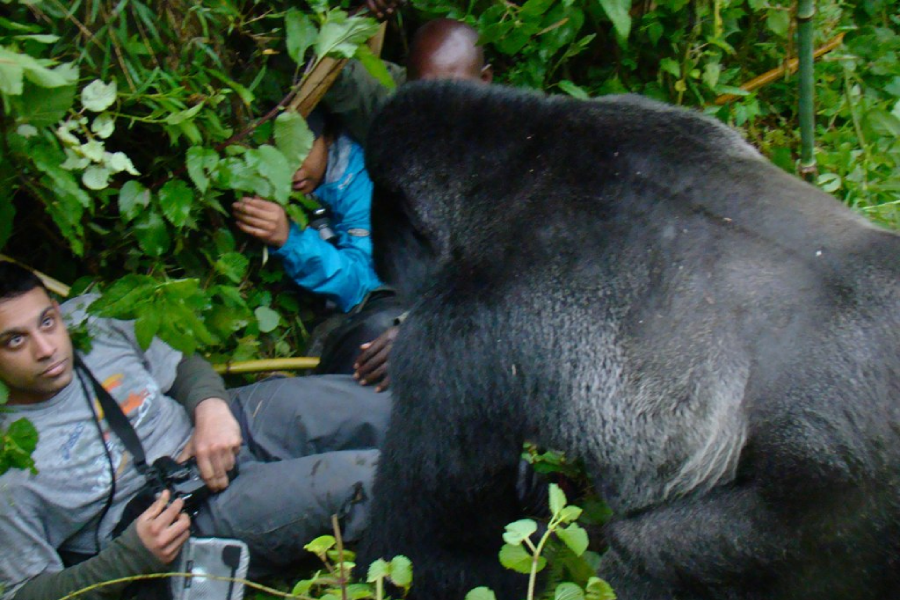
Personal health items should always be included in your Gorilla Habituation Packing Checklist. Spending several hours in a rainforest environment requires preparation for comfort and personal wellbeing.
Essential personal items include sunscreen, insect repellent, hand sanitizer, tissues, personal medication, small first-aid supplies, and any prescription medicines you require.
Travelers should also carry enough personal hygiene items to remain comfortable throughout the day. Proper preparation helps you focus on the experience rather than minor inconveniences.
Food, Water, and Energy Supplies
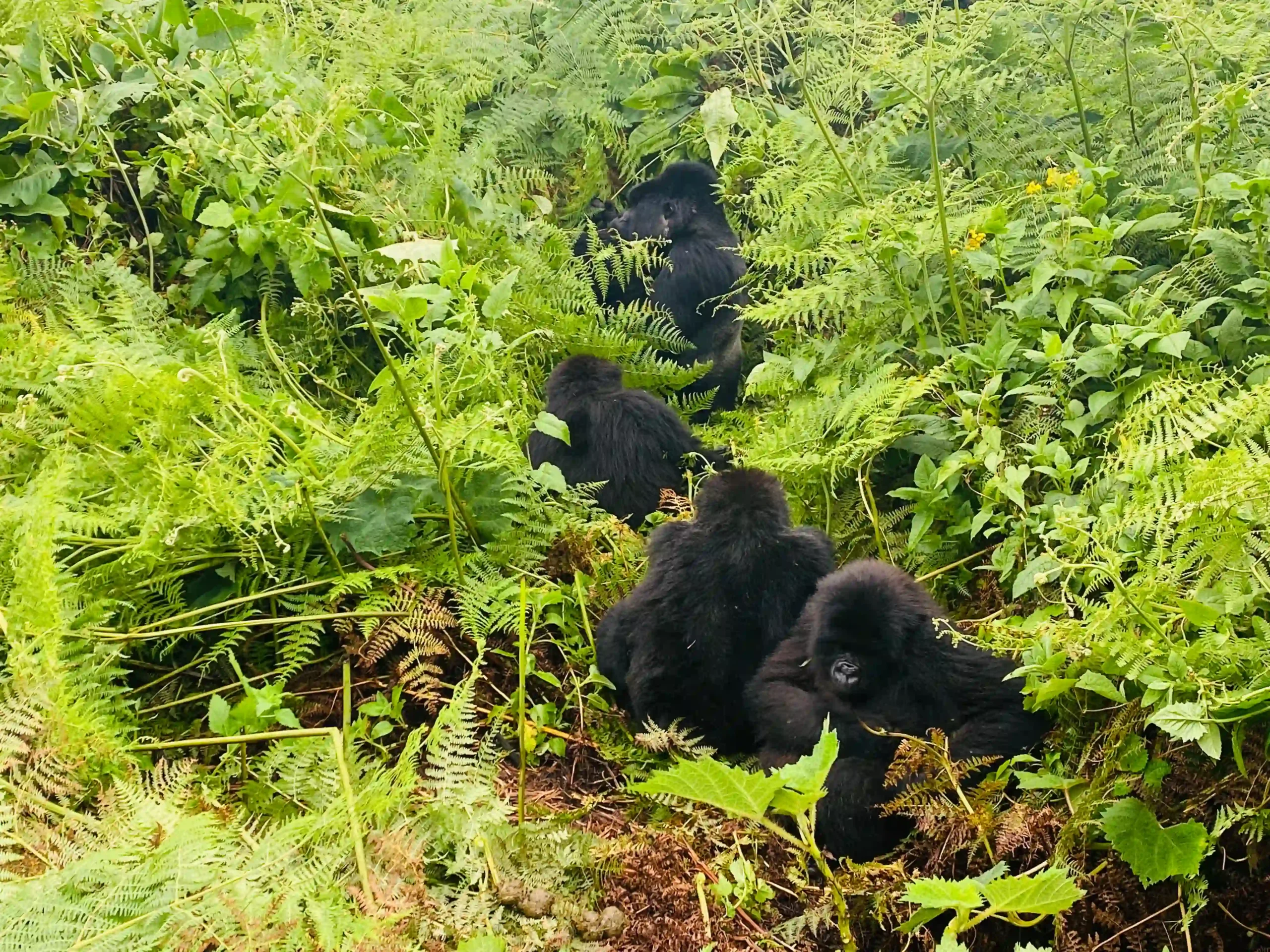
Because gorilla habituation can take most of the day, hydration and nutrition are important parts of your Gorilla Habituation Packing Checklist.
Visitors should carry enough drinking water to remain hydrated throughout the trek. Energy snacks such as nuts, energy bars, dried fruits, and chocolate help maintain strength during long hiking periods.
Most safari operators provide packed lunches, but carrying small personal snacks ensures you have additional energy whenever needed.
Important Travel Documents
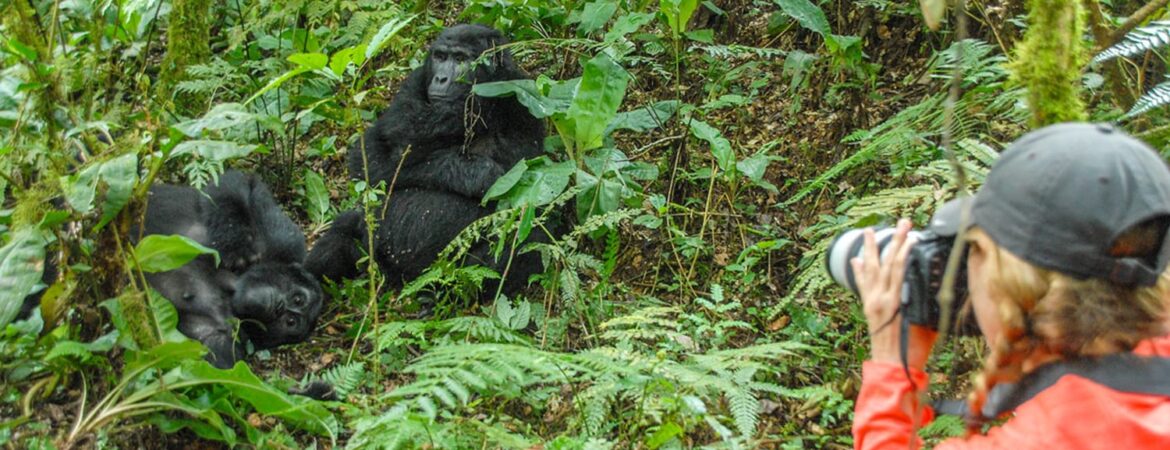
A complete Gorilla Habituation Packing Checklist should always include important travel documents. Before entering the forest, visitors need to have their passport details and gorilla habituation permit arrangements properly organized.
Travelers should also carry copies of travel insurance information, emergency contacts, vaccination documents where required, and accommodation details.
Keeping digital copies of important documents provides additional security during your safari.
Binoculars and Wildlife Viewing Accessories
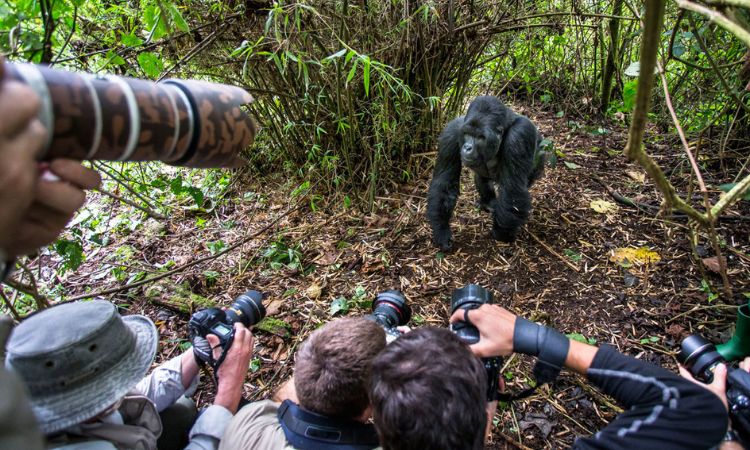
Although mountain gorillas are the main attraction, Bwindi is home to incredible biodiversity. Including binoculars on your Gorilla Habituation Packing Checklist allows you to appreciate birds, monkeys, butterflies, and other wildlife encountered along the way.
Compact binoculars are ideal because they provide excellent viewing opportunities without adding unnecessary weight.
The forest journey itself is filled with discoveries, and binoculars help you appreciate the complete ecosystem beyond the gorillas.
What Not to Pack for Gorilla Habituation
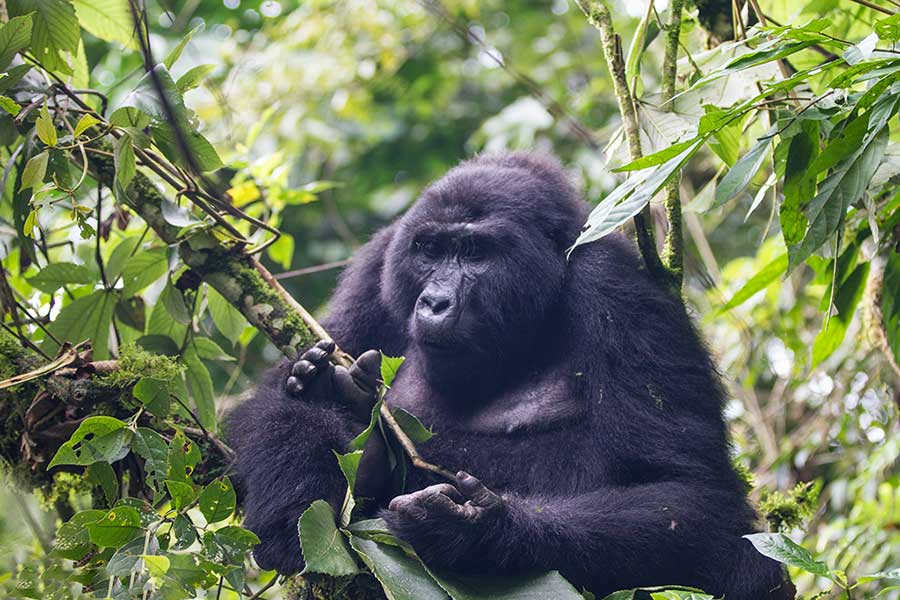
While preparing your Gorilla Habituation Packing Checklist, it is equally important to understand what items are unnecessary. Carrying too much luggage can make the trek uncomfortable and increase physical exhaustion.
Heavy unnecessary equipment, excessive clothing, and items that do not serve a practical purpose should be avoided. The best approach is to focus on lightweight, durable, and useful items.
A well-organized backpack makes movement easier and allows you to enjoy the rainforest experience more fully.
The Importance of Hiring a Porter
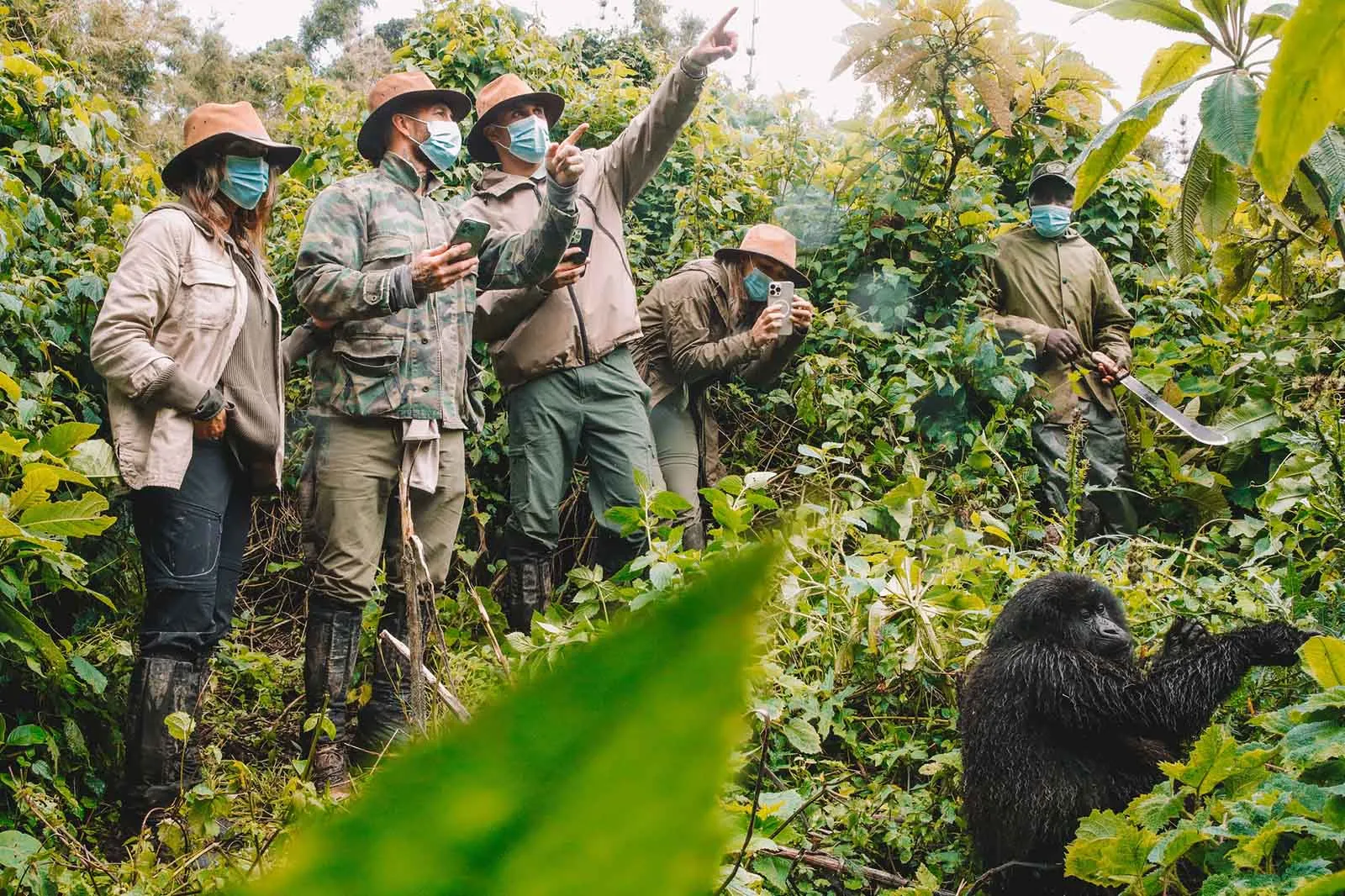
Hiring a porter is one of the smartest decisions you can make alongside preparing your Gorilla Habituation Packing Checklist. Porters carry backpacks, cameras, and personal equipment while helping visitors navigate difficult sections of the forest.
Their assistance reduces fatigue and improves safety, especially during long hikes involving steep hills and muddy trails.
Beyond convenience, hiring a porter supports local communities living around Bwindi and contributes directly to sustainable conservation tourism.
Packing According to the Season
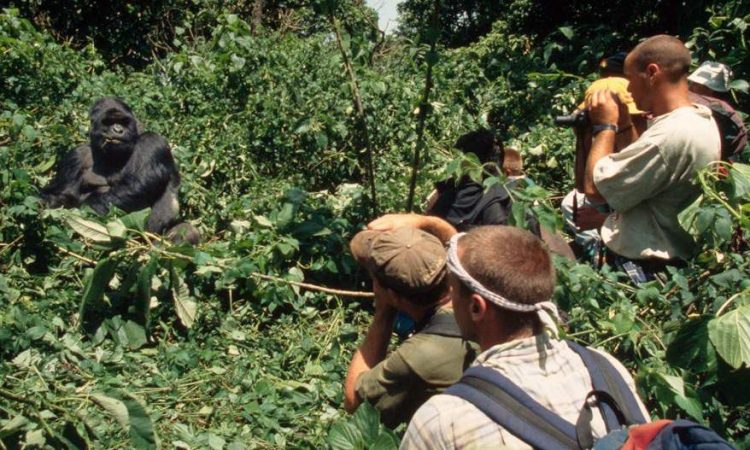
Your Gorilla Habituation Packing Checklist may need slight adjustments depending on when you visit Uganda. Although gorilla habituation is available throughout the year, weather conditions vary between seasons.
During rainy periods, waterproof clothing, extra socks, and stronger rain protection become even more important. During drier months, lightweight clothing and additional hydration supplies may become priorities.
Regardless of the season, waterproof hiking boots and rain protection remain essential because rainforest weather is always unpredictable.
Frequently Asked Questions About Gorilla Habituation Packing Checklist
1. What should be included in a Gorilla Habituation Packing Checklist?
A complete Gorilla Habituation Packing Checklist should include all essential items needed for a long day of hiking through Bwindi Impenetrable National Park. Since gorilla habituation involves spending several hours inside the rainforest, visitors need clothing, footwear, protection equipment, and personal supplies that provide comfort and safety.
The most important items include waterproof hiking boots, long trousers, long-sleeved shirts, a waterproof jacket, gardening gloves, a comfortable backpack, drinking water, snacks, insect repellent, sunscreen, personal medication, and photography equipment.
Preparing your packing checklist early ensures you arrive in Uganda fully ready for the physical demands and incredible rewards of the gorilla habituation experience.
2. Why is a Gorilla Habituation Packing Checklist important?
A Gorilla Habituation Packing Checklist helps travelers prepare for the unique conditions of Bwindi’s rainforest environment. Unlike ordinary wildlife tours, gorilla habituation involves hiking through steep, muddy, and sometimes challenging terrain before spending up to four hours observing mountain gorillas.
Without proper preparation, visitors may experience discomfort caused by wet clothing, unsuitable footwear, dehydration, or lack of protection from forest conditions.
Having a detailed checklist ensures you carry everything necessary while avoiding unnecessary items that can make your backpack heavy and uncomfortable.
3. What type of shoes should I include on my Gorilla Habituation Packing Checklist?
Waterproof hiking boots are one of the most important items on your Gorilla Habituation Packing Checklist. Bwindi Impenetrable National Park has rainforest trails that can become muddy, slippery, and uneven due to frequent rainfall.
The ideal hiking boots should provide ankle support, strong traction, and waterproof protection. They should also be comfortable enough for several hours of walking through difficult terrain.
Visitors should wear their boots before the safari to break them in and avoid painful blisters during the trek.
4. Do I need waterproof clothing for gorilla habituation?
Yes. Waterproof clothing is an essential part of any Gorilla Habituation Packing Checklist because Bwindi’s weather can change quickly throughout the day.
A lightweight waterproof jacket protects you from sudden rain showers while keeping your body warm in cooler mountain conditions. A waterproof backpack cover also protects cameras, phones, documents, and other valuable items.
Even travelers visiting during drier months should carry rain protection because rainfall is possible at any time in the rainforest.
5. What clothes should I pack for gorilla habituation?
When preparing your Gorilla Habituation Packing Checklist, choose clothing that provides protection, comfort, and flexibility. Long-sleeved shirts and long trousers are highly recommended because they protect your skin from insects, thorny vegetation, and branches.
Breathable, lightweight fabrics are ideal because they help regulate your body temperature during long hikes. Neutral colors such as green, brown, grey, and khaki are preferred for wildlife activities.
Packing an extra layer is useful because temperatures can change between morning, afternoon, and evening.
6. Are gloves necessary for gorilla habituation?
Yes. Gardening gloves are a valuable addition to your Gorilla Habituation Packing Checklist. During the trek, visitors often hold vegetation for support while climbing hills or navigating dense rainforest sections.
Gloves protect your hands from sharp branches, thorns, insects, and rough surfaces while improving grip on challenging trails.
They are lightweight, inexpensive, and provide excellent protection throughout the trekking experience.
7. How much water should I carry during gorilla habituation?
Hydration is an important part of every Gorilla Habituation Packing Checklist because the experience can last several hours. Walking through humid rainforest conditions requires visitors to drink enough water to maintain energy and avoid dehydration.
Most travelers carry at least one to two liters of water, depending on personal needs and weather conditions. A reusable bottle or hydration pack makes carrying water easier.
Staying hydrated improves endurance and helps you enjoy the entire gorilla habituation experience comfortably.
8. Should I carry snacks during the gorilla habituation experience?
Yes. Snacks should be included in your Gorilla Habituation Packing Checklist because the trek requires energy and endurance.
Lightweight energy foods such as nuts, dried fruits, granola bars, biscuits, and chocolate provide quick energy during breaks. Many safari operators also provide packed lunches, but personal snacks can be useful throughout the day.
Maintaining your energy levels helps you remain comfortable during the long journey through the forest.
9. What type of backpack is best for gorilla habituation?
A comfortable and lightweight backpack is an important item on your Gorilla Habituation Packing Checklist. The backpack should be large enough to carry essential items while remaining easy to handle during hiking.
A waterproof backpack or rain cover is highly recommended because rainforest conditions can change suddenly.
Many visitors hire porters who carry their backpacks throughout the trek, making the experience easier and allowing them to focus on photography and wildlife viewing.
10. Should photography equipment be included in my Gorilla Habituation Packing Checklist?
Yes. Photography equipment is often a major part of a Gorilla Habituation Packing Checklist because the experience provides incredible opportunities to capture mountain gorillas in their natural habitat.
Visitors should consider carrying a camera, extra batteries, memory cards, and waterproof protection for their equipment. A telephoto lens is useful because visitors must maintain a respectful distance from the gorillas.
Flash photography is not permitted, so preparing camera settings before approaching the gorilla family is recommended.
11. Should I pack binoculars for gorilla habituation?
Yes. Binoculars are a useful addition to your Gorilla Habituation Packing Checklist, especially for travelers interested in Uganda’s wider biodiversity.
Bwindi Impenetrable National Park is home to many bird species, butterflies, monkeys, and other forest creatures that visitors may encounter before or after seeing the gorillas.
Lightweight binoculars allow you to appreciate more of the rainforest ecosystem without adding much weight to your luggage.
12. What personal care items should I include in my checklist?
Personal care items are an important part of your Gorilla Habituation Packing Checklist because you will spend many hours outdoors.
Visitors should carry sunscreen, insect repellent, hand sanitizer, tissues, lip balm, personal medication, and basic first-aid supplies.
These small items improve comfort and help you handle minor situations during the trek without inconvenience.
13. Do I need insect repellent for gorilla habituation?
Yes. Insect repellent should be included in every Gorilla Habituation Packing Checklist because Bwindi’s rainforest environment contains mosquitoes and other insects.
Applying insect repellent before entering the forest reduces discomfort and protects against insect bites throughout the day.
Choosing environmentally friendly products is recommended to help protect the sensitive rainforest ecosystem.
14. Should I pack extra socks and clothes?
Yes. Extra socks and lightweight spare clothing can be useful additions to your Gorilla Habituation Packing Checklist.
Rain, mud, and walking through wet vegetation can make clothing damp during the trek. Having dry socks or an extra shirt available after returning to your lodge improves comfort.
However, avoid packing too much because unnecessary weight can make the experience more tiring.
15. What travel documents should I include in my Gorilla Habituation Packing Checklist?
Important documents should always be part of your Gorilla Habituation Packing Checklist. Visitors should organize their passport, gorilla habituation permit details, travel insurance information, emergency contacts, and any required health documents.
Keeping digital copies of important documents provides additional security.
Organizing documents before the safari helps ensure a smooth and stress-free experience.
16. Should I pack a walking stick for gorilla habituation?
A walking stick can be helpful, but it is usually provided at the park headquarters, meaning it does not always need to be included in your Gorilla Habituation Packing Checklist.
Walking sticks provide extra stability when moving through muddy trails, steep hills, and slippery sections of the rainforest.
Some experienced hikers prefer trekking poles, but most visitors find the provided walking sticks sufficient.
17. Can I carry a large camera bag during gorilla habituation?
A large camera bag is possible, but it should be considered carefully when preparing your Gorilla Habituation Packing Checklist.
Heavy equipment can increase fatigue during long hikes, especially in Bwindi’s mountainous terrain. Many professional photographers choose to hire porters who safely carry camera equipment until reaching the gorillas.
Packing only essential photography gear creates a more comfortable and enjoyable experience.
18. Should I hire a porter for my gorilla habituation experience?
Yes. Hiring a porter is highly recommended and should be considered when preparing your Gorilla Habituation Packing Checklist.
Porters carry backpacks, cameras, and personal equipment while assisting visitors through steep, muddy, and difficult sections of the rainforest.
Besides making the trek easier, hiring porters supports local communities around Bwindi and contributes to responsible tourism.
19. What should I avoid packing for gorilla habituation?
When creating your Gorilla Habituation Packing Checklist, avoid unnecessary items that add extra weight and make walking difficult.
Heavy luggage, excessive clothing, unnecessary electronics, and items without practical use should be left behind.
The best approach is to pack lightweight, durable, and essential items that improve safety and comfort during the trek.
20. When should I prepare my Gorilla Habituation Packing Checklist?
It is recommended to prepare your Gorilla Habituation Packing Checklist several weeks before traveling to Uganda. Early preparation gives you enough time to purchase suitable hiking boots, test your equipment, organize travel documents, and arrange any missing items.
Preparing early also allows you to consult your safari operator about seasonal weather conditions and personalized recommendations.
With the right preparation and a complete Gorilla Habituation Packing Checklist, you can confidently enter Bwindi Impenetrable National Park and enjoy one of the world’s most unforgettable wildlife experiences.
Book Your Gorilla Habituation Experience with Complete Preparation
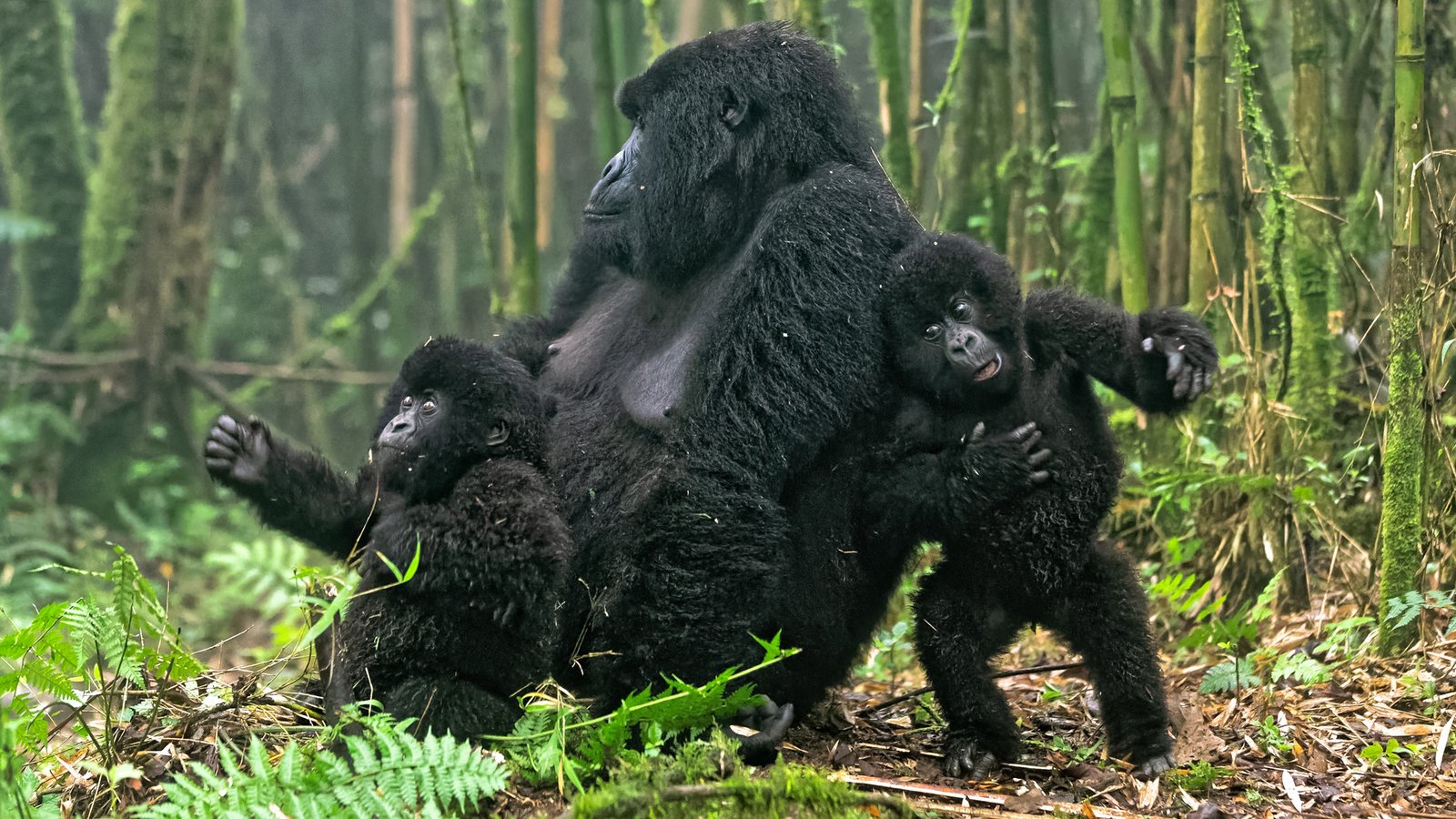
Creating the perfect Gorilla Habituation Packing Checklist is only one part of planning an unforgettable gorilla adventure in Uganda. A successful experience also requires securing your gorilla habituation permit, choosing suitable accommodation, arranging transportation, and receiving expert guidance before entering Bwindi Impenetrable National Park.
Our experienced safari specialists help travelers organize every detail of their gorilla habituation adventure, from permit reservations and accommodation bookings to transportation, porter arrangements, and personalized preparation advice. We guide you through everything you need to know about your Gorilla Habituation Packing Checklist, ensuring you arrive ready for this extraordinary wildlife experience.
Whether you are a solo traveler, couple, family, wildlife photographer, or adventure enthusiast, we create customized gorilla habituation safaris designed around your preferences and travel expectations.
Contact us today to begin planning your Uganda gorilla habituation adventure. With the right preparation, expert support, and a complete Gorilla Habituation Packing Checklist, you can confidently step into Bwindi’s ancient rainforest and experience one of the most unforgettable wildlife encounters on Earth.