

The Ultimate Guide to the Best Months for Gorilla Habituation Safari: Plan Your Perfect Uganda Gorilla Adventure
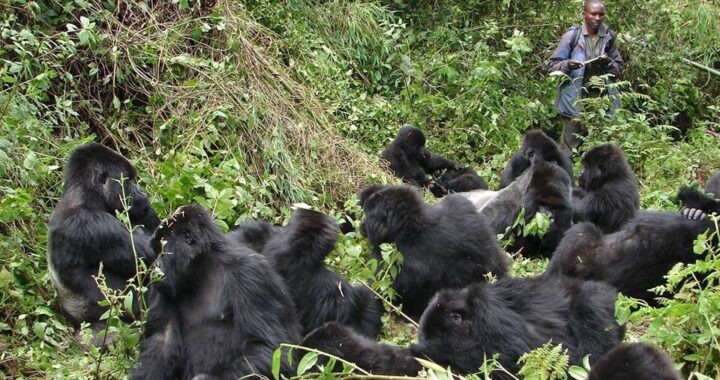
Choosing the Best Months for Gorilla Habituation Safari is an important part of planning an unforgettable mountain gorilla experience in Uganda. Gorilla habituation is one of Africa’s most exclusive wildlife encounters, allowing travelers to spend up to four hours with semi-habituated mountain gorilla families while learning about their behaviors, social structures, communication, and conservation.
Unlike normal gorilla trekking, where visitors spend a shorter period with fully habituated groups, gorilla habituation provides a deeper opportunity to understand how gorillas adapt to human presence. Because the experience involves extended time inside Bwindi Impenetrable National Park, weather conditions, forest accessibility, and visitor comfort are important factors when choosing the right travel period.
The Best Months for Gorilla Habituation Safari are generally during Uganda’s drier periods, especially from June to September and December to February. These months often provide easier trekking conditions, lower rainfall, and comfortable opportunities for exploring the rainforest. However, each season offers unique advantages, and travelers can enjoy gorilla habituation throughout the year.
Understanding the different months helps visitors choose a period that matches their interests. Some travelers prefer dry conditions for easier hiking and photography, while others enjoy rainy months for fewer visitors, greener landscapes, and a more authentic rainforest atmosphere.
Understanding Uganda’s Gorilla Habituation Seasons
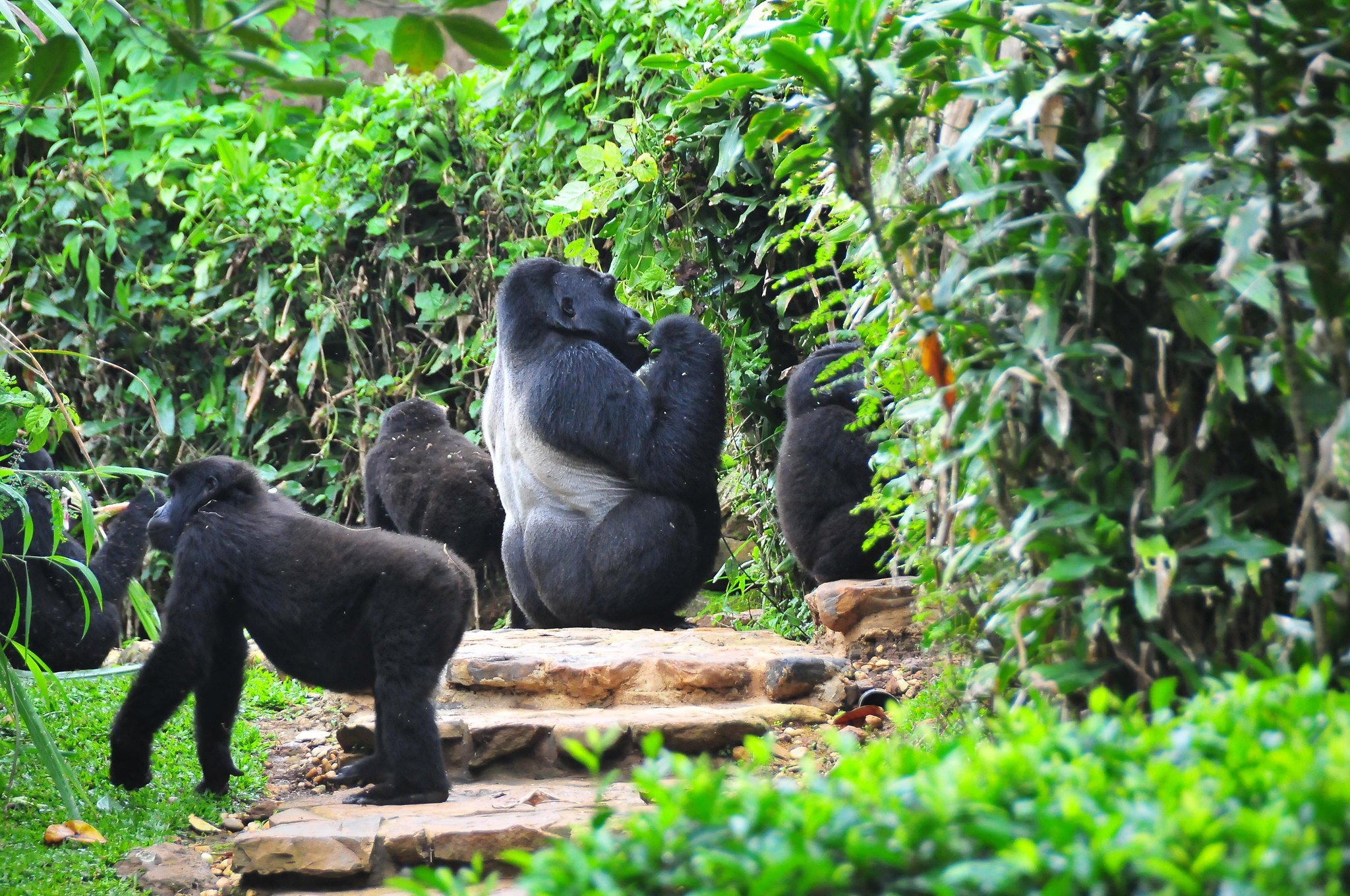
To identify the Best Months for Gorilla Habituation Safari, travelers need to understand Uganda’s seasonal patterns. Bwindi Impenetrable National Park is located in southwestern Uganda and experiences a tropical rainforest climate influenced by altitude, vegetation, and geographical location.
Uganda generally experiences two dry seasons and two rainy seasons. The main dry season occurs from June to September, while the shorter dry season occurs from December to February. These periods are commonly preferred because rainfall is usually lower and forest trails are more manageable.
The rainy seasons occur mainly from March to May and October to November. During these months, Bwindi receives more rainfall, creating muddy trails but also producing some of the most beautiful rainforest scenery.
The Best Months for Gorilla Habituation Safari ultimately depend on personal preferences. Travelers seeking easier trekking conditions may prefer dry months, while those looking for fewer visitors and dramatic rainforest landscapes may enjoy rainy periods.
June to September: The Most Popular Months for Gorilla Habituation
June to September is widely considered among the Best Months for Gorilla Habituation Safari because these months coincide with Uganda’s longest dry season. During this period, Bwindi usually experiences reduced rainfall, creating more comfortable conditions for hiking through the rainforest.
Gorilla habituation requires several hours of forest exploration, often involving steep slopes, thick vegetation, and uneven terrain. The drier conditions during these months make trekking more enjoyable, especially for travelers who prefer easier walking conditions.
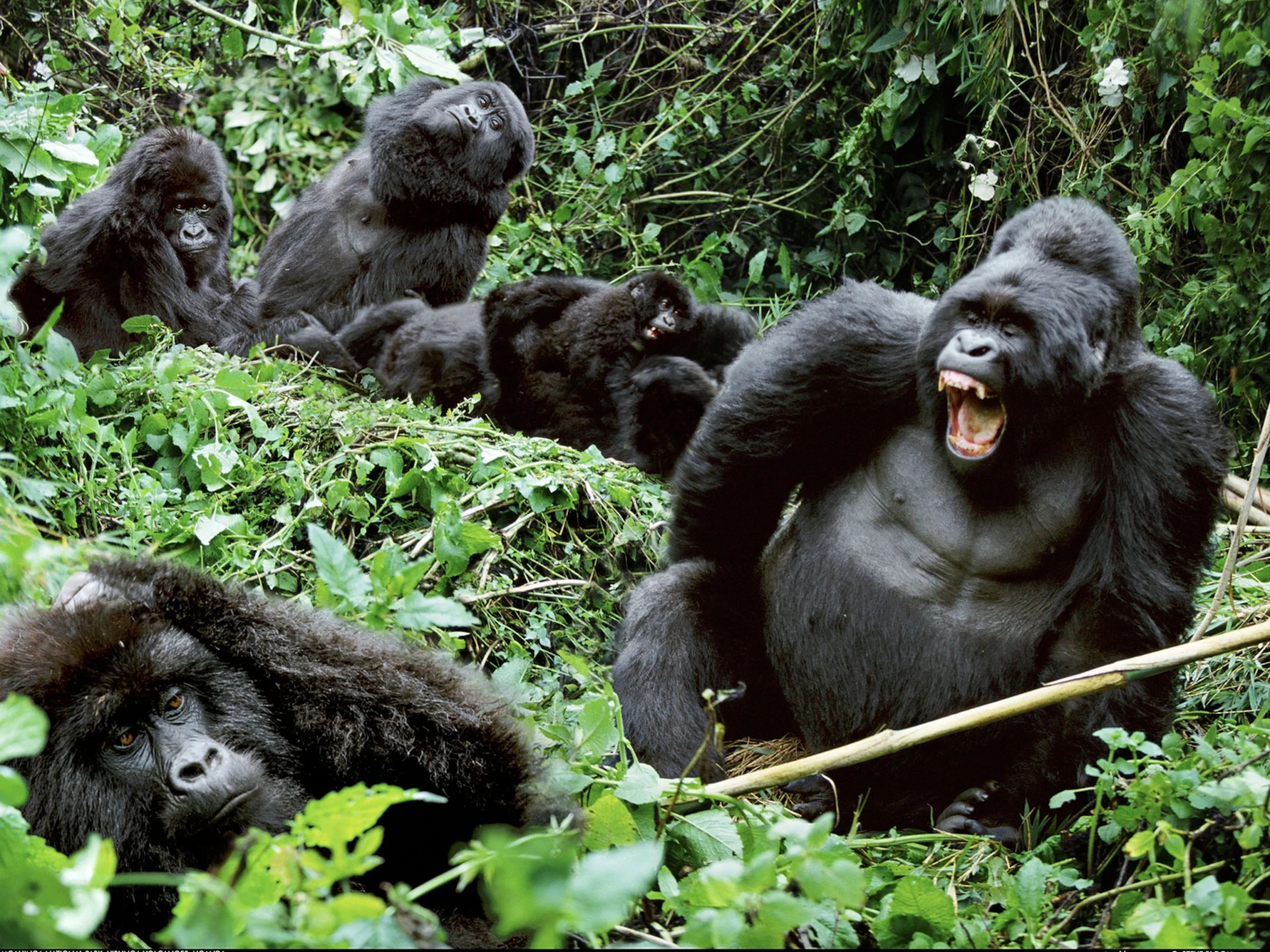
These months are also excellent for photography because visitors often experience better visibility and more predictable weather. Travelers can spend extended time observing silverbacks, mothers with infants, juveniles playing, and family interactions without frequent weather interruptions.
Because June to September is a popular travel period, gorilla habituation permits can be highly demanded. Travelers planning their Best Months for Gorilla Habituation Safari experience during this season should make reservations well in advance.
December to February: Excellent Months for Gorilla Habituation
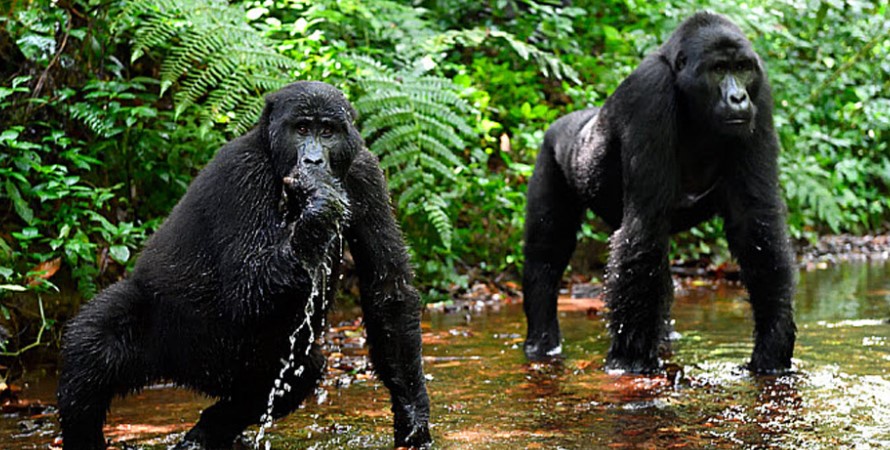
December to February is another highly recommended period when considering the Best Months for Gorilla Habituation Safari. These months offer favorable weather conditions and are especially popular among travelers planning holiday and winter escape adventures.
During this period, Bwindi remains lush and beautiful while rainfall is generally lower compared to wetter months. Visitors can enjoy comfortable forest walks and extended observation periods with semi-habituated gorilla families.
The months of December, January, and February are particularly attractive for couples, honeymoon travelers, families, and photographers. The combination of pleasant weather and incredible wildlife encounters creates a memorable Uganda safari experience.
Travelers should still prepare for possible rainfall because Bwindi is a rainforest environment. Carrying waterproof clothing and suitable hiking equipment remains important even during these preferred months.
March to May: A Quiet and Green Gorilla Habituation Season
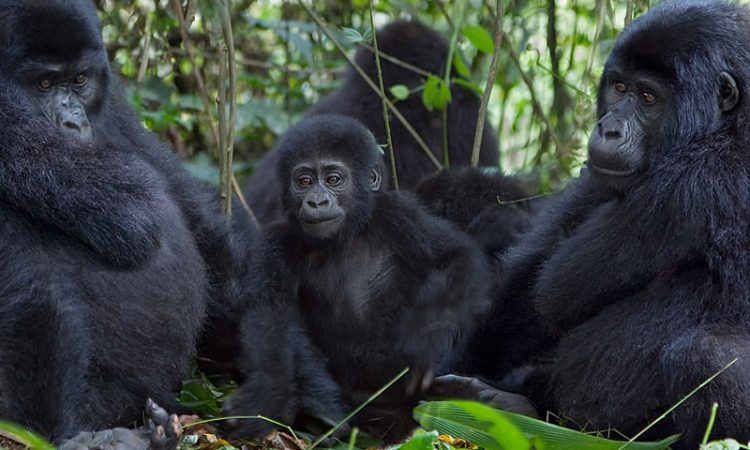
March to May is often overlooked when discussing the Best Months for Gorilla Habituation Safari, but it provides unique advantages for adventurous travelers.
These months experience higher rainfall, which transforms Bwindi into an exceptionally green and vibrant rainforest. The landscape becomes filled with fresh vegetation, misty hills, and beautiful natural scenery.
The wetter conditions may make trails more challenging, but visitors who are prepared can enjoy a quieter experience with fewer tourists. This creates a more private atmosphere and allows travelers to connect deeply with the forest environment.
For photographers and nature enthusiasts, March to May offers excellent opportunities to capture dramatic rainforest images. The combination of mist, lush vegetation, and mountain gorillas creates unforgettable wildlife photography moments.
October to November: A Peaceful Gorilla Habituation Experience
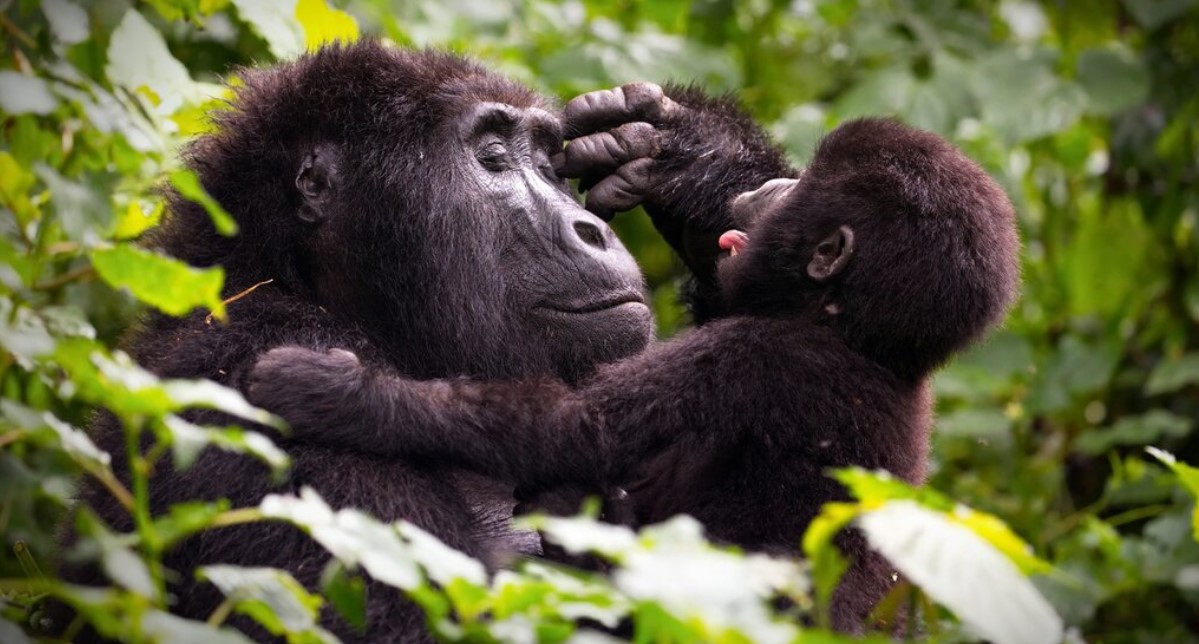
October and November are also important months when considering the Best Months for Gorilla Habituation Safari. These months represent Uganda’s shorter rainy season and provide another opportunity for travelers seeking a quieter adventure.
The forest becomes extremely beautiful during this period, with fresh greenery and a peaceful atmosphere. Visitors often enjoy fewer crowds compared to peak dry season months.
Although rainfall is more frequent, it does not prevent gorilla habituation. Mountain gorillas continue their natural activities, including feeding, resting, socializing, and moving through the forest.
Travelers choosing October or November should be prepared with waterproof clothing and proper hiking equipment. With the right preparation, these months can provide an incredibly rewarding gorilla experience.
Best Months for Gorilla Habituation Safari for Photography
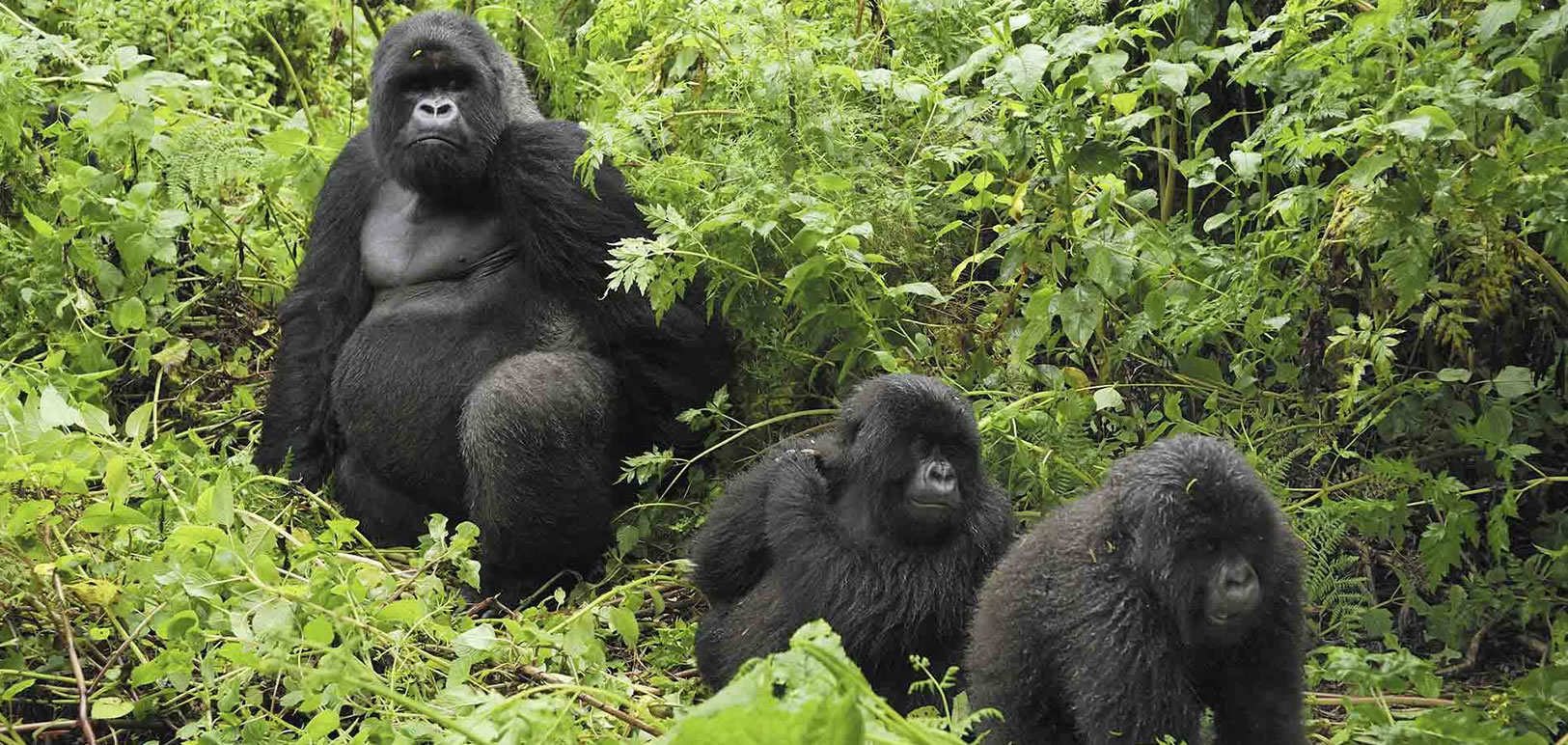
For photographers, choosing the Best Months for Gorilla Habituation Safari depends on the type of images they want to capture. Dry months usually provide more predictable conditions, making it easier to protect equipment and capture clear images.
June to September and December to February are popular among photographers because of improved trail conditions and longer periods of comfortable observation.
However, rainy months can create unique photographic opportunities. Misty forests, wet vegetation, and soft natural lighting often produce dramatic images that showcase the wild beauty of Bwindi.
The extended duration of gorilla habituation provides photographers with more opportunities to capture different behaviors, including silverback leadership, infant care, feeding, and social interactions.
Best Months for Gorilla Habituation Safari for Fewer Visitors
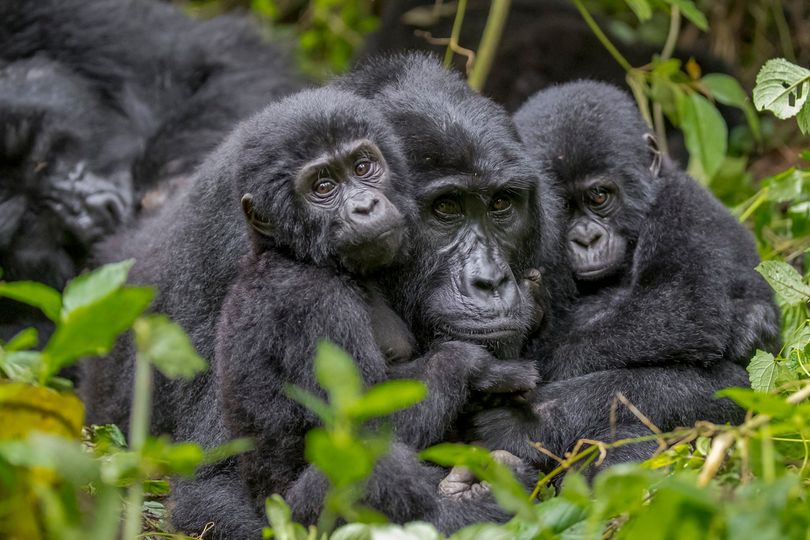
Travelers seeking a more private experience may consider rainy months among the Best Months for Gorilla Habituation Safari. March to May and October to November generally attract fewer visitors compared to peak travel seasons.
A quieter forest environment allows travelers to enjoy a deeper connection with nature. The experience feels more exclusive, and visitors can focus more on observing gorilla behavior.
Fewer visitors can also create a more relaxed atmosphere during the trek, allowing guides more time to explain gorilla behavior, conservation efforts, and the history of different gorilla families.
For travelers who value privacy and authentic wildlife experiences, the quieter months can be an excellent choice.
Best Months for Gorilla Habituation Safari for Budget Travelers
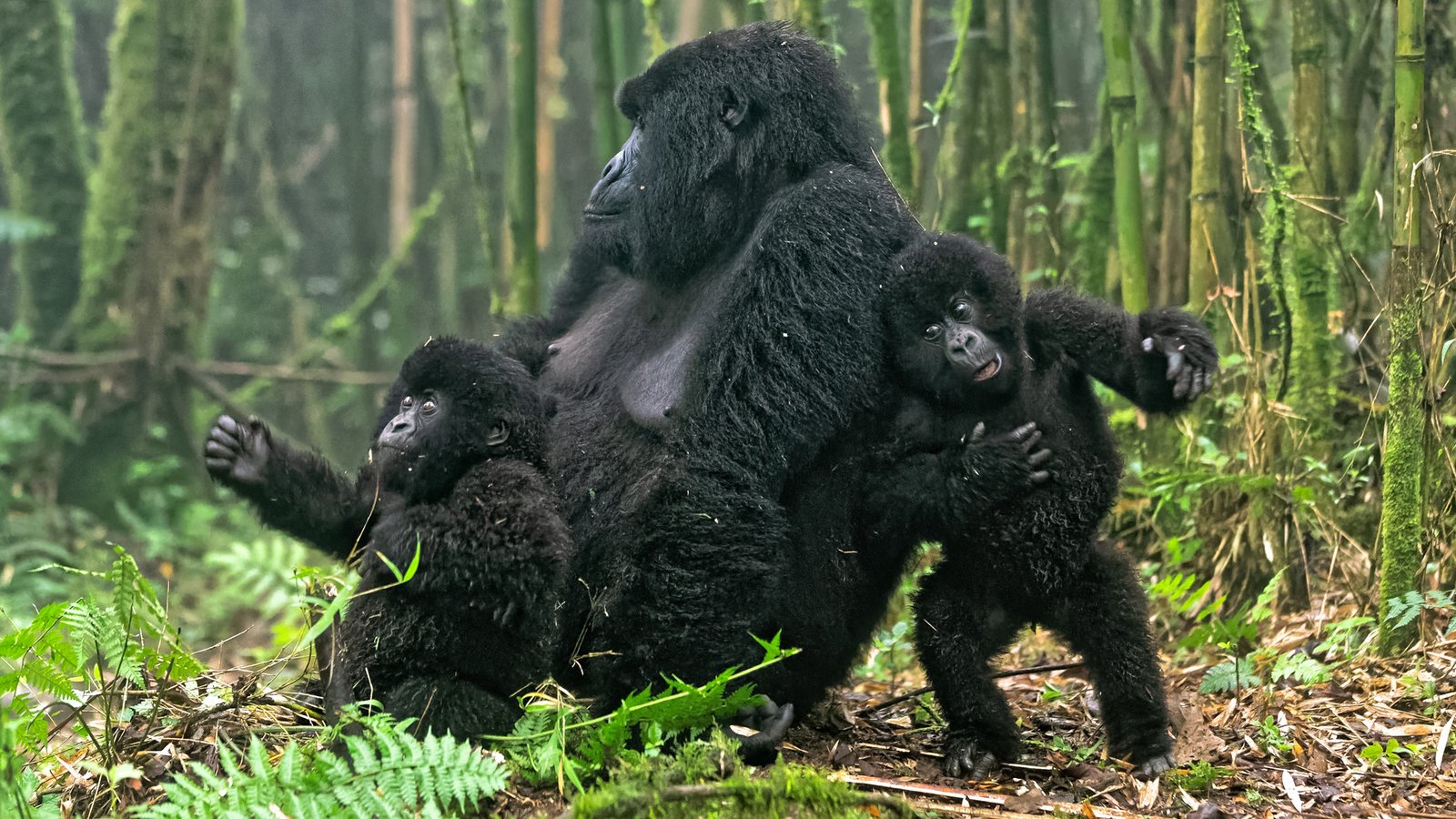
Budget travelers can also find ideal opportunities when selecting the Best Months for Gorilla Habituation Safari. While gorilla habituation permits have fixed prices throughout the year, other travel expenses may vary.
During quieter seasons, travelers may find better accommodation availability and more flexible safari arrangements.
Choosing less crowded months allows visitors to experience the same incredible gorilla encounter while enjoying a more relaxed travel experience.
Working with a local safari company like NextGEN Safaris helps travelers create well-planned itineraries that balance comfort, experience, and budget.
What to Expect During a Gorilla Habituation Safari
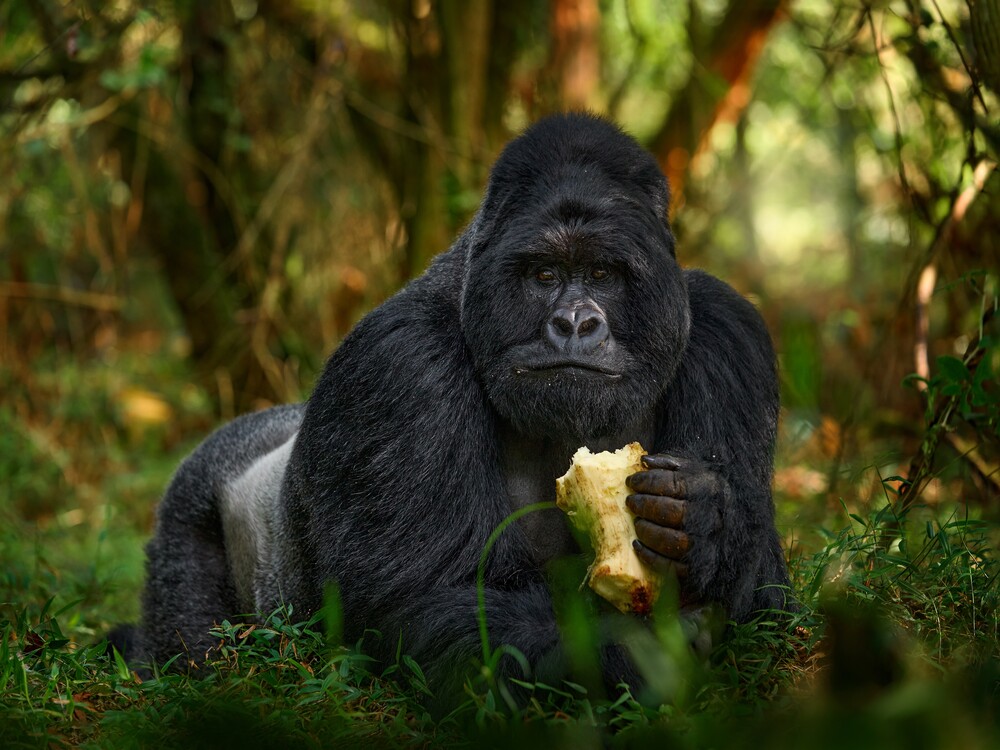
Regardless of the month chosen, the Best Months for Gorilla Habituation Safari provide opportunities to experience one of the world’s most remarkable wildlife adventures.
The experience begins with a briefing from Uganda Wildlife Authority guides who explain safety procedures, conservation rules, and what visitors should expect inside the forest.
Visitors then enter Bwindi with professional trackers who locate the semi-habituated gorilla family. Once found, travelers can spend extended time observing their natural behaviors.
The experience may include watching silverbacks protect their groups, mothers care for infants, juveniles play, and family members communicate through sounds and body language.
Frequently Asked Questions About the Best Months for Gorilla Habituation Safari
1. What are the Best Months for Gorilla Habituation Safari in Uganda?
The Best Months for Gorilla Habituation Safari are generally considered to be during Uganda’s drier seasons, especially from June to September and December to February. During these months, Bwindi Impenetrable National Park usually experiences lower rainfall, making forest trails easier to navigate and creating more comfortable conditions for visitors.
These months are popular because gorilla habituation involves spending up to four hours inside the rainforest while following trackers and observing semi-habituated gorilla families. Better weather conditions can make the hiking experience more enjoyable, especially in Bwindi’s mountainous terrain.
However, the ideal month depends on personal preferences. Some travelers prefer the dry season for easier trekking and photography, while others choose rainy months because of fewer visitors, greener landscapes, and a more peaceful rainforest atmosphere.
2. Why are June to September among the Best Months for Gorilla Habituation Safari?
June to September is considered one of the Best Months for Gorilla Habituation Safari because it falls within Uganda’s longest dry season. During this period, rainfall is generally lower, allowing visitors to explore Bwindi’s rainforest with improved trekking conditions.
The reduced rainfall makes forest paths less slippery and more comfortable for travelers spending several hours searching for gorilla families. This is especially beneficial because habituation requires longer hiking periods compared to standard gorilla trekking.
These months are also excellent for photography because clearer weather often allows visitors to capture detailed images of mountain gorillas, forest landscapes, and family interactions.
3. Is December to February a good time for gorilla habituation?
Yes, December to February is another excellent period and is considered among the Best Months for Gorilla Habituation Safari. These months offer relatively favorable weather conditions and are popular among international travelers.
During this period, Bwindi remains lush and beautiful while rainfall is generally lower compared to the wetter seasons. Visitors can enjoy comfortable walks through the rainforest and longer observation periods with gorilla families.
This period is especially suitable for travelers planning holiday vacations, honeymoon safaris, and family adventures because the weather supports a wide range of safari activities.
4. Can I do gorilla habituation during the rainy months?
Yes, gorilla habituation is available throughout the year, including during rainy months. While the Best Months for Gorilla Habituation Safari are often associated with dry seasons, rainy periods also provide unique advantages.
The rainy seasons from March to May and October to November create a vibrant rainforest environment with fresh vegetation, misty landscapes, and fewer visitors.
Although trails can become muddy, travelers who prepare properly with waterproof clothing and suitable hiking equipment can still enjoy an incredible gorilla habituation experience.
5. Which month has the best weather for gorilla habituation?
There is no single perfect month because the Best Months for Gorilla Habituation Safari depend on what travelers value most. Many visitors prefer June, July, August, September, December, January, and February because of generally favorable weather conditions.
These months usually provide better hiking conditions, making it easier to navigate Bwindi’s steep forest terrain.
However, travelers looking for fewer crowds and dramatic rainforest scenery may find March to May and October to November equally rewarding.
6. Are gorilla habituation permits available all year?
Yes, gorilla habituation permits are available throughout the year. The Best Months for Gorilla Habituation Safari may have higher demand, but the activity continues during both dry and rainy seasons.
Because only a limited number of visitors are allowed to participate in gorilla habituation each day, advance booking is recommended regardless of the month.
Early planning helps secure preferred dates, accommodation options, and transportation arrangements.
7. What makes the dry season the best time for gorilla habituation?
The dry season is often considered among the Best Months for Gorilla Habituation Safari because it provides more comfortable trekking conditions.
Lower rainfall usually means fewer muddy sections on forest trails, easier hiking, and more comfortable time spent outdoors.
The dry season also offers good opportunities for photography and combining gorilla habituation with other Uganda safari experiences.
8. What are the advantages of visiting during rainy months?
Although rainy months are not always considered the Best Months for Gorilla Habituation Safari, they offer several advantages.
The forest becomes extremely green and beautiful, creating a magical rainforest atmosphere. Visitors may experience mist-covered hills, fresh vegetation, and fewer tourists.
For travelers who prefer peaceful experiences and authentic wilderness environments, rainy months can provide a memorable alternative.
9. What is the Best Month for Gorilla Habituation Safari photography?
The Best Months for Gorilla Habituation Safari for photography depend on the style of images travelers want. Dry months often provide easier conditions because rainfall is less frequent.
June to September and December to February are popular among photographers because visitors can comfortably carry equipment and spend extended time observing gorillas.
However, rainy months can produce unique images with mist, wet vegetation, and dramatic rainforest backgrounds
10. Are the Best Months for Gorilla Habituation Safari crowded?
The busiest periods are usually during the dry seasons, especially June to September and December holiday periods. These are among the Best Months for Gorilla Habituation Safari, meaning demand can be higher.
However, gorilla habituation already has limited daily visitors compared to many other tourism activities, creating a relatively exclusive experience.
Travelers seeking fewer visitors can consider rainy months while still enjoying the same incredible gorilla encounter.
11. What should I pack during the Best Months for Gorilla Habituation Safari?
Even during the Best Months for Gorilla Habituation Safari, visitors should prepare for rainforest conditions.
Important items include waterproof hiking boots, rain jackets, long trousers, long-sleeved clothing, gloves, insect repellent, drinking water, snacks, and camera protection.
Bwindi’s weather can change quickly, so preparing for both sunshine and rain ensures a comfortable experience.
12. Can elderly travelers visit during the Best Months for Gorilla Habituation Safari?
Yes, elderly travelers can participate with proper planning. Choosing the Best Months for Gorilla Habituation Safari, especially during drier periods, can provide more comfortable trekking conditions.
Visitors should discuss their fitness level with their safari operator before traveling. Additional support such as porters can make the experience easier.
NextGEN Safaris helps arrange suitable routes, accommodation, and assistance based on individual traveler needs.
13. Do gorillas behave differently during different months?
The Best Months for Gorilla Habituation Safari do not necessarily change gorilla behavior because mountain gorillas maintain their natural routines throughout the year.
Weather and food availability may influence movement patterns, but gorillas continue feeding, resting, communicating, and socializing during all seasons.
Visitors can experience authentic gorilla behavior regardless of the month they choose.
14. How far in advance should I book during the Best Months for Gorilla Habituation Safari?
Travelers should book several months in advance, especially when planning during the Best Months for Gorilla Habituation Safari.
Dry season months are highly popular, and habituation permits are limited to protect gorilla welfare and maintain responsible tourism standards.
Early booking also helps secure preferred accommodation near Bwindi and allows better planning of transportation and additional safari activities.
15. Can I combine gorilla habituation with other safaris during these months?
Yes, the Best Months for Gorilla Habituation Safari are also excellent for combining gorilla experiences with other Uganda adventures.
Travelers often combine gorilla habituation with chimpanzee trekking in Kibale Forest, wildlife safaris in Queen Elizabeth National Park, Murchison Falls, or cultural experiences.
A customized itinerary allows visitors to experience Uganda’s diverse attractions while considering seasonal conditions.
16. Are gorilla habituation prices different depending on the month?
The gorilla habituation permit price remains the same throughout the year. However, other safari costs may vary depending on demand.
During the Best Months for Gorilla Habituation Safari, accommodation and transport services may be more competitive because more travelers visit Uganda.
Booking early helps secure better options and avoids last-minute challenges.
17. Which months are best for first-time gorilla habituation visitors?
For first-time visitors, the Best Months for Gorilla Habituation Safari are often June to September and December to February because of more comfortable weather conditions.
These months provide a good introduction to Bwindi’s rainforest environment and make trekking conditions easier.
However, experienced guides can help first-time travelers enjoy the experience during any season with proper preparation.
18. Which months are best for a luxury gorilla habituation safari?
Luxury travelers often prefer the Best Months for Gorilla Habituation Safari during dry seasons because comfortable weather complements high-end lodge experiences.
June to September and December to February allow easier movement between luxury accommodations and trekking locations.
However, luxury experiences are available throughout the year, and private planning can make rainy season visits equally special.
19. How can NextGEN Safaris help me choose the Best Months for Gorilla Habituation Safari?
NextGEN Safaris helps travelers select the Best Months for Gorilla Habituation Safari based on weather preferences, travel schedules, budget, and desired experiences.
Our team provides guidance on permit availability, accommodation choices, transportation, and the best routes to Bwindi Impenetrable National Park.
We create personalized gorilla habituation itineraries that ensure travelers enjoy a safe, comfortable, and meaningful encounter with Uganda’s mountain gorillas.
20. How do I book my safari during the Best Months for Gorilla Habituation Safari?
Booking your Best Months for Gorilla Habituation Safari experience with NextGEN Safaris ensures every detail is professionally organized.
Our team arranges gorilla habituation permits, comfortable accommodation, reliable transportation, experienced guides, and customized safari programs.
Whether you choose the dry season for easier trekking or the rainy season for fewer visitors and lush rainforest scenery, NextGEN Safaris creates an unforgettable Uganda gorilla habituation adventure.
Contact NextGEN Safaris today and begin planning your mountain gorilla habituation safari in Bwindi Impenetrable National Park.
Booking Your Gorilla Habituation Safari During the Best Months with NextGEN Safaris
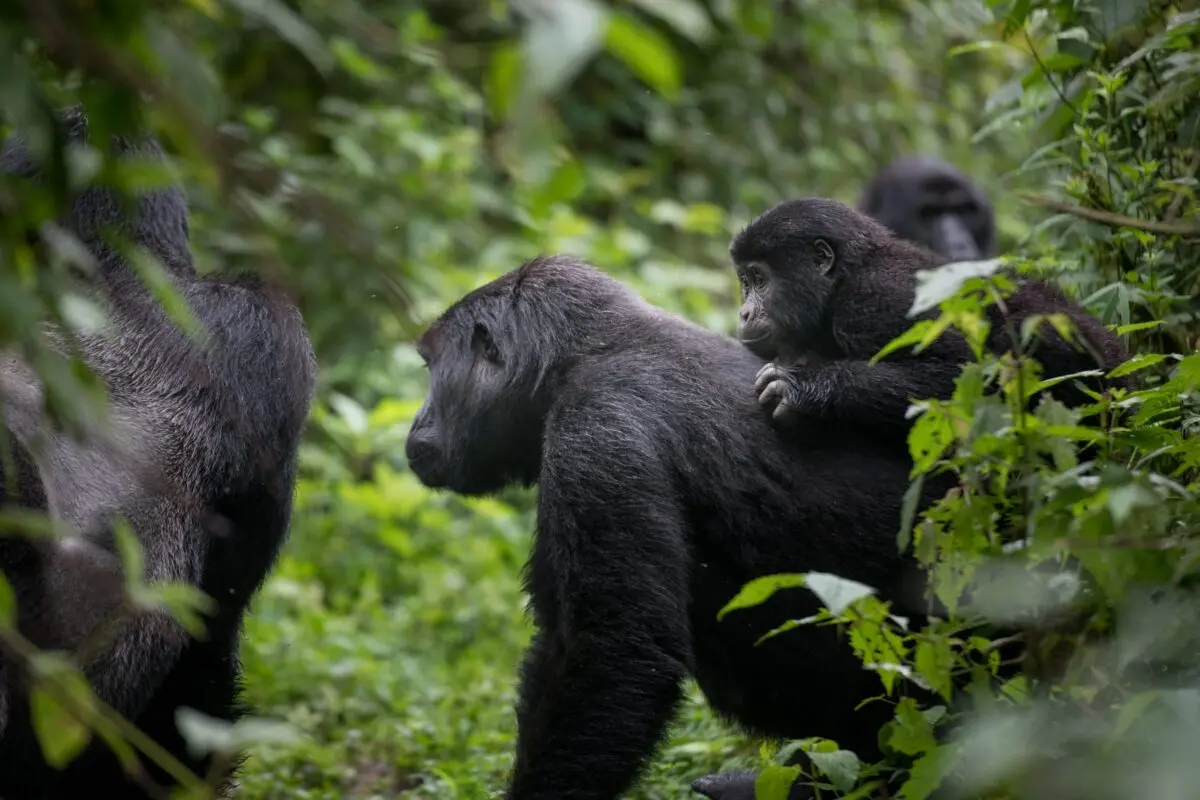
Planning your trip during the Best Months for Gorilla Habituation Safari requires early preparation because habituation permits are limited and highly sought after. NextGEN Safaris provides complete support to ensure your Uganda gorilla experience is smooth, comfortable, and unforgettable.
Our team helps travelers choose the ideal travel month based on their preferences, including weather conditions, trekking comfort, photography goals, budget considerations, and other safari activities they want to include.
We arrange gorilla habituation permits, which provide access to extended encounters with semi-habituated gorilla families in Bwindi Impenetrable National Park. Since only a small number of visitors are allowed daily, early booking is recommended, especially for popular months such as June to September and December.
NextGEN Safaris organizes every part of your journey, including transportation from Entebbe, Kampala, or Kigali, comfortable accommodation near Bwindi, and experienced driver-guides who understand Uganda’s roads and tourism destinations.
Our local guides provide valuable insights into gorilla family history, silverback behavior, communication patterns, conservation efforts, and the importance of responsible tourism. This ensures your experience goes beyond simply seeing gorillas and becomes a meaningful educational journey.
We also create customized itineraries that combine gorilla habituation with Uganda’s other attractions, including chimpanzee trekking in Kibale Forest, wildlife safaris in Queen Elizabeth National Park, Murchison Falls adventures, cultural experiences, and scenic destinations.
Choosing NextGEN Safaris for your Best Months for Gorilla Habituation Safari means traveling with a trusted local expert committed to conservation, safety, and unforgettable wildlife experiences.
Contact NextGEN Safaris today and let us help you plan the perfect Uganda gorilla habituation adventure during your ideal travel month.