

The Ultimate Gorilla Habituation Rainy Season Guide: Discover Uganda’s Magical Rainforest Gorilla Experience
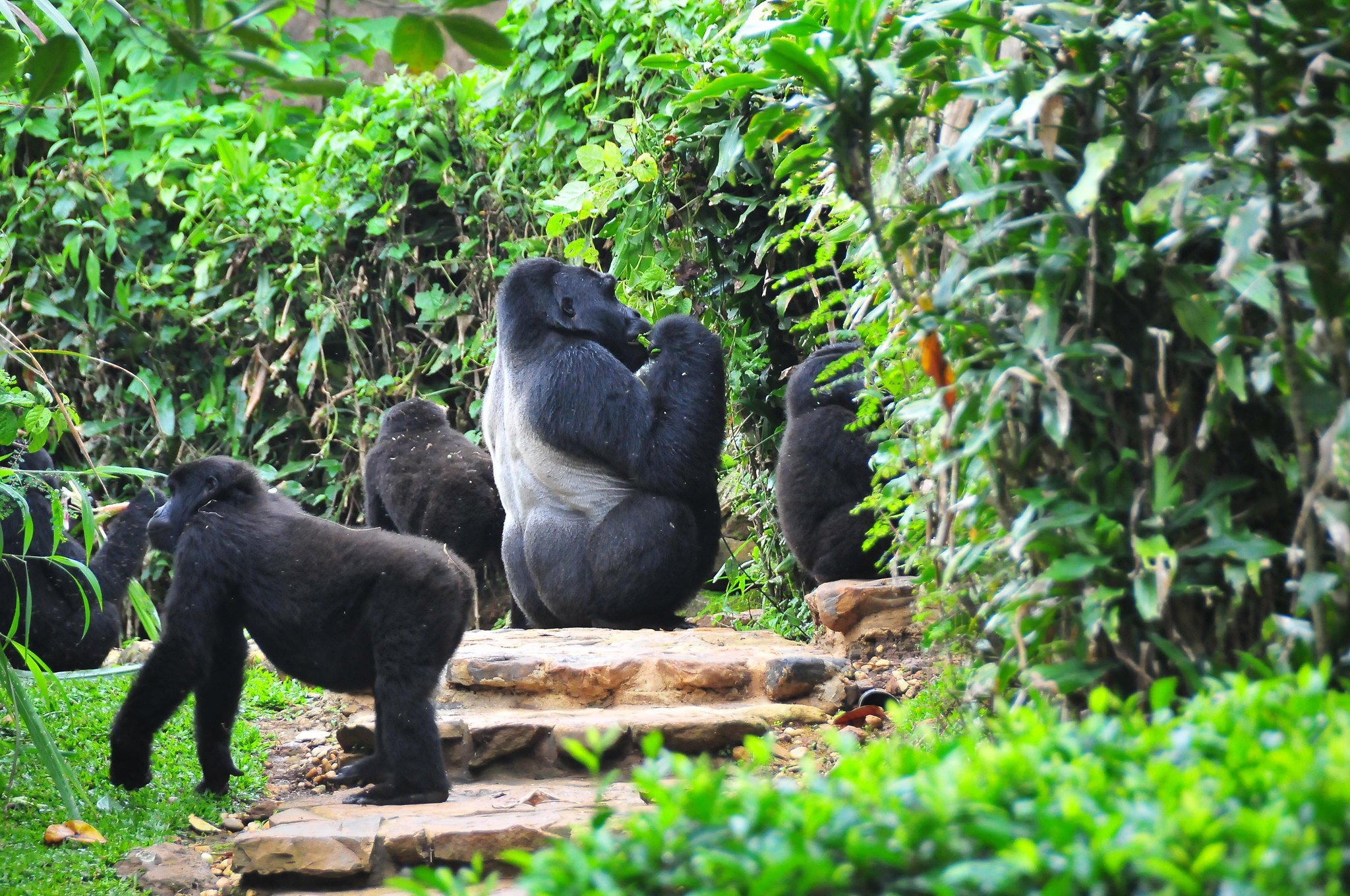
The Gorilla Habituation Rainy Season Guide provides travelers with detailed information about experiencing Uganda’s mountain gorilla habituation adventure during the wetter months of the year. While many visitors traditionally prefer dry seasons for wildlife experiences, the rainy season offers its own unique advantages, including fewer crowds, lush rainforest scenery, and a more intimate connection with the natural environment of Bwindi Impenetrable National Park.
Gorilla habituation is one of Uganda’s most extraordinary wildlife experiences, allowing visitors to spend up to four hours observing semi-habituated mountain gorilla families alongside experienced trackers, researchers, and guides. Unlike standard gorilla trekking, habituation provides more time to understand gorilla behavior, social relationships, communication, feeding patterns, and family dynamics.
The Gorilla Habituation Rainy Season Guide helps travelers understand that rainfall does not stop gorilla activities. Mountain gorillas live in a tropical rainforest ecosystem where rain is part of their natural environment. Even during wetter months, gorilla families continue their daily routines, including feeding, resting, moving through the forest, and interacting with one another.
For travelers seeking a quieter and more authentic rainforest experience, the rainy season can provide a rewarding alternative. The forest becomes greener, visitor numbers are often lower, and the atmosphere feels more wild and untouched. With proper preparation and guidance, the rainy season can create one of the most memorable gorilla habituation experiences in Uganda.
Understanding Uganda’s Rainy Seasons for Gorilla Habituation
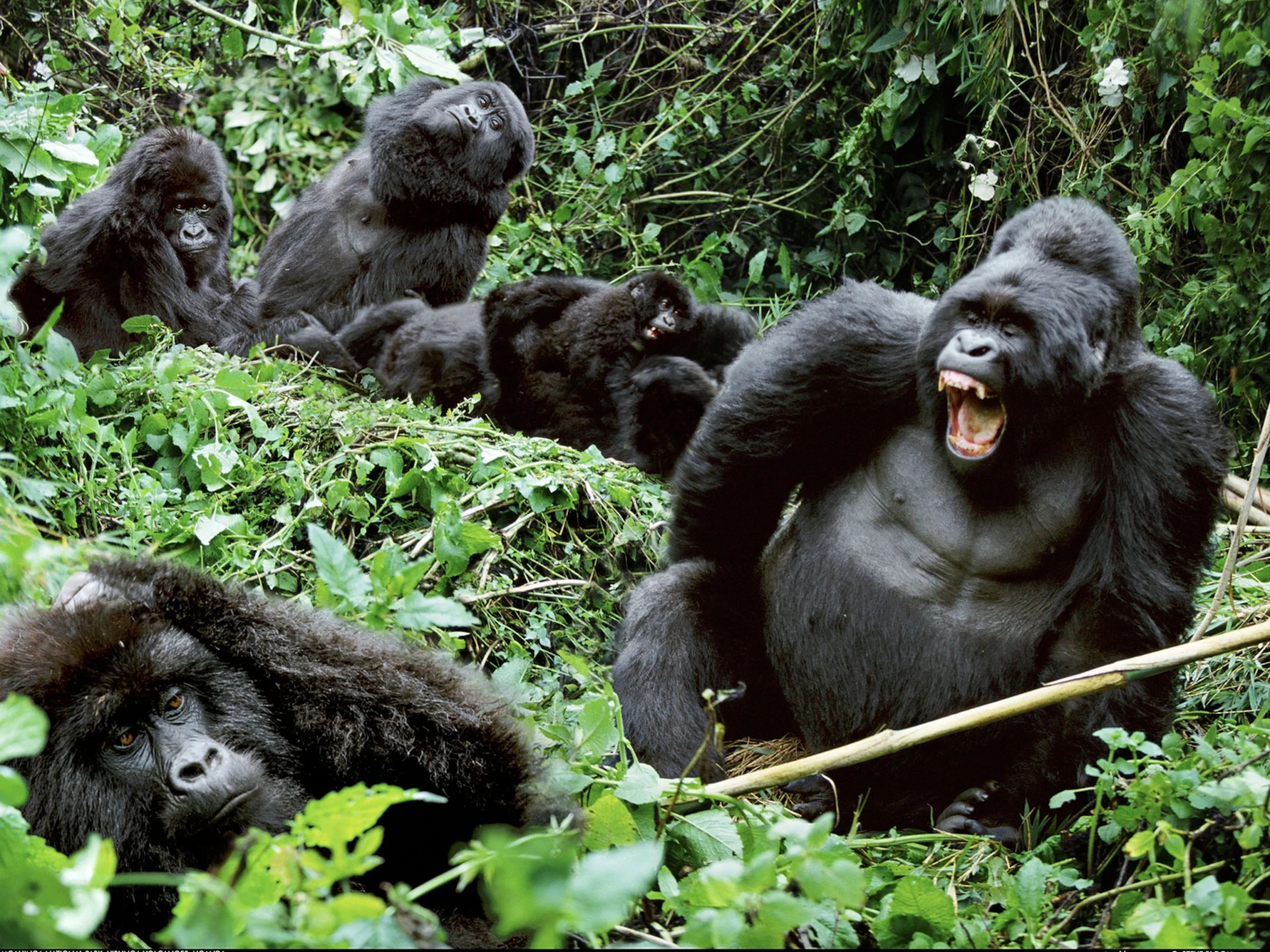
The Gorilla Habituation Rainy Season Guide begins with understanding Uganda’s rainfall patterns and how they influence the gorilla experience. Bwindi Impenetrable National Park experiences two main rainy seasons: the longer rainy season from March to May and the shorter rainy season from October to November.
During these months, rainfall increases across southwestern Uganda, creating a wetter and more vibrant rainforest environment. The increased moisture supports the growth of vegetation, providing abundant food sources for mountain gorillas and contributing to the incredible biodiversity of Bwindi.
Although rainfall can make trekking conditions more challenging, it does not prevent visitors from enjoying gorilla habituation. Professional trackers continue monitoring gorilla families throughout the year, ensuring that visitors can safely locate and observe these endangered primates.
The Gorilla Habituation Rainy Season Guide emphasizes that choosing the rainy season is about understanding expectations. Travelers should prepare for muddy trails, occasional showers, and more demanding hikes while also appreciating the unique beauty and advantages that come with visiting during this period.
Why Choose the Rainy Season for Gorilla Habituation?
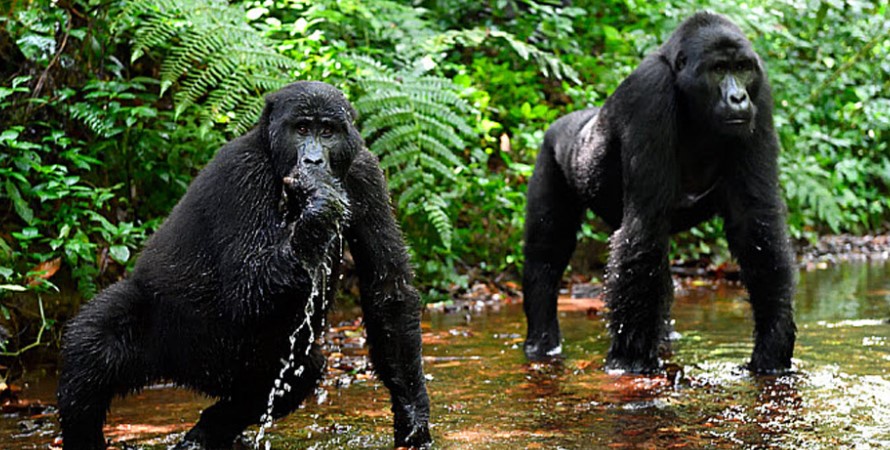
Many travelers overlook the rainy season, but the Gorilla Habituation Rainy Season Guide highlights several reasons why this period can be an excellent choice for adventurous visitors. One of the biggest advantages is the opportunity to experience Bwindi with fewer tourists compared to peak dry season months.
With fewer visitors in the forest, travelers often enjoy a more peaceful and private atmosphere. The rainforest feels quieter, allowing visitors to focus more deeply on the sounds of nature, the movements of gorillas, and the explanations provided by expert guides.
The rainy season also transforms Bwindi into one of Africa’s most beautiful rainforest landscapes. Fresh vegetation, mist-covered hills, flowing streams, and vibrant plant life create breathtaking scenery that adds to the overall adventure.
For travelers who value authentic wilderness experiences, the Gorilla Habituation Rainy Season Guide demonstrates why rainy months can provide a deeper connection with nature while still offering incredible opportunities to observe mountain gorillas.
Gorilla Habituation During the March to May Rainy Season
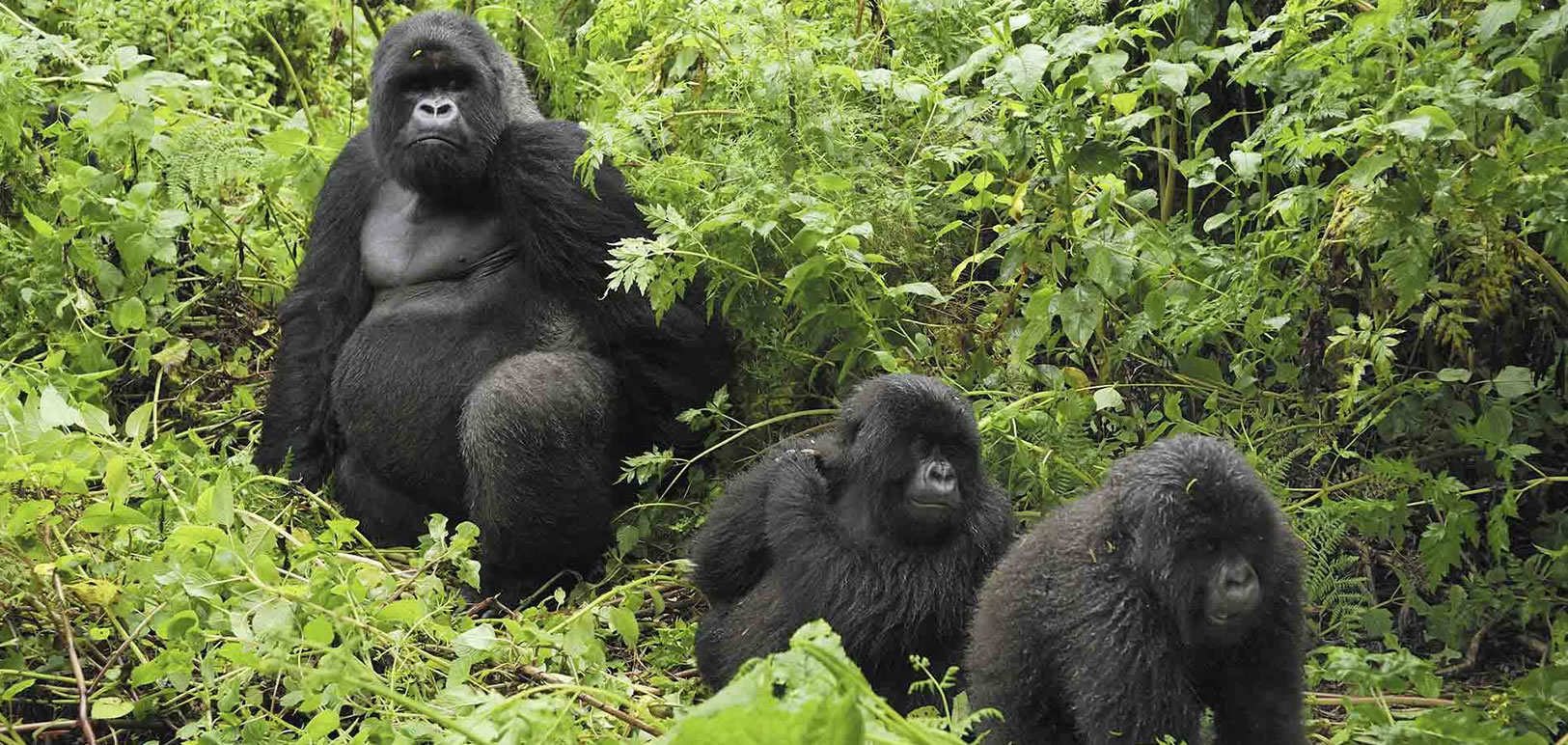
The March to May period is one of the main rainy seasons covered in the Gorilla Habituation Rainy Season Guide. During these months, Bwindi receives higher rainfall, creating a lush and vibrant environment throughout the forest.
The increased moisture encourages vegetation growth, which provides abundant food for gorilla families. Visitors may observe gorillas spending time feeding on fresh plants, moving through dense vegetation, and interacting naturally within their family groups.
Although trails can become muddy, the experience remains rewarding for travelers who are properly prepared. Waterproof hiking boots, rain jackets, and suitable clothing make it easier to navigate the forest comfortably.
The March to May season is also attractive for travelers seeking fewer crowds and a more exclusive experience. The reduced number of visitors allows for a quieter encounter with gorillas and a stronger feeling of being immersed in the rainforest.
Gorilla Habituation During the October to November Rainy Season
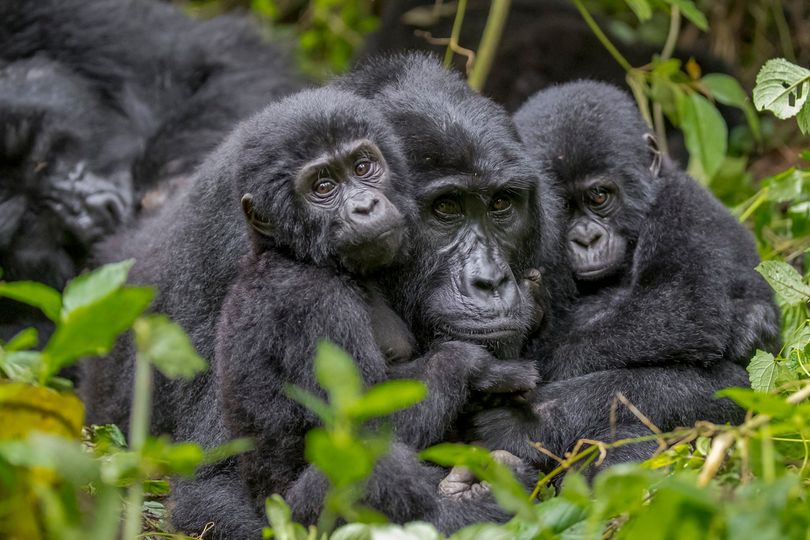
The October to November rainy season is another important period explained in the Gorilla Habituation Rainy Season Guide. This shorter rainy season provides another opportunity for travelers to experience Uganda’s mountain gorillas in a beautiful rainforest setting.
During these months, Bwindi remains lush and green, with mist often covering the forest-covered mountains. The dramatic scenery creates a unique atmosphere that many travelers find unforgettable.
Gorilla families continue their normal behaviors throughout this period. Visitors can still observe silverbacks leading their groups, mothers caring for infants, juveniles playing, and family members communicating through sounds and gestures.
For travelers looking for a quieter alternative to peak travel months, October and November can provide a rewarding gorilla habituation experience with fewer visitors and excellent opportunities for nature photography.
Photography Opportunities During Rainy Season Gorilla Habituation
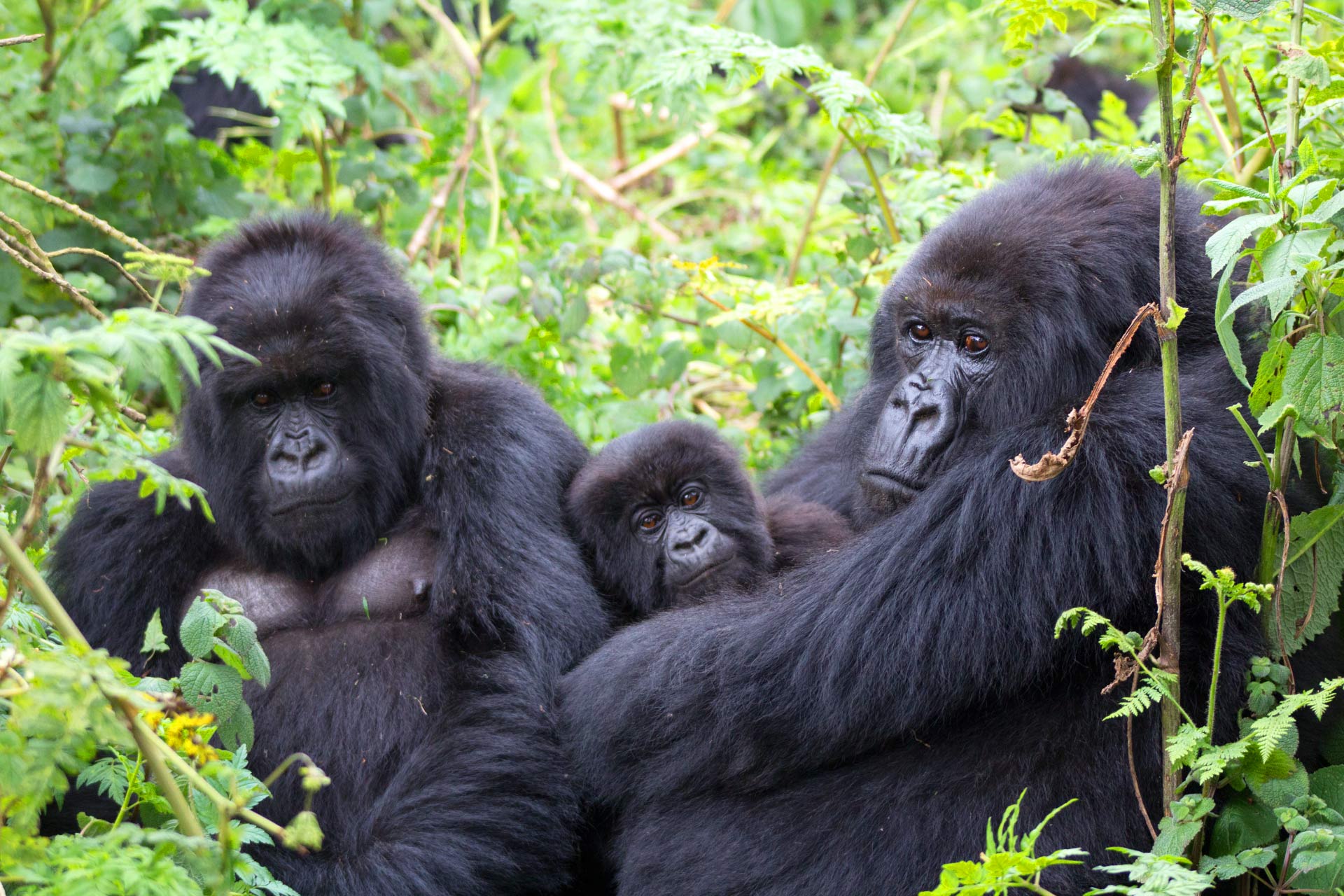
The Gorilla Habituation Rainy Season Guide is especially valuable for photographers who want to understand the unique opportunities available during wetter months. While rain can create challenges, it also produces some of the most dramatic rainforest photography conditions.
Mist, moisture, and lush vegetation create a natural atmosphere that highlights the beauty of Bwindi’s ecosystem. Images of mountain gorillas surrounded by green forest, foggy backgrounds, and wet leaves often capture the true wilderness character of the experience.
The longer habituation period provides photographers with more time to observe and capture different behaviors. Visitors can photograph silverbacks displaying leadership, mothers protecting infants, juveniles playing, and social interactions within the family.
However, photographers should prepare carefully by protecting cameras and equipment from rain. Waterproof covers, extra batteries, and protective bags are essential when visiting gorillas during the rainy season.
Gorilla Behavior During the Rainy Season
The Gorilla Habituation Rainy Season Guide explains that mountain gorillas continue their natural behaviors regardless of weather conditions. Rain does not stop gorilla families from feeding, moving, resting, or interacting.
During wetter months, gorillas may spend more time feeding because fresh vegetation is abundant throughout the forest. Visitors can observe how families adapt to changing conditions while maintaining their social structures.
Silverbacks continue their important leadership roles by guiding movements, protecting family members, and maintaining group stability. Mothers continue caring for infants, while juveniles learn through play and exploration.
The rainy season provides valuable opportunities to observe how mountain gorillas adapt to their natural environment. These experiences help travelers appreciate the intelligence, resilience, and complexity of gorilla families.
What to Pack for Gorilla Habituation During the Rainy Season
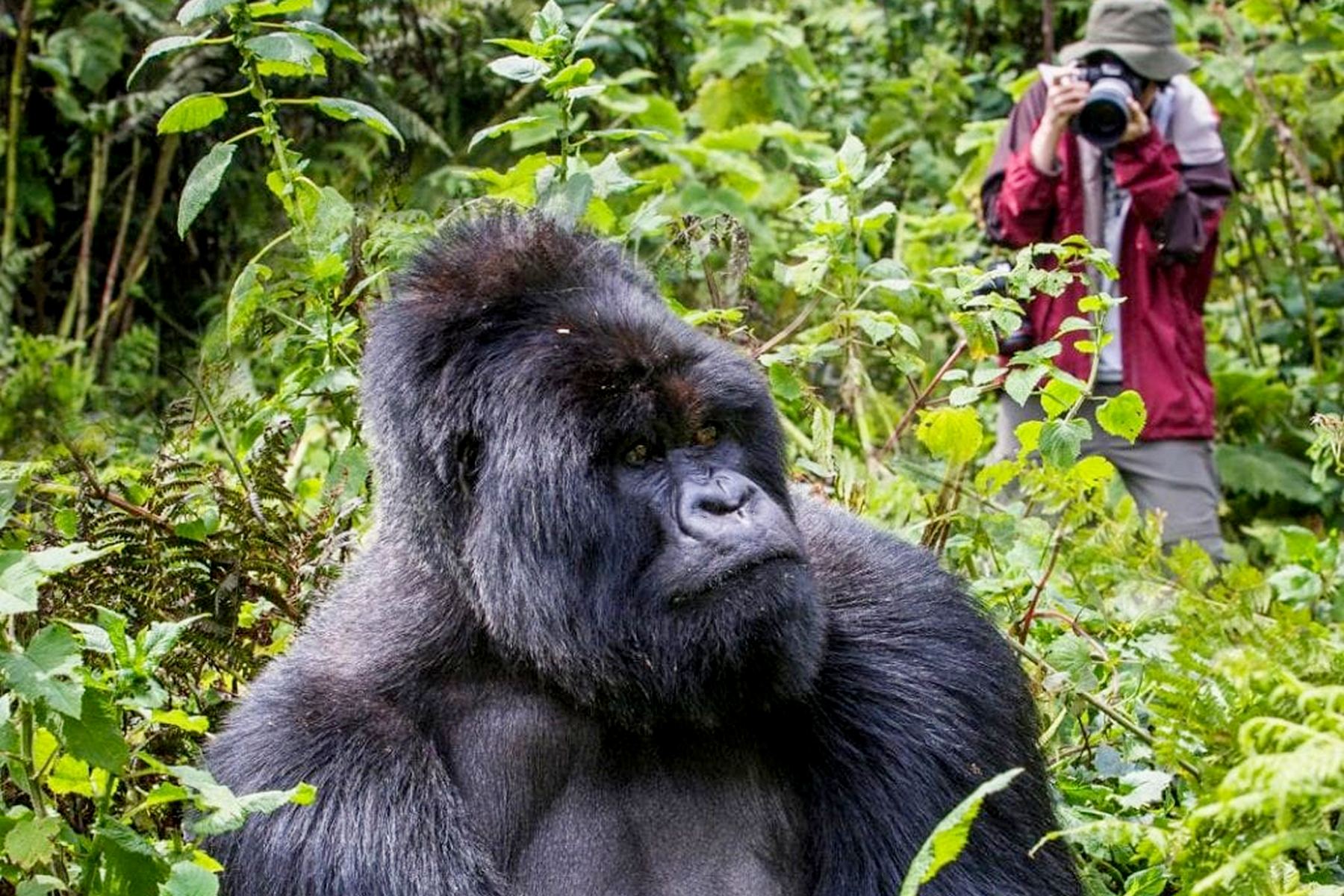
A major focus of the Gorilla Habituation Rainy Season Guide is proper preparation. Because Bwindi is a rainforest environment, visitors should pack equipment that protects them from moisture and challenging trail conditions.
Waterproof hiking boots are extremely important because trails can become muddy after rainfall. Comfortable long trousers, rain jackets, waterproof backpacks, and gloves help protect visitors while moving through dense vegetation.
Travelers should also carry drinking water, snacks, insect repellent, camera protection, and extra batteries. Spending several hours inside the forest requires preparation to ensure comfort throughout the experience.
Proper packing allows visitors to focus on the incredible gorilla encounter rather than the challenges created by changing weather conditions.
Conservation Importance of Rainy Season Gorilla Habituation
The Gorilla Habituation Rainy Season Guide also highlights the conservation importance of visiting during wetter months. Gorilla conservation continues throughout the year, and tourism revenue supports important protection programs regardless of the season.
Funds generated from habituation permits contribute to ranger patrols, scientific research, veterinary support, forest protection, and community conservation projects around Bwindi.
Rainy season visits also support year-round monitoring of gorilla families. Researchers collect valuable information about behavior, health, movement patterns, and family development throughout different environmental conditions.
By choosing a rainy season habituation experience, travelers contribute to sustainable tourism while gaining a deeper understanding of mountain gorilla conservation.
Frequently Asked Questions About Gorilla Habituation Rainy Season Guide
1. Is the rainy season a good time for gorilla habituation in Uganda?
Yes, the rainy season can be an excellent time for gorilla habituation, and the Gorilla Habituation Rainy Season Guide explains why many travelers choose this period for a unique rainforest experience. Although rainfall increases during certain months, mountain gorillas continue their normal behaviors, and visitors can still enjoy extended encounters with semi-habituated gorilla families in Bwindi Impenetrable National Park.
The rainy season offers several advantages, including fewer visitors, greener landscapes, and a more peaceful atmosphere inside the forest. Travelers who enjoy nature, photography, and less crowded experiences often find this period especially rewarding.
While trails may become wetter and more challenging, proper preparation with suitable hiking gear, waterproof clothing, and an experienced guide ensures that visitors can comfortably enjoy their gorilla habituation adventure.
2. When is the rainy season for gorilla habituation in Uganda?
The Gorilla Habituation Rainy Season Guide identifies two main rainy seasons in Uganda. The longer rainy season usually occurs from March to May, while the shorter rainy season generally occurs from October to November.
During these months, Bwindi Impenetrable National Park receives more rainfall, creating a lush and vibrant rainforest environment. The increased moisture supports plant growth and provides abundant vegetation for mountain gorillas.
Although these months receive more rain, gorilla habituation continues throughout the year. Visitors can still observe gorilla families feeding, resting, communicating, and interacting naturally within their forest habitat.
3. Can I see gorillas during heavy rainfall?
Yes, visitors can still experience gorilla habituation during rainy periods. The Gorilla Habituation Rainy Season Guide explains that mountain gorillas are naturally adapted to rainforest conditions and continue their daily activities even when it rains.
Gorillas do not stop feeding, moving, or interacting because of rainfall. Their natural habitat receives rain throughout the year, and they are accustomed to changing weather conditions.
For visitors, heavy rainfall may affect trekking comfort, but professional trackers and guides continue monitoring gorilla families while ensuring that encounters remain safe and responsible.
4. What are the advantages of gorilla habituation during the rainy season?
The Gorilla Habituation Rainy Season Guide highlights several advantages of visiting during wetter months. One of the biggest benefits is fewer tourists compared to the popular dry seasons, allowing travelers to enjoy a quieter and more intimate forest experience.
The rainforest is also at its most beautiful during rainy months. Fresh vegetation, mist-covered mountains, flowing streams, and vibrant plant life create spectacular scenery that enhances the adventure.
Additionally, the rainy season provides unique photography opportunities because the wet environment creates dramatic images of gorillas surrounded by lush rainforest landscapes.
5. Is gorilla habituation more difficult during the rainy season?
Gorilla habituation during the rainy season can be slightly more challenging because forest trails may become muddy and slippery. However, the Gorilla Habituation Rainy Season Guide explains that the experience remains achievable with proper preparation.
Bwindi Impenetrable National Park is a mountainous rainforest, meaning hiking can be challenging at any time of year. The rainy season simply requires visitors to be better prepared with appropriate clothing and equipment.
Experienced trackers and guides help visitors navigate the forest safely while ensuring that the gorilla encounter remains educational and enjoyable.
6. What should I pack for rainy season gorilla habituation?
The Gorilla Habituation Rainy Season Guide recommends packing carefully because Bwindi’s rainforest conditions can change quickly. Waterproof hiking boots are among the most important items because trails can become muddy after rainfall.
Visitors should also carry rain jackets, waterproof bags, long trousers, gardening gloves, insect repellent, drinking water, and snacks. These items improve comfort while hiking and observing gorillas for several hours.
Camera equipment should also be protected using waterproof covers because rainfall can occur unexpectedly during the habituation experience.
7. Are gorilla habituation permits available during the rainy season?
Yes, gorilla habituation permits are available throughout the year, including during rainy months. The Gorilla Habituation Rainy Season Guide emphasizes that habituation is a year-round conservation activity.
Since only a limited number of visitors are allowed to participate each day, early booking is still recommended even during the rainy season.
Booking in advance ensures availability of permits, accommodation, transportation, and professional guiding services for a smooth gorilla adventure.
8. Is photography possible during rainy season gorilla habituation?
Yes, photography is possible and can be exceptional during the rainy season. The Gorilla Habituation Rainy Season Guide explains that wet conditions often create unique photographic opportunities.
The combination of mist, green vegetation, and rainforest atmosphere creates dramatic backgrounds that showcase the natural beauty of Bwindi and its mountain gorillas.
Photographers should prepare by carrying waterproof camera protection, extra batteries, and suitable equipment because protecting gear from moisture is important.
9. How do gorillas behave during the rainy season?
The Gorilla Habituation Rainy Season Guide explains that gorillas maintain their natural routines throughout the rainy season. They continue feeding, resting, moving through the forest, and interacting with family members.
During wetter periods, vegetation is often abundant, meaning gorillas may spend considerable time feeding on fresh plants. Visitors can observe natural behaviors within the family group.
Silverbacks continue protecting their families, mothers care for infants, and juveniles continue learning through play and social interactions regardless of weather conditions.
10. Which rainy season is better for gorilla habituation: March-May or October-November?
Both rainy seasons offer rewarding experiences, and the Gorilla Habituation Rainy Season Guide recognizes that each period has unique advantages.
March to May usually receives more rainfall and creates a very lush rainforest environment. October to November experiences shorter rains and can provide beautiful scenery with slightly different weather patterns.
The best choice depends on personal preferences. Travelers seeking fewer visitors, green landscapes, and a more adventurous rainforest experience can enjoy either period.
11. Are there fewer tourists during rainy season gorilla habituation?
Yes, the rainy season generally attracts fewer visitors compared to peak dry season months. The Gorilla Habituation Rainy Season Guide explains that this creates a quieter and more private experience.
Fewer visitors can make the forest feel more peaceful and allow travelers to focus more deeply on gorilla behavior and the surrounding ecosystem.
For photographers, nature lovers, and travelers seeking exclusivity, the rainy season can provide an excellent alternative to busy travel periods.
12. Does rain affect the length of time spent with gorillas?
Generally, visitors can still enjoy the full habituation experience even during rainy months. The Gorilla Habituation Rainy Season Guide explains that habituation allows up to four hours of observation with semi-habituated gorilla families.
The exact experience can depend on weather conditions, gorilla location, and conservation guidelines. Guides and trackers always prioritize the welfare of the gorillas.
The extended observation period provides opportunities to witness feeding, communication, grooming, and family interactions.
13. Is the rainy season suitable for first-time gorilla visitors?
Yes, first-time visitors can enjoy gorilla habituation during the rainy season. The Gorilla Habituation Rainy Season Guide shows that proper planning and preparation make the experience accessible and rewarding.
First-time travelers should understand that Bwindi is a rainforest environment and be prepared for changing conditions.
With professional guidance from experienced trackers and safari operators, visitors can safely enjoy one of Africa’s most memorable wildlife encounters.
14. Can elderly travelers do gorilla habituation during the rainy season?
Yes, elderly travelers can participate with proper planning. The Gorilla Habituation Rainy Season Guide recommends discussing fitness levels and support requirements before traveling.
Because trails may be muddy during rainy months, some travelers may benefit from hiring porters or choosing suitable trekking assistance options.
A professional safari company can help organize accommodation, transportation, and support services to make the experience more comfortable.
15. Why is Bwindi beautiful during the rainy season?
The Gorilla Habituation Rainy Season Guide highlights that rainy months transform Bwindi into a spectacular rainforest paradise.
The forest becomes greener, waterfalls and streams become more active, and mist often creates a magical atmosphere across the mountain landscape.
This natural beauty adds another dimension to the gorilla experience, allowing visitors to appreciate not only the gorillas but also the incredible ecosystem they call home.
16. Does the rainy season affect gorilla conservation efforts?
No, conservation activities continue throughout the year. The Gorilla Habituation Rainy Season Guide explains that researchers and trackers monitor gorilla families regardless of weather conditions.
Tourism revenue generated during rainy months continues supporting ranger patrols, scientific research, habitat protection, and community conservation programs.
Every responsible visit contributes to the long-term survival of mountain gorillas.
17. Can I combine rainy season gorilla habituation with other Uganda safaris?
Yes, rainy season gorilla habituation can be combined with other Uganda experiences. The Gorilla Habituation Rainy Season Guide explains that travelers can create complete itineraries including wildlife safaris, chimpanzee trekking, and cultural experiences.
Popular combinations include Queen Elizabeth National Park, Kibale Forest, Lake Bunyonyi, and Murchison Falls National Park.
A customized itinerary allows visitors to explore Uganda’s diverse landscapes while enjoying a meaningful gorilla experience.
18. Is rainy season gorilla habituation cheaper than dry season?
The gorilla habituation permit price remains the same throughout the year. However, the Gorilla Habituation Rainy Season Guide explains that some travel services may have more availability during quieter months.
Accommodation options may be easier to secure, and travelers may enjoy more flexibility when planning their safari.
Choosing the rainy season can therefore be beneficial for travelers looking for a less crowded experience.
19. How can NextGEN Safaris help with rainy season gorilla habituation?
NextGEN Safaris specializes in organizing complete gorilla habituation experiences throughout Uganda. Using the Gorilla Habituation Rainy Season Guide, our team helps travelers understand weather conditions, preparation requirements, and the best travel options.
We arrange permits, transportation, accommodation, expert guides, and customized itineraries based on each traveler’s needs.
Our local knowledge ensures visitors enjoy a safe, comfortable, and unforgettable rainforest adventure while supporting mountain gorilla conservation.
20. How do I book a Gorilla Habituation Rainy Season Experience with NextGEN Safaris?
Booking your rainy season adventure with NextGEN Safaris ensures that every detail is professionally managed. The Gorilla Habituation Rainy Season Guide experience begins with securing your habituation permit and selecting the best travel dates.
Our team organizes transportation from Kampala, Entebbe, or Kigali, comfortable accommodation near Bwindi, and experienced guides who explain gorilla behavior, conservation, and family dynamics.
Whether you are traveling alone, as a couple, with family, or as a private group, NextGEN Safaris creates a personalized gorilla habituation safari designed around your interests.
Contact NextGEN Safaris today and begin planning your unforgettable rainy season gorilla habituation experience in Bwindi Impenetrable National Park.
Booking Your Gorilla Habituation Rainy Season Experience with NextGEN Safaris
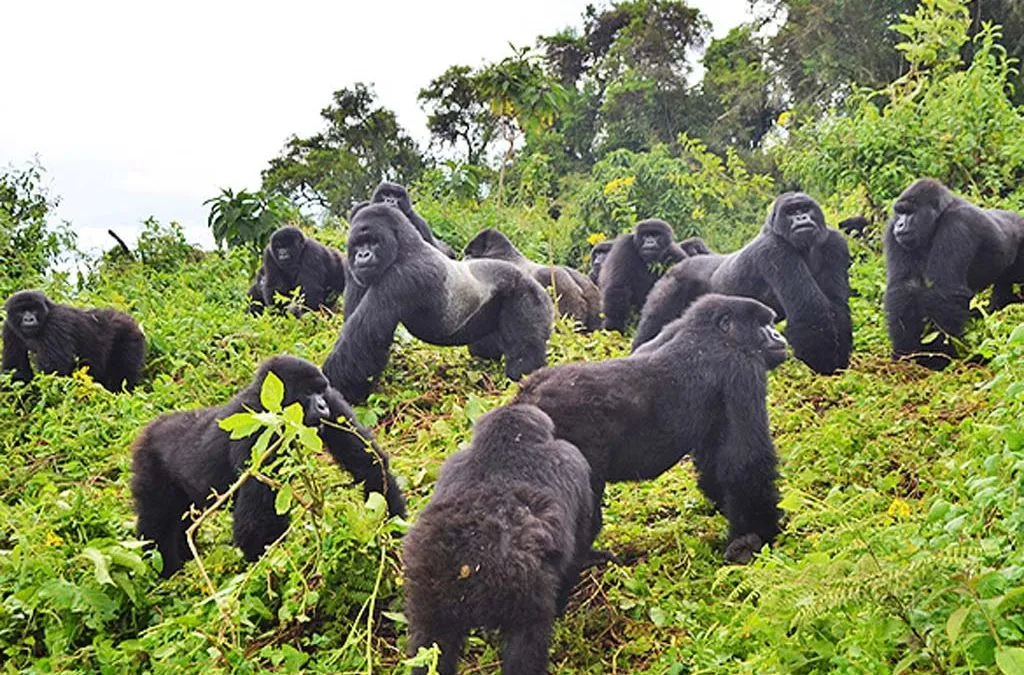
Planning your safari using the Gorilla Habituation Rainy Season Guide requires expert preparation because rainforest conditions are different from traditional wildlife destinations. NextGEN Safaris specializes in organizing safe, comfortable, and unforgettable gorilla habituation experiences in Uganda.
Our team assists travelers with securing gorilla habituation permits, arranging transportation, selecting suitable accommodation, and creating personalized itineraries based on individual preferences.
When you book with NextGEN Safaris, you benefit from experienced local guides who understand Bwindi’s forest conditions, gorilla family movements, and conservation requirements. Our guides provide detailed explanations about gorilla behavior, silverback leadership, family relationships, and the importance of habituation.
We arrange complete journeys from Entebbe, Kampala, or Kigali, ensuring smooth transfers to Bwindi Impenetrable National Park. Our safari vehicles are comfortable and suitable for Uganda’s diverse roads, allowing you to enjoy the journey as much as the destination.
We also help travelers combine rainy season gorilla habituation with other Uganda experiences, including chimpanzee trekking, Queen Elizabeth National Park safaris, cultural visits, and scenic adventures.
Choosing NextGEN Safaris for your Gorilla Habituation Rainy Season Guide experience means enjoying Uganda’s mountain gorillas responsibly while supporting conservation efforts that protect these incredible animals.
Contact NextGEN Safaris today and let our experts design your unforgettable rainy season gorilla habituation adventure in Bwindi Impenetrable National Park.