

The Ultimate Guide to Silverback Behavior During Habituation: Insights Into Mountain Gorilla Leadership in Uganda
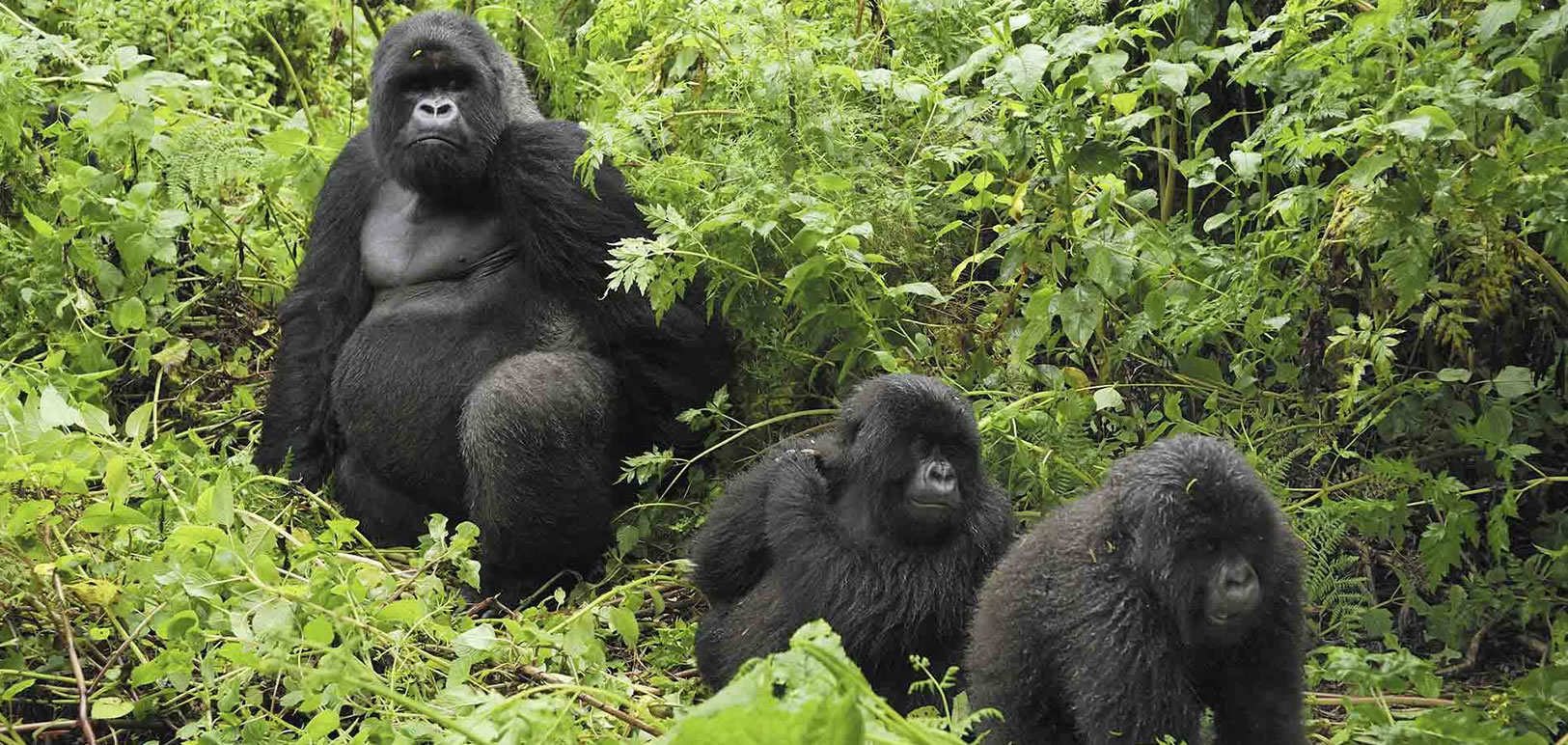
Silverback Behavior During Habituation is one of the most fascinating aspects of mountain gorilla research and tourism in Uganda. Silverbacks are the dominant male gorillas within their family units, serving as protectors, leaders, and teachers for their group members. Understanding how silverbacks act during habituation experiences allows travelers, researchers, and conservationists to observe the intricate balance between authority, care, and social cohesion in wild gorilla families.
During habituation, semi-habituated gorilla families gradually accept human observers over several months or years. The silverback’s reactions are critical in this process, as his comfort and tolerance often determine how quickly other family members, including females and juveniles, adapt to human presence. Studying Silverback Behavior During Habituation provides insight into their intelligence, problem-solving abilities, and ability to read social cues from both gorilla family members and human observers.
Visitors to Uganda’s Bwindi Impenetrable National Park or Mgahinga Gorilla National Park gain an unmatched opportunity to see silverbacks in action. Unlike brief encounters with fully habituated groups, habituation allows for longer observation periods, revealing subtle behavioral patterns, leadership decisions, and the interactions that maintain family cohesion.
Understanding Silverback Behavior During Habituation is not just about witnessing dominance displays or feeding routines; it is about appreciating the complex, dynamic, and emotionally intelligent leadership that silverbacks exhibit, which ensures the survival and well-being of the entire gorilla family.
Leadership and Protective Roles
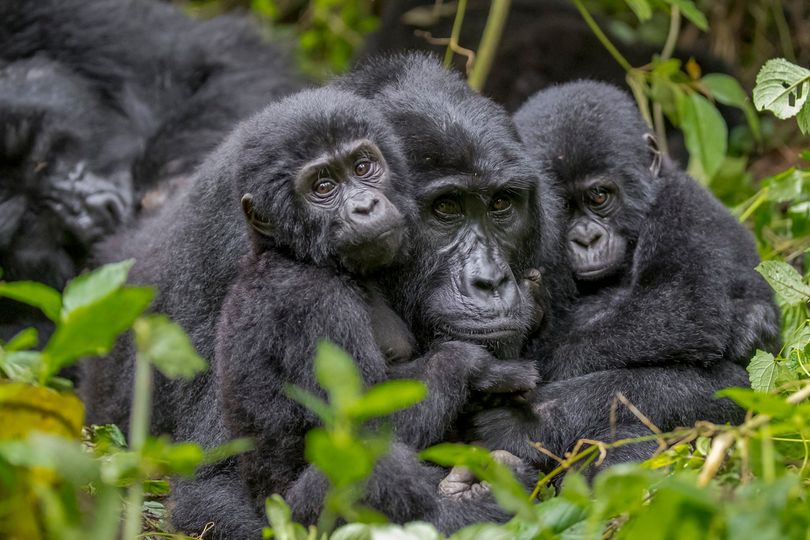
The dominant silverback plays a central role in Silverback Behavior During Habituation, acting as both leader and protector of the family. His responsibilities are multifaceted, ranging from choosing feeding areas to regulating movements through dense rainforest terrain. The silverback constantly monitors his group for potential threats, whether from other gorilla groups, predators, or environmental hazards.
During habituation, conservationists pay close attention to how the silverback interacts with human observers. A tolerant and calm silverback signals safety to the rest of the family, allowing females, juveniles, and infants to continue their daily activities without stress. Observing this dynamic provides travelers with firsthand insight into how leadership is exercised in gorilla society.
Leadership in habituation also involves subtle forms of guidance and mediation. The silverback may intervene in minor disputes between juveniles or signal boundaries for infants exploring the forest. His behavior ensures that the group remains cohesive and that family members understand their social roles, demonstrating the sophisticated social intelligence of mountain gorillas.
Studying Silverback Behavior During Habituation reveals that leadership is not just about dominance but also about empathy, strategy, and communication. Visitors witness how silverbacks balance authority with care, guiding their families while maintaining a stable and safe environment during human observation.
Communication and Social Regulation
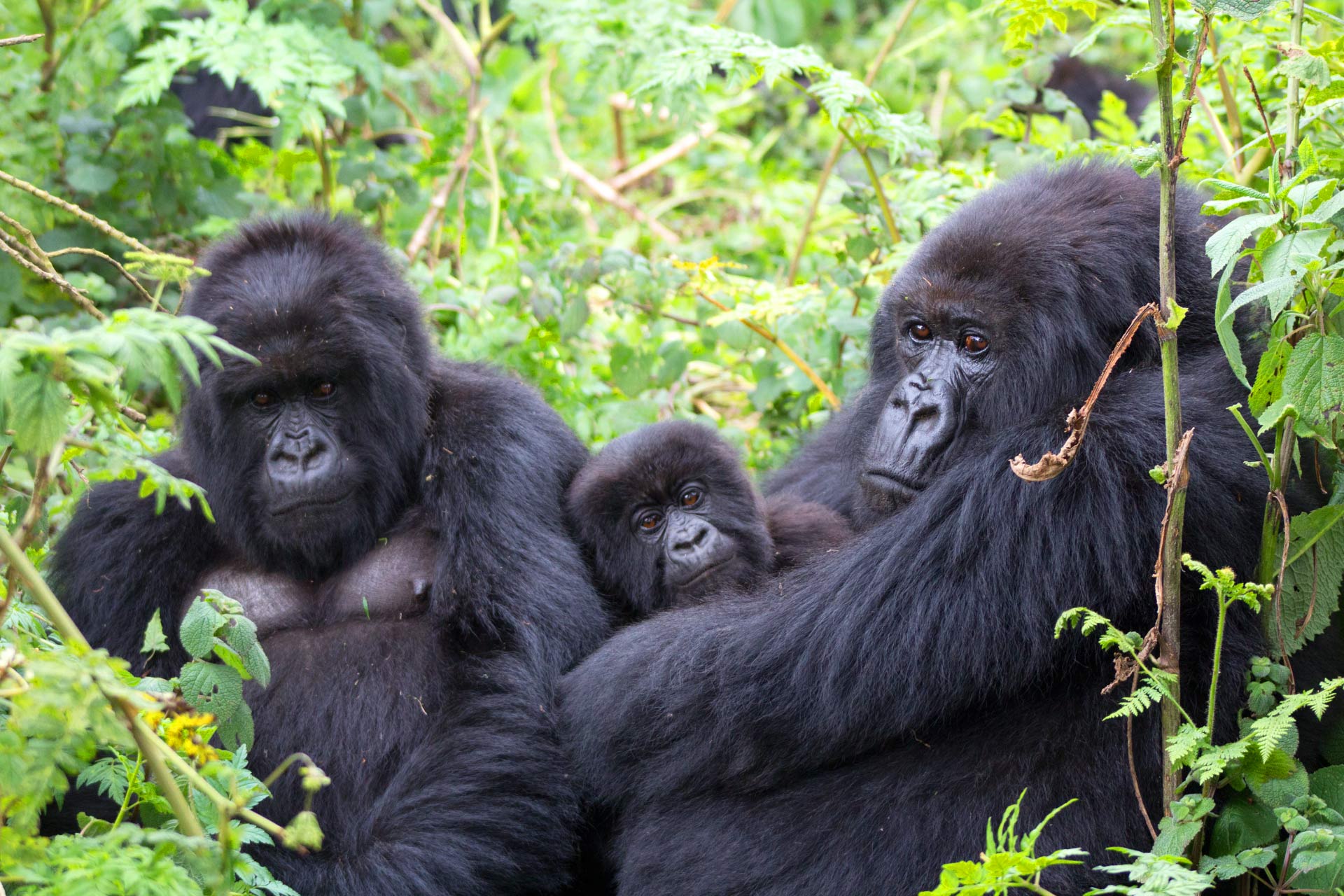
Communication is a critical component of Silverback Behavior During Habituation. Silverbacks use a combination of vocalizations, chest-beating, facial expressions, and body postures to convey messages to their family. These communication methods regulate family behavior, coordinate movements, and maintain social hierarchies.
During habituation, observers often notice how the silverback signals for the group to move, rest, or feed. Deep, resonant vocalizations may alert the family to potential threats or coordinate activities, while chest-beating communicates authority and dominance to both group members and neighboring gorillas. These behaviors are carefully observed by conservationists to gauge the silverback’s stress levels and tolerance of human presence.
Females and juveniles complement the silverback’s communication with softer vocalizations, grooming behaviors, and gentle touches. These signals reinforce social bonds, reduce tension, and teach young gorillas proper social interaction. Studying these interactions provides invaluable context for Silverback Behavior During Habituation, showing how leadership and communication integrate to maintain family stability.
Extended habituation observation also reveals subtler aspects of silverback communication, including interactions with infants, conflict resolution between juveniles, and monitoring of females during feeding. Understanding these dynamics offers visitors a holistic view of gorilla social organization and the critical role of the silverback within the family.
Parenting and Family Support

A central element of Silverback Behavior During Habituation is the silverback’s involvement in family support and protection. While mothers primarily care for infants, the silverback positions himself to safeguard the young from potential threats, ensuring that infants can explore safely and juveniles can play under supervision.
During habituation, visitors can observe how the silverback interacts with infants and juveniles, using gentle nudges, protective postures, and close supervision to guide their behavior. This shows that the silverback’s role extends beyond dominance and protection—it encompasses mentoring, teaching, and providing emotional security.
Silverbacks also support family cohesion by mediating disputes and managing tensions within the group. Observers of Silverback Behavior During Habituation often see the silverback intervening to calm conflicts, signaling with vocalizations or body language to maintain order without aggression.
By studying these behaviors, travelers gain a deeper appreciation of the silverback’s multifaceted responsibilities. The balance of leadership, caregiving, and protection demonstrated during habituation provides profound insight into gorilla social intelligence and family dynamics.
Observing Daily Routines
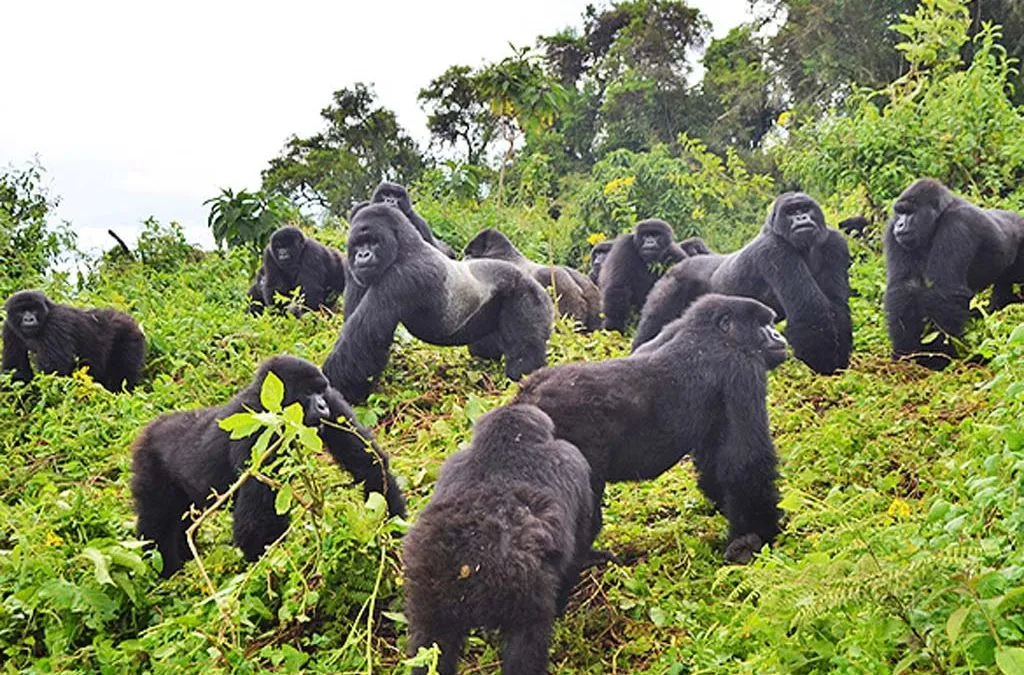
Studying Silverback Behavior During Habituation provides travelers with a window into the daily routines of mountain gorilla families. Silverbacks oversee the group’s movement from feeding areas to resting spots, ensuring that each member is accounted for and protected.
During habituation, the silverback coordinates feeding times, monitors infant activity, and maintains vigilance over juveniles at play. These routines demonstrate how leadership, protection, and social management are integrated into every aspect of gorilla family life.
Visitors witness the silverback making decisions in real time—choosing paths through dense forest, assessing potential risks, and responding to environmental changes. Observing these routines highlights the intelligence and adaptability that are central to Silverback Behavior During Habituation.
Extended observation during habituation allows visitors to see patterns emerge: how silverbacks regulate energy expenditure, manage social interactions, and respond to human observers. This understanding deepens the educational and emotional impact of gorilla trekking experiences.
Interaction With Humans During Habituation
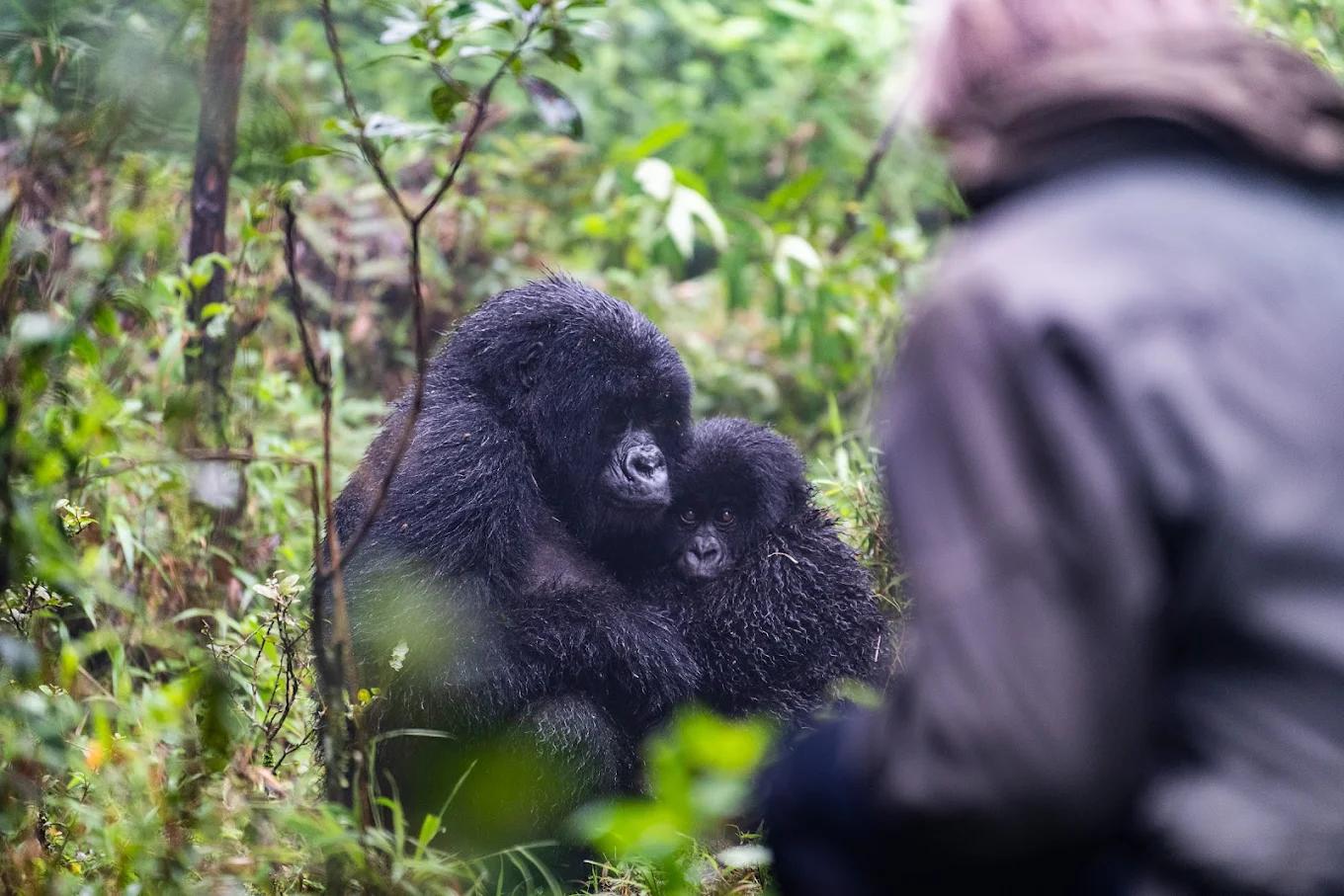
The silverback’s response to human observers is a central element of Silverback Behavior During Habituation. Initially, silverbacks may show curiosity, caution, or mild vigilance when humans enter their territory. Through repeated, controlled exposure, they gradually tolerate human presence without compromising natural behaviors.
Observing these responses helps visitors understand how habituation works. The silverback’s reactions signal to the rest of the family whether the humans are safe, providing a live lesson in gorilla social regulation and leadership.
During habituation, conservation teams ensure that visitors maintain proper distance and follow rules to avoid disrupting the family. This careful management allows travelers to witness authentic silverback behavior while minimizing impact on the gorillas’ natural routines.
Understanding Silverback Behavior During Habituation in this context underscores the importance of patience, respect, and ethical tourism, highlighting the critical role of the silverback in maintaining both family safety and adaptation to human observers.
Conservation Insights From Silverback Behavior

Studying Silverback Behavior During Habituation provides key conservation insights. Observing leadership patterns, social interactions, and protective behaviors allows conservationists to monitor family health, reproductive success, and behavioral trends.
These insights inform park management strategies, helping authorities protect silverbacks, infants, and other family members while ensuring ethical tourism practices. Habituation data is also used to understand population growth, track diseases, and plan for forest habitat protection.
Tourism that supports habituation experiences provides essential funding for rangers, research, and community projects. By participating, visitors directly contribute to protecting silverbacks and their families, as well as the rainforest ecosystems that sustain them.
Understanding Silverback Behavior During Habituation bridges education, conservation, and tourism, showing how research, ethical observation, and visitor engagement all work together to protect these critically endangered primates
How Visitors Can Experience Silverback Behavior

Visitors can witness Silverback Behavior During Habituation through guided habituation experiences arranged by expert operators like NextGEN Safaris. These programs provide extended observation periods, allowing travelers to see leadership, caregiving, communication, and protective behaviors up close.
Guides explain the silverback’s role in family dynamics, interpreting vocalizations, gestures, and interactions to help visitors understand social hierarchies and decision-making processes. This creates an immersive, educational experience that goes beyond simple wildlife viewing.
Visitors can also observe multiple families across sectors such as Rushaga or Nkuringo, comparing leadership styles, family size, and social cohesion. Each encounter provides unique insights into silverback behavior and reinforces the importance of ethical tourism.
Participating in these experiences allows travelers to understand the intelligence, emotional depth, and responsibility demonstrated by silverbacks, making the habituation experience both educational and unforgettable.
Frequently Asked Questions About Silverback Behavior During Habituation
1. What is meant by Silverback Behavior During Habituation?
Silverback Behavior During Habituation refers to the study and observation of how dominant male gorillas behave when gradually introduced to human presence. It includes leadership decisions, family protection, communication with group members, and responses to trackers, researchers, and tourists. Observing this behavior helps understand the silverback’s role in maintaining family cohesion and survival in the wild.
2. Why is observing Silverback Behavior During Habituation important?
Observing Silverback Behavior During Habituation is crucial because the silverback dictates the safety, movement, and daily routines of the gorilla family. By studying their responses to human presence, conservationists can manage habituation safely, and visitors gain insights into gorilla intelligence, social structure, and emotional depth.
3. How does the silverback lead the gorilla family?
In Silverback Behavior During Habituation, the silverback demonstrates leadership by guiding group movements, selecting feeding areas, and monitoring potential threats. Leadership is not only about authority; it involves protecting family members, coordinating social interactions, and ensuring that juveniles and infants learn proper behavior within the group.
4. How does the silverback protect the family during habituation?
Protection is a central element of Silverback Behavior During Habituation. Silverbacks position themselves strategically to shield infants and juveniles, deter rival males, and monitor the surroundings for predators. Observing these protective behaviors during habituation allows visitors to see firsthand how crucial the silverback is to the family’s safety.
5. How do silverbacks communicate during habituation?
Silverback Behavior During Habituation includes a wide range of communication methods. Silverbacks use chest-beating, deep vocalizations, body postures, and subtle gestures to convey authority, warn of threats, or coordinate family movements. This communication maintains social harmony and informs the group of imminent changes or dangers.
6. What role does the silverback play in teaching juveniles?
Juveniles learn from the silverback during habituation experiences. Silverback Behavior During Habituation includes guiding play, setting boundaries, and monitoring interactions among young gorillas. Through observation, juveniles internalize social rules, develop motor skills, and understand hierarchy within the family.
7. How does habituation affect silverback behavior?
Silverback Behavior During Habituation evolves gradually. Initially, silverbacks may be cautious or alert to human presence. Over time, with consistent non-threatening exposure, they tolerate researchers and tourists, signaling acceptance to the rest of the family. This gradual adaptation is essential for safe and ethical wildlife tourism.
8. How can visitors safely observe silverbacks during habituation?
Visitors can observe Silverback Behavior During Habituation safely by following strict guidelines. Maintaining distance, avoiding loud noises, and moving calmly are critical. Guides and trackers interpret silverback body language, ensuring that human presence does not disturb the family or provoke defensive behavior.
9. How long can visitors watch silverbacks during habituation?
During habituation experiences, visitors may observe Silverback Behavior During Habituation for up to four hours. This extended observation period allows for detailed understanding of leadership, protection strategies, communication, and interaction with family members.
10. How do silverbacks interact with mothers and infants?
In Silverback Behavior During Habituation, silverbacks often remain near infants and nursing mothers to provide protection and reassurance. This behavior demonstrates the silverback’s dual role as both leader and caretaker, highlighting the emotional intelligence and responsibility inherent in mountain gorilla families.
11. Can silverbacks approach humans during habituation?
Silverbacks may occasionally approach humans cautiously. Observing Silverback Behavior During Habituation shows that such interactions are based on the gorilla’s curiosity and comfort level. Trained guides ensure that visitors maintain proper distance and do not interfere with natural behaviors.
12. How do silverbacks manage conflicts within the family?
Silverback Behavior During Habituation includes conflict resolution. Silverbacks mediate disputes between juveniles or adults through vocalizations, postures, or physical positioning. This management ensures the family remains cohesive and safe, which is critical for habituation success.
13. How does observing silverbacks help conservation?
Studying Silverback Behavior During Habituation provides conservationists with essential data about family health, social stability, and reproduction. Understanding how silverbacks interact with their families allows for better habitat management, protection measures, and long-term monitoring of endangered populations.
14. How does silverback leadership influence the success of habituation?
The silverback’s tolerance and confidence are central to Silverback Behavior During Habituation. A relaxed and accepting silverback allows the rest of the family to acclimate to human presence, making habituation safer, more natural, and sustainable. Leadership quality directly impacts the success of habituation programs.
15. What behaviors do silverbacks exhibit when alert or threatened?
During habituation, silverbacks may exhibit alert behaviors such as chest-beating, vocalizations, or positioning themselves between potential threats and the family. Observing Silverback Behavior During Habituation helps visitors understand how gorillas assess risk and maintain group safety.
16. How does a silverback influence family movement?
Silverback Behavior During Habituation includes deciding where and when the family moves through the forest. Silverbacks lead the group to feeding areas, resting sites, or water sources, coordinating everyone’s movement while monitoring safety and social interactions.
17. How do researchers document silverback behavior?
Researchers studying Silverback Behavior During Habituation record vocalizations, postures, feeding patterns, conflict resolution, and interactions with family members. This data informs conservation decisions, helps manage habituation protocols, and contributes to global understanding of gorilla social systems.
18. Can silverbacks adapt to human presence?
Yes. Silverback Behavior During Habituation demonstrates that silverbacks gradually accept humans as non-threatening through repeated, careful exposure. This adaptation is essential for responsible tourism and ensures that habituated gorillas remain safe and stress-free.
19. How do silverbacks influence family cohesion?
Silverbacks maintain social order in Silverback Behavior During Habituation by reinforcing hierarchies, resolving conflicts, and monitoring interactions. Their leadership ensures that mothers, juveniles, and infants operate within a stable and protective family environment.
20. How can I book a habituation experience to see silverbacks?
To experience Silverback Behavior During Habituation, travelers should book through professional operators like NextGEN Safaris. The company provides permits, expert guides, accommodation, and guided trekking experiences, allowing visitors to observe silverbacks safely while learning about leadership, protection, and social dynamics in mountain gorilla families.
Booking Your Silverback Habituation Experience

To experience Silverback Behavior During Habituation firsthand, travelers should book with experienced safari operators like NextGEN Safaris. The team handles gorilla permits, accommodation near Bwindi, guided trekking, transportation, and personalized itineraries to ensure a seamless experience.
Guides provide in-depth commentary on silverback leadership, family interactions, and communication, helping visitors interpret behaviors accurately and ethically. Every trek is designed to balance educational value, safety, and conservation impact.
Booking through NextGEN Safaris guarantees a safe, ethical, and immersive habituation experience. Visitors gain a profound understanding of silverback roles within gorilla families while supporting critical conservation efforts for endangered mountain gorillas.
Reserve your Uganda habituation adventure today and witness Silverback Behavior During Habituation in action, experiencing firsthand the intelligence, leadership, and emotional depth that define mountain gorilla families.