

The Ultimate Guide to How Gorilla Families Are Habituated: Unlocking Uganda’s Mountain Gorilla Conservation Secrets
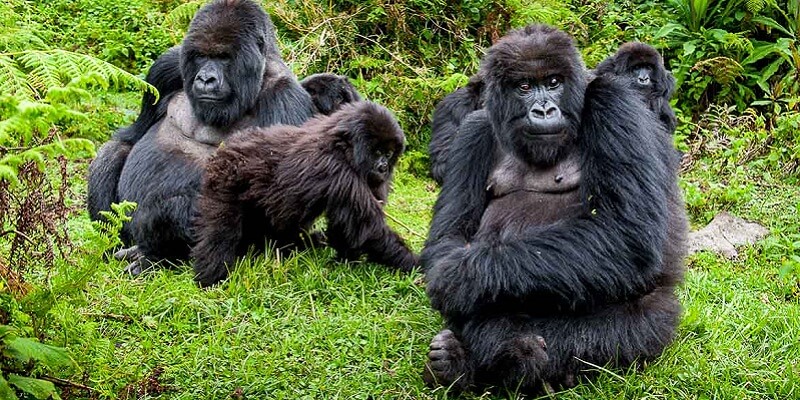
How Gorilla Families Are Habituated is a critical concept for anyone interested in mountain gorilla trekking and conservation in Uganda. Habituation is the meticulous, long-term process that allows wild gorilla families to gradually become accustomed to human presence without altering their natural behavior or threatening their well-being. Unlike regular gorilla trekking, where tourists spend a limited hour with fully habituated gorillas, habituation experiences provide a deeper insight into gorilla social life, communication, and family dynamics. Visitors observing habituation get to see gorillas interact naturally while learning how conservationists manage these encounters safely and responsibly.
Understanding How Gorilla Families Are Habituated also highlights the dedication of Uganda Wildlife Authority teams, trackers, and researchers who work tirelessly to balance tourism, research, and conservation. Each gorilla family responds differently to human presence depending on the dominant silverback, environmental conditions, and previous exposure to humans. By studying habituation, travelers can appreciate the patience, science, and strategy required to create sustainable gorilla tourism experiences that protect these critically endangered animals
The Science Behind How Gorilla Families Are Habituated
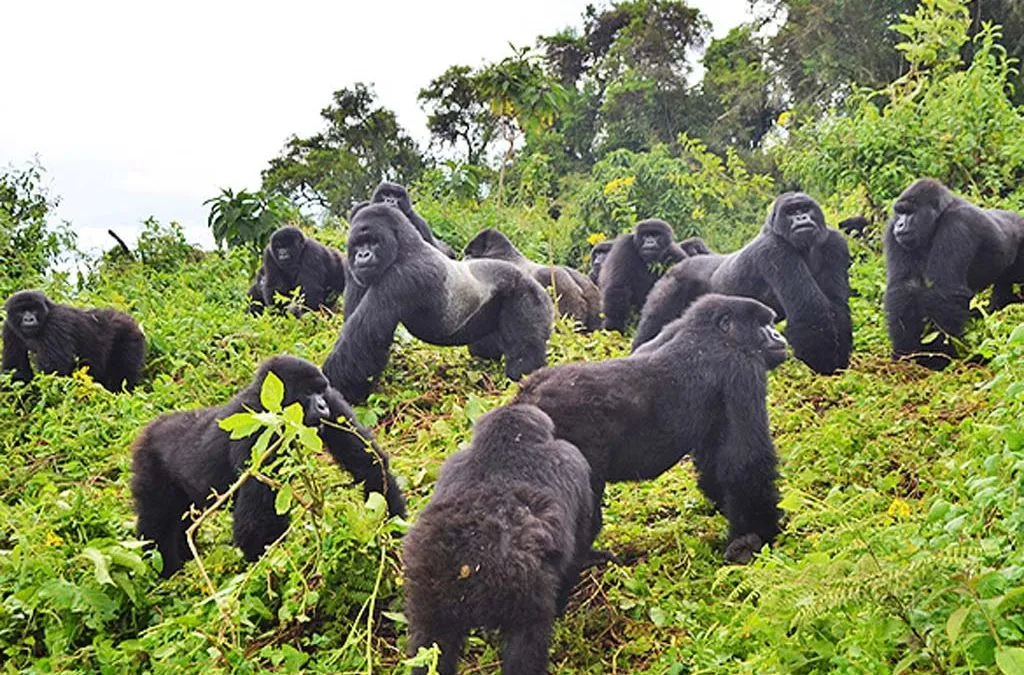
Understanding How Gorilla Families Are Habituated begins with the scientific principles and ethical frameworks developed by wildlife researchers and conservationists over decades of work in Uganda and Rwanda. Initially, wild gorilla families are observed from a safe distance, often for months or even years, to map their daily routines, feeding patterns, social hierarchies, and communication methods. Researchers meticulously record these behaviors while taking care not to intrude on the gorillas’ natural environment, ensuring that observations do not alter their daily lives or cause stress.
The process of habituation is gradual and highly methodical. Once the initial observation period is complete, conservation teams begin a slow introduction of human presence. Over months or years, gorillas are exposed to rangers, trackers, and researchers in controlled conditions. This gradual exposure allows the gorillas to recognize humans as neutral observers rather than threats. The ultimate goal of How Gorilla Families Are Habituated is to create a situation where gorillas continue their normal feeding, resting, social interactions, and movement through the forest while being aware of humans nearby.
This scientific process is a delicate balance. Too rapid an introduction can stress the gorillas, alter their feeding habits, or cause social tension within the group, while too slow a process delays research and conservation benefits. How Gorilla Families Are Habituated therefore relies on a combination of patient observation, behavioral understanding, and careful incremental exposure to ensure both the well-being of the gorillas and the safety of humans. Every stage is guided by rigorous research, ethical oversight, and the principles of responsible tourism.
The Role of Silverbacks in Gorilla Habituation
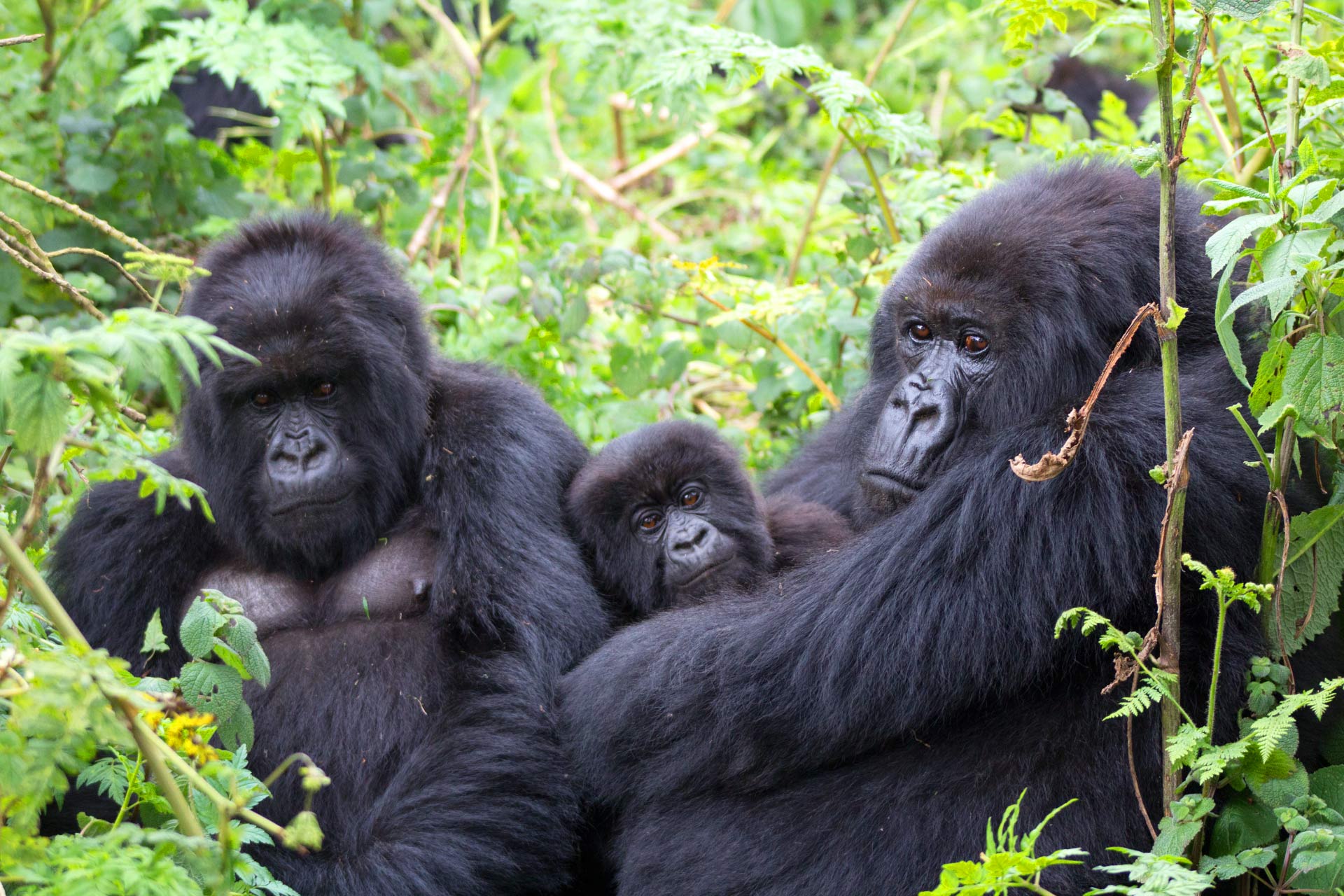
Silverbacks are the cornerstone of How Gorilla Families Are Habituated. As the dominant male and protector of the family, the silverback’s behavior sets the tone for the rest of the group. Researchers and trackers carefully monitor silverbacks to assess how they respond to human presence, because the comfort and tolerance of the silverback directly influence how quickly the entire family can adapt to habituation.
During the habituation process, a silverback may initially display alertness or mild caution toward human observers. Over time, as the family becomes accustomed to controlled human presence, the silverback’s relaxed demeanor signals safety to females, juveniles, and infants. The silverback communicates authority through body language, vocalizations, and subtle gestures, and this leadership is essential for maintaining group cohesion while exposure to humans increases.
Learning How Gorilla Families Are Habituated highlights the remarkable patience, intelligence, and social awareness of silverbacks. Their ability to assess threats, protect their families, and gradually accept human observers ensures the success of habituation. Observing a silverback during habituation provides visitors with invaluable insights into gorilla leadership, decision-making, and family dynamics in the wild.
Daily Routines and Observation During Habituation
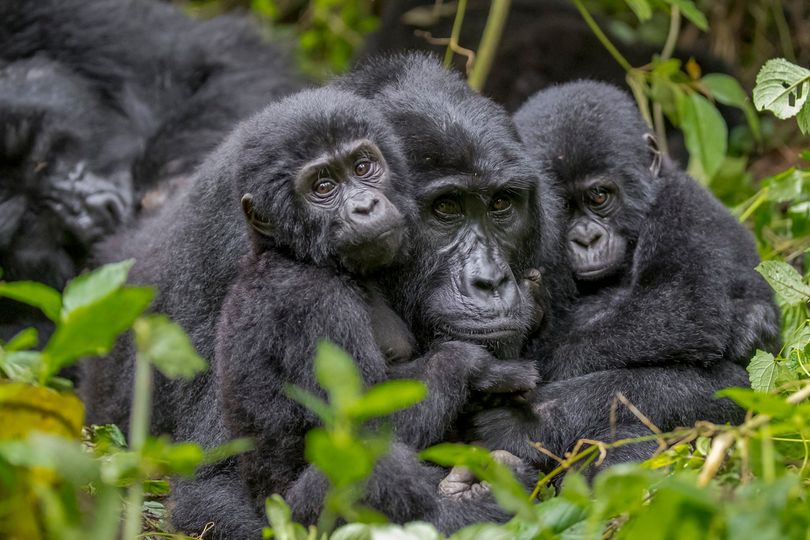
A key part of understanding How Gorilla Families Are Habituated is observing gorillas within the context of their daily routines. Habituation is carefully timed so that human presence does not interfere with feeding, resting, or social interactions. Conservation teams track the family from early morning to late afternoon, following them through steep hills, dense vegetation, and misty rainforest terrain while maintaining a safe distance.
During habituation experiences, visitors witness gorillas engaging in their natural behaviors. Silverbacks patrol and guide the group, ensuring safety and cohesion. Mothers nurture and protect their infants, often demonstrating gentle and patient caregiving. Juveniles engage in play, which develops social skills and strengthens bonds within the family. Communication occurs constantly through vocalizations, facial expressions, gestures, and subtle body movements.
How Gorilla Families Are Habituated in real time allows visitors to see these behaviors as part of an uninterrupted daily cycle. Observers can witness feeding strategies, territorial movements, conflict resolution, and family bonding. By aligning human observation with the gorillas’ natural schedule, habituation offers a rare and intimate view into the lives of these extraordinary primates, emphasizing that ethical and responsible exposure is central to the process.
The Role of Trackers and Researchers
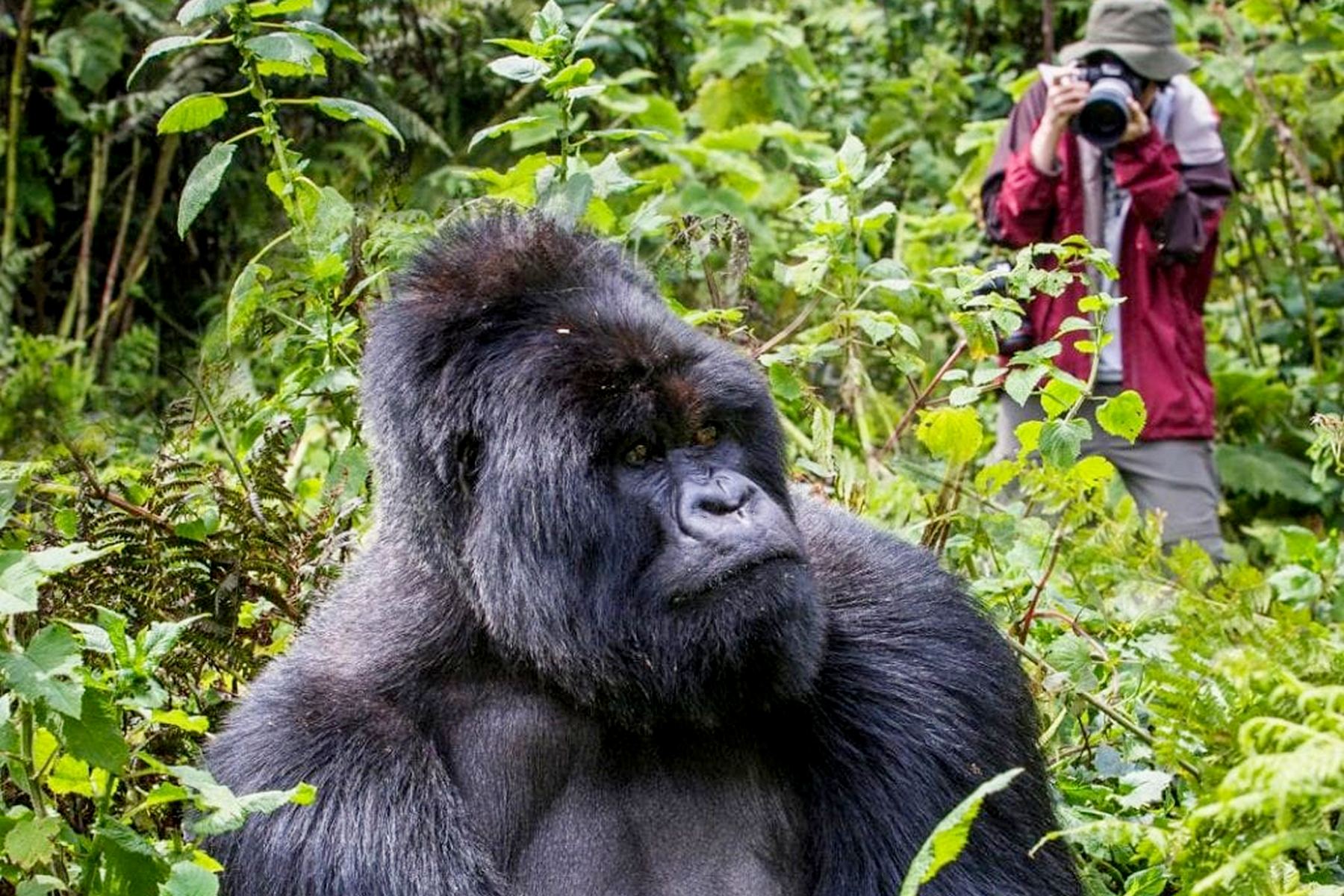
Trackers and researchers are the backbone of How Gorilla Families Are Habituated. Trackers possess intimate knowledge of the forest, including gorilla trail systems, feeding locations, and movement patterns. They can predict where a gorilla family is likely to move and interpret subtle behavioral cues that indicate stress, curiosity, or comfort. Researchers, on the other hand, document every aspect of gorilla behavior, from social hierarchies to infant development, while carefully monitoring the impact of human presence on the family.
Together, these teams ensure that habituation progresses safely and ethically. Trackers and researchers coordinate the pace of observation, determine the optimal distance for human presence, and intervene only when necessary to prevent stress or conflict. Visitors rely on their guidance to understand the gorillas’ behavior, learn conservation principles, and observe without disrupting natural activities.
How Gorilla Families Are Habituated is therefore not a solo endeavor; it is a collaborative process that requires coordination between wildlife, humans, and the environment. Every successful habituation is a result of meticulous planning, deep understanding of gorilla behavior, and continuous monitoring by professionals. Visitors gain a firsthand appreciation for the complexity of gorilla social systems, the intelligence of individual animals, and the careful work behind safe, responsible habituation programs.
Visitor Guidelines During Habituation Experiences
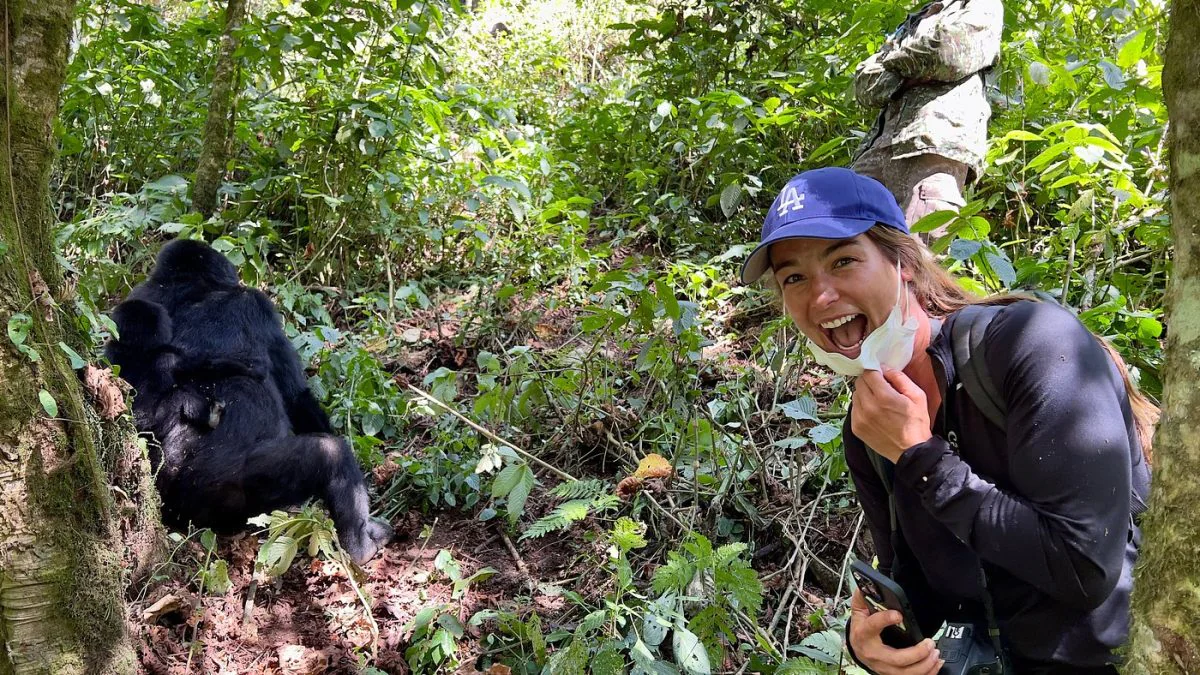
A critical component of understanding How Gorilla Families Are Habituated involves strict adherence to visitor conduct during habituation experiences. The success of habituation depends not only on the patience and skill of trackers and conservationists but also on how tourists behave while observing the gorillas. Visitors must move calmly and deliberately through the forest, speaking softly and avoiding sudden movements that could startle the animals. Maintaining the recommended distance is essential; although habituated or semi-habituated gorillas may seem curious or approach visitors, this should never be interpreted as an invitation for closer contact. Attempting to touch, feed, or interact physically with gorillas can disrupt their natural behavior and compromise the long-term safety of both humans and the gorillas themselves.
Guides and trackers play a vital role in ensuring these rules are followed throughout the habituation process. They monitor gorilla behavior closely, interpreting body language and signaling to visitors when to remain still or shift position. Following these guidelines ensures that the gorillas continue their natural routines without disruption, while tourists gain a safe, immersive, and educational experience. By respecting the forest environment and the gorillas’ personal space, visitors contribute to the long-term conservation of these endangered primates while gaining unparalleled insights into their lives.
Duration and Experience of Gorilla Habituation
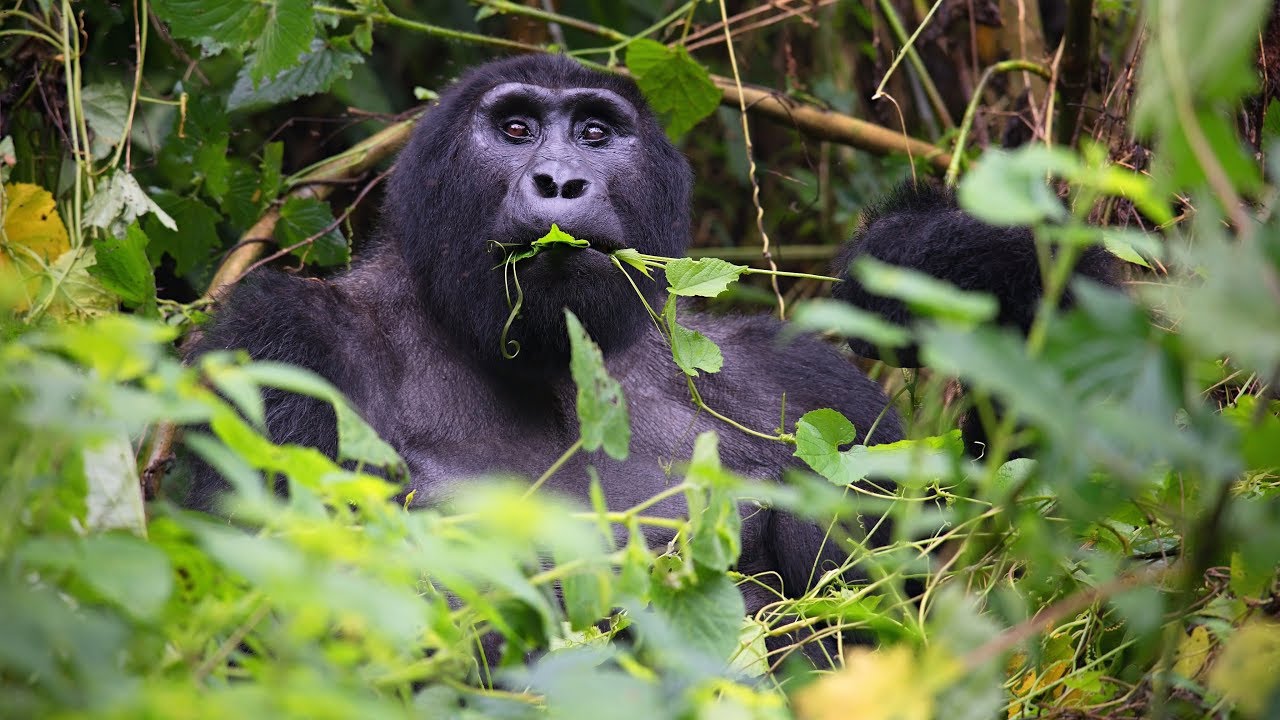
Unlike standard gorilla trekking, which typically allows for one hour of observation with fully habituated gorillas, the habituation experience provides travelers with an extended period of up to four hours in the presence of a semi-habituated family. Studying How Gorilla Families Are Habituated in real time offers an extraordinary opportunity to witness the nuances of gorilla social behavior, including communication patterns, problem-solving within the group, and the development of social bonds between family members.
During this prolonged observation, visitors can see gorillas feeding, resting, moving, playing, grooming, and interacting with their environment in ways that are impossible to capture during a shorter trek. The experience allows travelers to follow the family through sections of the forest that reveal how gorillas select feeding areas, navigate steep terrain, and maintain cohesion within their social group. Observing these behaviors over several hours deepens understanding of gorilla intelligence, emotional complexity, and adaptability to environmental changes. This extended duration also provides time for guides to explain subtle behaviors, interpret interactions, and highlight the conservation implications of habituation, turning a simple wildlife sighting into a profound, educational journey.
Health and Safety Considerations
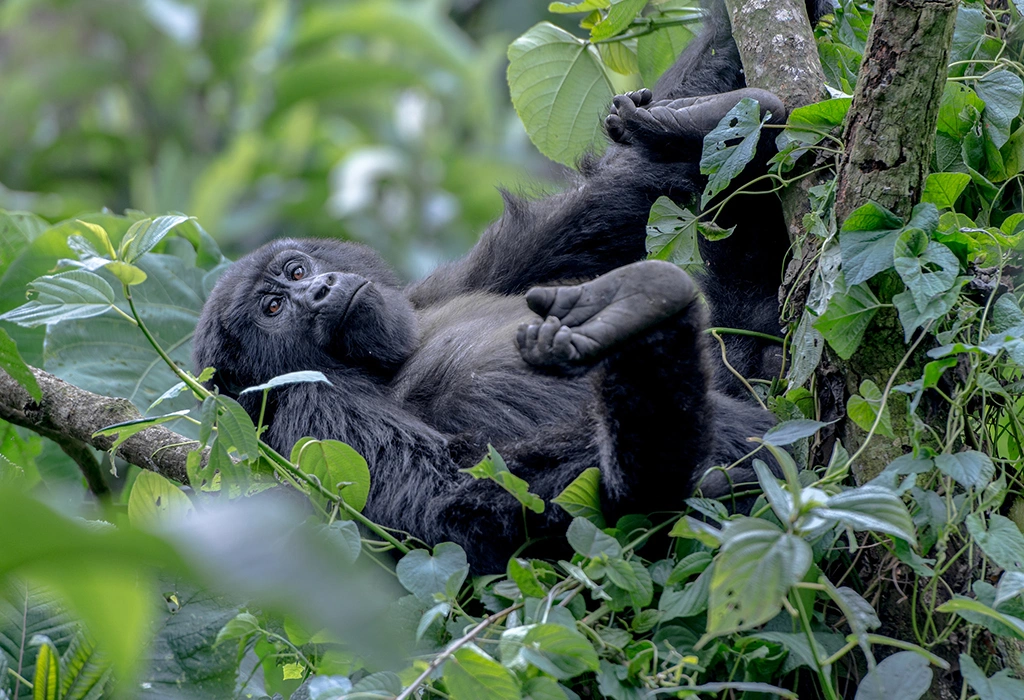
Ensuring health and safety is one of the most essential aspects of How Gorilla Families Are Habituated, as mountain gorillas are highly susceptible to human-borne illnesses, including respiratory infections and other pathogens. Conservation authorities strictly enforce policies preventing sick or recently ill visitors from participating in habituation experiences to minimize disease transmission. Visitors are required to adhere to hygiene guidelines, maintain a safe distance, and follow all instructions provided by guides throughout the encounter.
In addition to health considerations, physical safety is equally important. Bwindi Impenetrable National Park presents challenging terrain, including steep slopes, muddy trails, and dense forest undergrowth. Travelers must wear appropriate footwear, long-sleeved clothing, and protective gear to navigate the rainforest safely. Guides continually monitor both visitor and gorilla safety, interpreting gorilla behavior for early signs of discomfort or stress, and adjusting group positioning accordingly. Following these precautions allows the habituation experience to remain safe, enriching, and minimally disruptive for both humans and gorillas. By understanding these health and safety measures, travelers gain a deeper appreciation for the care and expertise required to conduct habituation responsibly while ensuring the well-being of these magnificent animals
Frequently Asked Questions About How Gorilla Families Are Habituated
1. What does it mean to understand how gorilla families are habituated?
Understanding How Gorilla Families Are Habituated means learning how conservationists gradually introduce wild gorillas to human presence while ensuring their natural behaviors, safety, and well-being are maintained. Habituation allows gorillas to accept humans as neutral observers without altering their daily routines or social structures.
2. How long does the habituation process take?
The process of How Gorilla Families Are Habituated can take several years. Researchers begin by observing gorillas from a distance, then slowly introduce human presence over months or years. The gradual pace ensures the gorillas remain comfortable, and the silverback, females, and juveniles all adjust naturally without stress.
3. Why is habituation important for conservation?
How Gorilla Families Are Habituated is crucial for mountain gorilla conservation because it allows controlled tourism that generates revenue for habitat protection, ranger patrols, and research. Habituation also enables scientists to monitor gorilla health, track social changes, and collect valuable behavioral data.
4. Who decides when a gorilla family is ready for habituation?
The decision on How Gorilla Families Are Habituated is made by trained conservationists, trackers, and researchers. They observe the silverback’s tolerance, family cohesion, and overall health. Only when the dominant silverback demonstrates calm acceptance of human observers does the family progress to closer habituation stages.
5. How do silverbacks influence the habituation process?
The silverback’s behavior is central to How Gorilla Families Are Habituated. A tolerant and calm silverback sets the tone for the rest of the family, allowing mothers, juveniles, and infants to accept human presence. If the silverback reacts aggressively or nervously, researchers pause or slow the habituation process to prevent stress.
6. What role do trackers play in habituation?
Trackers are essential in How Gorilla Families Are Habituated. They follow gorilla families through dense forest, identify individual gorillas, interpret body language, and guide visitors safely. Their expertise ensures that the habituation process progresses gradually while minimizing risk to both humans and gorillas.
7. How does habituation differ from regular gorilla trekking?
How Gorilla Families Are Habituated differs from standard trekking because habituation allows visitors to spend longer periods—up to four hours—with semi-habituated gorillas, observing natural behaviors in more detail. Regular trekking typically limits observation to one hour with fully habituated gorilla families.
8. Can tourists participate in habituation experiences?
Yes, tourists can participate in controlled habituation programs to witness How Gorilla Families Are Habituated. These experiences are supervised by experienced guides and trackers and offer a deeper understanding of gorilla behavior, family dynamics, and conservation efforts.
9. Are habituated gorillas safe to observe?
Observing habituated gorillas during How Gorilla Families Are Habituated is safe when conducted under professional supervision. Guides ensure visitors maintain appropriate distances, follow instructions, and do not interfere with natural gorilla behaviors. Safety rules are strictly enforced to protect both humans and gorillas.
10. How do gorillas react to human presence during habituation?
Gorillas gradually learn to tolerate humans during How Gorilla Families Are Habituated. Initially, they may observe from a distance or show curiosity. Over time, habituated gorillas continue their daily routines, including feeding, resting, and social interactions, with humans present, demonstrating the success of careful habituation practices.
11. How is stress minimized during habituation?
Minimizing stress is central to How Gorilla Families Are Habituated. Observers remain at safe distances, move calmly, avoid sudden noises, and follow strict guidelines. Researchers monitor gorilla reactions and adjust human presence if signs of discomfort or distress are observed.
12. What can visitors learn about gorilla social structure?
By observing How Gorilla Families Are Habituated, visitors gain insight into gorilla social organization, including silverback leadership, mother-infant bonding, juvenile play, and conflict resolution. Extended observation during habituation allows a rare understanding of complex relationships within a gorilla family.
13. How do researchers track gorilla movements?
Tracking is a key part of How Gorilla Families Are Habituated. Researchers and trackers follow families along established trails, record locations, feeding areas, and social interactions. GPS and observational data help ensure habituation is conducted safely and effectively while maintaining accurate records of gorilla behavior.
14. How does habituation benefit scientific research?
How Gorilla Families Are Habituated provides invaluable data on feeding habits, communication, family interactions, and health. Long-term observation allows scientists to study gorilla intelligence, population dynamics, reproductive behaviors, and responses to environmental changes.
15. Can habituated gorillas approach humans?
During habituation, gorillas may approach observers naturally as part of their curiosity, especially semi-habituated families. Understanding How Gorilla Families Are Habituated emphasizes that such approaches are guided by gorilla choice, not human encouragement. Visitors must remain calm and follow guide instructions at all times.
16. How are habituation sites prepared for safety?
Sites are carefully selected and monitored during How Gorilla Families Are Habituated to ensure safety for both gorillas and humans. Conservation teams choose areas with manageable terrain, clear trails, and minimal disruption to the forest ecosystem.
17. How long does a habituation visit last?
Visitors typically spend up to four hours with a semi-habituated family during How Gorilla Families Are Habituated. This extended observation period provides sufficient time to see natural behaviors, document interactions, and understand gorilla communication patterns.
18. What are the health requirements for visitors?
Health precautions are critical in How Gorilla Families Are Habituated. Visitors must not attend if they have respiratory illnesses, flu, or other infectious diseases. Masks may be required, and hygiene guidelines must be followed to prevent disease transmission to the vulnerable gorilla populations.
19. How does tourism support habituation efforts?
Tourism revenue generated from controlled habituation experiences contributes directly to How Gorilla Families Are Habituated. Funds support ranger patrols, habitat protection, research programs, and local communities, making sustainable tourism essential for ongoing conservation efforts.
20. How can I book a habituation experience to see gorillas?
To witness How Gorilla Families Are Habituated firsthand, travelers should book through professional safari operators like NextGEN Safaris. We provide gorilla permits, expert guides, accommodation near Bwindi, transportation, and personalized itineraries to ensure a safe, educational, and unforgettable habituation experience.
Booking Your Gorilla Habituation Experience
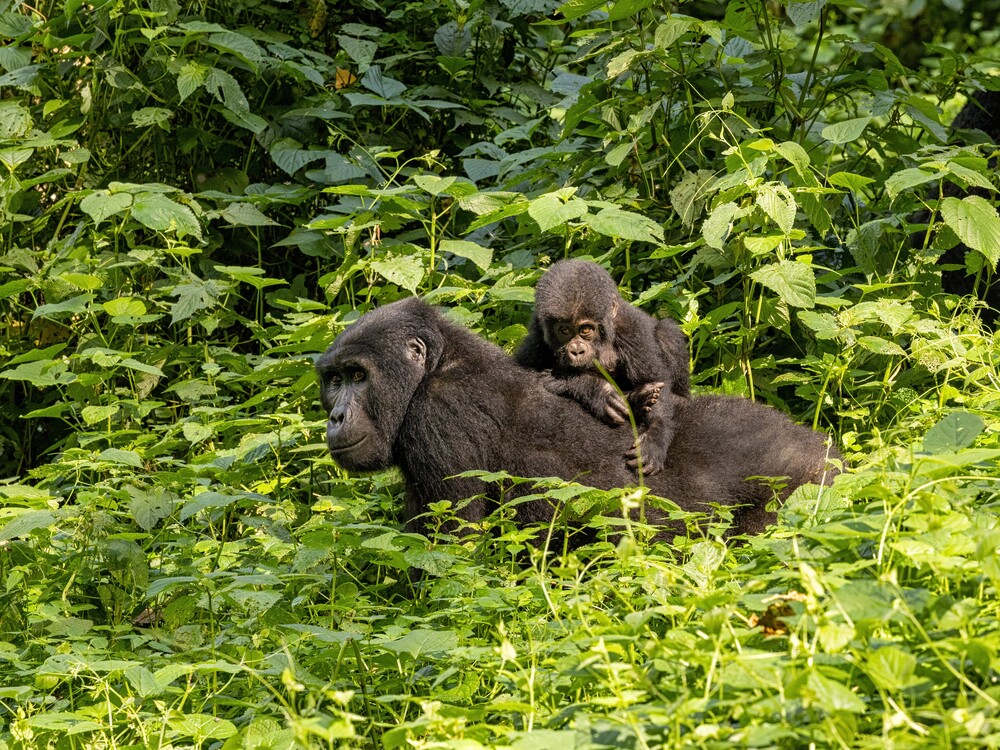
Experiencing How Gorilla Families Are Habituated requires professional planning and expert guidance. At NextGEN Safaris, we provide fully managed gorilla habituation safaris, including permits, accommodation, transportation, and professional guides.
Our team ensures visitors receive briefings on safety, behavior, and conservation principles before entering the forest. Every itinerary is tailored to the traveler’s preferences, whether they seek photography opportunities, extended observation, or a comprehensive Uganda wildlife adventure.
Booking with NextGEN Safaris guarantees a safe, educational, and unforgettable habituation experience while supporting responsible mountain gorilla conservation.
Reserve your gorilla habituation experience with NextGEN Safaris today and witness firsthand how gorilla families are habituated, while contributing to the protection of one of Uganda’s most iconic wildlife species.