

The Ultimate Gorilla Habituation Dry Season Guide: Experience Uganda’s Mountain Gorillas in Perfect Conditions
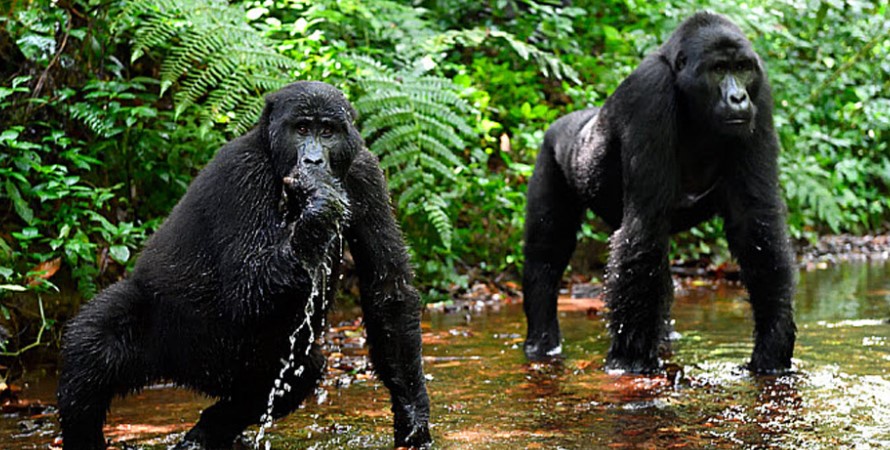
The Gorilla Habituation Dry Season Guide provides travelers with essential information about planning a gorilla habituation experience during Uganda’s most favorable weather periods. Gorilla habituation is one of the most immersive wildlife experiences in Africa, allowing visitors to spend up to four hours with semi-habituated mountain gorilla families while learning about their behavior, social structures, and conservation efforts.
Unlike normal gorilla trekking, which provides approximately one hour with fully habituated gorillas, habituation offers a deeper opportunity to observe how gorillas interact naturally within their rainforest environment. Choosing the dry season can significantly improve the overall experience because forest trails are generally easier to navigate, rainfall interruptions are reduced, and visitors can comfortably spend extended time observing these incredible primates.
The Gorilla Habituation Dry Season Guide is designed for travelers who want to understand why Uganda’s dry months are considered ideal for exploring Bwindi Impenetrable National Park. During these periods, visitors enjoy better hiking conditions, excellent photography opportunities, and a more comfortable journey through the ancient rainforest.
Uganda’s mountain gorillas live in a tropical rainforest environment, meaning weather conditions can change at any time. However, the dry seasons provide some of the most reliable conditions for travelers seeking a memorable habituation experience. With proper planning, the dry season offers the perfect balance between adventure, comfort, and unforgettable wildlife encounters.
Understanding Uganda’s Dry Seasons for Gorilla Habituation
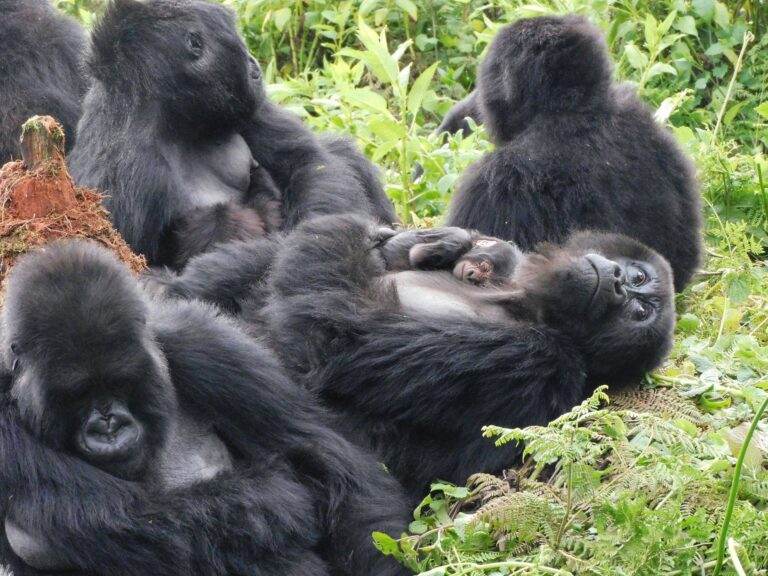
The Gorilla Habituation Dry Season Guide begins with understanding Uganda’s seasonal patterns. Uganda experiences two main dry seasons that are considered ideal for gorilla habituation: the longer dry season from June to September and the shorter dry season from December to February.
During these months, Bwindi Impenetrable National Park typically receives less rainfall compared to the wetter months. This creates better trekking conditions, especially because habituation involves longer periods inside the forest following trackers in search of semi-habituated gorilla families.
The dry season does not mean the rainforest becomes completely dry. Bwindi remains a lush tropical forest throughout the year, with green vegetation and a rich ecosystem. However, reduced rainfall makes forest paths more manageable and reduces the chances of heavy rain interrupting the experience.
For travelers using the Gorilla Habituation Dry Season Guide when planning their safari, understanding these seasonal differences helps create realistic expectations. The dry season offers improved comfort, but visitors should still prepare for rainforest conditions because showers can occur even during the drier months.
Why the Dry Season is Ideal for Gorilla Habituation
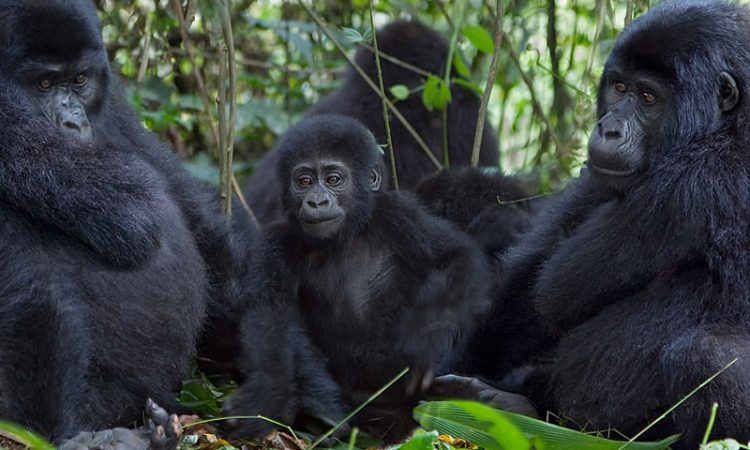
The dry season is considered one of the best periods for gorilla habituation because it improves the overall trekking experience. The Gorilla Habituation Dry Season Guide highlights how favorable weather conditions make it easier for visitors to navigate Bwindi’s challenging terrain.
Gorilla habituation takes place in mountainous rainforest areas where trails can become slippery after heavy rainfall. During the dry season, paths are generally firmer, making hiking more comfortable for visitors of different fitness levels.
The longer observation period during habituation makes weather particularly important. Spending several hours in the forest requires patience, comfort, and preparation. Reduced rainfall allows visitors to focus more on observing gorilla behavior rather than dealing with difficult weather conditions.
The dry season also provides excellent opportunities to appreciate the beauty of Bwindi. The forest remains vibrant, filled with birds, butterflies, unique plant species, and the sounds of the rainforest. The Gorilla Habituation Dry Season Guide shows why this period offers one of the most rewarding ways to explore Uganda’s gorilla habitat.
Gorilla Habituation from June to September
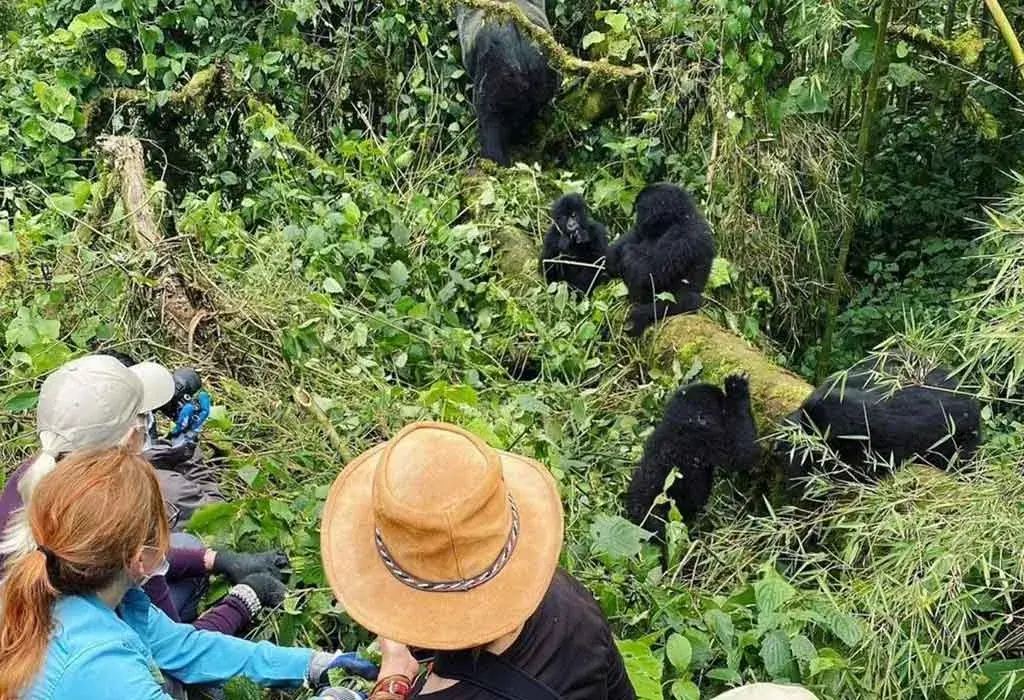
June to September is one of the most popular periods covered in the Gorilla Habituation Dry Season Guide because it offers some of the best conditions for visiting Bwindi Impenetrable National Park.
During these months, rainfall is usually lower, creating more comfortable hiking conditions. Visitors following trackers through the forest have better chances of enjoying longer periods outdoors while searching for habituated gorilla families.
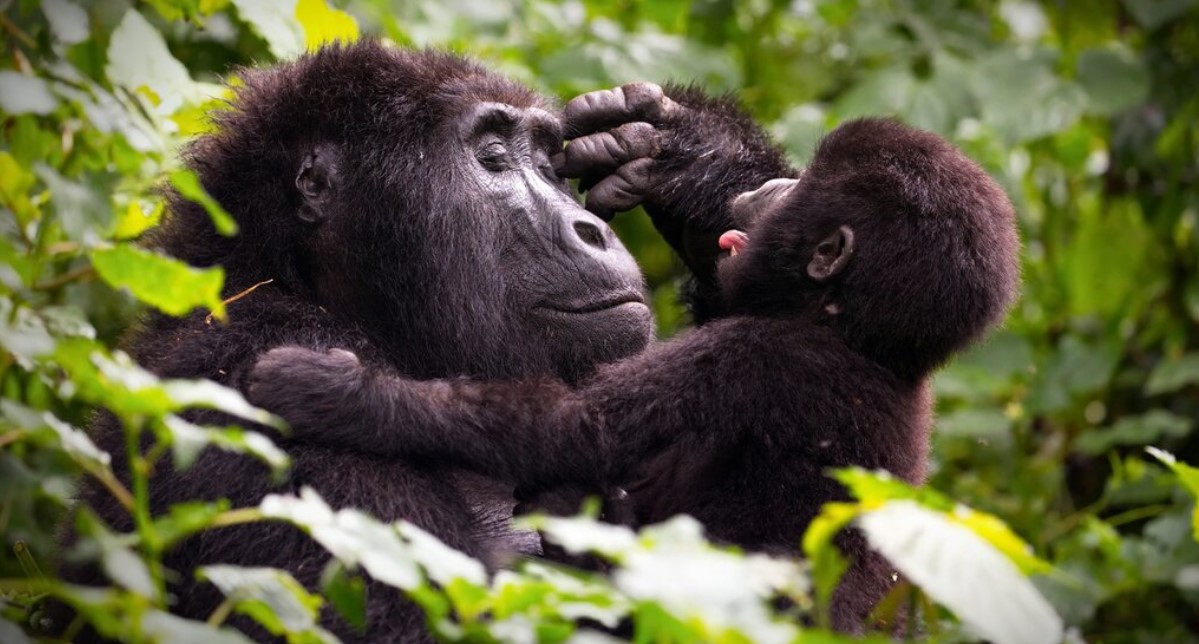
This season is especially attractive for photographers and wildlife enthusiasts. Clearer weather conditions allow visitors to capture memorable images of silverbacks, mothers with infants, juveniles playing, and family interactions without frequent interruptions from heavy rainfall.
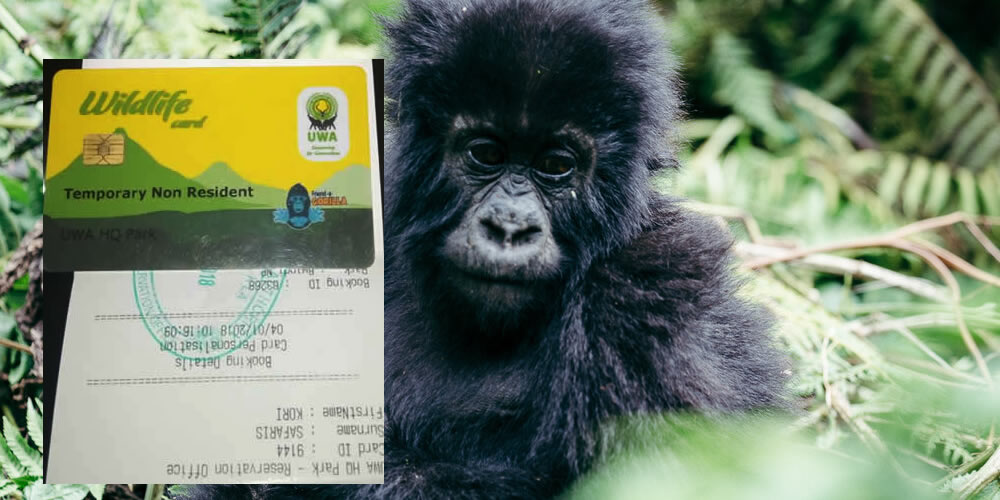
Because June to September is a peak travel period, gorilla habituation permits should be booked early. The limited number of habituation permits available each day means advance planning is important for travelers who want to experience Uganda’s mountain gorillas during this excellent season.
Gorilla Habituation from December to February
The December to February period is another important season highlighted in the Gorilla Habituation Dry Season Guide. These months provide favorable conditions for visitors looking for a comfortable rainforest adventure.
Many travelers choose this period because it combines pleasant weather with opportunities for holiday travel. Families, couples, honeymooners, and international visitors often plan Uganda safari experiences during these months.
The reduced rainfall makes forest exploration easier, while the beautiful landscapes of Bwindi create a spectacular backdrop for photography and wildlife observation.
Travelers visiting during this period should still prepare for rainforest conditions. Waterproof clothing and suitable hiking equipment remain essential because Bwindi’s weather can change quickly regardless of the season.
Photography Opportunities During Dry Season Gorilla Habituation
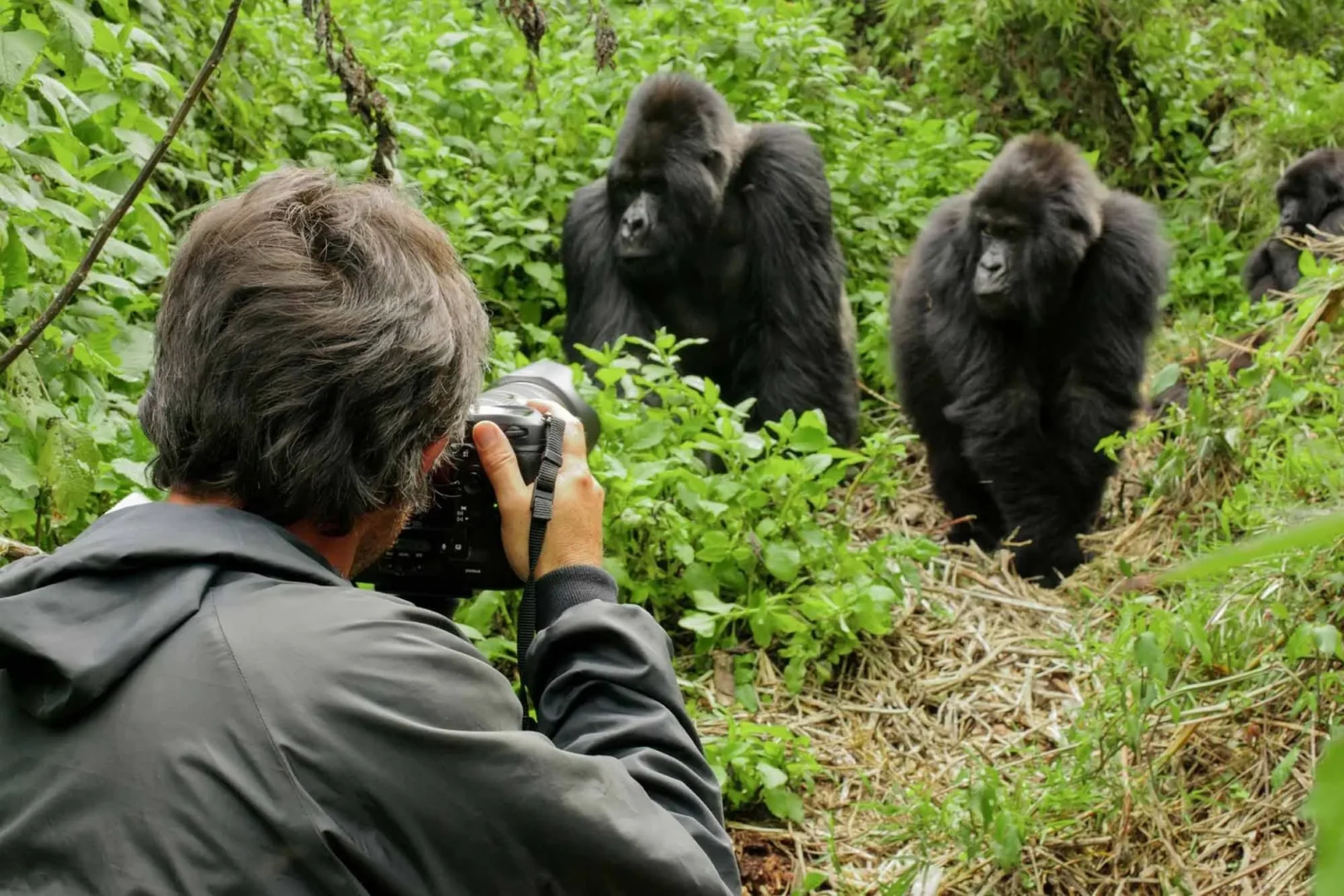
For photographers, the Gorilla Habituation Dry Season Guide provides valuable information about why dry months are excellent for capturing mountain gorilla moments.
The improved weather conditions create better opportunities for clear photographs. Visitors spending several hours with gorilla families have more time to capture different behaviors, including silverback leadership displays, grooming, feeding, and interactions between mothers and young gorillas.
The forest environment during dry seasons also provides beautiful natural lighting. Sunlight filtering through the rainforest canopy creates dramatic and emotional images that showcase the relationship between mountain gorillas and their habitat.
However, photographers should remember that gorilla habituation is not only about pictures. The experience focuses on observation, learning, and conservation. Respecting gorilla guidelines is more important than capturing images.
What to Pack for Gorilla Habituation During Dry Season
Even when following the Gorilla Habituation Dry Season Guide, travelers should remember that Bwindi is a rainforest environment. Preparation remains essential because conditions can change quickly.
Comfortable hiking boots are important because the terrain can still be uneven and challenging. Long trousers, long-sleeved shirts, rain protection, and gloves help protect visitors while moving through dense vegetation.
A small backpack with drinking water, snacks, a camera, extra batteries, and personal essentials is recommended. Since visitors may spend several hours in the forest, being properly prepared improves comfort throughout the experience.
Packing correctly allows travelers to fully enjoy the habituation experience without being distracted by weather or terrain challenges.
Conservation Benefits of Dry Season Gorilla Habituation
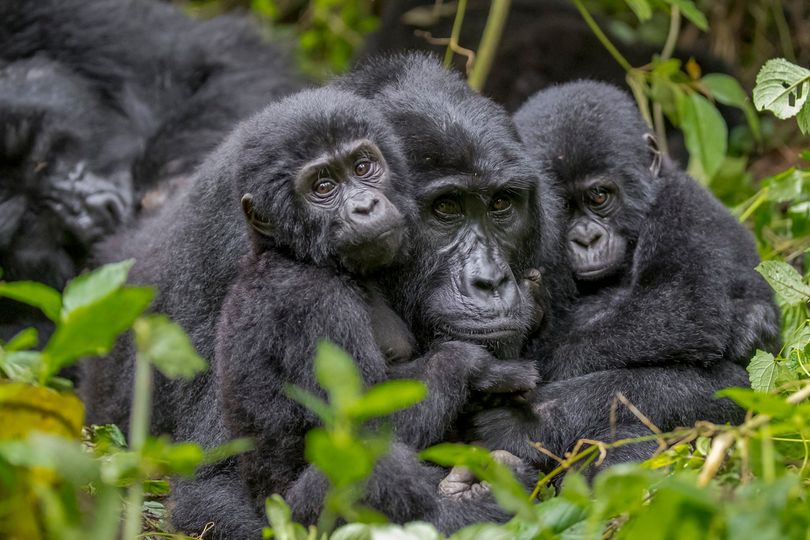
The Gorilla Habituation Dry Season Guide also highlights the conservation importance of visiting during this period. Gorilla habituation experiences contribute directly to mountain gorilla protection through tourism revenue and research support.
Funds generated from habituation permits help support ranger patrols, habitat protection, veterinary monitoring, and community conservation programs around Bwindi.
The dry season also provides researchers with opportunities to continue monitoring gorilla families under more predictable conditions. Observations collected during habituation help scientists understand gorilla health, behavior, and social relationships.
By choosing a responsible gorilla habituation experience, travelers contribute to protecting one of the world’s most endangered primates while enjoying an extraordinary wildlife encounter.
Frequently Asked Questions About Gorilla Habituation Dry Season Guide
1. What is the Gorilla Habituation Dry Season Guide about?
The Gorilla Habituation Dry Season Guide explains why Uganda’s dry seasons are considered some of the best periods for experiencing gorilla habituation in Bwindi Impenetrable National Park. Gorilla habituation is a unique wildlife experience that allows visitors to spend up to four hours with semi-habituated mountain gorilla families while learning about their behavior, social relationships, and conservation.
The guide helps travelers understand the advantages of visiting during drier months, including easier forest navigation, improved comfort, better photography opportunities, and more enjoyable time spent observing gorillas in their natural environment.
Although gorilla habituation is available throughout the year, the Gorilla Habituation Dry Season Guide helps visitors make informed decisions based on weather conditions, trekking difficulty, travel preferences, and overall safari expectations.
2. When is the dry season for gorilla habituation in Uganda?
The dry seasons highlighted in the Gorilla Habituation Dry Season Guide occur mainly from June to September and December to February. These months generally receive less rainfall compared to the wetter seasons, creating more comfortable conditions for exploring Bwindi’s rainforest.
The June to September period is considered Uganda’s longer dry season, while December to February represents the shorter dry season. Both periods are popular among travelers because forest trails are usually easier to navigate.
However, visitors should understand that Bwindi is a tropical rainforest, meaning occasional rain showers can still occur during dry months. Proper preparation remains important regardless of the season.
3. Why is the dry season considered the best time for gorilla habituation?
The dry season is often considered ideal because the Gorilla Habituation Dry Season Guide shows that reduced rainfall improves trekking conditions inside Bwindi Impenetrable National Park.
Gorilla habituation requires longer hikes compared to normal trekking because visitors spend more time following trackers and observing semi-habituated gorilla families. Drier trails make walking through steep forest terrain more comfortable.
The dry season also allows visitors to focus more on the gorillas themselves rather than dealing with challenging weather conditions, creating a more relaxed and immersive wildlife experience.
4. Is gorilla habituation easier during the dry season?
Yes, gorilla habituation is generally more comfortable during the dry season. The Gorilla Habituation Dry Season Guide explains that reduced rainfall usually results in less slippery trails and easier movement through the rainforest.
Bwindi’s terrain can be challenging because the forest is located in a mountainous region with steep slopes and dense vegetation. During wetter months, trails can become muddy, requiring more effort from visitors.
While the dry season does not remove all hiking challenges, it improves overall comfort and makes the extended habituation experience easier to enjoy.
5. What months are recommended in the Gorilla Habituation Dry Season Guide?
The most recommended months in the Gorilla Habituation Dry Season Guide are June, July, August, September, December, January, and February.
These months generally offer favorable weather conditions, better hiking experiences, and excellent opportunities for observing mountain gorillas in Bwindi.
The best month depends on individual preferences. Some travelers prefer the peak dry months for easier trekking, while others choose shoulder periods for fewer visitors and a quieter forest experience.
6. Can I see gorillas during the rainy season instead of the dry season?
Yes, gorilla habituation is available throughout the year. While the Gorilla Habituation Dry Season Guide focuses on the benefits of dry months, the rainy seasons also provide unique advantages.
During rainy months, Bwindi becomes extremely lush and green, creating beautiful rainforest scenery. Visitors may enjoy fewer crowds and a more peaceful atmosphere inside the forest.
The gorillas continue their normal activities regardless of weather conditions, meaning travelers can still observe feeding, communication, grooming, and family interactions.
7. Is photography better during dry season gorilla habituation?
Many photographers consider the dry season among the best periods for gorilla photography, which is why the Gorilla Habituation Dry Season Guide highlights these months.
Reduced rainfall often provides better visibility and more comfortable conditions for carrying camera equipment through the forest. Visitors also have longer uninterrupted periods to capture gorilla behaviors.
However, rainy seasons can also produce unique photographs because mist, wet vegetation, and rainforest atmosphere create dramatic images of mountain gorillas in their natural habitat.
8. How long do I spend with gorillas during dry season habituation?
During gorilla habituation, visitors can spend up to four hours with semi-habituated gorilla families. The Gorilla Habituation Dry Season Guide explains that this extended period allows travelers to observe behaviors that may not be visible during standard trekking.
Visitors can watch silverbacks leading the group, mothers caring for infants, juveniles playing, and family members communicating through sounds and body language.
The longer experience provides a deeper understanding of gorilla society and creates a more educational wildlife encounter.
9. Are gorilla habituation permits available during the dry season?
Yes, gorilla habituation permits are available during the dry season. However, the Gorilla Habituation Dry Season Guide recommends booking early because dry season months are among the most popular travel periods.
Only a limited number of visitors are allowed to participate in habituation each day to protect gorilla welfare and maintain responsible tourism standards.
Early booking ensures availability of permits, accommodation, transportation, and preferred travel dates.
10. What should I pack for dry season gorilla habituation?
The Gorilla Habituation Dry Season Guide recommends preparing for rainforest conditions even during dry months.
Essential items include strong hiking boots, long trousers, long-sleeved clothing, rain protection, insect repellent, drinking water, snacks, gloves, and a small backpack.
Although rainfall is lower, Bwindi remains a rainforest environment, so waterproof clothing and proper preparation remain important for a comfortable experience.
11. Is the dry season suitable for elderly travelers?
Yes, many elderly travelers choose the dry season because the Gorilla Habituation Dry Season Guide highlights the easier trekking conditions during these months.
The reduced mud and improved trail conditions can make movement through the forest more comfortable. However, gorilla habituation still requires physical effort because it involves hiking in mountainous terrain.
Travelers who need assistance can arrange porters, discuss fitness requirements with their safari operator, and choose accommodation that provides easy access to the trekking starting point.
12. Does the dry season affect gorilla behavior?
The dry season may influence movement patterns because food availability and weather conditions can affect where gorillas spend their time. However, the Gorilla Habituation Dry Season Guide explains that gorillas remain active throughout the year.
Visitors can observe natural behaviors such as feeding, resting, social interaction, and communication during any season.
The main advantage of the dry season is improved visitor comfort rather than major changes in gorilla activity.
13. Why choose NextGEN Safaris for dry season gorilla habituation?
Choosing NextGEN Safaris for your Gorilla Habituation Dry Season Guide experience ensures professional planning and local expertise throughout your journey.
Our team organizes permits, transportation, accommodation, and experienced guides who understand Bwindi’s gorilla families and conservation requirements.
We create personalized itineraries that match your travel goals, whether you want a dedicated gorilla habituation safari or a longer Uganda adventure combining wildlife, culture, and nature experiences.
14. Can I combine dry season gorilla habituation with other Uganda safaris?
Yes, combining gorilla habituation with other activities is highly recommended. The Gorilla Habituation Dry Season Guide period is also excellent for exploring other Ugandan destinations.
Travelers often combine gorilla habituation with chimpanzee trekking in Kibale Forest, wildlife safaris in Queen Elizabeth National Park, Murchison Falls, or cultural experiences.
A customized itinerary allows visitors to experience Uganda’s diverse landscapes while enjoying favorable dry season conditions.
15. Is June to September better than December to February?
Both periods are excellent, and the Gorilla Habituation Dry Season Guide recognizes June to September and December to February as favorable seasons.
June to September offers the longer dry period and is popular among international travelers. December to February provides another excellent window with comfortable weather.
The better choice depends on your schedule, budget, preferred accommodation availability, and whether you want to combine gorilla habituation with other seasonal activities.
16. How does dry season habituation support gorilla conservation?
The Gorilla Habituation Dry Season Guide also highlights the conservation importance of visiting during these months.
Revenue from habituation permits supports ranger patrols, scientific research, forest protection, and community conservation programs around Bwindi.
Responsible tourism helps ensure that mountain gorillas continue receiving protection while supporting local communities living near the forest.
17. Are there fewer mosquitoes during dry season gorilla habituation?
The dry season may have fewer insects compared to wetter months, but visitors should still prepare properly. The Gorilla Habituation Dry Season Guide recommends carrying insect repellent throughout the year.
Bwindi’s rainforest environment supports many species of insects, and protection helps ensure visitor comfort.
Proper clothing, repellents, and guidance from professional safari teams help travelers enjoy their forest experience.
18. What makes dry season gorilla habituation different from normal trekking?
The biggest difference is the amount of time spent with the gorillas. The Gorilla Habituation Dry Season Guide explains that habituation provides up to four hours of observation compared to approximately one hour during standard trekking.
This extra time allows visitors to understand gorilla behavior more deeply, including family relationships, leadership, communication, and daily routines.
The dry season simply improves the comfort of this already exceptional experience.
19. How far in advance should I plan a dry season gorilla habituation safari?
Travelers should plan several months in advance when following the Gorilla Habituation Dry Season Guide.
Dry season permits are highly demanded, and early planning helps secure preferred dates and quality accommodation near Bwindi.
Working with an experienced safari operator ensures all arrangements are coordinated smoothly.
20. How can I book a Gorilla Habituation Dry Season Experience with NextGEN Safaris?
Booking your Gorilla Habituation Dry Season Guide experience with NextGEN Safaris gives you access to expert planning and reliable local support.
We arrange gorilla habituation permits, comfortable lodges, transportation, professional trackers, and knowledgeable guides who explain gorilla behavior and conservation throughout your journey.
Whether you are traveling alone, as a couple, with family, or as part of a private group, NextGEN Safaris designs unforgettable Uganda gorilla habituation experiences that combine adventure, comfort, and responsible tourism.
Contact NextGEN Safaris today to plan your dry season gorilla habituation adventure in Bwindi Impenetrable National Park.
Booking Your Gorilla Habituation Dry Season Experience with NextGEN Safaris
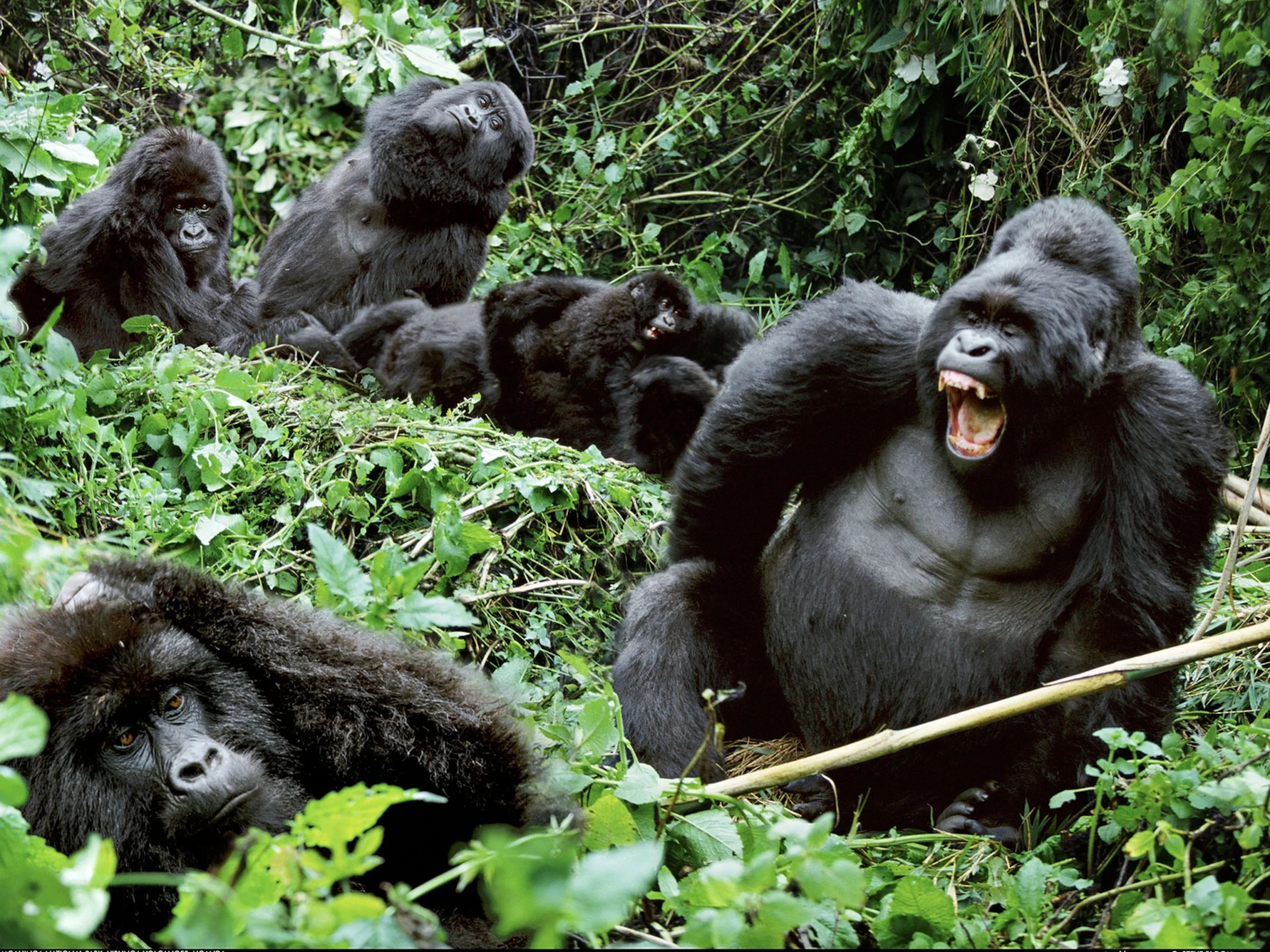
Planning your safari using the Gorilla Habituation Dry Season Guide requires early preparation because dry season permits are highly demanded. NextGEN Safaris specializes in organizing unforgettable gorilla habituation experiences in Uganda, ensuring every detail is professionally arranged.
Our team helps travelers secure gorilla habituation permits, which provide access to extended encounters with semi-habituated gorilla families in Bwindi Impenetrable National Park. Since only a limited number of visitors are allowed each day, we recommend booking early to secure preferred dates.
NextGEN Safaris organizes complete packages including transportation from Entebbe, Kampala, or Kigali, comfortable accommodation near Bwindi, experienced local guides, and professional trackers who understand gorilla behavior and forest conditions.
Our knowledgeable guides enhance your experience by explaining gorilla family structures, silverback leadership, communication patterns, conservation efforts, and the unique personalities of different gorilla groups.
We also customize itineraries based on your interests. Travelers can combine dry season gorilla habituation with chimpanzee trekking in Kibale Forest, wildlife safaris in Queen Elizabeth National Park, cultural experiences, or scenic adventures across Uganda.
Choosing NextGEN Safaris means enjoying the Gorilla Habituation Dry Season Guide experience with a trusted local partner committed to safety, conservation, and creating meaningful wildlife journeys.
Contact NextGEN Safaris today and begin planning your Uganda gorilla habituation adventure during the perfect dry season conditions.