

The Ultimate Guide to the Difference Between Wild and Habituated Gorillas: Understanding Uganda’s Mountain Gorilla Experience
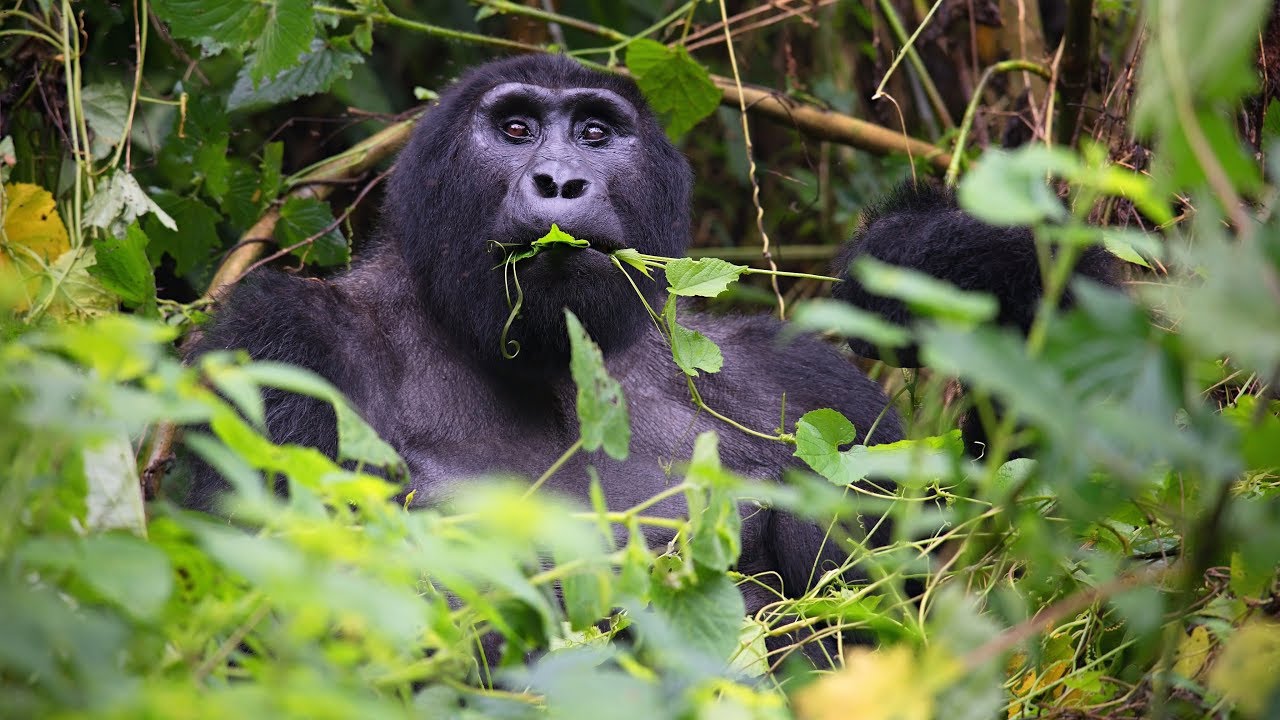
The Difference Between Wild and Habituated Gorillas is one of the most important topics for travelers planning a mountain gorilla experience in Uganda. Many visitors imagine all gorillas behave the same way, but there is a significant distinction between completely wild gorilla groups that avoid human contact and habituated gorillas that have gradually become comfortable with limited human observation.
Mountain gorillas are naturally wild animals with complex social structures, strong family bonds, and unique behaviors. In their untouched state, wild gorillas naturally avoid humans because they perceive unfamiliar encounters as potential threats. However, through a carefully managed conservation process known as habituation, some gorilla families have learned to tolerate the presence of researchers, conservation teams, and controlled groups of visitors.
Understanding the Difference Between Wild and Habituated Gorillas helps travelers appreciate why gorilla trekking is possible today and why strict conservation guidelines are necessary. Habituation does not make gorillas tame, friendly, or domesticated. Instead, it allows them to become familiar enough with human presence that responsible tourism and scientific research can take place without disrupting their natural lifestyle.
In Uganda, visitors have the opportunity to experience habituated and semi-habituated gorillas in Bwindi Impenetrable National Park and Mgahinga Gorilla National Park. These protected forests provide a safe environment where mountain gorillas continue to live naturally while supporting important conservation programs.
The relationship between humans and gorillas is built on respect, patience, and conservation. By understanding how wild and habituated gorillas differ, travelers gain a deeper appreciation of these incredible primates and the efforts required to protect them.
What Are Wild Gorillas?
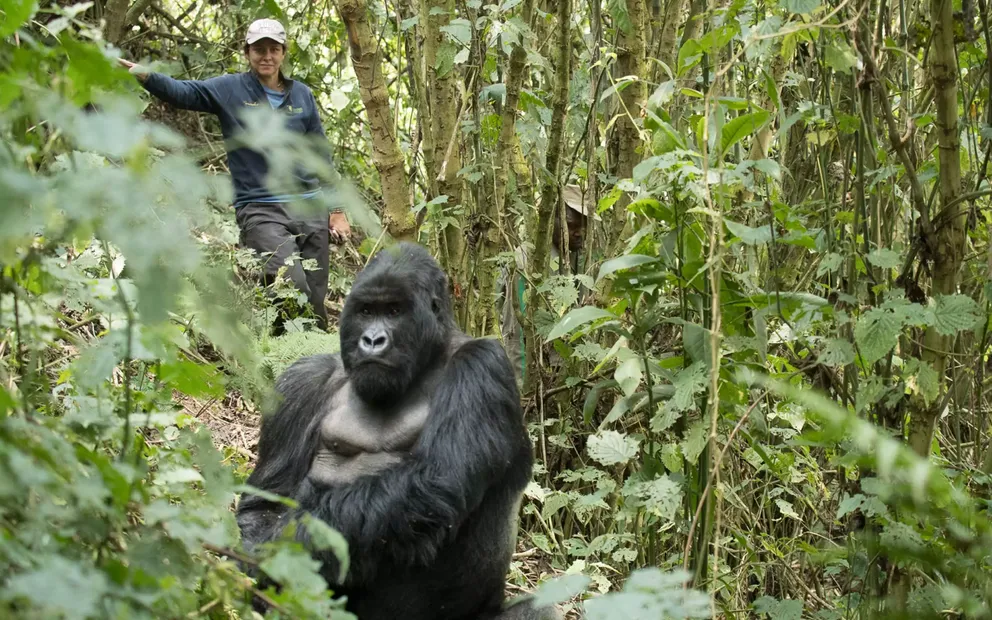
To fully understand the Difference Between Wild and Habituated Gorillas, it is important to first understand what completely wild gorillas are.
Wild gorillas are mountain gorillas that have not undergone the habituation process and have little or no exposure to human presence. These gorilla families live naturally within their forest habitat, following their instincts and avoiding situations they consider dangerous.
Wild gorillas depend entirely on their natural environment for survival. They search for food, establish territories, raise their young, and protect their families without human influence.
When wild gorillas encounter humans, their natural reaction is usually avoidance. They may move away, hide within dense vegetation, become alert, or display defensive behaviors if they feel threatened.
This natural caution is essential for their survival because avoiding unfamiliar animals, including humans, helps protect them from potential dangers.
What Are Habituated Gorillas?
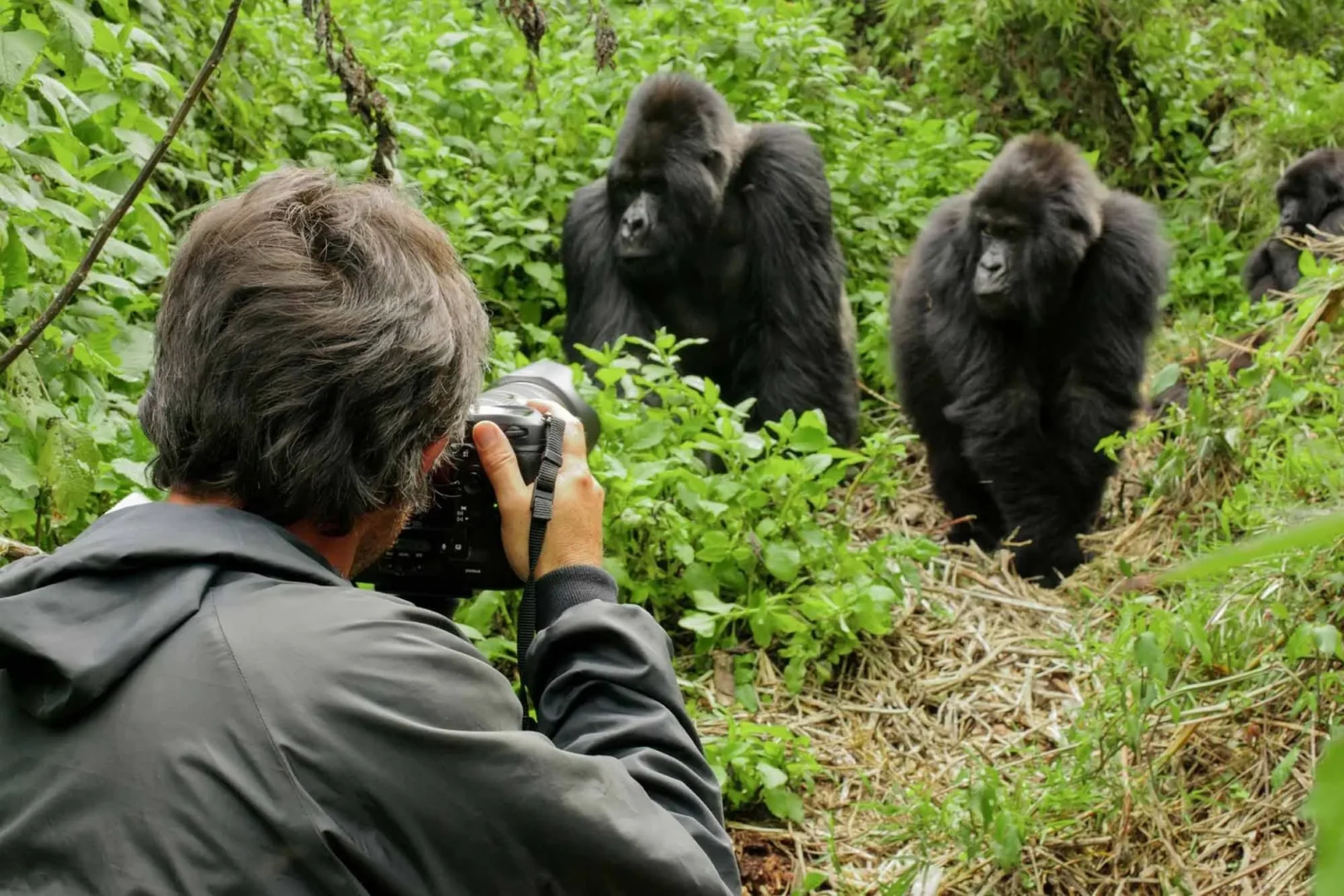
Habituated gorillas are wild gorilla families that have undergone a gradual conservation process that allows them to become comfortable with the presence of humans.
When discussing the Difference Between Wild and Habituated Gorillas, habituated does not mean domesticated. These gorillas remain completely wild animals with natural instincts, emotions, and behaviors.
The habituation process involves researchers and trackers spending time near gorilla groups over several years. During this period, experts carefully observe the gorillas while allowing them to gradually understand that humans are not a threat.
Once a gorilla family becomes fully habituated, it can safely participate in controlled tourism activities such as gorilla trekking.
Even habituated gorillas continue making their own decisions. They choose where to move, what to eat, and how to interact with their environment.
The Main Difference Between Wild and Habituated Gorillas

The primary Difference Between Wild and Habituated Gorillas is their level of comfort around humans.
Wild gorillas naturally avoid human contact because humans are unfamiliar and may represent danger. Their survival depends on maintaining distance from potential threats.
Habituated gorillas, on the other hand, have learned through years of careful observation that certain humans, such as researchers and visitors following strict guidelines, are not harmful.
This difference allows travelers to experience mountain gorillas in their natural habitat while supporting conservation efforts.
However, habituated gorillas are still wild. They are not trained to perform behaviors, interact with tourists, or depend on humans for survival.
Differences in Human Interaction and Behavior
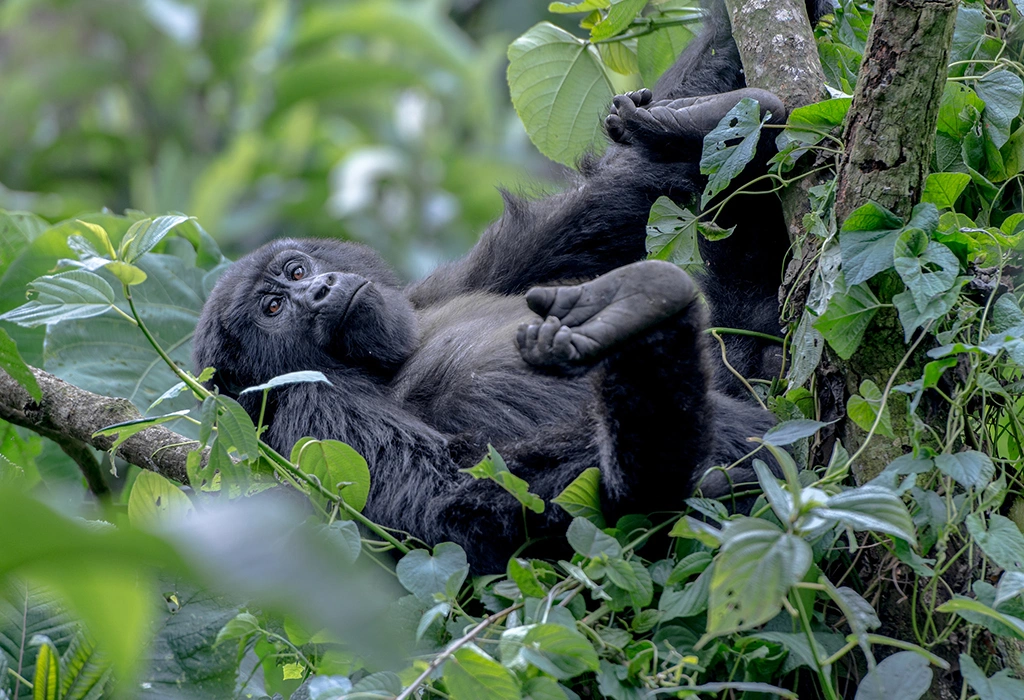
One of the clearest examples of the Difference Between Wild and Habituated Gorillas can be seen in how they respond to human presence.
Wild gorillas typically avoid humans. If they detect unfamiliar people nearby, they may retreat deeper into the forest, remain hidden, or move their family away.
Habituated gorillas are more tolerant of human observers. They may continue feeding, resting, grooming, or moving through the forest while visitors watch from a respectful distance.
This does not mean habituated gorillas seek human interaction. They simply understand that visitors are not immediate threats.
The ability to observe these gorillas peacefully is the result of years of conservation work, careful monitoring, and responsible tourism management.
Differences in Gorilla Communication

Communication is another important part of the Difference Between Wild and Habituated Gorillas.
Wild gorillas communicate naturally without considering human presence. Their vocalizations, movements, and social behaviors are focused entirely on survival, family relationships, and environmental awareness.
Habituated gorillas continue using the same communication methods, including vocal sounds, facial expressions, body language, grooming, and physical contact.
The difference is that visitors have the rare opportunity to observe these behaviors closely.
During a habituated gorilla encounter, travelers may witness silverbacks communicating with their families, mothers caring for infants, juveniles playing, and individuals strengthening social bonds.
Differences in Gorilla Social Behavior
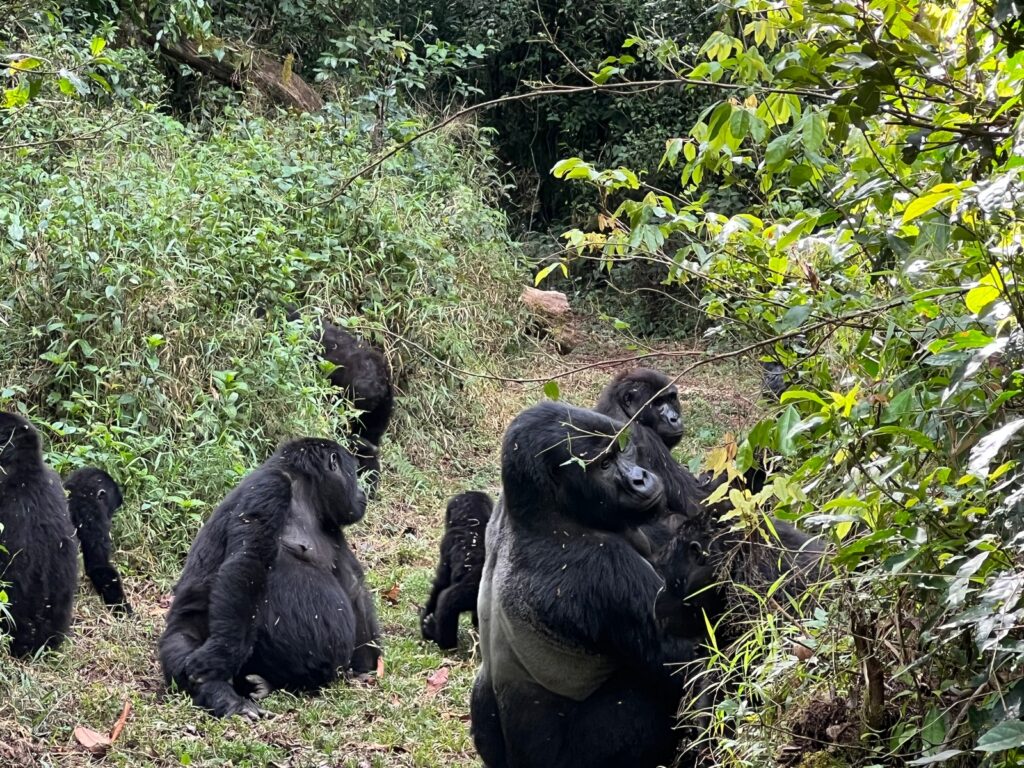
Both wild and habituated gorillas maintain complex social structures, but habituation allows humans to study these relationships more closely.
Wild gorillas organize their lives around family groups led by a dominant silverback. The silverback protects the group, females care for young ones, and juveniles learn important survival skills.
Habituated gorillas display the same natural family relationships, allowing visitors and researchers to better understand their social systems.
The extended observation time during gorilla trekking and habituation experiences reveals the intelligence, emotions, and cooperation that exist within gorilla communities.
Differences in Feeding and Daily Activities
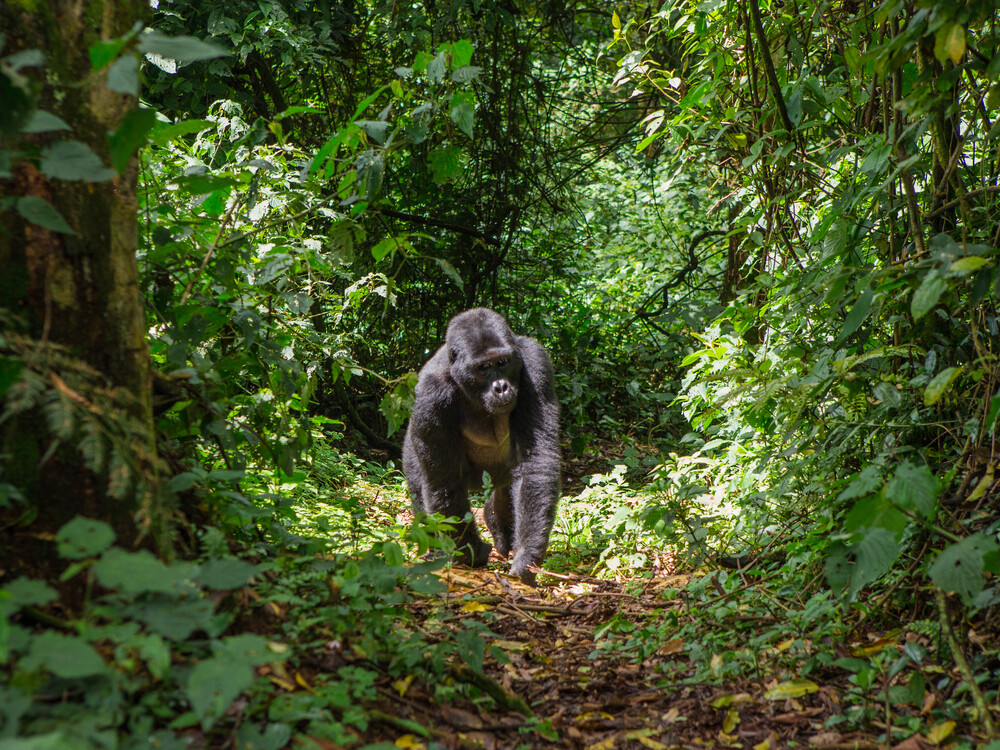
The daily lives of wild and habituated gorillas are very similar because habituation does not change their natural routines.
Both wild and habituated gorillas spend much of their day searching for vegetation, feeding, resting, moving through the forest, and interacting with family members.
The difference is that habituated gorillas allow humans to observe these activities from a safe distance.
Travelers may watch gorillas selecting leaves, climbing vegetation, resting beneath trees, or moving as a group through Bwindi’s rainforest.
These encounters provide valuable insight into how mountain gorillas survive in their natural environment.
How Habituation Changes Conservation Opportunities
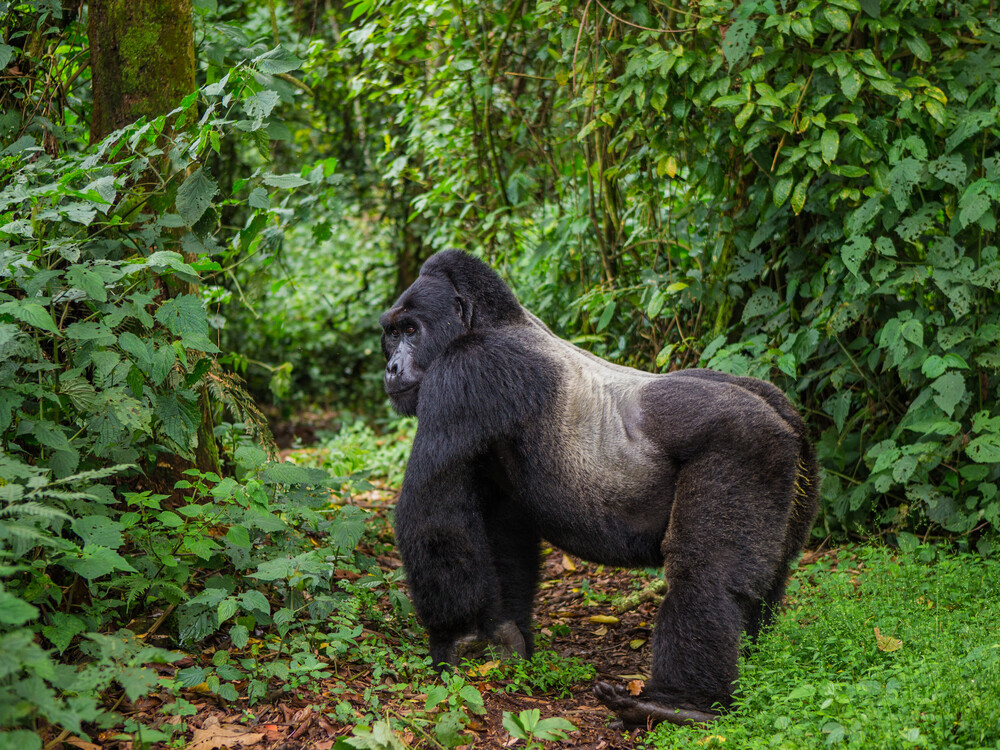
A major part of the Difference Between Wild and Habituated Gorillas is the role habituation plays in conservation.
Wild gorillas are difficult to study because they naturally avoid humans. This makes it challenging for researchers to collect important information about their health, population, and behavior.
Habituated gorillas allow conservation teams to monitor individuals, identify health concerns, study social relationships, and protect gorilla populations more effectively.
Tourism involving habituated gorillas also generates funding that supports conservation programs, ranger activities, and local communities living near gorilla habitats.
Are Habituated Gorillas Safe Around Humans?
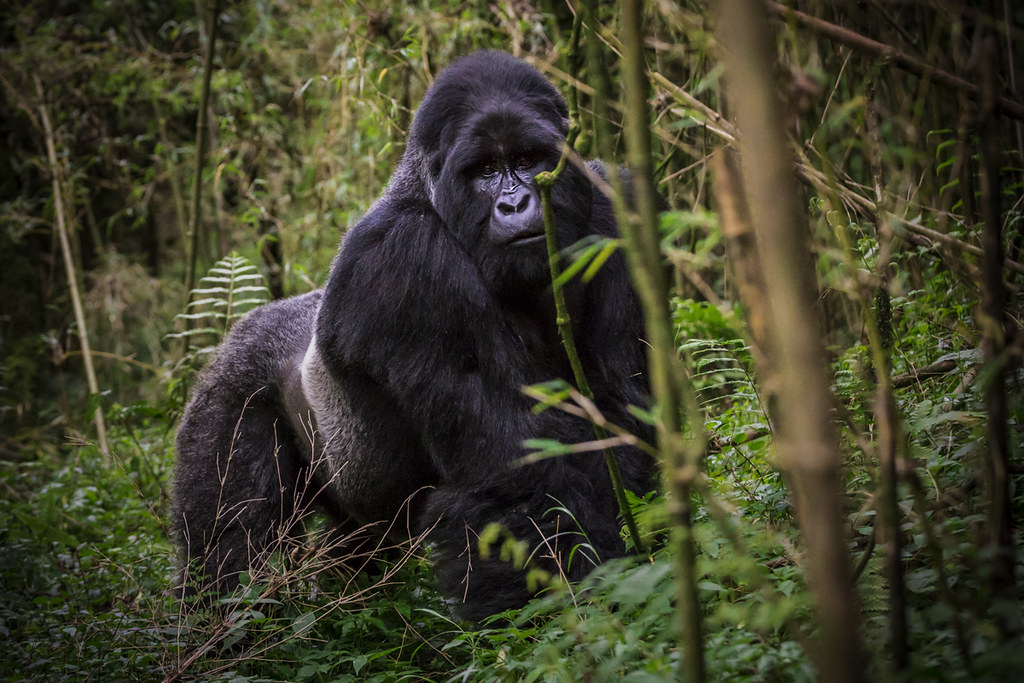
Many travelers ask whether habituated gorillas are safe because they allow humans to approach them.
The answer is that gorilla trekking is considered safe when conducted according to strict conservation guidelines.
The difference is that habituated gorillas understand human presence, while visitors are trained to respect gorilla behavior.
Professional guides and trackers monitor every encounter, ensuring visitors maintain appropriate distances and avoid actions that may disturb the animals.
Safety depends on responsible human behavior as much as gorilla habituation.
Can Wild Gorillas Become Habituated?
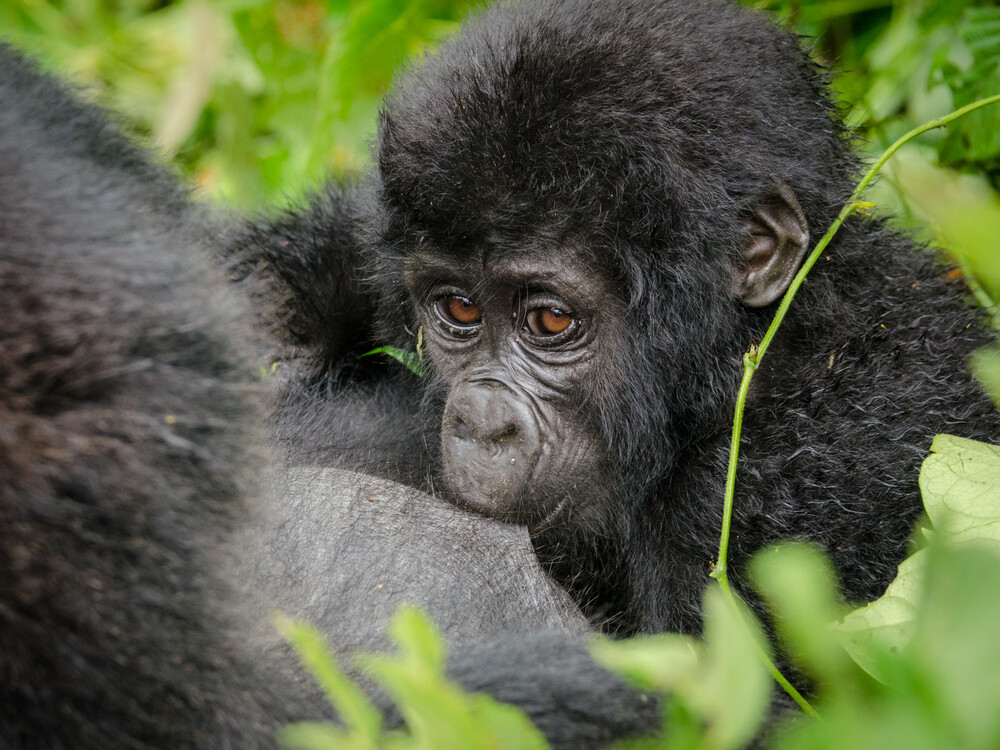
Yes, wild gorillas can become habituated through a carefully controlled process.
However, habituation requires patience and many years of monitoring.
Researchers gradually introduce human presence while ensuring that gorillas continue behaving naturally.
The process must be managed carefully because rushing habituation can create stress for gorillas or negatively affect their natural behaviors.
Wild Gorillas vs Habituated Gorillas for Travelers
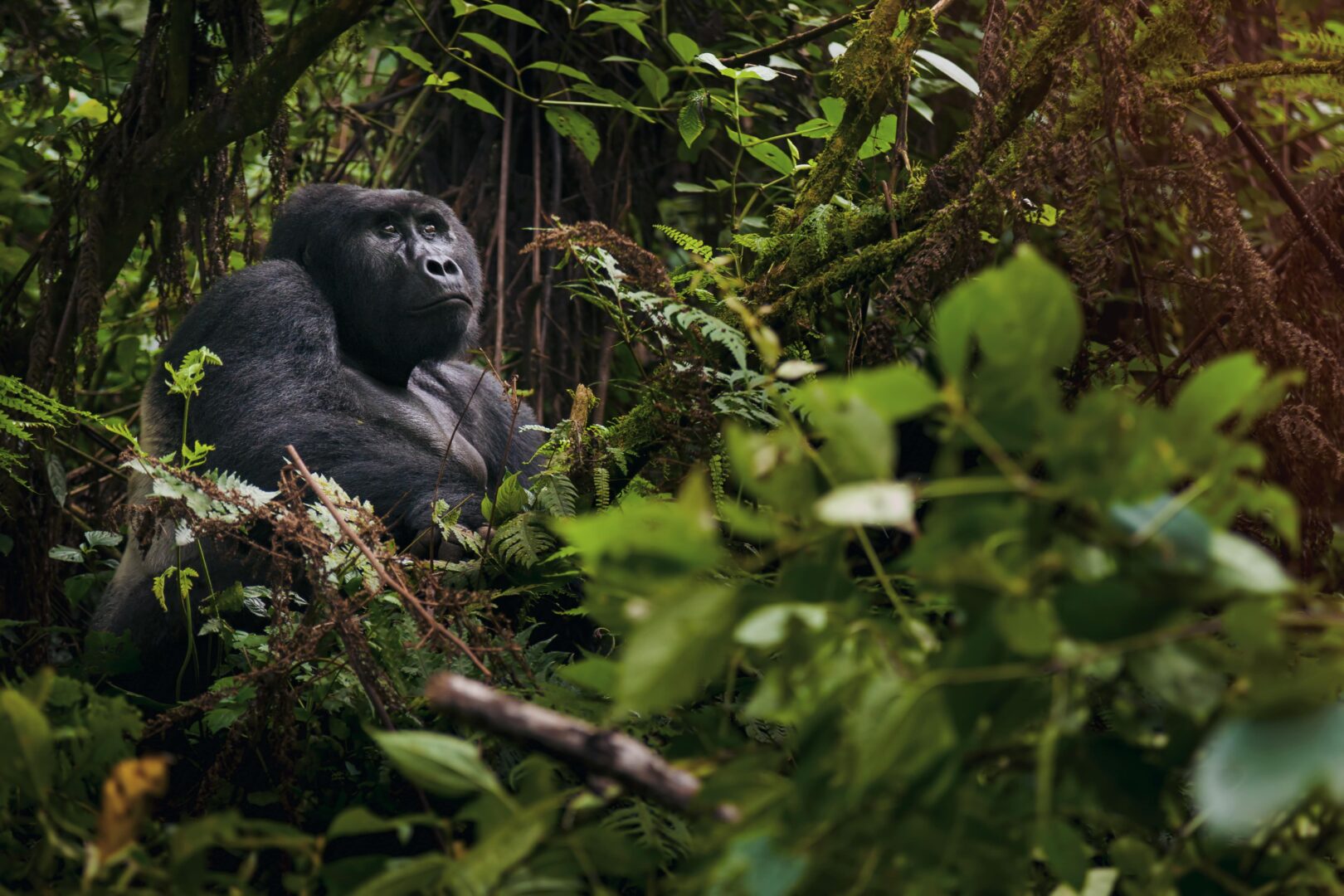
For travelers hoping to see mountain gorillas, habituated gorillas provide the opportunity for a safe and meaningful wildlife encounter.
A completely wild gorilla encounter would be extremely rare because these animals naturally avoid humans.
Habituated gorillas allow visitors to experience the beauty of gorillas while supporting conservation.
For travelers seeking a deeper experience, gorilla habituation offers even more time to observe semi-habituated families and understand their behaviors.
Why Understanding This Difference Matters Before Your Safari
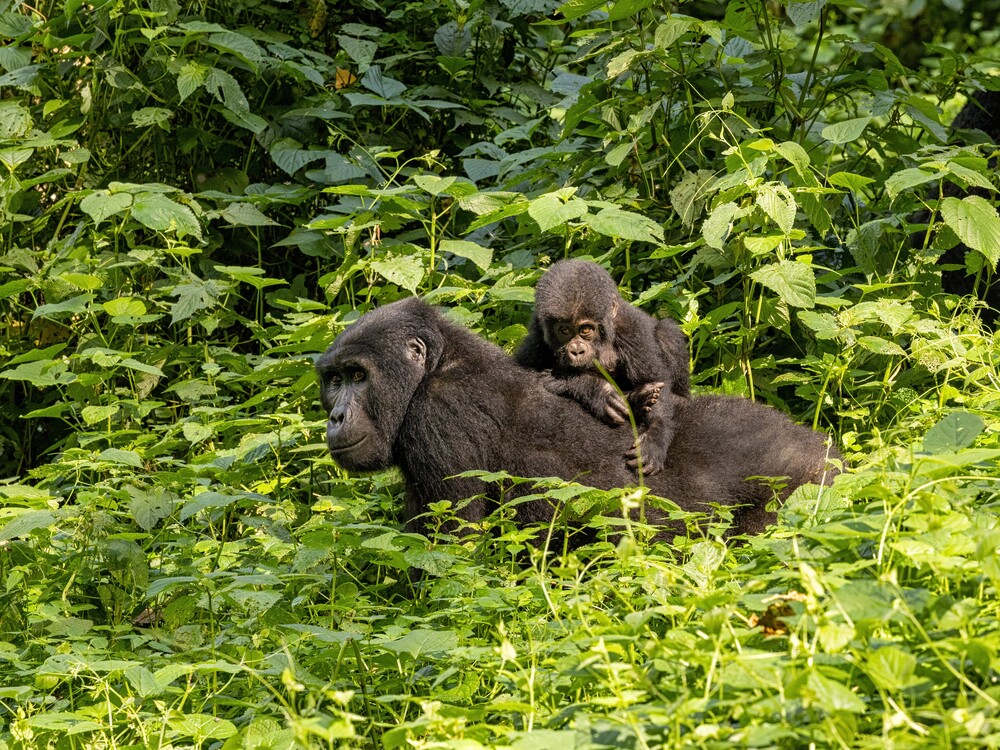
Understanding the Difference Between Wild and Habituated Gorillas helps travelers develop realistic expectations before entering the rainforest.
Visitors should never expect gorillas to behave like domestic animals. Even habituated gorillas remain wild creatures with their own personalities and instincts.
The goal of gorilla tourism is respectful observation, not interaction.
Knowing this difference allows travelers to appreciate every moment, whether a gorilla continues feeding peacefully, looks toward visitors, or simply walks through the forest.
Frequently Asked Questions About the Difference Between Wild and Habituated Gorillas
1. What is the main Difference Between Wild and Habituated Gorillas?
The main Difference Between Wild and Habituated Gorillas is how they respond to human presence. Wild gorillas have little or no contact with humans and naturally avoid people as a survival instinct. They may move away, hide, or become cautious when they sense unfamiliar individuals nearby.
Habituated gorillas are still wild animals, but they have undergone a careful conservation process where they gradually become comfortable with limited human observation. They can tolerate the presence of researchers, trackers, and tourists while continuing their normal behaviors such as feeding, resting, and socializing.
2. Are habituated gorillas domesticated like zoo animals?
No, habituated gorillas are not domesticated animals.
A major part of understanding the Difference Between Wild and Habituated Gorillas is knowing that habituation does not change a gorilla’s natural instincts, personality, or independence. Habituated gorillas still make their own decisions, protect their families, search for food, and respond naturally to their environment.
The only difference is that they have learned that carefully managed human presence does not represent a threat.
3. Why are some gorillas habituated for tourism?
Gorillas are habituated mainly for conservation research, protection, and responsible tourism.
Because wild gorillas naturally avoid humans, researchers cannot easily study their health, population, and behavior without habituation. Through this process, conservation teams can monitor gorilla families, understand their needs, and develop better protection strategies.
Tourism involving habituated gorillas also provides funding for conservation programs, ranger activities, and communities surrounding gorilla habitats.
4. How long does it take for wild gorillas to become habituated?
The habituation process usually takes several years because gorillas must gradually become comfortable with human presence.
Researchers and trackers spend many months or years carefully observing a gorilla family, identifying individuals, studying their behavior, and slowly increasing exposure to humans.
The process cannot be rushed because protecting gorilla welfare and maintaining natural behaviors are the highest priorities.
5. Do wild gorillas attack humans more than habituated gorillas?
Wild gorillas are not naturally aggressive toward humans, but they are more likely to avoid or defend themselves because they do not understand human presence.
Habituated gorillas are generally calmer around visitors because they recognize that humans following conservation guidelines are not a threat.
However, both wild and habituated gorillas remain powerful wild animals, which is why visitors must always follow instructions from professional guides.
6. How do wild gorillas react when they see humans?
Wild gorillas usually react to humans with caution because unfamiliar encounters may be perceived as dangerous.
They may move away, hide in vegetation, observe from a distance, or use defensive behaviors if they feel threatened.
This natural avoidance behavior is one of the reasons habituation is necessary for responsible gorilla tourism and scientific research.
7. How do habituated gorillas react when they see humans?
Habituated gorillas usually remain calm when they encounter humans because they have become familiar with controlled observation.
They may continue feeding, resting, grooming, playing, or moving through the forest without paying much attention to visitors.
Some gorillas may show curiosity by looking at humans or briefly approaching, but they always remain in control of the interaction.
8. Can visitors see wild gorillas in Uganda?
Completely wild gorillas are extremely difficult to see because they naturally avoid humans and live in dense rainforest environments.
Most gorilla trekking experiences in Uganda involve habituated gorilla families that have undergone careful monitoring and preparation.
This allows travelers to observe mountain gorillas safely while supporting conservation efforts.
9. Where can I see habituated gorillas in Uganda?
Habituated gorillas can mainly be seen in Uganda’s Bwindi Impenetrable National Park and Mgahinga Gorilla National Park.
Bwindi is the most popular destination because it contains several habituated gorilla families available for trekking and habituation experiences.
These protected forests provide a natural environment where gorillas can live freely while allowing carefully managed tourism.
10. Do habituated gorillas behave differently from wild gorillas?
Yes, there are differences in how they respond to humans, but their natural behaviors remain largely the same.
The Difference Between Wild and Habituated Gorillas is mainly related to their comfort level around people, not their intelligence, social structures, or survival instincts.
Both wild and habituated gorillas still feed naturally, maintain family relationships, communicate, and protect their groups.
11. Do habituated gorillas still have natural family relationships?
Yes, habituated gorillas maintain completely natural family structures.
They still have dominant silverbacks, protective mothers, playful juveniles, and strong social bonds.
Habituation allows humans to observe these relationships without changing how gorillas interact with one another.
12. Are silverbacks different between wild and habituated gorilla families?
Silverbacks behave similarly in both wild and habituated groups because their natural role remains the same.
They protect the family, lead movements, manage conflicts, and communicate with other members.
The main difference is that habituated silverbacks tolerate human observers while wild silverbacks usually avoid human contact.
13. Can habituated gorillas become aggressive toward visitors?
Although rare, habituated gorillas can react defensively if they feel threatened, uncomfortable, or disturbed.
This is why visitors must maintain distance, avoid sudden movements, speak quietly, and follow guide instructions.
Understanding the Difference Between Wild and Habituated Gorillas helps travelers realize that habituation creates tolerance, not complete predictability.
14. Does habituation change the natural behavior of gorillas?
Properly managed habituation is designed to minimize changes to natural gorilla behavior.
Researchers carefully monitor gorillas to ensure they continue feeding, moving, communicating, and socializing naturally.
The purpose is to allow observation while protecting the authenticity of their wild lifestyle.
15. What is the difference between habituated gorillas and semi-habituated gorillas?
Habituated gorillas have completed the process and are comfortable with regular visitor encounters.
Semi-habituated gorillas are still undergoing the process and are learning to tolerate human presence.
The difference is important because semi-habituated gorillas often display more cautious and unpredictable behaviors, creating a unique conservation experience during gorilla habituation.
16. Why is understanding the Difference Between Wild and Habituated Gorillas important before trekking?
Understanding this difference helps travelers develop realistic expectations.
Visitors should not expect gorillas to behave like friendly domestic animals. Even habituated gorillas remain wild and independent.
Knowing how they respond allows travelers to appreciate the experience as a respectful wildlife encounter rather than a personal interaction.
17. How does gorilla habituation support conservation?
Habituation supports conservation by allowing researchers to monitor gorilla populations and understand their needs.
Tourism revenue generated from habituated gorilla experiences helps fund habitat protection, ranger programs, anti-poaching efforts, and community projects.
Without responsible tourism, protecting mountain gorillas would be much more challenging.
18. Is gorilla trekking safer with habituated gorillas?
Yes, gorilla trekking with habituated gorillas is safer because the animals are familiar with controlled human presence and visitors are accompanied by trained guides.
However, safety also depends on responsible visitor behavior and following conservation rules.
Guides understand gorilla behavior and help manage every encounter professionally.
19. Can I photograph wild and habituated gorillas differently?
Photography opportunities are much greater with habituated gorillas because visitors can observe them at close but respectful distances.
Wild gorillas usually avoid humans, making photography extremely difficult.
During habituated encounters, travelers can capture natural moments such as feeding, grooming, communication, and family interactions while following photography guidelines.
20. How can I experience the difference between wild and habituated gorillas in Uganda?
Travelers can experience the Difference Between Wild and Habituated Gorillas through a professionally organized Uganda gorilla safari with NextGEN Safaris.
Our team arranges gorilla permits, accommodation, transportation, expert guides, and personalized itineraries designed around your interests.
Whether you choose a gorilla trekking experience with habituated families or a longer gorilla habituation adventure, we help you understand gorilla behavior, conservation, and the incredible journey that allows humans to respectfully enter their world.
With expert local guidance, travelers can experience the beauty of Uganda’s mountain gorillas while supporting the conservation efforts that protect them for future generations.
Book Your Gorilla Experience With NextGEN Safaris
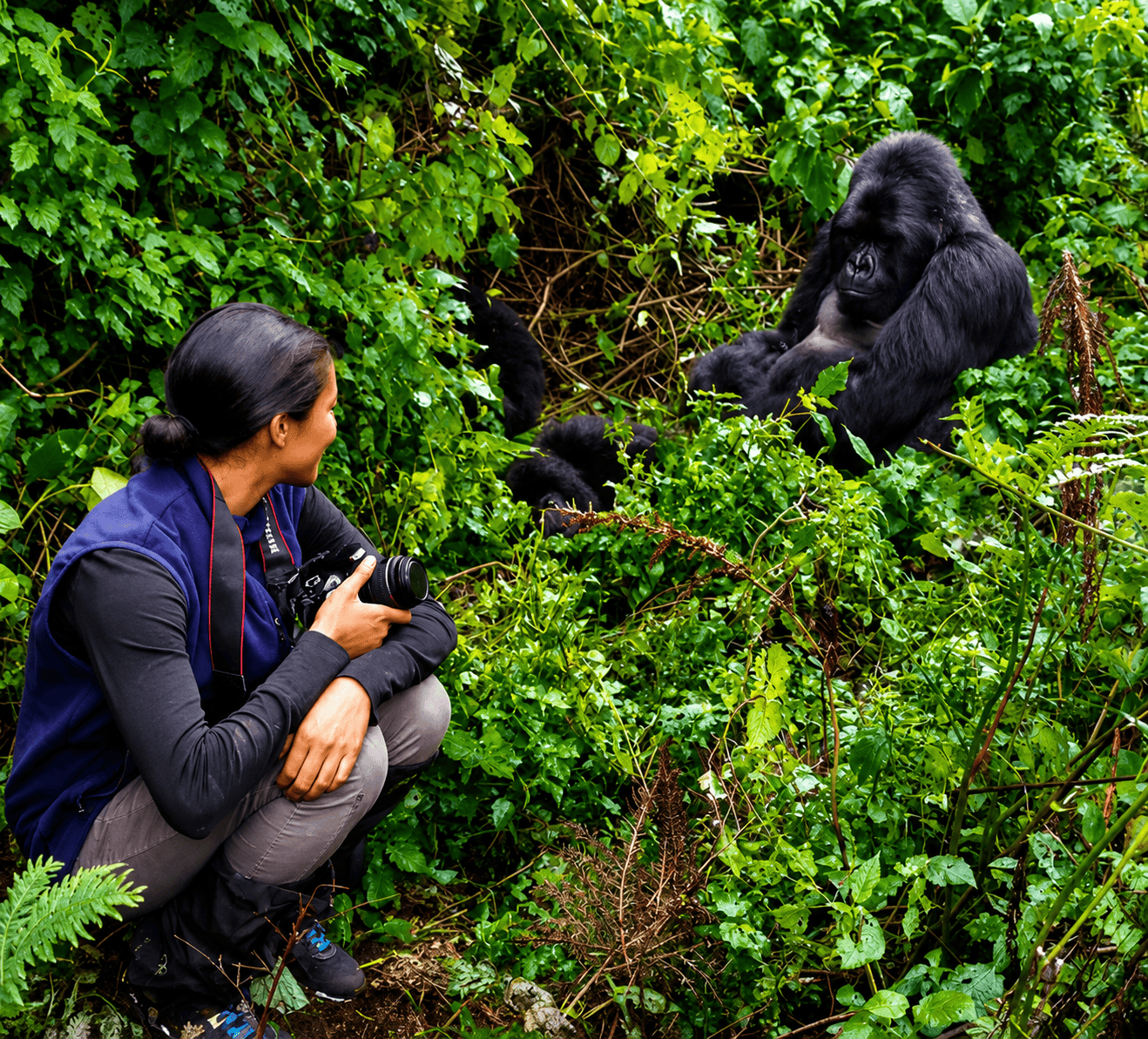
Experiencing the world of mountain gorillas requires expert planning, reliable arrangements, and professional guidance.
At NextGEN Safaris, we specialize in creating unforgettable Uganda gorilla safari experiences that allow travelers to understand the fascinating relationship between humans and mountain gorillas.
Our team helps organize every important part of your journey, including gorilla permits, transportation, accommodation, professional guides, and personalized safari itineraries.
We understand that learning about the Difference Between Wild and Habituated Gorillas makes the experience more meaningful. Our guides provide detailed explanations about gorilla behavior, conservation history, family structures, and the importance of protecting these endangered animals.
Whether you choose a standard gorilla trekking experience with habituated gorillas or a longer gorilla habituation adventure, we design your journey around your interests, comfort, and expectations.
From luxury gorilla safaris to affordable wildlife adventures, NextGEN Safaris ensures that every traveler receives professional support from the beginning of planning until the end of the safari.
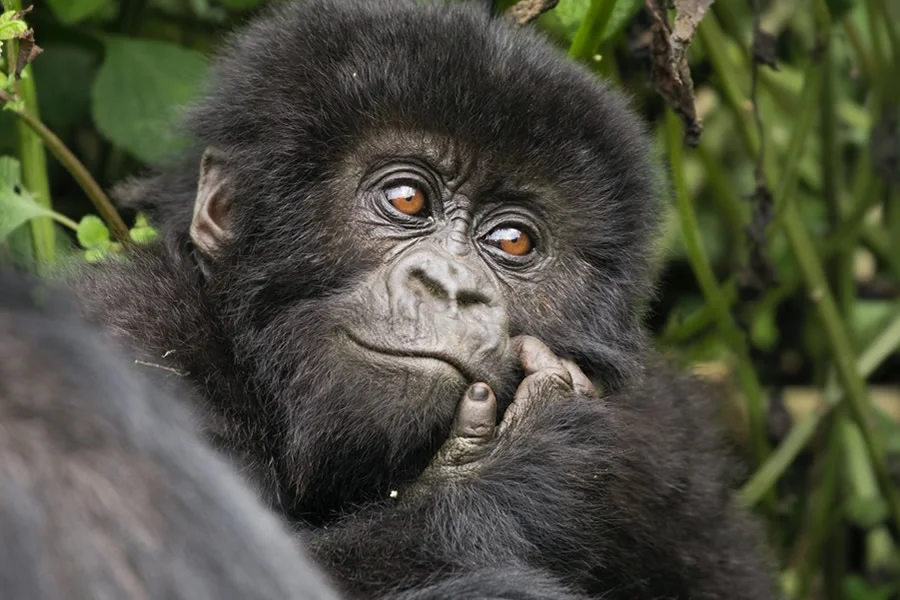
Your gorilla experience is not just about seeing animals. It is about understanding their world, respecting their environment, and becoming part of the conservation story that protects them.