

The Ultimate Guide to the Best Time for Gorilla Habituation Uganda: Plan Your Perfect Rainforest Adventure
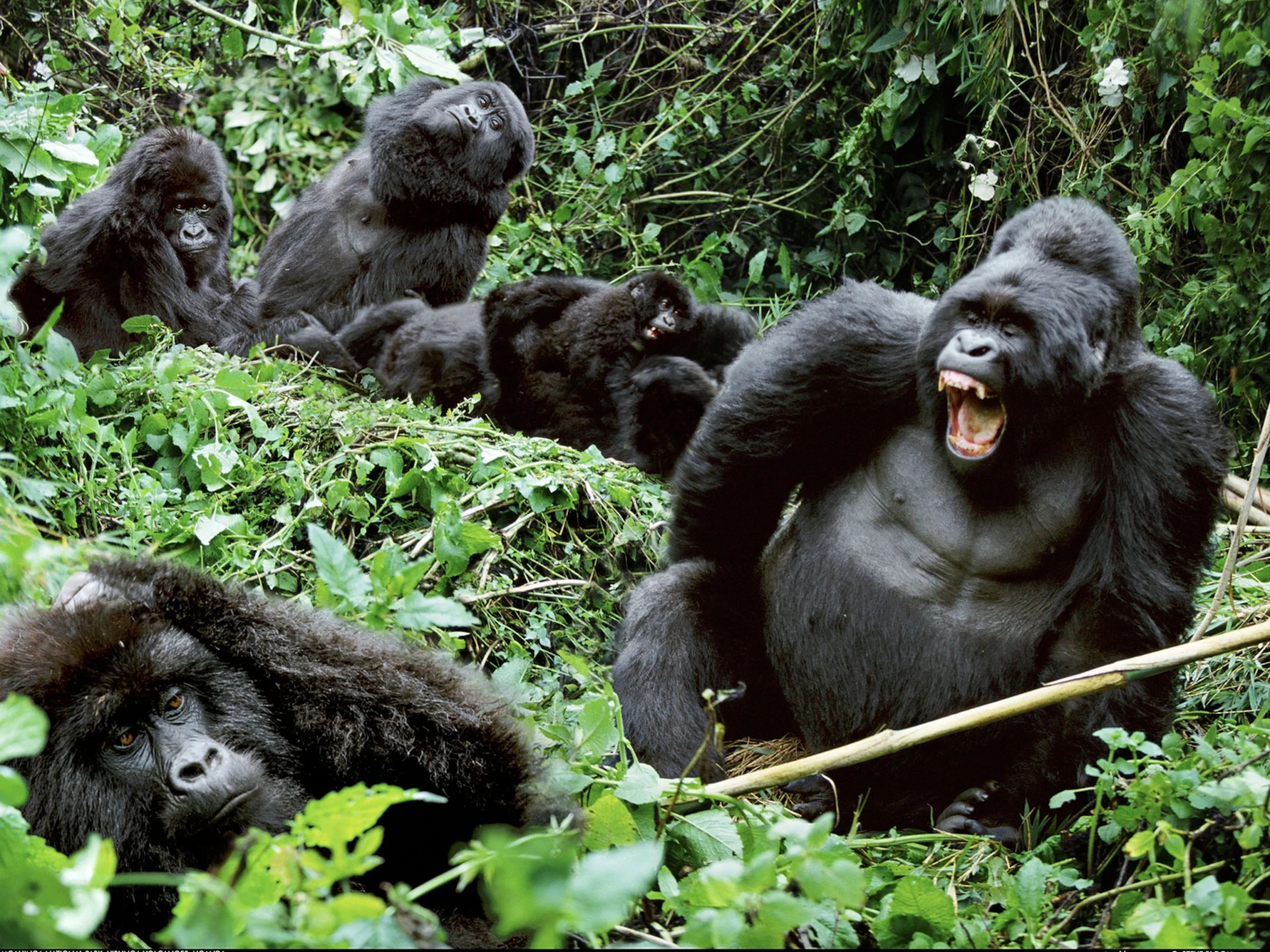
The Best Time for Gorilla Habituation Uganda depends on several factors, including weather conditions, forest accessibility, gorilla behavior, visitor preferences, and travel goals. Uganda’s gorilla habituation experience takes place mainly in the Rushaga Sector of Bwindi Impenetrable National Park, where travelers have the rare opportunity to spend up to four hours observing semi-habituated mountain gorilla families alongside expert trackers and researchers.
Unlike ordinary gorilla trekking, gorilla habituation requires more time inside the rainforest because visitors are studying how gorillas respond to human presence while learning about their natural behaviors. Choosing the right season can greatly influence the quality of your experience, photography opportunities, trekking conditions, and overall comfort during your adventure.
The Best Time for Gorilla Habituation Uganda is generally considered to be during the drier months from June to September and December to February. During these periods, forest trails are usually easier to navigate, rainfall is lower, and visitors have better conditions for hiking through Bwindi’s challenging terrain. However, every season offers unique advantages, and gorilla habituation remains possible throughout the year.
Planning your visit carefully allows you to experience Uganda’s mountain gorillas at their best while enjoying the incredible biodiversity of Bwindi Impenetrable National Park. Whether you prefer easier trekking conditions, fewer visitors, lower travel costs, or excellent photography opportunities, understanding the Best Time for Gorilla Habituation Uganda helps you create a more rewarding and memorable safari.
Understanding Uganda’s Gorilla Habituation Seasons
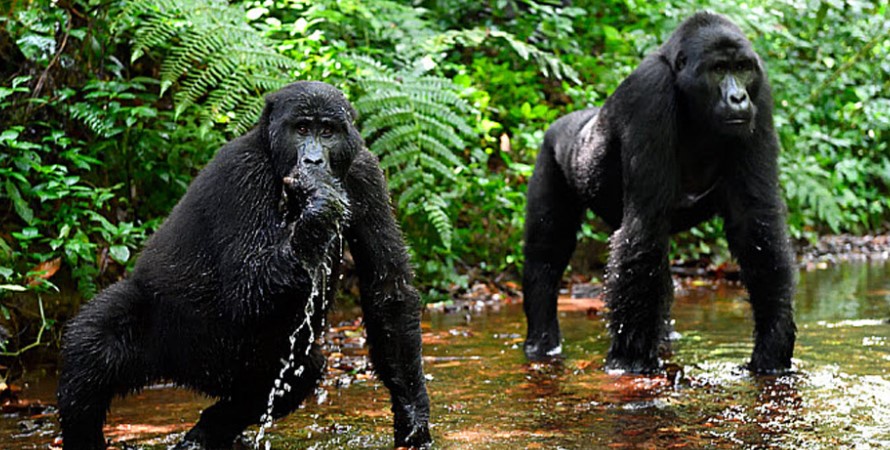
Uganda experiences two main seasons that influence gorilla habituation experiences: the dry seasons and the rainy seasons. Each period offers different advantages and challenges for travelers visiting Bwindi Impenetrable National Park.
The dry seasons, which occur from June to September and December to February, are often considered the Best Time for Gorilla Habituation Uganda because forest trails are generally less slippery and trekking conditions are more comfortable. The reduced rainfall allows visitors to spend longer periods outdoors while observing gorillas without frequent interruptions from heavy rain.
During the rainy seasons, usually from March to May and October to November, Bwindi receives more rainfall, creating muddy trails and more challenging hiking conditions. However, the rainforest becomes incredibly lush, vegetation is vibrant, and there are often fewer visitors, creating a more private and peaceful habituation experience.
Understanding these seasonal differences helps travelers choose the period that best matches their expectations. While weather plays an important role, gorilla habituation is a year-round activity, and mountain gorillas remain active and observable regardless of the season.
Gorilla Habituation During the Dry Season (June to September)
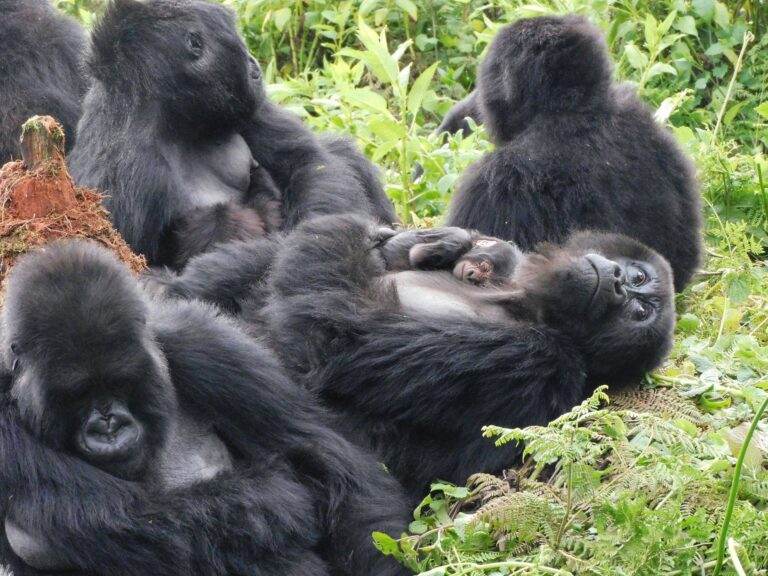
The period between June and September is widely regarded as one of the Best Time for Gorilla Habituation Uganda due to favorable weather conditions. During these months, Bwindi receives less rainfall, making forest trails more manageable for visitors who spend several hours hiking through mountainous terrain.
The drier conditions improve accessibility, especially in areas where the habituation experience involves steep slopes, thick vegetation, and uneven forest paths. Visitors can walk more comfortably while following trackers through the rainforest in search of semi-habituated gorilla families.
Photography is also excellent during this period. The reduced rainfall often provides better lighting conditions, allowing travelers to capture memorable images of silverbacks, mothers with infants, juveniles playing, and gorilla family interactions.
Because June to September is a popular travel period, travelers planning the Best Time for Gorilla Habituation Uganda should secure their permits early. Gorilla habituation permits are limited to protect the animals and maintain a responsible visitor experience.
Gorilla Habituation During the December to February Dry Season
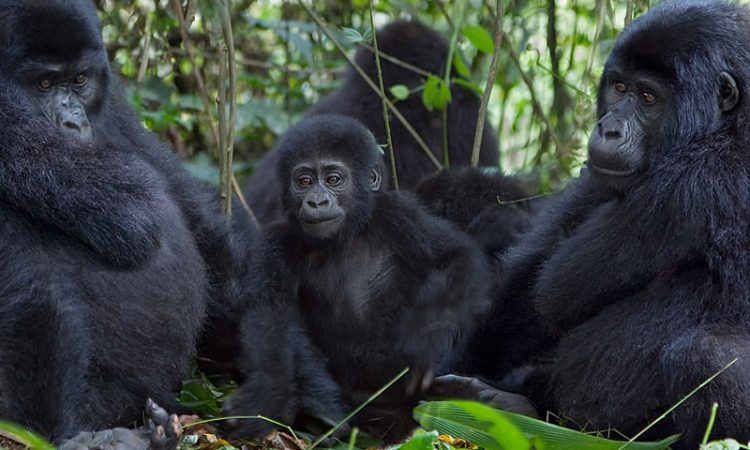
December to February is another excellent period for travelers searching for the Best Time for Gorilla Habituation Uganda. These months offer relatively dry weather, making them ideal for visitors who want comfortable trekking conditions combined with excellent wildlife viewing opportunities.
The forest remains beautiful during this season, with green vegetation and active wildlife throughout Bwindi Impenetrable National Park. Visitors can enjoy a more comfortable journey through the rainforest while observing gorilla families as they feed, move, rest, and interact.
This period is especially attractive for travelers planning holiday safaris, honeymoon trips, and family adventures. The combination of pleasant weather, scenic landscapes, and unforgettable gorilla encounters makes December to February a highly recommended time for habituation experiences.
Travelers should remember that December is a busy tourism month, so early planning is important. Booking your habituation permit, accommodation, and transport in advance ensures a smooth experience during this popular travel season.
Gorilla Habituation During the Rainy Season
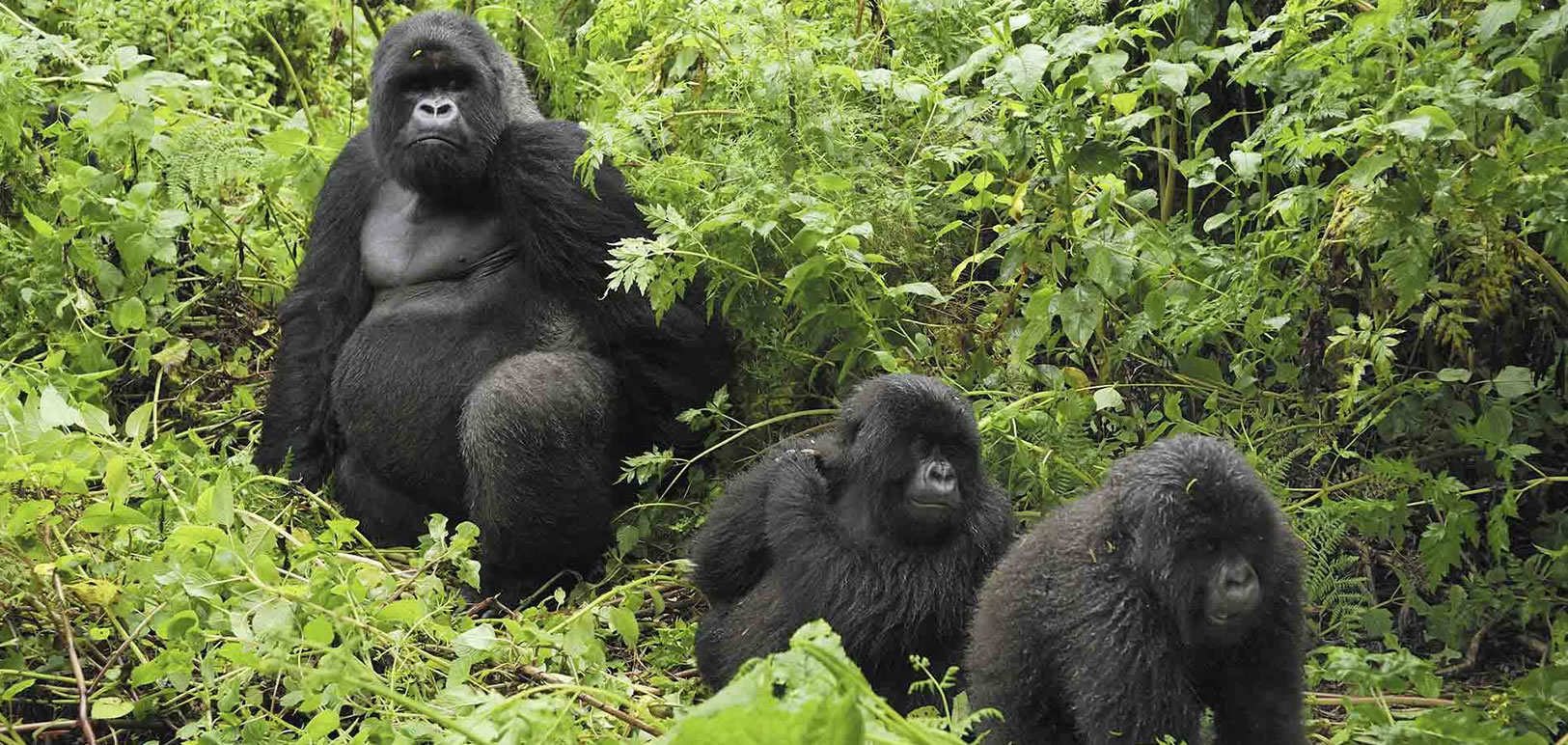
Although the rainy season is not traditionally considered the easiest period for trekking, it can still be among the Best Time for Gorilla Habituation Uganda for travelers seeking fewer crowds and a more exclusive rainforest experience.
March to May and October to November bring increased rainfall to Bwindi, creating muddy trails and requiring better preparation. However, the rainforest becomes exceptionally beautiful during these months, with fresh vegetation, mist-covered landscapes, and dramatic scenery.
The reduced number of visitors during rainy months can create a more intimate experience. Travelers may enjoy quieter forest trails and a deeper connection with nature while observing gorillas in their natural environment.
The gorillas themselves remain active throughout the year. Rain does not stop their daily routines, meaning visitors can still witness feeding, grooming, communication, and family interactions during the wetter months.
Best Time for Gorilla Habituation Uganda for Photography
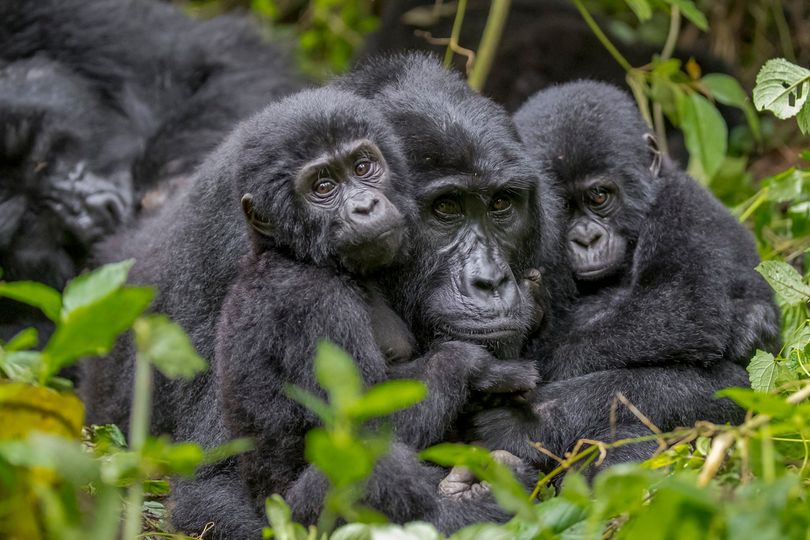
For photographers, choosing the Best Time for Gorilla Habituation Uganda depends on balancing weather, lighting, forest conditions, and animal behavior. The dry seasons generally provide easier hiking conditions and more predictable weather, making photography more comfortable.
During the morning hours, visitors often experience soft natural light filtering through Bwindi’s rainforest canopy. This creates beautiful conditions for capturing silverbacks, infant gorillas, and emotional family interactions.
The rainy seasons also offer unique photography opportunities. Mist, wet vegetation, and dramatic rainforest scenery create powerful images that showcase the wild beauty of Uganda’s gorilla habitat.
Regardless of the season, photographers should bring waterproof camera protection, extra batteries, and appropriate equipment because Bwindi’s rainforest environment can change quickly.
Best Time for Gorilla Habituation Uganda for Fewer Crowds
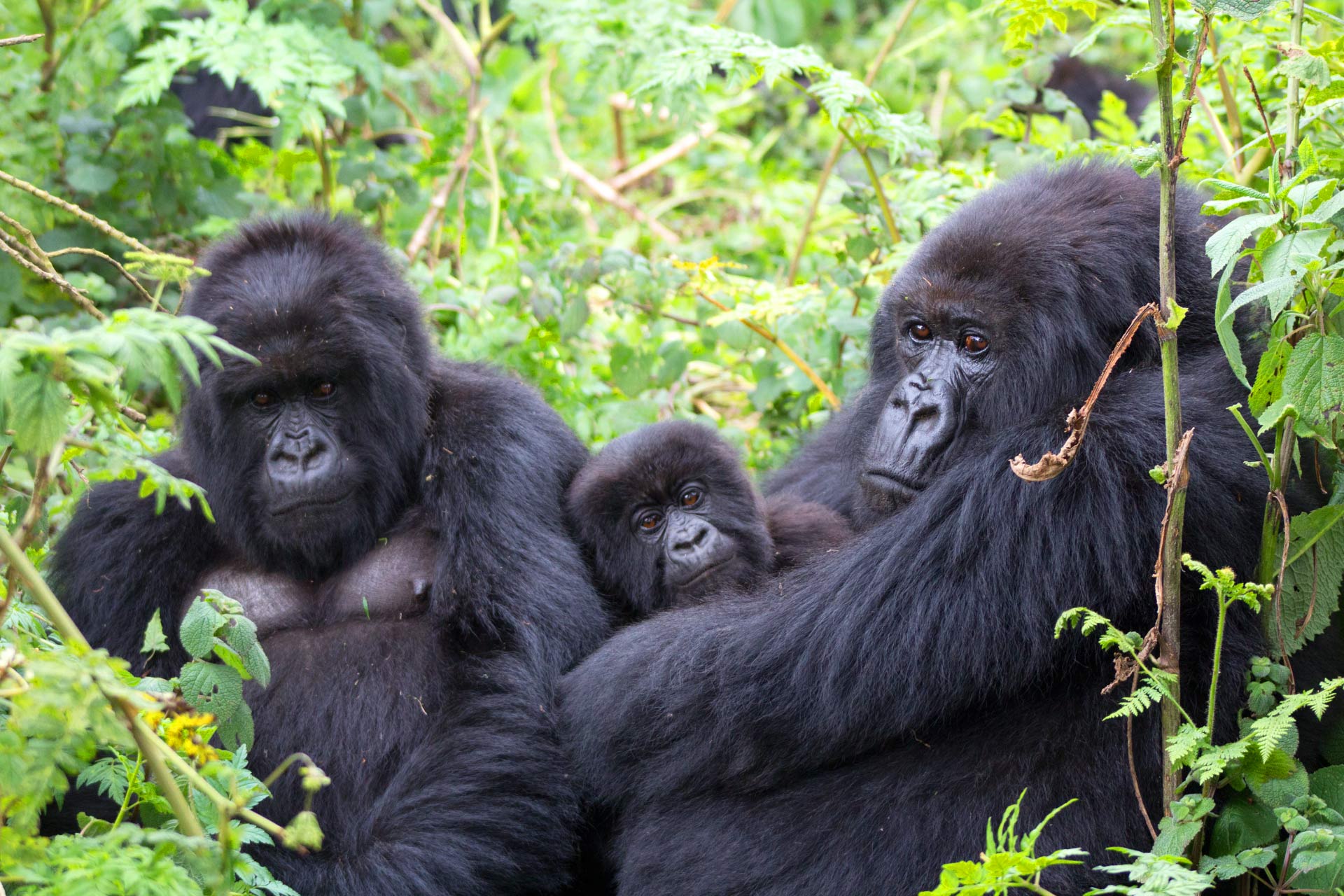
Travelers seeking a quieter and more private experience may consider the shoulder and rainy seasons as the Best Time for Gorilla Habituation Uganda. During these periods, fewer tourists visit Bwindi compared to peak travel months.
A less crowded environment allows visitors to enjoy a more peaceful rainforest experience. The forest feels more remote, and travelers can focus more deeply on observing gorilla behavior without the feeling of a busy tourism environment.
Because habituation groups are already limited compared to standard trekking, crowd levels are generally controlled throughout the year. However, choosing less popular months can still provide a more exclusive atmosphere.
For travelers who value privacy, photography, and a deeper connection with nature, visiting outside peak seasons can create a truly special gorilla habituation experience.
Best Time for Gorilla Habituation Uganda for Budget Travelers
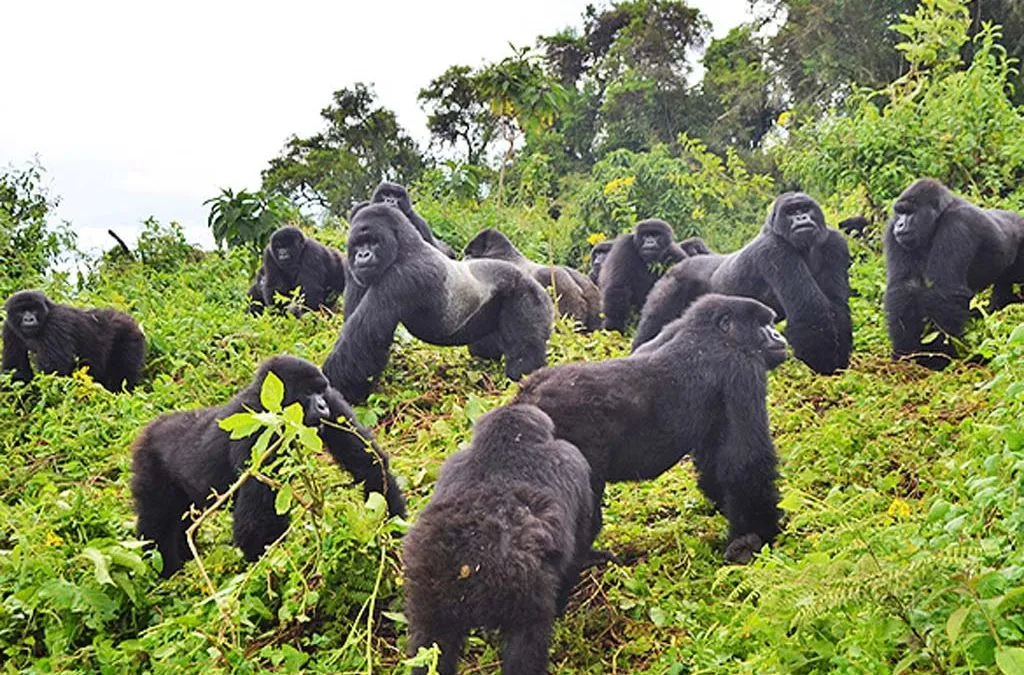
Budget-conscious travelers can also find the Best Time for Gorilla Habituation Uganda by considering periods with lower tourism demand. Rainy seasons often provide opportunities for better accommodation availability and more flexible travel arrangements.
While gorilla habituation permits remain fixed throughout the year, travelers may find savings on accommodation, transport, and other safari services during quieter months.
Visiting during lower-demand periods also allows travelers to enjoy Bwindi and surrounding destinations at a slower pace. The forest atmosphere remains spectacular, and the gorilla experience remains equally meaningful.
Working with a local safari company such as NextGEN Safaris helps travelers design cost-effective itineraries while ensuring that all essential arrangements, including permits and logistics, are professionally handled.
Frequently Asked Questions About the Best Time for Gorilla Habituation Uganda
1. What is the Best Time for Gorilla Habituation Uganda?
The Best Time for Gorilla Habituation Uganda is generally during the dry seasons, which occur from June to September and December to February. During these months, Bwindi Impenetrable National Park experiences lower rainfall, making forest trails easier to navigate and providing more comfortable conditions for visitors spending several hours with semi-habituated gorilla families.
The dry seasons are preferred because gorilla habituation involves longer periods inside the rainforest compared to normal gorilla trekking. Visitors need to hike through dense vegetation, steep slopes, and muddy sections of Bwindi while following trackers searching for the gorilla family. Better weather conditions make the experience more enjoyable.
However, the Best Time for Gorilla Habituation Uganda can also depend on personal preferences. Some travelers prefer the quieter rainy seasons because fewer visitors are in the forest, creating a more private experience. Since gorillas live in Bwindi throughout the year, every season offers an opportunity to experience their incredible behaviors.
2. Why are June to September considered among the Best Time for Gorilla Habituation Uganda?
June to September is considered one of the Best Time for Gorilla Habituation Uganda because it coincides with Uganda’s longer dry season. During this period, rainfall is usually lower, allowing travelers to move more comfortably through Bwindi’s rainforest terrain.
The reduced rainfall makes hiking conditions easier, especially because gorilla habituation requires several hours of walking through challenging forest landscapes. Trails are generally less slippery, and visitors have better chances of enjoying extended observation periods with the gorillas.
This period is also excellent for photography because clearer weather often provides better natural lighting. Travelers can capture memorable moments of silverbacks leading families, mothers caring for infants, and juveniles playing in their natural habitat.
3. Is December to February a good time for gorilla habituation in Uganda?
Yes, December to February is another excellent period and is considered part of the Best Time for Gorilla Habituation Uganda. These months provide relatively dry conditions, making them ideal for travelers who want comfortable trekking conditions and beautiful rainforest experiences.
Many visitors choose this period because it coincides with holiday travel opportunities. Families, couples, and honeymoon travelers often plan their Uganda gorilla adventures during these months because the weather supports easier movement through the forest.
During this season, visitors can still enjoy the full habituation experience, including observing feeding, communication, grooming, and social interactions among gorilla families. The gorillas remain active and continue their normal routines throughout the year.
4. Can I do gorilla habituation during the rainy season?
Yes, gorilla habituation is available throughout the year, including the rainy seasons. While many travelers consider the dry months the Best Time for Gorilla Habituation Uganda, the rainy seasons also offer unique advantages.
The rainy months from March to May and October to November transform Bwindi into a lush, green rainforest with beautiful scenery. The forest becomes more vibrant, and visitors may enjoy dramatic misty landscapes that create unforgettable photography opportunities.
Although trails can become muddy and more challenging, the experience remains rewarding. Travelers who are properly prepared with waterproof clothing and suitable hiking equipment can still enjoy exceptional encounters with mountain gorillas.
5. What is the weather like during the Best Time for Gorilla Habituation Uganda?
During the Best Time for Gorilla Habituation Uganda, especially June to September and December to February, visitors can expect relatively favorable weather conditions. Bwindi’s temperatures remain moderate throughout the year because of its high elevation and rainforest environment.
The dry seasons do not mean the forest is completely without rain. Bwindi is a tropical rainforest, so occasional showers can happen even during the drier months. Visitors should always carry rain protection regardless of when they travel.
The pleasant temperatures and reduced rainfall during these periods create comfortable conditions for trekking, photography, and extended observation of semi-habituated gorilla families.
6. What is the Best Time for Gorilla Habituation Uganda for photography?
The Best Time for Gorilla Habituation Uganda for photography is usually during the dry seasons when trails are easier and weather conditions are more predictable. June to September and December to February often provide excellent opportunities for capturing clear images.
During these months, photographers can spend several hours with gorilla families while enjoying better visibility inside the forest. The longer habituation experience allows more opportunities to capture different behaviors, including silverback displays, infant care, feeding, and social interactions.
However, the rainy season can also create beautiful photography conditions. Misty forests, wet leaves, and dramatic rainforest backgrounds can produce unique images that showcase the wild beauty of Uganda’s gorilla habitat.
7. What is the Best Time for Gorilla Habituation Uganda for fewer crowds?
Travelers looking for fewer visitors may find the rainy seasons to be the Best Time for Gorilla Habituation Uganda. March to May and October to November usually experience fewer tourists compared to peak travel periods.
A quieter season allows visitors to enjoy a more peaceful rainforest atmosphere. The experience can feel more exclusive because there are fewer travelers exploring Bwindi at the same time.
Although gorilla habituation experiences already have limited visitor numbers, choosing quieter months can provide additional privacy and a deeper connection with nature.
8. Does the time of year affect gorilla behavior during habituation?
The time of year can influence certain aspects of gorilla behavior, but mountain gorillas remain active throughout the year. The Best Time for Gorilla Habituation Uganda allows visitors to observe natural behaviors regardless of the season.
During different periods, food availability, weather conditions, and forest conditions may influence movement patterns. Gorillas may travel different distances depending on where they find preferred vegetation.
Regardless of the month, visitors can observe important behaviors such as silverback leadership, maternal care, communication, feeding, and social bonding within the family.
9. How early should I book for the Best Time for Gorilla Habituation Uganda?
Travelers planning the Best Time for Gorilla Habituation Uganda should book several months in advance because habituation permits are limited. The experience allows only a small number of visitors per day to minimize disturbance to the gorillas.
Peak seasons, especially June to September, December, and January, often experience high demand. Early booking increases the chances of securing preferred travel dates and accommodation near Bwindi.
Booking early also allows enough time to organize transportation, flights, lodge reservations, and additional safari experiences around Uganda.
10. Is gorilla habituation more expensive during the best seasons?
The gorilla habituation permit price remains the same throughout the year, regardless of whether you visit during the dry or rainy season. However, other safari costs may vary depending on demand.
During peak travel periods considered the Best Time for Gorilla Habituation Uganda, accommodation and transportation availability may become more limited, so early planning is recommended.
Travelers visiting during quieter months may find more flexible accommodation options and potentially better rates while still enjoying the same incredible gorilla experience.
11. What should I pack for gorilla habituation regardless of the season?
Regardless of when you choose the Best Time for Gorilla Habituation Uganda, proper preparation is essential. Bwindi is a rainforest environment, meaning weather conditions can change quickly.
Travelers should bring waterproof hiking boots, rain jackets, long trousers, gardening gloves, insect repellent, drinking water, snacks, and a small backpack. These items help ensure comfort during several hours inside the forest.
A camera with waterproof protection and extra batteries is also recommended because the habituation experience provides rare opportunities to photograph mountain gorilla behaviors.
12. Can elderly travelers visit during the Best Time for Gorilla Habituation Uganda?
Yes, elderly travelers can participate in gorilla habituation with proper planning. Choosing the Best Time for Gorilla Habituation Uganda, especially during drier months, can make trekking conditions more comfortable.
Travelers with limited mobility can request assistance such as porters or alternative support options to make the forest experience easier. Professional guides help manage the pace according to visitor ability.
Choosing suitable accommodation close to the trekking starting point and discussing requirements with a safari operator before travel can greatly improve the experience.
13. Which month is the absolute best for gorilla habituation in Uganda?
There is no single month that is perfect for everyone, but many travelers consider June, July, August, September, December, and February among the Best Time for Gorilla Habituation Uganda.
These months offer a good balance between favorable weather, comfortable trekking conditions, and excellent opportunities for observing gorillas.
The ideal month depends on whether travelers prioritize easier hiking, fewer visitors, photography conditions, or budget considerations. Every season offers a unique way to experience Uganda’s mountain gorillas.
14. Can I combine gorilla habituation with other Uganda safaris at any time of year?
Yes, gorilla habituation can be combined with other Uganda safari experiences throughout the year. Choosing the Best Time for Gorilla Habituation Uganda can also depend on what other activities you want to include.
Travelers often combine gorilla habituation with chimpanzee trekking in Kibale Forest, wildlife safaris in Queen Elizabeth National Park, Murchison Falls safaris, or cultural experiences.
A professional safari company can design an itinerary that matches seasonal conditions, ensuring you enjoy both gorillas and Uganda’s other incredible attractions.
15. How can NextGEN Safaris help me choose the Best Time for Gorilla Habituation Uganda?
NextGEN Safaris helps travelers choose the Best Time for Gorilla Habituation Uganda based on their travel preferences, available dates, budget, and desired safari experiences.
Our team provides expert advice on weather patterns, permit availability, accommodation options, and the best routes to Bwindi Impenetrable National Park.
We organize complete gorilla habituation packages including permits, transportation, accommodation, professional guides, and customized safari extensions. With local knowledge and conservation-focused planning, NextGEN Safaris ensures travelers enjoy a safe, meaningful, and unforgettable gorilla habituation experience in Uganda.
Booking Your Gorilla Habituation Safari During the Best Time
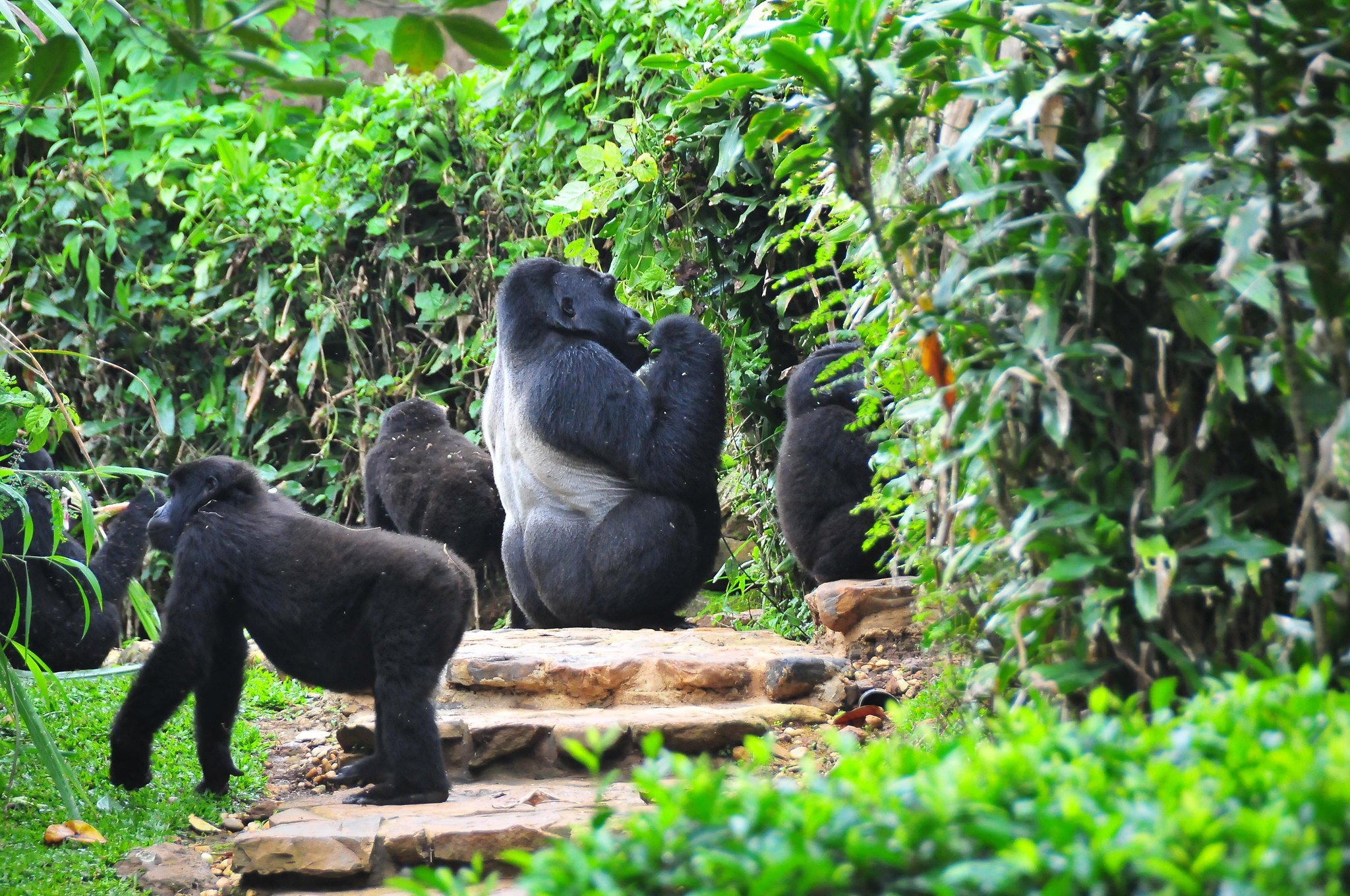
Planning your trip during the Best Time for Gorilla Habituation Uganda requires advance preparation because habituation permits are limited and highly sought after. Unlike regular activities where travelers can decide shortly before arrival, gorilla habituation requires careful planning due to conservation regulations.
NextGEN Safaris specializes in organizing complete gorilla habituation experiences in Uganda, handling every important detail from permit reservation to transportation, accommodation, and guided forest experiences.
Our team helps travelers choose the ideal travel period based on their preferences, whether they want easier trekking conditions during the dry season, fewer visitors during quieter months, or the best photography opportunities in Bwindi.
We arrange habituation permits, comfortable lodges near the forest, experienced local guides, and reliable 4×4 safari transportation. Our guides provide detailed explanations about gorilla behavior, conservation efforts, and the unique characteristics of each habituated family.
A well-planned itinerary ensures you maximize your time in Uganda while enjoying a seamless journey to Bwindi Impenetrable National Park. We can also combine your gorilla habituation experience with other adventures, including chimpanzee trekking, Queen Elizabeth National Park safaris, cultural experiences, and scenic journeys through Uganda.
Choosing NextGEN Safaris for your Best Time for Gorilla Habituation Uganda adventure means experiencing mountain gorillas responsibly while supporting conservation programs that protect these endangered animals.
Contact NextGEN Safaris today and let our local experts help you plan the perfect gorilla habituation safari in Uganda.