

Ultimate Guide to Altitude and Terrain in Bwindi Forest: Everything You Need to Know Before Your Gorilla Adventure
Altitude and Terrain in Bwindi Forest
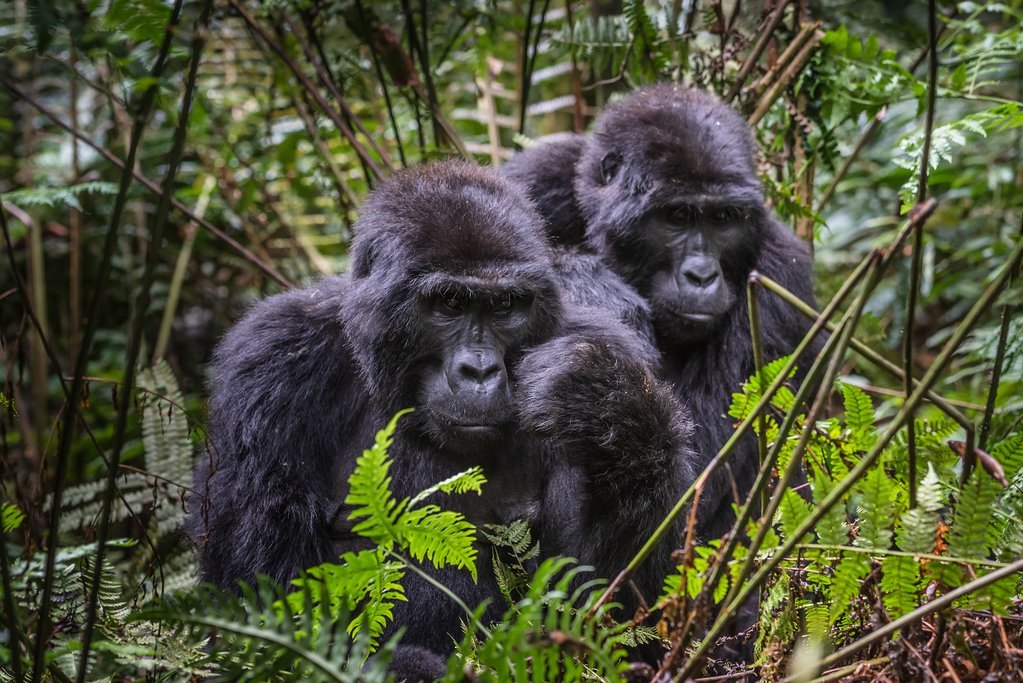
Understanding the Altitude and Terrain in Bwindi Forest is one of the most important parts of planning a successful gorilla trekking or Gorilla Habituation safari in Uganda. Bwindi Impenetrable National Park is famous worldwide for protecting nearly half of the world’s remaining mountain gorillas, but it is equally renowned for its dramatic landscapes, steep mountains, ancient rainforest, and diverse ecosystems. These natural features make every visit both physically rewarding and incredibly memorable.
Located in southwestern Uganda along the edge of the Albertine Rift Valley, Bwindi Impenetrable National Park covers approximately 331 square kilometers of dense tropical rainforest. The park’s varying elevations, deep valleys, rugged hills, thick vegetation, and winding forest trails create one of Africa’s most spectacular wilderness environments. For visitors preparing for gorilla trekking or the Gorilla Habituation Experience, understanding the Altitude and Terrain in Bwindi Forest helps set realistic expectations and allows for better physical preparation.
At Nextgen Safaris, we prepare every guest thoroughly before arrival by explaining what to expect from the park’s elevation, weather, hiking conditions, and forest environment. With the right preparation, visitors of different ages and fitness levels can comfortably experience one of the world’s greatest wildlife adventures.
Where is Bwindi Impenetrable National Park Located?
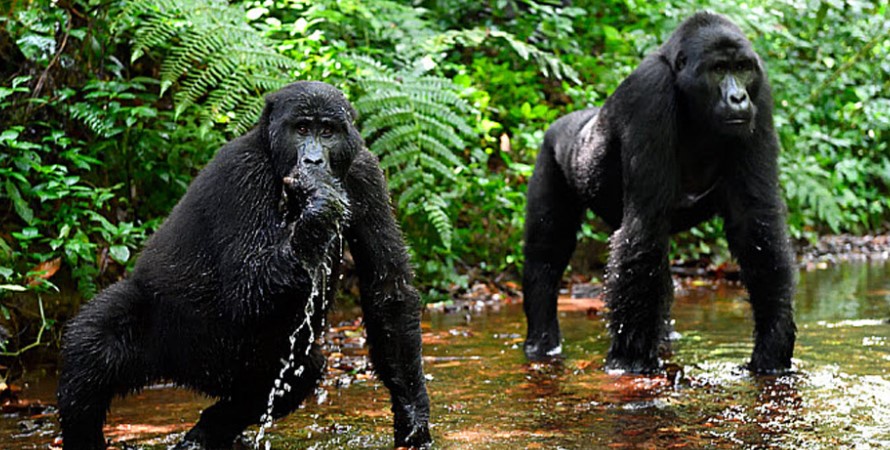
To appreciate the Altitude and Terrain in Bwindi Forest, it is important to understand its geographical setting.
Bwindi Impenetrable National Park is located in southwestern Uganda, bordering the Democratic Republic of Congo and lying close to the Virunga Mountain range. The park is part of the Albertine Rift, one of Africa’s richest biodiversity hotspots and one of the oldest surviving tropical rainforests on Earth.
The forest has existed for more than 25,000 years, allowing thousands of plant and animal species to evolve within its rugged landscape. Today, Bwindi is recognized as a UNESCO World Heritage Site because of its extraordinary biodiversity, including mountain gorillas, chimpanzees, forest elephants, over 350 bird species, butterflies, and countless endemic plants.
Its unique location contributes directly to the remarkable Altitude and Terrain in Bwindi Forest that visitors experience during every safari.
Understanding the Altitude of Bwindi Forest
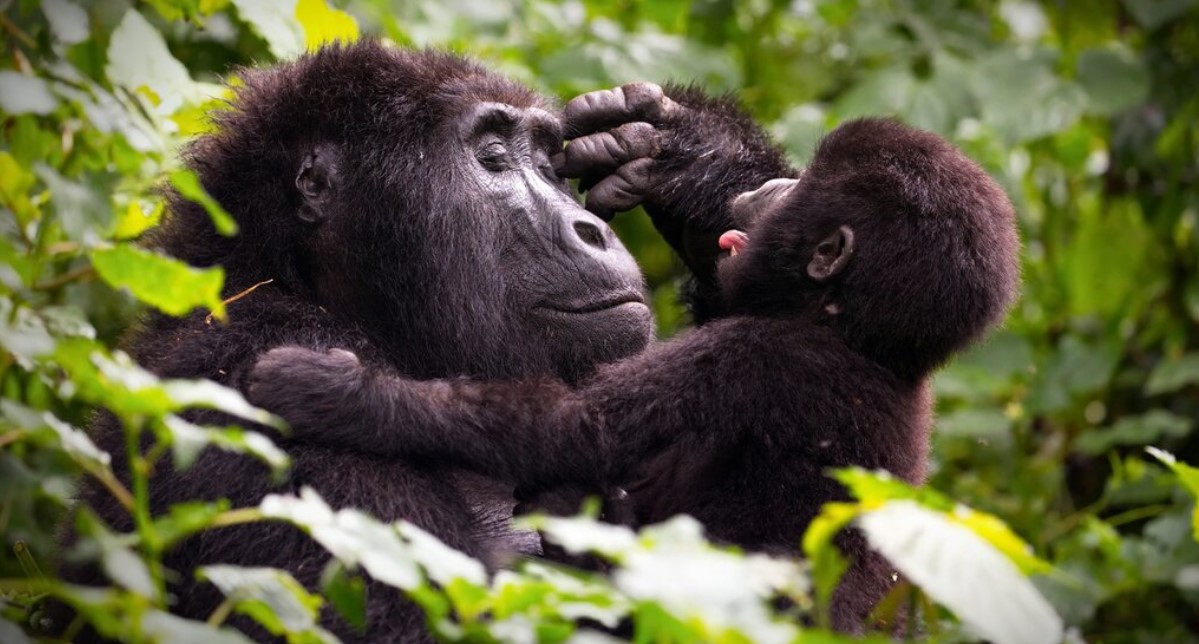
The Altitude and Terrain in Bwindi Forest vary considerably across the national park. Elevation ranges from approximately 1,160 meters (3,806 feet) above sea level in the lower valleys to around 2,607 meters (8,553 feet) at the highest mountain ridges.
These changing elevations create numerous ecological zones, each supporting different vegetation, wildlife, and climatic conditions. Lower elevations are generally warmer and feature dense tropical rainforest, while higher elevations become cooler, mistier, and covered with montane forest vegetation.
Because visitors hike through these varying elevations while tracking mountain gorillas, altitude becomes an important factor influencing the physical demands of both Gorilla Trekking and Gorilla Habituation.
How Altitude Affects Gorilla Trekking
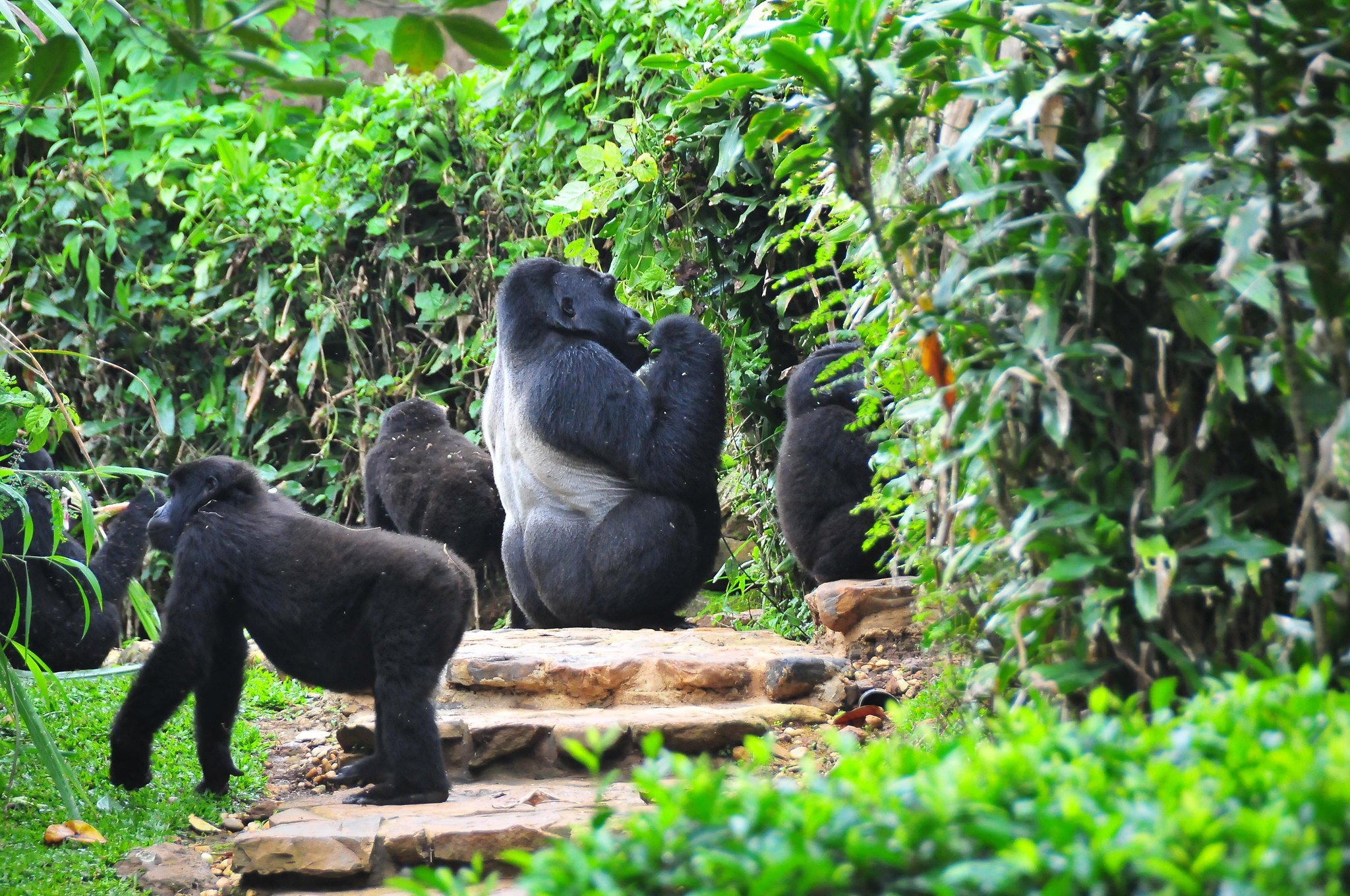
One of the most common questions travelers ask regarding the Altitude and Terrain in Bwindi Forest is whether altitude affects hiking.
Most visitors do not experience severe altitude sickness because Bwindi’s elevations are moderate compared to high mountain destinations such as Kilimanjaro. However, the thinner air found at higher elevations may make uphill hiking feel more physically demanding, particularly for travelers arriving directly from lower altitudes.
Steep climbs require greater cardiovascular effort, meaning visitors may breathe more heavily while ascending forest trails. Guides encourage a slow and steady pace, allowing participants to adjust comfortably to the terrain without unnecessary fatigue.
Remaining hydrated, maintaining a relaxed walking pace, and allowing the body time to acclimatize after arriving in Uganda all help visitors enjoy the experience comfortably.
The Mountainous Terrain of Bwindi Forest
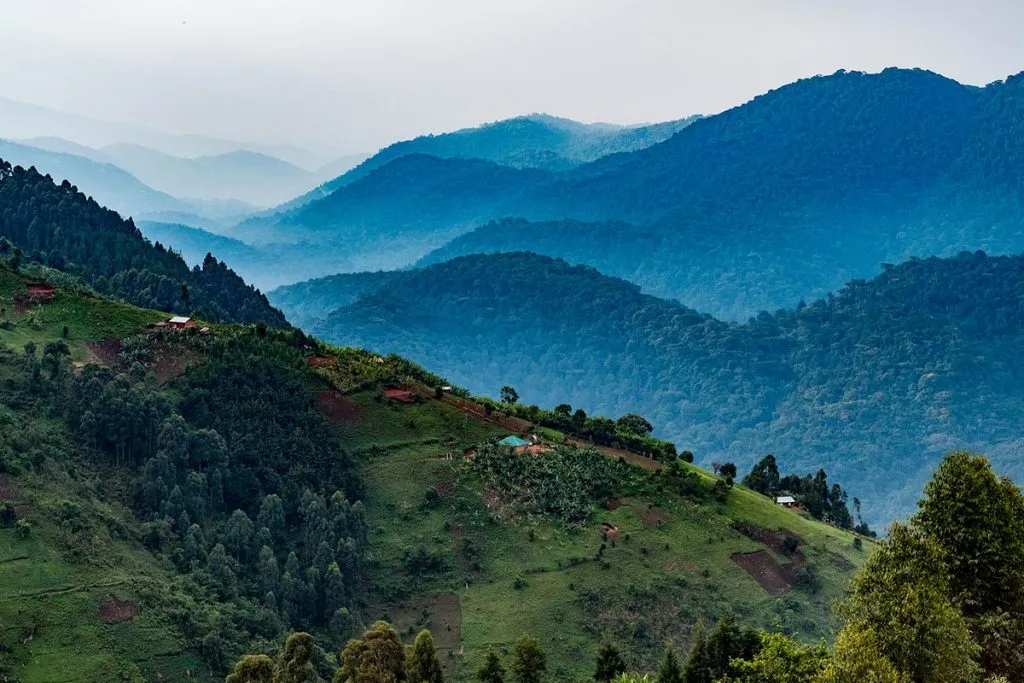
The Altitude and Terrain in Bwindi Forest are characterized by a dramatic mountainous landscape that forms part of the Albertine Rift.
The park contains steep hills, rolling ridges, narrow valleys, sharp escarpments, and winding forest slopes. Unlike flat savannah parks, Bwindi offers a constantly changing landscape where every section of the trail presents different views and hiking challenges.
Visitors often climb hills before descending into deep valleys where gorilla families may be feeding. Because mountain gorillas move freely throughout the rainforest, no two trekking routes are ever identical.
The constantly changing terrain contributes significantly to the adventurous nature of gorilla trekking in Uganda.
Dense Rainforest Makes Every Trek Unique
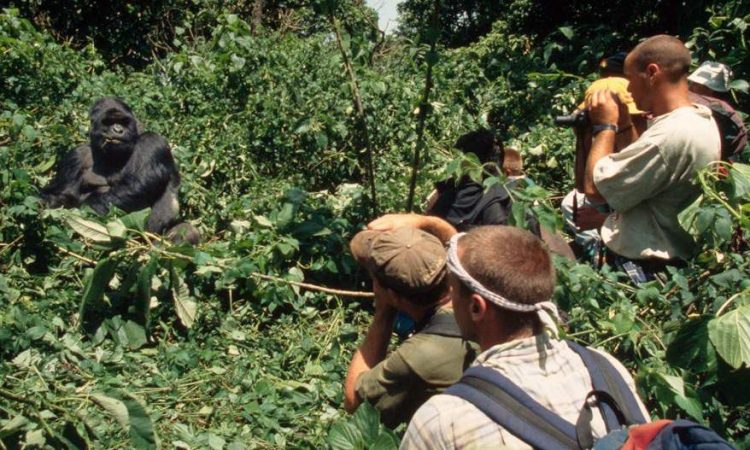
The famous Altitude and Terrain in Bwindi Forest are complemented by one of Africa’s densest tropical rainforests.
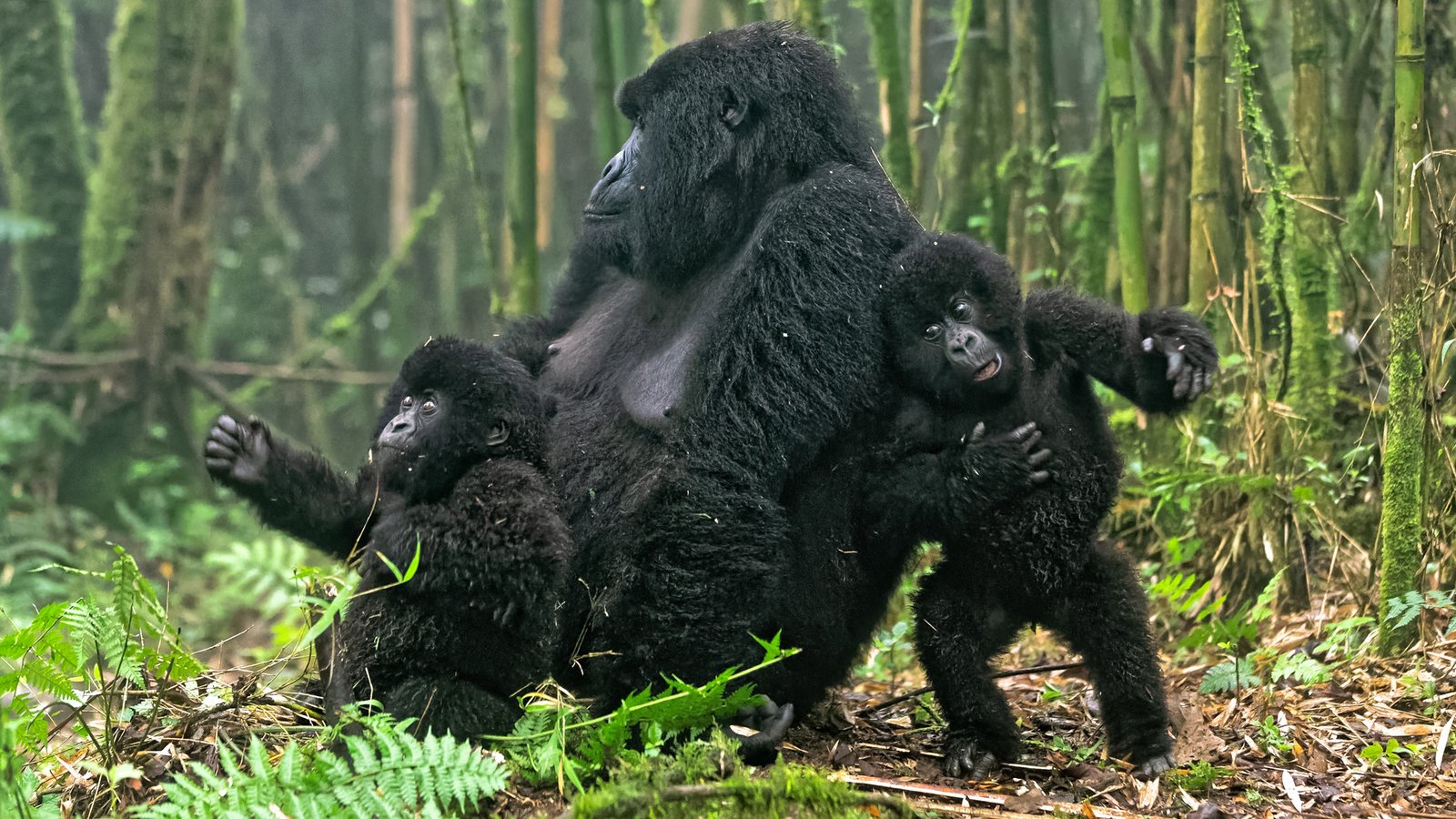
Towering hardwood trees, giant ferns, bamboo stands, hanging vines, moss-covered trunks, thick undergrowth, and lush vegetation create an extraordinary jungle environment. Some sections of the forest are so dense that guides occasionally use machetes to clear narrow paths while following the gorillas.
The rainforest protects an exceptional variety of wildlife while creating an authentic wilderness experience unlike any other destination in Africa.
Walking through this ancient forest is itself one of the highlights of visiting Bwindi.
Trail Conditions Throughout the Year
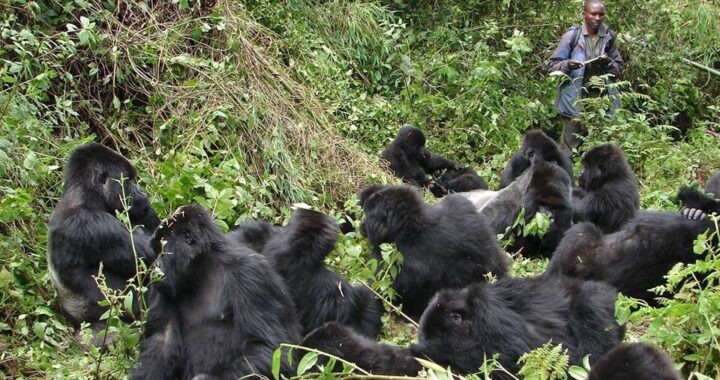
Trail conditions vary according to the seasons and greatly influence the Altitude and Terrain in Bwindi Forest.
During the drier months, forest trails are generally firmer, making hiking somewhat easier despite the steep hills. During rainy periods, however, mud, slippery roots, wet rocks, and saturated vegetation create more physically demanding hiking conditions.
Because Bwindi is a tropical rainforest, rainfall remains possible throughout the year. Visitors should therefore prepare for changing weather regardless of the season they choose to travel.
Proper hiking boots with excellent grip remain one of the most important pieces of equipment for navigating Bwindi safely.
How Terrain Affects Gorilla Habituation
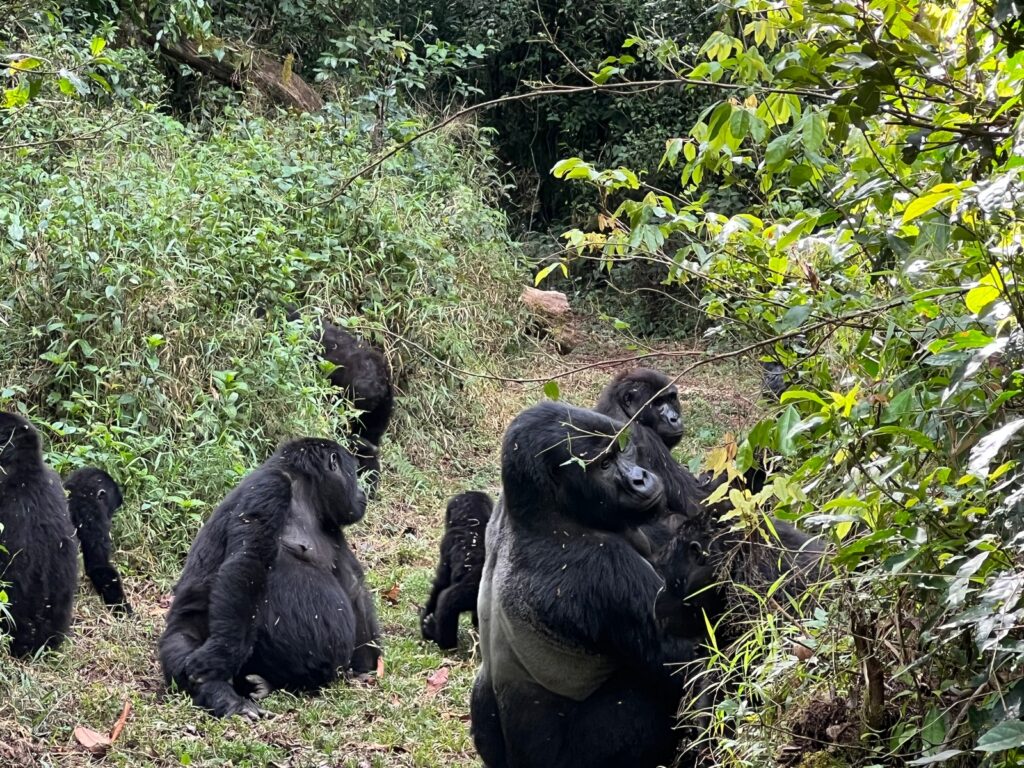
The Altitude and Terrain in Bwindi Forest have an even greater impact on the Gorilla Habituation Experience than on standard Gorilla Trekking.
During Gorilla Habituation, visitors accompany researchers working with semi-habituated gorilla families. These gorillas are less accustomed to human presence and may travel longer distances through more remote parts of the forest.
As a result, Gorilla Habituation often involves longer hikes over steeper terrain before visitors spend up to four hours observing the gorillas.
Despite the additional physical effort, the experience rewards participants with one of the world’s most immersive wildlife encounters.
Wildlife Thrives Because of the Diverse Terrain
The varied Altitude and Terrain in Bwindi Forest create an exceptional range of habitats supporting remarkable biodiversity.
Different elevations provide ideal conditions for hundreds of tree species, flowering plants, medicinal herbs, butterflies, reptiles, amphibians, birds, and mammals. Mountain gorillas benefit enormously from this diversity because the changing vegetation supplies a continuous source of food throughout the year.
Visitors may also encounter black-and-white colobus monkeys, L’Hoest’s monkeys, blue monkeys, forest elephants, giant forest hogs, numerous colorful birds, and countless butterfly species while hiking through the forest.
The dramatic terrain is therefore one of the primary reasons Bwindi remains one of Africa’s richest ecosystems.
Preparing for the Altitude and Terrain in Bwindi Forest
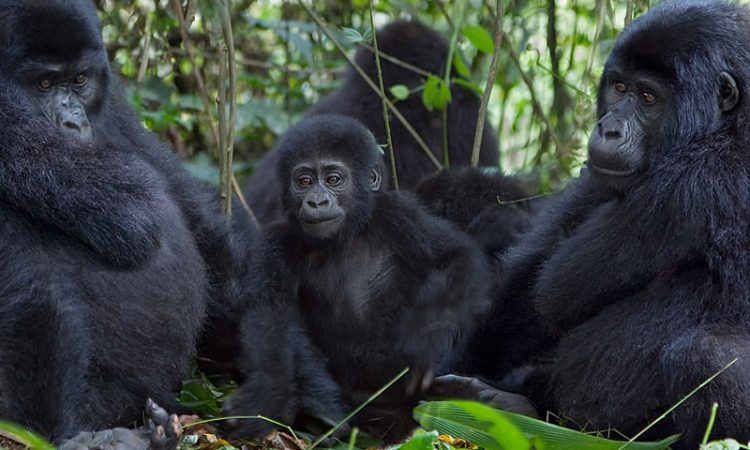
Preparing for the Altitude and Terrain in Bwindi Forest before arriving in Uganda greatly improves the overall trekking experience.
Regular walking, hill climbing, cycling, and light cardiovascular exercise several weeks before travel help build stamina for the steep forest trails. Wearing well-fitted waterproof hiking boots before the safari ensures comfort during the trek.
Visitors should also pack long-sleeved shirts, long trousers, waterproof jackets, gardening gloves, gaiters, insect repellent, reusable water bottles, energy snacks, and a small backpack suitable for carrying essential items.
Hiring a porter is highly recommended because porters assist with carrying luggage while providing additional support on steep sections of the trail.
Which Sector of Bwindi Has the Most Challenging Terrain?
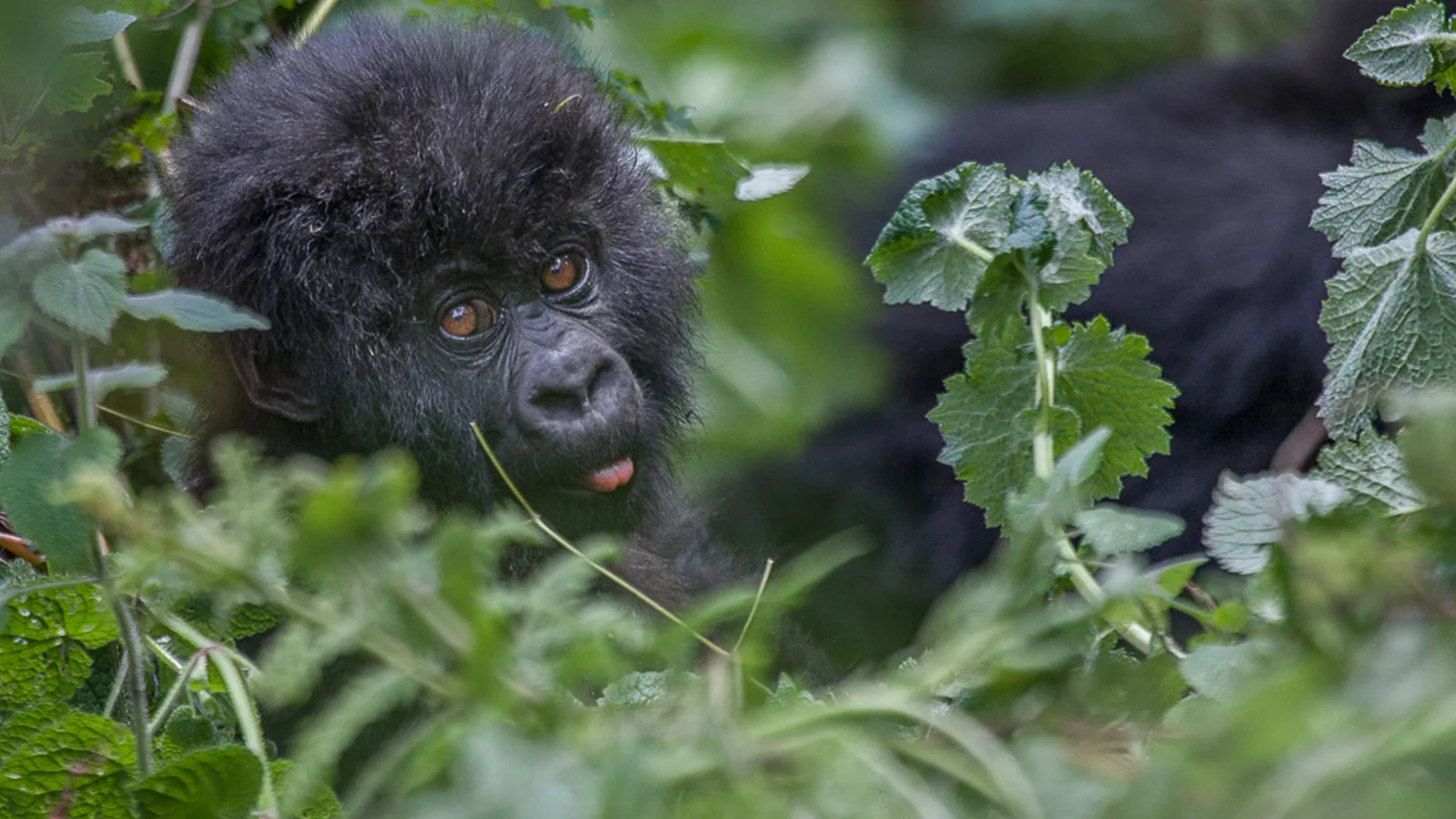
Bwindi is divided into four main gorilla trekking sectors: Buhoma, Ruhija, Rushaga, and Nkuringo.
Each region has its own unique combination of Altitude and Terrain in Bwindi Forest. Nkuringo is generally regarded as having some of the steepest and most physically demanding hiking routes due to its high elevation and rugged mountains.
Rushaga offers varied terrain ranging from relatively moderate hikes to challenging climbs depending on the gorilla family’s location. Ruhija features higher elevations with cool temperatures, while Buhoma provides a mixture of moderate and challenging trails.
Because mountain gorillas move daily, no trekking route can ever be guaranteed, making every safari unique.
Can Beginners Handle the Terrain in Bwindi?
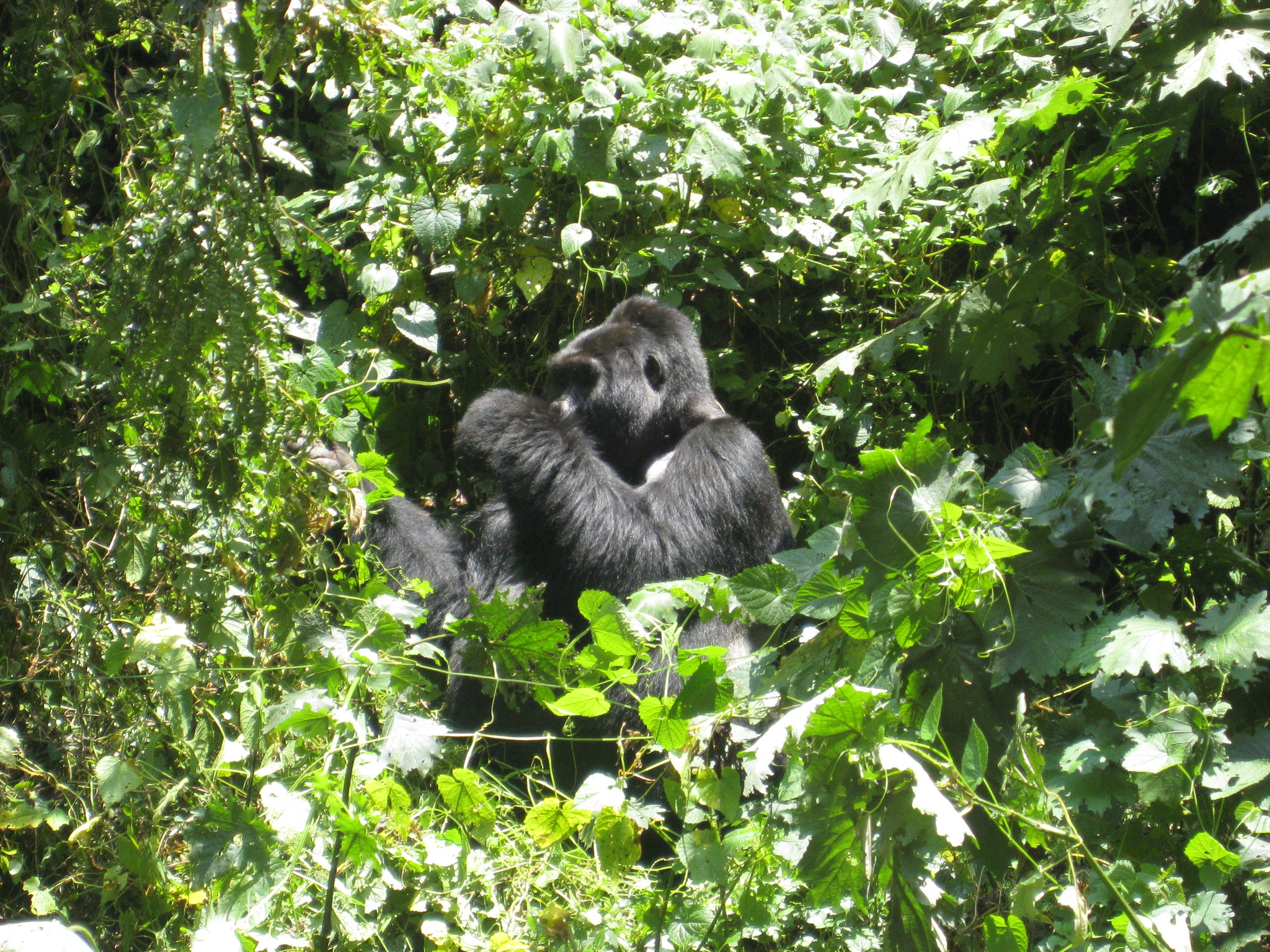
Many first-time hikers worry about the Altitude and Terrain in Bwindi Forest, but beginners successfully complete gorilla trekking every year.
Professional Uganda Wildlife Authority guides adjust the pace according to each group’s abilities and schedule regular rest breaks throughout the hike. Visitors are encouraged to walk comfortably rather than rushing through the forest.
Hiring a porter significantly reduces physical effort, while maintaining moderate fitness before arrival further improves confidence on the trail.
With proper preparation and a positive attitude, most visitors find the experience challenging but completely achievable.
Why the Altitude and Terrain Make Bwindi So Special
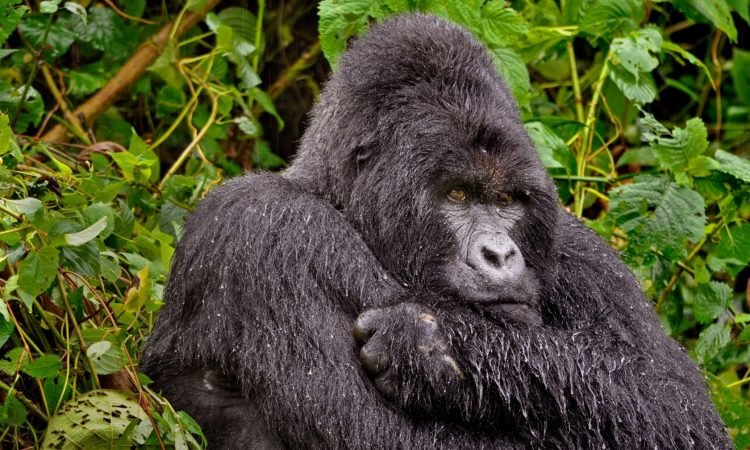
Although the Altitude and Terrain in Bwindi Forest present physical challenges, they are also what make the park one of the world’s most extraordinary wildlife destinations.
The dramatic mountains, mist-covered valleys, ancient rainforest, and untouched wilderness create an environment unlike any other place where mountain gorillas survive. Every climb reveals breathtaking scenery, while every descent brings visitors deeper into one of Africa’s oldest ecosystems.
Rather than viewing the terrain as an obstacle, many travelers discover it becomes an unforgettable part of the overall adventure.
The journey through Bwindi’s magnificent landscape often proves just as memorable as the gorilla encounter itself.
Why Choose Nextgen Safaris for Your Bwindi Adventure
Understanding the Altitude and Terrain in Bwindi Forest is essential when planning a successful gorilla safari, and Nextgen Safaris ensures every traveler is fully prepared before entering the rainforest.
Our experienced safari consultants help arrange gorilla permits, personalized itineraries, luxury and mid-range accommodation, private transportation, porter services, experienced driver-guides, and expert pre-travel advice tailored to your fitness level and interests.
We focus on providing safe, comfortable, and unforgettable gorilla experiences while ensuring visitors fully appreciate the remarkable natural environment of Bwindi Impenetrable National Park.
Frequently Asked Questions About Altitude and Terrain in Bwindi Forest
1. What is the Altitude and Terrain in Bwindi Forest?
The Altitude and Terrain in Bwindi Forest are among the most unique natural features that make Bwindi Impenetrable National Park one of Africa’s most extraordinary wildlife destinations. The park sits at elevations ranging from approximately 1,160 meters (3,806 feet) to 2,607 meters (8,553 feet) above sea level. These changing elevations create a spectacular landscape of steep hills, deep valleys, dense rainforest, ridges, and mountain slopes that visitors experience during gorilla trekking and Gorilla Habituation.
The Altitude and Terrain in Bwindi Forest are not only beautiful but also essential for the survival of mountain gorillas and hundreds of other wildlife species. Different elevations support different vegetation types, creating an abundant food supply for gorillas throughout the year. The varying terrain also provides shelter, nesting areas, and natural protection for one of the world’s most endangered primates.
Understanding the Altitude and Terrain in Bwindi Forest before traveling helps visitors prepare physically and mentally for their safari. Although the terrain can be challenging, it is also one of the reasons why gorilla trekking in Uganda is considered one of the world’s greatest wildlife adventures.
2. How high is the altitude in Bwindi Forest?
The Altitude and Terrain in Bwindi Forest vary considerably across the park, with elevations beginning at approximately 1,160 meters above sea level and rising to around 2,607 meters at the highest ridges. These elevation differences create several ecological zones that support remarkable biodiversity.
Visitors often notice that temperatures become cooler as they climb higher into the forest. Morning mist frequently covers the mountain slopes, creating the magical scenery for which Bwindi is famous. Despite these elevations, most travelers do not experience serious altitude sickness because Bwindi’s altitude is moderate compared to many mountain destinations.
Knowing the Altitude and Terrain in Bwindi Forest helps travelers understand why hiking sometimes feels more demanding than expected, especially during uphill sections where thinner air requires slightly greater physical effort.
3. Does the Altitude and Terrain in Bwindi Forest affect Gorilla Trekking?
Yes. The Altitude and Terrain in Bwindi Forest directly influence every Gorilla Trekking experience because mountain gorillas live throughout the park’s mountainous rainforest. Rangers follow the gorillas wherever they travel, meaning trekking routes change daily.
Steep hills, dense vegetation, muddy trails, valleys, and uneven ground all contribute to the physical demands of the hike. Some gorilla families may be located after relatively short walks, while others require longer climbs through higher elevations.
The Altitude and Terrain in Bwindi Forest are therefore an important part of the adventure, making every gorilla trek unique while offering spectacular scenery throughout the journey.
4. Is the Altitude and Terrain in Bwindi Forest difficult for beginners?
Many first-time visitors worry about the Altitude and Terrain in Bwindi Forest, but beginners successfully complete gorilla trekking every day. Previous hiking experience is helpful but not essential.
Uganda Wildlife Authority guides carefully adjust the pace according to the group’s fitness level. Visitors are encouraged to walk comfortably, take regular breaks, and enjoy the rainforest rather than rushing toward the gorillas.
With proper preparation, comfortable hiking boots, and a positive attitude, most beginners discover that the Altitude and Terrain in Bwindi Forest are challenging yet completely manageable.
5. Does altitude cause altitude sickness in Bwindi Forest?
The Altitude and Terrain in Bwindi Forest are generally not high enough to cause severe altitude sickness for most visitors. While the highest points exceed 2,600 meters, symptoms are usually mild or absent altogether.
Some travelers may notice slightly heavier breathing when climbing steep hills, particularly if they have arrived directly from low-altitude areas. Walking slowly, drinking plenty of water, and maintaining a relaxed pace usually prevent discomfort.
Although altitude sickness is uncommon, understanding the Altitude and Terrain in Bwindi Forest helps visitors appreciate why guides recommend taking their time during the hike.
6. Which part of Bwindi has the highest altitude?
Among the four trekking sectors, the Altitude and Terrain in Bwindi Forest are generally highest in Ruhija and Nkuringo. These areas sit at higher elevations and often experience cooler temperatures and more frequent morning mist.
Nkuringo is particularly famous for its dramatic mountain scenery and steep hiking trails. Ruhija also offers breathtaking panoramic views across the Albertine Rift while providing excellent gorilla trekking opportunities.
Regardless of the sector, the Altitude and Terrain in Bwindi Forest vary daily because gorilla families constantly move throughout their natural habitat.
7. Why is Bwindi called an impenetrable forest?
The name reflects the remarkable Altitude and Terrain in Bwindi Forest, combined with its incredibly dense vegetation. Thick vines, giant trees, bamboo stands, ferns, shrubs, and tangled undergrowth make parts of the forest extremely difficult to navigate.
During gorilla trekking, guides sometimes use machetes to clear sections of vegetation while following the gorillas through their natural environment. This dense rainforest creates an authentic wilderness experience unlike many other national parks.
The challenging Altitude and Terrain in Bwindi Forest contribute greatly to the excitement and adventure of every safari.
8. Does rain affect the Altitude and Terrain in Bwindi Forest?
Yes. Rain significantly changes the Altitude and Terrain in Bwindi Forest, especially during wetter months when trails become muddy and slippery.
Tree roots, rocks, and steep slopes require additional care after rainfall. Waterproof hiking boots with excellent grip become especially important under these conditions, while rain jackets help visitors remain comfortable throughout the trek.
Because Bwindi is a tropical rainforest, rainfall is possible at any time of year, making preparation essential regardless of your travel season.
9. How does the terrain support mountain gorillas?
The Altitude and Terrain in Bwindi Forest create ideal conditions for mountain gorillas by supporting a wide variety of vegetation throughout different elevations.
The forest provides fresh leaves, stems, fruits, vines, bark, and numerous plant species that gorillas feed on daily. The mountainous landscape also offers secure nesting sites and protection from disturbance.
Without the unique Altitude and Terrain in Bwindi Forest, the remarkable mountain gorilla population would not be able to thrive as successfully as it does today.
10. Is Gorilla Habituation affected by the Altitude and Terrain in Bwindi Forest?
Absolutely. The Altitude and Terrain in Bwindi Forest often make Gorilla Habituation even more demanding than standard Gorilla Trekking.
Semi-habituated gorilla families usually travel deeper into remote sections of the rainforest, meaning visitors may hike longer distances over steeper terrain before locating them.
Despite the additional effort, the unique Altitude and Terrain in Bwindi Forest reward participants with one of the world’s most immersive wildlife experiences.
11. What wildlife benefits from the Altitude and Terrain in Bwindi Forest?
The Altitude and Terrain in Bwindi Forest support one of Africa’s richest ecosystems. Besides mountain gorillas, the forest is home to forest elephants, chimpanzees, black-and-white colobus monkeys, blue monkeys, giant forest hogs, and numerous smaller mammals.
Birdlife is particularly impressive, with more than 350 recorded species, including many Albertine Rift endemics found nowhere else in the world. Hundreds of butterfly species and thousands of plant varieties also thrive within Bwindi’s diverse habitats.
The changing elevations and varied landscapes created by the Altitude and Terrain in Bwindi Forest allow this extraordinary biodiversity to flourish.
12. How should I prepare for the Altitude and Terrain in Bwindi Forest?
Preparing for the Altitude and Terrain in Bwindi Forest several weeks before your safari can greatly improve your trekking experience. Regular walking, hiking, stair climbing, cycling, or swimming help build endurance.
Comfortable waterproof hiking boots should be broken in before travel to prevent blisters during the trek. Packing layered clothing also helps visitors adjust to changing temperatures at different elevations.
Understanding the Altitude and Terrain in Bwindi Forest allows travelers to arrive well prepared for a rewarding adventure.
13. What clothing is best for the Altitude and Terrain in Bwindi Forest?
The changing Altitude and Terrain in Bwindi Forest require practical outdoor clothing suitable for rainforest conditions.
Long trousers and long-sleeved shirts protect against thorny vegetation and insects, while waterproof jackets keep visitors comfortable during sudden rain showers. Gardening gloves help when holding branches or climbing steeper sections.
Because temperatures vary with elevation, dressing in layers allows visitors to remain comfortable throughout the day.
14. Are hiking boots necessary in Bwindi Forest?
Yes. The Altitude and Terrain in Bwindi Forest make quality hiking boots one of the most important pieces of equipment for any visitor.
Waterproof boots with strong ankle support and deep tread provide stability on muddy trails, slippery roots, uneven rocks, and steep slopes. Comfortable footwear greatly reduces fatigue during longer hikes.
Investing in proper hiking boots significantly improves safety and enjoyment while exploring the Altitude and Terrain in Bwindi Forest.
15. Can elderly travelers manage the Altitude and Terrain in Bwindi Forest?
Yes. Many senior travelers successfully experience the Altitude and Terrain in Bwindi Forest every year with proper preparation and support.
Hiring a porter reduces physical effort, while sedan chair services may be available for travelers with limited mobility. Guides also adjust the pace to match the group’s abilities.
Age alone should not discourage visitors from enjoying the remarkable Altitude and Terrain in Bwindi Forest and its unforgettable gorilla encounters.
16. Which season is best for experiencing the Altitude and Terrain in Bwindi Forest?
The Altitude and Terrain in Bwindi Forest can be explored throughout the year, but many travelers prefer the drier months from June to September and December to February.
During these periods, trails are generally firmer and easier to navigate, although occasional rainfall remains possible because Bwindi is a rainforest.
Regardless of the season, the spectacular Altitude and Terrain in Bwindi Forest provide breathtaking scenery and unforgettable wildlife experiences.
17. Why is every Gorilla Trek different because of the Altitude and Terrain in Bwindi Forest?
The Altitude and Terrain in Bwindi Forest constantly influence where mountain gorillas travel each day. Rangers follow the gorillas’ movements rather than fixed hiking routes.
As a result, one day’s trek may involve gentle slopes while another may require climbing steep ridges or descending into deep valleys. No two Gorilla Trekking experiences are exactly alike.
This unpredictability is one of the reasons why the Altitude and Terrain in Bwindi Forest make every safari unique.
18. Is the Altitude and Terrain in Bwindi Forest worth the effort?
Without question, yes. Although the Altitude and Terrain in Bwindi Forest can be physically demanding, they are also what make Bwindi one of the world’s most remarkable natural destinations.
Every climb offers breathtaking mountain scenery, ancient rainforest, and opportunities to observe extraordinary wildlife. Reaching a mountain gorilla family after hiking through this spectacular landscape creates an unforgettable sense of achievement.
Most visitors describe the challenging Altitude and Terrain in Bwindi Forest as an essential part of the overall adventure.
19. Why should I visit Bwindi with Nextgen Safaris?
Nextgen Safaris understands the unique Altitude and Terrain in Bwindi Forest and carefully prepares every guest before arrival.
We arrange gorilla permits, experienced guides, comfortable accommodation, porter services, transportation, and personalized itineraries suited to your fitness level and travel preferences.
Our local expertise ensures you experience the Altitude and Terrain in Bwindi Forest safely, comfortably, and with complete confidence.
20. How do I book a safari to experience the Altitude and Terrain in Bwindi Forest?
Booking a safari to explore the Altitude and Terrain in Bwindi Forest is simple with Nextgen Safaris. Our safari specialists help secure your gorilla permits, recommend the best trekking sector, arrange accommodation, organize transportation, and create a customized itinerary tailored to your interests.
Whether you are planning Gorilla Trekking, Gorilla Habituation, birdwatching, or a complete Uganda wildlife safari, we ensure every detail is professionally managed from arrival to departure.
Contact Nextgen Safaris today and let our experienced team help you discover the incredible Altitude and Terrain in Bwindi Forest, where breathtaking landscapes, ancient rainforest, and unforgettable encounters with mountain gorillas await.
Book Your Bwindi Gorilla Safari with Nextgen Safaris
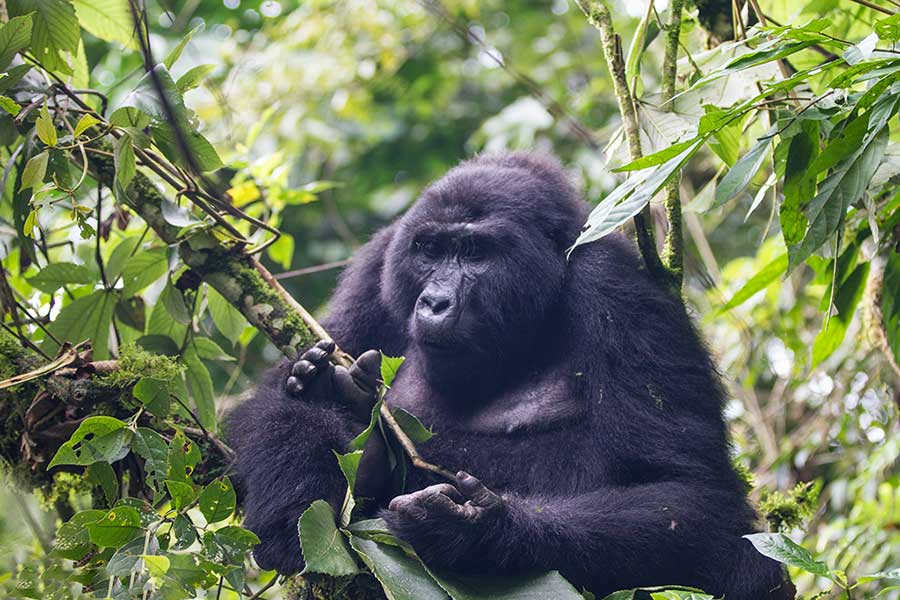
The remarkable Altitude and Terrain in Bwindi Forest are what make gorilla trekking and Gorilla Habituation some of the most rewarding wildlife experiences on Earth. Every mountain trail, rainforest valley, and mist-covered ridge brings you closer to one of the world’s rarest and most fascinating primates while immersing you in one of Africa’s richest ecosystems.
At Nextgen Safaris, we take care of every detail of your journey, from securing gorilla permits and selecting the best lodges to arranging transportation, experienced guides, and porter services. Whether you are planning your first gorilla safari or returning for another unforgettable adventure, our dedicated team is committed to making your experience seamless from start to finish.
Contact Nextgen Safaris today and let us design a personalized Bwindi safari that allows you to explore the breathtaking Altitude and Terrain in Bwindi Forest while creating memories that will last a lifetime.