

Ultimate Best Camera for Gorilla Habituation Safari: Expert Photography Guide for Capturing Uganda’s Mountain Gorillas
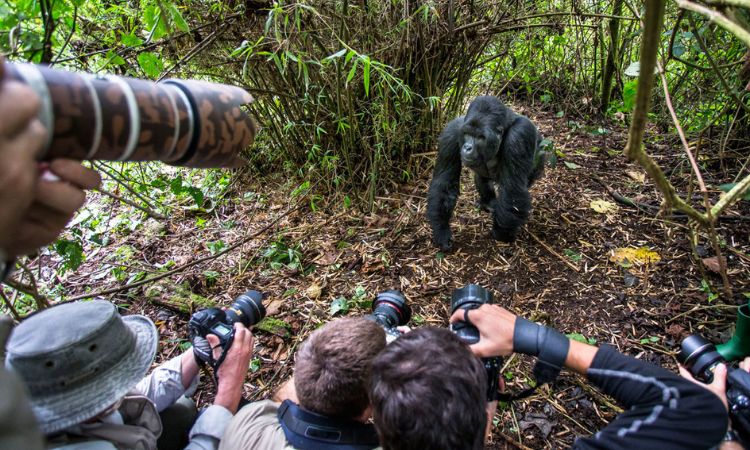
A gorilla habituation safari is one of the most extraordinary wildlife photography experiences in the world. Unlike a normal gorilla trekking adventure, where visitors spend only one hour with a fully habituated gorilla family, the gorilla habituation experience allows photographers and wildlife enthusiasts to spend up to four hours observing a semi-habituated gorilla family in the forests of Uganda’s Bwindi Impenetrable National Park. With more time to observe gorilla behavior, capture interactions, and photograph unique moments, choosing the Best Camera for Gorilla Habituation Safari becomes an important part of preparing for this once-in-a-lifetime adventure.
Photographing mountain gorillas in their natural rainforest habitat presents unique challenges. The forest environment has limited natural light, changing weather conditions, dense vegetation, and strict wildlife viewing guidelines that require visitors to maintain a respectful distance. The right camera equipment allows you to capture sharp, detailed, and memorable images without disturbing the gorillas or compromising your comfort during the trek.
Selecting the Best Camera for Gorilla Habituation Safari does not necessarily mean choosing the most expensive professional camera available. The ideal camera depends on your photography experience, travel style, budget, and the type of images you want to create. Whether you are a professional wildlife photographer, an enthusiastic traveler, or someone capturing memories with family and friends, understanding camera features such as autofocus performance, low-light capability, lens compatibility, weather protection, and portability will help you make the best choice.
This comprehensive guide explores everything you need to know when choosing the Best Camera for Gorilla Habituation Safari, including recommended camera types, important features, suitable lenses, photography tips, and preparation advice for capturing unforgettable mountain gorilla moments in Uganda.
Why Choosing the Best Camera for Gorilla Habituation Safari Matters
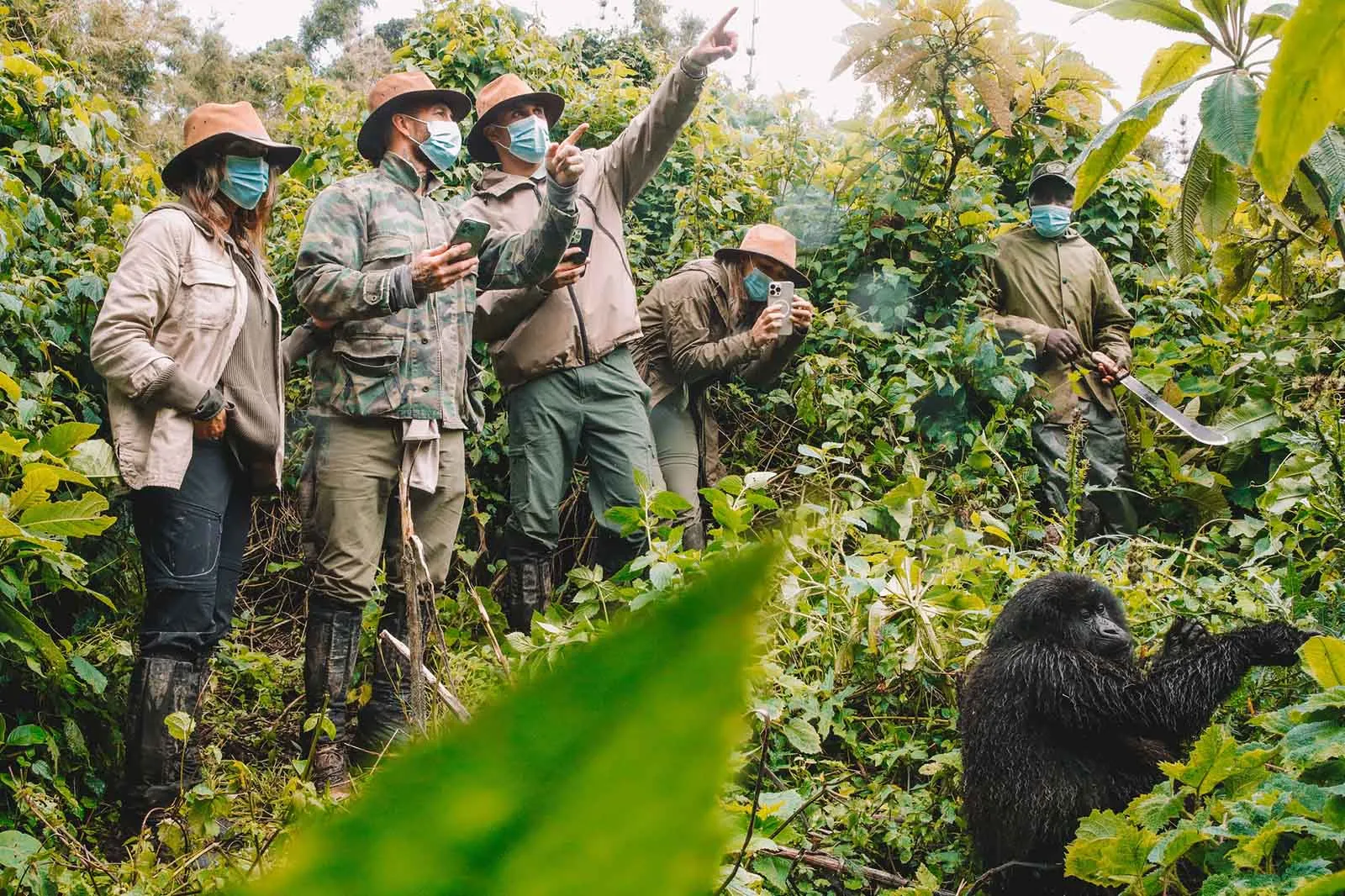
A gorilla habituation safari offers rare opportunities to witness mountain gorillas behaving naturally in the rainforest. You may capture a powerful silverback protecting his family, mothers caring for infants, young gorillas playing together, or fascinating social interactions between different members of the group.
Because these moments are unpredictable and often happen quickly, having the Best Camera for Gorilla Habituation Safari allows you to react immediately and capture high-quality images. A camera with fast autofocus, excellent image stabilization, and strong low-light performance gives you a significant advantage in the challenging rainforest environment.
The dense vegetation of Bwindi creates beautiful but difficult photographic conditions. Light levels can change within seconds as clouds move across the sky or sunlight filters through the forest canopy. A suitable camera helps overcome these challenges by producing clear images even when lighting conditions are not perfect.
A good camera also improves your overall experience because you spend less time struggling with equipment and more time appreciating the incredible wildlife encounter happening in front of you.
Understanding Photography Conditions During Gorilla Habituation
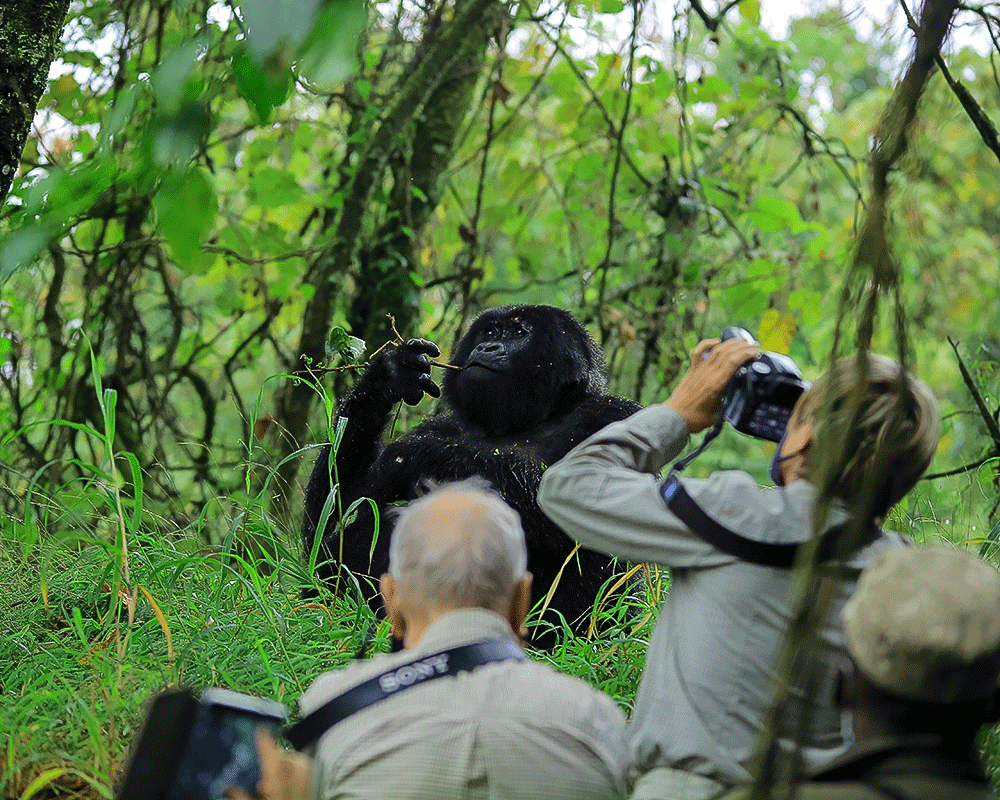
Before selecting the Best Camera for Gorilla Habituation Safari, it is important to understand the environment where you will be photographing. Bwindi Impenetrable National Park is an ancient rainforest characterized by thick vegetation, tall trees, misty conditions, and limited direct sunlight.
Unlike open savannah photography, where wildlife is often brightly illuminated, gorilla photography usually takes place under forest canopy. This means photographers require cameras that perform well in low-light conditions while maintaining image quality.
The gorillas also move naturally, meaning you need equipment capable of capturing sudden movements. A young gorilla climbing a tree, a silverback turning toward the camera, or a mother interacting with her infant may only last a few seconds. Fast autofocus and responsive camera systems are therefore extremely valuable.
Weather protection is another important consideration. Rain showers can occur unexpectedly, so cameras and lenses should be protected from moisture while remaining easy to operate.
What Features Make the Best Camera for Gorilla Habituation Safari?
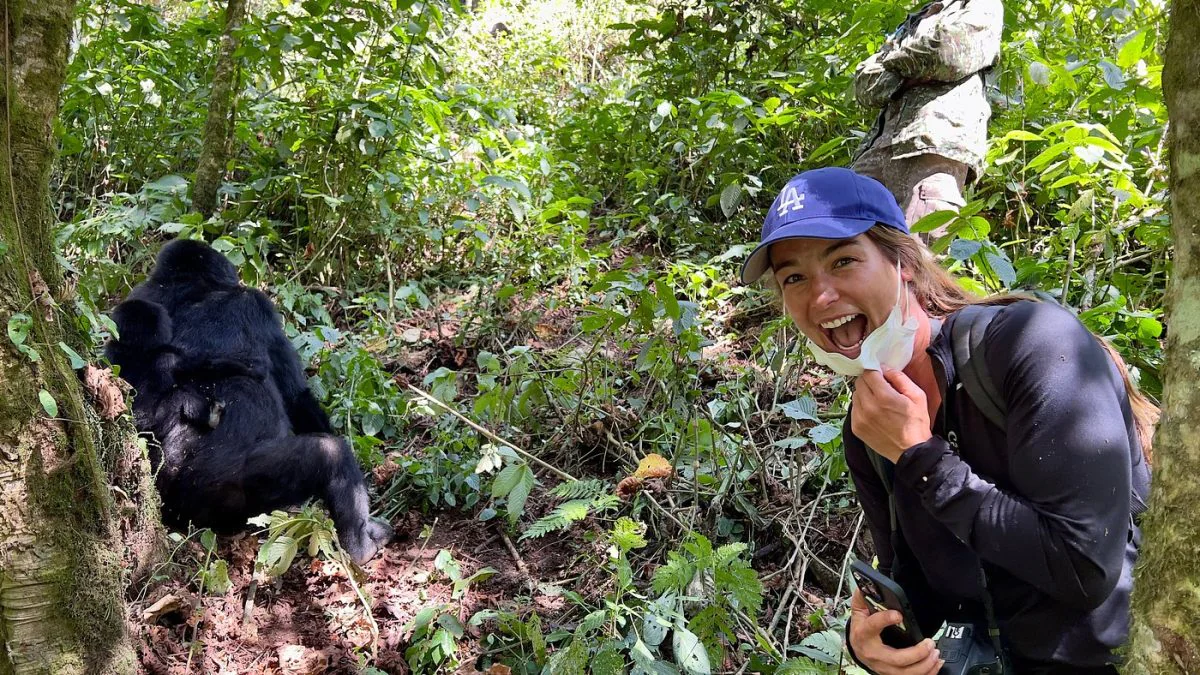
The Best Camera for Gorilla Habituation Safari should combine several important features that allow photographers to capture professional-quality wildlife images in rainforest conditions.
One of the most important features is excellent low-light performance. Cameras with larger sensors, especially full-frame and modern APS-C sensors, perform better in darker forest environments because they capture more light and produce cleaner images at higher ISO settings.
Fast and accurate autofocus is equally important. Gorillas are active animals, and photographers need a camera that can quickly lock focus on moving subjects. Modern autofocus systems with animal eye detection are especially useful because they help keep the gorilla’s face sharp.
Image stabilization is another valuable feature. Since many photographs are taken while standing or walking through the forest, built-in stabilization helps reduce camera shake and improves sharpness, especially when using longer lenses.
Weather sealing provides additional protection against rain, humidity, and forest conditions. A durable camera designed for outdoor photography is a wise investment for a gorilla habituation safari.
Best Camera Types for Gorilla Habituation Safari
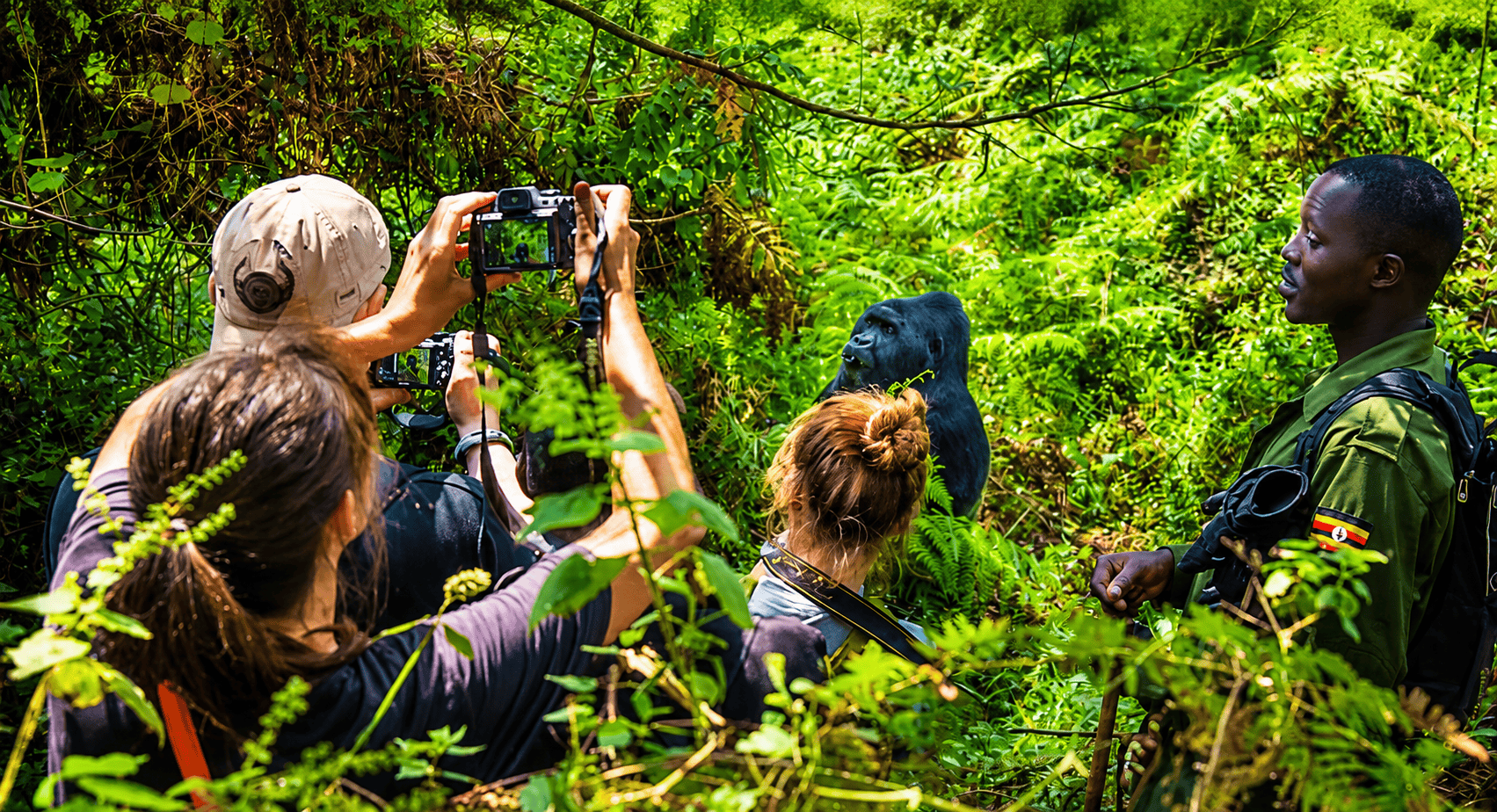
When searching for the Best Camera for Gorilla Habituation Safari, photographers generally choose between mirrorless cameras, DSLR cameras, and advanced compact cameras.
Mirrorless cameras have become extremely popular among wildlife photographers because they offer excellent image quality while being lighter and more portable than traditional DSLR systems. Their electronic viewfinders, advanced autofocus systems, and silent shooting options make them ideal for rainforest photography.
Professional DSLR cameras remain excellent choices because of their durability, battery life, and wide selection of lenses. Many experienced wildlife photographers continue using DSLR systems because they provide exceptional performance in challenging conditions.
High-quality compact cameras can also work well for travelers who prefer simplicity. Although they may not offer the same level of professional control, modern premium compact cameras can still capture impressive gorilla photographs without requiring multiple lenses.
Choosing the Right Lens for Gorilla Photography
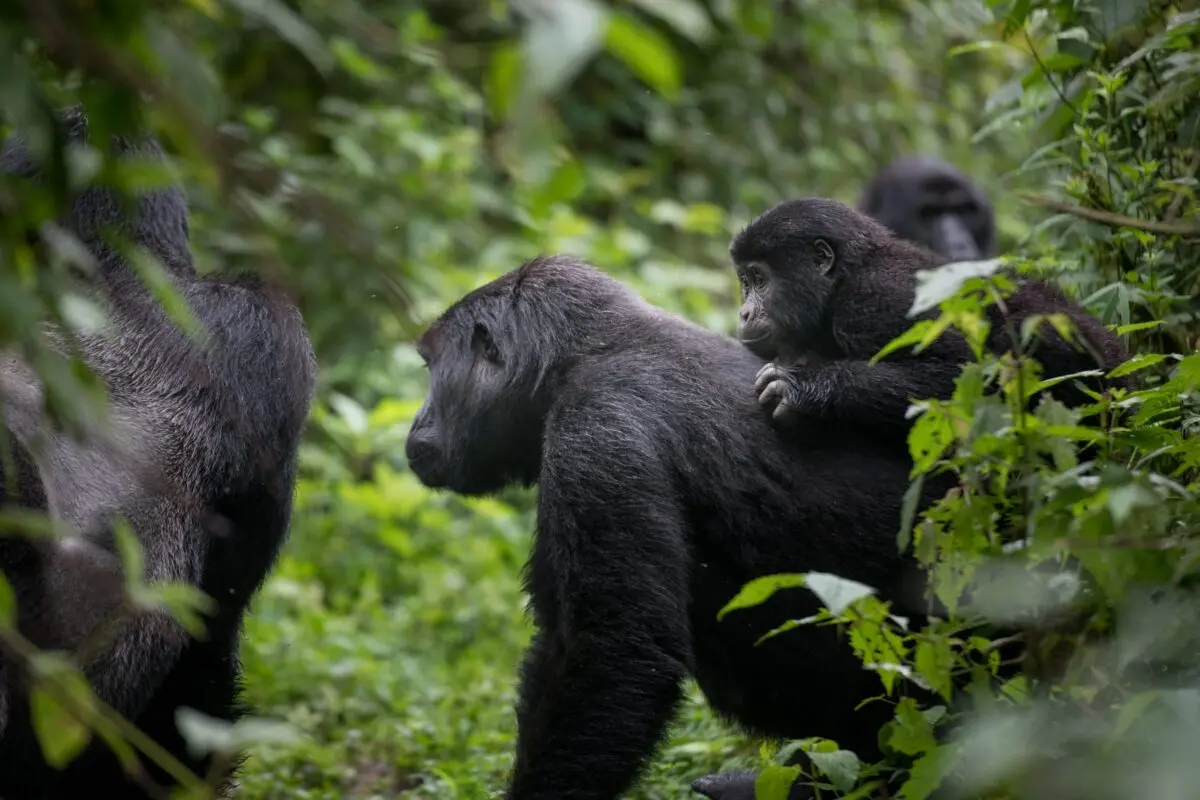
While selecting the Best Camera for Gorilla Habituation Safari is important, the lens often has an even greater impact on your final images. Since visitors must maintain a respectful distance from mountain gorillas, a suitable telephoto lens is highly recommended.
A lens with a focal range between approximately 70mm and 300mm is commonly useful for gorilla photography. It allows photographers to capture detailed portraits while remaining at the required viewing distance.
Telephoto lenses also create beautiful background separation, making the gorilla stand out against the rainforest surroundings. This is particularly valuable when photographing silverbacks, family groups, and emotional interactions.
However, extremely large professional lenses can become heavy during the long hike. Finding a balance between image quality and portability is essential because gorilla habituation involves several hours of trekking.
Recommended Camera Features for Professional Wildlife Photographers
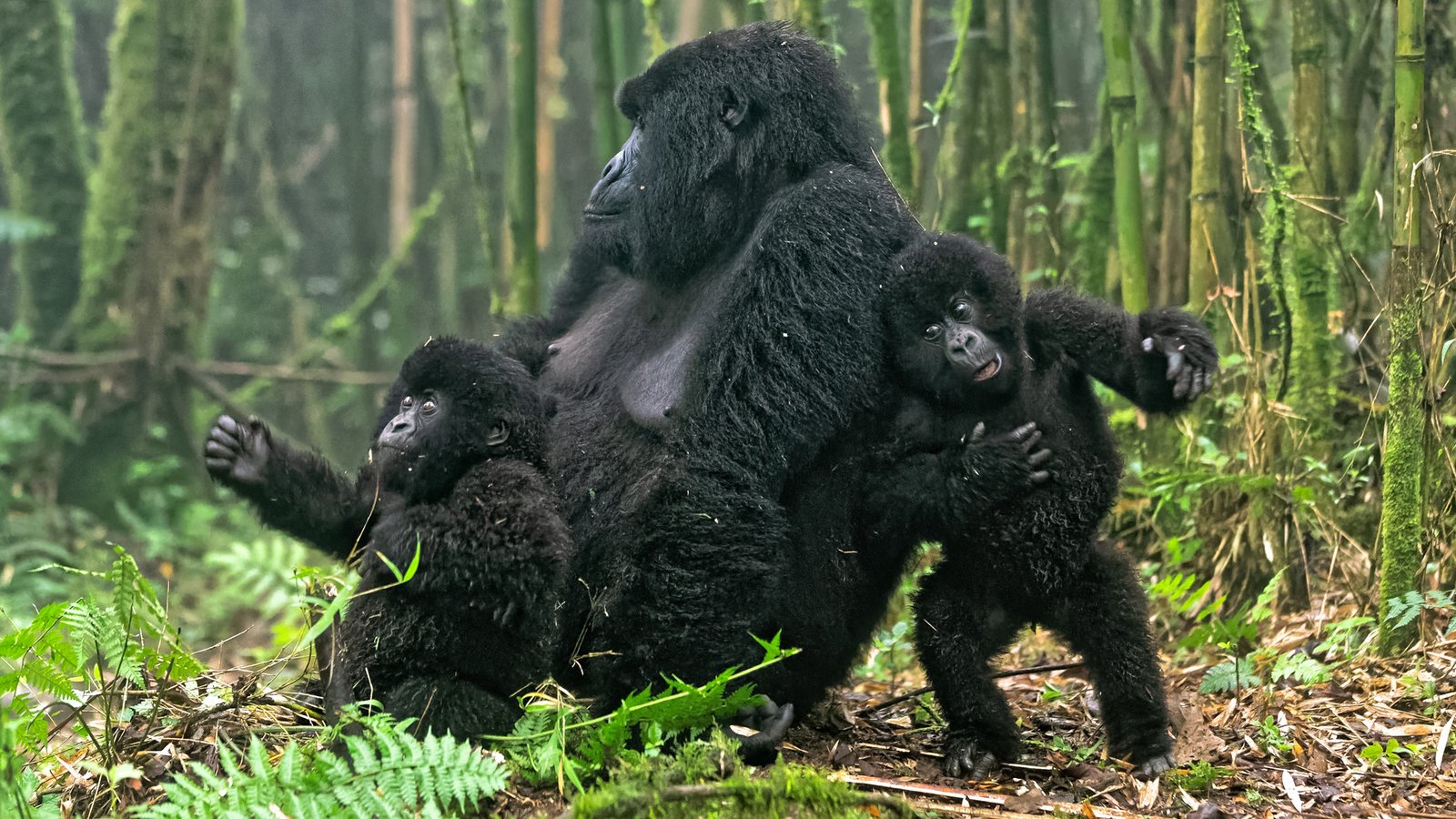
Professional photographers searching for the Best Camera for Gorilla Habituation Safari should prioritize advanced features that improve reliability and image quality.
A high-resolution sensor allows photographers to crop images while maintaining detail, which is useful when photographing gorillas from a distance. Excellent autofocus tracking ensures sharp images when animals move naturally.
Fast continuous shooting speeds are also beneficial because they allow photographers to capture multiple frames during important moments such as movement, interaction, or behavioral displays.
Strong battery performance is another important consideration because charging opportunities are limited inside the rainforest. Carrying spare batteries ensures you do not miss important moments.
Best Camera Settings for Gorilla Habituation Photography
Even with the Best Camera for Gorilla Habituation Safari, understanding basic camera settings is essential for achieving excellent results.
Many wildlife photographers prefer using aperture priority mode because it allows control over background blur while letting the camera adjust exposure automatically. A wider aperture helps capture more light in the darker rainforest environment.
Increasing ISO sensitivity is often necessary because forest conditions can be dim. Modern cameras handle higher ISO settings much better than older models, producing cleaner images in difficult lighting.
A faster shutter speed helps freeze movement, especially when photographing active young gorillas or walking silverbacks.
Protecting Your Camera During the Safari
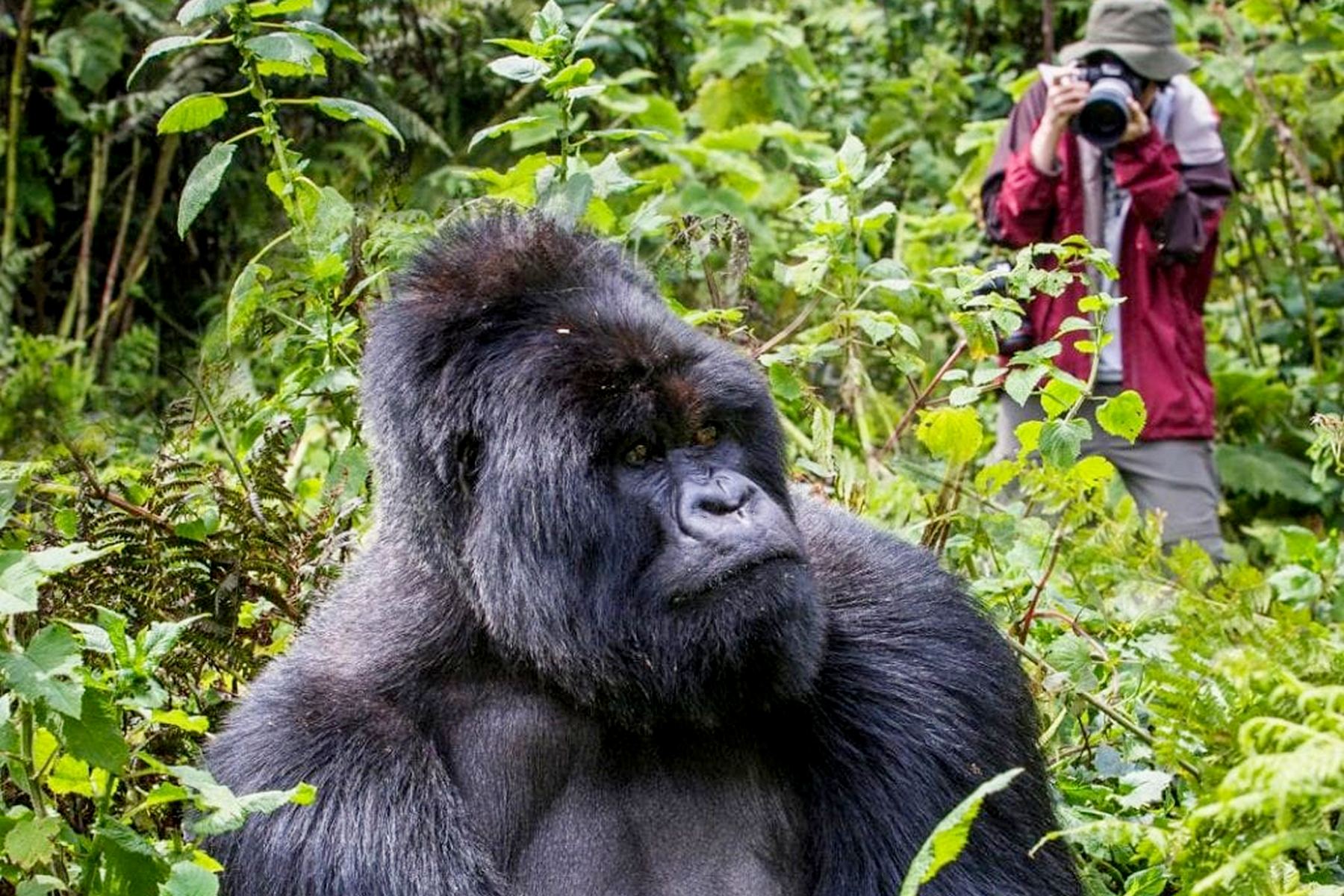
Protecting your equipment is an important part of using the Best Camera for Gorilla Habituation Safari successfully. The rainforest environment can expose cameras to moisture, mud, and changing temperatures.
A waterproof camera bag or protective cover should always be included in your photography gear. Silica gel packets can help control moisture inside equipment bags.
Cleaning equipment after the trek is also recommended because rainforest conditions may leave dust, moisture, or small particles on your camera and lenses.
Camera Accessories to Bring for Gorilla Habituation
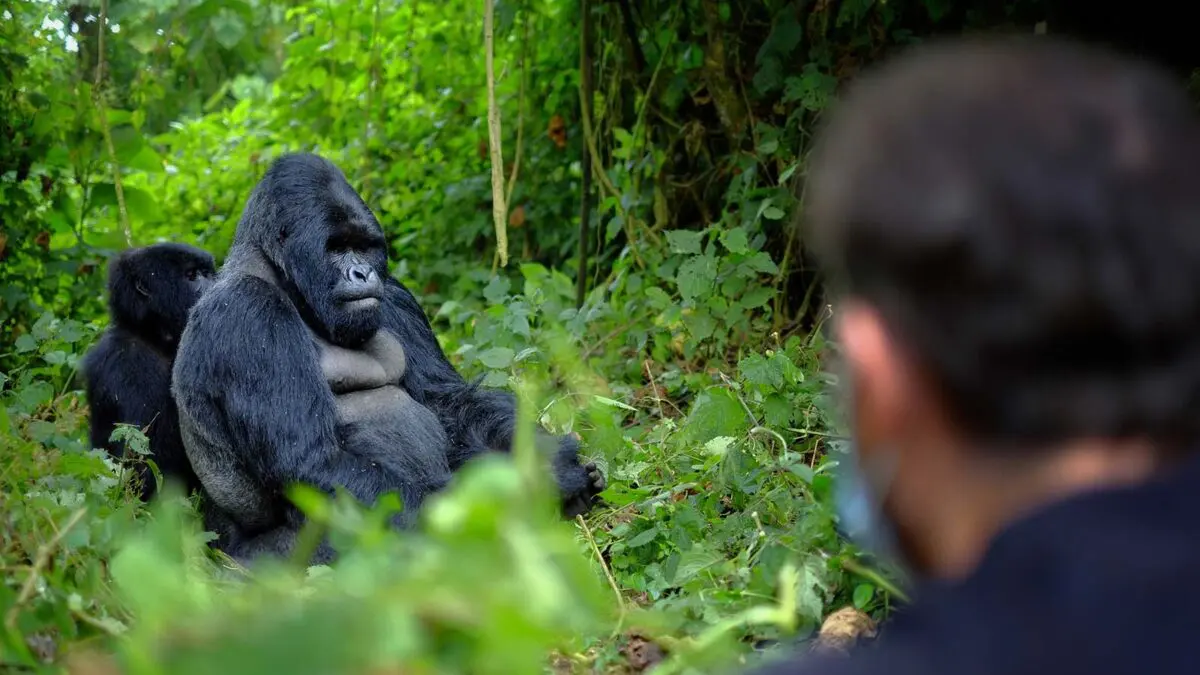
The right accessories improve your experience with the Best Camera for Gorilla Habituation Safari. Extra batteries are essential because long trekking days can drain camera power quickly.
Additional memory cards are also recommended because photographers often capture hundreds of images during the four-hour gorilla encounter.
A lightweight camera strap, protective rain cover, lens cloth, and compact cleaning kit are useful additions. A tripod is usually unnecessary because movement through the forest makes carrying heavy equipment difficult, and many encounters require quick positioning.
Should You Use a Smartphone Instead of a Camera?
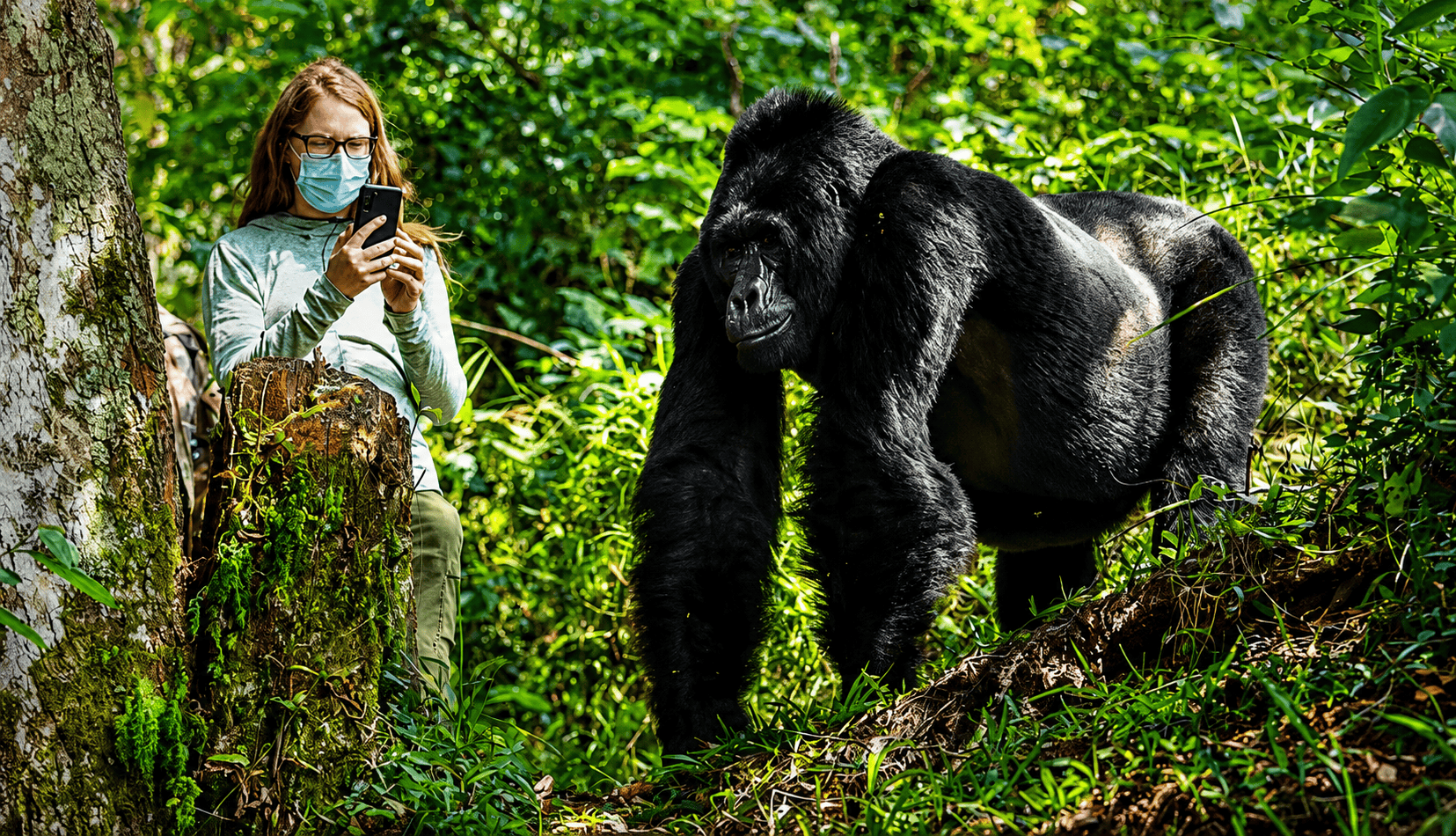
Modern smartphones have impressive cameras, but when searching for the Best Camera for Gorilla Habituation Safari, dedicated cameras still provide major advantages.
Professional cameras offer better zoom capability, improved low-light performance, faster autofocus, and greater control over exposure settings. These features are especially important in the darker rainforest environment.
However, smartphones can still be useful for capturing quick memories, videos, and behind-the-scenes moments during your safari. Many travelers choose to carry both a smartphone and a dedicated camera.
Photography Ethics During Gorilla Habituation
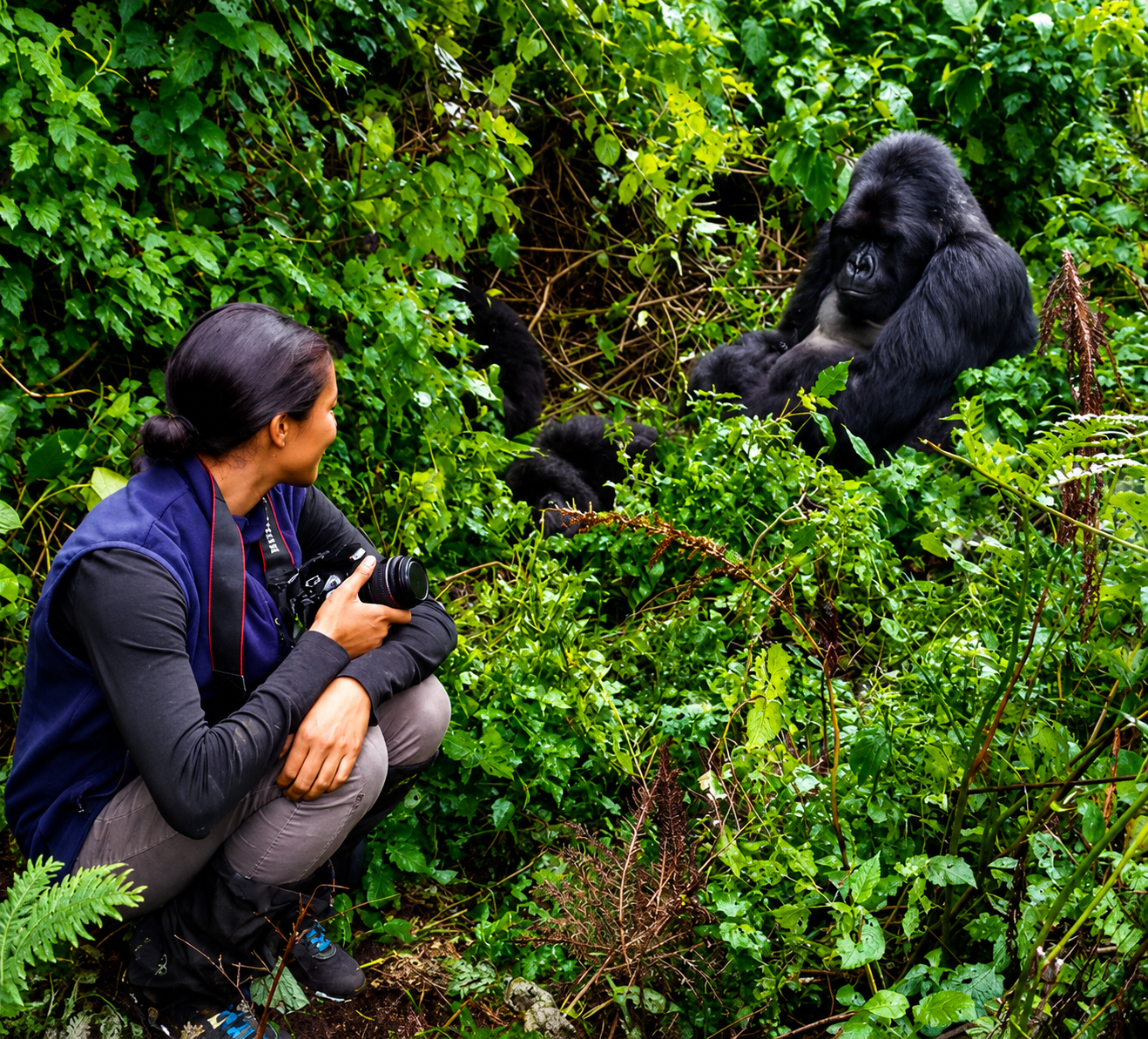
Having the Best Camera for Gorilla Habituation Safari comes with responsibility. Photography should always follow Uganda Wildlife Authority guidelines designed to protect mountain gorillas.
Flash photography is not allowed because sudden bright light can disturb the animals. Visitors should also avoid making unnecessary movements while photographing and should always follow ranger instructions.
The goal of wildlife photography is not only capturing beautiful images but also respecting the animals and supporting conservation efforts.
Hiring a Professional Guide for Photography Support
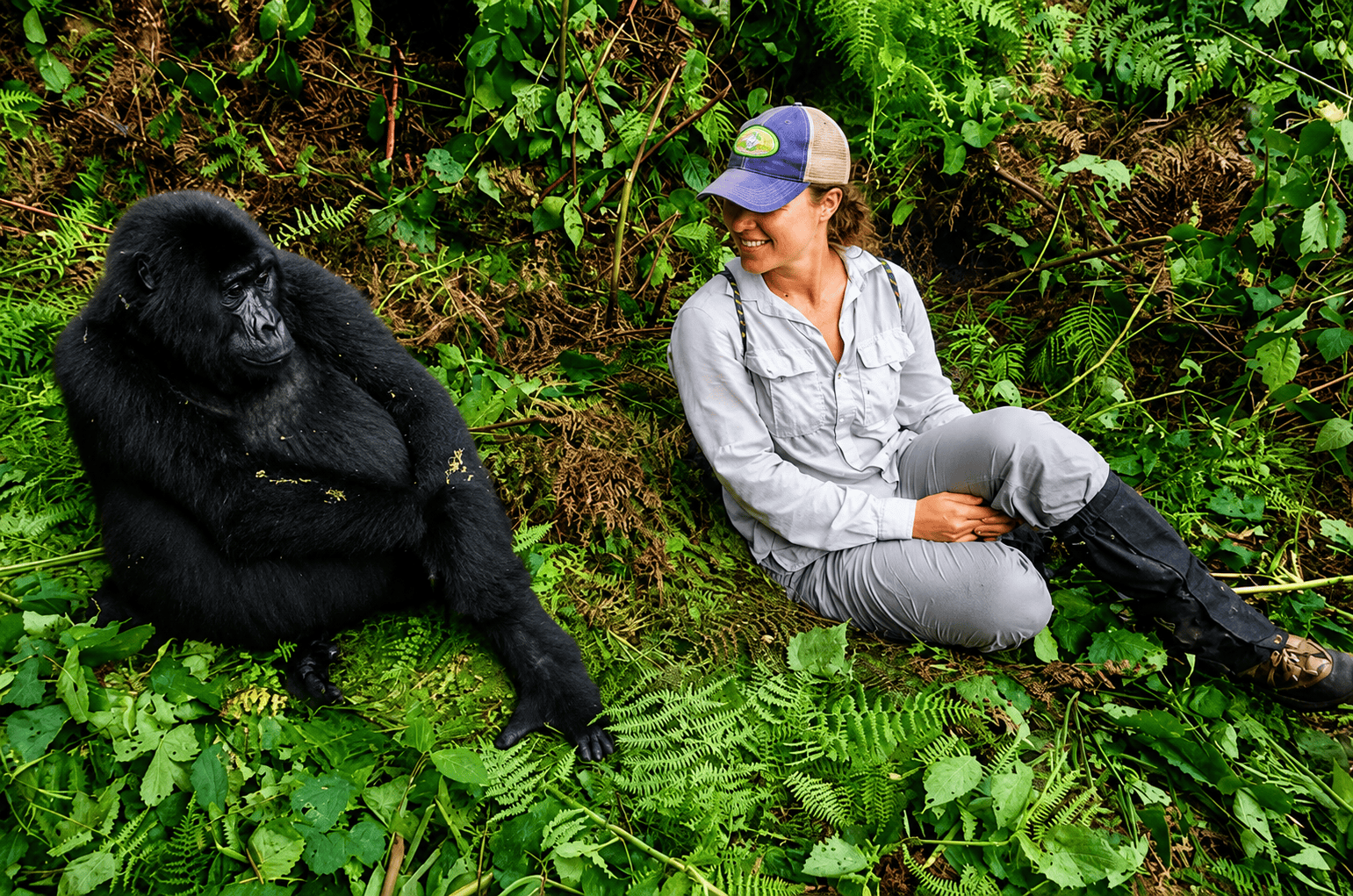
A knowledgeable safari guide can greatly improve your photography experience during gorilla habituation. Guides understand gorilla behavior, positioning, lighting conditions, and the best ways to approach photography opportunities responsibly.
They can also help manage equipment, explain gorilla behaviors, and ensure you follow all conservation guidelines while capturing memorable images.
Combining the Best Camera for Gorilla Habituation Safari with expert guidance creates the perfect opportunity for extraordinary wildlife photography.
Frequently Asked Questions About the Best Camera for Gorilla Habituation Safari
1. What is the Best Camera for Gorilla Habituation Safari?
The Best Camera for Gorilla Habituation Safari is one that performs well in low-light rainforest conditions, focuses quickly on moving subjects, produces high-quality images, and is comfortable to carry during long hikes. Since gorilla habituation takes place inside the dense forests of Bwindi Impenetrable National Park, photographers need equipment that can handle limited light, changing weather, and unpredictable animal movements.
Professional mirrorless cameras, DSLR cameras, and advanced compact cameras can all perform well depending on the photographer’s experience and budget. A camera with a strong autofocus system, good ISO performance, image stabilization, and weather protection is ideal for capturing mountain gorillas.
The best choice depends on whether you are a professional wildlife photographer, an enthusiast, or a traveler looking for high-quality memories without carrying heavy equipment.
2. Why is choosing the right camera important for a Gorilla Habituation Safari?
Choosing the Best Camera for Gorilla Habituation Safari is important because gorilla photography presents unique challenges compared to other wildlife experiences. The rainforest environment often has low lighting, thick vegetation, and unpredictable movements from the gorillas.
A suitable camera allows you to capture sharp images even when conditions are difficult. Fast autofocus helps capture sudden behaviors, such as a silverback moving through vegetation, young gorillas playing, or mothers interacting with infants.
The right equipment also improves your experience because you spend less time struggling with camera settings and more time enjoying the incredible encounter.
3. Are mirrorless cameras good for Gorilla Habituation Safari photography?
Yes. Many professional wildlife photographers consider modern mirrorless cameras among the Best Camera for Gorilla Habituation Safari options available today. They offer excellent image quality while being lighter and more portable than many traditional DSLR systems.
Mirrorless cameras often feature advanced autofocus systems, animal eye detection, silent shooting modes, and excellent low-light performance, which are extremely useful in Bwindi’s rainforest environment.
Their lighter weight is also a major advantage because gorilla habituation involves several hours of hiking through challenging terrain.
4. Are DSLR cameras still suitable for gorilla habituation photography?
Yes. DSLR cameras remain excellent choices for photographers searching for the Best Camera for Gorilla Habituation Safari. Professional DSLR systems are known for durability, excellent battery performance, and a wide range of compatible lenses.
Many experienced wildlife photographers continue using DSLR cameras because they provide reliable performance in demanding outdoor conditions.
However, DSLR systems can be heavier than mirrorless alternatives, so photographers should consider their fitness level and the amount of equipment they want to carry during the trek.
5. Can I use a smartphone camera for Gorilla Habituation Safari?
Modern smartphones can capture impressive images, but they are usually not considered the Best Camera for Gorilla Habituation Safari when compared with dedicated cameras.
Smartphones work well for quick snapshots, videos, and personal memories, but they have limitations in zoom capability, low-light performance, autofocus speed, and image control.
For travelers who want professional-quality gorilla photographs, a dedicated camera with a suitable lens provides significantly better results.
6. What lens is best for gorilla habituation photography?
A suitable lens is just as important as selecting the Best Camera for Gorilla Habituation Safari. Since visitors must maintain a respectful distance from mountain gorillas, telephoto lenses are highly recommended.
A lens range between approximately 70mm and 300mm is popular because it allows photographers to capture detailed portraits without disturbing the animals.
A good wildlife lens also creates beautiful background separation, making the gorilla stand out against the lush rainforest surroundings.
7. Do I need a professional camera for Gorilla Habituation Safari?
No. You do not need an expensive professional camera to enjoy gorilla photography. The Best Camera for Gorilla Habituation Safari depends on your personal goals, photography experience, and budget.
A good-quality mirrorless camera, DSLR, or advanced compact camera can produce excellent results when combined with proper settings and photography techniques.
The most important factors are understanding your equipment, preparing properly, and respecting wildlife photography guidelines.
8. What camera features are important for gorilla photography?
When choosing the Best Camera for Gorilla Habituation Safari, several features are especially valuable. Low-light performance is important because Bwindi’s rainforest often has limited sunlight beneath the forest canopy.
Fast autofocus helps capture moving gorillas, while image stabilization improves sharpness when photographing handheld. Weather sealing provides protection against humidity and unexpected rain.
A camera with good battery life and comfortable handling is also highly recommended because the experience involves long hours outdoors.
9. What camera settings should I use during gorilla habituation?
Even with the Best Camera for Gorilla Habituation Safari, proper settings are necessary to capture excellent images. Many photographers use aperture priority mode to control background blur while allowing the camera to manage exposure.
A wider aperture helps capture more light in darker forest conditions. Increasing ISO may also be necessary when natural light is limited.
Using a faster shutter speed helps freeze movement, especially when photographing active gorillas, young animals, or behavioral interactions.
10. How many batteries should I carry for my camera?
Carrying extra batteries is an important part of preparing for the Best Camera for Gorilla Habituation Safari. Gorilla habituation can take most of the day, and frequent photography can quickly drain battery power.
Most photographers carry at least two or three fully charged spare batteries, depending on their camera model and shooting habits.
Keeping batteries protected from moisture and storing them properly ensures they remain reliable throughout the adventure.
11. How many memory cards should I bring?
Extra memory cards should always be included when using the Best Camera for Gorilla Habituation Safari. The four-hour gorilla encounter provides many opportunities for photographs and videos.
Wildlife photographers often capture hundreds of images because gorilla behavior changes constantly and important moments can happen unexpectedly.
Having enough storage prevents the disappointment of deleting valuable images during the safari.
12. Is flash photography allowed during gorilla habituation?
No. Flash photography is not allowed, even when using the Best Camera for Gorilla Habituation Safari. Flash can disturb mountain gorillas and interfere with their natural behavior.
Instead, photographers should rely on cameras with good low-light performance and adjust settings to work with natural rainforest lighting.
Responsible photography ensures that visitors capture memories without negatively affecting gorilla conservation.
13. Should I bring a tripod for gorilla habituation photography?
A tripod is usually unnecessary when considering equipment for the Best Camera for Gorilla Habituation Safari. The rainforest terrain, long walking distances, and changing positions make carrying a tripod inconvenient.
Most visitors prefer handheld photography using cameras with image stabilization and lightweight lenses.
A monopod may be useful for professional photographers carrying heavier lenses, but it should be chosen carefully to avoid unnecessary weight.
14. How do I protect my camera from rain during gorilla habituation?
Protecting your equipment is an important part of using the Best Camera for Gorilla Habituation Safari. Bwindi’s rainforest receives rainfall throughout the year, and sudden showers can occur during the trek.
Photographers should carry waterproof camera covers, rain sleeves, protective bags, and dry storage solutions.
Keeping silica gel packets inside your camera bag can also help control moisture after spending time in humid forest conditions.
15. What accessories should I include with my camera?
A complete photography setup for the Best Camera for Gorilla Habituation Safari should include essential accessories that improve reliability and convenience.
Useful accessories include extra batteries, additional memory cards, lens cleaning cloths, waterproof protection, camera straps, and protective bags.
The goal is to carry enough equipment for quality photography while avoiding unnecessary weight during the rainforest hike.
16. Can I change lenses during the gorilla habituation experience?
Yes, but changing lenses should be done carefully. When using the Best Camera for Gorilla Habituation Safari, photographers should avoid exposing camera sensors to moisture, dust, or forest debris.
Many photographers prefer carrying a versatile zoom lens that reduces the need to change lenses frequently.
If you must change lenses, do so quickly and carefully while following ranger instructions and respecting the gorilla environment.
17. Should beginners bring expensive cameras for gorilla habituation?
Beginners do not need expensive equipment to enjoy the experience. The Best Camera for Gorilla Habituation Safari is the one that matches your skill level and allows you to comfortably capture memories.
A mid-range mirrorless camera or DSLR with a suitable lens can produce excellent results when used correctly.
Learning basic photography techniques before the safari often improves results more than simply buying the most expensive camera.
18. Can I hire photography equipment for a Gorilla Habituation Safari?
In some cases, travelers may be able to rent photography equipment before arriving in Uganda, although availability depends on location and specific requirements.
If you do not own the Best Camera for Gorilla Habituation Safari, renting a suitable camera and lens can be a practical option for a once-in-a-lifetime wildlife experience.
It is recommended to arrange equipment rental well before traveling to ensure availability.
19. How can I take better photos during gorilla habituation?
Using the Best Camera for Gorilla Habituation Safari is only one part of creating great images. Understanding gorilla behavior, using proper camera settings, and being patient are equally important.
Photographers should focus on capturing natural behaviors rather than only close-up portraits. Moments such as family interactions, feeding, grooming, and communication often create the most memorable photographs.
Following ranger instructions and respecting the gorillas always comes before photography.
20. Should I hire a professional guide or photography safari specialist?
Hiring an experienced guide can greatly improve your results when using the Best Camera for Gorilla Habituation Safari. Professional guides understand gorilla behavior, rainforest conditions, and the best ways to position yourself for ethical photography.
A specialized photography safari can also help with planning permits, accommodation, transportation, equipment recommendations, and timing your visit for the best experience.
With the right camera, expert guidance, and responsible photography practices, your gorilla habituation safari can become an unforgettable journey filled with incredible wildlife memories.
Book Your Gorilla Habituation Photography Safari in Uganda
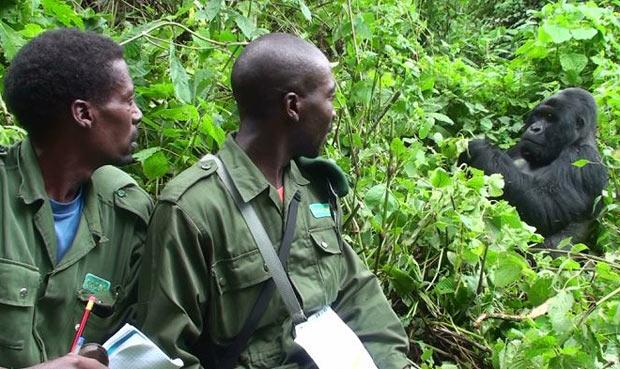
Choosing the Best Camera for Gorilla Habituation Safari is only one step toward creating an unforgettable gorilla photography adventure. Successful gorilla habituation experiences require careful planning, including securing permits, selecting suitable accommodation, arranging transportation, and preparing the right equipment before entering Bwindi Impenetrable National Park.
Our safari specialists help photographers and wildlife enthusiasts organize customized gorilla habituation safaris designed around photography goals and personal interests. We assist with permits, accommodation, transportation, porter services, and expert advice on preparing your camera equipment for the rainforest environment.
Whether you are a professional wildlife photographer looking for exceptional images or a traveler hoping to preserve unforgettable memories, we help create a smooth and rewarding experience.
Contact us today to plan your Uganda gorilla habituation photography safari and prepare yourself with the Best Camera for Gorilla Habituation Safari for capturing one of the most remarkable wildlife encounters on Earth.