

Ultimate Camera Settings for Gorilla Habituation: Expert Photography Guide for Capturing Uganda’s Mountain Gorillas
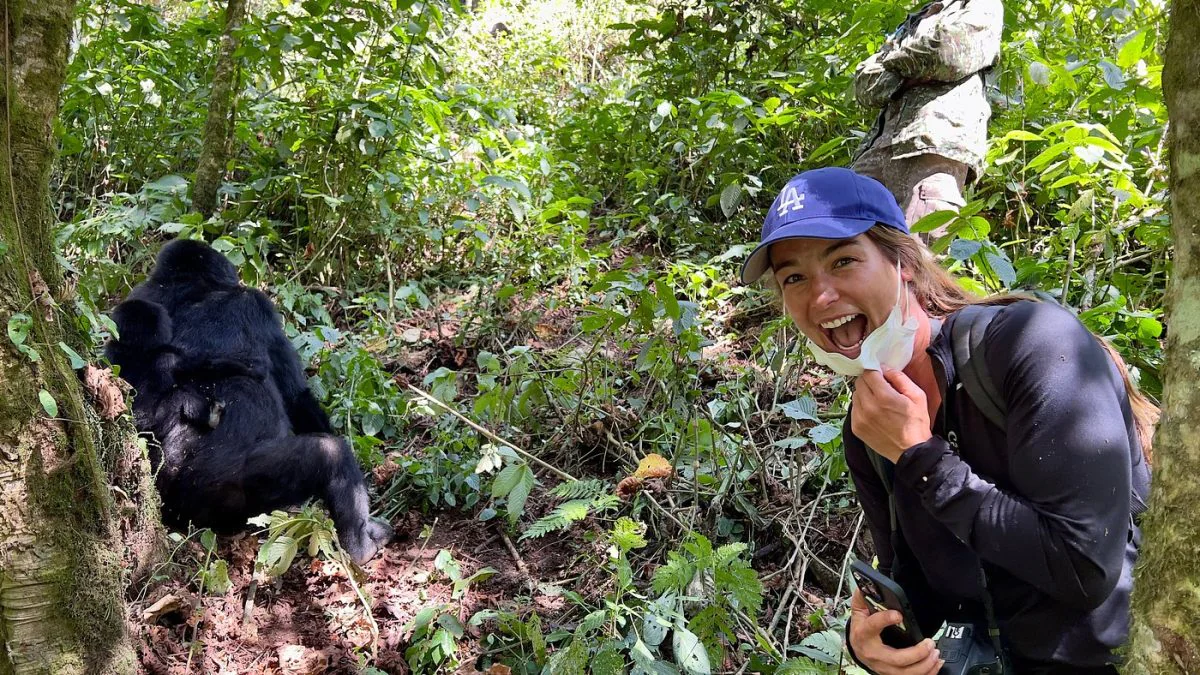
Camera Settings for Gorilla Habituation is a crucial need for a gorilla habituation experience in Uganda offers one of the rarest wildlife photography opportunities in the world. Unlike standard gorilla trekking, where visitors spend approximately one hour observing a fully habituated gorilla family, gorilla habituation allows photographers and wildlife enthusiasts to spend up to four hours with a semi-habituated gorilla family while accompanied by researchers, trackers, and Uganda Wildlife Authority rangers.
Because this experience takes place deep inside the ancient rainforest of Bwindi Impenetrable National Park, achieving great photographs requires more than having an excellent camera. Understanding the correct Camera Settings for Gorilla Habituation is essential because photographers must work with challenging conditions including low natural light, dense vegetation, moving subjects, unpredictable weather, and strict wildlife viewing guidelines.
The rainforest environment creates a unique photographic atmosphere where light changes constantly. One moment a gorilla may be illuminated by filtered sunlight through the trees, while another moment it may be sitting in deep forest shadows. Using the right Camera Settings for Gorilla Habituation helps photographers capture sharp, detailed, and emotionally powerful images while preserving the natural behavior of these endangered mountain gorillas.
This complete guide explains the best camera modes, ISO settings, shutter speeds, aperture choices, autofocus techniques, and professional photography strategies to help you capture unforgettable gorilla images during your Uganda habituation safari.
Why Understanding Camera Settings for Gorilla Habituation Matters
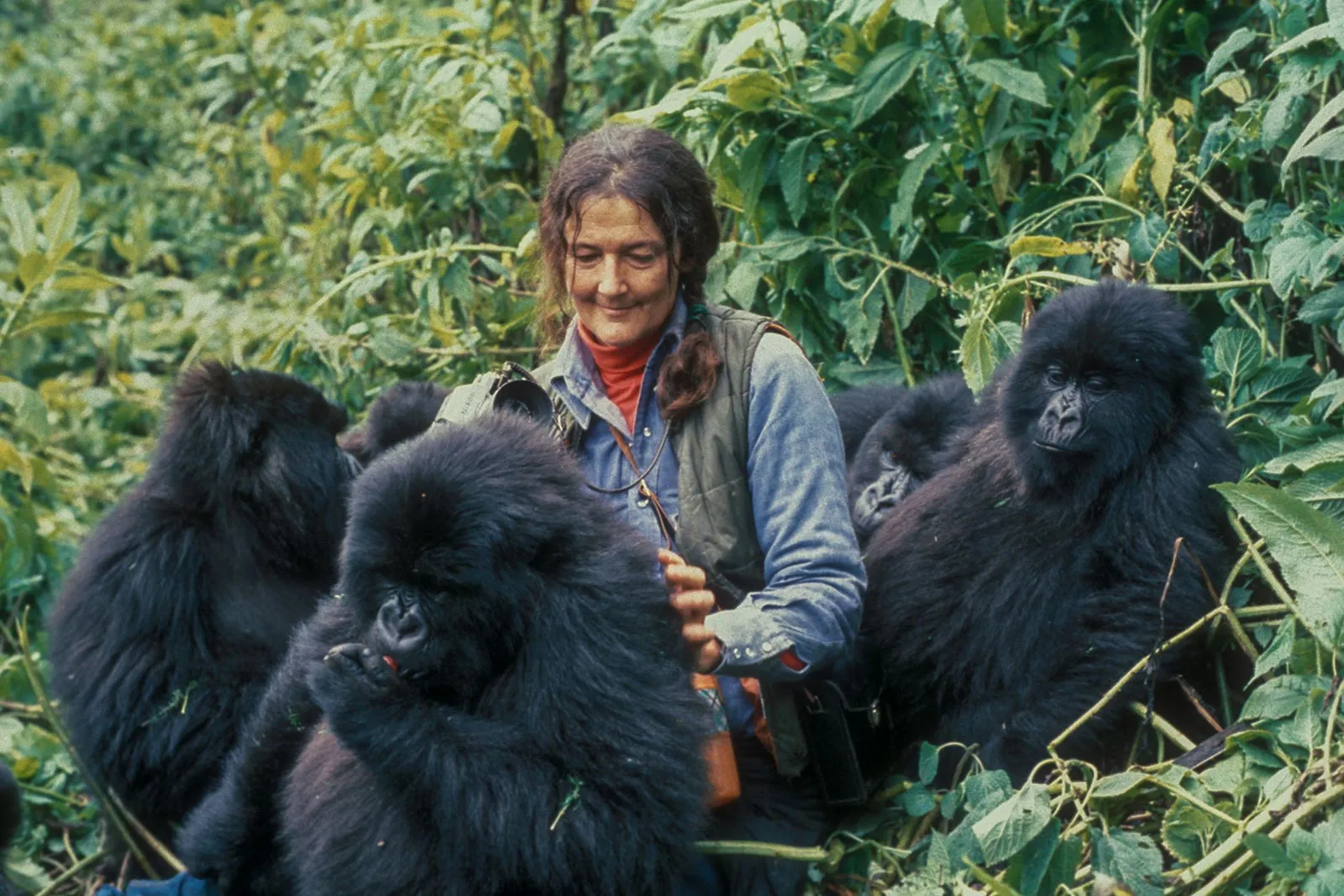
Photography during gorilla habituation is very different from ordinary travel photography. The rainforest environment creates technical challenges that require photographers to understand their equipment before entering the forest. Having the correct Camera Settings for Gorilla Habituation allows you to react quickly when important moments happen.
Mountain gorillas do not pose for cameras. They move naturally, interact with family members, feed, rest, climb, and communicate. A special moment may only last a few seconds, meaning photographers need settings that allow them to capture action immediately.
The right settings also reduce the frustration of blurry, dark, or poorly exposed images. Instead of spending valuable time adjusting your camera during the encounter, you can focus on observing gorilla behavior and creating meaningful photographs.
Understanding the Bwindi Rainforest Photography Environment
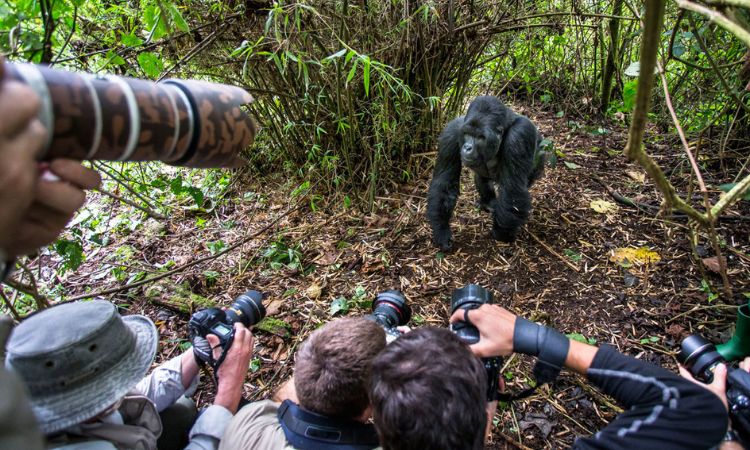
Before adjusting your Camera Settings for Gorilla Habituation, it is important to understand the environment where photography takes place. Bwindi Impenetrable National Park is a dense tropical rainforest with towering trees, thick vegetation, misty conditions, and limited direct sunlight.
Unlike open savannah photography where animals are often brightly illuminated, gorilla photography usually happens under forest canopy. This means cameras must often work with lower light levels while still maintaining sharp images.
The forest also creates contrast challenges. A gorilla may sit in shadow while a bright opening appears behind it, causing exposure difficulties. Understanding how to adjust aperture, ISO, and shutter speed helps overcome these situations.
Best Camera Mode for Gorilla Habituation Photography
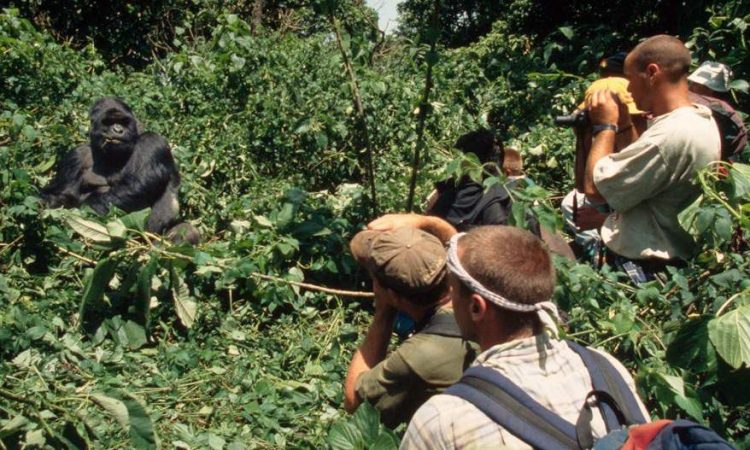
Choosing the correct camera mode is one of the first steps when learning Camera Settings for Gorilla Habituation. Many wildlife photographers prefer using Aperture Priority Mode because it provides control over depth of field while allowing the camera to automatically adjust exposure.
Aperture Priority is especially useful because photographers can choose a wide aperture to allow more light into the camera while creating a beautiful blurred background effect around the gorilla.
Manual Mode is another excellent option for experienced photographers because it provides complete control over exposure. However, it requires confidence because lighting conditions can change quickly inside the rainforest.
For many travelers, Aperture Priority provides the perfect balance between control and speed during the gorilla encounter.
Choosing the Right ISO Settings for Gorilla Photography
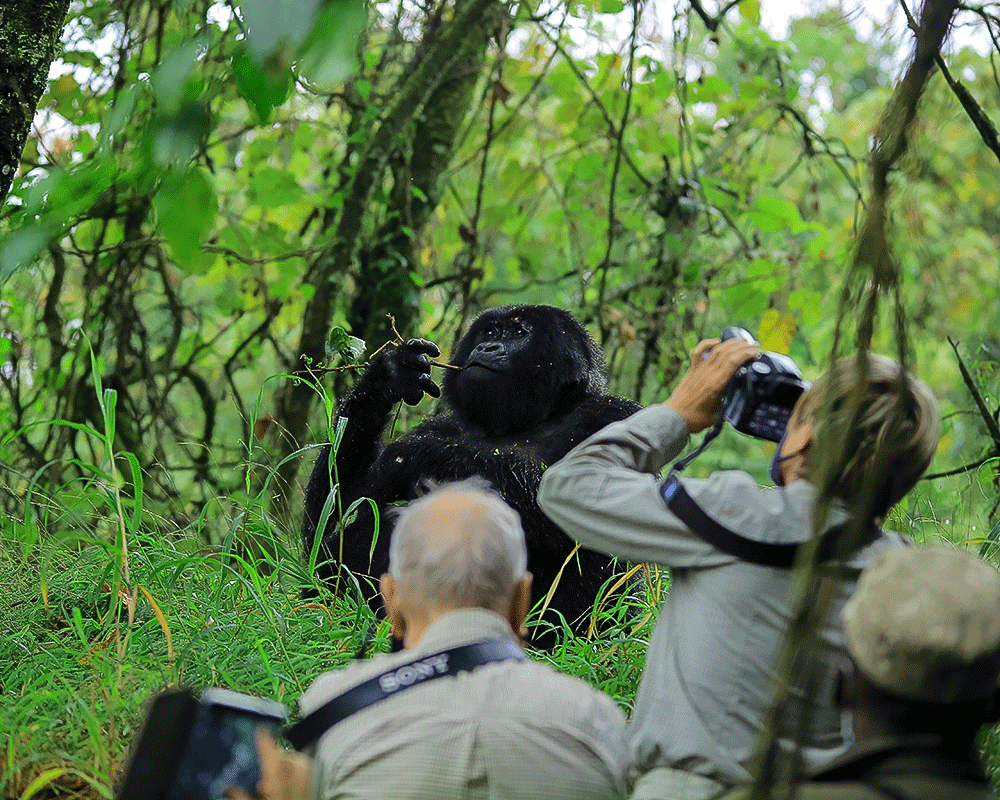
ISO is one of the most important elements of Camera Settings for Gorilla Habituation because rainforest conditions are often darker than expected.
A lower ISO produces cleaner images, but darker forest conditions may require increasing ISO to maintain proper exposure. Modern cameras perform extremely well at higher ISO levels, allowing photographers to capture sharp images even in challenging light.
Many photographers begin with moderate ISO settings and increase them when necessary. The ideal ISO depends on your camera model, available light, and the movement of the gorillas.
A slightly higher ISO with a sharp image is usually better than a low ISO photograph that is blurry because of slow shutter speed.
The Best Shutter Speed for Gorilla Habituation
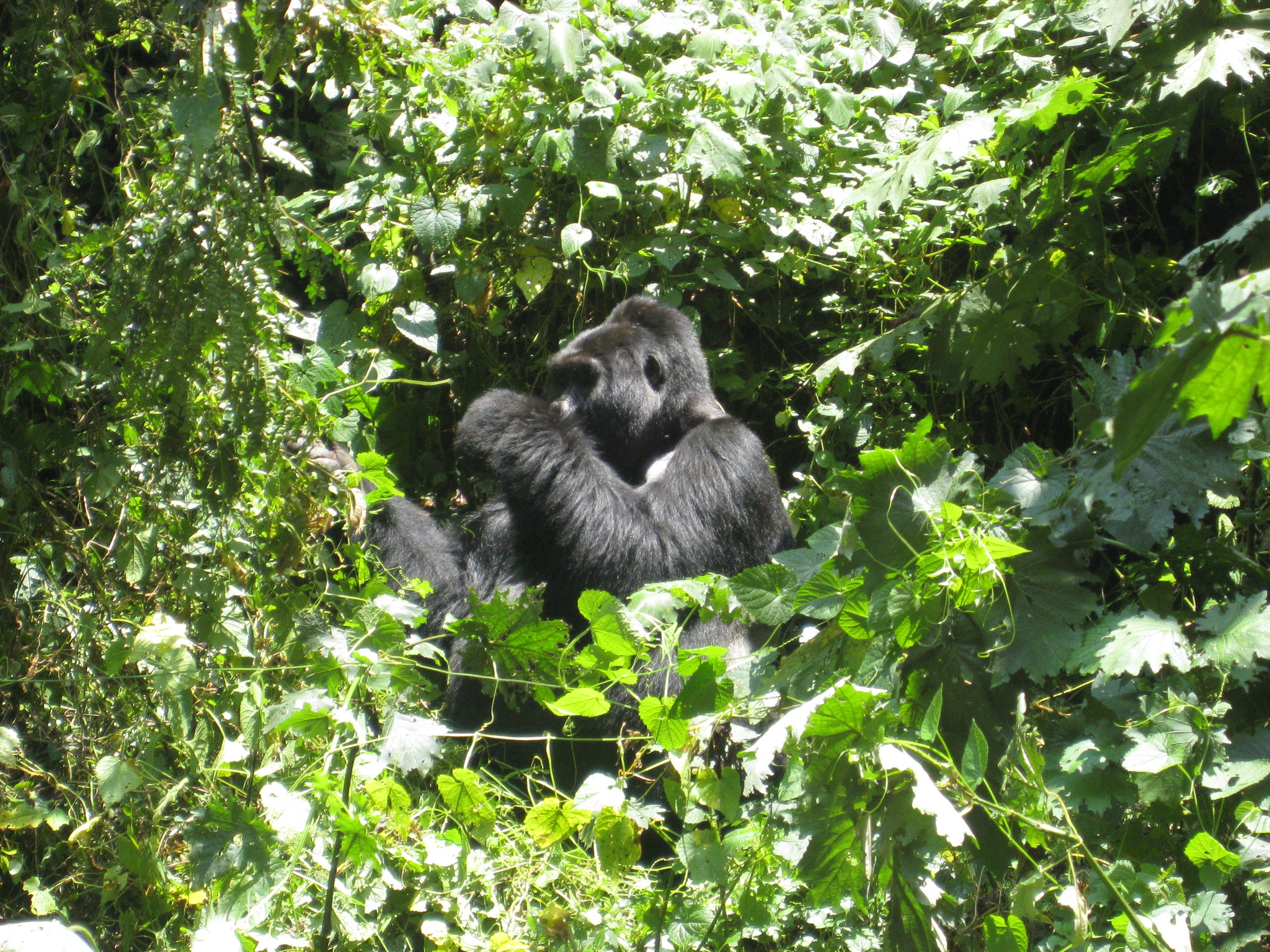
Selecting the correct shutter speed is another important part of Camera Settings for Gorilla Habituation. Mountain gorillas may appear calm, but they frequently move, especially young gorillas that play, climb, and interact with their families.
A faster shutter speed helps freeze movement and prevents blurry photographs caused by animal movement or camera shake.
For portraits of resting gorillas, slightly slower shutter speeds may work, especially when using image stabilization. However, photographers should increase shutter speed whenever animals are active.
The goal is to balance enough light exposure with the ability to capture sharp wildlife moments.
Choosing the Ideal Aperture Setting
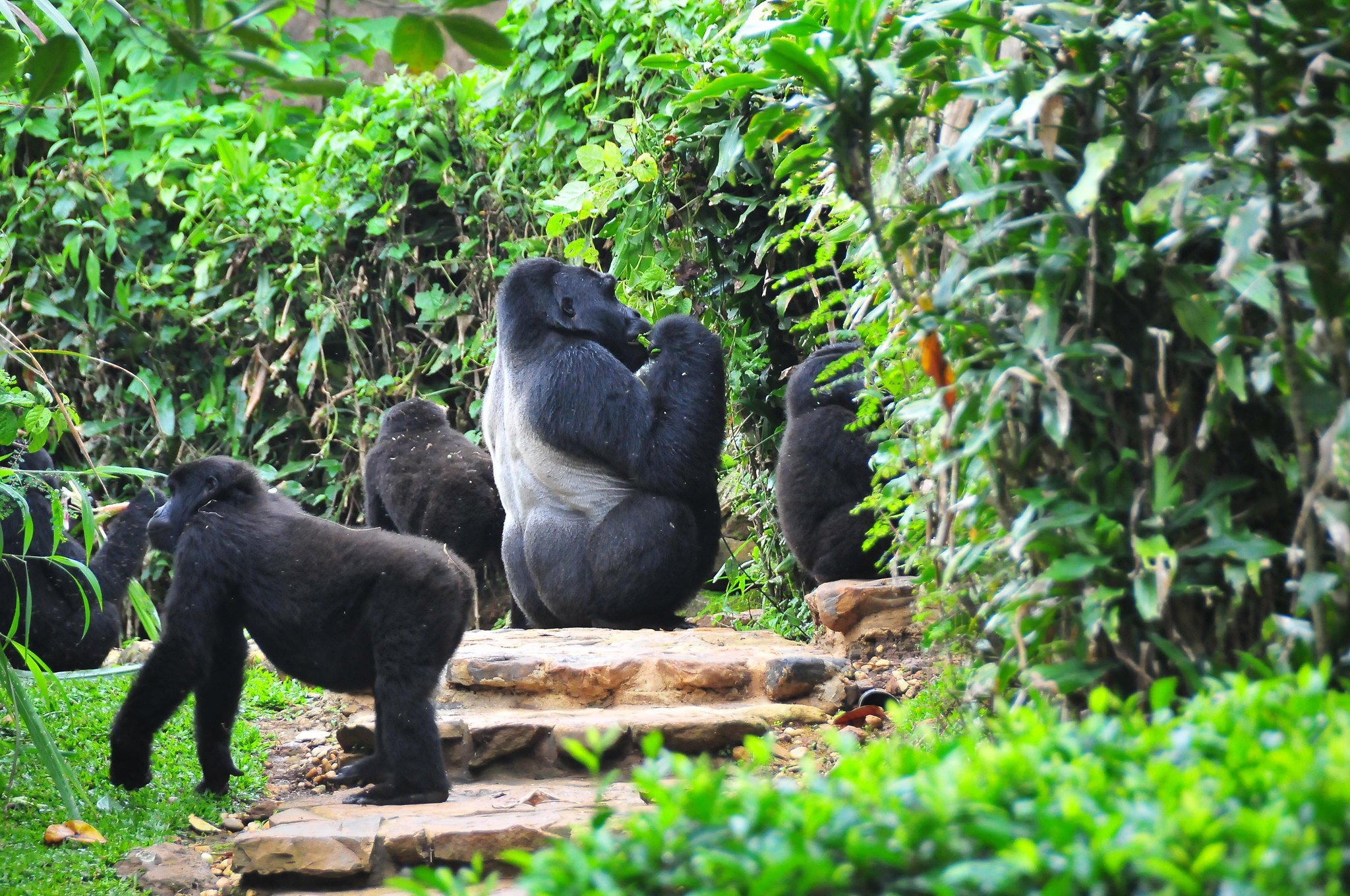
Aperture plays a major role in successful Camera Settings for Gorilla Habituation because it controls both light and background appearance.
A wider aperture allows more light into the camera, which is extremely helpful in Bwindi’s darker rainforest environment. It also creates a shallow depth of field, making the gorilla stand out beautifully from the surrounding vegetation.
Professional wildlife photographers often prefer wider apertures because they create emotional portraits with soft, natural backgrounds.
However, photographers should ensure enough of the gorilla is in focus, especially when photographing groups or family interactions.
Using Autofocus Correctly During Gorilla Encounters
Autofocus performance is critical when applying the best Camera Settings for Gorilla Habituation. Gorillas can move unexpectedly, and missing focus during a special moment can result in losing an unforgettable image.
Continuous autofocus modes are often recommended because they allow the camera to track moving subjects. Animal eye autofocus technology available on many modern cameras can be extremely useful.
Photographers should focus carefully on the gorilla’s eyes because sharp eyes create stronger emotional connections in wildlife photography.
Best Focus Mode for Gorilla Photography
Selecting the right focus mode improves the success of your Camera Settings for Gorilla Habituation. Single-point autofocus can work well for carefully composed portraits, while tracking autofocus is better for moving gorillas.
The dense vegetation of Bwindi can sometimes confuse autofocus systems because leaves and branches may appear closer than the gorilla. Selecting focus points carefully helps maintain accuracy.
Experienced photographers often practice their focus techniques before arriving in Uganda to ensure confidence during the encounter.
White Balance Settings for Rainforest Photography
White balance is another important consideration when adjusting Camera Settings for Gorilla Habituation. The green environment of Bwindi can sometimes create color shifts because light reflects from surrounding vegetation.
Many photographers prefer using Auto White Balance because modern cameras handle changing conditions effectively. Others prefer adjusting manually to create more accurate natural colors.
Shooting in RAW format provides additional flexibility because white balance can be corrected during post-processing without reducing image quality.
Shooting in RAW Format During Gorilla Habituation
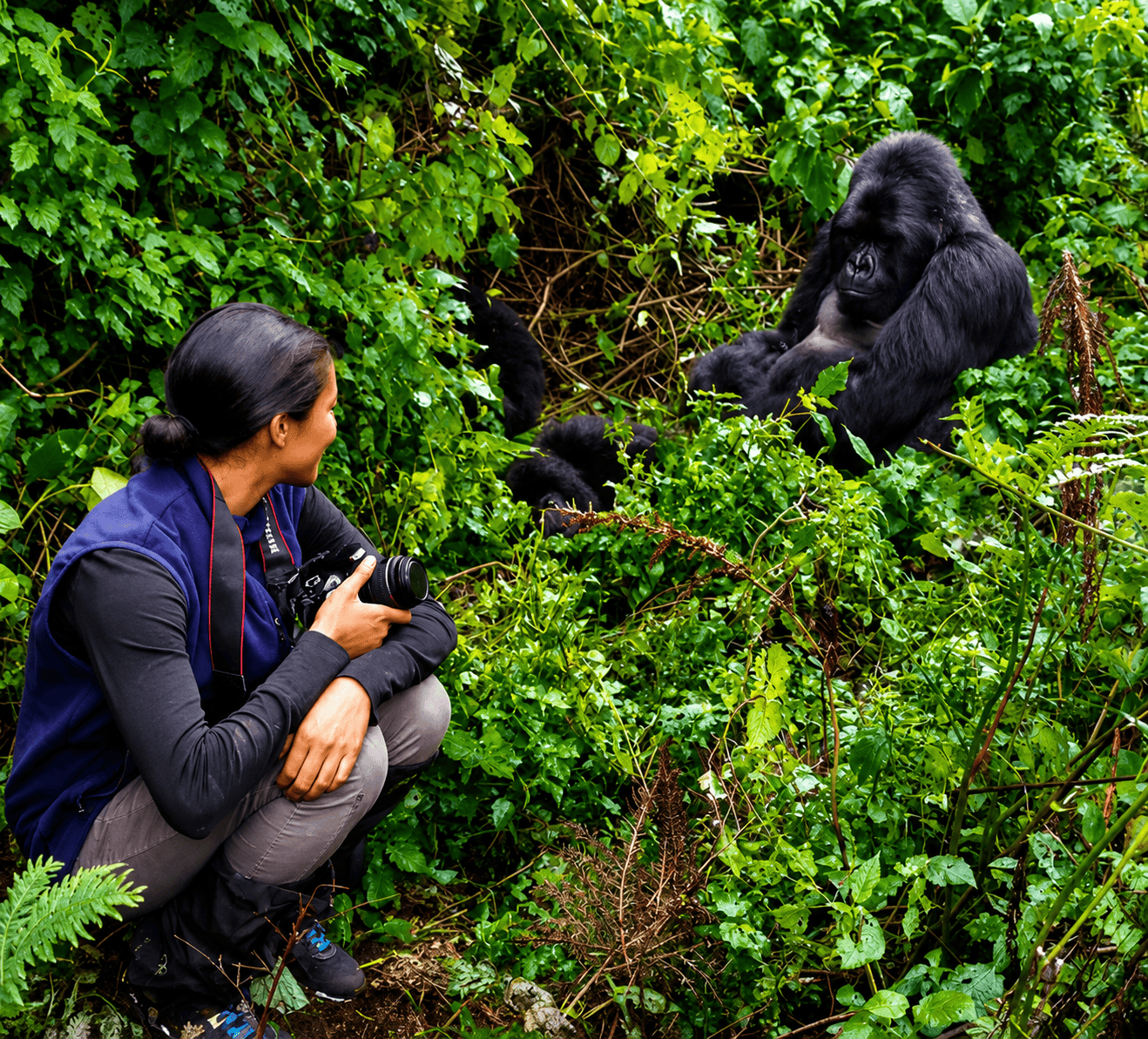
Professional photographers often recommend shooting RAW when applying advanced Camera Settings for Gorilla Habituation.
RAW files preserve significantly more image information compared to JPEG files, allowing photographers to adjust exposure, shadows, highlights, and colors during editing.
Because rainforest lighting can be unpredictable, RAW photography provides valuable flexibility when correcting difficult exposures.
For photographers serious about creating high-quality wildlife images, RAW format is strongly recommended.
Camera Settings for Gorilla Portraits
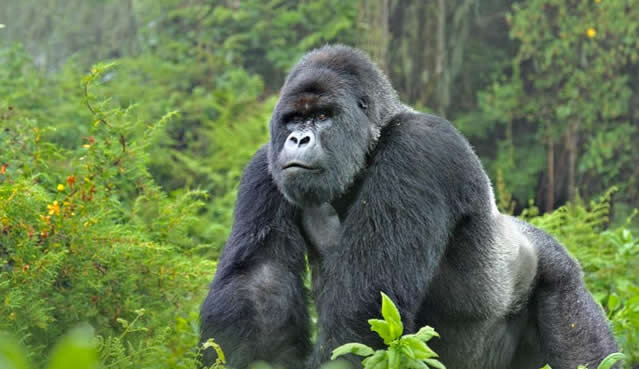
Capturing powerful gorilla portraits requires careful adjustment of your Camera Settings for Gorilla Habituation. Portraits should focus on the eyes, facial expressions, and unique characteristics of individual gorillas.
A wider aperture helps separate the gorilla from the background, creating professional-looking images. Accurate focus on the face and eyes creates emotional impact.
Patience is important because the best portraits often happen when gorillas naturally look toward the camera or interact with their surroundings.
Camera Settings for Gorilla Behavior and Action Shots
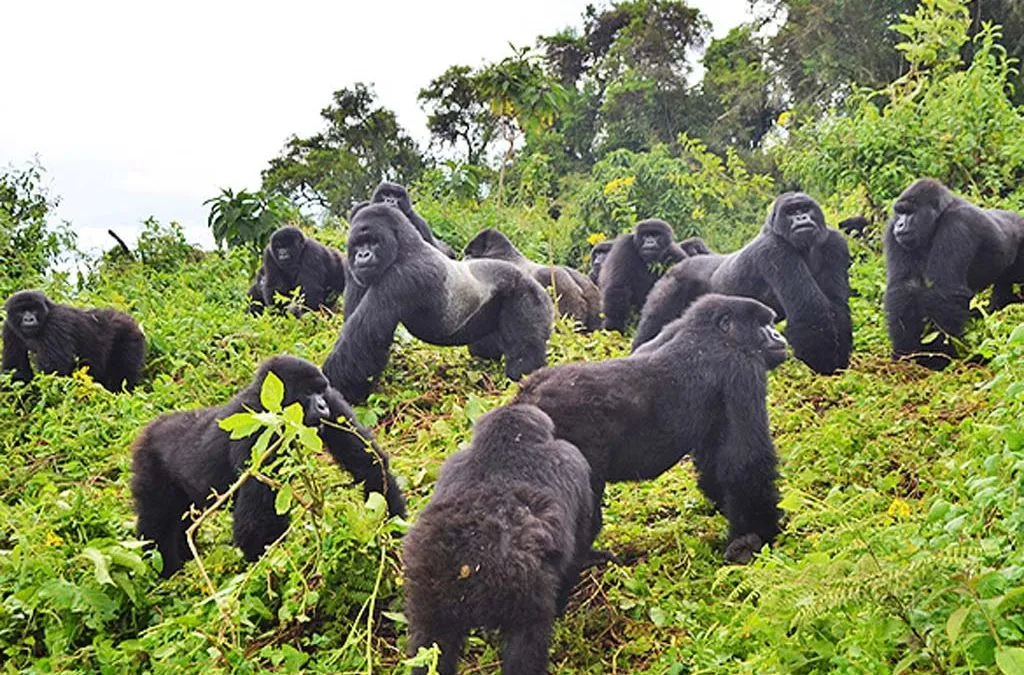
Gorilla habituation provides opportunities to capture fascinating behaviors, making action photography an important part of Camera Settings for Gorilla Habituation.
For moving subjects such as playing juveniles, walking silverbacks, or social interactions, photographers should prioritize faster shutter speeds and continuous autofocus.
Continuous shooting mode can also help capture a sequence of movements, allowing you to choose the strongest image afterward.
Understanding gorilla behavior improves your timing and increases the chances of capturing unique moments.
Protecting Camera Equipment During Gorilla Habituation
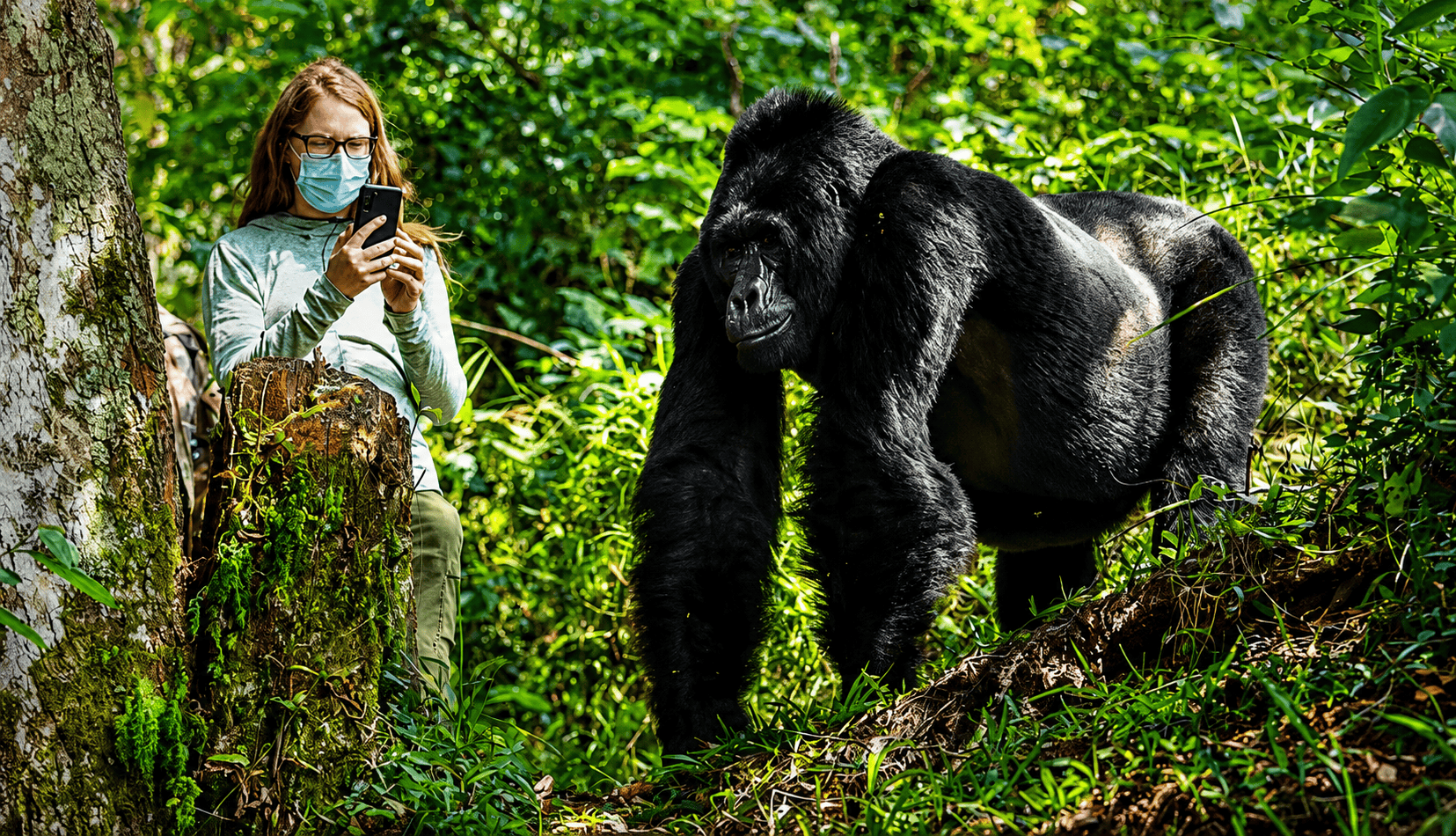
Proper equipment protection is an essential part of successful Camera Settings for Gorilla Habituation because technical settings are useless if your camera is damaged by rainforest conditions.
Photographers should carry waterproof camera covers, protective bags, and lens cleaning materials. Humidity, rain, and mud are common challenges inside Bwindi.
Keeping equipment protected ensures your camera continues performing throughout the entire four-hour gorilla encounter.
Photography Mistakes to Avoid During Gorilla Habituation
Even with excellent Camera Settings for Gorilla Habituation, certain mistakes can reduce image quality. Many beginners focus too much on equipment and forget the importance of patience and observation.
Common problems include using incorrect focus settings, relying on flash, carrying too much equipment, ignoring weather protection, or failing to adjust settings when lighting changes.
The best photographers combine technical knowledge with respect for wildlife behavior.
Preparing Your Camera Before Entering Bwindi Forest
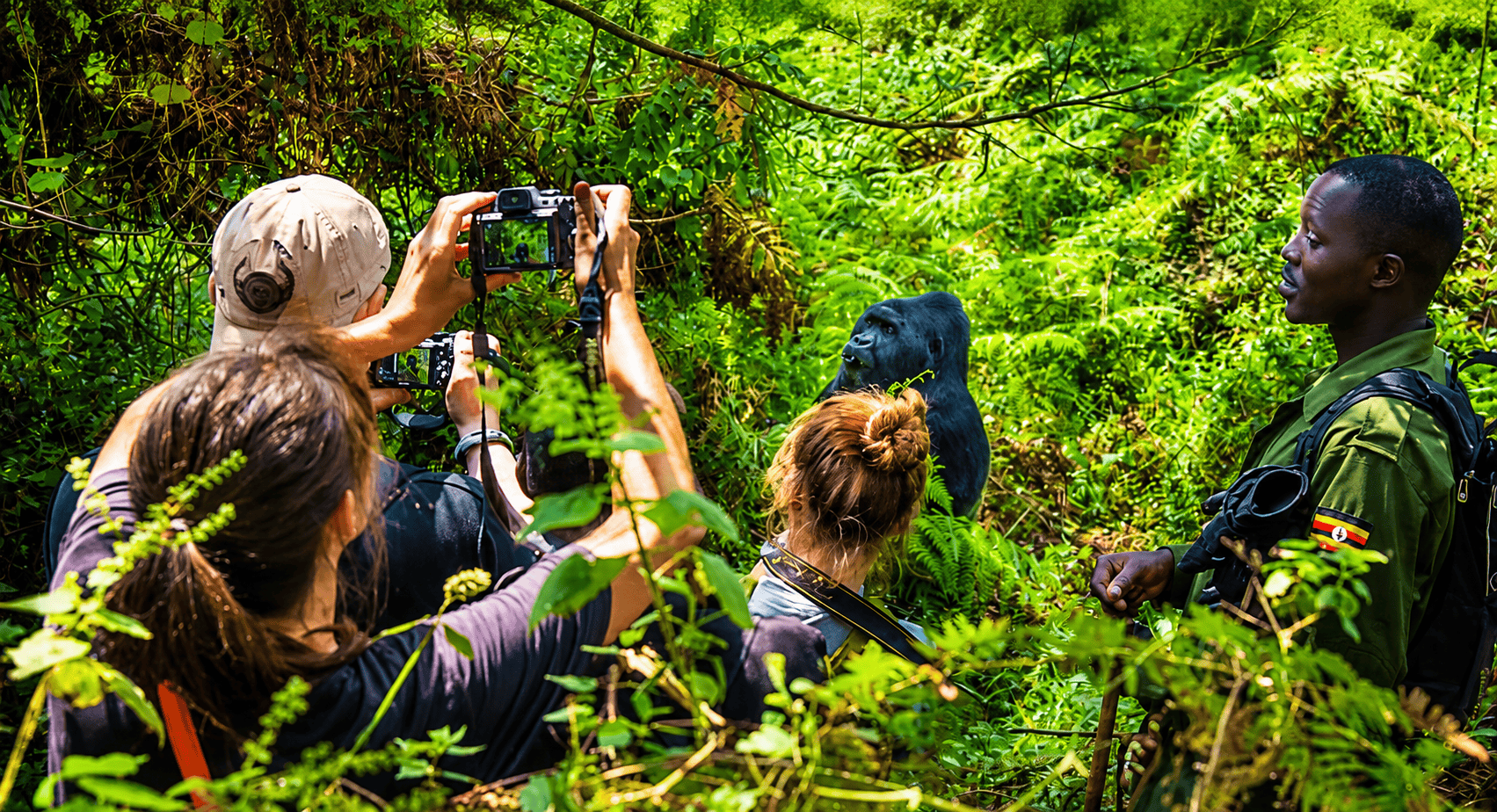
Preparation is one of the most important parts of successful Camera Settings for Gorilla Habituation. Before entering the forest, ensure batteries are fully charged, memory cards have enough space, and camera settings are ready.
Testing your equipment before the trek allows you to identify problems before reaching the gorillas.
A prepared photographer can focus completely on the experience rather than technical difficulties.
Hiring a Photography Guide for Gorilla Habituation
A professional guide can greatly improve your results when using advanced Camera Settings for Gorilla Habituation. Experienced guides understand gorilla behavior, forest conditions, and photography opportunities.
They help photographers anticipate movements, choose safe positions, and capture meaningful moments while respecting conservation rules.
Combining technical knowledge with expert guidance creates the best possible photography experience.
Frequently Asked Questions About Camera Settings for Gorilla Habituation
1. What are the best Camera Settings for Gorilla Habituation photography?
The best Camera Settings for Gorilla Habituation depend on the lighting conditions, camera model, and gorilla behavior during the encounter. However, most wildlife photographers use settings that prioritize sharp images, fast focusing, and good performance in low light because Bwindi Impenetrable National Park has dense forest conditions.
Many photographers prefer using Aperture Priority Mode with a wide aperture, a moderate to high ISO, and a shutter speed fast enough to freeze movement. These settings allow more light into the camera while maintaining sharp images of moving gorillas.
The most important thing is being prepared before entering the forest because gorillas can change positions quickly, and special moments may only last a few seconds.
2. Why are proper Camera Settings for Gorilla Habituation important?
Understanding the correct Camera Settings for Gorilla Habituation is important because photographing mountain gorillas in Bwindi is very different from normal wildlife photography. The rainforest environment creates challenges such as low light, changing weather, dense vegetation, and unpredictable animal movements.
Without proper settings, photographers may experience blurry images, poor exposure, or missed opportunities during important moments. Correct settings allow you to react quickly when a silverback moves, a baby gorilla plays, or a family interaction occurs.
Good camera preparation also allows you to spend more time enjoying the experience instead of constantly adjusting your equipment.
3. What camera mode should I use for gorilla habituation photography?
Choosing the correct camera mode is an important part of Camera Settings for Gorilla Habituation. Many photographers prefer Aperture Priority Mode because it provides control over depth of field while allowing the camera to adjust exposure automatically.
This mode is especially useful in Bwindi because lighting conditions can change quickly as clouds move and sunlight passes through the forest canopy.
Experienced photographers may prefer Manual Mode because it provides complete control, but beginners often find Aperture Priority easier and more practical during wildlife encounters.
4. What ISO setting is best for gorilla photography?
ISO is one of the most important elements of Camera Settings for Gorilla Habituation because Bwindi’s rainforest often has limited natural light.
A lower ISO produces cleaner images, but darker conditions may require increasing ISO to maintain a faster shutter speed. Modern cameras perform very well at higher ISO levels, allowing photographers to capture quality images even in challenging environments.
The ideal ISO depends on your camera, available light, and whether the gorilla is moving or resting.
5. What shutter speed should I use during gorilla habituation?
Choosing the correct shutter speed is a key part of Camera Settings for Gorilla Habituation because gorillas do not remain completely still. Even calm gorillas may move their heads, hands, or bodies while feeding, walking, or interacting.
A faster shutter speed helps freeze movement and reduces blurry images caused by animal movement or camera shake.
For active moments such as young gorillas playing or silverbacks moving through vegetation, increasing shutter speed is especially important.
6. What aperture setting works best for gorilla photography?
Aperture is a major part of successful Camera Settings for Gorilla Habituation because it controls how much light enters the camera and affects background blur.
A wider aperture allows more light into the camera, which is useful in the darker rainforest environment. It also creates a beautiful blurred background that helps the gorilla stand out from surrounding vegetation.
However, photographers should ensure the entire important area of the gorilla remains in focus, especially when photographing groups.
7. Should I use autofocus or manual focus for gorilla habituation?
Autofocus is generally recommended when applying Camera Settings for Gorilla Habituation because gorillas move naturally and quickly.
Modern cameras with continuous autofocus and animal eye detection can help maintain focus on the gorilla’s face, even when the animal changes position.
Manual focus can be useful in certain situations, but most visitors find advanced autofocus systems more practical during unpredictable wildlife encounters.
8. What autofocus mode is best for gorilla photography?
Selecting the correct autofocus mode is an important part of Camera Settings for Gorilla Habituation. Continuous autofocus modes are usually preferred because they allow the camera to track moving subjects.
Animal eye detection technology can also be extremely helpful because sharp eyes create stronger emotional wildlife photographs.
Photographers should avoid allowing the camera to focus randomly on leaves or branches, which are common obstacles in Bwindi’s dense forest.
9. Should I shoot RAW or JPEG during gorilla habituation?
Many professional photographers recommend shooting RAW when using advanced Camera Settings for Gorilla Habituation.
RAW files contain more image information, allowing greater flexibility when editing exposure, shadows, highlights, and colors after the safari.
JPEG files are smaller and convenient, but RAW provides better quality and more control for photographers who want professional results.
10. How do I handle low light conditions in Bwindi Forest?
Managing low light is one of the biggest challenges addressed by Camera Settings for Gorilla Habituation. The thick rainforest canopy often creates darker conditions compared to open wildlife environments.
Photographers can overcome this by using wider apertures, increasing ISO, maintaining steady camera handling, and choosing appropriate shutter speeds.
A camera with good low-light performance makes a significant difference when photographing gorillas beneath the forest canopy.
11. What white balance setting should I use for gorilla photography?
White balance is an important consideration when adjusting Camera Settings for Gorilla Habituation because the green rainforest environment can sometimes affect image colors.
Many photographers use Auto White Balance because modern cameras adjust effectively to changing conditions. Others prefer manual settings for greater control.
Shooting in RAW format provides additional flexibility because white balance can be corrected later during editing.
12. What lens works best with Camera Settings for Gorilla Habituation?
Although camera settings are important, lens choice also affects your results. The best Camera Settings for Gorilla Habituation work together with a suitable wildlife lens.
A telephoto zoom lens, often between 70mm and 300mm, is popular because it allows photographers to capture detailed images while maintaining a respectful distance from the gorillas.
A lightweight lens is recommended because visitors must hike through challenging rainforest terrain before reaching the gorilla family.
13. Should I use continuous shooting mode during gorilla habituation?
Yes. Continuous shooting can improve your chances of capturing important moments and is a useful technique alongside proper Camera Settings for Gorilla Habituation.
Gorillas may display behaviors that happen very quickly, such as interactions between family members, movement, or expressions.
Using burst mode allows photographers to capture several frames and select the strongest image afterward.
14. How can I photograph gorilla eyes clearly?
Capturing the eyes is one of the most powerful techniques when applying Camera Settings for Gorilla Habituation. The eyes create emotional connection and often become the most memorable part of a wildlife photograph.
Using accurate autofocus, especially animal eye detection, helps ensure sharp and powerful portraits.
Photographers should remain patient and wait for moments when the gorilla naturally looks toward the camera.
15. Can I use flash with my camera settings during gorilla habituation?
No. Flash photography is prohibited, regardless of your Camera Settings for Gorilla Habituation.
Flash can disturb mountain gorillas and interfere with their natural behavior. Instead, photographers should adjust ISO, aperture, and shutter speed to work with available rainforest lighting.
Good equipment and proper settings allow excellent images without using artificial light.
16. How should I protect my camera while photographing gorillas?
Protecting equipment is an essential part of successful Camera Settings for Gorilla Habituation because Bwindi is a humid rainforest environment.
Photographers should carry waterproof camera covers, protective bags, lens cleaning cloths, and rain protection.
Keeping equipment dry ensures your camera continues performing throughout the long gorilla habituation experience.
17. Do I need different camera settings for gorilla portraits and action photos?
Yes. Different situations may require different Camera Settings for Gorilla Habituation.
For portraits, photographers often use wider apertures and careful focus on the eyes. For action shots, faster shutter speeds and continuous autofocus become more important.
Understanding how to adjust settings quickly helps photographers capture both emotional portraits and exciting behavioral moments.
18. How can beginners improve their Camera Settings for Gorilla Habituation?
Beginners can improve their Camera Settings for Gorilla Habituation by practicing before traveling to Uganda. Learning how aperture, ISO, shutter speed, and autofocus work together builds confidence.
Testing your camera in low-light environments before the safari helps you understand how it performs.
Working with experienced guides and photographers during the safari can also provide valuable practical advice.
19. What mistakes should I avoid when setting up my camera for gorilla habituation?
Common mistakes include using slow shutter speeds, incorrect focus settings, forgetting to protect equipment from rain, and relying on automatic settings without understanding how the camera responds.
Avoiding these mistakes is an important part of mastering Camera Settings for Gorilla Habituation.
Preparation before entering the forest ensures you are ready when unforgettable wildlife moments happen.
20. How can I get the best photography results during Gorilla Habituation Uganda?
Getting the best results requires combining proper equipment, preparation, patience, and correct Camera Settings for Gorilla Habituation.
Photographers should prepare their cameras before entering Bwindi, understand rainforest lighting, respect gorilla viewing rules, and focus on capturing natural behavior rather than forced images.
With the right settings, expert guidance, and responsible photography practices, gorilla habituation becomes an incredible opportunity to create powerful images of one of the world’s most fascinating endangered species.
Book Your Gorilla Habituation Photography Safari in Uganda
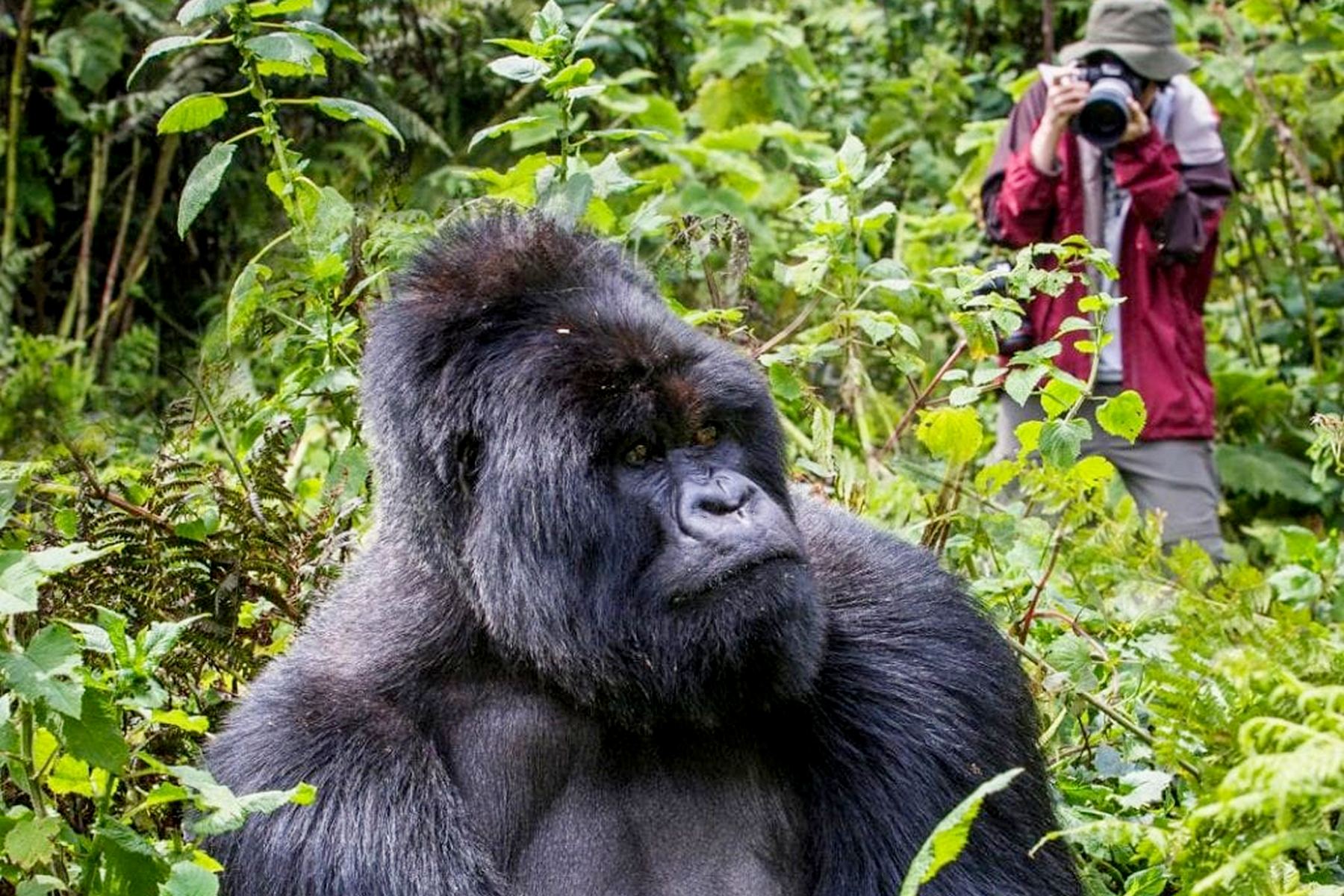
Understanding Camera Settings for Gorilla Habituation is an important step toward capturing incredible mountain gorilla images, but successful photography begins with proper safari planning.
Our experienced safari specialists help photographers organize unforgettable gorilla habituation experiences in Uganda. We arrange gorilla permits, accommodation, transportation, porter services, and customized itineraries designed around photography goals.
Whether you are a professional wildlife photographer or a passionate traveler hoping to preserve unforgettable memories, we provide expert support throughout your journey.
Contact us today to plan your Uganda gorilla habituation photography safari and experience the magic of capturing endangered mountain gorillas in the ancient forests of Bwindi. With the right preparation, equipment, and Camera Settings for Gorilla Habituation, your adventure can become a collection of powerful wildlife images that last a lifetime.