

Ultimate Clothing Guide for Gorilla Habituation: Complete Safari Dressing Guide for Bwindi Forest Adventure
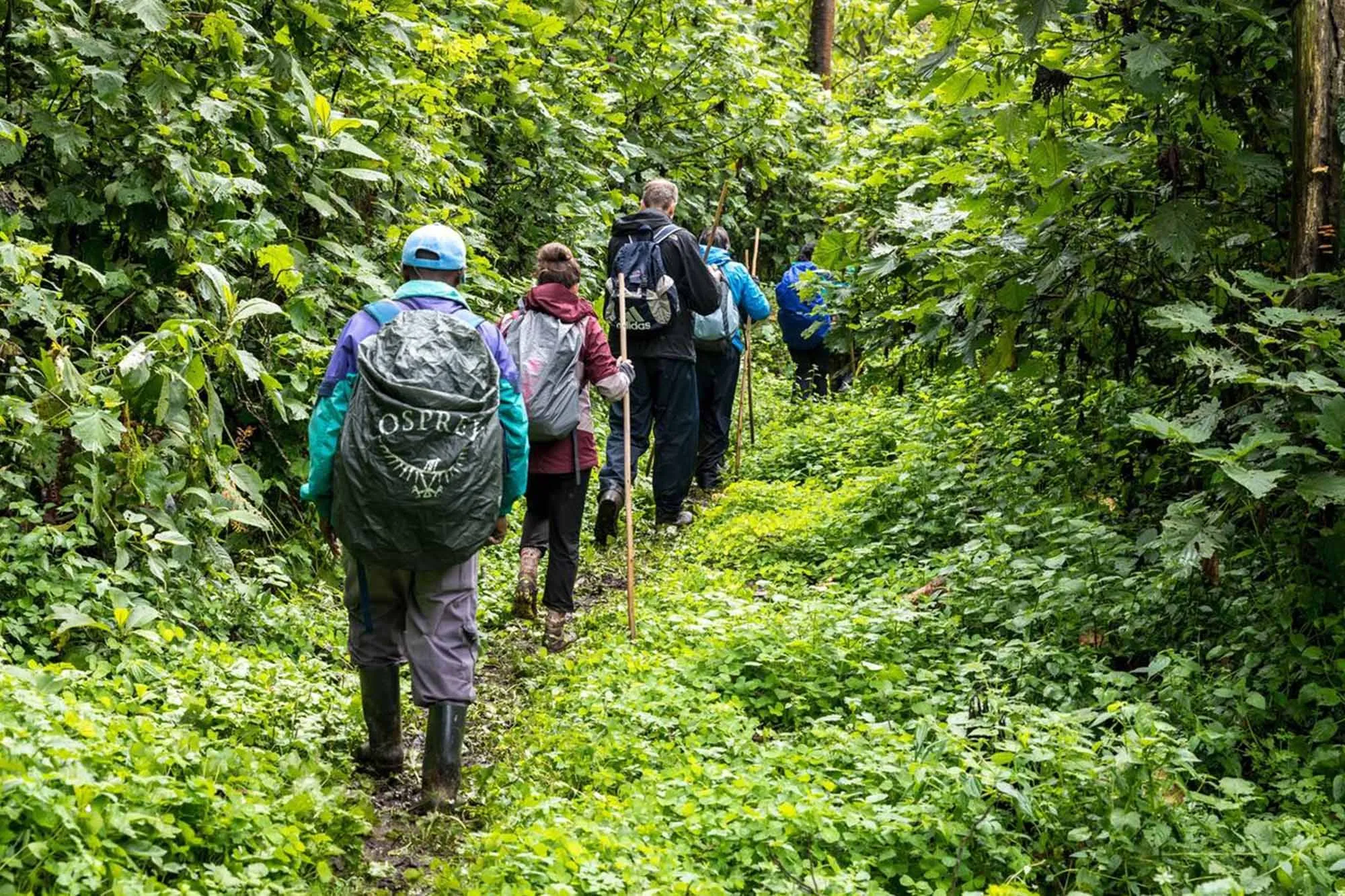
A gorilla habituation experience in Uganda is one of the most exclusive wildlife adventures in Africa, offering travelers the opportunity to spend up to four hours observing a semi-habituated mountain gorilla family alongside experienced trackers, researchers, veterinarians, and Uganda Wildlife Authority rangers. Unlike a traditional wildlife safari, this experience requires walking through dense rainforest, climbing steep slopes, crossing muddy trails, and spending extended time outdoors. For this reason, understanding the right Clothing Guide for Gorilla Habituation is essential for comfort, safety, and an enjoyable experience.
The gorilla habituation experience takes place exclusively in Bwindi Impenetrable National Park, a UNESCO World Heritage Site famous for its ancient rainforest, mist-covered hills, and incredible biodiversity. The forest environment is beautiful but challenging, with unpredictable weather conditions, thick vegetation, insects, and varying temperatures throughout the day.
Choosing the right clothing allows visitors to move comfortably through the forest while protecting themselves from rain, mud, thorny plants, and changing temperatures. The correct Clothing Guide for Gorilla Habituation helps travelers prepare clothing that is practical, lightweight, protective, and suitable for long hours of hiking.
This detailed guide explains everything you need to know about what to wear during a gorilla habituation experience in Uganda, including hiking clothing, footwear, rain protection, layering techniques, photography clothing, seasonal considerations, and expert preparation advice.
Why a Clothing Guide for Gorilla Habituation Is Important
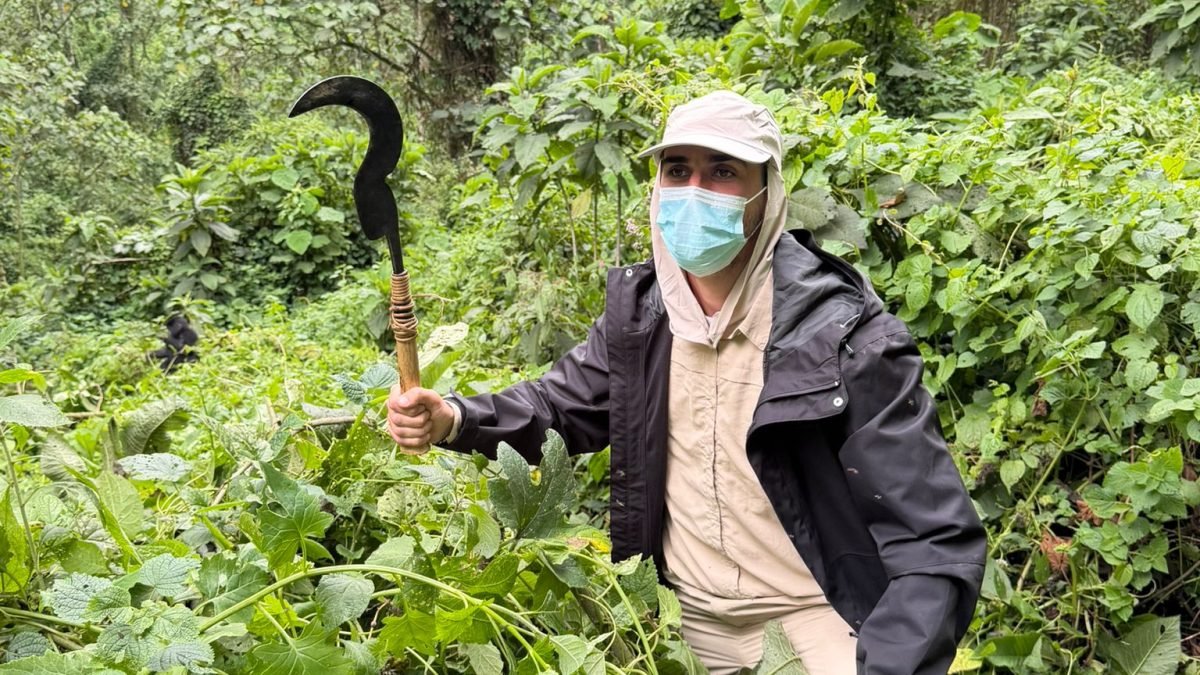
Many travelers focus mainly on securing their gorilla habituation permit and accommodation but underestimate the importance of choosing the right clothing. The rainforest environment of Bwindi requires preparation because conditions can change quickly during the trek.
A proper Clothing Guide for Gorilla Habituation ensures that visitors remain comfortable while navigating steep forest trails, wet vegetation, and changing weather conditions. Wearing unsuitable clothing can make the trek unnecessarily difficult and reduce your enjoyment of the experience.
The right clothing also improves safety. Long trousers protect against scratches and insects, waterproof layers protect against rainfall, and strong hiking boots provide stability on muddy and slippery trails.
Because gorilla habituation involves spending much longer in the forest than normal trekking, clothing choices become even more important. Visitors may remain outdoors for most of the day, making comfort and protection essential.
Understanding Bwindi Forest Conditions Before Choosing Clothing
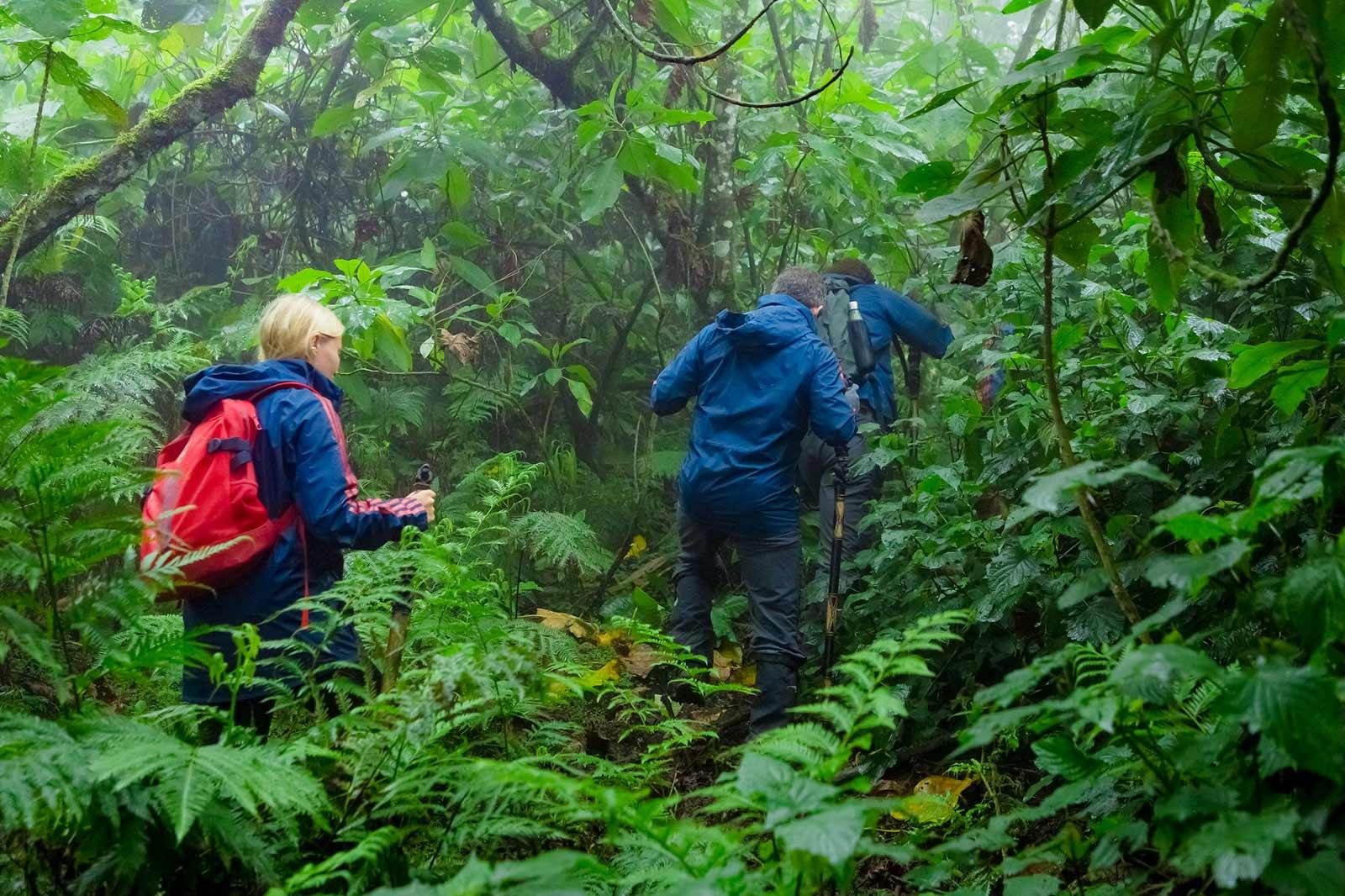
Before following any Clothing Guide for Gorilla Habituation, it is important to understand the environment where the trek takes place.
Bwindi Impenetrable National Park is a mountainous tropical rainforest with elevations ranging from approximately 1,160 to over 2,600 meters above sea level. The combination of altitude, forest cover, and rainfall creates a cool and humid environment.
Visitors may experience sunshine, mist, rain, mud, and cooler temperatures during the same day. The forest contains dense vegetation, vines, branches, and plants that can brush against clothing while hiking.
The best clothing strategy is therefore to choose items that provide protection while remaining comfortable for physical activity.
Choosing the Right Base Layers for Gorilla Habituation
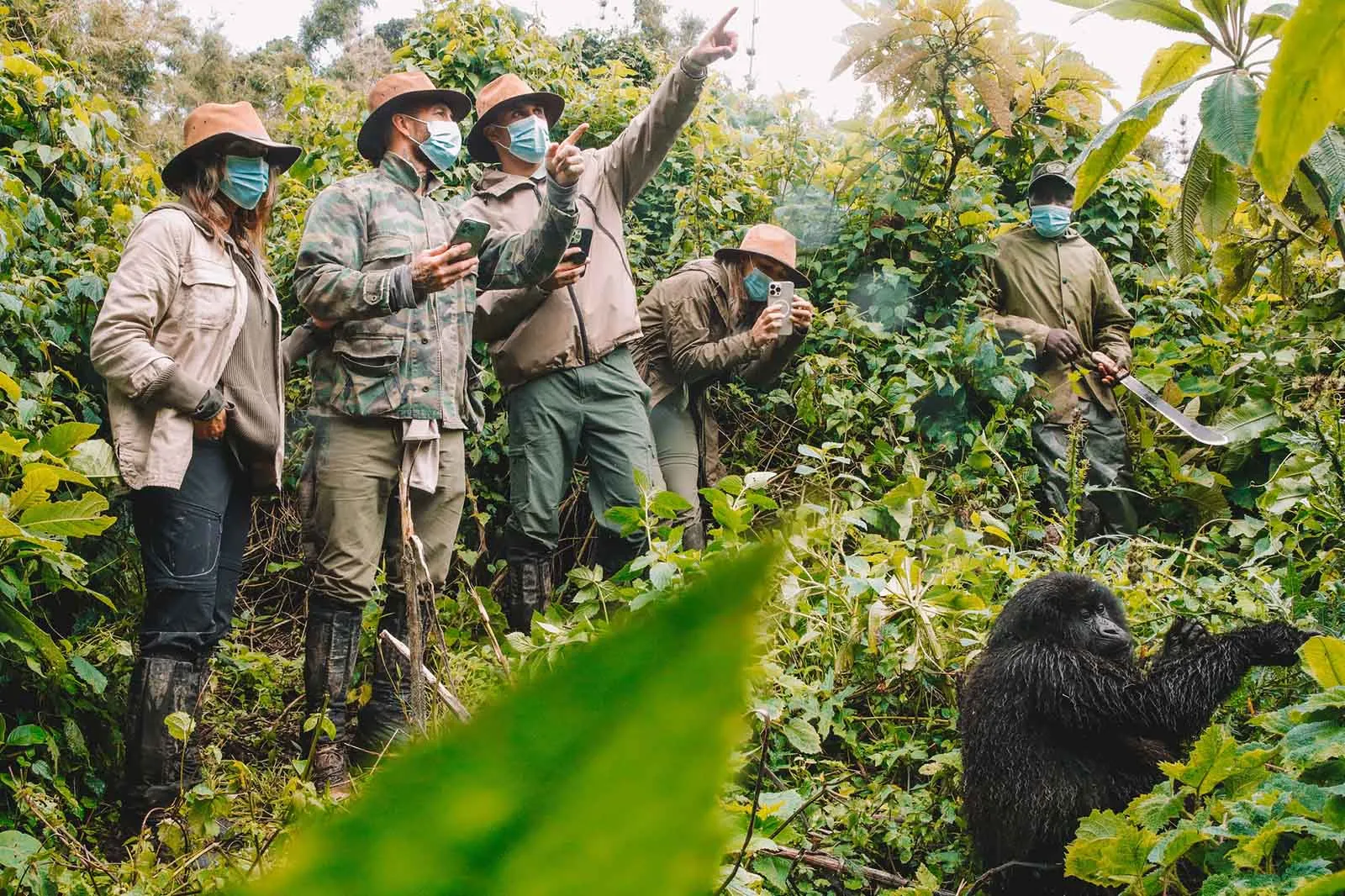
A good Clothing Guide for Gorilla Habituation begins with selecting the right base layers. Base layers are the clothing worn closest to your skin and play an important role in managing moisture and body temperature.
Lightweight, breathable shirts made from moisture-wicking materials are ideal because they help move sweat away from the body during hiking. These fabrics dry faster than heavy cotton materials and provide greater comfort during long walks.
Long-sleeved shirts are recommended because they protect your arms from insects, vegetation, and sun exposure. They also provide an additional layer against cool rainforest conditions.
The goal of a good base layer is to keep your body comfortable while allowing freedom of movement.
The Best Trousers for Gorilla Habituation Trekking
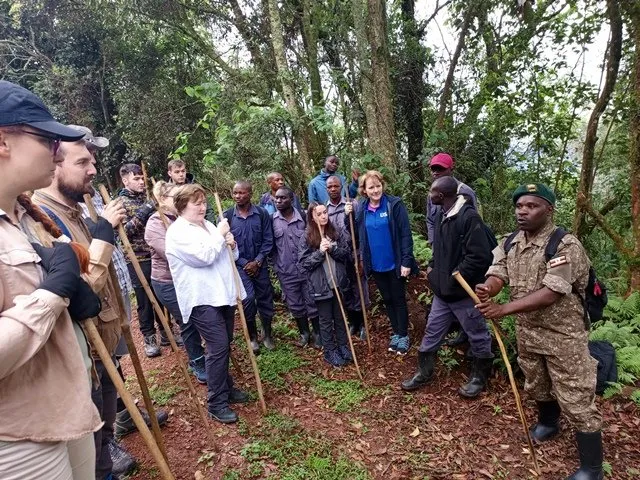
Choosing suitable trousers is one of the most important sections of any Clothing Guide for Gorilla Habituation. The rainforest terrain requires trousers that are durable, comfortable, and protective.
Long hiking trousers are strongly recommended because they protect your legs from thorny plants, insects, mud, and branches. Lightweight outdoor trousers with stretch materials allow easier movement when climbing hills or walking through dense vegetation.
Jeans are generally not recommended because they become heavy and uncomfortable when wet. Instead, travelers should choose quick-drying hiking trousers designed for outdoor activities.
Neutral-colored trousers such as khaki, brown, grey, or green are preferred because they blend naturally with the forest environment.
Why Long-Sleeved Clothing Is Recommended
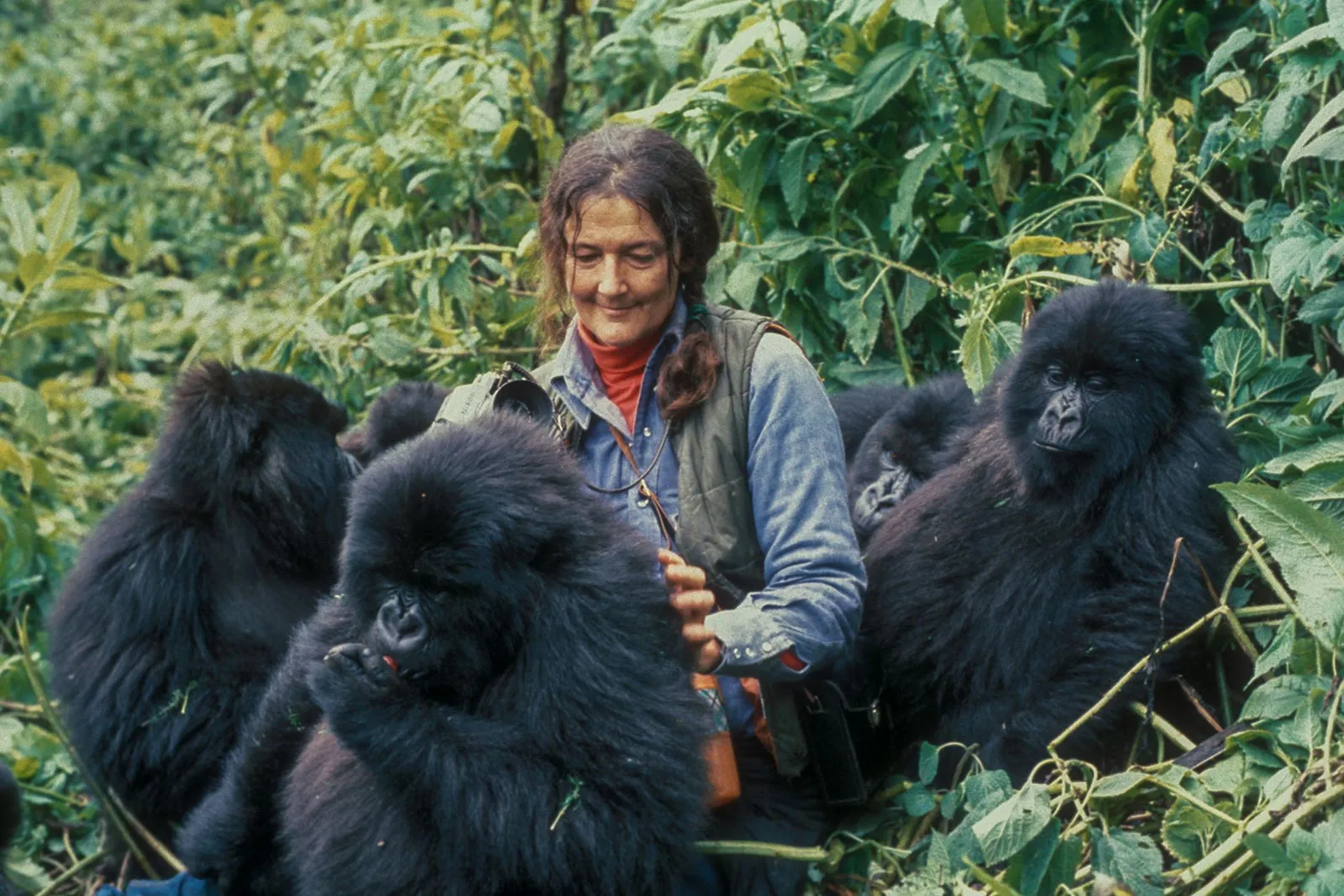
Long-sleeved clothing is an essential part of the Clothing Guide for Gorilla Habituation because Bwindi is a wild rainforest environment.
During the trek, visitors may pass through thick vegetation where branches, leaves, and plants can touch the body. Long sleeves provide an extra layer of protection against scratches and insects.
They also help regulate body temperature by providing warmth during cooler periods and protection from sunlight when walking through open areas.
Comfortable long-sleeved shirts allow visitors to focus on the incredible gorilla experience rather than dealing with minor discomfort.
Selecting the Right Hiking Boots for Gorilla Habituation
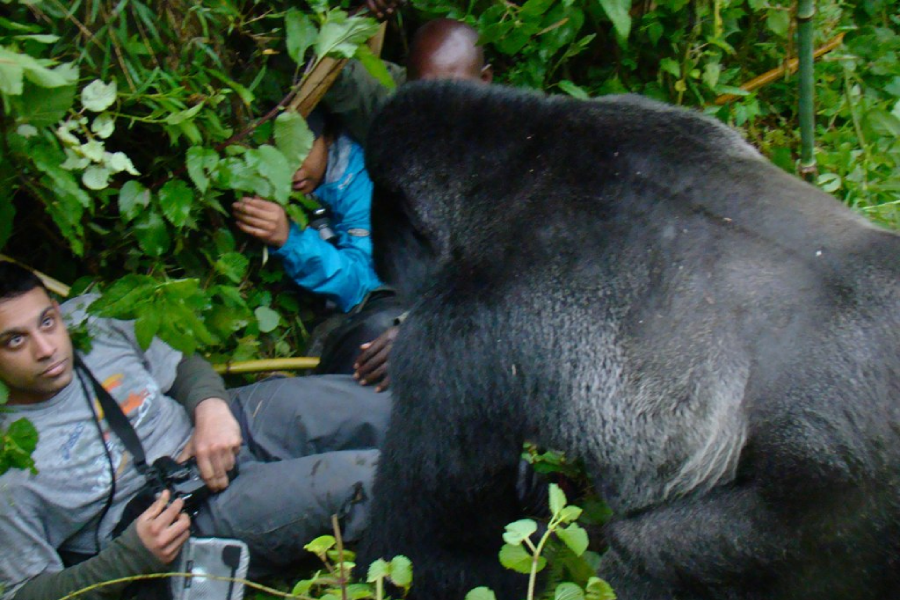
Footwear is one of the most important elements of any Clothing Guide for Gorilla Habituation because the trek involves challenging rainforest terrain.
Waterproof hiking boots with strong grip and ankle support are highly recommended. Bwindi trails can become muddy, slippery, and uneven, especially after rainfall.
Good hiking boots provide stability when walking on steep slopes, crossing wet sections, and navigating exposed tree roots.
Travelers should wear their boots before arriving in Uganda to ensure they are comfortable and properly fitted before the trek begins.
The Importance of Waterproof Clothing in Bwindi
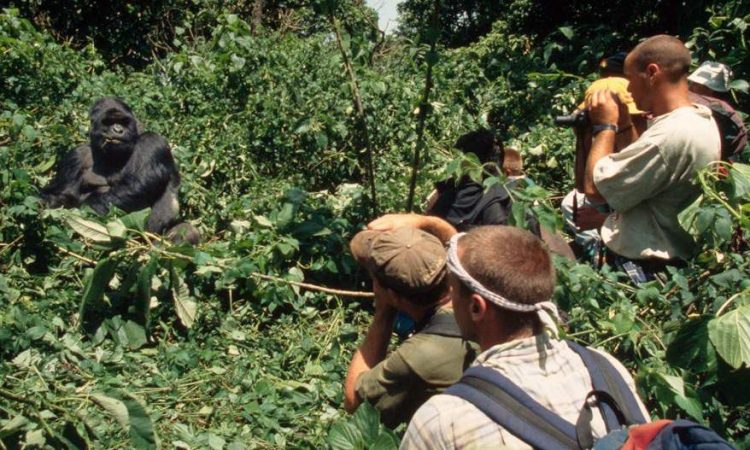
Rain protection is a key part of the Clothing Guide for Gorilla Habituation because Bwindi receives rainfall throughout the year.
A lightweight waterproof jacket should always be carried because weather conditions can change quickly in the rainforest. A waterproof layer protects against sudden showers while keeping the body warm.
Waterproof trousers can also be useful, especially during wetter seasons or longer habituation experiences.
Staying dry helps prevent discomfort and allows visitors to enjoy the forest experience regardless of weather conditions.
Layering Clothing for Changing Weather Conditions
One of the most effective strategies in the Clothing Guide for Gorilla Habituation is using layers instead of wearing one heavy piece of clothing.
Layering allows visitors to adjust their clothing according to temperature changes throughout the day. Early mornings may feel cool, while hiking activity can cause the body to warm up.
Lightweight layers are easier to remove, store, and manage during the trek.
This approach provides flexibility and improves comfort during changing rainforest conditions.
Why Gardening Gloves Are Recommended
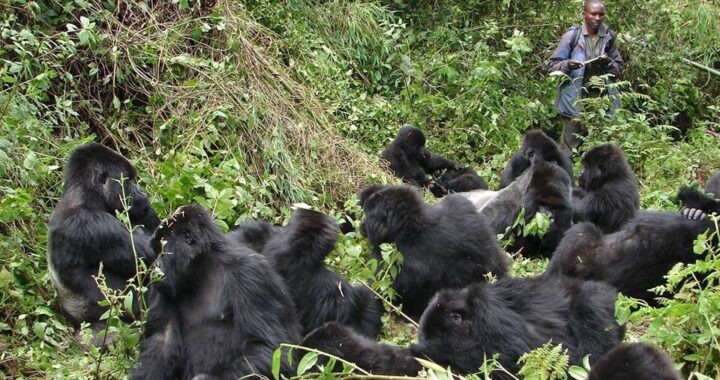
Gardening gloves may seem unusual, but they are an important recommendation in a complete Clothing Guide for Gorilla Habituation.
During the trek, visitors may hold branches or vegetation for balance while moving through thick forest areas. Gloves protect hands from thorns, rough surfaces, insects, and plants.
They also improve grip when navigating challenging sections of the trail.
Simple lightweight gardening gloves are affordable, easy to carry, and highly practical.
Headwear and Protection Accessories
Head protection is another useful consideration when following a Clothing Guide for Gorilla Habituation.
A lightweight hat can protect against sunlight during exposed sections of the trail, while a warm hat may provide comfort during cooler mornings.
Bandanas or buffs can also be useful for protecting against dust, insects, and changing weather conditions.
Accessories should remain lightweight and practical because unnecessary weight can increase fatigue.
Best Clothing Colors for Gorilla Habituation
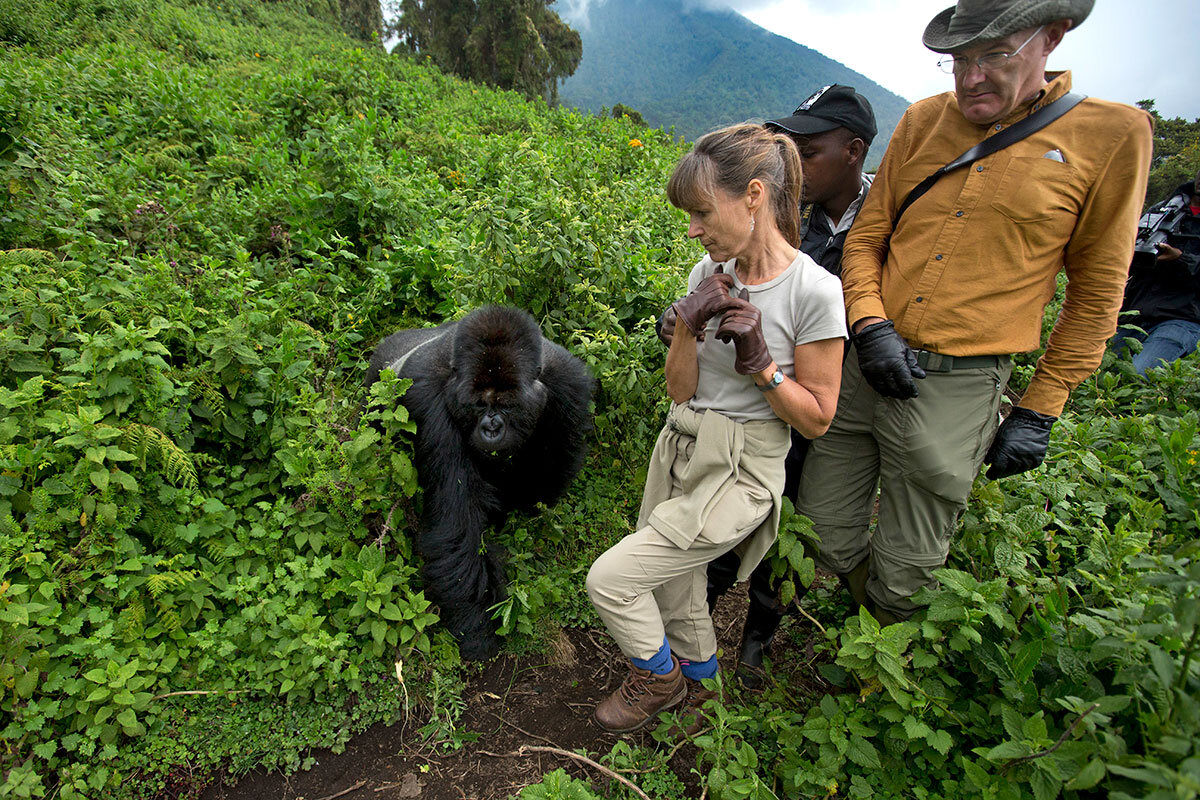
Choosing suitable colors is an important part of responsible wildlife preparation. A good Clothing Guide for Gorilla Habituation recommends natural colors such as green, brown, grey, and khaki.
These colors blend better with the rainforest environment and are commonly preferred for wildlife activities.
Bright colors are generally avoided because they may create unnecessary visual disturbance in natural settings.
Comfort and protection remain the main priorities when selecting clothing.
Clothing for Gorilla Photography During Habituation
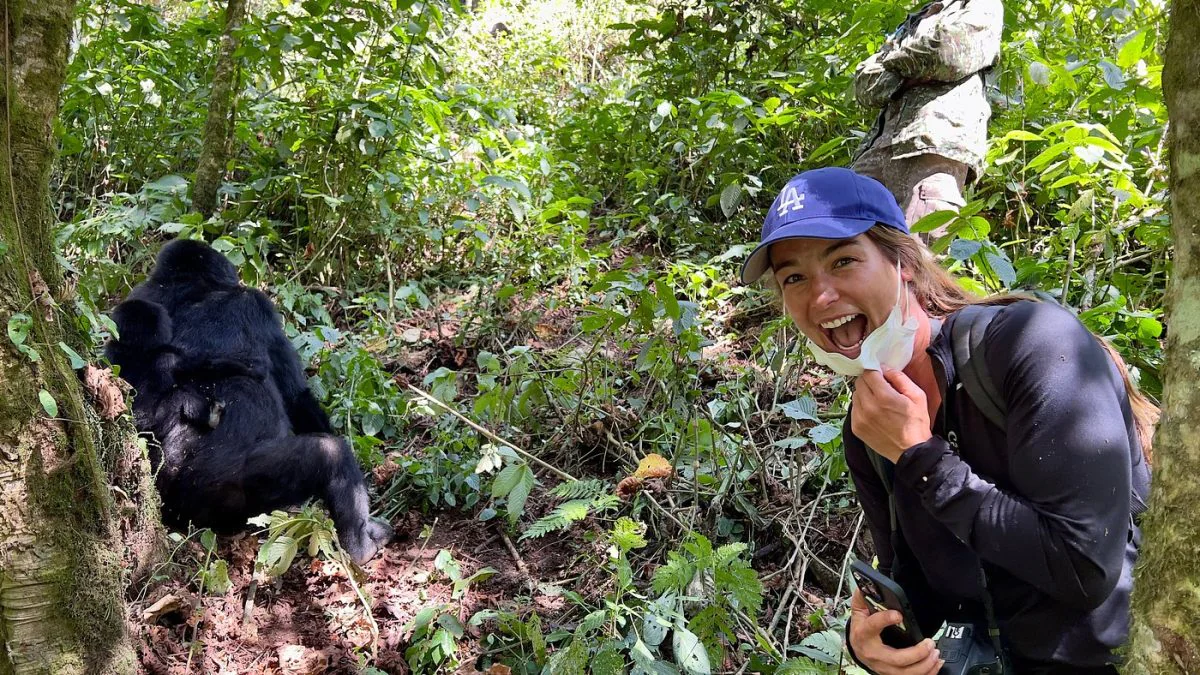
Photographers require special considerations when following a Clothing Guide for Gorilla Habituation because they may spend extended periods waiting quietly in the forest.
Comfortable clothing allows photographers to remain steady while capturing important moments. Waterproof layers protect both the photographer and equipment from rain.
Lightweight clothing is especially important because photographers often carry cameras, lenses, batteries, and other accessories.
The right clothing allows photographers to focus completely on capturing incredible gorilla images.
Clothing Differences Between Gorilla Trekking and Gorilla Habituation
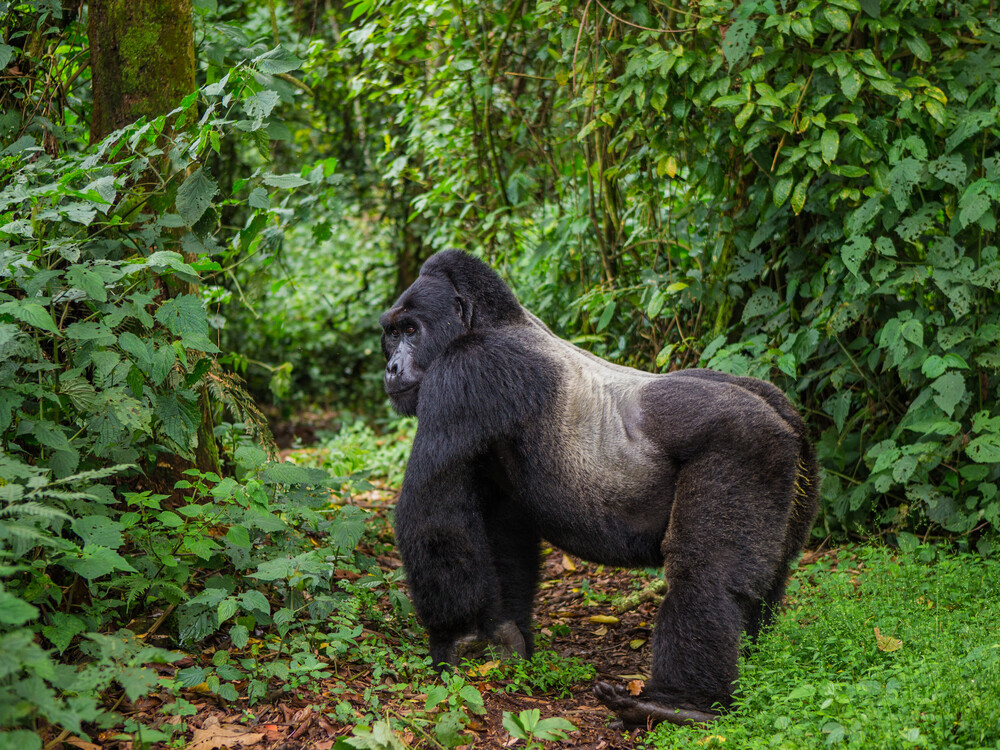
The Clothing Guide for Gorilla Habituation is slightly different from ordinary gorilla trekking because habituation involves a much longer time inside the forest.
Standard trekking usually involves one hour with gorillas, while habituation allows up to four hours. This means visitors need greater comfort, better protection, and clothing suitable for extended outdoor activity.
Durable hiking clothing, additional layers, and stronger rain protection become even more valuable during habituation.
What Not to Wear During Gorilla Habituation
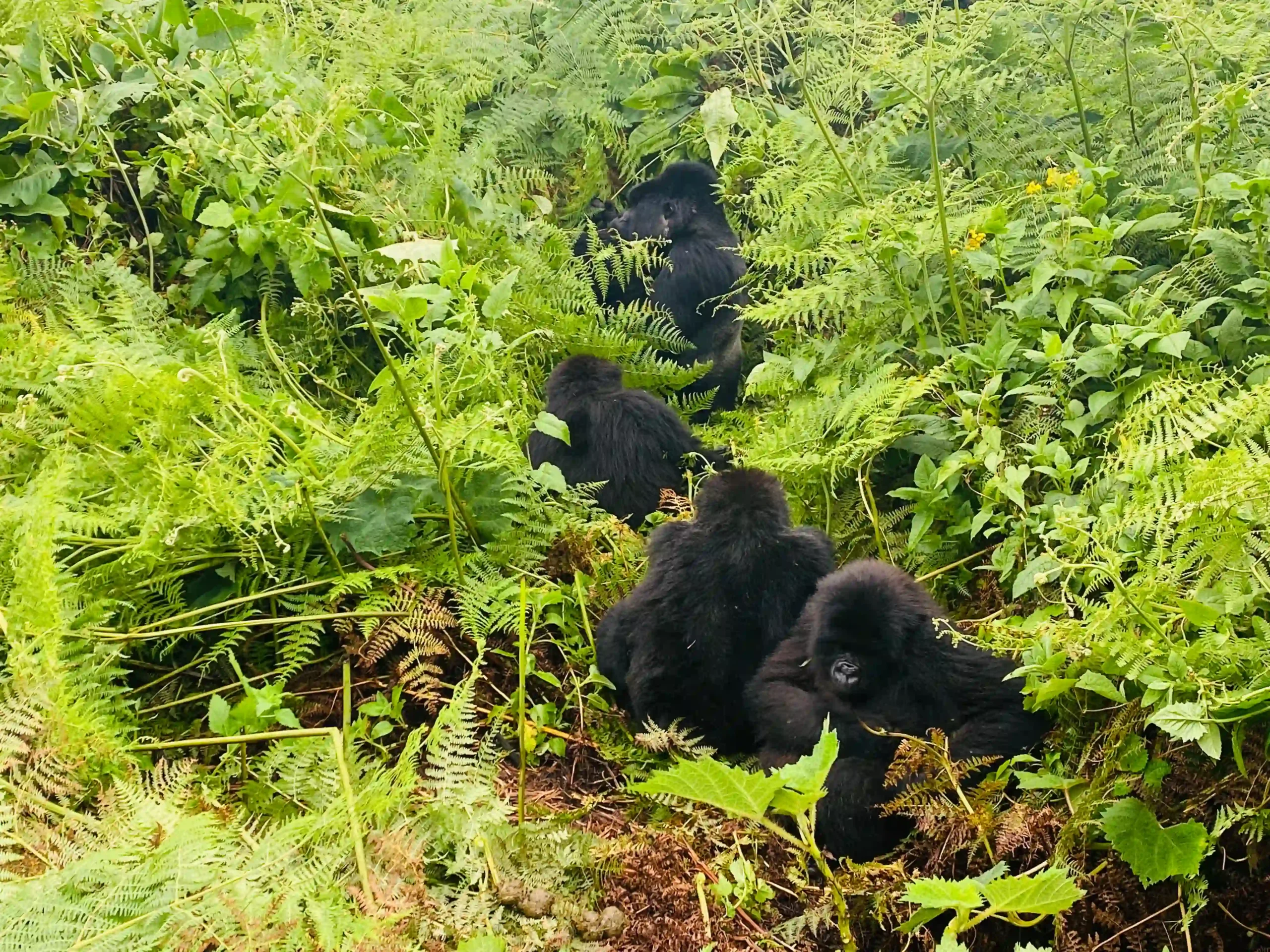
Understanding what to avoid is also part of a complete Clothing Guide for Gorilla Habituation.
Heavy cotton clothing, open shoes, sandals, short trousers, and uncomfortable footwear are not recommended. These items provide little protection and can become uncomfortable during rainforest conditions.
Fashion-focused clothing may look attractive but is usually unsuitable for hiking through Bwindi’s challenging terrain.
Practical outdoor clothing should always be prioritized.
Packing Extra Clothing for Gorilla Habituation
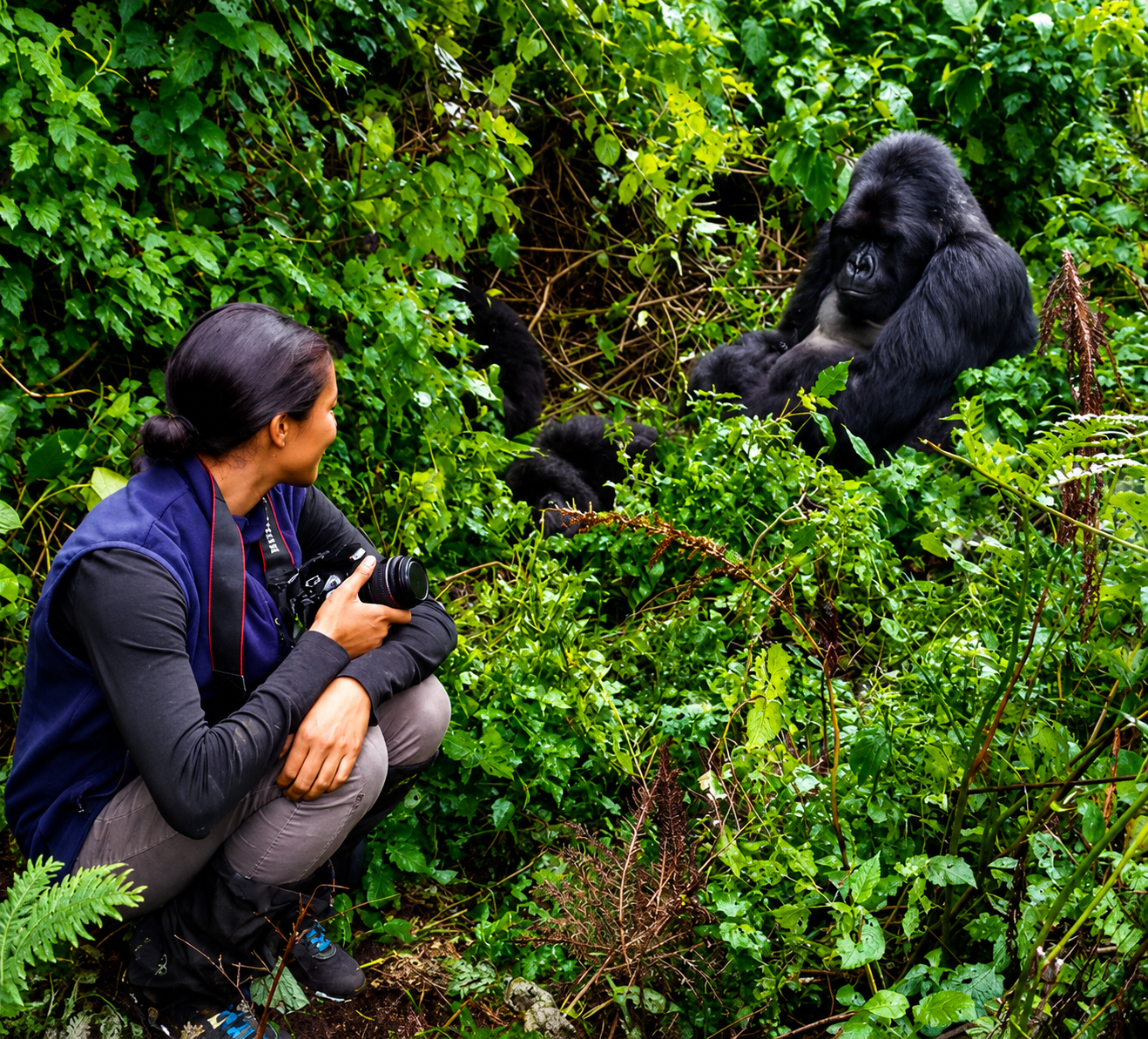
Carrying extra clothing is a useful recommendation in the Clothing Guide for Gorilla Habituation.
A spare shirt, extra socks, or additional lightweight layers can be helpful after experiencing rain or mud during the trek.
However, travelers should avoid carrying too many unnecessary items because heavy backpacks increase physical fatigue.
The best approach is packing smart with versatile clothing options.
Hiring a Porter to Carry Clothing and Equipment
Hiring a porter is highly recommended for visitors following a Clothing Guide for Gorilla Habituation.
Porters assist with carrying backpacks containing rain gear, extra clothing, cameras, and personal items. This reduces physical strain during steep rainforest hikes.
Their support allows travelers to enjoy the experience more comfortably while contributing directly to local communities around Bwindi.
Preparing Your Clothing Before Traveling to Uganda
A successful gorilla habituation experience begins with preparation. Following a Clothing Guide for Gorilla Habituation before departure allows travelers enough time to purchase, test, and organize suitable clothing.
Hiking boots should be tested before the trip, waterproof clothing should be checked, and all equipment should be packed according to expected conditions.
Good preparation creates confidence and ensures you are ready for the rainforest adventure.
Frequently Asked Questions About Clothing Guide for Gorilla Habituation
1. Why is a Clothing Guide for Gorilla Habituation important?
A Clothing Guide for Gorilla Habituation is important because the gorilla habituation experience takes place in the challenging rainforest environment of Bwindi Impenetrable National Park. Unlike a normal sightseeing activity, this adventure involves several hours of hiking through dense vegetation, muddy trails, steep slopes, and changing weather conditions.
The right clothing helps travelers remain comfortable, protected, and prepared throughout the experience. Suitable clothing protects against rain, insects, thorny plants, cold temperatures, and wet forest conditions.
Following a proper clothing guide allows visitors to focus on the incredible experience of observing mountain gorillas rather than dealing with discomfort caused by poor preparation.
2. What should I wear during a Gorilla Habituation Experience in Uganda?
A good Clothing Guide for Gorilla Habituation recommends wearing comfortable hiking clothing suitable for a tropical rainforest environment. Travelers should choose lightweight, breathable, and durable clothing that allows easy movement.
Long hiking trousers, long-sleeved shirts, waterproof layers, strong hiking boots, and protective accessories are recommended because the forest terrain can be wet, muddy, and covered with thick vegetation.
The goal is to wear clothing that provides protection while keeping you comfortable during several hours of outdoor activity.
3. Are jeans suitable for gorilla habituation trekking?
Jeans are generally not recommended in a Clothing Guide for Gorilla Habituation because they are not practical for rainforest hiking.
When jeans become wet from rain, mud, or vegetation, they absorb moisture, become heavy, and take a long time to dry. This can make the trek uncomfortable, especially during longer habituation experiences.
Lightweight hiking trousers made from quick-drying materials are a much better choice because they provide flexibility and comfort.
4. Do I need long trousers for Gorilla Habituation?
Yes. Long trousers are an important part of the Clothing Guide for Gorilla Habituation because they protect your legs during the trek.
Bwindi’s rainforest contains thick vegetation, branches, and plants that may brush against your legs while walking. Long trousers also provide protection from insects and muddy trails.
Lightweight hiking trousers that allow easy movement are ideal for climbing hills and navigating forest paths.
5. Why are long-sleeved shirts recommended for gorilla habituation?
Long-sleeved shirts are recommended in every practical Clothing Guide for Gorilla Habituation because they provide protection throughout the forest journey.
They help protect your arms from scratches caused by vegetation, insect bites, and changing temperatures inside the rainforest.
A breathable long-sleeved shirt also helps regulate body temperature while keeping you comfortable during physical activity.
6. What type of shoes should I wear for gorilla habituation?
Proper footwear is one of the most important sections of a Clothing Guide for Gorilla Habituation. Waterproof hiking boots with good grip and ankle support are highly recommended.
Bwindi trails can become muddy and slippery, especially after rainfall. Strong hiking boots provide stability and reduce the risk of slipping while walking through steep terrain.
Travelers should break in their boots before arriving in Uganda to ensure maximum comfort during the trek.
7. Are sneakers or running shoes good for Gorilla Habituation?
Regular sneakers and running shoes are usually not recommended in a Clothing Guide for Gorilla Habituation because they may not provide enough protection or grip.
Rainforest trails can be muddy, uneven, and slippery, requiring footwear designed for outdoor hiking.
Waterproof hiking boots provide better ankle support, traction, and protection for the challenging Bwindi environment.
8. Do I need waterproof clothing for Gorilla Habituation?
Yes. Waterproof clothing is an essential part of the Clothing Guide for Gorilla Habituation because Bwindi is a rainforest where rainfall can occur throughout the year.
A waterproof jacket protects against sudden showers, while waterproof trousers provide additional protection during wetter conditions.
Staying dry helps prevent discomfort and allows visitors to fully enjoy their gorilla experience regardless of weather changes.
9. What colors are best to wear during Gorilla Habituation?
A good Clothing Guide for Gorilla Habituation recommends natural colors such as green, brown, grey, and khaki.
These colors blend better with the rainforest environment and are commonly preferred during wildlife activities because they create a more natural appearance.
Bright colors are generally avoided because they may stand out unnecessarily in the forest surroundings.
10. Should I wear gloves during Gorilla Habituation?
Yes. Lightweight gloves are a useful addition to a complete Clothing Guide for Gorilla Habituation.
During the trek, visitors may hold branches or move through thick vegetation for balance. Gloves help protect hands from rough surfaces, plants, insects, and minor scratches.
Simple gardening or outdoor gloves are practical, affordable, and easy to carry.
11. What should photographers wear during Gorilla Habituation?
Photographers following a Clothing Guide for Gorilla Habituation should focus on comfort, protection, and mobility.
Since photographers often carry cameras and spend longer periods observing gorillas, lightweight waterproof clothing, comfortable hiking boots, and protective layers are highly recommended.
Good clothing allows photographers to concentrate on capturing incredible images without being distracted by weather or discomfort.
12. Is a rain jacket necessary even during the dry season?
Yes. A rain jacket remains an important item in a Clothing Guide for Gorilla Habituation even during the dry season.
Bwindi’s mountain rainforest has unpredictable weather, and rain showers can happen at any time. Carrying lightweight waterproof protection ensures you are prepared.
A good rain jacket also protects against cool temperatures and wind during the trek.
13. Should I carry extra clothes for Gorilla Habituation?
Yes. Carrying extra lightweight clothing is recommended in a Clothing Guide for Gorilla Habituation.
A spare shirt, extra socks, or additional layers can be useful if your clothing becomes wet from rain, mud, or forest vegetation.
However, travelers should avoid overpacking because heavy backpacks can make the trek more tiring.
14. How should I dress for Gorilla Habituation during rainy months?
During rainy months, the Clothing Guide for Gorilla Habituation becomes even more important because trails may be wetter and muddy.
Travelers should prioritize waterproof jackets, waterproof boots, quick-drying trousers, and backpack protection.
Proper rain preparation allows visitors to continue enjoying the experience comfortably even when rainfall occurs.
15. Can I wear shorts during Gorilla Habituation?
Shorts are generally not recommended according to a proper Clothing Guide for Gorilla Habituation.
Short clothing leaves your legs exposed to vegetation, insects, mud, and possible scratches while hiking through the rainforest.
Long trousers provide better protection and are more suitable for the natural conditions found in Bwindi.
16. What type of clothing should children wear during Gorilla Habituation?
Children who participate in suitable safari activities should follow the same principles in a Clothing Guide for Gorilla Habituation.
Comfortable hiking clothing, protective layers, waterproof jackets, and suitable footwear help ensure safety and enjoyment.
Parents should consider the child’s age, fitness level, and ability to handle rainforest conditions before planning the experience.
17. Do I need warm clothing for Gorilla Habituation?
Yes. Warm layers can be useful because Bwindi is located at a high elevation where mornings and evenings may feel cool.
A complete Clothing Guide for Gorilla Habituation recommends lightweight layers that can be added or removed depending on changing temperatures.
A fleece jacket or warm layer can provide extra comfort during cooler periods.
18. Should I buy special safari clothing for Gorilla Habituation?
Special safari clothing is not mandatory, but choosing suitable outdoor clothing improves the experience.
A practical Clothing Guide for Gorilla Habituation focuses on comfort, protection, and durability rather than expensive clothing.
Basic hiking trousers, breathable shirts, waterproof layers, and good boots are usually enough for most travelers.
19. Can I rent Gorilla Habituation clothing and equipment in Uganda?
Some safari operators and lodges may provide limited equipment, but travelers should prepare their own essential clothing whenever possible.
Following a personal Clothing Guide for Gorilla Habituation ensures that clothing fits properly and meets your comfort needs.
It is always better to confirm available rental options before traveling if you do not want to purchase certain items.
20. How can I prepare my clothing before a Gorilla Habituation Safari?
Preparing early is one of the best recommendations in the Clothing Guide for Gorilla Habituation.
Travelers should test hiking boots, check waterproof clothing, organize layers, and ensure all items are comfortable before arriving in Uganda.
With the right preparation, suitable clothing, and expert safari planning, visitors can confidently explore Bwindi Impenetrable National Park and enjoy an unforgettable mountain gorilla habituation experience.
Book Your Gorilla Habituation Experience with Expert Preparation
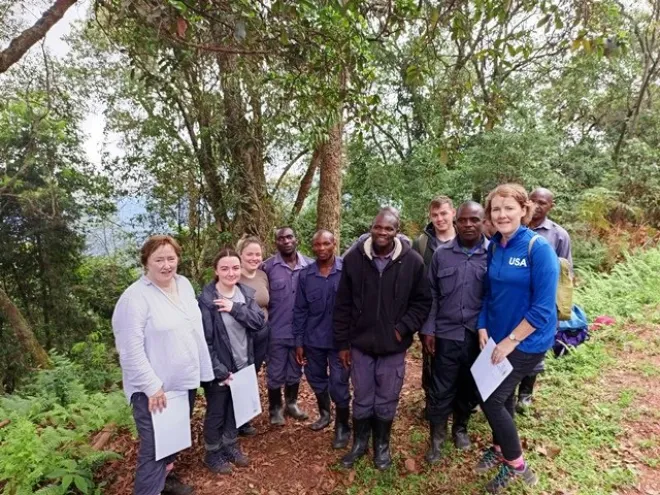
Choosing the right clothing is only one part of planning an unforgettable gorilla habituation safari. A complete experience requires expert organization, including securing permits, selecting accommodation, arranging transportation, and receiving professional preparation advice.
Our safari specialists help travelers prepare every detail of their Uganda gorilla habituation adventure, including guidance on the Clothing Guide for Gorilla Habituation, packing recommendations, weather expectations, and trekking preparation.
Whether you are a first-time visitor, wildlife photographer, couple, or adventure traveler, we create personalized safari experiences designed around your comfort and interests.
Contact us today to plan your gorilla habituation adventure in Bwindi Impenetrable National Park. With the right clothing, expert planning, and professional support, you can confidently explore the rainforest and experience one of Africa’s most unforgettable wildlife encounters.