

Essential Guide: Fitness Requirements for Gorilla Habituation – Prepare for Your Bwindi Trek
Understanding Fitness Requirements for Gorilla Habituation
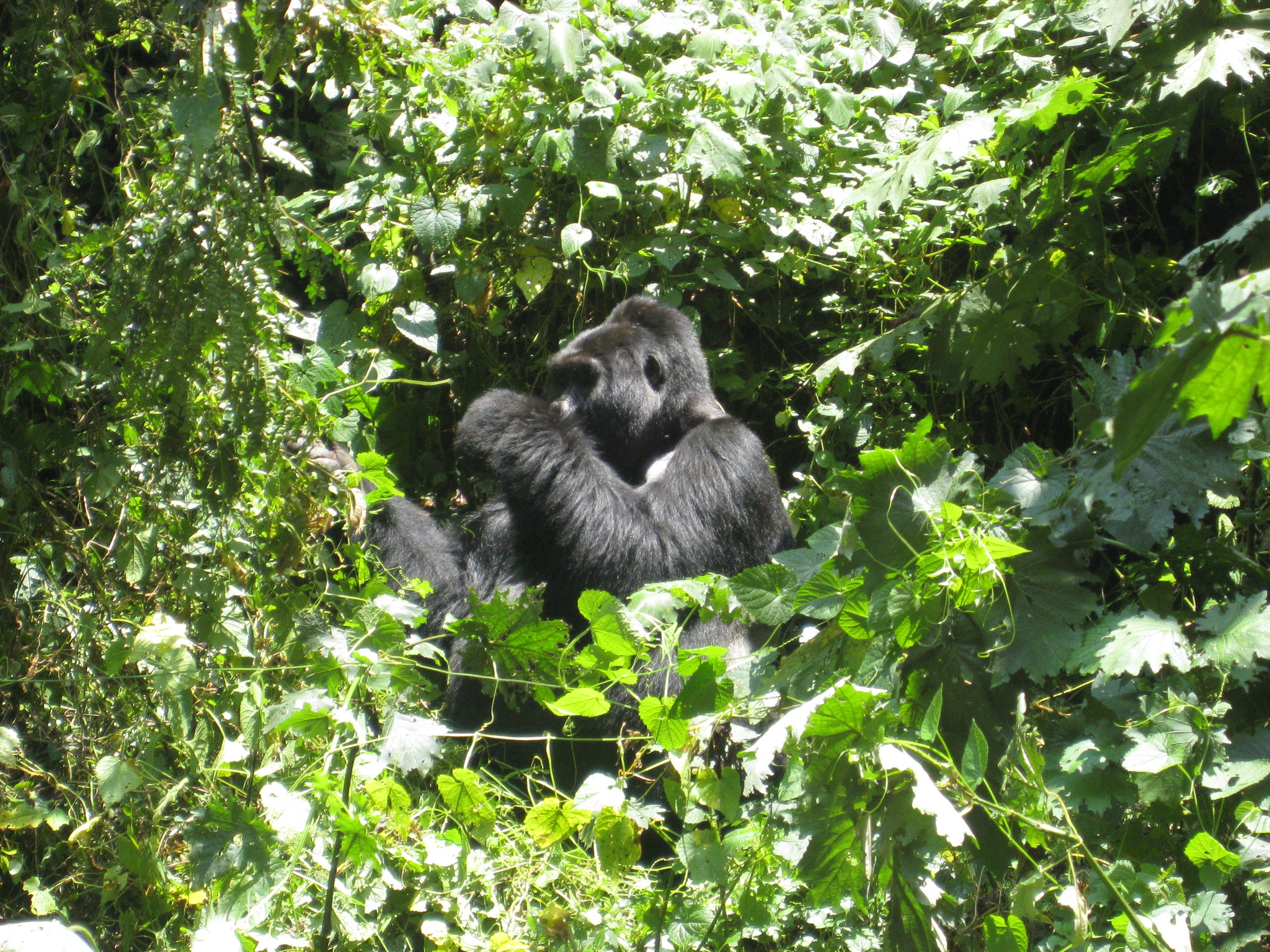
For travelers considering a gorilla habituation experience, understanding the Fitness Requirements for Gorilla Habituation is critical. Gorilla habituation allows visitors to spend up to four hours with semi-habituated gorilla families, observing natural behaviors, family interactions, and social dynamics in the lush rainforests of Bwindi Impenetrable National Park or Mgahinga Gorilla National Park. Unlike standard gorilla trekking, habituation involves longer forest exposure, sometimes on steep or muddy trails, requiring both physical stamina and mental endurance.
Knowing the Fitness Requirements for Gorilla Habituation ensures that visitors are prepared for the intensity of the trek, including trail conditions, elevation changes, and tropical climate factors such as humidity and rainfall. Being aware of the physical demands allows travelers to plan appropriate clothing, footwear, and gear while optimizing their energy and comfort throughout the habituation experience.
Beyond physical strength, fitness for habituation also includes mental readiness. Visitors must be able to focus for extended periods, remain quiet to avoid disturbing gorillas, and navigate forest trails with patience and care. Understanding the Fitness Requirements for Gorilla Habituation helps set realistic expectations, enabling participants to enjoy the forest environment fully while observing gorilla behavior safely.
Ultimately, awareness of these requirements enhances both safety and enjoyment, allowing travelers to immerse themselves in the rainforest, capture memorable photographs, and witness gorilla family dynamics without undue stress or risk.
Physical Stamina and Endurance
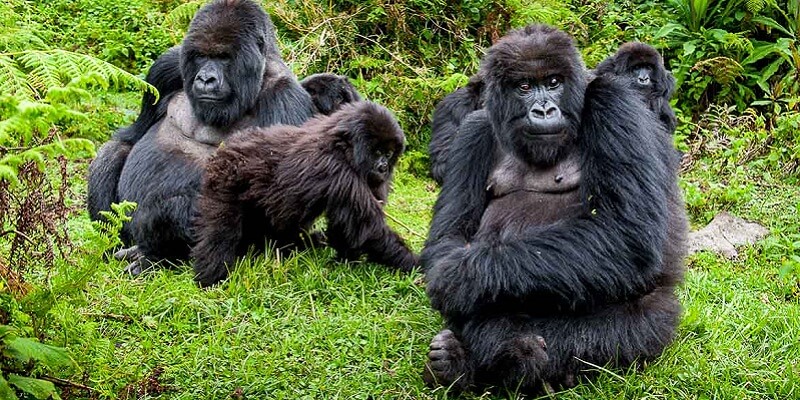
One of the most important aspects of Fitness Requirements for Gorilla Habituation is physical stamina. Trekkers often navigate uneven, steep, and slippery terrain, requiring strong legs, balance, and cardiovascular endurance. Trails can range from moderate slopes to challenging ascents through dense forest and muddy paths, depending on the habituation sector.
Extended trekking periods can last several hours, both approaching and returning from the gorilla families. Visitors should be prepared for continuous walking, occasional climbing, and carrying personal items, including cameras, water, and rain gear. Understanding the Fitness Requirements for Gorilla Habituation allows visitors to assess whether additional conditioning or training is needed prior to the trip.
Fitness preparation can include regular cardio exercises, hiking practice, and leg-strengthening routines to improve endurance. Travelers who are physically prepared are better able to enjoy the full habituation experience, maintain safety, and focus on observing gorilla interactions without fatigue.
Maintaining stamina during habituation also improves mental focus, allowing visitors to notice subtle behaviors such as silverback leadership, juvenile play, and maternal care. Understanding the physical aspects of the Fitness Requirements for Gorilla Habituation ensures a balanced and rewarding forest experience.
Trail Conditions and Terrain Challenges
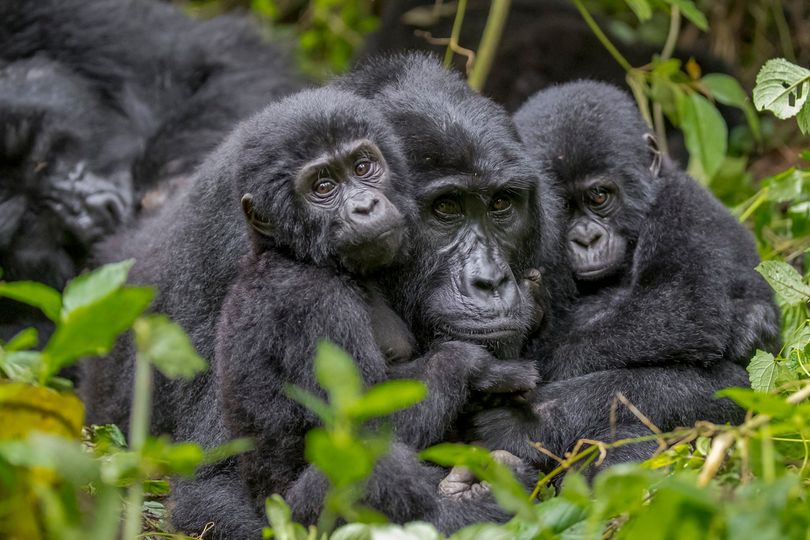
Another critical component of the Fitness Requirements for Gorilla Habituation is adapting to Bwindi’s or Mgahinga’s rainforest terrain. Forest trails are often narrow, uneven, and steep, with tree roots, rocks, and mud adding to the difficulty. During rainy months, trails may become slippery and more physically demanding.
Visitors must navigate these conditions safely while maintaining a respectful distance from gorilla families. Guides assist by providing instructions, adjusting pace, and recommending resting points, but personal physical readiness is key to completing the trek successfully.
Understanding the Fitness Requirements for Gorilla Habituation helps travelers prepare appropriate footwear, trekking poles, and other equipment for stability. Being prepared reduces the risk of injury, ensures comfort during long forest hikes, and allows participants to focus on the behavior and interactions of the gorilla families.
Experienced guides also advise visitors on sector-specific challenges. For example, Rushaga and Nkuringo sectors tend to have steeper trails compared to Buhoma, influencing how trekkers manage effort and stamina according to the Fitness Requirements for Gorilla Habituation.
Climate and Environmental Considerations
Fitness Requirements for Gorilla Habituation are influenced by environmental factors such as temperature, humidity, and rainfall. Bwindi and Mgahinga rainforests are humid and tropical, which increases physical exertion during trekking. High humidity can lead to faster fatigue, while rain can make trails slippery and challenging.
Preparation for these climate factors includes layering clothing, carrying waterproof gear, and staying hydrated throughout the trek. Visitors should also consider the timing of the day, as early morning hikes are cooler but misty, while mid-morning and afternoon periods may be warmer and more humid.
The climate also affects gorilla behavior, which in turn influences trekking intensity. During rainy periods, gorillas may move more slowly, requiring visitors to adjust pace and endurance. Understanding the Fitness Requirements for Gorilla Habituation in relation to climate ensures trekkers are physically and mentally ready for variable forest conditions.
Knowledge of climate-driven challenges allows visitors to enjoy extended habituation experiences while maintaining comfort, safety, and focus on observing gorilla social behaviors.
Mental Preparedness and Patience
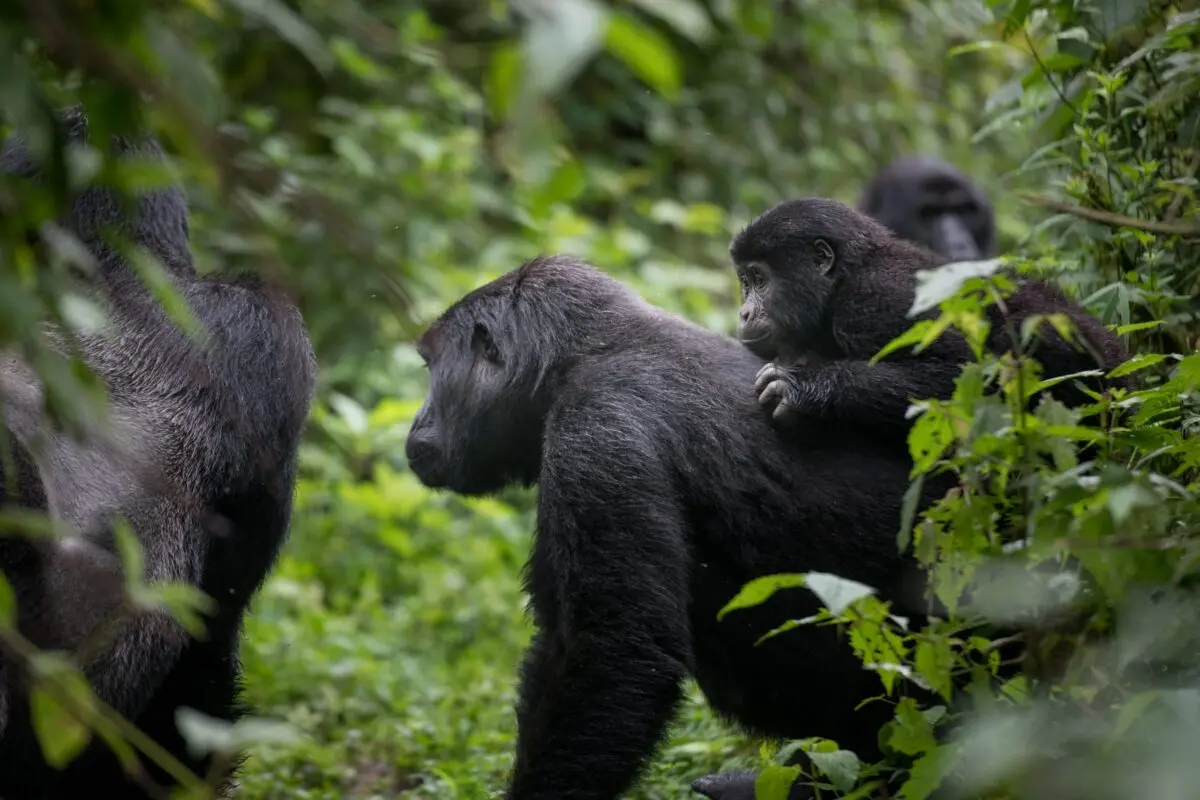
Physical fitness is only part of the Fitness Requirements for Gorilla Habituation; mental readiness is equally critical. Visitors must remain quiet, attentive, and patient while observing gorilla families, which can spend extended periods feeding, resting, or moving slowly through the forest.
Mental stamina is important for staying focused during long habituation sessions. This includes the ability to follow guide instructions, remain calm in dense vegetation, and resist sudden movements that could disturb gorillas. Understanding the mental demands of Fitness Requirements for Gorilla Habituation ensures visitors are prepared for the patience and attentiveness required during immersive wildlife observation.
Additionally, mental preparedness allows visitors to fully appreciate gorilla social dynamics, including interactions between silverbacks, mothers, and juveniles. Combining mental and physical fitness ensures a holistic experience that maximizes learning, observation, and photographic opportunities.
Frequently Asked Questions About Fitness Requirements for Gorilla Habituation
1. How physically demanding is gorilla habituation?
Fitness Requirements for Gorilla Habituation vary depending on the trekking sector, trail conditions, and duration of the experience. Trekkers often navigate steep inclines, uneven terrain, slippery paths, and dense vegetation to reach gorilla families. Extended hours in the forest require stamina, leg strength, and balance to manage the physical demands.
Physical exertion is compounded by tropical climate factors such as high humidity and occasional rainfall. Preparing for these conditions with proper clothing, footwear, and hydration ensures visitors can complete the trek safely.
Understanding the physical demands helps visitors set realistic expectations, plan training or exercise routines in advance, and mentally prepare for the intensity of extended habituation experiences.
2. Is prior hiking experience necessary?
While prior hiking experience is beneficial, it is not mandatory. Knowing the Fitness Requirements for Gorilla Habituation allows first-time trekkers to prepare for moderate to challenging forest trails. Beginners can still participate safely with guides adjusting the pace, offering support, and using porters for carrying personal items.
Visitors with some hiking experience often find habituation treks more manageable because they are accustomed to uneven terrain and endurance walking. Even inexperienced trekkers can complete the trek by pacing themselves and following guide instructions.
Being aware of the physical requirements ensures that visitors focus on observing gorilla behavior rather than being preoccupied with trail difficulty or fatigue. Proper preparation reduces stress and enhances the overall experience.
3. How long do habituation treks typically last?
Habituation treks can last between two to six hours, including the time spent walking to and from gorilla families. Fitness Requirements for Gorilla Habituation must account for both the duration and intensity of the hike, as visitors may cover several kilometers through dense forest.
Extended trekking requires sustained energy, focus, and endurance. Visitors must be prepared to walk slowly, take breaks, and carry essential items like water, cameras, and rain gear.
Knowing the expected trek duration helps participants assess their stamina and plan accordingly, ensuring they can fully enjoy the habituation experience without becoming exhausted.
4. How do climate and weather affect the difficulty?
Bwindi and Mgahinga rainforests are humid and tropical, with rainy seasons from March to May and October to November. These Fitness Requirements for Gorilla Habituation factors influence trail slipperiness, energy expenditure, and comfort levels during the trek.
Dry seasons provide firmer trails, more predictable terrain, and easier trekking conditions, while rainy seasons increase the physical challenge due to mud, dense vegetation, and high humidity.
Understanding climate effects allows visitors to choose the optimal season based on fitness level and comfort, ensuring they are physically and mentally prepared for extended habituation sessions.
5. Are there specific sectors that are more challenging?
Yes, Fitness Requirements for Gorilla Habituation vary by habituation sector. Rushaga and Nkuringo sectors tend to have steeper, more rugged trails, while Buhoma may be more accessible for visitors seeking a moderate hike.
Trail difficulty can also be influenced by seasonal conditions, with rainy months creating more slippery paths. Guides assess visitor fitness and recommend the most suitable sectors accordingly.
Selecting a sector that matches personal fitness ensures that visitors can safely complete the trek and spend quality time observing gorilla families without undue fatigue.
6. What physical preparation is recommended?
Preparation for Fitness Requirements for Gorilla Habituation includes regular cardiovascular exercise, hiking practice, and strength training focused on legs, core, and balance. This helps visitors manage forest terrain, inclines, and extended walking durations.
Carrying a small backpack during training simulates the experience of carrying water, cameras, and personal items during habituation treks. Gradual preparation ensures stamina and reduces the risk of fatigue or injury.
By preparing physically, visitors can focus on observing gorilla behavior, social interactions, and family dynamics instead of struggling with trail difficulty or endurance challenges.
7. How does altitude impact fitness requirements?
Bwindi’s elevation, ranging from 1,160 to 2,600 meters, affects Fitness Requirements for Gorilla Habituation. Higher altitudes may increase fatigue, reduce oxygen availability slightly, and require mental focus for maintaining energy during longer hikes.
Visitors should pace themselves, take hydration breaks, and allow for acclimatization to avoid discomfort during extended treks. Guides monitor trekkers for signs of fatigue or altitude-related stress.
Awareness of altitude-related fitness demands ensures safe, enjoyable trekking while maximizing time observing gorilla families in their natural environment.
8. Are mental fitness requirements important?
Yes. Fitness Requirements for Gorilla Habituation include mental endurance. Trekkers must remain quiet, attentive, and patient during long hours in the rainforest. Maintaining composure is crucial to avoid disturbing gorilla families and to safely navigate challenging terrain.
Mental stamina also allows visitors to fully appreciate the social dynamics of gorilla families, including silverback leadership, maternal care, and juvenile play. Patience enhances the quality of observation and photography opportunities.
Understanding the mental demands ensures visitors are prepared for the slow pace and extended observation periods inherent in habituation experiences.
9. Can beginners complete habituation treks?
Yes, with proper guidance. Even first-time trekkers can meet the Fitness Requirements for Gorilla Habituation by preparing physically, pacing themselves, and following instructions from experienced guides.
Porters may assist with carrying personal items, and guides adjust pace and trekking routes to accommodate varying fitness levels. Visitors can still enjoy a full habituation experience without being discouraged by the physical demands.
Awareness of difficulty levels helps beginners plan gear, hydration, and rest periods, ensuring a safe and enjoyable immersion into gorilla behavior and forest ecology.
10. How does trekking difficulty affect photography?
Trail difficulty impacts positioning, stability, and equipment management. Understanding Fitness Requirements for Gorilla Habituation ensures that photographers carry lightweight, protected gear and use trekking poles for balance on uneven or slippery trails.
Dry seasons provide easier conditions for positioning and capturing clear images, while rainy months require extra caution and preparation to protect equipment.
Knowledge of the physical and environmental challenges allows photographers to focus on capturing social behaviors, feeding interactions, and family dynamics without compromising safety.
11. How do weather conditions influence physical difficulty?
High humidity, rain, and mist directly affect Fitness Requirements for Gorilla Habituation. Humid conditions increase exertion and fatigue, while rain makes trails slippery and challenging.
Visitors must prepare with waterproof gear, proper footwear, and hydration strategies to cope with rainforest conditions. Guides adjust trekking pace based on weather to maintain safety.
Understanding how weather affects physical demands allows trekkers to anticipate challenges and enjoy the habituation experience without excessive strain.
12. Are there age or health considerations?
Yes, age and health impact Fitness Requirements for Gorilla Habituation. Elderly or less fit visitors may prefer shorter sectors, dry-season trekking, or assistance from porters. Those with cardiovascular or mobility concerns should consult guides prior to booking.
Physical preparation tailored to personal ability ensures safety and enjoyment during the habituation experience.
Guides evaluate each visitor’s capacity to meet trail and trekking demands while maximizing observation time with gorilla families.
13. What role do porters play?
Porters help meet Fitness Requirements for Gorilla Habituation by carrying heavy backpacks, cameras, or supplies. Their assistance allows visitors to conserve energy for the trek and for observing gorilla behavior.
Porters are trained in rainforest navigation and can provide extra support on steep or slippery trails.
Using porters ensures visitors can meet the physical demands of habituation without compromising safety or comfort.
14. Can fitness requirements vary by habituation sector?
Yes. Rushaga and Nkuringo sectors are more physically demanding than Buhoma due to steeper terrain. Understanding Fitness Requirements for Gorilla Habituation helps visitors choose sectors aligned with their endurance and comfort level.
Trail difficulty, distance to gorilla families, and environmental conditions influence the challenge level. Guides tailor the trekking experience based on individual capabilities.
Selecting a suitable sector ensures a safer and more enjoyable habituation experience while maximizing observation opportunities.
15. How does habituation duration affect fitness?
Longer habituation periods require sustained energy, focus, and endurance. Fitness Requirements for Gorilla Habituation include maintaining concentration for up to four hours while navigating challenging terrain.
Pacing, hydration, and breaks are essential to manage fatigue during extended sessions with gorilla families.
Preparation ensures that visitors can fully experience social interactions, feeding behavior, and family dynamics without being overwhelmed by physical demands.
16. What type of training is recommended?
Physical training such as cardio, hiking, and leg-strengthening exercises prepares trekkers to meet Fitness Requirements for Gorilla Habituation. Incorporating walking with a loaded backpack simulates real trekking conditions.
Mental preparation, including focus exercises and patience training, helps visitors manage extended observation periods.
Training in advance reduces fatigue, improves safety, and enhances the overall habituation experience.
17. Are first-time trekkers at a disadvantage?
Not necessarily. Knowing Fitness Requirements for Gorilla Habituation allows first-time trekkers to prepare physically and mentally. With guide support and porters, they can complete habituation treks safely.
Preparation ensures visitors focus on wildlife observation rather than trail difficulties.
First-time trekkers benefit from advice on gear, pacing, and hydration tailored to their fitness level.
18. How should travelers prepare for rainy season habituation?
During rainy months, Fitness Requirements for Gorilla Habituation include readiness for slippery trails, muddy paths, and high humidity. Waterproof boots, rain jackets, and trekking poles are essential.
Visitors should pace themselves and rely on guides to navigate difficult terrain safely.
Preparation allows trekkers to fully enjoy gorilla observation and photography, despite challenging weather conditions.
19. How does fitness affect photography quality?
Physical stamina and balance influence photography during habituation. Fitness Requirements for Gorilla Habituation ensure visitors can hold cameras steadily, navigate uneven terrain, and position themselves for optimal shots.
Being physically prepared allows for more creative and patient observation of gorilla social interactions.
Photography success is enhanced when trekkers meet the physical demands of the rainforest environment.
20. How can I book a habituation experience suitable for my fitness level?
Booking with NextGEN Safaris ensures your Fitness Requirements for Gorilla Habituation are taken into account. Our team evaluates your physical abilities and recommends suitable sectors, pacing, and support, including porters.
We arrange habituation permits, accommodations, transportation, and experienced guides to ensure a safe, comfortable, and immersive experience with gorilla families.
Planning with experts guarantees that visitors can meet the physical demands of habituation while fully enjoying extended observation and photography opportunities in Bwindi or Mgahinga.
Booking Your Gorilla Habituation Experience
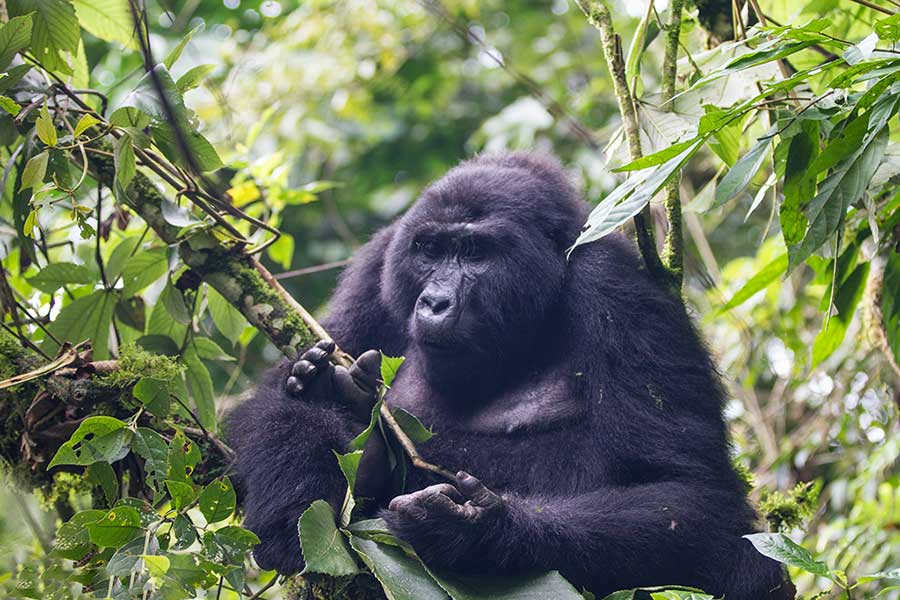
Proper planning and booking are essential to meet the Fitness Requirements for Gorilla Habituation safely and effectively. NextGEN Safaris provides guidance on suitable habituation sectors, trekking durations, and physical demands based on your fitness level.
We arrange habituation permits, transportation, accommodations near Bwindi or Mgahinga, and experienced guides who adjust pacing according to individual abilities. Our team advises on equipment, clothing, and hydration to help visitors meet the Fitness Requirements for Gorilla Habituation comfortably.
Booking through NextGEN Safaris ensures that your trip is tailored to your fitness level, allowing you to experience gorilla family behavior safely, capture memorable photographs, and enjoy the rainforest environment fully. Professional support mitigates physical challenges while maximizing the educational and immersive value of habituation experiences.
Contact NextGEN Safaris today to plan your personalized gorilla habituation safari, ensuring that the Fitness Requirements for Gorilla Habituation are fully met and that your trek is safe, comfortable, and unforgettable.