

The Fascinating Truth About How Gorillas React to Humans in Bwindi: A Complete Guide to Mountain Gorilla Encounters
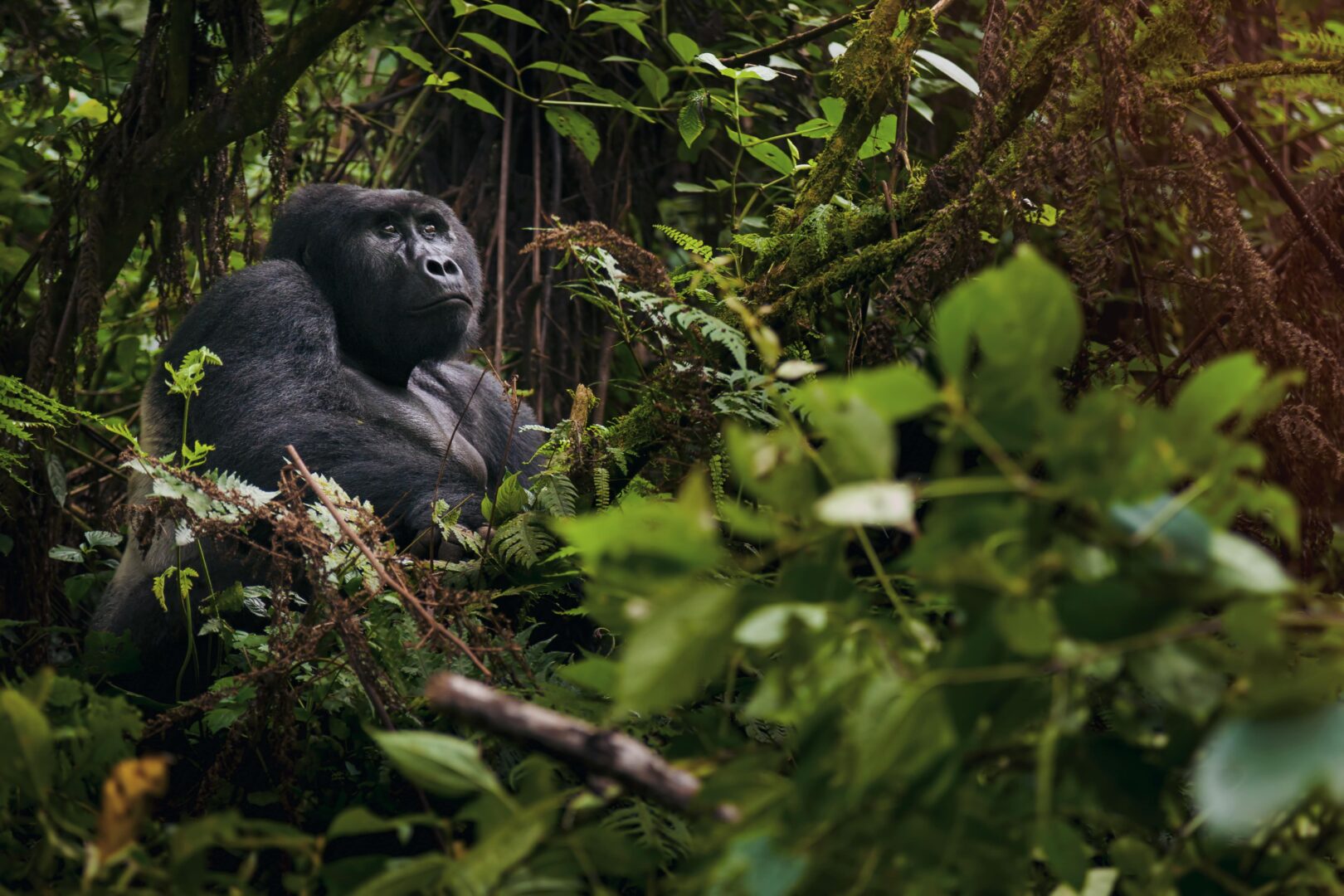
How Gorillas React to Humans in Bwindi is one of the most fascinating aspects of mountain gorilla trekking and habituation experiences in Uganda. Many travelers planning a visit to Bwindi Impenetrable National Park wonder what happens when they enter the rainforest and come face-to-face with these incredible primates. Do gorillas become aggressive? Are they afraid? Do they recognize humans? How do they behave during a close encounter?
The answer lies in understanding the unique relationship between mountain gorillas and the humans who study and protect them. Mountain gorillas are naturally wild animals with complex social behaviors, emotions, and communication systems. Their reactions to humans depend on several factors, including their level of habituation, previous experiences with researchers and visitors, the behavior of the people around them, and the situation taking place during the encounter.
In Bwindi Impenetrable National Park, gorillas have been carefully habituated over many years to allow responsible tourism and scientific research. This means they have gradually learned that humans do not represent a threat when visitors follow strict guidelines. However, habituated gorillas are not domesticated animals. They remain wild, independent, and capable of making their own decisions during every encounter.
Understanding How Gorillas React to Humans in Bwindi helps travelers appreciate that gorilla trekking is not about entering the gorillas’ world and controlling the experience. Instead, it is about respectfully observing their natural behaviors while allowing them to decide how they respond.
A gorilla may continue feeding peacefully, move closer out of curiosity, observe visitors carefully, communicate with family members, or simply ignore humans completely. Every encounter is unique because every gorilla has an individual personality and different comfort levels.
The Habituation Process and Why Gorillas Accept Human Presence
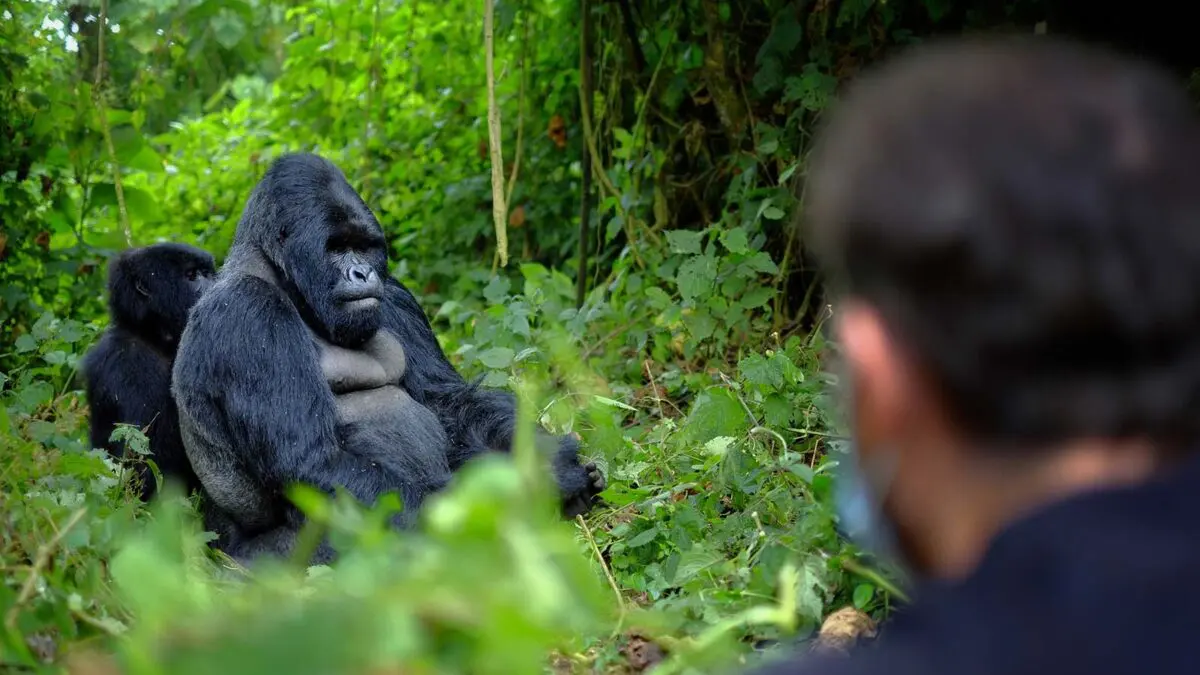
To understand How Gorillas React to Humans in Bwindi, it is important to first understand the habituation process.
Gorilla habituation is a gradual conservation process where wild mountain gorillas become familiar with the presence of humans over time. Researchers, conservation teams, and trackers spend years carefully observing gorilla families while allowing them to slowly become comfortable with human presence.
The process does not involve training gorillas, feeding them, or changing their natural behavior. Instead, it allows gorillas to understand that certain humans, such as researchers and controlled groups of visitors, are not a danger.
How Gorillas React to Humans in Bwindi, experts carefully monitor how gorillas respond. They study their movements, feeding patterns, communication, social relationships, and emotional responses to ensure that human presence does not negatively affect their natural lifestyle.
Because of this careful process, many gorilla families in Bwindi can tolerate visitors while continuing their normal activities. However, their reactions remain natural, and visitors must always respect their space.
Do Gorillas Fear Humans in Bwindi?
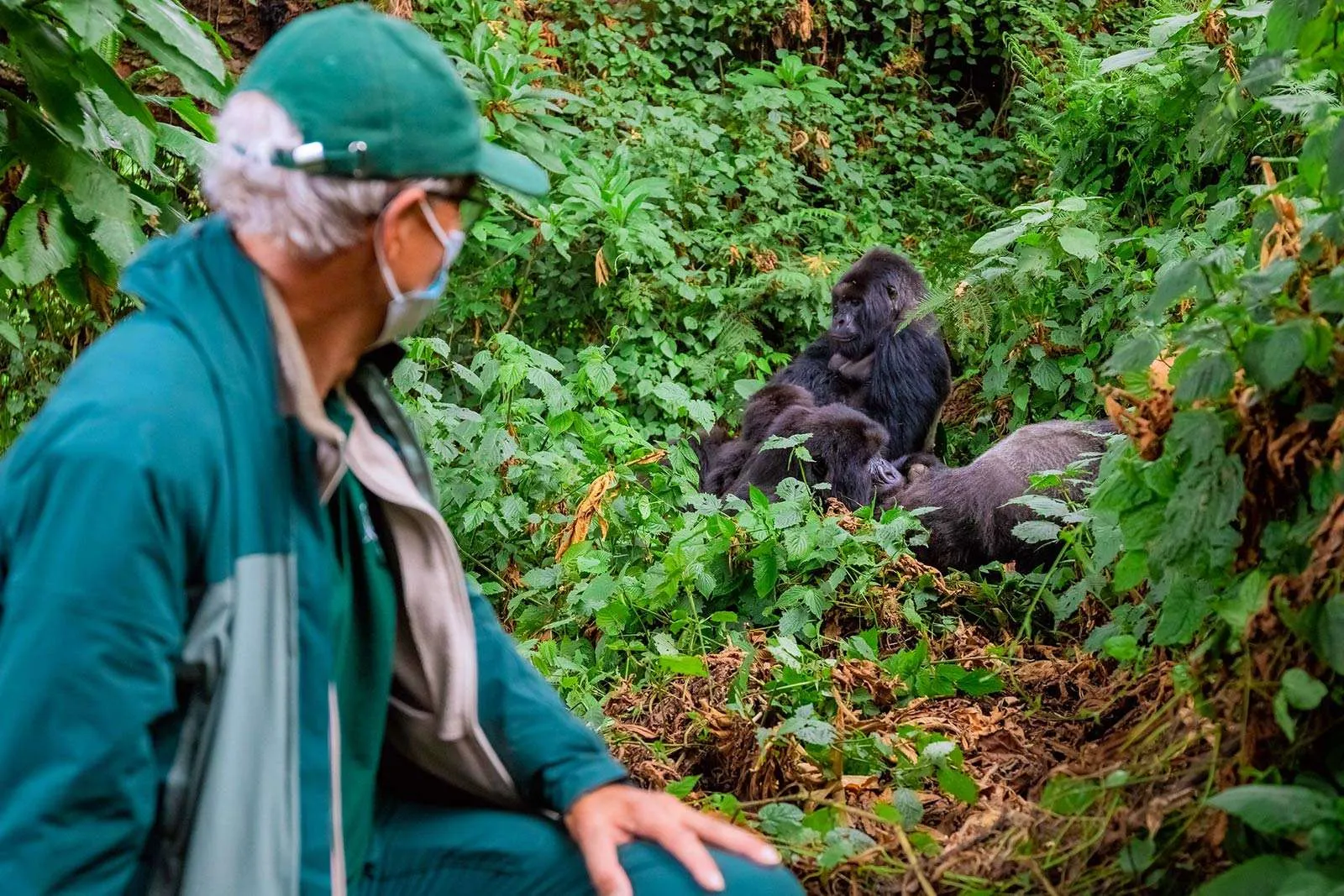
A common question among travelers is whether mountain gorillas are afraid of humans.
When discussing How Gorillas React to Humans in Bwindi, it is important to understand that gorillas are naturally cautious animals. Before habituation, wild gorillas usually avoid human contact because humans may be perceived as potential threats.
However, habituated gorillas have learned through repeated peaceful encounters that researchers and visitors following park guidelines are not harmful.
This does not mean gorillas become friendly like domestic animals. They do not seek human interaction, and they do not depend on humans for survival. Instead, they simply become comfortable enough to continue their daily activities while humans observe from a respectful distance.
During a trekking experience, visitors may notice that gorillas often remain calm because they recognize that the trackers and guides accompanying tourists are familiar figures.
How Gorillas React When They First See Humans

One of the most exciting moments during gorilla trekking is the first encounter between visitors and a gorilla family.
Understanding How Gorillas React to Humans in Bwindi during this first meeting requires recognizing that every gorilla has a different personality.
Some gorillas may briefly look at visitors before continuing with their activities. Others may show curiosity by watching humans closely or moving slightly closer to observe them.
A silverback may carefully monitor the group, positioning himself in a way that allows him to protect his family. Mothers may remain focused on their infants, while juveniles may display curiosity through playful movements.
These reactions are normal and show that gorillas are aware of their surroundings. They are constantly evaluating situations and responding according to their instincts.
The calm behavior of many habituated gorillas results from years of careful conservation work that allows safe observation without interfering with their natural lives.
How Silverback Gorillas React to Humans
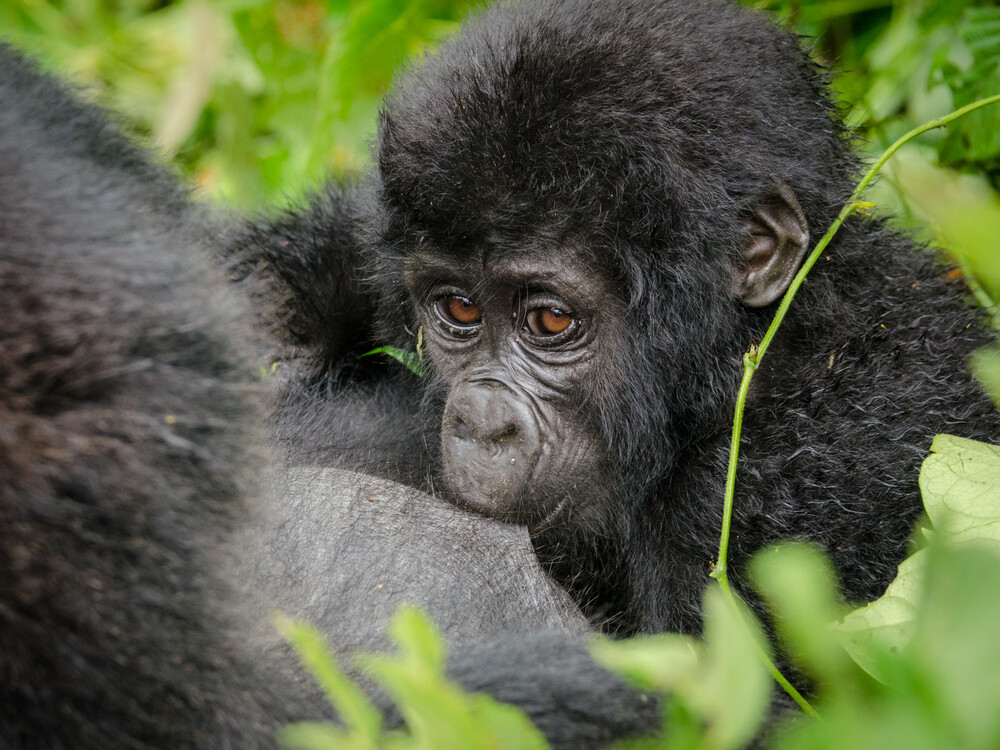
The silverback is often the most impressive individual visitors encounter during a gorilla experience.
When exploring How Gorillas React to Humans in Bwindi, the behavior of the silverback is especially important because he is responsible for protecting and leading the family.
A silverback may respond to humans by observing them carefully, displaying confidence, remaining close to family members, or using body language to communicate his awareness.
Visitors may witness behaviors such as:
A silverback sitting calmly while watching visitors.
A silverback positioning himself between humans and other gorillas.
A silverback making vocal sounds to communicate with family members.
A silverback moving the group away when he feels uncomfortable.
These behaviors should not be interpreted as aggression. They are natural protective behaviors that demonstrate the silverback’s leadership role.
Professional guides help visitors understand these actions and explain how silverbacks maintain safety and order within their families.
How Female Gorillas React to Humans
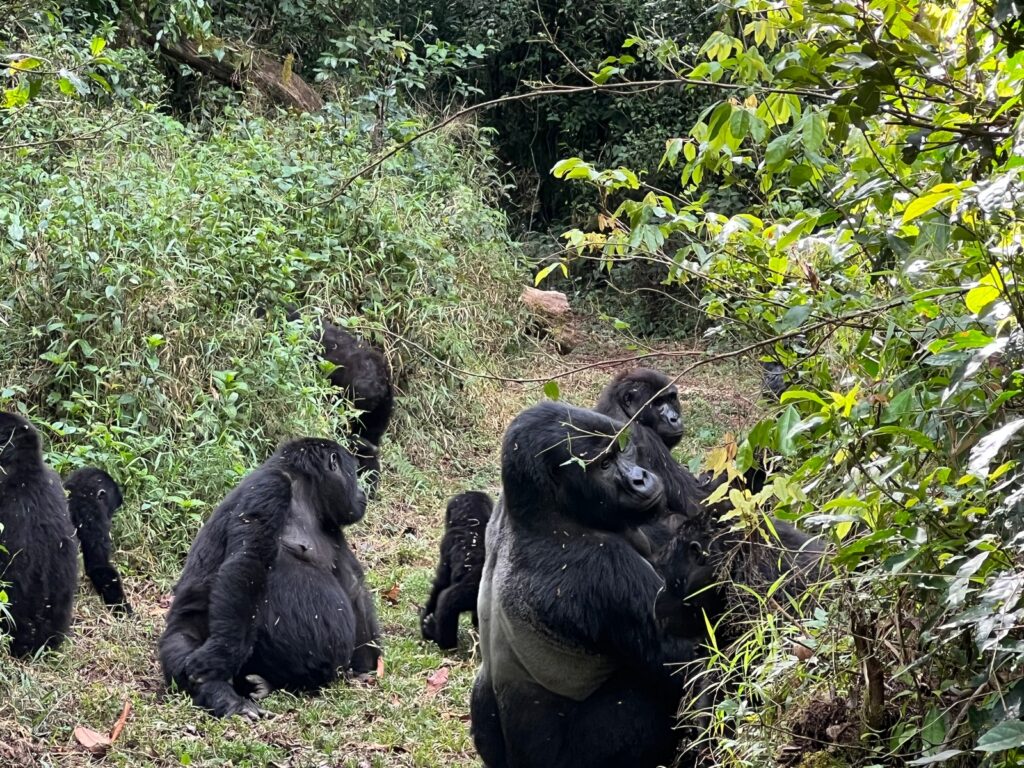
Female gorillas often have different reactions compared to silverbacks because their main responsibility is caring for their young.
During encounters, females may continue feeding, resting, or grooming while occasionally observing visitors.
Mothers with infants are especially careful and may keep their babies close while monitoring the surroundings.
Understanding How Gorillas React to Humans in Bwindi includes appreciating that female gorillas prioritize family protection and infant care.
Visitors may observe mothers carrying babies, grooming them, allowing them to explore, or gently guiding them through the forest.
These moments reveal the strong emotional bonds within gorilla families.
How Young Gorillas React to Humans

Young gorillas are often the most curious members of the family.
During a How Gorillas React to Humans in Bwindi, juveniles may watch visitors, play near family members, climb vegetation, or engage in playful activities.
Their curiosity is a natural part of development as they learn about their environment.
However, even when young gorillas appear interested in humans, visitors must remain calm and avoid encouraging interaction.
The goal of gorilla tourism is observation, not contact. Allowing gorillas to maintain their natural behavior is essential for their long-term protection.
Gorilla Curiosity Toward Humans During Encounters
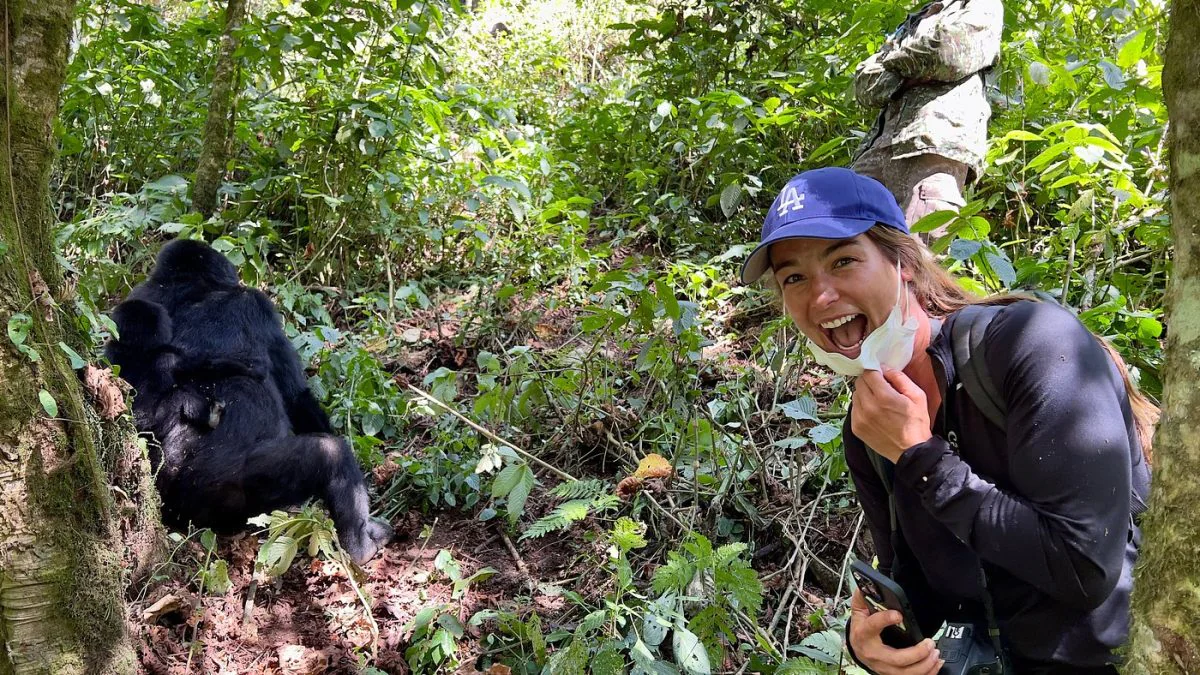
One of the most memorable experiences during gorilla trekking is when a gorilla appears curious about visitors.
How Gorillas React to Humans in Bwindi can sometimes include moments where gorillas look directly at people, move closer, or spend time observing the group.
This curiosity does not mean the gorilla wants to interact like a domestic animal. Instead, it reflects their intelligence and awareness of their environment.
Gorillas are highly observant creatures. They notice movements, sounds, and changes around them. When they encounter visitors, they may simply be gathering information before returning to their normal activities.
These moments create powerful memories because travelers feel connected with one of the world’s most intelligent wildlife species.
How Gorillas Communicate During Human Encounters
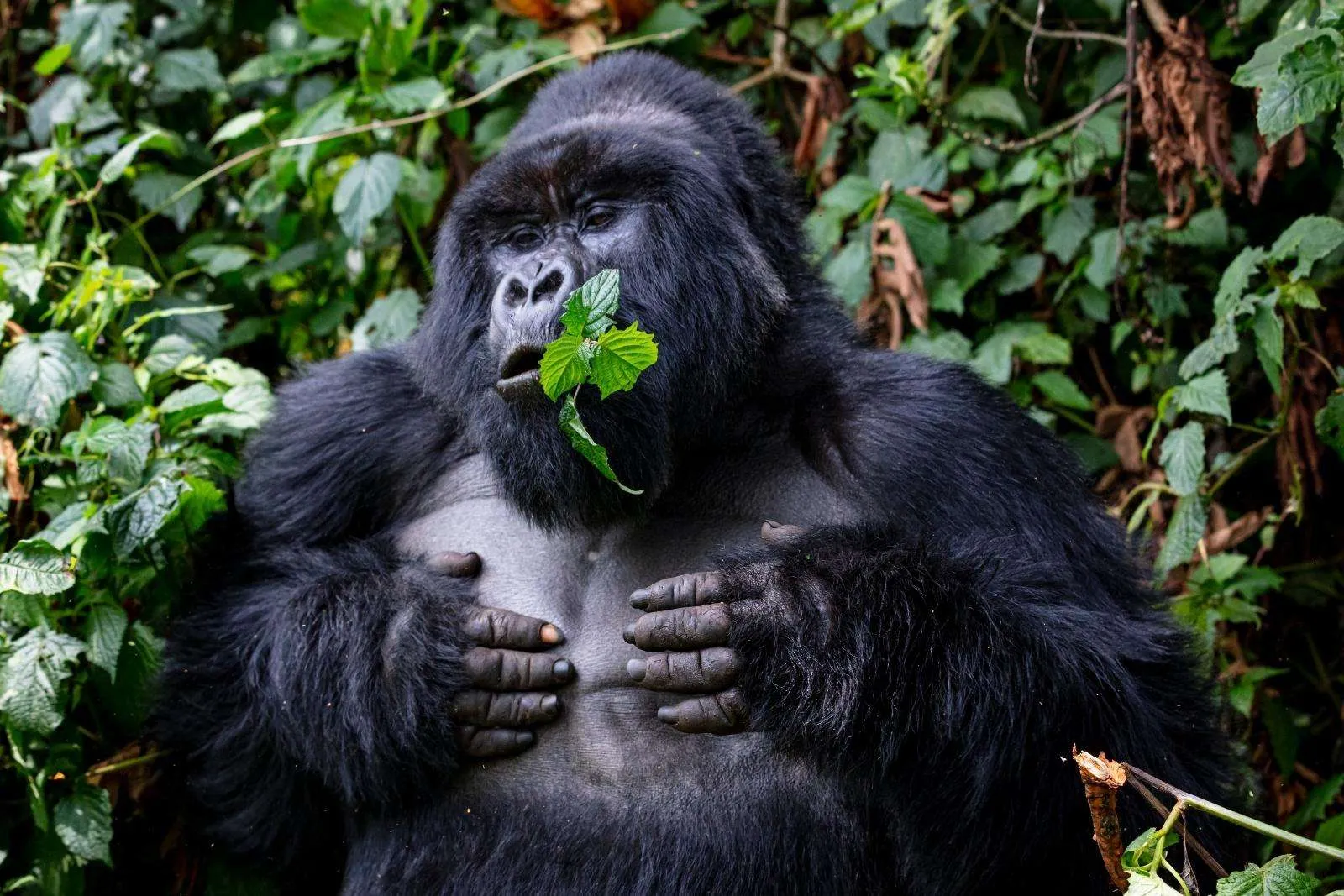
Communication plays an important role in understanding How Gorillas React to Humans in Bwindi.
Gorillas communicate using sounds, body movements, facial expressions, and physical interactions.
During encounters, visitors may observe:
Soft vocal sounds between family members.
Body movements showing comfort or alertness.
Chest beating displays by silverbacks.
Grooming behaviors that maintain relationships.
Movement patterns that communicate group decisions.
Guides interpret these behaviors and help visitors understand what gorillas are expressing during the encounter.
This makes the experience more meaningful because travelers learn that gorillas are constantly communicating even when they appear quiet.
Why Gorillas Usually Ignore Humans During Trekking
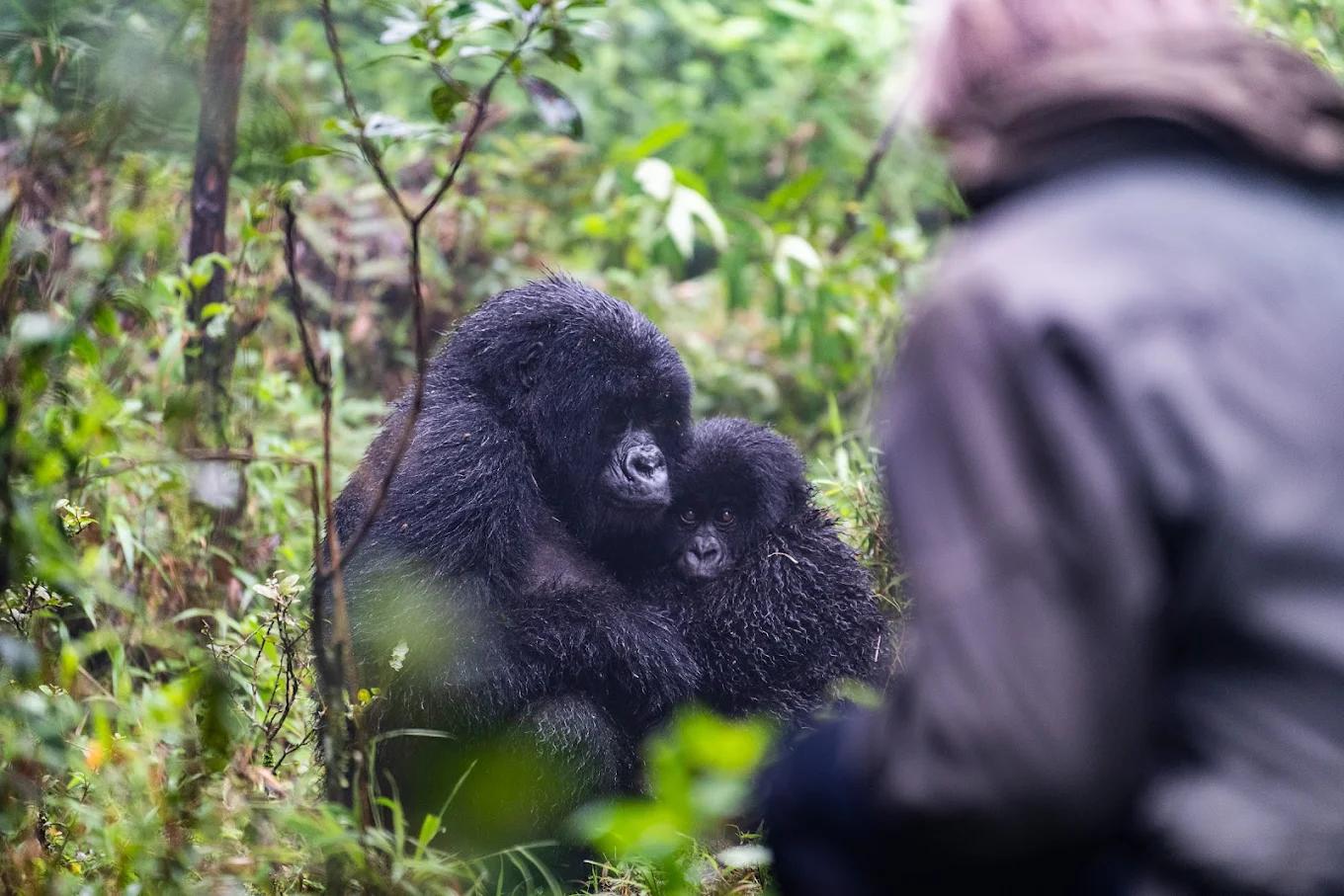
Many visitors are surprised when gorillas simply continue their daily activities without paying much attention to humans.
This is actually a positive sign.
When understanding How Gorillas React to Humans in Bwindi, ignoring humans often indicates that gorillas are comfortable and relaxed.
A gorilla that continues feeding, resting, or grooming is showing that it does not consider visitors a threat.
This natural behavior is the result of successful habituation and responsible tourism practices.
The best encounters are not necessarily the most dramatic ones. Sometimes the most meaningful moments are watching gorillas peacefully living their normal lives.
How Human Behavior Influences Gorilla Reactions
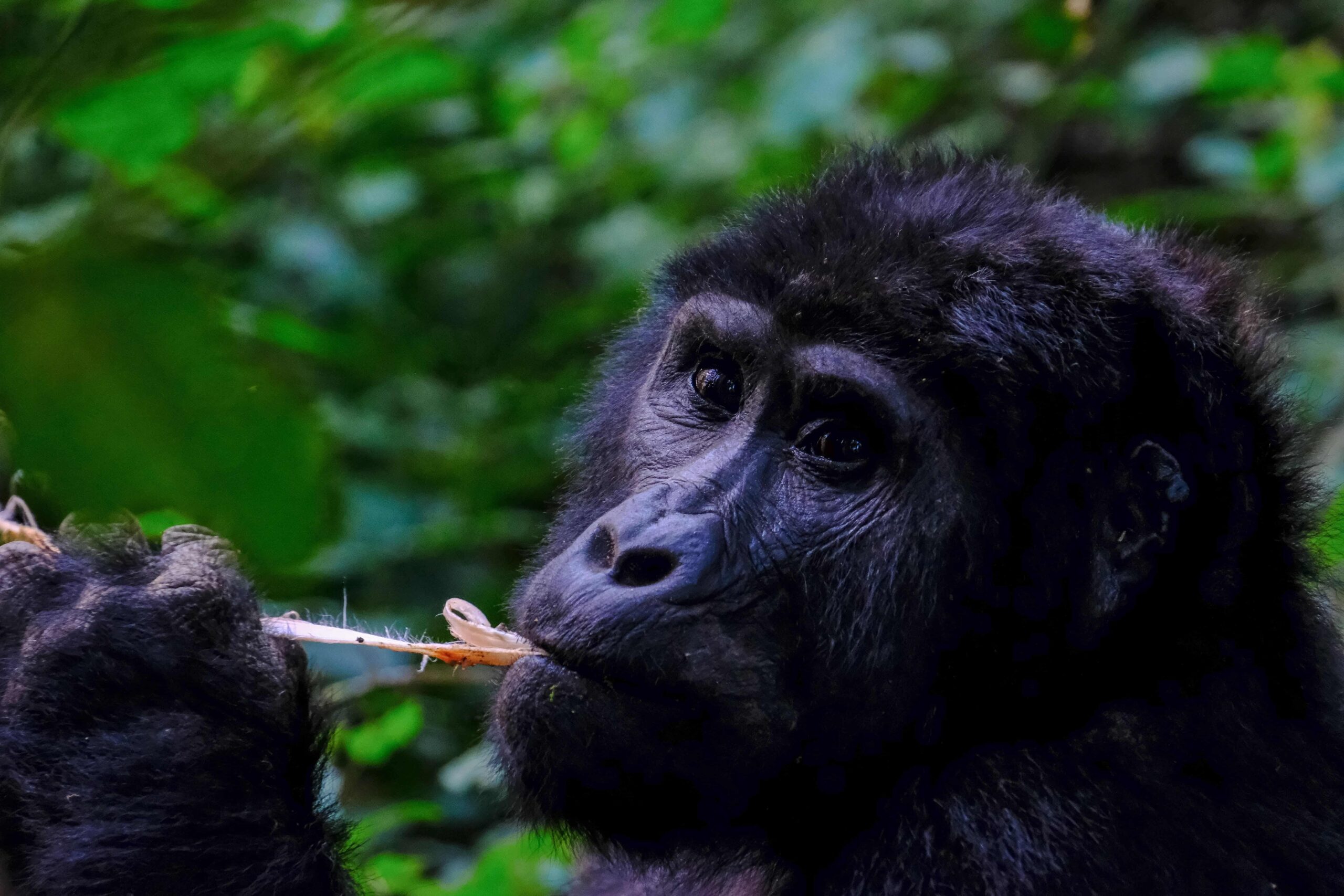
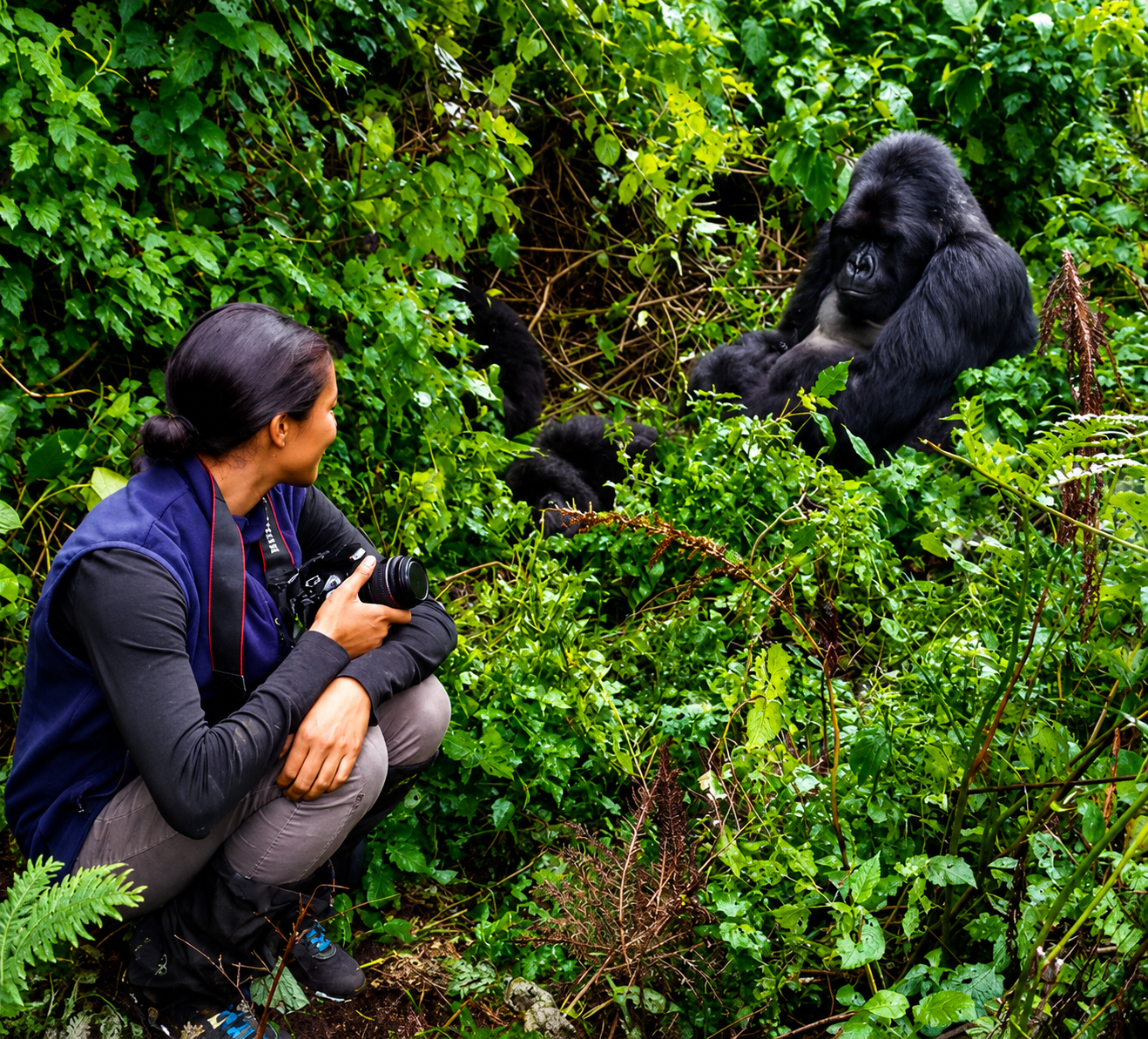
The way visitors behave has a direct impact on How Gorillas React to Humans in Bwindi.
Gorillas respond better when humans remain calm, respectful, and predictable.
Visitors are required to follow important guidelines, including maintaining distance, avoiding sudden movements, speaking quietly, and following instructions from guides.
These rules protect both humans and gorillas while ensuring the animals remain comfortable during encounters.
Responsible behavior allows future generations of travelers to continue experiencing these incredible wildlife moments.
Gorilla Encounters During Habituation vs Regular Trekking
Gorilla habituation experiences provide a deeper understanding of How Gorillas React to Humans in Bwindi because visitors spend more time observing semi-habituated families.
During habituation, gorillas may display more natural behaviors because they are still becoming familiar with human presence.
Regular trekking involves fully habituated gorillas that are more accustomed to visitors.
Both experiences provide unforgettable encounters, but habituation offers additional opportunities to observe how gorillas respond, communicate, and adapt during the conservation process.
Frequently Asked Questions About How Gorillas React to Humans in Bwindi
1. How do gorillas react to humans in Bwindi?
How Gorillas React to Humans in Bwindi depends on several factors, including their level of habituation, individual personality, and the behavior of visitors during the encounter.
Most habituated mountain gorillas in Bwindi react calmly because they have gradually become familiar with the presence of researchers, trackers, and controlled groups of tourists. They may continue feeding, resting, grooming, or moving through the forest without showing much interest in humans.
Some gorillas may observe visitors with curiosity, while others may briefly approach, look at the group, and then return to their normal activities. These reactions are natural and demonstrate that gorillas are intelligent animals capable of understanding their surroundings.
2. Are gorillas aggressive toward humans in Bwindi?
Gorillas are generally not aggressive toward humans when visitors follow the rules and are accompanied by trained guides.
Understanding How Gorillas React to Humans in Bwindi requires recognizing that mountain gorillas are peaceful animals that prefer avoiding conflict. Most encounters involve calm observation, with gorillas continuing their daily activities while visitors watch from a respectful distance.
Aggressive displays are extremely rare and are usually related to situations where a gorilla feels threatened, surprised, or uncomfortable. Professional guides understand gorilla behavior and help ensure safe interactions.
3. Do gorillas recognize humans during trekking in Bwindi?
Among How Gorillas React to Humans in Bwindi Habituated gorillas recognize that humans are present in their environment, especially the trackers and guides who regularly monitor them.
However, they do not recognize humans in the same way domestic animals recognize owners. Instead, they become familiar with human presence and understand that visitors following conservation guidelines are not a threat.
This familiarity is created through years of careful habituation that allows gorillas to tolerate observation while maintaining their natural behaviors.
4. Why do gorillas allow humans to get close during trekking?
Gorillas allow close observation because they have undergone a gradual habituation process.
When exploring How Gorillas React to Humans in Bwindi, it is important to understand that these gorillas have not been tamed. They remain wild animals that have learned to tolerate human presence.
The controlled approach used during trekking ensures that visitors observe gorillas without disturbing their normal activities. The calm behavior of gorillas is a result of years of conservation work and careful monitoring.
5. What happens when a gorilla approaches a human?
If a gorilla approaches a visitor, the correct response is to remain calm and follow the instructions of the guide.
A gorilla moving closer does not necessarily mean it wants interaction. It may simply be curious, passing through the area, or choosing a resting or feeding location nearby.
Guides help visitors understand How Gorillas React to Humans in Bwindi and ensure that the encounter remains safe for both humans and gorillas.
Visitors should avoid sudden movements, touching the gorilla, or attempting to move closer.
6. How does a silverback gorilla react to humans?
A silverback usually responds to humans by carefully observing them and monitoring the safety of his family.
During a gorilla encounter, the silverback may sit calmly, continue feeding, watch visitors, or position himself between humans and other members of the group.
These behaviors are part of his natural leadership role. The silverback is responsible for protecting the family, so his awareness of visitors is an important part of How Gorillas React to Humans in Bwindi.
7. Do baby gorillas behave differently around humans?
Yes, baby gorillas and young gorillas often show more curiosity compared to adults.
They may look at visitors, play near family members, climb vegetation, or explore their surroundings. However, their mothers and other adults continue to protect them throughout the encounter.
Understanding How Gorillas React to Humans in Bwindi includes appreciating the strong family relationships that influence how young gorillas respond to new situations.
8. Do gorillas attack humans during trekking?
Gorilla attacks on visitors are extremely uncommon, especially during properly managed trekking experiences.
The trekking process is carefully controlled by trained guides and trackers who understand gorilla behavior and know how to respond to different situations.
Visitors are briefed before entering the forest and must follow safety guidelines, including maintaining distance and avoiding actions that may make gorillas uncomfortable.
9. Why do some gorillas ignore humans during encounters?
How Gorillas React to Humans in Bwindi also includes when gorillas ignore visitors, it is usually a sign that they are comfortable.
A gorilla continuing to feed, rest, groom, or move through the forest shows that it does not consider humans a danger.
This is one of the most important lessons when learning How Gorillas React to Humans in Bwindi because the goal of conservation tourism is not to make gorillas perform for visitors but to allow them to live naturally.
10. Can gorillas become friendly with humans?
Gorillas do not become friendly in the same way domestic animals do.
Although habituated gorillas may tolerate human presence and appear comfortable around visitors, they remain wild animals with their own instincts and behaviors.
The relationship between humans and gorillas is based on respect, trust, and careful observation rather than friendship or direct interaction.
11. How do gorillas communicate when humans are nearby?
Gorillas communicate through vocal sounds, body language, facial expressions, and physical contact.
During encounters, visitors may observe soft vocalizations, chest beating by silverbacks, grooming behaviors, and movements that communicate comfort or alertness.
These behaviors provide important insights into How Gorillas React to Humans in Bwindi because communication helps gorillas manage their response to visitors and maintain their family relationships.
12. Do semi-habituated gorillas react differently to humans?
Yes, semi-habituated gorillas may react differently because they are still becoming comfortable with human presence.
They may show more curiosity, caution, or natural behaviors compared to fully habituated gorilla groups.
This makes gorilla habituation experiences especially valuable because visitors can observe how gorillas gradually adapt while still maintaining their wild characteristics.
13. What should visitors do when meeting gorillas in Bwindi?
Visitors should remain calm, quiet, and respectful during gorilla encounters.
Important behaviors include listening to the guide, maintaining the recommended distance, avoiding sudden movements, and allowing gorillas to move freely.
Responsible visitor behavior plays an important role in ensuring positive interactions and protecting the future of mountain gorilla tourism.
14. Why do gorillas stare at humans during trekking?
Gorillas may stare at humans because they are observing and understanding their surroundings.
A gorilla looking directly at visitors is not necessarily showing aggression. It may simply be curious or checking the activity around it.
These moments are often among the most memorable because they create a powerful connection between travelers and mountain gorillas.
15. How long does it take for gorillas to become comfortable with humans?
The habituation process can take several years.
Researchers gradually introduce human presence while monitoring gorilla reactions and ensuring that the animals continue their normal behaviors.
This slow approach is necessary because the goal is not to change gorillas but to allow safe observation while protecting their natural lifestyle.
16. Are gorillas more likely to approach humans during habituation?
Semi-habituated gorillas may sometimes approach humans out of curiosity, but every encounter is different.
Some individuals may come closer, while others may maintain distance and continue their activities.
The unpredictable nature of these encounters is what makes gorilla habituation such a unique wildlife experience.
17. How do guides control human-gorilla interactions in Bwindi?
Guides play a critical role in managing encounters between humans and gorillas to How Gorillas React to Humans in Bwindi .
They monitor gorilla behavior, advise visitors on proper conduct, interpret animal movements, and ensure conservation rules are followed.
Their expertise helps visitors understand How Gorillas React to Humans in Bwindi while maintaining the safety and comfort of both gorillas and travelers.
18. Can photographers get close to gorillas in Bwindi?
Photographers can capture incredible images during gorilla trekking and habituation experiences, but they must follow strict guidelines.
Photography should always be respectful, without flash, sudden movements, or attempts to approach gorillas.
The best photographs come from patience and allowing gorillas to behave naturally.
19. Does human presence change gorilla behavior?
Responsible gorilla tourism is designed to minimize changes to natural gorilla behavior to show How Gorillas React to Humans in Bwindi.
The habituation process carefully monitors gorilla reactions to ensure that human presence does not negatively affect feeding, movement, social relationships, or family structures.
This is why strict visitor rules are followed during every encounter.
20. How can I experience how gorillas react to humans in Bwindi?
Travelers can experience How Gorillas React to Humans in Bwindi by booking a professionally organized gorilla trekking or habituation safari with an experienced Uganda safari company such as NextGEN Safaris.
A well-planned experience includes securing gorilla permits, arranging accommodation near Bwindi, providing professional guides, and creating a comfortable itinerary suited to your interests.
With expert guidance, visitors can safely enter the rainforest, observe mountain gorillas respectfully, and gain a deeper understanding of their behavior, communication, and remarkable family connections.
Booking Your Gorilla Experience With NextGEN Safaris
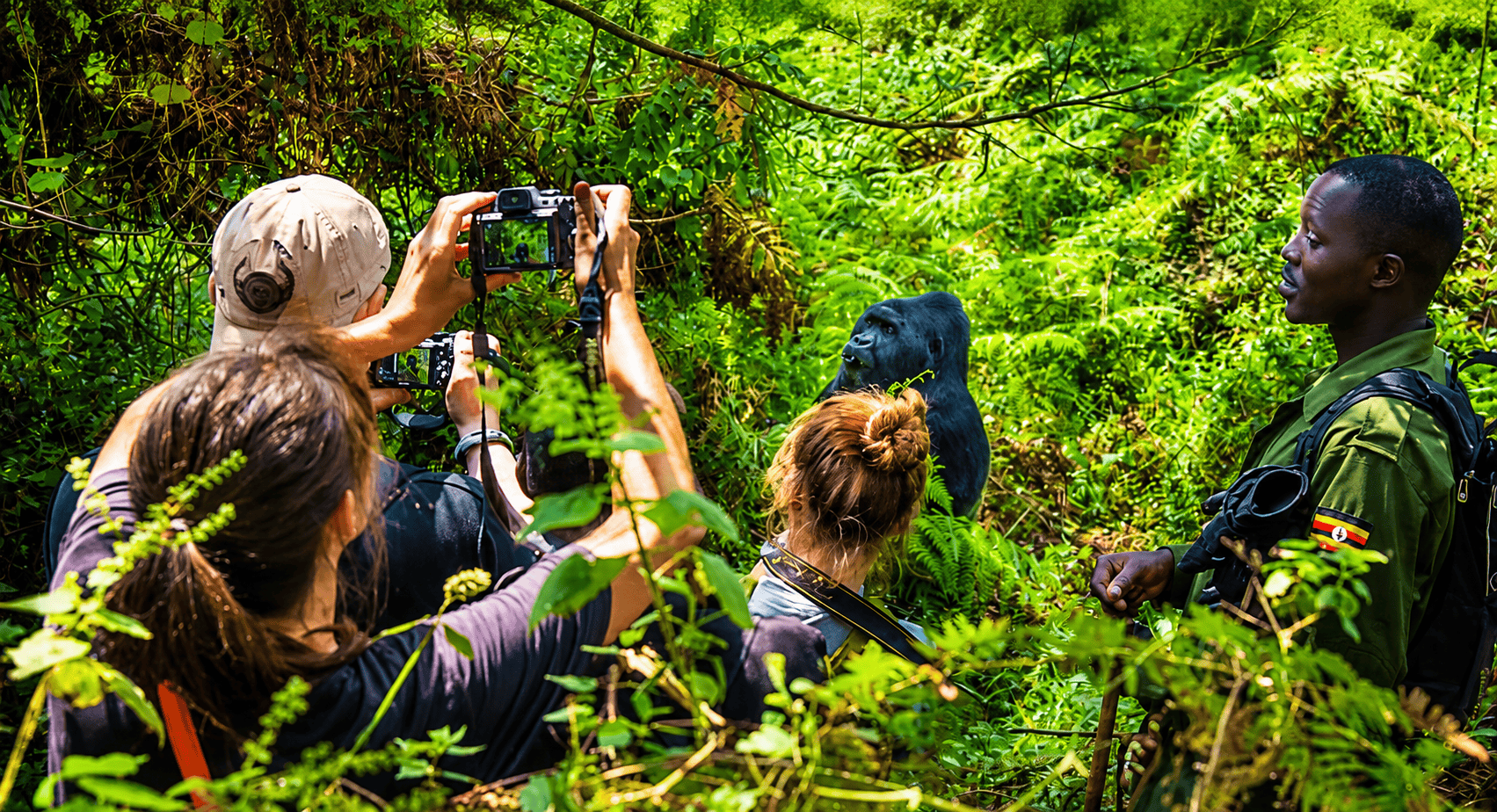
Experiencing How Gorillas React to Humans in Bwindi requires proper planning, expert guidance, and reliable arrangements.
At NextGEN Safaris, we specialize in creating unforgettable Uganda gorilla experiences that allow travelers to connect with mountain gorillas responsibly and respectfully.
Our team helps organize every important part of your journey, including gorilla permits, accommodation, transportation, professional guides, and customized safari itineraries.
We understand that every traveler wants more than just seeing gorillas. They want to understand their behavior, appreciate their social relationships, and experience a meaningful connection with nature.
Our experienced local guides provide detailed explanations about gorilla behavior, communication, family structures, and conservation efforts throughout your journey.
Whether you are interested in regular gorilla trekking or a more immersive gorilla habituation experience, NextGEN Safaris ensures your adventure is professionally planned from start to finish.
We design personalized Uganda safari packages for couples, families, photographers, and wildlife enthusiasts who want to discover the incredible world of mountain gorillas.
Your journey into Bwindi’s rainforest is more than a wildlife encounter. It is an opportunity to witness intelligence, emotion, and family bonds in one of Africa’s most extraordinary ecosystems.
Book your Bwindi gorilla adventure with NextGEN Safaris today and discover the fascinating truth about How Gorillas React to Humans in Bwindi.