

The Ultimate Guide to Gorilla Family Structure Explained: Understanding Mountain Gorillas in Uganda
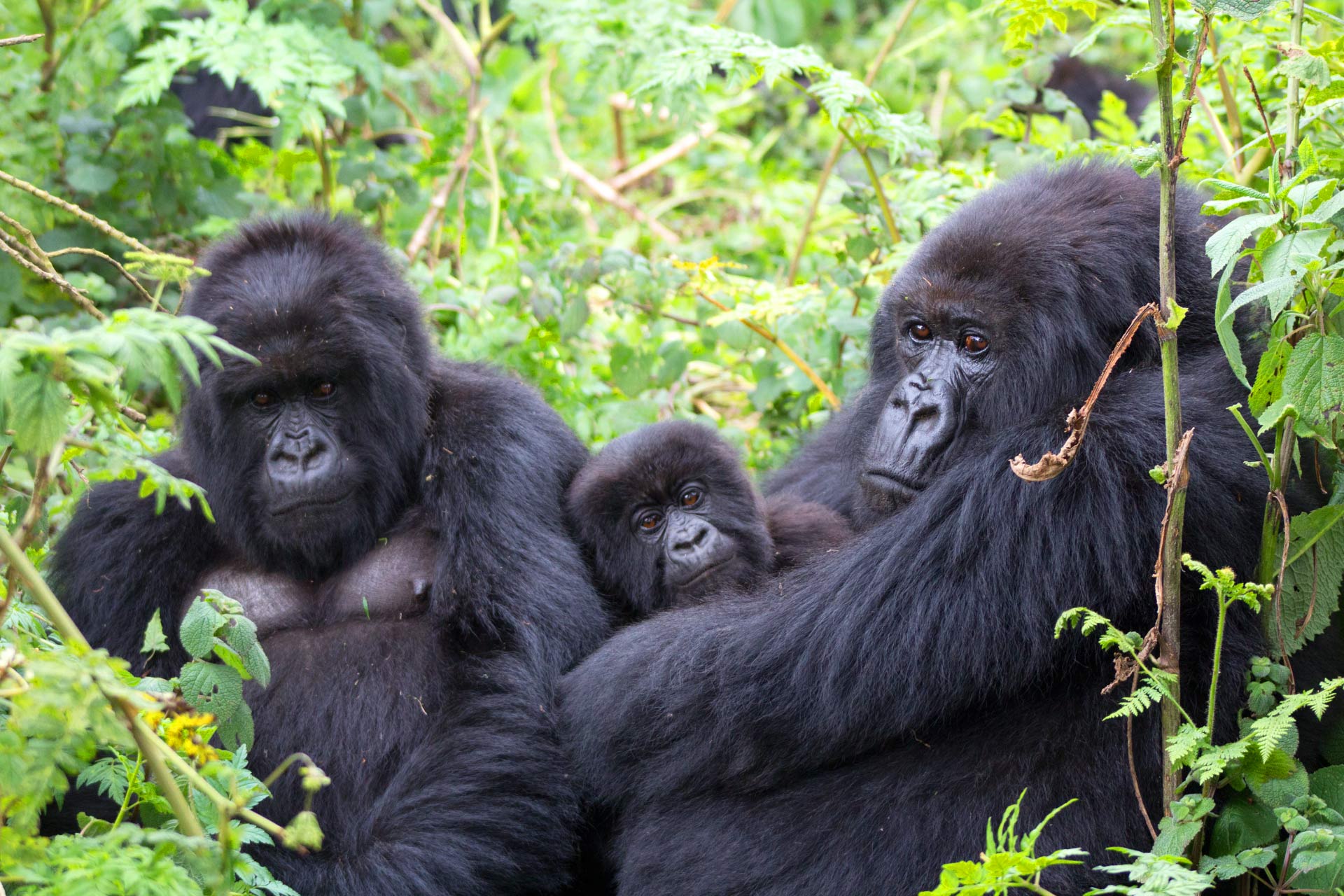
Gorilla Family Structure Explained is an essential topic for anyone interested in mountain gorilla behavior, conservation, and trekking in Uganda. Mountain gorillas are highly social animals that live in family units with complex hierarchies and defined roles. Each family provides an exceptional opportunity to study social bonds, parenting behavior, communication, and leadership dynamics.
Understanding Gorilla Family Structure Explained allows travelers to appreciate the intelligence, emotional depth, and interactions within these primate communities. Unlike many wildlife encounters, observing gorilla families in Uganda’s Bwindi Impenetrable National Park or Mgahinga Gorilla National Park offers a close-up view of social relationships that are vital to the survival of the species. Every member, from the dominant silverback to infants, plays a critical role in maintaining stability, cooperation, and cohesion within the group.
The Dominant Silverback: Leader and Protector
At the heart of every gorilla family is the silverback, whose role is central to Gorilla Family Structure Explained. The silverback is a mature male gorilla distinguished by the silver hair along his back and shoulders. He is responsible for making decisions regarding movement, feeding, protection, and family interactions.
The silverback’s authority is absolute; his actions dictate the group’s daily routines and safety. A calm and confident silverback ensures that females, juveniles, and infants feel secure, allowing them to engage in natural behaviors like feeding, grooming, playing, and exploring. Observing the silverback provides travelers with valuable insight into how gorilla leadership functions in the wild and highlights the importance of strong, responsible leaders within the family unit.
Understanding Gorilla Family Structure Explained emphasizes that the silverback is not only a protector but also a teacher, role model, and mediator, maintaining harmony among group members and responding to environmental challenges or threats.
Females and Parenting Dynamics
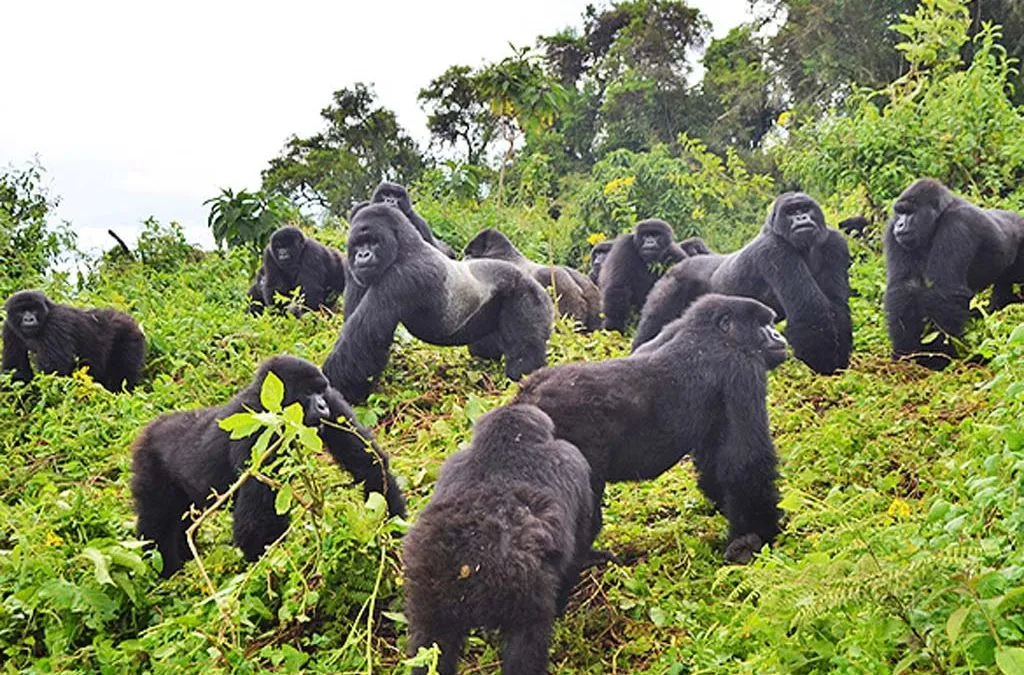
Females form the core of gorilla family stability. In Gorilla Family Structure Explained, females are primarily responsible for nurturing and raising infants. They form strong bonds with their young, guiding them through learning essential survival skills such as foraging, climbing, and social interaction.
Females also play a key role in maintaining social cohesion within the group. Through grooming and gentle interactions, they strengthen relationships among family members and help mediate minor conflicts. Their behavior directly influences the growth, development, and social education of juveniles, ensuring the long-term success of the family.
Visitors observing gorilla families gain a deep appreciation for the patience, care, and intelligence demonstrated by females in shaping the next generation. The role of mothers and other adult females is integral to understanding Gorilla Family Structure Explained, as it illustrates how emotional bonds and social responsibilities are shared within the group.
Juveniles and Infants: Learning Through Play
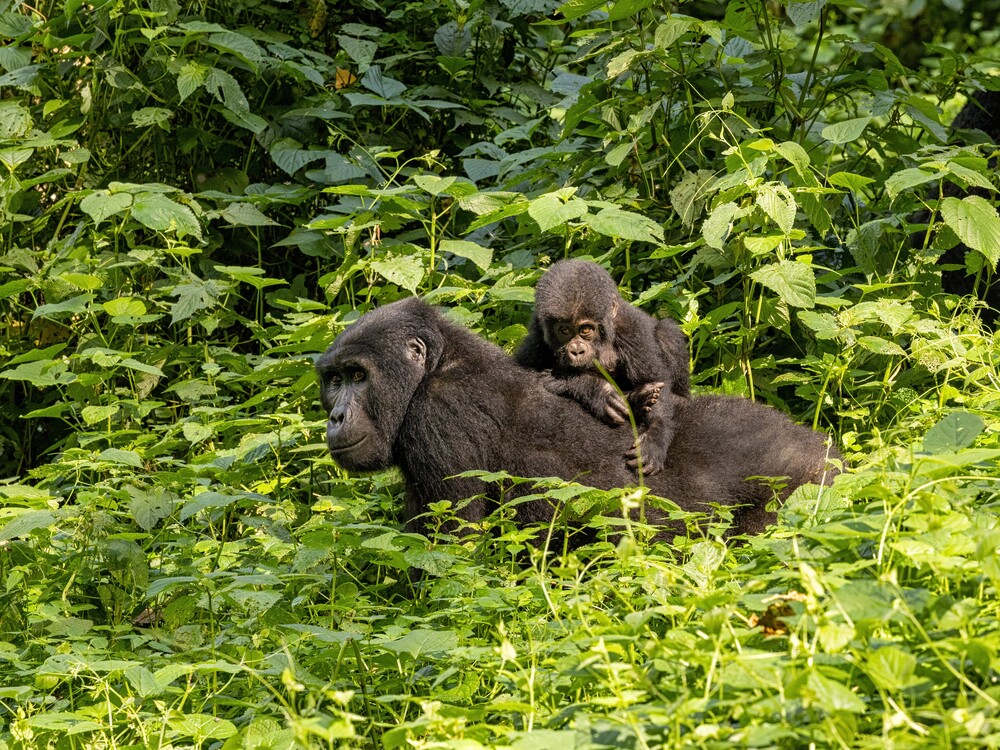
Juveniles and infants are the lifeblood of gorilla family continuity. Studying Gorilla Family Structure Explained reveals that play is a crucial tool for social learning, motor skill development, and communication.
Young gorillas often engage in playful wrestling, chasing, and exploration under the supervision of adults. These interactions teach them how to navigate social hierarchies, interact with siblings and peers, and understand the limits set by the silverback. Infants learn from their mothers and older juveniles, gradually gaining independence while remaining protected within the family unit.
Extended observation during gorilla habituation or trekking experiences allows travelers to see how young gorillas develop physically, socially, and emotionally within a structured, cohesive family group. This stage of life is a critical component of Gorilla Family Structure Explained, demonstrating the importance of family education and mentoring in primate societies.
Communication and Social Bonds
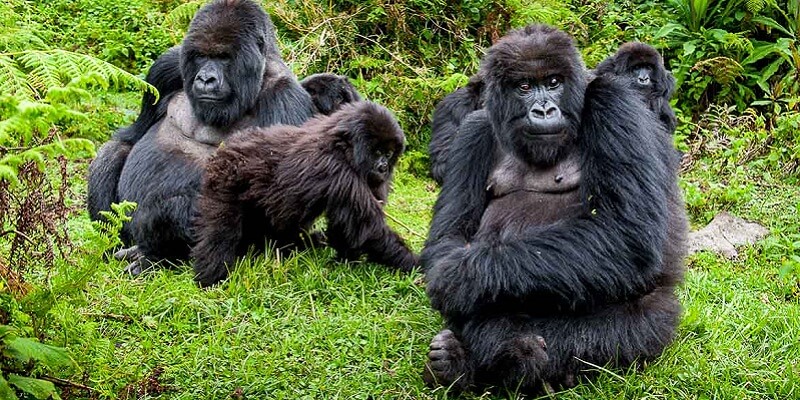
Communication is one of the most fascinating and vital components of Gorilla Family Structure Explained, forming the backbone of how gorilla families maintain harmony, ensure safety, and preserve cohesion within their social groups. Mountain gorillas rely on a complex and nuanced combination of vocalizations, facial expressions, body postures, gestures, and physical contact to convey messages to one another. These communication methods are critical not only for everyday coordination, such as finding food or moving through the forest, but also for resolving conflicts, reinforcing social hierarchies, and protecting vulnerable members such as infants and juveniles.
In every gorilla family, the dominant silverback serves as the primary communicator and authority figure. Through deep, resonant vocalizations, chest-beating displays, and deliberate postures, the silverback asserts control over the group, signals potential threats, and orchestrates the family’s movement through the dense rainforest. The silverback’s communication is precise and purposeful, ensuring that every member of the family understands his intentions and remains coordinated during both peaceful and alert situations.
Females and juveniles also contribute significantly to communication, though their methods tend to be gentler. Mothers use soft vocalizations, nurturing touches, and grooming rituals to soothe infants and reinforce family bonds. Juveniles engage in playful interactions such as chasing, mock wrestling, and wrestling with peers. These playful gestures are far more than recreation; they are critical for learning social cues, understanding hierarchies, and developing coordination and emotional intelligence. Through these interactions, young gorillas internalize behaviors that will shape their roles in adulthood, helping maintain the structure and stability of the family as a whole.
Studying Gorilla Family Structure Explained in the wild provides travelers with extraordinary opportunities to witness these interactions firsthand. Observers can see subtle communication cues, such as a mother nudging her infant, a juvenile signaling submission to a dominant adult, or a silverback using vocal signals to gather the group. Understanding these cues allows visitors to interpret emotional states, social intentions, and complex relationships within the family, deepening their appreciation of gorilla intelligence, empathy, and social sophistication.
Moreover, observing communication within gorilla families reveals how social cohesion is maintained across varying circumstances. From foraging in dense vegetation to resting and protecting infants, every vocalization, gesture, and touch contributes to the smooth functioning of the family unit. By witnessing these behaviors, travelers gain a holistic understanding of Gorilla Family Structure Explained, seeing not just individual gorillas but the intricate, interdependent network that enables mountain gorillas to thrive in one of Africa’s most challenging and biodiverse environments.
Conservation Importance of Gorilla Family Structure
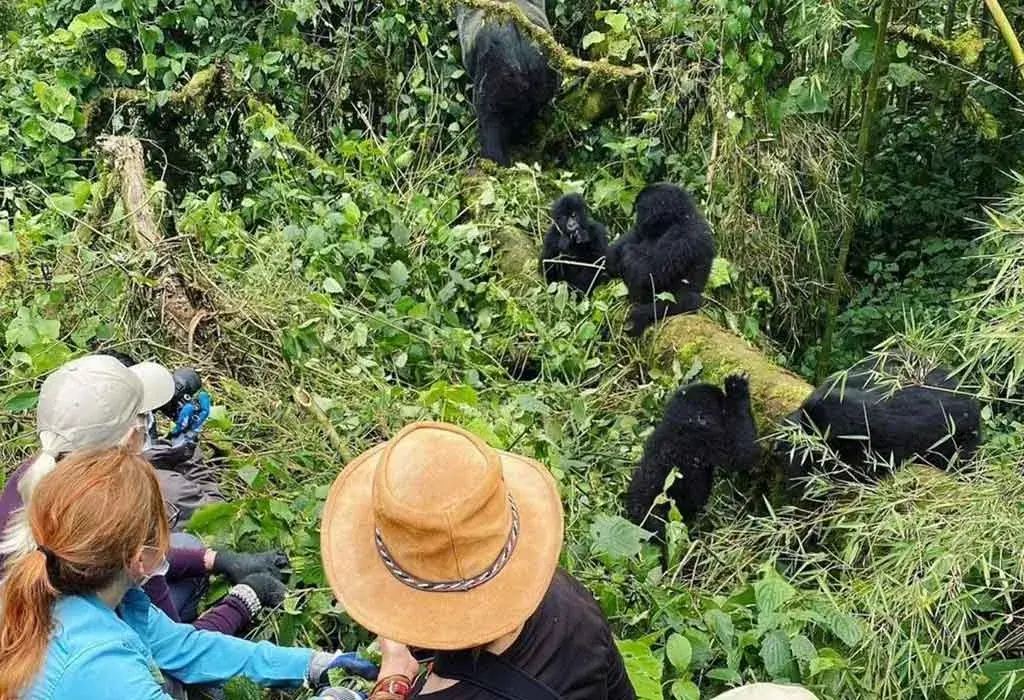
Understanding Gorilla Family Structure Explained is fundamental to wildlife conservation efforts. Gorilla families are the primary social units that researchers monitor to assess population health, reproductive success, and behavioral trends. Tracking how gorillas interact, raise offspring, and establish social hierarchies provides critical information that informs conservation strategies.
Tourism focused on observing gorilla families generates essential funding for habitat protection, ranger patrols, research initiatives, and community development programs surrounding Bwindi and other national parks. By participating in responsible gorilla tourism, visitors directly contribute to the protection of these highly endangered primates and the preservation of the rainforest ecosystems they depend on.
Studying gorilla family structures also allows conservationists to identify threats and challenges to survival. Protecting silverbacks, ensuring the safety and health of infants, and supporting family stability within fragmented habitats are all crucial for maintaining sustainable populations. Understanding Gorilla Family Structure Explained thus bridges wildlife education with actionable conservation, enabling researchers, park authorities, and visitors to collaborate in safeguarding mountain gorillas for future generations.
How Visitors Can Experience Gorilla Family Structures
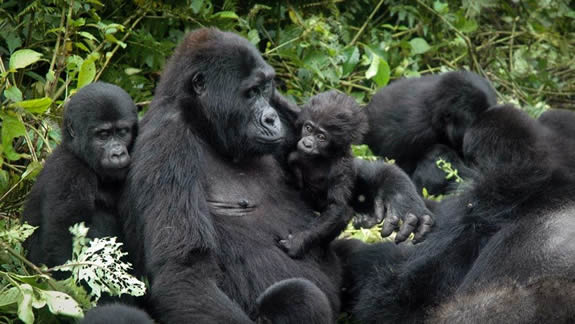
Travelers can experience Gorilla Family Structure Explained firsthand through carefully organized gorilla trekking and habituation programs. Professional guides and trackers provide detailed commentary on family roles, behaviors, and interactions while visitors observe the group in its natural environment. These guided experiences allow participants to witness the intricate social bonds, leadership, and communication patterns that govern gorilla life.
During a trek, visitors see the silverback leading and protecting the family, mothers caring for infants, juveniles engaging in play and learning social rules, and adult females maintaining social cohesion through grooming and interactions. Observers also learn to recognize vocalizations, facial expressions, and gestures, which convey information about emotional states, intentions, and family dynamics.
By observing multiple gorilla families across sectors such as Rushaga or Nkuringo, travelers gain comparative insights into variations in family size, leadership styles, and social organization. These experiences provide a rare combination of wildlife observation, education, and conservation awareness, giving participants a deeper understanding of both the species and the ecosystems that sustain them.
Frequently Asked Questions About Gorilla Family Structure Explained
1. What does Gorilla Family Structure Explained mean?
Gorilla Family Structure Explained refers to the social organization, hierarchy, and relationships within a mountain gorilla family. It details how silverbacks lead, females nurture infants, juveniles play and learn social skills, and how the family communicates and interacts. Understanding this structure is crucial for conservation and for visitors observing gorillas ethically in the wild.
2. Why is understanding Gorilla Family Structure Explained important?
Studying Gorilla Family Structure Explained helps visitors, researchers, and conservationists understand how gorilla families survive, reproduce, and maintain social harmony. By learning how leadership, caregiving, and communication function, tourists gain deeper appreciation for gorilla intelligence and emotional complexity while supporting ethical wildlife observation.
3. What role does the silverback play in Gorilla Family Structure Explained?
In Gorilla Family Structure Explained, the silverback is the family leader, protector, and decision-maker. He determines group movements, ensures safety, resolves conflicts, and sets behavioral norms. Observing his role during a trek allows travelers to see how critical leadership is in maintaining family cohesion and stability.
4. How do females contribute to Gorilla Family Structure Explained?
Females play an essential role in Gorilla Family Structure Explained by raising infants, teaching social behaviors, and maintaining strong family bonds. Through grooming and nurturing, they reinforce relationships and ensure juveniles learn survival skills, which is crucial for the long-term health and stability of the family unit.
5. What is the role of juveniles in Gorilla Family Structure Explained?
Juveniles in Gorilla Family Structure Explained engage in play, exploration, and social interactions that teach them social hierarchies, coordination, and communication. Observing juveniles gives insight into how gorilla families pass knowledge, maintain cohesion, and prepare the next generation to survive independently.
6. How do gorillas communicate within the family?
Communication is a key component of Gorilla Family Structure Explained. Gorillas use vocalizations, gestures, facial expressions, and physical contact to convey information about safety, emotions, social ranking, and intentions. Understanding these communications helps visitors interpret family interactions during trekking or habituation experiences.
7. What is the importance of grooming in Gorilla Family Structure Explained?
Grooming is vital in Gorilla Family Structure Explained because it strengthens bonds between individuals, reduces stress, and reinforces social hierarchies. Visitors can observe mothers grooming infants, juveniles grooming peers, and family members maintaining harmony through these subtle, essential behaviors.
8. How do family hierarchies affect Gorilla Family Structure Explained?
Hierarchies are central to Gorilla Family Structure Explained. The silverback leads, while adult females have established roles, and juveniles learn their place through play and observation. Understanding hierarchy helps visitors appreciate the organization, order, and behavioral patterns that maintain group stability.
9. How does the silverback protect the family?
In Gorilla Family Structure Explained, the silverback acts as a guardian against threats from other gorillas, predators, or environmental hazards. He monitors the group’s safety, positions himself strategically, and communicates alerts through vocalizations or displays like chest-beating. Observing this protective behavior is a highlight of gorilla trekking.
10. How are infants cared for in Gorilla Family Structure Explained?
Infants are central to Gorilla Family Structure Explained. Mothers carry, feed, and protect their young, while older family members may assist in socializing and teaching them. Caregiving behaviors are essential for infant survival and allow juveniles to gradually integrate into the family’s social structure.
11. How long do gorillas spend together as a family?
Gorilla families remain cohesive units in Gorilla Family Structure Explained for many years. Silverbacks, adult females, and juveniles form long-term bonds, with young males eventually leaving to establish their own groups. Observing family interactions over time provides insights into longevity, loyalty, and social stability.
12. How does play shape Gorilla Family Structure Explained?
Play is fundamental in Gorilla Family Structure Explained, particularly for juveniles. Play helps young gorillas develop physical strength, social understanding, and conflict resolution skills. Through play, the family also reinforces bonds, allowing adults to observe and guide the learning of younger members
13. Can visitors understand gorilla emotions through Gorilla Family Structure Explained?
Yes, observing Gorilla Family Structure Explained allows visitors to interpret emotions such as joy, frustration, curiosity, and care. Facial expressions, gestures, and vocalizations reveal the depth of gorilla intelligence and empathy, enhancing the educational and emotional impact of gorilla trekking.
14. How does observing multiple families enhance Gorilla Family Structure Explained?
Observing multiple gorilla groups allows visitors to compare family size, leadership style, and social dynamics. Gorilla Family Structure Explained becomes more vivid when contrasting groups like Nshongi, Bweza, or Bushaho, revealing variations in hierarchy, communication, and caregiving strategies.
15. How does habitat influence Gorilla Family Structure Explained?
The forest environment plays a critical role in Gorilla Family Structure Explained. Dense vegetation, food availability, and terrain influence group movement, feeding strategies, and interaction patterns. Understanding these environmental impacts helps visitors see how gorilla families adapt and thrive in their natural habitats.
16. How do conservationists use Gorilla Family Structure Explained?
Conservationists study Gorilla Family Structure Explained to monitor population health, track reproduction, detect disease, and evaluate social stability. Detailed knowledge of family hierarchies and behaviors guides protection efforts and ensures sustainable ecotourism practices.
17. How does habituation relate to Gorilla Family Structure Explained?
Habituation provides a unique opportunity to observe Gorilla Family Structure Explained in real time. Semi-habituated families allow visitors and researchers to see natural behaviors, social interactions, and communication patterns without disrupting the family unit, making habituation a key tool for education and conservation.
18. Can tourists affect Gorilla Family Structure Explained?
Yes, visitor behavior can impact family dynamics if rules are not followed. Understanding Gorilla Family Structure Explained emphasizes maintaining distance, avoiding sudden movements, and following guide instructions to prevent stress or disruption of natural behaviors. Ethical tourism preserves the integrity of the family’s social structure.
19. How long is a typical observation period for studying Gorilla Family Structure Explained?
Observation periods during gorilla trekking or habituation usually last one to four hours. During this time, visitors can witness feeding, communication, play, and leadership behaviors, providing a comprehensive view of Gorilla Family Structure Explained and allowing time to appreciate complex social interactions.
20. How can I book an experience to see Gorilla Family Structure Explained in Uganda?
To fully experience Gorilla Family Structure Explained, travelers should book through professional operators like NextGEN Safaris. Our packages include gorilla permits, expert guides, forest transfers, accommodations, and educational commentary on family roles, communication, and social hierarchies. Booking ensures a safe, ethical, and unforgettable opportunity to witness gorilla family structures in their natural habitat.
Booking Your Gorilla Family Experience
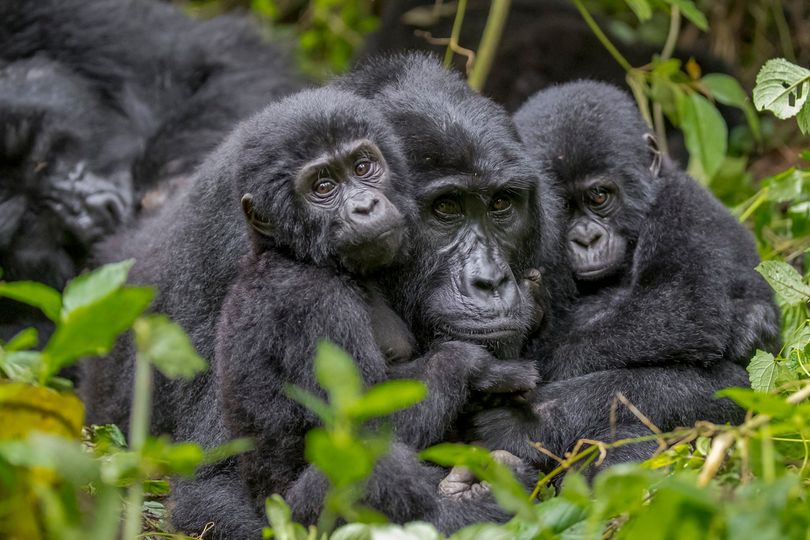
To fully appreciate Gorilla Family Structure Explained, planning a visit with an experienced safari operator is essential. NextGEN Safaris offers comprehensive Uganda gorilla experiences, managing all aspects of the journey including gorilla permits, transportation, accommodation near Bwindi, professional guides, and personalized itineraries.
Our expert guides provide in-depth explanations of family hierarchies, behavioral traits, communication styles, and conservation principles, ensuring every visitor gains a rich understanding of gorilla social life. From observing the silverback’s leadership to witnessing infant care and juvenile play, travelers gain immersive insights into the complexities of gorilla family structure.
Booking through NextGEN Safaris guarantees a safe, ethical, and memorable experience. Guests not only witness the intricate dynamics of mountain gorilla families but also support long-term conservation initiatives that protect these critically endangered primates.
Reserve your Uganda gorilla trekking adventure today and experience Gorilla Family Structure Explained in its full depth, observing the intelligence, empathy, and social complexity of mountain gorillas in their natural habitat while contributing to their preservation.