

Ultimate Guide: Can Elderly People Do Gorilla Habituation?
Can Elderly People Do Gorilla Habituation?
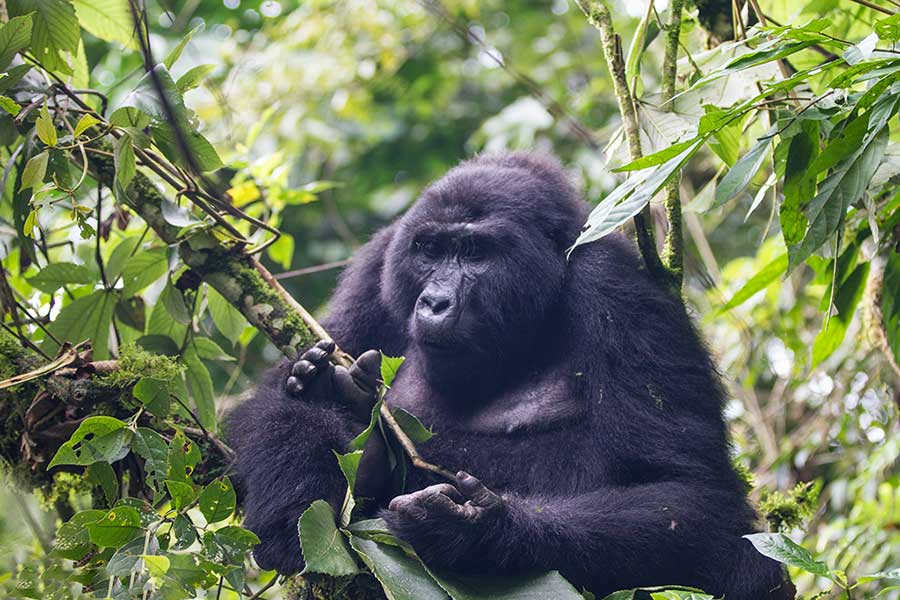
Can Elderly People Do Gorilla Habituation? Many travelers planning a once-in-a-lifetime journey to Uganda often ask this question. The answer is yes. Many older travelers in their 60s, 70s, and even 80s have successfully completed the Gorilla Habituation Experience in Uganda with proper preparation, realistic expectations, and the right level of support. Age alone does not determine whether someone can participate. Overall health, mobility, fitness level, and determination are far more important than the number of birthdays a traveler has celebrated.
The Gorilla Habituation Experience is more physically demanding than standard gorilla trekking because participants spend up to four hours with a semi-habituated gorilla family after locating them. This means the entire activity may last between six and ten hours depending on where the gorillas are found. For elderly visitors, this longer duration requires careful planning, but it does not make the experience impossible.
At Nextgen Safaris, we regularly organize Gorilla Habituation Experiences for senior travelers from around the world. Our experienced guides understand how to adjust the pace of the trek, arrange sedan chair porter services where appropriate, select suitable accommodation close to the trailheads, and ensure every guest enjoys the safest and most comfortable adventure possible. If you have been wondering Can Elderly People Do Gorilla Habituation?, this comprehensive guide explains everything you need to know before booking your safari.
Why Many Elderly Travelers Choose Gorilla Habituation
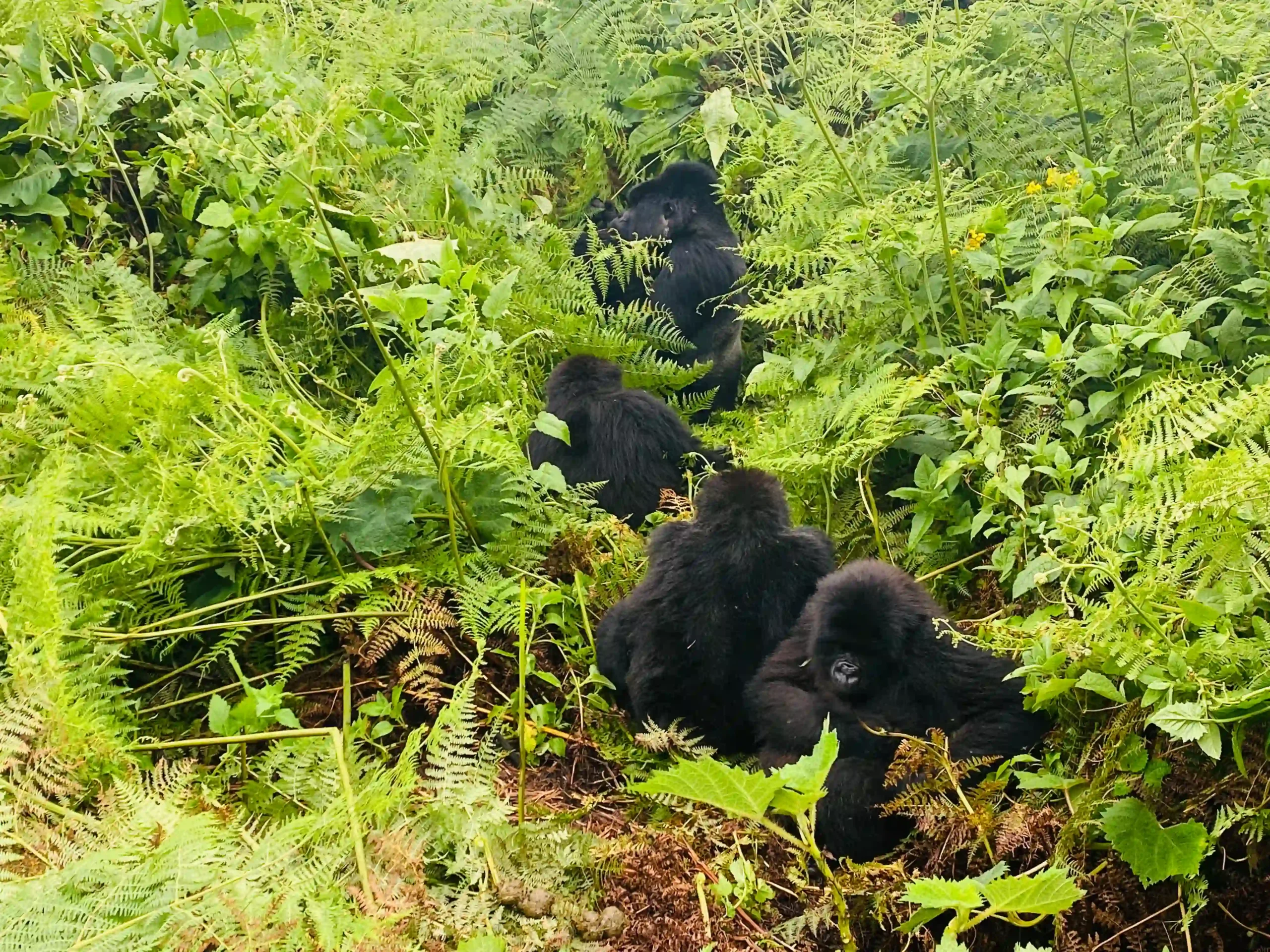
For many older travelers, gorilla habituation represents the fulfillment of a lifelong dream. After decades of traveling or planning for retirement adventures, spending several hours with endangered mountain gorillas becomes one of the world’s most meaningful wildlife encounters.
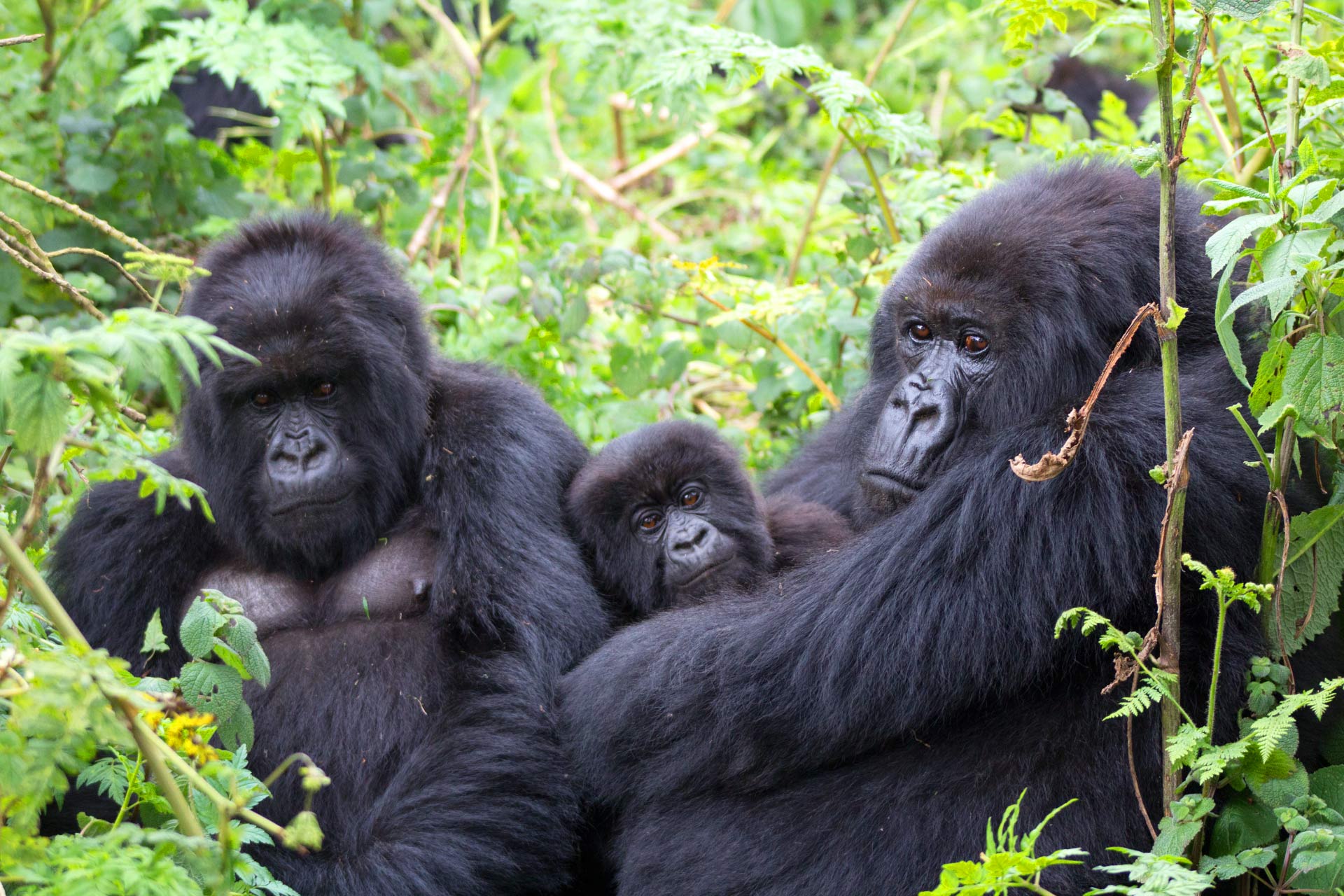
Unlike traditional gorilla trekking, where visitors spend only one hour with a habituated gorilla family, Gorilla Habituation allows guests to remain with researchers and rangers for up to four hours. This extended time creates opportunities to observe gorilla communication, feeding behavior, grooming, parenting, nesting, and social interactions in remarkable detail.
Many senior travelers appreciate this slower, educational experience because it allows them to fully absorb every moment instead of feeling rushed. Wildlife photographers, nature enthusiasts, conservation supporters, and retirees often consider Gorilla Habituation to be the pinnacle of African wildlife experiences.
When asking Can Elderly People Do Gorilla Habituation?, it is important to understand that the reward is extraordinary. The additional effort involved often results in one of the most memorable wildlife experiences available anywhere in the world.
Understanding the Physical Demands of Gorilla Habituation
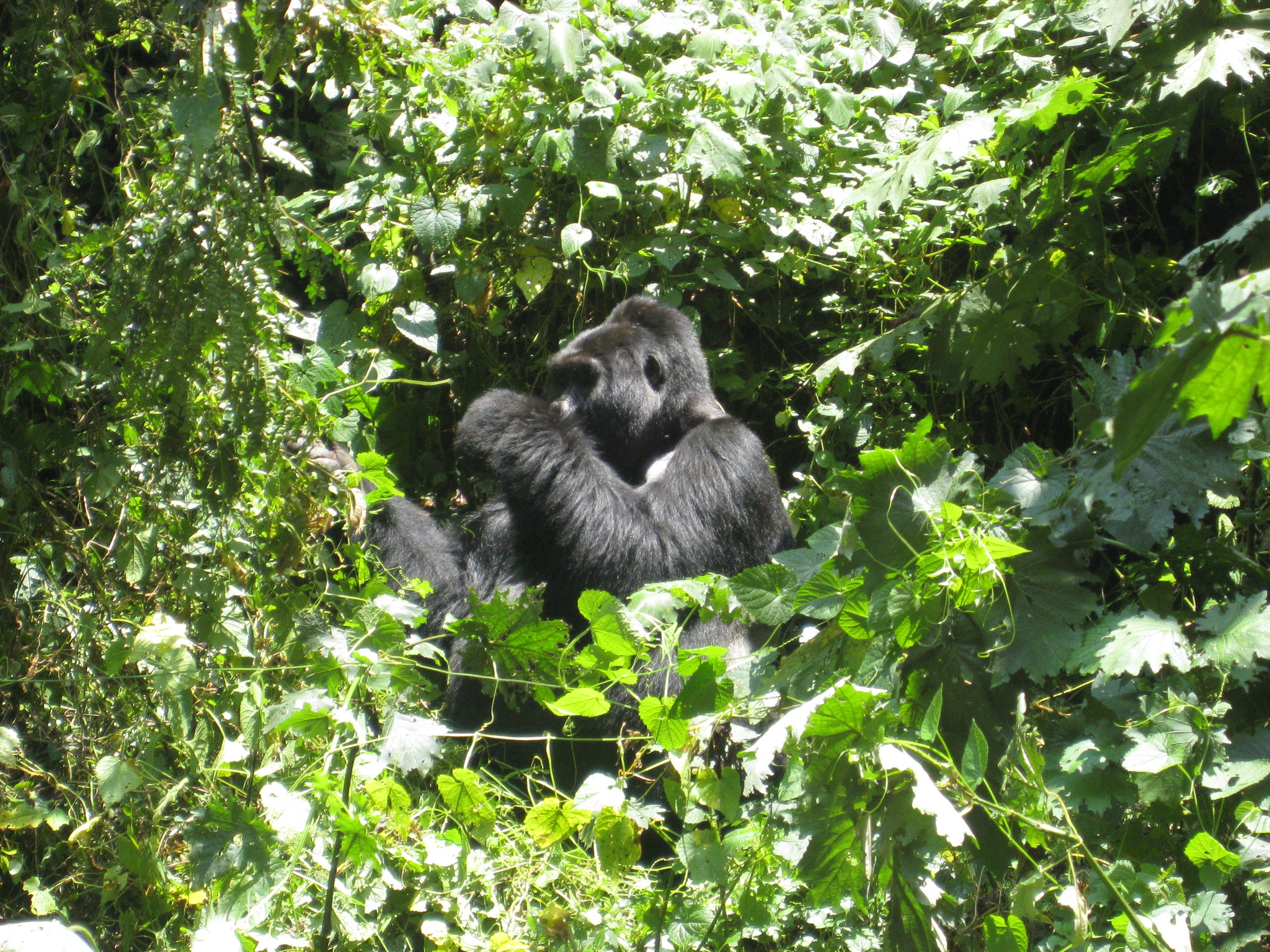
One of the biggest concerns behind the question Can Elderly People Do Gorilla Habituation? is understanding how physically demanding the activity actually is.
The Gorilla Habituation Experience takes place inside Uganda’s Bwindi Impenetrable National Park, one of Africa’s oldest and most biodiverse rainforests. The terrain consists of steep hills, narrow forest paths, muddy slopes, dense vegetation, exposed tree roots, and occasional stream crossings. Unlike regular hiking trails, the routes are determined by the location of the gorillas rather than prepared walking paths.
Participants begin their day early in the morning before entering the forest with Uganda Wildlife Authority rangers, trackers, researchers, and guides. Professional trackers locate the gorillas first before leading visitors to their location. Once the gorillas are found, participants spend up to four hours observing the family while researchers continue the habituation process.
Because the experience includes hiking to and from the gorillas in addition to the four-hour observation period, visitors should be prepared for a full day in the rainforest. However, the pace is adjusted according to the group’s abilities, and frequent breaks are provided whenever necessary.
This is why the answer to Can Elderly People Do Gorilla Habituation? depends more on physical capability than chronological age.
Age Is Not the Main Requirement
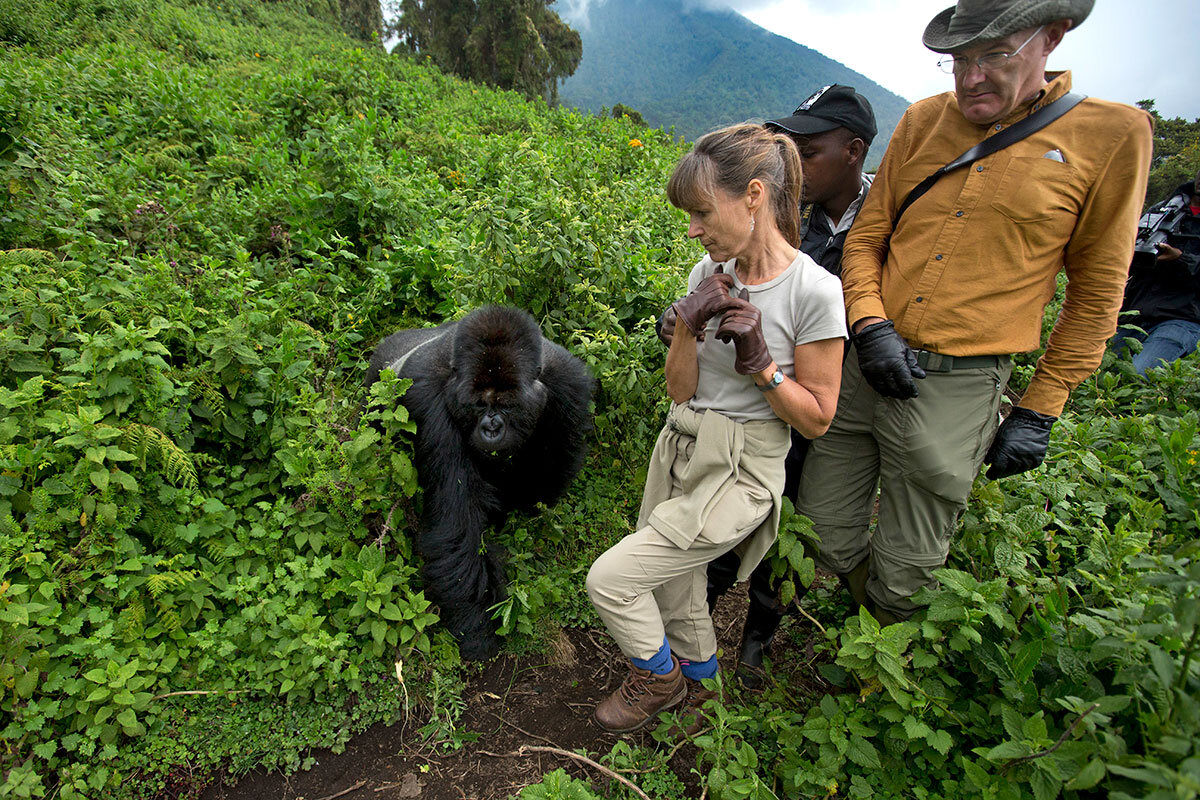
Many people mistakenly believe there is an upper age limit for Gorilla Habituation. In reality, Uganda Wildlife Authority only enforces a minimum participation age of fifteen years. There is no official maximum age.
Every year, travelers well into their seventies and eighties complete Gorilla Habituation successfully. Some older visitors walk independently, while others choose to hire porter support or utilize sedan chair services where terrain allows.
When people ask Can Elderly People Do Gorilla Habituation?, the better question is whether they can comfortably hike for several hours over uneven terrain while maintaining reasonable stamina throughout the day.
Medical fitness matters far more than age. Individuals with well-managed health conditions often perform better than much younger travelers who are physically inactive.
Health Conditions Elderly Travelers Should Consider
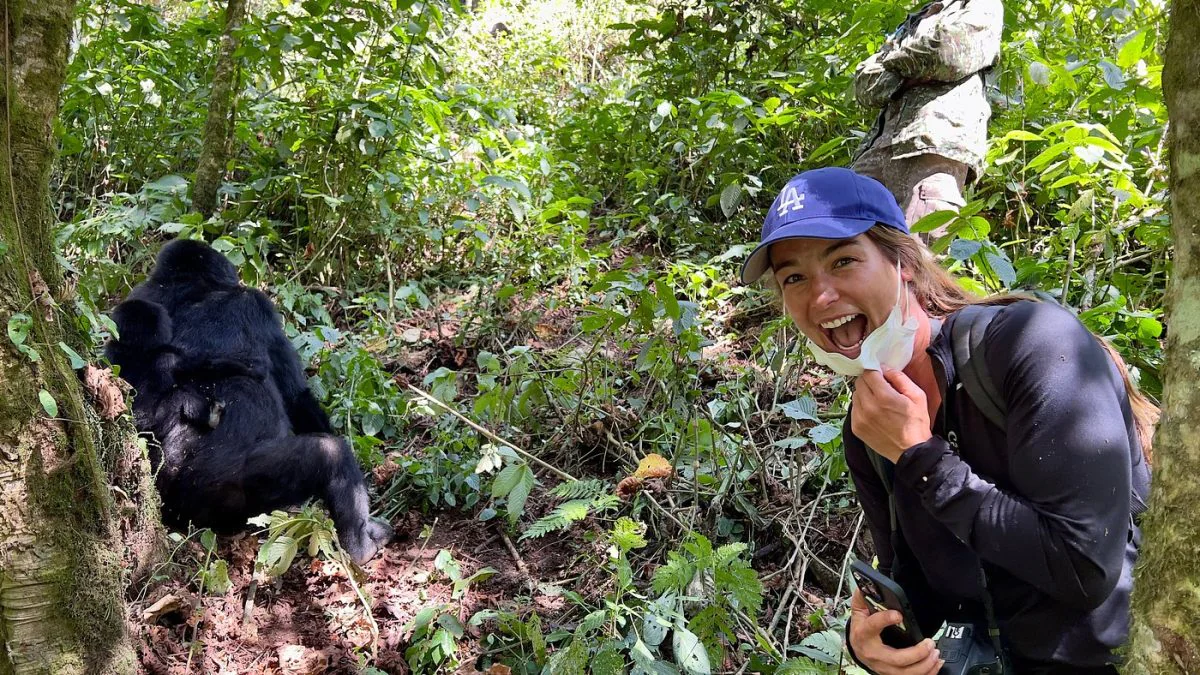
Before booking Gorilla Habituation, older travelers should honestly evaluate their general health. Anyone considering the experience should consult their physician, especially if they have heart disease, high blood pressure, respiratory conditions, recent surgeries, severe arthritis, or other chronic medical concerns.
The rainforest environment involves moderate altitude, physical exertion, and variable weather conditions. Although the pace can be adjusted, participants should still be capable of walking for extended periods over uneven ground.
Travel insurance covering emergency evacuation is strongly recommended, providing additional peace of mind during the safari.
At Nextgen Safaris, we encourage all senior guests to discuss any mobility concerns before arrival. This allows us to recommend the most appropriate accommodations, guides, porter arrangements, and transportation options for a safe and enjoyable Gorilla Habituation Experience.
How Porter Services Make Gorilla Habituation Easier
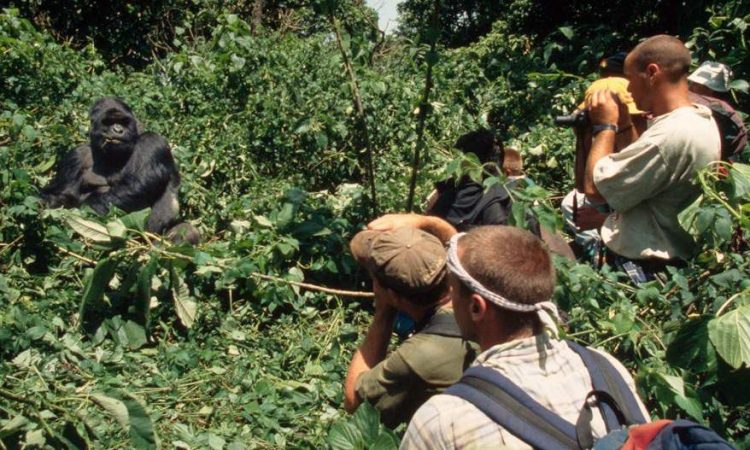
One reason the answer to Can Elderly People Do Gorilla Habituation? is increasingly positive is the excellent support system available within Bwindi.
Professional porters accompany visitors throughout the trek, carrying backpacks, camera equipment, walking sticks, rain jackets, drinking water, and personal items. They also provide physical assistance when navigating steep hills, muddy slopes, fallen logs, or challenging sections of the trail.
Many elderly travelers are surprised by how much easier the trek becomes simply by allowing experienced porters to handle their equipment and provide occasional stability. Besides making the experience more comfortable, hiring a porter also directly benefits local communities through employment and conservation-related income.
The modest additional cost often becomes one of the best investments for senior visitors participating in Gorilla Habituation.
Sedan Chair Services for Limited Mobility
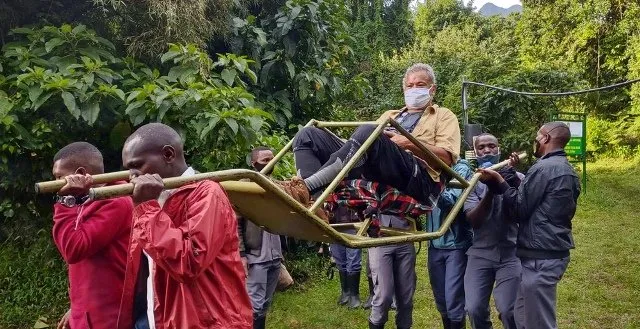
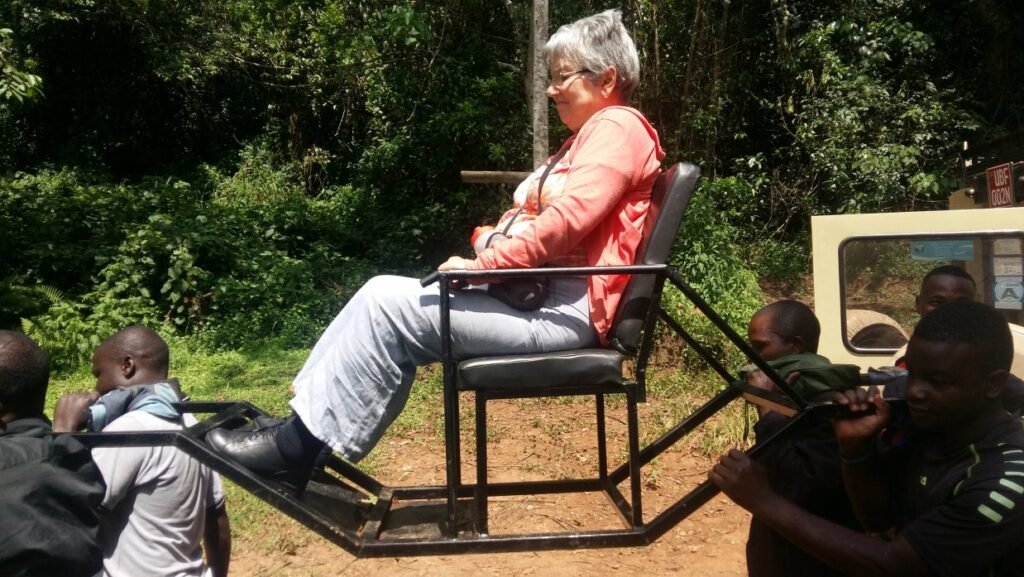
For elderly visitors with limited mobility, sedan chair services provide another important solution.
These specially designed chairs are carried by trained teams of porters who transport guests across sections of the forest that may otherwise be inaccessible. While availability depends on the terrain and gorilla location, sedan chair services have enabled many older travelers with reduced mobility to achieve their dream of seeing mountain gorillas.
The service requires advance planning because sufficient porters must be organized before the trekking day. Nextgen Safaris assists guests with all logistical arrangements to ensure a smooth experience.
For travelers asking Can Elderly People Do Gorilla Habituation?, sedan chair support can significantly expand accessibility for those unable to complete the entire hike independently.
Preparing Physically Before Gorilla Habituation
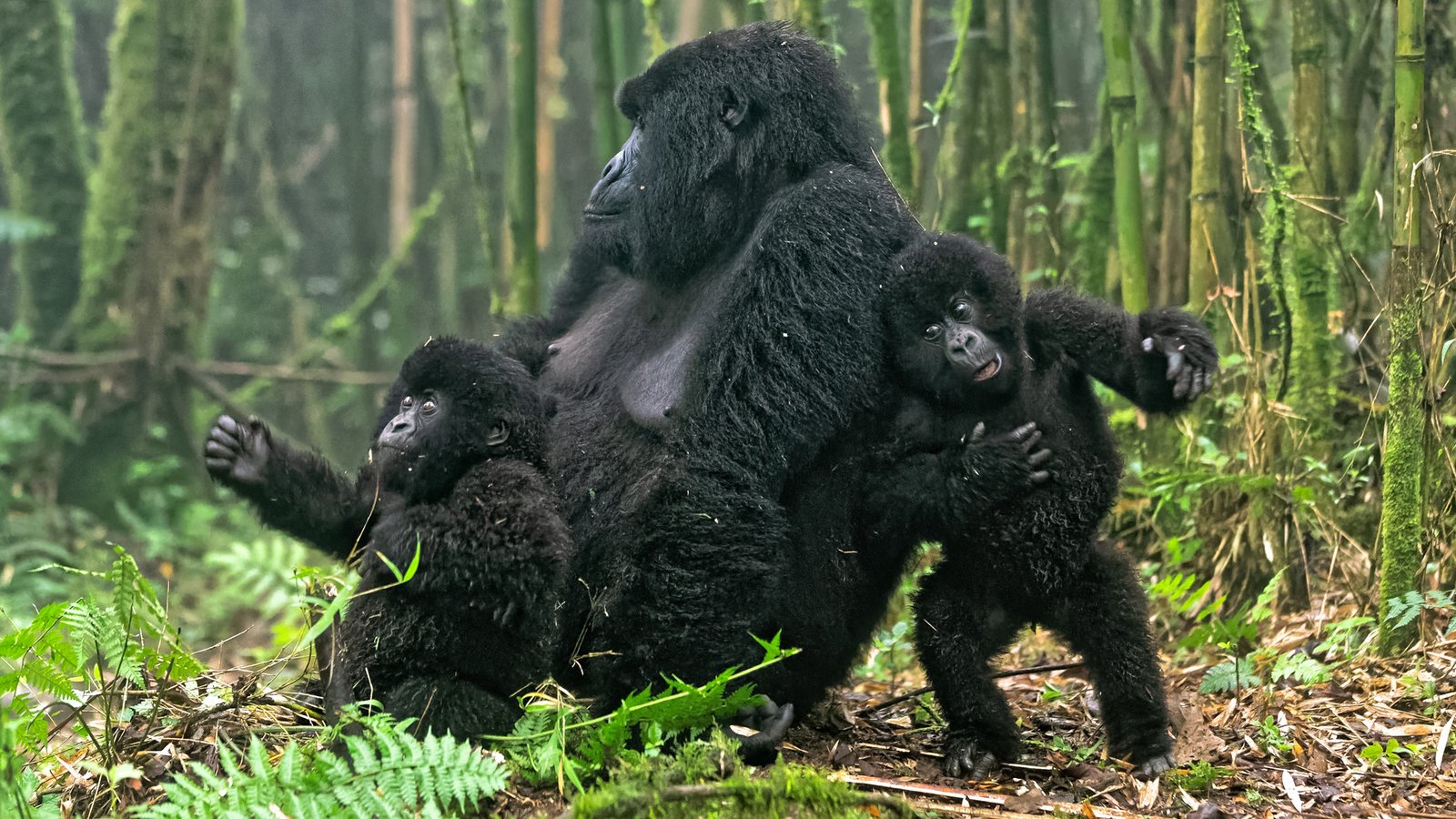
Good preparation greatly increases the chances of enjoying Gorilla Habituation, especially for older travelers.
Several months before departure, visitors should begin regular walking routines, gradually increasing both distance and duration. Gentle hill walking improves endurance while strengthening leg muscles required for Bwindi’s mountainous terrain. Balance exercises, stretching, and light strength training further improve confidence during uneven forest walks.
Hydration, healthy nutrition, adequate sleep, and maintaining consistent activity levels before travel all contribute to a more comfortable experience.
Many elderly travelers who prepare gradually discover that Gorilla Habituation is less intimidating than they initially expected.
Choosing the Best Accommodation for Elderly Visitors
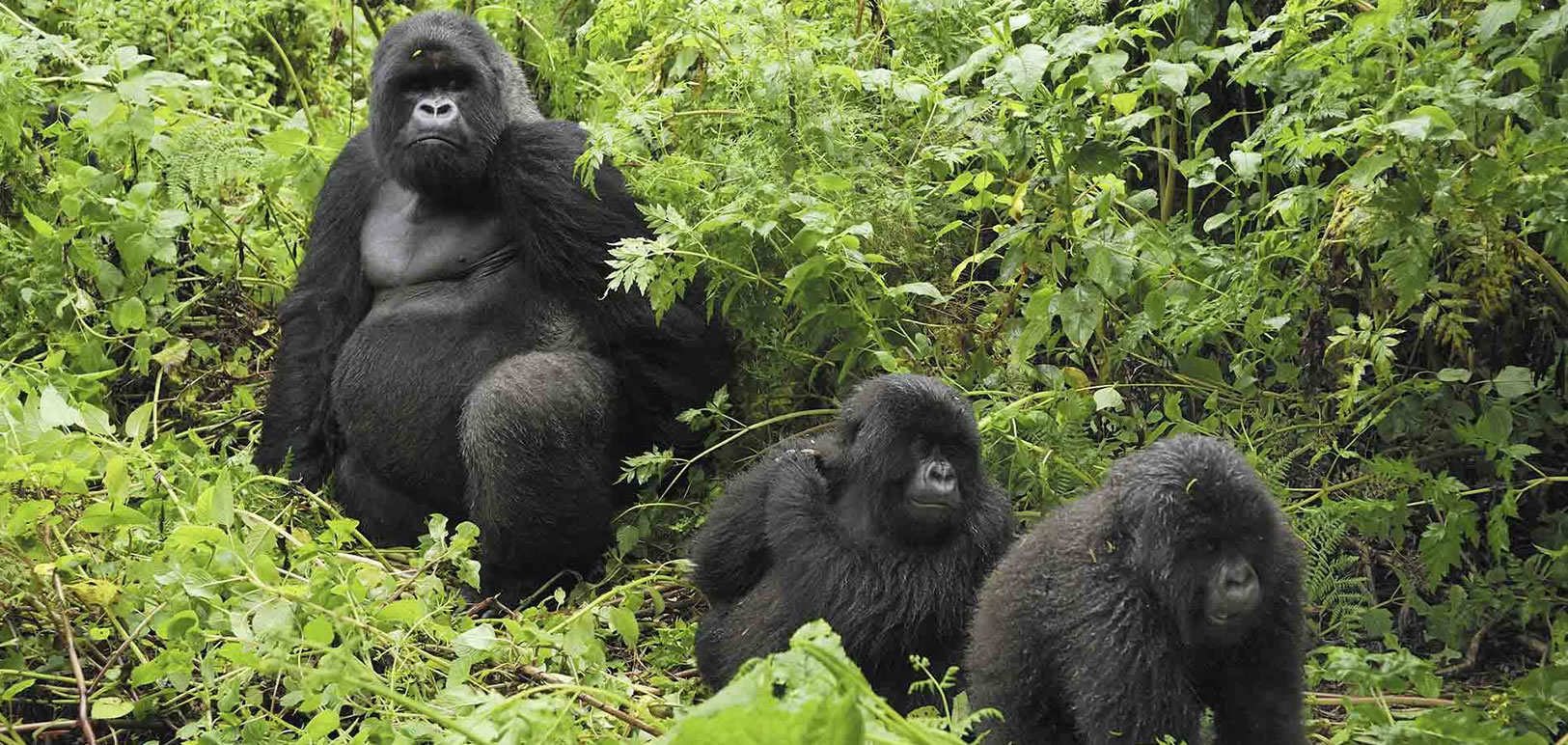
Accommodation selection plays an important role in making Gorilla Habituation more comfortable.
Staying close to the Rushaga Sector of Bwindi minimizes early morning driving before the trek. Comfortable lodges with spacious rooms, warm showers, quality dining, and peaceful surroundings allow elderly travelers to recover properly after a physically demanding day.
Nextgen Safaris carefully selects accommodations that combine comfort with convenient access to the Gorilla Habituation briefing point. This reduces unnecessary travel and helps guests begin their trekking day feeling rested and relaxed.
Why Gorilla Habituation Is Worth the Extra Effort
Many visitors initially wonder whether the longer experience justifies the additional physical demands. After completing the activity, most describe it as one of the greatest wildlife experiences of their lives.
Watching mountain gorillas for four uninterrupted hours allows visitors to observe natural behaviors that simply cannot be appreciated during the standard one-hour trekking experience. Guests witness playful juveniles climbing trees, protective silverbacks monitoring the group, mothers nursing infants, grooming rituals, feeding patterns, vocal communication, and complex family interactions.
Researchers often explain fascinating aspects of gorilla behavior throughout the experience, transforming Gorilla Habituation into both an adventure and a conservation learning opportunity.
For many retirees, this immersive encounter becomes the highlight of an African safari.
Safety Measures During Gorilla Habituation
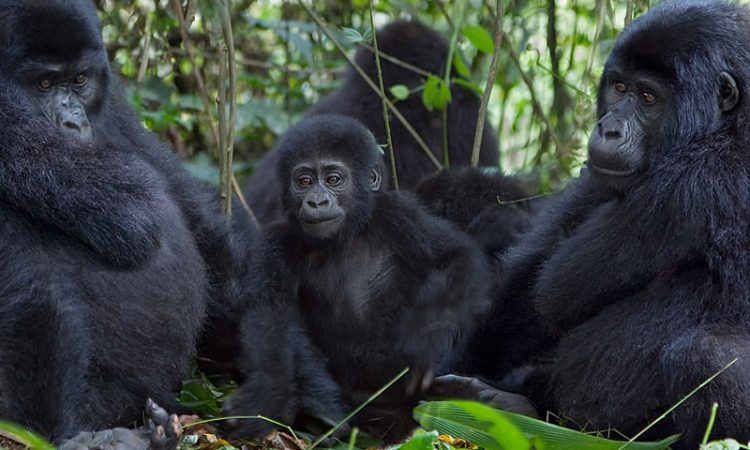
Safety remains a top priority throughout the Gorilla Habituation Experience.
Uganda Wildlife Authority rangers accompany every group from beginning to end. Experienced trackers locate the gorillas in advance while armed rangers provide protection within the forest. Professional guides continually monitor guests’ wellbeing and adjust the trekking pace when necessary.
Visitors receive comprehensive safety briefings before entering the forest, including instructions on maintaining appropriate viewing distances, respecting gorilla behavior, and minimizing disease transmission.
Older travelers can feel reassured knowing that Gorilla Habituation operates under internationally respected wildlife conservation and visitor safety standards.
Best Time for Elderly People to Do Gorilla Habituation
Although Gorilla Habituation is available throughout the year, many elderly visitors prefer the relatively drier months because trails are generally easier to navigate.
June through September and December through February typically provide more favorable hiking conditions with less mud and improved trail stability. However, Bwindi is a tropical rainforest, so rainfall remains possible during any season.
The wetter months often offer fewer visitors, lush green scenery, and excellent photography despite occasionally more challenging hiking conditions.
Regardless of the season, proper hiking boots, rain protection, layered clothing, and experienced guides make Gorilla Habituation enjoyable throughout the year.
Why Book Gorilla Habituation with Nextgen Safaris
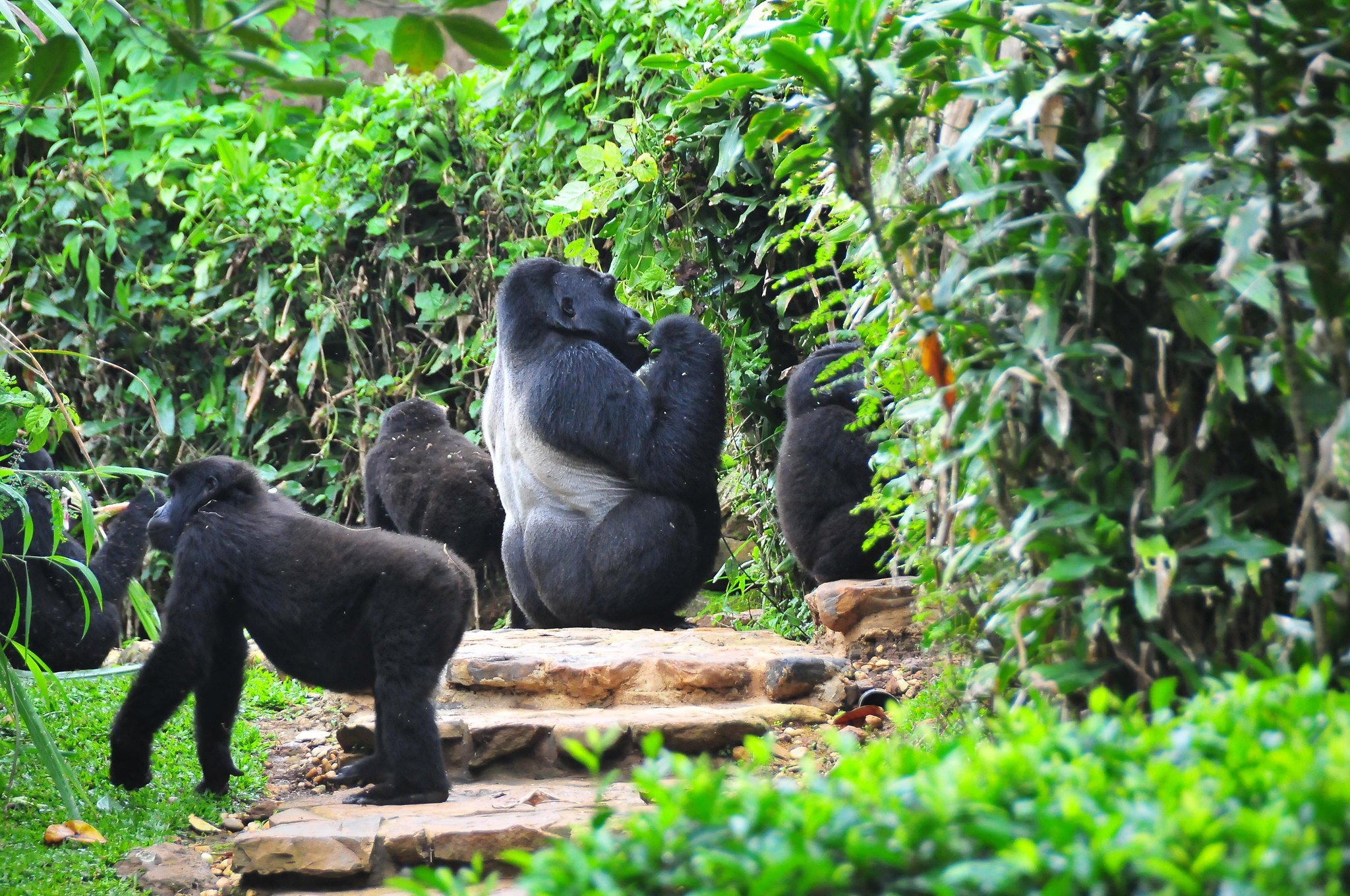
Choosing an experienced safari operator is especially important for senior travelers asking Can Elderly People Do Gorilla Habituation?
At Nextgen Safaris, we understand that every traveler has different abilities, expectations, and comfort levels. Our team carefully plans each safari to minimize unnecessary stress while maximizing the overall experience.
We assist with Gorilla Habituation permits, comfortable accommodation near the trekking sector, airport transfers, reliable 4×4 safari vehicles, porter arrangements, sedan chair services where needed, experienced English-speaking guides, flexible itineraries, and personalized travel support from arrival until departure.Our goal is to ensure every elderly traveler enjoys this extraordinary wildlife encounter safely, comfortably, and confidently.
Frequently Asked Questions (FAQs) About Can Elderly People Do Gorilla Habituation?
1. Can elderly people do Gorilla Habituation?
Yes. Many travelers in their 60s, 70s, and even 80s successfully participate in Gorilla Habituation. Good overall health, mobility, and proper preparation are more important than age.
2. Is there a maximum age limit for Gorilla Habituation?
No. Uganda Wildlife Authority has no upper age limit for Gorilla Habituation. The only age restriction is that participants must be at least 15 years old.
3. How physically demanding is Gorilla Habituation for elderly people?
The experience is moderately to highly demanding because it involves hiking through Bwindi Impenetrable National Park and spending up to four hours with a semi-habituated gorilla family. Trek durations usually range from six to ten hours, depending on the gorillas’ location.
4. Can elderly people with limited mobility do Gorilla Habituation?
Yes, in many cases. Elderly visitors with limited mobility can hire porter assistance or arrange sedan chair services, allowing trained teams to carry them through difficult sections of the forest.
5. Is Gorilla Habituation harder than Gorilla Trekking?
Yes. Gorilla Habituation is more demanding than standard Gorilla Trekking because visitors spend up to four hours with the gorillas instead of one hour, making the overall experience significantly longer.
6. What fitness level is recommended for elderly people doing Gorilla Habituation?
A moderate level of fitness is recommended. Being able to walk on uneven terrain, climb gentle hills, and remain active for several hours will make the experience much more enjoyable.
7. Should elderly travelers consult a doctor before Gorilla Habituation?
Yes. Anyone with heart conditions, respiratory illnesses, arthritis, diabetes, or recent surgeries should consult their physician before booking Gorilla Habituation.
8. Can elderly people with knee problems participate in Gorilla Habituation?
Yes, depending on the severity of the condition. Many travelers with mild knee problems successfully complete Gorilla Habituation by using walking sticks, hiring porters, and trekking at a comfortable pace.
9. Are walking sticks provided during Gorilla Habituation?
Yes. Walking sticks are usually available at the briefing point and provide valuable support while hiking through Bwindi’s steep and sometimes muddy trails.
10. Can elderly people hire porters during Gorilla Habituation?
Absolutely. Hiring a porter is highly recommended for elderly travelers. Porters carry backpacks, assist with balance on difficult trails, and make the trek considerably easier and safer.
11. Which sector of Bwindi offers Gorilla Habituation?
The Gorilla Habituation Experience is only available in the Rushaga Sector of Bwindi Impenetrable National Park in southwestern Uganda.
12. How long do elderly people spend with the gorillas during Gorilla Habituation?
After locating the gorillas, visitors spend up to four hours observing and learning about their behavior alongside researchers and Uganda Wildlife Authority guides.
13. What should elderly people wear for Gorilla Habituation?
Comfortable hiking boots, long trousers, long-sleeved shirts, gardening gloves, a waterproof jacket, layered clothing, and a wide-brimmed hat are recommended for comfort and protection.
14. What is the best time of year for elderly people to do Gorilla Habituation?
The drier months of June to September and December to February are generally preferred because the trails are less muddy and easier to navigate.
15. Can elderly photographers enjoy Gorilla Habituation?
Yes. Gorilla Habituation is ideal for photographers because the extended viewing time allows more opportunities to capture unique gorilla behaviors and different lighting conditions.
16. Is Gorilla Habituation safe for elderly travelers?
Yes. The activity is conducted under the supervision of experienced Uganda Wildlife Authority rangers, trackers, researchers, and guides who prioritize visitor safety throughout the experience.
17. How should elderly people prepare before Gorilla Habituation?
Regular walking, light hill training, stretching, strength exercises, staying hydrated, and maintaining a healthy lifestyle several weeks before travel will improve endurance and confidence during the trek.
18. Can elderly couples enjoy Gorilla Habituation together?
Yes. Many retired couples choose Gorilla Habituation as a memorable adventure. Guides adjust the pace according to the group’s abilities, allowing couples to enjoy the experience comfortably.
19. Why should elderly travelers book Gorilla Habituation with Nextgen Safaris?
Nextgen Safaris provides personalized itineraries, Gorilla Habituation permit arrangements, experienced guides, comfortable accommodations, porter services, sedan chair arrangements where necessary, and full travel support to ensure elderly travelers enjoy a safe and unforgettable safari.
20. How can I book Gorilla Habituation as an elderly traveler?
Booking is simple through Nextgen Safaris. Contact our safari specialists with your preferred travel dates, fitness level, and accommodation preferences, and we will organize your Gorilla Habituation permits, accommodation, transportation, porter services, and a customized itinerary tailored to your comfort and abilities.
Book Your Gorilla Habituation Safari with Nextgen Safaris
If you have been asking yourself Can Elderly People Do Gorilla Habituation?, the answer is that many certainly can with the right preparation and professional support. Age should never discourage you from pursuing one of Africa’s most remarkable wildlife experiences. Careful planning, realistic expectations, experienced guides, and appropriate assistance make Gorilla Habituation achievable for many senior travelers.
Nextgen Safaris specializes in creating personalized Gorilla Habituation safaris that match your fitness level, travel style, and comfort requirements. From securing permits to selecting the best lodge and arranging porter or sedan chair services, we take care of every detail so you can focus on enjoying your unforgettable encounter with Uganda’s endangered mountain gorillas.
Contact Nextgen Safaris today and let our experienced safari consultants design a Gorilla Habituation itinerary that allows you to experience Bwindi’s incredible mountain gorillas with confidence, comfort, and lasting memories.