

Ultimate Gorilla Photography Tips Bwindi Forest: Expert Guide to Capturing Stunning Mountain Gorilla Moments
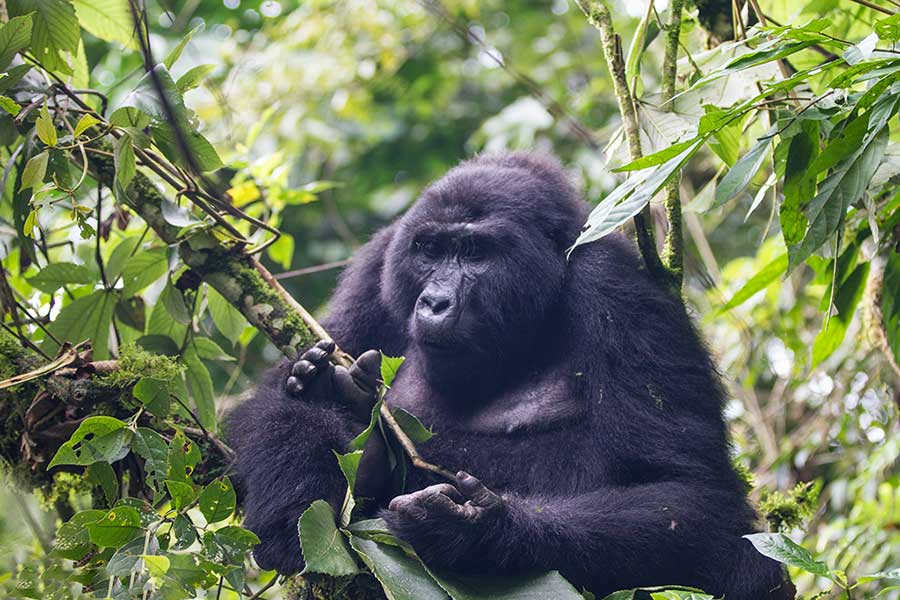
Bwindi Impenetrable National Park is one of the most extraordinary destinations in the world for wildlife photography. Hidden within southwestern Uganda, this ancient rainforest provides a rare opportunity to photograph endangered mountain gorillas in their natural habitat. The experience of standing quietly near a gorilla family surrounded by misty forests, towering trees, and rich biodiversity creates unforgettable memories for every photographer. Understanding the best Gorilla Photography Tips Bwindi Forest can help you capture powerful images while respecting the animals and supporting responsible conservation tourism.
Unlike traditional wildlife photography in open savannah environments, photographing mountain gorillas in Bwindi presents unique challenges. The dense rainforest creates low-light conditions, gorillas move naturally through thick vegetation, and visitors must maintain a respectful distance during encounters. These conditions require preparation, patience, the right camera settings, and a good understanding of gorilla behavior.
Whether you are a professional wildlife photographer, a passionate traveler, or someone hoping to capture personal memories, learning the right Gorilla Photography Tips Bwindi Forest will greatly improve your chances of taking sharp, emotional, and meaningful photographs during your gorilla trekking or gorilla habituation experience.
This complete guide explores camera preparation, lighting techniques, composition, ethical photography practices, equipment recommendations, and expert advice to help you capture incredible mountain gorilla images in the heart of Bwindi Impenetrable National Park.
Why Bwindi Forest Is a Unique Destination for Gorilla Photography
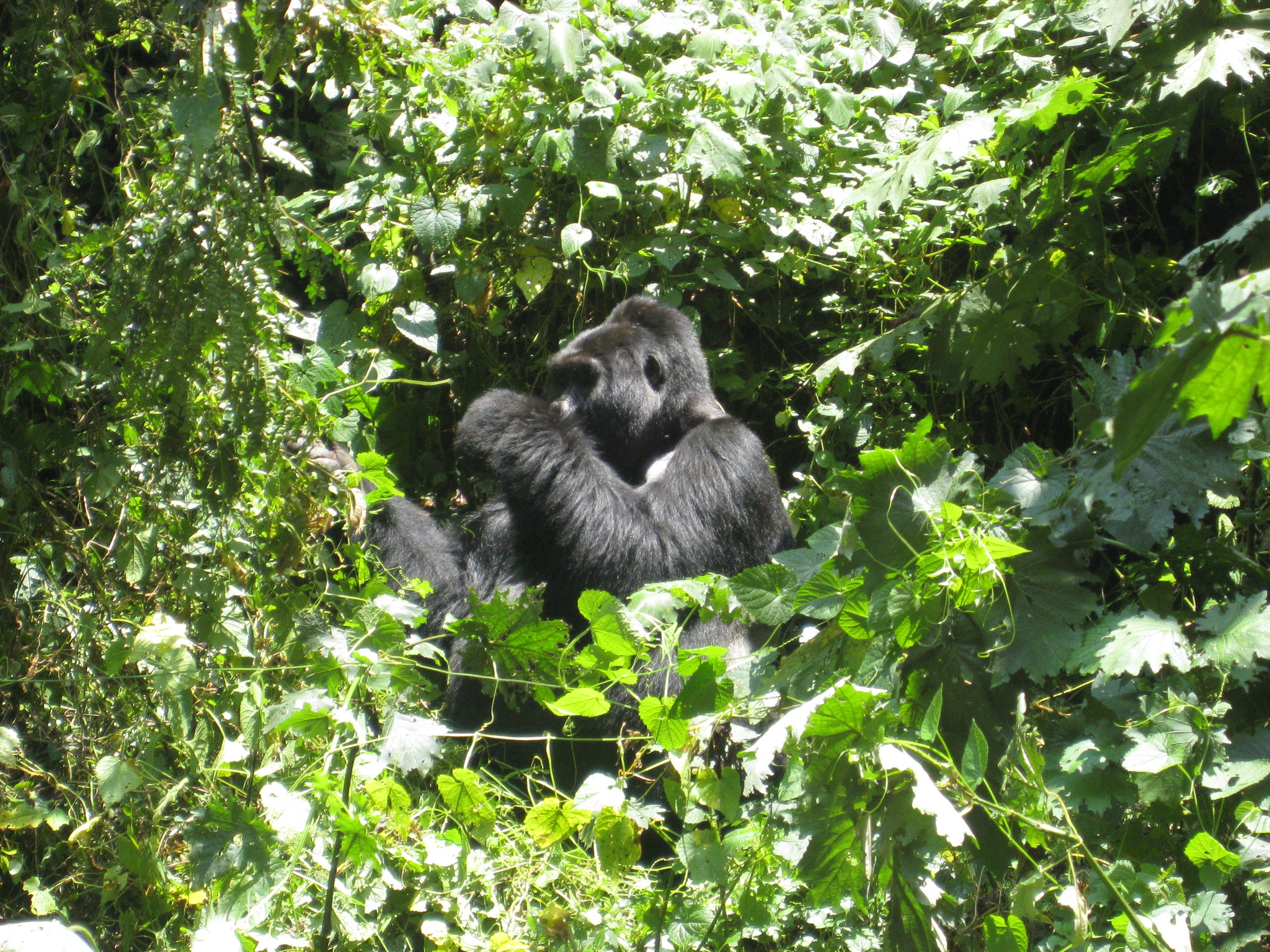
Before exploring the best Gorilla Photography Tips Bwindi Forest, it is important to understand why Bwindi offers such a special photography environment. Bwindi Impenetrable National Park is one of Africa’s oldest rainforests and a UNESCO World Heritage Site, protecting a significant population of endangered mountain gorillas.
The forest landscape creates dramatic photographic opportunities with mist-covered hills, dense vegetation, ancient trees, and natural green backgrounds. Every encounter is different because gorillas move freely through their habitat and display unique personalities and behaviors.
Unlike zoo photography, where animals are predictable, Bwindi photography requires patience and adaptability. A silverback may suddenly appear through vegetation, a mother may interact with her infant, or young gorillas may play around the family group. Being prepared allows photographers to capture these authentic moments.
The rainforest atmosphere itself adds emotion to every photograph, making Bwindi one of the most rewarding destinations for wildlife photographers.
Understanding the Lighting Conditions in Bwindi Forest
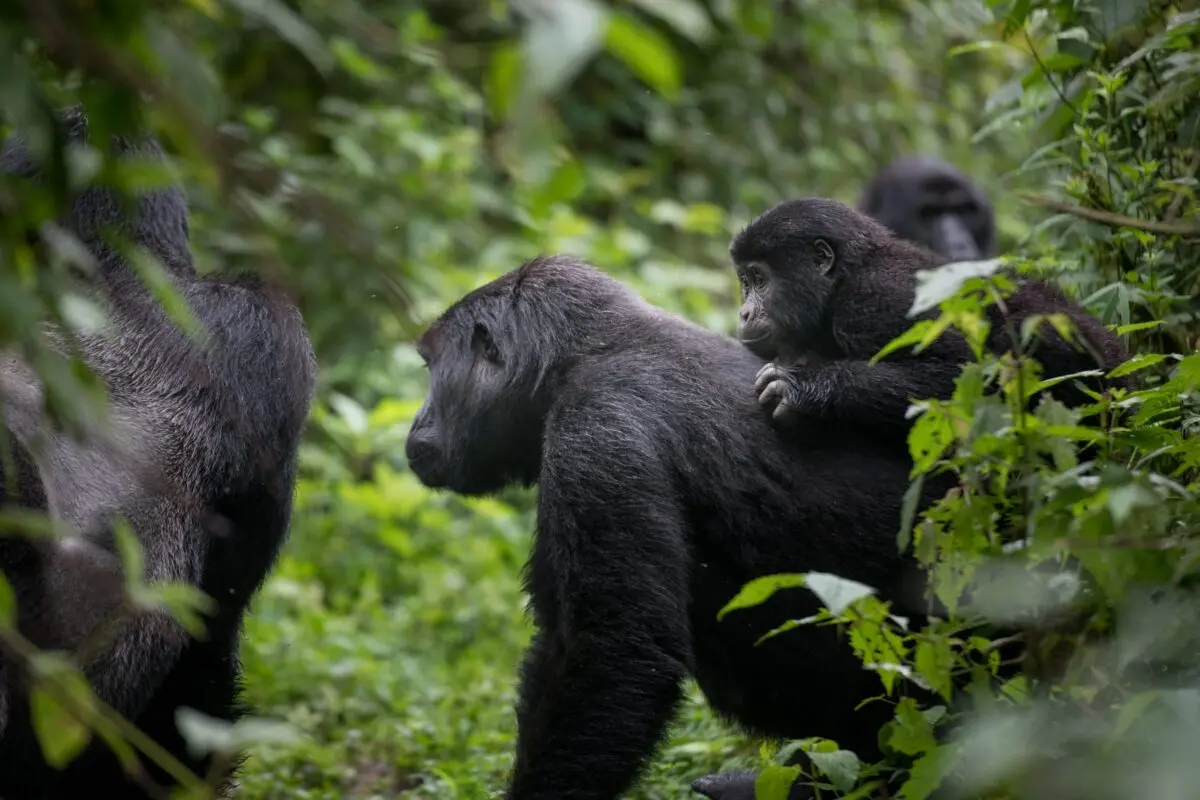
One of the most important Gorilla Photography Tips Bwindi Forest is learning how to work with the unique lighting conditions of the rainforest. Bwindi’s dense canopy blocks much of the direct sunlight, creating naturally dark environments compared to open wildlife destinations.
Photographers often encounter a combination of shadows, filtered sunlight, mist, and changing brightness levels. A camera with strong low-light performance is extremely helpful because increasing ISO settings may be necessary to maintain sharp images.
Using a wider aperture allows more light to enter the camera while creating beautiful background blur around the gorillas. This helps separate the animals from the dense forest surroundings.
Rather than seeing low light as a disadvantage, many photographers use it creatively to produce atmospheric images that capture the mysterious beauty of the rainforest.
Choosing the Right Camera Equipment for Bwindi Gorilla Photography
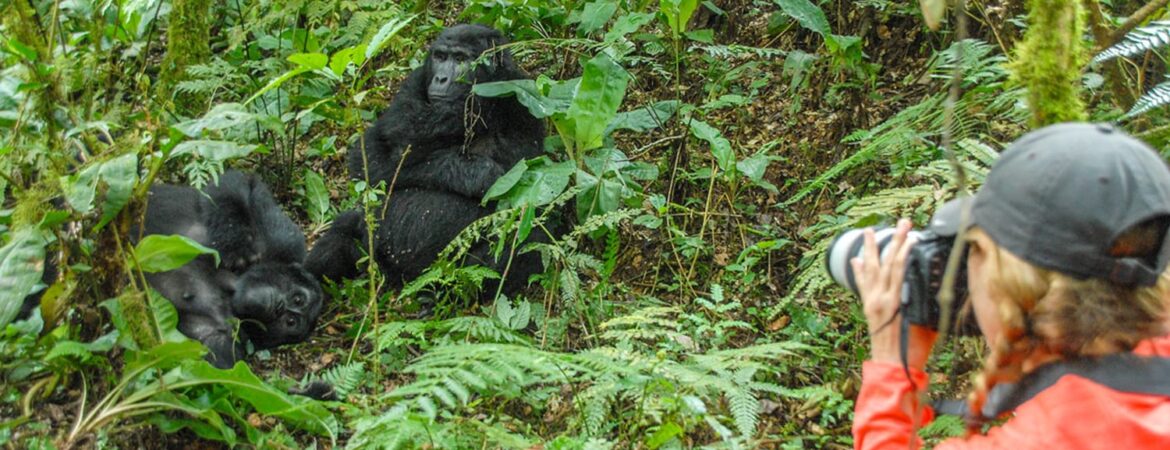
Having suitable equipment is one of the most practical Gorilla Photography Tips Bwindi Forest because the rainforest environment requires reliable and adaptable gear.
A modern mirrorless camera or DSLR with excellent autofocus and low-light capability is ideal for capturing mountain gorillas. Cameras with animal eye detection can be particularly useful because they help maintain focus on the gorilla’s face during movement.
A versatile telephoto zoom lens is highly recommended because visitors must maintain a respectful distance from the gorillas. A lens range around 70mm to 300mm provides flexibility for capturing both individual portraits and wider family scenes.
However, photographers should remember that gorilla trekking involves hiking through challenging terrain. Lightweight equipment is often better than carrying extremely heavy professional gear.
Prepare Your Camera Settings Before Finding the Gorillas
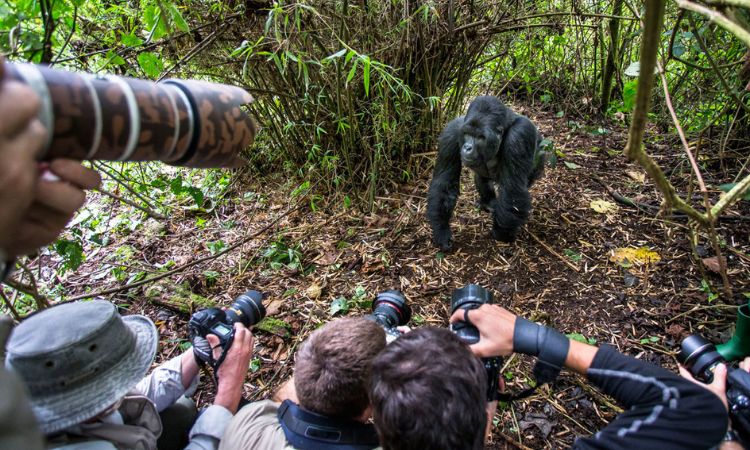
One of the most valuable Gorilla Photography Tips Bwindi Forest is preparing your camera settings before approaching the gorilla family. The excitement of seeing mountain gorillas for the first time can make it difficult to adjust settings quickly.
Many photographers prefer aperture priority mode because it allows control over depth of field while the camera automatically adjusts exposure. A wider aperture is useful for capturing more light in the darker rainforest environment.
A moderately high ISO setting may be necessary to maintain faster shutter speeds. Modern cameras handle higher ISO levels very well, allowing photographers to capture sharp images without excessive noise.
Preparing settings early ensures you spend more time enjoying the encounter and less time adjusting your camera.
Capture the Eyes and Emotions of the Gorillas
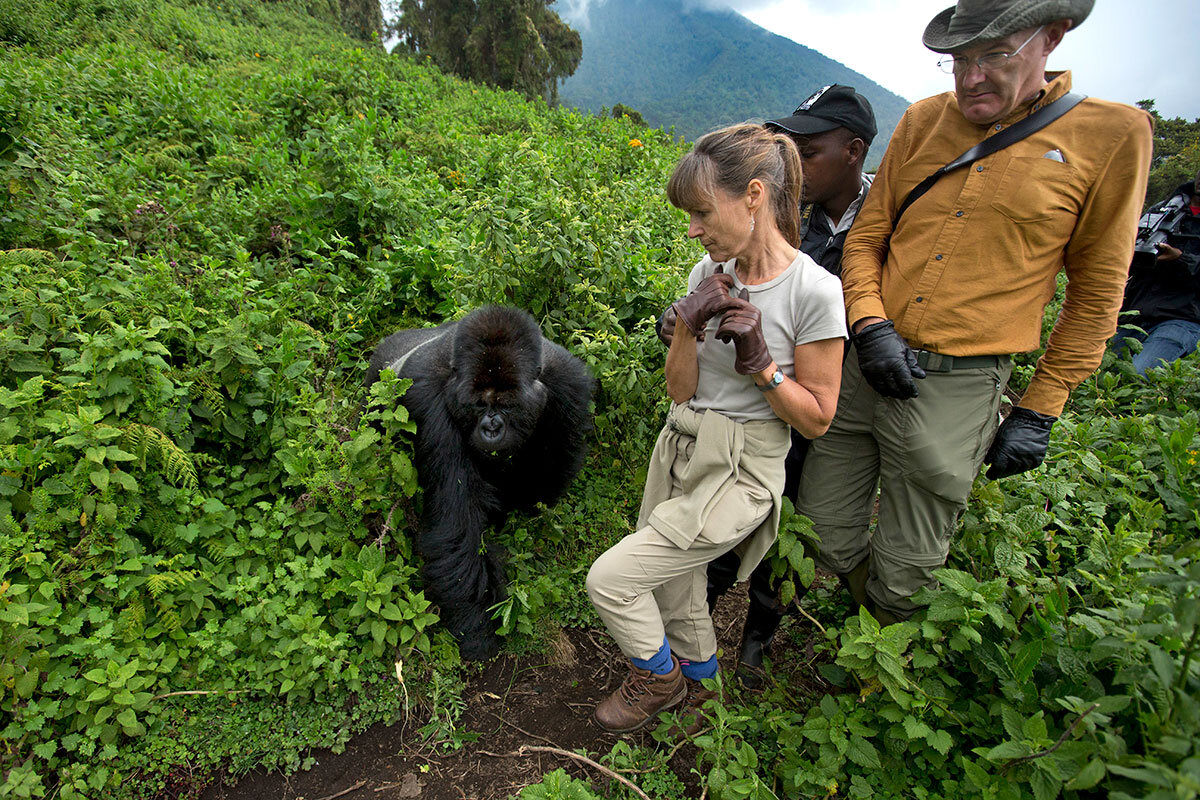
One of the most powerful Gorilla Photography Tips Bwindi Forest is focusing on the eyes and expressions of the gorillas. The eyes of mountain gorillas communicate intelligence, emotion, curiosity, and personality.
Portrait-style images that highlight facial expressions often become the most memorable photographs because they create a strong emotional connection between the viewer and the animal.
Pay attention to moments of interaction, including mothers caring for infants, silverbacks observing their surroundings, and young gorillas playing within the family group.
The goal of wildlife photography is not only capturing an animal’s appearance but also telling a story through images.
Use Patience When Photographing Gorilla Behavior
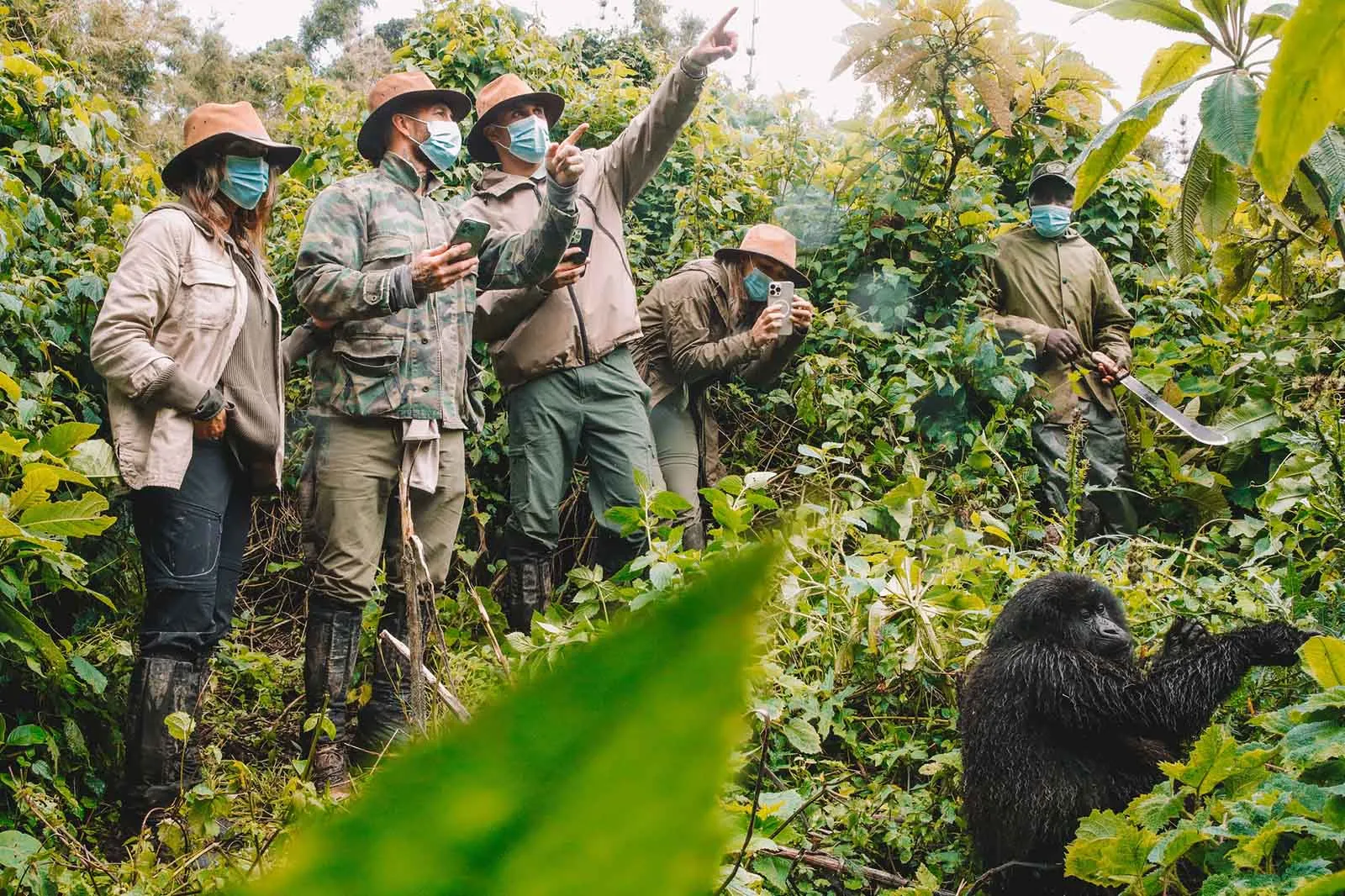
Patience is one of the most important skills behind successful Gorilla Photography Tips Bwindi Forest. Mountain gorillas do not pose for photographs, and the best moments often happen unexpectedly.
Instead of constantly taking pictures, observe the gorillas carefully and anticipate their behavior. Watch their movements, interactions, and body language to predict when special moments may occur.
Some of the most powerful photographs are captured during natural behaviors such as feeding, grooming, resting, climbing, or communicating.
Allowing the gorillas to behave naturally creates more authentic and meaningful images.
Master Composition in the Rainforest Environment
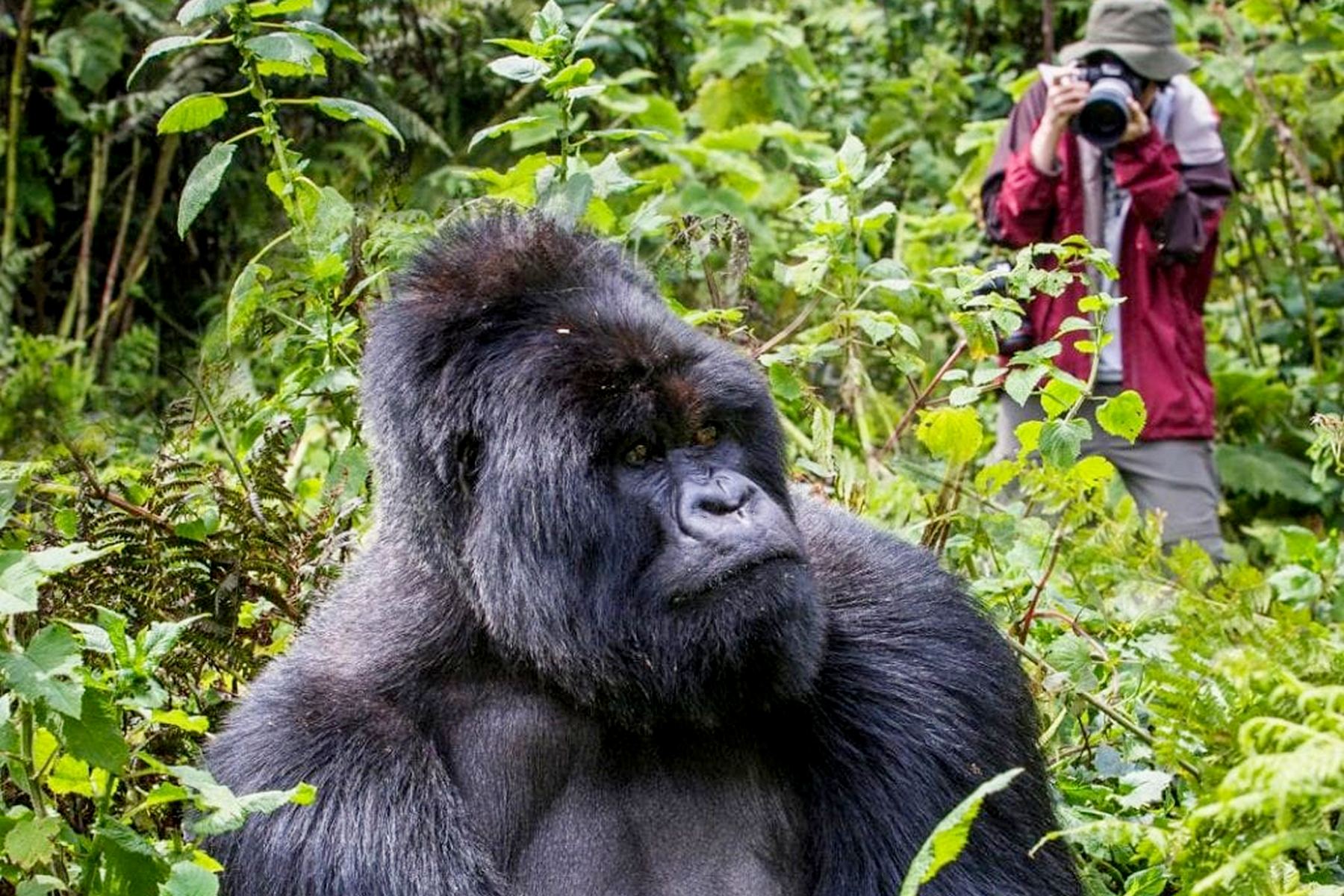
Good composition separates ordinary photographs from exceptional wildlife images. Applying proper composition is among the most valuable Gorilla Photography Tips Bwindi Forest.
Photographers should consider the surrounding environment instead of focusing only on close-up portraits. Including parts of the rainforest background helps tell the story of where the photograph was taken.
Using natural elements such as leaves, branches, mist, and vegetation can create depth and atmosphere. Avoiding distracting backgrounds helps keep attention on the gorilla.
A balanced composition allows viewers to experience both the beauty of the animal and the incredible habitat surrounding it.
Avoid Flash Photography During Gorilla Encounters
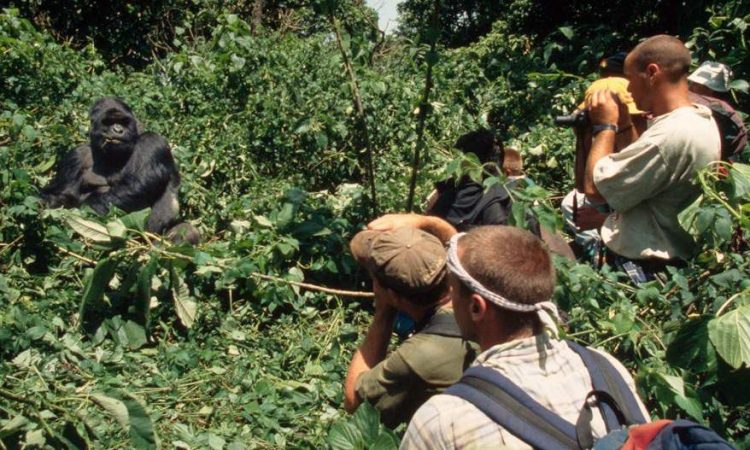
Responsible photography is a major part of Gorilla Photography Tips Bwindi Forest. Flash photography is not allowed because sudden bright light can disturb mountain gorillas and affect their natural behavior.
Instead, photographers should rely on available light, camera settings, and equipment designed for low-light environments.
Respecting photography rules ensures that gorillas remain comfortable and allows future visitors to continue enjoying responsible encounters.
Great wildlife photography should always prioritize animal welfare over getting a particular image.
Protect Your Camera Equipment from Rain and Humidity
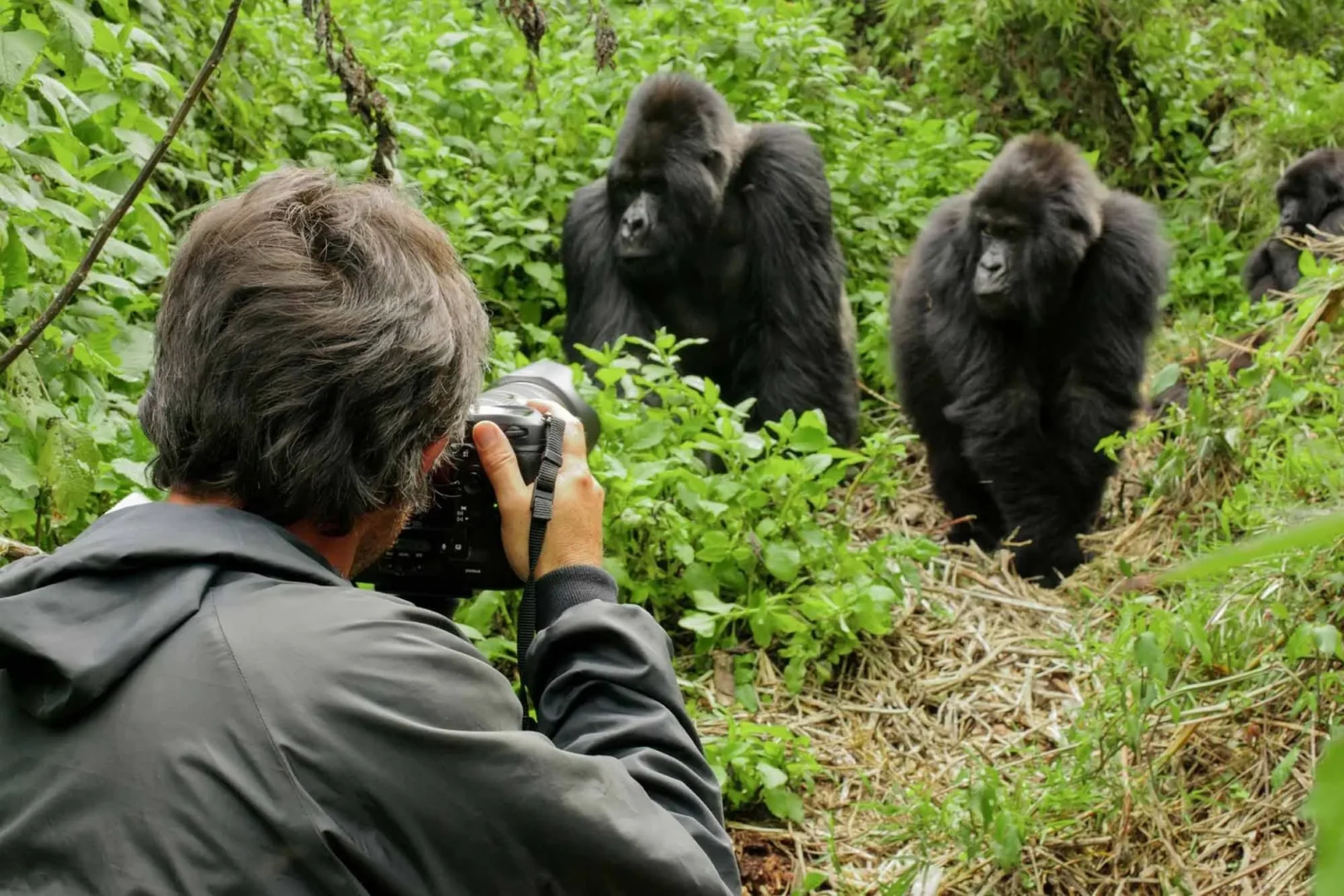
Bwindi is a rainforest environment, meaning moisture protection is an essential part of Gorilla Photography Tips Bwindi Forest. Rain can occur unexpectedly, and humidity levels remain high throughout much of the year.
Photographers should carry waterproof camera covers, protective bags, and lens cleaning cloths. Keeping equipment protected prevents damage and ensures your camera remains reliable throughout the adventure.
After returning from the forest, allowing equipment to dry properly helps prevent moisture-related problems.
Carry Extra Batteries and Memory Cards
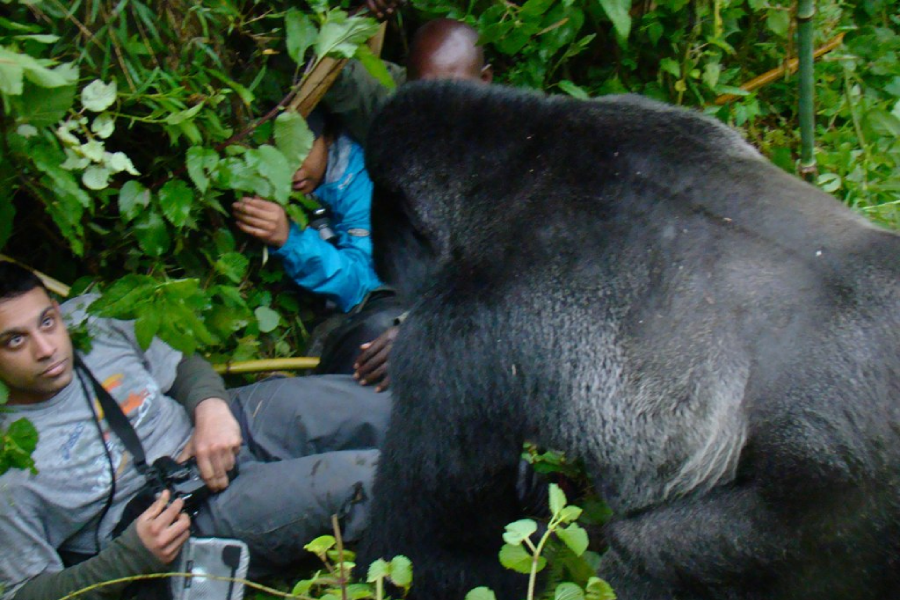
Another important part of Gorilla Photography Tips Bwindi Forest is preparing enough storage and power for your photography needs.
The gorilla habituation experience allows up to four hours with the gorillas, creating countless opportunities for photographs and videos. Running out of battery or storage at the most important moment can be disappointing.
Carrying extra batteries and memory cards ensures you can continue capturing important behaviors and unforgettable moments.
Photography During Gorilla Habituation Experience
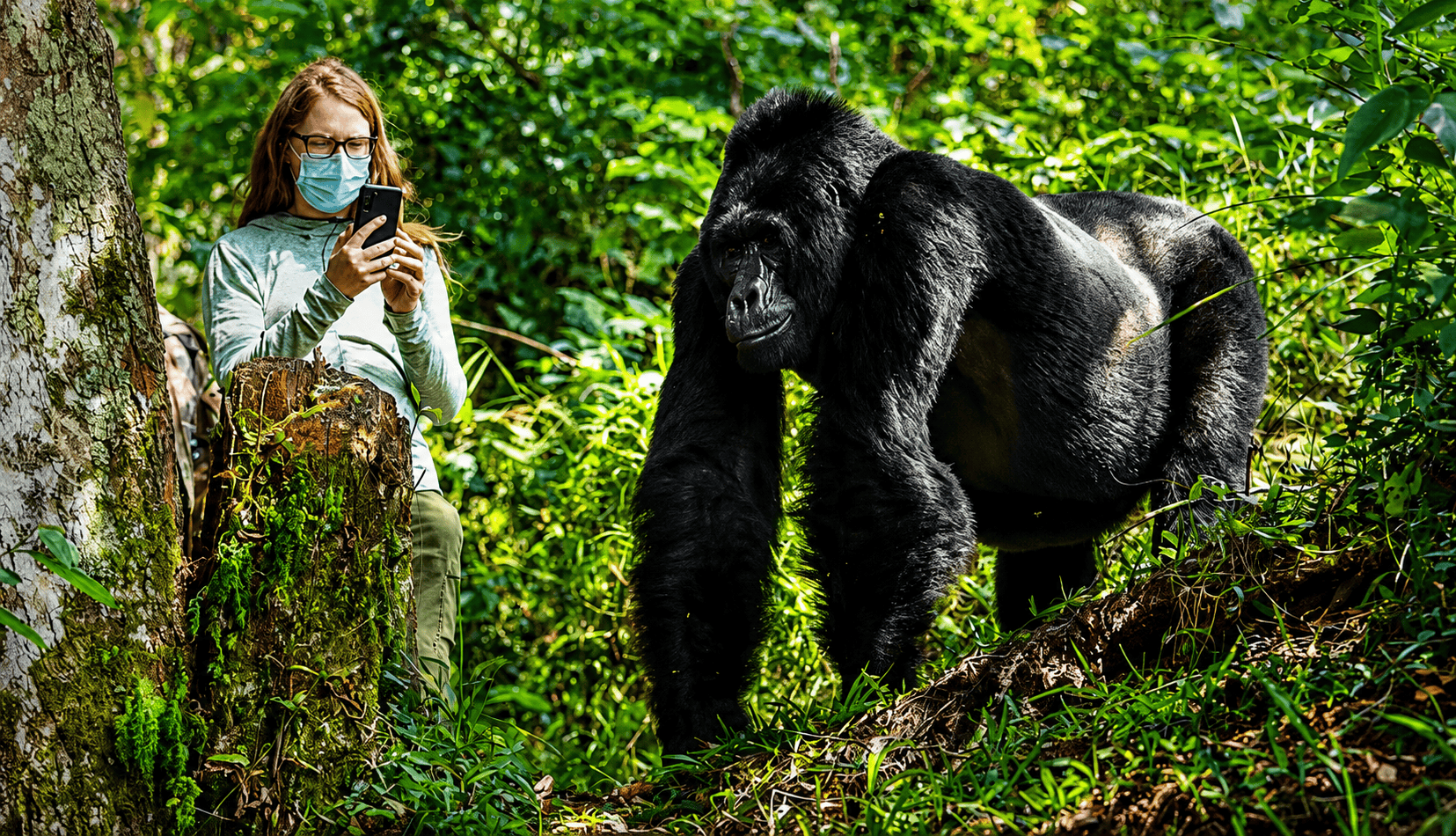
The gorilla habituation experience offers some of the best opportunities for photographers because visitors can spend up to four hours with a semi-habituated gorilla family.
Understanding Gorilla Photography Tips Bwindi Forest becomes even more valuable during habituation because photographers have more time to observe behavior, anticipate movements, and capture storytelling images.
Researchers and trackers provide valuable information about gorilla behavior, helping photographers understand when interesting moments may happen.
The extended time allows for deeper photographic storytelling compared to standard gorilla trekking.
Work With Your Guide and Ranger
Professional guidance is one of the most useful Gorilla Photography Tips Bwindi Forest. Rangers and guides understand gorilla behavior, forest conditions, and safe positioning during encounters.
They can help photographers identify interesting behaviors while ensuring all conservation rules are followed.
Listening to their advice improves both safety and photography opportunities while protecting the gorillas.
Hire a Porter for Better Photography Experience
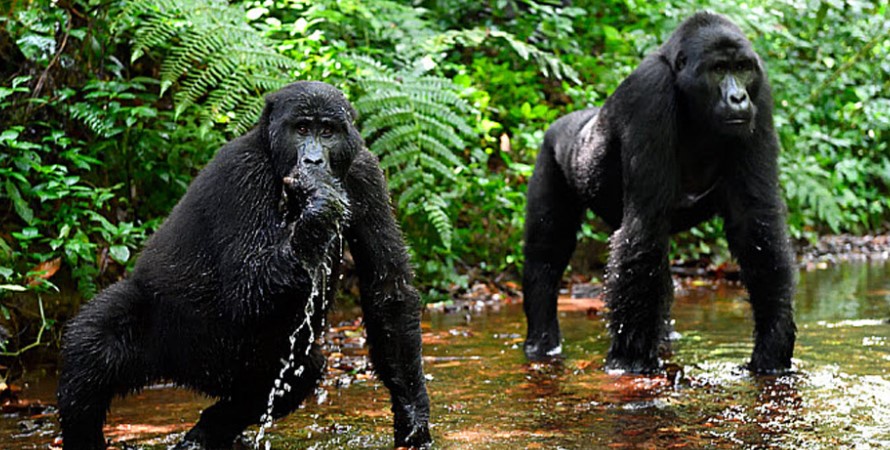
Hiring a porter is another practical recommendation among Gorilla Photography Tips Bwindi Forest. Carrying heavy camera equipment through steep rainforest terrain can quickly become tiring.
Porters help carry backpacks, camera accessories, and personal items, allowing photographers to conserve energy and remain focused on capturing images.
Supporting local porters also contributes directly to communities around Bwindi and strengthens conservation tourism.
Ethical Gorilla Photography Practices
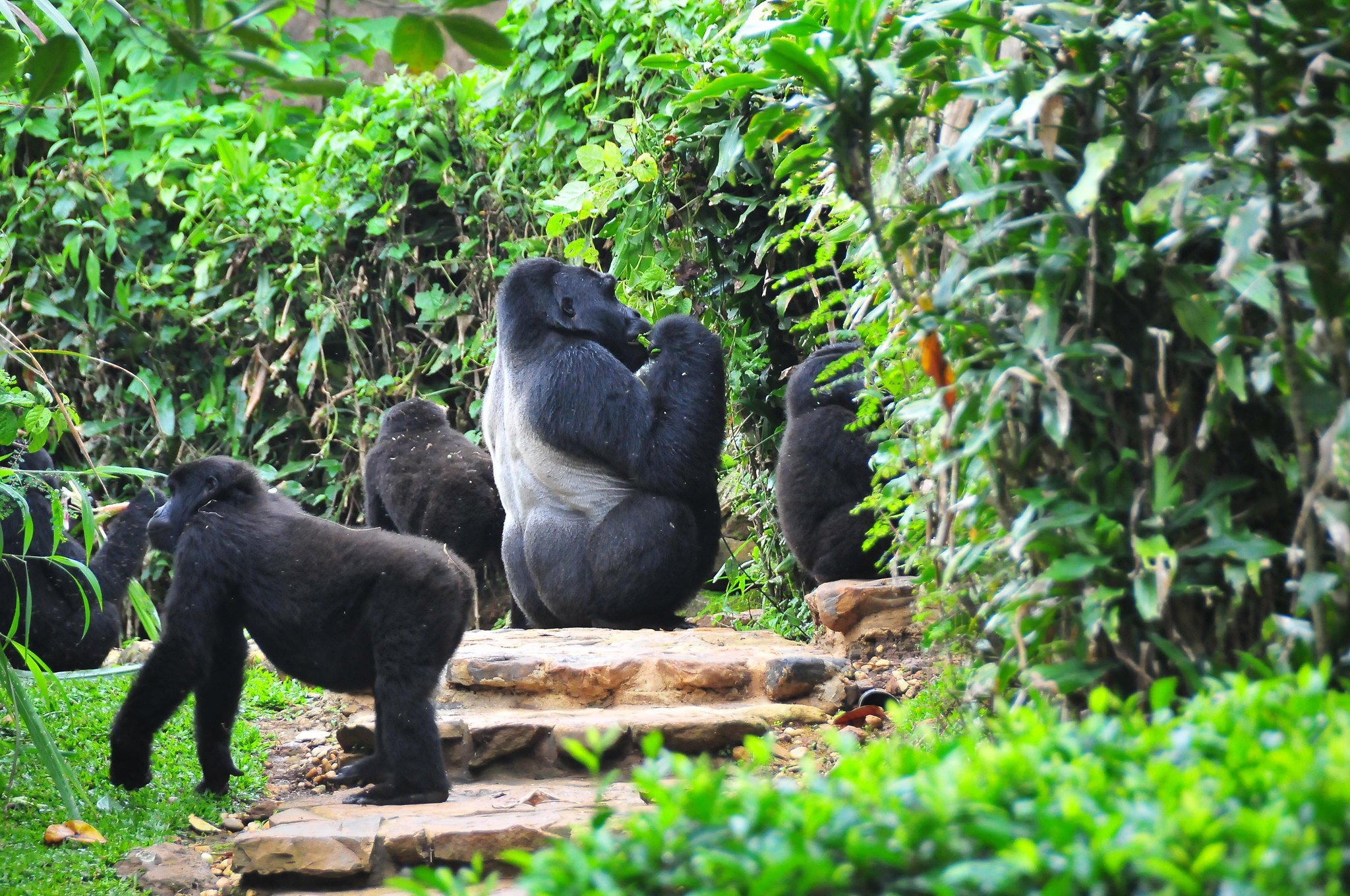
The best Gorilla Photography Tips Bwindi Forest always include respect for wildlife. Photographers should remember that the gorillas are not performing for visitors; they are wild animals living in their natural environment.
Avoiding sudden movements, maintaining distance, following ranger instructions, and minimizing disturbance are essential practices.
Responsible photography ensures that beautiful images can be created while protecting the wellbeing of endangered mountain gorillas.
Frequently Asked Questions About Gorilla Photography Tips Bwindi Forest
1. What are the best Gorilla Photography Tips Bwindi Forest for first-time photographers?
The most important Gorilla Photography Tips Bwindi Forest for first-time photographers include preparing your camera settings before entering the forest, carrying suitable equipment, understanding low-light photography, and remaining patient during gorilla encounters. Bwindi’s rainforest environment is very different from open wildlife areas, so photographers must adapt to changing light, dense vegetation, and unpredictable animal movements.
First-time photographers should focus on capturing natural behaviors rather than only close-up portraits. Moments such as a silverback looking into the distance, a mother caring for an infant, or young gorillas playing often create the most powerful images.
Working closely with experienced guides and rangers also improves photography because they understand gorilla behavior and help visitors position themselves responsibly without disturbing the animals.
2. What camera is best for gorilla photography in Bwindi Forest?
Choosing the right equipment is one of the most important Gorilla Photography Tips Bwindi Forest because the rainforest environment requires a camera that performs well in difficult conditions. A modern mirrorless camera or DSLR with excellent autofocus, good low-light performance, and reliable image quality is ideal.
Cameras with animal eye detection and fast focusing systems are especially useful because mountain gorillas move naturally and important moments can happen quickly. A camera that performs well at higher ISO settings is also valuable because Bwindi’s forest canopy creates darker conditions.
However, the best camera is one that matches your experience level, budget, and comfort because gorilla photography also requires hiking through challenging terrain.
3. Can I use a smartphone for gorilla photography in Bwindi?
Modern smartphones can capture impressive images, but they are generally not the best option for professional-quality gorilla photography. Among the recommended Gorilla Photography Tips Bwindi Forest is using a dedicated camera whenever possible because it provides better zoom capability, autofocus performance, and low-light results.
A smartphone can still be useful for capturing quick memories, videos, and personal moments during the safari. Many travelers carry both a smartphone and a dedicated camera.
For photographers who want detailed portraits, sharp images, and professional results, a camera with a suitable lens remains the preferred choice.
4. What lens should I use for gorilla photography in Bwindi Forest?
Selecting the right lens is one of the most valuable Gorilla Photography Tips Bwindi Forest because visitors must maintain a respectful distance from mountain gorillas.
A telephoto zoom lens, often ranging from approximately 70mm to 300mm, is highly recommended. It allows photographers to capture detailed facial expressions, family interactions, and behavioral moments without moving too close to the gorillas.
A versatile zoom lens is also practical because carrying extremely heavy equipment through Bwindi’s rainforest can become tiring during long trekking hours.
5. What camera settings are best for gorilla photography?
Understanding camera settings is among the most useful Gorilla Photography Tips Bwindi Forest because lighting conditions can change quickly beneath the rainforest canopy.
Many photographers use aperture priority mode with a wider aperture to allow more light into the camera and create beautiful background separation. Increasing ISO sensitivity helps maintain faster shutter speeds when conditions are darker.
A faster shutter speed is useful for capturing movement, especially when photographing young gorillas playing, silverbacks walking, or family interactions.
6. Is flash photography allowed during gorilla photography?
No. Flash photography is not permitted during gorilla encounters and is one of the most important rules included in Gorilla Photography Tips Bwindi Forest.
Bright flashes can disturb mountain gorillas and may interfere with their natural behavior. Instead, photographers should rely on natural light, suitable camera settings, and equipment designed for low-light conditions.
Responsible photography ensures that visitors capture beautiful images while protecting the comfort and wellbeing of the gorillas.
7. How can I take sharp photos in the dark Bwindi rainforest?
Capturing sharp images in Bwindi’s rainforest requires understanding the unique conditions, making this one of the essential Gorilla Photography Tips Bwindi Forest.
Photographers should use cameras with good low-light performance, increase ISO when necessary, choose appropriate shutter speeds, and use image stabilization whenever available.
Remaining steady, focusing carefully on the gorilla’s eyes, and avoiding unnecessary movement also improves image sharpness.
8. Should I bring extra batteries and memory cards?
Yes. Carrying extra batteries and memory cards is one of the practical Gorilla Photography Tips Bwindi Forest because gorilla encounters provide many opportunities for photographs.
During gorilla habituation, visitors may spend up to four hours observing gorillas, meaning hundreds of images can easily be captured. Running out of battery or storage during an important moment can be frustrating.
Keeping spare batteries and memory cards protected from moisture ensures you are always ready to capture memorable moments.
9. How do I protect my camera from rain in Bwindi Forest?
Protecting your equipment from moisture is one of the most important Gorilla Photography Tips Bwindi Forest because rainfall can occur unexpectedly at any time.
Photographers should carry waterproof camera covers, rain sleeves, protective bags, and lens cleaning cloths. A waterproof backpack cover also protects equipment while hiking through the forest.
After the trek, allowing your camera equipment to dry properly helps prevent moisture damage caused by the humid rainforest environment.
10. Can I change camera lenses during the gorilla encounter?
Yes, but photographers should do so carefully. One of the practical Gorilla Photography Tips Bwindi Forest is minimizing unnecessary lens changes because the rainforest environment contains moisture, dust, and vegetation particles.
Many photographers prefer using a versatile zoom lens that allows them to capture both wider family scenes and closer portraits without changing equipment.
If changing lenses becomes necessary, it should be done quickly and carefully while following ranger instructions.
11. How close can I get when photographing gorillas in Bwindi Forest?
Visitors must follow the official viewing distance guidelines during gorilla encounters. One of the most important Gorilla Photography Tips Bwindi Forest is respecting the required distance and allowing the gorillas to behave naturally.
Although gorillas may occasionally move closer to visitors, photographers should never attempt to approach them or position themselves for a better photo.
Respecting distance protects gorillas from disease transmission and ensures responsible wildlife photography.
12. What photography mistakes should I avoid during gorilla trekking?
Avoiding common mistakes is an important part of Gorilla Photography Tips Bwindi Forest. Many beginners focus only on taking as many photos as possible and forget to enjoy the actual experience.
Other mistakes include using flash, carrying too much heavy equipment, ignoring weather protection, failing to prepare camera settings, or moving unnecessarily around the gorillas.
The best wildlife photographers balance technical skills with patience, respect, and awareness of their surroundings.
13. Is gorilla habituation better for photography than normal gorilla trekking?
Yes, many photographers consider gorilla habituation better because visitors have more time with the gorillas. The experience allows up to four hours of observation compared to the one hour provided during standard trekking.
This makes understanding Gorilla Photography Tips Bwindi Forest even more valuable because photographers have more opportunities to capture different behaviors, interactions, and emotional moments.
The additional time allows for deeper storytelling and a greater appreciation of gorilla family dynamics.
14. Should I hire a porter for gorilla photography?
Yes. Hiring a porter is one of the most practical Gorilla Photography Tips Bwindi Forest, especially for photographers carrying cameras, lenses, batteries, and other equipment.
Porters help carry heavy bags through steep hills, muddy trails, and difficult rainforest sections. This allows photographers to conserve energy and focus completely on capturing images.
Hiring porters also supports local communities around Bwindi and contributes to sustainable tourism.
15. What accessories should I bring for gorilla photography?
Important accessories are a major part of Gorilla Photography Tips Bwindi Forest because they improve reliability during the safari.
Useful accessories include spare batteries, extra memory cards, waterproof camera protection, lens cleaning cloths, camera straps, and protective bags.
The goal is to carry enough equipment for excellent photography while avoiding unnecessary weight during the trek.
16. How can I photograph gorilla behavior instead of just portraits?
Capturing behavior is one of the most rewarding Gorilla Photography Tips Bwindi Forest because storytelling images often create stronger emotional connections.
Instead of focusing only on faces, photographers should watch interactions between family members. Grooming, feeding, playing, resting, and communication moments often reveal the true personality of the gorillas.
Patience is essential because the best photographs usually happen naturally rather than through forced positioning.
17. What clothing should photographers wear during gorilla photography?
Appropriate clothing is an important part of Gorilla Photography Tips Bwindi Forest because photographers spend many hours hiking before reaching the gorillas.
Long trousers, long-sleeved shirts, waterproof hiking boots, gloves, and rain jackets provide protection from mud, vegetation, insects, and changing weather.
Comfortable clothing allows photographers to concentrate on capturing images rather than dealing with discomfort.
18. Can beginners capture professional-looking gorilla photos?
Yes. Beginners can capture excellent images by following proper Gorilla Photography Tips Bwindi Forest and understanding basic photography techniques.
Learning how to use autofocus, adjust ISO, control shutter speed, and compose images before the safari greatly improves results.
The most important skills are patience, observation, and respect for the wildlife environment.
19. How can I make my gorilla photographs more unique?
Creating unique images requires more than having the best equipment. One of the advanced Gorilla Photography Tips Bwindi Forest is focusing on storytelling, emotion, and the relationship between gorillas and their environment.
Including rainforest elements, capturing expressions, photographing interactions, and waiting for meaningful moments creates more memorable images.
The best photographs often communicate the personality and beauty of the gorillas rather than simply showing what they look like.
20. How can I plan the best gorilla photography safari in Bwindi Forest?
Planning a successful photography adventure requires combining the right equipment with expert organization. Following Gorilla Photography Tips Bwindi Forest helps you prepare your camera, clothing, and photography approach before entering the rainforest.
An experienced safari operator can assist with securing gorilla permits, selecting the best trekking sector, arranging accommodation, organizing transportation, and providing advice specifically for photographers.
With proper preparation, the right equipment, and responsible photography practices, Bwindi Forest offers one of the most unforgettable wildlife photography experiences in the world, allowing you to capture powerful images of endangered mountain gorillas in their natural home.
Book Your Gorilla Photography Safari in Bwindi Forest
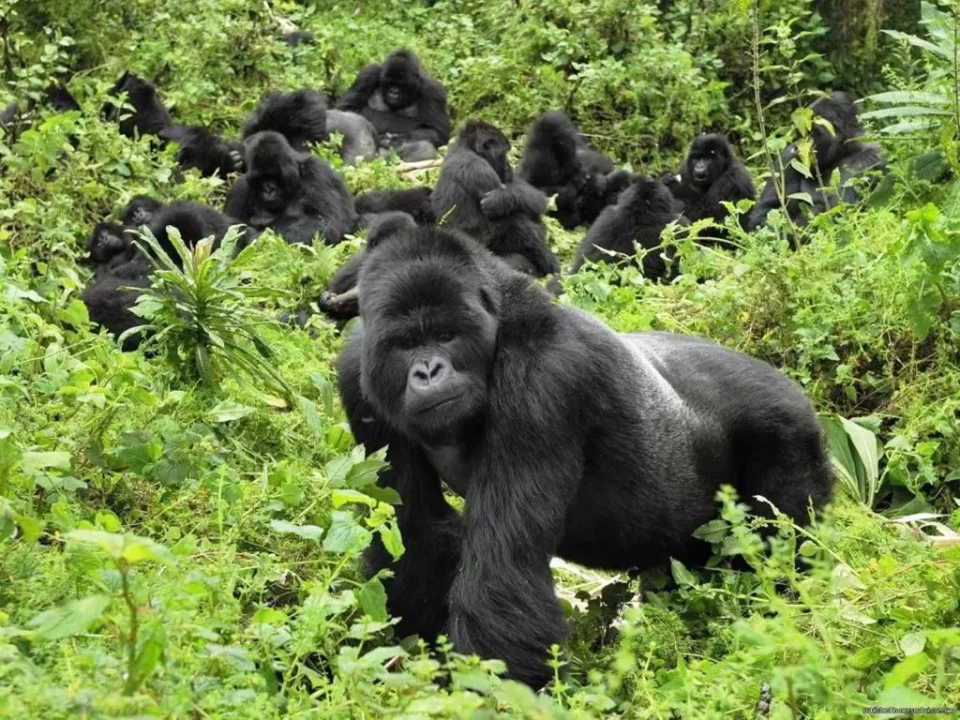
Capturing incredible gorilla images begins with proper preparation and expert planning. Understanding Gorilla Photography Tips Bwindi Forest helps you choose the right equipment, prepare for rainforest conditions, and approach the experience responsibly.
Our experienced safari specialists help photographers organize unforgettable gorilla photography adventures in Uganda. From securing gorilla permits and arranging accommodation to organizing transportation, porter services, and personalized safari itineraries, we handle every detail.
Whether you are a professional photographer searching for extraordinary wildlife images or a traveler hoping to preserve once-in-a-lifetime memories, we design experiences tailored to your photography goals.
Contact us today to plan your Bwindi gorilla photography safari and experience the magic of capturing mountain gorillas in one of Africa’s most spectacular rainforest environments. With the right preparation, expert guidance, and these Gorilla Photography Tips Bwindi Forest, your journey can become a collection of unforgettable images and lifelong memories.