

The Complete Bwindi Weather for Gorilla Habituation Guide: Understanding Rainforest Conditions for Your Gorilla Adventure
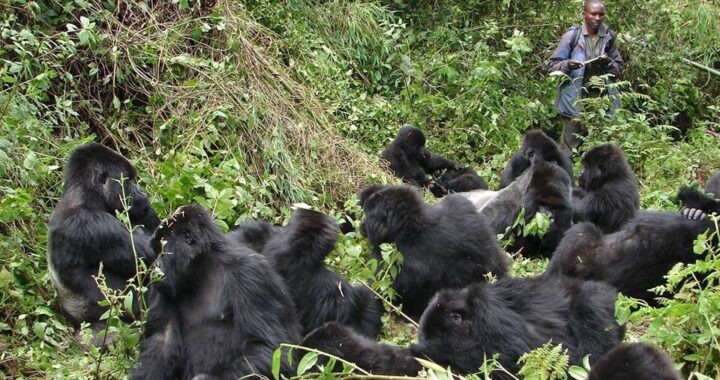
Bwindi Weather for Gorilla Habituation plays an important role in planning a successful and comfortable mountain gorilla experience in Uganda. Bwindi Impenetrable National Park is located in southwestern Uganda and is home to some of the world’s last remaining mountain gorillas. Because gorilla habituation involves spending several hours inside the rainforest with semi-habituated gorilla families, understanding the weather conditions helps travelers prepare properly and enjoy the experience to the fullest.
Unlike many wildlife destinations with predictable weather patterns, Bwindi is a tropical rainforest ecosystem where conditions can change quickly. Rainfall, mist, sunshine, humidity, and forest temperatures all influence the trekking experience. Even during the dry seasons, visitors should expect occasional showers because the forest environment naturally receives moisture throughout the year.
Understanding Bwindi Weather for Gorilla Habituation allows travelers to choose suitable clothing, prepare the right equipment, and select the best travel period based on their preferences. Whether you visit during the drier months of June to September and December to February or the wetter months of March to May and October to November, each season provides a unique opportunity to experience mountain gorillas in their natural habitat.
The weather does not stop gorilla habituation activities because mountain gorillas are naturally adapted to the rainforest environment. The gorillas continue feeding, resting, moving, and interacting regardless of changing weather conditions. With proper planning and guidance from experienced safari professionals, visitors can enjoy an unforgettable encounter throughout the year.
Location and Climate of Bwindi Impenetrable National Park
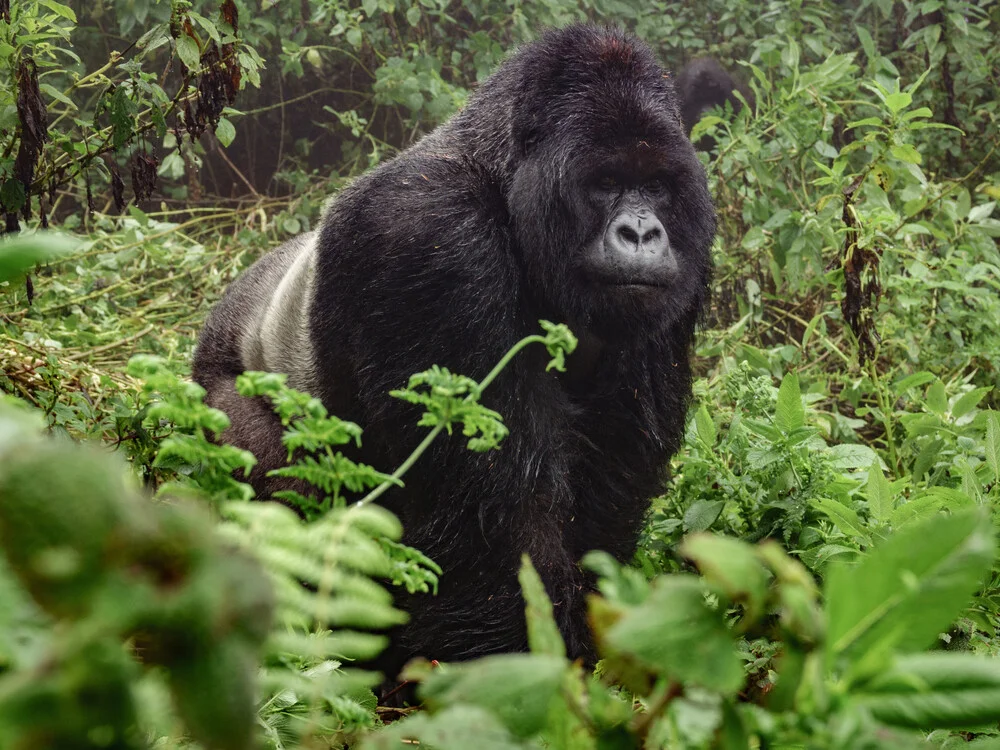
Understanding Bwindi Weather for Gorilla Habituation begins with knowing the location and climate of Bwindi Impenetrable National Park. The park is situated in southwestern Uganda along the Albertine Rift Valley and covers a mountainous landscape filled with ancient rainforest vegetation.
Bwindi’s elevation varies between approximately 1,160 and 2,600 meters above sea level, creating a cool and humid climate compared to many other parts of Uganda. The high altitude contributes to comfortable temperatures but also creates frequent cloud cover, mist, and rainfall.
The rainforest receives rainfall throughout the year because of its tropical climate. This constant moisture supports the incredible biodiversity of Bwindi, including mountain gorillas, chimpanzees, forest elephants, birds, butterflies, and thousands of plant species.
For visitors planning gorilla habituation, understanding the climate is essential because the forest environment can be different from the weather experienced in nearby towns. While areas like Kampala and Entebbe may experience sunshine, Bwindi can have cooler temperatures, mist, and sudden rainfall due to its mountainous rainforest conditions.
Temperature Conditions During Gorilla Habituation
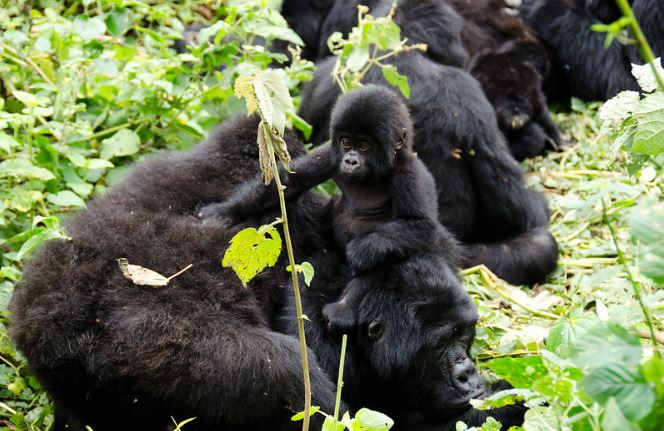
The Bwindi Weather for Gorilla Habituation experience is influenced by the park’s moderate temperatures. Due to its high elevation, Bwindi does not experience extreme heat, making it comfortable for trekking compared to many lowland wildlife destinations.
Average daytime temperatures usually range between approximately 20°C and 25°C, while mornings and evenings can feel cooler, especially after rainfall. Visitors spending several hours in the forest should carry appropriate clothing to remain comfortable throughout the experience.
The cool temperatures are beneficial during gorilla habituation because visitors often hike through challenging terrain before reaching the gorilla family. The mild climate reduces the effects of intense heat and allows travelers to enjoy longer periods outdoors.
However, travelers should not underestimate the forest environment. The combination of humidity, steep terrain, and changing weather conditions means proper preparation remains important regardless of the season.
Bwindi Weather During the Dry Seasons
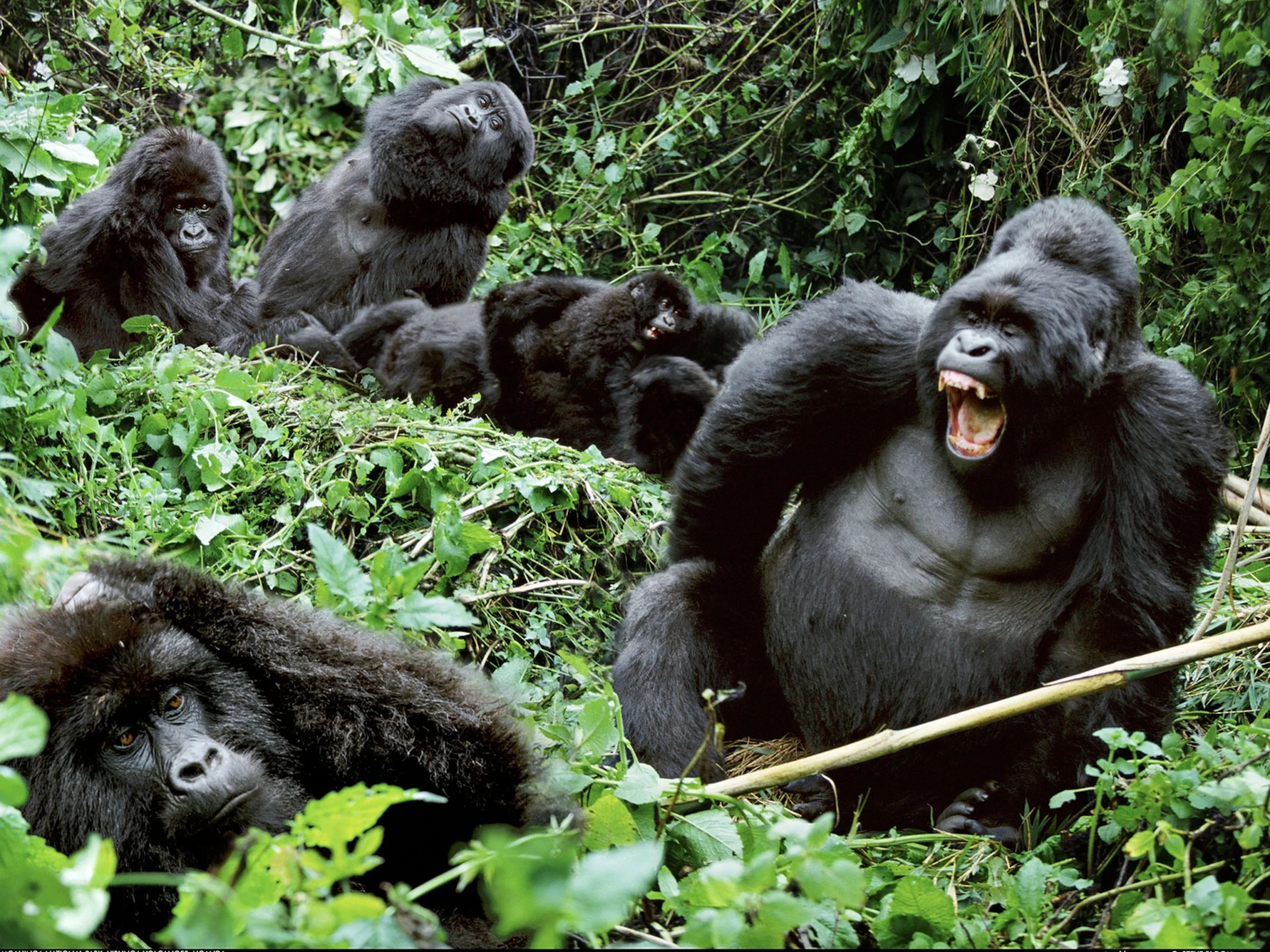
The dry seasons are often considered some of the most favorable periods when considering Bwindi Weather for Gorilla Habituation. Uganda experiences two main dry seasons: June to September and December to February.
During these months, rainfall is generally lower compared to the wetter seasons. Forest trails are usually easier to navigate, and visitors may experience more comfortable hiking conditions while searching for semi-habituated gorilla families.
The dry season does not mean the rainforest becomes dry. Bwindi remains green and vibrant throughout the year, providing a beautiful natural environment for gorilla encounters. Occasional showers can still occur because of the forest’s tropical climate.
For travelers who prefer easier trekking conditions, better photography opportunities, and more predictable weather, the dry season is often a preferred choice for gorilla habituation.
Bwindi Weather During the Rainy Seasons
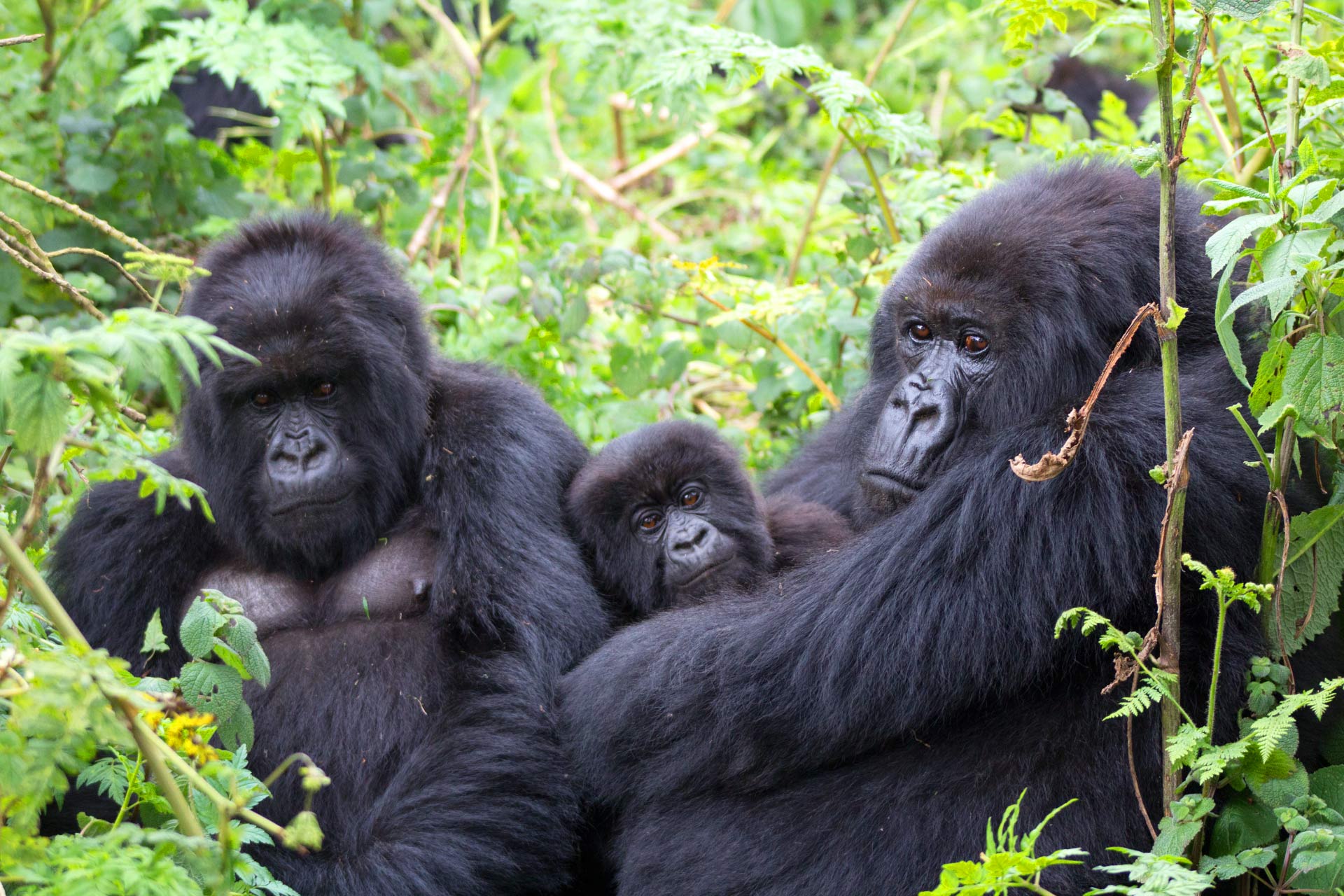
The rainy seasons are an important part of understanding Bwindi Weather for Gorilla Habituation because they influence the appearance and atmosphere of the rainforest. Bwindi experiences heavier rainfall mainly from March to May and October to November.
During these months, the forest becomes extremely lush and vibrant. Vegetation grows abundantly, streams become fuller, and the mist-covered mountains create a dramatic rainforest atmosphere.
Rain can make trails more slippery and challenging, especially because gorilla habituation involves several hours of hiking through dense forest terrain. However, experienced guides and trackers help visitors navigate safely while maintaining responsible gorilla viewing practices.
Many travelers appreciate rainy season visits because fewer tourists travel during these months. This creates a quieter experience and allows visitors to enjoy a deeper connection with the forest and gorillas.
How Weather Affects Gorilla Habituation Trekking Conditions
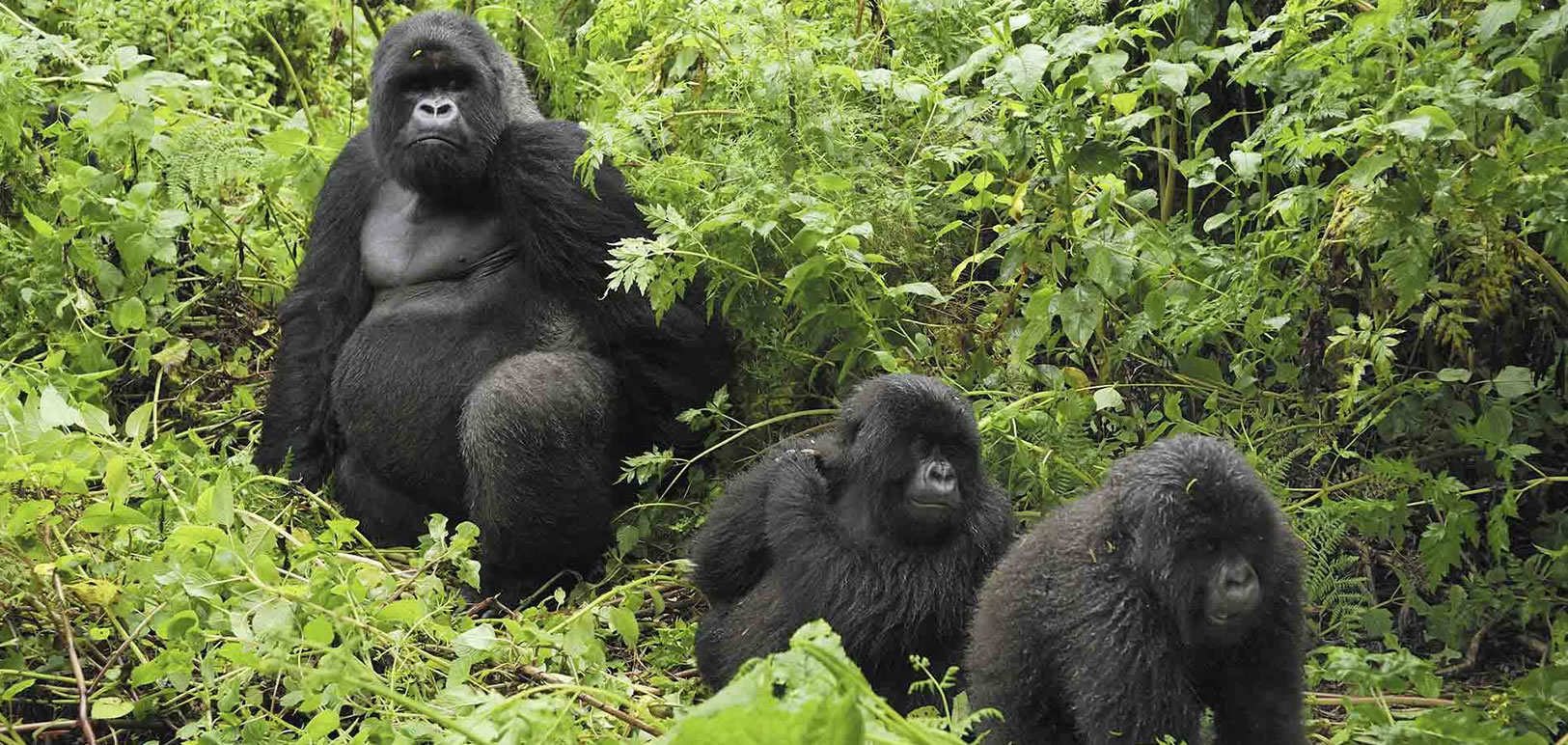
The Bwindi Weather for Gorilla Habituation directly affects the physical experience of trekking through the forest. Since habituation involves extended observation periods, visitors should understand how weather influences trail conditions and comfort.
During dry periods, trails are usually firmer, making hiking easier. Visitors may cover forest paths with fewer interruptions and spend more comfortable time observing gorilla families.
During rainy periods, trails may become muddy, requiring stronger footwear and careful movement. However, the rain also enhances the beauty of the rainforest and creates opportunities to observe a different side of Bwindi’s ecosystem.
Regardless of weather conditions, the expertise of trackers and guides ensures visitors receive a safe and meaningful experience while respecting gorilla welfare.
Best Months Based on Bwindi Weather for Gorilla Habituation
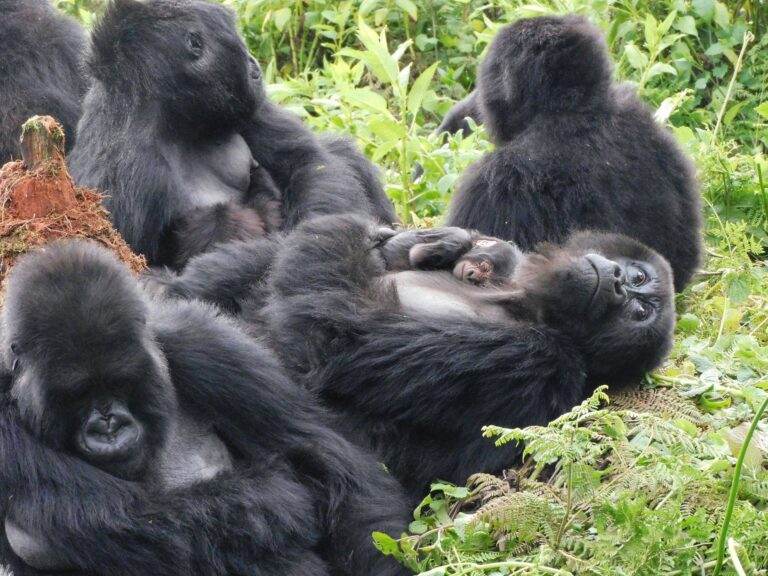
Choosing the best month depends on personal preferences, but understanding Bwindi Weather for Gorilla Habituation helps travelers make informed decisions.
June, July, August, and September are popular because of relatively favorable weather conditions and easier trekking conditions. These months are especially attractive for travelers who want comfortable hiking and excellent photography opportunities.
December, January, and February also provide favorable conditions, making them popular among holiday travelers and visitors combining gorilla habituation with other Uganda safari experiences.
March to May and October to November offer a different experience with fewer visitors, greener landscapes, and a more adventurous rainforest atmosphere. Travelers who do not mind wetter conditions can enjoy a highly rewarding encounter during these months.
Photography and Bwindi Weather Conditions
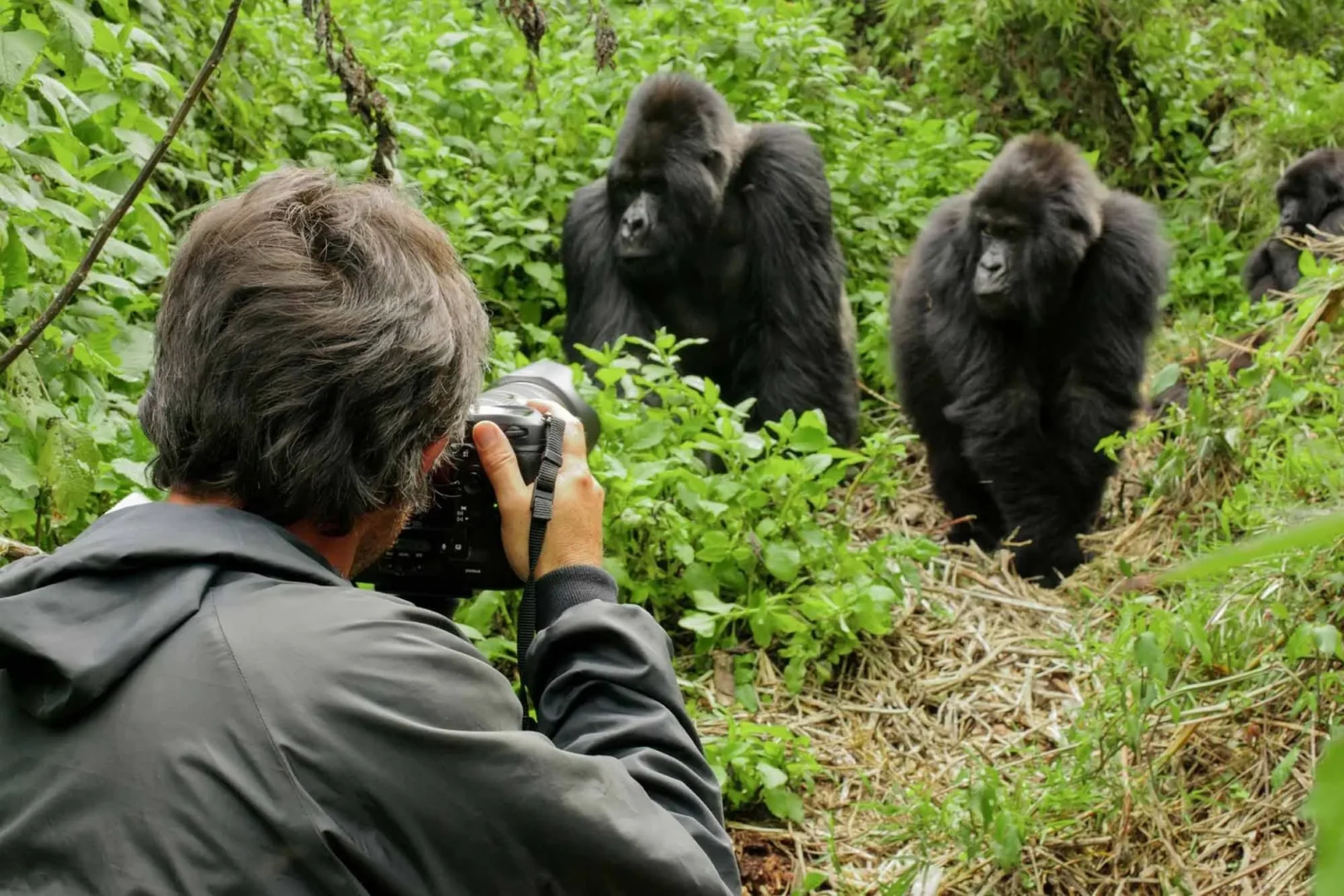
The Bwindi Weather for Gorilla Habituation has a major influence on photography opportunities. Different seasons create different moods and backgrounds for capturing mountain gorillas in the rainforest.
During drier months, clearer conditions may provide better visibility and easier camera handling. Visitors can spend extended periods photographing gorillas while moving through more accessible trails.
Rainy months create unique photography opportunities with mist, wet vegetation, and dramatic forest scenery. These conditions often produce powerful images that showcase the wild beauty of Bwindi.
Photographers should always prepare for changing weather by carrying waterproof camera protection, extra batteries, and equipment suitable for humid rainforest conditions.
What to Pack According to Bwindi Weather Conditions
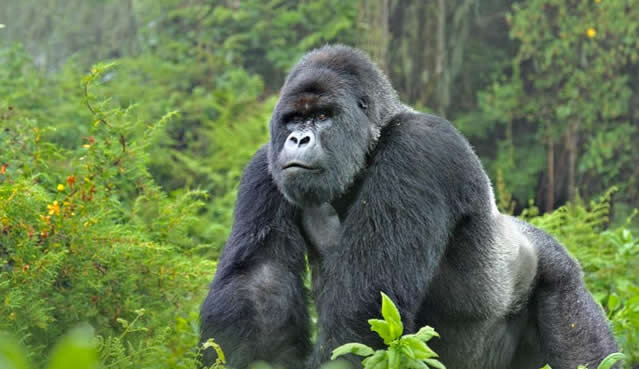
Preparing according to Bwindi Weather for Gorilla Habituation ensures a comfortable and enjoyable experience. Because weather conditions can change quickly, visitors should always prepare for both sunshine and rainfall.
Suitable hiking boots are essential because trails may be uneven or muddy. Waterproof jackets, long trousers, long-sleeved shirts, and gloves help protect visitors from vegetation, insects, and changing temperatures.
A waterproof backpack, drinking water, snacks, camera protection, and personal items are also recommended because visitors can spend several hours inside the forest.
Proper preparation allows travelers to focus on the incredible gorilla encounter rather than worrying about changing weather conditions.
Conservation Importance Regardless of Weather Conditions
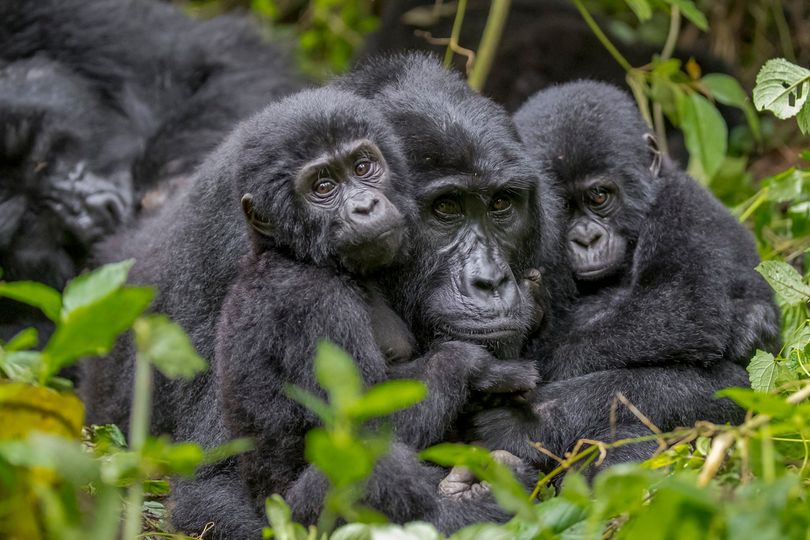
The Bwindi Weather for Gorilla Habituation does not affect the importance of conservation efforts. Gorilla habituation continues throughout the year because researchers and conservation teams monitor gorilla families in all seasons.
Tourism revenue generated from habituation permits supports forest protection, ranger patrols, veterinary programs, scientific research, and local community projects.
Studying gorillas under different weather conditions also provides researchers with valuable information about how these animals adapt to their rainforest environment.
By visiting Bwindi responsibly, travelers contribute directly to protecting endangered mountain gorillas and preserving their natural habitat.
Frequently Asked Questions About Bwindi Weather for Gorilla Habituation
1. What is the weather like in Bwindi during gorilla habituation?
Bwindi Weather for Gorilla Habituation is generally cool, humid, and unpredictable because Bwindi Impenetrable National Park is a tropical rainforest located in a mountainous region of southwestern Uganda. Unlike open savannah parks, Bwindi experiences frequent changes in weather, including sunshine, mist, clouds, and occasional rainfall throughout the year.
Average daytime temperatures are usually comfortable, ranging between approximately 20°C and 25°C, while mornings and evenings can feel cooler due to the high elevation. The forest environment creates a refreshing climate, making long hours of gorilla observation more comfortable compared to hotter lowland destinations.
Visitors should remember that Bwindi is a rainforest, meaning rain can occur even during traditionally dry months. Proper preparation with suitable clothing and rain protection is important regardless of the season.
2. What are the best months based on Bwindi Weather for Gorilla Habituation?
The best months based on Bwindi Weather for Gorilla Habituation are generally during the drier periods from June to September and December to February. These months usually have lower rainfall, making forest trails more manageable and comfortable for visitors.
The dry seasons are popular because gorilla habituation requires several hours of hiking through dense rainforest terrain. Better trail conditions allow visitors to move more comfortably while following trackers to locate semi-habituated gorilla families.
However, the best month depends on individual preferences. Some travelers prefer dry seasons for easier trekking, while others choose rainy months for fewer visitors and greener rainforest scenery.
3. Does it rain every day in Bwindi during gorilla habituation?
No, it does not rain every day. Although Bwindi Weather for Gorilla Habituation is influenced by the rainforest climate, rainfall patterns vary throughout the year.
During dry seasons, visitors may experience mostly favorable conditions with occasional short showers. During rainy seasons, rainfall is more frequent, but it does not necessarily mean that it rains continuously throughout the day.
Many visitors are surprised to discover that rainy periods can still provide excellent gorilla experiences because the weather often changes quickly, with periods of sunshine between showers.
4. How does Bwindi weather affect gorilla habituation trekking?
Bwindi Weather for Gorilla Habituation directly influences trekking conditions because visitors spend several hours hiking through the forest before and after observing gorilla families.
During drier months, trails are generally firmer and less slippery, making movement easier. This can be especially beneficial because Bwindi has steep hills, thick vegetation, and uneven terrain.
During wetter months, trails may become muddy and require more careful walking. However, experienced trackers and guides help visitors navigate safely while ensuring the gorilla experience remains enjoyable and responsible.
5. Is the dry season the best time because of Bwindi Weather for Gorilla Habituation?
Many travelers consider the dry season among the best periods because Bwindi Weather for Gorilla Habituation is usually more favorable during June to September and December to February.
Lower rainfall often creates easier hiking conditions, better comfort during long forest walks, and improved opportunities for photography.
However, the dry season is not the only good time to visit. The rainy season offers its own advantages, including fewer visitors, lush landscapes, and a more peaceful rainforest atmosphere.
6. What temperatures should I expect during gorilla habituation?
Understanding Bwindi Weather for Gorilla Habituation helps visitors prepare for the park’s moderate temperatures. Bwindi does not experience extreme heat because of its high altitude.
Daytime temperatures usually remain comfortable, while early mornings and evenings may feel cooler. The combination of altitude, humidity, and forest shade creates a refreshing environment.
Visitors should pack layers of clothing so they can adjust comfortably as temperatures change throughout the day.
7. Can I do gorilla habituation during the rainy season?
Yes, gorilla habituation is available throughout the year, including rainy months. Bwindi Weather for Gorilla Habituation during the rainy season creates a different but equally rewarding experience.
The rainforest becomes greener, waterfalls and streams become more active, and mist often creates beautiful scenery across the forest-covered mountains.
Although trails may be more challenging, travelers who prepare properly can enjoy incredible encounters with mountain gorillas during rainy periods.
8. Does weather affect gorilla behavior in Bwindi?
The weather can influence certain aspects of gorilla movement, but Bwindi Weather for Gorilla Habituation does not stop gorillas from carrying out their normal activities.
Mountain gorillas are naturally adapted to rainforest conditions. They continue feeding, resting, grooming, communicating, and moving through the forest during both rainy and dry periods.
Visitors can observe natural behaviors throughout the year because gorillas remain active regardless of changing weather conditions.
9. What should I wear according to Bwindi Weather for Gorilla Habituation?
Clothing preparation is important because Bwindi Weather for Gorilla Habituation can change quickly. Visitors should wear comfortable hiking boots, long trousers, and long-sleeved shirts.
A waterproof jacket is highly recommended because rainfall can occur unexpectedly. Gardening gloves are also useful for protecting hands while moving through vegetation.
Dressing appropriately ensures visitors remain comfortable while hiking and spending extended time observing gorilla families.
10. Is Bwindi cold during gorilla habituation?
Bwindi is not extremely cold, but Bwindi Weather for Gorilla Habituation can feel cool, especially during early mornings, after rainfall, and in shaded forest areas.
The high elevation of Bwindi creates cooler conditions than many other parts of Uganda. Visitors often appreciate this comfortable climate during long walks through the rainforest.
Carrying a light warm layer or fleece jacket is recommended, especially for early morning departures.
11. Which season offers the best photography conditions in Bwindi?
Photography conditions depend on what type of images travelers want. The Bwindi Weather for Gorilla Habituation during dry seasons often provides easier camera handling because there is less rainfall.
Clearer conditions may help photographers capture detailed images of silverbacks, infants, and family interactions.
However, rainy seasons create unique photography opportunities with mist, wet vegetation, and dramatic rainforest backgrounds that highlight the wild character of Bwindi.
12. Does Bwindi weather affect gorilla habituation permit availability?
The weather does not change permit availability, but demand often changes depending on travel seasons. Bwindi Weather for Gorilla Habituation influences when many travelers choose to visit.
Dry seasons usually attract more visitors because of favorable trekking conditions, meaning permits may be reserved earlier.
Travelers should book permits in advance regardless of the season to secure their preferred dates.
13. What is Bwindi weather like in June, July, and August?
June, July, and August are among the popular months discussed in Bwindi Weather for Gorilla Habituation because they fall within the longer dry season.
During these months, rainfall is usually lower, and trekking conditions are often more comfortable. The forest remains green, providing beautiful scenery for visitors.
These months are particularly attractive for travelers who want easier hiking conditions and reliable gorilla habituation experiences.
14. What is Bwindi weather like from March to May?
March to May is one of the wetter periods in the Bwindi Weather for Gorilla Habituation calendar. Rainfall is generally higher, and trails may become muddy.
Despite the wetter conditions, this period offers beautiful rainforest scenery with lush vegetation and fewer visitors.
Travelers who enjoy adventure, photography, and quieter experiences can find this season highly rewarding with proper preparation.
15. Can elderly travelers handle Bwindi weather during habituation?
Yes, many elderly travelers successfully enjoy gorilla habituation when properly prepared. Understanding Bwindi Weather for Gorilla Habituation helps them choose suitable travel periods.
Drier months may provide more comfortable trail conditions, while additional support such as porters can make hiking easier.
A professional safari company can help arrange suitable accommodation, transportation, and assistance based on individual needs.
16. How should photographers prepare for Bwindi weather?
Photographers should prepare carefully because Bwindi Weather for Gorilla Habituation can change quickly.
Waterproof camera covers, protective bags, extra batteries, and lens cloths are recommended because humidity and rainfall can affect equipment.
Proper preparation allows photographers to focus on capturing memorable gorilla moments without worrying about weather challenges.
17. Does Bwindi weather affect the length of the habituation experience?
Generally, visitors can still enjoy up to four hours with semi-habituated gorilla families. However, Bwindi Weather for Gorilla Habituation may influence the pace of trekking and movement through the forest.
Guides and trackers always prioritize safety and gorilla welfare when making decisions.
Regardless of conditions, the experience remains focused on understanding gorilla behavior and conservation.
18. Can I combine gorilla habituation with other Uganda safaris regardless of weather?
Yes, gorilla habituation can be combined with other Uganda experiences throughout the year. Understanding Bwindi Weather for Gorilla Habituation helps create better safari plans.
Travelers often combine gorilla habituation with chimpanzee trekking, Queen Elizabeth National Park, Murchison Falls, or cultural experiences.
A customized itinerary allows visitors to enjoy Uganda’s diverse attractions while considering seasonal weather conditions.
19. How can NextGEN Safaris help me plan around Bwindi weather?
NextGEN Safaris helps travelers understand Bwindi Weather for Gorilla Habituation and choose the best travel period based on their interests.
Our team provides guidance on seasonal conditions, trekking preparation, accommodation options, transportation, and permit arrangements.
With local knowledge and experienced guides, we ensure visitors enjoy a comfortable, safe, and unforgettable gorilla habituation adventure.
20. How do I book a gorilla habituation safari considering Bwindi weather?
Booking a safari based on Bwindi Weather for Gorilla Habituation with NextGEN Safaris ensures every detail is carefully planned.
Our team organizes gorilla habituation permits, transportation, comfortable lodges near Bwindi, and professional guides who understand the forest environment.
Whether you prefer the dry season for easier trekking or the rainy season for a quieter rainforest experience, NextGEN Safaris creates a personalized gorilla habituation journey designed around your expectations.
Contact NextGEN Safaris today and begin planning your unforgettable mountain gorilla habituation experience in Bwindi Impenetrable National Park.
Booking Your Gorilla Habituation Experience Based on Bwindi Weather with NextGEN Safaris
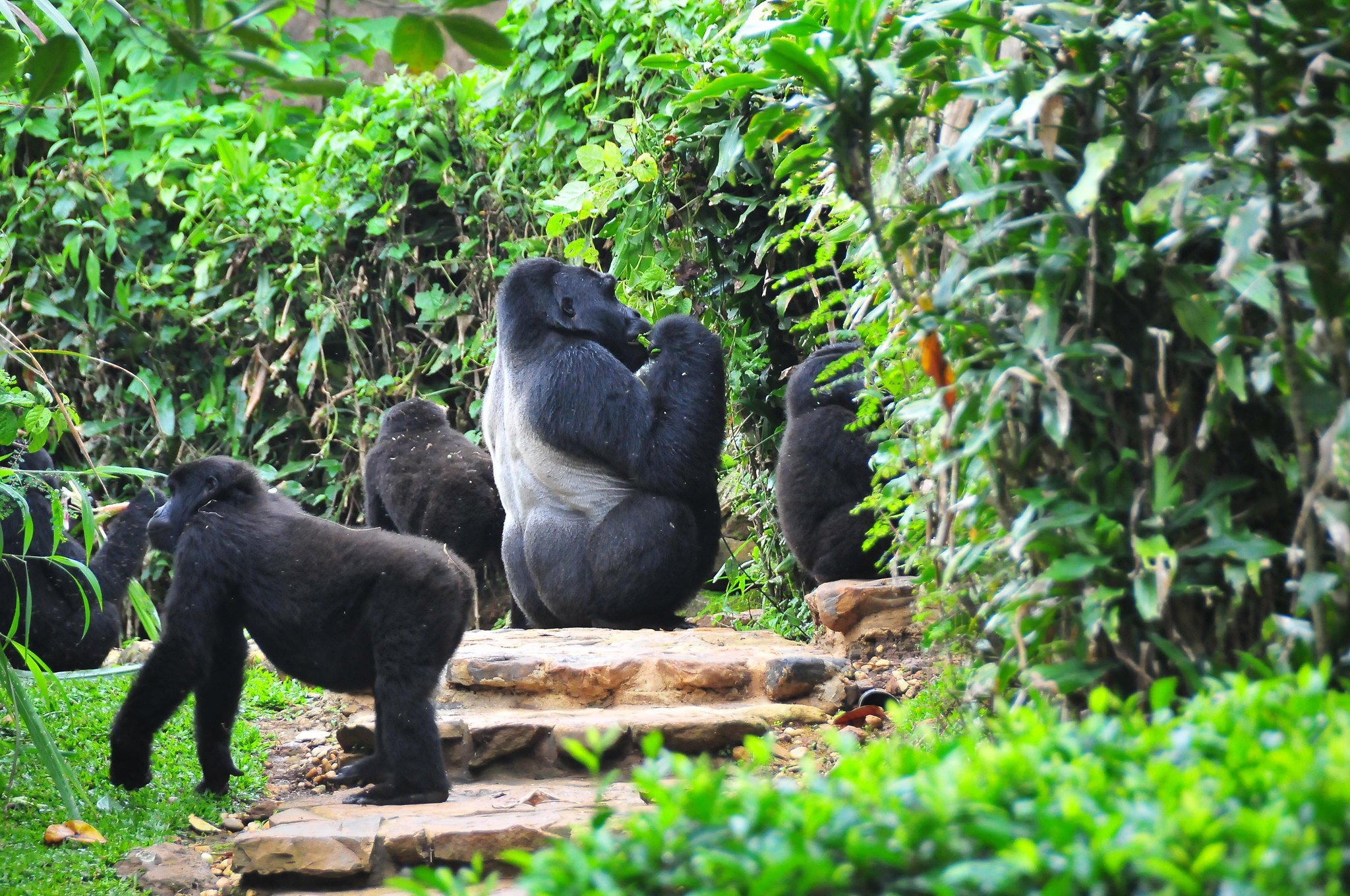
Planning your trip according to Bwindi Weather for Gorilla Habituation requires professional advice and careful organization. NextGEN Safaris helps travelers select the ideal travel period based on weather preferences, trekking ability, photography interests, and overall safari expectations.
Our team provides complete gorilla habituation arrangements, including securing permits, organizing transportation, booking comfortable accommodation, and providing experienced local guides who understand Bwindi’s changing weather conditions.
When you travel with NextGEN Safaris, you receive expert guidance on what to expect during your visit. Our guides explain how weather affects trekking, gorilla behavior, forest conditions, and preparation requirements.
We organize journeys from Kampala, Entebbe, or Kigali, ensuring a smooth connection to Bwindi Impenetrable National Park. Our comfortable safari vehicles and knowledgeable drivers make the journey part of the adventure.
We also create customized itineraries that combine gorilla habituation with other Uganda experiences such as chimpanzee trekking, Queen Elizabeth National Park safaris, cultural encounters, and scenic destinations.
Choosing NextGEN Safaris means experiencing Bwindi Weather for Gorilla Habituation with a trusted local partner committed to safety, conservation, and unforgettable wildlife experiences.
Contact NextGEN Safaris today and let our experts help you plan your perfect gorilla habituation adventure in Bwindi Impenetrable National Park.