

Ultimate Best Gorilla Habituation Safari Itineraries 2026–2030: Explore Africa’s Mountain Gorillas
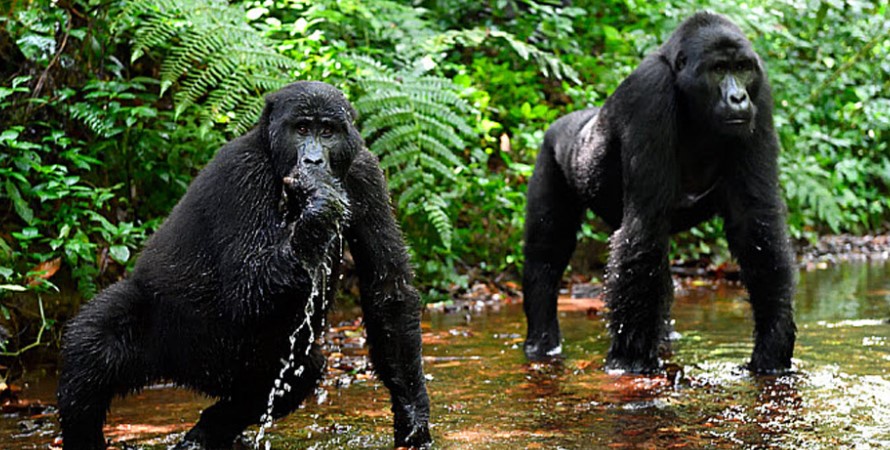
The Best Gorilla Habituation Safari Itineraries 2026–2030 provide travelers with carefully curated experiences designed to maximize wildlife encounters, cultural immersion, and rainforest exploration. These itineraries are tailored to showcase the most intimate and extended interactions with habituated mountain gorillas while accommodating a range of traveler preferences from solo adventurers and families to honeymooners and wildlife photographers.
With the growing popularity of gorilla habituation experiences across East Africa, the Best Gorilla Habituation Safari Itineraries 2026–2030 integrate the latest conservation practices, updated park regulations, and enhanced lodge options to create safe, immersive, and memorable journeys. These itineraries focus on combining comfort, adventure, and education, ensuring that every participant experiences the richness of Uganda’s Bwindi Impenetrable Forest, Mgahinga Gorilla National Park, and Rwanda’s Volcanoes National Park.
By aligning the itineraries with the latest trends, seasonal patterns, and eco-tourism initiatives, the Best Gorilla Habituation Safari Itineraries 2026–2030 enable travelers to plan ahead, enjoy optimal conditions for gorilla habituation, and immerse themselves fully in both the wildlife and local communities that support conservation efforts.
Why Choose the Best Gorilla Habituation Safari Itineraries 2026–2030
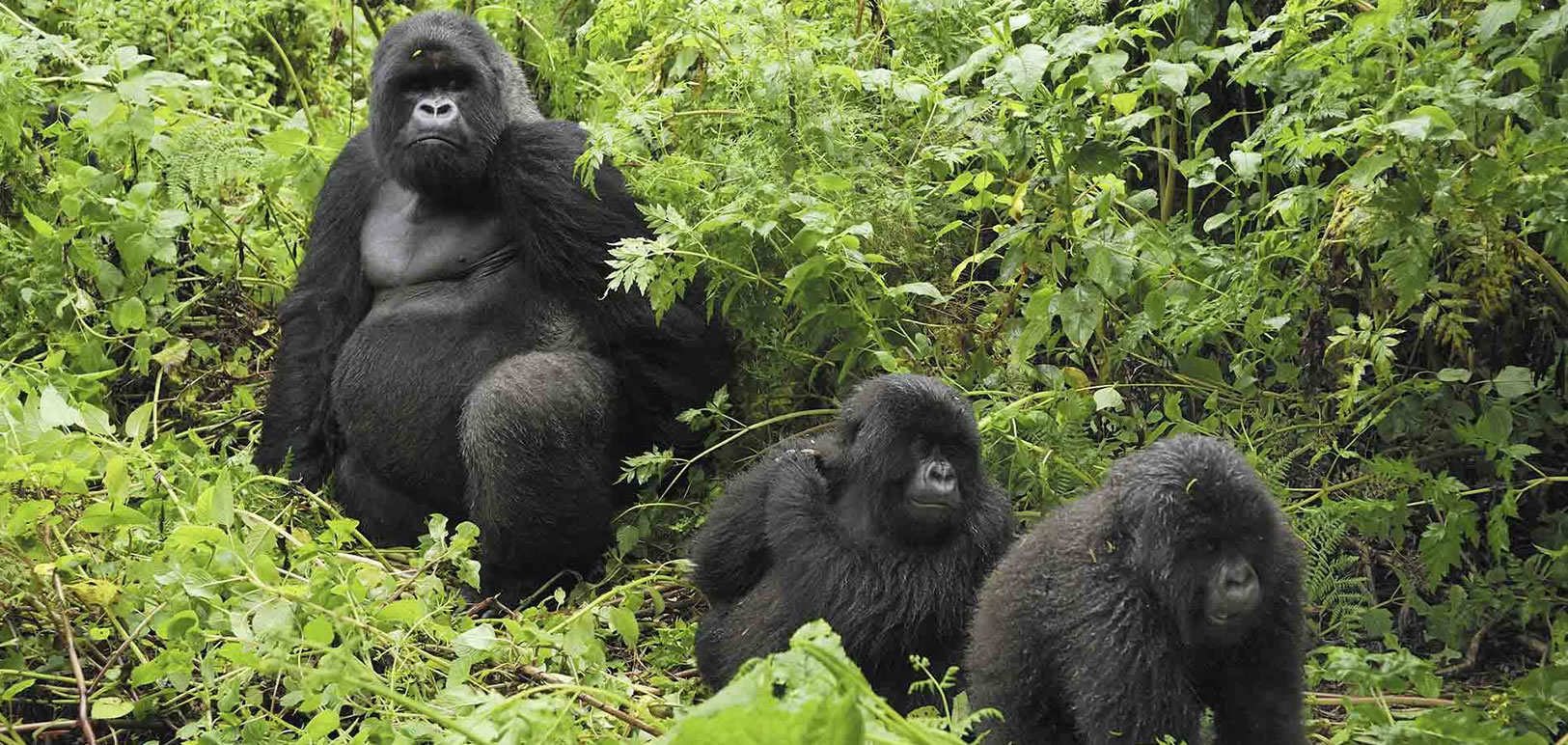
Choosing the Best Gorilla Habituation Safari Itineraries 2026–2030 allows travelers to embark on structured yet flexible journeys that combine adventure, education, and wildlife observation with comfort and efficiency. These itineraries are designed to minimize long overland transfers, reducing fatigue and maximizing the time spent in the forest with habituated gorilla families. Under the expert supervision of Uganda Wildlife Authority (UWA) and Rwanda Development Board (RDB) rangers, participants enjoy safe and immersive encounters, gaining unparalleled insight into gorilla social dynamics, infant behaviors, and family interactions.
The Best Gorilla Habituation Safari Itineraries 2026–2030 cater to travelers’ personal interests and priorities, allowing flexibility for birdwatching, nature photography, cultural visits to local Batwa communities, and exploration of surrounding rainforest ecosystems. By combining wildlife observation with educational experiences, these itineraries provide context on ecological processes, conservation challenges, and the delicate balance between local communities and gorilla habitats. Guests leave not only with unforgettable memories but also with a deeper understanding of the importance of protecting these endangered species and their environment.
Sustainability and responsible tourism are central to these itineraries. Lodges and camps included in the Best Gorilla Habituation Safari Itineraries 2026–2030 utilize eco-conscious practices, including solar energy, rainwater harvesting, low-impact construction, and waste management initiatives. By supporting these operations, travelers contribute directly to gorilla conservation, anti-poaching efforts, and local community development. This ensures that the safari experience is not only memorable but also responsible, allowing guests to enjoy the rainforest knowing that their journey supports both the wildlife and the communities that protect it.
Accommodations and Comfort
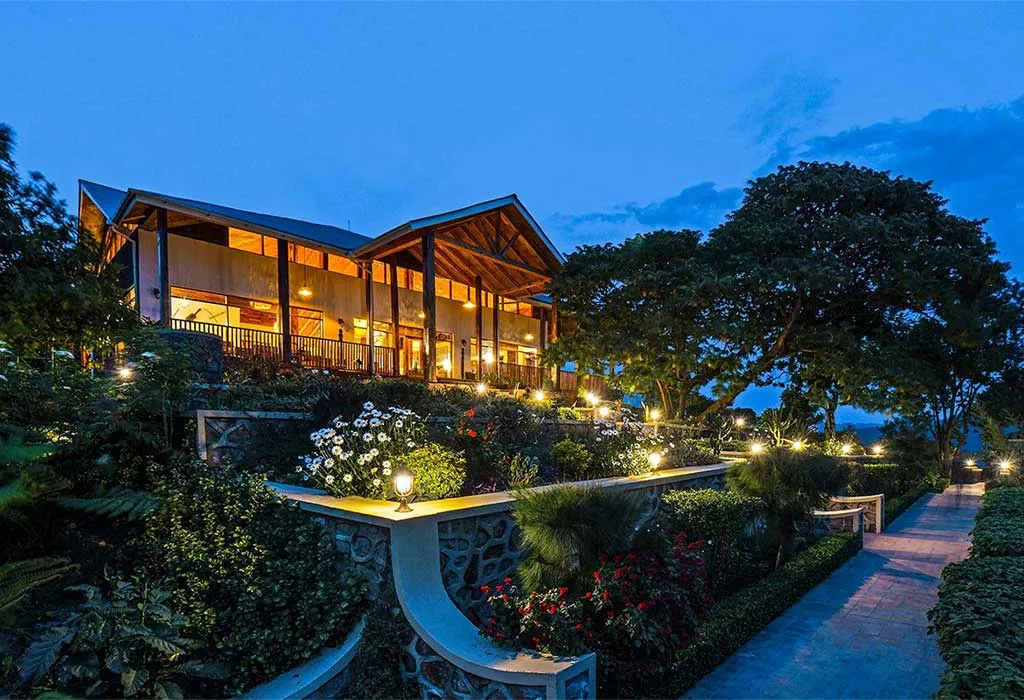
Accommodations along the Best Gorilla Habituation Safari Itineraries 2026–2030 are carefully selected to balance convenience, comfort, and immersion in the forest environment. In Uganda, lodges near Bwindi Impenetrable Forest and Mgahinga Gorilla National Park feature forest-view suites, private terraces, and modern amenities that allow travelers to relax after morning habituation treks. Many lodges integrate eco-friendly designs, such as solar-powered lighting, sustainable materials, and rainwater harvesting, offering a responsible and immersive stay that complements the wildlife experience.
In Rwanda, lodges near Volcanoes National Park provide panoramic views of the Virunga volcanoes, offering a dramatic and inspiring setting for relaxation and photography. Luxury accommodations offer personalized services such as private guides, in-room dining, and tailored experiences, ensuring that honeymooners, couples, or small groups enjoy both comfort and privacy. Midrange lodges strike a balance between affordability and convenience, with clean rooms, communal or private dining, and easy access to habituation sectors. Budget-friendly options provide safe, practical, and well-maintained rooms, ensuring that even cost-conscious travelers can participate in the Best Gorilla Habituation Safari Itineraries 2026–2030 without compromising safety or access to gorilla experiences.
Staying in lodges integrated into the forest ecosystem enhances the overall safari experience. Guests can wake to the sounds of the rainforest, enjoy early morning walks to nearby habituation sectors, and take in sunrise or sunset views over misty hills or volcanic peaks. Proximity to trekking points reduces transit time, allowing travelers to conserve energy for habituation treks, photography, and optional forest activities. The combination of strategic lodge placement, comfort, and immersion ensures that the Best Gorilla Habituation Safari Itineraries 2026–2030 provide a holistic experience where guests are well-rested, engaged, and fully connected to the rainforest environment.
Wildlife and Conservation Focus
At the heart of the Best Gorilla Habituation Safari Itineraries 2026–2030 is the opportunity to engage closely with mountain gorillas in their natural habitat. Habituation experiences allow several hours with gorilla families, offering unique insights into their social structures, feeding habits, and playful interactions. These encounters are guided by trained rangers who also provide educational context about gorilla ecology and the challenges of conservation.
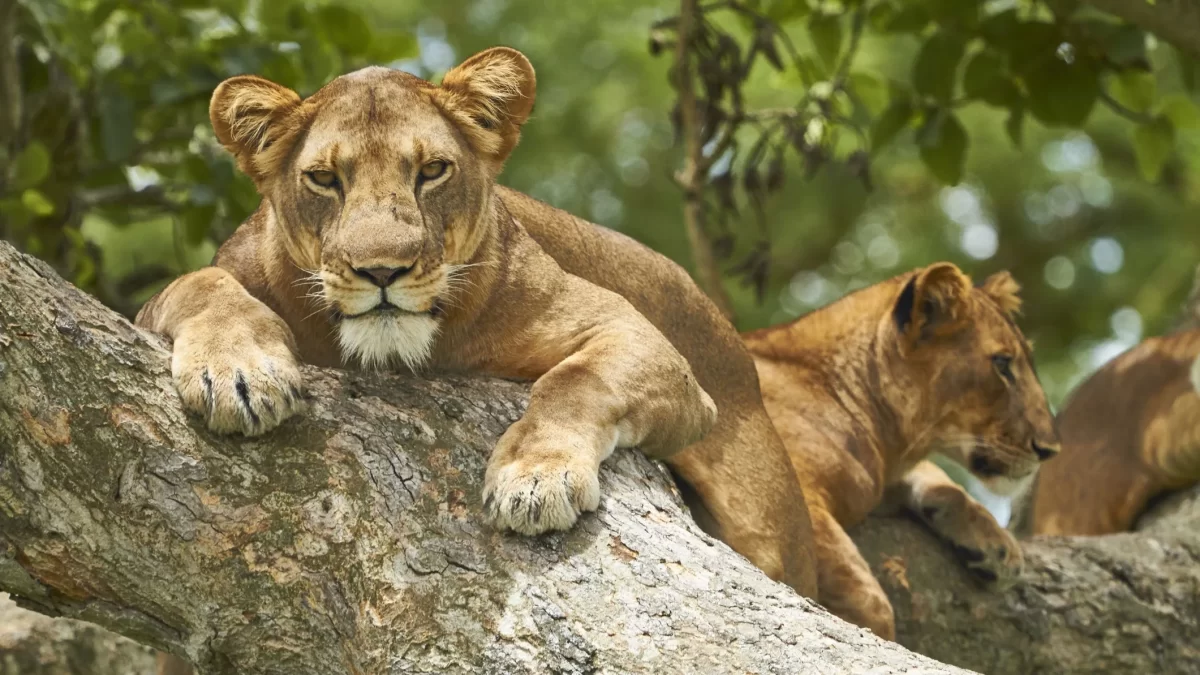
Beyond gorillas, these itineraries expose travelers to a wide variety of rainforest wildlife, including chimpanzees, golden monkeys, colobus monkeys, and hundreds of endemic bird species. Forest trails also allow exploration of unique flora, butterflies, and other small mammals, creating a comprehensive wildlife experience. Photography enthusiasts benefit from extended observational periods and scenic lodge settings, providing ample opportunities to capture both wildlife and landscapes.
Conservation is central to the Best Gorilla Habituation Safari Itineraries 2026–2030, with all park fees, habituation permits, and lodge contributions directly supporting anti-poaching patrols, community development, and gorilla protection initiatives. Travelers gain not only a wildlife adventure but also a firsthand understanding of the efforts necessary to protect these critically endangered species for future generations.
Immersive Experiences and Optional Activities
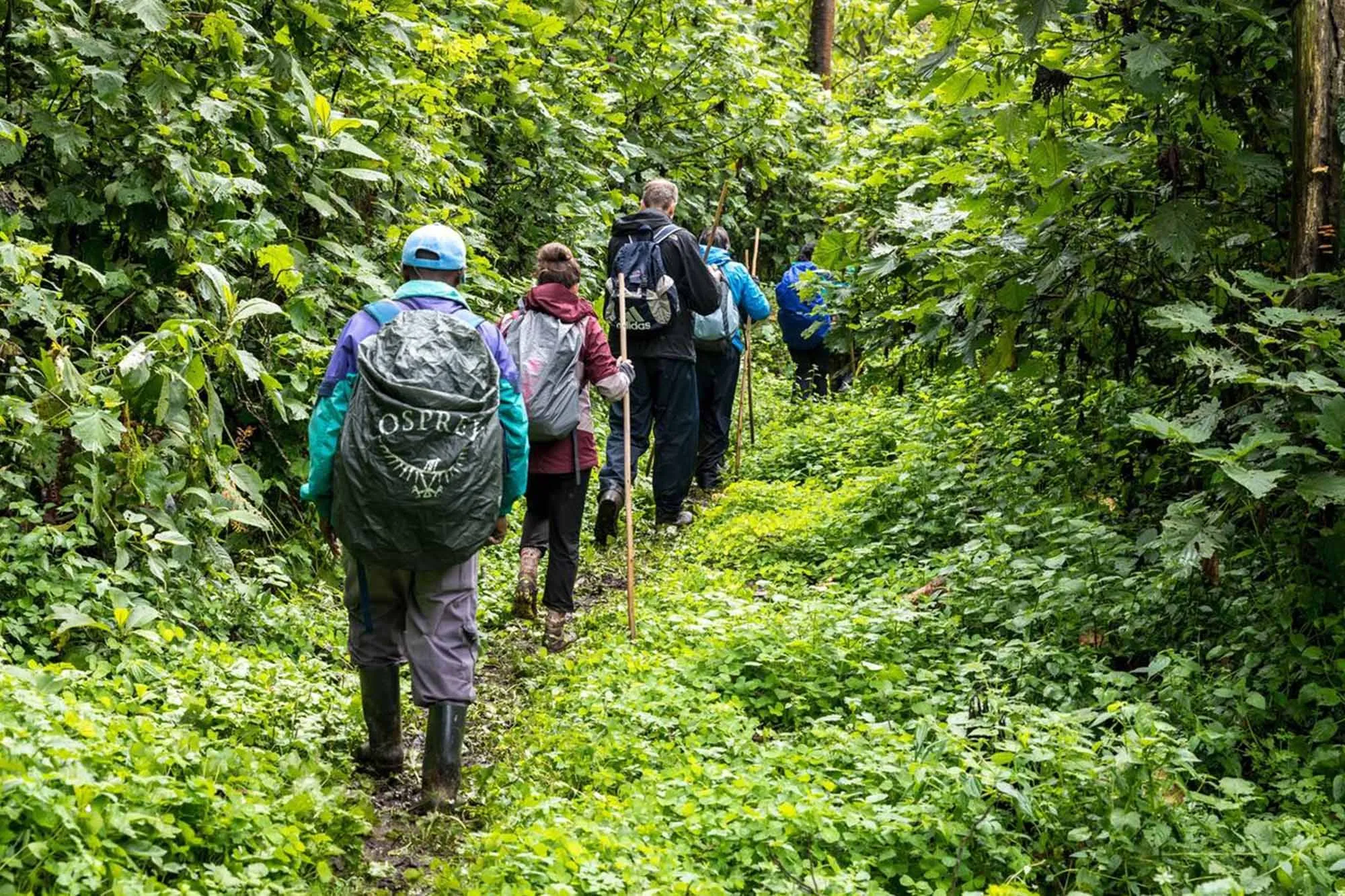
The Best Gorilla Habituation Safari Itineraries 2026–2030 go beyond habituation treks to provide a holistic rainforest experience. Guided forest walks, birdwatching excursions, and educational sessions on primate ecology and forest conservation enrich the safari experience. Visitors can also participate in cultural visits to local Batwa communities or neighboring villages to learn about traditional crafts, forest stewardship, and community-based conservation programs.
Optional photography sessions, early morning treks, and private guided experiences allow travelers to customize their safari according to personal interests. This flexibility ensures that participants can maximize gorilla encounters while exploring flora, fauna, and cultural elements at their own pace.
By blending wildlife observation, cultural engagement, and educational components, the Best Gorilla Habituation Safari Itineraries 2026–2030 provide an immersive, transformative adventure that combines adventure, relaxation, and meaningful learning. These itineraries are designed to leave travelers with lasting memories, a deep appreciation for gorilla conservation, and a profound connection to East Africa’s rainforest ecosystems.
Frequently Asked Questions About Best Gorilla Habituation Safari Itineraries 2026–2030
1. What are the Best Gorilla Habituation Safari Itineraries 2026–2030?
The Best Gorilla Habituation Safari Itineraries 2026–2030 are carefully curated travel plans that combine extended mountain gorilla habituation experiences with immersive rainforest exploration. These itineraries are designed to maximize encounters with habituated gorilla families in Uganda’s Bwindi Impenetrable Forest and Mgahinga Gorilla National Park, as well as Rwanda’s Volcanoes National Park.
Unlike standard gorilla trekking, habituation experiences allow guests several hours of observation, providing deeper insight into gorilla behavior, social dynamics, and infant interactions. This extended engagement forms the cornerstone of the Best Gorilla Habituation Safari Itineraries 2026–2030.
By following these itineraries, travelers gain a comprehensive and immersive understanding of gorilla ecology, forest biodiversity, and conservation efforts, creating a truly transformative wildlife adventure across East Africa.
2. Who can participate in the Best Gorilla Habituation Safari Itineraries 2026–2030?
These itineraries are suitable for solo travelers, couples, honeymooners, families with children over the minimum age requirement, and small groups.
Children under the minimum age for habituation (usually 15 years) may participate in lodge-based activities or guided walks around the forest edge. This allows families to experience the safari together while ensuring safety.
The Best Gorilla Habituation Safari Itineraries 2026–2030 are designed to accommodate travelers with varying fitness levels and interests, providing flexibility while maintaining quality wildlife encounters.
3. Where do the itineraries take place?
The itineraries cover key gorilla habitats in Uganda and Rwanda. In Uganda, habituation occurs in Bwindi Impenetrable Forest and Mgahinga Gorilla National Park. Rwanda’s Volcanoes National Park adds volcanic landscapes and additional habituated gorilla families.
Each location offers unique scenery and wildlife, allowing travelers to experience multiple gorilla families, diverse flora, and endemic bird species.
By spanning both countries, the Best Gorilla Habituation Safari Itineraries 2026–2030 provide a holistic understanding of gorilla behavior, forest ecology, and conservation strategies across East Africa.
4. How long are habituation treks in these itineraries?
Gorilla habituation treks typically last 3–5 hours, depending on the family’s location, forest terrain, and movement patterns.
Extended time with gorilla families allows guests to observe social interactions, grooming, and feeding behaviors while capturing photographs and taking notes for educational purposes.
This extended engagement is a defining feature of the Best Gorilla Habituation Safari Itineraries 2026–2030, offering a richer and more memorable wildlife experience than standard trekking.
5. What accommodations are included?
Accommodations are carefully selected lodges near habituation sectors to maximize convenience and comfort.
Luxury lodges offer forest or volcano views, private terraces, and eco-conscious amenities. Midrange lodges provide clean, comfortable rooms with dining options and basic amenities, while budget-friendly options prioritize safety and practical comfort.
Staying near habituation sectors ensures minimal transit time and maximizes the immersive experience, making the Best Gorilla Habituation Safari Itineraries 2026–2030 both convenient and comfortable.
6. How physically challenging are these safaris?
The itineraries involve moderate trekking through dense rainforest terrain, which may include mud, uneven paths, and slopes.
Participants should wear sturdy shoes, carry water, and follow ranger instructions for safety and pacing.
The Best Gorilla Habituation Safari Itineraries 2026–2030 are designed to be accessible, with lodge-based rest periods and optional lighter activities for those requiring a more relaxed pace.
7. When is the best time to go?
The optimal periods are during Uganda and Rwanda’s dry seasons: June–September and December–February.
Dry conditions reduce muddy trails, improve gorilla visibility, and enhance comfort for both trekking and lodge stays.
Traveling during these months ensures the Best Gorilla Habituation Safari Itineraries 2026–2030 provide safe, memorable, and visually stunning wildlife experiences.
8. Are meals included?
Yes, meals are typically included throughout the Best Gorilla Habituation Safari Itineraries 2026–2030, often in full-board or half-board formats.
Breakfast, packed lunches for morning treks, and dinners at lodges are provided, featuring both local and international cuisine.
Including meals allows travelers to focus entirely on gorilla habituation, wildlife observation, and forest exploration.
9. Are guided services provided?
All habituation treks are led by trained UWA and RDB rangers.
Guides ensure safety, provide ecological and behavioral interpretation, and enhance understanding of gorilla conservation.
Professional guidance is central to the Best Gorilla Habituation Safari Itineraries 2026–2030, enriching the educational and immersive aspects of the experience.
10. Can families participate?
Yes, families can participate, with children above the minimum age joining habituation treks.
Younger children can enjoy lodge activities or guided forest walks, allowing the entire family to experience the safari safely.
This makes the Best Gorilla Habituation Safari Itineraries 2026–2030 inclusive, educational, and enjoyable for all age groups.
11. Are porter services available?
Many lodges provide porter services for luggage and trekking equipment.
Porters help families, honeymooners, or photographers manage gear, allowing travelers to focus on gorilla habituation and forest activities.
Using porter services enhances convenience and comfort during the Best Gorilla Habituation Safari Itineraries 2026–2030.
12. Are lodges eco-friendly?
Many lodges adhere to eco-conscious practices such as solar power, water conservation, and responsible waste management.
Guests’ fees contribute directly to conservation and community development programs.
Eco-friendly accommodations make the Best Gorilla Habituation Safari Itineraries 2026–2030 sustainable and aligned with conservation goals.
13. Can honeymooners enjoy this safari?
Yes, couples can enjoy private suites, terraces, and intimate dining experiences.
Gorilla habituation treks provide shared wildlife experiences, combining adventure and romance.
The Best Gorilla Habituation Safari Itineraries 2026–2030 offer ideal settings for honeymooners or romantic getaways in East Africa.
14. What other wildlife can I see?
Besides mountain gorillas, travelers may see chimpanzees, golden monkeys, colobus monkeys, and hundreds of bird species.
Forest walks reveal small mammals, endemic plants, and butterflies, providing a rich biodiversity experience.
This diversity makes the Best Gorilla Habituation Safari Itineraries 2026–2030 educational and visually stunning.
15. How long are the habituation sessions?
Sessions last 3–5 hours, giving enough time to observe feeding, grooming, and social behaviors.
This duration allows photography, note-taking, and deeper engagement with gorilla family dynamics.
Extended encounters are a defining feature of the Best Gorilla Habituation Safari Itineraries 2026–2030.
16. Are cultural experiences included?
Yes, visits to Batwa communities or local villages are often part of the itineraries.
Guests learn about traditional crafts, forest livelihoods, and conservation initiatives.
Cultural exposure enriches the Best Gorilla Habituation Safari Itineraries 2026–2030, providing a deeper understanding of human-wildlife coexistence.
17. How long should I plan for this safari?
The itineraries range from 5–7 days, depending on how many habituation sectors are included.
This duration allows multiple habituation treks, photography, and optional cultural or forest-based activities.
Sufficient time ensures a comprehensive, immersive, and memorable Best Gorilla Habituation Safari Itineraries 2026–2030 experience.
18. How physically prepared should I be?
Moderate fitness is recommended for trekking through rainforest terrain, mud, and slopes.
Rangers provide guidance on pacing, hydration, and safety.
Travelers of average fitness can enjoy the Best Gorilla Habituation Safari Itineraries 2026–2030 safely with proper preparation.
19. Can I take photographs during habituation?
Yes, photography is permitted under ranger supervision to avoid disturbing gorillas.
Guests can capture feeding, social interactions, and infant play, creating lasting memories.
Photography is a highlight of the Best Gorilla Habituation Safari Itineraries 2026–2030, offering unique opportunities for both amateur and professional wildlife photographers.
20. How do I book the Best Gorilla Habituation Safari Itineraries 2026–2030?
Booking should be done through reputable safari operators who manage permits, lodges, and guided treks in both Uganda and Rwanda.
Early booking is crucial due to limited habituation permits and high demand for lodges near habituation sectors.
Professional operators ensure a seamless, efficient, and immersive Best Gorilla Habituation Safari Itineraries 2026–2030, guaranteeing travelers a safe, unforgettable, and fully organized East African wildlife adventure.
Booking the Best Gorilla Habituation Safari Itineraries 2026–2030
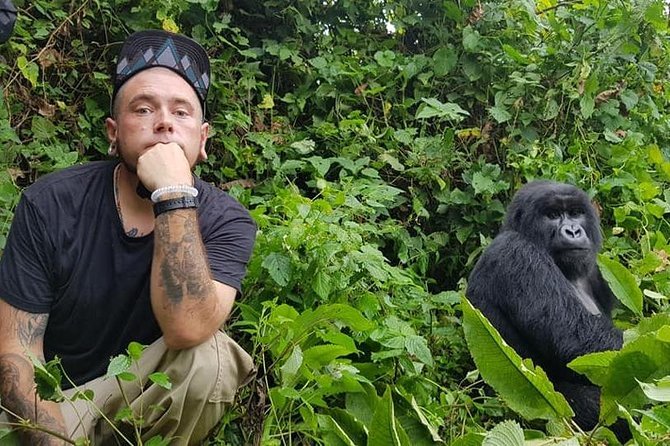
Booking the Best Gorilla Habituation Safari Itineraries 2026–2030 requires early planning to secure gorilla habituation permits, preferred lodges, and optimal trekking sectors. Due to the limited number of daily permits issued by the Uganda Wildlife Authority (UWA) and Rwanda Development Board (RDB), advanced reservations are crucial. Early booking ensures access to popular habituation families, peak-season availability, and accommodations close to Bwindi, Mgahinga, and Volcanoes National Park sectors.
Professional safari operators specializing in the Best Gorilla Habituation Safari Itineraries 2026–2030 handle all aspects of planning to provide a seamless experience. This includes coordinating cross-border logistics for itineraries that span Uganda and Rwanda, arranging domestic flights or road transfers, confirming lodges, and organizing expert UWA and RDB guides for each habituation trek. Operators can also integrate optional experiences such as guided forest walks, birdwatching, photography sessions, and cultural visits to Batwa communities, tailoring the safari to individual interests, fitness levels, and preferences.
Booking through a trusted safari operator guarantees that travelers can focus entirely on the wildlife experience, forest immersion, and photography opportunities without worrying about logistics. Operators also provide support with itinerary adjustments, special requests, and safety protocols to maximize comfort and satisfaction. By securing reservations early, travelers ensure that their Best Gorilla Habituation Safari Itineraries 2026–2030 are organized, time-efficient, and fully immersive, providing a safe, memorable, and transformative adventure across Uganda and Rwanda’s most iconic gorilla habitats.