What Is the Cost of Gorilla Habituation in Uganda?
How Much Does Gorilla Habituation in Uganda Cost? For a foreign non-resident travelling in 2026, the official Uganda Gorilla Habituation permit costs USD 1,500 per person, while foreign residents currently pay USD 1,000, travellers qualifying under the Rest of Africa category pay USD 1,000, and eligible East African Community citizens pay UGX 750,000. Uganda Wildlife Authority has already announced an important change for travellers planning ahead: from 1 January 2027, the foreign non-resident Gorilla Habituation permit will increase to USD 1,800 per person and the foreign resident rate will rise to USD 1,600, while the announced Rest of Africa rate remains USD 1,000 and the East African Community rate remains UGX 750,000.
The permit is the largest single compulsory cost for most international travellers, but it is not the complete price of a gorilla habituation safari. The overall amount spent on the journey also depends on accommodation, transportation to Bwindi Impenetrable National Park, the number of nights included, whether the safari begins in Entebbe or Kigali, whether road transfers or domestic flights are used, the level of lodge selected, porter assistance, meals outside the booked package, travel insurance, visas where applicable and any other wildlife experiences added before or after Bwindi. This distinction is important because travellers sometimes see the USD 1,500 figure online and assume that this represents the entire cost of travelling to Uganda and completing the experience. In reality, USD 1,500 in 2026 is the permit price for a qualifying foreign non-resident, while the complete safari price must include all the logistics required to arrive at the correct sector of Bwindi on the confirmed date and participate comfortably.
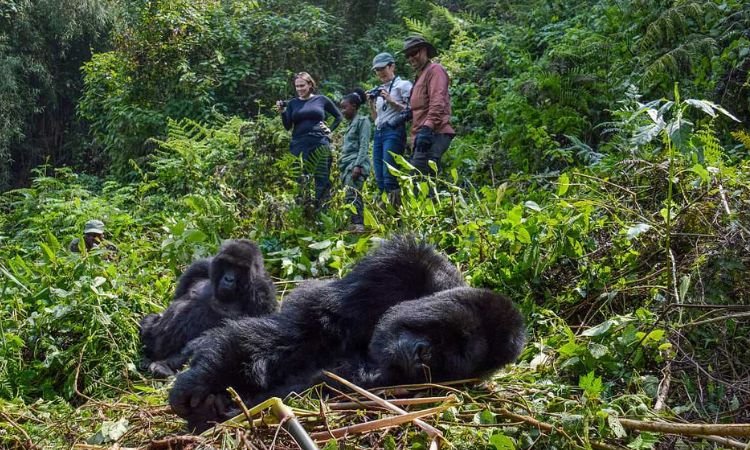
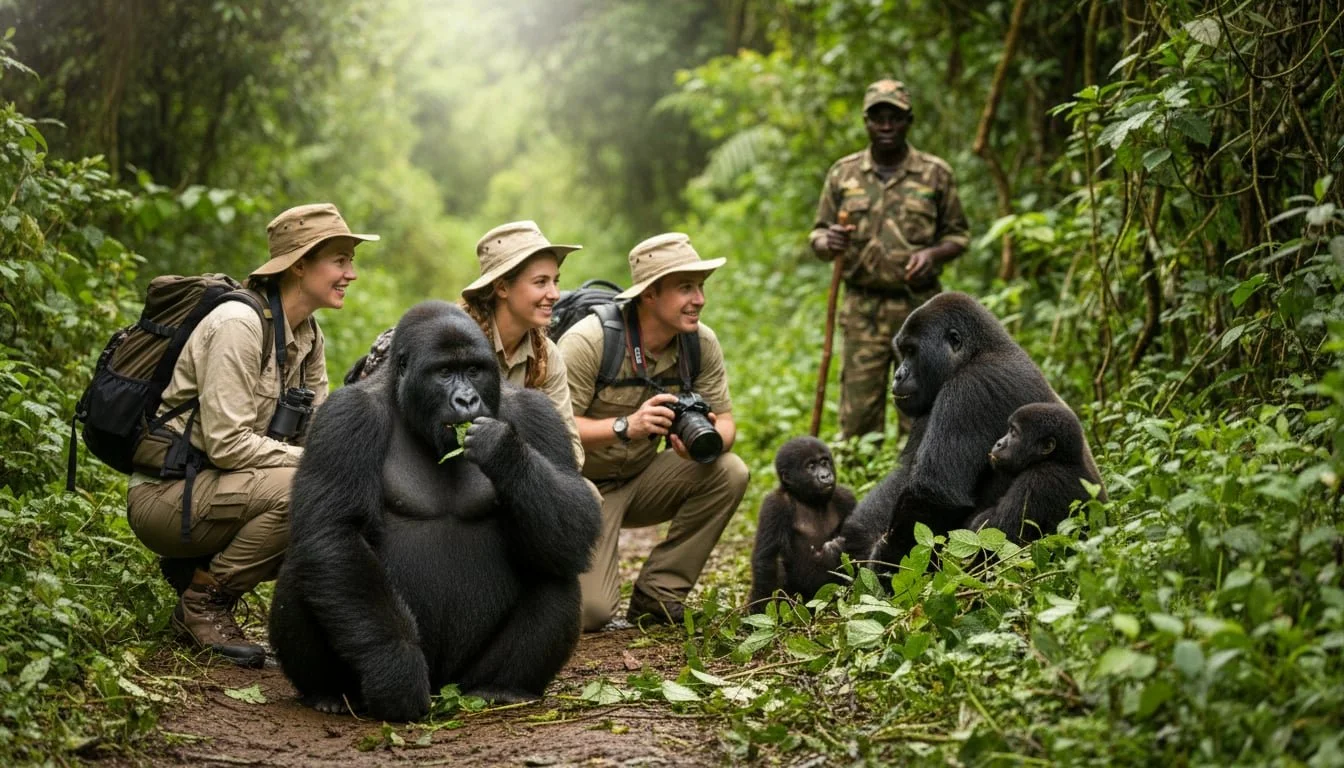
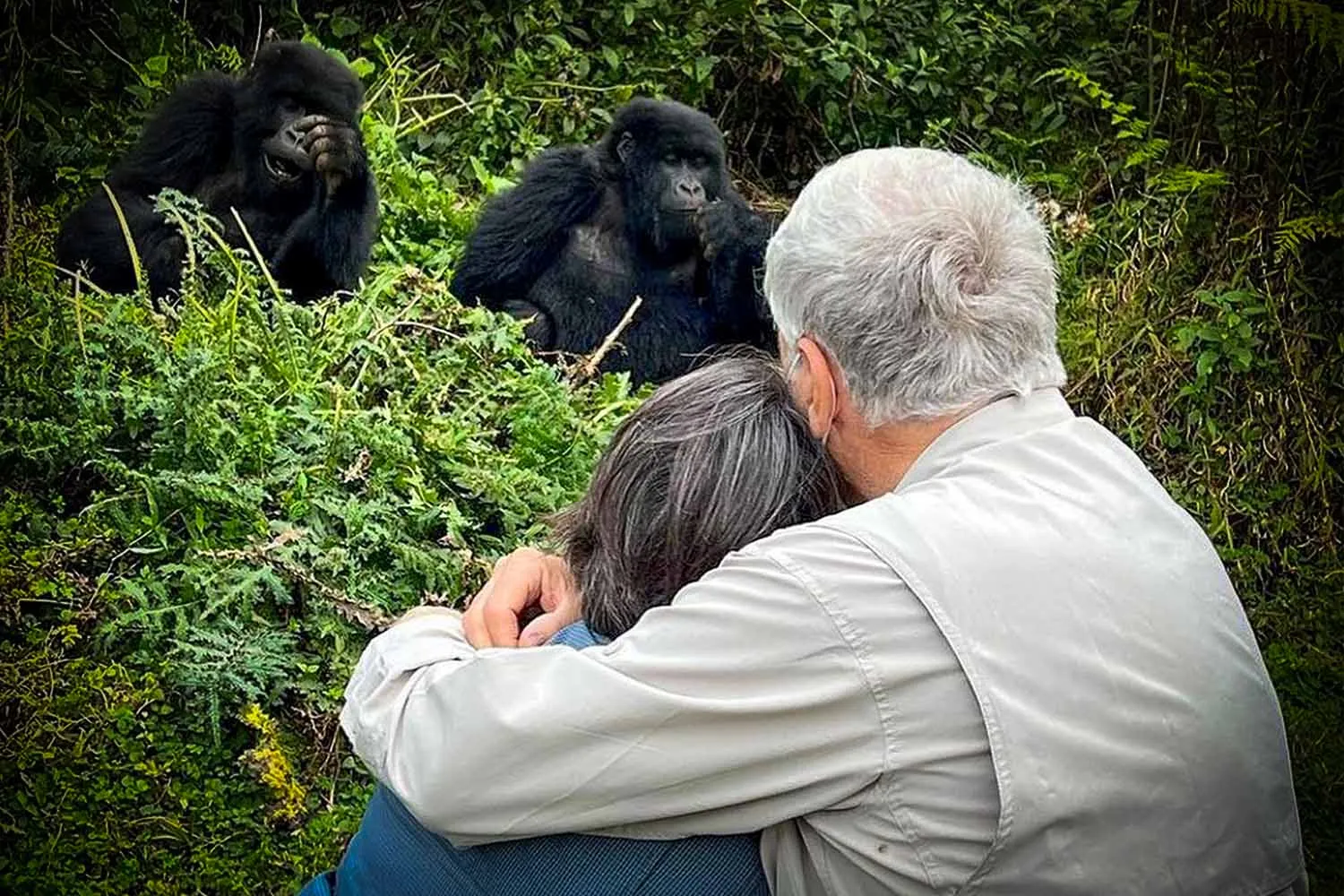
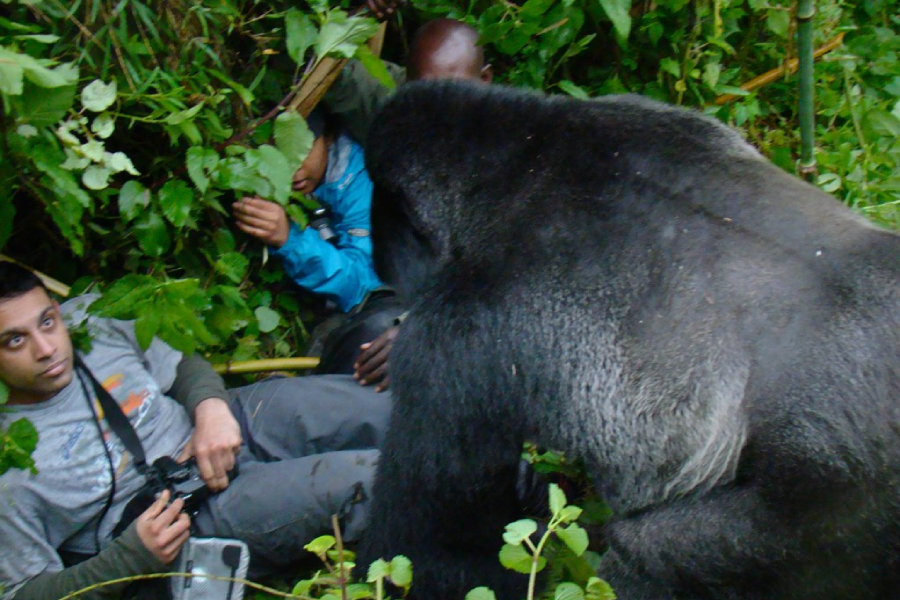
Uganda Gorilla Habituation is more expensive than ordinary gorilla trekking because it provides a different and considerably longer primate experience. Uganda Wildlife Authority describes the Gorilla Habituation Experience as an opportunity for visitors to accompany researchers and habituators into the forest while gorillas are gradually becoming accustomed to controlled human presence. Current UWA management guidelines allow a maximum viewing period of four hours during the habituation experience, compared with the maximum one-hour encounter normally offered during standard gorilla trekking. The additional time, involvement of the research and habituation team and very limited availability make the activity one of Uganda’s most specialised wildlife experiences.
What Is the Official Gorilla Habituation Permit Price in Uganda?
The official cost of Gorilla Habituation in Uganda depends on the visitor category under which the permit is purchased. Under the current Uganda Wildlife Authority tariff applied before the announced January 2027 increase, a foreign non-resident pays USD 1,500, a foreign resident pays USD 1,000, a qualifying visitor in the Rest of Africa category pays USD 1,000 and an eligible East African Community citizen pays UGX 750,000. The same official tariff states that the Gorilla Habituation Experience takes place in Bwindi Impenetrable National Park and that the permit rate includes the guide fee, park entrance fees for the day and a community development contribution.
This means a traveller should not normally be charged another standard Bwindi park entrance fee for the habituation day simply because they are entering the park for the experience. The park entry component is already incorporated into the official permit. This is useful when comparing quotations because a professional safari quotation should not make the habituation permit appear cheaper and then add the same standard park entrance fee as though it were a completely separate compulsory charge for that day.
At the same time, the permit should not be misunderstood as an all-inclusive safari package. It covers the official wildlife activity and the specified conservation-related components managed by Uganda Wildlife Authority, but it does not automatically pay for your hotel, private safari vehicle, fuel, driver-guide, airport transfers, domestic flights, porter, personal equipment, international airfare, travel insurance or personal expenses. These surrounding costs vary significantly depending on the type of journey being created.
How Much Will Gorilla Habituation Cost From January 2027?
Travellers planning Gorilla Habituation in Uganda from 1 January 2027 need to use the new announced permit rate rather than the older USD 1,500 foreign non-resident price. In an official notice dated 26 February 2026, Uganda Wildlife Authority announced a revised tariff structure effective from 1 January 2027. Under that tariff, Gorilla Habituation rises to USD 1,800 for foreign non-residents and USD 1,600 for foreign residents. The announced rate for the Rest of Africa category is USD 1,000, while the East African Community rate remains UGX 750,000.
The increase is particularly important for couples, families and small private groups because the permit is charged per individual. A couple travelling as foreign non-residents from January 2027 should therefore budget USD 3,600 for two habituation permits before accommodation and transportation are considered. Four qualifying foreign non-resident travellers would spend USD 7,200 on permits for one habituation experience each. In comparison, the same four travellers completing the experience before the new rate takes effect would have USD 6,000 in permit costs at the USD 1,500 rate. The difference becomes significant when preparing a complete safari budget.
This is one reason travel dates should always be stated clearly when requesting a quotation. A safari beginning in December 2026 and another taking place in January 2027 may have almost identical accommodation, transport and routing but still show a noticeable difference because the official permit rate changes on 1 January 2027. The permit applicable to the actual habituation date is therefore more important than the date on which a traveller first begins planning the safari.
Is There a Low-Season Discount for Uganda Gorilla Habituation?
Uganda Wildlife Authority introduced discounted low-season rates in 2026 for selected primate activities during April, May and November, but the official announcement specifically lists ordinary gorilla tracking and chimpanzee tracking rather than the Gorilla Habituation Experience. The discounted foreign non-resident gorilla tracking rate announced for those months is USD 600 and the foreign resident rate is USD 500, but Gorilla Habituation is not shown among the activities receiving the low-season discount.
Travellers should therefore avoid assuming that the habituation permit automatically becomes cheaper simply because they travel during April, May or November. Unless Uganda Wildlife Authority subsequently publishes a separate change applying directly to the Gorilla Habituation Experience, the habituation permit should be budgeted using the applicable standard rate.
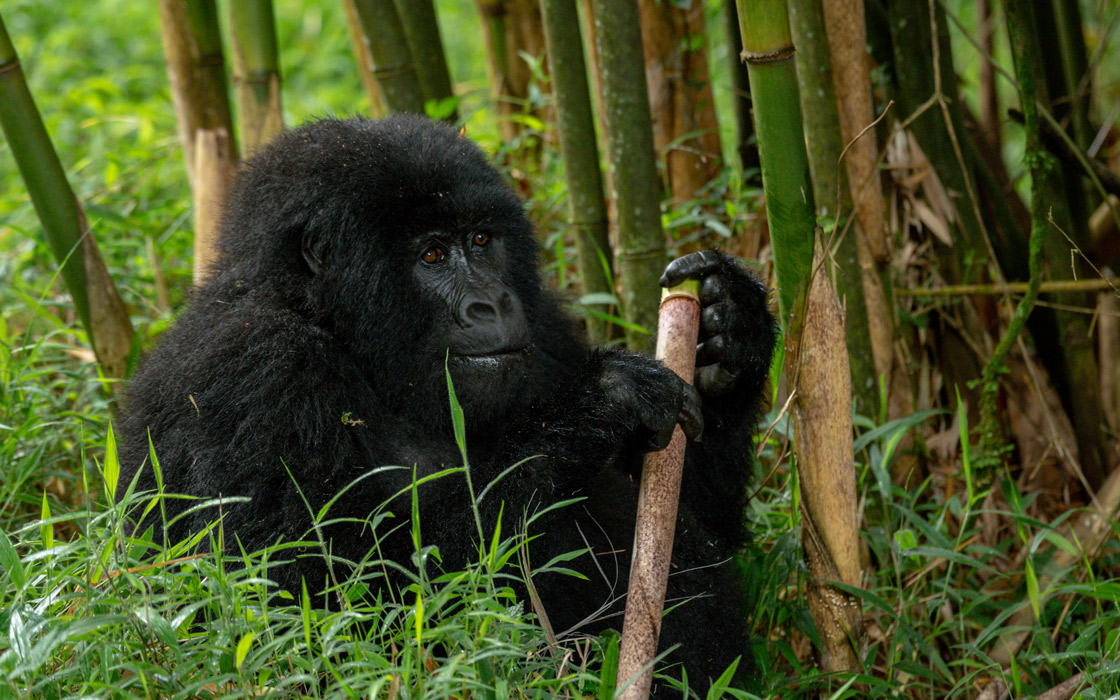
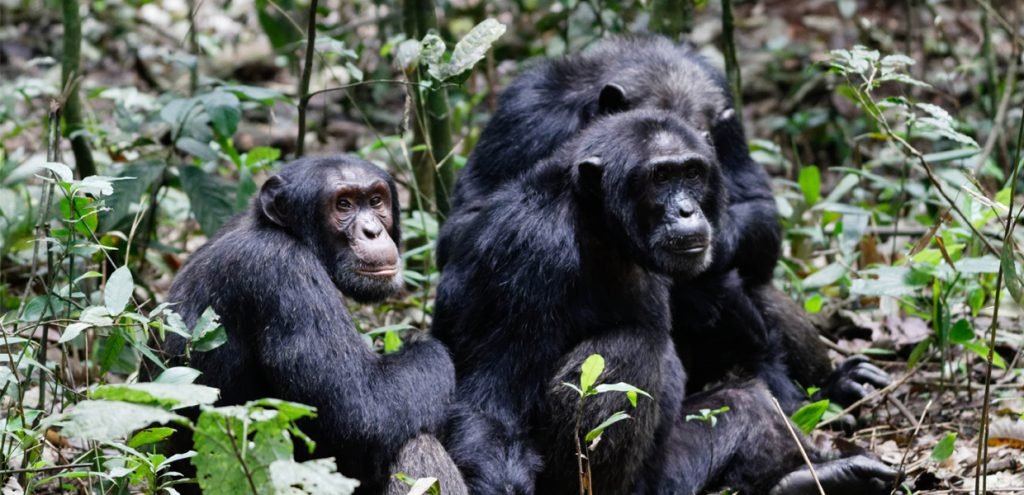
This distinction is important because online articles can easily confuse gorilla trekking with gorilla habituation. The two activities both involve mountain gorillas and both take place in Uganda, but they are different tourism products with separate permit structures. A discounted gorilla trekking permit is not automatically a discounted habituation permit. Anyone choosing habituation specifically for the longer four-hour encounter should make sure that the quoted permit is genuinely for the Gorilla Habituation Experience rather than a standard trekking permit.
What Does the Uganda Gorilla Habituation Permit Include?
The official Uganda Wildlife Authority conservation tariff states that the Gorilla Habituation Experience permit includes the guide fee, park entrance fees for the day and a community development contribution. This means the permit is not simply payment for standing near the gorillas. It provides authorised access to a tightly regulated conservation activity in Bwindi Impenetrable National Park and supports the official structure used to manage visitors, guides, protected habitat and surrounding communities.
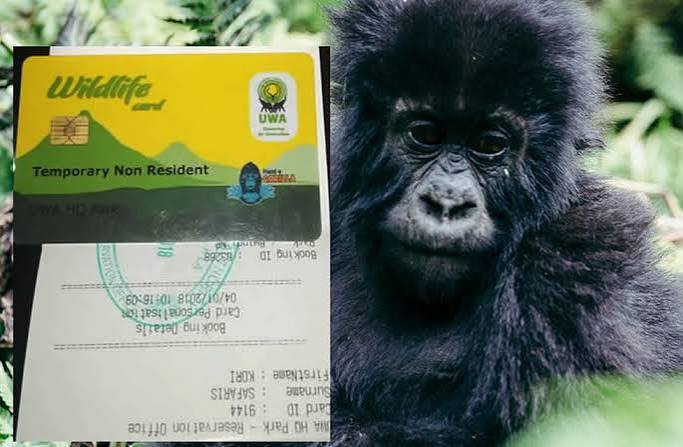
The guide component is particularly important because visitors cannot independently enter the forest and search for mountain gorillas. UWA’s management guidelines require authorised permits and designated entry points, while visitors are allocated to specific gorilla families according to approved procedures. The guidelines also explain that permits are booked according to the date and designated entry point rather than allowing travellers to simply choose any family they want to visit.
The community development contribution is another element that should be considered when evaluating the permit price. Mountain gorilla conservation cannot succeed only inside the forest. Bwindi is surrounded by communities whose livelihoods, land use and relationship with the protected area are closely connected to conservation outcomes. Tourism revenue can therefore contribute to a wider system in which protecting mountain gorillas has economic value beyond the park boundary.
What Is Not Included in the Gorilla Habituation Permit?
Although the permit covers the official habituation activity, it does not represent the complete cost of reaching Bwindi and participating in the experience. Accommodation is separate unless a tour operator has incorporated it into a safari package. Transportation from Entebbe, Kampala, Kigali or another starting point is also separate, as are domestic flights when selected instead of road travel.
A porter is not automatically included in the permit. Many travellers choose to hire one because the Gorilla Habituation Experience can keep visitors in the forest for much longer than ordinary trekking. A porter can carry drinking water, a packed lunch, cameras, rain gear and other personal equipment while also providing useful support on steep or slippery sections of the trail. The porter payment is a separate local expense and should not be confused with the official UWA permit fee.
International flights are also outside the permit cost, as are visas where required, personal travel insurance, medical preparation, specialist photography equipment and optional activities added elsewhere in Uganda. These additional costs explain why two travellers holding exactly the same USD 1,500 permit can still spend very different amounts on their overall safari.
Why Does Gorilla Habituation Cost More Than Normal Gorilla Trekking?
The main difference is the nature and length of the encounter. Uganda Wildlife Authority explains that regular gorilla tracking allows visitors to locate and observe habituated gorillas in their natural habitat, while the Gorilla Habituation Experience allows participants to accompany researchers and habituators as part of the process through which gorillas become accustomed to human presence.
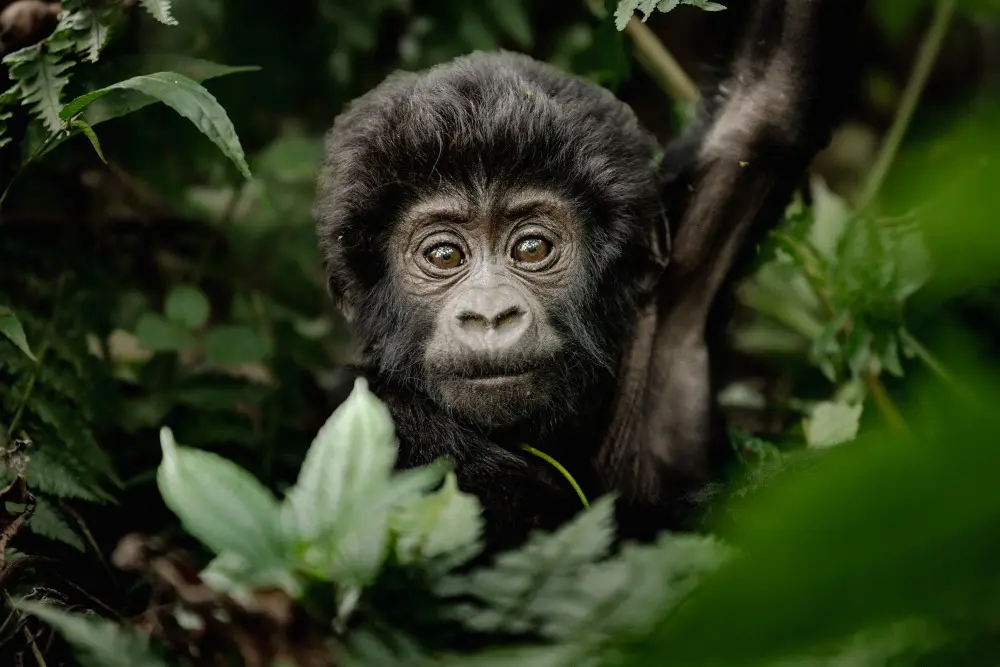
Ordinary gorilla trekking normally provides a maximum of one hour with a habituated family once the gorillas have been located. Habituation allows a maximum viewing period of four hours. Those additional hours make an enormous difference for visitors who want to observe behaviour, understand family relationships or concentrate on photography.
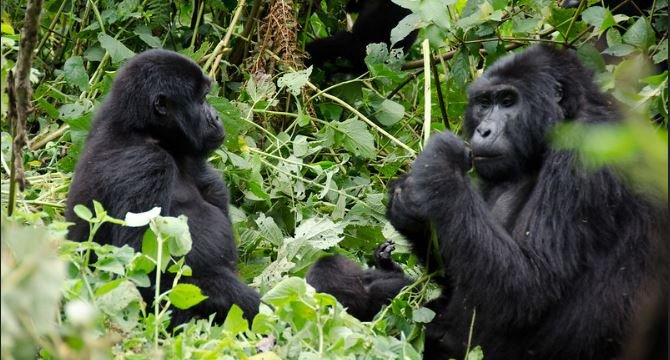
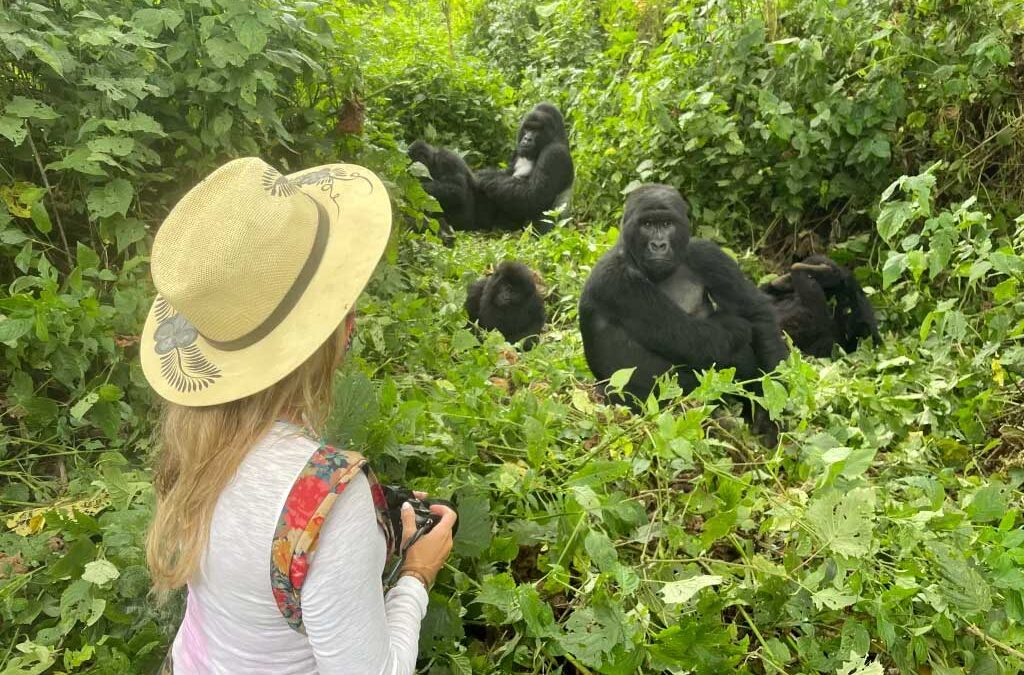
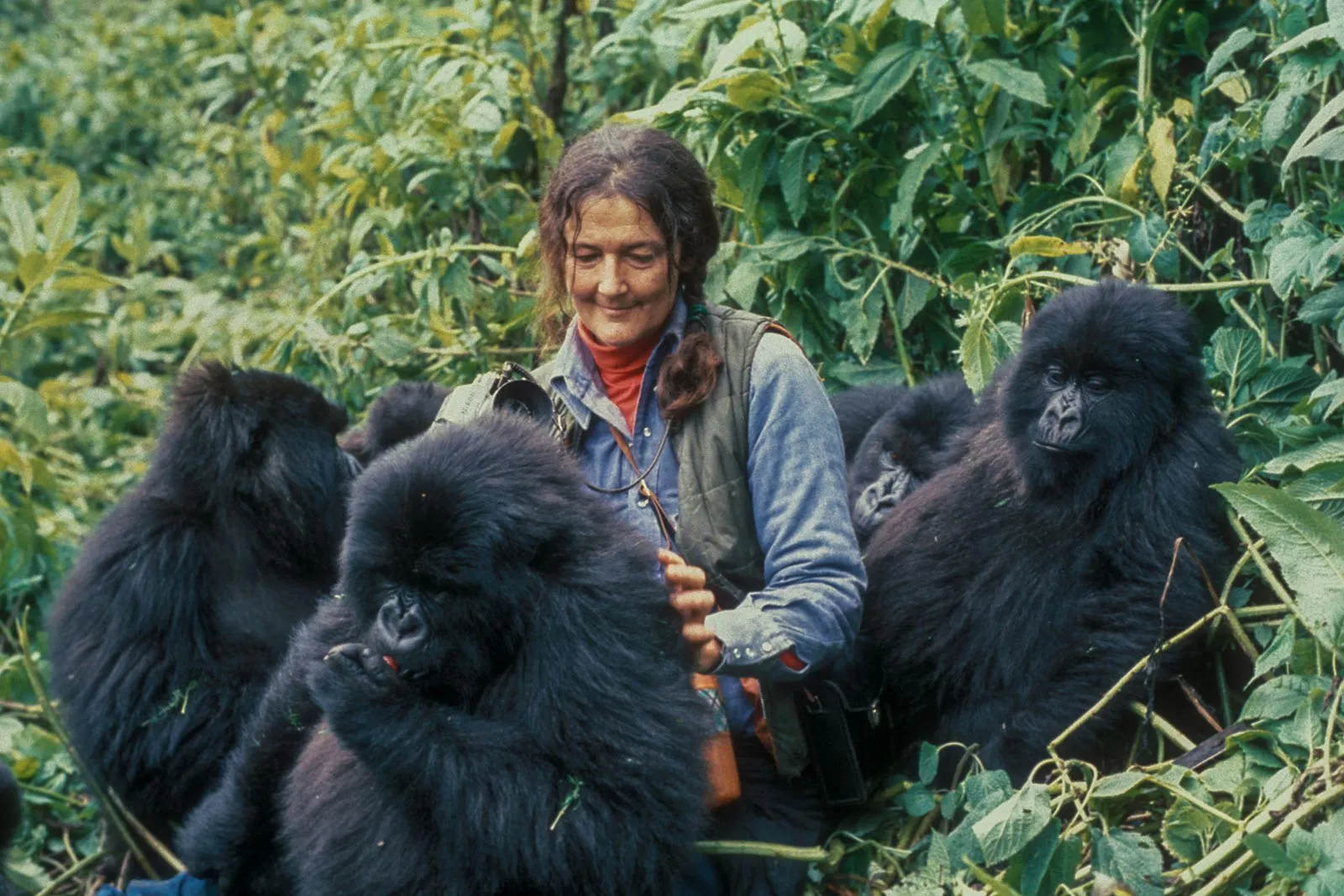
The experience is also more specialised because a family undergoing habituation may behave differently from a group that has already spent years receiving controlled tourist visits. The gorillas may move more frequently, maintain more distance or respond more cautiously to people. Researchers and trackers carefully monitor these responses because the entire purpose of habituation is to introduce human presence gradually without turning wild gorillas into domesticated animals.
The higher permit price therefore reflects both the increased viewing time and the specialised nature of the conservation experience. It is not simply a more expensive version of exactly the same one-hour trek.
How Much Does Gorilla Habituation Cost for Two People?
For two foreign non-resident travellers completing Uganda Gorilla Habituation during the current 2026 pricing period, the permit component alone is USD 3,000. From 1 January 2027, two foreign non-resident permits will total USD 3,600 under the announced USD 1,800 individual rate.
The final couple’s safari price will then depend on the level of accommodation and transportation chosen. Couples usually have one advantage over solo travellers because the private vehicle, fuel and driver-guide costs can be shared between two people rather than being carried by one traveller. A double or twin room may also provide better per-person value than a single room.
For a couple whose main purpose is gorilla habituation, a short itinerary can keep the overall cost under better control by limiting the number of nights and avoiding unnecessary activities. However, the schedule must still allow enough time to reach Bwindi safely before the habituation morning. Saving money by attempting an unrealistic overnight transfer or arriving at the park at the last possible moment can put an extremely expensive permit at risk.
How Much Does Gorilla Habituation Cost for a Solo Traveller?
A solo foreign non-resident traveller currently pays the same USD 1,500 official permit price as any other individual in the same category, increasing to USD 1,800 from 1 January 2027. The permit itself does not become more expensive simply because the traveller is alone.
The difference appears in the surrounding safari logistics. A private vehicle and driver-guide may be required regardless of whether one or two people are travelling, which means the entire transportation cost can fall on the solo traveller. Single-room rates may also be higher per person than the effective cost of sharing a double room.
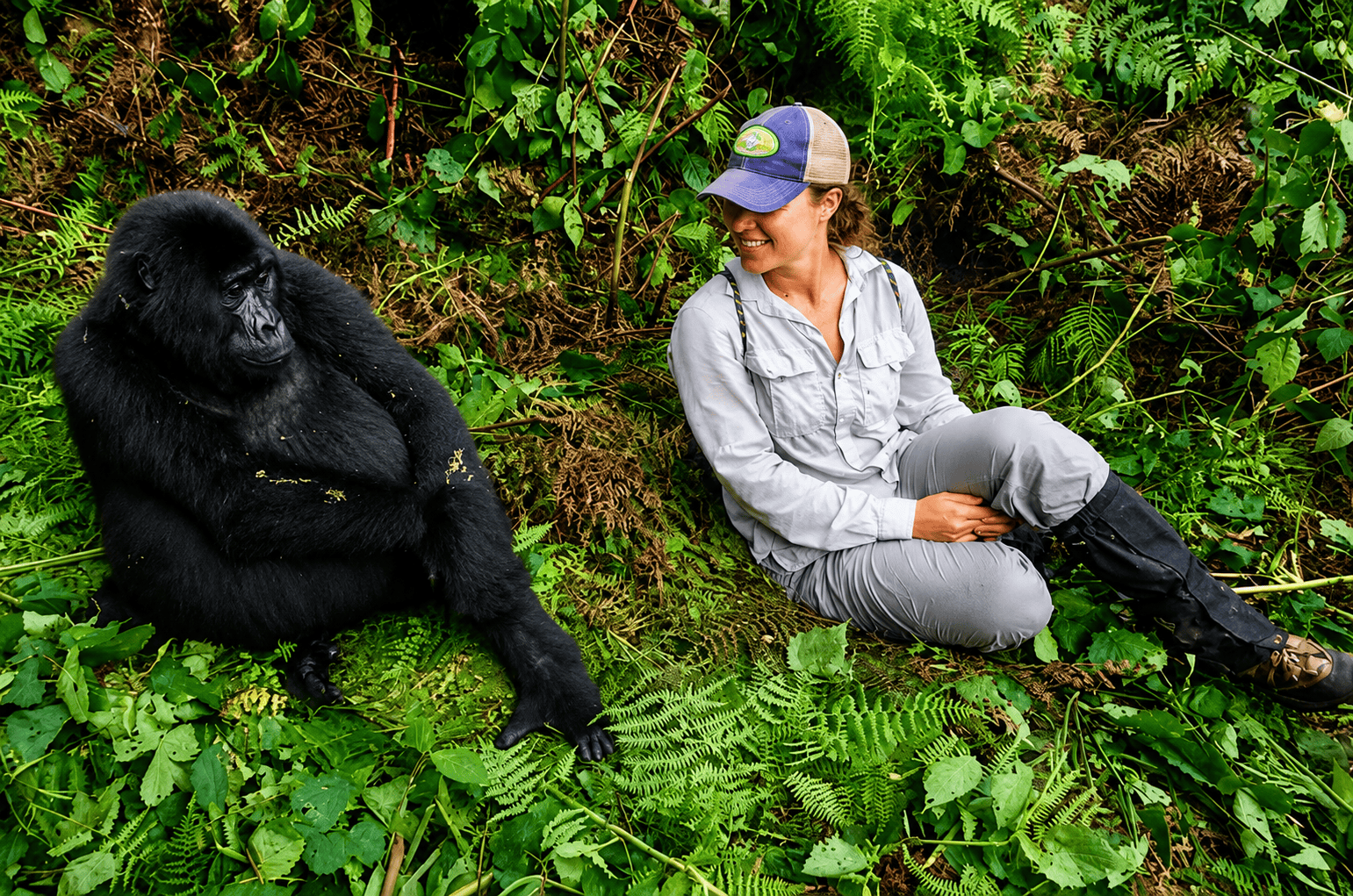
Solo travellers can reduce some of these costs by choosing group transportation where available or by joining another departure, but such arrangements must match the exact permit date and Bwindi sector. The habituation permit should remain the anchor of the itinerary because accommodation and transport need to be coordinated around the designated entry point.
The activity itself is completely suitable for solo travellers. You do not need to arrive with your own private group. Individual permit holders participate under UWA’s controlled management system, so travelling alone does not prevent you from taking part in the experience.
How Accommodation Changes the Total Gorilla Habituation Cost
Accommodation is one of the largest flexible expenses after the permit. Bwindi has budget, mid-range, luxury and ultra-luxury lodges, and the difference between them can substantially change the final safari price. A traveller choosing simple but comfortable accommodation may keep the non-permit portion of the journey relatively controlled, while someone staying in a premium lodge with extensive services can spend much more on accommodation than on transport.
Location is just as important as room quality. Bwindi is divided into different trekking areas, and UWA identifies designated entry points including Buhoma, Ruhija, Nkuringo and Rushaga, while Mgahinga uses Ntebeko/Muhavura for its normal gorilla activities. Gorilla Habituation is associated with Bwindi, so the traveller’s lodge should be selected around the confirmed habituation entry point rather than simply choosing a famous Bwindi property without checking geography.
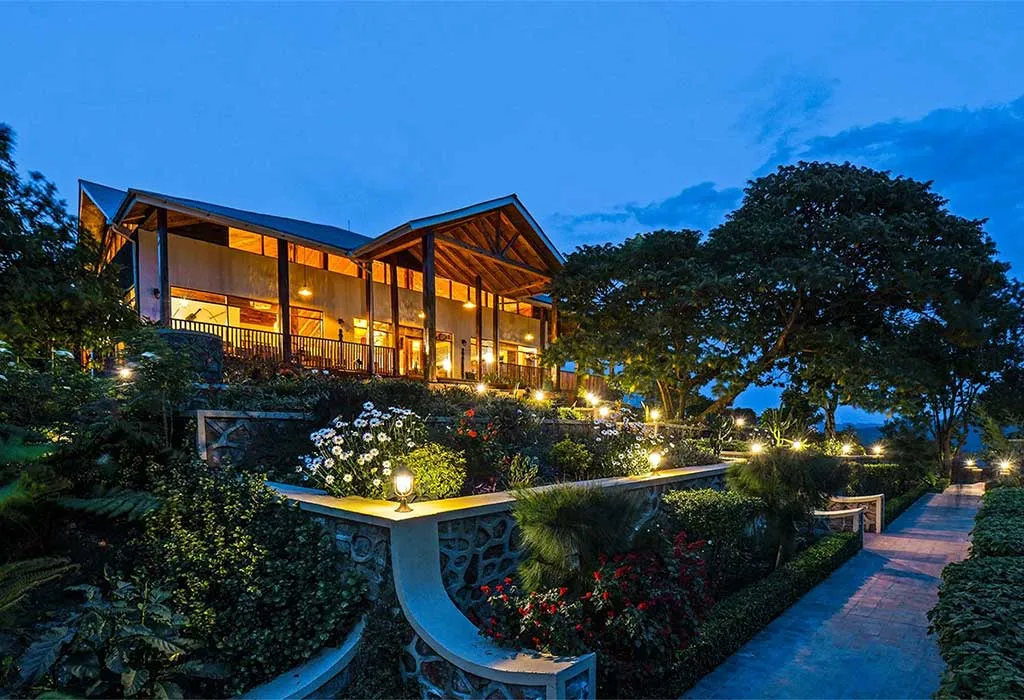
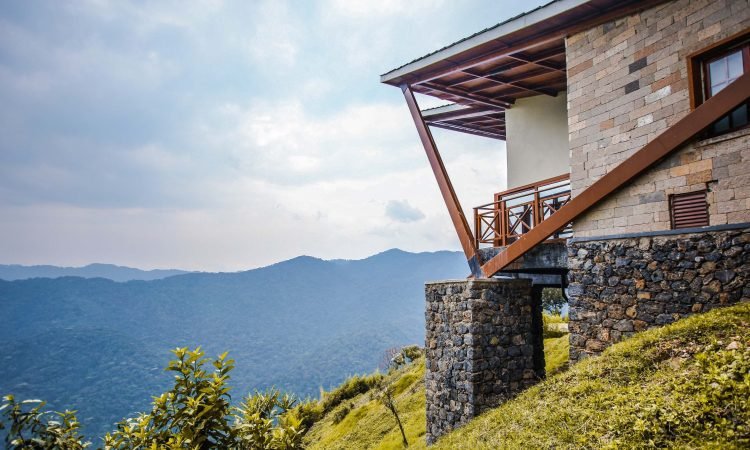
A lodge that appears close to Bwindi on a map may still be inconvenient for the specific sector named on the permit. Mountain roads and forest terrain can make transfers between sectors much longer than expected. Choosing accommodation correctly therefore protects both the traveller’s budget and the permit.
How Transportation Affects the Cost
Transportation is another major variable because Bwindi lies in southwestern Uganda rather than beside the country’s main international airport. Travellers beginning from Entebbe or Kampala can reach the region by private road transfer or domestic flight followed by a local transfer.
Road travel usually requires more time but can provide excellent value when combined with a longer Uganda safari. Instead of treating the journey purely as transportation, travellers can build a route that includes other national parks and landscapes before reaching Bwindi. This spreads the vehicle and driver-guide cost across several days of meaningful sightseeing.
Domestic flights cost more than basic road transportation but reduce travel time considerably. For luxury travellers and visitors with limited holiday time, flying can therefore provide better overall value even if the direct financial cost is higher.
Travellers arriving through Kigali can also access southwestern Uganda by road after completing immigration procedures at the Rwanda-Uganda border. This routing can be attractive for certain Bwindi sectors because Kigali is geographically closer than Entebbe to parts of southwestern Uganda. However, the traveller needs to include border logistics, immigration requirements and cross-border transport in the calculation.
Does Starting From Kigali Make Gorilla Habituation Cheaper?
Starting in Kigali can reduce road travel time for certain southern Bwindi itineraries, but it does not reduce the official Uganda Gorilla Habituation permit price. A qualifying foreign non-resident still requires the same UWA permit whether the journey begins in Kigali, Entebbe, Kampala or another location.
The potential savings come from logistics. A shorter road route can reduce the number of travel days needed and may reduce some vehicle and accommodation expenses. This can make Kigali attractive for travellers who want a compact Uganda gorilla itinerary.
However, a cross-border route introduces other considerations. Travellers must satisfy Rwanda and Uganda immigration rules, allow sufficient time at the border and ensure the transport arrangement legally covers the international journey. A route should therefore be judged on total convenience and cost rather than assuming that fewer kilometres automatically create the cheapest possible safari.
Does Starting From Entebbe Cost More?
An Entebbe start can involve more road travel if the journey is completed entirely by vehicle, but it also allows the traveller to experience more of Uganda and create a broader safari around the habituation permit. A private road trip can include landscapes, wildlife destinations and cultural stops that would otherwise be missed on a direct cross-border itinerary.
For luxury travellers, Entebbe can also work efficiently when domestic flights are used to reach southwestern Uganda. Flying reduces the long road journey and allows more of the itinerary to be dedicated to Bwindi or other wildlife experiences.
The correct choice depends on the purpose of the journey. A traveller whose only goal is habituation may prioritise the shortest practical route, while someone planning a complete Uganda holiday may find that beginning and ending in Entebbe produces greater overall value.
How Many Nights Should You Budget for?
The permit covers one habituation date, but the itinerary needs additional time around that date. Visitors should already be staying close to the correct Bwindi sector on the night before the experience because the day begins early. UWA’s management guidance indicates that the Gorilla Habituation Experience can begin from around 6:30 a.m., making a long same-morning transfer inappropriate.
A short itinerary commonly requires an arrival or transfer day, the habituation day and a departure day. More nights can be added for a relaxed pace, another gorilla experience, community activities or onward travel to Queen Elizabeth National Park, Kibale, Lake Mburo or other destinations.
Reducing the number of nights can lower accommodation and transport expenses, but there is a point at which excessive compression creates risk rather than savings. Missing the morning briefing because of an unrealistic itinerary can threaten a permit worth USD 1,500 in 2026 or USD 1,800 from January 2027.
Is a Three-Day Gorilla Habituation Safari Cheaper?
A short three-day structure can be one of the more economical ways to organise the experience because it limits accommodation nights and keeps the journey focused almost entirely on Bwindi. The first day can be used to reach the correct part of the park, the second day is dedicated to habituation and the third day handles the return journey.
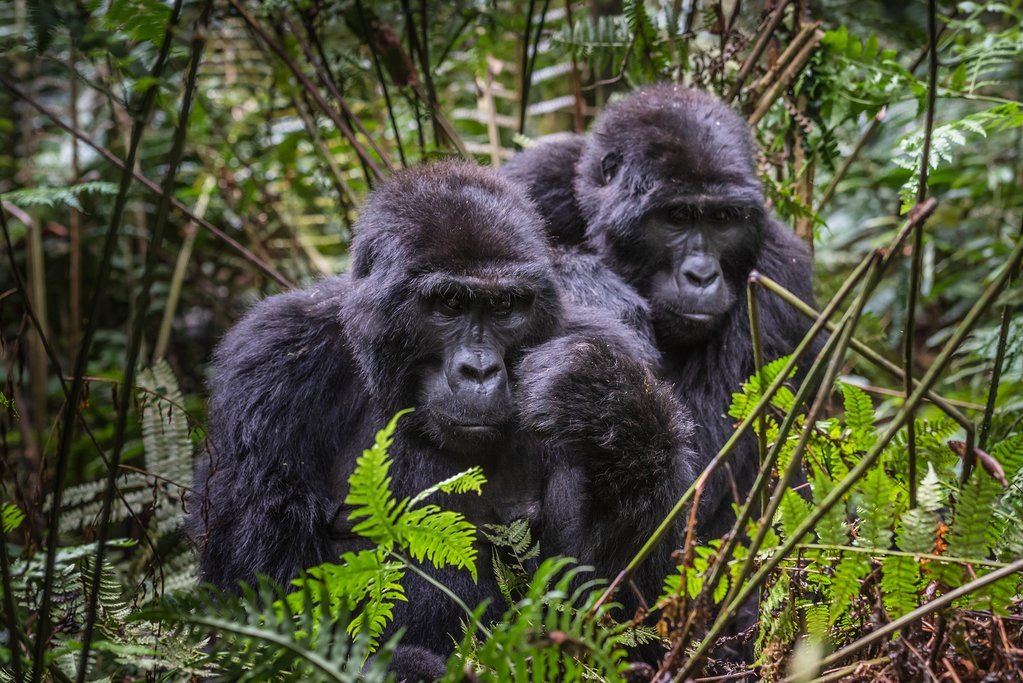
However, the permit remains the dominant fixed expense. Cutting the itinerary from five days to three days does not make the official permit cheaper. What changes are the accommodation, meals, vehicle use and other travel expenses around it.
This explains why a short Uganda Gorilla Habituation safari can still appear expensive when compared with an ordinary three-day wildlife safari. A foreign non-resident already has USD 1,500 committed to the 2026 permit before paying for the vehicle, driver-guide and hotel.
Does a Luxury Gorilla Habituation Safari Cost Much More?
Yes, but the difference comes mainly from accommodation and transport rather than from receiving a different official habituation encounter. A luxury traveller and a mid-range traveller holding the same category of permit participate under the same Uganda Wildlife Authority conservation system.
Luxury itineraries may include premium lodges, private vehicles, higher-end meals, personalised service and domestic flights. These services make the journey more comfortable before and after the forest experience but do not create a separate luxury gorilla family.
This is an important distinction for travellers evaluating value. If the primary goal is spending four hours with mountain gorillas, comfortable mid-range accommodation can provide the same core habituation experience at a considerably lower total safari price. If comfort, privacy and reduced road travel are equally important, luxury accommodation and flights may justify the higher budget.
Can Uganda Gorilla Habituation Be Done on a Budget?
Uganda Gorilla Habituation can be planned carefully around a limited budget, but it cannot realistically become a cheap wildlife activity because the permit creates a high minimum cost. For a foreign non-resident in 2026, USD 1,500 is committed before accommodation and transport are added.
Budget-conscious travellers can therefore save money primarily on flexible components. Choosing comfortable but simple accommodation, keeping the itinerary relatively short and sharing vehicle costs where possible can reduce the final amount without changing the official habituation experience.
The wrong approach is trying to find an unofficially cheap permit. Gorilla permits are controlled by Uganda Wildlife Authority, and travellers should be cautious when offered suspiciously low prices that do not correspond with published UWA rates.
A legitimate budget strategy removes unnecessary luxury rather than compromising permit authenticity or essential logistics.
Is the Porter Included in the Permit Price?
Porter assistance is separate from the official Gorilla Habituation permit. This is worth budgeting for because habituation can involve a long day in Bwindi and up to four hours of viewing after the gorillas are reached.
Even a small backpack containing water, lunch, rain gear and camera equipment can become tiring after hours of walking on steep forest terrain. A porter can carry these items and provide practical assistance on difficult sections of the trail.
The financial cost of hiring a porter is comparatively small when viewed against a USD 1,500 or USD 1,800 permit, while the improvement in comfort can be substantial. Porter employment also provides direct income to people living around the park.
How Does Gorilla Habituation Cost Compare With Regular Gorilla Trekking?
Under the current standard tariff, ordinary Uganda gorilla tracking for a foreign non-resident is USD 800 while Gorilla Habituation is USD 1,500. The published tariff gives ordinary trekking rates of USD 700 for foreign residents, USD 500 for Rest of Africa visitors and UGX 300,000 for East African Community citizens, while the habituation rates are higher.
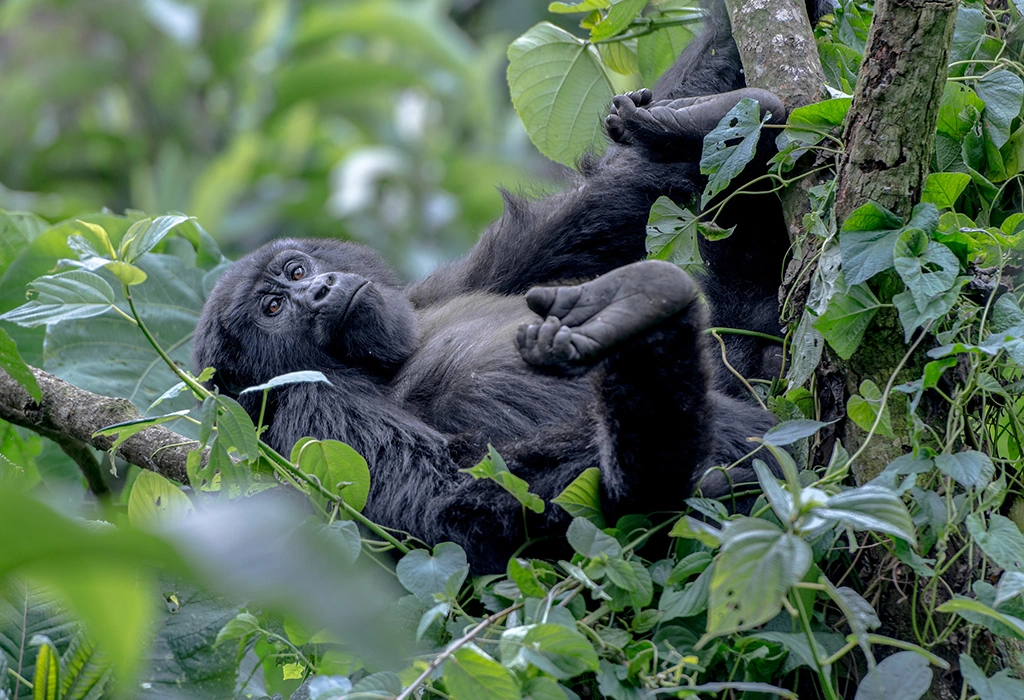
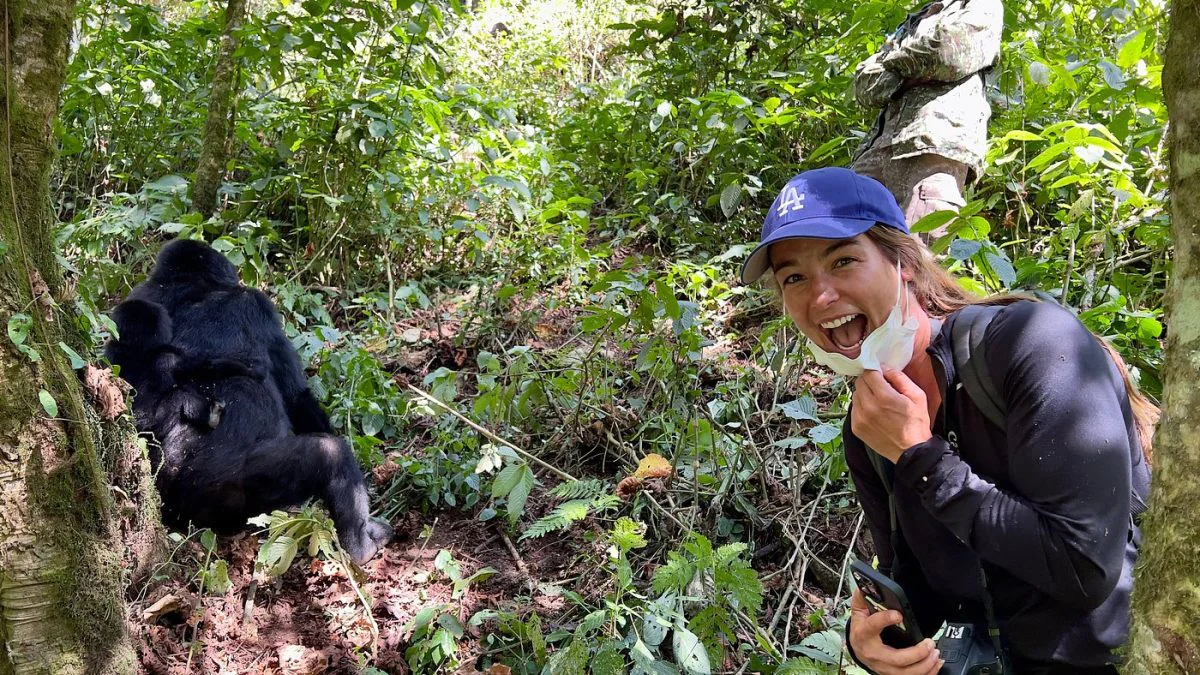
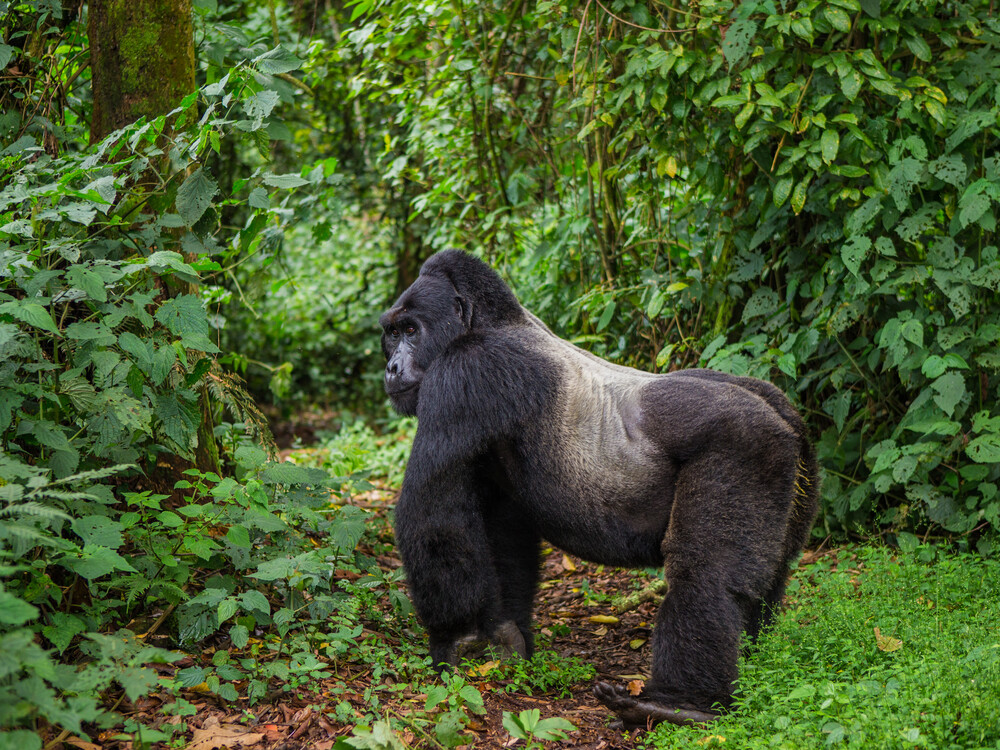
The difference reflects the structure of the activities. UWA describes ordinary trekking as an opportunity to observe gorillas in their natural habitat, while habituation allows visitors to accompany researchers and habituators during the process of acclimatising gorillas to human presence.
Standard trekking normally provides one hour of viewing after reaching the family, while habituation allows a maximum of four hours. Travellers are therefore paying significantly more but receiving a substantially longer and more specialised experience.
From 1 January 2027, the distinction becomes even more important because the announced normal foreign non-resident gorilla tracking rate remains USD 800 while the foreign non-resident Gorilla Habituation rate becomes USD 1,800.
Is Gorilla Habituation Worth Paying More For?
For travellers who have a strong interest in gorillas, behavioural observation, conservation or photography, the additional cost can provide exceptional value because four hours creates a completely different rhythm from a one-hour encounter.
During ordinary trekking, the one-hour period can disappear quickly. Visitors may spend the first minutes adjusting to the excitement, trying to take photographs and finding a clear view through vegetation. During habituation, there is considerably more time to settle into the experience.
The gorillas may feed, rest, travel or interact during different parts of the encounter. Young animals can become active after initially remaining quiet, and changing forest light can give photographers new opportunities.
Travellers whose only goal is to see mountain gorillas once may find normal trekking perfectly sufficient. Spending the additional money makes the most sense when the longer observation itself is valuable to the traveller.
Is Gorilla Habituation More Expensive for Photographers?
The official permit price does not increase because someone is carrying professional camera equipment. A photographer in the foreign non-resident category pays the same official permit rate as another foreign non-resident visitor.
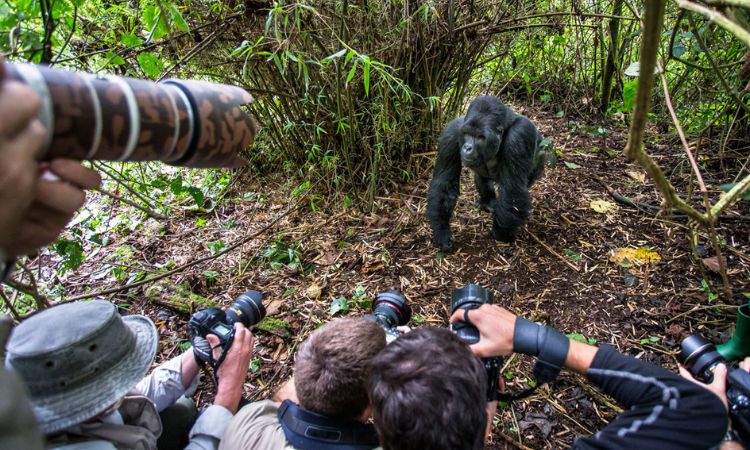
The longer viewing time can make these additional costs worthwhile. Four hours gives photographers more opportunity to wait for clean backgrounds, behavioural moments and changes in light rather than attempting to create an entire portfolio during one hour.
Photography can nevertheless increase the surrounding cost because serious photographers may travel with additional luggage, hire a porter, choose a private vehicle and select accommodation that makes equipment management easier.
Can You Pay for Gorilla Habituation on Arrival?
Travellers should not plan to arrive in Bwindi and simply purchase whatever permit happens to be available. Gorilla permits are limited and should be confirmed before the safari is organised.
Uganda Wildlife Authority also changed the permit reservation system in 2026. Its official February 2026 notice suspended the previous seven-day unpaid reservation window effective 1 March 2026. The system now secures permits upon full payment rather than allowing operators to hold them without payment for seven days.
This makes early commitment especially important for travellers with fixed dates. Finding availability does not mean a permit is protected indefinitely while flights and accommodation are considered. The booking process should therefore be coordinated carefully so that the expensive wildlife experience at the centre of the safari is confirmed before surrounding arrangements become non-refundable.
Why the Cheapest Quote Is Not Always the Best Value
Because the habituation permit has a known official price, extremely cheap complete safari quotations deserve careful examination. If a foreign non-resident permit already costs USD 1,500 in 2026, a complete private safari priced only slightly above that figure may exclude important services or use assumptions that need clarification.
Travellers should understand whether the quoted amount includes the correct habituation permit rather than an ordinary gorilla trekking permit, accommodation, meals, transportation, fuel and the driver-guide. The precise inclusions should be confirmed before payment.
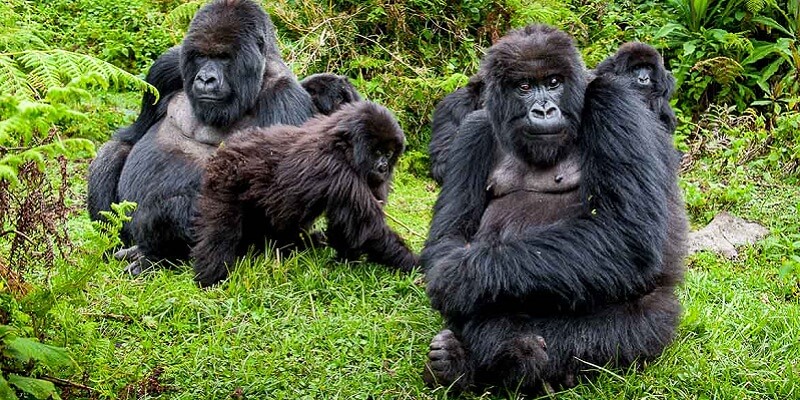
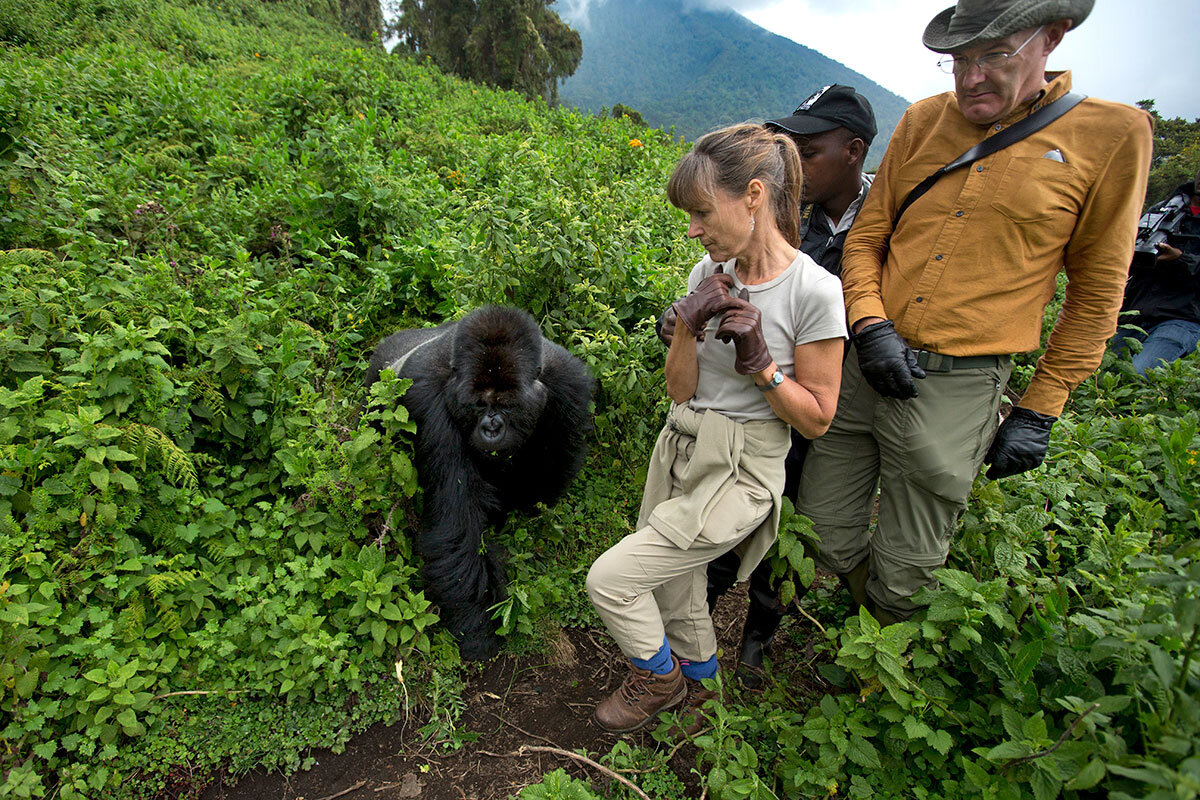
The goal is not necessarily to choose the most expensive company. Good value comes from transparent pricing in which the traveller knows exactly what has been included and can compare like with like.
How Much Should You Budget Beyond the Permit?
There is no single official figure because Uganda Wildlife Authority controls the permit while hotels, transport companies, airlines and tour operators set separate prices for the other components.
A traveller using simple accommodation and road transport will naturally spend less than someone using domestic flights and luxury lodges. A solo traveller may spend more per person on private logistics than a couple sharing the same vehicle.
The best way to understand the total cost is therefore to begin with the non-negotiable permit and then build the remaining safari around the desired comfort level. For a foreign non-resident travelling in 2026, that calculation starts with USD 1,500. From 1 January 2027, it begins with USD 1,800.
This approach prevents misleading comparisons because the permit is separated from flexible spending.
Why Gorilla Habituation Prices Support Conservation
The cost of Gorilla Habituation should also be considered within the conservation context of Bwindi. UWA states that the permit rate includes a community development contribution in addition to the guide fee and park entrance for the day.
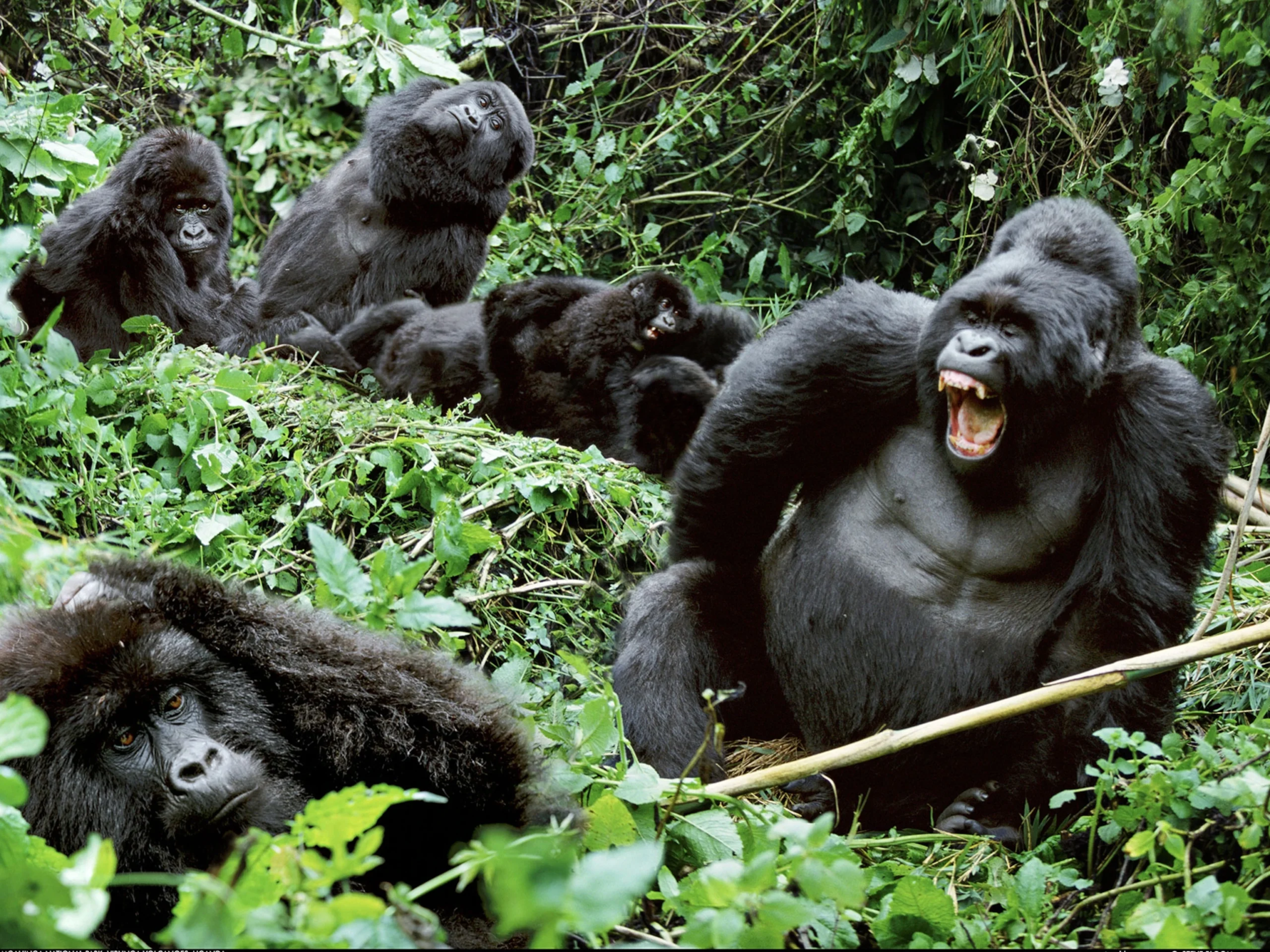
Mountain gorilla tourism depends on continuous protection of habitat, monitoring of gorilla families, trained personnel and cooperation with communities surrounding the park. The animals cannot sustain unrestricted mass tourism, which is why access is controlled rather than maximised purely for visitor numbers.
Habituation itself demonstrates how carefully human contact must be introduced. Visitors are not entering a zoo where animals have been conditioned for entertainment. They are accompanying professionals working with a wild gorilla family that is gradually learning to tolerate controlled human presence.
The permit price therefore supports access to a rare experience while also giving the protected forest and mountain gorillas substantial economic value.
Will Gorilla Habituation Become More Expensive in the Future?
The January 2027 increase demonstrates that permit prices can change. Uganda Wildlife Authority periodically reviews its conservation tariffs, and future rates cannot be guaranteed indefinitely.
Travellers planning several years ahead should therefore treat today’s published prices as current information rather than assuming they will remain unchanged forever.
For confirmed 2027 planning, the important announced figure is USD 1,800 for a foreign non-resident, effective 1 January 2027. Anyone travelling beyond the published tariff period should reconfirm the official price before finalising the safari budget.
Final Answer: How Much Does Gorilla Habituation in Uganda Cost?
How Much Does Gorilla Habituation in Uganda Cost? For a foreign non-resident completing the experience in 2026, the official Uganda Wildlife Authority permit costs USD 1,500 per person. Foreign residents currently pay USD 1,000, qualifying Rest of Africa travellers pay USD 1,000 and eligible East African Community citizens pay UGX 750,000. The permit includes the guide fee, park entrance fees for the habituation day and a community development contribution.
From 1 January 2027, Uganda Wildlife Authority has announced that the foreign non-resident Gorilla Habituation permit will increase to USD 1,800 and the foreign resident rate will rise to USD 1,600. The announced Rest of Africa price remains USD 1,000 and the East African Community rate remains UGX 750,000.
Travellers should also understand that the permit is only one component of the complete safari price. Accommodation, transportation, domestic flights where selected, porter assistance, meals outside the package, visas where applicable, travel insurance and other personal travel expenses need to be added separately.
The total cost can therefore vary considerably from one traveller to another even when both hold the same habituation permit. A budget-conscious traveller using road transportation and comfortable simple accommodation can spend much less than someone using domestic flights and a luxury lodge, but both can ultimately participate in the same regulated Gorilla Habituation Experience.
The permit is expensive because the experience is exceptionally limited and provides much more time with mountain gorillas than ordinary trekking. UWA defines habituation as an opportunity to accompany researchers and habituators during the process through which gorillas become accustomed to human presence, and current guidelines allow a maximum viewing period of four hours.
For travellers whose main ambition is simply to see mountain gorillas once, Uganda’s standard one-hour gorilla trekking experience may provide better financial value. For photographers, primate enthusiasts, conservation-focused travellers and visitors who want substantially more time observing gorilla behaviour, the additional cost of habituation can be worthwhile because the experience is fundamentally deeper than a normal trek.
The most important planning principle is to treat the permit as the foundation of the safari. Confirm the applicable rate for the actual travel date, secure the permit through the authorised booking process and then arrange accommodation and transport around the correct Bwindi entry point. UWA’s 2026 change to the reservation system means permits are now secured through full payment rather than the former seven-day unpaid reservation window, making timely confirmation especially important when availability is limited.
Ultimately, the answer to How Much Does Gorilla Habituation in Uganda Cost? begins with USD 1,500 per foreign non-resident in 2026 and USD 1,800 from 1 January 2027, but the real safari budget depends on how you choose to reach Bwindi, where you stay and how much comfort you want around the forest experience. For travellers prepared for the investment, those costs provide access to one of Uganda’s most specialised wildlife encounters: extended time with wild mountain gorillas in Bwindi while gaining a much deeper understanding of the conservation and habituation process that makes responsible gorilla tourism possible.