

Ultimate Photography Rules in Bwindi National Park: Complete Guide to Responsible Gorilla Photography
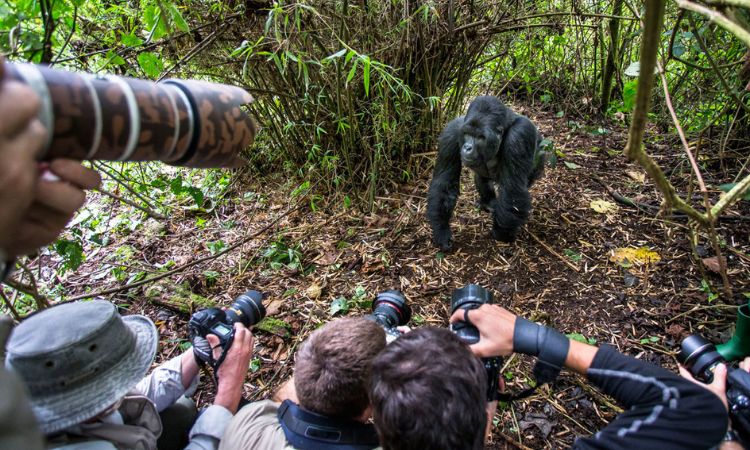
Bwindi Impenetrable National Park is one of the world’s most extraordinary wildlife photography destinations, offering travelers the rare opportunity to capture images of endangered mountain gorillas in their natural rainforest habitat. Located in southwestern Uganda, this ancient forest provides a breathtaking setting filled with misty hills, dense vegetation, unique wildlife, and unforgettable gorilla encounters.
However, photographing mountain gorillas is different from ordinary wildlife photography. Because gorillas are endangered and highly protected, visitors must follow strict guidelines designed to protect their health, safety, and natural behavior. Understanding the Photography Rules in Bwindi National Park is essential for every traveler who wants to capture incredible images while supporting responsible conservation tourism.
Photography during gorilla trekking and gorilla habituation experiences is encouraged when done correctly, but visitors must follow specific rules regarding distance, equipment, camera use, and interaction with wildlife. These regulations ensure that photography does not interfere with gorilla behavior or conservation efforts.
This complete guide explains the Photography Rules in Bwindi National Park, including camera regulations, distance requirements, flash restrictions, drone policies, ethical photography practices, equipment recommendations, and expert tips for capturing unforgettable mountain gorilla images responsibly.
Why Understanding Photography Rules in Bwindi National Park Is Important
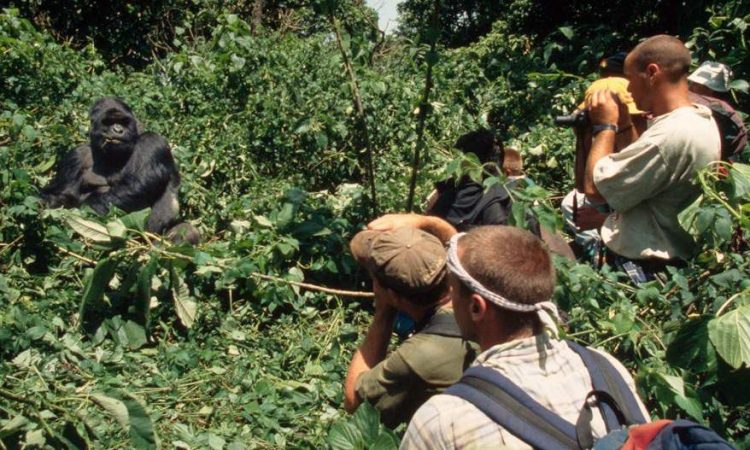
Before entering Bwindi Impenetrable National Park with a camera, it is important to understand why photography regulations exist. The Photography Rules in Bwindi National Park are designed primarily to protect endangered mountain gorillas while allowing visitors to preserve memories of their experience.
Mountain gorillas share a close genetic relationship with humans, which means they are vulnerable to many human illnesses. Responsible photography helps reduce risks while ensuring gorillas remain comfortable around visitors.
The rules also protect the natural behavior of gorilla families. The purpose of trekking and habituation is to observe gorillas as they naturally live, feed, communicate, and interact within their environment.
Following photography guidelines allows visitors to capture meaningful images without negatively affecting conservation efforts.
Photography During Gorilla Trekking in Bwindi National Park
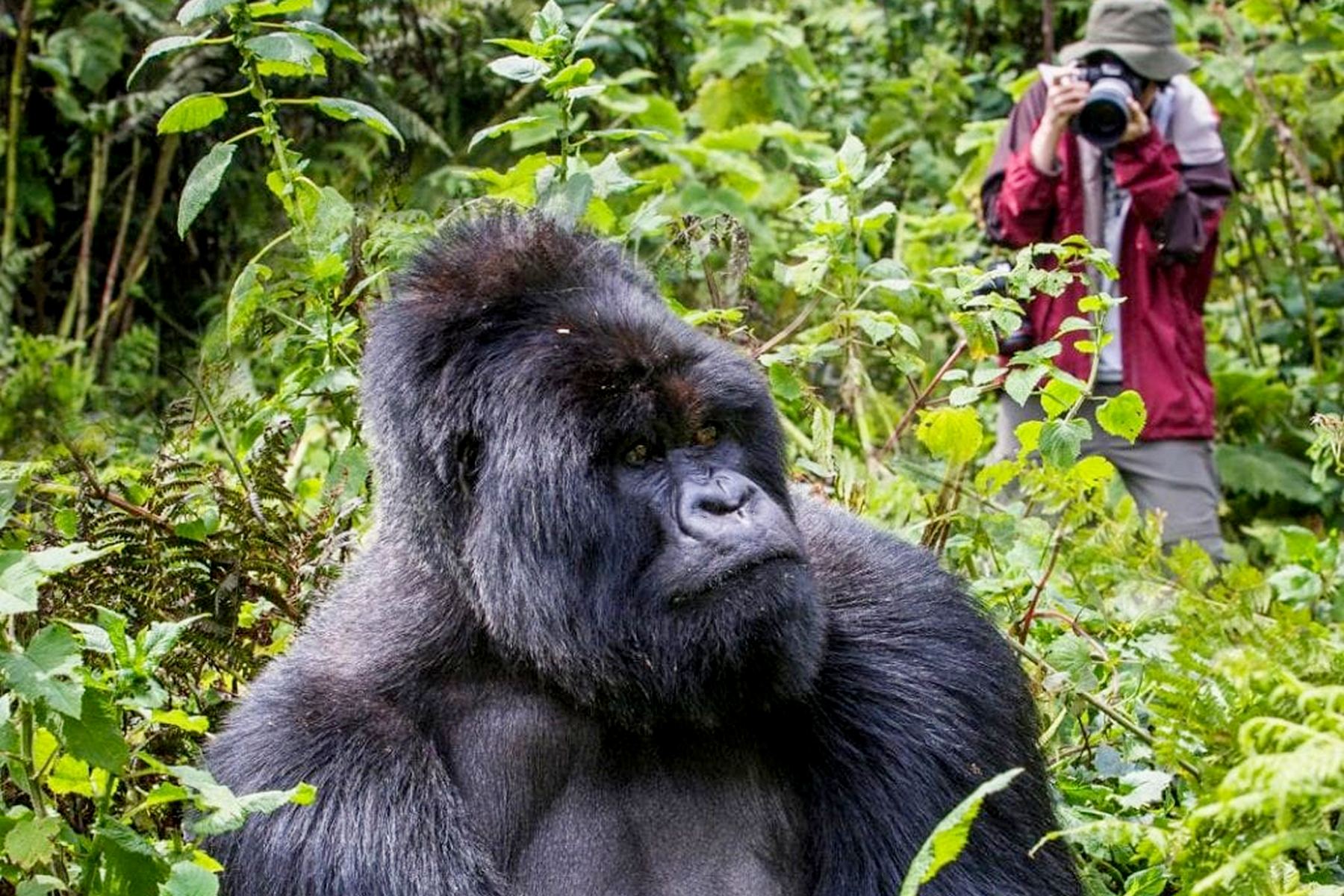
Photography is allowed during gorilla trekking in Bwindi, making it one of the most rewarding wildlife photography experiences in Africa. However, visitors must follow the official Photography Rules in Bwindi National Park throughout the encounter.
Travelers can take photographs of gorillas, the rainforest environment, and the trekking experience, but they must always follow instructions from Uganda Wildlife Authority rangers.
Rangers guide visitors on where to stand, how to behave, and when photography is appropriate. Their instructions ensure that photography remains safe for both visitors and gorillas.
The main goal is to capture beautiful images while allowing the gorillas to continue their natural activities without unnecessary disturbance.
Photography During Gorilla Habituation Experience
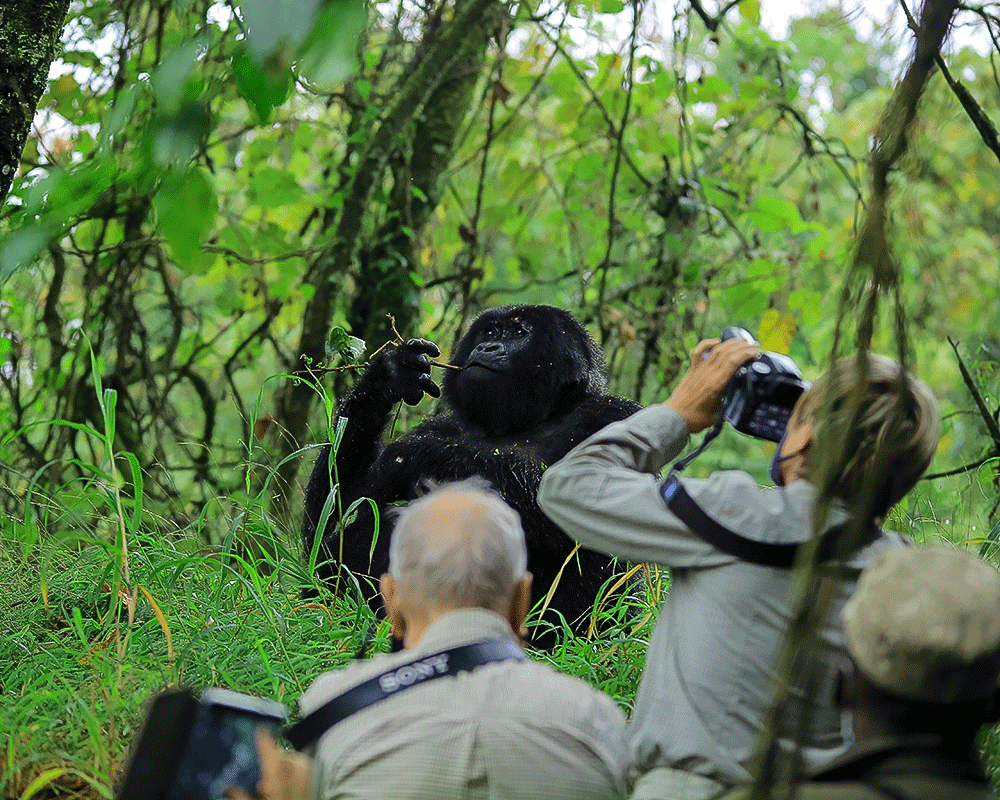
The gorilla habituation experience provides even greater opportunities for photographers because visitors can spend up to four hours observing a semi-habituated gorilla family.
Even during this extended experience, the same Photography Rules in Bwindi National Park apply. Photographers must remain respectful, maintain appropriate distance, and avoid actions that could disturb the animals.
The longer duration allows photographers more time to observe behavior and capture meaningful moments such as feeding, grooming, resting, and family interactions.
Because habituation involves conservation research, photographers must follow guidance from researchers, trackers, and rangers throughout the experience.
Maintaining the Required Distance from Gorillas
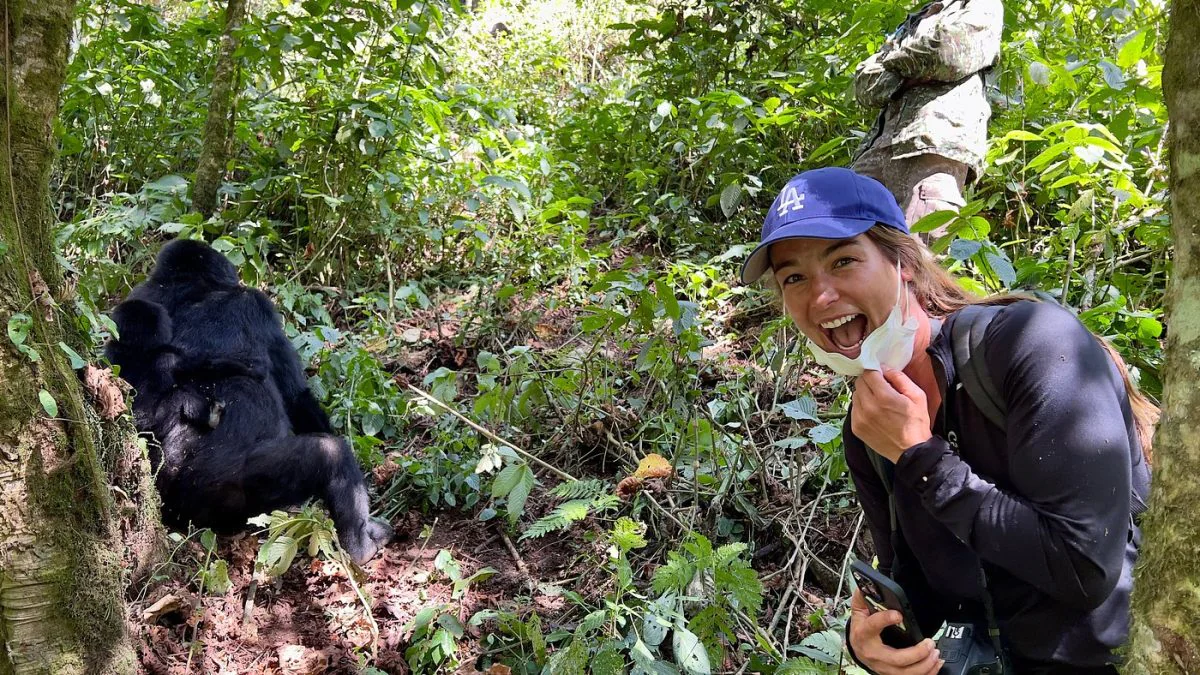
One of the most important Photography Rules in Bwindi National Park is maintaining the recommended distance from mountain gorillas.
Visitors must not approach gorillas closer than instructed by the guides and rangers. Although gorillas may sometimes move closer naturally, visitors should remain calm and allow the animals to control the interaction.
Maintaining distance protects gorillas from possible disease transmission and prevents unnecessary stress.
Photographers should use suitable camera lenses rather than moving closer to achieve better photographs.
No Flash Photography in Bwindi National Park
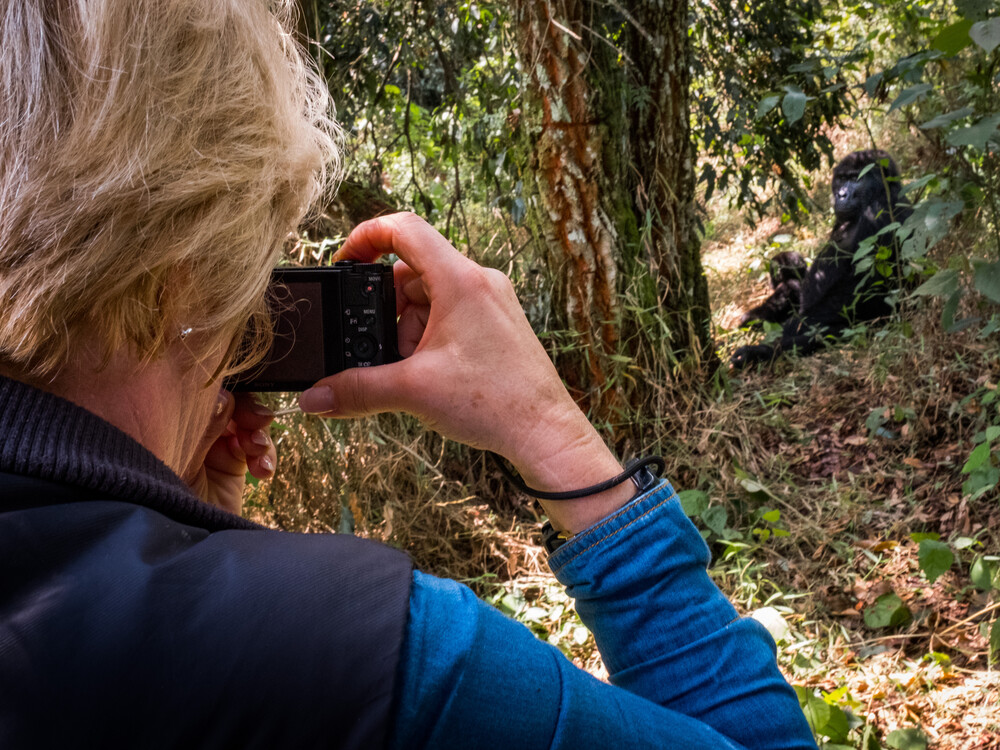
One of the strictest Photography Rules in Bwindi National Park is the prohibition of flash photography during gorilla encounters.
Flash can disturb mountain gorillas and may affect their natural behavior. The sudden bright light can create discomfort, especially during close encounters.
Instead of using flash, photographers should rely on cameras with good low-light performance, suitable lenses, and correct camera settings.
The rainforest environment provides beautiful natural lighting opportunities when photographers understand how to work with available light.
Using Cameras and Smartphones Responsibly
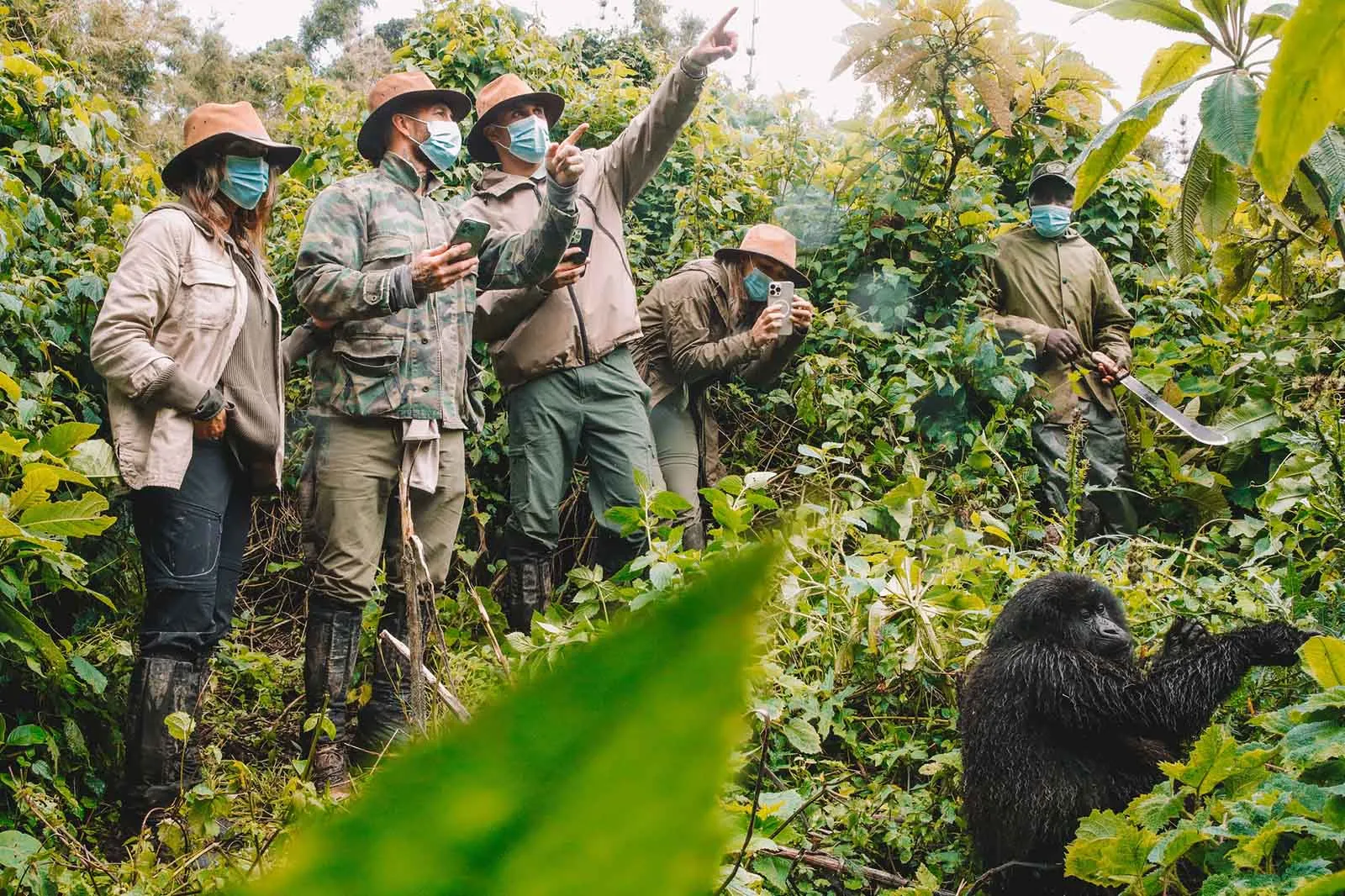
Visitors are allowed to use cameras and smartphones during their Bwindi experience, but responsible use is an important part of the Photography Rules in Bwindi National Park.
Photographers should avoid making excessive noise, moving unnecessarily, or focusing so much on photography that they ignore ranger instructions.
Smartphones can capture excellent memories, but visitors should ensure that photography does not interfere with enjoying the actual wildlife encounter.
Responsible photography balances capturing images with appreciating the experience.
Drone Photography Rules in Bwindi National Park
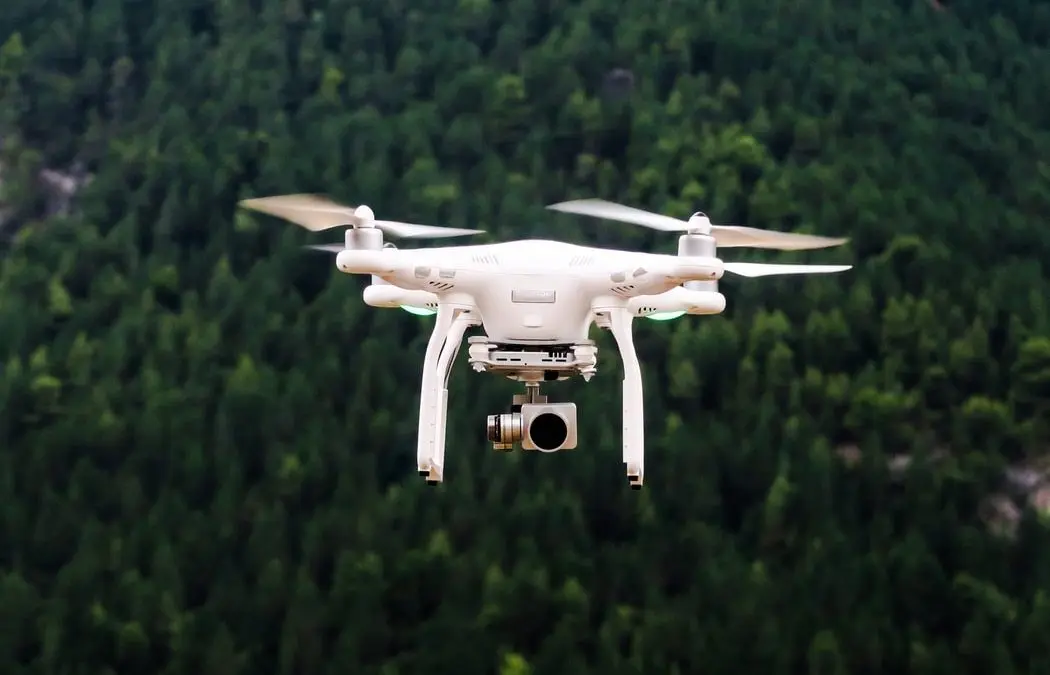
Many visitors ask whether drones can be used to capture aerial images of Bwindi. Drone use is one of the most carefully controlled areas within the Photography Rules in Bwindi National Park.
Visitors cannot freely operate drones inside the park. Drone flights require special authorization from relevant Ugandan authorities and park management.
Restrictions exist because drone noise and movement may disturb wildlife, especially sensitive species like mountain gorillas.
Travelers should always seek approval before planning any professional drone filming project in Bwindi.
Photography Equipment Allowed During Gorilla Encounters
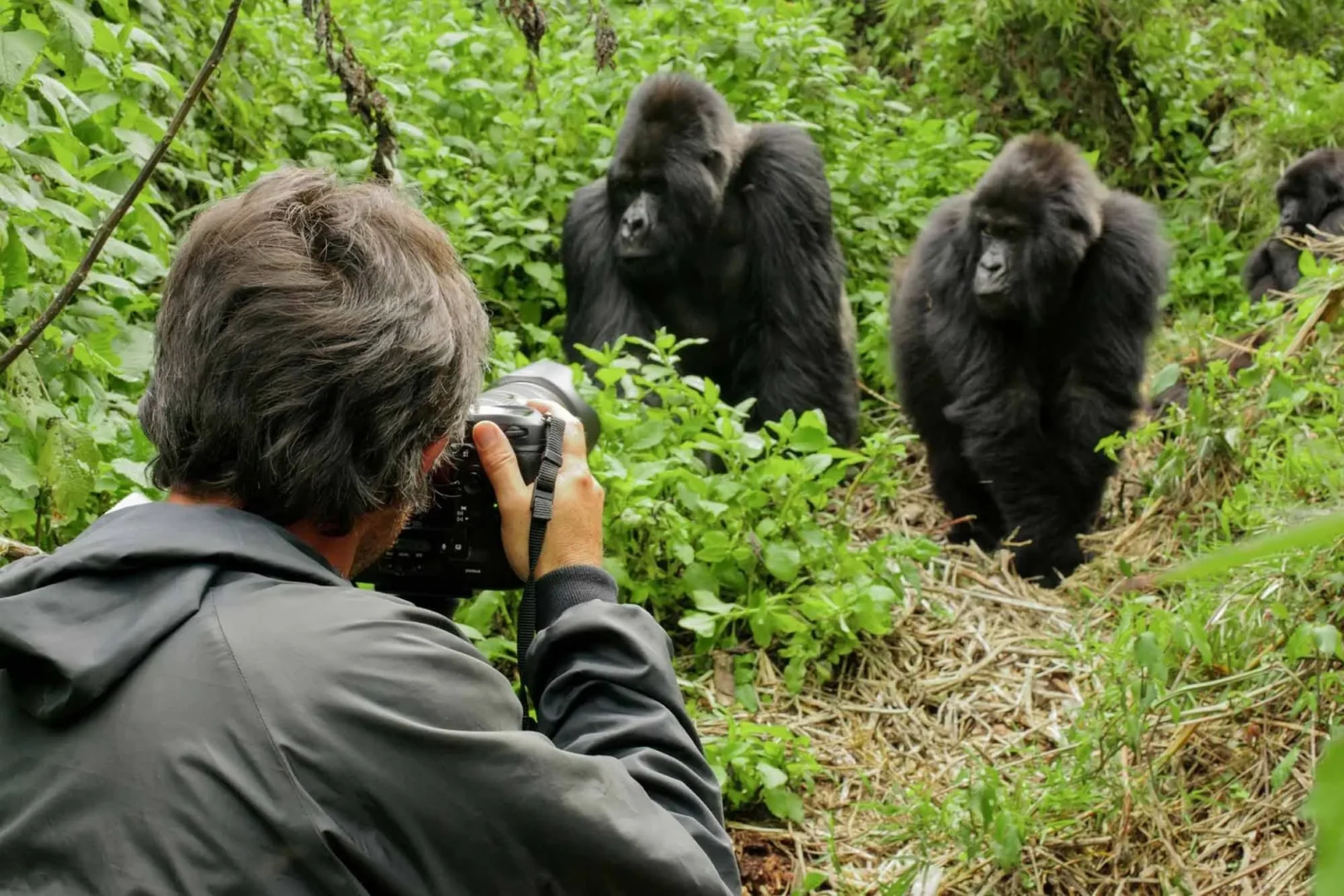
Choosing suitable equipment helps visitors follow the Photography Rules in Bwindi National Park while capturing high-quality images.
Telephoto lenses are recommended because they allow photographers to capture detailed photographs without approaching too closely.
Lightweight mirrorless cameras, DSLR cameras, and quality zoom lenses are popular choices because they provide flexibility in the challenging rainforest environment.
Visitors should avoid carrying excessive equipment because gorilla trekking involves hiking through steep and sometimes difficult terrain.
Best Camera Settings for Bwindi Gorilla Photography
Understanding camera settings is an important part of following the Photography Rules in Bwindi National Park because photographers need to work with natural rainforest conditions.
Bwindi often has low-light conditions due to the thick forest canopy. Cameras with good ISO performance, fast autofocus, and image stabilization help capture sharp photographs.
Photographers should prepare their settings before reaching the gorillas because important moments can happen quickly.
Good preparation reduces unnecessary movement and allows visitors to remain focused on the experience.
Photography Etiquette Around Mountain Gorillas
Ethical behavior is at the heart of the Photography Rules in Bwindi National Park. Visitors should remember that gorillas are wild animals, not models or performers.
Photographers should avoid loud sounds, sudden movements, or attempts to attract the attention of gorillas for photographs.
The best images are usually created by patiently observing natural behavior rather than trying to influence what the animals do.
Respectful photography creates authentic memories while protecting wildlife.
Protecting Camera Equipment in Bwindi Forest
Bwindi’s rainforest conditions require photographers to protect their equipment while following the Photography Rules in Bwindi National Park.
Rain, humidity, and mud can affect cameras and lenses if they are not properly protected.
Photographers should carry waterproof camera covers, lens cleaning cloths, and protective bags.
Keeping equipment protected ensures that visitors can continue photographing throughout changing weather conditions.
Photography During Rainy Conditions
Rain is common in Bwindi, making preparation an important part of the Photography Rules in Bwindi National Park.
Rain should not prevent visitors from taking photographs, but equipment must be protected properly.
Many photographers find that mist, raindrops, and wet vegetation create unique and dramatic rainforest images.
Using waterproof protection allows photographers to capture the special atmosphere of Bwindi even during wet conditions.
Respecting Rangers and Conservation Guidelines
Following ranger instructions is one of the most important Photography Rules in Bwindi National Park.
Rangers have extensive knowledge of gorilla behavior, safety procedures, and conservation requirements. Their instructions are designed to protect both visitors and wildlife.
Photographers should always listen carefully and adjust their position or behavior when requested.
Respecting guides ensures a safe and meaningful gorilla photography experience.
Photography and Gorilla Health Protection
Because gorillas are vulnerable to human diseases, health protection is a major reason behind the Photography Rules in Bwindi National Park.
Visitors who are sick may be advised not to participate in gorilla activities. Maintaining distance and avoiding direct contact helps reduce health risks.
Photography should always support conservation rather than create additional pressure on endangered gorillas.
Responsible visitors understand that protecting gorillas ensures future generations can continue experiencing these incredible animals.
Common Photography Mistakes to Avoid in Bwindi
Many photography mistakes can reduce the quality of images or violate the Photography Rules in Bwindi National Park.
Common problems include using flash, moving too close to gorillas, ignoring ranger instructions, carrying unsuitable equipment, or focusing only on photography instead of the experience.
Preparation, patience, and respect are the foundation of successful gorilla photography.
The best photographers understand that conservation always comes before capturing the perfect image.
Professional Photography and Filming in Bwindi
Professional photographers, filmmakers, and media teams must follow additional requirements under the Photography Rules in Bwindi National Park.
Commercial filming may require special permits, permissions, and coordination with park authorities.
Professional projects must demonstrate responsible practices that protect wildlife and minimize environmental impact.
Approved photography projects can play an important role in promoting conservation and sharing the beauty of Uganda’s mountain gorillas with the world.
Best Tips for Capturing Memorable Gorilla Photos
Following the Photography Rules in Bwindi National Park does not mean limiting creativity. In fact, responsible photography often creates the most powerful wildlife images.
Photographers should focus on capturing emotions, behaviors, and interactions rather than only close-up portraits.
Images of silverbacks observing their surroundings, mothers caring for infants, and gorillas moving through the rainforest often tell the strongest stories.
Patience and observation are more valuable than simply taking many photographs.
Hiring a Photography-Focused Gorilla Safari Guide
Working with experienced safari professionals can greatly improve your photography experience in Bwindi.
A knowledgeable guide understands the Photography Rules in Bwindi National Park, gorilla behavior, forest conditions, and the best ways to position yourself for photography.
They help ensure that your photography remains ethical while maximizing opportunities to capture unforgettable moments.
Professional support also makes the entire safari experience smoother and more enjoyable.
Frequently Asked Questions About Photography Rules in Bwindi National Park
1. What are the Photography Rules in Bwindi National Park?
The Photography Rules in Bwindi National Park are guidelines created to ensure visitors can capture memorable images while protecting endangered mountain gorillas and their natural environment. Photography is allowed during gorilla trekking and gorilla habituation experiences, but it must always be done responsibly.
Visitors are expected to follow instructions from Uganda Wildlife Authority rangers, avoid disturbing gorillas, maintain the recommended distance, and use photography equipment appropriately. These rules help reduce stress on gorillas and support long-term conservation efforts.
Following the photography guidelines allows travelers to enjoy incredible wildlife photography while ensuring that future generations can also experience Bwindi’s mountain gorillas.
2. Can I take photos during gorilla trekking in Bwindi National Park?
Yes, visitors can take photos during gorilla trekking, making Bwindi one of the most exciting destinations for wildlife photography. However, all travelers must follow the Photography Rules in Bwindi National Park throughout the encounter.
Photography should be done quietly and respectfully without interfering with gorilla behavior. Visitors should listen carefully to ranger instructions regarding positioning, movement, and safe photography practices.
The goal is to capture natural moments while allowing gorillas to continue their normal activities without disturbance.
3. Are cameras allowed during Gorilla Habituation Experience in Bwindi?
Yes, cameras are allowed during the gorilla habituation experience. In fact, habituation provides excellent photography opportunities because visitors spend up to four hours observing a gorilla family.
However, the same Photography Rules in Bwindi National Park apply during habituation. Photographers must maintain appropriate distance, avoid flash, and follow guidance from researchers, trackers, and rangers.
The extended time allows photographers to capture deeper stories of gorilla behavior, including feeding, grooming, resting, and social interactions.
4. Is flash photography allowed in Bwindi National Park?
No. Flash photography is not allowed during gorilla encounters, and this is one of the most important Photography Rules in Bwindi National Park.
Flash can startle or disturb mountain gorillas and may affect their natural behavior. Since gorillas are endangered and highly protected, minimizing unnecessary disturbance is essential.
Instead of using flash, photographers should rely on cameras with good low-light performance, appropriate lenses, and correct camera settings.
5. How close can I get to gorillas when taking photos?
Visitors must follow the distance guidelines provided by Uganda Wildlife Authority rangers. Maintaining a safe distance is one of the most important Photography Rules in Bwindi National Park.
Although gorillas may sometimes move closer naturally, visitors should never approach them or attempt to position themselves for a better photograph.
Using a suitable telephoto lens allows photographers to capture detailed images while respecting conservation requirements.
6. Can I use a smartphone to take photos in Bwindi?
Yes, smartphones can be used during gorilla trekking and habituation experiences. However, visitors should still follow the Photography Rules in Bwindi National Park when using mobile devices.
Smartphones are useful for capturing personal memories, videos, and quick images of the rainforest environment.
For professional-quality wildlife photography, dedicated cameras with zoom lenses usually provide better results because they perform better in low light and allow greater distance from the gorillas.
7. Are drones allowed for photography in Bwindi National Park?
Drone use is one of the most restricted areas under the Photography Rules in Bwindi National Park.
Visitors cannot freely operate drones inside Bwindi Impenetrable National Park. Drone flights require special authorization from relevant Ugandan authorities and park management.
The restrictions exist because drone noise and movement may disturb wildlife, especially endangered mountain gorillas. Travelers should always seek official approval before planning drone photography.
8. What camera equipment is recommended for gorilla photography in Bwindi?
Choosing the right equipment helps visitors follow the Photography Rules in Bwindi National Park while capturing high-quality images.
Many photographers use mirrorless cameras, DSLR cameras, and telephoto zoom lenses because they allow detailed photographs while maintaining respectful distance.
Lightweight equipment is recommended because gorilla trekking involves hiking through steep rainforest terrain. A practical setup is often better than carrying too much heavy gear.
9. What lens is best for gorilla photography in Bwindi?
A telephoto lens is usually recommended for visitors following the Photography Rules in Bwindi National Park.
Lenses in ranges such as 70–200mm, 70–300mm, or 100–400mm are popular because they provide flexibility for portraits, family groups, and environmental images.
The best lens depends on your camera system, budget, and photography goals, but a versatile zoom lens is often the most practical choice for Bwindi conditions.
10. Can I use a tripod during gorilla photography?
Tripods are generally not practical during gorilla trekking because visitors move through dense forest terrain and must remain flexible.
Many photographers following the Photography Rules in Bwindi National Park prefer handheld photography with cameras and lenses that have image stabilization.
A lightweight setup allows visitors to respond quickly while following ranger instructions and moving safely through the forest.
11. Are professional photographers allowed to photograph gorillas in Bwindi?
Yes, professional photographers are allowed to photograph gorillas, but they must follow the same conservation requirements as other visitors.
The Photography Rules in Bwindi National Park apply to everyone, regardless of photography experience or equipment.
Commercial photographers and filmmakers may require additional permits and approvals depending on the purpose of their project.
12. Can I take videos during gorilla trekking in Bwindi?
Yes, visitors can record videos during gorilla trekking and habituation experiences, provided they follow the Photography Rules in Bwindi National Park.
Videos should be recorded without disturbing the gorillas or interfering with ranger instructions.
Travelers should also ensure that their equipment does not create unnecessary noise or movement that could affect the animals.
13. What photography mistakes should I avoid in Bwindi?
Avoiding common mistakes is an important part of following the Photography Rules in Bwindi National Park.
Visitors should avoid using flash, moving too close to gorillas, making loud sounds, ignoring ranger instructions, or spending so much time photographing that they forget to appreciate the experience.
Responsible photographers focus on capturing natural moments while respecting wildlife protection guidelines.
14. Can I photograph baby gorillas during the trek?
Yes, visitors can photograph baby gorillas when opportunities naturally occur. However, the Photography Rules in Bwindi National Park still apply when photographing young gorillas.
Visitors should avoid attempting to attract the attention of babies or changing their position for a better photo.
The best images are captured by patiently observing natural interactions between mothers, infants, and other family members.
15. How can I take better gorilla photos without breaking the rules?
The best way to take better photographs while following the Photography Rules in Bwindi National Park is to prepare properly before the trek.
Using the right camera settings, choosing a suitable lens, understanding rainforest lighting, and practicing patience will improve image quality.
Great wildlife photography comes from observation and respect rather than trying to control the animals or create artificial moments.
16. Are there different photography rules for Gorilla Habituation and normal trekking?
The main Photography Rules in Bwindi National Park remain the same for both experiences, although habituation provides more time for photography.
During habituation, visitors spend up to four hours with a gorilla family, allowing more opportunities to capture different behaviors.
Despite the longer duration, photographers must still follow conservation guidelines and respect the instructions of rangers and researchers.
17. Can I photograph the forest and landscapes in Bwindi National Park?
Yes. Bwindi offers incredible landscape photography opportunities beyond gorilla photography.
Visitors can photograph the rainforest, misty hills, vegetation, birds, and other natural features while following the general Photography Rules in Bwindi National Park.
Capturing the environment helps tell the complete story of the gorillas and their ancient forest habitat.
18. How do I protect my camera while photographing in Bwindi?
Protecting your equipment is an important part of responsible photography in Bwindi.
Visitors should carry waterproof camera covers, rain protection, lens cleaning cloths, and protective bags because the rainforest environment is humid and rainfall can occur unexpectedly.
Good equipment protection supports the Photography Rules in Bwindi National Park by allowing photographers to work quietly and responsibly without unnecessary equipment problems.
19. Do I need a photography permit to take photos in Bwindi?
For normal tourist photography during gorilla trekking or habituation, visitors generally use their approved park and gorilla activity permits.
However, professional commercial photography and filming may require additional permissions.
Anyone planning special photography projects should confirm requirements in advance to ensure compliance with the Photography Rules in Bwindi National Park.
20. How can I plan a responsible gorilla photography safari in Bwindi?
Planning a responsible photography safari requires understanding the Photography Rules in Bwindi National Park, choosing suitable equipment, and working with experienced safari professionals.
A knowledgeable safari operator can help arrange gorilla permits, accommodation, transportation, photography advice, and preparation guidance.
With proper planning, patience, and respect for conservation guidelines, visitors can capture unforgettable mountain gorilla photographs while supporting the protection of one of the world’s most endangered species.
Book Your Responsible Gorilla Photography Safari in Bwindi
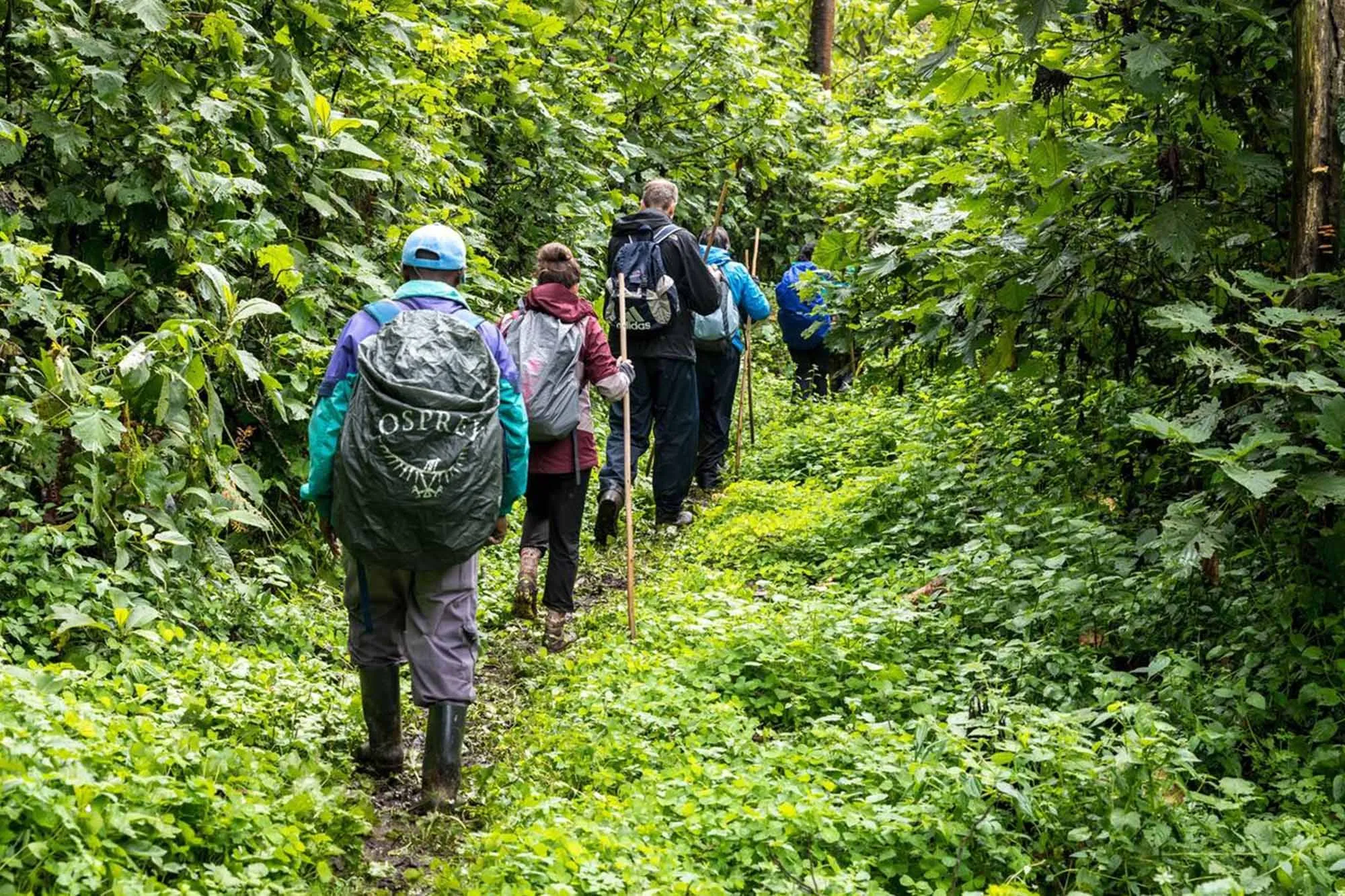
Understanding the Photography Rules in Bwindi National Park is essential for anyone planning a gorilla photography adventure in Uganda.
With the right preparation, suitable equipment, and respect for conservation guidelines, visitors can capture incredible mountain gorilla images while contributing to wildlife protection.
Our experienced safari specialists help organize complete Bwindi gorilla photography experiences, including gorilla permits, accommodation, transportation, porter services, photography advice, and customized safari planning.
Whether you are a professional photographer, wildlife enthusiast, or first-time visitor, we create unforgettable journeys designed around responsible photography and conservation.
Contact us today to plan your Bwindi gorilla photography safari and experience the magic of capturing mountain gorillas in one of Africa’s most remarkable rainforests while following the best Photography Rules in Bwindi National Park.