

Ultimate Best Lenses for Gorilla Photography: Expert Guide to Capturing Stunning Mountain Gorilla Images
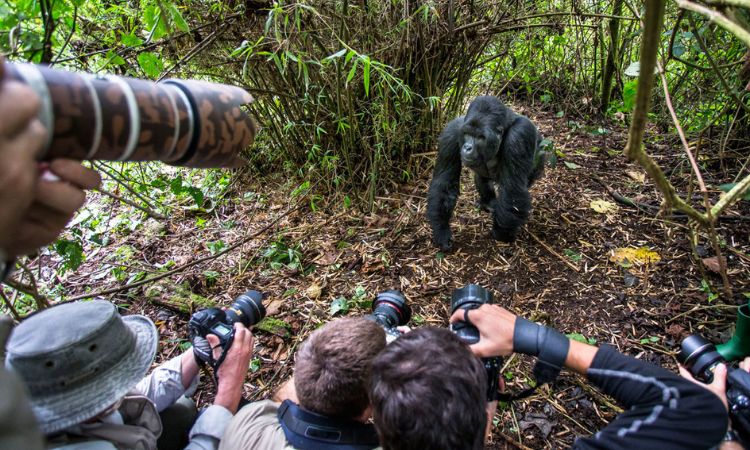
Understanding the Best Lenses for Gorilla Photography helps photographers capture sharp portraits, natural behaviors, family interactions, and powerful images while maintaining the required respectful distance from the gorillas. Since mountain gorillas live in dense rainforest environments with limited light, changing weather conditions, and thick vegetation, the right lens can significantly improve image quality.
Unlike open savannah photography, where photographers often use extremely long lenses from vehicles, gorilla photography requires a balance between reach, portability, brightness, and flexibility. Visitors must hike through challenging forest terrain before reaching the gorillas, meaning carrying extremely heavy equipment may become uncomfortable.
This complete guide explores the Best Lenses for Gorilla Photography, explaining lens types, focal lengths, aperture requirements, zoom options, professional recommendations, and practical advice for choosing the perfect lens for your Uganda gorilla photography adventure.
Why Choosing the Best Lenses for Gorilla Photography Matters
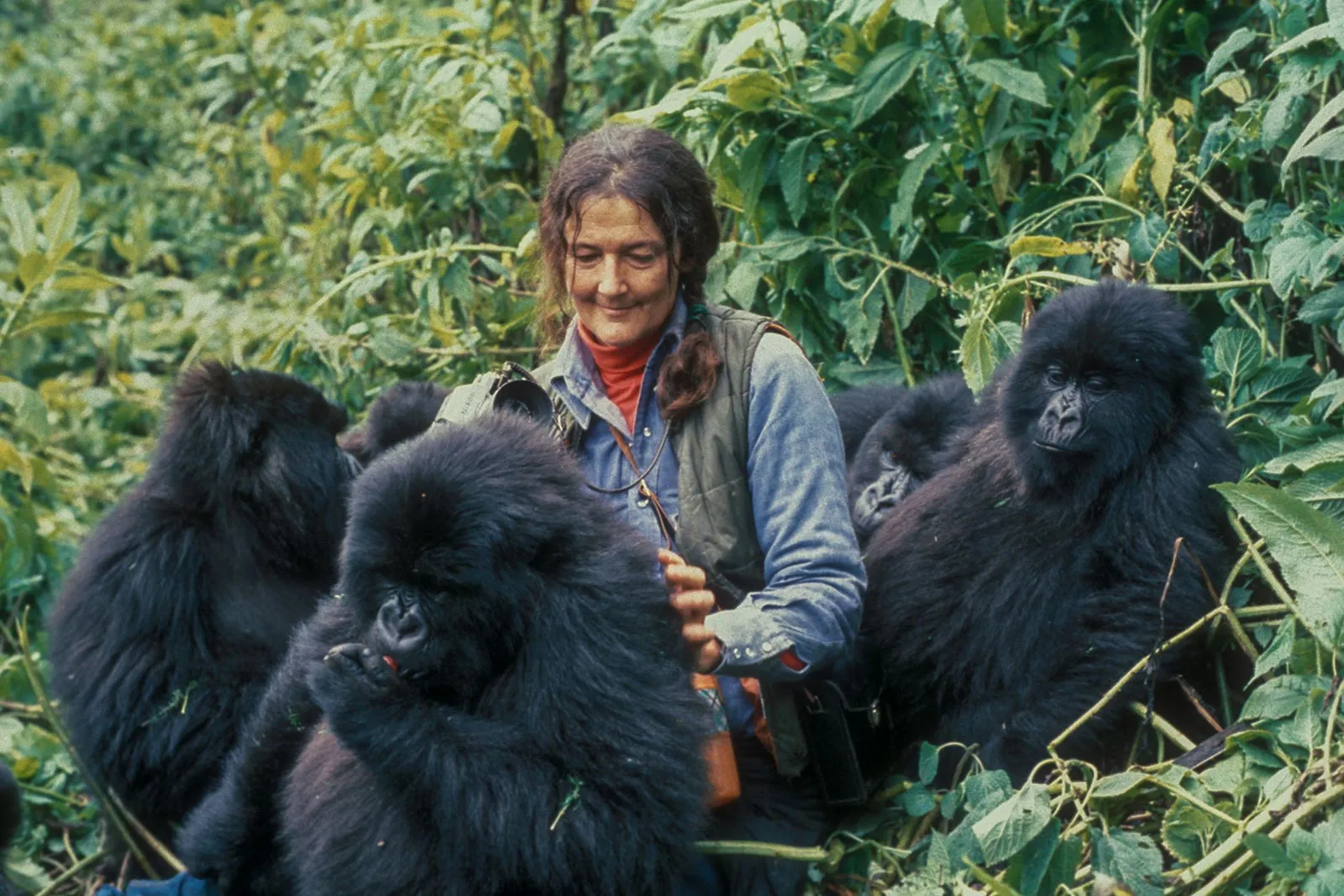
Selecting the right lens is one of the most important parts of preparing for a gorilla safari. The Best Lenses for Gorilla Photography allow photographers to capture detailed images while respecting wildlife viewing guidelines and maintaining a comfortable distance from mountain gorillas.
Mountain gorillas are powerful yet peaceful animals that move naturally through their rainforest habitat. A silverback may suddenly stand, a mother may interact with her infant, or young gorillas may play among vegetation. These moments happen quickly, requiring a lens that focuses accurately and responds immediately.
The rainforest environment also creates technical challenges. Limited light beneath the forest canopy means photographers need lenses that perform well in darker conditions. A quality lens improves sharpness, background separation, and overall image quality.
The right lens also improves the photographer’s experience by reducing frustration and allowing more attention to the gorillas rather than constantly adjusting equipment.
Understanding Gorilla Photography Conditions in Bwindi Forest
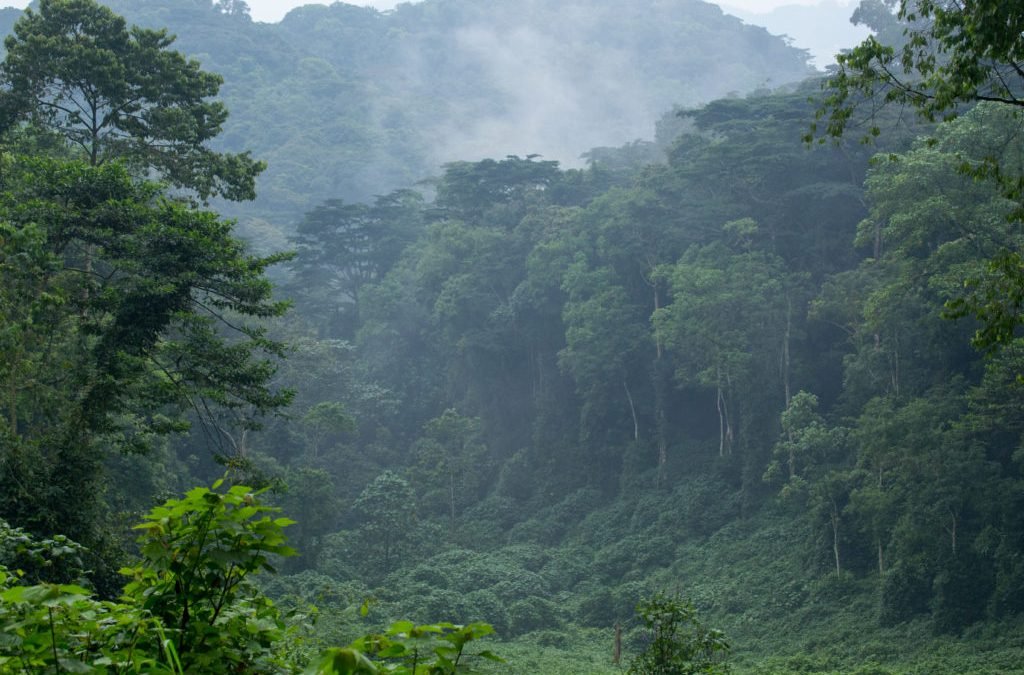
Before choosing the Best Lenses for Gorilla Photography, it is important to understand the environment where these lenses will be used.
Bwindi Impenetrable National Park is a dense tropical rainforest located in southwestern Uganda. The forest contains towering trees, thick vegetation, steep hills, misty conditions, and changing weather patterns.
Unlike wildlife photography in open landscapes, gorilla photography often takes place under shaded forest conditions. This means photographers need lenses that allow enough light into the camera while producing sharp images.
The gorillas may also appear partially hidden behind leaves and branches. A flexible lens allows photographers to adjust quickly and capture different compositions without disturbing the animals.
What Makes a Lens Perfect for Gorilla Photography?
The Best Lenses for Gorilla Photography combine several important qualities that help photographers succeed in the rainforest environment.
A good gorilla photography lens should provide enough focal length to capture detailed images while allowing photographers to maintain the recommended distance. It should also perform well in low light because Bwindi’s forest canopy often creates darker conditions.
Fast autofocus is another important feature because gorillas move naturally and unpredictably. A lens that focuses quickly helps photographers capture important moments before they disappear.
Portability is equally important. Since gorilla trekking involves several hours of hiking, the ideal lens should provide excellent image quality without becoming too heavy to carry.
Best Telephoto Zoom Lenses for Gorilla Photography
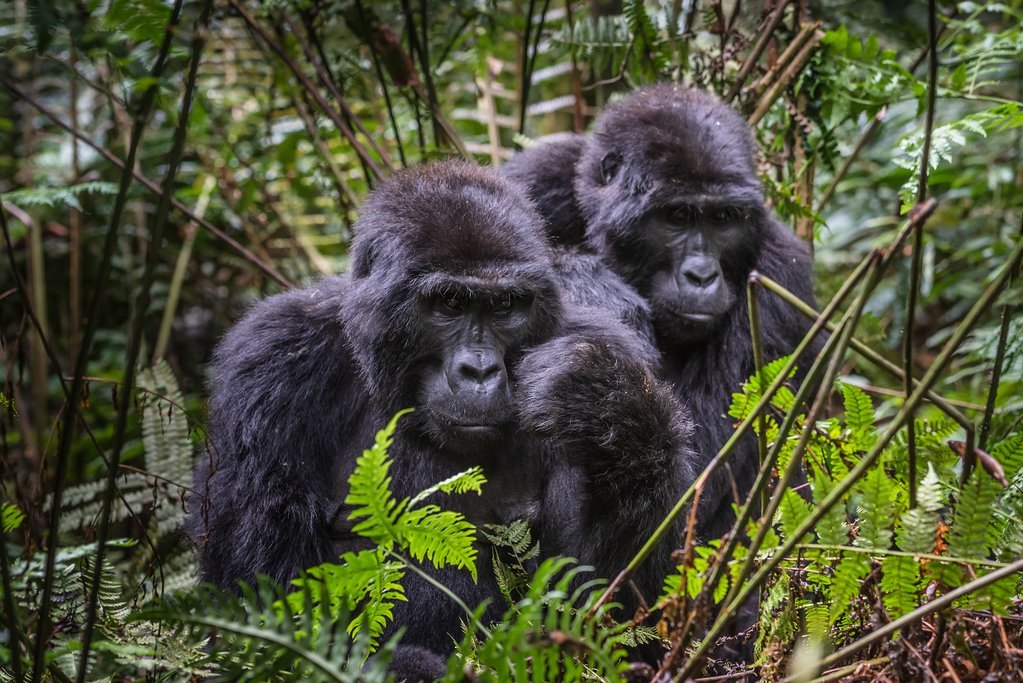
Telephoto zoom lenses are among the most popular choices when selecting the Best Lenses for Gorilla Photography because they provide flexibility during wildlife encounters.
A zoom lens allows photographers to adjust composition without moving closer to the animals. This is especially useful because visitors must maintain a respectful distance from mountain gorillas.
Popular focal ranges include approximately 70–200mm, 100–400mm, and 70–300mm lenses. These ranges provide enough reach for detailed portraits while still allowing wider photographs of gorilla families and their rainforest surroundings.
The versatility of zoom lenses makes them excellent choices for both beginners and experienced wildlife photographers.
The Importance of Lens Focal Length for Gorilla Photography
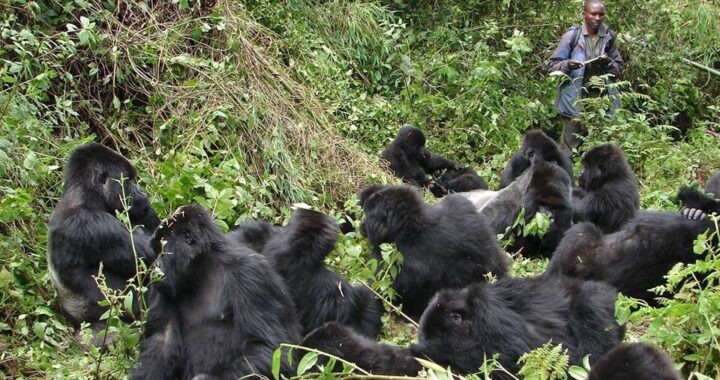
Understanding focal length is essential when choosing the Best Lenses for Gorilla Photography. The focal length determines how close your subject appears and how much of the surrounding environment is included.
A shorter focal length allows wider environmental photographs showing gorillas within the rainforest. This is useful for storytelling images that show the relationship between the animals and their habitat.
A longer focal length creates tighter portraits that highlight facial expressions, eyes, and unique characteristics of individual gorillas.
Many photographers prefer zoom lenses because they provide both options without changing equipment during the encounter.
Best 70-200mm Lenses for Gorilla Photography
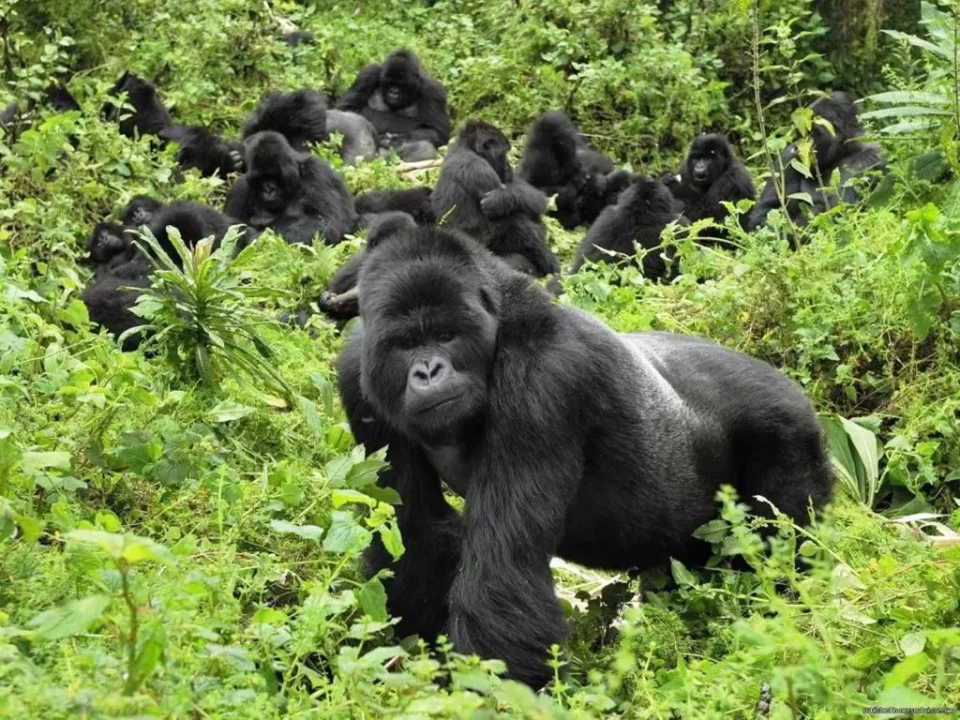
A 70-200mm lens is considered by many photographers as one of the Best Lenses for Gorilla Photography because it offers excellent image quality, flexibility, and manageable size.
This lens range is particularly useful when gorillas are relatively close and photographers want to capture both portraits and environmental images.
Professional versions often provide wide apertures, excellent autofocus, and strong low-light performance, making them suitable for Bwindi’s challenging forest conditions.
The main advantage of a 70-200mm lens is its balance between quality and portability.
Best 100-400mm Lenses for Gorilla Photography
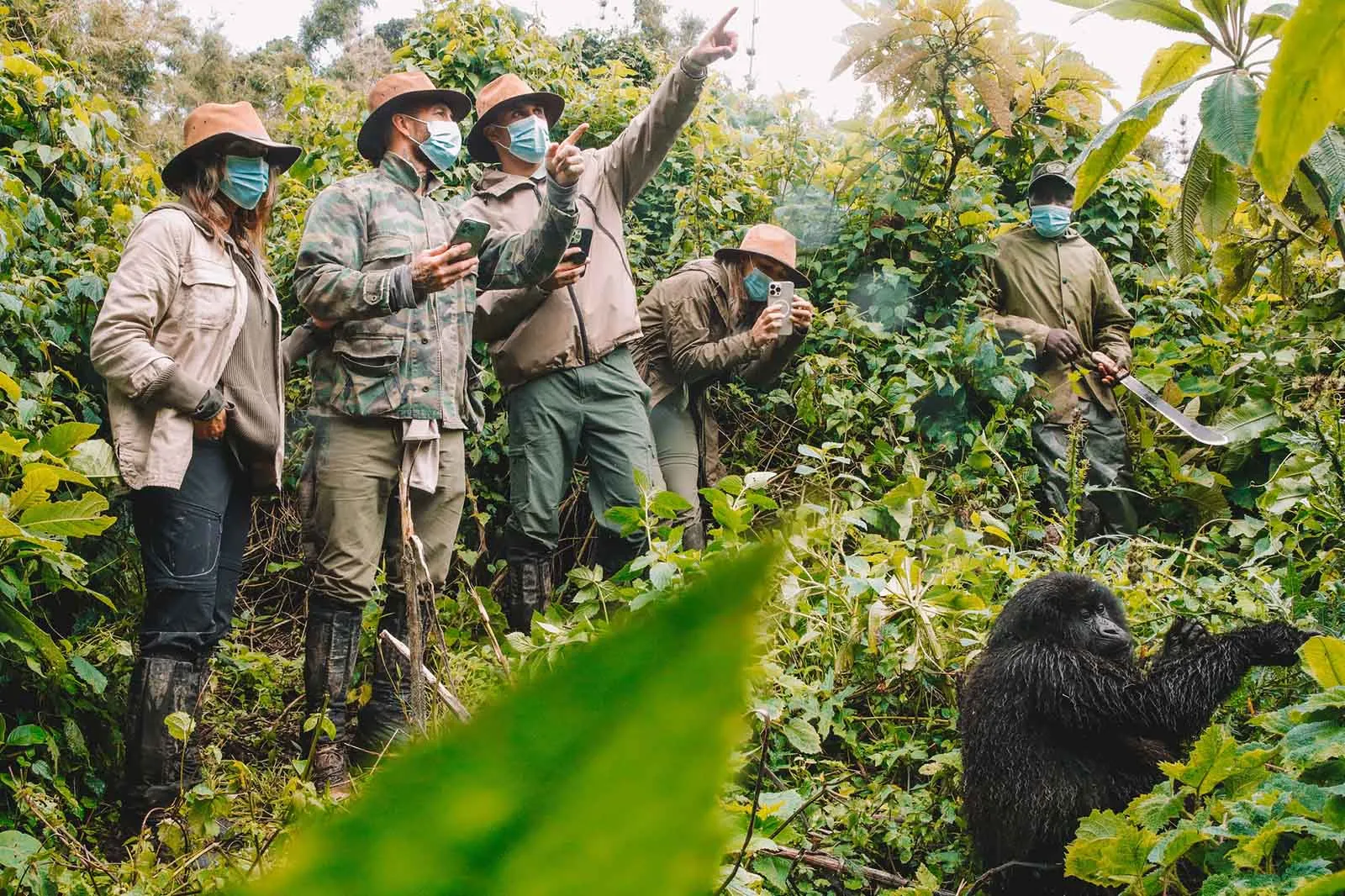
A 100-400mm lens is another excellent choice among the Best Lenses for Gorilla Photography because it provides additional reach while maintaining flexibility.
This lens is useful when photographers want detailed images of gorilla faces, hands, eyes, and behaviors without moving closer.
The extra zoom range is particularly valuable during gorilla habituation experiences where visitors spend more time observing natural behavior.
Although longer lenses can be heavier, many modern versions are designed to remain portable for wildlife travel.
Best 70-300mm Lenses for Gorilla Photography
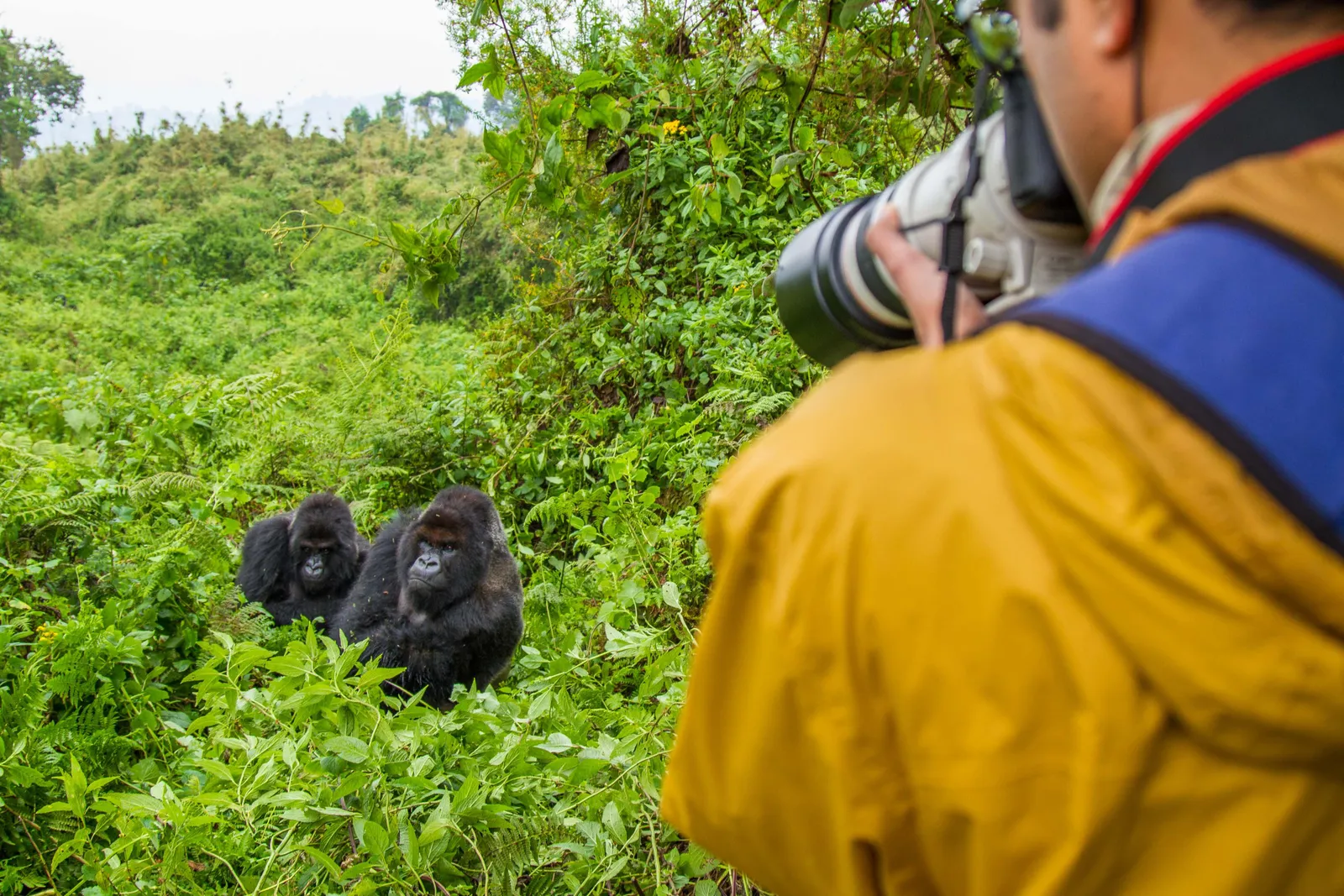
For travelers looking for a practical and affordable option among the Best Lenses for Gorilla Photography, a 70-300mm lens is an excellent choice.
This lens provides enough zoom range for capturing mountain gorilla portraits while remaining lightweight and easy to carry through the forest.
It is especially suitable for travelers who want quality images without investing in extremely expensive professional equipment.
Modern 70-300mm lenses offer improved autofocus and image stabilization, making them valuable companions during a gorilla safari.
Prime Lenses for Professional Gorilla Photography
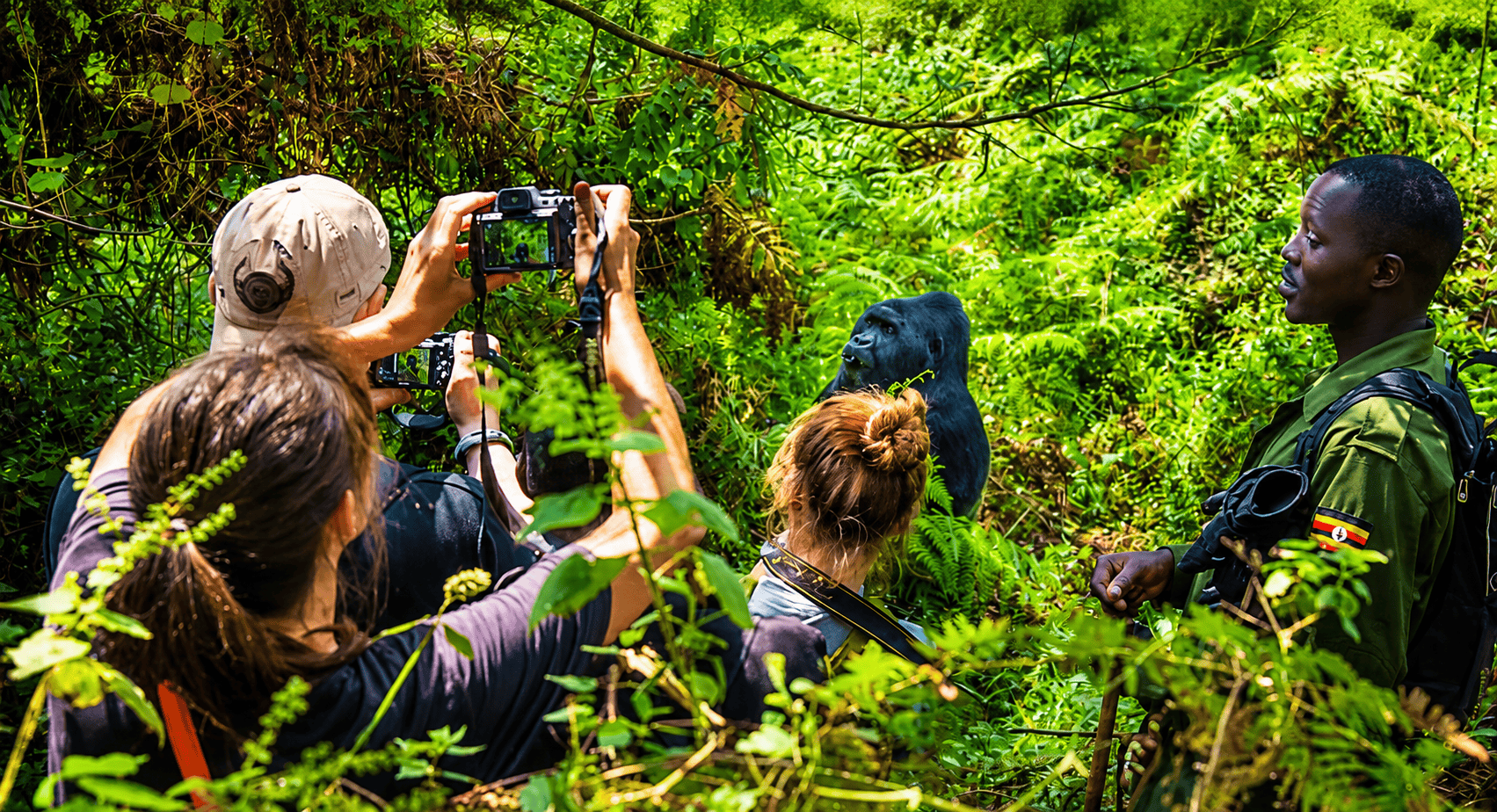
Prime lenses can also be among the Best Lenses for Gorilla Photography, especially for professional photographers seeking maximum image quality.
Prime lenses often provide wider apertures, allowing more light into the camera and producing beautiful background blur. They are excellent for creating artistic portraits with strong subject separation.
However, prime lenses have fixed focal lengths, meaning photographers cannot zoom in or out. This requires more movement and careful positioning.
For professional photographers who understand their equipment, prime lenses can create exceptional gorilla portraits.
Why Low-Light Performance Matters for Gorilla Photography Lenses
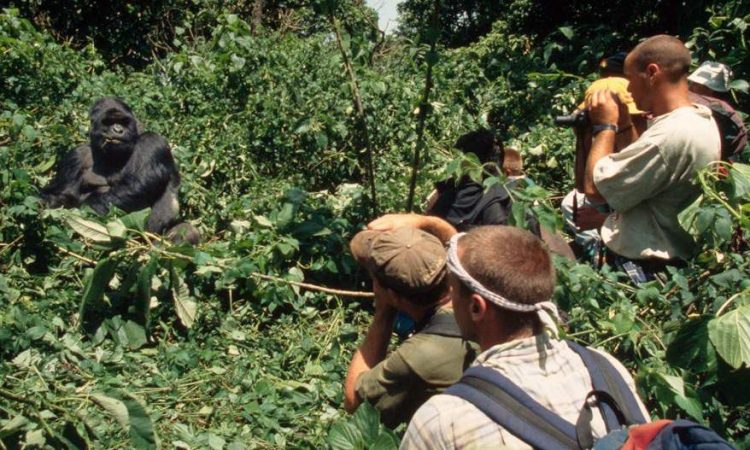
Low-light ability is one of the most important factors when selecting the Best Lenses for Gorilla Photography.
The rainforest environment often has limited sunlight because of thick vegetation and tall trees. A lens with a wider maximum aperture allows more light to reach the camera sensor, improving image quality.
Brighter lenses also allow photographers to use faster shutter speeds, which helps prevent blurry images when gorillas move.
For photographers visiting Bwindi, investing in a lens with strong low-light capability can make a significant difference.
Image Stabilization and Gorilla Photography
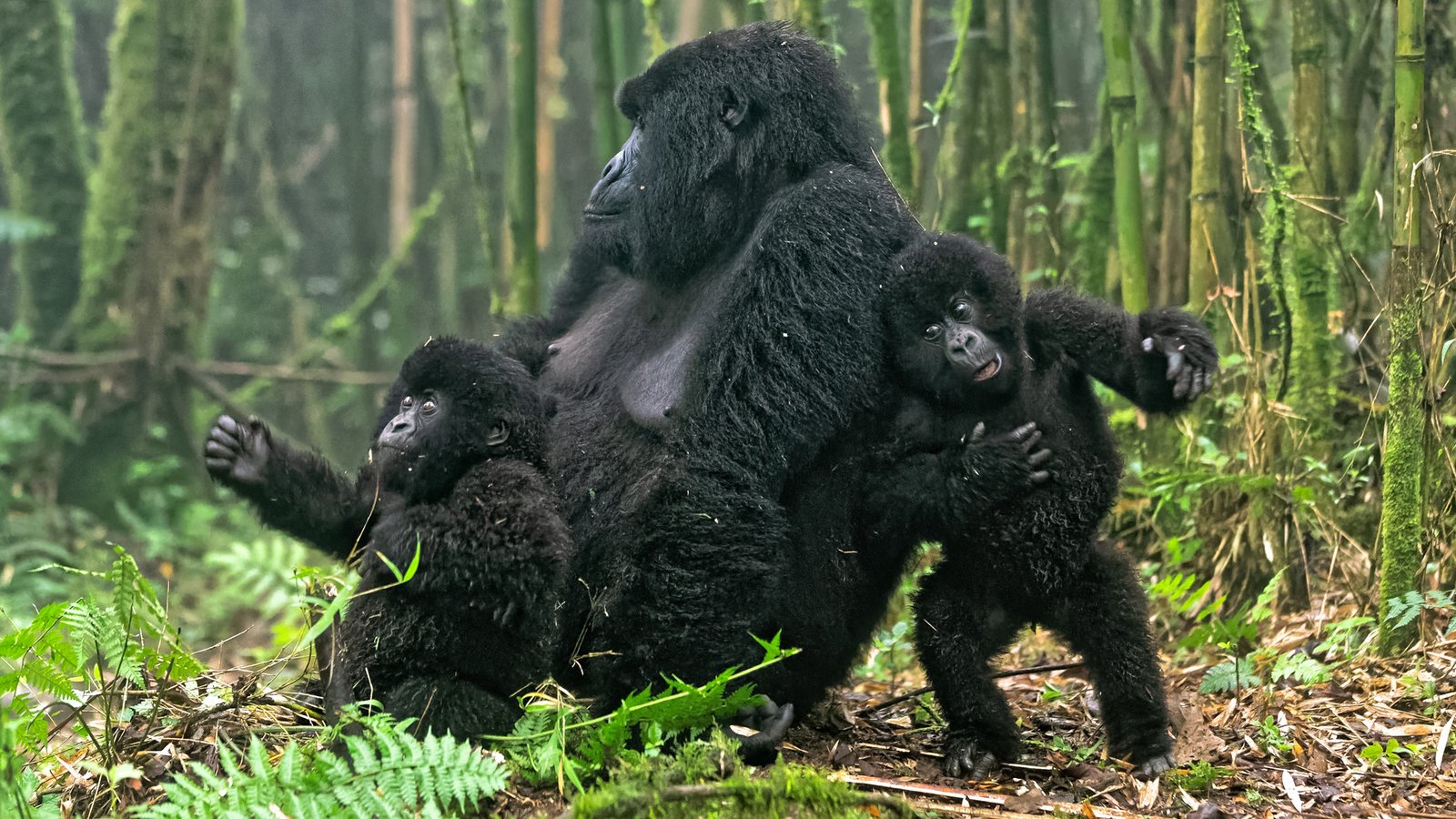
Image stabilization is another valuable feature when choosing the Best Lenses for Gorilla Photography.
Since gorilla photography often involves handheld shooting in challenging terrain, stabilization helps reduce camera shake and improves sharpness.
This feature is especially useful when using longer focal lengths where small movements become more noticeable.
A stabilized lens allows photographers to capture clearer images without always relying on a tripod.
Weather Protection and Durability
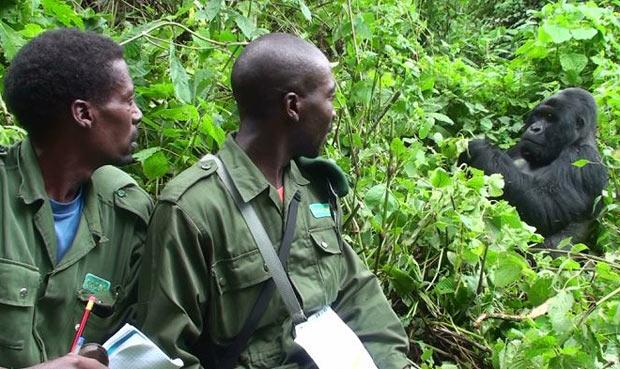
A rainforest environment requires equipment that can handle moisture and changing conditions. The Best Lenses for Gorilla Photography should ideally include weather sealing or strong protection against dust and moisture.
Rain showers can occur unexpectedly in Bwindi, and humidity levels remain high throughout the forest.
Protecting your lens with rain covers, protective bags, and proper storage ensures reliable performance throughout your safari.
Choosing Between Professional and Budget Gorilla Photography Lenses
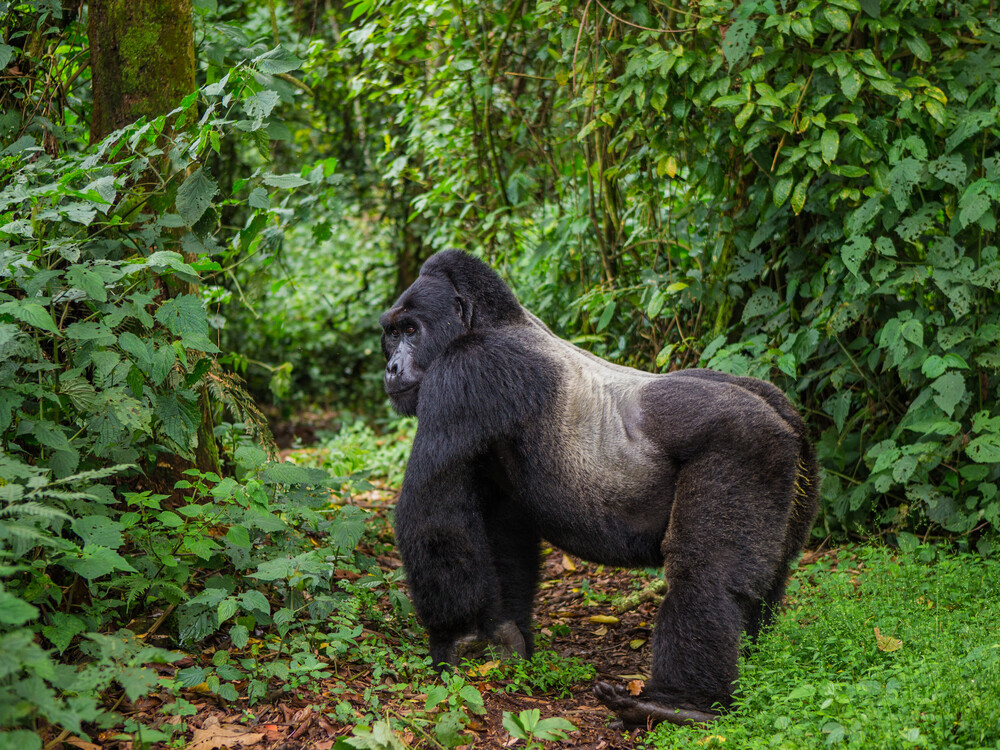
The best choice among the Best Lenses for Gorilla Photography depends on your photography goals and budget.
Professional lenses provide superior image quality, brighter apertures, faster autofocus, and greater durability. They are ideal for photographers who regularly shoot wildlife.
Budget-friendly lenses can still produce excellent results, especially when paired with a good camera and proper photography techniques.
The most important factor is choosing a lens that matches your needs while remaining comfortable to carry during the trek.
Lens Accessories for Gorilla Photography
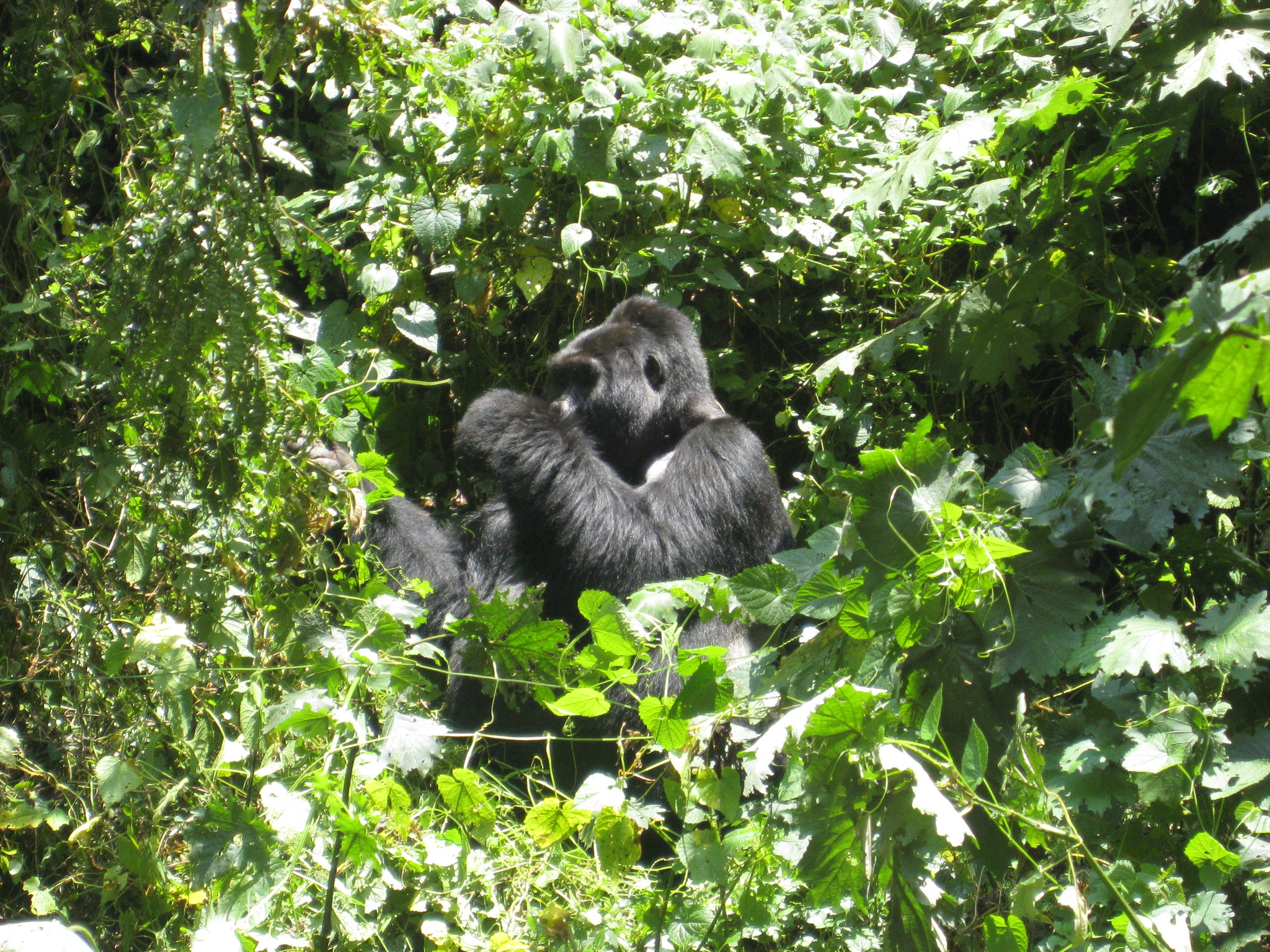
The right accessories improve the performance of the Best Lenses for Gorilla Photography during your safari.
Lens cleaning cloths are important because rainforest conditions may create moisture on glass surfaces. Protective covers help shield equipment from rain and humidity.
A comfortable camera strap or harness also improves mobility during long hikes.
Keeping equipment simple and practical allows photographers to focus on capturing unforgettable moments.
Photography Tips When Using Gorilla Lenses
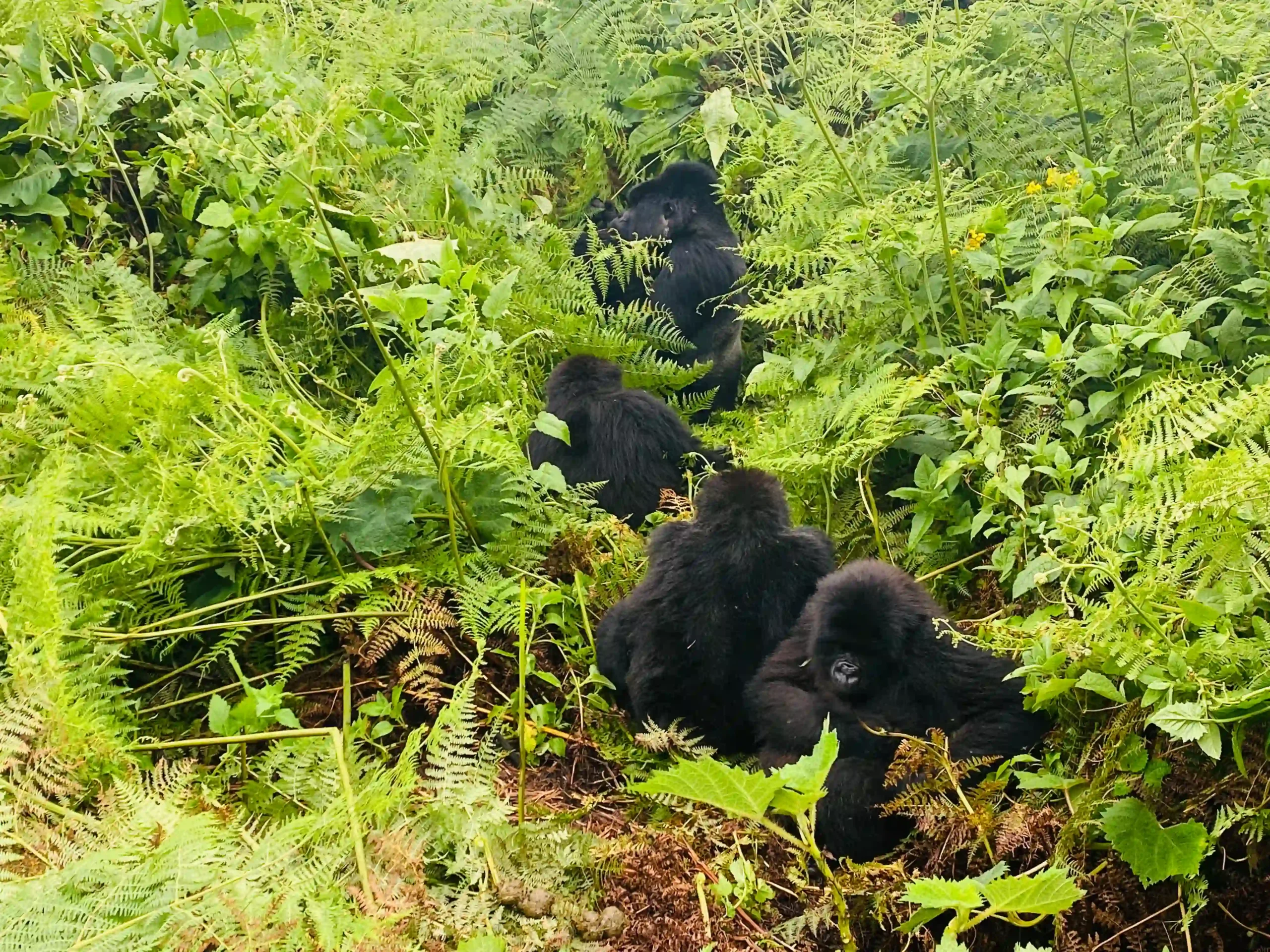
Even the Best Lenses for Gorilla Photography require proper technique to achieve outstanding results.
Photographers should focus on the eyes, observe gorilla behavior, and remain patient. The most powerful images often come from natural interactions rather than posed photographs.
Using the surrounding rainforest as part of the composition creates storytelling images that show both the gorilla and its incredible habitat.
Respecting ranger instructions always comes before photography.
Best Lens Choice for Gorilla Habituation Experience
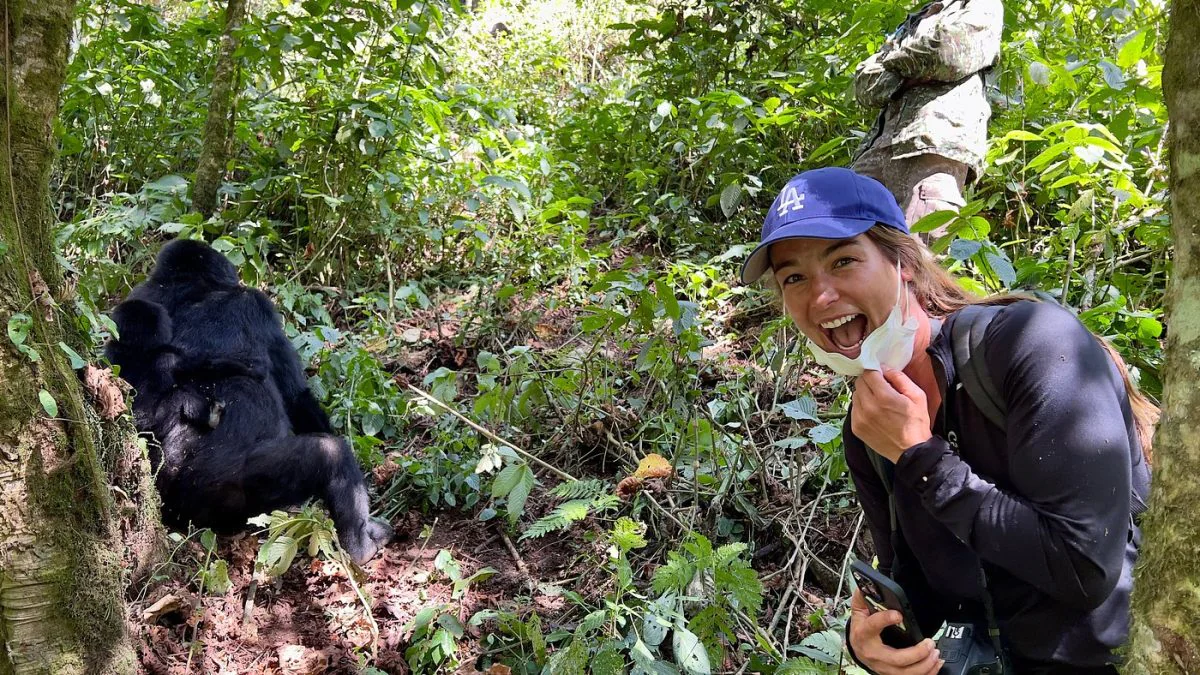
The gorilla habituation experience provides additional photography opportunities because visitors spend up to four hours with a semi-habituated gorilla family.
For this experience, the Best Lenses for Gorilla Photography are usually versatile zoom lenses that allow photographers to adapt to different situations.
A lens that can capture close portraits, group interactions, and wider rainforest scenes provides the greatest flexibility during the extended encounter.
Hiring a Photography Guide for Better Results
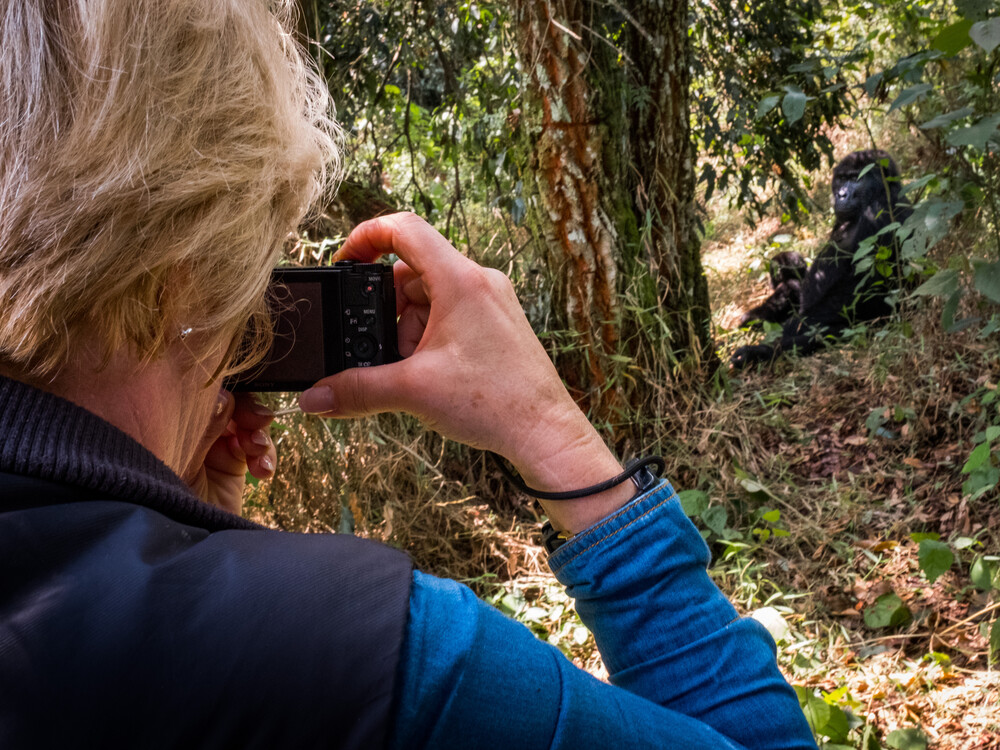
A knowledgeable guide can help photographers maximize the potential of their equipment. Experienced guides understand gorilla behavior, forest conditions, and photography opportunities.
Combining the right equipment with expert guidance increases the chances of capturing meaningful images.
Professional support also ensures photography remains ethical and respectful toward the gorillas.
Frequently Asked Questions About Best Lenses for Gorilla Photography
1. What are the Best Lenses for Gorilla Photography in Bwindi Forest?
The Best Lenses for Gorilla Photography are lenses that provide excellent image quality, fast autofocus, good low-light performance, and enough zoom range to capture mountain gorillas while maintaining a respectful distance. Since gorilla photography takes place in the dense rainforest of Bwindi Impenetrable National Park, flexibility and portability are extremely important.
Many wildlife photographers prefer telephoto zoom lenses because they allow quick adjustments between close portraits and wider environmental photographs. Popular choices include lenses in the 70–200mm, 70–300mm, and 100–400mm ranges.
The ideal lens depends on your camera system, photography experience, budget, and how much equipment you are comfortable carrying during the trek.
2. Why is choosing the right lens important for gorilla photography?
Choosing the right lens is one of the most important parts of preparing for a gorilla safari because mountain gorillas cannot be approached closely beyond the approved viewing distance. The Best Lenses for Gorilla Photography allow you to capture detailed images without disturbing the animals.
A suitable lens helps you photograph important moments such as silverbacks displaying their strength, mothers caring for infants, and young gorillas playing within the family group.
The right lens also improves image quality in Bwindi’s challenging rainforest environment where lighting conditions can change quickly.
3. Is a telephoto lens necessary for gorilla photography?
Yes. A telephoto lens is highly recommended when selecting the Best Lenses for Gorilla Photography because it allows photographers to capture detailed images while maintaining a safe and respectful distance from the gorillas.
Telephoto lenses help highlight facial expressions, eyes, body details, and natural behaviors without requiring photographers to move closer.
They are especially useful during gorilla habituation experiences where photographers have extended opportunities to observe and capture different behaviors.
4. Is a 70-200mm lens good for gorilla photography?
Yes. A 70-200mm lens is considered one of the Best Lenses for Gorilla Photography because it provides excellent image quality, fast autofocus, and good flexibility in the rainforest environment.
This lens works especially well when gorillas are relatively close and photographers want to capture both portraits and environmental shots.
Professional versions with wider apertures also perform well in Bwindi’s low-light conditions.
5. Is a 100-400mm lens better for gorilla photography?
A 100-400mm lens is an excellent option among the Best Lenses for Gorilla Photography because it provides additional reach compared to shorter zoom lenses.
This extra focal length helps photographers capture detailed images of gorillas from a distance while maintaining the required viewing guidelines.
However, longer lenses can be heavier, so photographers should consider their comfort level because gorilla trekking involves hiking through challenging forest terrain.
6. Can I use a 70-300mm lens for gorilla photography?
Yes. A 70-300mm lens is a practical choice among the Best Lenses for Gorilla Photography, especially for travelers who want quality results without carrying heavy professional equipment.
It offers a useful zoom range for capturing portraits, family groups, and rainforest scenes.
For many safari travelers, a good 70-300mm lens combined with a capable camera provides excellent results.
7. What focal length is best for gorilla photography?
The best focal length depends on the situation, but many photographers consider ranges between 70mm and 400mm among the most useful options when choosing the Best Lenses for Gorilla Photography.
Shorter focal lengths are useful for environmental photographs showing gorillas within the rainforest, while longer focal lengths are better for detailed portraits.
A versatile zoom lens often provides the best balance because conditions can change quickly during the encounter.
8. Do I need a lens with a wide aperture for gorilla photography?
A wide aperture is highly beneficial when selecting the Best Lenses for Gorilla Photography because Bwindi’s rainforest often has limited natural light.
Lenses with wider apertures allow more light to reach the camera sensor, helping photographers maintain faster shutter speeds and capture sharper images.
Wide apertures also create beautiful background blur, making the gorilla stand out from the surrounding vegetation.
9. Are prime lenses good for gorilla photography?
Yes. Prime lenses can be among the Best Lenses for Gorilla Photography for professional photographers who prioritize maximum image quality and low-light performance.
They often provide wider apertures and excellent sharpness, making them ideal for powerful wildlife portraits.
However, because prime lenses have fixed focal lengths, they offer less flexibility compared to zoom lenses during unpredictable wildlife encounters.
10. Should beginners buy expensive lenses for gorilla photography?
Beginners do not necessarily need the most expensive equipment to capture great gorilla images. The Best Lenses for Gorilla Photography are those that match your skills, budget, and photography goals.
A quality mid-range zoom lens can produce excellent results when combined with good camera settings and proper techniques.
Learning how to use your equipment effectively is often more important than simply owning expensive gear.
11. What lens features are most important for gorilla photography?
The most important features of the Best Lenses for Gorilla Photography include fast autofocus, good low-light capability, image stabilization, suitable focal range, and manageable weight.
Fast autofocus helps capture moving gorillas, while image stabilization improves sharpness during handheld photography.
Weather protection is also valuable because Bwindi’s rainforest environment can expose equipment to rain and humidity.
12. Do I need image stabilization on my gorilla photography lens?
Image stabilization is highly recommended when choosing the Best Lenses for Gorilla Photography because most gorilla photos are taken handheld.
Stabilization helps reduce camera shake, especially when using longer focal lengths or photographing in darker forest conditions.
This feature allows photographers to capture sharper images without always needing a tripod.
13. What is the best lens for gorilla habituation photography?
The best lens for gorilla habituation photography is usually a versatile zoom lens because the experience provides up to four hours with a gorilla family.
Many photographers choose lenses within the 70-200mm or 100-400mm range because they allow flexibility between portraits, group shots, and environmental images.
The ideal lens should balance image quality, reach, and portability because the trek requires walking through difficult terrain.
14. Can I use a wide-angle lens for gorilla photography?
Yes, but wide-angle lenses are usually not the main choice among the Best Lenses for Gorilla Photography.
They are useful for environmental photographs that show the gorillas within the rainforest landscape. However, they are less effective for capturing detailed facial expressions from a distance.
Many photographers carry a zoom lens that provides both wider and closer compositions.
15. How do I protect my lens during a gorilla safari?
Protecting your equipment is an important part of using the Best Lenses for Gorilla Photography because Bwindi is a humid rainforest environment.
Photographers should use waterproof camera bags, rain covers, lens protection, and cleaning cloths to prevent moisture damage.
Proper equipment care ensures your lens remains reliable throughout the safari.
16. Should I carry more than one lens for gorilla photography?
Carrying multiple lenses can be useful, but many photographers prefer one versatile lens among the Best Lenses for Gorilla Photography to reduce weight.
Changing lenses inside the rainforest can expose equipment to moisture, dust, and vegetation particles.
A quality zoom lens often provides enough flexibility for most gorilla photography situations.
17. Is a tripod needed for gorilla photography?
Most travelers do not need a tripod when using the Best Lenses for Gorilla Photography because trekking conditions make carrying heavy equipment difficult.
Handheld photography is usually preferred because visitors may need to move positions quickly while following ranger instructions.
A lens with image stabilization provides enough support for most situations.
18. Can I rent a good gorilla photography lens in Uganda?
Some travelers may be able to rent photography equipment, although availability depends on location and specific requirements.
If you do not own the Best Lenses for Gorilla Photography, arranging rental equipment before arriving can be a practical option.
Planning early ensures you have access to suitable lenses for your gorilla safari.
19. What lens do professional wildlife photographers use for gorillas?
Professional photographers often use high-quality telephoto zoom lenses or professional prime lenses when choosing the Best Lenses for Gorilla Photography.
Many professionals prefer equipment that offers excellent autofocus, strong low-light performance, sharp image quality, and durability.
However, professional gear is not the only way to capture amazing photographs. Good preparation and understanding gorilla behavior are equally important.
20. How do I choose the right lens for my Gorilla Photography Safari?
Choosing the Best Lenses for Gorilla Photography depends on your camera system, budget, photography goals, and physical comfort during the trek.
Travelers who want flexibility often choose zoom lenses, while professional photographers may prefer brighter prime lenses for maximum quality.
The most important thing is selecting equipment that allows you to capture beautiful, ethical, and memorable images while enjoying the incredible experience of observing mountain gorillas in Bwindi Impenetrable National Park.
Book Your Gorilla Photography Safari in Uganda
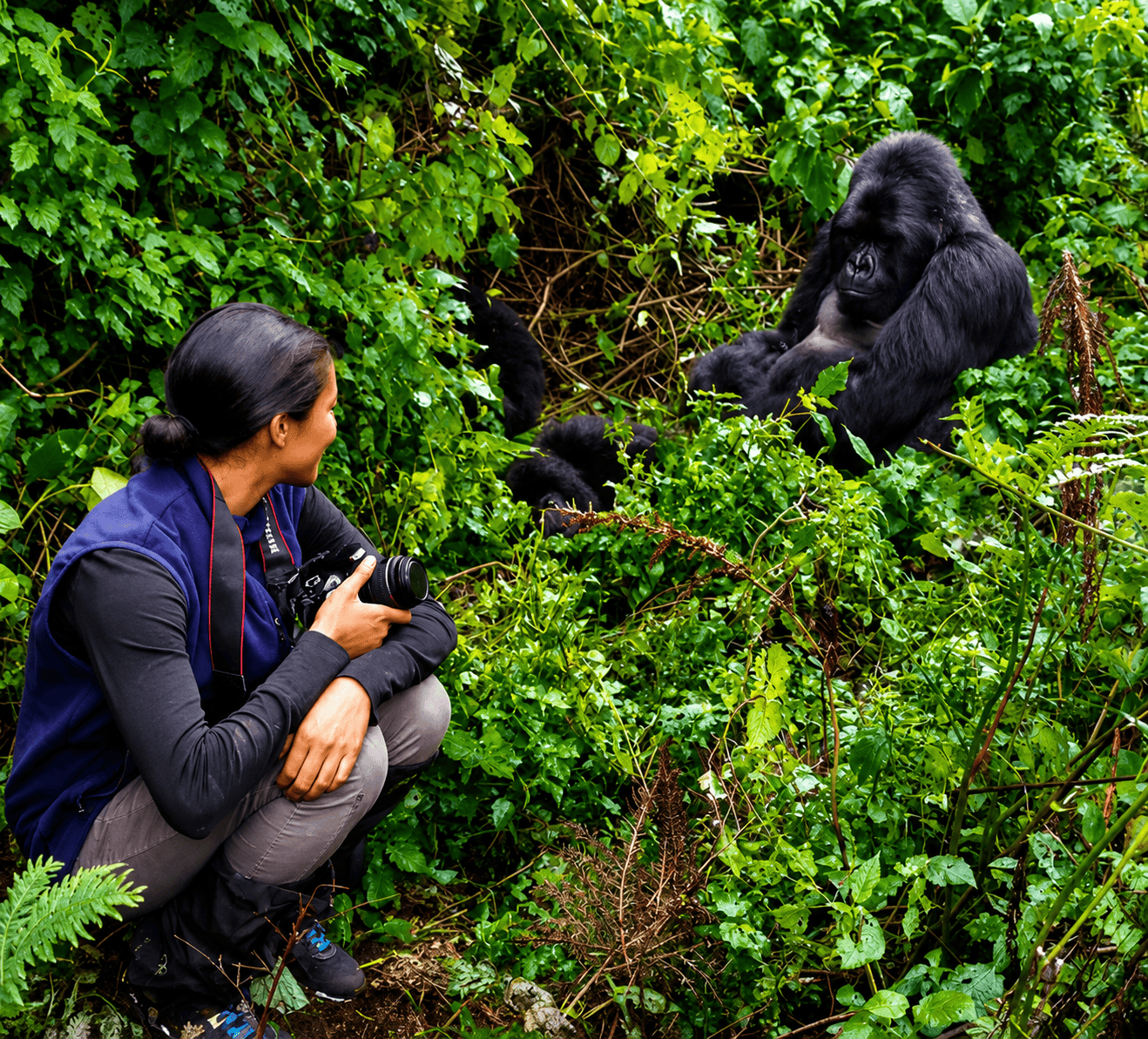
Choosing the Best Lenses for Gorilla Photography is an important step toward capturing unforgettable mountain gorilla images, but successful photography begins with proper safari planning.
Our experienced safari specialists help photographers organize customized gorilla photography adventures in Uganda. From securing gorilla permits and arranging accommodation to organizing transportation, porter services, and photography-focused itineraries, we ensure every detail is professionally managed.
Whether you are a professional wildlife photographer or a traveler hoping to preserve once-in-a-lifetime memories, we create experiences designed around your photography goals.
Contact us today to plan your Bwindi gorilla photography safari and prepare for an incredible journey where the right equipment, expert guidance, and the Best Lenses for Gorilla Photography combine to create unforgettable wildlife images.