
Why Is Gorilla Habituation More Expensive Than Gorilla Trekking?
Why Gorilla Habituation Costs More becomes clear when you compare the length, exclusivity and conservation focus of the experience with standard gorilla trekking. Gorilla Habituation allows you to spend up to four hours observing mountain gorillas in Bwindi Impenetrable National Park, while ordinary gorilla trekking provides up to one hour with a fully habituated family. The higher permit price also reflects the involvement of professional trackers, researchers and habituators, the limited number of available permits and the specialised conservation work required to gradually introduce selected wild gorilla families to controlled human presence.
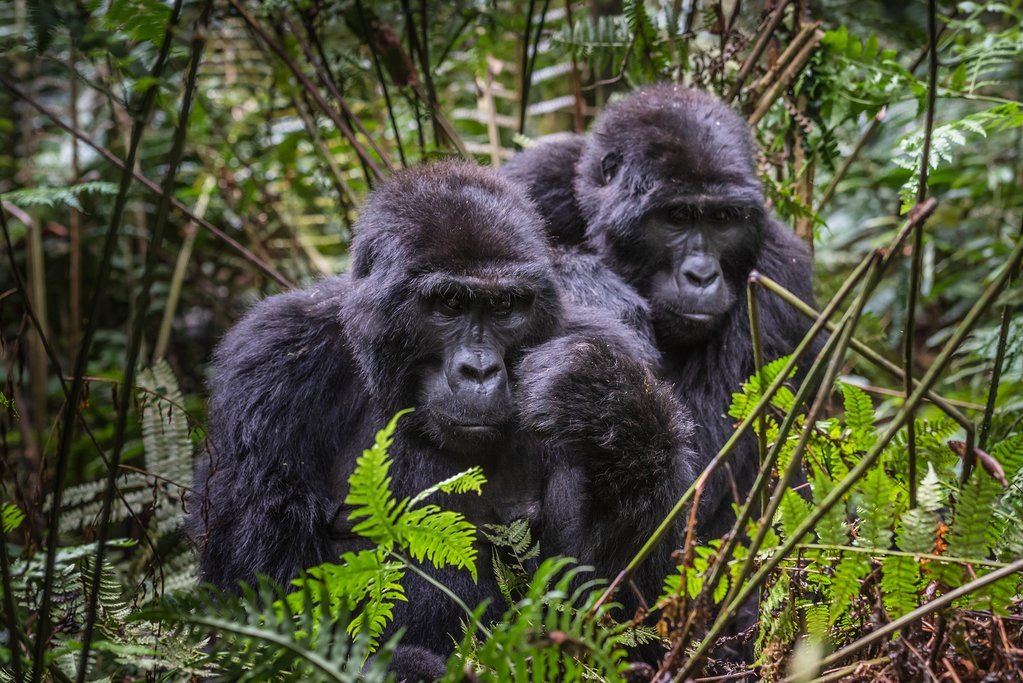
The higher cost therefore reflects more than an additional three hours of viewing. Gorilla Habituation is a limited experiential conservation activity in which the visitor enters a part of the process that normally takes place behind the scenes before a gorilla family becomes ready for conventional tourism. Mountain gorillas undergoing habituation are still wild and may be less accustomed to people than families used for regular trekking. Participants need more patience, the professional team spends longer in the forest, and the entire activity is structured around careful observation rather than simply reaching an established tourism family for the standard one-hour visit. This makes habituation particularly attractive to travellers interested in primate behaviour, conservation, photography and spending considerably more time observing the way mountain gorillas live naturally in Bwindi Impenetrable National Park.
The price difference will become even greater for foreign non-residents from 1 January 2027. Uganda Wildlife Authority has announced that the foreign non-resident Gorilla Habituation permit will increase to USD 1,800, while the ordinary gorilla trekking permit will remain USD 800 under the announced revised tariff. Foreign residents will pay USD 1,600 for habituation compared with USD 700 for ordinary trekking, while the announced Rest of Africa rate will be USD 1,000 for habituation and USD 500 for trekking. Eligible East African Community citizens will pay UGX 750,000 for habituation and UGX 300,000 for standard gorilla trekking. The widening price difference reinforces the importance of understanding exactly what travellers are buying rather than simply comparing the two permit amounts.
What Is the Main Difference Between Gorilla Habituation and Gorilla Trekking?
The main difference between Gorilla Habituation and Gorilla Trekking is the stage of human familiarity of the gorilla family and the amount of time you are allowed to observe the animals. Regular gorilla trekking involves mountain gorilla families that have already completed the habituation process and have become sufficiently accustomed to controlled visitor presence. This does not mean the animals are tame. They remain completely wild, move freely through the forest and determine where they feed, rest and travel, but they have become familiar enough with carefully managed human presence that authorised tourist groups can observe them without causing the level of fear that a completely unhabituated family might experience.
Gorilla Habituation takes you closer to the process through which that familiarity is developed. Professional trackers, researchers and habituators spend repeated periods around selected gorilla families so that the animals gradually learn that the controlled presence of people does not represent an immediate threat. The process can take a long time because every family and individual gorilla may respond differently. A dominant silverback may initially be highly protective, females with infants can be cautious, younger gorillas may show curiosity, and different family members can adapt at different speeds. The professional team has to read this behaviour carefully rather than forcing the process to move according to a tourism schedule.
For a traveller, this makes habituation a more specialised experience. You are not simply paying for a longer version of a normal trek. You are entering a conservation activity that helps demonstrate how gorilla tourism becomes possible in the first place. The animals may move more frequently or behave less predictably, and the professional team may spend considerably more time observing their reactions and movements. This deeper conservation dimension is one of the reasons Gorilla Habituation is positioned as a premium experience.
Why Does Four Hours With Gorillas Cost More Than One Hour?
Viewing time is one of the clearest reasons for the higher permit price. Uganda Wildlife Authority defines viewing time as the period visitors spend with the primates after reaching them. Its current management guidelines allow a maximum of one hour for ordinary gorilla tracking and a maximum of four hours for the Gorilla Habituation Experience. Four hours can fundamentally change the quality of an encounter because mountain gorilla behaviour is not staged for visitors.
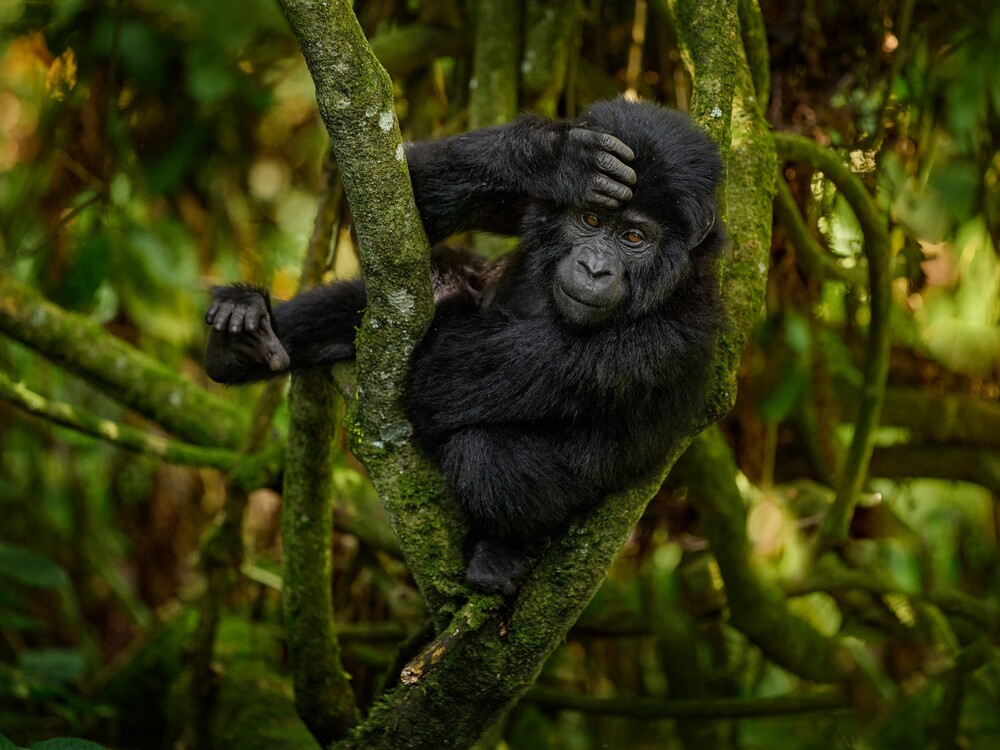
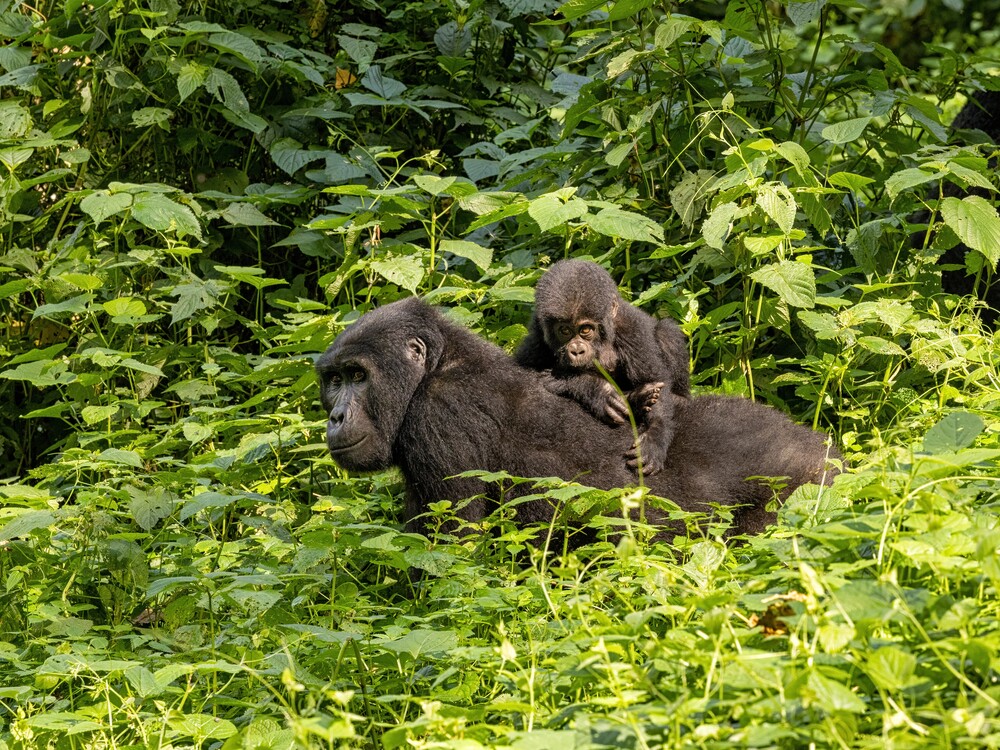
During a standard one-hour trek, the first several minutes can pass quickly as travellers absorb the excitement of finally seeing the gorillas, adjust cameras, listen to ranger instructions and find suitable positions. If the family happens to be resting during much of that hour, visitors may see limited movement before their permitted viewing period ends. The experience can still be extraordinary, but it is compressed into a relatively short window.
During habituation, there is far more time for the natural rhythm of the family to change. Gorillas that are resting when you first arrive may later begin feeding. Juveniles may start playing after remaining quiet. A silverback may move the group into another area, mothers may interact with infants, and family members can shift positions several times during the encounter. Four hours gives visitors time to move beyond the initial excitement and begin observing patterns in behaviour.
For photographers, this additional time can be particularly valuable. Bwindi’s rainforest is visually beautiful but technically challenging. Dense vegetation may block an animal, the light can be low, and gorillas may initially sit with their backs toward the visitor. During a one-hour encounter, there may be limited opportunity to wait for conditions to improve. Four hours creates far more opportunities for movement, changing light and different behavioural moments, although photography is still never guaranteed because the gorillas remain wild.
Why Does Gorilla Habituation Start Earlier in the Morning?
Uganda Wildlife Authority‘s guidelines state that Gorilla Habituation can begin from around 6:30 a.m., while normal gorilla tracking begins from around 8:00 a.m. The earlier start reflects the longer and more intensive nature of the activity. Habituation participants may spend a substantial part of the day in the forest because they first have to locate the gorilla family and then have a much longer permitted observation period.
Starting early can also allow the professional team to follow more of the family’s morning activity. Mountain gorillas may have moved from their previous night’s nesting location, and trackers need to interpret signs of movement through the forest. The search itself can involve following trails, examining feeding remains, identifying nests and listening for sounds within dense vegetation. The location of the family changes from day to day because the gorillas are not kept within a restricted viewing zone.
A longer operational day naturally requires more professional time. Rangers, trackers and habituators involved in the activity may spend much more of the day with a habituation group than with a visitor group completing the standard one-hour encounter. The higher permit price therefore reflects not only what the visitor receives but also the greater professional involvement required to manage the experience responsibly.
Why Is Gorilla Habituation More Research Focused?
Gorilla Habituation is closely connected to scientific observation because conservation teams need to understand how the gorillas are responding to repeated human presence. The objective is not to make the animals friendly or dependent on people. The goal is to reach a point where carefully controlled human observation does not significantly disrupt normal behaviour.
This requires patience and detailed knowledge of individual animals. Researchers and trackers can learn to recognise particular gorillas, understand relationships inside the family and detect behavioural changes that might indicate fear, aggression, stress, illness or increased tolerance. The habituation process therefore creates an environment in which visitor access is connected to a much deeper system of monitoring.
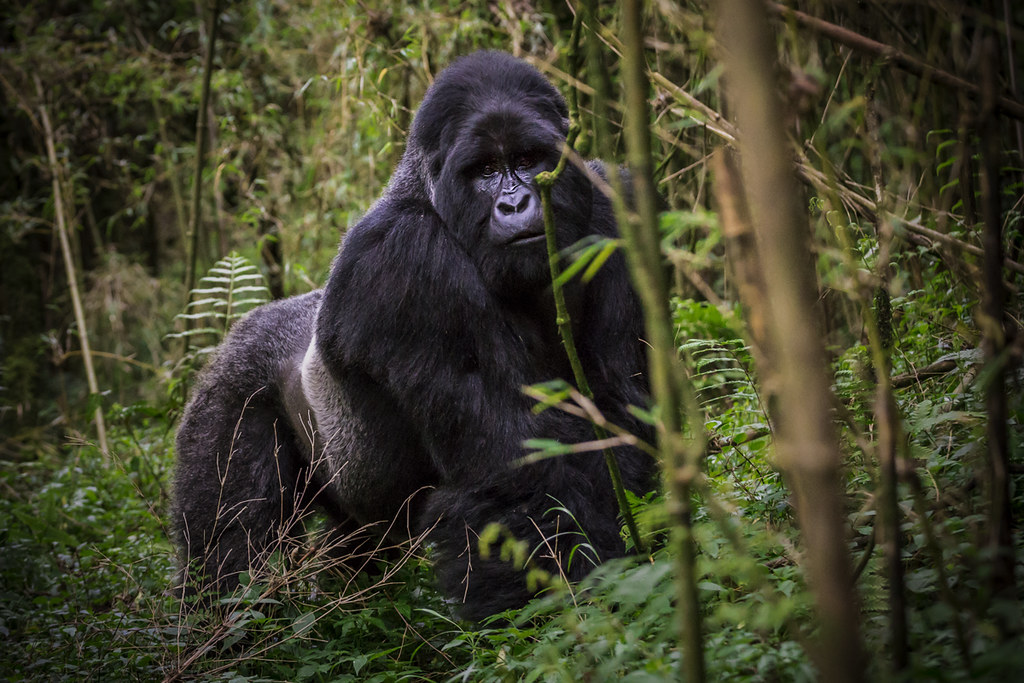
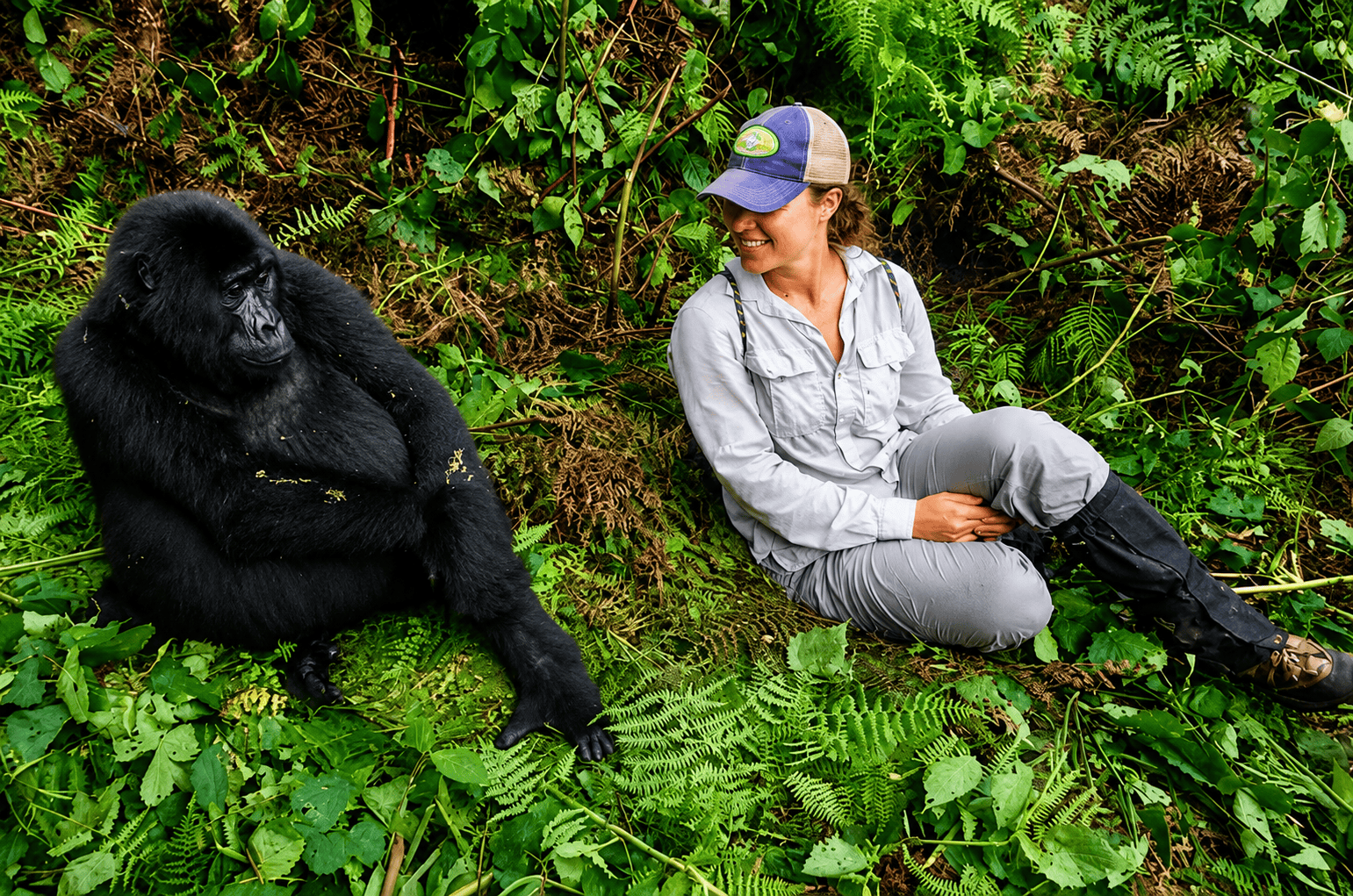
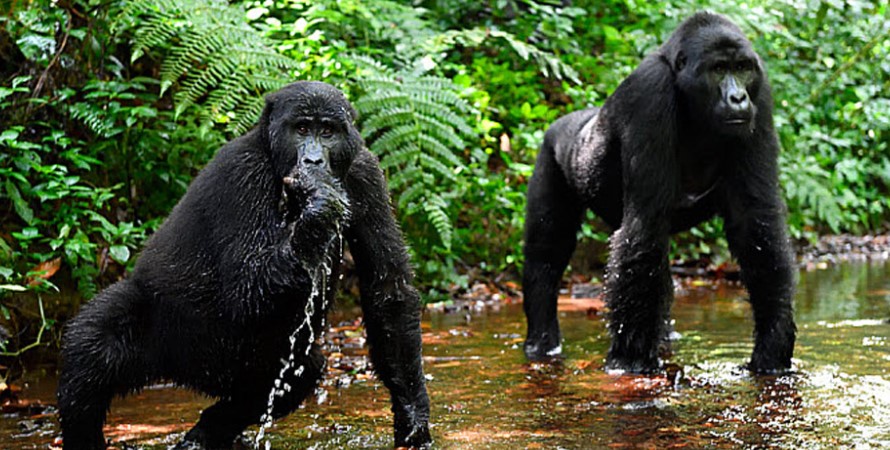
For travellers, spending several hours with professionals engaged in this work can make the experience educational in a way that ordinary trekking may not always have enough time to provide. You may observe the same family through several different activities rather than taking photographs and leaving soon afterward. The professional team can explain why particular behaviours matter, how a dominant silverback influences group movement and how younger gorillas interact with adults.
This research component contributes to the premium nature of the permit because participants are accessing something that remains relatively uncommon in wildlife tourism. Many safari activities allow visitors to see animals, but far fewer allow tourists to spend extended time around professional teams engaged in a carefully managed process involving great ape conservation.
Why Are Gorilla Habituation Permits More Limited?
Gorilla Habituation cannot be expanded simply by issuing more permits whenever demand increases. The experience depends on the number of suitable gorilla families actively undergoing the habituation process and on the conservation decisions made by Uganda Wildlife Authority. There is no reason to habituate every wild gorilla family simply to create more tourism inventory because habituation itself involves repeated human presence and must serve clear management and conservation purposes.
Ordinary gorilla trekking has a broader operating structure because Uganda has a number of already habituated families available for tourism in Bwindi Impenetrable National Park and Mgahinga Gorilla National Park. Uganda Wildlife Authority states that regular gorilla trekking is offered in both parks, while its published tariff identifies Gorilla Habituation specifically with Bwindi. This means the habituation product is geographically and operationally more restricted.
Limited supply naturally affects pricing. A traveller choosing normal trekking has access to a larger range of trekking dates, areas and habituated families, while the person specifically requesting habituation is competing for a much smaller number of specialised opportunities. The high permit price helps maintain a low-volume structure rather than encouraging mass visitation around gorillas that are still becoming accustomed to human observers.
Uganda Gorilla Habituation vs Gorilla Trekking Permit Comparison
| Permit Category | Gorilla Trekking 2026 | Gorilla Habituation 2026 | Gorilla Trekking 2027 | Gorilla Habituation 2027 |
|---|---|---|---|---|
| Foreign Non-Resident | USD 800 | USD 1,500 | USD 800 | USD 1,800 |
| Foreign Resident | USD 700 | USD 1,000 | USD 700 | USD 1,600 |
| Rest of Africa | USD 500 | USD 1,000 | USD 500 | USD 1,000 |
| East African Community Citizen | UGX 300,000 | UGX 750,000 | UGX 300,000 | UGX 750,000 |
| Gorilla Viewing Time | Up to 1 hour | Up to 4 hours | Up to 1 hour | Up to 4 hours |
| Main Experience | Fully habituated gorilla family | Gorilla family undergoing habituation | Fully habituated gorilla family | Gorilla family undergoing habituation |
| Main Location | Bwindi and Mgahinga | Bwindi | Bwindi and Mgahinga | Bwindi |
Uganda Wildlife Authority’s current tariff confirms the 2026 rates of USD 800 for standard gorilla trekking and USD 1,500 for Gorilla Habituation for foreign non-residents, with different rates applying to foreign residents, Rest of Africa travellers and East African Community citizens. UWA also confirms that ordinary gorilla trekking provides up to one hour with a habituated gorilla family and is available in both Bwindi Impenetrable National Park and Mgahinga Gorilla National Park.
Why Does Gorilla Habituation Take Place in Bwindi?
Uganda’s Gorilla Habituation Experience takes place in Bwindi Impenetrable National Park, one of the world’s most important mountain gorilla habitats. The current UWA conservation tariff distinguishes standard gorilla tracking, which takes place in Bwindi and Mgahinga, from Gorilla Habituation, which is listed specifically for Bwindi.
Bwindi provides a suitable setting because it supports a significant mountain gorilla population and has a long history of intensive research, monitoring and tourism management. The forest is also highly complex physically. Steep slopes, thick vegetation, valleys and changing weather can make travel through the park challenging, which means habituation work demands experienced professional teams who understand both the gorillas and the terrain.
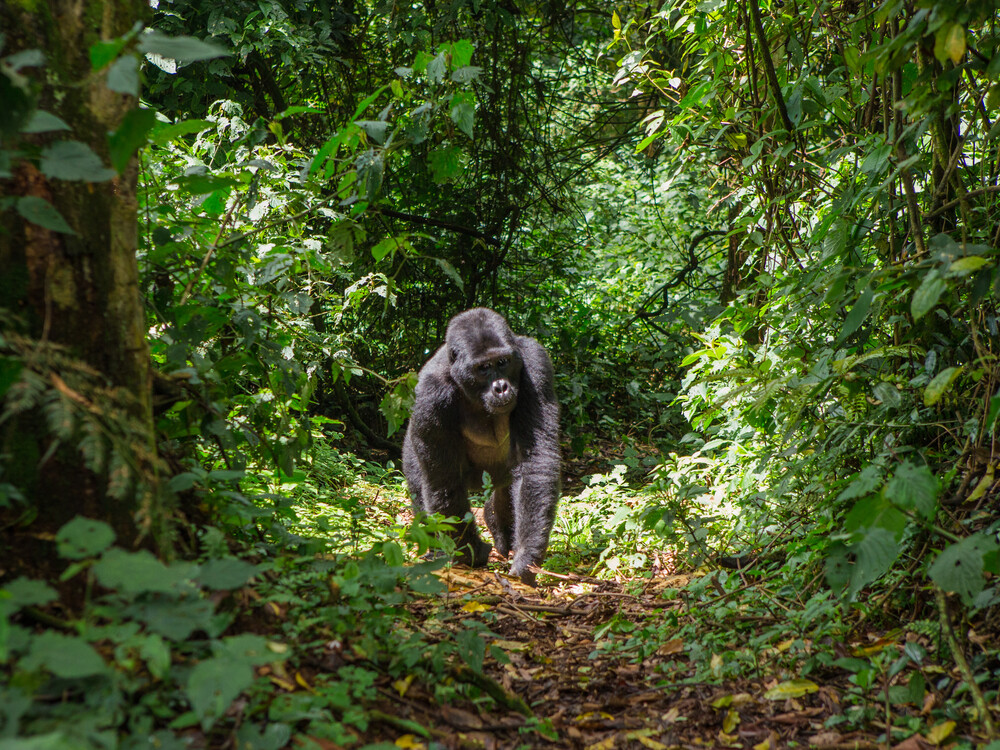
For the visitor, the forest itself adds to the value of the experience. The day is not simply four hours sitting beside gorillas. It may involve a demanding trek through an ancient rainforest before the family is reached, followed by extended observation and another walk back to the starting area. The longer day requires more preparation, more physical effort and more professional support than many conventional wildlife experiences.
Why Does the Conservation Process Add to the Price?
Mountain gorillas remain conservation-dependent animals. Their long-term survival relies on protected habitat, law enforcement, disease management, scientific monitoring, tourism regulation and cooperation with communities surrounding the protected areas. The habituation permit is part of this larger conservation economy.
Uganda Wildlife Authority‘s published 2024–2026 tariff states that gorilla permit rates include the guide fee, park entrance fees for the day and a community development contribution. This is important because the price is not simply a commercial charge for access to wildlife. Part of the structure is explicitly connected to conservation management and community benefits.
In June 2025, Uganda Wildlife Authority reported distributing more than UGX 2.19 billion in revenue-sharing funds to communities around the Bwindi-Mgahinga Conservation Area, with funds drawn from park entry fees and the gorilla permit levy. UWA said the money was intended to support local development and strengthen community participation in conservation. This demonstrates the broader economic role played by gorilla tourism.
A higher-value, lower-volume tourism model can help produce significant conservation revenue without dramatically increasing daily visitor pressure on mountain gorillas. From a management perspective, the objective is not necessarily to create the cheapest possible wildlife product but to balance visitor access with protection of a small and sensitive great ape population.
Why Is Habituation More Exclusive Than Normal Trekking?
Exclusivity in Gorilla Habituation comes from the limited number of suitable families, longer visitor contact time and the specialised nature of the activity. Ordinary gorilla trekking is already a highly controlled wildlife experience, but habituation narrows access further.
A traveller purchasing a normal permit is joining a system designed primarily around visiting an already habituated family. The objective of the morning is to find that family, spend the permitted hour observing it and then leave the forest. Habituation participants remain for substantially longer and enter a programme connected to the development of future tourism and research access.
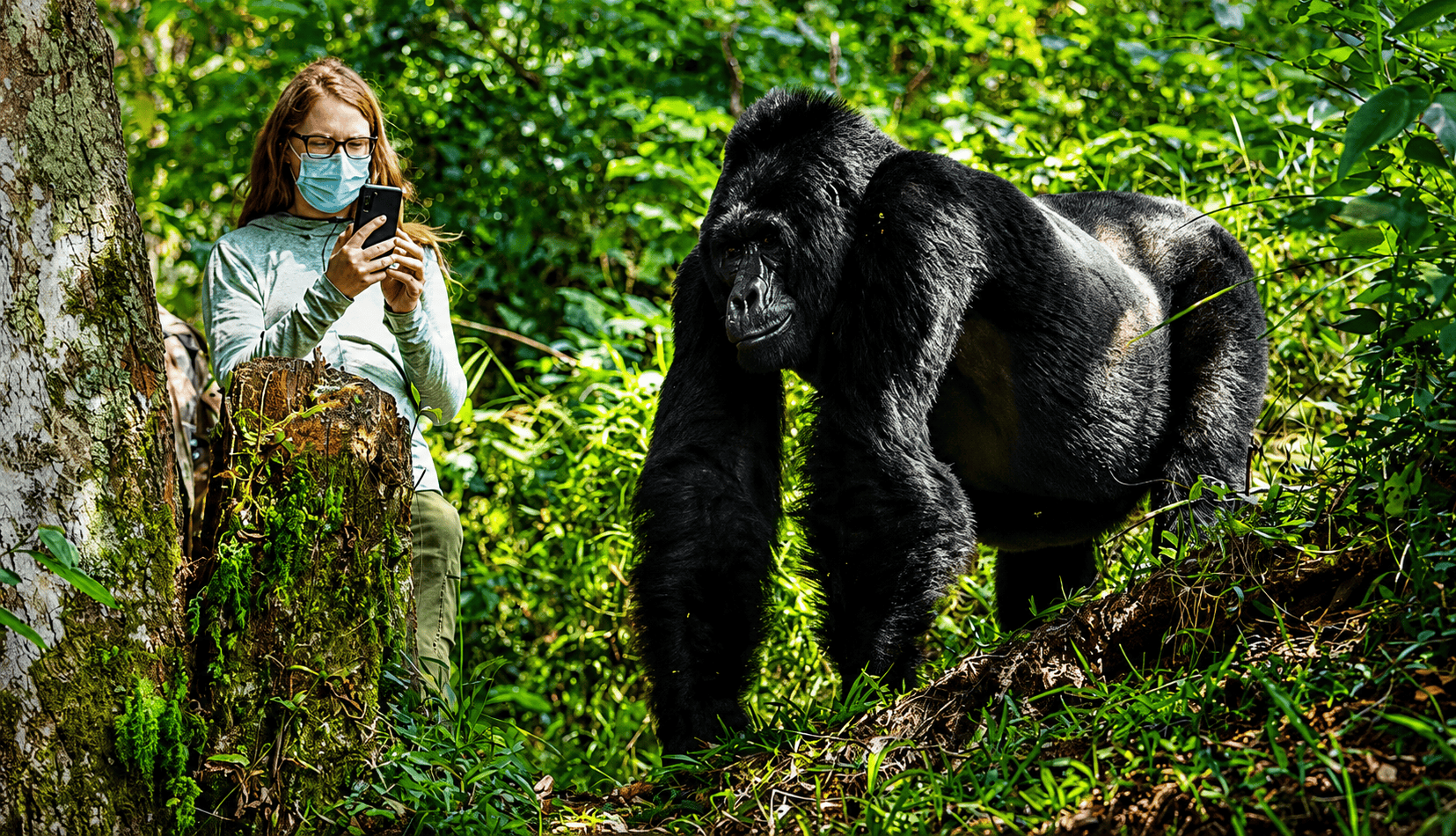
Because one habituation group occupies professional staff and a gorilla family for a large part of the day, the same family cannot simply be used for repeated short tourist groups throughout the day. This naturally constrains the number of people who can participate.
The result is a product that is less available and more expensive but potentially far more immersive for the right traveller.
Does the Higher Price Mean You Will See More Gorillas?
Not necessarily. The permit price should never be interpreted as payment for a guaranteed number of gorillas. Both standard trekking and Gorilla Habituation involve visiting wild mountain gorilla families, and the number of animals you see depends on the composition of the family, where individual members are positioned and how the gorillas behave during the encounter.
A more expensive permit does not create a larger family or guarantee clearer views. A normal trekking family could contain many individuals visible in one location, while a habituation family might spread through thick vegetation. The premium is therefore based on time, specialised access and the nature of the experience rather than the number of animals visible at any particular moment.
This distinction is important for managing expectations. Travellers should choose habituation because they value extended observation and deeper engagement with the conservation process, not because they assume a more expensive permit will automatically produce more spectacular photographs.
Why Is Gorilla Habituation Better for Behavioural Observation?
Time changes what you are able to understand about an animal. A one-hour encounter can show you many wonderful moments, but four hours can allow you to observe transitions between different behaviours.
A family might initially be feeding when you arrive. As time passes, some individuals could begin resting while juveniles continue moving. Later the group may travel, forcing visitors to follow under the guidance of the professional team. A mother may feed an infant, young gorillas may interact with one another and a silverback may change position or influence the direction in which the family moves.
When you observe these changes over several hours, the gorillas begin to feel less like isolated subjects for photography and more like a functioning social family. Relationships become easier to notice because you have enough time to see which individuals remain close, who follows whom and how younger gorillas behave around adults.
This behavioural depth is one of the strongest reasons enthusiasts are willing to pay considerably more for habituation.
Why Is Gorilla Habituation Popular With Photographers?
Photography is heavily influenced by time, and Gorilla Habituation gives photographers more of it. In Bwindi, conditions can be difficult because the rainforest canopy reduces light, vegetation can block subjects and the gorillas themselves choose how they sit or move.
During ordinary trekking, one hour can feel short when several minutes are lost waiting for a gorilla to face the camera or move away from thick leaves. Photographers may feel pressure to keep shooting because every minute counts.
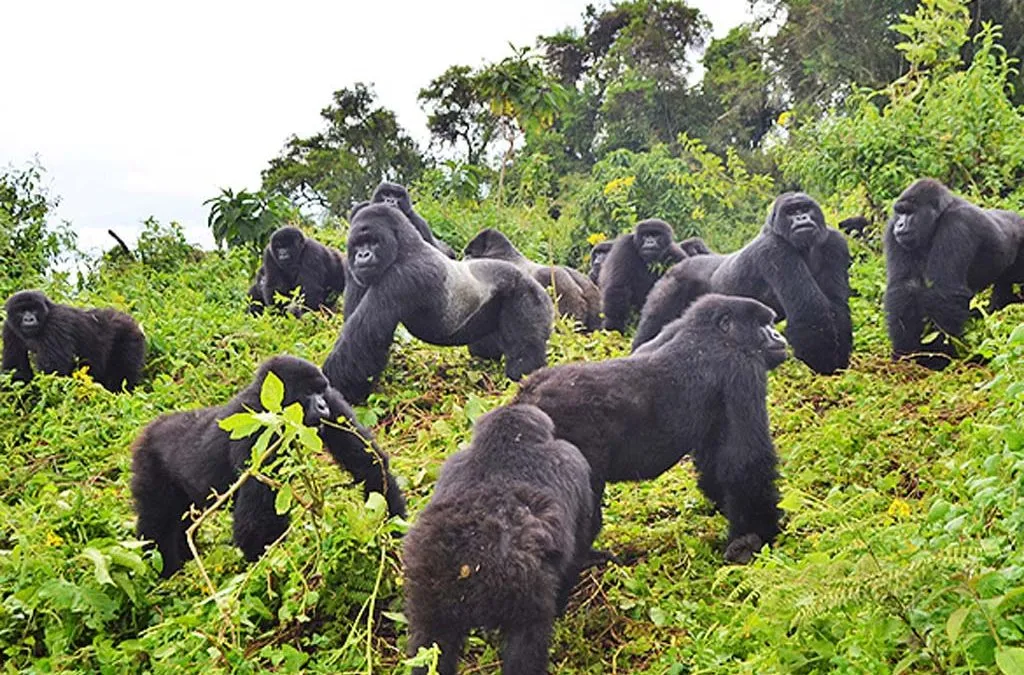
Habituation changes that rhythm. Four hours gives photographers time to observe before taking photographs, wait for better angles and respond to changes in family behaviour. It can also provide time to use different focal lengths or concentrate on portraits during one period and wider environmental images later.
The extended time does not guarantee perfect pictures, but it substantially increases the opportunity to wait for natural moments rather than forcing every photographic decision into sixty minutes. For serious wildlife photographers, that difference can justify much of the additional permit cost.
Is Gorilla Habituation More Physically Demanding?
It can be. The difficulty of both normal gorilla trekking and habituation depends heavily on the location of the family, weather and terrain, but habituation generally requires you to plan for a longer forest day.
Bwindi is mountainous and can be muddy. Reaching the gorillas may involve steep climbing or descending, and after the family is located you may continue moving as the gorillas change feeding areas. Remaining in the forest for up to four hours of viewing naturally extends the time you are exposed to these conditions.
Uganda Wildlife Authority notes that ordinary gorilla treks can last between approximately two and seven hours overall and provide one hour of observation. Habituation can occupy a substantial portion of the day because it begins earlier and includes up to four hours of viewing.
The longer physical commitment contributes to the specialist nature of the experience. It is not a quick premium upgrade that simply allows you to remain at the same observation point for three additional hours. You should arrive prepared for a serious forest activity.
Does Gorilla Habituation Require More Professional Staff Time?
The longer activity naturally means more time is spent with the professional team. Habituation is carried out alongside people involved in monitoring and gradually familiarising the gorilla family with human presence.
This professional involvement is one of the hidden differences travellers may overlook when comparing the USD 1,500 and USD 800 permits. A wildlife permit is not priced solely according to the number of tourist minutes received. It also reflects how the experience is operated and managed.
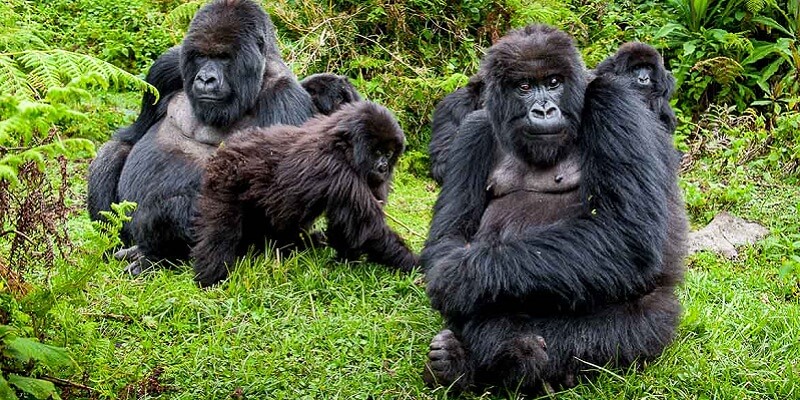
The habituation team needs to understand family behaviour, maintain appropriate viewing practices and ensure that visitor presence does not undermine the gradual adaptation process. The interaction is therefore more sensitive than simply guiding tourists toward an already habituated family.
The higher price helps support a tourism model in which specialist wildlife management remains financially viable rather than encouraging the activity to become a high-volume product.
Is Gorilla Habituation a Luxury Experience?
Gorilla Habituation is a premium wildlife experience, but it should not be confused with luxury in the traditional hospitality sense. The higher permit price does not give you a more comfortable chair in the forest, private catering beside the gorillas or exclusive accommodation. The forest remains muddy when it rains, the hills remain steep and the gorillas remain wild regardless of how much you pay.
What is premium is the access. You are paying for substantially longer observation and participation in an activity that has limited availability and direct links with the habituation and research process.
This is why a traveller staying in a simple mid-range lodge can receive exactly the same official Gorilla Habituation permit experience as someone staying in an ultra-luxury Bwindi property. Accommodation changes the comfort surrounding the activity, but not the core UWA forest experience.
Understanding this helps travellers decide where to spend their money. Someone passionate about gorillas may prefer a mid-range lodge and the more expensive habituation permit, while another traveller may choose a luxury lodge and the cheaper standard trekking permit.
Does the USD 1,500 Permit Include More Than the Gorilla Encounter?
Yes. UWA’s published tariff states that the gorilla permit rate includes guiding, park entrance fees for the day and a community development contribution. The USD 1,500 habituation permit should therefore not be interpreted as charging USD 1,500 only for four hours of sitting near gorillas.
The permit provides authorised access to Bwindi for the activity and connects the visitor with the regulated conservation system required to make the experience possible. The guide and management structure around the activity is part of the permit value.
At the same time, the permit does not cover every expense associated with the safari. Accommodation, road transfers, domestic flights where selected, personal porter assistance, travel insurance and other services remain separate unless a tour package specifically includes them.
This distinction becomes especially important when comparing a USD 1,500 permit with a complete safari price that might be several thousand dollars higher.
Why Doesn’t Gorilla Habituation Receive the Same Low-Season Discount as Trekking?
Uganda Wildlife Authority introduced discounted low-season permits for ordinary gorilla tracking during April, May and November in its February 2026 announcement. The foreign non-resident low-season gorilla tracking rate was set at USD 600 and the foreign resident rate at USD 500. However, the announcement lists Gorilla Tracking and Chimpanzee Tracking as the discounted activities and does not include Gorilla Habituation among them.
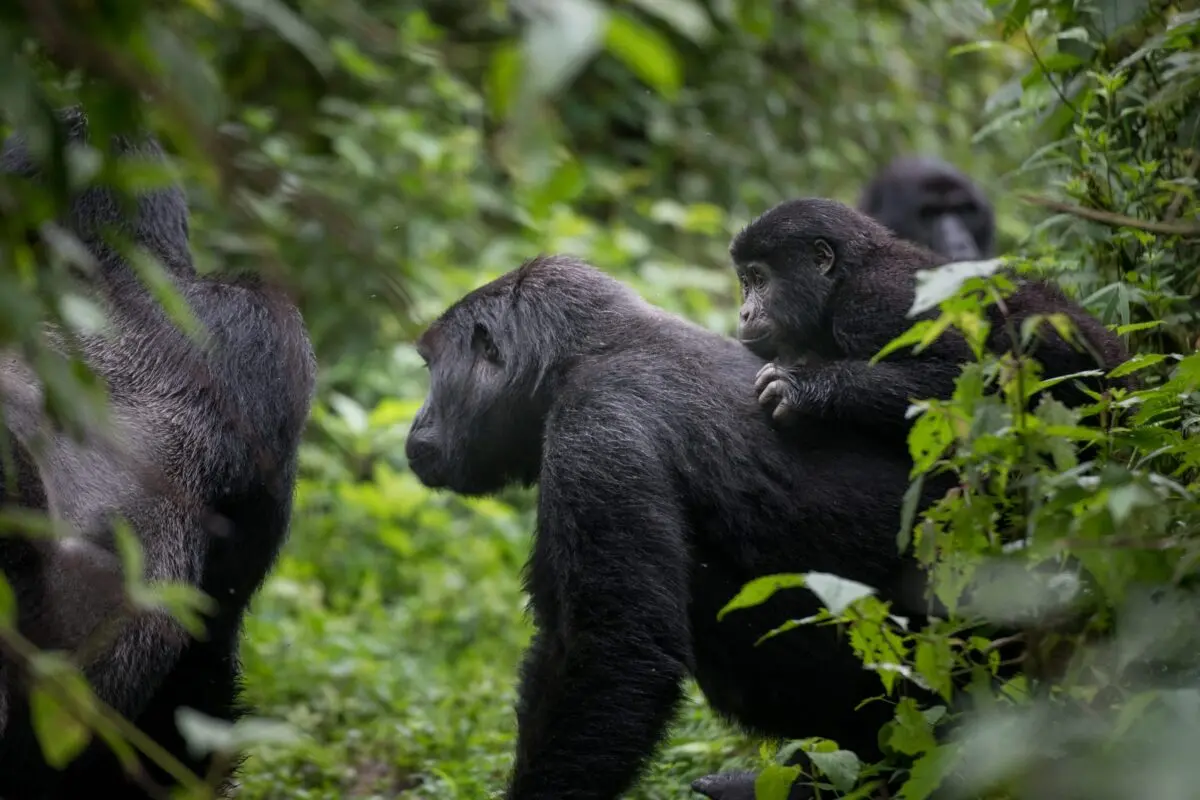
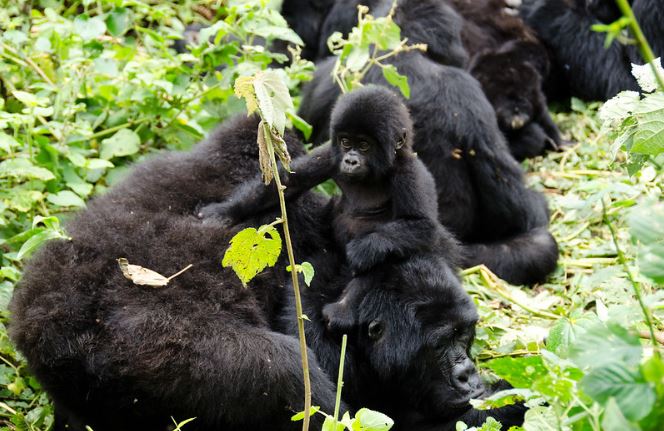
This means travellers should not assume that the more expensive habituation permit automatically falls in price during those months. The specialist product remains priced separately unless Uganda Wildlife Authority publishes another change.
The absence of a low-season habituation discount further illustrates how differently the two activities are managed. Standard trekking has enough established tourism infrastructure to be used as a tool for stimulating lower-season travel, while habituation remains a more limited conservation experience.
Why Will Gorilla Habituation Cost USD 1,800 From 2027?
Uganda Wildlife Authority‘s revised tariff takes effect on 1 January 2027 and raises the foreign non-resident Gorilla Habituation rate from USD 1,500 to USD 1,800. The foreign resident rate rises to USD 1,600, while the Rest of Africa rate is USD 1,000 and the East African Community rate is UGX 750,000.
UWA presented the new tariff as part of a wider update to permit pricing and conservation financing. The same official notice says the changes form part of its commitment to sustainable conservation financing, improved visitor experiences and collaboration with tourism stakeholders.
The rate increase makes the value comparison between ordinary trekking and habituation more important. From January 2027, a foreign non-resident will pay USD 800 for standard gorilla trekking and USD 1,800 for Gorilla Habituation. The difference becomes USD 1,000 per person.
For a couple, this means USD 1,600 for two normal permits compared with USD 3,600 for two habituation permits. Travellers should therefore choose habituation because they specifically want the four-hour conservation experience rather than assuming the more expensive permit is automatically better for everybody.
Why Is Standard Gorilla Trekking Still Excellent Value?
The higher price of habituation does not make normal gorilla trekking an inferior experience. Standard trekking remains one of Africa’s most powerful wildlife encounters and is the appropriate choice for many travellers.
One hour with a habituated mountain gorilla family can provide remarkable opportunities to observe silverbacks, mothers, infants and juveniles at close range. Because these families are already accustomed to controlled visitor presence, the experience can also feel calmer and more predictable than an encounter with gorillas that are earlier in the habituation process.
Standard trekking is more affordable, more widely available and easier to combine with a broader Uganda safari. A traveller who saves USD 700 in 2026 by choosing an USD 800 standard foreign non-resident permit instead of the USD 1,500 habituation permit could put that difference toward chimpanzee trekking, additional wildlife destinations, better accommodation or a longer stay in Uganda.
Value therefore depends on what the traveller wants, not simply on which permit costs more.
Who Gets the Most Value From Gorilla Habituation?
Gorilla Habituation offers its strongest value to travellers who want time and depth. Someone who has dreamed for years about spending extended periods observing mountain gorillas may consider the additional cost completely worthwhile because four hours creates room for patience and detailed observation.
Wildlife photographers can benefit enormously from more time because they are less dependent on what happens during one short period. Primate enthusiasts may appreciate seeing extended behavioural sequences. Conservation-focused travellers may find the presence of researchers and habituators particularly meaningful.
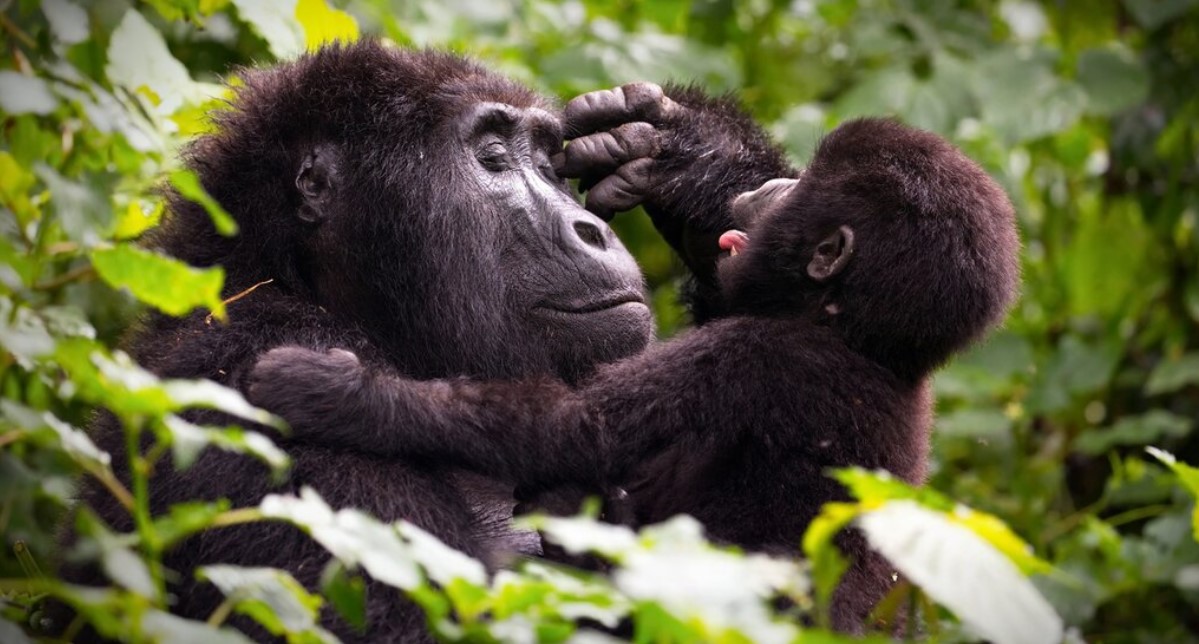
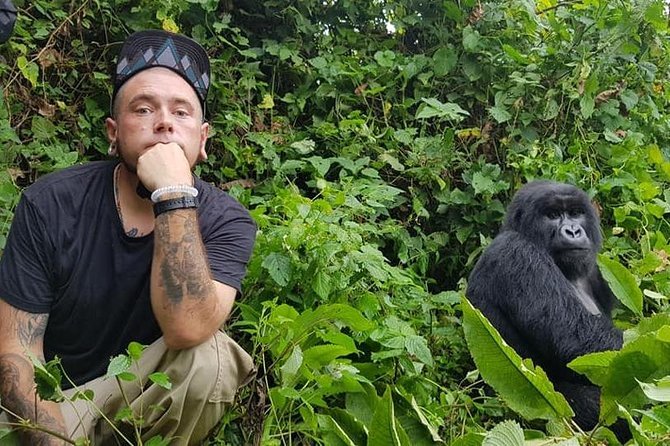
Travellers who have already completed a normal gorilla trek may also choose habituation because it offers a substantially different second experience instead of simply repeating the same format.
For a first-time visitor with a limited budget, however, ordinary trekking can still deliver exactly the emotional experience they are seeking.
Is Gorilla Habituation Worth Nearly Twice the Price in 2026?
The answer depends on how much you value the additional time and specialised nature of the activity. For foreign non-residents in 2026, the official difference is USD 700, with normal trekking at USD 800 and habituation at USD 1,500.
From a simple time perspective, habituation gives up to four times the viewing period. This does not mean the price is calculated directly by the hour, but it demonstrates why comparing only the permit totals can be misleading.
A visitor paying USD 800 receives one hour after locating an already habituated family. A visitor paying USD 1,500 participates in a longer conservation-oriented activity with up to four hours of viewing.
For someone who may travel to Bwindi only once in their lifetime and places mountain gorillas among their highest travel priorities, the additional USD 700 can represent good value. For someone combining gorillas with many other destinations and trying to keep the total safari affordable, the USD 800 trek can be more sensible.
Why Is Gorilla Habituation More Expensive for Foreign Non-Residents?
Uganda Wildlife Authority uses different visitor categories for wildlife permits. Under the current 2024–2026 tariff, foreign non-residents pay USD 1,500 for habituation, foreign residents pay USD 1,000, Rest of Africa visitors pay USD 1,000 and eligible East African Community citizens pay UGX 750,000.
Differential pricing is common in wildlife tourism because conservation authorities may use international visitor fees to generate revenue while maintaining more accessible pricing for citizens and qualifying residents.
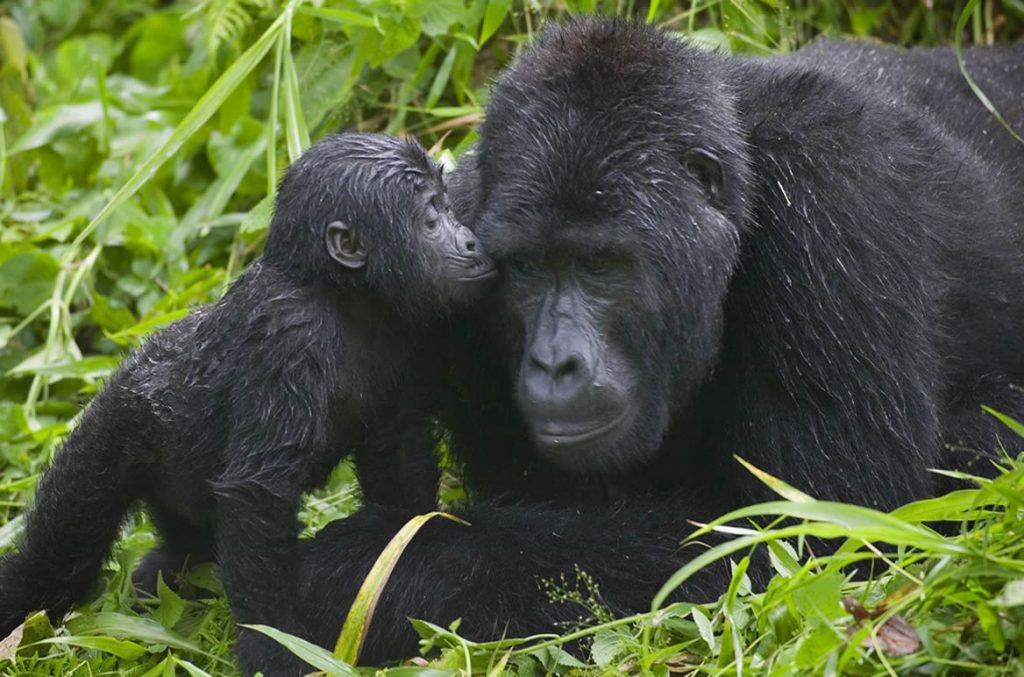
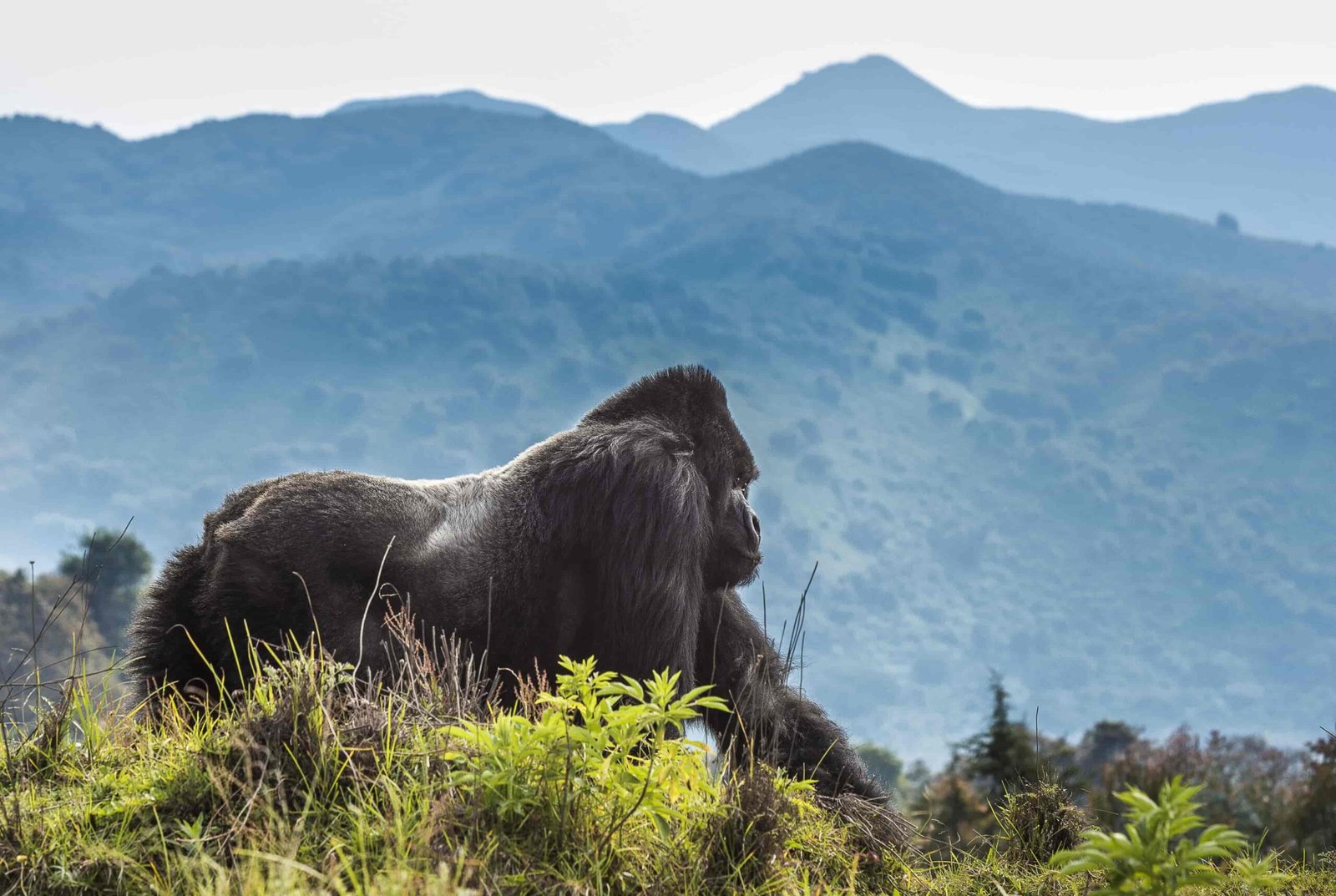
The visitor category does not change the quality of the gorilla family encounter. People participating together in the same activity follow the same conservation rules regardless of what permit category applied to them.
The price difference therefore reflects tariff policy rather than different levels of forest access once the activity begins.
Why Is Gorilla Habituation Not Offered Everywhere in Uganda?
Mountain gorilla habitat itself is extremely limited, and habituation requires even more specific conservation conditions. Uganda’s wild mountain gorillas occur in Bwindi and Mgahinga, but the official Gorilla Habituation Experience is currently associated with Bwindi.
There must be a suitable family undergoing the process, professional capacity to monitor it and a conservation reason for continuing habituation. The experience cannot simply be introduced in every sector because tourists want more availability.
This limitation helps explain why habituation is more expensive. Scarcity is partly intentional because the activity must remain subordinate to gorilla welfare and conservation management rather than tourism demand.
Why Does Responsible Gorilla Tourism Cost So Much?
Mountain gorilla tourism exists within a complex conservation system that protects one of the world’s most restricted great ape populations. Rangers must protect the forest, trackers monitor families, researchers study behaviour, veterinary professionals may assist with health-related conservation interventions, and communities surrounding protected areas need meaningful economic reasons to support long-term wildlife protection.
Uganda Wildlife Authority‘s September 2026 conservation update states that Bwindi’s last completed census recorded 459 mountain gorillas in 2018, compared with around 300 in the park in 1992. UWA said newer 2025/2026 genetic analysis results were still awaiting release at the time of that update. The long-term increase demonstrates that conservation can work, but it also highlights the amount of continuous protection required.
Revenue from tourism forms part of the financial model supporting this conservation environment. The goal is therefore not to make mountain gorilla encounters as cheap and widely available as possible. Keeping visitor numbers controlled while charging meaningful permit fees can generate conservation value without exposing families to excessive human contact.
Does Paying More Mean Gorilla Habituation Is Always Better?
No. Gorilla Habituation is different and more intensive, but not automatically better for every traveller. Someone who wants a straightforward gorilla encounter may be perfectly satisfied with regular trekking.
A traveller with knee problems, limited physical endurance or little interest in spending most of the day in the forest may actually enjoy the standard experience more. Someone travelling with a strict budget may gain greater overall holiday value from using the savings to add another national park.
Habituation becomes better value when the traveller actively wants what makes it different. The four-hour viewing period, research context, longer forest day and more specialised interaction need to matter personally.
Choosing the more expensive permit simply because it sounds more exclusive can lead to unnecessary spending.
Can You Combine Gorilla Trekking and Gorilla Habituation?
For travellers who want a particularly deep mountain gorilla experience, combining both activities can be extremely rewarding because the contrast becomes easy to appreciate firsthand.
During standard trekking, you visit a family that has already completed the habituation process and experience the established tourism format. On another day, habituation exposes you to the earlier and more intensive conservation process.
The two encounters can also provide very different photographic and behavioural experiences because the family composition, forest location and daily activity will vary.
The disadvantage is cost. A foreign non-resident completing both under the current 2026 rates would spend USD 2,300 on the two permits alone, before accommodation and transport. From January 2027, the announced combined cost would be USD 2,600 because the standard permit is USD 800 and the habituation permit becomes USD 1,800.
For dedicated primate enthusiasts this can be worthwhile, but most first-time visitors do not need both experiences to have an exceptional Uganda safari.
Does the Price Include Accommodation or Transportation?
Neither Gorilla Habituation nor regular gorilla trekking permits include your lodge or transportation to Bwindi as part of the official permit fee. The permit covers the regulated wildlife activity and the components UWA identifies in its tariff, including guiding, park entry for the day and the community development contribution.
Your complete safari price therefore depends heavily on how you reach the park and where you stay. A traveller using comfortable mid-range accommodation and road transport can spend considerably less than someone using luxury lodges and domestic flights, even though both have the same UWA habituation permit.
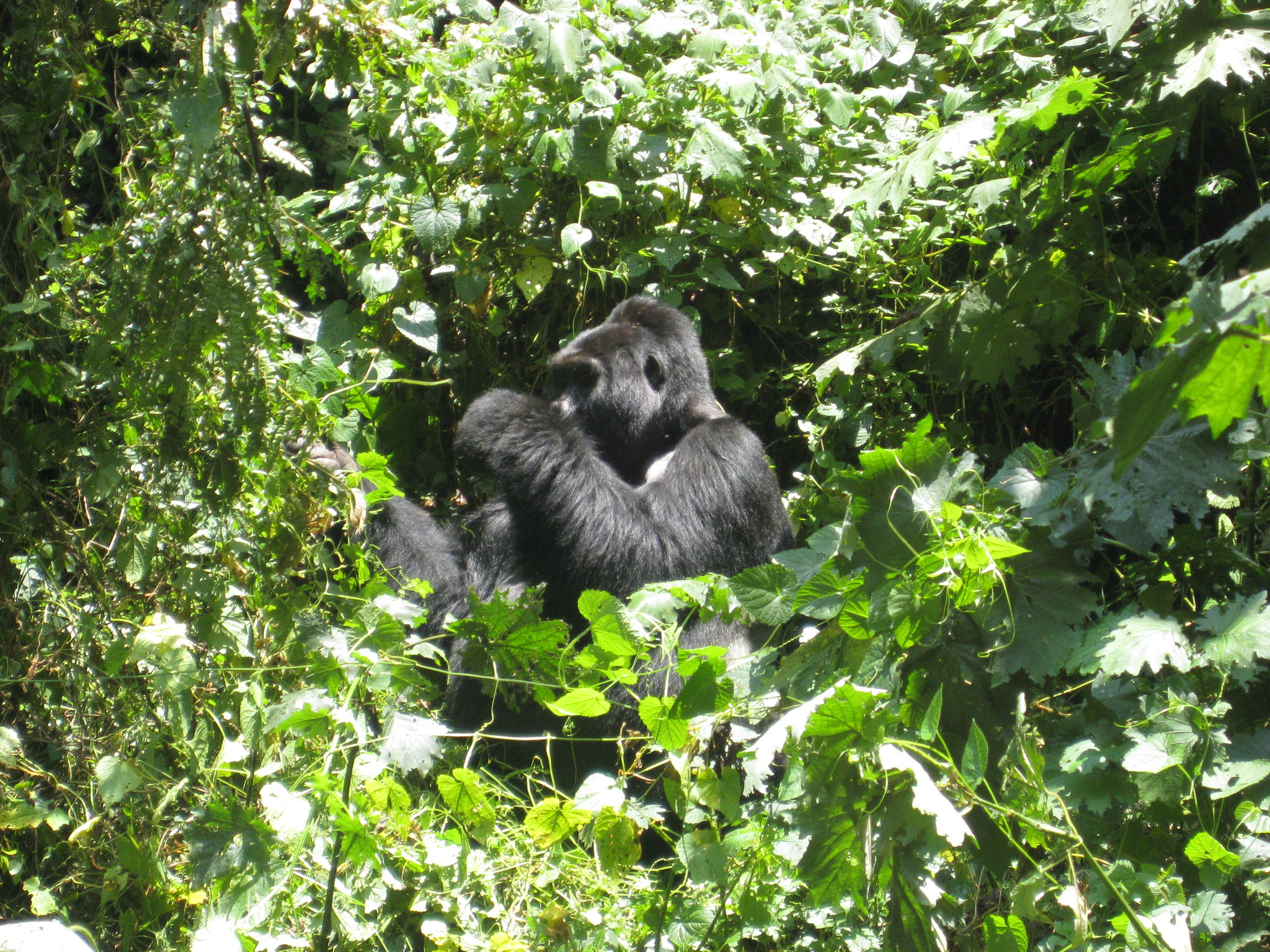
This is useful because travellers who want the premium gorilla experience can control other parts of the budget. You do not need an ultra-luxury lodge simply because you purchase an expensive habituation permit.
Why Is Advance Payment Important?
Uganda Wildlife Authority changed its permit reservation procedure in 2026. An official February notice suspended the previous seven-day unpaid reservation window from 1 March 2026. UWA states that operators now secure permits through full payment at the time of booking rather than holding them for seven days without payment.
This matters particularly for Gorilla Habituation because spaces are limited. Once a suitable date is available, a traveller who delays confirmation cannot assume that the space will remain open.
The higher price therefore requires careful planning. Travellers should be comfortable with their dates before committing such a significant amount of money and should make sure that the permit being secured is genuinely for the Gorilla Habituation Experience rather than standard tracking.
Is Gorilla Habituation Worth the Extra Money for a Couple?
A couple travelling as foreign non-residents in 2026 pays USD 3,000 for two Gorilla Habituation permits compared with USD 1,600 for two standard gorilla trekking permits. The difference is USD 1,400 for the couple. From January 2027, the announced totals become USD 3,600 for habituation versus USD 1,600 for trekking.
Whether that additional cost is worthwhile depends on the importance of gorillas within the trip. If the couple is travelling primarily for mountain gorillas, spending more for four hours can make sense because the experience is the central purpose of the safari.
If gorillas are only one part of a longer journey through Uganda, the same money might fund several additional safari experiences or accommodation nights.
There is no universal answer. The value depends on whether extended gorilla observation matters more than the alternative experiences that could be purchased with the price difference.
Is Gorilla Habituation Worth the Extra Cost for Solo Travellers?
Solo travellers pay exactly the same official per-person permit amount within their visitor category. They do not pay a single supplement on the UWA permit itself simply because they are travelling alone.
However, a solo safari can already be expensive because transport and guide costs are not shared with another traveller. Adding the premium habituation permit can therefore increase the overall trip price considerably.
For a solo wildlife photographer or primate enthusiast, the experience may still be one of the main reasons for travelling to Uganda and therefore worth prioritising. A traveller who is primarily interested in seeing mountain gorillas once can save significantly by choosing standard trekking.
Why Is Gorilla Habituation One of Uganda’s Most Special Wildlife Experiences?
The importance of Gorilla Habituation comes from the unusual combination of rarity, time and conservation. Few wildlife activities give ordinary travellers several hours in the forest with professional teams while one of the world’s most closely protected great apes becomes accustomed to controlled human presence.
The forest cannot be controlled, the gorillas cannot be directed and the quality of the experience depends on what naturally unfolds. This means every habituation day is different.
Some visitors may see long periods of active feeding and movement. Others may spend part of the time watching gorillas rest. A juvenile might suddenly become playful, while a silverback may remain almost motionless for an extended period before leading the family elsewhere.
The value comes from having enough time to experience these changes without the constant pressure of a one-hour limit.
Final Answer: Why Is Gorilla Habituation More Expensive Than Gorilla Trekking?
Why Is Gorilla Habituation More Expensive Than Gorilla Trekking? Gorilla Habituation costs more because it provides substantially longer viewing time, much more limited access and participation in a specialised conservation process rather than only a conventional visit to an already habituated gorilla family. Uganda Wildlife Authority currently allows a maximum of four hours of gorilla viewing during the Gorilla Habituation Experience compared with a maximum of one hour during normal tracking. Habituation also begins earlier, from around 6:30 a.m., and can occupy much of the day because visitors first have to locate the gorillas before the extended observation period begins.
In 2026, the official foreign non-resident Gorilla Habituation permit costs USD 1,500 compared with USD 800 for normal gorilla trekking. Foreign residents currently pay USD 1,000 for habituation and USD 700 for trekking, while Rest of Africa visitors pay USD 1,000 and USD 500 respectively. Eligible East African Community citizens currently pay UGX 750,000 for habituation compared with UGX 300,000 for a regular gorilla permit.
From 1 January 2027, the price difference becomes even greater. Uganda Wildlife Authority has announced a foreign non-resident habituation permit of USD 1,800 while the standard gorilla tracking permit remains USD 800. Foreign residents will pay USD 1,600 for habituation and USD 700 for tracking, while the Rest of Africa and East African Community categories remain separately priced under the announced tariff.
The additional cost is not simply a charge for three more hours beside gorillas. Habituation involves a family that is still progressing through the process of becoming accustomed to controlled human presence. The experience therefore depends on professional trackers, habituators and conservation personnel working carefully around animals whose behaviour may be less predictable than that of fully habituated tourism families. This creates a different kind of wildlife encounter that places greater emphasis on patience, observation and understanding conservation.
The permit price also supports more than tourism access. UWA states that current gorilla permit rates incorporate the guide fee, park entrance for the activity day and a community development contribution. Uganda has also demonstrated the connection between gorilla tourism and neighbouring communities through revenue-sharing programmes, including more than UGX 2.19 billion distributed around the Bwindi-Mgahinga Conservation Area in 2025 from park entry fees and the gorilla permit levy.
For photographers, the higher price can be particularly worthwhile because four hours creates far more opportunities to wait for natural behaviour, better light and clearer views. For primate enthusiasts, extended observation allows relationships and family dynamics to become easier to understand. For conservation-minded travellers, accompanying the professional team provides insight into how a wild gorilla family gradually becomes suitable for carefully regulated tourism.
Normal gorilla trekking remains an extraordinary experience and will be the better choice for many travellers. It is considerably more affordable, provides one full hour with a habituated family after the gorillas have been located and allows visitors to experience mountain gorillas without dedicating as much money or time to one activity. Uganda Wildlife Authority offers regular trekking in both Bwindi and Mgahinga, giving travellers more flexibility than the specialised habituation product.
Gorilla Habituation is therefore more expensive because you are buying greater depth rather than simply greater prestige. The higher price gives you substantially more time, access to a much more limited activity and an opportunity to experience part of the conservation process that makes conventional gorilla tourism possible. The activity demands more patience, a longer day in the forest and a greater financial commitment, but for travellers who genuinely want to spend extended time observing mountain gorillas, those differences can make the extra cost worthwhile.
Ultimately, the choice between Uganda Gorilla Habituation and Gorilla Trekking should be based on the kind of experience you want rather than the assumption that the more expensive option must always be superior. If your goal is to encounter mountain gorillas once and keep the safari budget manageable, the standard one-hour trek is an excellent choice. If your priority is photography, behavioural observation, conservation and spending as much meaningful time as possible with the gorillas, the premium charged for Gorilla Habituation reflects an experience that is fundamentally longer, rarer and more specialised.