

Which Bwindi Sector Is Ideal for Gorilla Habituation?
Bwindi Gorilla Habituation is best experienced in the Rushaga sector of Bwindi Impenetrable National Park, where Uganda’s specialised Gorilla Habituation Experience is currently organised for visitors. Although Bwindi has four major gorilla tourism sectors—Buhoma, Ruhija, Rushaga and Nkuringo—Rushaga is the most suitable choice for travellers specifically interested in spending extended time with mountain gorillas during the habituation process. Bwindi Gorilla Habituation allows you to accompany professional trackers, researchers and habituators into the forest and spend up to four hours observing the gorillas after they have been located, making it very different from ordinary gorilla trekking. Choosing Rushaga also helps you plan the right accommodation, transport route and permit arrangements while avoiding unnecessary transfers between Bwindi’s widely separated sectors.
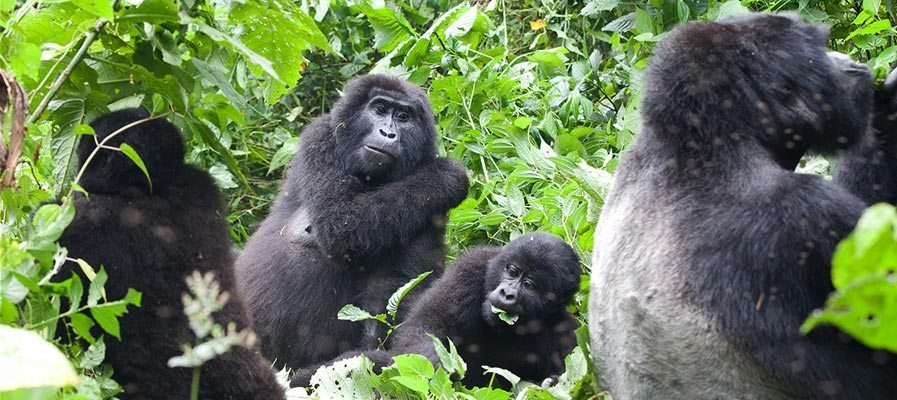
Rushaga is therefore not simply being called the best because it has attractive scenery, several lodges or convenient road access. It is the practical choice because travellers specifically seeking Gorilla Habituation need to base their plans around the sector where that activity is currently organised. Buhoma, Ruhija and Nkuringo remain outstanding areas for ordinary gorilla trekking, and each has its own advantages, but they should not automatically be treated as alternatives for the four-hour habituation experience. Understanding this distinction before booking accommodation, flights or ground transportation can prevent one of the most common mistakes in Bwindi safari planning: choosing a beautiful lodge in the wrong part of the park and discovering later that the permit requires an early-morning transfer to another sector.
Why Rushaga Is the Best Bwindi Sector for Gorilla Habituation
Rushaga stands out because it combines the operational availability of Gorilla Habituation with a well-developed gorilla tourism system in southern Bwindi. The area has long supported multiple gorilla families, ranger operations, trackers, guides, tourism accommodation and the infrastructure necessary to manage people entering a difficult rainforest environment. Gorilla Habituation requires more than simply having mountain gorillas in a forest. Researchers and habituators need to work consistently with selected families, visitor numbers must be carefully controlled, permits must be associated with the correct activity and professional teams must be able to manage a potentially long day in dense vegetation. Rushaga provides the environment in which those elements come together. Uganda Wildlife Authority formally recognises Rushaga as one of Bwindi’s designated gorilla tourism entry areas, while UWA’s current information confirms that Bwindi is divided into Buhoma, Ruhija, Rushaga and Nkuringo sectors.
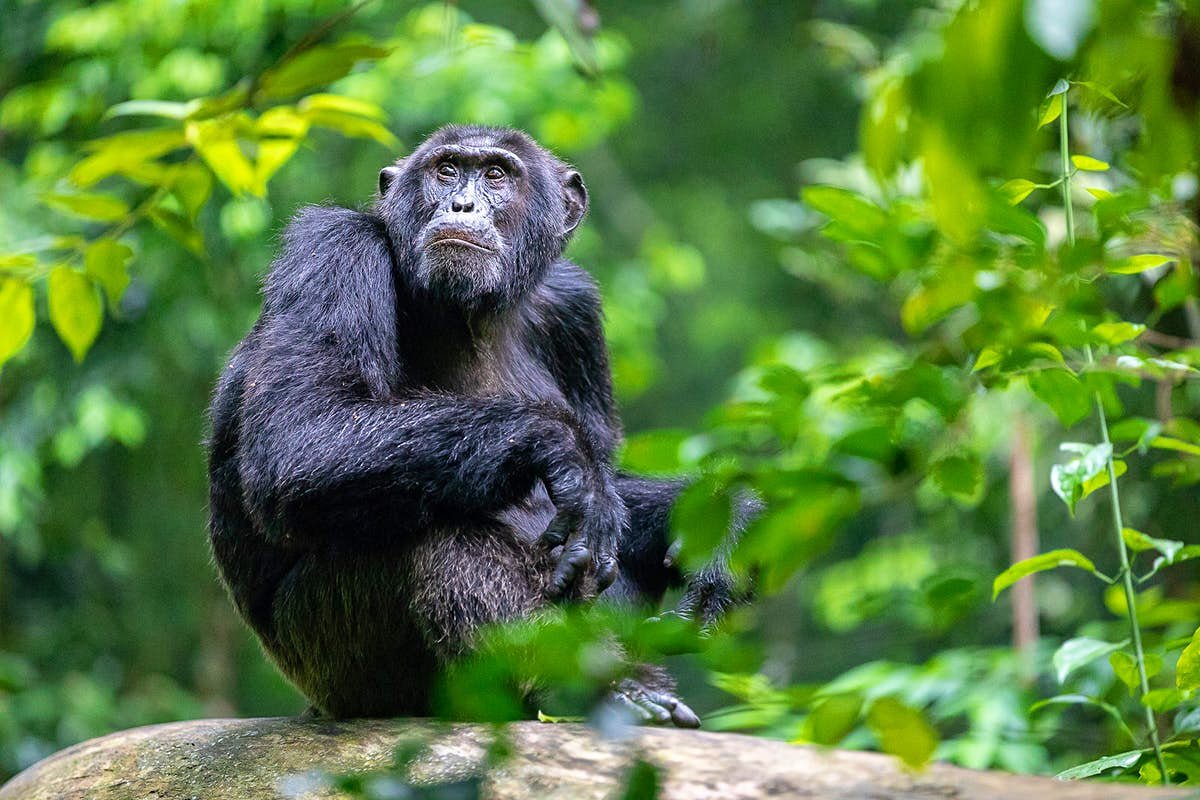
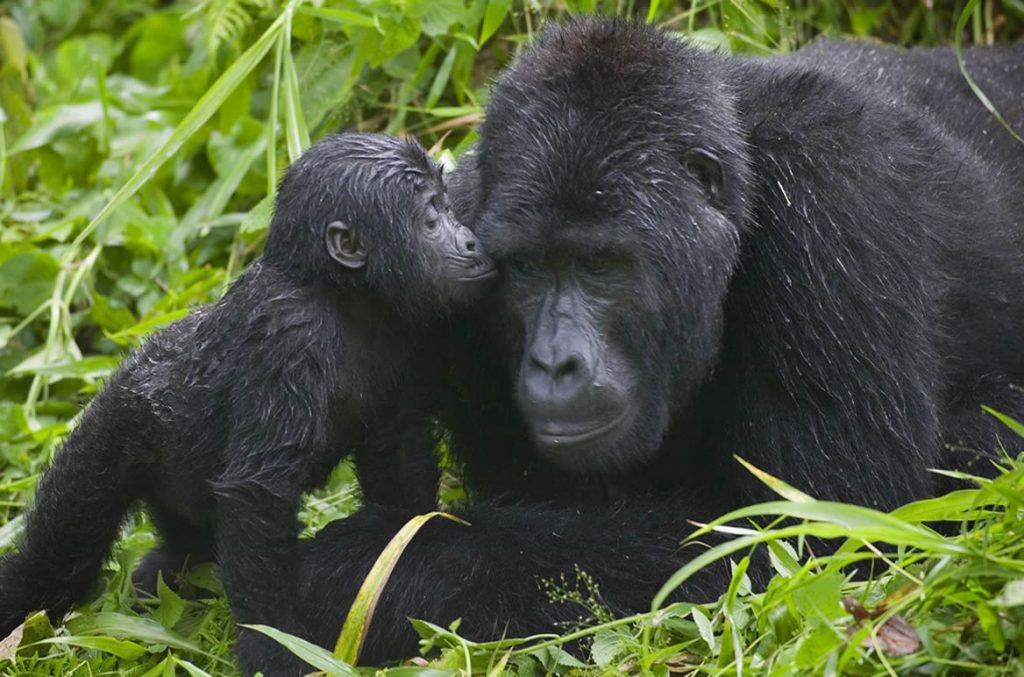
The most important point is that “best” in this context should not be interpreted as a subjective competition between four beautiful sections of Bwindi. If a traveller asks which sector has the most famous lodge, the easiest road, the oldest gorilla tourism history or the most challenging terrain, the answer can vary. If the question is specifically which sector is best for Gorilla Habituation, Rushaga becomes the clear answer because the activity itself determines the location. Your safari planning should therefore begin with the habituation permit and current Uganda Wildlife Authority arrangements rather than choosing the sector first and hoping the activity can be added later.
Understanding Bwindi’s Four Gorilla Tourism Sectors
Bwindi Impenetrable National Park is not organised like a small wildlife reserve with one main entrance and several short roads radiating from it. Its mountainous forest is approached through different tourism areas positioned around the park. Uganda Wildlife Authority identifies the four main gorilla trekking sectors as Buhoma, Ruhija, Rushaga and Nkuringo. Each provides access to different sections of the forest and different gorilla families used for tourism. These sectors are separated by ridges, valleys, rural communities and winding roads, meaning that transferring between them can take much longer than their apparent straight-line distance on a map might suggest.
This geography matters enormously for Gorilla Habituation because the experience begins early and can continue for many hours. A traveller staying close to the correct Rushaga access area can enjoy breakfast, complete a short transfer and arrive prepared for the activity. Someone staying in an unsuitable sector may have to wake much earlier and undertake a difficult road transfer before even beginning the forest experience. Choosing the best sector therefore influences far more than the name printed on the itinerary. It affects sleep, morning logistics, transport costs, physical comfort and how relaxed you feel before one of the most demanding wildlife activities of the safari.
Why Rushaga Is Different From Buhoma for Gorilla Habituation
Buhoma occupies a special place in Uganda’s gorilla tourism history and remains one of the most recognisable names associated with Bwindi. It lies in the northern part of the park and developed some of Bwindi’s earliest gorilla tourism infrastructure. For conventional trekking, Buhoma can be an excellent sector, particularly for travellers combining Bwindi with the Ishasha region of Queen Elizabeth National Park or approaching from the northern safari circuit. Uganda Wildlife Authority‘s older park information describes Buhoma as the park’s principal northern tourism area and documents the historic development of gorilla trekking there.
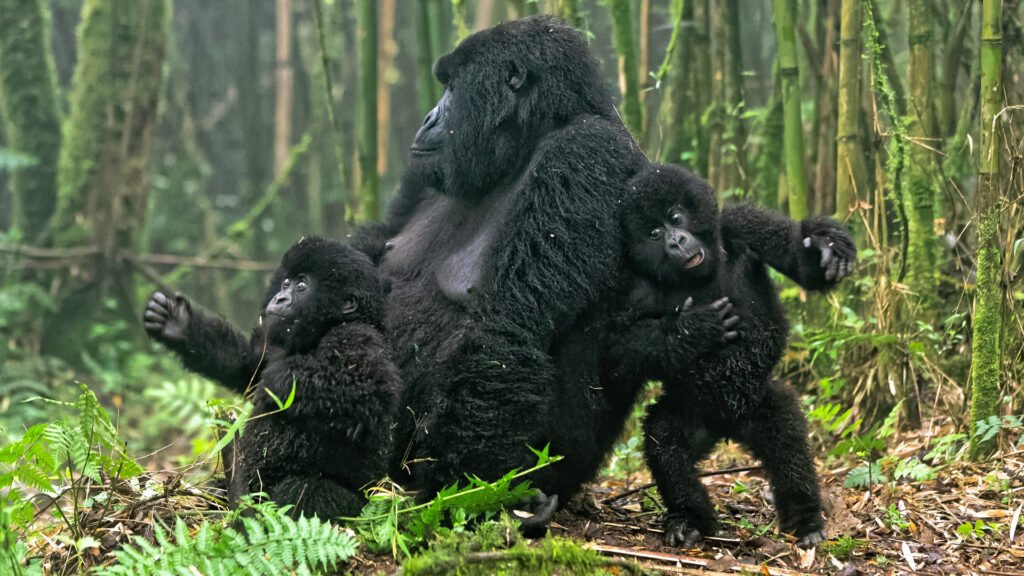
However, those advantages do not make Buhoma the best sector for the specialised Gorilla Habituation Experience. A traveller whose permit and activity are based in Rushaga should not choose Buhoma merely because it is famous or because a particular luxury lodge looks attractive online. The journey between northern and southern Bwindi is not a quick drive across the forest. Vehicles must travel around the protected area using mountainous roads, making a Buhoma-to-Rushaga transfer impractical as a routine pre-trek commute. Buhoma should therefore be selected when it fits the activities assigned to northern Bwindi, while Rushaga should be selected when Gorilla Habituation is the central objective.
Why Rushaga Is Different From Ruhija
Ruhija lies in the eastern portion of Bwindi and is renowned for its high-altitude rainforest environment, birdlife and mountain gorilla trekking. It is another excellent part of the park for travellers whose permits are allocated there. UWA identifies Ruhija as one of Bwindi’s official gorilla sectors, and the park’s geography gives it a distinctive character compared with the lower and warmer approaches around some other parts of Bwindi.
For Gorilla Habituation, however, Ruhija should not be confused with Rushaga. The similarity of the names sometimes causes confusion among first-time travellers planning independently. They are separate locations, and a lodge convenient for Ruhija does not automatically provide convenient access to a Rushaga habituation experience. Travellers interested mainly in birding and conventional gorilla trekking may find Ruhija highly attractive, but a safari built specifically around the four-hour Gorilla Habituation Experience should be positioned in southern Bwindi according to the permit.
Rushaga Compared With Nkuringo for Gorilla Habituation
Nkuringo creates more confusion than Buhoma or Ruhija because it also lies in southern Bwindi and is geographically much closer to Rushaga. Some older online information has associated both southern sectors with Gorilla Habituation, and accommodation around Nkuringo is sometimes promoted to visitors participating in a Rushaga-based habituation experience. This does not necessarily mean that the information is deceptive. Gorilla management changes over time, families move and historical habituation programmes have involved different parts of southern Bwindi.
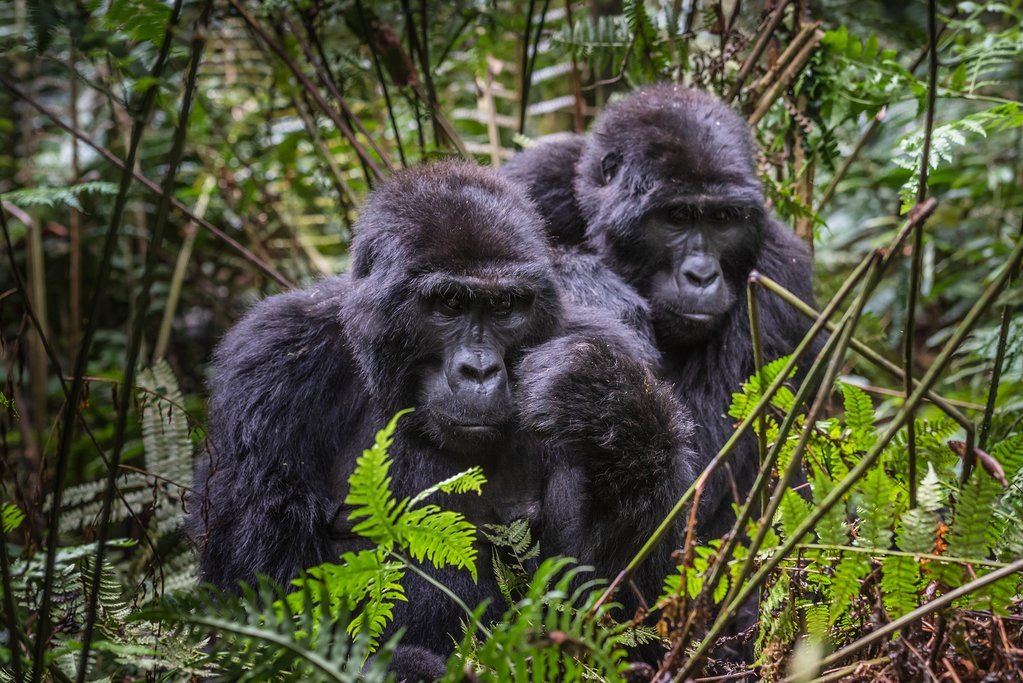
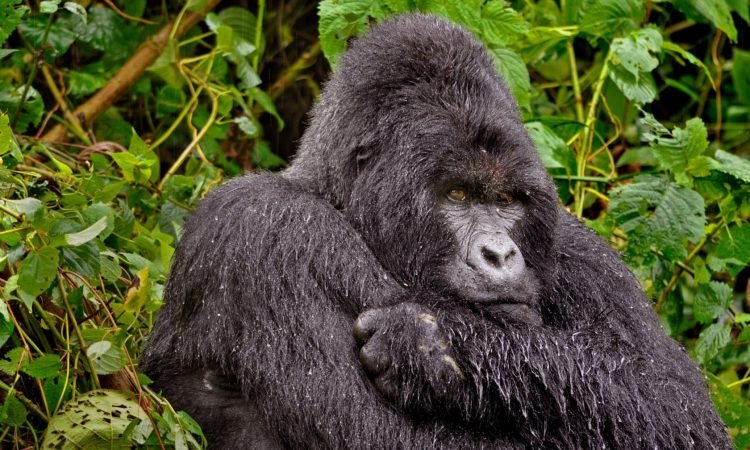
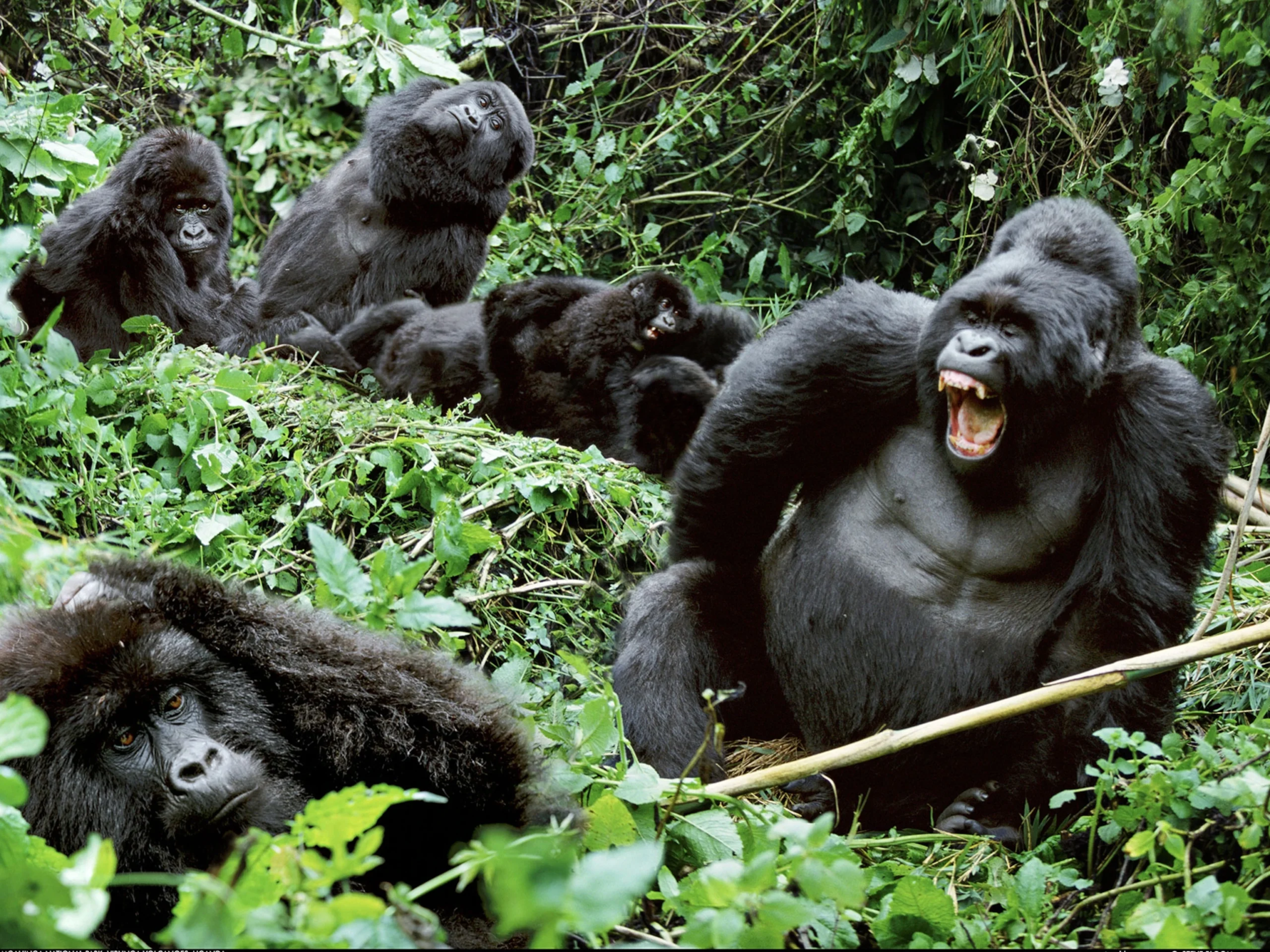
For current planning, however, travellers should use Rushaga as the principal operational reference for Gorilla Habituation and treat Nkuringo primarily as another southern Bwindi tourism area that may sometimes provide suitable accommodation depending on the road transfer. UWA’s own access information groups Rushaga and Nkuringo together as the southern sectors and identifies Kisoro Airstrip as the aviation gateway serving both. That geographical closeness can make some Nkuringo lodges workable, but the final decision should be based on the exact transfer time to the activity point, not simply the fact that both sectors are in southern Bwindi.
Why the Permit Matters More Than the Sector Name
A Gorilla Habituation safari should be built from the permit outward. The confirmed activity date and designated operational area determine where you should stay and how you should travel. Uganda Wildlife Authority‘s visitor-management guidelines recognise designated entry points and explain that gorilla activities operate through official locations and authorised permits. This system exists because gorilla tourism cannot be managed safely by allowing visitors to wander between families or sectors according to preference on the morning of the trek.
This means that selecting “Rushaga” during early research is only the beginning. Once the permit is confirmed, the operator should verify the actual reporting arrangements and choose accommodation accordingly. Gorilla families are free-ranging, conservation operations evolve and Uganda Wildlife Authority can alter allocations according to management requirements. A webpage written today should therefore never be treated as more authoritative than the visitor’s current permit documentation.
Why Rushaga Works So Well for the Four-Hour Experience
The defining attraction of Gorilla Habituation is the extended observation period. UWA’s official management guidelines state that the experience allows visitors to accompany researchers and habituators and provides up to four hours with the gorillas once the family is reached. This is substantially longer than the one-hour viewing period associated with standard gorilla trekking.
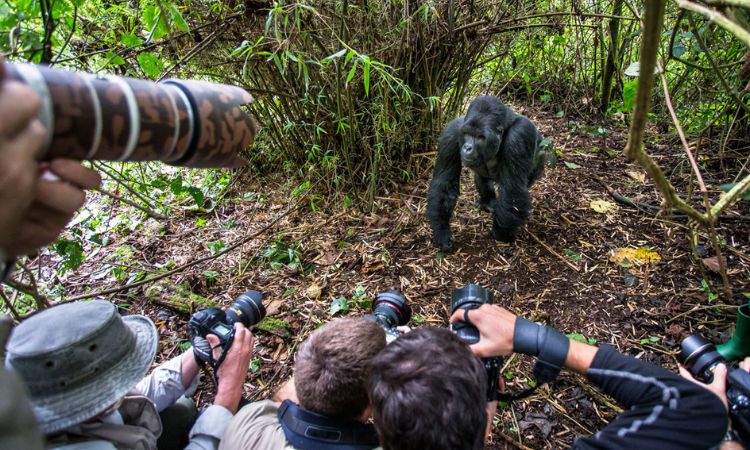
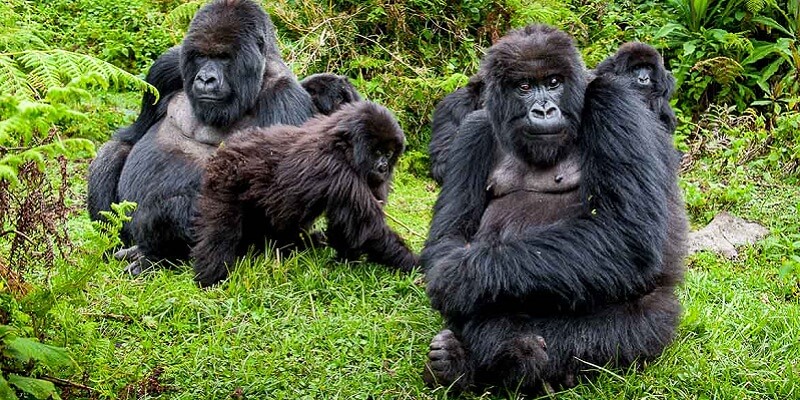
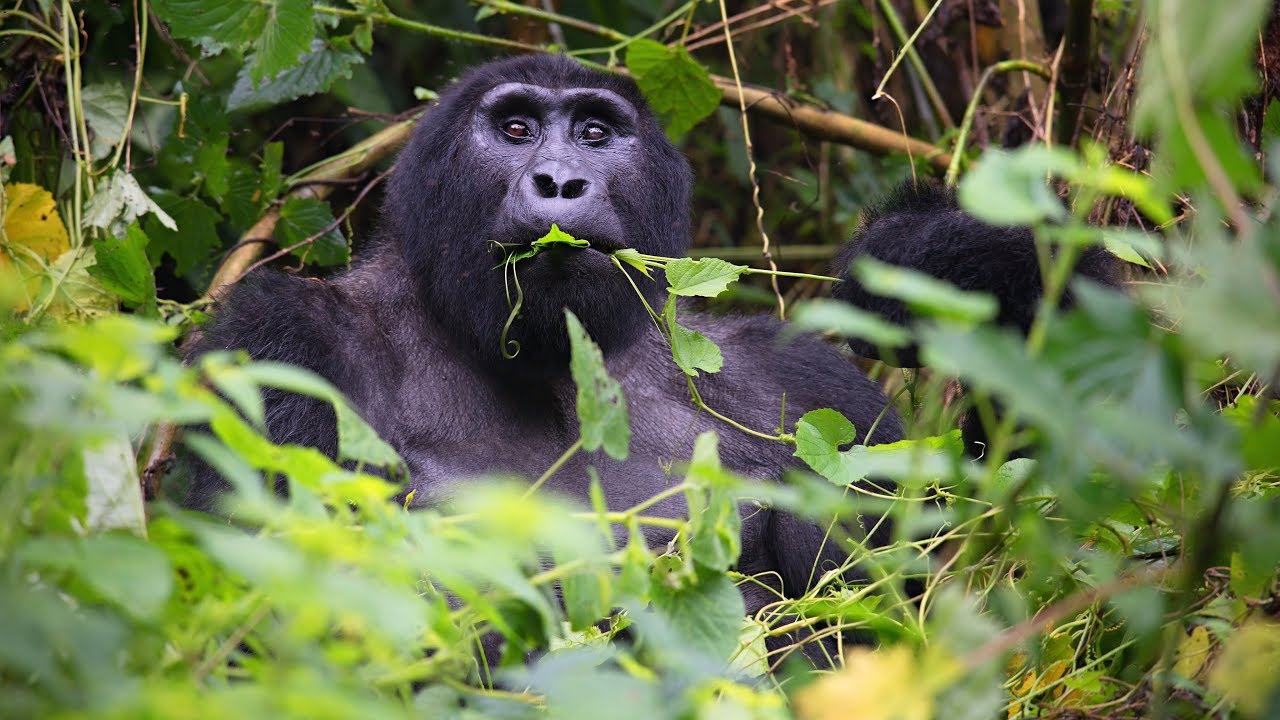
Rushaga is well suited to the experience because the professional gorilla tourism and conservation system already operates there. Trackers can follow information from the previous day’s monitoring, researchers can assess family movements and visitors can enter under the supervision of people familiar with the forest. The extended observation period does not mean that visitors simply stand in one clearing for four hours. Gorillas can feed, move, rest and interact throughout the encounter, and the tourism group must respond to what the animals do rather than expecting the animals to remain positioned for photography.
Rushaga Is Best for Travellers Who Want More Time With Gorillas
For many travellers, the greatest advantage of choosing Rushaga for habituation is the opportunity to slow down. A one-hour gorilla trek can be extraordinary, but the time often passes remarkably quickly. You may spend several hours tracking the gorillas and then feel that the observation period ends just as you begin settling into the experience. Gorilla Habituation changes that rhythm.
Four hours allows you to observe a greater range of ordinary behaviour rather than waiting only for dramatic moments. A silverback may spend part of the encounter feeding quietly before changing position. Juveniles may disappear into vegetation and become active again later. A mother may rest with an infant and then begin travelling with the family. These transitions help you understand gorillas as social animals with complex daily routines rather than simply as photographic subjects.
Rushaga therefore suits travellers who value observation as much as the initial excitement of seeing a gorilla for the first time.
Rushaga Is Particularly Strong for Gorilla Photography
Wildlife photographers often find Gorilla Habituation especially appealing because rainforest photography presents difficult conditions. Dense vegetation can block clear views, the forest canopy produces low and uneven light, rain can occur without much warning and the gorillas do not position themselves according to photographers’ needs.
With an ordinary one-hour visit, a large part of the viewing period may pass while one individual remains behind leaves or in deep shade. Four hours does not guarantee perfect conditions, but it creates opportunities for those conditions to change naturally.
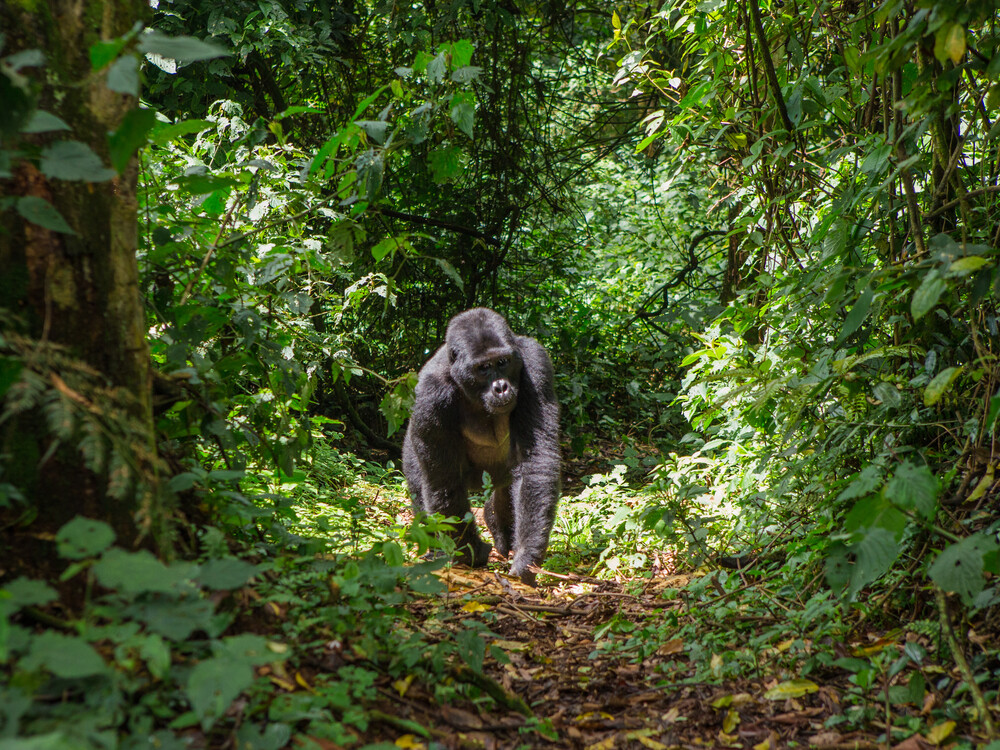
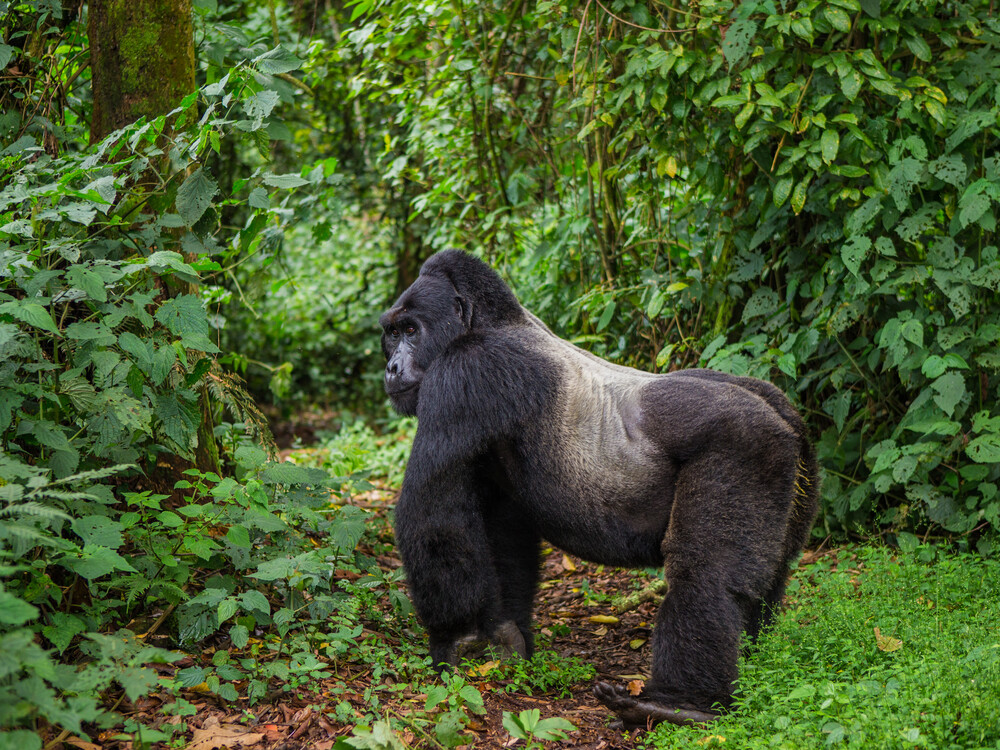
Rushaga’s extended experience is therefore valuable because time becomes part of the photographic advantage. Instead of trying to capture every image during the first few minutes, you can observe behaviour, anticipate movement and wait for natural opportunities. The best photographs may appear after an hour or two rather than immediately after reaching the family.
The Terrain in Rushaga Should Be Taken Seriously
Calling Rushaga the best sector for Gorilla Habituation does not mean calling it easy. Bwindi is a mountainous tropical forest, and UWA describes the park as a landscape of steep ridges and valleys. The gorillas are free-ranging, so the difficulty of a trek depends partly on where the assigned family has moved.
You may walk through cultivated hillsides before entering dense forest, descend into valleys, climb slippery slopes and follow trackers through areas where established trails are limited. Rain can make the ground muddy, while altitude and humidity can increase fatigue.
The length of the day adds another dimension. A standard trek may already require several hours of walking, while habituation combines the search with the possibility of four hours around the gorillas and the return hike afterward. Reasonable fitness therefore makes the experience considerably more enjoyable.
Why a Porter Can Improve a Rushaga Habituation Day
The extended nature of Gorilla Habituation makes using a porter particularly sensible. Camera equipment, water, rain protection and personal items that seem light during breakfast can become surprisingly heavy after several hours in Bwindi.
Having a porter carry your daypack allows you to concentrate on your footing, especially on muddy slopes or when trackers leave easier trails to follow the gorillas.
Porters also form part of the local tourism economy surrounding Bwindi. Hiring one therefore provides practical assistance while directing tourism income to people living near the protected area. The relationship between tourism and neighbouring communities is important because Bwindi exists within a densely populated rural landscape and long-term conservation depends partly on local people receiving meaningful benefits from protecting the forest.
Why Rushaga Is Convenient From Kigali
Rushaga’s southern position is particularly attractive for travellers entering Uganda through Rwanda. Southern Bwindi is much closer to Kigali than the northern Buhoma area, allowing short gorilla itineraries to begin in Rwanda and cross into Uganda before continuing to the Rushaga region.
This has made Rushaga popular with travellers who already have international flights into Kigali or who are combining Rwanda and Uganda within one safari.
However, convenience from Kigali should not encourage travellers to attempt the border crossing on the same morning as Gorilla Habituation. The activity begins early, and border formalities, traffic or mountain road conditions can introduce delays. Travelling to southern Bwindi the previous day is far safer and allows you to begin the habituation morning rested.
Rushaga Is Also Convenient for Fly-In Safaris
Travellers beginning in Entebbe who want to avoid the long overland drive across Uganda can fly toward Kisoro. Uganda Wildlife Authority states that scheduled flights from Entebbe serve Kisoro Airstrip for visitors travelling to the southern sectors of Rushaga and Nkuringo. The flight itself takes roughly an hour and ten minutes, after which a four-wheel-drive transfer is required to reach accommodation near the forest.
This makes Rushaga particularly attractive within high-end or time-sensitive itineraries. You can fly from Entebbe, transfer through the southwestern highlands and sleep close to the habituation area before entering the forest the following morning.
The flight does not eliminate all road travel, but it avoids spending most of a day driving between Entebbe and Bwindi.
Why Kihihi Is Usually Better for Northern Bwindi Than Rushaga
Understanding Bwindi’s aviation gateways helps explain why sector selection matters. UWA identifies Kisoro as the practical flight gateway for southern Bwindi, while Kihihi serves the park’s northern frontier. A traveller with a Buhoma trekking permit might therefore use Kihihi, while someone planning Gorilla Habituation in Rushaga should normally organise the trip around Kisoro instead.
Booking the wrong airstrip can create unnecessary road transfers. This is another example of why the permit should come before the flight reservation. A traveller should not book the cheapest domestic flight and then attempt to build the gorilla programme around it. The activity location should determine the most efficient aviation route.
Does Rushaga Have Better Gorilla Families Than Other Sectors?
It is misleading to describe the gorillas of one Bwindi sector as inherently “better” than those of another. Mountain gorilla families differ in size, composition, individual personalities and daily behaviour, but none can be guaranteed to produce a superior encounter.
A family with several young gorillas may be extremely active on one day and spend much of another morning resting. A famous silverback may be partly hidden in vegetation, while a less internationally known group may provide remarkable viewing conditions.
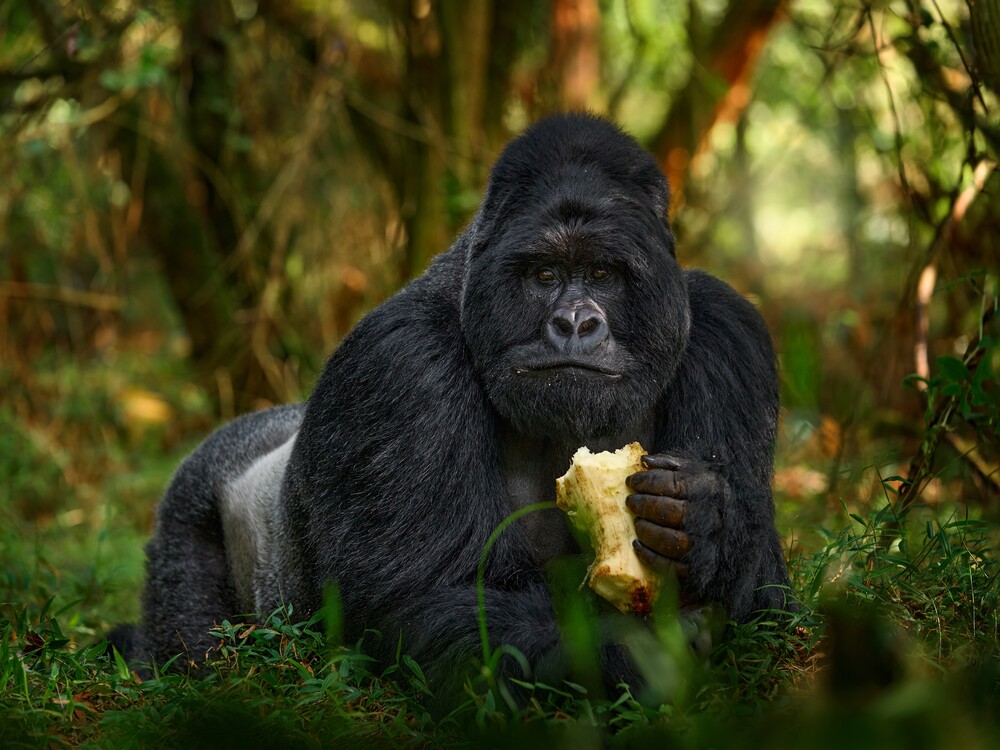
Rushaga is the best choice for Gorilla Habituation because of the nature and current location of the activity, not because its gorillas are somehow better animals than the gorillas in Buhoma, Ruhija or Nkuringo.
Does Rushaga Guarantee a Shorter Trek?
No. Sector choice cannot guarantee how long you will walk before finding the gorillas.
The animals move naturally within their habitat, and trackers must locate them based on their previous movements and current signs in the forest. Uganda Wildlife Authority notes more broadly that gorilla trekking can last several hours depending on where the gorillas have moved. Uganda Wildlife Authority
A traveller in Rushaga might reach the family relatively quickly one day while another traveller using the same sector on a different date may trek much farther.
The correct reason for choosing Rushaga is access to the habituation activity, not an expectation that the terrain or tracking time will always be easier.
Does Rushaga Offer Better Accommodation?
Southern Bwindi has developed a broad accommodation network serving both Rushaga and nearby Nkuringo. Travellers can find properties at different comfort levels, making it possible to build budget, mid-range and luxury Gorilla Habituation itineraries.
The more important question, however, is not whether a lodge is described as luxury or highly rated. It is whether its location works efficiently with your permit.
A beautiful lodge an hour or more from the reporting point may create a difficult morning, while a property closer to Rushaga can make the day far more comfortable. This becomes especially important when the activity starts early.
Accommodation should therefore be selected using both quality and access time.
Rushaga Versus Buhoma for Safari Connections
Buhoma often works naturally within traditional Uganda wildlife circuits travelling south from Queen Elizabeth National Park through Ishasha. UWA’s park information identifies northern approaches to Bwindi from the Ishasha region and describes Buhoma as part of this established safari route.
Rushaga, on the other hand, often works particularly well for itineraries continuing toward Kisoro, Lake Mutanda, Mgahinga or Rwanda.
Neither route is universally better.
If Gorilla Habituation is the primary objective, however, the itinerary should be adjusted to reach Rushaga even if another Bwindi sector might have been more convenient for the previous safari destination. The specialised activity should determine the routing.
Rushaga Versus Ruhija for Birding Travellers
Ruhija is widely associated with Bwindi’s high-altitude forest and serious birding, making it attractive to travellers whose priority is combining gorilla trekking with Albertine Rift bird species.
A specialist birdwatcher may therefore choose Ruhija for part of a safari even when Gorilla Habituation is taking place in Rushaga.
The two experiences can coexist within a longer itinerary. A traveller might spend time around Ruhija for birding and standard gorilla trekking before transferring south for habituation.
The important consideration is allowing enough time for the inter-sector transfer rather than attempting to treat Ruhija and Rushaga as neighbouring trailheads.
Rushaga Versus Nkuringo for Scenic Views
Nkuringo is renowned for dramatic southwestern highland scenery, and many properties in the area take advantage of panoramic views toward valleys and distant volcanic landscapes.
Some travellers may therefore prefer to sleep around Nkuringo even when their Gorilla Habituation activity is linked to Rushaga.
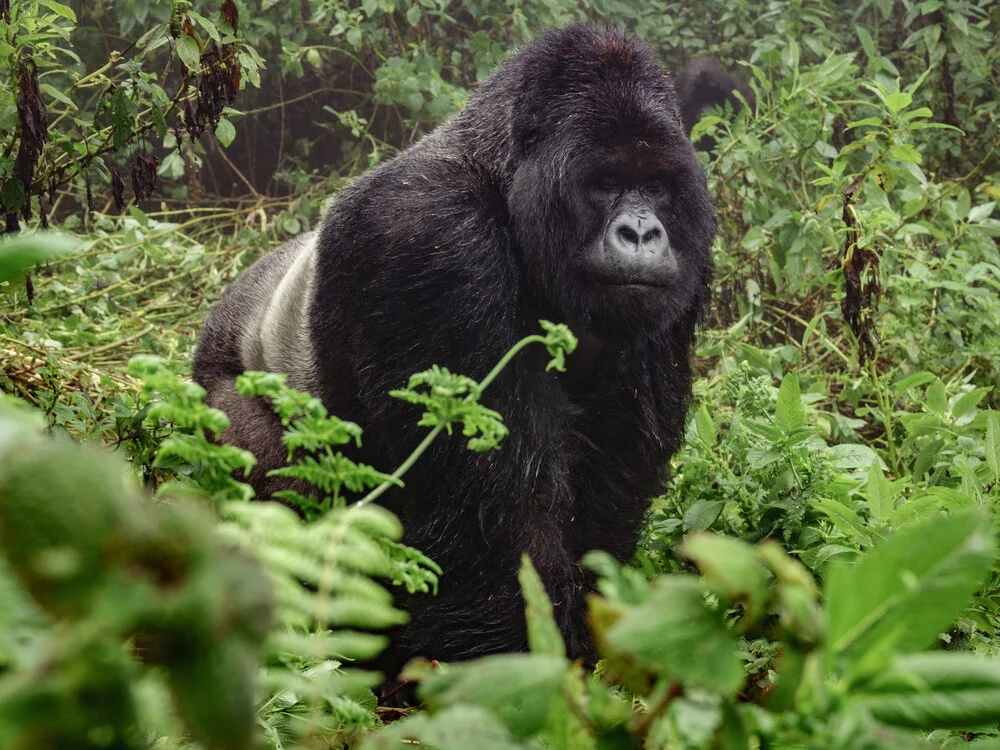
This can work when the chosen lodge has a reliable and manageable road connection to the correct Rushaga reporting point.
The practical lesson is that the best activity sector and the best lodge location do not always have to be identical, but they must be compatible. If a Nkuringo property adds substantial transfer time before an early habituation morning, staying closer to Rushaga may still be the better decision.
Why the Southern Bwindi Location Helps Multi-Country Safaris
Rushaga’s position makes it particularly valuable for itineraries combining Uganda and Rwanda. Travellers can arrive through Kigali, cross into Uganda, undertake Gorilla Habituation and later return to Rwanda or continue deeper into Uganda.
This structure can be useful for travellers whose international flights are more convenient through Kigali or who want to combine a Rwanda gorilla experience with Uganda’s longer habituation programme.
The geographical advantage does not change the permit rules. Gorilla Habituation in Uganda remains a Uganda Wildlife Authority activity inside Bwindi regardless of whether the traveller begins in Rwanda.
You therefore need the correct Uganda permit and must comply with Uganda’s immigration and entry requirements when crossing the border.
Why Rushaga Is Excellent for Repeat Gorilla Visitors
Travellers who have already completed normal gorilla trekking often choose habituation because they want a substantially different second encounter.
Rushaga works particularly well for this purpose.
Instead of repeating another one-hour visit, the extended experience allows you to focus on behaviour, photography and the work of trackers and habituators.
Repeat visitors often appreciate details they may have missed during their first trek, such as how researchers recognise individuals, how the family responds to movement or how young gorillas learn from adults.
The longer encounter can transform a second gorilla safari from a repetition into a deeper experience.
Rushaga Is Also Suitable for First-Time Visitors
You do not need prior gorilla trekking experience before booking habituation.
A first-time visitor can begin directly with the Rushaga experience as long as they understand the physical demands, permit cost and length of the day.
For somebody who expects to make only one mountain gorilla trip in their lifetime and wants the longest possible regulated viewing period, Gorilla Habituation can be an attractive choice.
The decision depends on budget and travel style rather than previous experience.
Standard trekking remains exceptional and is less expensive, but habituation offers additional time that some travellers consider worth the higher permit price.
Gorilla Habituation Permit Costs Influence the Decision
The 2024–June 2026 Uganda Wildlife Authority tariff lists Gorilla Habituation in Bwindi at USD 1,500 for foreign non-residents, USD 1,000 for foreign residents, USD 1,000 for Rest of Africa visitors and UGX 750,000 for East African Community citizens.
The price is substantially higher than the standard gorilla trekking permit because the experience provides a longer observation period and involves the specialised habituation framework.
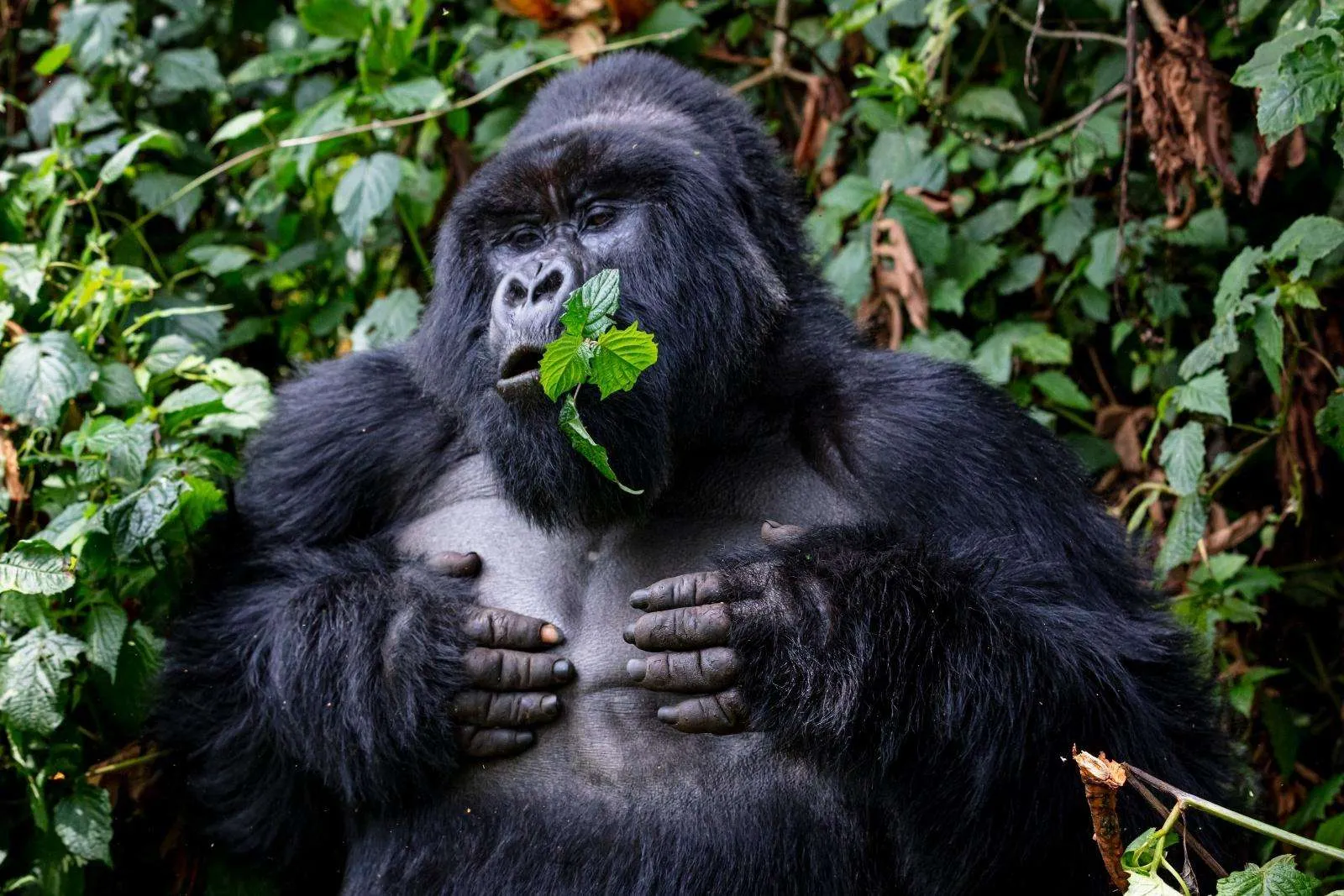
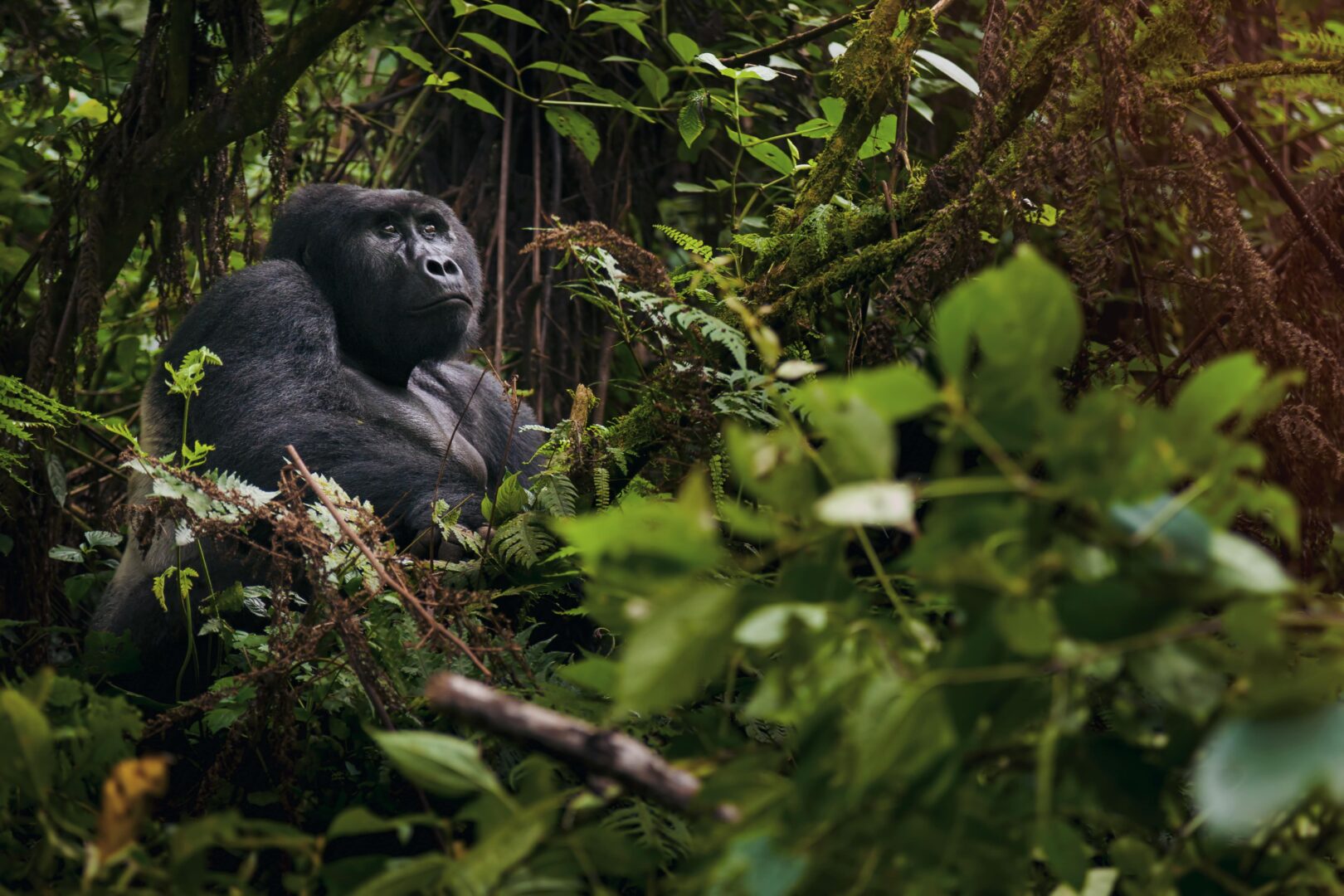
Permit tariffs can change, so travellers booking future dates should use the price applying on the actual activity date rather than relying on an older article.
The higher price also makes correct sector planning more important. After investing substantially in a permit, you should not compromise the experience with inconvenient accommodation or poorly designed transfers.
Rushaga Does Not Mean Unlimited Gorilla Time
The four-hour allowance should not be interpreted as an invitation to remain with the gorillas indefinitely.
Uganda Wildlife Authority regulates the experience precisely because the animals’ welfare takes priority.
Visitors follow professional instructions throughout the encounter, and the four-hour period represents the maximum direct viewing allowance after the family has been reached.
The gorillas remain wild and can move through dense forest during that time.
The group may need to reposition carefully while maintaining appropriate behaviour and following ranger instructions.
Extended viewing is therefore a privilege within strict conservation rules rather than unrestricted access.
Why Health Rules Still Matter During a Longer Encounter
Spending more time around gorillas makes responsible visitor behaviour particularly important.
Mountain gorillas are genetically close to humans and can be vulnerable to infectious illnesses.
Visitors need to follow Uganda Wildlife Authority health and behaviour requirements, including instructions relating to illness, coughing, sneezing, food and conduct around the animals.
Gorilla Habituation does not create exceptions because a visitor has paid a higher permit price.
In fact, the extended observation period makes adherence to conservation rules even more important.
The success of Rushaga as a habituation destination depends on keeping the experience sustainable for the animals as well as memorable for visitors.
Why Rushaga’s Small-Scale Experience Matters
Gorilla Habituation is deliberately low-volume.
The experience is designed to avoid surrounding a family undergoing habituation with large numbers of tourists.
This small-scale character is part of what makes Rushaga attractive to travellers seeking an intimate wildlife experience.
You are not entering a mass-tourism attraction where several buses unload visitors at the same observation point.
The small visitor allocation also creates a quieter environment for photography, behavioural observation and following instructions from the professional team.
Restricted capacity is therefore not simply about exclusivity. It is fundamental to responsible management of the activity.
Can Rushaga Habituation Permits Sell Out?
Yes. Limited visitor numbers naturally mean that particular dates can become unavailable.
A traveller may find many lodge rooms around southern Bwindi while no Gorilla Habituation permits remain for the preferred day.
Accommodation availability should never be used as a substitute for permit availability.
If habituation is the main reason for the safari, the permit should be checked first.
This is particularly important during popular travel periods when international visitors tend to plan months in advance.
Flexibility of one or two days can sometimes help, but there is no guarantee that a nearby date will remain available.
Why You Should Reach Rushaga the Day Before
A well-designed Gorilla Habituation itinerary places you near the correct sector before the activity morning.
Trying to drive from Kigali, Queen Elizabeth National Park, Kabale or another distant location at dawn creates unnecessary risk.
Road conditions, rain, border procedures and ordinary travel delays can all interfere with arrival.
Staying nearby also allows you to prepare calmly.
You can organise rain gear, camera batteries, footwear, water and other equipment during the previous evening and confirm the morning arrangements with your guide.
The habituation day is long enough without adding several hours of avoidable road travel before it begins.
Staying After Habituation Can Also Improve the Safari
Many itineraries rush travellers away from Bwindi immediately after the gorilla experience because they are designed to minimise the total number of days.
This approach is possible but not always enjoyable.
After several hours walking through mountainous rainforest and up to four hours observing gorillas, you may appreciate returning to your lodge rather than beginning a long transfer.
An additional night gives you time to shower, rest, review photographs and enjoy the atmosphere of Bwindi.
You can then continue by road or transfer to Kisoro Airstrip the following morning.
For travellers who can spare the time, this creates a more comfortable rhythm.
Combining Rushaga Habituation With Standard Trekking
One of Rushaga’s advantages is that the sector also supports ordinary gorilla tourism.
A traveller can therefore potentially undertake the Gorilla Habituation Experience on one day and a standard gorilla trek on another, subject to permit availability.
These should be understood as separate activities requiring separate permits.
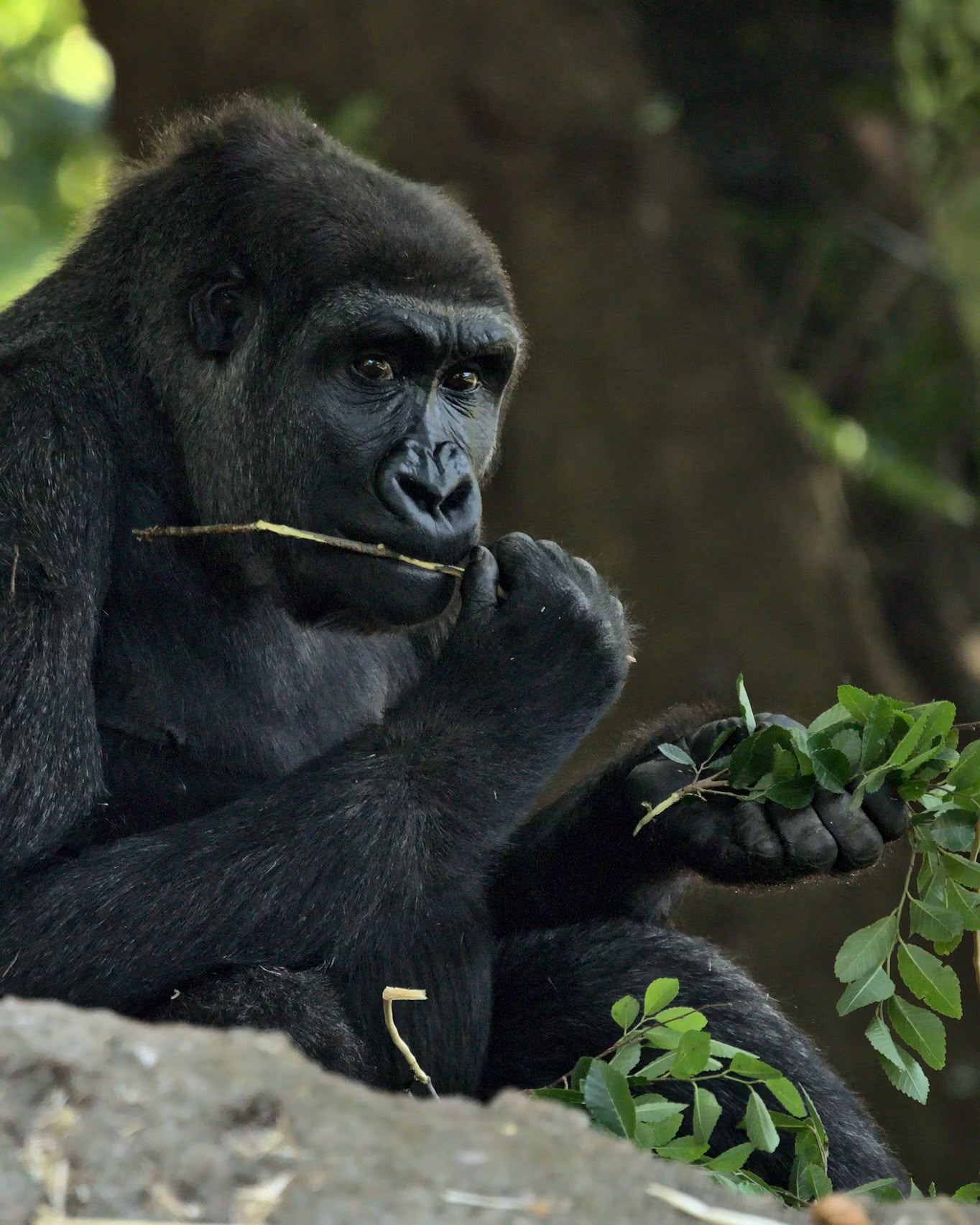
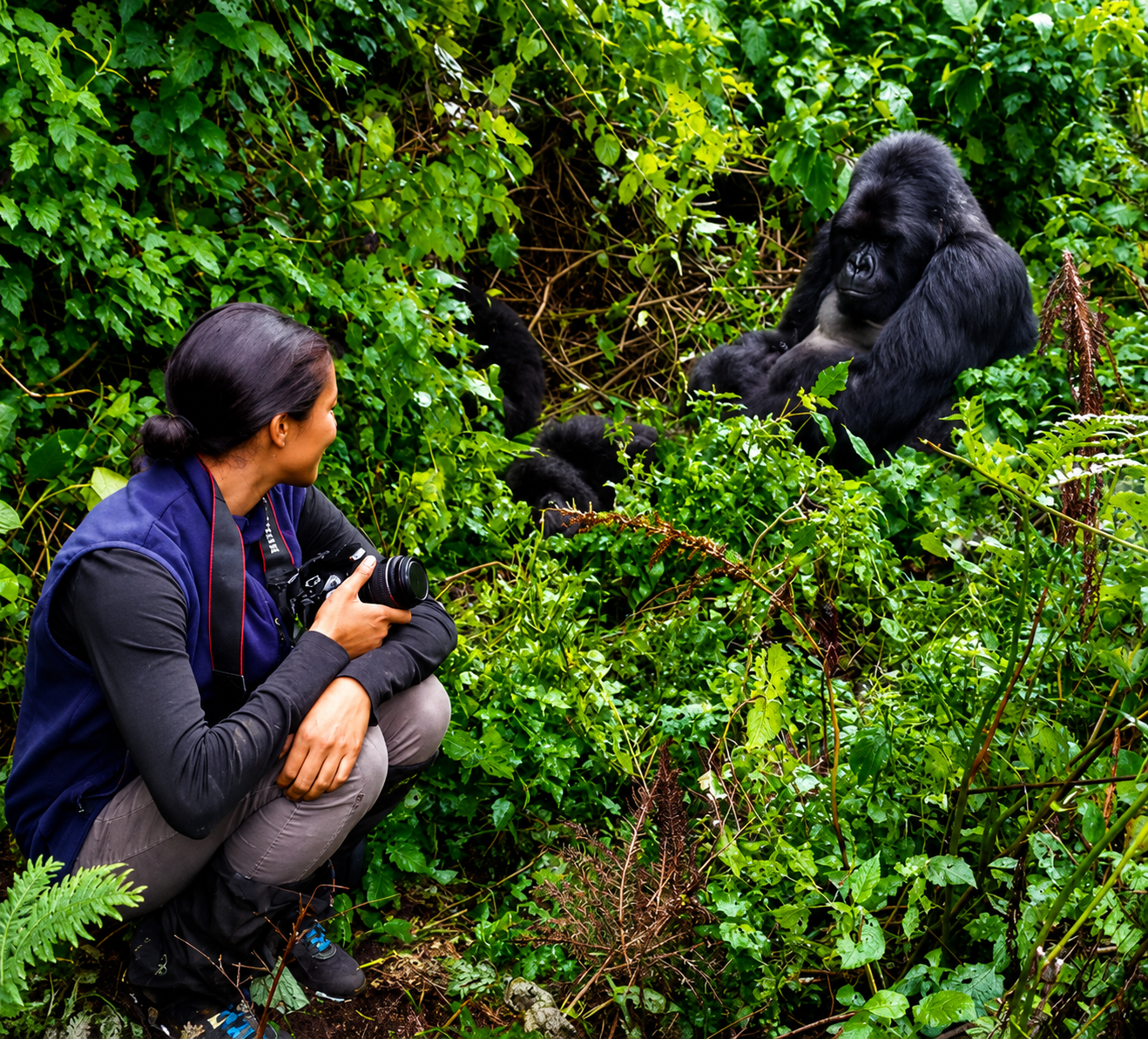
Combining them can be particularly rewarding because the experiences complement rather than duplicate each other.
The standard trek introduces you to a fully habituated tourism family under the familiar one-hour format, while habituation provides a much longer opportunity to observe gorillas in the context of the familiarisation and monitoring process.
Can You Combine Different Bwindi Sectors?
Yes, and longer Uganda safaris sometimes benefit from using more than one Bwindi sector.
You might undertake habituation in Rushaga and later trek from Buhoma or Ruhija, giving you access to different landscapes and gorilla families.
The challenge is travel time.
Bwindi’s sectors should be treated as separate destinations within the park rather than different entrances to the same visitor centre.
The itinerary should allocate enough time for transfers and avoid moving between sectors immediately before an early gorilla activity.
When properly planned, a multi-sector safari can provide a broader understanding of Bwindi.
Rushaga and Bwindi’s Wider Conservation Value
The reason travellers can participate in Gorilla Habituation at all is because Bwindi is protected first and visited second.
Uganda Wildlife Authority describes Bwindi as one of Uganda’s principal mountain gorilla habitats, while recent scientific work continues across all four park sectors. In 2026, UWA reported results from the first dedicated Bwindi chimpanzee census after researchers surveyed approximately 320.9 square kilometres across Buhoma, Ruhija, Nkuringo and Rushaga.
This wider scientific work demonstrates that Bwindi is managed as an ecosystem rather than only as a gorilla attraction.
Gorilla Habituation takes place within that larger conservation framework.
The forest protects chimpanzees, birds, other mammals and an extraordinary variety of plant life alongside the mountain gorillas that attract most international visitors.
Why “Best Sector” Should Always Be Defined by Your Activity
There is no universal best Bwindi sector for every traveller.
Buhoma may be best for somebody following a northern safari route.
Ruhija may be particularly attractive to a dedicated birder.
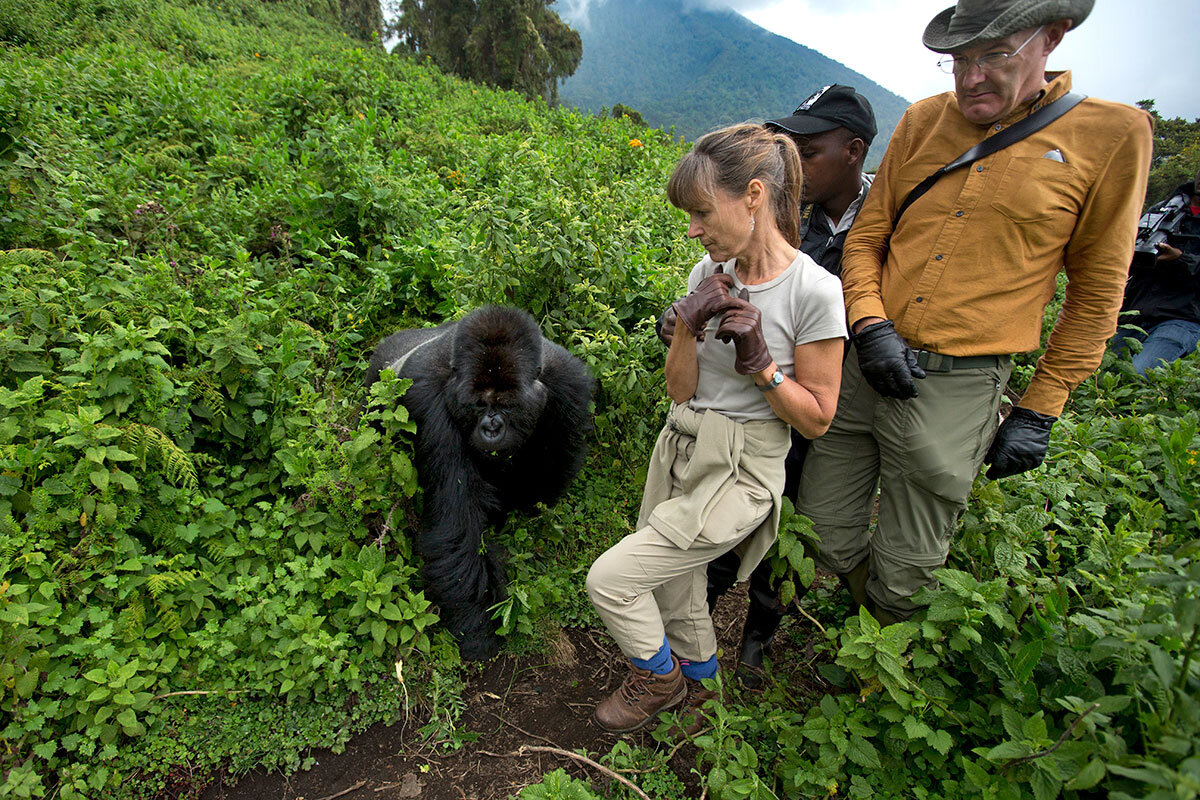
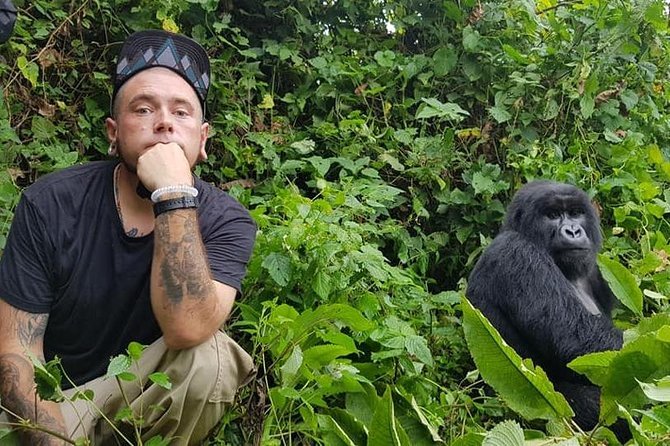
Nkuringo may suit travellers wanting dramatic southern highland scenery and particular accommodation options.
Rushaga becomes the best choice when the central question is Gorilla Habituation.
This distinction is important for SEO information as well as safari advice because travellers often search broadly for the “best sector” without first defining the experience they want.
The correct answer depends on the objective.
For the specialised four-hour Gorilla Habituation Experience, current planning points to Rushaga.
Why You Should Not Choose a Sector Only by Trekking Difficulty
Some travellers try to select a Bwindi sector based exclusively on which one is described online as easiest.
This is unreliable because gorilla trekking difficulty changes according to the animals’ movements, weather, vegetation and the traveller’s fitness.
A sector described as relatively manageable may still produce a demanding trek when the gorillas have moved far from the starting point.
Likewise, a sector known for steep terrain can occasionally provide a shorter encounter.
For habituation, there is even less reason to make the decision solely according to difficulty because the activity location itself is the determining factor.
You should prepare physically for Rushaga rather than trying to relocate the experience to a supposedly easier sector.
Rushaga for Luxury Travellers
Luxury does not change which Bwindi sector is best for Gorilla Habituation, but it can change how comfortably you reach and experience it.
A high-end safari can use domestic flights through Kisoro, private four-wheel-drive transfers, carefully selected southern Bwindi accommodation and additional nights around the experience.
These elements reduce unnecessary travel fatigue while preserving the authenticity of the forest day.
The actual habituation cannot be made artificially luxurious.
The terrain remains muddy when it rains, the gorillas choose where they move and the trackers determine the route.
This contrast is often part of the appeal: you can enjoy excellent accommodation before and after the trek while the wildlife experience itself remains entirely genuine.
Rushaga for Budget and Mid-Range Travellers
Gorilla Habituation is also accessible to travellers who do not require luxury accommodation.
Southern Bwindi has a variety of lodging options, and road transportation can be used instead of domestic flights.
The official permit remains the major fixed cost, but accommodation and transport can be adjusted according to budget.
The most important principle remains unchanged: stay conveniently positioned for the activity.
Saving money by booking an extremely distant lodge can create additional transport costs and an exhausting morning.
Value should therefore be measured by the overall logistics rather than simply the lowest room rate.
Is Rushaga Always Going to Be the Best Sector?
Not necessarily forever.
Gorilla conservation is dynamic.
Families can split, change their ranging patterns or move through different management stages.
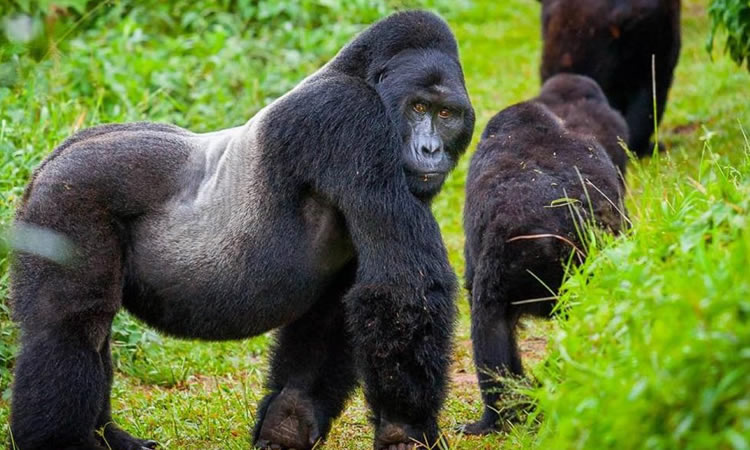
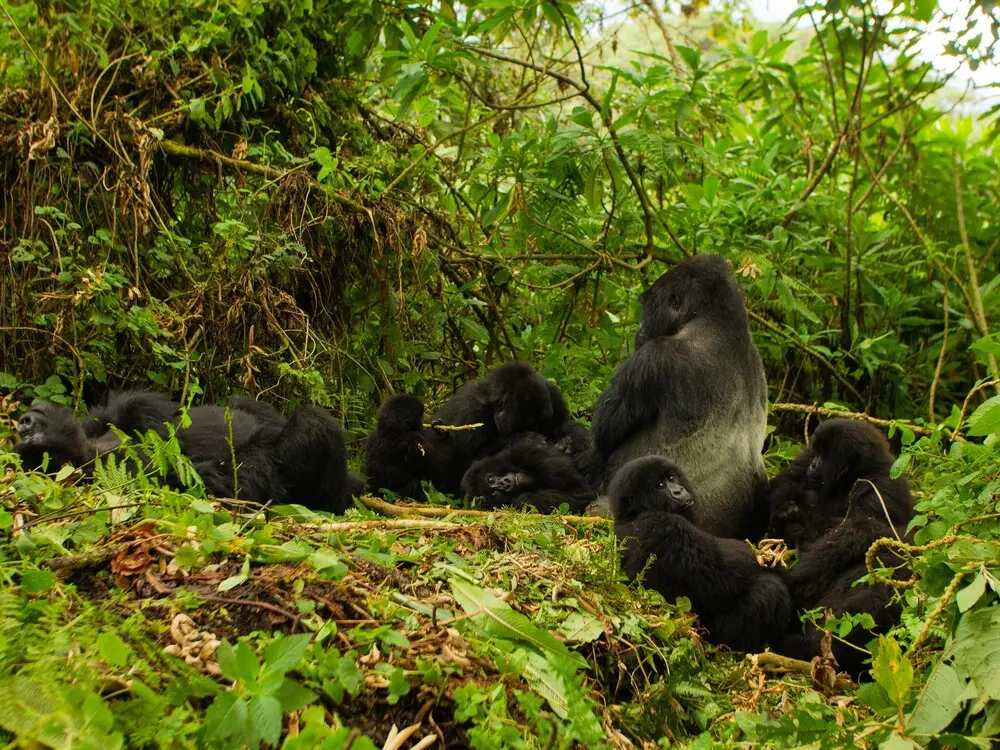
A family undergoing habituation today may later become a fully habituated tourism group, while conservation managers may introduce another family into the process.
Uganda Wildlife Authority can also adjust tourism operations according to research findings and management needs.
For current planning, Rushaga is the sector travellers should use for the visitor Gorilla Habituation Experience.
For future travel years, especially bookings made far in advance, current UWA confirmation should always override an old webpage.
Why Old Information About Bwindi Sectors Can Be Misleading
Many gorilla safari articles remain online for years without meaningful updates.
They may continue naming families, permit prices or sector arrangements that were accurate at the time of publication but have since changed.
This is especially problematic with Gorilla Habituation because the very purpose of the programme is transitional.
A family does not remain “under habituation” forever simply because one article identifies it that way.
Travellers should therefore focus on the experience, current operational sector and confirmed permit rather than becoming attached to a specific family name found in an old blog post.
This approach produces more accurate expectations and a safer itinerary.
Which Bwindi Sector Is Best for Gorilla Habituation From Kigali?
For a traveller entering from Kigali, Rushaga is especially well positioned because it lies in southern Bwindi.
You can travel from Rwanda, cross into Uganda and reach the southern highlands without continuing around the forest toward northern Buhoma.
This geographic advantage reinforces Rushaga’s suitability for short Gorilla Habituation itineraries.
However, crossing the border and reaching Bwindi should normally happen on the previous day.
The combination of international formalities and mountain roads makes same-morning travel inappropriate for an activity with a fixed early reporting time.
Which Bwindi Sector Is Best for Gorilla Habituation From Entebbe?
Rushaga remains the correct choice for the activity itself, while the main difference is how you reach it.
Overland travellers can drive across southwestern Uganda, often integrating other safari destinations along the way.
Travellers wanting a faster journey can use a scheduled or charter flight from Entebbe to Kisoro Airstrip and transfer by road to the southern sector.
UWA specifically identifies Kisoro flights as serving Rushaga and Nkuringo, while Kihihi primarily serves the northern side of Bwindi.
This makes flight planning relatively straightforward once the sector is confirmed.
Which Bwindi Sector Is Best for Photographers Doing Habituation?
Rushaga is again the clear choice because it is the habituation location rather than because another sector has inferior scenery.
The extended four-hour observation period is what creates the photographic advantage.
A photographer has time to watch light conditions evolve, wait for individuals to move and photograph a wider range of social behaviour.
The forest remains challenging.
Flash photography is not part of responsible gorilla tourism, vegetation can block subjects and light can be low.
The solution is not to expect studio-like conditions but to use the additional time patiently.
For serious wildlife photographers, this can make Gorilla Habituation one of the most rewarding experiences available in Uganda.
Which Bwindi Sector Is Best for Travellers Wanting the Deepest Gorilla Experience?
If “deepest” means spending the longest regulated period with mountain gorillas while observing the conservation process, Rushaga is the strongest option because of Gorilla Habituation.
Four hours gives you time to move beyond the initial emotional impact of seeing a mountain gorilla.
You begin noticing details in relationships, feeding choices, vocalisations and movement that can be easy to miss during a short encounter.
You also gain a greater appreciation for the people who monitor the animals.
The experience is therefore as much about understanding gorilla conservation as extending viewing time.
Which Bwindi Sector Is Best for Gorilla Habituation? Final Answer
Which Bwindi Sector Is Best for Gorilla Habituation? Rushaga is currently the best Bwindi sector for the Gorilla Habituation Experience because it is the sector travellers should plan around for Uganda’s specialised four-hour mountain gorilla habituation activity. Bwindi contains four principal gorilla tourism sectors—Buhoma, Ruhija, Rushaga and Nkuringo—and Uganda Wildlife Authority recognises each within the park’s wider gorilla tourism system. However, the fact that ordinary gorilla trekking is offered across different parts of Bwindi does not mean the specialised Gorilla Habituation Experience is interchangeable between all four sectors.
Rushaga’s southern location also gives it practical advantages. It is convenient for travellers approaching through Kigali and can be accessed from Entebbe using a domestic flight to Kisoro followed by a four-wheel-drive transfer. UWA specifically identifies Kisoro Airstrip as the flight gateway serving southern Bwindi’s Rushaga and Nkuringo sectors. This allows Rushaga to work within short gorilla itineraries, longer Uganda safaris and luxury fly-in programmes.
The sector is particularly attractive to photographers and wildlife enthusiasts because Gorilla Habituation offers up to four hours with the assigned gorillas after they are reached. That time creates opportunities to observe feeding, resting, social interaction and movement at a much slower pace than ordinary one-hour trekking. UWA formally defines the habituation experience as accompanying researchers and habituators during the process of familiarising gorillas with human presence.
Rushaga does not guarantee an easy trek, a short walk or perfect photographs. The terrain can be steep, the forest can be muddy and the gorillas remain free-ranging. Their location changes from day to day, meaning the tracking portion can vary substantially. These uncertainties are not weaknesses of Rushaga. They are evidence that you are entering genuine mountain gorilla habitat rather than visiting animals positioned for tourism.
Buhoma remains an excellent sector for conventional trekking and often works naturally within northern Uganda safari routes. Ruhija offers a distinctive high-altitude forest environment and is particularly appealing to travellers interested in birding. Nkuringo provides outstanding southern Bwindi scenery and can sometimes serve as an accommodation base for activities around Rushaga. None of these qualities, however, changes the central answer when the objective is Gorilla Habituation.
The most important step is to secure the correct permit before finalising accommodation and transportation. Gorilla Habituation capacity is extremely limited, and a lodge reservation in Rushaga does not guarantee participation. Likewise, booking a Bwindi gorilla permit without confirming that it is specifically a habituation permit may leave you with the standard one-hour trekking experience instead.
Once your habituation permit has been confirmed, choose accommodation that gives practical access to the reporting area, arrive in southern Bwindi at least the previous day and avoid scheduling another demanding transfer immediately after the forest experience if your itinerary allows.
Rushaga should therefore be viewed not simply as the “best-looking” Bwindi sector or as a winner in a general comparison. It is the best sector for this particular experience because Gorilla Habituation is the reason you are choosing the location in the first place.
For travellers seeking the standard gorilla trek, all four Bwindi sectors deserve consideration according to route, accommodation, scenery and permit availability. For travellers specifically seeking Uganda’s extended Gorilla Habituation Experience, Rushaga is the sector to build the safari around.