

How Fit Do You Need to Be for Gorilla Habituation? Complete Bwindi Fitness Guide

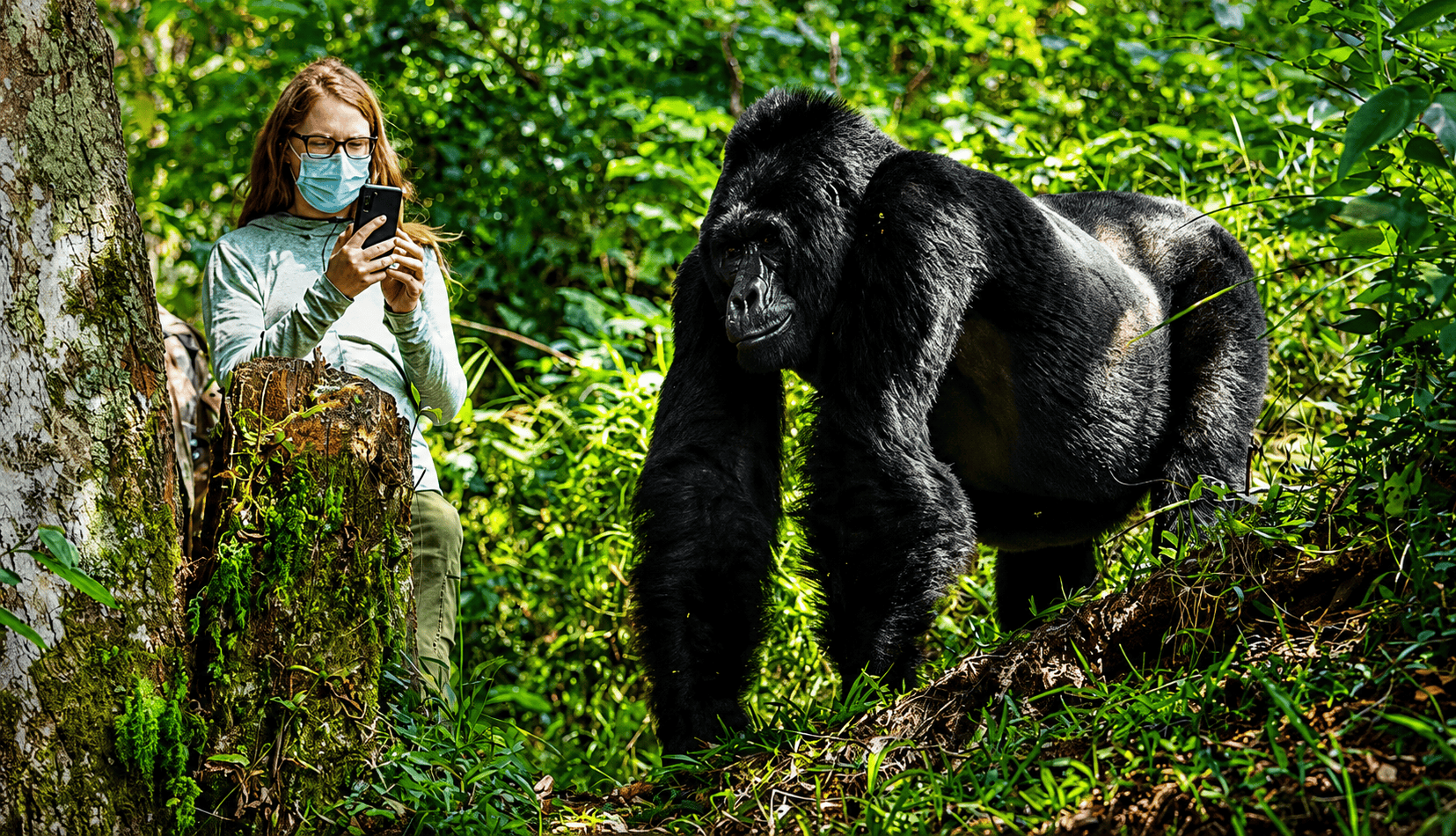
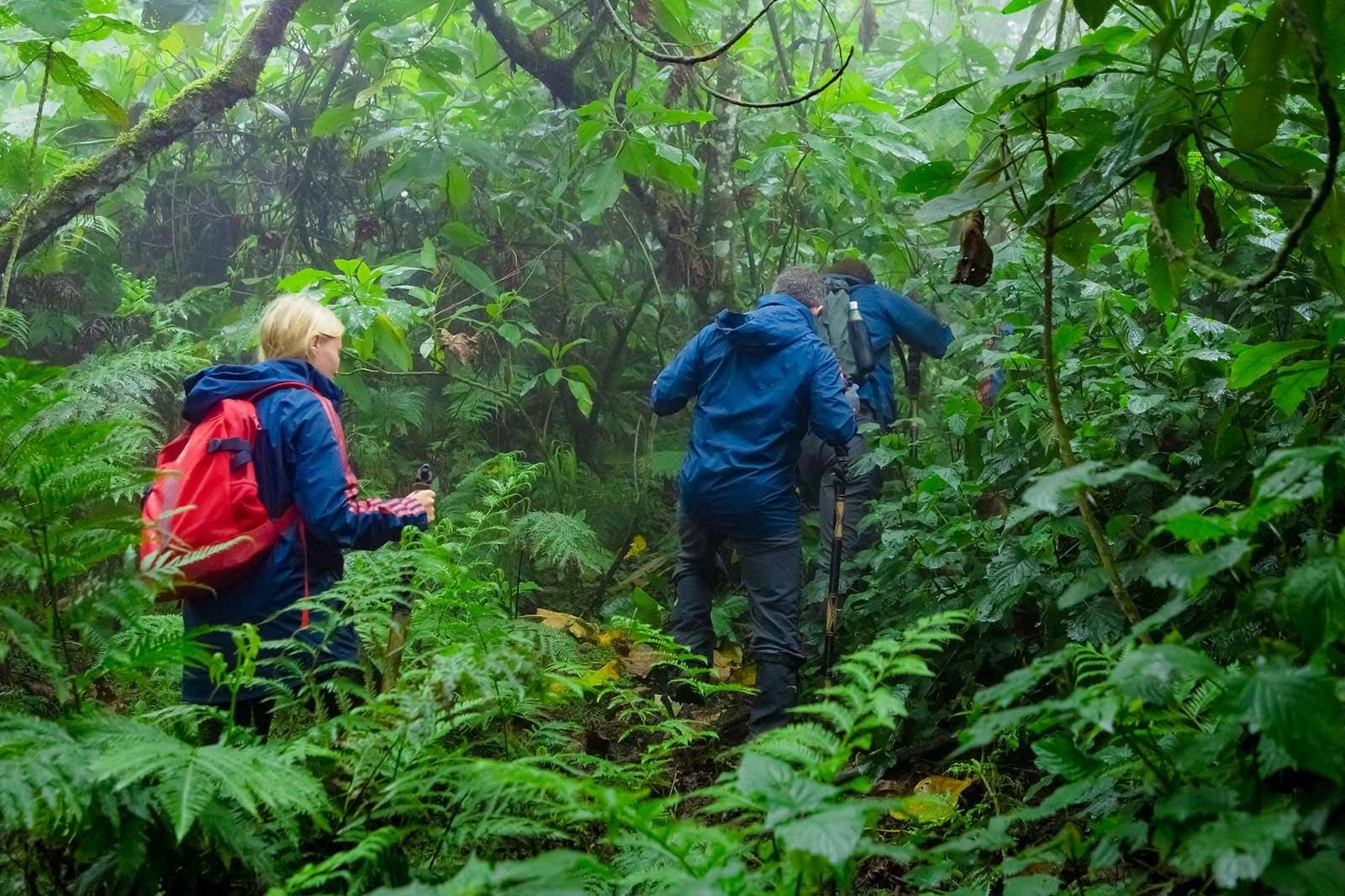
You do not need to be a professional athlete or an experienced mountain climber to participate in gorilla habituation in Uganda. However, a reasonable level of physical fitness, walking endurance, leg strength, and balance is strongly recommended because the experience involves navigating steep hillsides, muddy forest trails, dense vegetation, and uneven ground. Unlike an ordinary wildlife safari conducted from a vehicle, gorilla habituation requires visitors to enter the mountainous rainforest of Bwindi Impenetrable National Park on foot. The distance travelled depends on the movements of the participating mountain gorilla family, making the physical demands unpredictable.
Understanding Gorilla Habituation Fitness is particularly important because the experience allows visitors to spend up to four hours observing a gorilla family undergoing habituation after locating it. The entire activity, including tracking and returning through the forest, can occupy much of the day. Visitors accompany professional trackers, rangers, and authorised conservation personnel in the Rushaga sector of Bwindi Impenetrable National Park. With appropriate preparation, many reasonably active travellers can enjoy this extraordinary wildlife encounter without requiring specialist mountaineering experience.
What Level of Fitness Is Required for Gorilla Habituation?
The ideal Gorilla Habituation Fitness level is moderate to good, meaning that you should be comfortable walking for several hours on uneven ground, climbing hills, descending slopes, and maintaining your balance on potentially slippery surfaces. Although there is no standard fitness examination that every visitor must pass, the activity is considerably more physically demanding than a short guided nature walk. The terrain changes throughout the forest, and the location of the participating gorilla family cannot be predicted before the activity begins. Visitors should therefore prepare for the possibility of a prolonged and demanding day outdoors.
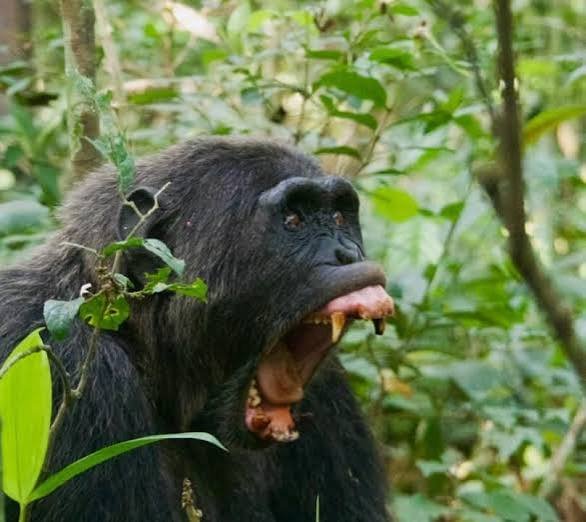
A useful way to assess your readiness is to consider whether you can comfortably complete a moderately challenging countryside hike that includes hills, uneven paths, and occasional steep sections. If you regularly walk, hike, climb stairs, or participate in recreational exercise, you may already have a reasonable foundation. However, visitors who spend most of their time sitting or rarely walk substantial distances should consider improving their endurance before travelling. Good Gorilla Habituation Fitness does not eliminate the challenges of Bwindi, but it can make the experience more comfortable and enjoyable.
How Physically Demanding Is Gorilla Habituation in Rushaga?
Gorilla habituation takes place in the Rushaga sector of southern Bwindi, an area characterised by forested mountain slopes, valleys, thick undergrowth, and rugged natural terrain. Visitors may follow narrow forest paths before entering less-established sections where vegetation is dense and walking requires greater concentration. The ground can be wet or muddy even during relatively dry periods, while exposed roots and loose soil may create additional challenges. Tracking a gorilla family sometimes involves substantial uphill and downhill movement, which can place demands on the legs, knees, ankles, and cardiovascular system.
Gorilla Habituation Fitness becomes particularly important when the gorillas are located far from the briefing point or have moved into difficult terrain. Some visitors may encounter the participating family after a manageable walk, while others may need to travel much farther through the forest. Because wildlife movements are unpredictable, an easy trek cannot be guaranteed. Travellers should understand the nature of the Gorilla Habituation Experience before booking and prepare for a genuine rainforest adventure rather than a predictable walking excursion.
How Many Hours Will You Walk During Gorilla Habituation?
The total duration of gorilla habituation varies according to the location of the gorilla family, weather conditions, forest terrain, and the pace of the tracking group. Visitors normally begin very early in the morning and may spend several hours searching for the participating family. After locating the gorillas, the specialised habituation permit allows up to four hours of observation, subject to the directions of conservation personnel. The group must then walk back through the forest, making the complete activity potentially much longer than the permitted observation period.

When assessing Gorilla Habituation Fitness, it is essential to understand that four hours does not describe the entire trekking experience. The observation period begins after the family has been located, meaning the approach and return journeys require additional time and energy. The walk may also include stops for tracking information, difficult terrain, or rest breaks when permitted. Travellers who want to understand the structure of the activity can explore our gorilla habituation trek duration guide before deciding whether the experience suits their physical abilities.
Why Is Gorilla Habituation More Demanding Than Standard Gorilla Trekking?
Standard gorilla trekking generally permits one hour of observation with an already habituated gorilla family, while the specialised habituation experience allows up to four hours with a family undergoing habituation. This extended observation period can increase the amount of time visitors spend standing, crouching, moving slowly, and remaining attentive within the forest. Participating families may also move while being monitored, meaning the experience can involve additional walking under the guidance of authorised personnel. Although the physical difficulty of any individual trek varies, habituation generally requires greater preparation for a long day outdoors.
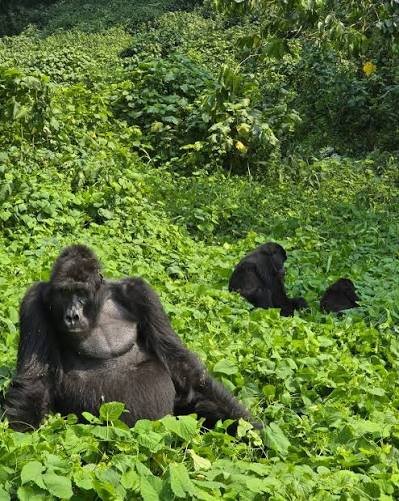
Gorilla Habituation Fitness is therefore an important consideration when choosing between the two experiences. Visitors who prefer a shorter observation period or are uncertain about their ability to remain active for an extended time may find standard trekking more suitable. However, travellers who value prolonged wildlife observation and are comfortable with demanding forest conditions may appreciate the additional time provided by habituation. Neither experience guarantees an easy route, and the decision should consider physical ability, interests, and available travel time.
Do You Need Strong Legs for Gorilla Habituation?
Leg strength plays an important role in Gorilla Habituation Fitness because Bwindi’s slopes require repeated uphill climbing, downhill walking, and controlled movement over uneven ground. Climbing places demands on the thighs, calves, and cardiovascular system, while descending steep paths can be particularly tiring for the knees and surrounding muscles. Visitors may also need to step over roots, negotiate muddy sections, and maintain stable footing on narrow trails. These movements can become increasingly difficult when fatigue develops during a long day.
Preparing the lower body through regular walking, stair climbing, and suitable strengthening exercises can improve comfort. Exercises such as controlled step-ups, gentle squats, and supported balance movements may help develop strength relevant to hiking, provided they are appropriate for your abilities. Visitors should build their activity gradually rather than attempting intensive exercise shortly before departure. Good Gorilla Habituation Fitness involves both muscular strength and the ability to sustain movement for several hours without becoming excessively exhausted.
How Important Is Cardiovascular Endurance?
Cardiovascular endurance is another essential component of Gorilla Habituation Fitness because forest trekking can involve sustained physical effort over several hours. Walking uphill increases breathing and heart rate, particularly when carrying equipment or negotiating challenging ground. Visitors who rarely exercise may become tired more quickly, especially when the route includes prolonged climbs. Regular aerobic activities such as brisk walking, swimming, cycling, or suitable hiking can help develop endurance before travelling to Uganda.
You do not need to train like a marathon runner, but you should ideally feel comfortable maintaining a steady walking pace over a prolonged period. The goal is to improve the body’s ability to manage moderate exertion while retaining sufficient energy for the return journey. Travellers should pay particular attention to how they feel after walking on hills rather than judging their readiness only by the distance they can cover on flat ground. An appropriate Gorilla Habituation Fitness routine should include both general endurance and practice on terrain resembling the conditions expected in Bwindi.
How Does Altitude Affect Gorilla Habituation Fitness?
Bwindi occupies a mountainous landscape, and its higher elevations can make uphill activity feel more demanding for some visitors, particularly those arriving from low-altitude regions. The effects vary according to individual fitness, previous altitude exposure, weather conditions, and the location of the trek. Although gorilla habituation does not require technical high-altitude climbing, visitors may notice that steep walking feels more strenuous than comparable activity at home. Cool mornings and humid forest conditions can also influence perceived exertion.
When preparing for Gorilla Habituation Fitness, travellers should avoid assuming that their normal walking ability will translate perfectly to every section of the rainforest. Arriving with adequate rest, maintaining hydration, and allowing sufficient time before the activity can help you feel better prepared. Visitors with relevant medical concerns should discuss the proposed activity with a qualified healthcare professional before booking. Those planning travel from Rwanda can review the best entry points for gorilla habituation when organising a comfortable itinerary.
Can Beginners Participate in Gorilla Habituation?
Yes, beginners can participate in gorilla habituation if they have suitable physical ability, realistic expectations, and appropriate preparation. Previous experience in mountain trekking is helpful but is not necessarily required. Many visitors are enthusiastic wildlife travellers rather than regular hikers, and their preparation may involve gradually increasing everyday walking before departure. The important consideration is whether they can safely handle prolonged physical activity on uneven terrain while following ranger instructions.
For beginners, Gorilla Habituation Fitness should be assessed well before the travel date. Starting a regular walking routine several weeks in advance can improve stamina and confidence, especially when hills or stairs are incorporated gradually. Beginners should also practise using their hiking boots, carrying a small backpack, and walking in different weather conditions. Choosing suitable accommodation near Rushaga and arranging a comfortable travel schedule can reduce unnecessary fatigue before the activity. Our gorilla habituation safari routes provide options for organising the experience within a practical itinerary.
Is Gorilla Habituation Suitable for Travellers Over 60?
Age alone does not determine whether someone can enjoy gorilla habituation. Many older travellers remain physically active and have the strength, balance, and endurance required for challenging outdoor experiences. A regularly active person in their sixties or seventies may find forest trekking more manageable than a younger visitor who rarely exercises. The most important factors are overall health, mobility, stamina, comfort on uneven ground, and the ability to cope with an extended activity.
Gorilla Habituation Fitness for older travellers should be considered individually rather than judged according to age. Those who enjoy regular countryside walks or moderate hiking may already possess valuable experience, while visitors with reduced mobility should discuss suitable support arrangements before booking. Hiring a porter may reduce physical strain, although it does not remove the demands of walking through the forest. Travellers with heart, respiratory, joint, balance, or other medical concerns should obtain personalised professional advice before committing to the experience.
Can People With Limited Mobility Do Gorilla Habituation?
Visitors with limited mobility should discuss their circumstances with their safari organiser before purchasing a gorilla habituation permit. Bwindi’s terrain is naturally challenging, and the extended duration of habituation may create significant difficulties for people who cannot walk safely over steep, uneven ground. Porter assistance can help with carrying equipment and provide some support during difficult sections, but this should not be treated as a guarantee that every route will be accessible.
In some gorilla trekking arrangements, specialised carrying assistance using locally organised sedan chairs or stretchers may be available for visitors with significant mobility limitations. However, availability, suitability, cost, staffing, and approval must be confirmed specifically for the intended habituation activity. Such assistance should never be assumed to be available or appropriate for every forest route. Gorilla Habituation Fitness concerns are best discussed early so that realistic options can be evaluated before reservations become non-refundable.
How Can You Improve Your Fitness Before Travelling to Uganda?
Preparing several weeks before your safari can help you become more comfortable with the physical demands of Bwindi. A practical Gorilla Habituation Fitness programme may combine regular walking, gradual hill training, gentle strength exercises, and sufficient recovery between more demanding sessions. Travellers who are currently inactive should begin with comfortable walking distances and increase gradually according to their ability. Those who already hike regularly may benefit from adding longer walks on uneven terrain while wearing the boots they intend to use in Uganda.
The most useful preparation is often activity that resembles the actual experience. Walking along hills, climbing stairs, practising controlled descents, and carrying a lightweight daypack can help strengthen the muscles and improve balance. Visitors should avoid last-minute intensive training, which can increase the risk of injury or excessive fatigue shortly before departure. A consistent, manageable routine is generally more beneficial than attempting a single exhausting hike. Preparation should always reflect individual abilities and any advice received from a qualified healthcare professional.
A Practical Four-Week Gorilla Habituation Fitness Preparation Plan
A four-week preparation period can provide a useful starting point for travellers who already have a basic level of physical activity. During the first week, focus on regular comfortable walks and observe how your body responds to gradually increasing movement. During the second week, introduce gentle hills or stairs and practise wearing your hiking boots. The third week can include somewhat longer walks over varied terrain, while the fourth week should focus on maintaining comfort, checking equipment, and avoiding unnecessary fatigue before departure.
This Gorilla Habituation Fitness preparation plan is a general example rather than a prescribed exercise programme. Visitors who are starting from a very low activity level, have medical concerns, or expect substantial trekking difficulties may require a longer and individually tailored preparation period. The objective is not to reach a particular speed or distance but to develop confidence with sustained outdoor activity. Rest days are important, and any concerning symptoms should be evaluated rather than ignored. Travellers should also practise carrying water and a small daypack so that the forest activity feels more familiar.
Does the Rainy Season Make Gorilla Habituation Harder?
Rainy-season conditions can increase the physical demands of gorilla habituation because heavy rainfall makes forest trails muddy, slippery, and more difficult to navigate. Bwindi generally experiences wetter periods around March to May and October to November, although rain can occur in any month. Wet vegetation, exposed roots, and steep slopes may require slower walking and greater attention to balance. Visitors may also find that protective clothing and boots become heavier when damp, increasing the effort required during prolonged trekking.
Gorilla Habituation Fitness becomes especially important when travelling during wetter months because maintaining stability on slippery terrain may require additional strength and concentration. Waterproof hiking boots, long trousers, gloves, rain protection, and walking sticks can improve comfort. Visitors should also allow sufficient time for the activity and remain flexible if conditions require adjustments. Although rainy-season habituation can be demanding, it remains possible when permitted by conservation personnel and weather conditions are considered safe.
Is Gorilla Habituation Easier During June, July and August?
June, July and August are generally among the more favourable months for gorilla habituation because rainfall is often reduced and forest trails may become firmer. December through February also commonly experiences relatively drier conditions. These seasonal patterns can make walking more comfortable, particularly on sections that would otherwise become muddy after prolonged rainfall. However, Bwindi remains a rainforest, and no month guarantees completely dry trails, predictable weather, or an easy route to the gorillas.
For travellers evaluating Gorilla Habituation Fitness, choosing a relatively dry month may improve the overall experience but should not replace proper physical preparation. The most demanding parts of a trek can result from steep terrain and the location of the gorilla family rather than rainfall alone. Visitors should therefore remain prepared for substantial uphill and downhill walking regardless of their selected travel period. Those planning a longer safari can explore Uganda wildlife and gorilla habituation itineraries that allow time for additional activities and comfortable transfers.
What Equipment Helps Make Gorilla Habituation Easier?
Appropriate equipment can improve comfort and reduce unnecessary physical strain during gorilla habituation. Supportive waterproof hiking boots with reliable grip are particularly important because they improve stability on steep, muddy, or uneven trails. Long trousers, breathable shirts, gloves, and a lightweight rain jacket protect against vegetation and changing weather conditions. A comfortable daypack allows visitors to carry drinking water, packed meals, medication, and other essential items without restricting movement.
Your Gorilla Habituation Fitness preparation should include testing your equipment before travelling. Wear your hiking boots during practice walks, check that your backpack fits comfortably, and avoid carrying excessive weight. Hiking sticks can provide additional stability, while gaiters help reduce the amount of mud and debris entering your footwear. Visitors can review our gorilla habituation packing guidance for further information about preparing for the forest environment. Good equipment cannot replace fitness, but it can make demanding conditions more manageable.
Should You Hire a Porter for Gorilla Habituation?
Hiring a local porter is recommended for many visitors because it reduces the amount of weight they personally carry during the forest activity. A porter can transport your daypack, assist with equipment, and offer practical help when moving through difficult sections where appropriate. This can be particularly beneficial for visitors carrying photography equipment or those who prefer to conserve energy for the extended observation period. Porter services also provide employment opportunities for communities living around Bwindi.
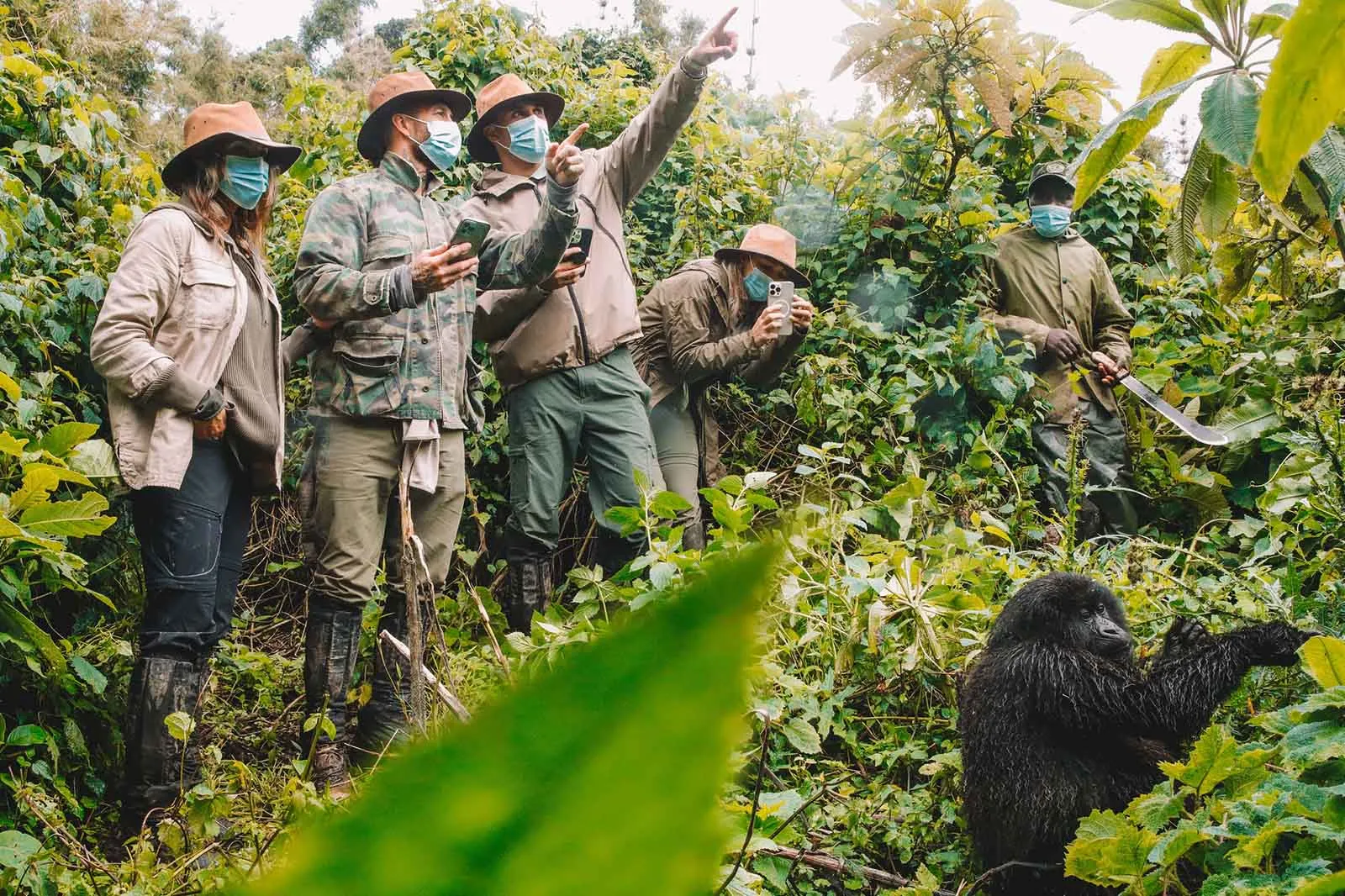
Gorilla Habituation Fitness remains important even when using a porter because visitors are generally still responsible for walking through the forest themselves. However, reducing backpack weight can help minimise fatigue and improve comfort on steep climbs. Porter assistance should ideally be discussed during safari planning so that arrangements can be confirmed before the activity. Visitors interested in accommodation and logistical support near the forest can explore luxury lodges for gorilla habituation.
What Happens if You Become Tired During Gorilla Habituation?
Feeling tired during a demanding forest trek is not unusual, particularly when the route involves prolonged climbs or difficult terrain. Visitors should communicate openly with their ranger team if they are struggling with the pace, experiencing discomfort, or finding particular sections challenging. Professional guides can assess the situation and determine whether a short rest, practical assistance, or another appropriate response is possible. However, the movement of wild gorillas, conservation procedures, and the needs of the group may limit the adjustments that can be made.
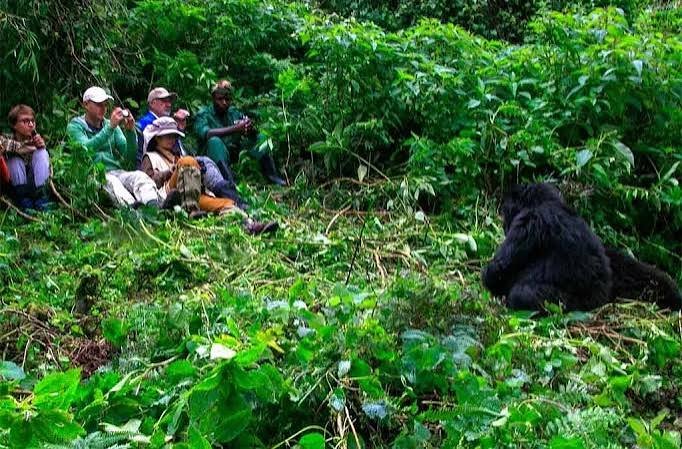
Gorilla Habituation Fitness preparation can reduce the likelihood of excessive fatigue, but visitors should never assume they must continue regardless of their physical condition. If someone cannot proceed safely, the ranger team will determine the appropriate course of action, which may include ending that person’s participation. Reaching the gorillas and completing the full observation period cannot be guaranteed. Communicating limitations before the activity is therefore extremely important, especially for visitors who have concerns about prolonged hiking, balance, or joint discomfort.
How Does Gorilla Habituation Fitness Affect Safari Planning?
Physical preparation is closely connected to the way a gorilla habituation safari is organised. Visitors arriving after long international flights or demanding road transfers may feel unnecessarily tired if the activity is scheduled without adequate rest. Staying close to the Rushaga briefing point the night before the trek provides an opportunity to sleep comfortably, organise equipment, and prepare for an early departure. Travellers should also avoid arranging strenuous activities immediately after habituation if they expect to need time to recover.
Gorilla Habituation Fitness considerations should influence your itinerary, transport arrangements, and accommodation choices. A three-day safari from Kigali can work well for reasonably active travellers, while a four-day or five-day itinerary may provide a more relaxed schedule. Visitors flying from Entebbe can consider suitable domestic flight connections and road transfers to reduce lengthy overland journeys. Our three-day gorilla habituation itinerary and five-day Uganda gorilla habituation safari provide practical starting points for planning.
Frequently Asked Questions About Gorilla Habituation Fitness
1. How Fit Do You Need to Be for Gorilla Habituation?
You should have a reasonable level of fitness and be comfortable walking for several hours on uneven, mountainous terrain. Professional athletic ability is not required.
2. Is Gorilla Habituation Difficult for Beginners?
It can be challenging for beginners, especially those who rarely exercise. Regular walking, hill training, and appropriate equipment can help improve preparation.
3. Do You Need to Be an Experienced Hiker?
No. Previous hiking experience is helpful but not essential if you have suitable physical ability and understand the demands of forest trekking.
4. Can Someone Over 60 Do Gorilla Habituation?
Yes, age alone does not prevent participation. Individual health, balance, endurance, and mobility are more important than age.
5. How Long Does Gorilla Habituation Take?
The complete activity can occupy much of the day, depending on the gorillas’ location and forest conditions. Up to four hours may be spent observing the family after it is located.
6. Can You Hire a Porter During Gorilla Habituation?
Yes. Porter assistance can be arranged locally and is useful for carrying equipment and reducing fatigue during difficult sections.
7. Is Gorilla Habituation Harder Than Gorilla Trekking?
It can be more demanding because the observation period is longer and the overall activity may require additional time in the forest. Actual difficulty varies by route and conditions.
8. Is Gorilla Habituation Easier During the Dry Season?
Relatively dry conditions may make forest trails more manageable, but steep terrain and unpredictable gorilla movements remain challenging throughout the year.
9. How Can You Improve Gorilla Habituation Fitness?
Regular walking, gradual hill training, suitable strengthening exercises, and practice hikes can help develop endurance, balance, and confidence.
10. Can You Do Gorilla Habituation Without Being Very Fit?
Some visitors with moderate fitness can participate successfully, but the activity should not be considered easy. Travellers with significant physical limitations should discuss suitability and available assistance before booking.
Book Your Gorilla Habituation Safari in Bwindi
Understanding Gorilla Habituation Fitness is an important part of preparing for a successful wildlife experience in Uganda. Whether you are a regular hiker, a moderately active traveller, or someone concerned about the physical demands of rainforest trekking, careful safari planning can help you make an informed decision. The ideal arrangement combines realistic expectations, suitable accommodation, appropriate equipment, and professional guidance throughout your journey.
Our safari planning services can assist with arranging gorilla habituation permits, comfortable lodges near Rushaga, reliable private transportation, and itineraries suited to your preferred travel pace. Explore our gorilla habituation trekking tours or discover a three-day luxury gorilla habituation safari from Kigali to begin organising your visit.
Final Verdict: How Fit Do You Need to Be for Gorilla Habituation?
You do not need exceptional athletic ability to enjoy gorilla habituation, but you should be prepared for several hours of walking through steep, uneven, and sometimes muddy rainforest terrain. Moderate to good physical fitness, comfortable hiking footwear, adequate endurance, and realistic expectations are among the most important preparations. The experience can be demanding, particularly when gorillas are located far from the briefing point, but appropriate planning can make a significant difference to overall comfort.
Good Gorilla Habituation Fitness involves more than walking speed or physical strength. Balance, stamina, suitable equipment, awareness of personal limitations, and the willingness to follow professional ranger instructions are equally important. By preparing in advance, selecting a suitable itinerary, and discussing any concerns before booking, you can approach Bwindi’s extraordinary mountain gorilla habitat with greater confidence and enjoy one of Uganda’s most memorable conservation experiences.