

Can You Do Gorilla Habituation in Rushaga?
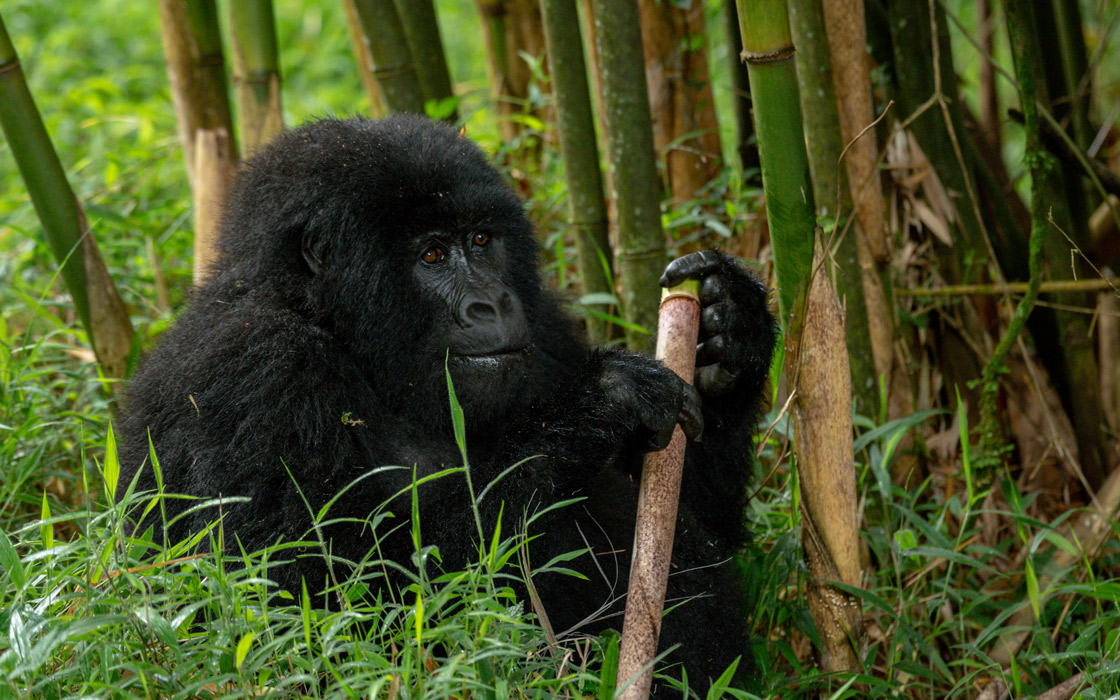
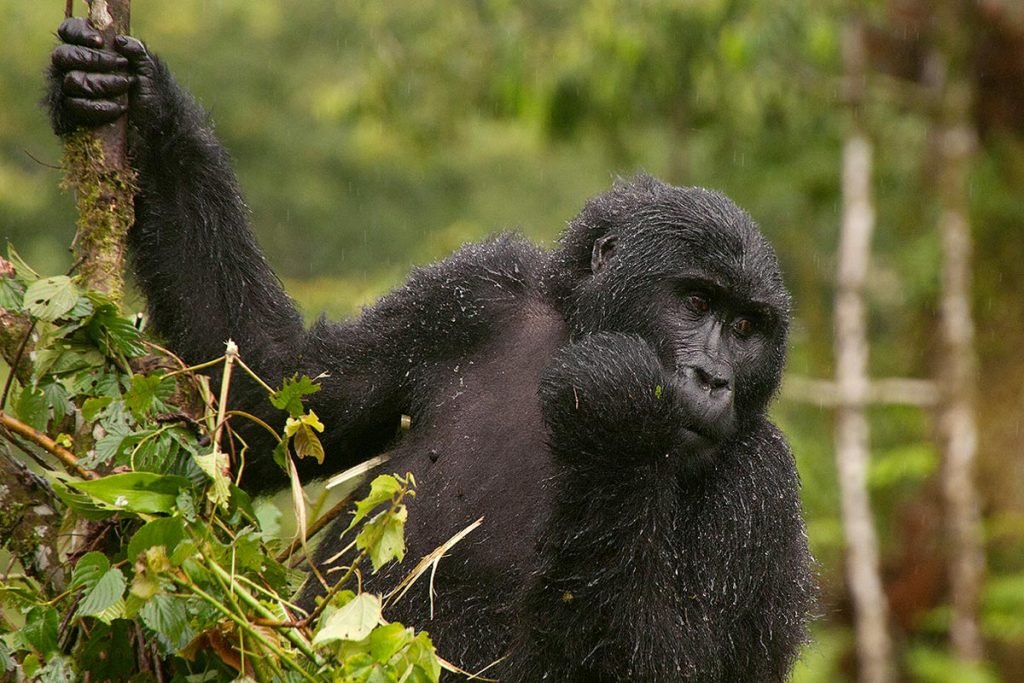
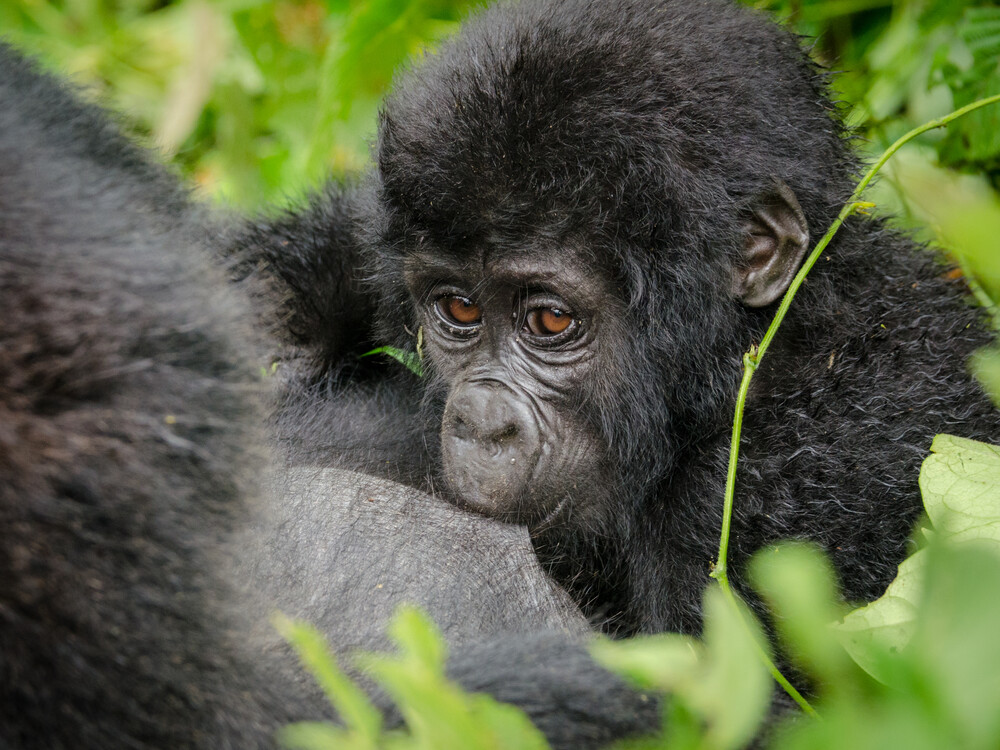
Gorilla Habituation in Rushaga is currently available in the southern part of Bwindi Impenetrable National Park, making Rushaga the principal location travellers should plan around when they want Uganda’s extended Gorilla Habituation Experience. Unlike ordinary gorilla trekking, where visitors spend up to one hour with a fully habituated mountain gorilla family, Gorilla Habituation allows participants to spend up to four hours with gorillas after the family has been located while accompanying the professional team involved in monitoring and habituation. Uganda Wildlife Authority officially recognises Gorilla Habituation as a separate Bwindi activity and allows up to four hours of observation, while current 2026 operational information consistently identifies Rushaga as the sector where visitors access the experience.
Rushaga is therefore particularly important for travellers who want more than a conventional gorilla trek. The experience gives you considerably more time in the forest with the gorillas and offers an opportunity to observe feeding, resting, movement, communication and family interactions over a longer period. However, the availability of Gorilla Habituation in Rushaga does not mean that permits are unlimited or that every gorilla family within the sector is undergoing habituation. The activity is carefully controlled, permits are restricted, and Uganda Wildlife Authority determines which gorilla families can be used according to conservation and operational requirements. Current family allocations can change, so your confirmed permit and official arrangements should always take priority over old online lists of specific gorilla groups.
Is the Gorilla Habituation Experience Currently Offered in Rushaga?
Yes, the Gorilla Habituation Experience is currently offered in Rushaga, which lies in the southern section of Bwindi Impenetrable National Park. Current 2026 safari planning information identifies Rushaga as the operating location for travellers specifically booking the extended habituation experience. The sector is already one of Bwindi‘s major gorilla tourism areas and supports both conventional gorilla trekking and the specialised habituation activity. This means you can base yourself in the Rushaga area and potentially undertake the two different gorilla experiences on separate days, subject to permit availability.
The distinction between the two activities is important. A standard gorilla trekking permit does not become a Gorilla Habituation permit simply because your trek takes place in Rushaga. The normal trekking experience involves visiting a fully habituated family and spending up to one hour with the gorillas after locating them. The Gorilla Habituation Experience is booked separately and allows up to four hours of observation once the assigned family is reached. Uganda Wildlife Authority‘s guidelines recognise this extended four-hour period as one of the defining differences between habituation and ordinary tracking.
For this reason, travellers should always specify that they want the Gorilla Habituation Experience when making an inquiry. Simply requesting “gorilla trekking in Rushaga” may result in an operator checking availability for the standard one-hour activity rather than the four-hour habituation experience. The word “habituation” must be clearly stated when permits are being checked and reserved.
Where Is Rushaga Located?
Rushaga is situated in the southern part of Bwindi Impenetrable National Park in southwestern Uganda. The sector lies relatively close to Kisoro and is conveniently positioned for travellers approaching Uganda from Rwanda. Its southern location has made it particularly popular among visitors who fly into Kigali and then cross the border into Uganda before continuing to Bwindi.
Bwindi itself is not a single entrance or one compact tourism centre. Uganda Wildlife Authority manages gorilla tourism through several established areas, including Buhoma, Ruhija, Nkuringo and Rushaga. These sectors are separated by mountainous terrain, forest ridges and winding roads, meaning that a traveller staying in one section of Bwindi cannot assume another section is only a few minutes away. UWA’s management guidelines recognise these separate designated gorilla entry areas as part of the permit and visitor-management system.
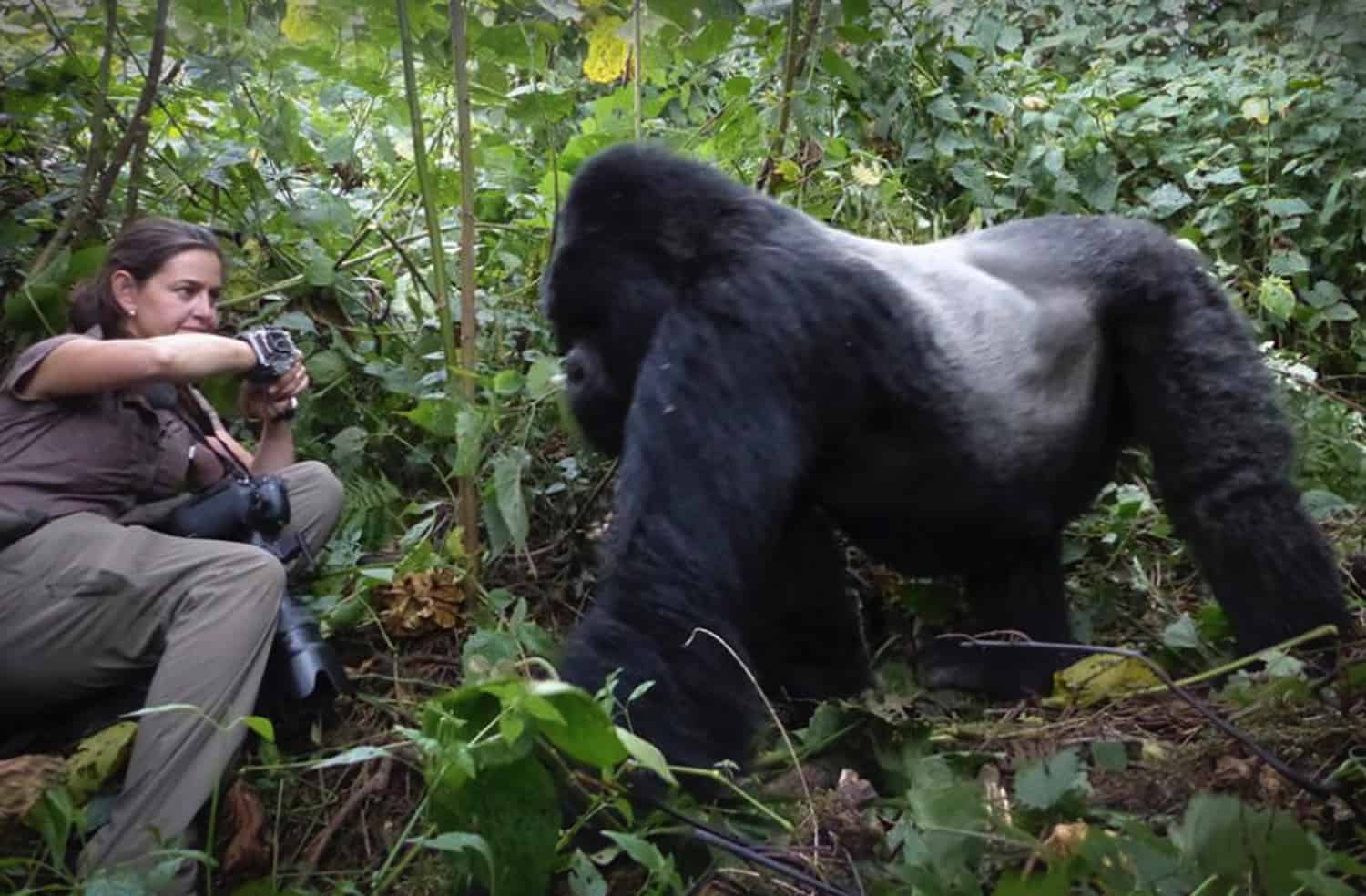
Rushaga’s location is especially useful for Gorilla Habituation because you can reach the southern Bwindi region from several directions. Travellers coming from Entebbe can reach the region by road or by domestic flight to Kisoro followed by a road transfer. Those arriving through Kigali can travel overland through Rwanda and enter Uganda before continuing to southern Bwindi. This makes Rushaga suitable for both longer Uganda safaris and shorter gorilla-focused itineraries.
Why Is Gorilla Habituation Available in Rushaga?
Gorilla Habituation in Rushaga is possible because the sector forms part of a well-established mountain gorilla conservation and tourism area within Bwindi. Bwindi has a long history of gorilla research and habituation, beginning decades before the modern Gorilla Habituation Experience became available to tourists. Uganda Wildlife Authority notes that the Mubare gorilla group became the first Bwindi group habituated for tourism in 1993, demonstrating how long the park has been developing professional experience in controlled gorilla tourism.
Rushaga has become particularly important because the southern Bwindi region supports multiple gorilla families and an established network of rangers, trackers, researchers, accommodation providers and tourism infrastructure. Current sources describe Rushaga as having one of the largest concentrations of habituated tourism families within Bwindi, giving Uganda Wildlife Authority considerable operational flexibility within the sector.
Habituation cannot simply be introduced wherever tourists request it. A gorilla family must be carefully monitored over time, professional teams must understand its composition and movements, and conservation managers must determine whether controlled human observation is appropriate. Rushaga provides the forest habitat, institutional experience and field infrastructure required for this specialised work.
What Does Gorilla Habituation in Rushaga Actually Mean?
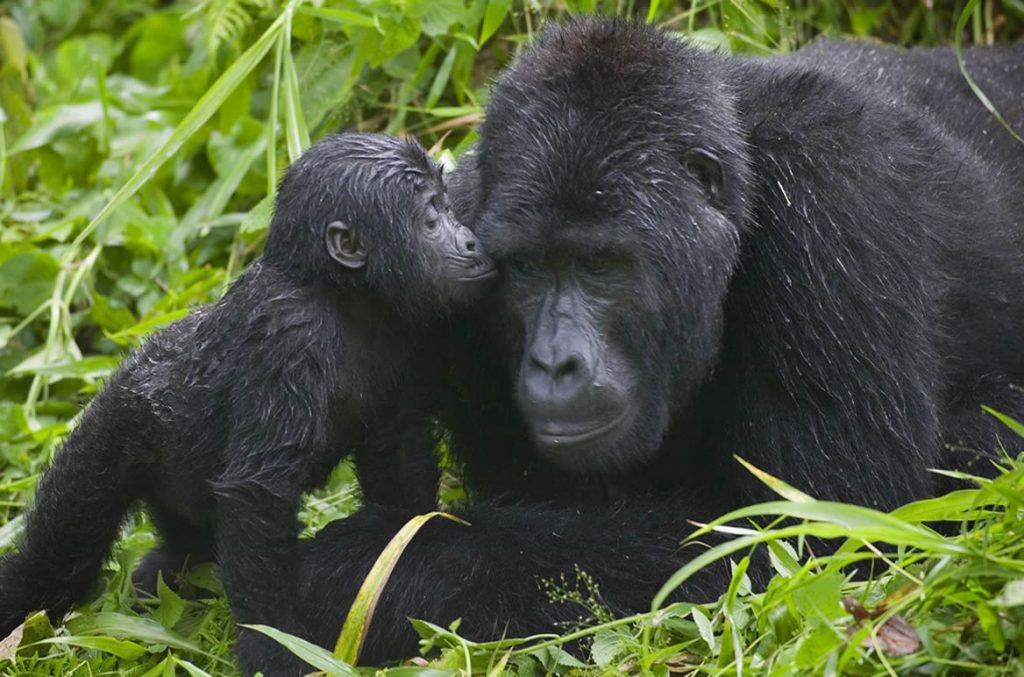
Gorilla habituation is the gradual process through which a wild mountain gorilla family becomes accustomed to the presence of carefully controlled human observers. It does not mean taming the gorillas, training them to perform, feeding them to encourage interaction or making them dependent on people. The animals remain entirely wild and continue moving through Bwindi according to their own feeding, resting and social patterns.
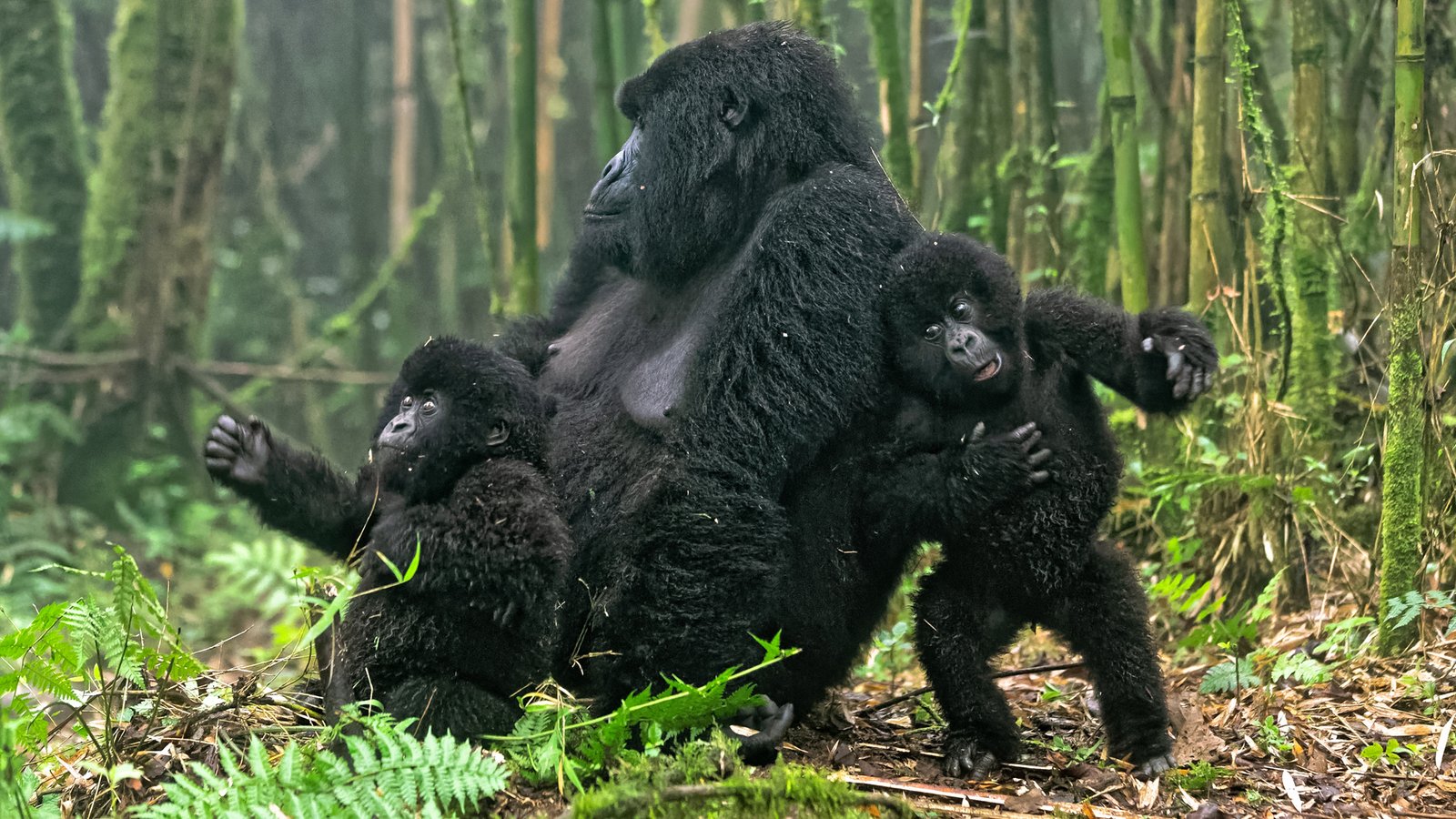
Professional trackers, researchers and habituators follow a selected gorilla family repeatedly over an extended period. At first, the animals may be uncomfortable with human presence and may move away or display defensive behaviour. Over time, if the process progresses well, the family becomes increasingly tolerant of predictable, non-threatening observers. Current habituation guides generally describe this process as taking several years rather than a few weeks or months.
The tourism experience gives a very small number of visitors an opportunity to accompany the professional team during this process. You are therefore not simply receiving additional photography time with an ordinary trekking family. You are entering a different stage in the relationship between researchers and the gorillas.
How Is Gorilla Habituation in Rushaga Different From Standard Trekking?
The clearest difference is the amount of time you may spend observing the gorillas. Standard gorilla trekking generally provides a maximum of one hour after reaching the assigned habituated family. Gorilla Habituation allows up to four hours after the family has been located. UWA’s published guidelines make this four-hour observation period central to the experience.
The character of the encounter can also be different. A fully habituated gorilla family has already become accustomed to controlled visitor presence, while a family involved in an active habituation programme may respond to people somewhat differently. This makes following ranger and researcher instructions especially important.
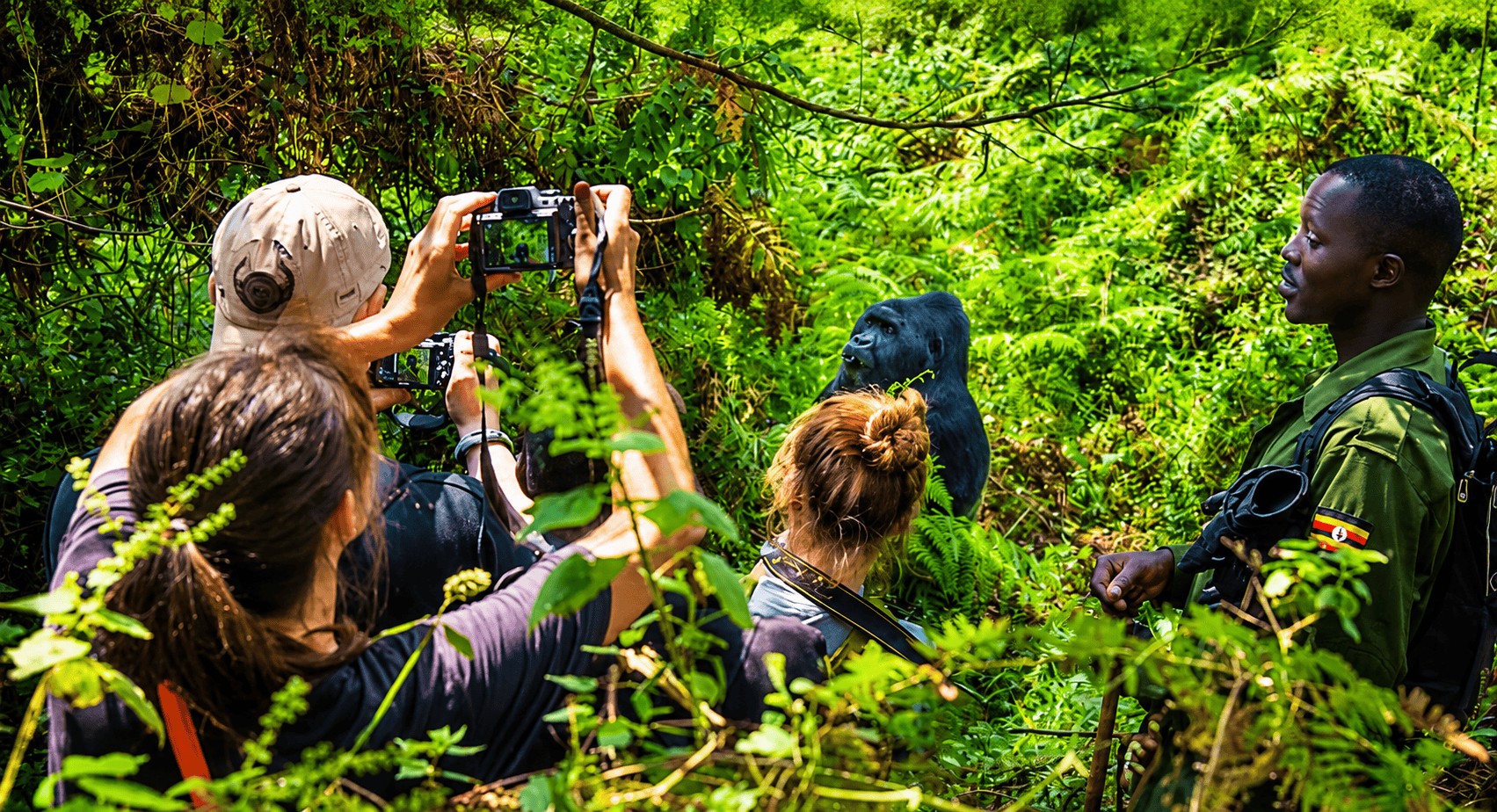
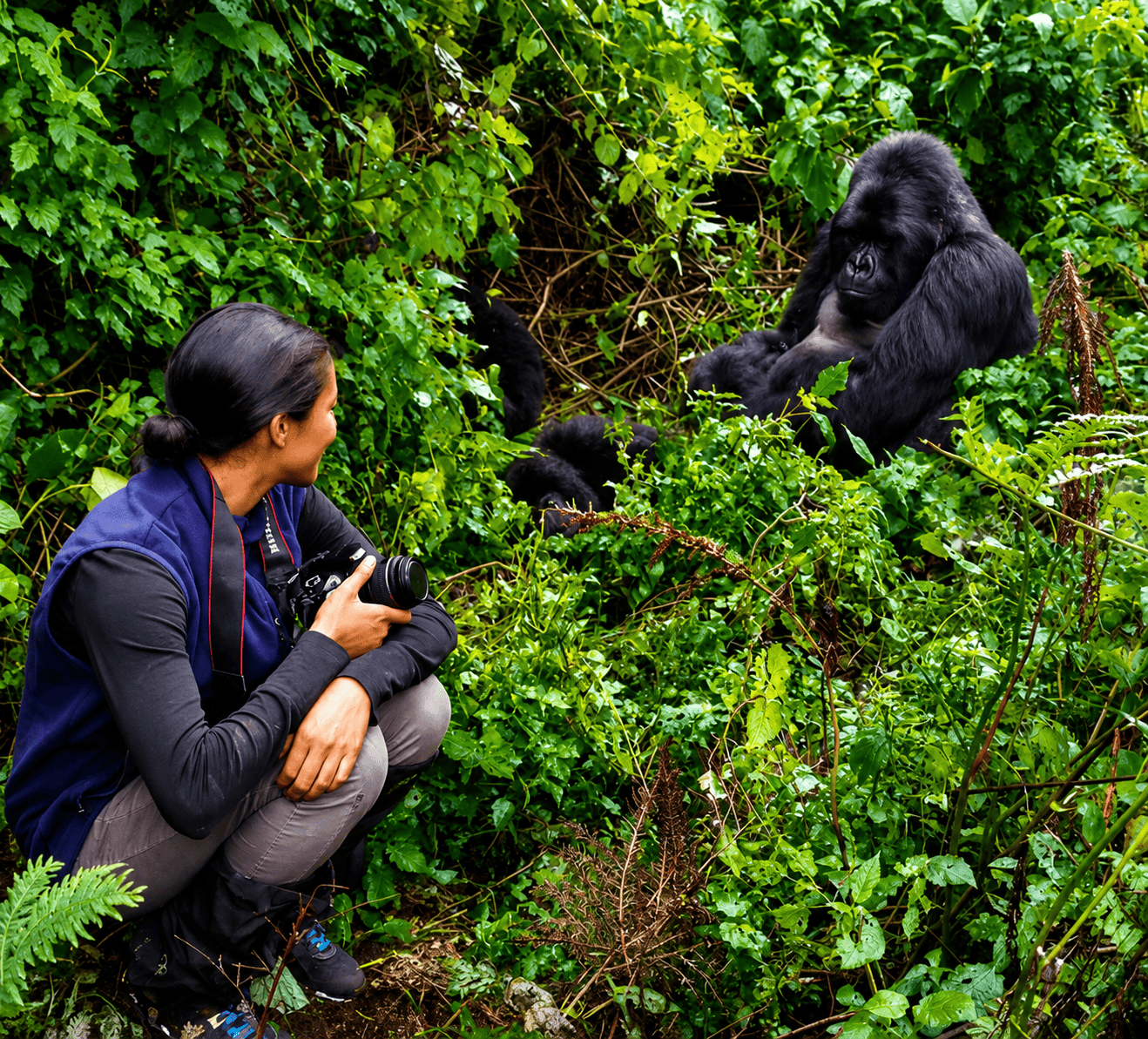
The extended time can significantly change what you observe. A one-hour trek can provide an extraordinary encounter, but the hour may pass very quickly. Four hours creates opportunities to witness changing behaviour as the family moves between feeding, resting and social interaction. You may see younger gorillas playing, adults grooming, mothers caring for infants or the dominant silverback monitoring the family over a longer portion of the day.
For wildlife photographers, the difference can be particularly significant. Rainforest photography is challenging because vegetation can block views and light levels under the forest canopy can be low. With more time, you can wait for changing positions and natural openings rather than trying to capture every photograph immediately.
Does Gorilla Habituation Take Place Throughout Rushaga?
Rushaga is the tourism sector through which the activity is organised, but the gorillas themselves are not confined to a specific viewing point inside the sector. Mountain gorillas are free-ranging wild animals, so their exact location changes according to where the family has travelled, fed and nested.
This means there is no permanent “Gorilla Habituation site” where every visitor walks to the same viewing platform. Trackers use information from previous monitoring together with physical signs in the forest to establish where the assigned family is located.
One morning the family may be found relatively quickly, while another day may require a substantially longer walk. The four-hour direct observation allowance therefore does not describe the total duration of the activity. You must first track the gorillas, spend the permitted time observing them and then make the return journey through the forest.
This unpredictability is part of what makes Gorilla Habituation in Rushaga authentic. The visitor adapts to the gorillas rather than the gorillas being positioned for the visitor.
Is Gorilla Habituation Available Every Day in Rushaga?
Gorilla Habituation permits are issued for specific dates, and availability depends on the operational status of the habituation programme and the number of permits available for that date. The activity is not comparable to visiting an attraction where you can simply arrive at the entrance and buy unrestricted admission.
Only a very limited number of travellers can participate, which means a date can sell out even when standard gorilla trekking permits remain available elsewhere in Bwindi.
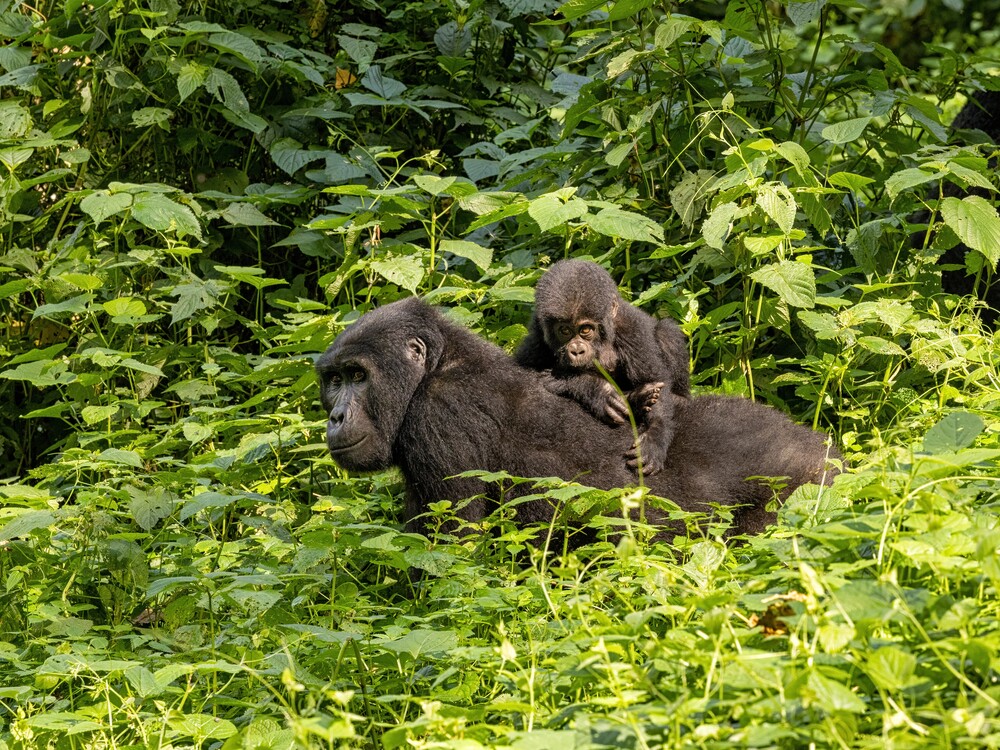
Current Rushaga planning sources repeatedly emphasise the extremely limited capacity attached to the habituation programme. This makes early planning particularly important for travellers whose Uganda safari dates cannot easily change.
Your operator should check the exact date with Uganda Wildlife Authority before confirming the rest of the itinerary. Accommodation and international flights should ideally be arranged around verified permit availability rather than assuming that a permit will still be available later.
How Many Travellers Can Join Gorilla Habituation in Rushaga?
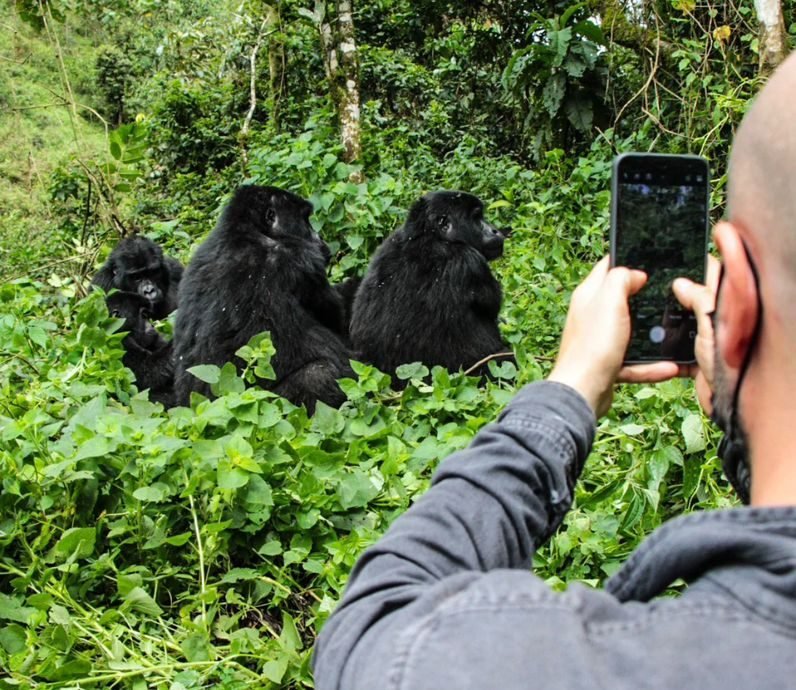
The Gorilla Habituation Experience is intentionally designed around a much smaller visitor group than standard gorilla trekking. Current operational sources generally describe the visitor limit as four tourists with a habituation family, compared with the maximum of eight visitors normally associated with a standard tourism gorilla family.
This small group contributes significantly to the character of the experience. Four tourists can move through dense forest with far less disturbance than a large crowd, and researchers can manage visitor behaviour more effectively around gorillas that may still be becoming accustomed to people.
The professional personnel accompanying the experience are not simply additional tourists. Trackers, researchers, ranger guides and other authorised staff are there because they are part of the conservation and management process.
If you are travelling as a couple or alone, you do not necessarily need to purchase every available space. Other permitted travellers may join the same activity. If you are travelling as a private party and hope to occupy the entire visitor allocation, all required permits should be secured well in advance.
How Long Do You Spend With Gorillas in Rushaga?
The direct viewing period during Gorilla Habituation can last up to four hours after you reach the assigned gorilla family. This is one of the most important reasons travellers choose the Rushaga experience instead of ordinary trekking. UWA‘s guidelines specifically provide for up to four hours with the gorillas during the habituation experience. Uganda Wildlife Authority
However, the entire forest day can be substantially longer than four hours. You need to attend the morning preparation and briefing, enter the forest, follow the trackers until the gorillas are found, complete the observation period and then trek back out.
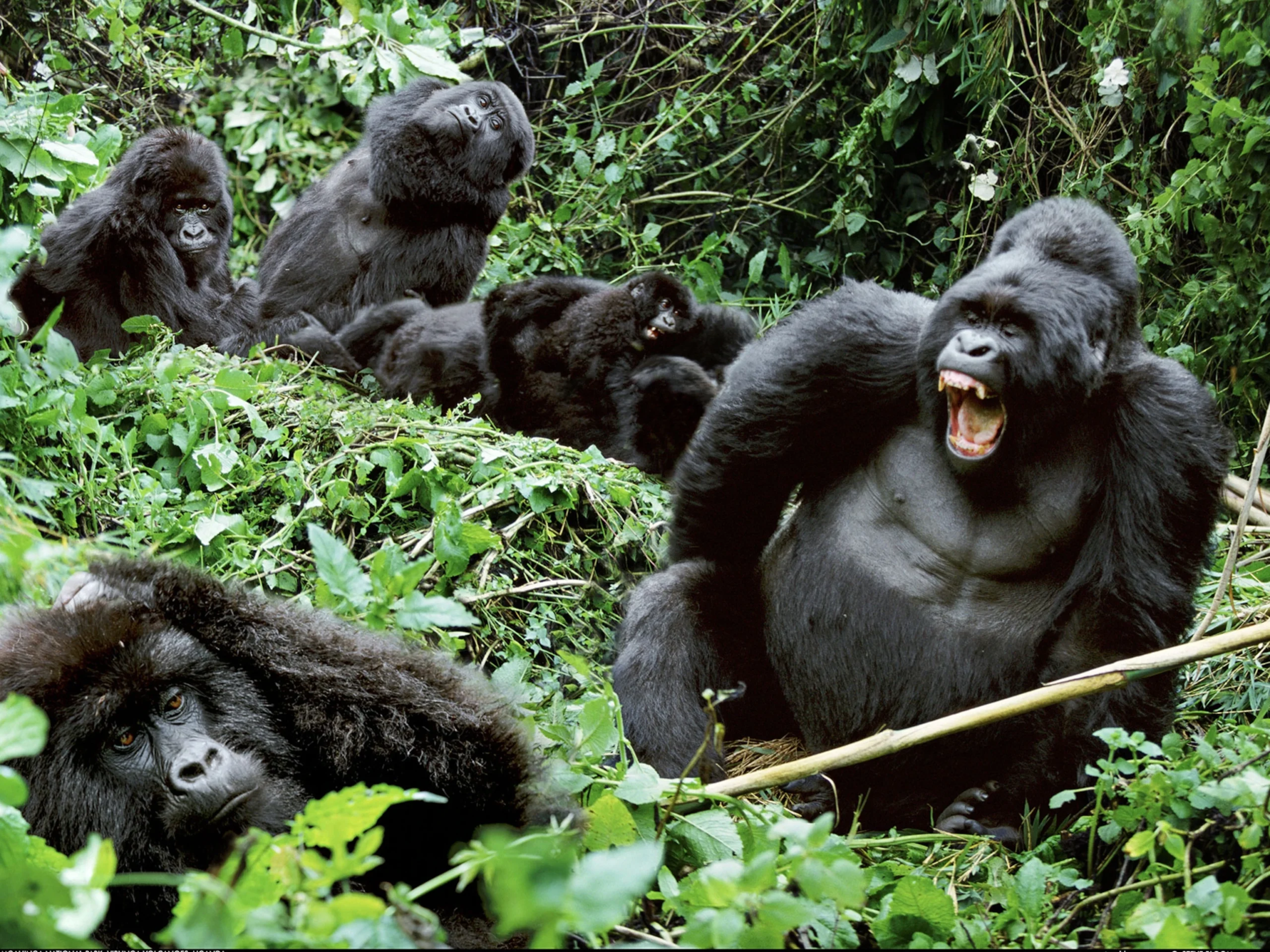
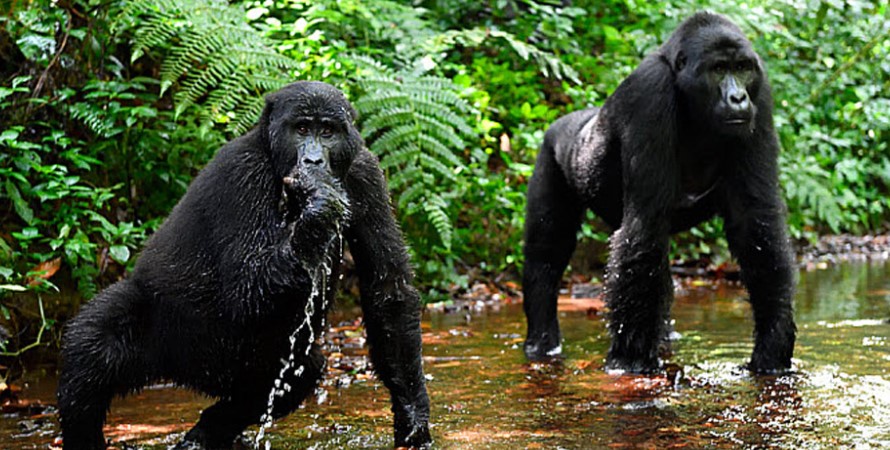
If the gorillas have moved far from their previous location, the tracking phase may take considerable time. If they are relatively close, you may reach them much sooner.
You should therefore avoid scheduling another major activity immediately after Gorilla Habituation. Treat the experience as your main activity for the day.
What Does the Morning in Rushaga Look Like?
Your Gorilla Habituation morning begins early because the professional team needs enough time to locate and monitor the gorilla family before the extended observation period takes place. Uganda Wildlife Authority guidance places Gorilla Habituation earlier than the normal tracking day, and travellers should be prepared for an early breakfast and departure from their lodge. Uganda Wildlife Authority
The exact reporting instructions provided with your booking should take priority over generic times found online. Your lodge and driver-guide should reconfirm the reporting point and departure time on the previous evening.
This is one reason staying near the correct Rushaga activity area is important. A beautifully marketed “Bwindi lodge” may actually be located in another sector, turning what should be a simple morning transfer into a long pre-dawn drive.
Once the briefing is completed and the professional team is ready, you enter the forest and begin following information about the family’s last known movements.
What Is Rushaga’s Terrain Like?
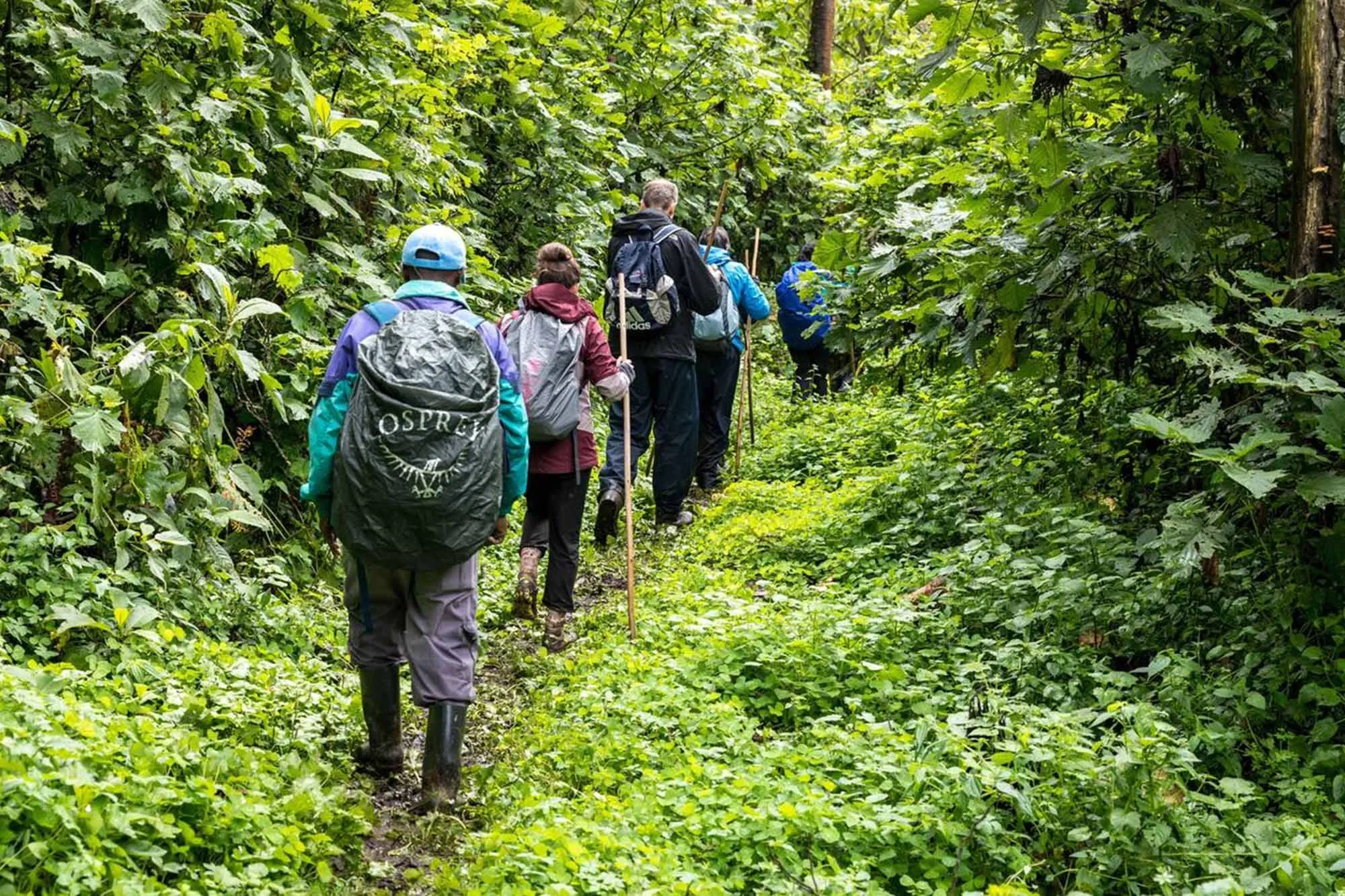
Rushaga is mountainous, heavily vegetated and capable of being physically demanding. Current sector guides describe its terrain as steep, hilly and frequently muddy, particularly after rainfall.
Bwindi’s landscape is one of steep ridges and deep valleys, a characteristic also described by Uganda Wildlife Authority. Uganda Wildlife Authority The word “impenetrable” gives travellers a good indication of what parts of the forest can feel like.
Gorilla Habituation may require leaving established paths as trackers follow the gorillas’ movements. Vegetation can be thick, slopes can become slippery and weather can change during the day.
This does not mean only highly trained hikers can participate, but reasonable fitness helps considerably. Travellers should also listen carefully to their guide, move at a manageable pace and use a porter if carrying cameras, water or other equipment.
Should You Hire a Porter in Rushaga?
Using a porter can make a major difference during a long habituation day. Although the porter does not change where the gorillas are located or make the hills less steep, having someone carry your daypack allows you to concentrate on walking safely.
A bag that feels light at the lodge can become uncomfortable after hours on steep and muddy terrain, particularly when it contains drinking water, rain protection, camera equipment and food.
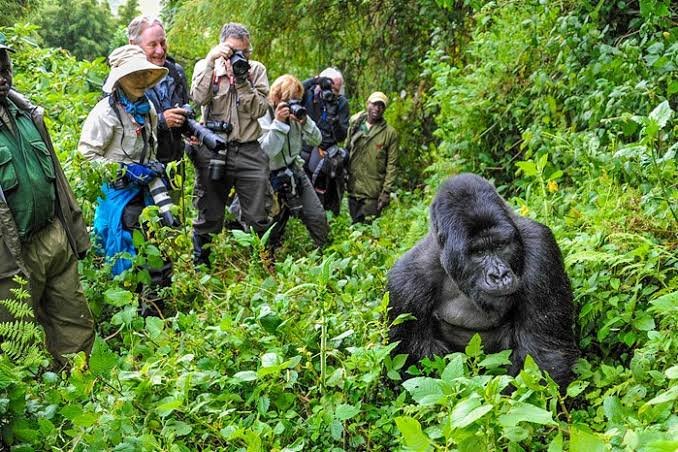
Porter work also creates direct local employment around Bwindi. For many visitors, hiring a porter is therefore both a practical decision and a simple way of allowing tourism spending to reach people living close to the protected area.
Is Rushaga the Same as Nkuringo?
No. Rushaga and Nkuringo are both located in southern Bwindi, but they are separate gorilla tourism areas.
The distinction matters because travellers sometimes see accommodation marketed simply as being in “southern Bwindi” and assume every property is beside the Rushaga briefing point.
Some accommodation around Nkuringo can still work for a Rushaga habituation permit because road connections exist between the areas, but the transfer needs to be confirmed carefully before booking.
Your lodge location should be evaluated according to the actual journey to your required Rushaga reporting point rather than only the distance shown on a general map.
Can You Do Gorilla Habituation From Buhoma?
A traveller can include Buhoma and Rushaga within the same Uganda safari, but Buhoma is not the practical base for a Rushaga habituation morning.
Buhoma is located in the northern part of Bwindi and has its own gorilla trekking operations. It is historically significant because it was the area associated with Uganda’s earliest gorilla tourism, including the Mubare group.
However, reaching Rushaga from the northern side involves travelling around difficult terrain rather than simply crossing straight through the protected forest by vehicle.
If you are staying in Buhoma earlier in the safari, you should normally transfer to southern Bwindi before the night preceding your Gorilla Habituation Experience.
This allows you to begin the next morning rested and close to the correct reporting point.
Can You Do Gorilla Habituation From Ruhija?
Ruhija is another important Bwindi gorilla trekking sector, but it should not be confused with Rushaga.
Travellers can combine Ruhija with Rushaga on a longer Bwindi itinerary, especially when they are interested in multiple gorilla treks or birding, but the two sectors need to be treated as separate logistical locations.
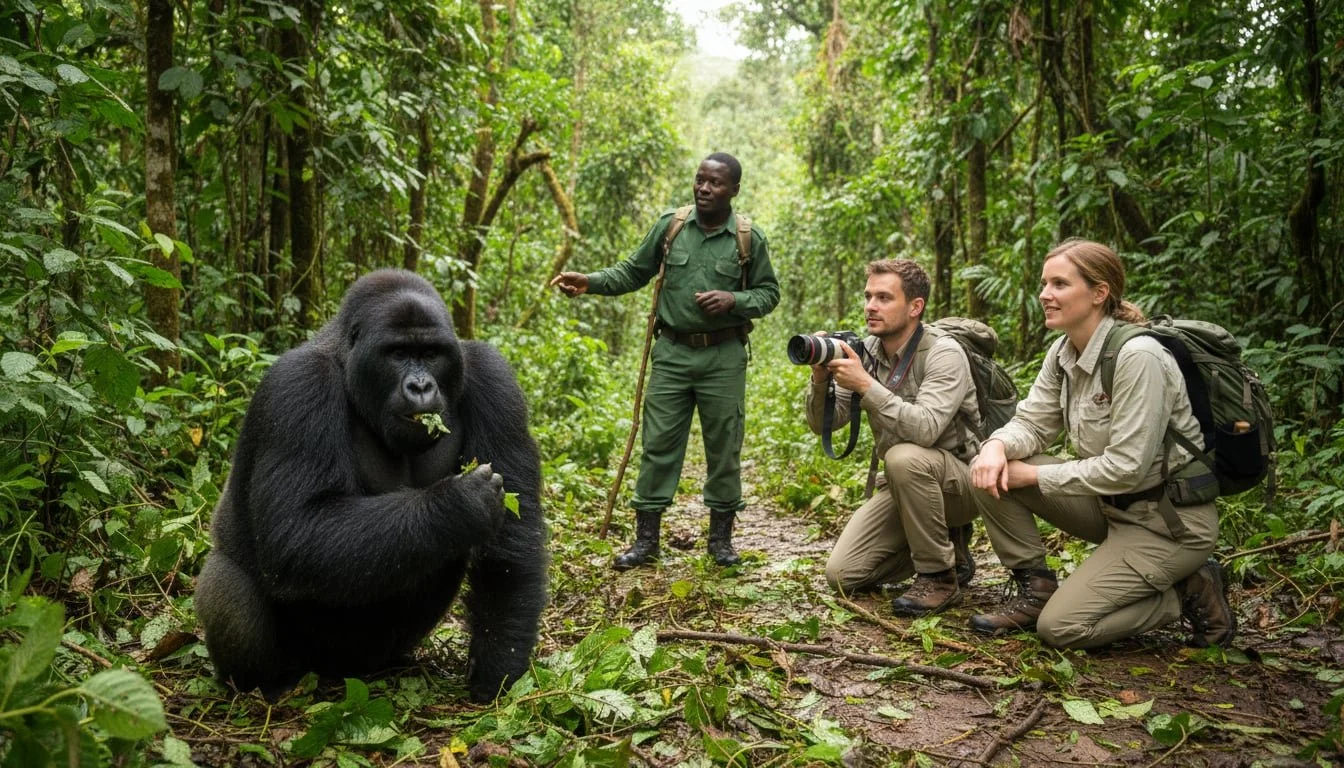
Staying close to Rushaga on the night before habituation remains the safer option.
One of the most common planning mistakes with Bwindi is thinking that all sectors operate like different gates around a small safari park. Bwindi‘s topography makes that assumption unreliable.
Is Gorilla Habituation Available in Mgahinga?
Mountain gorillas are found in both Bwindi Impenetrable National Park and Mgahinga Gorilla National Park in Uganda, but current visitor Gorilla Habituation planning centres on Rushaga in Bwindi.
Standard gorilla trekking is available in Mgahinga, which can be an excellent choice for travellers wanting a conventional one-hour gorilla encounter in the Virunga landscape.
The specialised four-hour habituation product should not be assumed to be available simply because a destination contains mountain gorillas.
Current 2026 sources specifically identify Rushaga as the operating location for Gorilla Habituation.
Can You Combine Rushaga Habituation With Standard Gorilla Trekking?
Yes. Rushaga is particularly attractive for travellers who want to experience both forms of gorilla tourism because standard trekking also operates in the sector.
You could complete Gorilla Habituation on one day and undertake a standard gorilla trek on another, provided separate permits are available for each activity.
This can be especially rewarding because the experiences have different rhythms. Habituation emphasises extended observation and the conservation process, while standard trekking provides a shorter encounter with a fully habituated tourism family.
Doing both can also be useful for photographers because you have two separate opportunities in different forest and lighting conditions.
Each experience requires its own permit. A habituation permit cannot be reused for a standard trek the following day.
How Much Does Gorilla Habituation in Rushaga Cost?
For foreign non-residents travelling during the current 2026 tariff period, the Gorilla Habituation permit is USD 1,500 per person. Uganda Wildlife Authority‘s announced tariff changes increase the foreign non-resident habituation rate to USD 1,800 for activity dates from 1 January 2027.
The permit price is higher than an ordinary Uganda gorilla trekking permit because the experience provides up to four hours of observation rather than one hour and involves the specialised habituation programme.
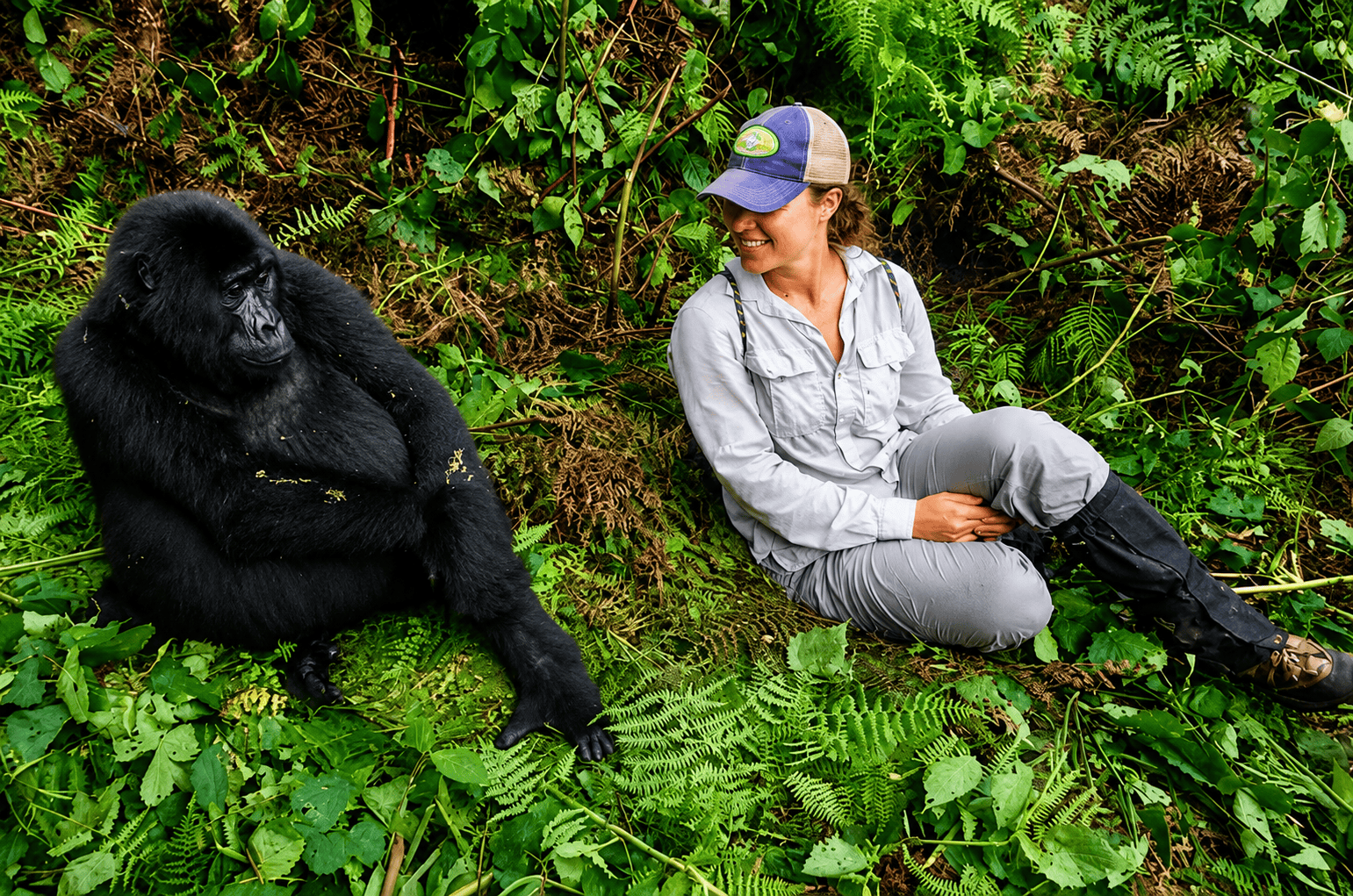
The permit should not be confused with the complete cost of a Rushaga safari. Accommodation, private vehicle transportation, domestic flights where used, porter services, personal equipment, visas and other itinerary components are arranged separately unless your safari package explicitly states that they are included.
Why Are Rushaga Habituation Permits So Limited?
A low accommodation rate therefore does not reduce the official Gorilla Habituation permit price.
Restricted availability is central to the conservation model.
A gorilla family that is still becoming familiar with controlled human presence should not be surrounded by large groups of visitors. Keeping tourism numbers low allows researchers and rangers to manage the encounter more carefully and reduces unnecessary pressure on the animals.
The limited permit supply is therefore not simply a marketing strategy designed to make the experience appear exclusive.
It reflects the fact that Gorilla Habituation operates around wild animals within a conservation programme.
For travellers, the practical consequence is that permit availability can become one of the first things that determines the safari dates.
How Early Should You Book Gorilla Habituation in Rushaga?
Booking early is advisable because the daily visitor capacity is far smaller than the capacity for ordinary gorilla trekking.
High-demand travel periods such as the main dry-season months and Christmas or New Year travel can become particularly competitive.
If Gorilla Habituation is the principal reason for visiting Uganda, you should check the permit before committing to a rigid sequence of flights and non-refundable hotels.
Being flexible by one or two days can sometimes make a major difference if your preferred date has already sold out.
The permit should form the foundation of the Bwindi portion of the itinerary, with accommodation and transport then arranged around it.
Can You Book Gorilla Habituation at the Rushaga Gate?
You should not plan to arrive at Rushaga hoping to buy a Gorilla Habituation permit at the park entrance.
Uganda’s gorilla permit system is based on advance reservation and payment through the appropriate UWA process. For foreign non-residents, gorilla permits are normally secured through a Uganda Tourism Board-licensed tour operator.

The extremely limited habituation capacity makes advance booking even more important than it is for ordinary trekking.
A lodge room in Rushaga does not guarantee that a habituation permit exists for the same date.
Why Your Permit Should Be Confirmed Before Your Lodge
The logical sequence of planning is especially important in Rushaga.
Your first priority should be identifying suitable dates and confirming whether the Gorilla Habituation permit is available.
Once the permit has been secured, accommodation can be selected according to the correct sector and activity date.
Booking the lodge first creates the risk that habituation permits may only be available on another date or that your accommodation is inconveniently positioned.
This is particularly important for luxury travellers because high-end lodges often have restrictive cancellation conditions.
The permit is the least flexible element of the experience, so the surrounding itinerary should be designed around it.
Can Gorilla Families Used for Habituation Change?
Yes. Travellers should expect gorilla-family allocations to evolve over time.
Habituation is a process, not a permanent tourism category for every family. A family may progress through habituation, become suitable for normal tourism, split into separate groups or experience changes that require managers to alter its tourism status.
Gorillas also move naturally through their habitat.
Current Rushaga sources caution that family rosters can change and advise travellers to confirm present arrangements rather than relying on historical names.
This is why a webpage saying that a particular named family was used for habituation several years ago should not be treated as a guarantee that you will visit that family today.
Your permit secures participation in the experience rather than ownership of a specific gorilla family.
Is Gorilla Habituation Guaranteed Once You Buy a Permit?
A confirmed permit gives you authorised access to the scheduled Gorilla Habituation activity, but the experience remains dependent on wild animals and conservation conditions.
Mountain gorillas are not kept at a predictable viewing site.
Professional trackers work hard to locate the assigned family, and successful encounters are common, but wildlife experiences can never be understood in exactly the same way as a scheduled indoor attraction.
Uganda Wildlife Authority has procedures covering situations in which visitors spend the day tracking but cannot access the gorillas. These exceptional situations are handled according to UWA rules rather than informal promises from individual guides.
This is another reason to book through legitimate channels and retain your permit documentation.
How Do You Reach Rushaga From Kigali?
Rushaga is one of the most convenient Bwindi areas for travellers starting in Kigali.
Current sector planning estimates commonly place the road journey at roughly four hours under favourable conditions, although border formalities, weather, traffic and road conditions can increase the actual time.
The journey crosses from Rwanda into Uganda before continuing through the southwestern highlands toward southern Bwindi.
Although the relatively short distance makes Kigali an attractive gateway, you should not attempt to leave Kigali on the same morning as Gorilla Habituation.
The activity starts early, and an international border crossing introduces too much uncertainty.
Travel to Rushaga the previous day and spend the night close to the park.
How Do You Reach Rushaga From Entebbe?
Travellers beginning in Entebbe can travel overland through southwestern Uganda or take a domestic flight toward Kisoro and complete the final distance by road.
Driving allows you to see more of Uganda and can be incorporated into a larger safari that includes destinations such as Lake Mburo, Queen Elizabeth National Park or Kibale.
However, the road journey to southern Bwindi is long and should be treated as a substantial travel day.
Flying reduces long road hours and can be particularly appealing for travellers who have limited time or prefer a more comfortable luxury itinerary.
Even when flying, you still require ground transportation between Kisoro Airstrip and your Rushaga accommodation.
Why Should You Sleep in Rushaga Before Habituation?
The night before is a crucial part of the experience because the habituation day starts early and may be physically demanding.
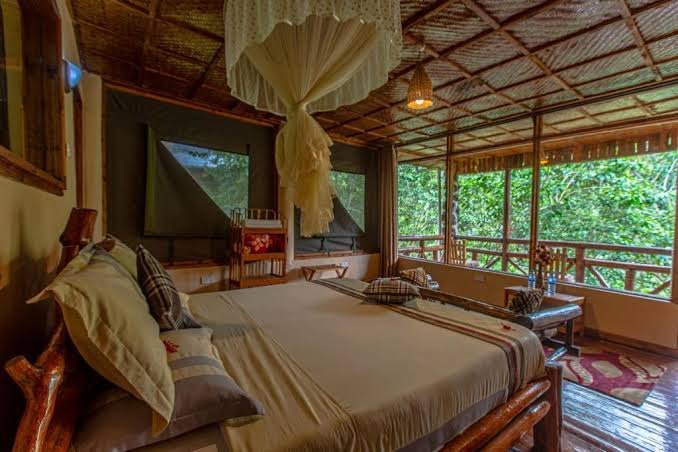
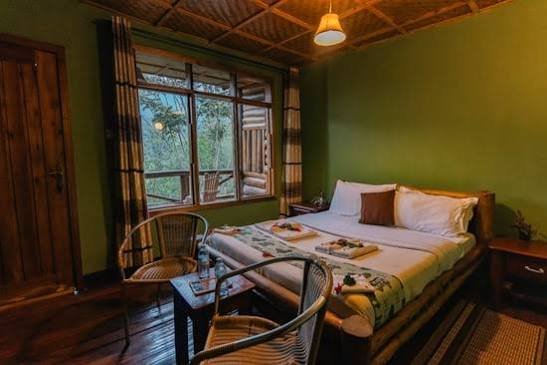
Staying nearby allows you to eat breakfast, prepare your equipment and reach the correct reporting point without a stressful long transfer before entering the forest.
It also gives your guide and lodge time to confirm the morning arrangements.
Arriving in southern Bwindi late at night after a long journey from another destination is possible in some itineraries, but it is rarely ideal.
The more rested you are before the trek, the better prepared you will be for the steep terrain and potentially long day.
Should You Stay in Rushaga After the Experience?
Staying another night after Gorilla Habituation can make the itinerary considerably more comfortable.
The forest day may leave you tired, muddy and in need of rest.
Returning directly to a nearby lodge allows you to shower, enjoy dinner and review your photographs without immediately beginning a long road journey.
Travellers using domestic flights can then transfer to Kisoro the next day, while those continuing by road can begin the onward journey after a proper night’s sleep.
This extra night is particularly worthwhile for travellers who value comfort over trying to minimise the itinerary by one day.
What Should You Expect From Rushaga’s Weather?
Bwindi is a rainforest environment, so rain can occur throughout the year.
The commonly described drier travel periods may make walking somewhat easier on average, but they do not guarantee a dry habituation day.
Rain can make Rushaga’s steep slopes slippery and can change the difficulty of the trek considerably.
You should therefore prepare for both rain and sunshine regardless of the month.
The dense canopy also creates humid conditions, while early mornings in the southwestern highlands can feel cool.
Weather is part of the experience rather than something that can be completely avoided by selecting a particular season.
Is Gorilla Habituation in Rushaga Suitable for Photographers?
Rushaga is one of Uganda’s most compelling options for serious gorilla photography because of the extended observation period.
Four hours gives you much more opportunity to work with changing light, vegetation and gorilla movement than a conventional one-hour encounter.
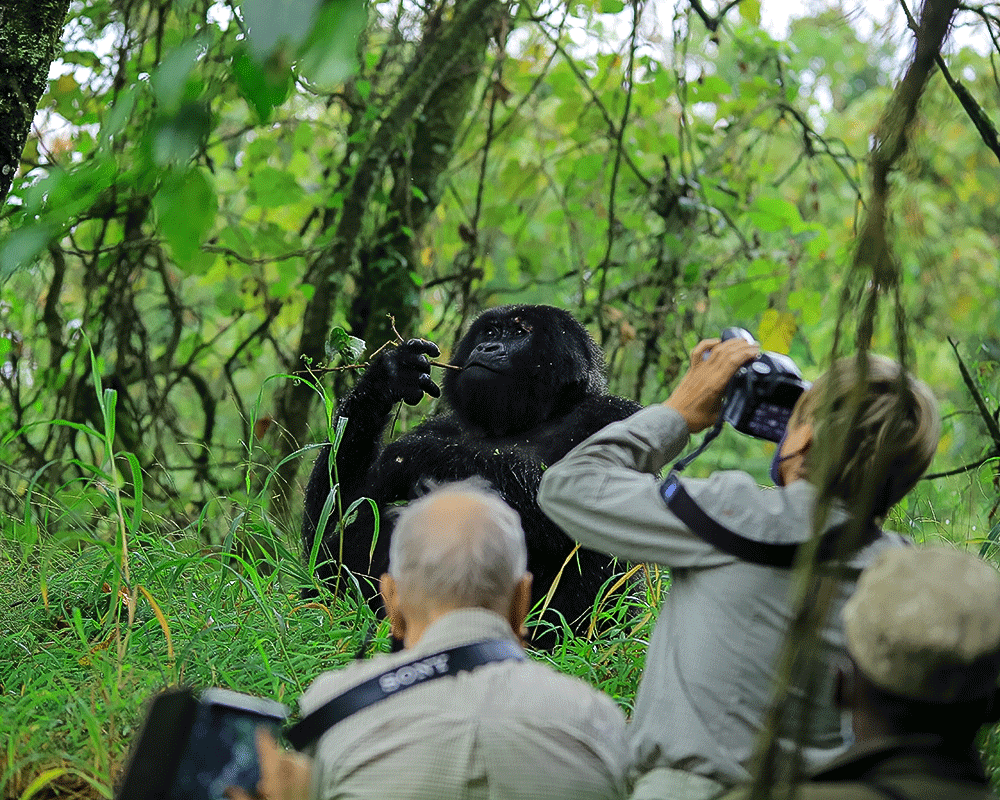
This does not mean every moment will provide an unobstructed photograph.
The gorillas live in dense forest, and branches, leaves and shadows are part of the environment.
The advantage is patience.
If a gorilla is partially hidden when you arrive, its position may change naturally later.
An infant may become active after resting.
A silverback may move from heavy shade into a more open area.
This extended time can produce a richer photographic story instead of a small number of rushed images.
Is Gorilla Habituation in Rushaga Suitable for First-Time Gorilla Visitors?
Yes. You do not need to complete ordinary gorilla trekking before booking the habituation experience.
For some travellers, their first-ever gorilla encounter is the four-hour Rushaga experience.
However, you should understand that habituation can be a longer and more demanding forest day than a standard trek.
If physical difficulty is a major concern, discuss it with your operator before booking.
The value of habituation comes from extended time and deeper involvement, not from being the easiest way to see gorillas.
A traveller whose priority is simply to see mountain gorillas with a shorter time commitment may prefer standard trekking.
Someone who wants extended observation may find Rushaga ideal.
Is Gorilla Habituation in Rushaga Worth the Higher Permit Price?
The answer depends on what you value.
If your only objective is to see a mountain gorilla and you are satisfied with the standard one-hour encounter, an ordinary trekking permit provides an extraordinary experience at a lower cost.
If you value prolonged behavioural observation, wildlife photography, conservation learning and the opportunity to spend much more time with a gorilla family, the additional cost of the habituation permit can be worthwhile.
The financial difference should therefore be evaluated according to the experience rather than simply comparing two permit prices.
Four hours does not guarantee four times as many perfect photographs or dramatic interactions, because the gorillas remain wild.
What the additional time gives you is the chance to slow down.
Can Families With Children Book Gorilla Habituation in Rushaga?
Uganda’s gorilla activities have a minimum participation age of 15 years.
Families travelling with younger children therefore need to plan carefully because the child cannot simply join the habituation group at the last minute.
For families with teenagers aged 15 and above, Rushaga can provide an exceptional shared wildlife experience if everyone is physically comfortable with the forest conditions.
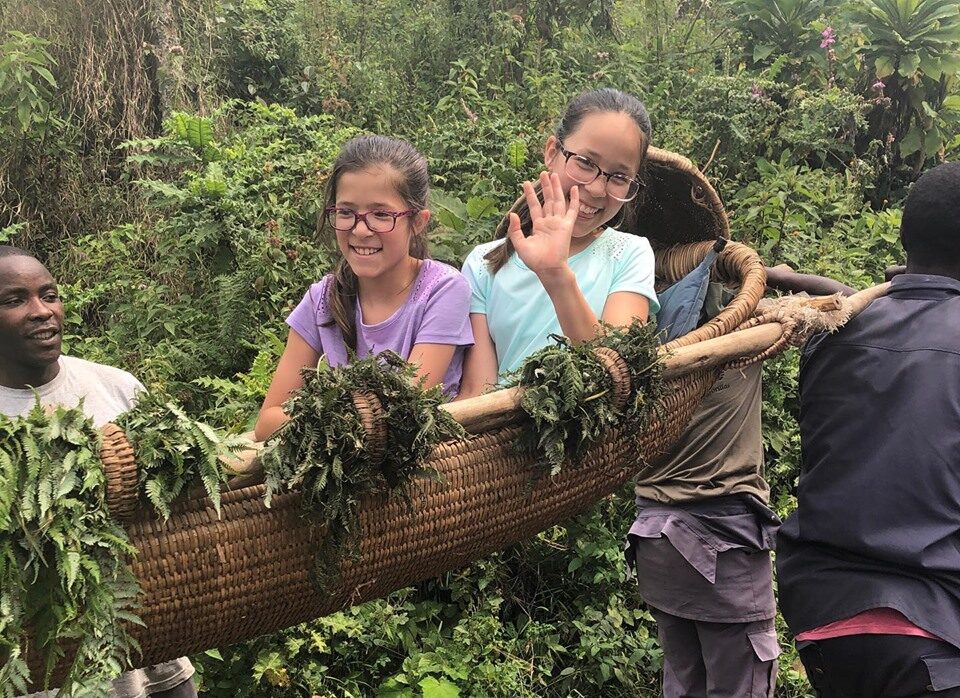
The age restriction supports visitor safety, group management and the welfare of the gorillas.
It should be treated as a firm planning consideration rather than something to negotiate at the briefing point.
Does Gorilla Habituation Mean You Can Touch the Gorillas?
No. The extended four-hour observation period does not give visitors permission to touch, feed or deliberately approach gorillas.
The same conservation principles that apply to ordinary gorilla tourism remain essential during habituation.
Visitors must follow ranger instructions, avoid behaviours that could disturb the family and maintain the required separation whenever conditions permit.
Wild gorillas can sometimes choose to move closer to people, but visitors should not interpret such movement as permission to initiate physical contact.
The purpose of habituation is tolerance of controlled human presence, not physical interaction between tourists and gorillas.
Why Health Rules Matter in Rushaga
Mountain gorillas are biologically close enough to humans that disease transmission is a serious concern.
A visitor experiencing symptoms of an infectious illness can create risk for animals whose population remains limited.
This is why gorilla tourism applies health rules even when a traveller has paid a substantial permit fee and travelled thousands of kilometres.
During Gorilla Habituation, the long observation period makes disciplined behaviour especially important.
You should be prepared to follow instructions regarding coughing, sneezing, food, drinks, photography and distance.
Protecting the gorillas takes priority over completing a visitor’s planned photographs.
Does Rushaga Offer Anything Beyond Gorilla Habituation?
Rushaga’s main international attraction is mountain gorilla tourism, but southern Bwindi can form part of a much broader Uganda itinerary.
Travellers can spend multiple nights around the forest, combine habituation with ordinary gorilla trekking, explore nearby community experiences or continue toward other parts of southwestern Uganda.
The area’s highland scenery also gives Rushaga a very different atmosphere from Uganda’s savannah parks.
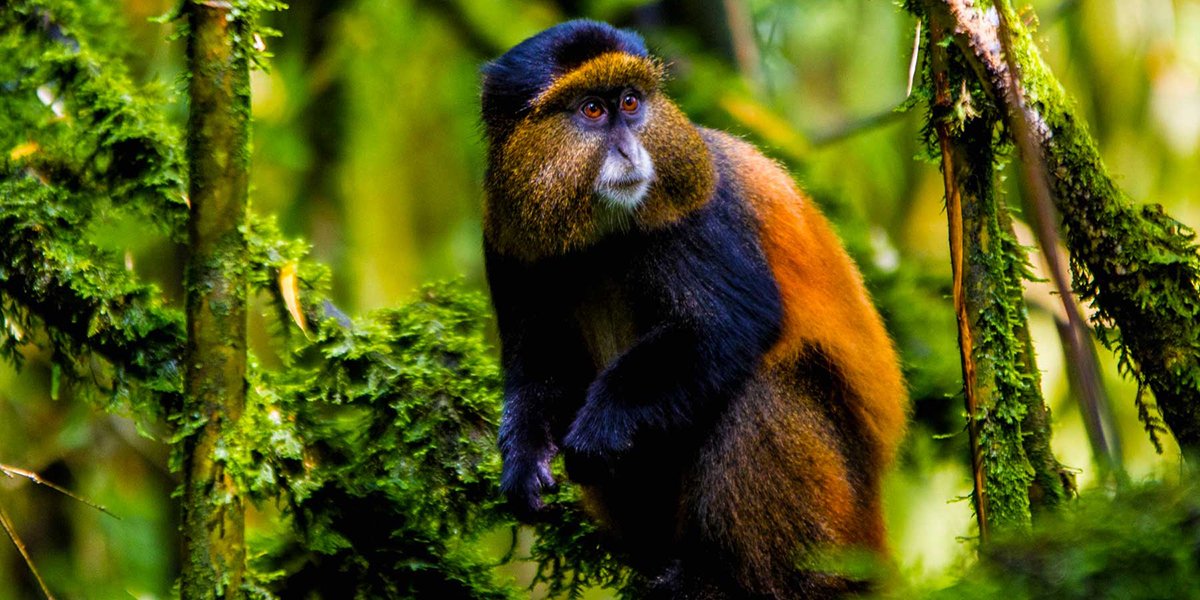
Combining Rushaga with destinations such as Queen Elizabeth National Park, Kibale or Lake Mburo creates a safari that contrasts rainforest primates with game drives, boat experiences and other wildlife.
Travellers arriving from Kigali can instead use Rushaga as the main focus of a shorter Uganda itinerary.
How Does Rushaga Fit Into a Luxury Uganda Safari?
For luxury travellers, Gorilla Habituation can become the central experience around which the rest of the itinerary is designed.
Domestic aviation can reduce long road journeys, high-quality accommodation can provide comfortable recovery before and after the trek, and private ground transportation ensures the programme is organised around your permit rather than a fixed group schedule.
Luxury, however, cannot remove the natural difficulty of the forest.
A premium lodge does not guarantee the gorillas will be close to the trailhead.
A private vehicle does not control the weather.
This is part of what makes Gorilla Habituation exceptional even at the highest travel level: the essential wildlife experience remains genuine and unpredictable.
Why Rushaga Is Important for Gorilla Conservation Tourism
Rushaga demonstrates how specialised tourism can create economic value around the protection of a wild species without turning the animals into a mass-tourism attraction.
The limited habituation permits command a significant fee because access is restricted and the experience is unusually long.
That revenue contributes to the wider conservation economy surrounding Bwindi.
Bwindi itself is internationally important as a UNESCO World Heritage Site and an exceptional biodiversity area containing a substantial share of the world’s mountain gorillas.
Tourism therefore has value beyond a single visitor’s encounter.
The continued economic importance of living gorillas gives governments, communities and tourism businesses additional reasons to protect their forest habitat.
Can Gorilla Habituation in Rushaga Change in the Future?
Yes. Gorilla tourism operations are conservation-dependent and can evolve.
A family currently involved in habituation may eventually complete the process.
Another family may enter a different management stage.
Uganda Wildlife Authority can adjust operational arrangements according to gorilla movements, research needs and conservation priorities.
This is why this page should be understood as describing the current 2026 visitor arrangement rather than claiming that Rushaga must remain the only operational location forever.
Current 2026 sources consistently identify Rushaga as the location for the visitor Gorilla Habituation Experience, but travellers booking future years should still verify the sector when securing their permit.
Good safari planning always follows the current UWA permit arrangement rather than assuming that a historical operating pattern can never change.
Why Current Information Matters When Planning Rushaga
Gorilla information online can become outdated quickly because individual gorilla families change over time.
A page written several years ago may name a family that has since split, completed habituation or moved into a different tourism status.
Likewise, prices can change between tariff periods.
For example, the foreign non-resident Gorilla Habituation permit is USD 1,500 during 2026, while the announced tariff rises to USD 1,800 from 1 January 2027.
Your safari should therefore be based on the permit terms that apply to your actual activity date.
The same principle applies to Rushaga’s family allocation.
The important booking is the official Gorilla Habituation permit for the correct date and sector, not a promise that you will meet a particular gorilla named on an old blog post.
Is Gorilla Habituation Available in Rushaga? Final Answer
Is Gorilla Habituation Available in Rushaga? Yes. Gorilla Habituation in Rushaga is currently available, and Rushaga in southern Bwindi Impenetrable National Park is the principal sector travellers should plan around for Uganda’s specialised Gorilla Habituation Experience. Current 2026 operational sources identify Rushaga as the location for the experience, while Uganda Wildlife Authority‘s official gorilla-management guidance confirms that Gorilla Habituation allows visitors up to four hours with the gorillas after the assigned family is reached
What makes Rushaga especially valuable is that it offers more than simply additional time in front of mountain gorillas. The experience places you within an active conservation environment where researchers, trackers and rangers monitor wild gorillas in their natural habitat. The gorillas remain free to move through Bwindi, which means the length and difficulty of the tracking portion can change from one day to another.
Rushaga also supports ordinary gorilla trekking, so travellers who have enough time can potentially experience both standard trekking and Gorilla Habituation on separate days. This gives you the opportunity to compare an encounter with a fully habituated tourism family against the deeper and longer observation involved in the habituation programme.
The sector’s location in southern Bwindi makes it particularly convenient for travellers arriving from Kigali, while domestic flights toward Kisoro can reduce road travel for visitors beginning in Entebbe. Regardless of your arrival route, staying near Rushaga on the night before the experience is strongly advisable because the day begins early and can last many hours.
The most important planning consideration is the permit. Gorilla Habituation has very limited availability, and staying at a lodge in Rushaga does not automatically provide access to the activity. You should confirm and secure the correct permit before finalising accommodation and transport.
Travellers should also remember that specific gorilla-family arrangements can change. Habituation is an ongoing conservation process, so families can progress, split, move or receive different management classifications. Your confirmed permit and current Uganda Wildlife Authority arrangements should therefore determine the final details of your experience.
Gorilla Habituation in Rushaga is particularly suitable if you want an immersive mountain gorilla encounter, extended photography opportunities or a better understanding of the conservation work that makes gorilla tourism possible. The four-hour allowance creates time to observe behaviour that can easily be missed during a shorter encounter, while the restricted visitor numbers preserve the intimate character of the experience.
Rushaga does not make the experience easy or predictable. You may walk through steep, muddy forest for several hours, encounter changing weather and follow gorillas into dense vegetation. Yet these challenges are precisely what remind you that Bwindi is a genuine wilderness and that the animals are not positioned for tourism.
For travellers whose main reason for visiting Uganda is to spend meaningful time with mountain gorillas, Rushaga remains one of the country’s most specialised primate destinations. It combines the extraordinary biodiversity of Bwindi Impenetrable National Park with a carefully managed experience that allows a very small number of people to observe mountain gorillas for substantially longer than an ordinary trek.
So, if you are asking whether Gorilla Habituation is available in Rushaga, the current answer is yes. Rushaga is the location you should currently plan around for Uganda’s four-hour Gorilla Habituation Experience, but your next step should always be to check permit availability for your exact travel date before confirming the rest of your Bwindi safari.