

The Ultimate Gorilla Habituation Photography Seasons Guide: Capture Uganda’s Mountain Gorillas in Every Season
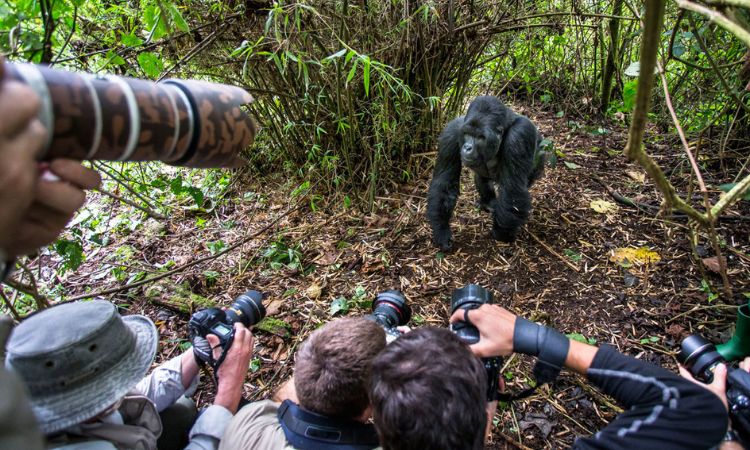
Gorilla Habituation Photography Seasons play an important role in helping photographers plan the perfect mountain gorilla photography experience in Uganda. Gorilla habituation is one of the most exclusive wildlife encounters in Africa, offering photographers up to four hours with semi-habituated mountain gorilla families inside the ancient rainforest of Bwindi Impenetrable National Park.
Unlike normal gorilla trekking, where visitors spend approximately one hour with fully habituated gorillas, habituation provides extended time to observe natural behaviors. This longer period creates incredible opportunities to capture powerful images of silverbacks protecting their families, mothers caring for infants, juveniles playing, and gorillas communicating through body language and vocalizations.
Choosing the right Gorilla Habituation Photography Seasons allows photographers to understand how weather, lighting conditions, forest appearance, and gorilla activity influence the quality of images they can capture. Every season in Bwindi creates a different photographic atmosphere, from clear conditions during dry months to dramatic misty rainforest scenes during rainy periods.
Bwindi’s tropical rainforest environment means photography is possible throughout the year. However, each season offers unique advantages and challenges. Some photographers prefer dry seasons because of easier trekking conditions and improved visibility, while others choose rainy months because of the magical atmosphere created by mist, lush vegetation, and fewer visitors.
Understanding the different Gorilla Habituation Photography Seasons helps photographers prepare the right equipment, choose suitable travel dates, and maximize their chances of capturing unforgettable mountain gorilla images.
Why Gorilla Habituation Is Perfect for Wildlife Photography
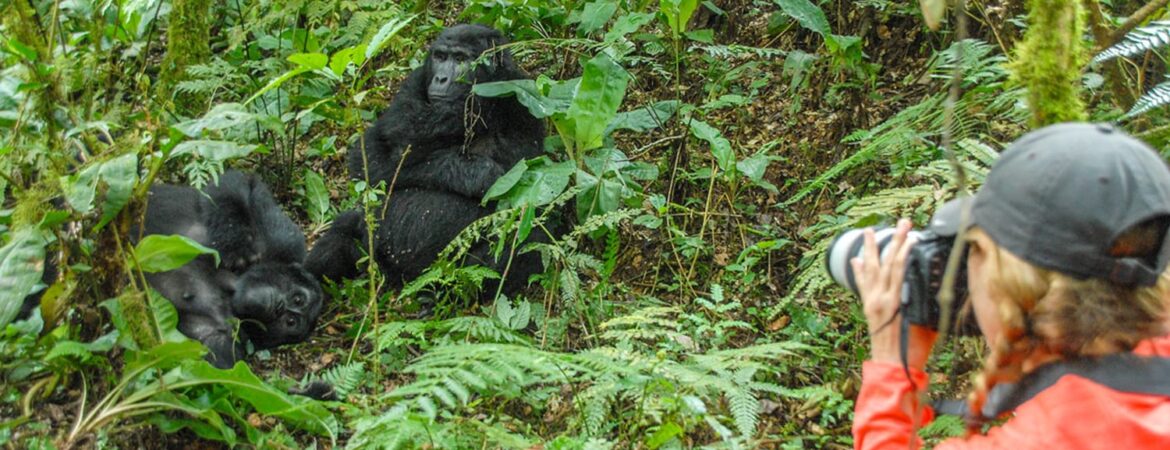
The importance of Gorilla Habituation Photography Seasons begins with understanding why habituation offers exceptional photographic opportunities. Gorilla habituation provides much more time with gorilla families compared to standard trekking, allowing photographers to observe and capture a wider range of behaviors.
During a habituation experience, photographers are not simply taking quick photographs of passing animals. They have time to study individual gorillas, understand their personalities, and anticipate behaviors before capturing important moments.
The extended observation period allows photographers to document social interactions, including silverbacks establishing leadership, mothers protecting young gorillas, juveniles exploring their surroundings, and family members communicating with one another.
The rainforest setting of Bwindi also creates a unique photographic environment. Dense vegetation, natural forest light, mist, and changing weather conditions provide a beautiful background that makes mountain gorilla photography truly special.
The right choice of Gorilla Habituation Photography Seasons can enhance these opportunities by providing conditions that match a photographer’s creative goals.
Dry Season Gorilla Habituation Photography
The dry months are among the most popular Gorilla Habituation Photography Seasons because they provide more predictable weather conditions and easier forest access. Uganda experiences its main dry season from June to September and a shorter dry season from December to February.
During these months, rainfall is generally lower, making trekking conditions more comfortable. Photographers carrying expensive camera equipment often appreciate the reduced risk of heavy rain while moving through Bwindi’s challenging terrain.
Dry seasons can provide better visibility inside the forest because fewer rain showers may interrupt photography sessions. Photographers can spend longer periods positioning themselves, adjusting camera settings, and capturing different behaviors.
The dry season also offers excellent opportunities to photograph gorillas against the green rainforest background. Although Bwindi remains lush throughout the year, reduced rainfall can create more stable conditions for wildlife photography.
For photographers who prefer comfort, easier hiking, and more predictable conditions, dry months are often considered some of the best Gorilla Habituation Photography Seasons.
June to September Photography Opportunities
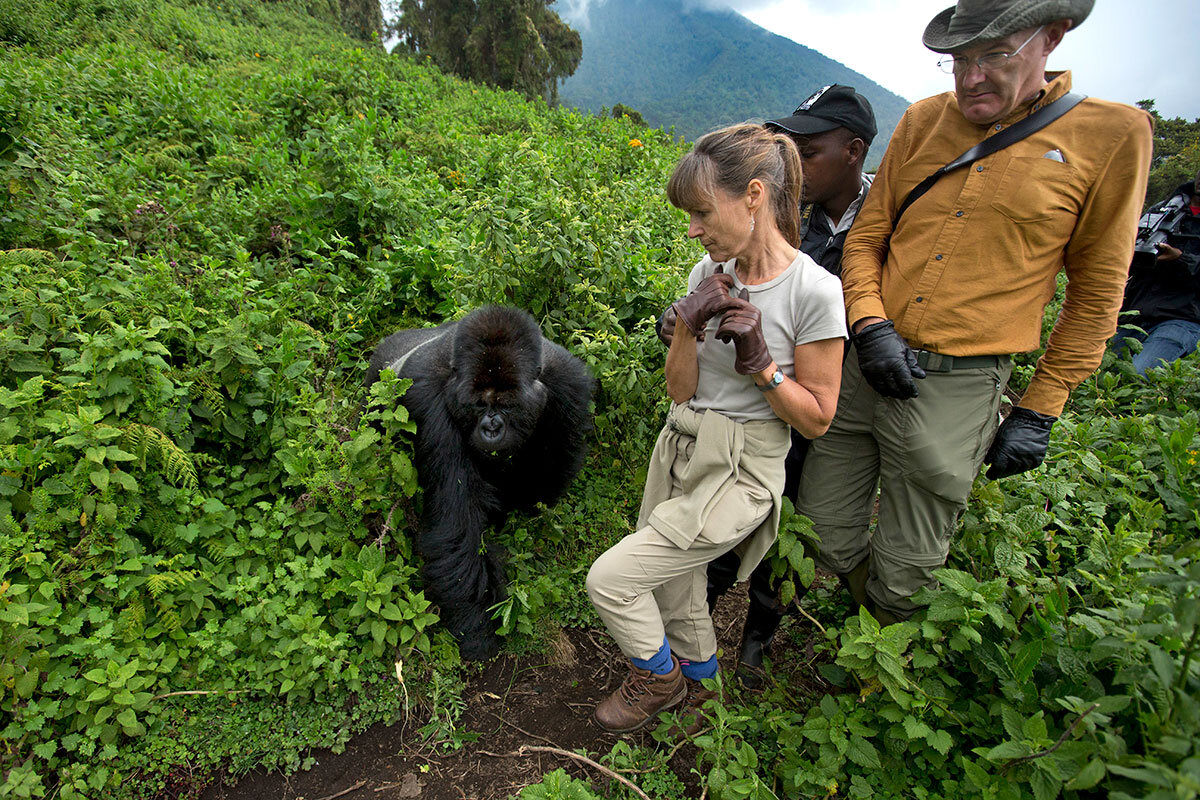
June to September is one of the most recommended periods within the Gorilla Habituation Photography Seasons calendar. These months coincide with Uganda’s longer dry season and attract many professional photographers and wildlife enthusiasts.
The weather conditions during this period often allow photographers to spend extended time in the forest without frequent interruptions from heavy rainfall. This is especially valuable because habituation photography requires patience and observation.
Photographers have opportunities to capture detailed images of gorilla family interactions, including silverback displays, feeding moments, grooming behavior, and infant activities.
The relatively dry trails also make it easier to carry camera equipment, tripods, additional lenses, and protective gear through Bwindi’s forest terrain.
Because this period is highly popular, photographers should arrange permits and accommodation early to secure their preferred travel dates.
December to February Photography Opportunities
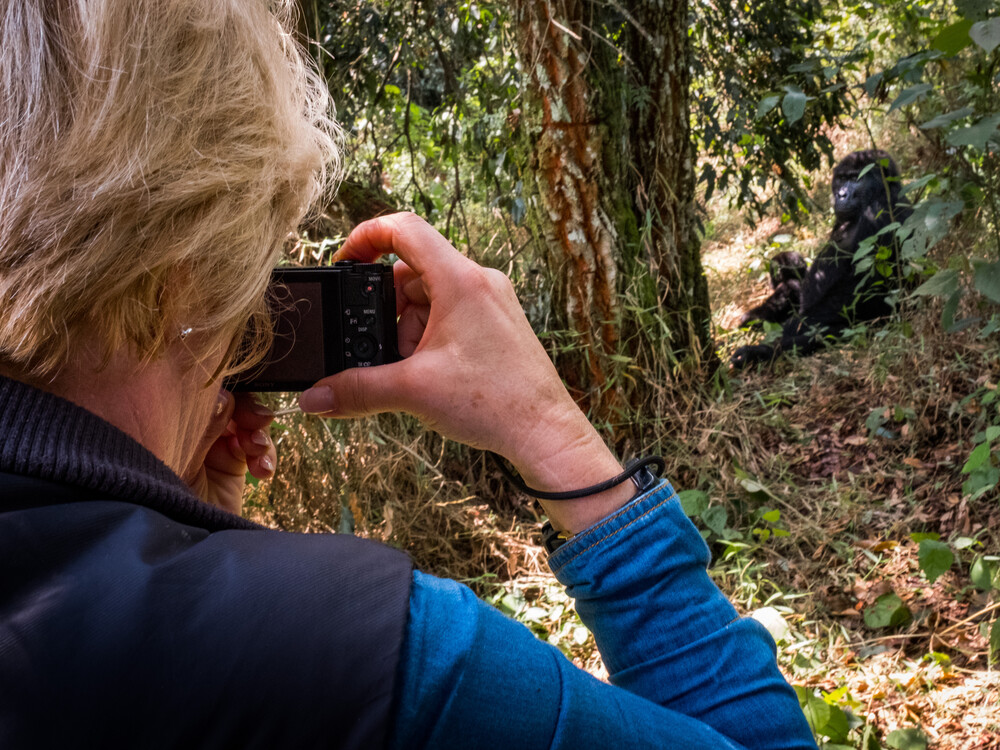
December to February is another excellent period among the Gorilla Habituation Photography Seasons. These months provide another window of favorable conditions for photographers visiting Uganda.
The combination of lower rainfall, comfortable temperatures, and beautiful rainforest scenery creates excellent conditions for capturing mountain gorillas.
This period is especially attractive for photographers combining gorilla habituation with other Uganda safari experiences. Travelers can include wildlife photography in destinations such as Queen Elizabeth National Park, Kibale Forest, and Murchison Falls.
The pleasant conditions allow photographers to focus on storytelling through images, capturing not only gorillas but also the surrounding rainforest ecosystem.
For photographers looking for a balance between comfort and incredible wildlife opportunities, December to February remains a strong choice.
Rainy Season Gorilla Habituation Photography
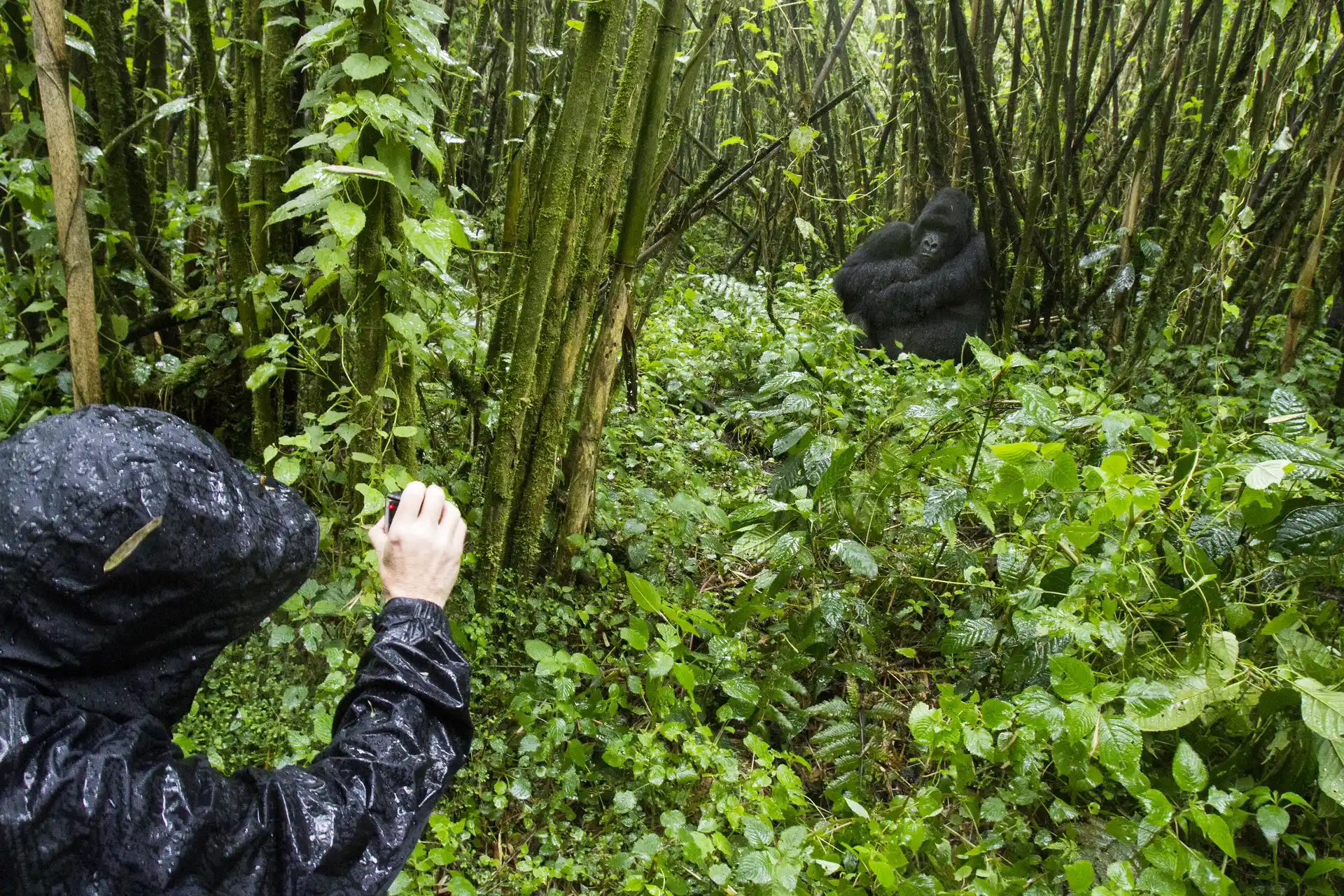
The rainy months are among the most misunderstood Gorilla Habituation Photography Seasons. While some photographers avoid rainy conditions, many professionals consider them some of the most rewarding periods for creative photography.
Uganda’s rainy seasons occur mainly from March to May and October to November. During these months, Bwindi becomes exceptionally green and vibrant.
Rain creates dramatic photography opportunities by adding mist, soft lighting, wet vegetation, and atmospheric backgrounds. Images captured during rainy conditions often reflect the true wilderness character of the rainforest.
The lower number of visitors during rainy months also provides photographers with a quieter environment. This allows more concentration on observing gorilla behaviors and capturing meaningful moments.
For photographers who enjoy artistic wildlife images and dramatic rainforest scenery, rainy periods can be among the most beautiful Gorilla Habituation Photography Seasons
Photography During March to May
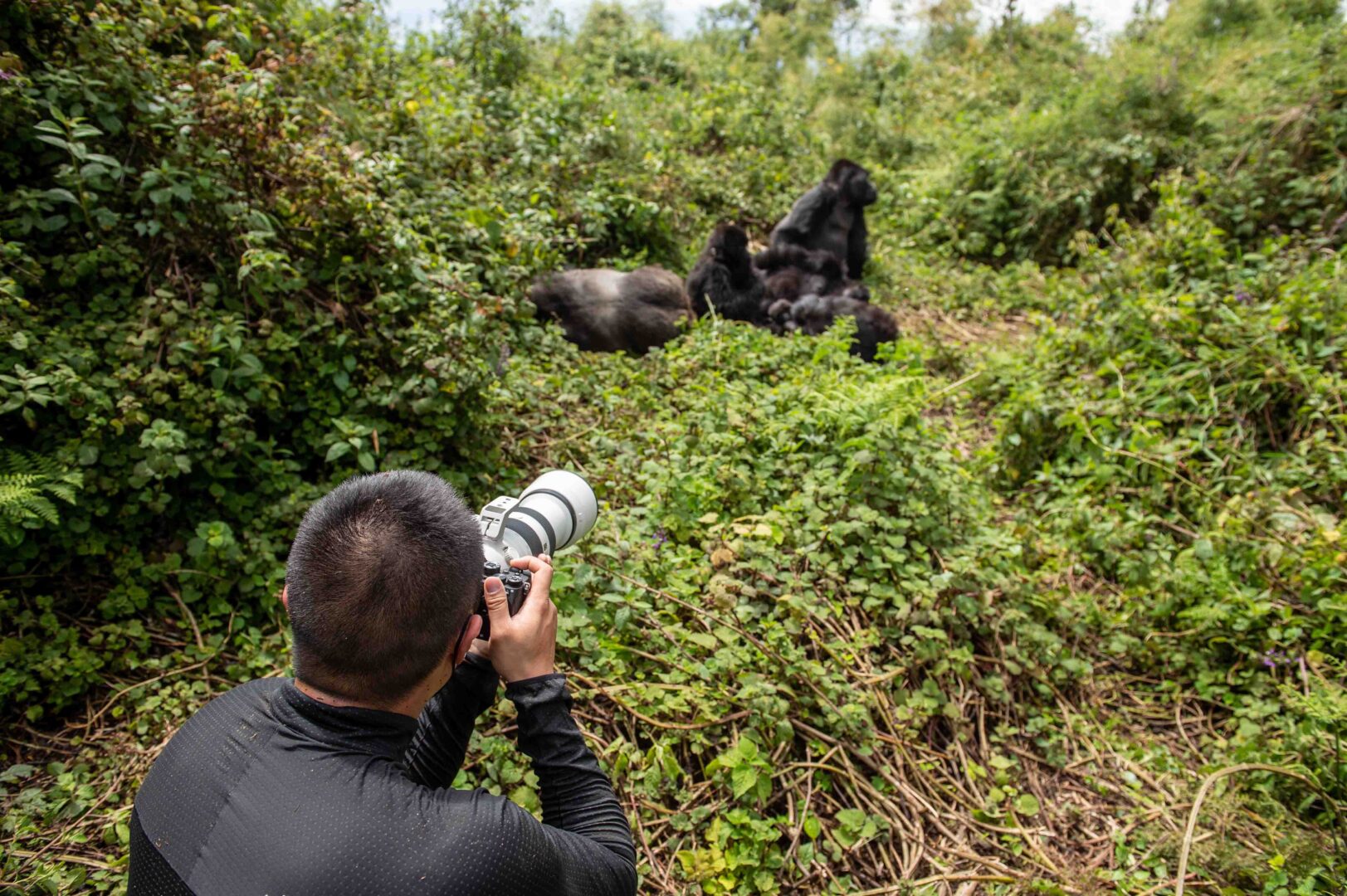
March to May offers unique opportunities within the Gorilla Habituation Photography Seasons because the rainforest reaches peak levels of freshness and beauty.
During this period, rainfall supports abundant vegetation, creating rich green backgrounds for photography. Mist often covers the forest-covered hills, producing dramatic and emotional images.
Photographers may capture gorillas moving through wet vegetation, feeding among fresh plants, and interacting within the peaceful rainforest environment.
Although trails may be muddy, proper preparation allows photographers to enjoy incredible opportunities during this quieter season.
Photography During October to November
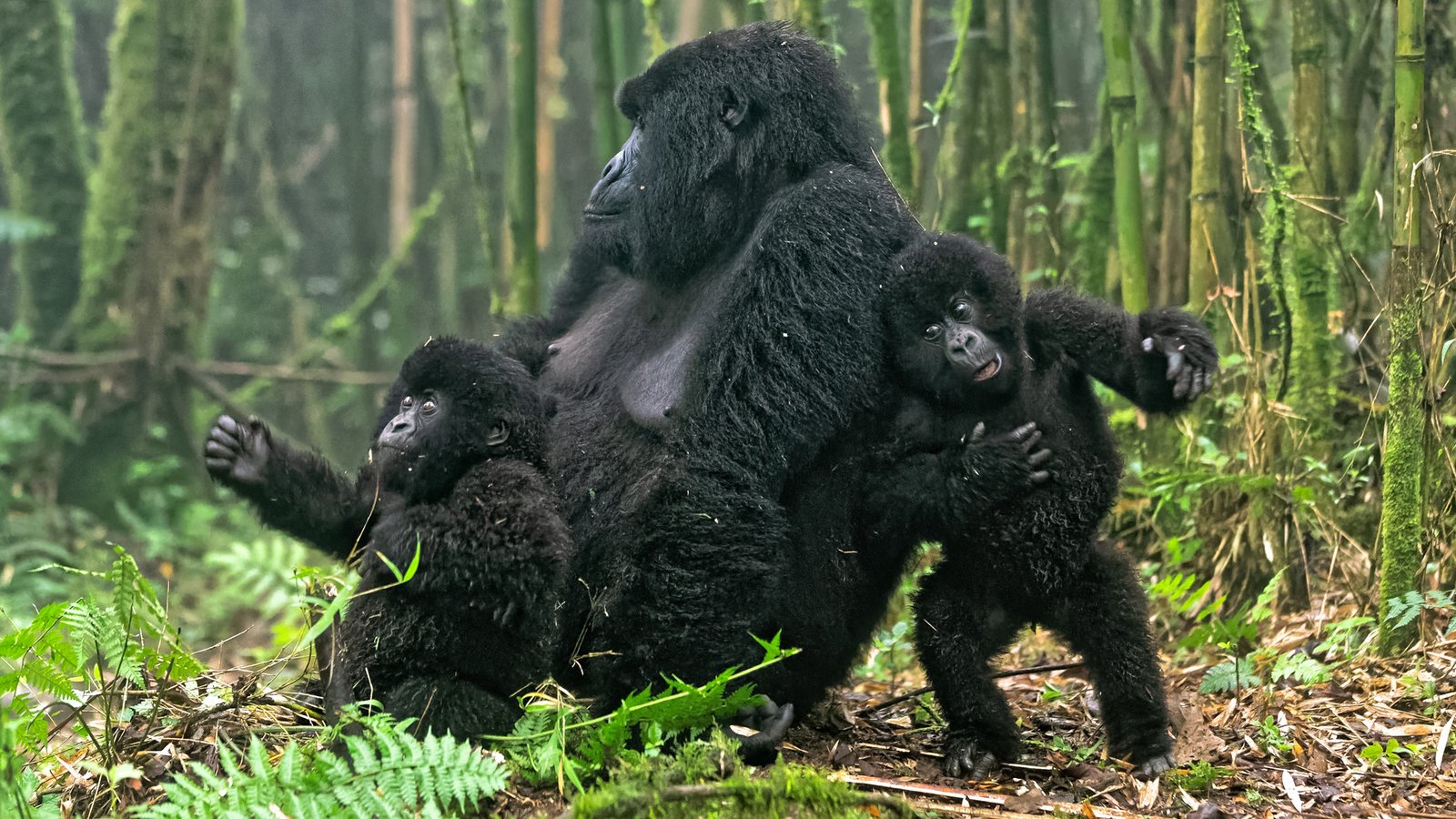
October and November are also valuable months within the Gorilla Habituation Photography Seasons. These months provide another opportunity to experience Bwindi’s rainforest beauty with fewer crowds.
The shorter rainy season creates a fresh and vibrant environment where photographers can capture unique images of mountain gorillas surrounded by lush vegetation.
The changing weather can create different moods throughout the day, from misty mornings to clearer afternoon conditions.
For photographers seeking originality and fewer visitors, October and November provide excellent creative possibilities.
Best Lighting Conditions for Gorilla Photography
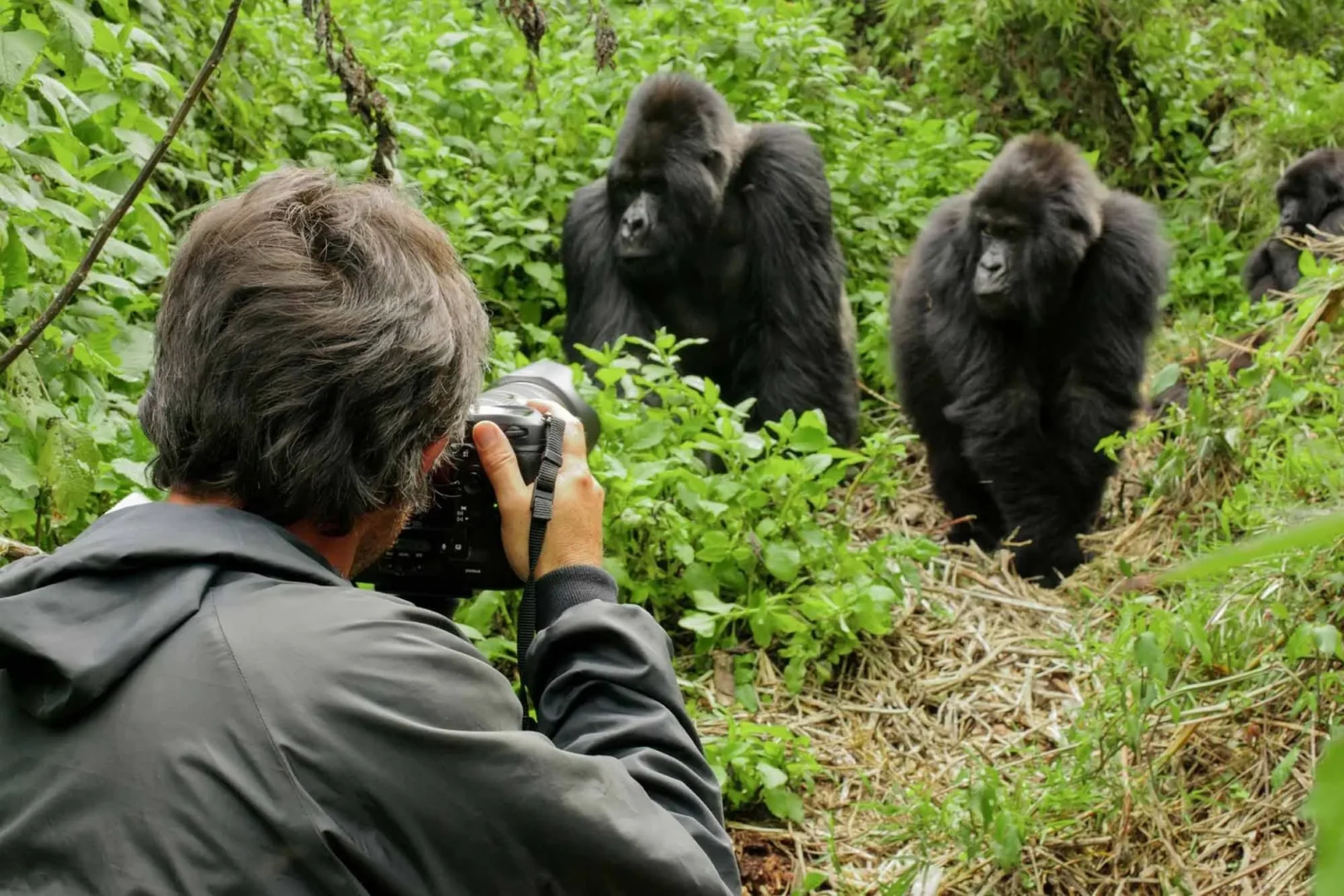
Lighting is one of the most important considerations when choosing Gorilla Habituation Photography Seasons. Bwindi’s rainforest environment creates unique lighting challenges because much of the forest is covered by dense vegetation.
Early mornings often provide soft natural light, which is ideal for capturing detailed gorilla portraits. The gentle lighting helps highlight facial expressions, fur textures, and emotional moments.
Cloudy conditions, which are common in Bwindi, can actually benefit photographers by reducing harsh shadows and creating balanced images.
Understanding seasonal lighting patterns helps photographers prepare camera settings and equipment before entering the forest.
Camera Equipment Preparation for Different Seasons
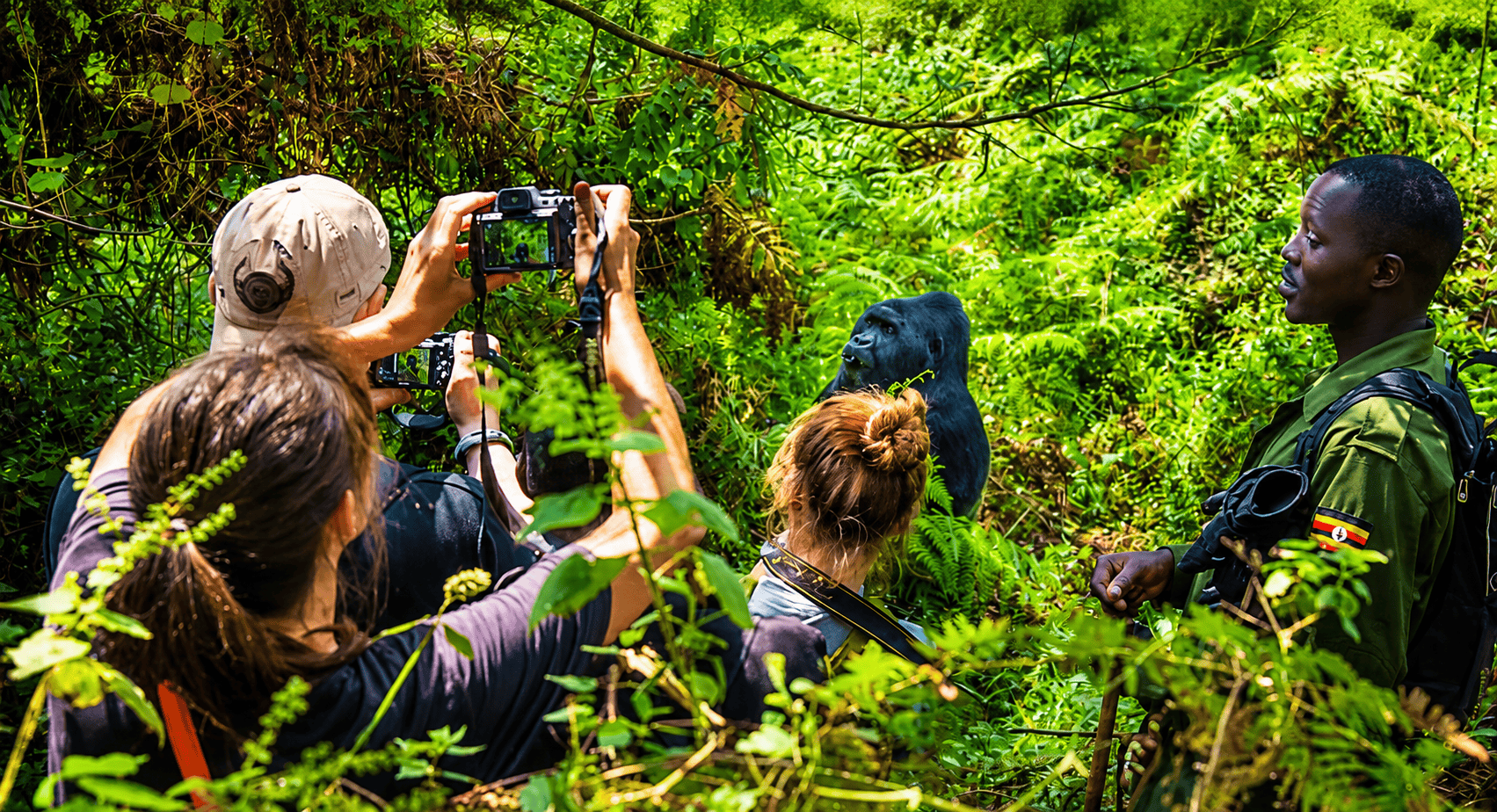
Preparing equipment according to Gorilla Habituation Photography Seasons is essential because Bwindi’s weather conditions can change quickly.
Photographers should use cameras and lenses suitable for wildlife photography, especially equipment capable of capturing subjects in low-light rainforest conditions.
Rain protection is important throughout the year, even during dry seasons. Waterproof camera covers, protective bags, lens cloths, and extra batteries help protect valuable equipment.
Telephoto lenses are especially useful because they allow photographers to capture detailed images while maintaining respectful distances from gorillas.
Proper equipment preparation ensures photographers are ready regardless of the season they choose.
Conservation and Ethical Gorilla Photography
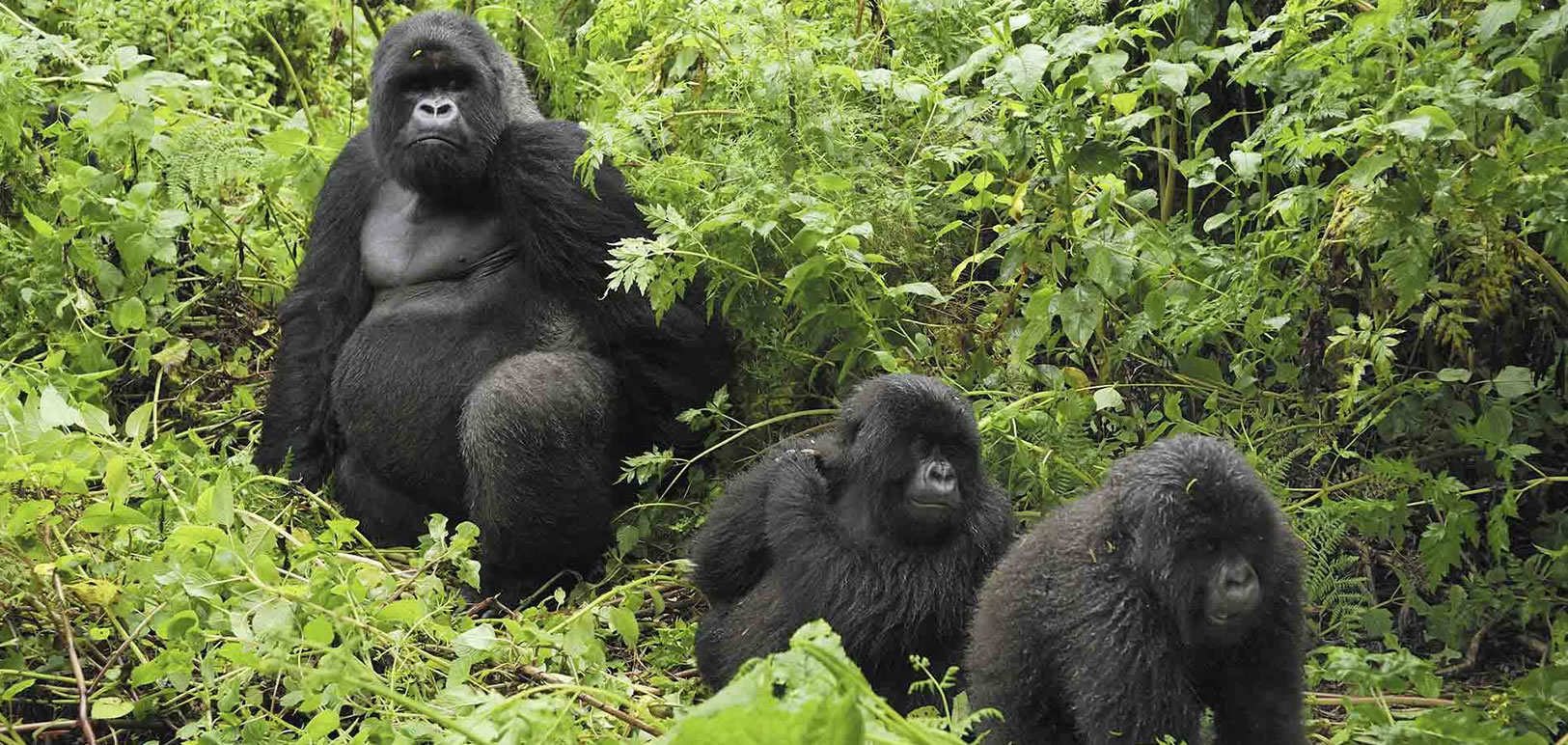
Responsible photography is a key part of all Gorilla Habituation Photography Seasons. While capturing incredible images is important, protecting gorilla welfare must always come first.
Photographers must follow guidelines provided by guides and Uganda Wildlife Authority officials. Maintaining distance, avoiding sudden movements, and minimizing disturbance are essential.
Ethical photography helps ensure that mountain gorillas remain protected while allowing future generations to experience these incredible animals.
Every photograph captured during habituation should represent respect for wildlife and conservation.
Frequently Asked Questions About Gorilla Habituation Photography Seasons
1. What are the best Gorilla Habituation Photography Seasons in Uganda?
The best Gorilla Habituation Photography Seasons depend on the type of photography experience a traveler wants. Many photographers prefer the dry seasons from June to September and December to February because of lower rainfall, easier trekking conditions, and more predictable weather.
During these months, photographers can comfortably carry camera equipment through Bwindi Impenetrable National Park and spend extended periods observing semi-habituated gorilla families.
However, rainy seasons from March to May and October to November also provide exceptional photography opportunities. The misty rainforest atmosphere, lush vegetation, and fewer visitors create unique images that cannot always be captured during drier months.
2. Why are dry seasons popular for Gorilla Habituation Photography Seasons?
Dry seasons are popular within the Gorilla Habituation Photography Seasons because they provide more comfortable conditions for photographers carrying expensive equipment through the rainforest.
Lower rainfall usually means less mud on forest trails, easier hiking, and fewer interruptions during photography sessions. This allows photographers to concentrate on capturing gorilla behaviors rather than managing difficult weather conditions.
The dry season also provides good opportunities to photograph silverbacks, mothers with infants, juveniles playing, and family interactions in relatively stable conditions.
3. Can photographers take good photos during rainy Gorilla Habituation Photography Seasons?
Yes, rainy periods can produce some of the most beautiful gorilla photographs. The Gorilla Habituation Photography Seasons during rainy months create a dramatic rainforest environment with mist, fresh vegetation, and soft natural lighting.
Rain can add atmosphere to images by creating a deep connection between mountain gorillas and their natural habitat.
Professional photographers often appreciate rainy conditions because they produce unique and artistic wildlife photographs that showcase the true wilderness character of Bwindi.
4. Which months are best for professional gorilla photography?
For many professional photographers, the best Gorilla Habituation Photography Seasons are June to September and December to February because of favorable weather and easier forest access.
These months allow photographers to spend more comfortable hours inside the rainforest while protecting cameras and lenses from excessive moisture.
However, professional wildlife photographers also consider rainy months valuable because unique weather conditions can create exceptional storytelling images.
5. Is gorilla habituation better for photography than normal gorilla trekking?
Yes, gorilla habituation is often better for photography because it provides significantly more time with gorilla families.
The Gorilla Habituation Photography Seasons become even more important because photographers have up to four hours to observe behaviors compared to approximately one hour during standard gorilla trekking.
This extended time allows photographers to wait patiently for special moments, including silverback displays, infant interactions, feeding behaviors, and family communication.
6. What type of lighting can photographers expect during gorilla habituation?
Lighting conditions vary throughout the Gorilla Habituation Photography Seasons because Bwindi is a dense tropical rainforest.
Morning hours often provide soft natural light, which is excellent for capturing detailed gorilla portraits and facial expressions.
Cloudy conditions, which are common in Bwindi, can actually benefit photographers because they reduce harsh shadows and create balanced lighting throughout the forest.
7. Are June to September the best Gorilla Habituation Photography Seasons?
June to September are among the most recommended Gorilla Habituation Photography Seasons because they fall within Uganda’s longer dry period.
These months generally offer lower rainfall, making it easier for photographers to hike through Bwindi while carrying cameras, lenses, and other equipment.
The stable conditions provide excellent opportunities for capturing clear and detailed mountain gorilla photographs.
8. Are December to February good months for gorilla photography?
Yes, December to February are excellent months within the Gorilla Habituation Photography Seasons calendar.
These months provide relatively favorable weather conditions and beautiful rainforest scenery, making them ideal for photographers who want a comfortable experience.
The period is also suitable for combining gorilla photography with other Uganda wildlife photography experiences.
9. What are the advantages of rainy Gorilla Habituation Photography Seasons?
Rainy Gorilla Habituation Photography Seasons provide several unique advantages, including fewer tourists and more dramatic rainforest scenery.
The forest becomes greener, mist creates atmospheric backgrounds, and wet vegetation adds depth to photographs.
Photographers who enjoy capturing emotional and artistic wildlife images often find rainy seasons extremely rewarding.
10. What camera equipment is recommended for gorilla habituation photography?
The equipment needed during different Gorilla Habituation Photography Seasons depends on weather conditions and personal photography goals.
A quality camera body, telephoto lens, extra batteries, memory cards, and waterproof protection are highly recommended.
Because Bwindi has changing weather throughout the year, photographers should always carry rain covers or protective bags to keep equipment safe.
11. Does rain damage camera equipment during gorilla habituation?
Rain does not have to damage equipment if photographers prepare properly. The Gorilla Habituation Photography Seasons require photographers to consider protection because Bwindi is a humid rainforest environment.
Waterproof camera covers, dry bags, and lens cloths help protect equipment during unexpected showers.
Professional preparation ensures photographers can continue capturing images while keeping their gear safe.
12. Which Gorilla Habituation Photography Seasons are best for photographing gorilla infants?
Gorilla infants can be photographed throughout the year because mountain gorillas reproduce continuously.
The Gorilla Habituation Photography Seasons mainly influence weather, lighting, and trekking comfort rather than whether infants are present.
Both dry and rainy seasons provide opportunities to capture mothers caring for infants, young gorillas playing, and important family interactions.
13. Are there fewer photographers during rainy Gorilla Habituation Photography Seasons?
Yes, rainy seasons usually attract fewer visitors and photographers compared to peak dry periods.
Choosing quieter Gorilla Habituation Photography Seasons allows photographers to enjoy a more peaceful forest environment.
This can create better opportunities to focus on composition, observe gorilla behavior carefully, and capture meaningful images without distractions.
14. What makes Bwindi special for gorilla photography?
Bwindi Impenetrable National Park provides one of the world’s most unique environments for gorilla photography.
The combination of mountain gorillas, ancient rainforest, misty hills, and changing Gorilla Habituation Photography Seasons creates incredible photographic possibilities.
The park’s dense vegetation and natural atmosphere allow photographers to capture images that tell powerful conservation stories.
15. Can beginner photographers participate in gorilla habituation photography?
Yes, beginners can enjoy gorilla photography during any of the Gorilla Habituation Photography Seasons.
Professional guides help visitors understand gorilla behavior and provide instructions on responsible photography practices.
The extended habituation experience gives beginners enough time to learn, adjust camera settings, and capture memorable images.
16. How does weather affect gorilla photography opportunities?
Weather influences photography conditions throughout the Gorilla Habituation Photography Seasons.
Dry periods may provide easier access and more predictable conditions, while rainy periods offer dramatic scenery and unique lighting.
Every season creates different photographic opportunities, allowing photographers to choose based on their preferred style.
17. Do I need a special permit for gorilla photography during habituation?
A gorilla habituation permit is required to participate in the experience. The permit allows visitors to spend extended time with semi-habituated gorilla families.
The Gorilla Habituation Photography Seasons do not change the permit requirements because conservation rules apply throughout the year.
Professional photography projects may require additional permissions depending on their purpose and scale.
18. Can I combine gorilla photography with other Uganda photography safaris?
Yes, many photographers combine gorilla habituation with other wildlife photography experiences.
The best Gorilla Habituation Photography Seasons can also be suitable for photographing wildlife in destinations such as Queen Elizabeth National Park, Kibale Forest, and Murchison Falls.
A customized itinerary allows photographers to capture Uganda’s diverse landscapes and wildlife.
19. How can NextGEN Safaris help photographers choose the best season?
NextGEN Safaris helps photographers choose suitable Gorilla Habituation Photography Seasons based on their goals, equipment, travel dates, and preferred conditions.
Our team provides advice on weather patterns, permit availability, accommodation, transportation, and photography planning.
We create customized gorilla photography safaris that maximize opportunities while maintaining responsible wildlife practices.
20. How do I book a Gorilla Habituation Photography Seasons safari with NextGEN Safaris?
Booking your Gorilla Habituation Photography Seasons adventure with NextGEN Safaris ensures professional planning from start to finish.
We arrange gorilla habituation permits, transportation, accommodation near Bwindi, experienced guides, and personalized photography-focused itineraries.
Whether you prefer the clear conditions of the dry season or the dramatic beauty of rainy months, our team helps you create an unforgettable mountain gorilla photography experience in Uganda.
Contact NextGEN Safaris today and begin planning your ultimate gorilla habituation photography safari in Bwindi Impenetrable National Park.
Booking Your Gorilla Habituation Photography Safari with NextGEN Safaris
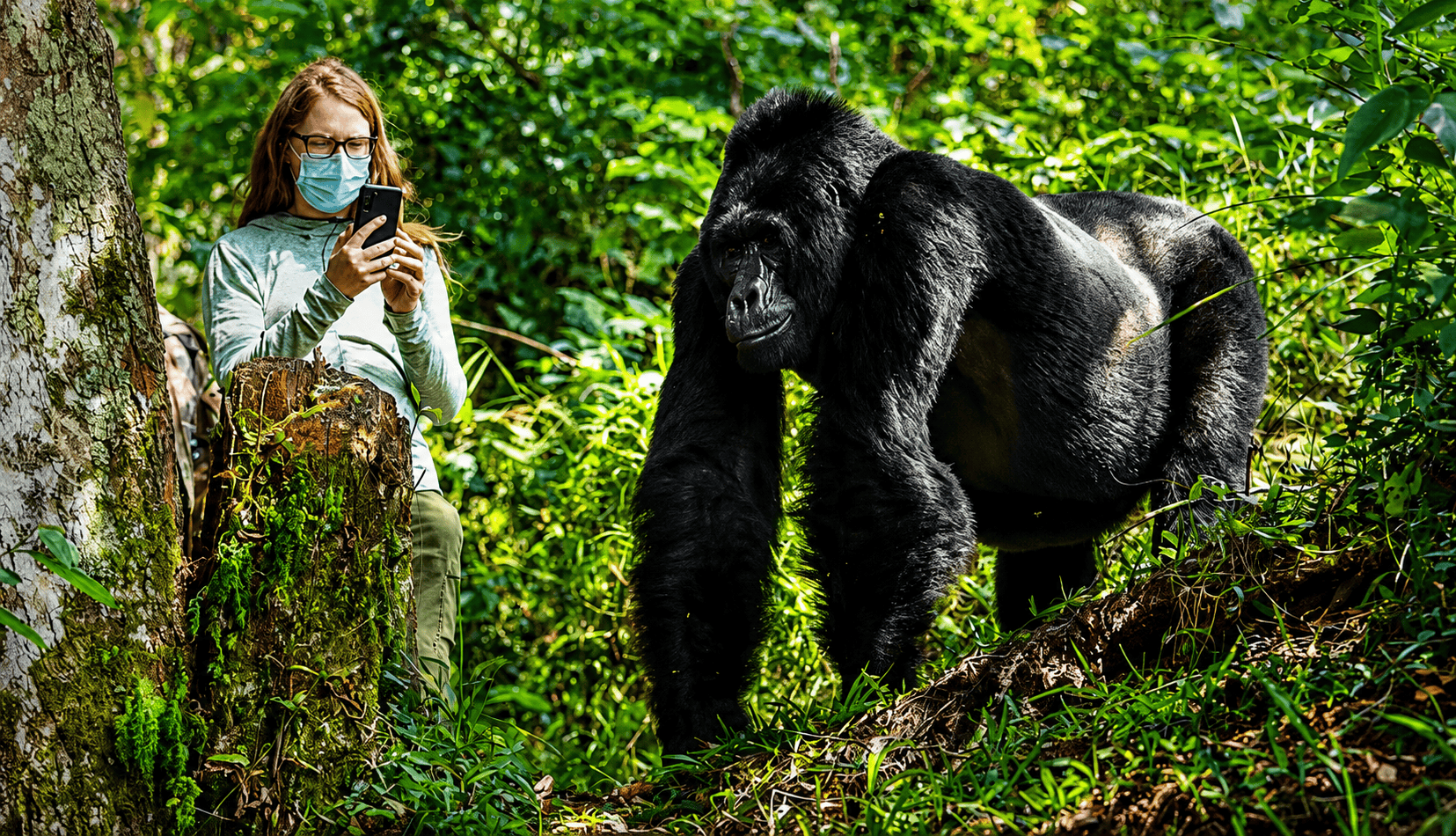
Planning your journey around the best Gorilla Habituation Photography Seasons requires expert guidance, especially for photographers carrying specialized equipment and seeking the best possible conditions.
NextGEN Safaris specializes in organizing professional gorilla habituation photography experiences in Uganda, providing complete support from permit booking to final departure.
Our team helps photographers choose suitable travel periods based on their photography goals, preferred weather conditions, and desired safari experiences. Whether you prefer the clear conditions of the dry season or the dramatic rainforest atmosphere of rainy months, we help design the perfect itinerary.
We arrange gorilla habituation permits, comfortable accommodation near Bwindi Impenetrable National Park, transportation, and experienced guides who understand both gorilla behavior and photography requirements.
Our guides provide valuable insights into gorilla family structures, individual behaviors, and the best ways to respectfully observe and photograph these endangered primates.
For professional photographers, we can customize itineraries that allow additional time for wildlife photography and combine gorilla habituation with other destinations such as Queen Elizabeth National Park, Kibale Forest, and Uganda’s scenic landscapes.
Choosing NextGEN Safaris means enjoying a professionally planned Gorilla Habituation Photography Seasons experience with local experts committed to conservation, safety, and unforgettable photography opportunities.
Contact NextGEN Safaris today and let us help you plan your ultimate Uganda gorilla habituation photography adventure.