

Ultimate Guide to Uganda Climate for Gorilla Trekking Bwindi: Plan Your Perfect Gorilla Safari
Understanding Uganda Climate for Gorilla Trekking Bwindi
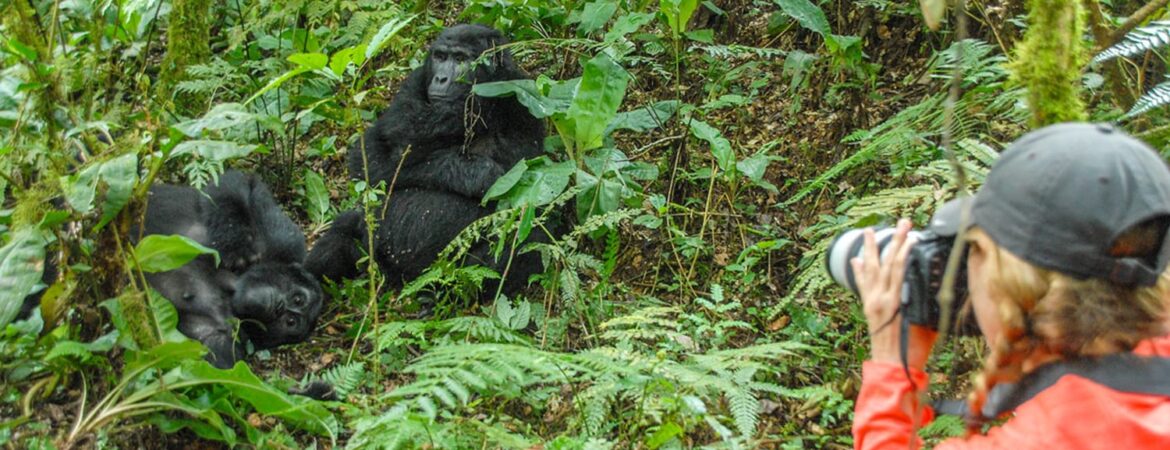
Understanding the Uganda Climate for Gorilla Trekking Bwindi is essential for travelers who want to have a safe, comfortable, and memorable mountain gorilla experience. Bwindi Impenetrable National Park, located in southwestern Uganda, is home to semi-habituated and fully habituated mountain gorilla families. The park’s tropical rainforest environment is influenced by its high altitude, dense vegetation, and equatorial location, creating unique climate conditions that directly affect trekking, wildlife observation, and photography.
The Uganda Climate for Gorilla Trekking Bwindi influences many aspects of your safari experience, including trail conditions, gorilla behavior, forest accessibility, and visitor comfort. While habituation experiences are available year-round, understanding seasonal variations helps travelers choose the best time for trekking, plan appropriate clothing, prepare equipment, and optimize photographic opportunities.
Bwindi’s climate is characterized by moderate temperatures, high humidity, and consistent rainfall. Even during the drier months, occasional showers can occur, so preparedness is crucial. Knowing the Uganda Climate for Gorilla Trekking Bwindi allows visitors to enjoy extended encounters with gorilla families while minimizing potential risks posed by extreme weather or forest conditions.
By planning according to climate considerations, visitors can select periods with manageable trails, favorable lighting for photography, and optimal comfort for hiking. This ensures a rewarding and safe gorilla trekking experience in Uganda’s rainforest.
Temperature Patterns in Bwindi
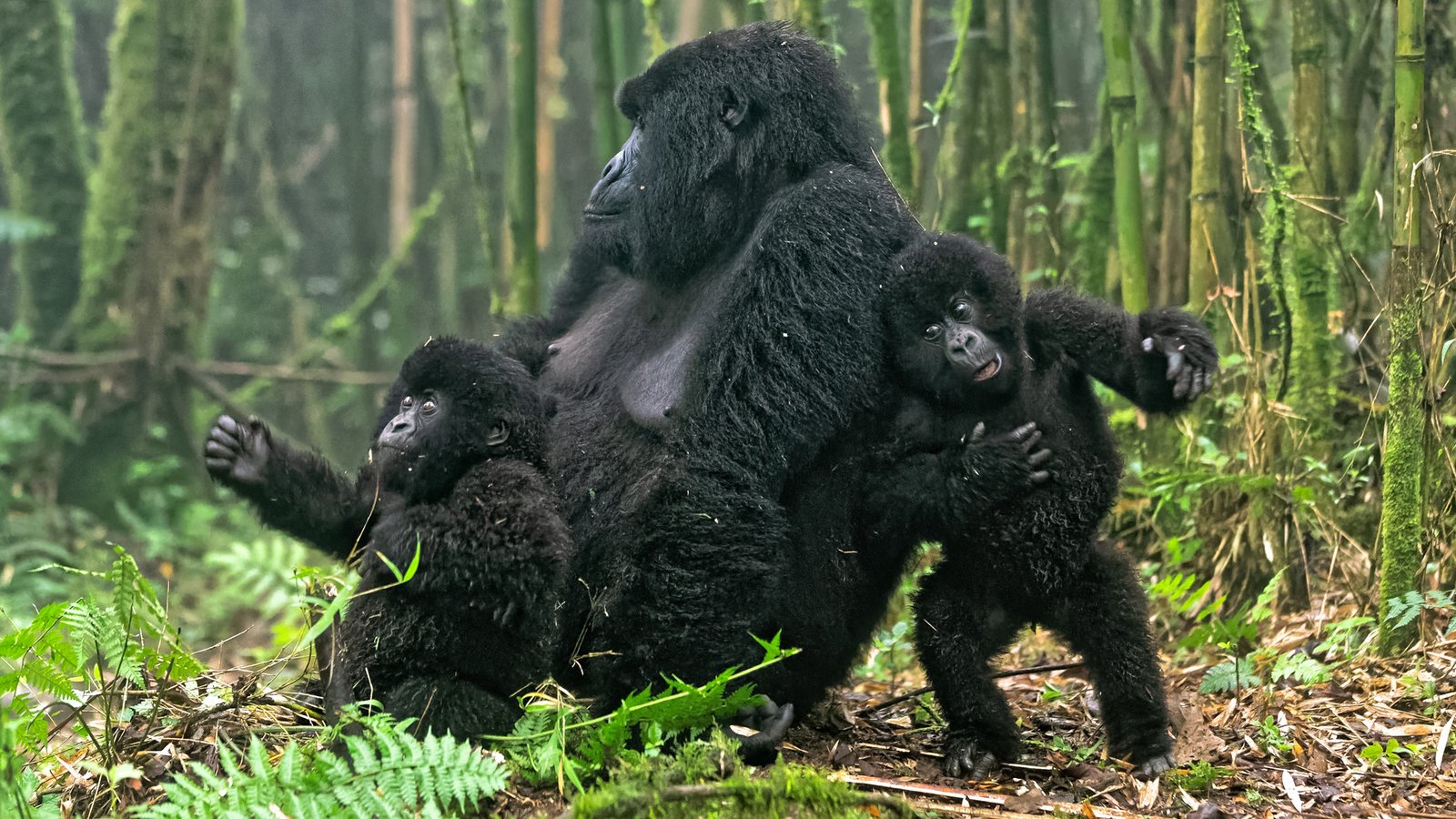
One of the most important elements of Uganda Climate for Gorilla Trekking Bwindi is understanding the park’s temperature patterns. Bwindi’s elevation, which ranges between 1,160 and 2,600 meters above sea level, keeps temperatures moderate throughout the year.
Daytime temperatures generally range between 20°C and 25°C, providing comfortable conditions for trekking. Early mornings and late evenings can feel cooler, particularly after rainfall or in shaded forest areas. Travelers planning gorilla trekking should dress in layers to adapt to these varying temperatures.
The moderate climate allows mountain gorillas to remain active during both dry and rainy periods. Visitors can observe natural behaviors such as silverback leadership, maternal care, juvenile play, and feeding routines regardless of the temperature.
Understanding the Uganda Climate for Gorilla Trekking Bwindi helps visitors prepare adequately for long forest walks, ensuring safety, comfort, and a more enjoyable observation experience.
Rainfall and Seasons
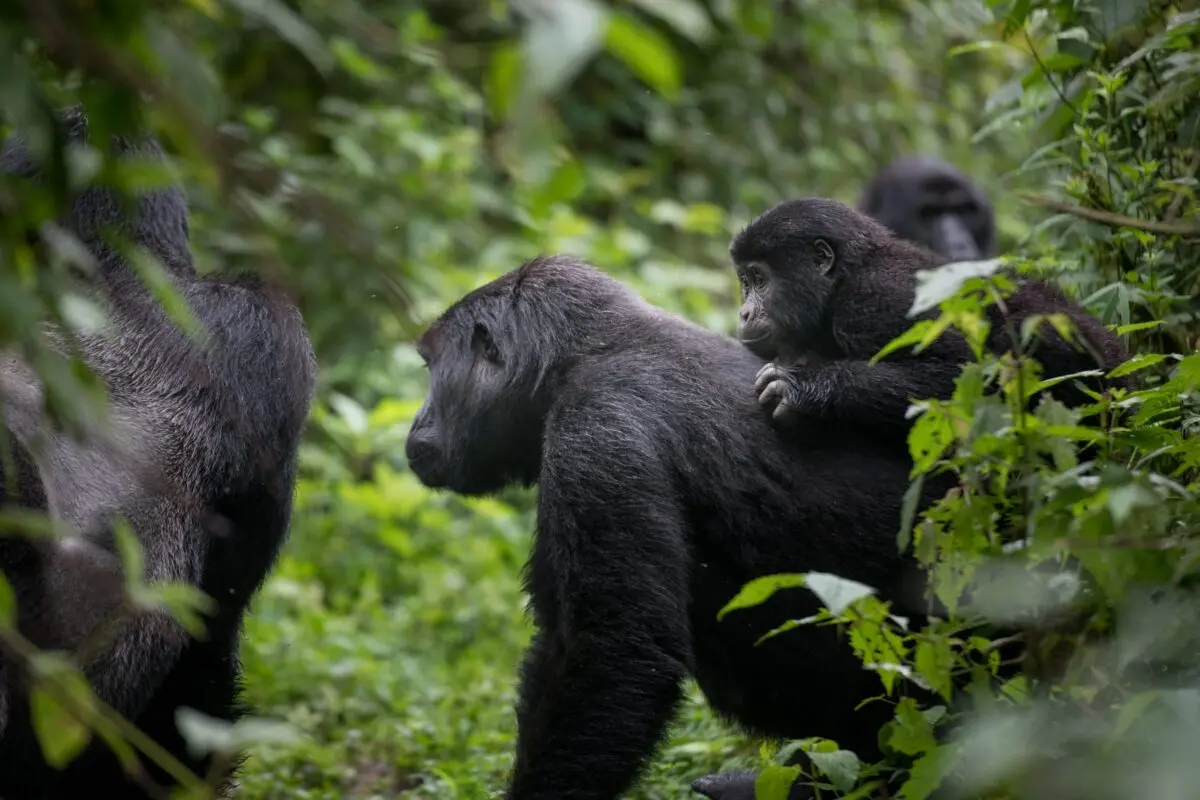
Rainfall is a key factor when considering Uganda Climate for Gorilla Trekking Bwindi. The park receives substantial rainfall year-round, but it is concentrated during two main rainy periods: March to May and October to November.
The dry seasons, from June to September and December to February, generally offer less rainfall and more stable trekking conditions. These periods are often preferred by travelers seeking easier access, less slippery trails, and better conditions for photography.
Even during the rainy months, habituation experiences continue because mountain gorillas are adapted to rainforest conditions. However, muddy trails, heavier vegetation, and reduced visibility can make trekking more physically challenging. Proper footwear, rain gear, and careful preparation are essential.
By understanding Uganda Climate for Gorilla Trekking Bwindi, travelers can decide whether they prefer drier months for convenience or wetter months for lush forest scenery and fewer crowds.
Humidity and Forest Conditions
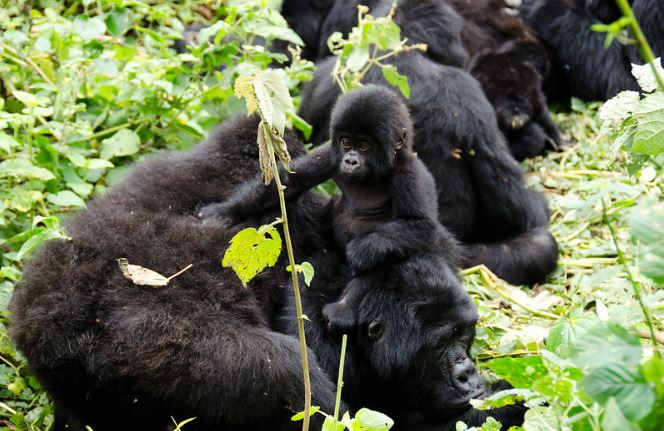
Humidity is another important factor within the Uganda Climate for Gorilla Trekking Bwindi. Bwindi’s rainforest maintains high humidity levels throughout the year, which can influence comfort during trekking.
High humidity can make physical activity more demanding and may affect camera equipment, requiring protective measures. It also contributes to the dense and vibrant vegetation that creates the forest’s breathtaking scenery.
Despite these challenges, the humid conditions are essential for the rainforest ecosystem, supporting gorilla food sources such as leaves, shoots, and fruits. Visitors will experience the forest in its natural state, observing gorillas moving, feeding, and interacting within a healthy environment.
Preparing for humidity is part of understanding Uganda Climate for Gorilla Trekking Bwindi and ensures travelers remain comfortable and safe during extended encounters.
Daily Weather Variations
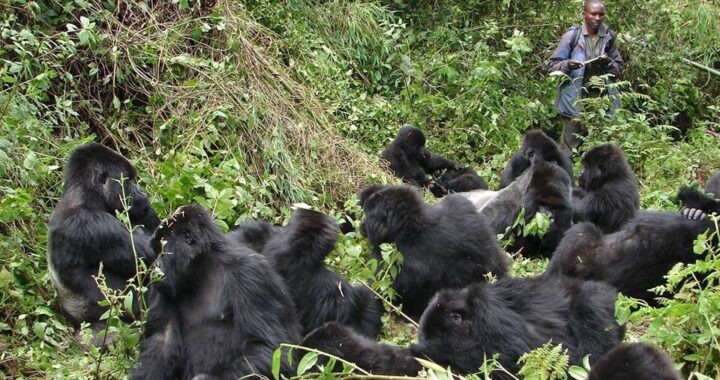
The Uganda Climate for Gorilla Trekking Bwindi is dynamic, with rapid weather changes occurring even within a single day. Visitors may experience sunshine, mist, light rain, or overcast skies all within a few hours.
Early mornings often bring cool temperatures and forest mist, which can create stunning photographic conditions. By midday, the temperature may rise slightly, allowing for more comfortable trekking. Afternoon showers are common, particularly during rainy seasons.
Being aware of these daily variations helps travelers plan clothing, hydration, and photography equipment, ensuring that they are prepared for all conditions. Guides and trackers are trained to anticipate these shifts, providing a safer and more enjoyable habituation experience.
How Climate Affects Gorilla Behavior
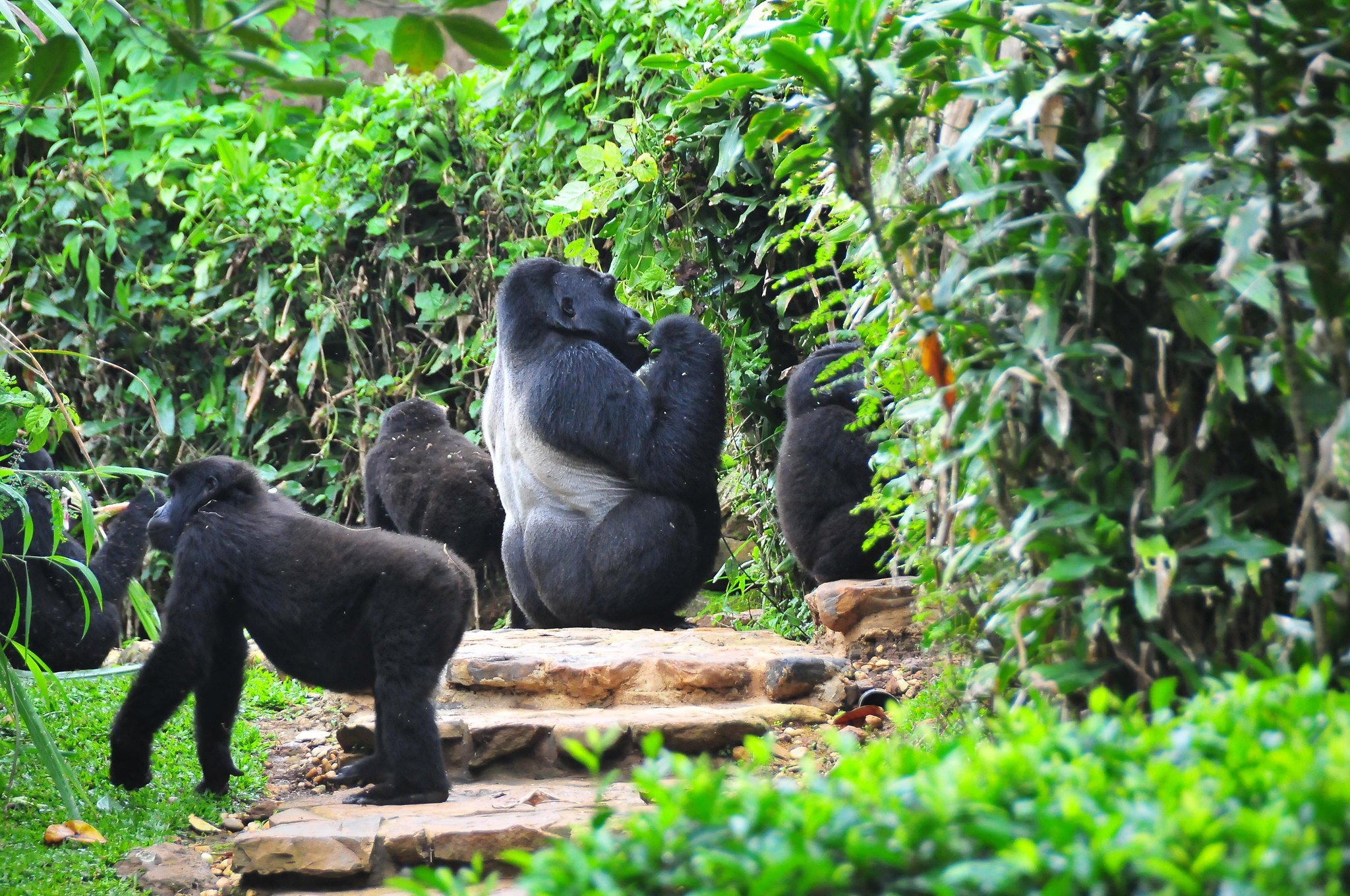
The Uganda Climate for Gorilla Trekking Bwindi plays a significant role in shaping mountain gorilla movement, daily routines, and social behaviors. Gorillas are highly adaptable to their rainforest environment, so they continue feeding, resting, grooming, and communicating with one another regardless of whether it is rainy, humid, or dry. However, subtle changes in weather can influence their patterns, providing visitors with different observational opportunities depending on the season.
During the dry months, gorilla groups often travel slightly further distances in search of food, which means visitors and trackers may hike longer distances to find them. The Uganda Climate for Gorilla Trekking Bwindi during these periods generally offers more stable and predictable conditions, making it easier for trekkers to follow gorilla families while observing their interactions, feeding behaviors, and protective roles of the silverbacks.
In contrast, rainy periods create a slightly different dynamic. Gorillas may take temporary shelter under dense vegetation or resting areas during heavy rainfall. These periods are still valuable for observing gorilla behavior, as visitors can see how gorillas adapt to environmental changes, communicate within the group, and maintain social cohesion even under less favorable conditions. Understanding the Uganda Climate for Gorilla Trekking Bwindi allows travelers to anticipate moments of activity and rest, helping them capture the full range of behaviors that define gorilla families.
For photographers and wildlife enthusiasts, being aware of the Uganda Climate for Gorilla Trekking Bwindi ensures that they can plan for the best times to observe and photograph social interactions, grooming behaviors, feeding routines, and playful activities among juveniles. By understanding the impact of climate, visitors gain a deeper appreciation for the resilience, intelligence, and adaptability of mountain gorillas in their natural habitat.
Planning Your Visit According to Climate
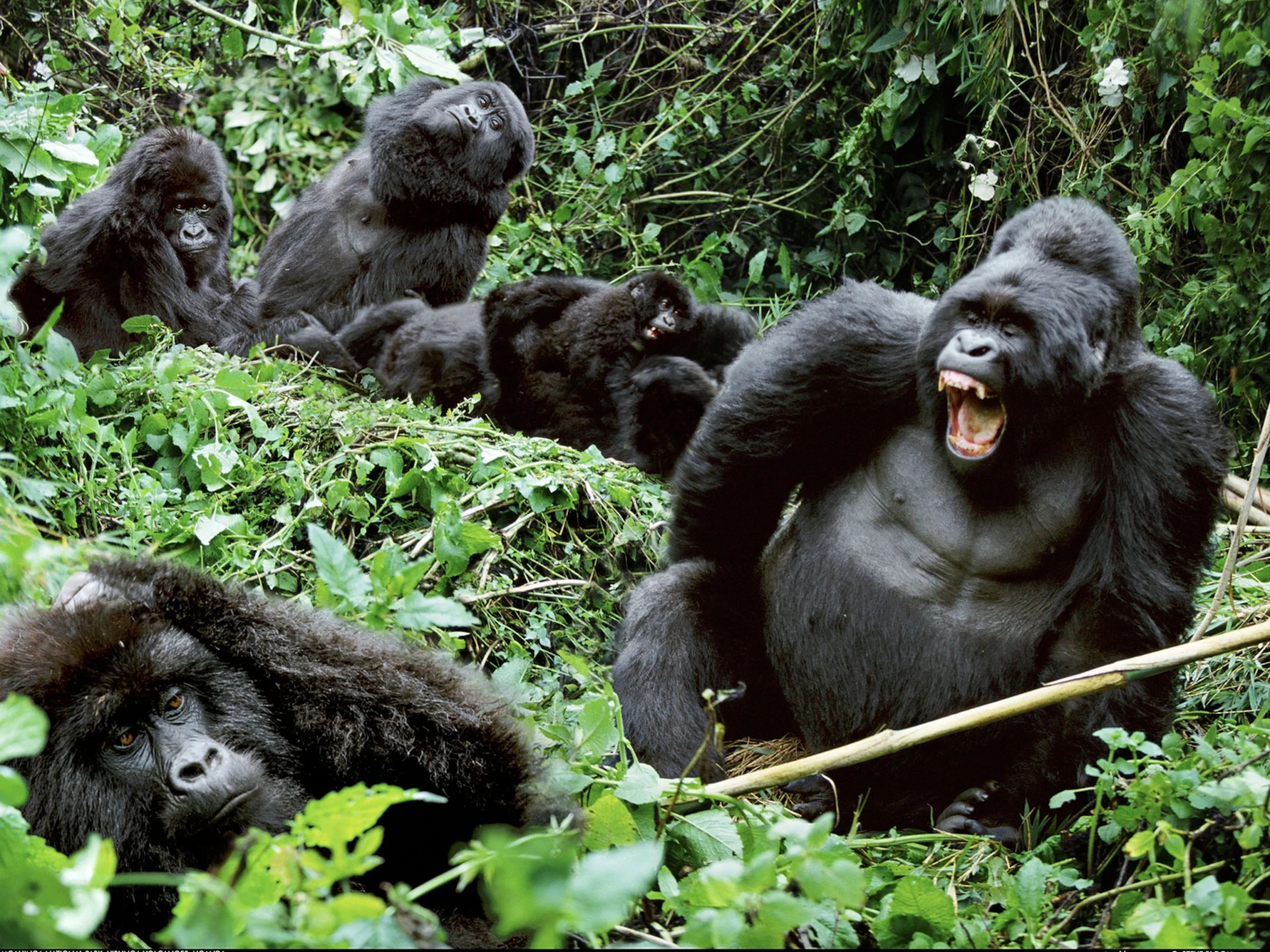
Careful planning around the Uganda Climate for Gorilla Trekking Bwindi is essential to ensure safety, comfort, and a meaningful habituation experience. Selecting the appropriate season allows travelers to optimize trekking conditions, trail safety, and photographic opportunities while minimizing potential challenges posed by heavy rainfall or high humidity.
Dry months, such as June to September and December to February, are often preferred for their predictable trail conditions, easier hiking, and more consistent visibility. The Uganda Climate for Gorilla Trekking Bwindi during these months allows trekkers to move comfortably through the forest, reducing the risk of slips or falls and allowing extended observation of gorilla families. This period also enhances photographic opportunities, providing clearer lighting and less moisture to affect equipment.
Rainy months, including March to May and October to November, offer unique advantages despite being slightly more challenging for trekking. During these seasons, the Uganda Climate for Gorilla Trekking Bwindi creates a vibrant and lush forest environment. Photographers and wildlife enthusiasts can experience mist-covered hills, lush green vegetation, and a more peaceful atmosphere due to fewer visitors. Advanced planning ensures that visitors are equipped with waterproof clothing, sturdy hiking boots, and protective gear for cameras, allowing for safe and immersive experiences.
By aligning your visit with the Uganda Climate for Gorilla Trekking Bwindi, travelers can balance comfort, safety, and unique wildlife observation opportunities. Careful planning also ensures that all logistics permits, accommodation, transportation, and guided treks are coordinated to maximize the habituation experience, allowing visitors to witness gorillas in their natural rainforest habitat while avoiding unnecessary challenges. This strategic approach enhances both the educational and photographic aspects of your Uganda gorilla safari.
Frequently Asked Questions About Uganda Climate for Gorilla Trekking Bwindi
1. What is the general climate of Bwindi for gorilla trekking?
Uganda Climate for Gorilla Trekking Bwindi is tropical and rainforest-based, with consistently moderate temperatures due to the park’s high elevation. Daytime temperatures usually range between 20°C and 25°C, while mornings and evenings can be cooler. The rainforest receives rainfall throughout the year, creating humid and lush conditions that support gorilla habitats. Understanding these patterns helps visitors prepare clothing, gear, and trekking schedules to optimize comfort during habituation experiences.
2. When are the dry months for gorilla trekking in Bwindi?
The main dry months are from June to September, and the shorter dry period occurs from December to February. These months are considered among the best Uganda Climate for Gorilla Trekking Bwindi because reduced rainfall makes trails easier to navigate and increases the likelihood of clear visibility for both photography and observation. Dry months are also preferred by many travelers because they provide safer and more comfortable trekking conditions while still maintaining the lush rainforest environment.
3. What are the rainy seasons in Bwindi?
The peak rainy periods are March to May and October to November. During these months, the Uganda Climate for Gorilla Trekking Bwindi can be more challenging due to wet, slippery trails and high humidity. However, despite the rain, gorilla habituation continues, and visitors may enjoy fewer crowds and dramatic rainforest scenery. Rainy seasons are particularly attractive for photographers who want misty, atmospheric images of gorillas in their natural habitat.
4. How does rain affect gorilla trekking conditions?
Rain impacts both trail conditions and visitor comfort. During wet periods, the Uganda Climate for Gorilla Trekking Bwindi can create muddy and slippery paths, increasing the physical demands of trekking. Visitors should wear waterproof boots, carry walking sticks, and use rain gear to ensure safety. Guides help manage pace and route selection to reduce hazards while allowing visitors to experience extended observation of semi-habituated gorilla families.
5. Can gorillas be observed in the rainy season?
Yes. Mountain gorillas are well-adapted to the rainforest environment, so the Uganda Climate for Gorilla Trekking Bwindi does not stop them from feeding, resting, or interacting socially. Observers can still witness silverbacks leading families, mothers caring for infants, and juveniles playing. Rain may slightly alter movement patterns, but habituation experiences remain valuable and educational throughout the year.
6. How does humidity affect gorilla trekking?
High humidity, which is typical of the Uganda Climate for Gorilla Trekking Bwindi, can affect comfort during long treks. Visitors may experience increased perspiration, more strenuous hiking, and equipment sensitivity. Proper hydration, breathable clothing, and camera protection are essential to ensure a safe and enjoyable habituation experience. Humidity also contributes to the lush greenery, supporting gorilla diets and creating visually stunning photography backdrops.
7. Is trekking easier during dry months?
Yes. The Uganda Climate for Gorilla Trekking Bwindi during dry months reduces the risk of slippery trails, makes navigation easier, and provides more comfortable conditions for carrying equipment or assisting others. Dry months are especially preferred for first-time trekkers, travelers with limited mobility, or photographers seeking stable terrain.
8. Can rainy months still be suitable for photography?
Absolutely. Many photographers value the Uganda Climate for Gorilla Trekking Bwindi during rainy months for the unique aesthetic it provides. Mist, flowing streams, and vibrant green vegetation create dramatic, atmospheric images that cannot always be captured during dry periods. Although trekking may be more challenging, the visual rewards of photographing gorillas in these lush conditions are significant.
9. How does climate affect gorilla behavior?
The Uganda Climate for Gorilla Trekking Bwindi influences gorilla activity patterns but does not stop natural behaviors. Silverbacks continue to lead, mothers nurture infants, and juveniles play, regardless of rain or humidity. Rain or damp conditions may alter where gorillas feed or rest, providing visitors with unique observations of gorilla adaptability and resilience in their rainforest habitat.
10. Are there specific months to avoid due to extreme weather?
Travelers should consider avoiding periods of extremely heavy rainfall when planning around the Uganda Climate for Gorilla Trekking Bwindi. Prolonged storms can make trails hazardous, reduce visibility, and affect trekking comfort. While gorilla habituation still occurs, safety and visitor experience are optimized by choosing months with moderate rainfall and manageable forest conditions.
11. How should I prepare for trekking during humid periods?
Proper preparation for the Uganda Climate for Gorilla Trekking Bwindi includes lightweight, breathable clothing, rainproof jackets, waterproof boots, and gloves for trail protection. Hydration, insect repellent, and protective gear for cameras are also essential. These measures allow visitors to safely and comfortably navigate humid conditions while enjoying extended encounters with gorilla families.
12. Which months are ideal for first-time visitors?
For first-time gorilla trekkers, dry months are often preferred within the Uganda Climate for Gorilla Trekking Bwindi. June to September and December to February offer easier hiking, more predictable weather, and improved visibility. These conditions make it simpler for visitors to focus on observing gorilla behavior, interacting safely with guides, and capturing photographs.
13. Do rainy months provide any advantages?
Yes, rainy periods offer quieter forest conditions, fewer visitors, and greener scenery. The Uganda Climate for Gorilla Trekking Bwindi during March to May or October to November allows photographers and wildlife enthusiasts to capture dramatic landscapes, misty scenes, and intimate gorilla interactions without the crowds typical of dry seasons.
14. Can elderly or less experienced trekkers manage Bwindi’s climate?
Yes, but understanding the Uganda Climate for Gorilla Trekking Bwindi is crucial. Elderly or less experienced trekkers should plan for dry months to avoid slippery trails, high humidity, and challenging terrain. Guided support, porters, and carefully selected accommodation improve comfort and safety during habituation experiences.
15. How does climate affect habituation permits?
Permit availability is consistent year-round, but knowing the Uganda Climate for Gorilla Trekking Bwindi helps travelers choose periods with optimal conditions. Dry months are in high demand, requiring early booking, whereas rainy months may offer more flexible permit options and quieter trekking experiences.
16. Does climate influence trail difficulty?
Yes. The Uganda Climate for Gorilla Trekking Bwindi directly impacts trail conditions. Rain increases mud and slipperiness, while dry months provide firmer paths and easier access. Guides adapt trekking routes based on climate to ensure both safety and quality wildlife viewing.
17. How does Uganda’s elevation affect the climate?
Bwindi’s elevation, ranging from 1,160 to 2,600 meters, moderates temperatures and humidity, forming the unique Uganda Climate for Gorilla Trekking Bwindi. Visitors experience cooler mornings and evenings, even during warmer months, which makes trekking more comfortable than lowland rainforests, while supporting lush vegetation that sustains gorilla diets.
18. Are there months better suited for photography?
Dry months are generally preferred for photographers within the Uganda Climate for Gorilla Trekking Bwindi due to more stable lighting and easier forest navigation. Rainy months, however, offer dramatic, misty forest scenes, which are perfect for artistic wildlife images. Choosing the season depends on photographic goals.
19. How can NextGEN Safaris assist with climate planning?
NextGEN Safaris advises travelers on Uganda Climate for Gorilla Trekking Bwindi, helping them select optimal travel months, plan appropriate clothing, gear, and accommodations. We arrange permits, transportation, guides, and personalized itineraries to maximize comfort and experience regardless of season.
20. How do I book a gorilla trekking safari considering climate?
Booking with NextGEN Safaris ensures that the Uganda Climate for Gorilla Trekking Bwindi is fully considered when planning your trip. Our team coordinates habituation permits, guides, transportation, and lodging, recommending the best months based on trail conditions, weather, and visitor preferences. This ensures a safe, comfortable, and unforgettable gorilla habituation experience.
Booking Your Gorilla Trekking Experience
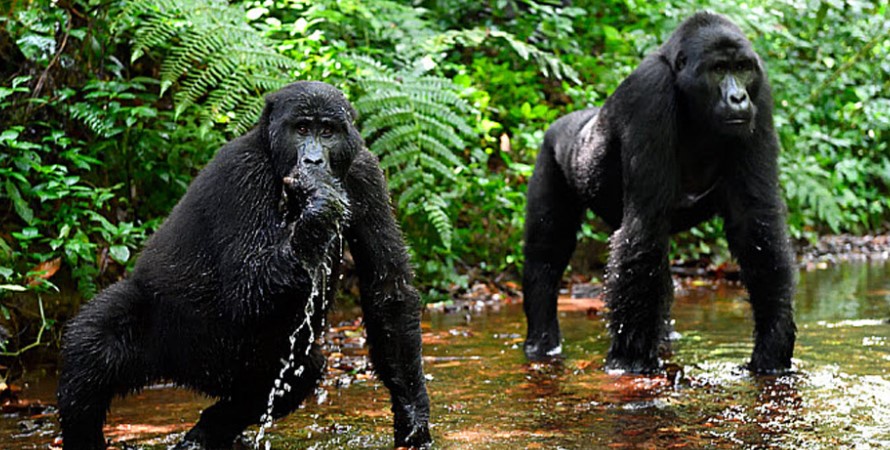
When planning according to Uganda Climate for Gorilla Trekking Bwindi, booking with a professional operator like NextGEN Safaris is essential. Our team helps travelers understand the seasonal climate, select the most suitable travel window, and arrange all logistics.
We manage gorilla habituation permits, comfortable accommodation near Bwindi, reliable transportation, and experienced guides familiar with rainforest conditions. Guides provide detailed insights into gorilla behavior, family dynamics, and conservation practices while ensuring visitor safety.
NextGEN Safaris also advises on equipment, clothing, and photography preparation according to climate conditions. Whether visiting during dry or rainy seasons, travelers are fully prepared to capture the beauty and behavior of mountain gorillas responsibly.
Booking with NextGEN Safaris ensures a seamless, ethical, and unforgettable habituation experience, allowing travelers to enjoy Uganda’s wildlife while navigating the challenges and opportunities presented by the Uganda Climate for Gorilla Trekking Bwindi.
Contact NextGEN Safaris today to plan your customized gorilla trekking safari aligned with optimal climate conditions for Bwindi Impenetrable National Park.