

Ultimate Guide: Training Before Gorilla Habituation Safari – Prepare for Bwindi’s Rainforest
Why Training Before Gorilla Habituation Safari Matters
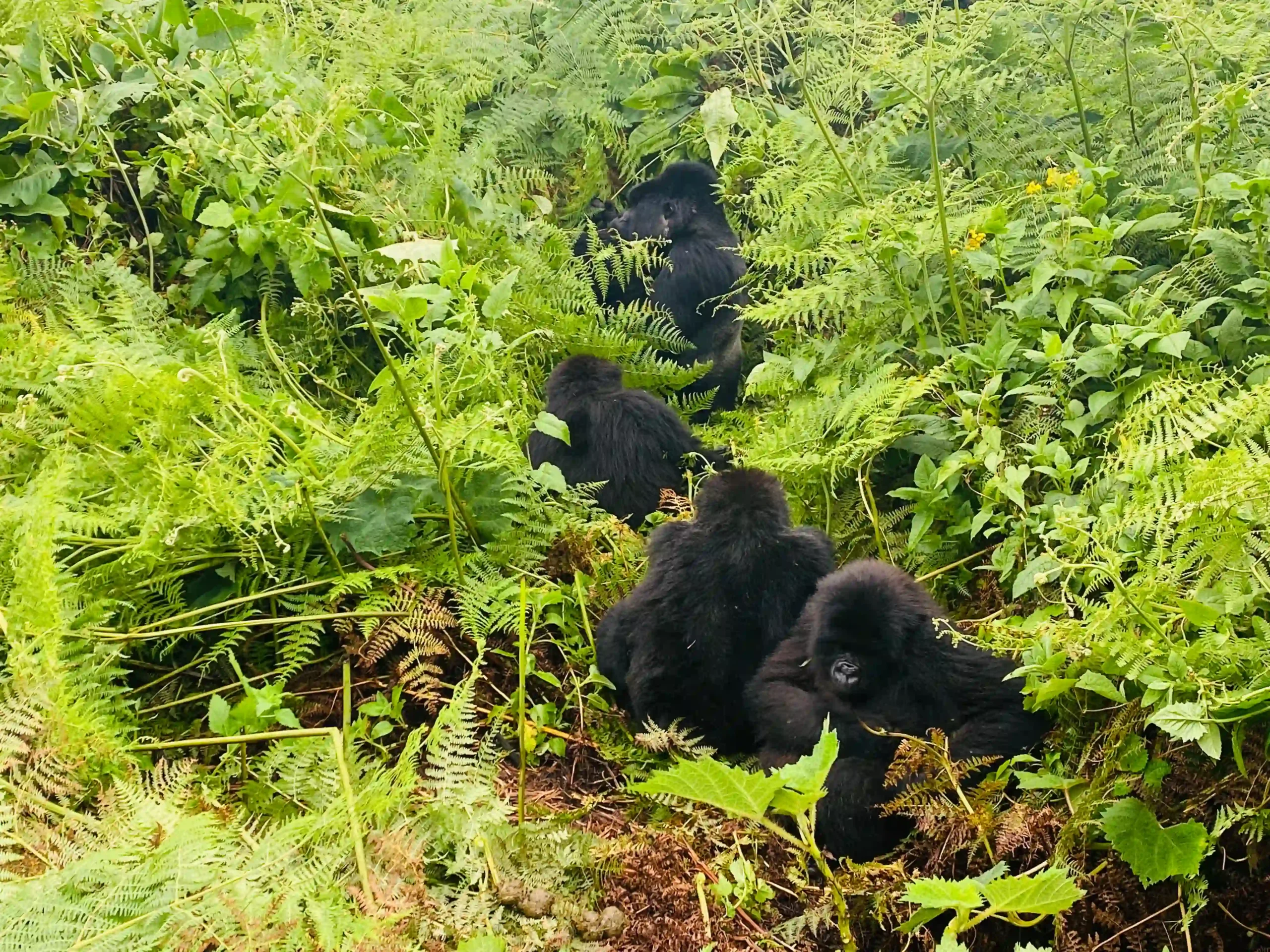
Training Before Gorilla Habituation Safari is critical thus preparing physically and mentally is essential for a successful habituation experience, . Unlike standard gorilla trekking, habituation allows visitors to spend several hours with semi-habituated gorilla families in Bwindi Impenetrable National Park or Mgahinga Gorilla National Park. The forest environment is challenging, with steep inclines, uneven terrain, muddy paths, and dense vegetation, all of which require preparation to ensure comfort, safety, and a rewarding wildlife encounter.
Training Before Gorilla Habituation Safari helps visitors anticipate the physical demands of long forest treks, the stamina needed to maintain focus during extended observation periods, and the adaptability required for sudden weather changes such as rain or mist. Understanding what the habituation experience entails ensures that participants approach it with confidence, making the trek not only manageable but deeply immersive and enjoyable.
Beyond physical readiness, Training Before Gorilla Habituation Safari also involves mental preparation. Observing gorilla families requires patience, the ability to remain quiet, and sustained attention to subtle behaviors. Being mentally prepared allows visitors to fully appreciate the social dynamics, communication, and interactions of gorilla families while minimizing disturbance to the animals.
Ultimately, comprehensive preparation ensures that travelers can fully experience one of the most extraordinary wildlife encounters in the world. By completing proper training before the trip, visitors maximize their safety, comfort, and engagement with gorilla families in their natural habitat.
Physical Preparation: Building Endurance and Strength
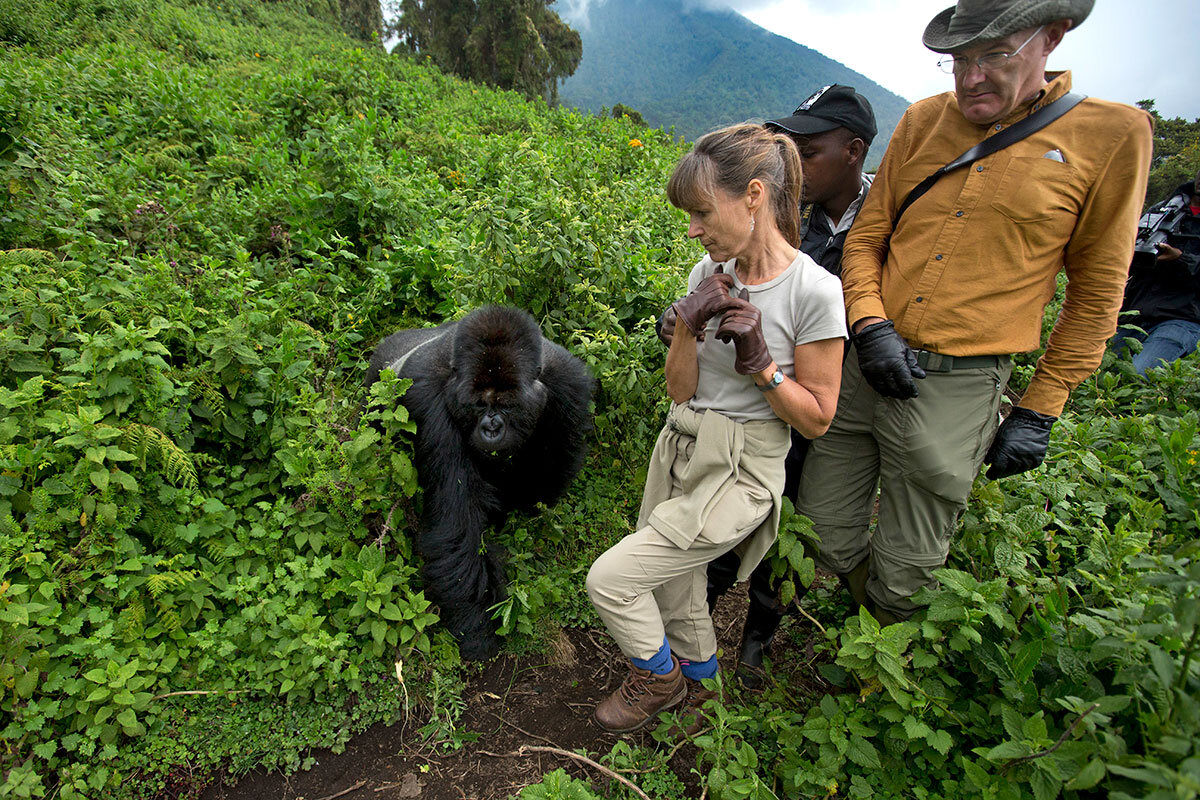
One of the most important aspects of Training Before Gorilla Habituation Safari is physical conditioning. Mountain gorilla habituation often involves hiking through challenging rainforest terrain with inclines, mud, and uneven surfaces. Stamina, leg strength, and cardiovascular endurance are key to managing long distances to and from gorilla groups.
Exercises such as daily walking, jogging, hiking on varied terrain, and stair climbing are highly effective in preparing for the trek. Strength training for legs, core stability, and balance also improves performance on steep or slippery trails. Carrying a small backpack during training can simulate carrying water, cameras, and rain gear, ensuring that visitors are physically ready for real forest conditions.
Maintaining fitness levels prior to the safari ensures that visitors can navigate trails without excessive fatigue, allowing them to focus on observing gorilla behavior, social interactions, and family dynamics rather than struggling with the physical challenges of the trek.
Proper Training Before Gorilla Habituation Safari ensures that trekkers can safely and comfortably participate in extended habituation experiences, making the encounter with gorilla families both memorable and educational.
Mental Preparation: Patience and Focus
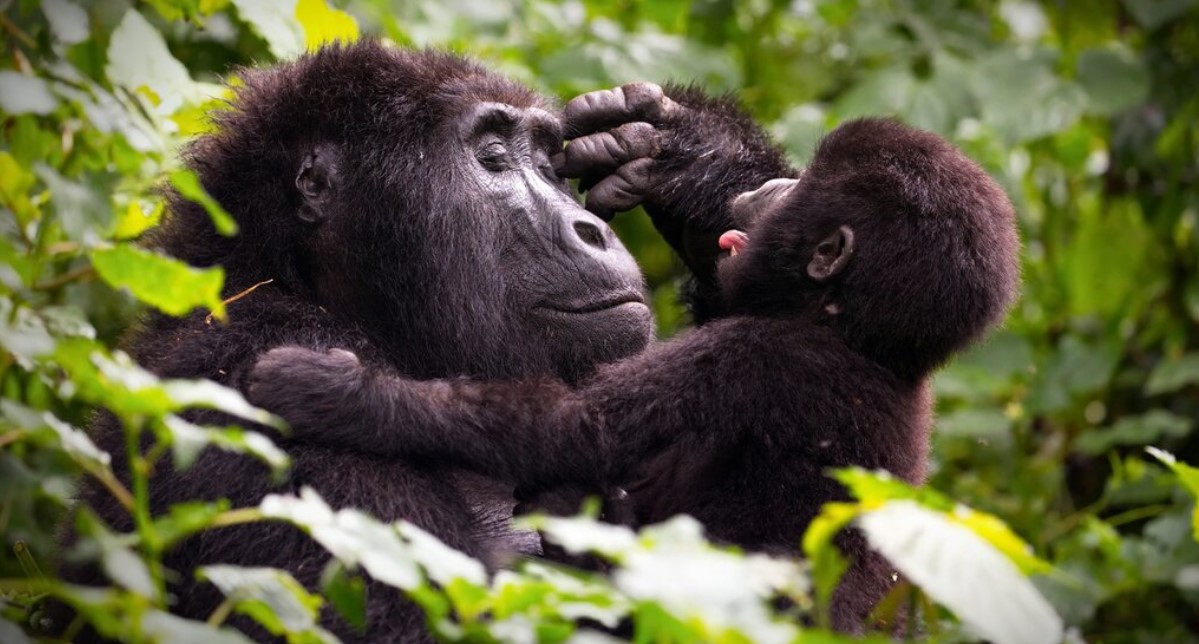
Training Before Gorilla Habituation Safari is not solely about physical endurance; mental preparation is equally vital. Habituation experiences can last up to four hours, requiring sustained attention to subtle social behaviors, interactions between gorilla family members, and movements within dense forest environments.
Patience is essential during habituation, as gorilla families may rest, feed slowly, or move unpredictably through the forest. Visitors must maintain silence, follow guide instructions, and stay composed to avoid disturbing the animals. Mental preparedness allows participants to fully appreciate these behaviors without frustration or distraction.
Focus and mindfulness exercises can help visitors stay attentive during long observation periods. Understanding the mental demands as part of Training Before Gorilla Habituation Safari ensures that tourists gain maximum value from the experience, observing intricate social behaviors, communication, and family dynamics in detail.
Gear and Equipment Preparation for Training Before Gorilla Habituation Safari
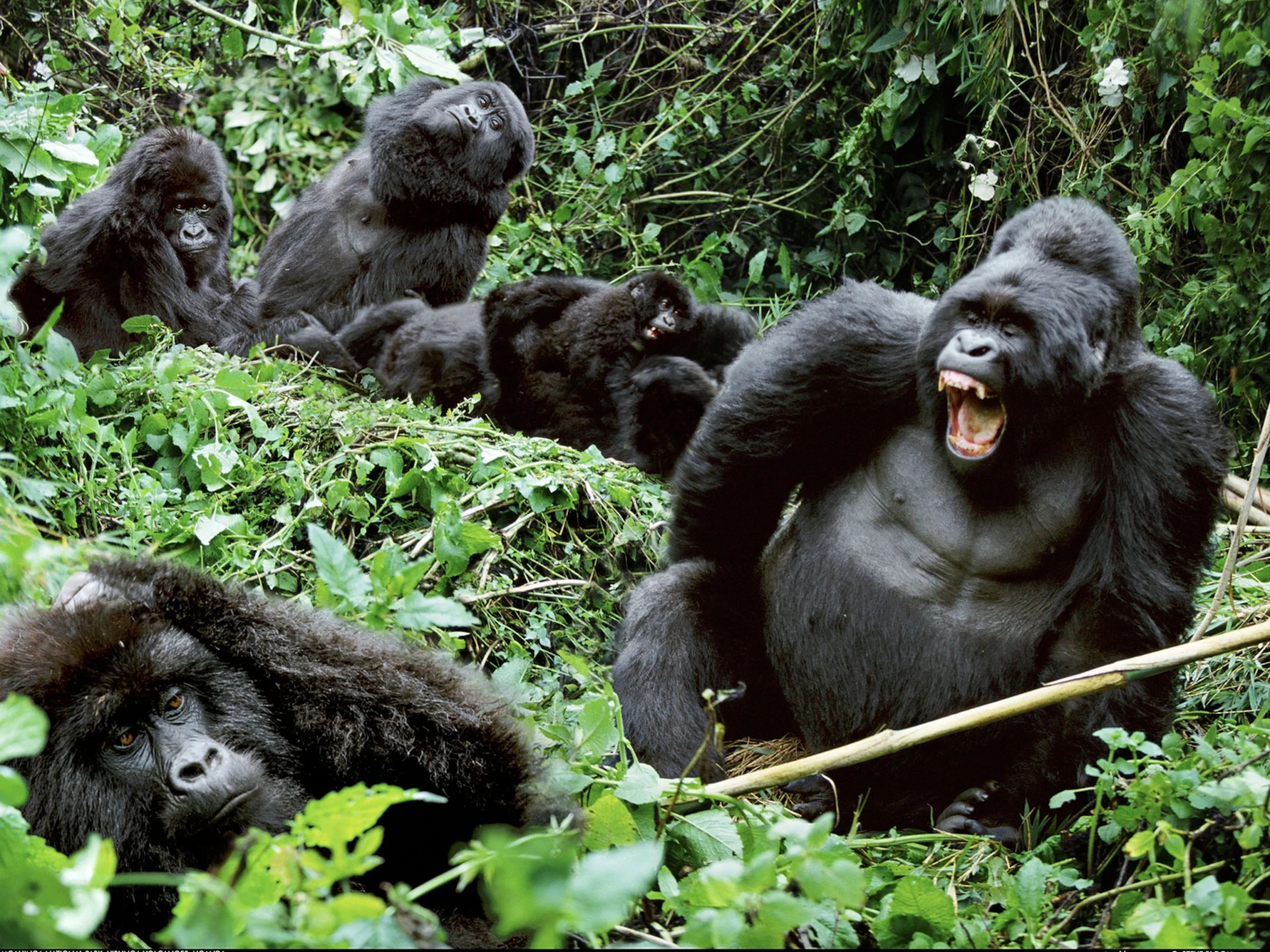
Proper gear is one of the most critical elements of Training Before Gorilla Habituation Safari, as it directly affects comfort, safety, and the ability to fully experience the forest. Sturdy, waterproof hiking boots are essential for negotiating muddy, uneven, and slippery trails in Bwindi and Mgahinga rainforests. Trekking poles provide stability and reduce fatigue on steep ascents or descents, while gloves can protect hands from thorny vegetation or rough surfaces.
Layered clothing is vital due to the forest’s variable temperature and humidity. Early mornings can be cool and misty, while mid-day temperatures rise, making breathable, moisture-wicking layers important for comfort. Rain protection, including waterproof jackets and ponchos, is indispensable, particularly during Bwindi’s rainy seasons. Carrying lightweight backpacks allows trekkers to store essentials such as water, snacks, camera gear, and first aid supplies without straining the back or shoulders.
Testing and familiarizing oneself with equipment during training is a key component of Training Before Gorilla Habituation Safari. Practicing walking with fully loaded backpacks, adjusting trekking poles, and wearing boots on uneven terrain ensures that visitors are comfortable and confident during the actual habituation trek. Knowing how to manage gear minimizes distractions and allows trekkers to focus fully on observing gorilla behavior and the forest ecosystem.
Protective equipment for cameras and electronic devices is also essential. Humidity, rain, and mud can easily damage unprotected equipment, which is especially important for visitors aiming to capture high-quality photographs. Integrating gear preparation into Training Before Gorilla Habituation Safari ensures that trekkers are ready for both physical challenges and the technical requirements of documenting their experience in a safe, responsible, and efficient manner.
Fitness and Health Tips for Training Before Gorilla Habituation Safari
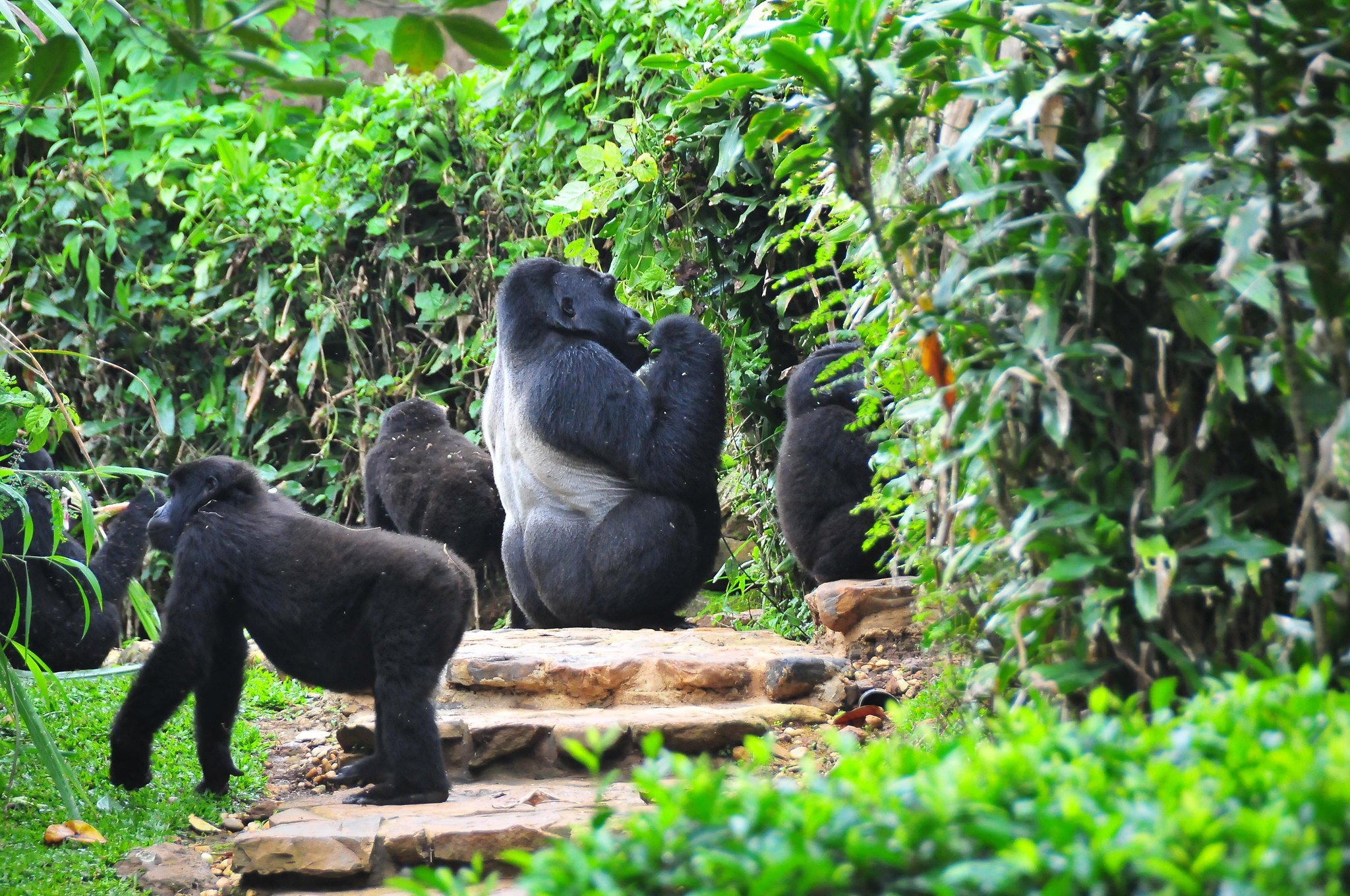
Maintaining overall fitness and health is another crucial component of Training Before Gorilla Habituation Safari. Cardiovascular conditioning through running, cycling, or brisk walking improves endurance and prepares the body for long treks. Strength training, particularly for the legs, core, and back, enhances stability on uneven forest terrain, while flexibility exercises reduce the risk of strains and injuries during climbs or descents.
Proper hydration and nutrition are equally important. Trekking in humid rainforest conditions can increase sweat loss and energy expenditure, so training should include strategies for maintaining hydration and balanced energy levels throughout the hike. Consuming nutrient-rich meals prior to the safari, along with energy snacks during the trek, ensures that participants maintain stamina and focus during the extended habituation period.
Acclimatization is another essential factor. Bwindi Impenetrable National Park sits at elevations ranging from 1,160 to 2,600 meters above sea level, and visitors arriving from lowland areas may experience minor fatigue or shortness of breath during the initial hikes. Training Before Gorilla Habituation Safari should include moderate hikes at higher altitudes, if possible, or preparation exercises that simulate endurance and respiratory demand.
Finally, understanding personal fitness and health limitations is critical. Individuals should plan trekking routes, rest periods, and pacing strategies according to their ability, ensuring safety and comfort. Incorporating these practices into Training Before Gorilla Habituation Safari not only reduces physical strain but also enhances the visitor’s ability to fully engage with gorilla families, observe natural behaviors, and enjoy the immersive rainforest environment safely and responsibly.
Frequently Asked QuestionsDuring Training Before Gorilla Habituation Safari
1. Why is training important before a gorilla habituation safari?
Training Before Gorilla Habituation Safari ensures visitors are physically and mentally prepared for the challenges of hiking through dense rainforest, navigating steep trails, and spending extended hours observing gorilla families. Habituation experiences are longer than standard trekking, often lasting up to four hours, making stamina and focus critical.
Physical training improves endurance, reduces fatigue, and allows trekkers to safely handle uneven terrain. Mental preparation helps visitors remain calm, patient, and observant during long periods of waiting or slow gorilla movement.
Without proper Training Before Gorilla Habituation Safari, visitors may struggle with trail difficulty, climate conditions, or maintaining attention on gorilla behavior, potentially reducing both safety and enjoyment of the experience.
2. How physically demanding is gorilla habituation?
Gorilla habituation requires walking on narrow, uneven, and sometimes steep trails. Training Before Gorilla Habituation Safari focuses on building leg strength, balance, and cardiovascular endurance to manage several kilometers of trekking through dense forest.
Visitors may encounter mud, slippery paths, and elevation changes, which increases the physical challenge. Preparation through regular hiking, cardio exercises, and strength training helps trekkers maintain energy levels.
Being physically prepared ensures that visitors can fully participate in the habituation experience, focus on observing gorilla families, and avoid fatigue that could affect safety or enjoyment.
3. What mental skills are needed for habituation?
Patience, focus, and mindfulness are key elements of Training Before Gorilla Habituation Safari. Visitors may spend long periods following gorilla movements, observing subtle social interactions, and waiting for animals to approach or move.
Mental preparation helps visitors remain quiet, attentive, and respectful, reducing stress for both the gorillas and trekkers. Concentration is required to notice behaviors such as juvenile play, maternal care, and silverback leadership.
By practicing mental endurance before a safari, visitors enhance their ability to learn from guides, understand gorilla behavior, and capture photographs without distraction.
4. How should I prepare physically for habituation?
Training Before Gorilla Habituation Safari emphasizes cardiovascular exercises, hiking, stair climbing, and leg-strengthening routines. These activities build the stamina and balance needed for rainforest trails.
Carrying a small backpack during training simulates trekking conditions with water, rain gear, or camera equipment. This ensures visitors can handle the forest’s demands without fatigue.
Physical preparation also reduces injury risk, improves endurance, and allows visitors to enjoy the full habituation experience without struggling with trail difficulty.
5. How does climate impact fitness requirements?
Bwindi and Mgahinga rainforests are humid and tropical. Rainy seasons make trails slippery and increase exertion, while dry months offer easier navigation. Training Before Gorilla Habituation Safari should account for these seasonal conditions to prepare for added physical stress.
High humidity and rain require cardiovascular fitness, stamina, and proper hydration to maintain energy. Clothing, waterproof gear, and trekking poles further support physical readiness.
Understanding how climate influences physical demands ensures trekkers are prepared for Training Before Gorilla Habituation Safari, reducing fatigue and enhancing safety during extended rainforest hikes.
6. What type of gear is needed?
Essential equipment is part of Training Before Gorilla Habituation Safari preparation. Sturdy, waterproof hiking boots, trekking poles, breathable layers, rain jackets, gloves, and protective camera gear are recommended.
Gear ensures safety and comfort on slippery trails, supports long treks, and protects visitors from weather changes and dense vegetation.
Being equipped for forest conditions allows trekkers to focus on gorilla observation, social interactions, and photography without distraction from physical discomfort.
7. Are there age or health restrictions?
Visitors of various ages can participate if they meet Training Before Gorilla Habituation Safari requirements. Elderly or less physically fit individuals may need porters, slower pacing, or selection of less demanding trekking sectors.
Health conditions should be assessed before travel to ensure participants can manage steep trails, humidity, and extended walking. Professional guidance is essential for safe participation.
Awareness of fitness requirements allows travelers to plan accordingly, ensuring safety while enjoying the habituation experience fully.
8. How long are habituation treks?
Treks to habituated gorilla families typically range from two to six hours, including walking to and from the gorilla location. Training Before Gorilla Habituation Safari focuses on building endurance to sustain energy over long periods.
Extended trekking can be physically demanding, particularly on muddy or steep trails. Proper preparation ensures visitors remain comfortable and can focus on observing gorilla behavior.
By understanding expected trek duration, visitors can train appropriately, carry necessary supplies, and pace themselves for a rewarding experience.
9. How do habituation sectors differ in difficulty?
Rushaga and Nkuringo sectors are generally steeper and more physically demanding, while Buhoma tends to be easier for moderate trekkers. Training Before Gorilla Habituation Safari should consider sector choice based on fitness level.
Trail difficulty is also affected by seasonal conditions such as rain or mud. Guides select routes to accommodate group capabilities while ensuring safety and quality observation.
Understanding sector-specific challenges ensures visitors can choose a trek suited to their physical abilities and fully enjoy the habituation experience.
10. Can beginners participate successfully?
Yes. With proper Training Before Gorilla Habituation Safari, beginners can safely join habituation experiences. Guides adjust pace, provide guidance, and porters assist with carrying gear.
Physical preparation, awareness of trail challenges, and mental readiness allow first-time trekkers to complete the forest hike comfortably.
Being prepared ensures visitors can focus on observing gorilla families and learning from guides rather than struggling with the physical demands of the forest.
11. How should I prepare mentally?
Mental stamina is a key component of Training Before Gorilla Habituation Safari. Patience, focus, and quiet observation are required during long periods in dense rainforest.
Visitors must remain calm, follow guide instructions, and respect the gorilla’s space, which can be challenging over several hours.
Mental preparation enhances understanding of gorilla behavior and improves the overall quality of the habituation experience.
12. How does altitude affect fitness requirements?
Bwindi’s elevation (1,160–2,600 meters) can increase exertion for trekkers. Training Before Gorilla Habituation Safari should include acclimatization and strategies for pacing to avoid fatigue.
Altitude may require slower hiking and frequent breaks to maintain energy and oxygen levels.
Being prepared for elevation ensures visitors complete the trek safely while enjoying prolonged observation of gorilla families.
13. How do guides support visitors?
Guides are essential in managing Training Before Gorilla Habituation Safari by providing pacing advice, interpreting trail conditions, and monitoring fatigue.
They ensure safety on steep or slippery trails, help with navigation, and provide educational commentary on gorilla behavior.
Expert guides allow visitors to meet fitness challenges safely while focusing on observation and photography.
14. Does training improve photography experience?
Yes. Being physically and mentally prepared allows visitors to focus on framing, capturing social interactions, and photographing gorilla families without fatigue. Training Before Gorilla Habituation Safari ensures stability on uneven terrain and minimizes distraction from physical strain.
Preparedness allows more time and attention to capture feeding, play, and maternal behaviors in their natural rainforest environment.
Fitness directly enhances both observation quality and photographic outcomes.
15. How long should I train before the safari?
It is recommended to begin Training Before Gorilla Habituation Safari at least 6–8 weeks prior to the trip. This allows adequate time to build endurance, strength, and mental readiness.
Consistent training prepares trekkers for long hikes, uneven trails, and extended observation periods.
Early preparation ensures visitors can fully enjoy habituation without unnecessary fatigue or discomfort.
16. Are rainy months more challenging?
Yes. Training Before Gorilla Habituation Safari during rainy months requires extra attention to stamina, balance, and hydration due to slippery trails and high humidity.
Physical conditioning and proper gear help trekkers navigate these more demanding conditions safely.
Guides adjust pace and provide support to ensure comfort and safety in wet forest conditions.
17. Can less fit travelers still participate?
Yes. With porters, careful sector selection, and adjusted pacing, less fit visitors can meet Training Before Gorilla Habituation Safari requirements safely.
Preparation focuses on endurance and mental readiness to navigate forest trails without compromising safety.
Support from guides and porters ensures all participants can enjoy the habituation experience fully.
18. How does fitness affect interaction with gorillas?
Physical readiness allows visitors to maintain proper posture, keep appropriate distance, and follow guide instructions safely. Training Before Gorilla Habituation Safari ensures visitors can observe gorilla social interactions calmly and attentively.
Being physically fit minimizes disturbances and allows full participation in extended observation.
This preparation enhances both learning and photographic opportunities.
19. How do I know if I am prepared?
Assess your stamina, balance, and ability to walk several kilometers on uneven terrain. Training Before Gorilla Habituation Safari includes testing hiking endurance and carrying a weighted backpack.
Evaluate mental readiness for quiet observation over multiple hours.
Preparedness ensures a safe, comfortable, and immersive habituation experience with gorilla families.
20. How can I book a habituation safari that matches my fitness level?
Booking with NextGEN Safaris ensures that Training Before Gorilla Habituation Safari is tailored to your abilities. We assess fitness, recommend suitable trekking sectors, provide guidance on gear, and arrange porters when needed.
Our team coordinates habituation permits, accommodations, transportation, and expert guides to guarantee a safe and rewarding experience.
Professional planning ensures visitors can safely participate in extended gorilla observation, capturing photographs and learning about gorilla behavior without being hindered by physical limitations.
Booking Your Gorilla Habituation Safari
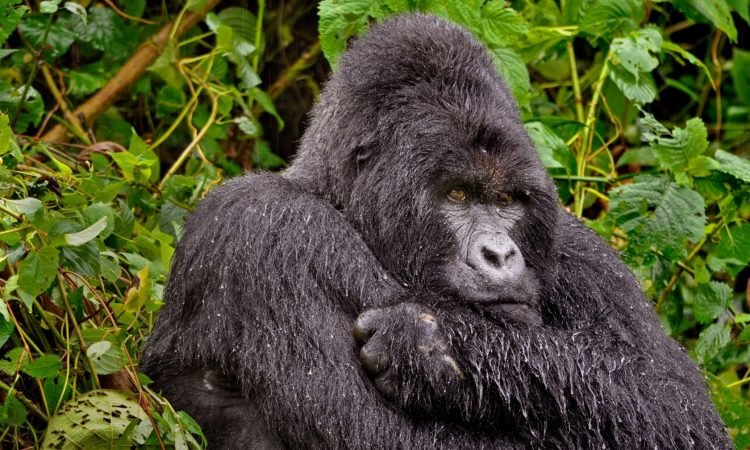
Booking with an experienced operator ensures that Training Before Gorilla Habituation Safari is optimized to match physical fitness, experience, and personal preferences. NextGEN Safaris arranges habituation permits, comfortable accommodations near Bwindi or Mgahinga, transportation, and professional guides who provide advice on pacing, trail navigation, and preparation.
Our team evaluates your physical and mental readiness and recommends suitable trekking sectors based on your ability level. Guides also advise on essential gear, hydration, and clothing, taking into account the rainforest climate, seasonal trail conditions, and expected duration of habituation sessions.
By booking with NextGEN Safaris, visitors ensure that the Training Before Gorilla Habituation Safari is comprehensive, addressing both physical and mental preparedness, equipment needs, and trekking strategies. This allows travelers to safely navigate the forest while observing gorilla behavior, photographing wildlife, and fully enjoying one of the most extraordinary wildlife experiences in the world.
Reserve your gorilla habituation experience today and embark on a carefully prepared, safe, and unforgettable journey into the rainforest to witness mountain gorilla families up close.