

Is Gorilla Habituation Better Than Normal Gorilla Trekking?
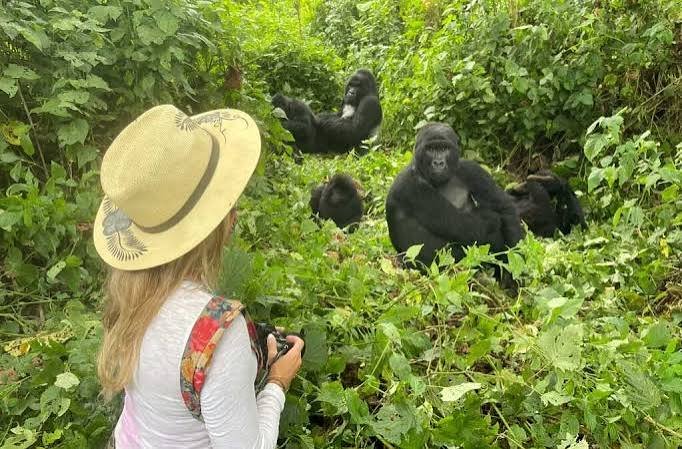
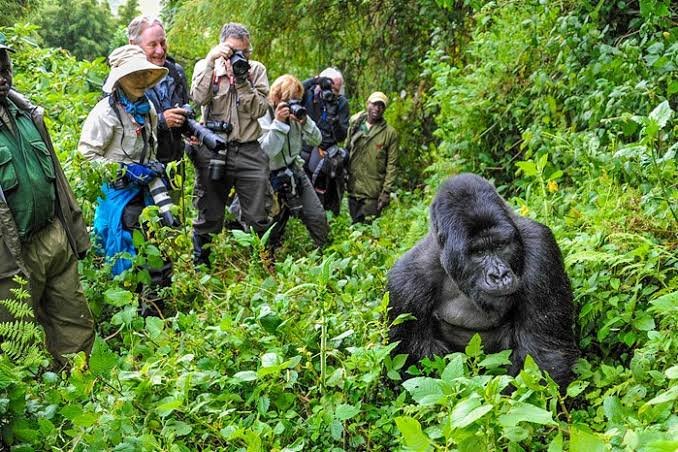
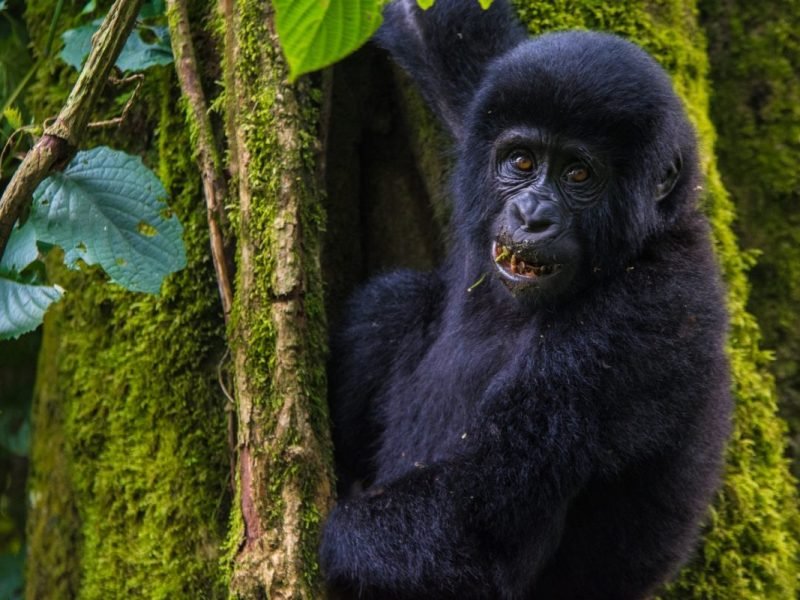
Gorilla Habituation vs Trekking in Uganda is mainly a choice between a longer, more immersive gorilla experience and a shorter, more affordable encounter with a fully habituated gorilla family. Gorilla Habituation gives you substantially more time to observe mountain gorillas, understand their behaviour, improve photography opportunities and learn more about the conservation process, while normal gorilla trekking provides a concentrated and highly rewarding encounter that fits more easily into a broader Uganda safari. The better option depends on your budget, physical comfort, available time and how important extended gorilla observation is to your journey.
The important question is not whether Gorilla Habituation is universally better, because different travellers value different things. The real question is whether the additional time and deeper conservation context match the reason you are travelling to Uganda. If mountain gorillas are the central focus of your safari and you want to spend as much meaningful time as possible observing them, Gorilla Habituation can offer greater value. If you are interested in experiencing gorillas as part of a wider Uganda safari that also includes chimpanzees, game drives, boat safaris and several national parks, ordinary gorilla trekking may fit more naturally into your itinerary and budget.
Understanding Gorilla Habituation as a Deeper Wildlife Experience
Gorilla Habituation is different because you join professional trackers, researchers and habituators around a family that is still undergoing the gradual process of becoming accustomed to controlled human presence. Habituation does not mean domestication, training or making the gorillas dependent on people. Mountain gorillas remain completely wild animals living freely within their natural forest habitat. They decide where they travel, what they eat, when they rest and how they interact with other members of their family.
The purpose of habituation is to allow selected gorilla families to gradually recognise that carefully managed human observers do not represent an immediate threat. This process is important for research, veterinary monitoring and eventually responsible tourism. It requires patience because different gorillas respond differently to people. A silverback may remain relatively calm while another individual is more cautious, and females with young infants may behave differently from juveniles that appear more curious.
As a traveller, you are therefore entering an ongoing conservation process rather than simply visiting the final tourism product. This gives Gorilla Habituation an educational dimension that is difficult to appreciate fully during a shorter visit. Researchers and habituators can help you understand why individual gorillas respond differently, how family relationships are recognised and why the process of becoming comfortable with predictable human presence must be gradual.
What Normal Gorilla Trekking Offers
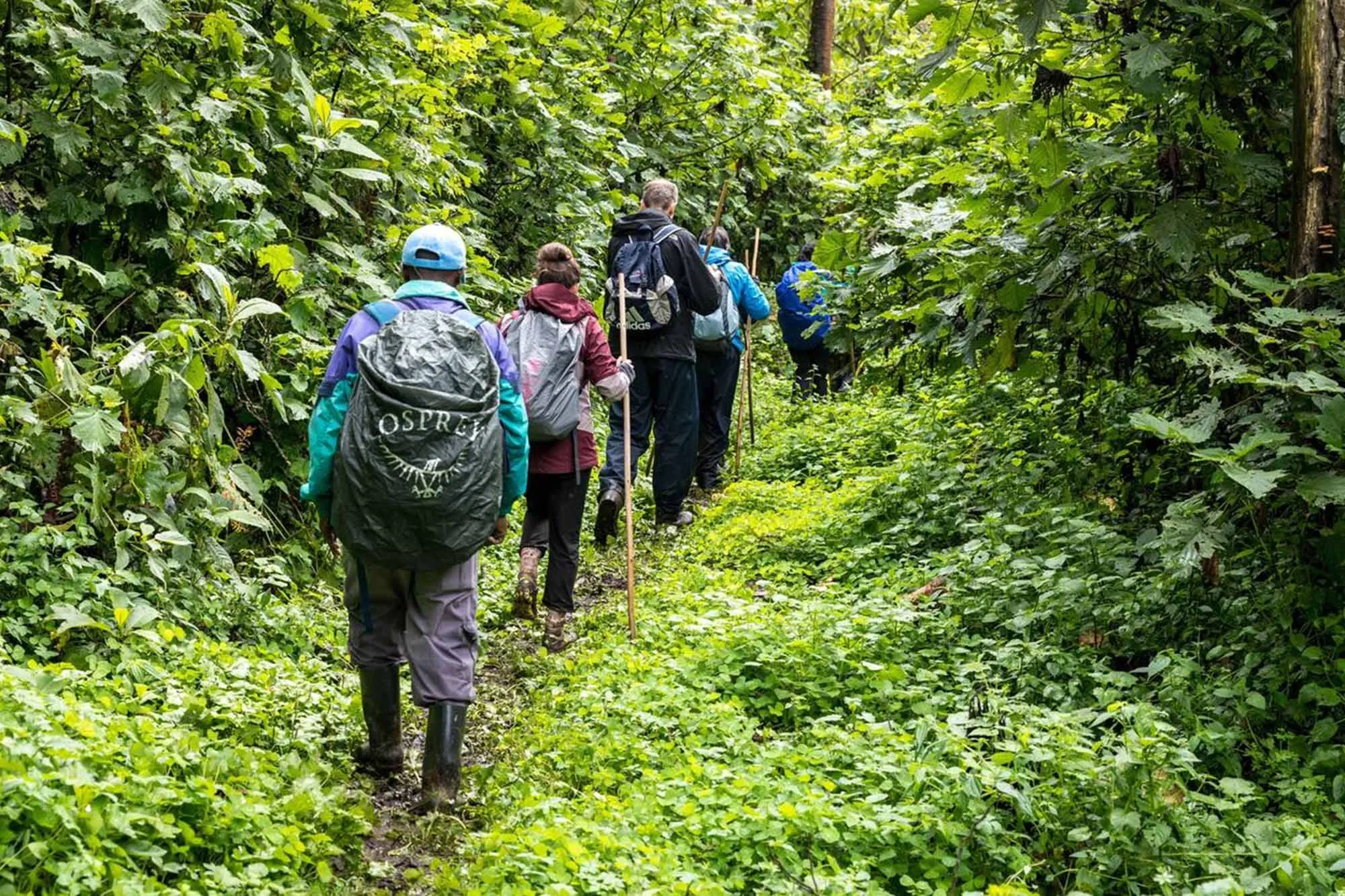
Normal gorilla trekking takes you to a family that has already been habituated sufficiently for regular tourism visits. Uganda Wildlife Authority manages these encounters under strict rules, and you enter the forest with professional guides and trackers until the assigned family is located.
The experience remains completely authentic because the gorillas are still wild and free-ranging. They are not waiting at a permanent viewing point, and the length of the search depends on where the family has moved. A trek may involve steep terrain, dense vegetation and several hours of walking before the gorillas are found.
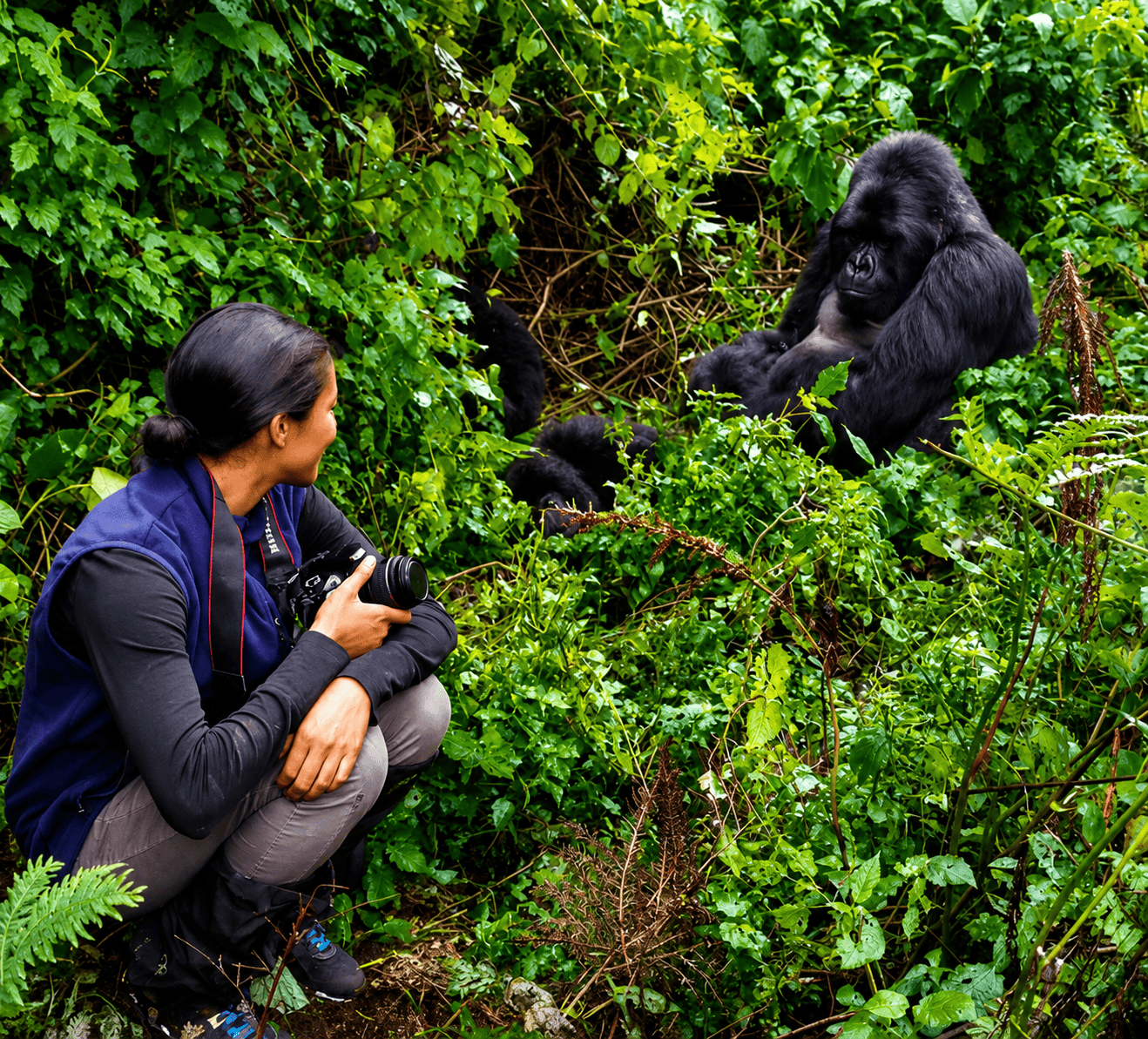
Once you reach the family, the direct viewing period is shorter, but the emotional intensity can be extraordinary. Seeing a mountain gorilla in its natural environment for the first time is often the moment travellers remember most strongly from the entire safari. You may observe feeding, resting, play, interactions between adults and juveniles, or a mother caring for an infant.
Normal trekking therefore works particularly well for travellers who want a concentrated gorilla encounter without devoting as much of the safari day or budget to one activity.
The Importance of Extended Viewing Time
The strongest advantage of Gorilla Habituation is the opportunity to remain with the gorillas for much longer. The value of this additional time goes beyond simply extending the encounter numerically. It changes how you experience the family.
During the first part of any gorilla encounter, much of your attention is naturally occupied by excitement. You may be adjusting your camera, trying to identify different animals, listening to your guide and absorbing the fact that you are finally standing near wild mountain gorillas.
With a longer observation period, the initial excitement gradually settles. You begin watching instead of simply reacting. The gorillas also continue with their normal routine, so the activity you observe can change considerably during your time with them.
A family that was feeding when you arrived may begin resting later. Young gorillas may become increasingly active. A mother may move from dense vegetation into a clearer area with her infant. The silverback may change position as the group travels through the forest.
This ability to observe transitions is one of the greatest strengths of Gorilla Habituation. Rather than seeing only a short snapshot of the family’s day, you have the chance to watch different stages of behaviour unfold.
Gorilla Habituation Gives More Time to Understand Individual Gorillas
Extended observation also makes it easier to stop seeing the animals simply as “gorillas” and begin recognising individuals.
At the beginning, the silverback naturally attracts attention because of his size and presence. After spending longer with the family, however, subtler differences become noticeable. One juvenile may be more playful than another. A particular female may remain close to the silverback. Another adult may keep more distance while feeding.
These small behavioural differences help you understand that a gorilla family is a complex social group rather than a collection of similar animals.
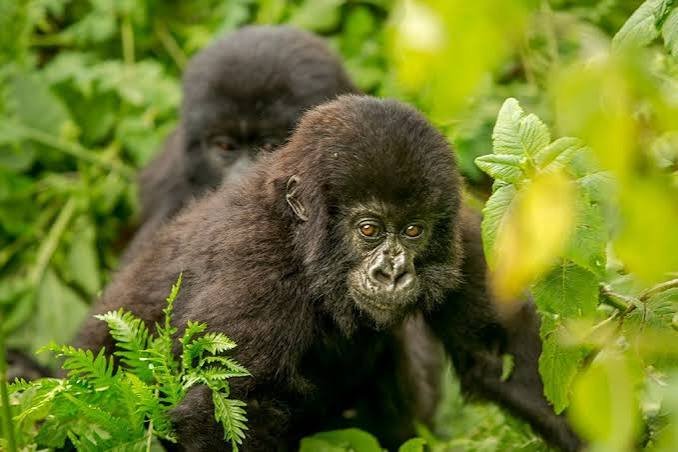
Recognising individuals can make the experience far more personal. When the same juvenile reappears later in the encounter or the mother you noticed earlier moves into a different feeding area, you begin following the story of specific animals rather than simply photographing whichever gorilla happens to be visible.
This depth of observation is one of the clearest reasons serious primate enthusiasts often prefer habituation.
Photography Benefits From Having More Time
Photography is another area where Gorilla Habituation can offer a strong advantage. Bwindi is a dense tropical rainforest, and photographic conditions can change rapidly. Light beneath the canopy may be very low, vegetation can block your view and the gorillas naturally position themselves according to their own needs rather than the preferences of photographers.
Having additional time allows you to wait for conditions to improve naturally. A silverback sitting behind dense foliage may eventually move. An infant that is difficult to see may become more active. The family may leave a dark patch of forest and enter an area where the light is considerably better.
The extra time also encourages more thoughtful photography. Instead of feeling pressure to take photographs immediately, you can observe behaviour and wait for stronger moments.
This can improve the quality of your images because you begin anticipating movement rather than simply reacting to whatever happens in front of you.
For serious wildlife photographers, the value of this patience can be considerable.
The Experience Can Feel More Relaxed
Another major advantage of Gorilla Habituation is the reduced sense of urgency.
When viewing time is short, travellers naturally become conscious of the clock. Even when guides manage the encounter calmly, there can be a feeling that every minute must be used efficiently.
A longer observation period allows that pressure to disappear.
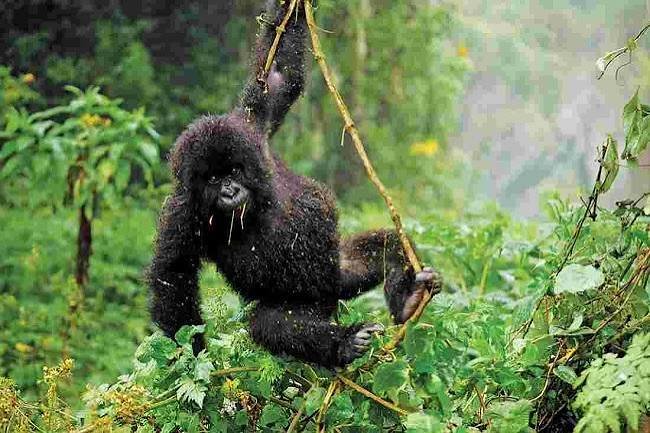
You can listen to explanations from the professional team without feeling that you are losing valuable viewing time. You can spend several minutes focused on one animal instead of constantly searching for another. You can also put the camera down and simply observe.
This slower rhythm changes the emotional quality of the encounter.
Instead of concentrating almost entirely on the excitement of seeing gorillas, you gradually become comfortable with their presence. The experience begins to feel less like a brief wildlife sighting and more like spending part of the day observing a family.
The Conservation Dimension Is Stronger
Gorilla Habituation also provides a closer look at the work required before routine gorilla tourism can happen.
A fully habituated gorilla family may appear relatively comfortable with controlled human observers, but that level of tolerance develops gradually through extensive fieldwork.
Researchers, trackers and habituators spend time learning the family’s movements, identifying individuals, monitoring health and understanding how each gorilla responds to human presence.
When you participate in habituation, you become more aware of how carefully this process must be managed. The objective is not to make gorillas friendly to humans. It is to allow research and tourism to occur without causing unacceptable levels of stress or changing the animals’ natural behaviour.
For conservation-minded travellers, this aspect can be as valuable as the extended viewing itself.
You begin understanding that gorilla tourism is only possible because wildlife management, research, community involvement and visitor regulations work together.
The Forest Day Is Longer and More Demanding
The deeper experience also comes with greater physical commitment.
Gorilla Habituation begins earlier in the morning than ordinary gorilla trekking and can keep you in the forest for much of the day. Reaching the gorillas may require a long hike, and once you find them they may continue moving during the viewing period.
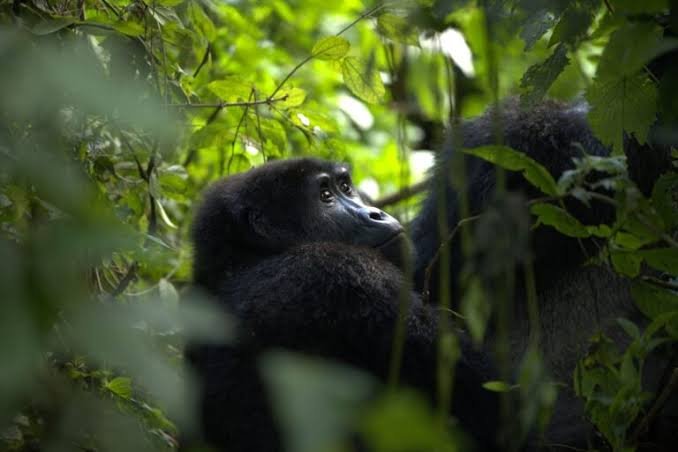
The terrain in Bwindi can be steep, muddy and heavily vegetated. Rain can make slopes slippery, while even short distances can take considerable effort when moving through dense forest.
You should therefore think of Gorilla Habituation as a full-day wilderness activity rather than simply an extended viewing session.
The return hike can also be substantial, especially if the family has moved deeper into the forest during your time with them.
For travellers with reasonable fitness, this can add to the sense of achievement. For anyone with mobility limitations or concerns about prolonged physical activity, the longer duration should be considered carefully before booking.
Normal Gorilla Trekking Can Be More Practical for a Broader Safari
A Uganda safari often includes far more than mountain gorillas.
Travellers may also want to track chimpanzees in Kibale, search for lions and elephants in Queen Elizabeth National Park, explore Murchison Falls, enjoy boat safaris or visit other landscapes across the country.
When the itinerary contains several major experiences, ordinary gorilla trekking can provide a practical balance. You still experience Bwindi and spend meaningful time with wild mountain gorillas, but you commit less of the overall safari budget to one activity.
This can make it easier to allocate resources across a more varied journey.
Someone who is equally excited about chimpanzees, savannah wildlife and gorillas may gain more satisfaction from experiencing several parts of Uganda rather than concentrating heavily on one species.
For that traveller, normal trekking may provide excellent overall value even though the direct gorilla encounter is shorter.
Gorilla Habituation Fits Travellers Who Prefer Depth Over Variety
Other travellers approach safari planning differently. They are less interested in visiting many destinations and more interested in experiencing one or two places deeply.
For this type of traveller, Gorilla Habituation fits naturally.
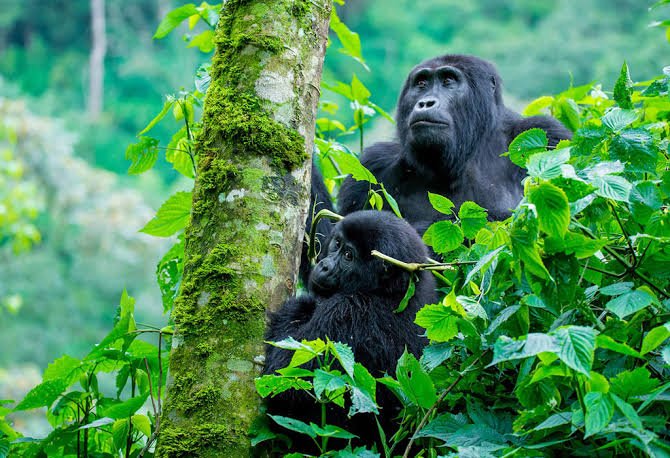
Instead of rushing from one national park to another, you can give Bwindi the time it deserves. The forest becomes more than the location of the gorillas. You spend enough time walking through it to appreciate the terrain, vegetation and atmosphere that make the ecosystem unique.
The encounter with the gorillas also becomes less hurried. You begin noticing quieter behaviour that might otherwise seem insignificant.
Watching a gorilla slowly select vegetation or seeing a mother remain close to her infant may not sound dramatic, but these moments become fascinating when you have enough time to understand them.
This is why habituation appeals strongly to travellers who enjoy slow wildlife observation.
The Cost Difference Is Significant
The financial difference between the experiences remains one of the most important considerations.
During the regular 2026 tariff period, Uganda Wildlife Authority lists standard gorilla tracking at a lower price than Gorilla Habituation, reflecting the substantial difference in viewing time and the specialised nature of the habituation activity.
The additional permit cost should therefore be evaluated against what the extra time actually means to you.
If you are a photographer, wildlife enthusiast or traveller whose main purpose for visiting Uganda is mountain gorillas, the higher cost may feel justified.
If your priority is simply to experience gorillas once while keeping enough money available for other parts of the safari, the standard permit can make more financial sense.
The important point is that the more expensive permit is not automatically the better value. Value depends on how closely the experience matches your interests.
Gorilla Habituation Is Particularly Valuable for Once-in-a-Lifetime Gorilla Travel
Many international travellers reach Bwindi after significant preparation and expense.
The journey may involve long-haul flights, safari transportation, several nights of accommodation and considerable travel time.
For someone who does not expect to return to Uganda, spending more time with the gorillas can feel especially worthwhile.
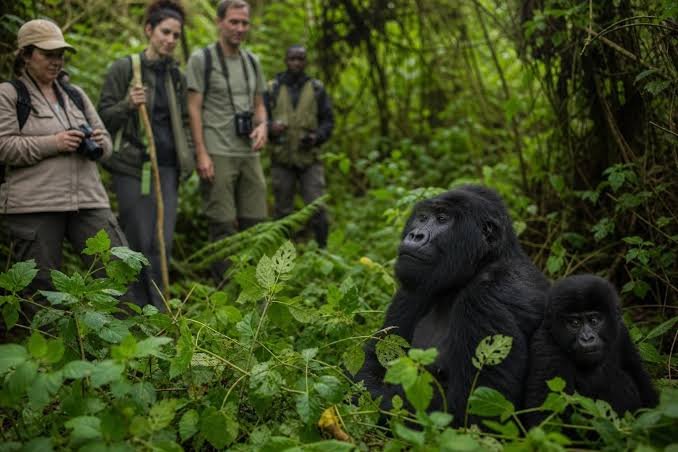
You may never again have the opportunity to stand inside a tropical rainforest observing mountain gorillas in their natural habitat.
In that context, the additional cost may become less important than the additional time.
Travellers often remember the wildlife experience much more strongly than the permit price years later.
If gorillas are the main reason you have travelled to Uganda, maximising the quality and duration of that encounter can therefore make sense.
The Experience Is Not Guaranteed to Be More Dramatic
One important expectation to manage is that a longer experience does not guarantee more dramatic gorilla behaviour.
The family may spend substantial periods feeding quietly or resting.
A normal one-hour trek could happen to coincide with a highly active period involving playful juveniles, movement through open vegetation and excellent light.
A longer habituation experience may contain quieter phases.
This does not reduce its value. The advantage lies in having enough time to observe natural behaviour without requiring constant excitement.
Wildlife remains unpredictable.
The strength of habituation is not that every minute is spectacular. It is that the experience allows you to witness the gorillas as they actually live rather than expecting them to perform for visitors.
Habituation Can Be More Educational
The longer time spent in the forest creates more opportunities to learn.
Professional guides and habituators can explain behaviour as it occurs rather than giving only general information before or after the encounter.
A movement that initially seems insignificant may have social meaning. The position of the silverback may reveal something about family structure. The way juveniles interact may illustrate how younger gorillas learn through play.
Because you are not under the same time pressure, these explanations become part of the experience rather than an interruption.
For travellers who enjoy natural history and wildlife interpretation, this educational aspect can make habituation particularly rewarding.
Gorilla Trekking Remains an Excellent First Experience
Travellers should not assume that they need to choose habituation to have a meaningful first encounter with mountain gorillas.
Normal trekking already provides an extraordinary introduction to the species.
The process of entering Bwindi, following professional trackers and finally seeing a wild gorilla family can be deeply emotional even when the direct viewing period is shorter.
For many people, one hour is enough to fulfil a lifelong dream.
It also allows first-time visitors to discover how much they enjoy gorilla observation without committing to the higher cost and longer physical demands of habituation.
If the experience becomes a major passion, future travel can then be planned around habituation or multiple gorilla encounters.
Doing Both Experiences Can Provide the Deepest Comparison
For travellers with sufficient time and budget, combining Gorilla Habituation with standard trekking can create an especially interesting Uganda gorilla itinerary.
The habituation day allows extended observation of a family still moving through the familiarisation process, while the standard trekking day shows how a fully habituated family responds to regular controlled tourism.
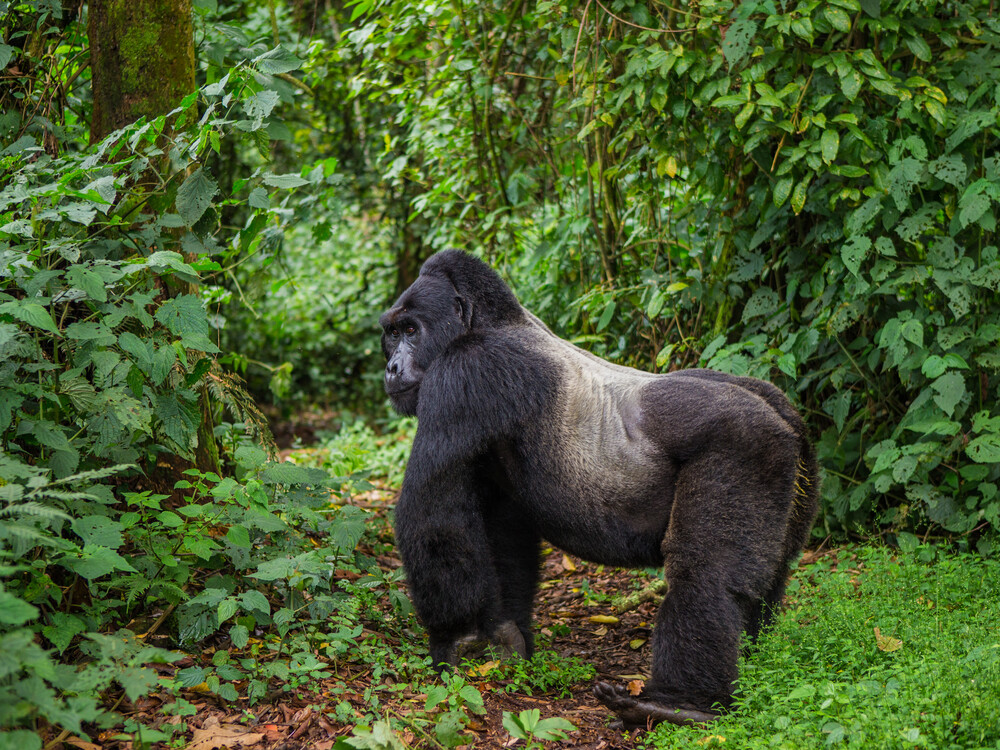
Experiencing both can deepen your understanding of the work required before gorilla trekking becomes possible.
A second gorilla day also reduces pressure on the first encounter.
You no longer feel that one morning must provide every photograph, every behaviour and every memorable moment.
This can be particularly valuable for photographers and travellers for whom gorillas are the main purpose of the entire safari.
Choosing Based on Your Travel Style
The best decision comes from understanding your own travel style.
Some travellers feel happiest when an itinerary contains many destinations and different activities. Others prefer spending more time in one environment and understanding it deeply.
Gorilla Habituation naturally suits the second approach.
It rewards patience, curiosity and a willingness to spend substantial time in the forest.
Standard trekking fits more easily into a broader itinerary and still provides the essential mountain gorilla encounter.
Neither choice should be made simply because one sounds more exclusive.
The better option is the one that reflects how you personally enjoy wildlife.
Final Answer: Is Gorilla Habituation Better Than Normal Gorilla Trekking?
Is Gorilla Habituation Better Than Normal Gorilla Trekking? Gorilla Habituation can be better when your priority is extended observation, wildlife photography, primate behaviour and understanding the conservation process behind mountain gorilla tourism. Its main advantage is the opportunity to remain with the gorillas for much longer, giving you time to watch different phases of behaviour and experience the family without feeling rushed.
Normal gorilla trekking can be the better choice when you want a highly rewarding gorilla encounter while keeping more time and budget available for the rest of your Uganda safari. It remains an authentic, professionally managed experience with wild mountain gorillas and should never be considered an inferior activity simply because the direct viewing period is shorter.
The most useful way to choose is to think about why you are travelling to Uganda in the first place. If mountain gorillas are the main reason for the journey and you already know that you would value several hours of observation, Gorilla Habituation is likely to provide the stronger experience. If gorillas are one important part of a wider adventure involving several national parks and wildlife activities, standard trekking may provide the better overall balance.
Gorilla Habituation is therefore not automatically better because it costs more or lasts longer. It becomes better when you genuinely value what the additional time provides: slower observation, improved photographic flexibility, greater behavioural insight and closer exposure to the conservation work behind responsible gorilla tourism.
For the traveller who wants to do more than simply see mountain gorillas, that deeper experience can be extremely worthwhile.