

What Time Does the Gorilla Habituation Experience Begin in Bwindi?
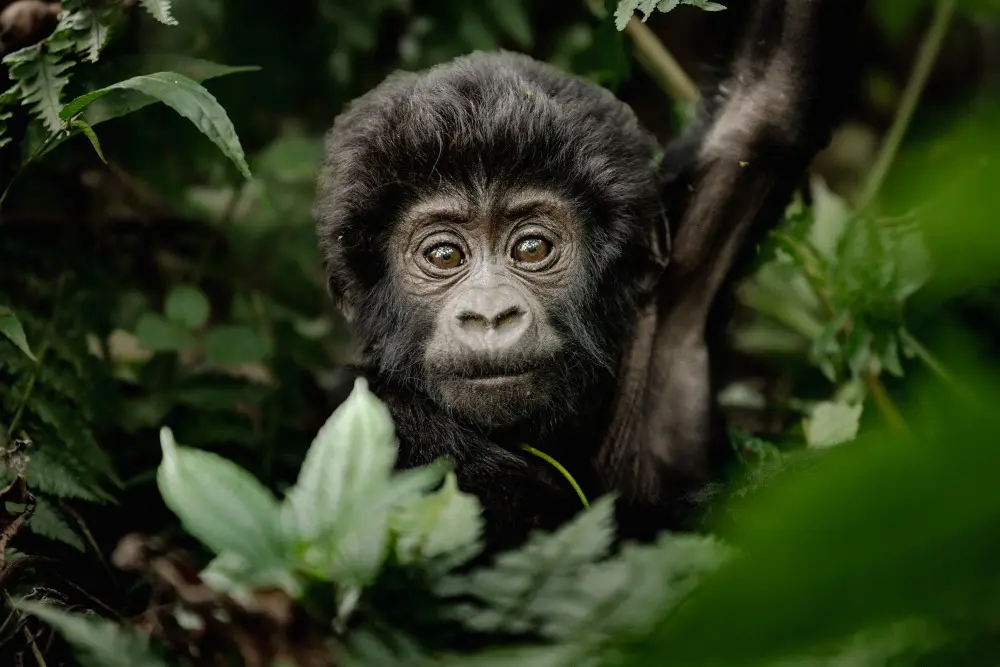
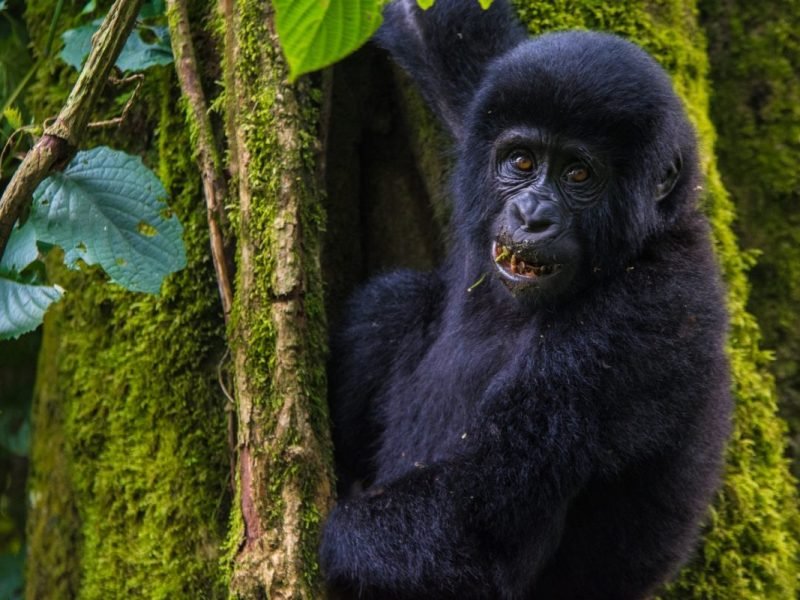
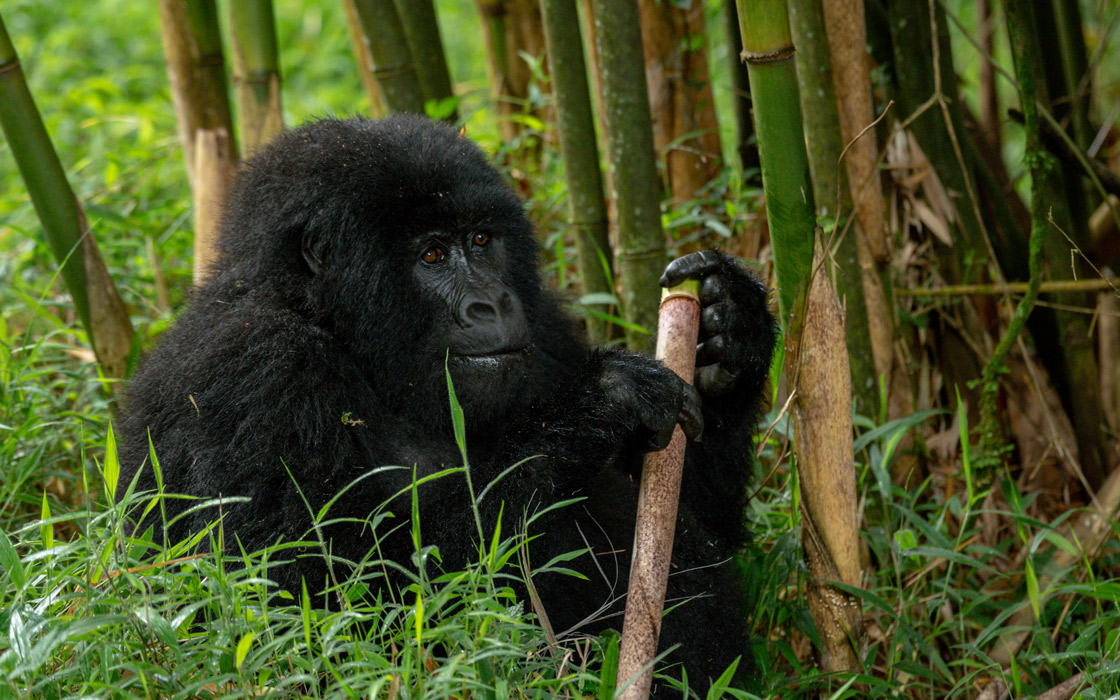
Gorilla Habituation Start Time in Bwindi is around 6:30 a.m., according to Uganda Wildlife Authority guidance for the Gorilla Habituation Experience. Travellers should normally arrive at the correct briefing location before this time so that permit verification, preparation and the morning briefing can be completed before entering the forest. Your personal day will therefore begin earlier, depending on how far your lodge is from the correct Bwindi activity area and how much time you need for breakfast, equipment preparation and the transfer to the briefing point. The four-hour gorilla viewing period does not begin at 6:30 a.m.; it starts only after the trackers locate the gorilla family, meaning the complete experience can continue for many hours depending on the gorillas‘ location, forest conditions and the length of the return trek.
The 6:30 a.m. timing does not mean that you should wake up at 6:30 a.m. or arrive at the park at exactly that time. Your morning normally begins considerably earlier because you need enough time to wake up, have breakfast, prepare your trekking equipment and travel from your lodge to the correct activity point. The actual lodge departure time depends on where you are staying in relation to your confirmed Gorilla Habituation permit and the instructions given by your safari operator and Uganda Wildlife Authority. This is why accommodation planning around Bwindi is extremely important. Bwindi Impenetrable National Park covers a mountainous landscape with different tourism areas and access routes, and staying in the wrong part of the park can result in an unnecessarily long pre-dawn drive before one of the most physically demanding and rewarding days of your safari.
Why Gorilla Habituation Starts at Around 6:30 a.m.
The early start reflects the nature of the Gorilla Habituation Experience rather than simply being an arbitrary park schedule. Habituation gives you considerably more time around the gorilla family than ordinary trekking, and the entire activity includes much more than the four-hour observation period. Uganda Wildlife Authority defines tracking time as the complete experience beginning immediately after briefing and continuing until visitors return to the briefing location for debriefing. Viewing time is separately defined as the period that begins once visitors actually reach the gorillas. For Gorilla Habituation, the official viewing maximum is four hours.

Beginning at approximately 6:30 a.m. therefore gives the trackers, researchers, habituators and visitors enough daylight to locate the gorilla family and complete the extended observation period without forcing the day into a narrow schedule. Mountain gorillas remain completely free-ranging within Bwindi. They do not spend the night beside a tourism trail waiting for visitors to arrive the following morning. Their movements depend on feeding behaviour, resting areas, family dynamics and conditions within the forest. Some mornings the family may be relatively close to the area where trackers expect to locate it, while on another day the gorillas may have moved much farther. An early departure provides greater flexibility for this natural unpredictability.
The timing also allows the professional field team to reconnect with a family early in its daily routine. Habituation is an ongoing conservation process rather than simply an extended tourist visit. Researchers and habituators monitor how individual gorillas respond to controlled human presence, and that work requires spending meaningful time around the family under professionally managed conditions.
You Should Arrive Before the 6:30 a.m. Forest Start
Although the official UWA timeline describes Gorilla Habituation as beginning from around 6:30 a.m., travellers should not interpret this as permission to drive into the briefing area at 6:29 a.m. The actual morning requires preparation before the forest experience can begin. Your safari operator or lodge should advise you of the reporting time appropriate for your confirmed permit, and you should follow those operational instructions rather than relying only on the headline activity time.
Permit verification and visitor organisation need to take place before the team heads into the forest. Guides also need enough time to explain how visitors should behave around mountain gorillas, how the forest trek will be managed and what health and conservation rules apply during the encounter.
Arriving early also protects you from unnecessary stress. Bwindi’s local roads can be mountainous, and weather can affect driving conditions. Leaving sufficient time between your lodge and the briefing area ensures you are not beginning an important wildlife experience while worried about being late.
The practical lesson is simple: 6:30 a.m. is the approximate official start of Gorilla Habituation, but your personal morning should begin early enough to be completely prepared before then.
Your Morning Can Begin Before Sunrise
For many travellers, the Gorilla Habituation day starts while the surrounding hills are still dark or only beginning to receive the first daylight. Your wake-up time depends on the distance between your lodge and the appropriate activity area, but you should expect an early morning.
This can actually add to the atmosphere of the experience. Bwindi is a mountainous tropical rainforest, and mornings can be cool, misty and quiet. Driving toward the forest while the landscape gradually becomes visible creates a sense that the day is very different from an ordinary safari morning.
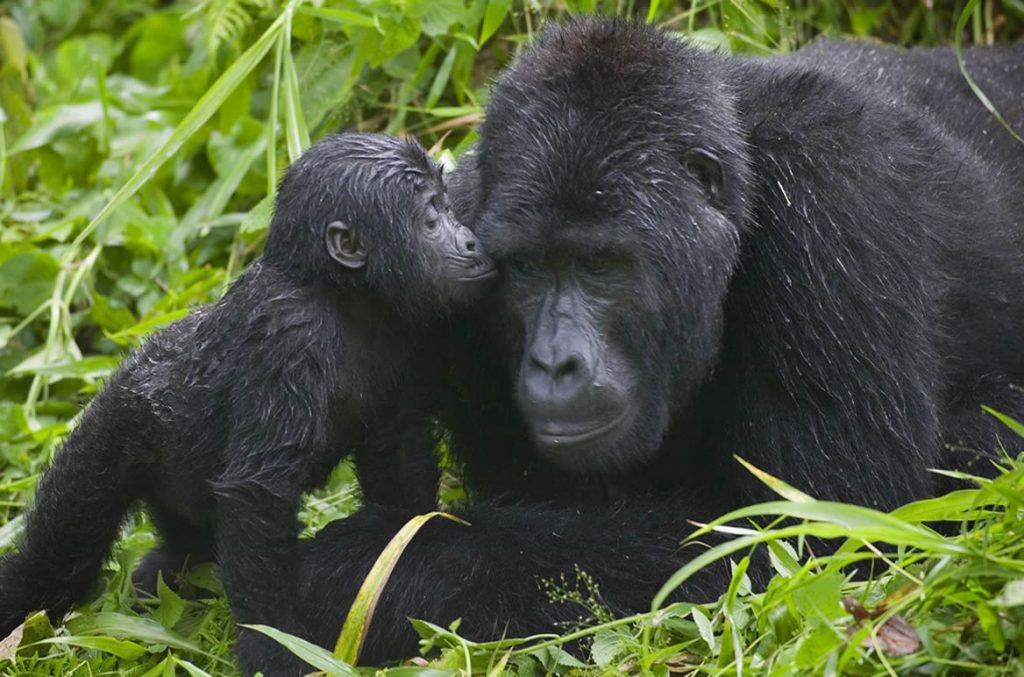
You may have breakfast earlier than usual, check your camera equipment, make sure rain protection is packed and confirm that you have enough drinking water for a potentially long forest experience. Your lodge may also prepare a packed meal because there is no guaranteed return time for Gorilla Habituation.
The morning preparation should be calm rather than rushed. One of the best ways to achieve this is to organise equipment the evening before. Camera batteries can be charged, trekking clothing prepared and essential personal items placed in one bag so that you are not searching through luggage shortly before departure.
Why Staying Near the Correct Bwindi Area Matters
Bwindi should not be treated as though it has one central entrance that every gorilla traveller uses. Uganda Wildlife Authority identifies several main tourism areas around the park, including Buhoma, Ruhija, Rushaga and Nkuringo for gorilla tourism generally. The exact operational location attached to your permit matters when deciding where to sleep.
A lodge may advertise itself as being “in Bwindi” or “near Bwindi,” but that does not automatically mean it is conveniently located for your specific morning activity. The park is surrounded by steep roads and mountainous terrain, and travel between different areas can take much longer than a simple map may suggest.
For Gorilla Habituation, this becomes particularly important because the official activity starts around 6:30 a.m. A lodge that requires a lengthy pre-dawn transfer can make the morning unnecessarily tiring. You may need to wake much earlier, travel on dark mountain roads and arrive already fatigued before beginning a potentially full day inside the forest.
The better approach is to confirm the habituation permit and operating location first and then choose accommodation that works logically with that permit. This allows your safari to be designed around the gorilla experience rather than forcing the gorilla experience to fit accommodation that was booked without checking logistics.
Why Gorilla Habituation Starts Earlier Than Normal Gorilla Trekking
Uganda Wildlife Authority‘s management guidelines place Gorilla Habituation from around 6:30 a.m., while normal gorilla tracking begins from around 8:00 a.m. The difference makes sense when you consider the structure of the two activities.
Standard trekking takes visitors to a gorilla family that has already undergone the habituation process and is accustomed to controlled tourism visits. Once the gorillas are reached, visitors receive a maximum of one hour of direct viewing.
Gorilla Habituation provides a maximum viewing period of four hours and involves researchers and habituators working with a family during the habituation process. This creates a longer and more conservation-focused forest day.
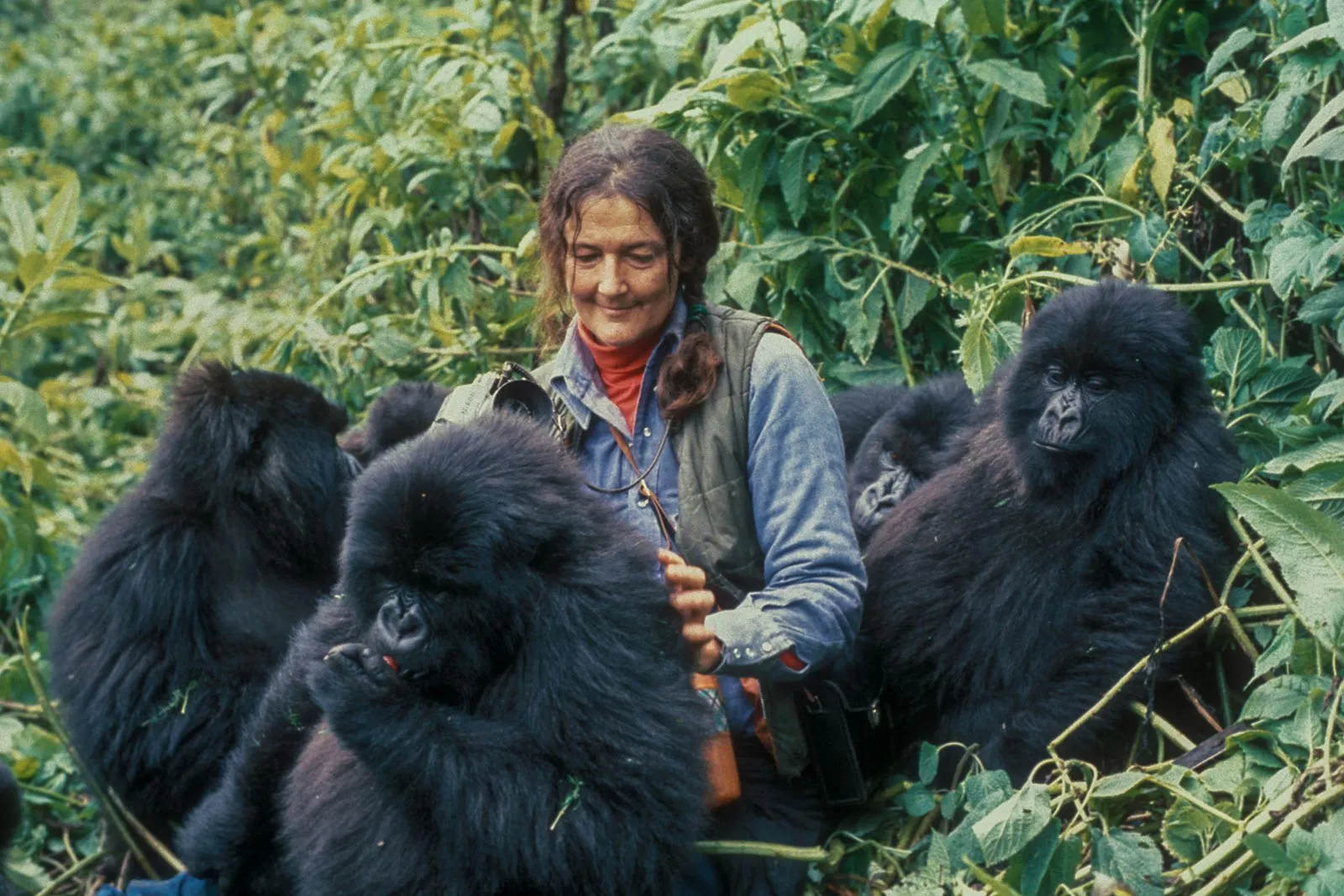
The earlier start provides enough time for tracking and extended observation without placing unnecessary pressure on the professional team or visitors to rush.
The extra time also creates more flexibility if the gorillas have moved a considerable distance. A later start combined with a long search and four-hour observation period could push the activity much deeper into the afternoon.
Does the Four-Hour Viewing Period Begin at 6:30 a.m.?
No. This is one of the most important details to understand.
The 6:30 a.m. time refers to when the Gorilla Habituation Experience begins, not when your four hours beside the gorillas automatically start.
Uganda Wildlife Authority makes a clear distinction between tracking time and viewing time. Viewing time begins only when visitors actually reach the gorillas. The four-hour maximum therefore starts at the encounter rather than at the briefing area.
This means you could begin the activity around 6:30 a.m. and spend a significant amount of time searching before reaching the gorilla family. Once you encounter the gorillas, your extended viewing period begins.
This distinction greatly increases the value of habituation because a longer search does not simply consume the direct gorilla observation time.
The complete day can consequently be much longer than four hours.
What Happens Immediately After the Morning Start?
Once the briefing and preparations are complete, you enter the forest with the professional team. The exact route depends on where the gorillas are believed to be and information obtained through ongoing monitoring.
The first section may follow an established trail, but tracking can eventually lead into more difficult forest conditions.
Bwindi is characterised by steep ridges and valleys, which contribute to both its extraordinary biodiversity and the physical demands of gorilla tracking.
As the trackers search, they interpret signs of recent gorilla movement. Visitors may see feeding remains, vegetation that has been disturbed, nests or other evidence indicating where the family travelled.
The search becomes part of the experience rather than merely transportation between the briefing point and the gorillas.
Beginning early gives you time to appreciate this process without immediately feeling that the day is becoming late.
Does Gorilla Habituation Always Start Exactly at 6:30 a.m.?
The official management guideline states that the Gorilla Habituation Experience runs “from 6:30 am” until visitors return for debriefing. Travellers should regard this as the official operating timeline while still following the specific reporting and departure instructions given for their booked date.
Field activities can involve operational considerations that are not captured by a single universal minute-by-minute schedule. Permit verification, visitor readiness, local conditions and instructions from the park team all influence how the morning proceeds.
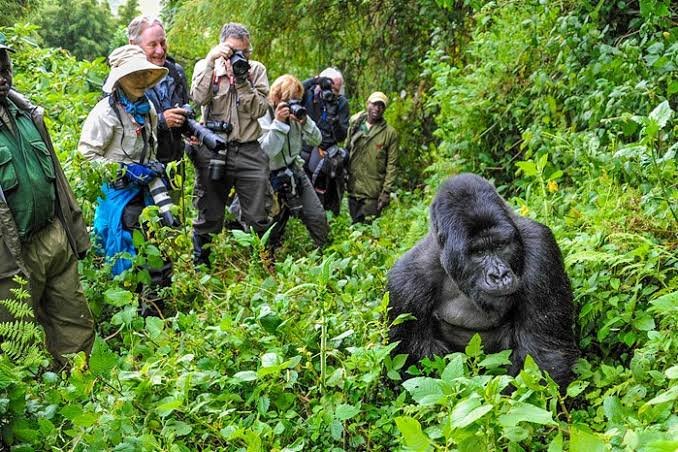
For website content and safari planning, it is therefore safest to describe Gorilla Habituation as beginning from around 6:30 a.m. rather than promising every traveller that their group will physically take its first step into the forest at precisely 6:30:00.
This wording remains accurate while recognising the practical realities of a professionally managed wildlife activity.
What Time Should You Wake Up for Gorilla Habituation?
There is no single official wake-up time because accommodation locations differ.
If your lodge is close to the required activity area, you may have a relatively comfortable early morning. If you are staying farther away, you will need to wake earlier to allow enough time for breakfast and transportation.
The most important principle is that you should not be rushing.
Gorilla Habituation can require many hours of physical activity. Beginning the day without enough food, forgetting important equipment or arriving stressed because your transfer was too tightly scheduled can negatively affect the entire experience.
A responsible safari itinerary should therefore plan backwards from the required reporting time, allowing enough space for breakfast, equipment preparation and road conditions.
This is another reason your lodge location matters almost as much as its comfort level on the night before the trek.
Should You Eat Breakfast Before the 6:30 a.m. Start?
Yes, it is sensible to have breakfast before beginning such a demanding forest day.
Gorilla Habituation can continue for many hours, and you should not enter Bwindi expecting to return to your lodge for a normal mid-morning meal.
Your lodge can normally prepare breakfast earlier than usual when it knows you are participating in a gorilla activity.
You should also arrange a packed meal or appropriate food for later in the day according to your safari arrangements, because the return time cannot be predicted precisely.
Food is not consumed around the gorillas. Eating during the forest experience should follow the instructions of the guides and take place in an appropriate area away from direct gorilla observation.
Starting with a proper breakfast gives you energy for the initial tracking period, which may involve steep terrain long before the gorillas are reached.
Should You Carry Water From the Start?
A long Gorilla Habituation day requires adequate hydration.
You should carry drinking water from the beginning rather than assuming you will have opportunities to purchase supplies after entering the park.
The forest environment can be cool, especially early in the morning, but hiking through steep terrain still requires physical effort and can lead to dehydration.
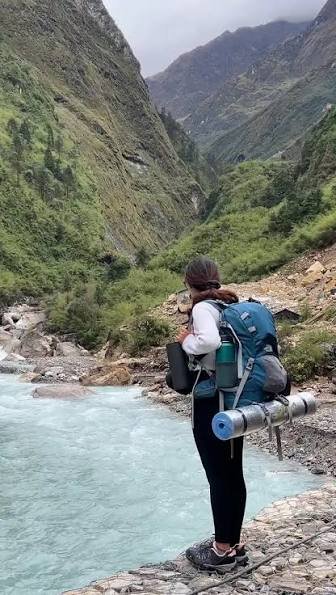
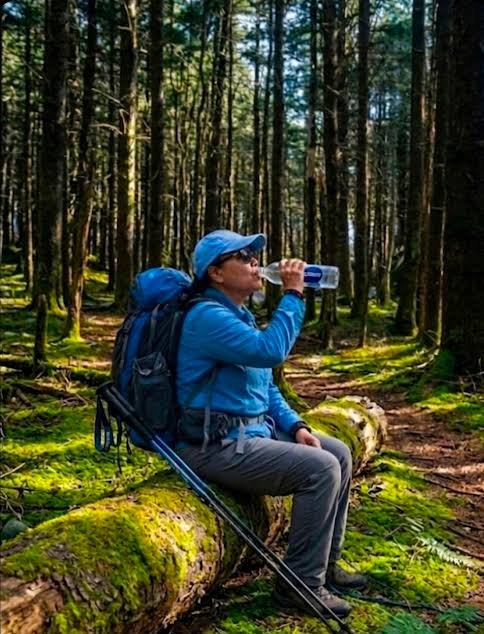
A porter can be extremely helpful for carrying water, camera equipment, rain protection and a packed meal. Using a porter allows you to conserve energy for the most important part of the day.
The earlier start means you may spend a substantial portion of the morning physically active before the sun has risen high enough for temperatures to increase, but you should still drink appropriately throughout the day.
Why the Early Start Is Important for Tracking Wild Gorillas
Mountain gorillas are not stationary wildlife.
Uganda Wildlife Authority’s older Bwindi visitor material explains that gorilla tracking can vary from a few hours to a whole day depending on how far the family has moved from where it was observed nesting previously.
Although this particular description concerns gorilla tracking generally, the underlying point is important for understanding the early habituation schedule: the animals move, and their location determines how long the search takes.
Beginning early gives the trackers and visitors the largest practical daylight window.
This is particularly useful for habituation because the direct observation period can be much longer once the family is found.
The schedule therefore follows the realities of wildlife rather than the convenience of a conventional tourism timetable.
What If the Gorillas Are Found Quickly?
If trackers locate the gorillas relatively early, your four-hour viewing period can begin sooner.
This can create an exceptionally rewarding morning because you may complete much of the direct gorilla observation before the afternoon.
However, an early encounter does not mean the activity suddenly becomes a short excursion. You still have the full extended observation opportunity and must later return through the forest.
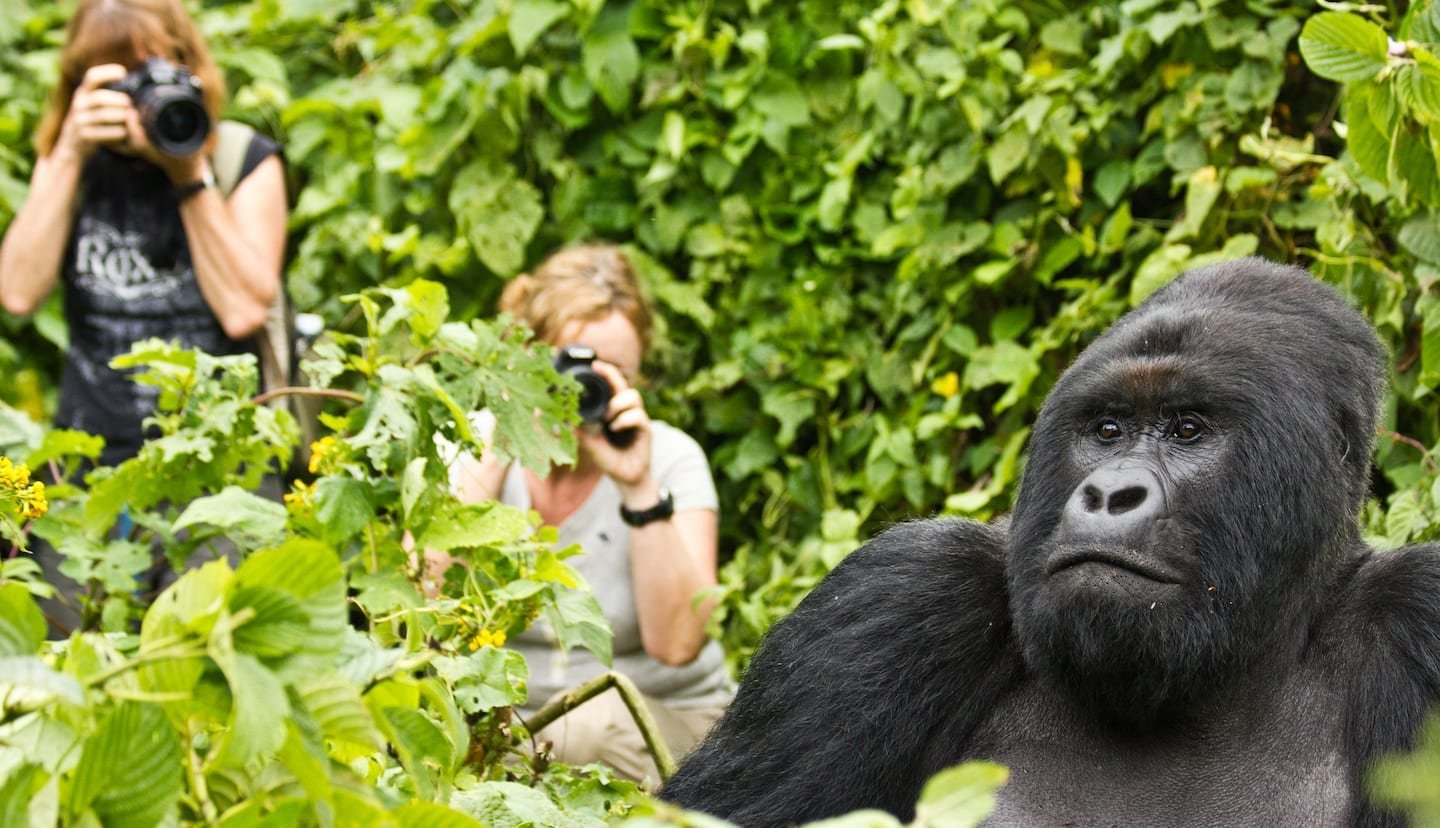
The gorillas can also move while you are observing them, potentially carrying the group farther from the starting area.
You should therefore keep the entire day flexible even when the gorillas are found quickly.
The advantage is not necessarily that you will finish early. The advantage is that you begin the most important part of the experience while you are still fresh and have substantial daylight available.
What If the Gorillas Take Several Hours to Find?
A longer search is completely possible because mountain gorillas remain wild and free-ranging.
If the family has travelled farther than expected, trackers may need to follow signs across difficult terrain.
The 6:30 a.m. start becomes particularly valuable on these days because you have already begun tracking early.
Once the gorillas are reached, the four-hour maximum viewing period begins.
A difficult search should not automatically be regarded as a disappointing experience. It is part of authentic wildlife tracking.
You are not visiting animals confined to a predictable tourism area. You are following a family living within one of Africa’s most complex rainforest environments.
The effort required to reach them often increases the sense of achievement when the first gorilla finally becomes visible.
How Long After 6:30 a.m. Can the Entire Experience Continue?
Uganda Wildlife Authority does not give one universal end time for Gorilla Habituation. Its guidelines describe the experience as beginning from 6:30 a.m. and continuing until visitors return to the briefing location for debriefing.
This wording is extremely important.
Your return time depends on how long tracking takes, when the gorillas are reached, how they move during the observation period and how far you must walk back afterward.
Some visitors may complete the experience earlier in the afternoon. Others may spend much more of the day inside the forest.
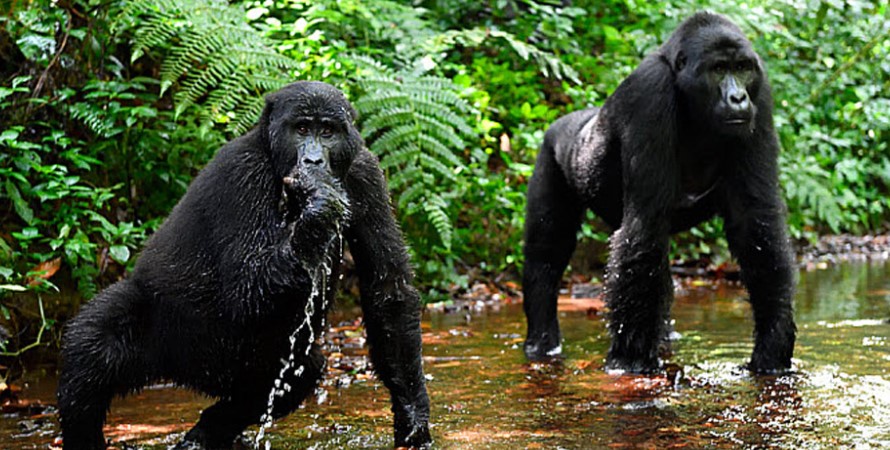
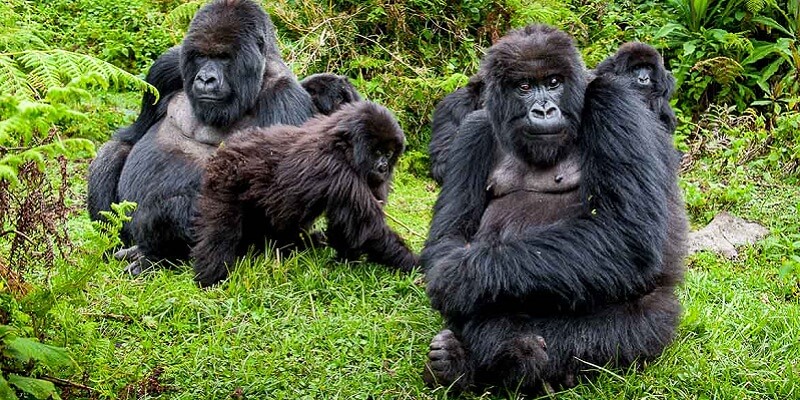
A safari itinerary should therefore never be built around the assumption that Gorilla Habituation definitely ends at noon or at a particular afternoon hour.
The forest determines the schedule.
Why You Should Avoid a Fixed Afternoon Activity
Because there is no guaranteed finishing time, arranging another major activity immediately after Gorilla Habituation is usually unnecessary and risky.
If your encounter runs longer than expected, you could find yourself thinking about the next appointment instead of enjoying the gorillas.
The habituation permit represents a significant investment, and the entire day should be protected around that experience.
A relaxed afternoon or evening at the lodge is normally more appropriate.
You may want to shower, rest, review photographs and enjoy a meal after many hours in the forest.
Leaving space in the itinerary allows Gorilla Habituation to unfold according to natural conditions rather than forcing it into an artificial schedule.
Is an Afternoon Domestic Flight a Good Idea?
A tightly scheduled domestic flight after Gorilla Habituation can create unnecessary risk because you cannot guarantee when you will emerge from the forest.
Even if the driving distance from your lodge to an airstrip appears manageable, a longer tracking day can alter the plan.
For a luxury itinerary using domestic flights, the best approach is generally to protect the gorilla day and arrange onward travel at a time that does not depend on an early forest return.
Staying another night around Bwindi can be especially comfortable because it allows you to fully enjoy the experience without checking your watch.
When itinerary length is limited, flight planning should still leave substantial flexibility rather than treating the 6:30 a.m. start as proof that the activity will finish early.
Why the Night Before Gorilla Habituation Matters
The evening before the experience is one of the most important parts of preparation.
A traveller who arrives at the lodge very late after a long road transfer may have only a few hours to eat, organise equipment and sleep before waking for the early start.
This can make the following day unnecessarily difficult.
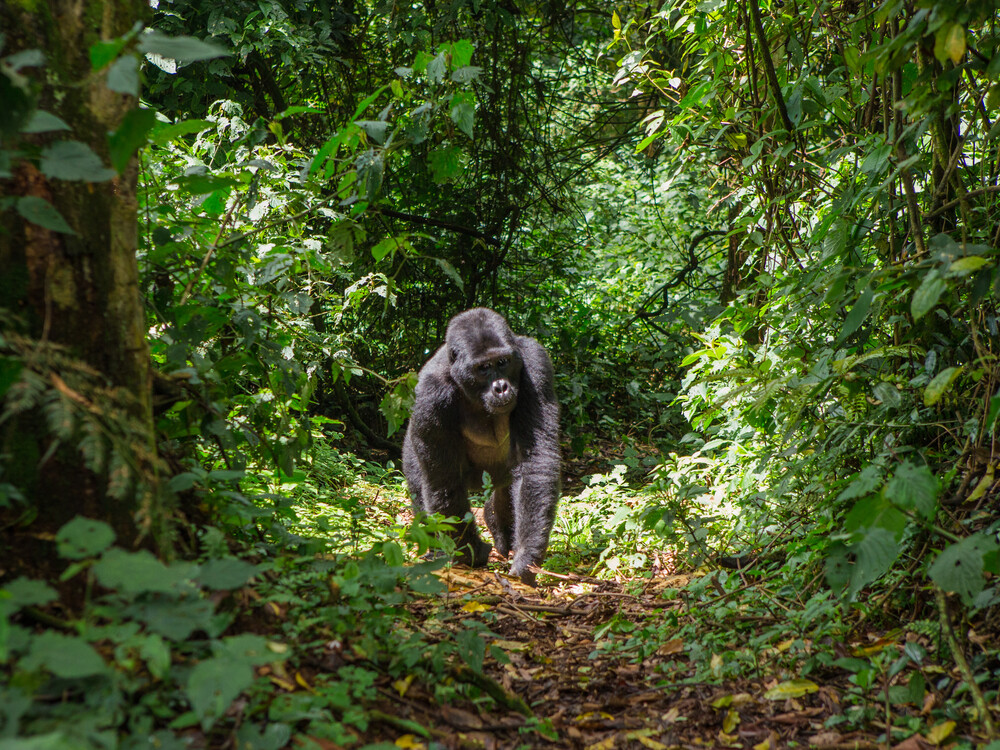
A better itinerary places you in Bwindi with enough time to settle before the Gorilla Habituation morning.
You can have dinner at a sensible hour, confirm your departure time with the guide, charge camera equipment and prepare appropriate clothing.
A good night’s sleep has a direct impact on how comfortably you manage the trek.
What Time Should You Go to Bed?
There is no official bedtime, but the logic of a 6:30 a.m. activity strongly favours an early night.
If you need to wake well before dawn, staying awake late at the lodge reduces valuable rest.
This is particularly relevant because Gorilla Habituation is physically and mentally engaging.
You want enough energy to remain attentive during the extended observation period rather than becoming exhausted halfway through the day.
The night before is therefore not the ideal time for a long evening of drinks or an unnecessary late activity.
The gorilla experience should take priority.
What Should Be Prepared Before You Sleep?
Your trekking clothing, hiking footwear, rain protection, camera equipment, charged batteries and essential personal items should ideally be ready before bedtime.
This preparation makes the early morning much smoother.
You should also know where and when breakfast will be served and what time your driver or lodge transfer will depart.
If you are taking a packed meal, confirm that the lodge has arranged it.
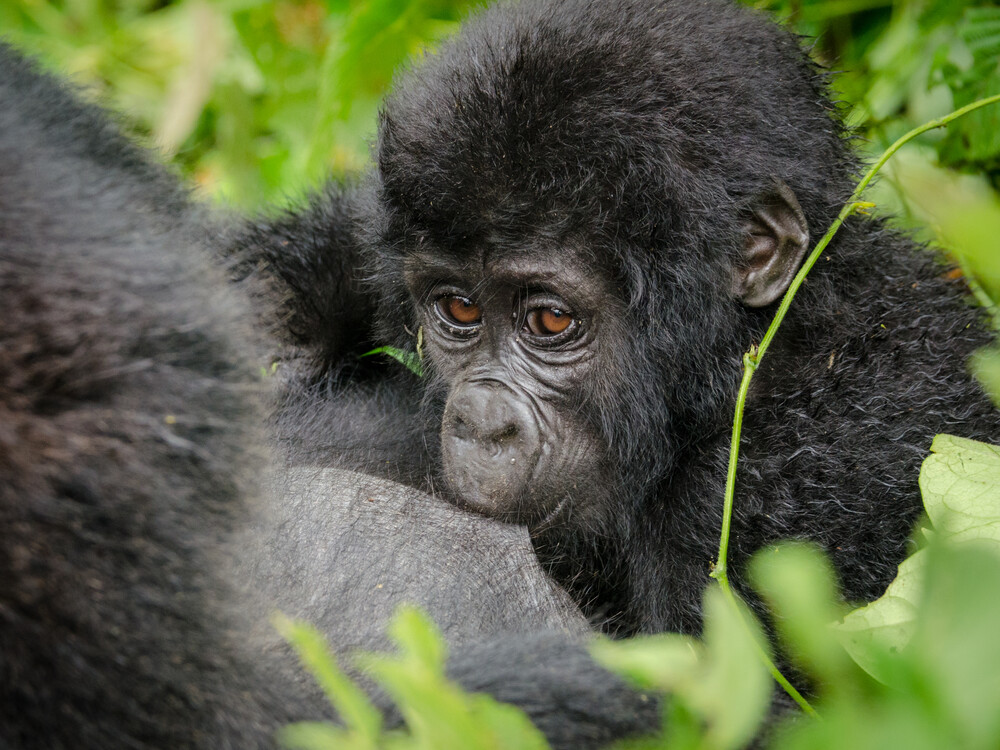
These small details prevent delays and allow you to begin the day focused on the experience rather than searching for equipment.
Does the Start Time Change With the Season?
Uganda Wildlife Authority‘s published guidelines state the Gorilla Habituation Experience timeline as starting from 6:30 a.m.; they do not provide separate published start times for different seasons in that management rule.
Travellers should therefore plan around the official early-morning schedule regardless of whether they visit during a wetter or relatively drier period.
Seasonal conditions can still affect the trek itself.
Rain may make trails slippery and movement slower, while changing vegetation can affect visibility and forest conditions.
However, those factors influence how the day unfolds rather than creating a completely different standard start time.
Specific instructions from UWA on your booked date should always take precedence if operational arrangements are updated.
Does Sunrise Determine the Start Time?
The Gorilla Habituation Experience is managed according to the UWA schedule rather than a tourist choosing to begin whenever daylight appears sufficient.
The approximate 6:30 a.m. start naturally places the activity around the early part of the day, providing a large daylight window for tracking and observation.
The forest itself can remain dim even after sunrise because Bwindi has dense vegetation and a heavy canopy.
Visitors should therefore not think of the start time as equivalent to entering a brightly lit open landscape.
The early forest atmosphere is part of the character of the experience.
How the 6:30 a.m. Start Changes Photography
Photographers should prepare for low-light conditions during the early part of the morning.
Even when daylight has arrived, the forest canopy can reduce available light substantially.
The gorillas may be found later, when conditions are brighter, but there is no guarantee.
A photographer should therefore understand camera settings before entering the forest rather than learning them during the encounter.
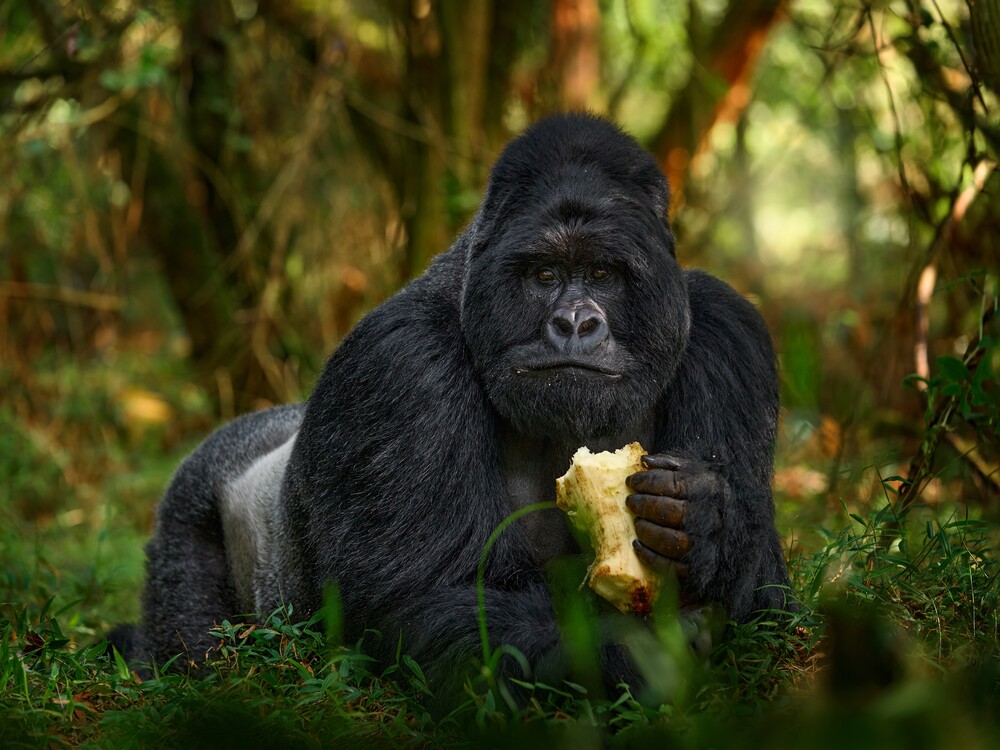
Flash photography around gorillas is prohibited under UWA rules, so your equipment should be prepared for available-light photography.
The four-hour viewing period can be particularly valuable because the quality and direction of light may change while you remain with the family.
An early start increases the possibility that you experience several different lighting conditions during the day.
What Happens if You Arrive Late?
Gorilla Habituation should never be treated like a flexible hotel excursion where arriving significantly late has no consequence.
It is an organised conservation activity involving permits, professional trackers, researchers and other visitors.
The field team operates within a defined schedule, and your participation needs to fit that schedule.
Arriving late can therefore create serious problems.
The safest approach is to plan generously and arrive according to the reporting instructions provided for your permit.
Your safari operator should ensure the lodge transfer is realistic, but you also need to be ready at the agreed departure time.
The high cost and limited availability of the permit make punctuality especially important.
Can You Join the Group Later in the Forest?
You should never plan on missing the start and attempting to join the habituation group later.
Bwindi is not a simple walking attraction with a marked route where visitors can independently catch up.
The gorillas’ location changes, and tracking takes place under UWA professional supervision.
Visitors need to begin through the proper process and remain with the official team.
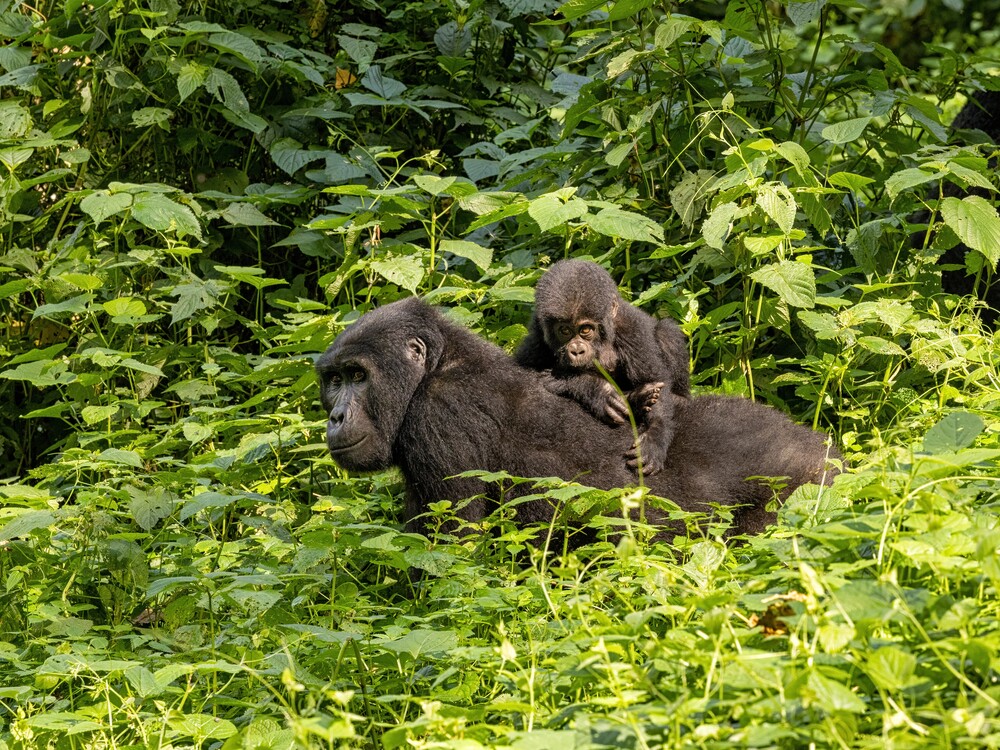
The morning schedule should therefore be treated as essential rather than optional.
Why the Early Start Helps Create a Better Visitor Experience
An early departure can sound demanding when you are planning your holiday, but once you are in Bwindi it often feels natural.
The forest is cool, the landscape is quiet and you begin the experience before the day becomes busier around surrounding communities and lodges.
The atmosphere creates a strong sense of entering the gorillas’ environment rather than simply attending a scheduled attraction.
By the time many ordinary safari activities elsewhere would only be beginning, you may already be deep inside Bwindi following the trackers.
For many travellers, this early start becomes part of the memory rather than an inconvenience.
Why Gorilla Habituation Is Best Treated as a Full-Day Experience
The 6:30 a.m. starting time sometimes creates the misleading impression that Gorilla Habituation must therefore finish relatively early.
The opposite can be true.
The activity starts early precisely because it can last a long time.
You need to search for the gorillas, spend up to four hours observing them after the encounter and then make the return journey.
The animals may continue moving during observation, which can lengthen the distance back.
Treating the day as fully dedicated to Gorilla Habituation is therefore the most realistic approach.
Can You Have a Relaxed Evening After the Trek?
A relaxed lodge evening is one of the best ways to conclude the day.
After spending many hours in the forest, you may be tired, muddy and emotionally overwhelmed by the experience.
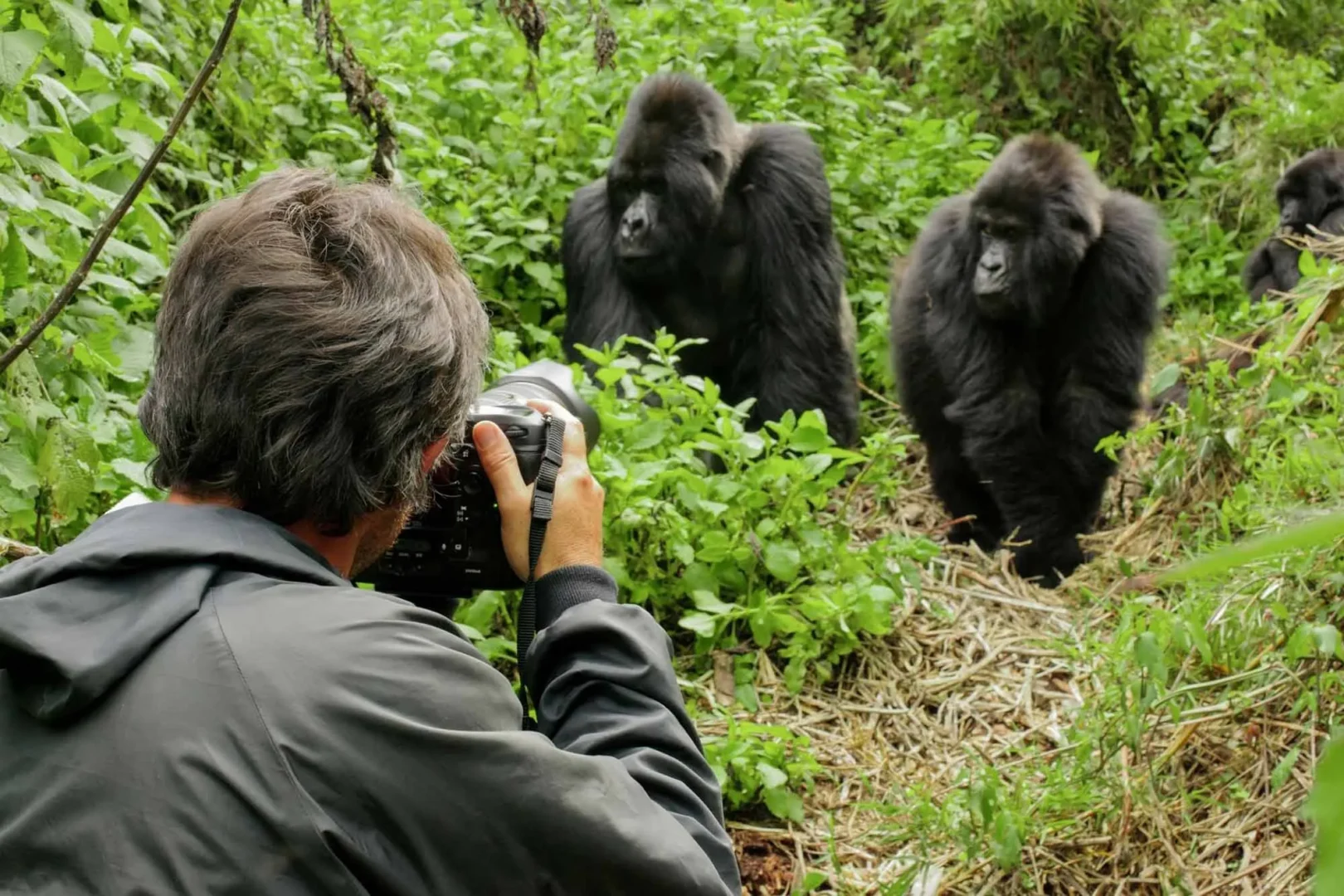
There is little benefit in immediately rushing into another major excursion.
You can shower, change, enjoy dinner and review photographs at your own pace.
Travellers often discover that some of the strongest memories of the day become clearer during this quiet period after returning.
The itinerary should give those memories room to settle.
How Early Should a Driver-Guide Be Ready?
Your driver-guide should organise the lodge departure according to the reporting instructions for your confirmed Gorilla Habituation activity.
Rather than choosing a universal departure time for every lodge, the schedule needs to account for local driving distance and road conditions.
This is another reason experienced safari planning is valuable.
A lodge fifteen minutes from the relevant area requires a very different departure schedule from one requiring a much longer mountain drive.
The objective should always be to arrive comfortably before the required time.
What Happens to Your Safari Vehicle During the Trek?
Once you begin the Gorilla Habituation Experience, your safari vehicle does not follow you through the forest.
The driver normally waits according to the itinerary and local arrangements until the activity is complete.
Because the return time is unpredictable, the driver-guide also needs flexibility.
This is one reason private safari transportation works particularly well for Gorilla Habituation. Your vehicle can remain available rather than forcing you to fit the forest experience around a shared transfer schedule.
After you return and complete the park process, your driver can take you back to the lodge.
Why the Correct Start-Time Information Matters When Booking
Clear information about the 6:30 a.m. schedule affects far more than your alarm clock.
It determines where you should sleep, when you should arrive in Bwindi, how you plan the previous day and whether an onward activity can realistically be arranged afterward.
Poor itinerary planning often begins when Gorilla Habituation is treated as though it operates on the same schedule as standard trekking.
The two activities are different.
UWA officially places standard gorilla tracking from 8:00 a.m. and the Gorilla Habituation Experience from 6:30 a.m.
Your itinerary should respect that distinction.
How the Start Time Affects Travellers Coming From Kigali
Travellers combining Rwanda and Uganda sometimes begin their wider safari in Kigali, but the early Gorilla Habituation schedule means the international transfer should normally be completed before the activity day.
Trying to leave Kigali in the middle of the night, cross an international border and still reach the correct Bwindi briefing location comfortably before the Gorilla Habituation start would introduce unnecessary logistical risk.
Border formalities, mountain roads and unpredictable driving conditions make the previous-day transfer a far more sensible structure.
Arriving in the Bwindi area the afternoon or evening before allows you to sleep close to the correct activity location and begin the next morning rested.
The same principle applies whether you are approaching Bwindi from Entebbe, Queen Elizabeth National Park, Lake Bunyonyi or another part of Uganda.
How the Start Time Affects Fly-In Safaris
Travellers using domestic flights to reach southwestern Uganda should also plan to arrive before the Gorilla Habituation day rather than relying on a same-morning flight.
A 6:30 a.m. forest start leaves no practical room for arriving by domestic aviation that morning and then transferring to the briefing point.
A fly-in safari is most comfortable when you travel to the Bwindi region on the previous day, transfer to your lodge and have the evening available for preparation.
After the Gorilla Habituation Experience, you can then stay another night or arrange onward travel on a later schedule that does not depend on an early return from the forest.
Does Gorilla Habituation Start Earlier Because It Is Harder?
The earlier start does not mean UWA is formally declaring Gorilla Habituation more difficult than all standard treks.
The main reason to understand the schedule is that habituation has a longer viewing period and a different operational structure.
However, the extended day can make it more physically demanding in practice.
You may spend more hours inside the forest, and the gorillas can continue moving during the four-hour observation period.
Beginning early therefore creates the time needed to complete the experience responsibly.
Does an Early Start Improve Your Chances of Seeing Gorillas?
The Gorilla Habituation schedule is designed around professional tracking and monitoring rather than tourists independently choosing an early hour to increase sighting probability.
Professional trackers have knowledge of the gorilla family‘s movements and use signs in the forest to locate them.
The early start gives the team time to conduct the full experience.
It should not be marketed as though 6:30 a.m. guarantees gorillas will be found quickly.
Wildlife remains unpredictable.
The value lies in having enough time available to find the family and then conduct the extended observation properly.
What Time Does the Gorilla Encounter Actually Begin?
There is no fixed gorilla encounter time.
You may begin the official activity at around 6:30 a.m., but the encounter begins only when the trackers locate the family.
That could happen relatively soon or much later.
This is why travellers should distinguish between activity start time and gorilla viewing start time.
The activity starts early.
The gorilla encounter starts when nature allows.
Understanding this prevents unrealistic expectations and makes the day easier to enjoy.
Why You Should Not Constantly Check the Time
Once you enter Bwindi, the best approach is to allow the day to unfold.
Constantly checking the time because you expected to reach the gorillas by a certain hour can create unnecessary anxiety.
Trackers are doing professional work, and the gorillas’ movements cannot be controlled.
Your role is to remain patient, conserve energy and appreciate the forest.
Once the family is reached, the four-hour maximum gives you considerably more time than standard trekking to settle into the encounter.
The less you focus on the clock, the more immersive the experience becomes.
What Time Does Gorilla Habituation Start in Bwindi Compared With Gorilla Trekking?
The official UWA distinction is clear. Gorilla Habituation begins from around 6:30 a.m., while ordinary gorilla tracking begins from around 8:00 a.m. Both continue until visitors return to the briefing location for debriefing.
The viewing periods are also different. Standard tracking allows a maximum of one hour once the gorillas are reached, while Gorilla Habituation allows a maximum of four hours.
The earlier start and longer viewing period are therefore linked.
Habituation is designed as a deeper forest experience and requires more time.
What Time Does Gorilla Habituation Start in Bwindi? Final Answer
What Time Does Gorilla Habituation Start in Bwindi? Uganda Wildlife Authority‘s published guidelines state that the Gorilla Habituation Experience begins from around 6:30 a.m. and continues until visitors return to the briefing location for debriefing. This makes Gorilla Habituation an early-morning activity and means you should normally be at the correct briefing location before the official forest experience begins.
The 6:30 a.m. time should not be confused with the beginning of your four-hour gorilla viewing period. Uganda Wildlife Authority defines viewing time as beginning when visitors actually reach the gorillas. Gorilla Habituation then provides a maximum of four hours of direct observation. If tracking takes several hours, your viewing period begins only after the family is encountered.
Your personal morning may therefore begin much earlier than 6:30 a.m. You need enough time for breakfast, equipment preparation and transportation from your lodge to the correct activity location. The farther your accommodation is from the appropriate Bwindi area, the earlier you may need to wake.
For this reason, one of the most important parts of planning Gorilla Habituation is selecting accommodation that matches your confirmed permit and operational location. contains several major gorilla tourism areas, and mountain roads can make travel between them slower than travellers initially expect.
The early start is also why you should arrive in Bwindi on the previous day rather than attempting a long same-morning transfer from another national park, Kigali or an airport. Sleeping near the correct starting point allows you to rest properly and approach the experience without unnecessary logistical pressure.
Once you enter the forest, there is no fixed time when you will reach the gorillas or return to your lodge. Mountain gorillas move freely, and the search depends on where the family has travelled. The official experience continues until you return for debriefing rather than ending at a predetermined afternoon hour.
The best way to plan the day is therefore to treat Gorilla Habituation as a full-day activity beginning early in the morning. Do not schedule a tightly timed afternoon flight or another major excursion that depends on you leaving the forest early.
The 6:30 a.m. start is not simply an inconveniently early tourism schedule. It is part of what makes the Gorilla Habituation Experience possible. It gives professional trackers, researchers and visitors the time required to find a wild, free-ranging gorilla family and then spend an extended period observing it without rushing the conservation process.
For travellers, that means waking early, preparing carefully and allowing the entire day to revolve around one extraordinary experience. By the time you return to your lodge, the morning alarm will probably feel insignificant compared with the memory of having spent several hours inside Bwindi observing mountain gorillas in their natural forest home.