

Is Gorilla Habituation Possible During Uganda’s Rainy Season?
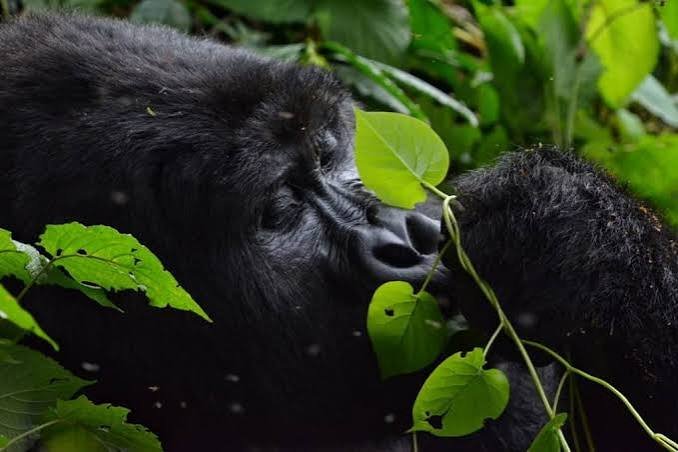
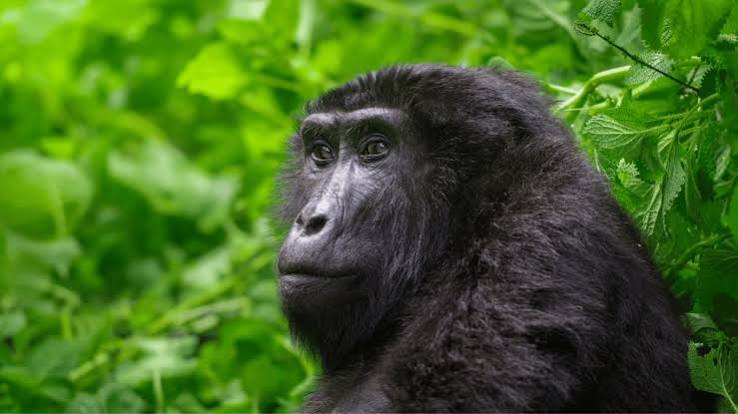
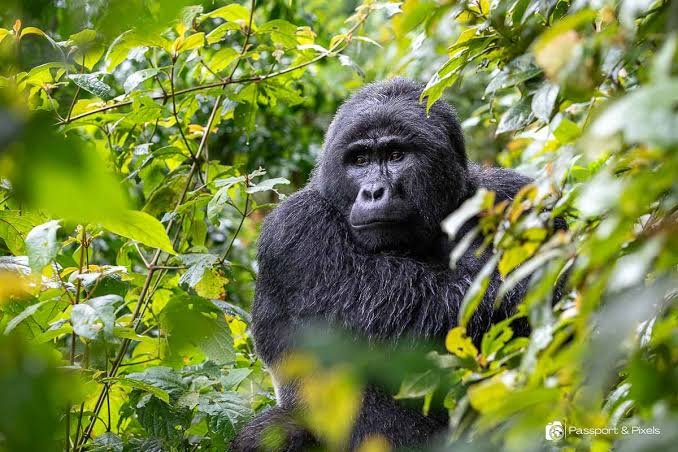
Gorilla Habituation Rainy Season travel in Uganda offers an extraordinary opportunity to observe mountain gorillas in Bwindi Impenetrable National Park. Although rainfall can make forest trails muddy and slippery, the experience remains available throughout the year, subject to safety and permit availability.
The Gorilla Habituation Experience takes place in the Rushaga sector of Bwindi Impenetrable National Park, where visitors accompany professional rangers, trackers, and conservation personnel to observe a mountain gorilla family undergoing habituation. Unlike standard gorilla trekking, which generally permits one hour of observation, gorilla habituation allows up to four hours after locating the participating family. Rainy-season visitors should therefore prepare for a potentially long day in the rainforest, where changing weather, steep terrain, and slippery vegetation become part of the adventure.
Can You Do Gorilla Habituation During the Rainy Season in Uganda?
Gorilla habituation during the rainy season remains possible because mountain gorillas live permanently within Bwindi’s rainforest environment and do not migrate away during periods of heavy rainfall. Uganda’s conservation teams continue monitoring participating gorilla families throughout the year, while authorised visitors can join scheduled activities subject to permit availability and safety conditions. Rainfall is a normal feature of the forest ecosystem, and gorillas continue feeding, resting, grooming, moving, and interacting with their families regardless of the tourist season. However, severe weather, dangerous trails, or other operational concerns may require rangers to modify or suspend an activity when visitor or wildlife safety is at risk.
The main difference between rainy-season and dry-season habituation is usually the condition of the forest rather than the basic experience itself. Wet trails require more careful walking, exposed roots may become slippery, and steep slopes can demand additional physical effort. Nevertheless, travellers who arrive well prepared can still enjoy an extraordinary encounter with endangered mountain gorillas. Understanding the duration of a gorilla habituation trek is important because the entire activity may occupy much of the day, including briefing, tracking, observation, and returning through the forest.
When Is the Rainy Season in Bwindi Impenetrable National Park?
Uganda generally experiences two rainy seasons, with the longer wet period occurring between March and May and the shorter rainy season taking place around October and November. Bwindi’s mountainous location, however, creates local weather conditions that can vary considerably from the general national pattern. Rain can fall during any month, including June, July, August, January, and February, which are commonly described as relatively dry periods. Visitors should therefore understand that the terms rainy season and dry season describe typical rainfall patterns rather than guarantees of particular weather conditions.
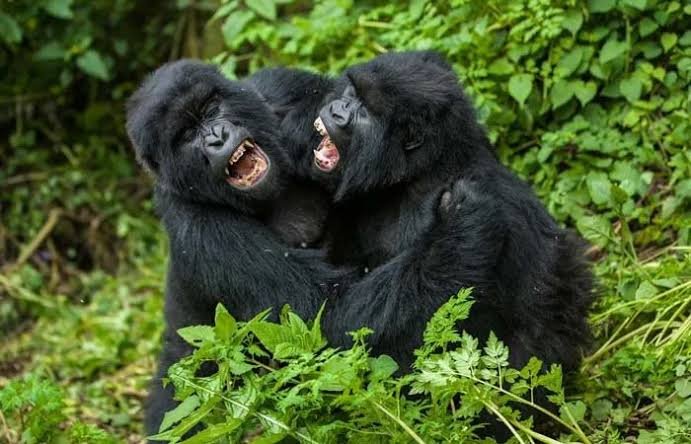
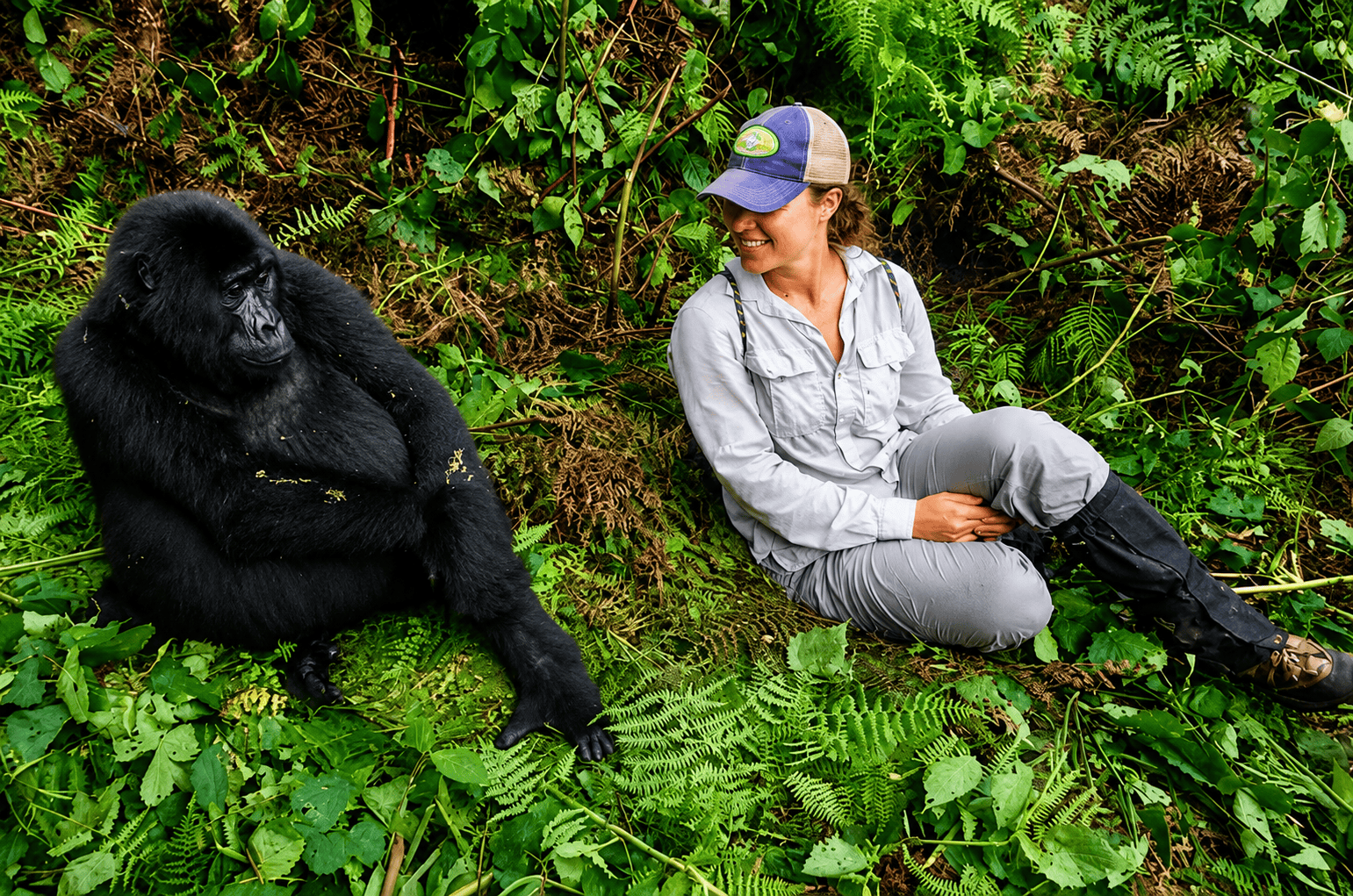
March to May – The Long Rainy Season
March generally marks the transition into wetter conditions, while April is often among the rainiest months in Bwindi. May can also experience substantial rainfall, particularly in the earlier weeks. Gorilla habituation during the rainy season in these months requires appropriate hiking footwear, waterproof clothing, and realistic expectations about forest conditions. Despite potentially challenging trails, the rainforest becomes exceptionally green, surrounding hills appear beautifully refreshed, and mist frequently settles across the mountain valleys. Travellers who enjoy dramatic natural scenery may find this an appealing period for visiting Rushaga.
October to November – The Short Rainy Season
October and November form another important rainy period in southwestern Uganda, although rainfall intensity varies between years. October often brings a gradual increase in showers, while November can experience more persistent wet conditions. Visitors undertaking gorilla habituation during the rainy season should expect occasional delays on rural roads, muddy sections of forest, and changing visibility during the trek. Nevertheless, these months remain suitable for visitors comfortable with unpredictable weather. Those planning a visit can review the Rushaga gorilla habituation access guide before arranging road transportation and accommodation.
What Happens During Gorilla Habituation When It Rains?
During gorilla habituation in rainy conditions, visitors normally begin with an early morning briefing at the designated Rushaga meeting point. Rangers explain the conservation guidelines, forest safety requirements, and expected procedures before the group enters the rainforest alongside authorised personnel. Rainfall may begin before departure, during the search for the gorillas, or while visitors are observing the family. The tracking team evaluates conditions and determines how to proceed safely, considering the terrain, visibility, wildlife behaviour, and physical condition of participants.
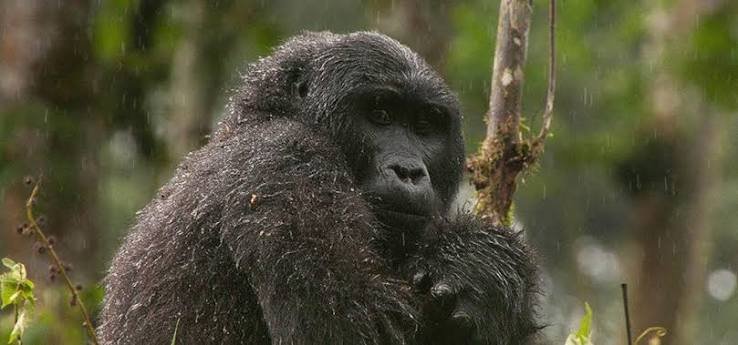
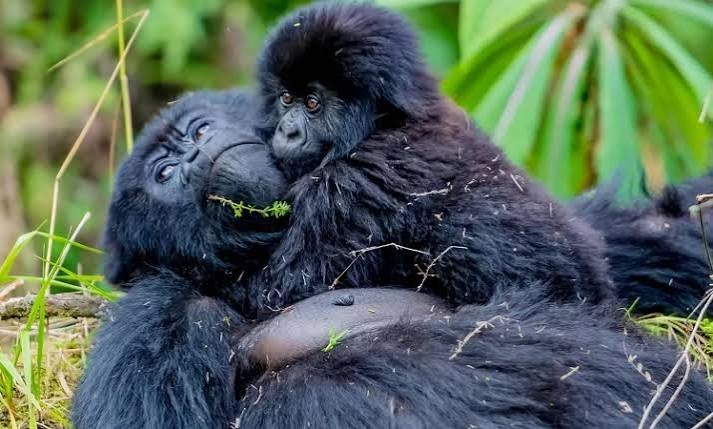
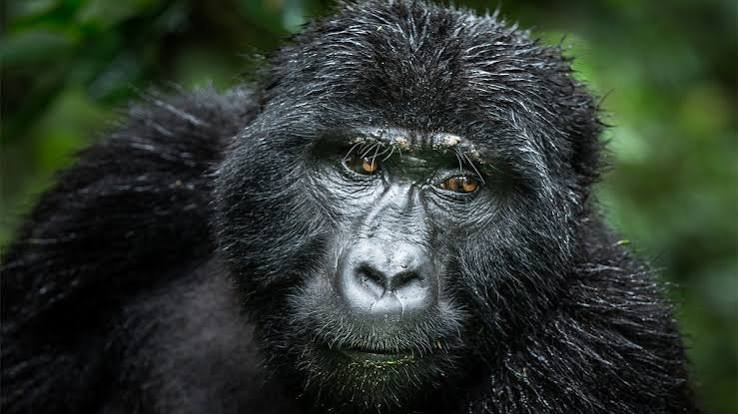
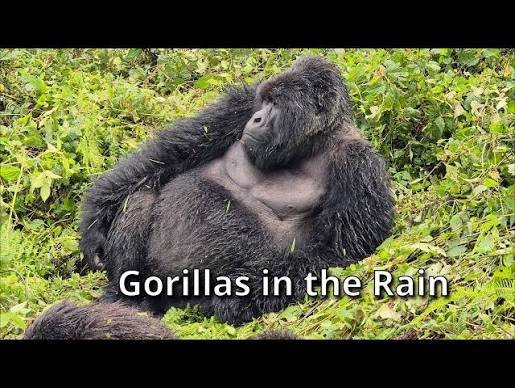
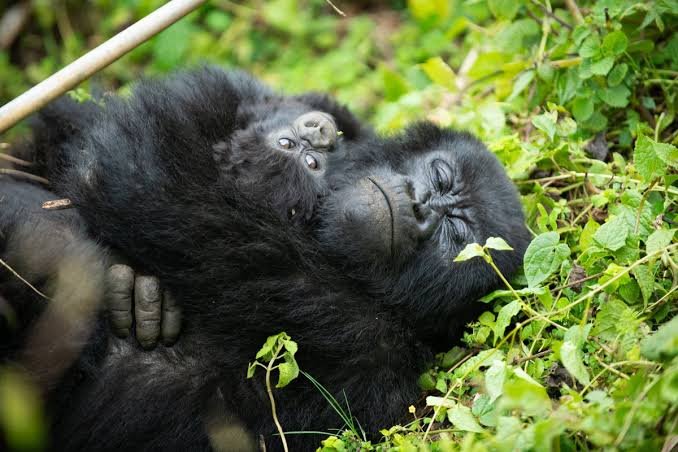
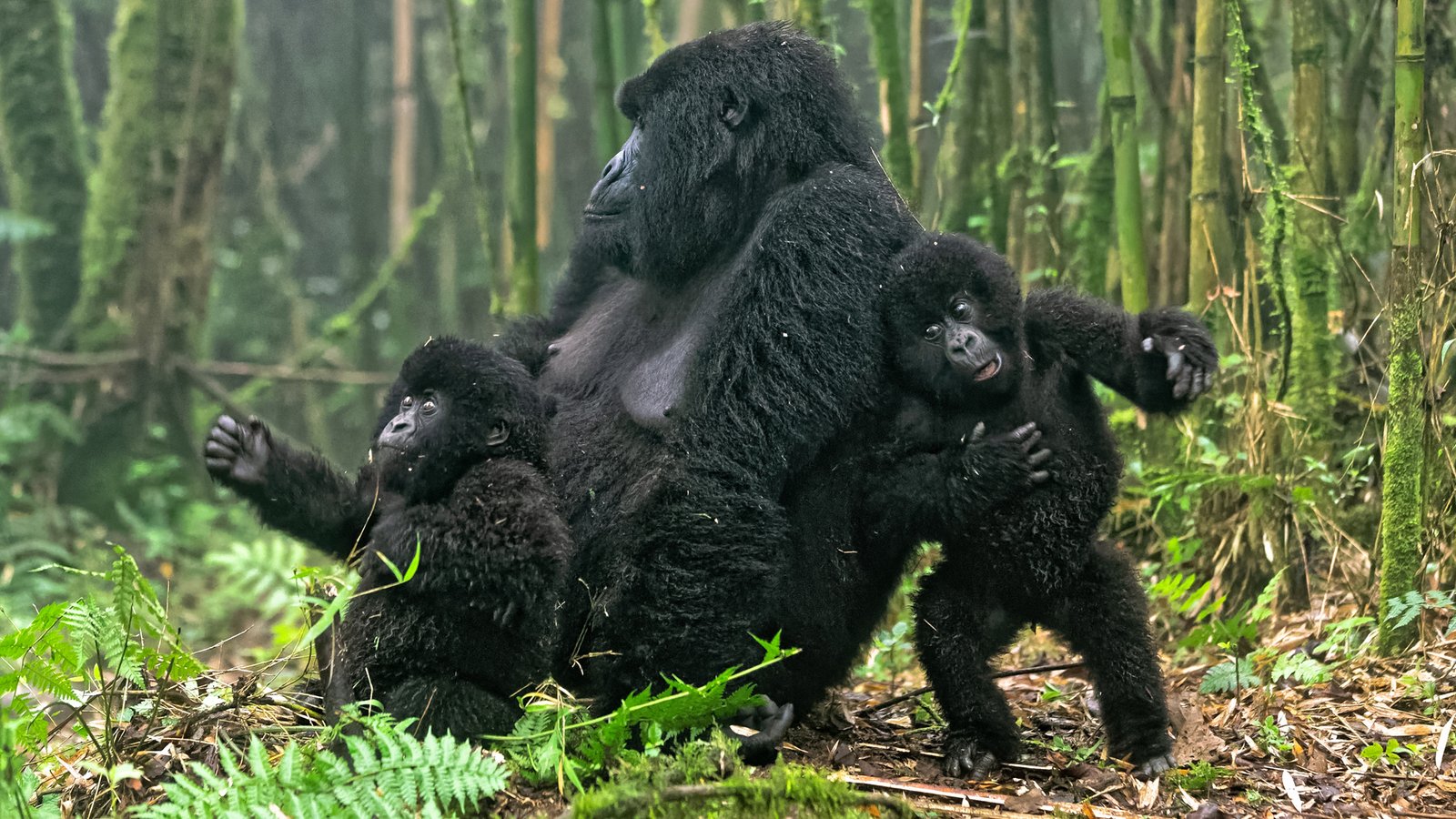
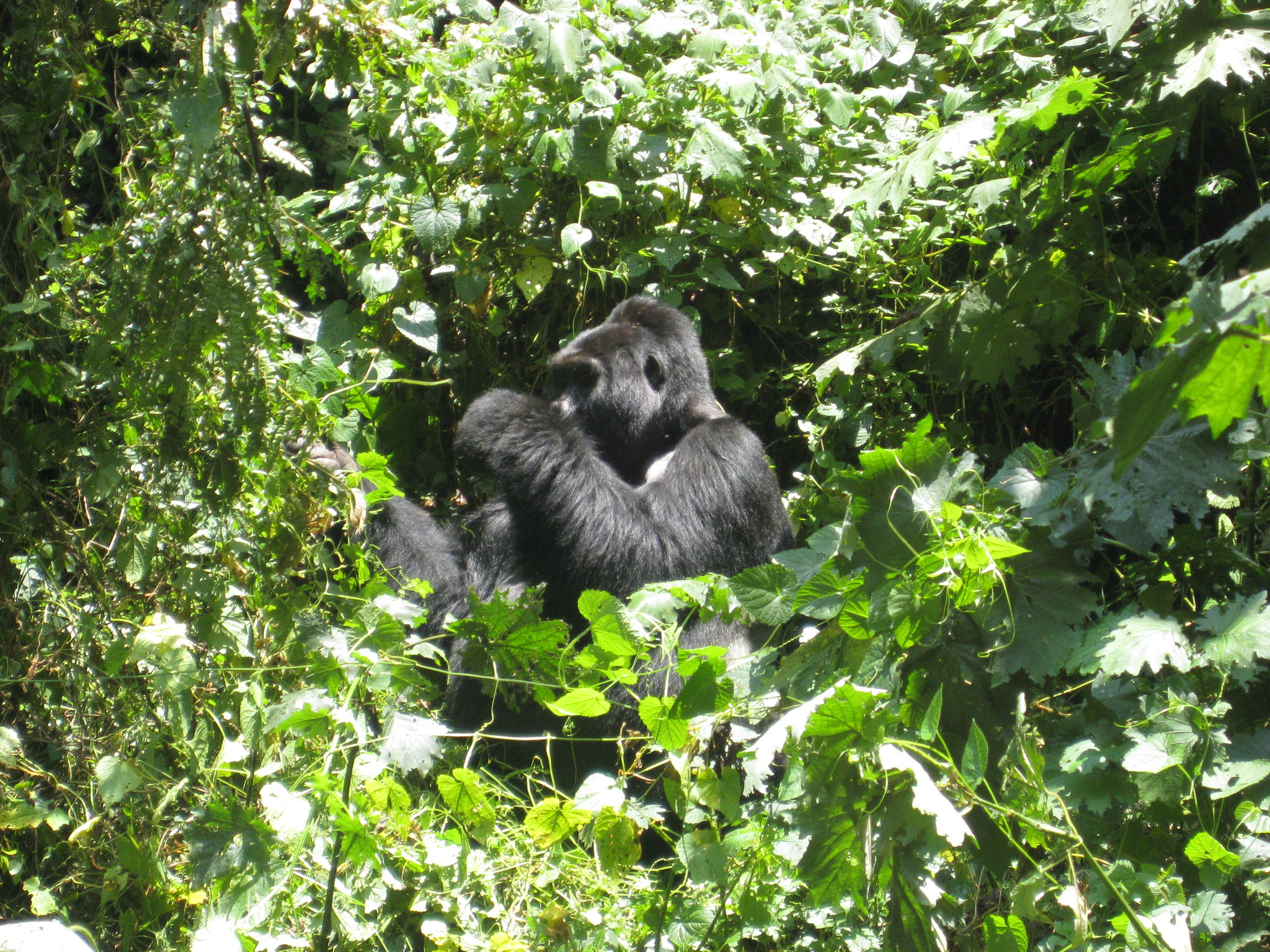
Once the gorilla family is located, visitors may spend up to four hours observing natural behaviour under professional supervision. Gorillas may continue feeding, resting beneath vegetation, grooming one another, or interacting with younger family members during rainy conditions. However, sightings and specific behaviours can never be guaranteed because these remain wild animals. Gorilla habituation during the rainy season offers an opportunity to witness the rainforest environment in its natural state, although visitors must always follow ranger instructions regarding positioning, observation distance, photography, and movement.
Is Gorilla Habituation More Difficult During the Rainy Season?
One of the greatest challenges of gorilla habituation during the rainy season is the physical effort required to navigate wet forest trails. Bwindi contains steep hillsides, dense vegetation, exposed roots, streams, and uneven ground that can become particularly slippery after prolonged rainfall. Visitors may need to move slowly, use walking sticks for stability, and accept assistance from porters when crossing difficult sections. The length of the trek is also unpredictable because participating gorilla families move freely through their natural habitat. Even physically fit travellers may find wet-weather habituation more demanding than expected.
Good preparation makes an important difference. Visitors should wear sturdy waterproof hiking boots with reliable grip, long trousers, long-sleeved shirts, and lightweight rain protection that allows comfortable movement. Hiring a local porter can also be beneficial because carrying water, packed meals, rain equipment, and camera accessories throughout a long forest day may increase fatigue. Although rainy-season habituation requires additional care, it remains a rewarding option for travellers who are physically prepared and willing to adjust their pace according to conditions.
Does Rain Affect Your Chances of Seeing Mountain Gorillas?
Rainfall does not automatically reduce your chances of encountering mountain gorillas because the participating families remain within the forest and are monitored by experienced conservation teams. Trackers rely on their knowledge of gorilla movements, nesting areas, feeding signs, and recent observations to locate the assigned family. While rain can complicate the search and make walking more difficult, it does not cause the gorillas to leave Bwindi or disappear during the wetter months. The actual encounter depends on the gorillas‘ movements, field conditions, tracking progress, and the guidance of conservation personnel.
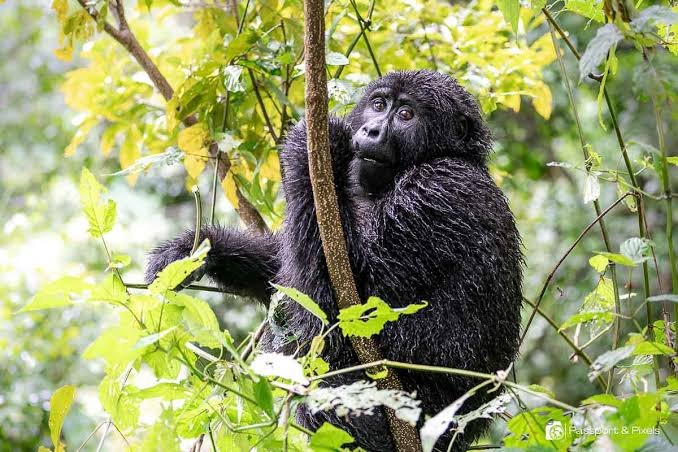
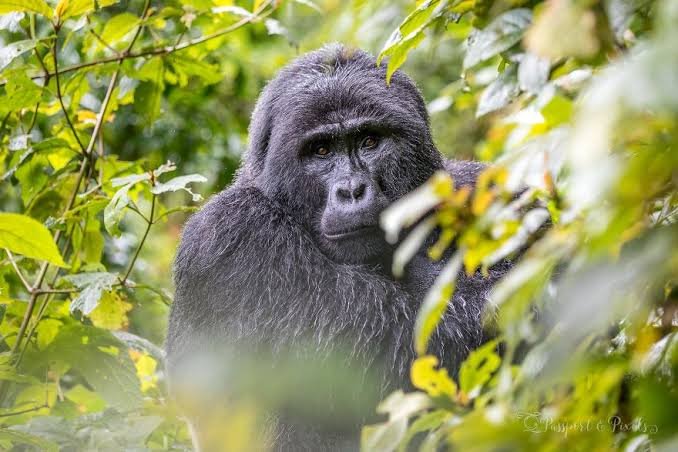
For visitors considering gorilla habituation during the rainy season, it is important to distinguish between the likelihood of an encounter and the difficulty of reaching the animals. Wet conditions may increase the physical effort involved, but this does not necessarily mean the gorillas will be farther away or harder to locate. Mountain gorilla movements are influenced by many factors, including food availability, social behaviour, and their natural ranging patterns. Travellers should avoid expecting a guaranteed sighting duration, easy trail, or particular photographic opportunity simply because they selected a specific month.
Advantages of Gorilla Habituation During the Rainy Season
Gorilla habituation during the rainy season offers several advantages that are sometimes overlooked when travellers focus only on weather conditions. One of the most appealing is the extraordinary appearance of Bwindi’s rainforest after frequent rainfall. The forest becomes intensely green, vegetation appears fresh, and mist drifting across the hills creates a beautiful atmosphere. These conditions can make the journey particularly memorable for nature enthusiasts and travellers interested in experiencing the forest beyond the gorilla encounter itself.
Another advantage is the possibility of encountering lower overall visitor demand compared with popular dry-season travel periods. Although habituation groups remain small throughout the year, quieter months can provide more flexibility when selecting accommodation and arranging safari services. Some lodges may offer seasonal promotions, although discounts are not guaranteed and must be confirmed individually. Travellers can explore budget accommodation for gorilla habituation or compare available gorilla habituation safari routes when planning a journey during the wetter months.
Is the Rainy Season Good for Gorilla Photography?
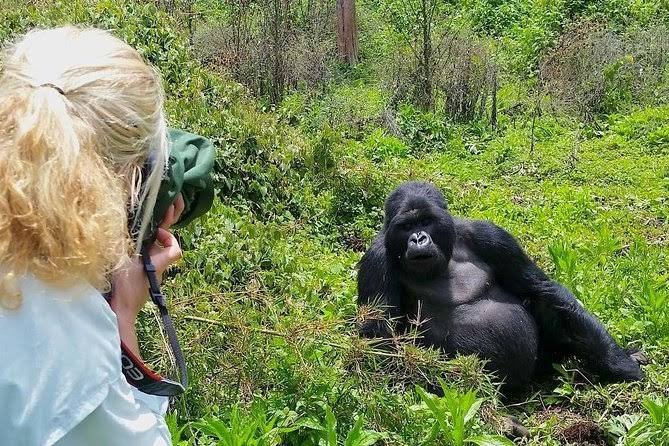
Rainy-season forest conditions can provide excellent photographic opportunities, particularly for travellers who appreciate natural colours, misty landscapes, and soft lighting. Overcast skies often reduce harsh sunlight filtering through the forest canopy, helping photographers manage contrast when capturing gorillas in shaded environments. Moist vegetation, atmospheric backgrounds, and changing cloud cover can also add depth and character to wildlife photographs. Gorilla habituation during the rainy season is therefore worth considering for photographers who are willing to protect their equipment against moisture and adapt quickly to changing light.
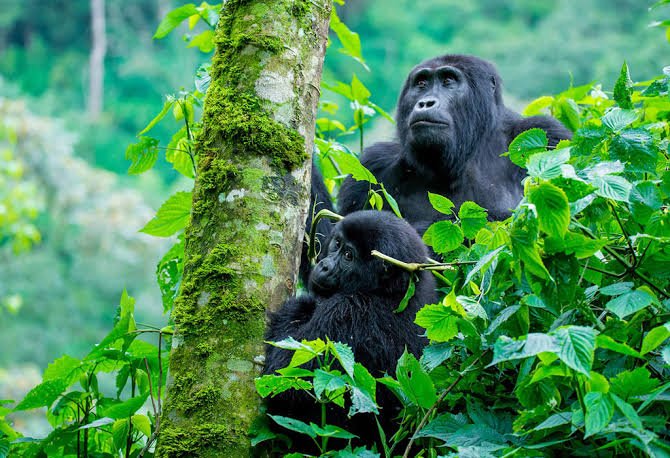
However, photographing mountain gorillas in wet weather also presents challenges. Rain droplets on lenses, limited natural light, high humidity, and slippery ground can make camera handling more difficult. Photographers should carry suitable waterproof covers, lens cloths, spare batteries, and moisture-resistant camera bags. Flash photography is prohibited, and all photographs must be taken from positions permitted by the ranger team. Our guide to cameras for gorilla habituation safaris provides useful preparation information for travellers interested in capturing memorable images during their visit.
What Should You Pack for Gorilla Habituation During the Rainy Season?
Preparing properly for gorilla habituation during the rainy season is essential because Bwindi’s rainforest environment can change rapidly throughout the day. Visitors should prioritise waterproof hiking boots with ankle support, long trousers, long-sleeved clothing, a lightweight rain jacket, gardening gloves, and a comfortable daypack with a waterproof cover. Warm layers are also useful because early mornings and evenings can be cool at Bwindi’s higher elevations. Clothing should be practical, comfortable, and suitable for navigating dense vegetation rather than selected primarily for appearance.
A packed lunch, adequate drinking water, personal medication, and protective equipment for electronic devices are equally important. Travellers carrying cameras should consider waterproof bags and additional batteries, particularly when spending several hours away from accommodation. Walking sticks and porter assistance can help reduce physical strain, especially on slippery slopes. Preparing these items before departure allows you to concentrate on the wildlife experience instead of worrying about wet clothing or unsuitable equipment.
Where Should You Stay During the Rainy Season in Rushaga?
Accommodation location becomes particularly important when planning gorilla habituation during the rainy season because heavy rainfall can make mountain roads slower and less predictable. Staying near the Rushaga briefing point reduces unnecessary early morning driving and allows travellers to begin their activity with less fatigue. Visitors should avoid selecting a lodge solely because it is advertised as being near Bwindi, since some properties serve distant gorilla trekking sectors that require lengthy transfers to reach Rushaga.


Accommodation options in the Rushaga area include Four Gorillas Lodge, Gorilla Safari Lodge, Ichumbi Gorilla Lodge, Rushaga Gorilla Havens Lodge, and Rushaga Gorilla Camp. Travellers should confirm current room availability, road access, hot-water facilities, meal arrangements, and transfers to the assigned briefing point before booking. A comfortable lodge is especially valuable after a wet forest experience because visitors may appreciate warm showers, dry clothing, substantial meals, and a relaxing evening. Those seeking additional information about the region can explore the Bwindi gorilla habituation guide.
Can You Travel From Kigali to Rushaga During the Rainy Season?
Yes. Travelling from Kigali to Rushaga remains possible during Uganda’s rainy seasons, making Rwanda a practical entry point for visitors planning a short gorilla habituation safari. The journey generally follows established roads through northern Rwanda before crossing into southwestern Uganda and continuing towards Kisoro and the Rushaga sector. Although the transfer commonly takes approximately four to five hours under favourable conditions, additional time should be allowed for border formalities, weather delays, and slower mountain roads.
Visitors planning gorilla habituation during the rainy season should ideally arrive in Rushaga the day before their scheduled activity rather than attempting to cross the border and enter the forest on the same morning. A reliable private safari vehicle and experienced driver are particularly useful when navigating wet rural roads. Travellers seeking a convenient cross-border arrangement can explore a three-day luxury gorilla habituation safari from Kigali or review the best entry points for gorilla habituation in Uganda.
Are Gorilla Habituation Permits Available During the Rainy Season?
Gorilla habituation permits are available for scheduled activities throughout the year, subject to official availability and operational requirements. Rainy-season travel does not eliminate the need for advance reservations because only a limited number of visitors are permitted to participate in the specialised experience each day. Travellers should confirm their intended date and location before arranging accommodation, transportation, or non-refundable flights. Even when overall tourism demand is lower, availability on a particular date cannot be assumed.
When planning gorilla habituation during the rainy season, securing the correct Uganda gorilla habituation permit should be one of your first steps. Visitors can also consult the Uganda Wildlife Authority permit guide to better understand the booking requirements. Travellers should never assume that rainy-season permits are automatically discounted, as applicable tariffs depend on official regulations and visitor categories rather than simply the amount of rainfall.
How Many Days Do You Need for a Rainy-Season Gorilla Habituation Safari?
A three-day itinerary is generally the most practical arrangement for visitors travelling from Kigali or flying from Entebbe to Kisoro. The first day is dedicated to reaching Rushaga, settling into accommodation, and preparing for the forest experience. The second day is reserved for gorilla habituation, allowing sufficient time for briefing, tracking, extended observation, and returning to the lodge. On the third day, travellers can return to their arrival destination or continue to another attraction within Uganda.
During the rainy season, an additional night can be valuable for travellers who prefer flexibility or wish to avoid lengthy transfers immediately after their forest encounter. Visitors planning a longer safari may combine gorilla habituation with relaxation at Lake Bunyonyi or wildlife viewing through a gorilla habituation and Queen Elizabeth National Park safari. These combinations provide opportunities to experience different landscapes while allowing enough time for changing road and weather conditions.
Frequently Asked Questions About Gorilla Habituation During the Rainy Season
1. Can You Do Gorilla Habituation During the Rainy Season?
Yes. Gorilla habituation operates throughout the year in Bwindi, subject to permits, weather-related safety assessments, and operational conditions. Rainfall does not automatically cancel the experience.
2. Which Months Are Rainiest in Bwindi?
March to May and October to November are generally the wetter periods. April and November can be particularly rainy, although weather patterns vary annually.
3. Is Gorilla Habituation During the Rainy Season Safe?
Gorilla habituation during the rainy season can be undertaken safely when visitors follow professional ranger instructions and conditions permit. However, muddy trails and slippery slopes require additional caution.
4. Does Rain Stop Mountain Gorillas From Moving?
No. Mountain gorillas continue their natural activities throughout the year, although they may shelter temporarily during heavy rainfall. Their movements cannot be predicted with certainty.
5. Is Gorilla Habituation Harder in April?
April is often among the wettest months in Bwindi, which can make forest trails especially muddy and physically challenging. Suitable footwear and reasonable fitness are important.
6. Can Beginners Do Gorilla Habituation During the Rainy Season?
Yes, provided they understand the physical demands and are suitably prepared. Visitors with mobility concerns should discuss their circumstances with the safari organiser before booking.
7. Are Rainy-Season Gorilla Habituation Safaris Cheaper?
Some lodges may offer seasonal accommodation promotions, but lower prices are not guaranteed. Gorilla habituation permit costs must follow the applicable official tariff.
8. Is Photography Possible During Rainy-Season Habituation?
Yes. Rainy-season conditions can produce beautiful forest scenery and soft lighting, but cameras should be protected from water and humidity.
9. Should You Hire a Porter During the Rainy Season?
Hiring a porter is recommended for many visitors because assistance with luggage and difficult forest sections can reduce fatigue during longer, wetter treks.
10. How Many Nights Should You Stay in Rushaga?
Two nights are generally suitable for a three-day safari. An additional night may be beneficial if you want a more relaxed itinerary during the rainy season.
Book Your Uganda Gorilla Habituation Safari During the Rainy Season
Planning gorilla habituation during the rainy season requires careful coordination of permits, accommodation, transportation, and appropriate trekking preparations. Although wetter conditions may make the rainforest more challenging to navigate, the experience remains an extraordinary opportunity to observe endangered mountain gorillas in their natural habitat. A professionally organised safari allows you to enjoy comfortable accommodation near Rushaga, reliable transportation, and sufficient time to prepare for the extended forest activity.
Whether you prefer a short trip from Kigali or a longer Uganda wildlife holiday, your itinerary can be arranged around your preferred travel dates, accommodation category, and available gorilla habituation permits. Explore our gorilla habituation trekking tours or browse the available Uganda gorilla habituation safari experiences to begin planning your visit.
Request a personalised gorilla habituation safari quotation by sharing your preferred travel dates, number of travellers, arrival destination, and accommodation preferences. Your journey can then be planned with realistic transfer times, suitable accommodation, and the flexibility required for rainforest travel.
Final Thoughts: Can You Do Gorilla Habituation During the Rainy Season?
Can You Do Gorilla Habituation During the Rainy Season? Absolutely. The experience remains possible throughout the year, and wetter months offer distinctive advantages, including exceptionally green landscapes, atmospheric photography, and potentially quieter travel conditions. Although muddy trails and unpredictable rainfall require additional preparation, they do not automatically prevent visitors from enjoying an extended encounter with mountain gorillas.
For travellers comfortable with changing weather, gorilla habituation during the rainy season can be every bit as memorable as a dry-season visit. The key is securing your permit in advance, choosing accommodation close to Rushaga, using dependable transport, and preparing appropriately for rainforest conditions. With these arrangements in place, you can experience one of Uganda’s most remarkable wildlife adventures while appreciating the natural beauty of Bwindi.