

What Should You Pack for a Gorilla Habituation Experience? Complete Bwindi Safari Packing Guide
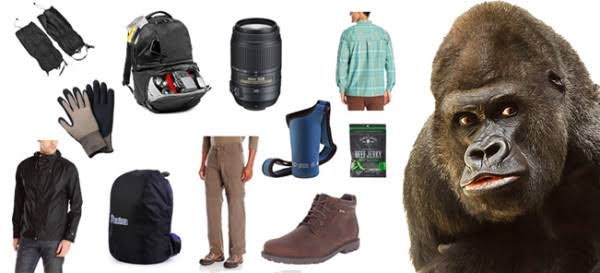
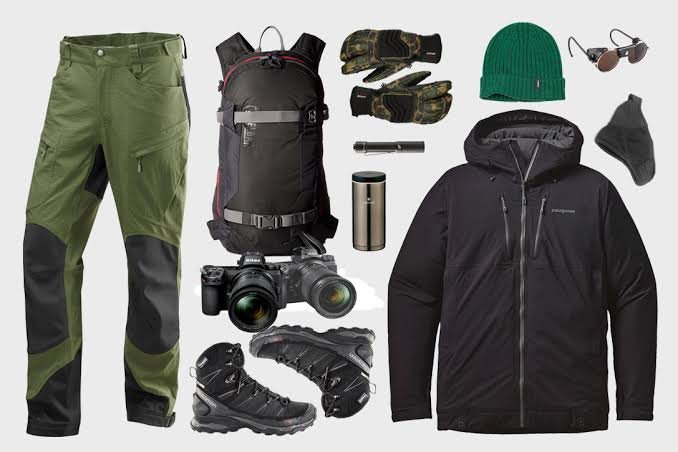
Preparing for a gorilla habituation experience in Uganda requires careful consideration of the equipment, clothing, personal essentials, and travel documents needed for an extended adventure through Bwindi Impenetrable National Park. Unlike a conventional wildlife game drive, gorilla habituation involves walking through dense tropical rainforest, navigating mountainous terrain, and accompanying professional conservation personnel as they monitor a mountain gorilla family undergoing habituation. The experience allows visitors up to four hours of observation after locating the participating family, meaning the entire forest excursion can occupy much of the day. A carefully prepared Gorilla Habituation Packing List is therefore essential for ensuring comfort, safety, and enjoyment throughout this extraordinary wildlife encounter.
Your Gorilla Habituation Packing List should include waterproof hiking boots, long trousers, breathable shirts, rain protection, gloves, sufficient drinking water, packed meals, personal medication, and suitable photographic equipment. However, successful preparation involves more than collecting individual items. You must consider Bwindi’s unpredictable weather, the physical demands of walking through steep forest terrain, and the practical restrictions associated with travelling into southwestern Uganda. Whether you are arriving from Kigali, flying into Entebbe, or combining the experience with a longer Uganda safari, understanding what to carry will help you approach the Gorilla Habituation Experience with confidence.
Why Is a Gorilla Habituation Packing List Important?
A well-organised Gorilla Habituation Packing List helps travellers prepare for an activity that is considerably different from ordinary sightseeing. Bwindi’s mountainous rainforest contains narrow trails, steep slopes, tangled vegetation, exposed tree roots, and muddy sections that may remain wet even during Uganda’s relatively dry months. Visitors may need to walk for several hours before encountering the participating gorilla family, and the return journey can also involve significant physical effort. Carrying suitable equipment helps reduce unnecessary discomfort, while appropriate clothing protects against vegetation, insects, changing temperatures, and rainfall.
The rainforest environment also makes it important to pack efficiently rather than carry excessive luggage. Heavy backpacks, unsuitable footwear, and unnecessary equipment can increase fatigue during prolonged walking. The best preparation combines essential items with lightweight, durable materials that are practical for outdoor activity. Travellers can learn more about the conditions inside Bwindi Impenetrable National Park before finalising their equipment and preparing for the experience in the Rushaga sector.
1. A Comfortable and Waterproof Daypack
A suitable daypack is one of the most important items on your Gorilla Habituation Packing List because it allows you to carry essential belongings throughout the forest activity. A lightweight backpack with comfortable shoulder straps, secure compartments, and sufficient room for water, food, rain protection, and personal equipment is usually adequate. Many visitors find a daypack of approximately 20 to 30 litres practical, although the ideal capacity depends on the equipment being carried. An oversized bag can become uncomfortable when moving through dense vegetation or climbing steep forest slopes.
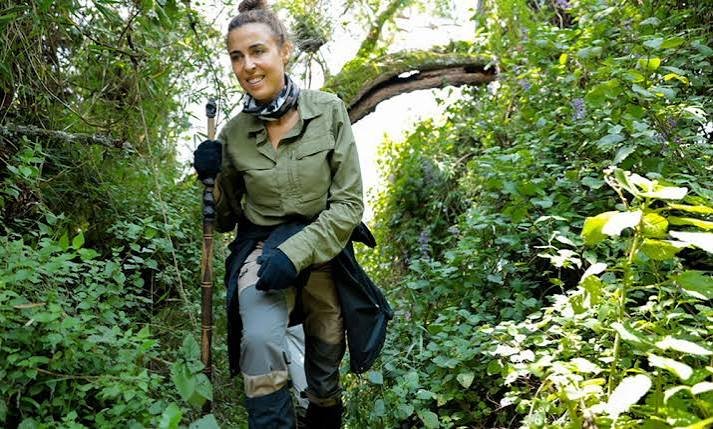
Water resistance is especially important because Bwindi receives rainfall throughout the year. Even during relatively dry months, sudden showers or contact with wet vegetation can expose your belongings to moisture. A rain cover or waterproof inner liner can provide valuable additional protection. When organising your Gorilla Habituation Packing List, place frequently used items such as drinking water, rainwear, and tissues in easily accessible compartments. Heavy objects should remain close to your back to improve balance, while cameras and electronic devices should be stored securely to prevent accidental damage during the trek.
2. Waterproof Hiking Boots With Reliable Grip
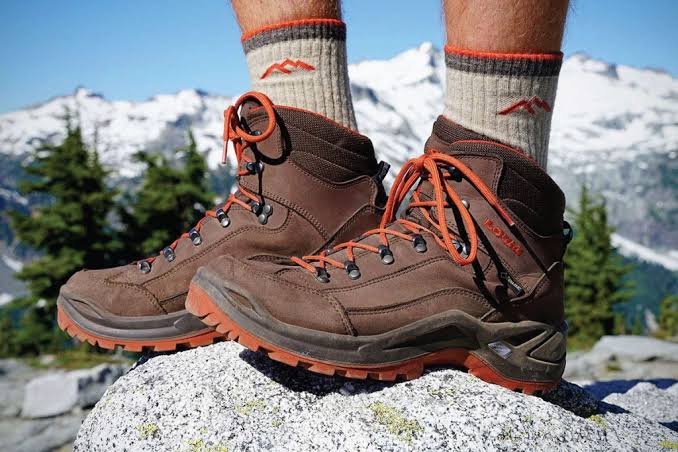
Proper hiking boots are essential for navigating Bwindi’s uneven forest terrain. Trails may include slippery roots, steep inclines, muddy ground, loose stones, and vegetation that requires careful movement. Ordinary trainers or casual walking shoes may not provide enough protection or traction for these conditions. Waterproof hiking boots with supportive ankle construction and durable soles are generally the most practical choice, particularly when the experience involves several hours of walking.
Your Gorilla Habituation Packing List should prioritise footwear that fits comfortably and has already been tested during practice walks. New boots can cause painful blisters if worn for the first time during a demanding trek, even when they are designed for outdoor activities. Choose footwear that accommodates suitable hiking socks without excessive tightness, and ensure that the soles provide reliable grip on wet or uneven surfaces. Strong boots will not eliminate the physical demands of habituation, but they can improve stability and comfort throughout the journey. Visitors can also review the gorilla habituation trek duration guide to understand why suitable footwear matters.
3. Long Hiking Trousers and Breathable Shirts
Protective clothing should be included in every Gorilla Habituation Packing List because visitors frequently move through thick vegetation that can brush against exposed skin. Lightweight long trousers help protect the legs from scratches, nettles, insects, and irritating plants, while long-sleeved shirts provide similar protection for the arms. Clothing made from breathable, quick-drying materials is particularly useful because the physical activity of trekking can generate substantial body heat despite the relatively cool rainforest environment.
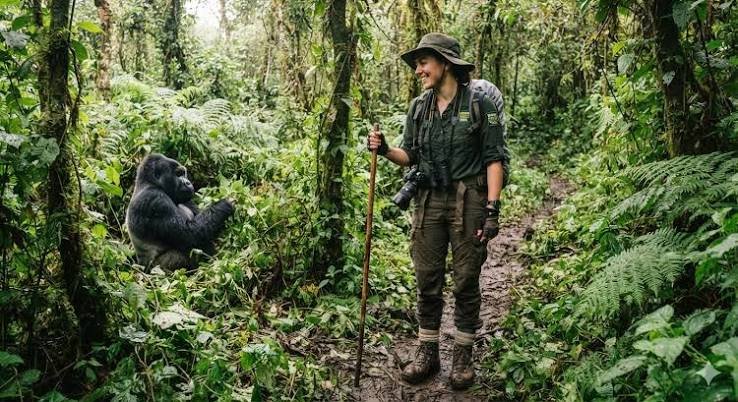
Avoid relying on heavy denim jeans or restrictive clothing because these can absorb moisture, dry slowly, and make steep climbing uncomfortable. Comfortable outdoor trousers with some flexibility around the knees and hips are generally more suitable. Neutral colours such as olive green, grey, khaki, or brown are practical, although fit and protection are more important than colour. When preparing your Gorilla Habituation Packing List, consider bringing an additional set of clean clothes for after the trek. Returning to your lodge and changing out of muddy or damp clothing can make the remainder of your safari considerably more comfortable.
4. A Lightweight Rain Jacket and Waterproof Protection
A lightweight waterproof rain jacket belongs on your Gorilla Habituation Packing List regardless of the season in which you travel. Bwindi is a tropical montane rainforest, and rainfall remains possible even during June, July, August, December, January, and February. Weather conditions can change unexpectedly, especially in mountainous areas where clouds and mist move quickly through forest valleys. Carrying reliable rain protection allows visitors to continue their experience more comfortably when showers develop during the walk or observation period.
Choose a jacket that is breathable, easy to fold, and equipped with a hood. Extremely heavy jackets can become uncomfortable during uphill walking, while ordinary fashion jackets may offer limited protection against substantial rainfall. A waterproof backpack cover, dry bags, and protective pouches are also helpful for keeping personal belongings safe from moisture. Packing a compact rain jacket near the top of your bag ensures that you can access it quickly when needed. Proper waterproofing is particularly important for visitors carrying cameras, passports, medication, or other sensitive items.
5. Hiking Socks, Gaiters and Protective Gloves
Hiking socks, gaiters, and protective gloves may appear to be minor accessories, but they contribute significantly to comfort in the forest. Moisture-managing hiking socks help reduce friction and protect the feet during prolonged walking. Carrying a spare pair inside a waterproof bag is useful in case your original socks become wet. Gaiters can provide additional protection around the ankles and lower legs by reducing the amount of mud, debris, and vegetation entering your boots.
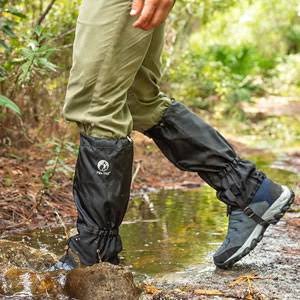
Protective gardening gloves or suitable hiking gloves should also appear on your Gorilla Habituation Packing List because they help protect your hands when navigating difficult terrain. Visitors may need additional stability while moving along steep or uneven forest sections, although they should never grab unfamiliar vegetation without guidance. Gloves should provide a comfortable grip while remaining easy to remove when operating a camera. These accessories are particularly helpful during the wetter months, but they remain useful throughout the year. Small equipment choices can greatly influence comfort during extended rainforest activities.
6. Warm Layers for Cool Bwindi Mornings
Although Uganda is located near the equator, Bwindi’s mountainous elevation produces cooler temperatures than many international visitors anticipate. Early mornings can feel particularly chilly around Rushaga and other high-altitude areas, while the temperature may rise as the day progresses. A lightweight fleece, breathable sweater, or suitable thermal layer provides additional comfort before the forest activity begins and can be removed when walking becomes more physically demanding.
Your Gorilla Habituation Packing List should therefore incorporate flexible layering rather than bulky clothing. A breathable base layer, lightweight insulating garment, and waterproof outer jacket generally provide a practical combination for changing weather conditions. Excessively heavy coats can be difficult to carry once temperatures become warmer, especially during steep climbs. Travellers staying near Rushaga should also pack comfortable evening clothing for relaxing at their lodge after returning from the forest. Suitable layers allow you to adapt to different temperatures without carrying an unnecessarily large wardrobe.
7. Adequate Drinking Water and Hydration Supplies
Carrying sufficient drinking water is essential because gorilla habituation can involve several hours of physical activity in a humid environment. Visitors may walk considerable distances while climbing steep hillsides and navigating uneven forest terrain. Dehydration can increase fatigue and reduce comfort, making hydration one of the most important practical considerations before entering the forest. The quantity required depends on the individual, weather conditions, physical effort, and expected duration of the activity, so travellers should seek guidance from their safari team when preparing.
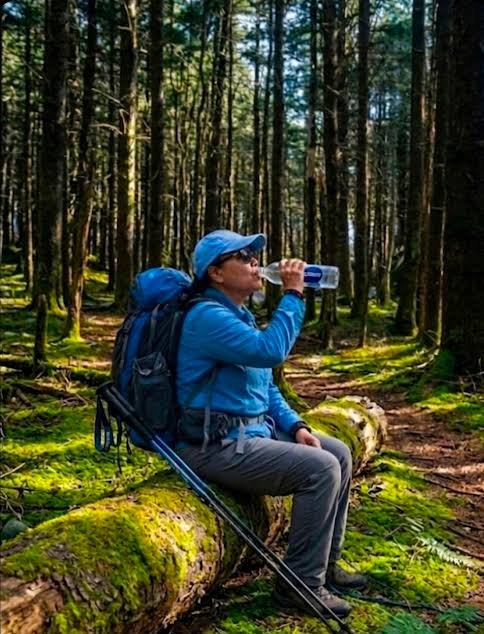
A reusable drinking bottle or suitable hydration system should be included on your Gorilla Habituation Packing List. Some visitors prefer hydration reservoirs because these allow convenient access to water while walking, whereas others find ordinary bottles easier to refill and manage. Whichever option you select, ensure that containers are secure and do not leak inside your backpack. Drinking regularly during permitted rest breaks can help maintain energy and comfort. Visitors should never leave bottles, packaging, or other waste inside the protected forest.
8. Packed Lunch, Energy Snacks and Food Storage
Gorilla habituation can occupy much of the day, making packed meals and appropriate snacks valuable for maintaining energy. Travellers should arrange a suitable packed lunch with their accommodation provider or safari organiser before departure. Foods that are easy to transport, resistant to crushing, and convenient to eat during designated breaks are generally preferable. Depending on personal dietary needs, suitable options may include sandwiches, fruit, energy bars, and other compact snacks that provide sustained energy.
Your Gorilla Habituation Packing List should also include practical food storage that keeps meals protected against moisture and prevents packaging from becoming scattered inside the backpack. Visitors with dietary restrictions should notify their lodge in advance so that appropriate meals can be prepared. Eating is not permitted close to gorillas, and all food consumption must follow ranger instructions. Carry every piece of packaging and leftover waste out of the forest. Thoughtful food preparation helps you remain comfortable during the trek while respecting the conservation requirements protecting Bwindi’s wildlife.
9. Personal Medication and Basic First-Aid Essentials
Personal medication is an important part of preparing for travel into a remote forest environment. Visitors who use prescribed medication should carry the amount needed for their journey and keep essential doses in their daypack rather than leaving everything at the lodge. A compact personal first-aid kit containing items such as adhesive dressings, blister protection, antiseptic wipes, and any individually appropriate medications may also be useful. Travellers should seek professional medical advice before travelling if they have health conditions that could affect prolonged hiking.

Your Gorilla Habituation Packing List should reflect your individual health requirements rather than rely on a generic selection of medicines. Discuss altitude-related concerns, fitness limitations, allergies, and other relevant conditions with an appropriate healthcare professional before departure. Travellers should also confirm current vaccination and entry requirements through the relevant authorities. Because mountain gorillas can be vulnerable to human infections, visitors must report symptoms of illness and comply with conservation staff instructions, including any restrictions on participation. Health precautions help protect both visitors and the endangered animals they have travelled to observe.
10. Camera Equipment and Photography Accessories
Photography equipment deserves careful consideration because gorilla habituation offers an extended opportunity to observe mountain gorillas in their natural habitat. Visitors may witness feeding, grooming, resting, family interactions, or playful behaviour among younger gorillas. A camera capable of performing well in shaded forest conditions is useful, although professional equipment is not essential for enjoying the experience. Compact cameras and suitable smartphones may also produce memorable photographs when used carefully.
Your Gorilla Habituation Packing List should include spare batteries, sufficient memory storage, lens-cleaning cloths, and waterproof protection for camera equipment. A manageable camera setup is preferable to excessive equipment that increases fatigue during steep climbs. Flash photography is prohibited, and drones must not be operated without appropriate authorisation. Visitors should always follow ranger instructions regarding positioning and observation distances rather than moving closer to obtain a photograph. For additional guidance, explore our best camera for gorilla habituation safari page.
11. Passport, Gorilla Habituation Permit and Travel Documents
Important travel documents should be organised before departing for Rushaga. International visitors must carry the appropriate passport and comply with applicable immigration requirements when entering Uganda. Those travelling from Kigali should also confirm the documents required for crossing the Uganda–Rwanda border. Gorilla habituation participants need a valid booking for the specialised experience, and the relevant confirmation details should be available when requested by the safari organiser or park personnel.
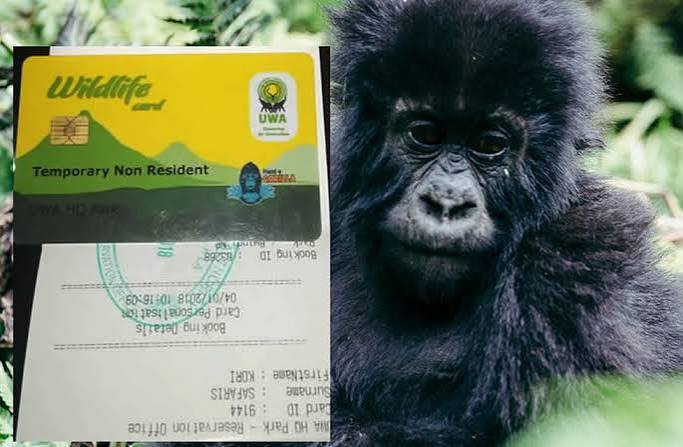
Including essential documentation in your Gorilla Habituation Packing List reduces the risk of preventable difficulties during transfers or permit verification. Keep documents protected from moisture and store digital copies securely where practical. Your safari organiser should confirm the applicable permit arrangements, briefing location, and any identification requirements before the activity. Travellers can review our Uganda gorilla habituation permit guide and the Uganda Wildlife Authority gorilla habituation permits guide for further information.
12. Mobile Phone, Power Bank and Electronic Protection
A mobile phone can be useful for photography, communication during transfers, and accessing stored travel information before or after the trek. However, mobile network coverage inside Bwindi may be limited or unreliable, so visitors should not depend entirely on their phones for navigation or communication within the forest. Guides and rangers manage the forest activity and provide the necessary instructions. Phones should remain securely stored when moving through challenging terrain to prevent accidental falls or damage.
A compact power bank and suitable charging cable are useful additions to your Gorilla Habituation Packing List, especially for travellers using smartphones extensively for photography or travel arrangements. Electronic devices should be stored inside waterproof pouches or dry bags. Travellers should fully charge their equipment at the lodge before departure, rather than assuming that charging facilities will be available during the activity. Keeping electronics protected also prevents distractions and allows visitors to focus on the experience.
13. Insect Repellent, Sunscreen and Personal Hygiene Items
Insect repellent, sunscreen, lip balm, tissues, and hand sanitiser can improve comfort during a gorilla habituation safari. Although the dense forest canopy provides considerable shade, travellers may experience direct sunlight during transfers, briefings, or walks through more open areas. Insect activity varies according to weather and location, making suitable repellent a useful addition to travel preparations. Visitors should select products appropriate for their personal needs and follow the manufacturer’s application instructions.


Your Gorilla Habituation Packing List should also include a small supply of personal hygiene essentials stored securely inside your backpack. Travel tissues, a reusable waste bag, and a small hand-cleaning product can be useful during designated breaks. Avoid leaving used tissues, wrappers, or other materials in the forest. Strongly scented products are generally unnecessary for wildlife activities, and visitors should avoid applying anything that could cause irritation during strenuous walking. Good hygiene and responsible waste handling help maintain personal comfort while supporting the conservation of Bwindi.
14. Walking Sticks and Porter Assistance
Walking sticks can provide useful support when navigating steep slopes, slippery ground, and uneven forest trails. Some visitors prefer a lightweight trekking pole, while others use walking sticks available through local arrangements. The suitability of a particular walking aid depends on personal comfort and the conditions encountered. Visitors should follow their ranger’s guidance when moving through dense vegetation and avoid using equipment in ways that could interfere with the gorillas or other participants.
When preparing your Gorilla Habituation Packing List, consider whether porter assistance would make the experience more comfortable. A local porter can help carry your daypack and provide practical support during challenging sections, reducing the amount of weight you personally manage. Porter arrangements also contribute to local employment around Bwindi. Visitors should organise these services through suitable local channels and confirm the arrangements before entering the forest. The Rushaga gorilla habituation access guide provides additional context for planning activities in southern Bwindi.
15. Rainy-Season and Dry-Season Packing Considerations
Seasonal conditions influence how travellers should organise their gorilla habituation equipment. During the wetter periods, commonly associated with March to May and October to November, visitors may encounter muddy trails, prolonged showers, damp vegetation, and slippery terrain. Waterproof boots, gaiters, rain jackets, spare socks, and reliable dry bags become especially valuable. Quick-drying clothing is also useful because wet garments can remain uncomfortable for long periods in the humid forest environment.
During the relatively drier periods of June to August and December to February, the Gorilla Habituation Packing List remains largely the same. Rain protection is still necessary because Bwindi receives rainfall throughout the year, while long trousers and protective gloves remain important regardless of the season. Travellers should avoid assuming that dry-season conditions eliminate the need for waterproof gear. The main adjustment involves the quantity of spare clothing and the level of waterproof protection carried. Checking expected conditions shortly before departure can help you make practical final adjustments.
16. Packing for Flights From Entebbe or Road Transfers From Kigali
Travellers arriving through Entebbe may choose a road journey or a domestic flight towards Kisoro, followed by a transfer to accommodation near Rushaga. Those flying should confirm the baggage restrictions of their selected airline, particularly when carrying camera equipment, bulky hiking boots, and additional safari luggage. Smaller aircraft may apply different baggage allowances and bag-type requirements from international airlines. It is therefore useful to pack efficiently and confirm luggage limits before departure.
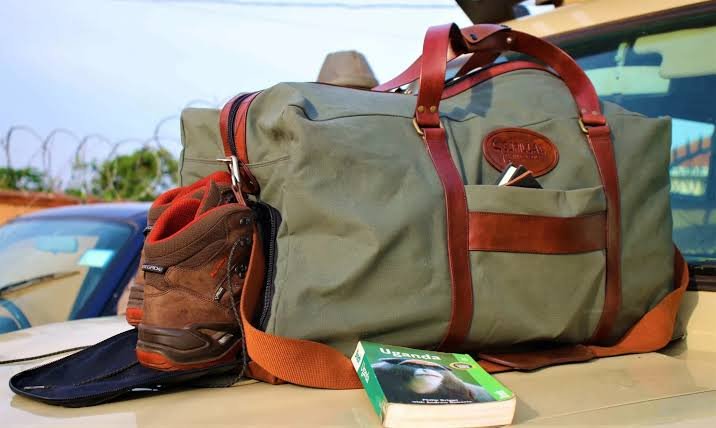
Visitors travelling from Kigali should prepare for border formalities and a road journey through the scenic highlands of Rwanda and southwestern Uganda. Your Gorilla Habituation Packing List should keep passports, required travel documents, personal medication, and other immediate necessities accessible during these transfers. Travellers can explore the best entry points for gorilla habituation in Uganda and the Bwindi habituation sector access guide when arranging their journey.
17. What Should You Leave Behind During Gorilla Habituation?
Knowing what not to carry is just as important as understanding which items are essential. Heavy suitcases, excessive photography equipment, unnecessary valuables, and bulky clothing should remain at your accommodation rather than being taken into the forest. Open footwear, impractical fashion accessories, and equipment that restricts movement are also unsuitable for demanding rainforest walking. Visitors should avoid bringing items that create unnecessary noise or interfere with responsible wildlife observation.
A carefully prepared Gorilla Habituation Packing List focuses on practical necessities rather than the total number of belongings carried. Avoid packing disposable items that could easily become litter, and ensure that all food packaging and personal waste can be carried out of the protected area. Visitors should also avoid carrying unauthorised equipment such as drones or items prohibited by the park’s current regulations. Keeping your daypack organised and relatively lightweight makes the trekking experience more manageable.
18. How to Prepare Your Daypack Before the Trek
The evening before your activity is the ideal time to inspect your clothing, prepare your daypack, and confirm that everything required is ready. Check your hiking boots, charge camera batteries, prepare waterproof bags, arrange drinking water, and confirm that your accommodation will provide a suitable packed lunch. Essential documents and medication should be kept in secure, accessible locations. Visitors should also confirm the morning departure time and transport arrangements with their safari organiser.
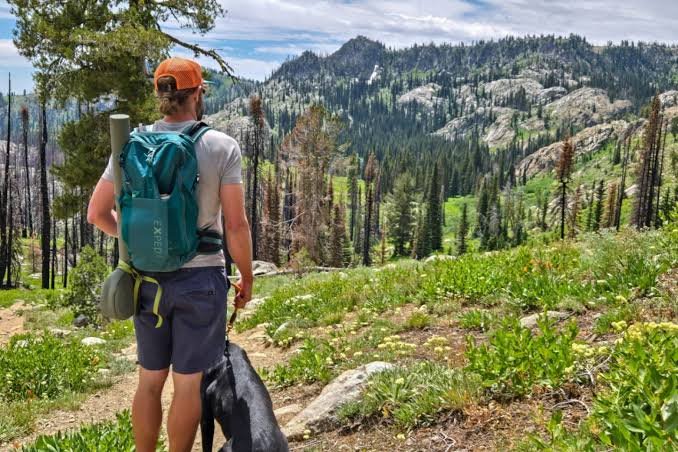
Reviewing your Gorilla Habituation Packing List before departure helps prevent avoidable problems during the early morning briefing. Place heavier items securely inside the backpack, keep rainwear readily accessible, and ensure that your clothing allows comfortable movement. A good night’s rest and a suitable breakfast can also contribute to a more enjoyable day. Travellers staying near Rushaga benefit from reduced early morning driving, making accommodation location another practical consideration when preparing for the activity.
19. Packing Responsibly to Protect Mountain Gorillas
Gorilla habituation takes place in a protected habitat supporting endangered mountain gorillas, making conservation awareness an essential part of preparation. Visitors must follow ranger instructions, maintain the required distance from gorillas, and avoid behaviour that could disturb the animals. Food should only be consumed where permitted, and nothing should be left inside the forest. Visitors who are unwell must report their symptoms and follow the instructions of conservation personnel, since human illnesses can pose serious risks to mountain gorillas.
Your Gorilla Habituation Packing List should therefore support responsible tourism through reusable water containers, minimal disposable packaging, secure storage, and carefully selected personal equipment. Pack only what is necessary, avoid disturbing vegetation unnecessarily, and remain attentive to the guidance provided during the briefing. Proper preparation contributes to a safer and more respectful encounter while supporting ongoing conservation activities in Bwindi’s gorilla habituation area.
Frequently Asked Questions About the Gorilla Habituation Packing List
1. What Should You Pack for a Gorilla Habituation Experience?
Pack waterproof hiking boots, long trousers, long-sleeved shirts, a rain jacket, gloves, drinking water, packed lunch, a daypack, and personal medication. Camera equipment is optional but useful.
2. Do You Need Waterproof Hiking Boots for Gorilla Habituation?
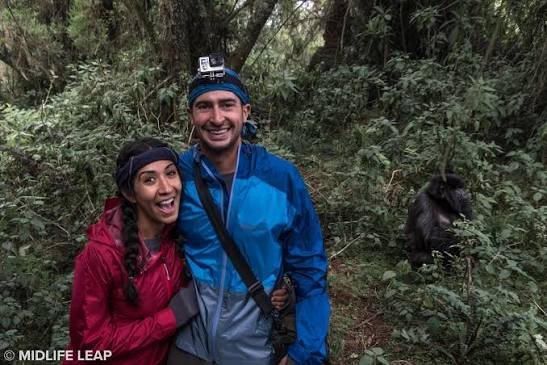
Waterproof hiking boots are strongly recommended because Bwindi has steep, uneven, and sometimes muddy trails. Boots with reliable grip and ankle support improve comfort.
3. Should You Carry Food During Gorilla Habituation?
Yes. A packed lunch and suitable snacks are useful because the activity can occupy much of the day. Eating must follow ranger instructions and is not permitted near gorillas.
4. How Much Water Should You Carry?
The amount depends on individual needs, weather, and physical effort. Carry sufficient drinking water for a potentially long forest activity and seek advice from your safari team.
5. Is a Rain Jacket Necessary During the Dry Season?
Yes. Bwindi is a tropical rainforest, and rainfall can occur throughout the year. A lightweight waterproof jacket should remain part of your packing preparations.
6. Do You Need a Professional Camera for Gorilla Habituation?
No. Professional cameras are optional, and smartphones can also be useful. All photography must follow conservation guidelines, including the prohibition on flash photography.
7. Can You Carry a Backpack During Gorilla Habituation?
Yes. A lightweight daypack is recommended for carrying essential supplies. Porter assistance is also available through local arrangements.
8. Should You Include Gloves in Your Gorilla Habituation Packing List?
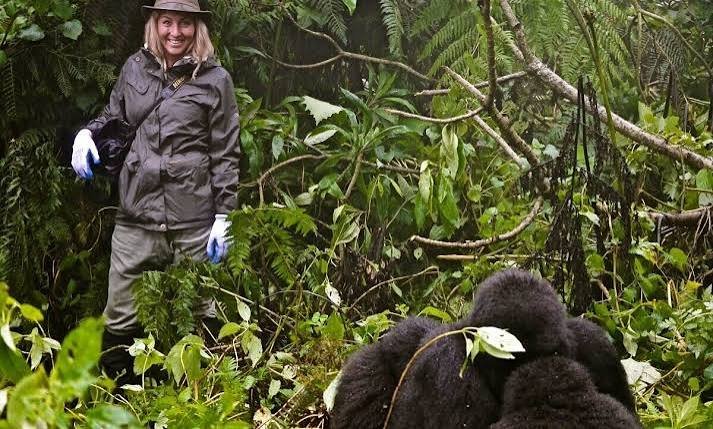
Yes. Protective gloves are recommended because they can help protect your hands when navigating dense vegetation and difficult forest terrain.
9. What Should You Avoid Packing for Gorilla Habituation?
Avoid heavy luggage, unsuitable footwear, excessive accessories, unnecessary valuables, and equipment that could interfere with wildlife conservation rules.
10. Do You Need Different Equipment During the Rainy Season?
The basic equipment remains similar, but additional waterproof protection, spare socks, and quick-drying clothing become particularly important during wetter months.
Book Your Gorilla Habituation Experience in Bwindi
Preparing a Gorilla Habituation Packing List is an important step towards enjoying an unforgettable encounter with mountain gorillas, but successful safari planning also involves coordinating permits, accommodation, transportation, and the appropriate itinerary. Whether you prefer a short journey from Kigali or a longer safari beginning in Entebbe, arriving well prepared allows you to concentrate on the extraordinary natural environment of Bwindi rather than worrying about unsuitable equipment or missing essentials.
Our safari planning services can assist you with arranging suitable accommodation near Rushaga, private transportation, permit reservations, and additional wildlife experiences based on your preferred travel dates. Explore our gorilla habituation trekking tours or consider a three-day luxury gorilla habituation safari from Kigali for a convenient introduction to this remarkable conservation experience.
Final Thoughts: What Should You Pack for a Gorilla Habituation Experience?
A carefully prepared Gorilla Habituation Packing List should prioritise practical clothing, reliable hiking footwear, waterproof protection, personal essentials, drinking water, and suitable equipment for an extended forest adventure. Bwindi’s mountainous terrain and unpredictable rainforest conditions make preparation important throughout the year, regardless of whether you visit during the wetter or relatively drier months. Comfortable, lightweight, and protective equipment helps reduce unnecessary difficulties and allows you to focus on the wildlife experience.
By following a practical Gorilla Habituation Packing List, arranging suitable travel logistics, and respecting conservation guidelines, you can approach your journey with greater confidence. With professional guidance and appropriate preparation, gorilla habituation offers one of Uganda’s most rewarding opportunities to observe endangered mountain gorillas and appreciate the extraordinary biodiversity of Bwindi Impenetrable National Park.