

Can You Use a Camera Flash During Gorilla Habituation? Essential Photography Rules in Uganda
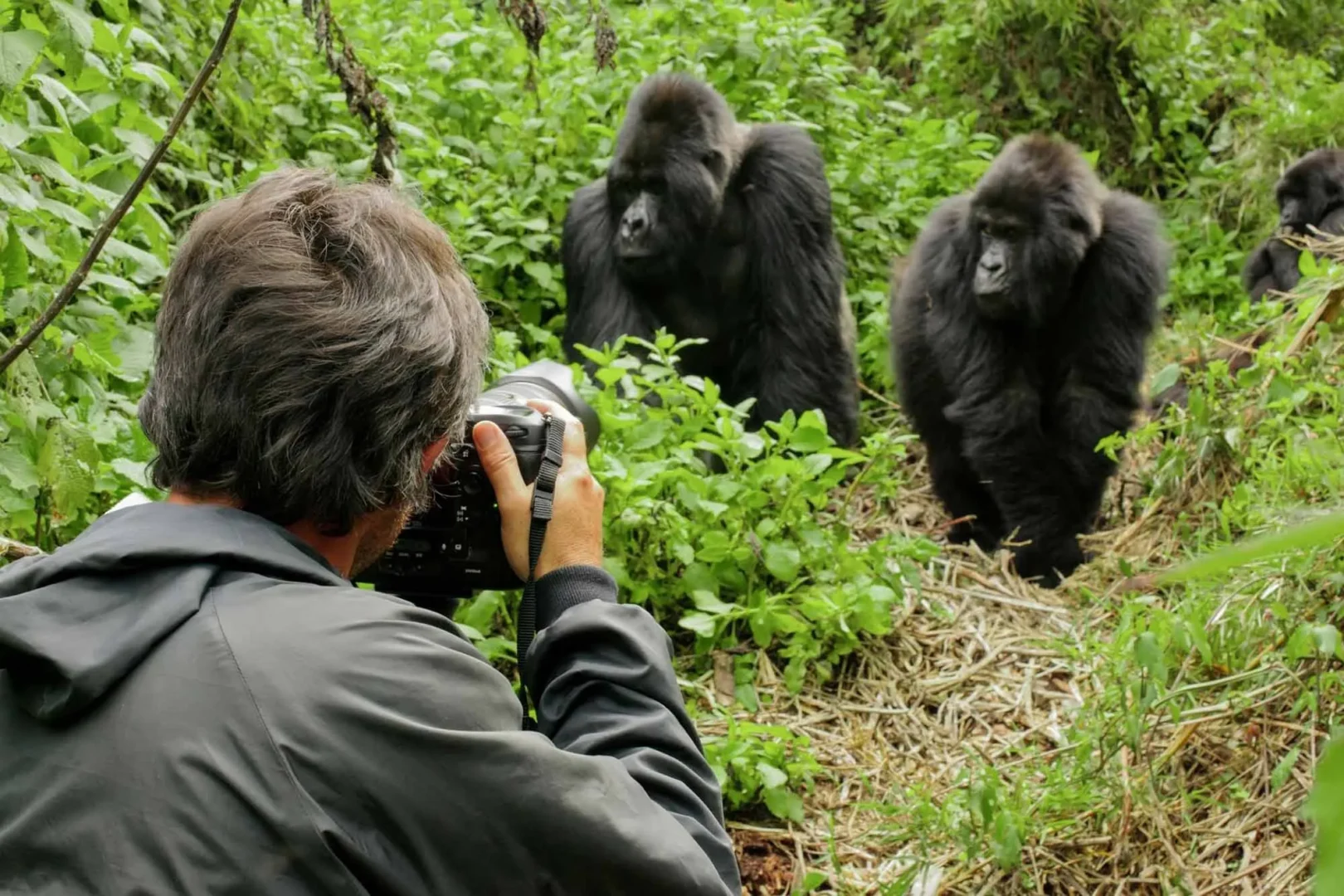
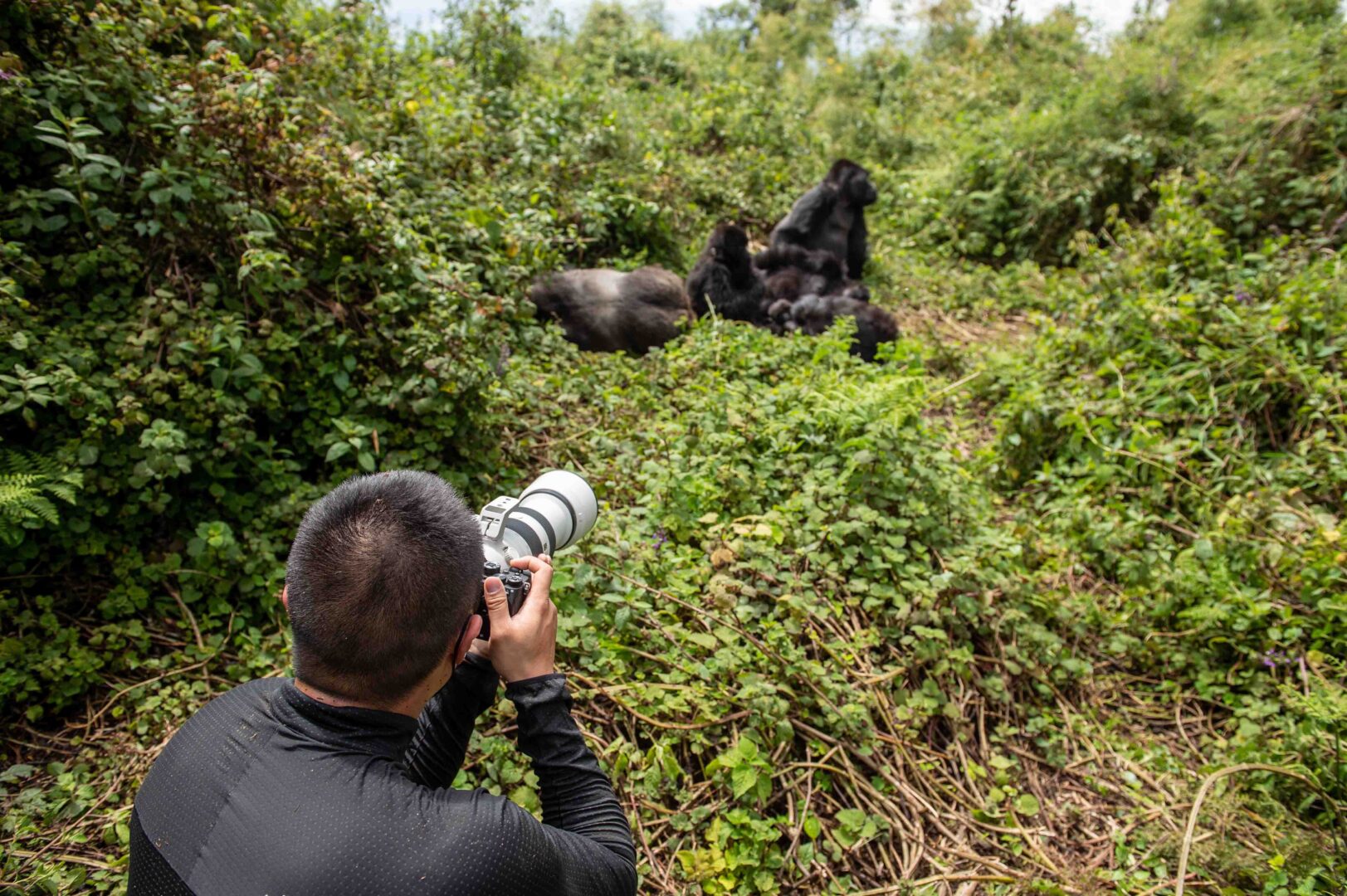
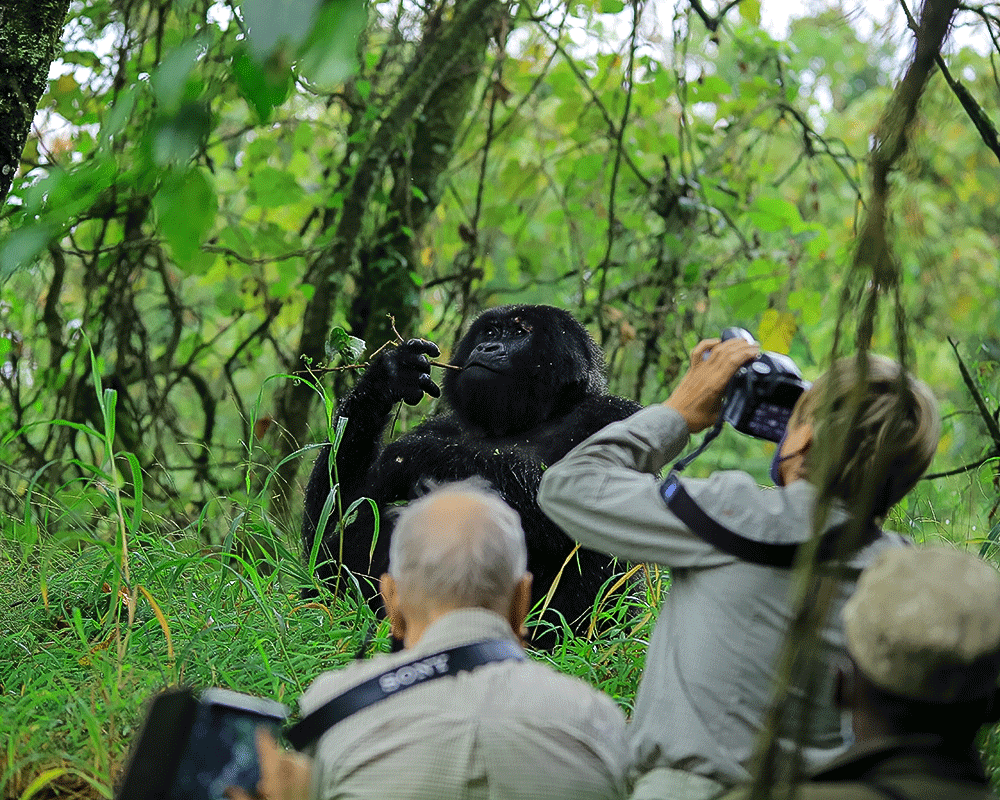
No, you cannot use a camera flash during gorilla habituation in Uganda. Flash photography is prohibited during encounters with mountain gorillas in Bwindi Impenetrable National Park, including the specialised Gorilla Habituation Experience. Although visitors are permitted to take photographs using professional cameras, digital cameras, and smartphones, all photographs must be captured without flash or other unauthorised artificial lighting that could disturb the animals.
Understanding the restrictions surrounding Camera Flash During Gorilla Habituation is particularly important for wildlife photographers visiting Uganda for the first time. Bwindi’s tropical rainforest creates challenging lighting conditions, and many photographers naturally consider using flash to brighten darker subjects. However, gorilla conservation regulations take priority over photography preferences. Visitors must rely on natural lighting, suitable camera settings, and patient observation to photograph mountain gorillas responsibly.
Gorilla habituation offers a remarkable opportunity to observe mountain gorillas for up to four hours after locating the participating family. During this time, visitors accompany authorised conservation personnel who are helping gorillas become accustomed to carefully controlled human presence. The extended observation period can create excellent photography opportunities, but every visitor must respect the regulations protecting these endangered primates.
Why Is Camera Flash During Gorilla Habituation Prohibited?
The prohibition against Camera Flash During Gorilla Habituation exists primarily to protect mountain gorillas from unnecessary disturbance. Gorillas are wild animals that communicate through movements, vocalisations, facial expressions, and behavioural signals. An unexpected burst of intense artificial light may startle an animal, interrupt normal activities, or contribute to an uncomfortable encounter. Since mountain gorilla habituation involves controlled exposure to humans, maintaining predictable and non-threatening visitor behaviour is particularly important.
A dominant silverback plays an essential role in protecting his family, and conservation personnel carefully monitor the group’s behaviour throughout the experience. Sudden or unusual disturbances may lead to defensive reactions or encourage animals to move away. Flash photography introduces an avoidable disturbance without providing any conservation benefit. For this reason, visitors must disable flash before approaching the gorillas and follow the instructions provided during their briefing. Learn more about the Gorilla Habituation Experience in Uganda and how the activity is managed.
Understanding Uganda Wildlife Authority’s Gorilla Photography Rules
Uganda Wildlife Authority regulates mountain gorilla tourism and establishes the visitor guidelines governing gorilla encounters. Its published gorilla tracking rules explicitly prohibit flash photography. These regulations are intended to protect wildlife while allowing tourists to observe gorillas under controlled conditions. Photography is therefore permitted, but visitors cannot use equipment or techniques that compromise the animals’ welfare.
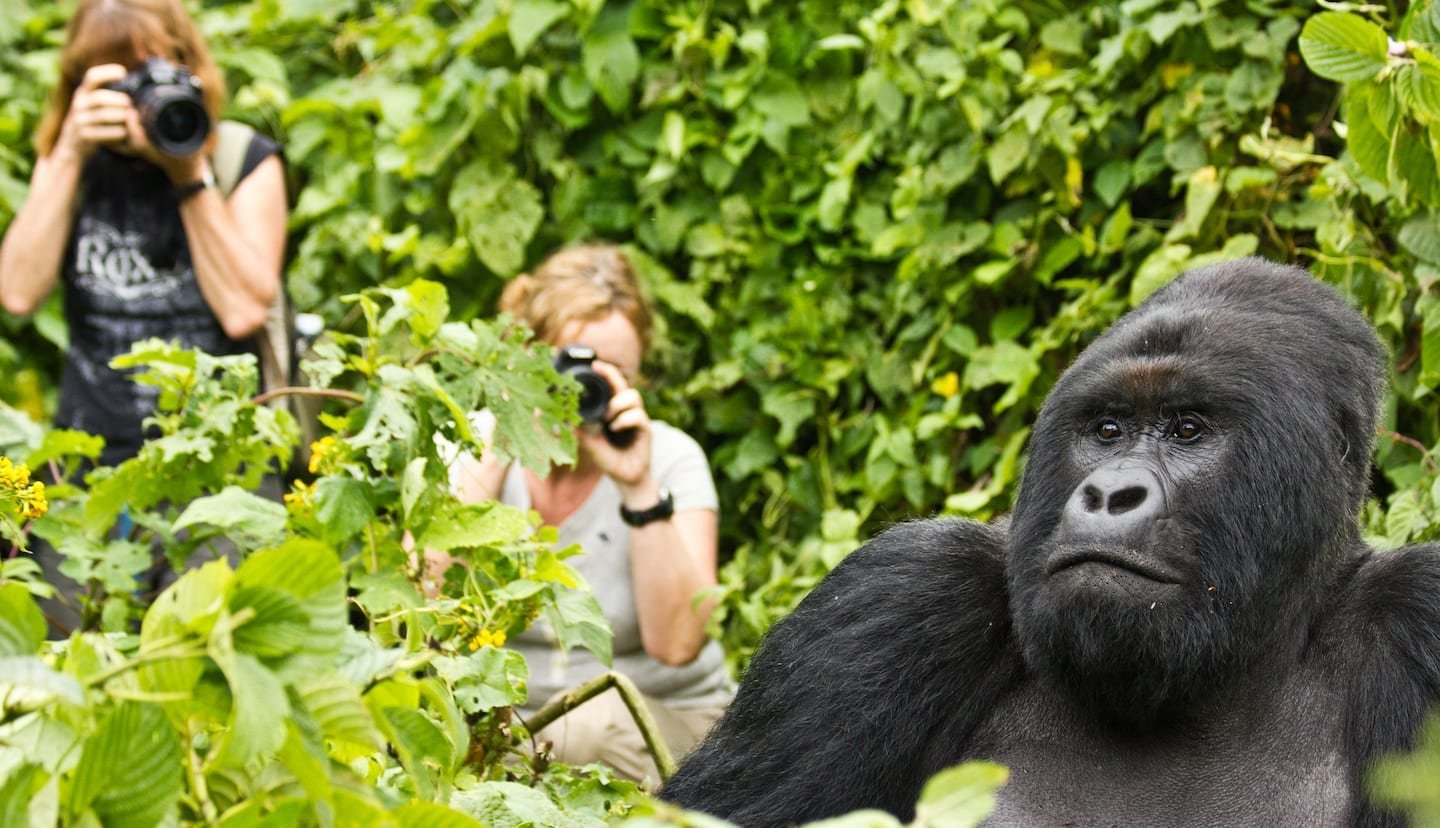
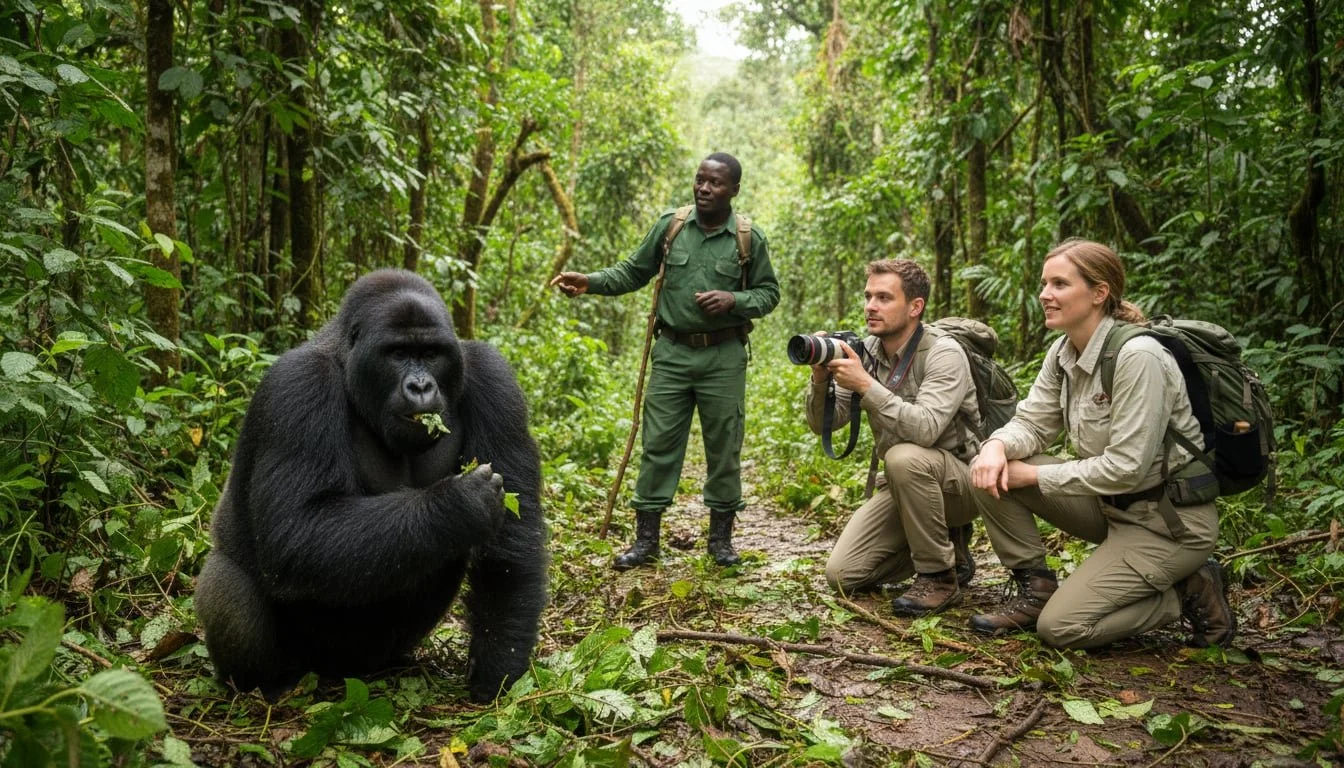
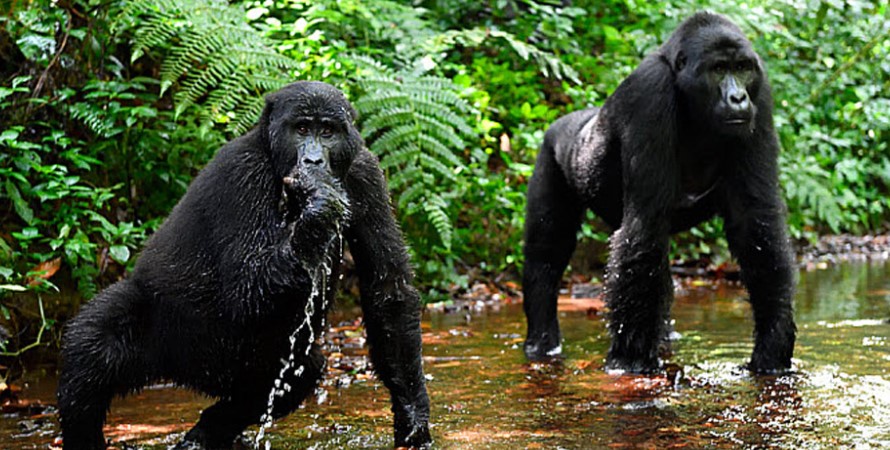
Every photographer considering Camera Flash During Gorilla Habituation should understand that paying for a permit does not provide unrestricted photographic access. Visitors must follow ranger instructions, maintain the required viewing distance, avoid touching gorillas, and refrain from disturbing their natural behaviour. The habituation activity is particularly sensitive because researchers and trackers are working to develop appropriate levels of tolerance between gorillas and carefully managed human groups. Read our Uganda Wildlife Authority gorilla habituation permits guide for further information about official participation requirements.
Can You Use a Smartphone Flash During Gorilla Habituation?
Smartphone photography is permitted during gorilla habituation, but the prohibition on flash applies to phones just as it does to professional cameras. Many modern smartphones automatically activate flash when their sensors detect insufficient lighting. Visitors must therefore inspect their camera settings before the encounter and ensure that automatic flash has been completely disabled. Using a smaller phone flash does not create an exception to the regulations.
Avoiding Camera Flash During Gorilla Habituation is especially important when photographing gorillas beneath dense forest vegetation. Although a smartphone may struggle to produce bright photographs in deep shade, visitors should not compensate by switching on flash or using the phone’s torch function. Instead, they can adjust exposure where supported, hold the phone steadily, and photograph subjects when natural light provides better visibility. Visitors interested in more detailed photography guidance can explore our best camera for gorilla habituation safari guide.
Can Professional Photographers Use External Camera Flash?
Professional photography equipment does not qualify for an exemption from the no-flash rule. External speedlights, pop-up camera flashes, and studio-style flash equipment should not be used during mountain gorilla encounters. Professional photographers must work within the same conservation guidelines as other visitors, regardless of their experience, equipment value, or reasons for photographing the animals.
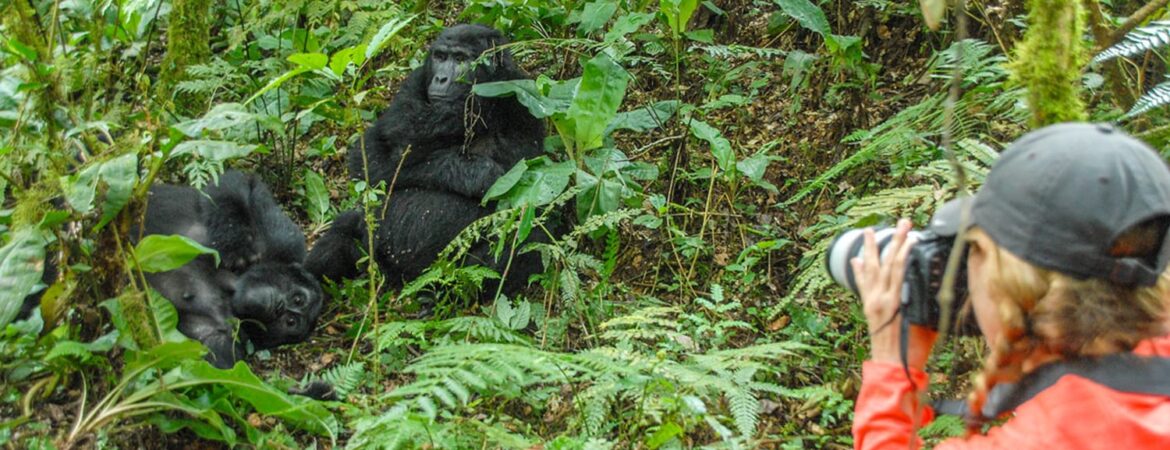
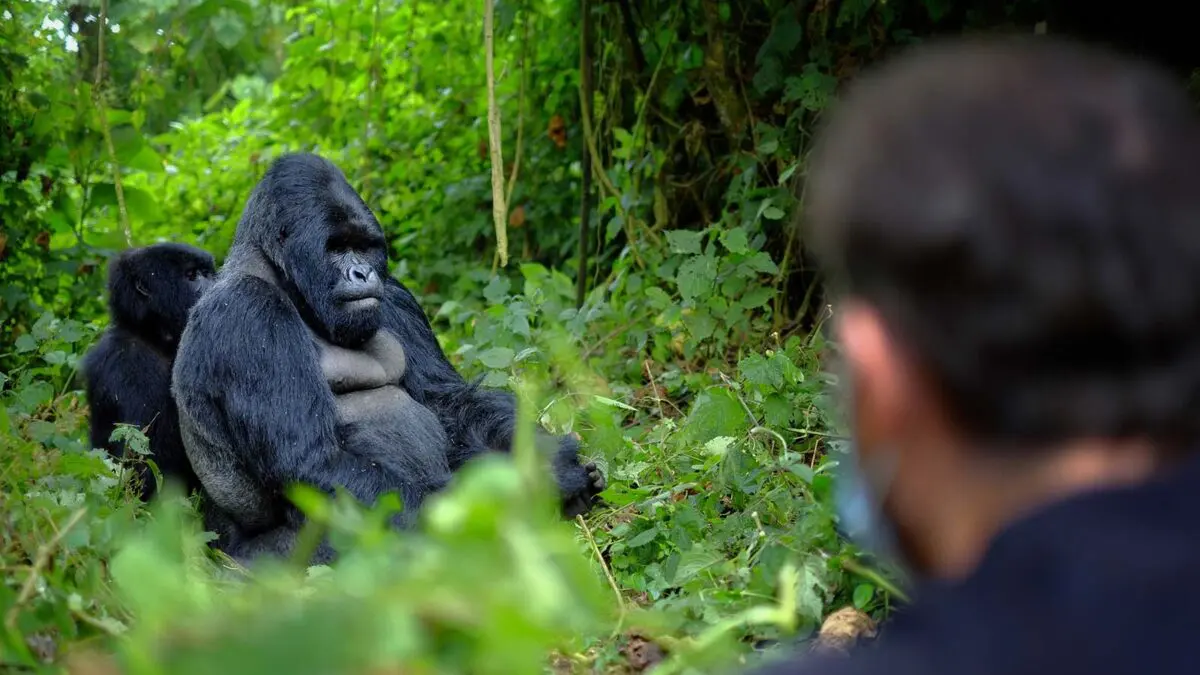
The restriction on Camera Flash During Gorilla Habituation also means that photographers should not assume continuous LED lights, powerful video lights, or artificial illumination are acceptable alternatives. Specialist filming arrangements may require separate authorisation, and visitors should confirm equipment restrictions with the relevant authorities before travelling. Dedicated wildlife photographers can achieve excellent results with suitable low-light equipment and an understanding of natural forest conditions. Our luxury Bwindi gorilla photography safari provides itinerary inspiration for photographers seeking a carefully organised experience.
How to Take Excellent Gorilla Photographs Without Flash
Successful mountain gorilla photography depends on understanding natural light rather than using artificial illumination. Bwindi’s forest canopy often reduces sunlight, leaving gorillas partially shaded by vegetation. Photographers can compensate by using wider lens apertures, adjusting ISO sensitivity, and selecting shutter speeds appropriate for the movements of their subjects. A camera with reliable autofocus and good high-ISO performance can be particularly useful.
When avoiding Camera Flash During Gorilla Habituation, a practical starting point might involve an aperture around f/2.8 to f/5.6, depending on the available lens and desired depth of field. ISO settings between 800 and 3200 may be useful in shaded conditions, although brighter or darker situations may require adjustments outside that range. Shutter speeds around 1/250 second can help capture relatively still subjects, while playful or moving gorillas may require faster speeds. These are photographic starting points, not mandatory settings, and should always be adapted to actual conditions.
Using Natural Forest Light for Mountain Gorilla Photography
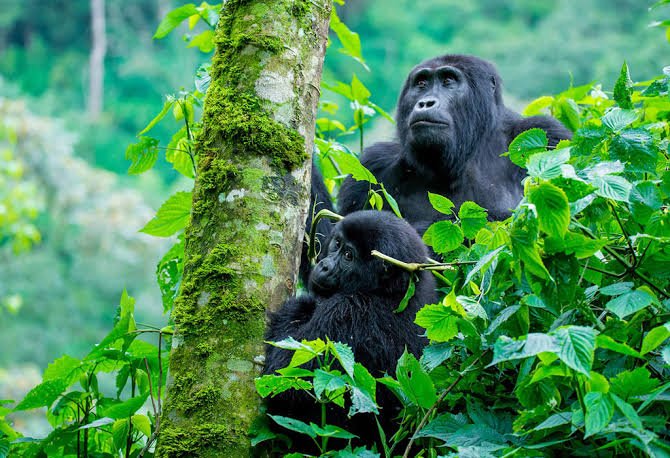
Natural rainforest lighting can create beautiful wildlife portraits when photographers understand how to work with it. Soft light filtering through vegetation can reveal details in gorilla fur, while gentle side lighting may create depth and contrast. Overcast conditions can sometimes produce more balanced exposure than harsh sunlight penetrating through small openings in the canopy. Photographers should observe where natural light falls and make their compositions from positions permitted by the ranger.
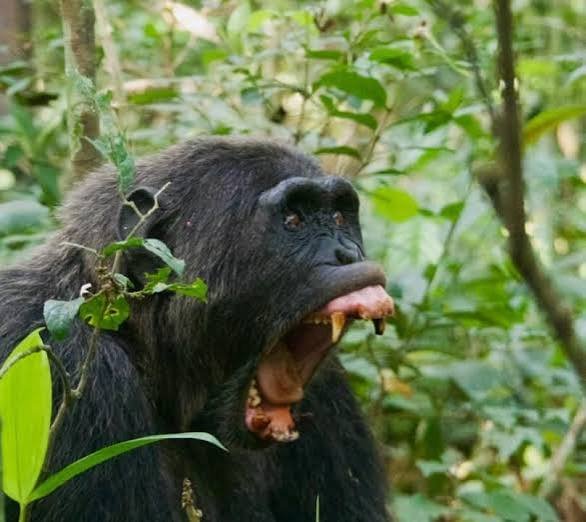
The absence of Camera Flash During Gorilla Habituation encourages photographers to work with the forest environment instead of attempting to overpower it. This approach can produce atmospheric images that reflect the true conditions of Bwindi Impenetrable National Park. Patience is especially valuable because gorillas may move naturally between shaded and brighter areas. Our Bwindi Impenetrable National Park Gorilla Habituation Guide offers additional information about the forest and the experience.
Best Cameras and Lenses for Gorilla Photography Without Flash
Mirrorless and DSLR cameras equipped with suitable zoom lenses are practical choices for mountain gorilla photography. Lenses with wider maximum apertures allow more natural light to reach the sensor, while zoom functionality helps photographers compose portraits without moving closer to the animals. A 70–200mm lens can provide useful versatility, although the most suitable focal length depends on the camera sensor, permitted viewing position, and surrounding vegetation.
Preparing for Camera Flash During Gorilla Habituation restrictions means choosing equipment that can operate effectively without artificial illumination. Image stabilisation can reduce camera shake, but it cannot freeze an actively moving gorilla. Spare batteries, protective camera covers, and sufficient memory storage are also important because rainforest conditions can be demanding. Carrying manageable equipment is preferable to bringing excessive accessories that make forest hiking more difficult. Visitors can learn about access conditions through our Rushaga gorilla habituation access guide.
Does Rainy Weather Make Gorilla Photography More Difficult?
Rainfall can make photography more challenging because cloud cover and dense vegetation reduce available light. Wet trails also complicate camera handling, particularly when visitors must navigate slippery slopes or thick undergrowth. However, rainforest conditions can produce dramatic natural photographs featuring mist, rich vegetation, and soft background lighting. Photographers should prepare for changing weather rather than expect consistently bright conditions.
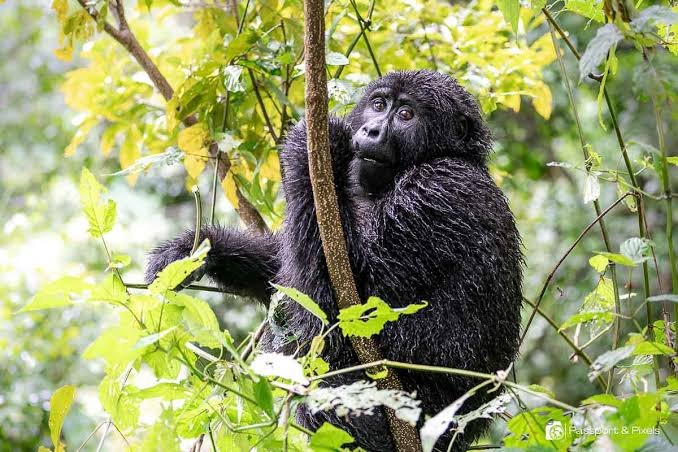
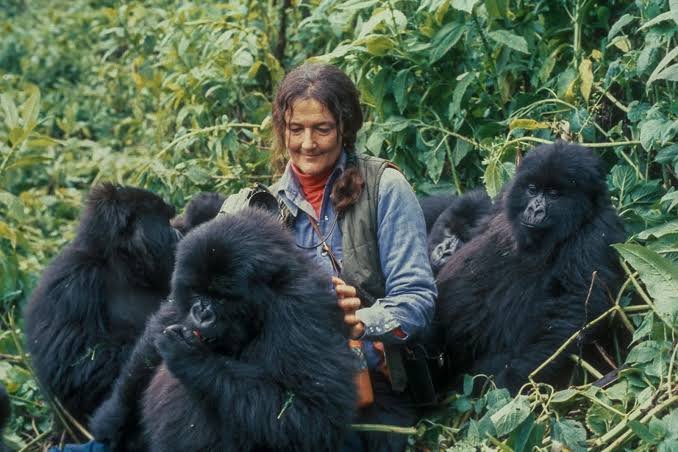
Because Camera Flash During Gorilla Habituation remains prohibited regardless of weather, carrying weather-resistant photographic equipment becomes especially valuable. A protective camera cover, dry bag, and lens cloth can help protect equipment from moisture. Photographers should also avoid unnecessary lens changes during heavy rain. Those planning their travel arrangements can review our gorilla habituation Uganda safari routes and best entry points for gorilla habituation in Uganda.
What Happens if Your Camera Flash Activates Accidentally?
Accidental flash activation can occur when a camera is left in automatic mode or when a smartphone applies its default low-light settings. If this happens, the visitor should immediately stop taking photographs, disable the flash, and follow any instructions given by the ranger. An accidental incident should not be treated as permission to continue photographing with flash, even if the gorillas do not show an obvious reaction.
The best way to avoid problems involving Camera Flash During Gorilla Habituation is to inspect equipment before the trek begins. Photographers should disable built-in flash, switch off automatic flash modes, and check that external lighting accessories cannot activate unexpectedly. Practising with the equipment beforehand also reduces the likelihood of mistakes during an exciting wildlife encounter. Visitors should remember that rangers have the responsibility to manage conduct around the gorillas and may intervene when regulations are not followed.
Does the Four-Hour Gorilla Habituation Experience Improve Photography?
The specialised gorilla habituation experience offers visitors up to four hours of observation with a participating gorilla family after the animals have been located. This differs from standard gorilla trekking, which ordinarily permits a maximum of one hour with the family. The extended time can help photographers observe behaviour, adjust their camera settings, and respond to naturally changing photographic opportunities.
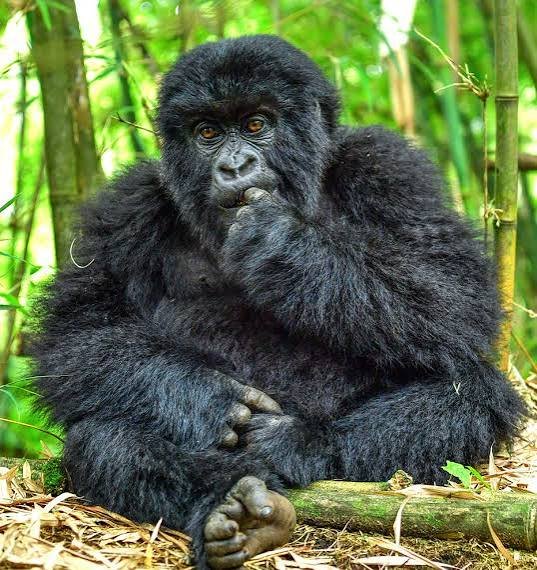
Although Camera Flash During Gorilla Habituation is not permitted, the longer observation allowance provides opportunities to work more patiently with available lighting. Visitors may witness feeding, resting, grooming, or social interactions, but particular behaviours and unobstructed photographs cannot be guaranteed. The experience remains subject to the conservation team’s instructions and the gorillas’ behaviour. Read our gorilla habituation trek duration guide for more details about time spent trekking and observing the animals.
Responsible Photography and Mountain Gorilla Conservation
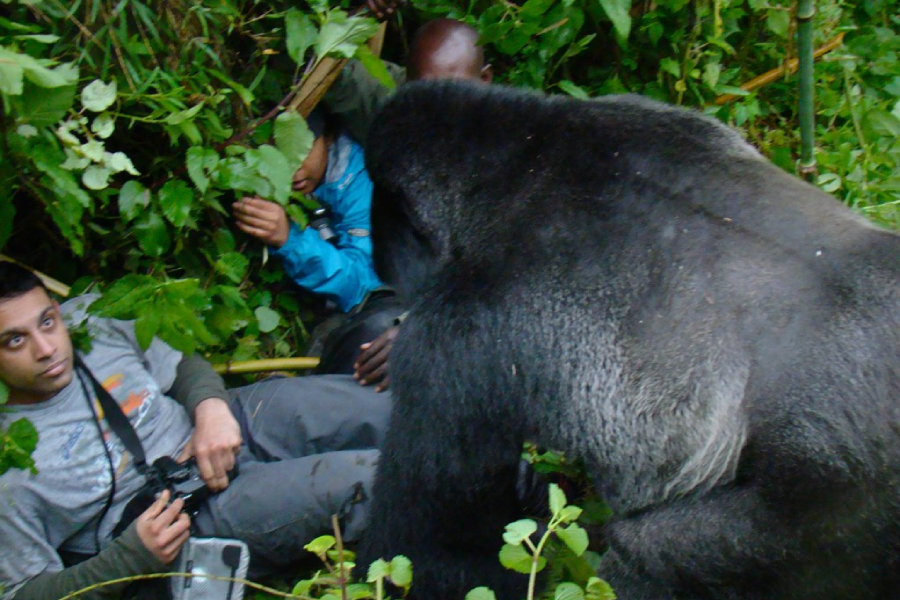
Responsible photography involves much more than disabling a camera flash. Visitors must remain calm, avoid sudden movements, maintain the prescribed distance, and refrain from interfering with gorilla behaviour. Photographers should never request unsafe positioning, touch animals, or separate themselves from the group to achieve a more impressive image. Respecting these requirements helps protect gorillas and supports the responsible management of wildlife tourism.
Understanding Camera Flash During Gorilla Habituation restrictions is part of recognising that the forest belongs to the animals. The purpose of the experience is to observe endangered mountain gorillas responsibly while supporting regulated conservation tourism. Photographs should document natural behaviour without changing it. Visitors who approach the experience with patience and respect often find that observing the gorillas is just as meaningful as capturing their images.
Frequently Asked Questions About Camera Flash During Gorilla Habituation
Is camera flash allowed during gorilla habituation in Uganda?
No. Flash photography is prohibited during mountain gorilla encounters in Uganda, including gorilla habituation in Bwindi.
Can I take photographs without flash during gorilla habituation?
Yes. Visitors may use cameras and smartphones for permitted photography without flash while following ranger instructions.
Can I use my smartphone flashlight to photograph gorillas?
No. Do not use the smartphone torch or artificial lighting to illuminate gorillas during the encounter.
Why is flash photography prohibited around mountain gorillas?
Sudden artificial light can startle or disturb gorillas, making flash photography incompatible with responsible conservation practices.
What camera settings are best for photographing gorillas without flash?
A wide aperture, an appropriate shutter speed, and adjustable ISO sensitivity can help photographers work effectively in low-light forest conditions.
Can professional wildlife photographers receive permission to use flash?
Professional status does not automatically provide an exemption. Any specialised filming or equipment arrangements must be confirmed with the relevant wildlife authorities.
What should I do if my camera flash activates accidentally?
Stop photographing, disable the flash immediately, and follow the ranger’s instructions.
Is gorilla habituation suitable for beginner photographers?
Yes. Beginners can participate and take photographs, provided they understand their equipment and follow the wildlife conservation rules.
Book Your Gorilla Habituation Photography Safari in Uganda
Photographing mountain gorillas in Bwindi Impenetrable National Park can be an unforgettable experience when your safari is carefully organised. Choosing a suitable itinerary, preparing photographic equipment, and understanding conservation regulations will help you make the most of your time in the rainforest.
If you are planning a photography-focused experience, explore our gorilla habituation trekking tours, three-day gorilla habituation itinerary, or five-day Uganda gorilla habituation safari. You can also review our gorilla habituation permit guide when preparing your reservation.
Understanding the rules governing Camera Flash During Gorilla Habituation before travelling helps you prepare suitable equipment and enjoy your wildlife encounter responsibly. Confirm your preferred travel dates, permit availability, and any specialised photography requirements when organising your safari.
Conclusion: Can You Use a Camera Flash During Gorilla Habituation?
No. Camera Flash During Gorilla Habituation is prohibited in Uganda because protecting mountain gorillas takes priority over photographic convenience. Visitors can still capture memorable images using natural rainforest light, suitable camera settings, and appropriate photography equipment. Smartphones, mirrorless cameras, and DSLR cameras are all practical options when operated responsibly without flash.
The key to successful gorilla photography is preparation, patience, and respect for conservation regulations. By disabling flash, maintaining the required distance, and following ranger instructions, you can photograph mountain gorillas while helping preserve the natural environment that makes the experience so extraordinary.