

Is Gorilla Habituation Good for Photographers? Complete Bwindi Gorilla Photography Guide
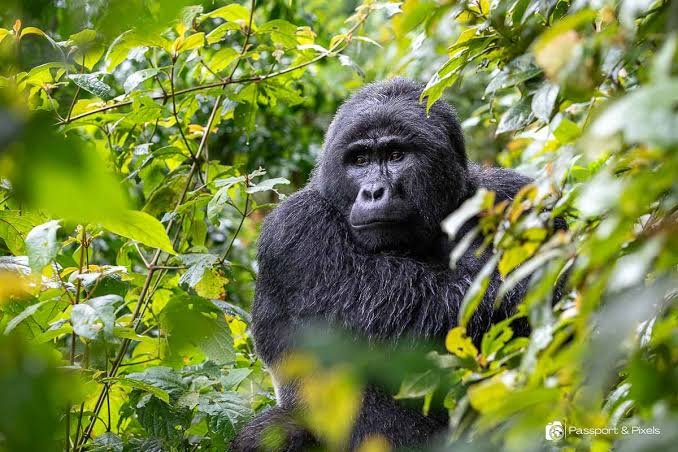
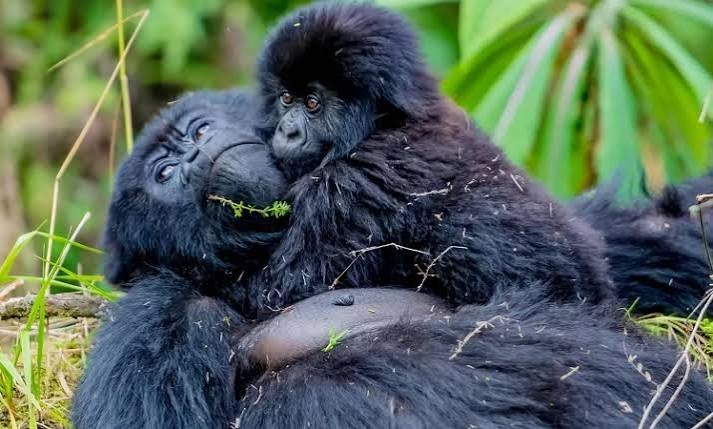
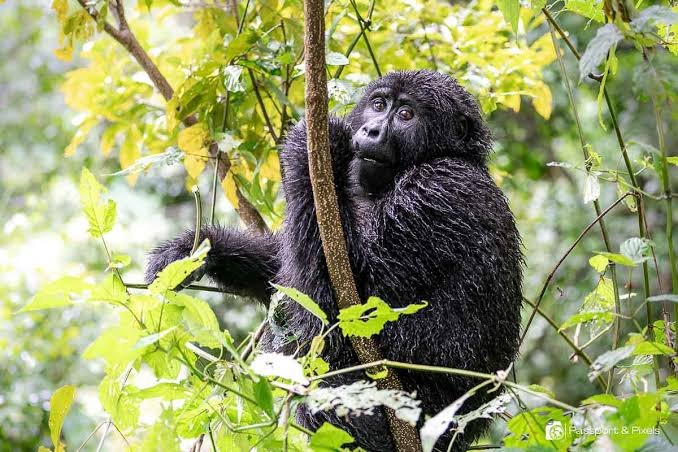
Yes, gorilla habituation is one of the most rewarding wildlife photography experiences in Uganda. Unlike standard gorilla trekking, which generally permits one hour of observation, gorilla habituation allows visitors to spend up to four hours observing a mountain gorilla family undergoing the habituation process. This extended viewing period offers photographers more opportunities to study gorilla behaviour, adjust camera settings, work with changing natural light, and patiently capture remarkable moments in the rainforest.
Gorilla Habituation for Photographers is particularly appealing to professional wildlife photographers, photography enthusiasts, documentary creators, and travellers who want more than a brief encounter with mountain gorillas. The experience takes place in the Rushaga sector of Bwindi Impenetrable National Park, where visitors accompany authorised conservation personnel into the forest to observe gorillas gradually becoming accustomed to human presence. Unlike a controlled photography environment, these are wild animals whose movements, behaviour, and surroundings cannot be predicted.
The greatest photographic advantage is not simply spending longer with gorillas, but having additional time to observe naturally occurring interactions without rushing to take every photograph immediately. Visitors can learn more about the experience through our Gorilla Habituation Experience in Uganda and Bwindi Impenetrable National Park habituation guide.
Why Is Gorilla Habituation Good for Wildlife Photographers?
Gorilla Habituation for Photographers provides a distinctive opportunity to document mountain gorillas in their natural rainforest habitat. The extended observation period allows visitors to concentrate on compositions, expressions, environmental details, and family interactions rather than attempting to photograph everything within a short encounter. This can be particularly useful for photographers seeking meaningful wildlife images that communicate behaviour, relationships, and conservation stories.
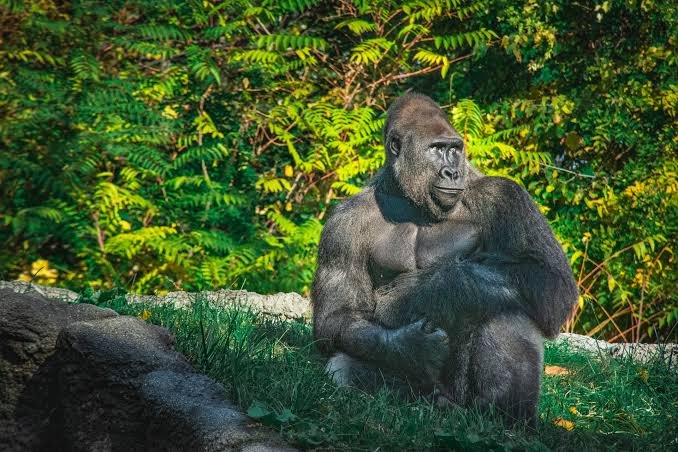
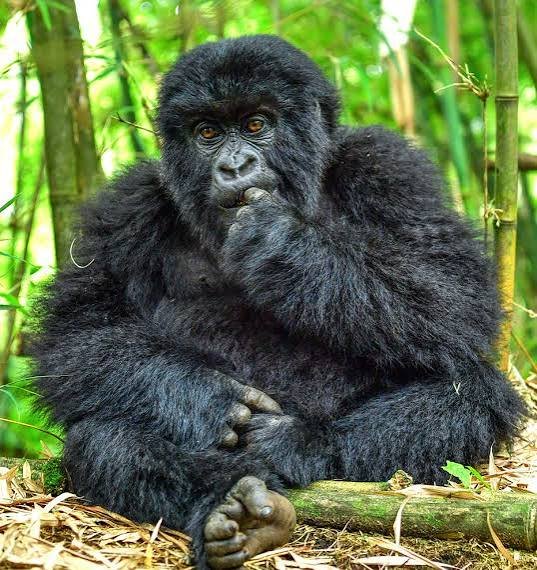
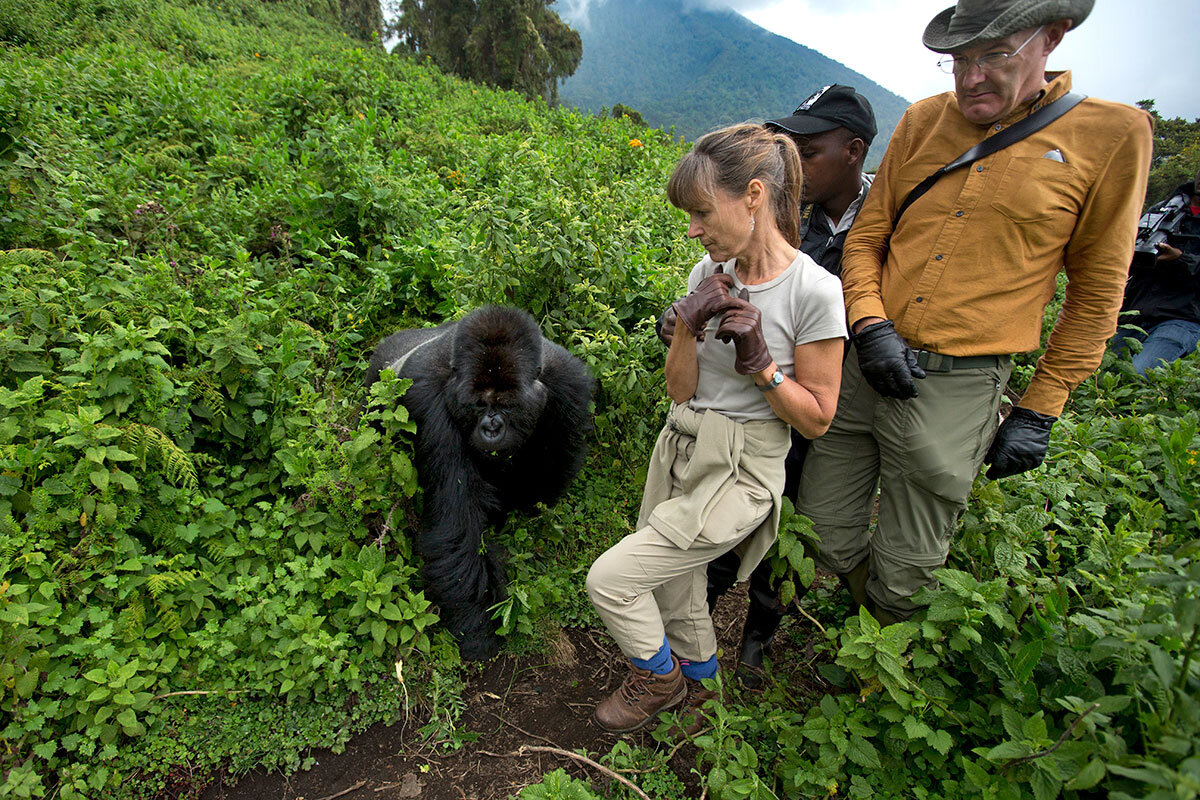
Another advantage is the small visitor group. Gorilla habituation generally permits a maximum of four tourists per participating gorilla family, although authorised conservation personnel also accompany the activity. Smaller visitor groups can make observation more manageable, but they do not guarantee unobstructed views or exclusive photography positions. Our gorilla habituation trekking tours explain how this specialised wildlife experience differs from conventional gorilla trekking.
How Does the Four-Hour Experience Improve Gorilla Photography?
The additional observation time is one of the strongest reasons photographers choose habituation instead of ordinary gorilla trekking. Rather than spending a maximum of one hour with a fully habituated family, visitors participating in habituation may observe the assigned family for up to four hours after locating it. The approach hike and return journey are separate from this observation allowance.
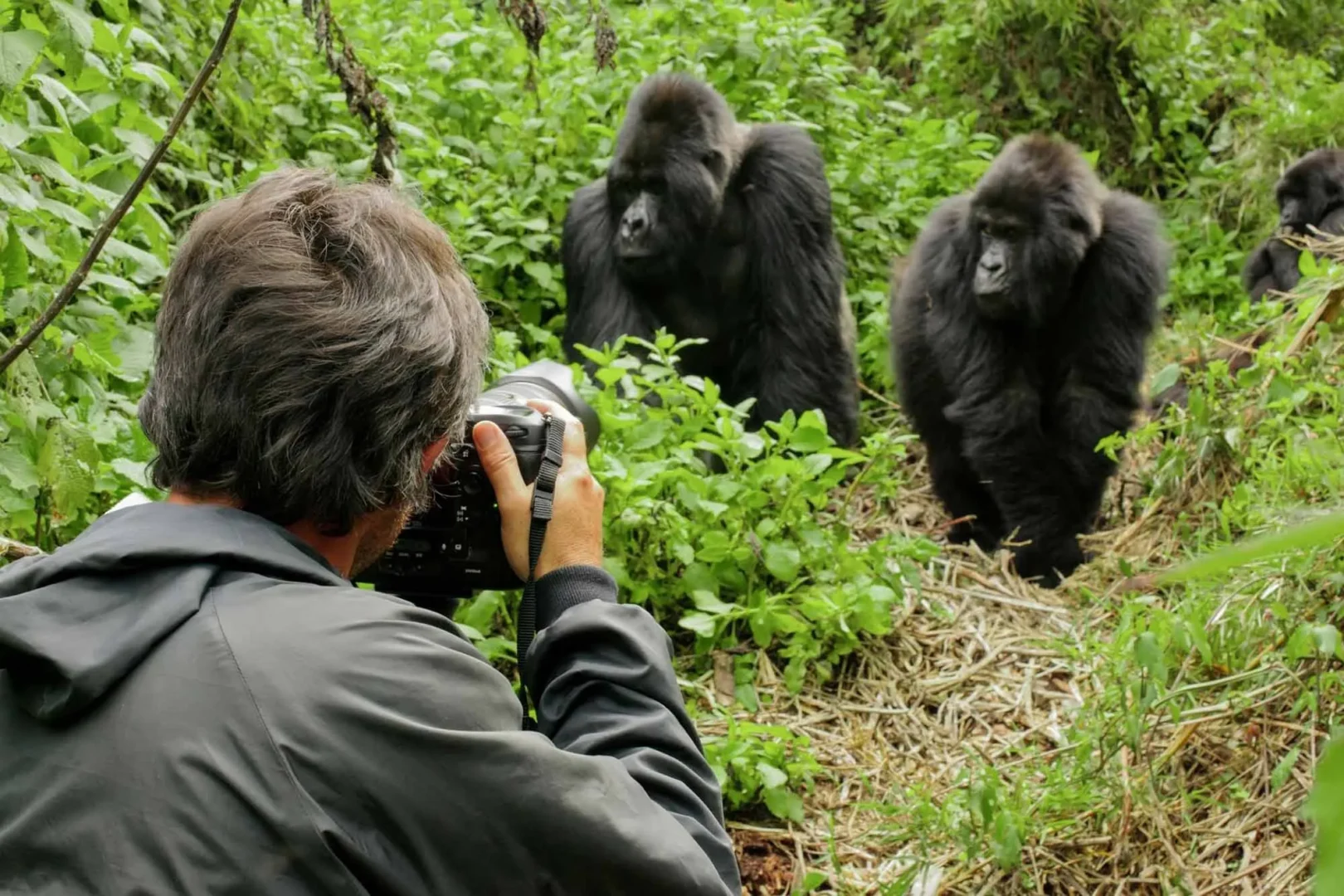
For Gorilla Habituation for Photographers, this time creates opportunities to wait for natural behaviour, explore different compositions from positions permitted by the ranger, and respond to changing forest light. A gorilla may spend considerable periods feeding or resting before displaying behaviour that produces an interesting photograph. However, four hours is a maximum allowance, not a guarantee of uninterrupted photography or particular sightings. Our gorilla habituation trek duration guide helps explain the time required for the complete experience.
What Gorilla Behaviours Can Photographers Capture?
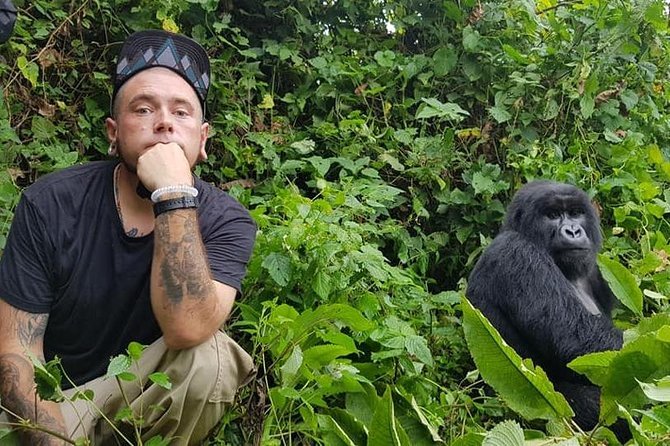
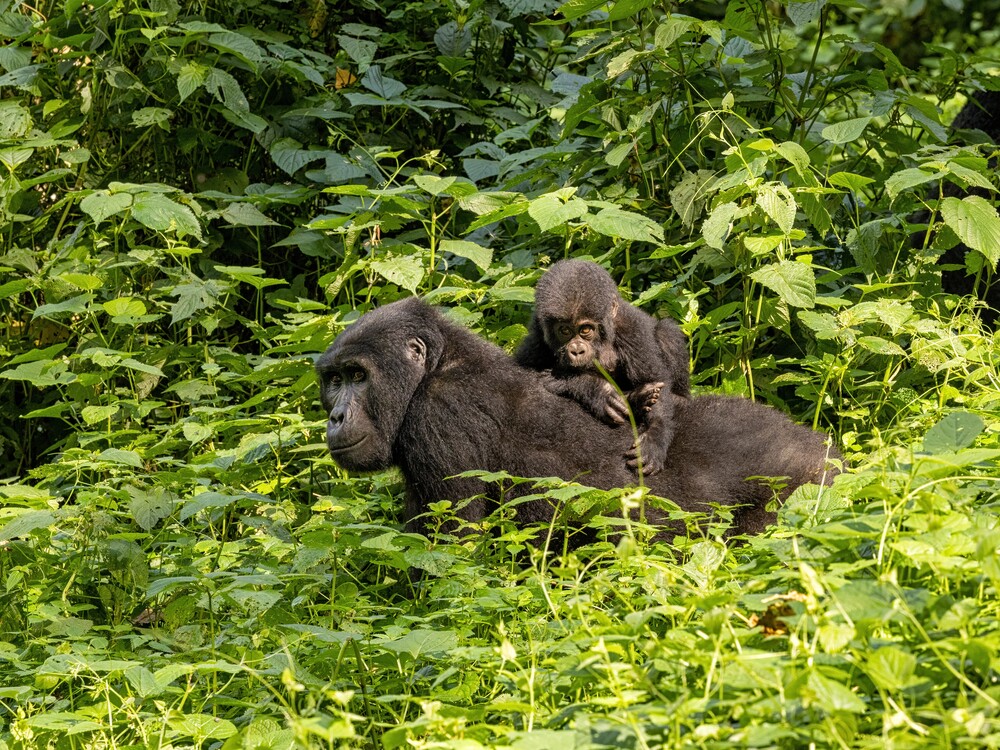
Mountain gorillas display fascinating social behaviour that may provide exceptional photographic opportunities. Depending on the particular encounter, photographers may observe mothers caring for infants, young gorillas playing, adults grooming one another, or dominant silverbacks watching over family members. Feeding, resting, movement through vegetation, and interactions between individuals can also create compelling wildlife images.
Gorilla Habituation for Photographers is particularly rewarding for visitors interested in telling a conservation story through photographs. Instead of concentrating exclusively on close-up portraits, photographers can document relationships between animals and their forest surroundings. Every encounter is different, and no particular behaviour can be guaranteed. Our Rushaga gorilla habituation guide provides further background about the forest environment where these observations take place.
Is Gorilla Habituation Better Than Standard Gorilla Trekking for Photography?
For photographers who prioritise observation time, gorilla habituation often offers an advantage over standard trekking. The extended viewing allowance creates additional opportunities to experiment with composition, capture different behaviours, and become familiar with the lighting conditions. Standard gorilla trekking provides a shorter encounter with a fully habituated family and may suit travellers who prefer a less prolonged wildlife activity.
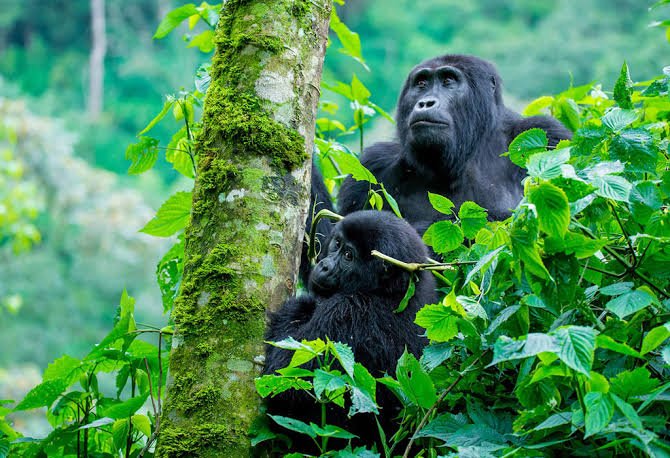
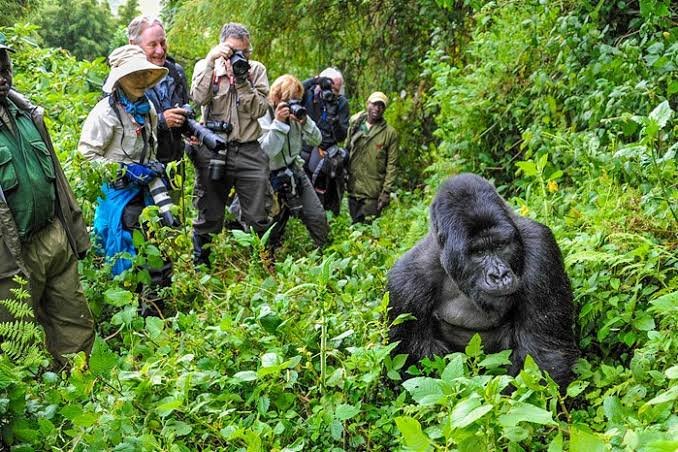
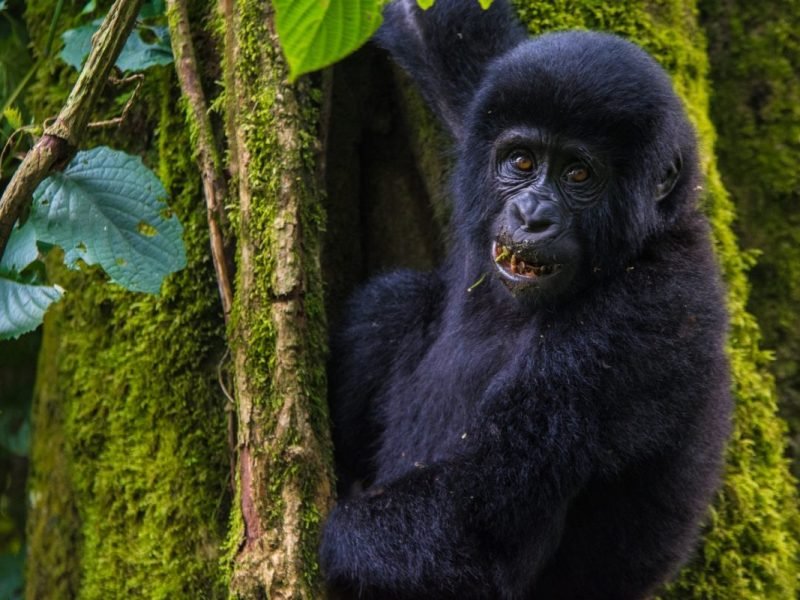
However, Gorilla Habituation for Photographers is not automatically easier or more productive. A family undergoing habituation may move away, remain partially concealed, or offer challenging viewing angles. Standard trekking can sometimes provide excellent photographs when gorillas are clearly visible. The best choice depends on the photographer’s physical endurance, expectations, experience, and available travel time. Explore our gorilla habituation safari tours when comparing different experiences in Bwindi.
What Is the Best Camera for Gorilla Habituation Photography?
Both modern mirrorless cameras and DSLR cameras can produce excellent mountain gorilla photographs when paired with suitable lenses and used correctly. A camera that performs well in low light, focuses reliably on moving subjects, and allows manual control over exposure settings is especially useful. Photographers should prioritise equipment they understand and can comfortably carry through difficult rainforest terrain.
For Gorilla Habituation for Photographers, equipment reliability is often more important than owning the most expensive camera available. A familiar camera with effective autofocus and dependable low-light performance may deliver better results than unfamiliar professional equipment. Carrying excessive gear can also make a demanding forest walk more difficult. Our detailed best camera for gorilla habituation safari guide explores equipment selection for this specialised experience.
Which Camera Lenses Are Best for Photographing Mountain Gorillas?
A versatile telephoto zoom lens is often useful for gorilla photography because visitors must maintain the viewing distance required by park personnel. Lenses such as a 70–200mm or 100–400mm can provide flexibility for portraits and behavioural photography, depending on the camera sensor, viewing distance, available light, and forest conditions. A relatively fast lens can be particularly helpful beneath Bwindi’s shaded canopy.
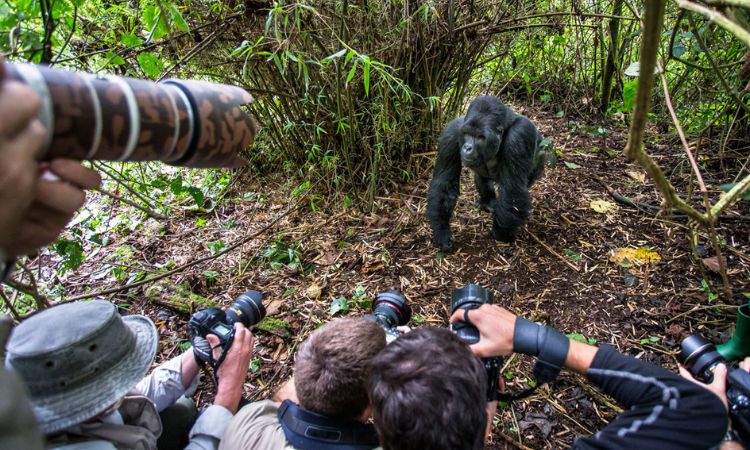
Successful Gorilla Habituation for Photographers does not depend on extreme magnification alone. Wider compositions can illustrate gorillas feeding among vegetation or moving through their natural environment. Photographers should avoid changing lenses unnecessarily in wet or dusty conditions and select an equipment combination that provides useful flexibility. Those planning a dedicated photography trip may explore our luxury five-day Bwindi gorilla photography safari for itinerary inspiration.
How Should Photographers Manage Low Light in Bwindi Forest?
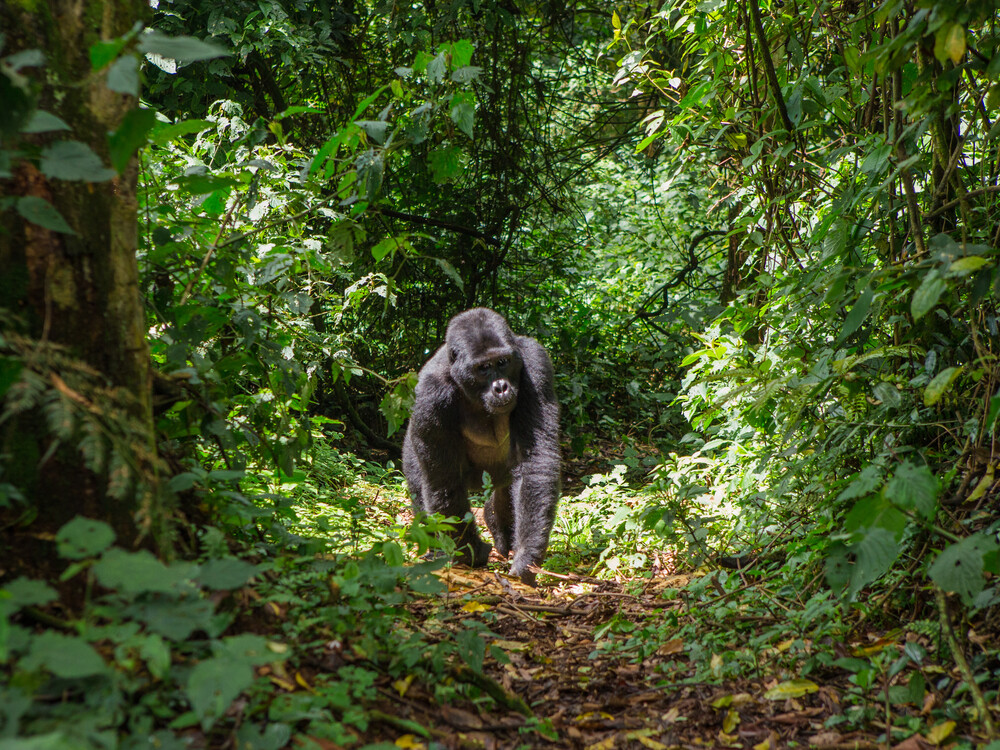
Bwindi’s dense rainforest canopy creates one of the main technical challenges of mountain gorilla photography. Light levels may be low beneath thick vegetation, while bright openings between trees can produce strong contrasts. Dark gorilla fur can also make exposure difficult, especially when the background contains sunlit leaves or reflective vegetation.
During Gorilla Habituation for Photographers, visitors can experiment with wider apertures, higher ISO settings, and shutter speeds appropriate to the subject’s movements. Image stabilisation can reduce camera shake, but it cannot prevent motion blur when a gorilla moves. Photographers should check exposures periodically without spending the entire encounter reviewing their camera screens. Preparation before entering the forest allows more attention to the experience itself.
Can You Use Flash Photography During Gorilla Habituation?
No. Flash photography is prohibited during gorilla encounters in Uganda. Sudden flashes can disturb mountain gorillas and interfere with the carefully managed observation process. Photographers must disable built-in flashes and external flash equipment before approaching the animals and rely on available natural light.
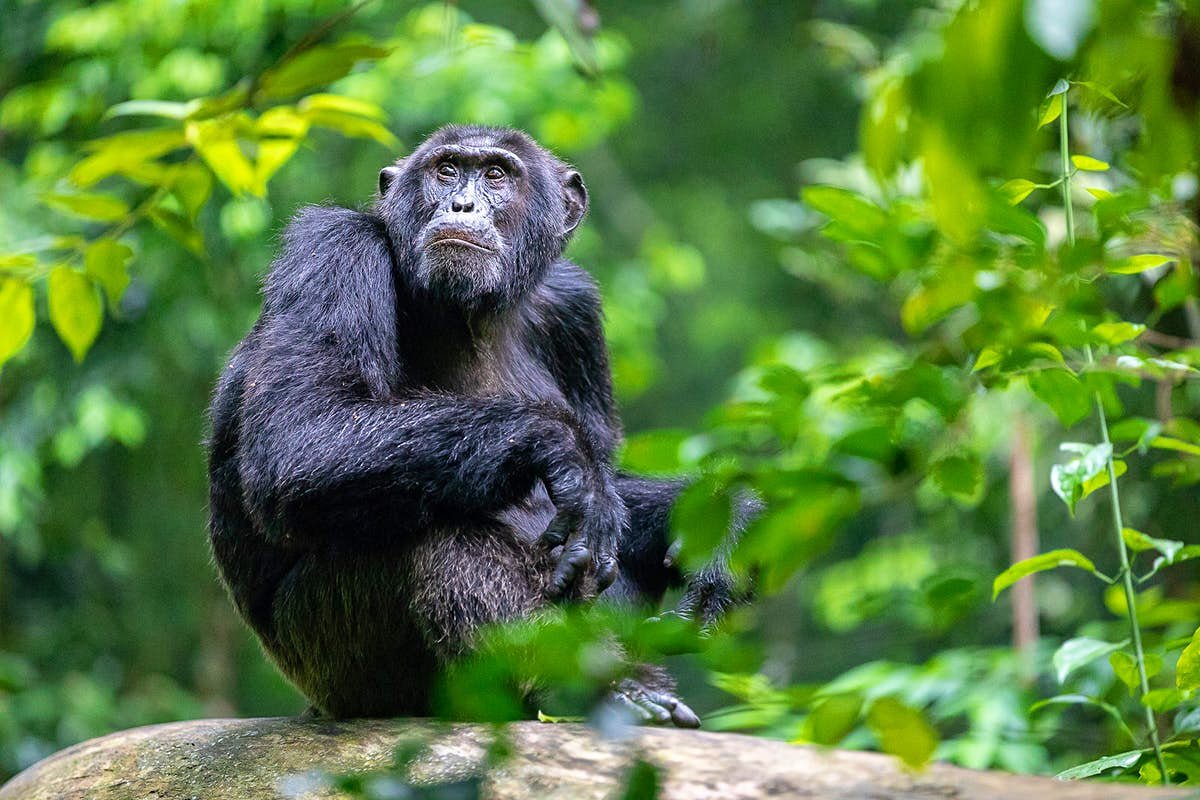
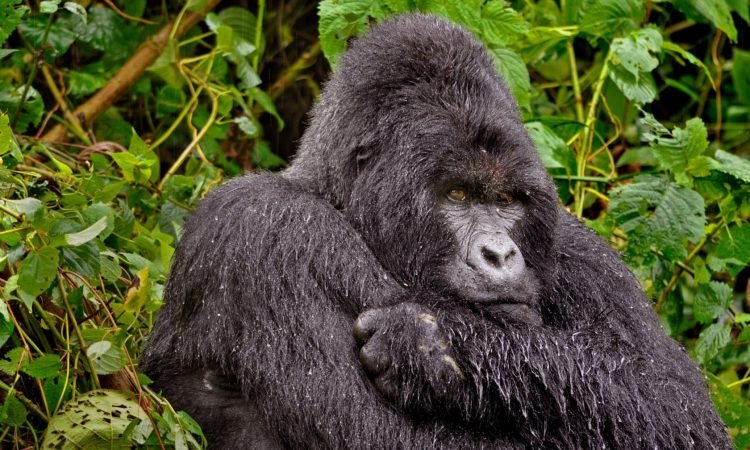
This rule is especially important during Gorilla Habituation for Photographers because the participating animals are still undergoing the habituation process. Their welfare takes priority over obtaining a particular image. Visitors must also maintain the required distance, avoid sudden movements, and follow instructions from conservation personnel. The Uganda Wildlife Authority gorilla habituation permit guide provides further background on participation requirements.
Is Gorilla Habituation Physically Demanding for Photographers?
Yes. Gorilla habituation can involve prolonged trekking through steep slopes, dense vegetation, muddy pathways, and uneven rainforest terrain. Photographers may face additional challenges because cameras, lenses, spare batteries, and other equipment increase the weight they must carry. Rainfall and humidity can also complicate equipment handling.
Anyone considering Gorilla Habituation for Photographers should prepare for the physical demands as carefully as the technical photography requirements. Waterproof hiking boots, appropriate clothing, and a manageable camera bag are valuable. Hiring a local porter can reduce the burden of carrying equipment, although photographers remain responsible for ensuring that their gear is appropriately protected. Our Rushaga access guide explains the importance of planning for the terrain and reaching the correct departure point.
What Is the Best Season for Gorilla Habituation Photography?
Gorilla photography is possible throughout the year, although seasonal conditions affect lighting, trekking comfort, and the appearance of the surrounding forest. The relatively dry periods around June to August and December to February are often preferred because some trails may be less muddy. However, Bwindi remains a tropical rainforest, and rain is possible in every month.
For Gorilla Habituation for Photographers, mist, moisture, and soft cloud-filtered light can sometimes create atmospheric images. Rainy conditions may also produce difficult walking surfaces and require additional protection for camera equipment. Photographers should select travel dates based on their preferences and physical preparedness rather than assuming that any season guarantees superior photographs. Planning your Uganda gorilla habituation safari route in advance can simplify accommodation and transport arrangements.
Can Solo Photographers Participate in Gorilla Habituation?
Yes. Photographers travelling independently can reserve individual gorilla habituation permits without requiring a partner or a prearranged group. Solo visitors may join other permit holders during the authorised activity, while transport and accommodation can be arranged separately according to their preferences.
Gorilla Habituation for Photographers can therefore be particularly attractive to independent wildlife photographers who prefer flexible travel schedules. A private road safari may provide more control over transfer arrangements and additional wildlife photography stops, but it does not automatically provide exclusive access to a gorilla family. Our three-day gorilla habituation itinerary provides ideas for planning a focused photography visit.
How Do Photographers Book a Gorilla Habituation Permit?
A valid gorilla habituation permit is required for every eligible photographer, and availability is limited because visitor numbers are tightly controlled. Travellers should check their preferred dates before reserving accommodation, international flights, or a dedicated photography itinerary. The permit grants participation in the authorised experience under the applicable conservation rules; it does not guarantee particular photographic results.
Booking Gorilla Habituation for Photographers also requires considering the correct trekking sector, transport logistics, and suitable accommodation near Rushaga. Photographers carrying substantial equipment should discuss baggage and porter requirements with their organiser before arrival. Our gorilla habituation permit booking guide explains the importance of advance permit arrangements.
Frequently Asked Questions About Gorilla Habituation for Photographers
1. Is Gorilla Habituation Good for Photographers?
Yes. The extended observation allowance makes gorilla habituation an excellent option for photographers interested in mountain gorilla behaviour and wildlife portraits.
2. How Long Can Photographers Stay With the Gorillas?
Visitors may spend up to four hours observing the participating gorilla family after it has been located.
3. Can You Use Flash During Gorilla Habituation?
No. Flash photography is prohibited during mountain gorilla encounters in Uganda.
4. What Camera Is Best for Gorilla Habituation?
A mirrorless or DSLR camera with reliable autofocus, good low-light performance, and a suitable telephoto lens is a practical choice.
5. Can Amateur Photographers Join Gorilla Habituation?
Yes. Both beginners and experienced photographers can participate, provided they meet the official eligibility requirements.
6. Is Gorilla Habituation Better Than Trekking for Photography?
It often provides more time for photography, but the actual viewing conditions and behaviour of the gorillas remain unpredictable.
7. Can Photographers Bring Multiple Camera Lenses?
Camera equipment can generally be carried, but photographers should travel with manageable gear and confirm any applicable equipment restrictions.
8. Where Is Gorilla Habituation Photography Available?
The specialised experience is undertaken in the Rushaga area of Bwindi Impenetrable National Park in Uganda.
Book Your Gorilla Habituation Photography Safari in Uganda
Planning a successful mountain gorilla photography safari requires more than choosing the right camera. Photographers should confirm their permits, select appropriate accommodation, arrange dependable transport, and prepare for extended trekking through Bwindi’s rainforest. An itinerary that allows sufficient rest and avoids unnecessarily rushed transfers can make the experience more rewarding.
Our Uganda gorilla habituation safari packages provide options for travellers interested in photographing endangered mountain gorillas. You can also explore the luxury Bwindi gorilla photography safari, five-day gorilla habituation safari, and gorilla habituation experience when selecting your preferred itinerary.
When enquiring about Gorilla Habituation for Photographers, provide your preferred travel dates, photography interests, equipment requirements, and intended arrival airport. These details help establish a suitable itinerary while respecting the official conservation procedures.
Conclusion: Is Gorilla Habituation Good for Photographers?
Gorilla Habituation for Photographers is one of Uganda’s most compelling wildlife experiences because it combines extended gorilla observation, small visitor groups, and opportunities to document natural behaviour in a remarkable rainforest environment. The maximum four-hour observation allowance provides more flexibility than a conventional one-hour encounter, allowing photographers to work patiently with changing light, compositions, and animal movements.
However, successful photography depends on preparation, suitable equipment, physical readiness, and respect for conservation rules. Visitors must never prioritise obtaining a photograph over the well-being of endangered mountain gorillas.
For wildlife enthusiasts who value patience, authentic animal behaviour, and meaningful conservation experiences, gorilla habituation in Bwindi offers an exceptional opportunity to photograph mountain gorillas in their natural habitat.