

Can You Do Gorilla Habituation and Gorilla Trekking on the Same Safari?
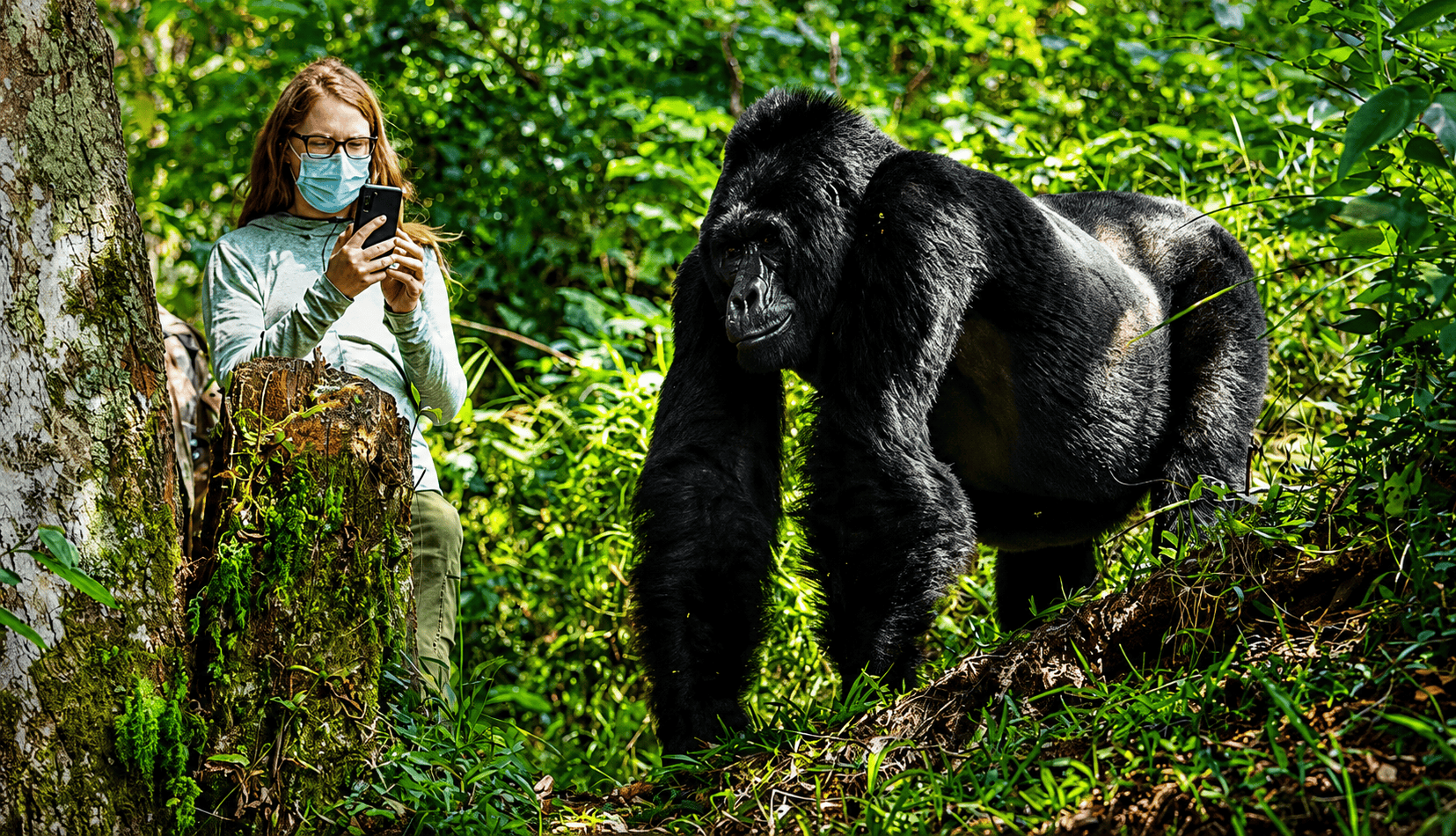
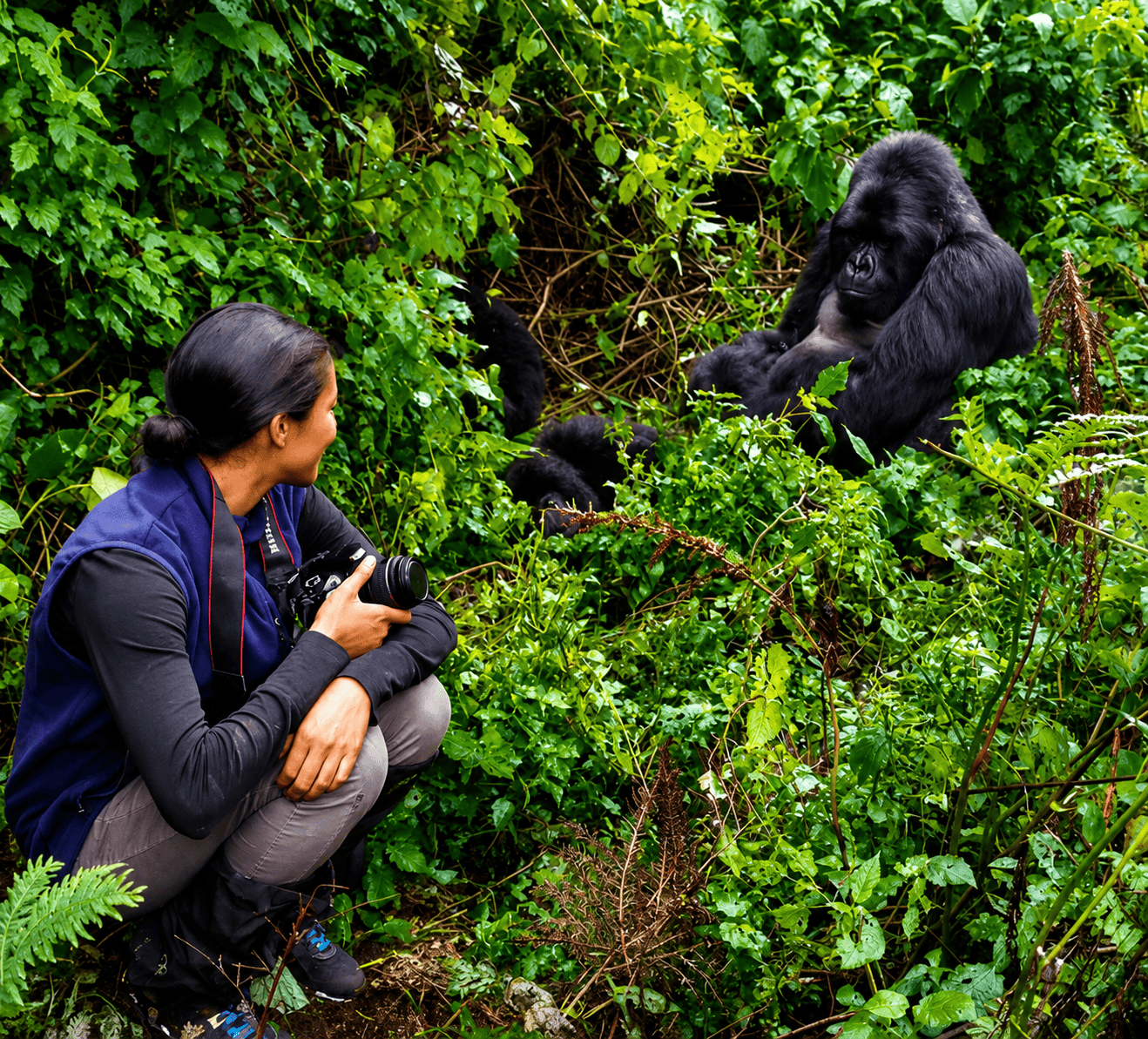

Yes, you can do Gorilla Habituation and Gorilla Trekking on the same safari in Uganda. Both experiences can be combined into one well-organised itinerary in Bwindi Impenetrable National Park, allowing visitors to encounter mountain gorillas on two separate days. However, each activity requires its own permit, and the experiences should be scheduled on different days because of their physical demands, early starting times, and conservation regulations.
Combining Gorilla Habituation and Gorilla Trekking is an exceptional opportunity for travellers who want to understand mountain gorillas beyond a single encounter. Traditional gorilla trekking allows visitors to spend one hour observing a fully habituated gorilla family, while the specialised habituation experience provides up to four hours with a family undergoing the habituation process. These activities offer different perspectives on gorilla behaviour, conservation, and the relationship between humans and endangered primates.
For wildlife enthusiasts, photographers, conservation supporters, and travellers visiting Uganda for a once-in-a-lifetime experience, combining both activities can create a rewarding safari. Our Gorilla Habituation Experience guide explains the specialised encounter, while this article explores how to organise both experiences successfully.
What Is the Difference Between Gorilla Habituation and Gorilla Trekking?
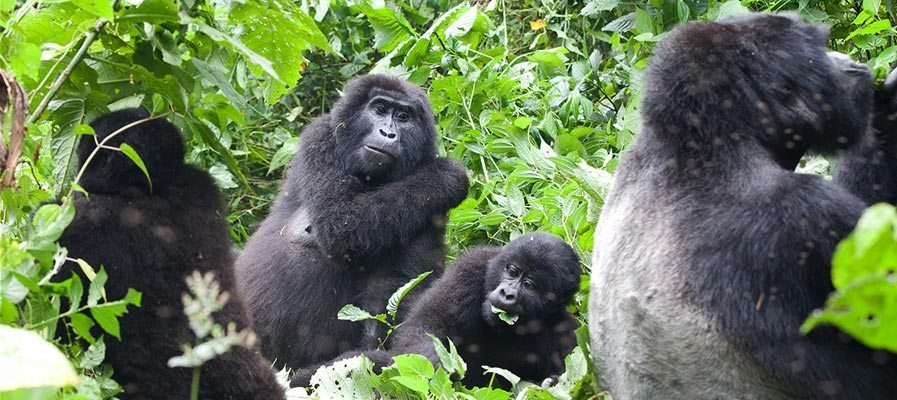
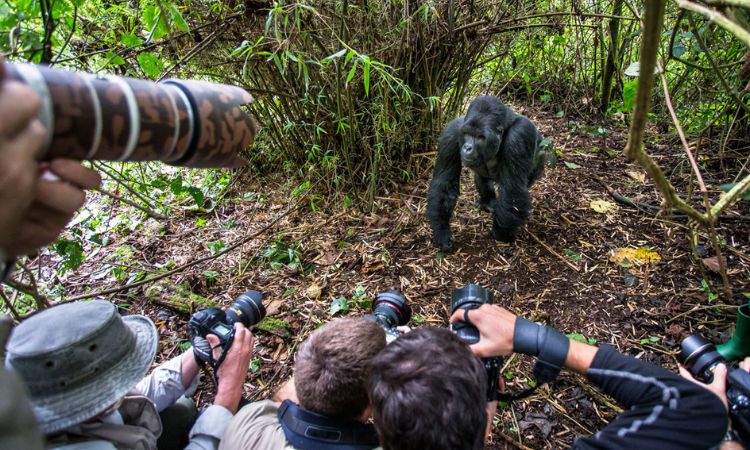
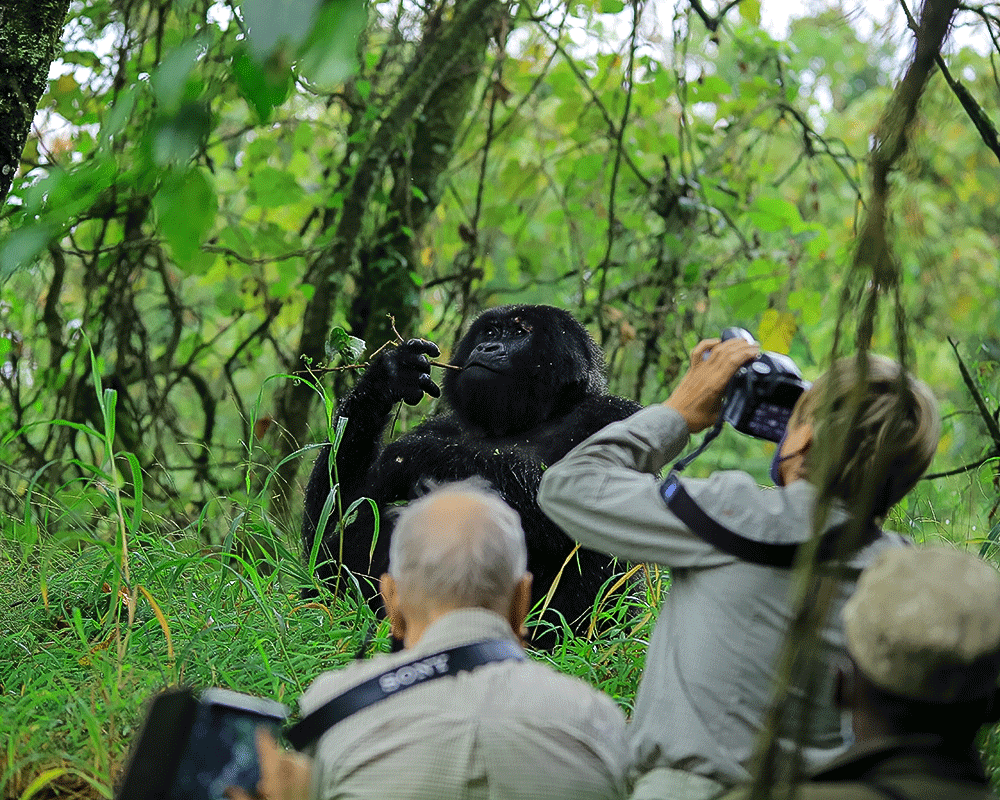
Understanding the difference between these activities is essential before designing your safari. Standard gorilla trekking involves tracking a fully habituated mountain gorilla family that has become accustomed to carefully managed human visits. After locating the family, visitors are permitted one hour of observation under the supervision of trained rangers. This provides opportunities to observe feeding, grooming, resting, and social interactions while respecting established conservation rules.
Gorilla habituation is different because visitors accompany authorised researchers, trackers, and conservation personnel working with a family that is still becoming accustomed to human presence. The experience permits up to four hours of observation once the gorillas have been located, although actual opportunities depend on the animals’ behaviour and ranger instructions. Combining Gorilla Habituation and Gorilla Trekking allows visitors to appreciate these differences rather than simply repeating the same activity. Our Bwindi Gorilla Habituation Guide provides further background.
Can Gorilla Habituation and Gorilla Trekking Be Done on the Same Day?
Although both activities take place in Uganda, attempting to complete them on the same day is not a practical standard safari arrangement. Each begins with an early briefing and may involve several hours of hiking through dense rainforest. The gorillas’ locations change regularly, meaning the time needed to reach them cannot be guaranteed. Gorilla habituation can also occupy much of the day because of the longer observation period.
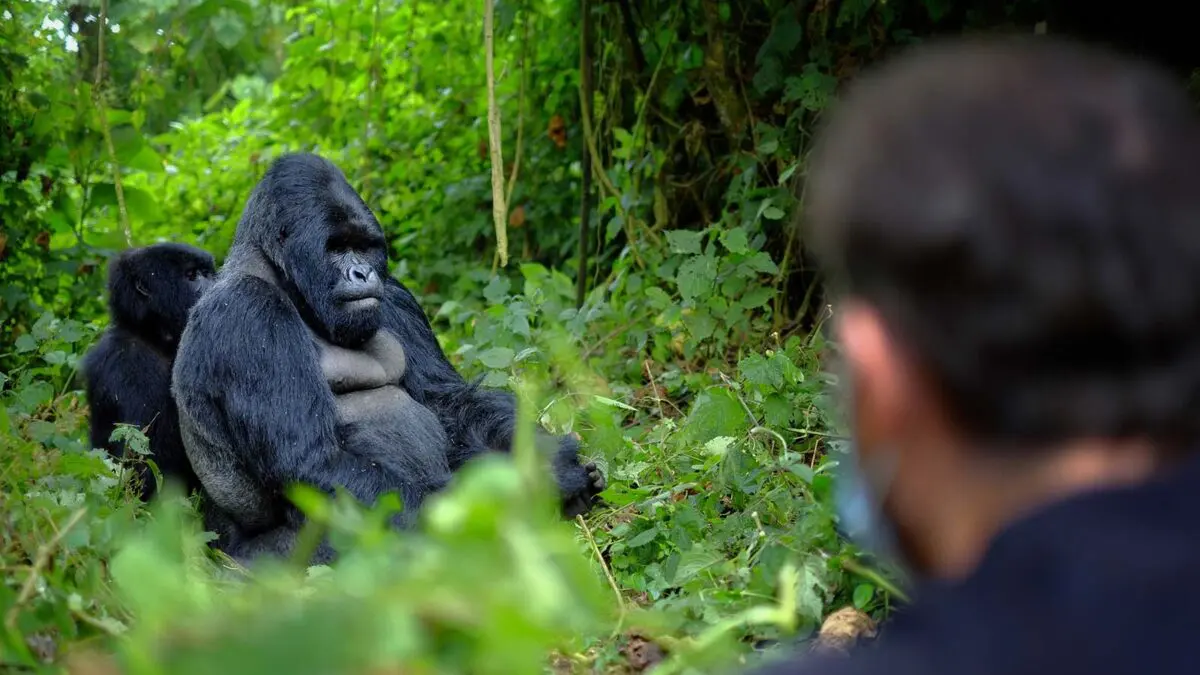
For these reasons, Gorilla Habituation and Gorilla Trekking should be reserved for separate days. This approach reduces unnecessary rushing, provides adequate time for each experience, and allows travellers to recover between forest excursions. It also makes the itinerary easier to organise around the official permit dates and designated park entry points. Travellers can consult our Gorilla Habituation Trek Duration guide to understand why adequate scheduling is important.
Where Can You Combine Gorilla Habituation and Gorilla Trekking in Uganda?
Bwindi Impenetrable National Park is the most convenient destination for combining these two experiences. The park is divided into four principal gorilla trekking sectors: Rushaga, Nkuringo, Ruhija, and Buhoma. Standard trekking operates in these sectors, subject to family allocations and permit availability, while the specialised gorilla habituation experience is organised in Rushaga in southern Bwindi.
Visitors planning Gorilla Habituation and Gorilla Trekking can potentially book both activities in Rushaga, making it easier to use one accommodation base. Alternatively, they may arrange standard trekking in another sector to experience different forest scenery and trekking conditions. However, travelling between sectors can take considerable time on winding mountain roads, so sector selection should be planned carefully. Our Rushaga Gorilla Habituation Access guide provides useful information about reaching the activity’s principal location.
Do You Need Two Separate Gorilla Permits?
Yes. Gorilla habituation and standard gorilla trekking are separate activities requiring separate Uganda Wildlife Authority permits. Purchasing a gorilla habituation permit does not automatically entitle a visitor to participate in an additional standard trek. Similarly, a standard trekking permit cannot be used to join the specialised habituation experience. Both permits must be secured for their respective dates and approved locations.
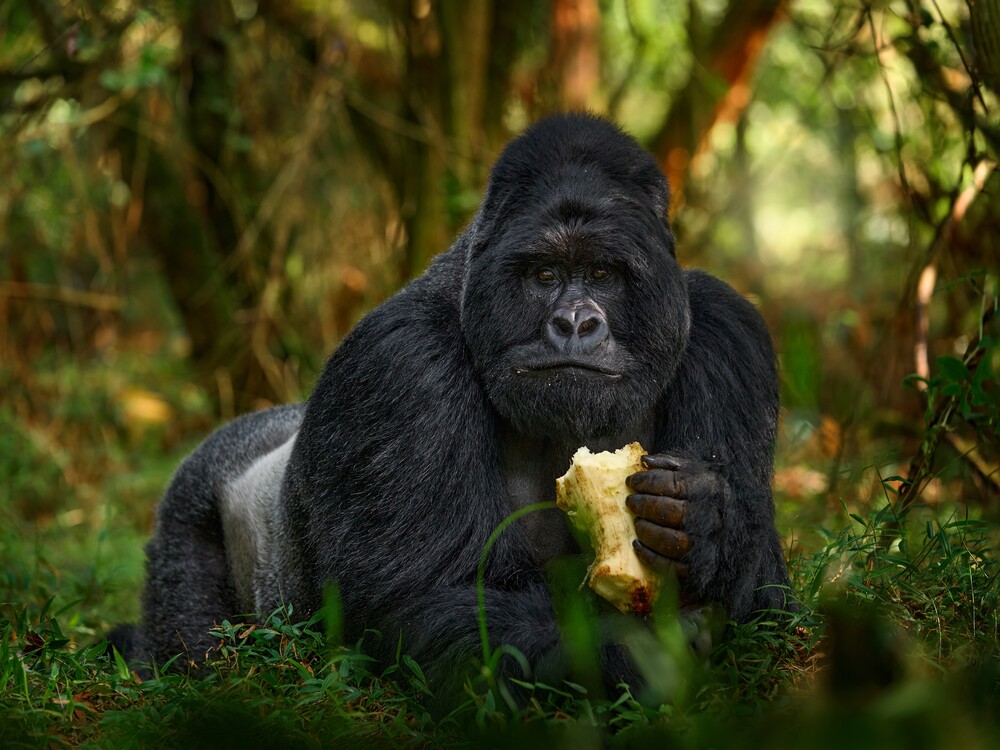
When arranging Gorilla Habituation and Gorilla Trekking, confirming permit availability should be one of the first planning steps. The habituation experience has especially limited participation capacity, with a maximum of four visitors per participating gorilla group, compared with up to eight visitors for a standard trekking group. Advance reservations are therefore particularly important. Travellers can learn more through our Gorilla Habituation Permit guide and Uganda Wildlife Authority Permits Guide.
How Many Days Do You Need for Both Gorilla Experiences?
A well-planned safari combining both activities generally requires at least four days when travelling from a suitable arrival point such as Kigali, although longer itineraries provide more flexibility. Travellers arriving through Entebbe often benefit from additional time because reaching Bwindi by road is a substantial journey. Domestic flight options may also be considered when appropriate to the itinerary and available flight schedules.
A four-day arrangement might involve travelling to Bwindi on the first day, completing gorilla habituation on the second day, enjoying standard gorilla trekking on the third day, and departing on the fourth day. This structure is possible when travel connections, permit dates, accommodation, and physical fitness are suitable. Visitors preferring a more relaxed journey can extend the trip to five or six days, allowing additional time for recovery, photography, and forest experiences.
A Recommended Four-Day Gorilla Habituation and Gorilla Trekking Safari
Day 1: Arrival and Transfer to Bwindi Impenetrable National Park
Your safari begins with a planned transfer to southern Bwindi, where you settle into accommodation conveniently located for the following morning’s activity. Depending on your arrival airport and transport arrangements, the journey may involve a scenic road transfer or a combination of domestic flights and road transport. The evening provides an opportunity to prepare hiking clothing, photographic equipment, water, and other essentials.
Day 2: Gorilla Habituation Experience in Rushaga
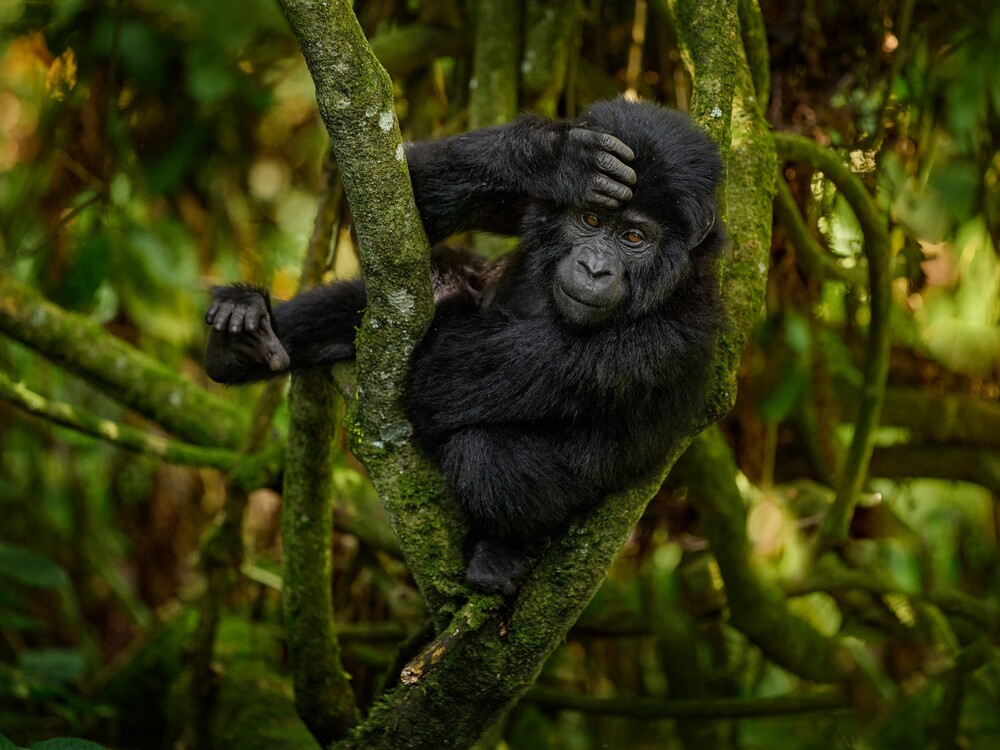
After an early breakfast, you attend the official briefing before entering the forest with authorised personnel. The activity involves tracking a participating mountain gorilla family and observing the habituation process under carefully managed conditions. Once the family is located, the experience allows up to four hours of observation. You return to your lodge afterwards for relaxation following a potentially demanding day.
Day 3: Traditional Mountain Gorilla Trekking
The following morning, you participate in a separate standard gorilla trek using your second permit. This experience involves tracking a fully habituated family and enjoying the permitted one-hour observation period. Because the animals and forest conditions differ from the previous day, the encounter can provide a fresh perspective on mountain gorilla social behaviour, photography, and conservation.
Day 4: Departure from Bwindi
Following breakfast, you begin your return journey according to your confirmed transport arrangements. Travellers departing through Kigali may follow a suitable cross-border route, subject to immigration requirements and road conditions. Those returning through Entebbe may require a longer road journey or a scheduled domestic flight connection.
For additional itinerary inspiration, explore our Gorilla Habituation Trekking Tours and Five-Day Uganda Gorilla Habituation Safari.
Which Experience Should You Do First?
There is no universally required order for Gorilla Habituation and Gorilla Trekking. Some travellers prefer traditional gorilla trekking first because the one-hour encounter introduces them to mountain gorilla behaviour and the park’s visitor procedures. They can then approach the longer habituation experience with greater familiarity and confidence. Others prefer beginning with habituation while they are particularly energetic, leaving the shorter observation experience for the following day.
The best sequence depends on permit availability, physical fitness, accommodation arrangements, and individual preferences. Both experiences require preparation, and neither should be considered physically effortless. Travellers who are concerned about fatigue may benefit from including a rest day between activities. Our Gorilla Habituation Safari Routes guide can help explain practical route considerations.
Is Doing Two Gorilla Experiences Physically Demanding?
Combining two gorilla activities can be physically demanding because each requires hiking through mountainous rainforest terrain. Bwindi contains steep slopes, muddy trails, dense vegetation, and sections where footing can be difficult. Tracking times vary according to the gorillas’ movements, weather conditions, and the location of the assigned family. The second trekking day may feel more challenging if visitors are tired after their first forest excursion.
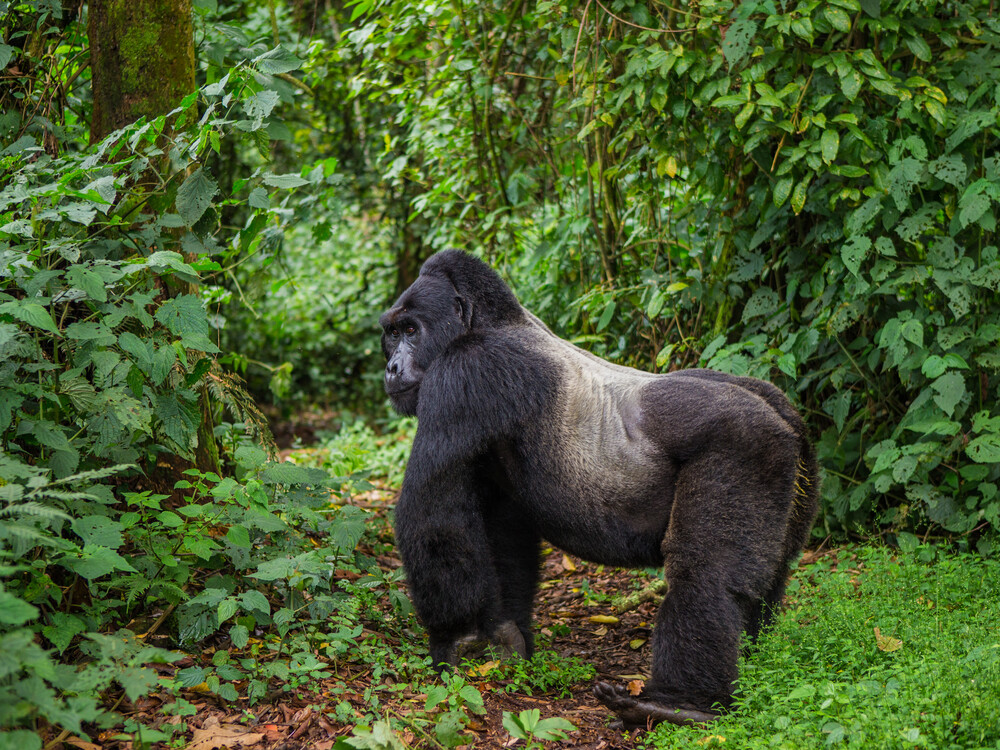
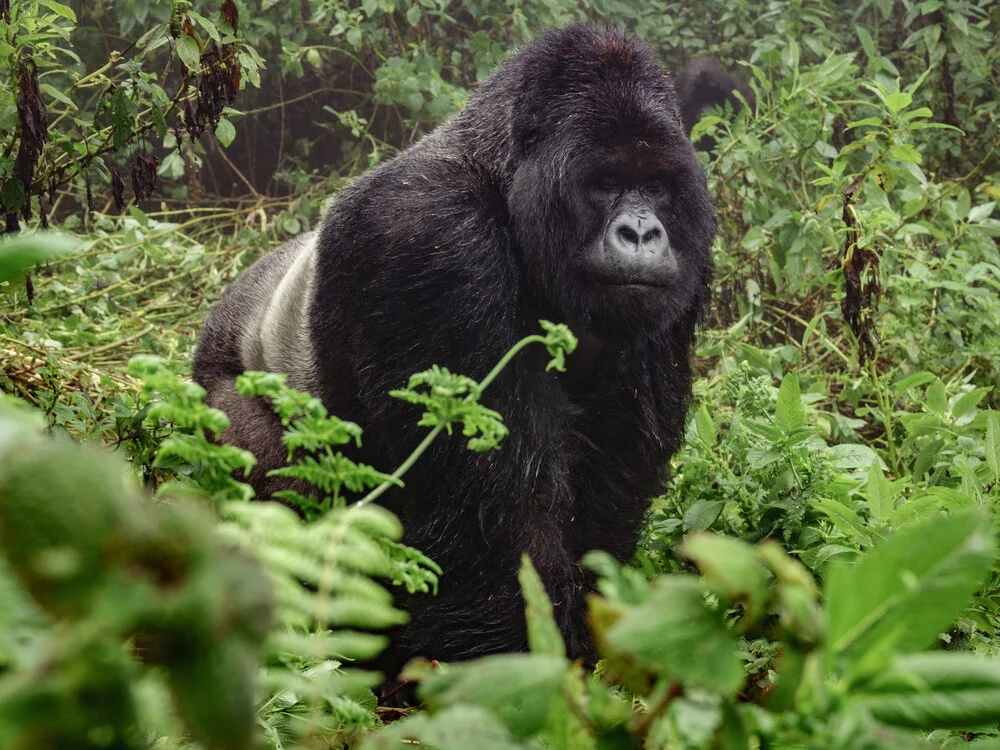
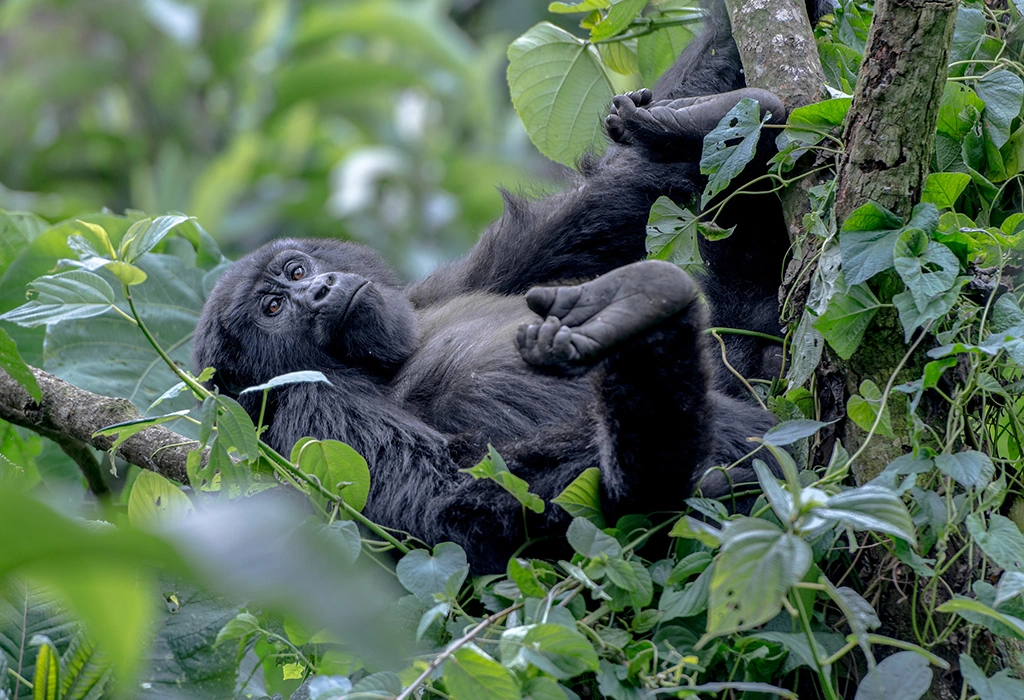
Travellers considering Gorilla Habituation and Gorilla Trekking should assess their fitness realistically and prepare suitable hiking equipment. Waterproof boots, long trousers, protective clothing, drinking water, and a comfortable backpack are useful. Porter assistance may also be arranged to help carry belongings where available. Visitors should communicate relevant mobility concerns before booking so that their itinerary can be planned appropriately.
Why Combine Both Experiences Instead of Choosing Only One?
The main advantage of combining both activities is the opportunity to experience mountain gorilla conservation from two perspectives. Traditional trekking introduces visitors to a family already accustomed to regulated tourism, while habituation provides insight into the careful process of establishing tolerance towards human observation. The longer habituation encounter may also offer more time to appreciate subtle behaviours and changing forest conditions.
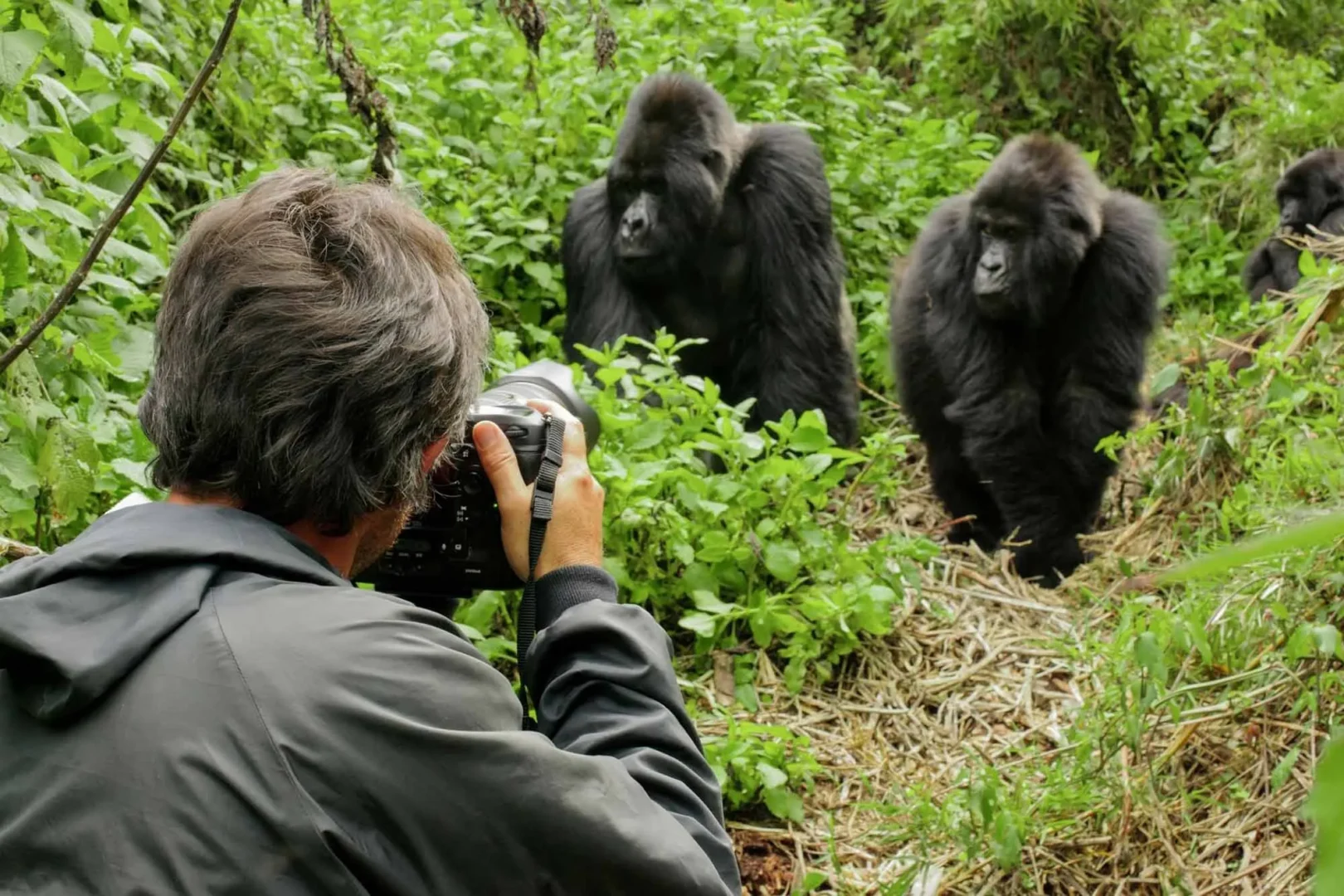
For photographers, Gorilla Habituation and Gorilla Trekking can create additional opportunities to capture different compositions and natural interactions. However, sightings, visibility, and specific behaviours are never guaranteed. The purpose of the combined itinerary is not simply to accumulate photographs but to gain a deeper understanding of endangered mountain gorillas and the conservation work supporting their survival.
Can You Combine Both Gorilla Activities With Other Uganda Safaris?
Yes. A combined gorilla itinerary can form part of a longer Uganda wildlife safari. Travellers may extend their trip to Queen Elizabeth National Park for game drives and wildlife viewing or visit Kibale National Park for chimpanzee tracking. These additions provide opportunities to experience different habitats and wildlife without limiting the journey to Bwindi alone.
A safari combining Gorilla Habituation and Gorilla Trekking with other national parks requires additional travel days and carefully coordinated transport. Visitors should avoid placing demanding activities too close together without allowing sufficient recovery and transfer time. Our Gorilla Habituation and Queen Elizabeth Safari and Eight-Day Uganda Wildlife and Gorilla Habituation Safari provide examples of broader wildlife itineraries.
Frequently Asked Questions About Gorilla Habituation and Gorilla Trekking
Can You Do Gorilla Habituation and Gorilla Trekking on One Safari?
Yes. Both activities can be combined into a single Uganda safari, provided separate permits are secured and the experiences are scheduled on different days.
Can You Do Both Activities in Rushaga?
Yes. Rushaga is a practical location for combining gorilla habituation with standard trekking, subject to permit availability and official group allocation.
How Many Gorilla Permits Are Required?
Two permits are required: one for standard gorilla trekking and another for the specialised gorilla habituation experience.
How Long Can You Stay With the Gorillas?
Standard trekking permits one hour of observation, while the allows up to four hours after reaching the participating family.
Is a Four-Day Combined Gorilla Safari Possible?
Yes. Four days can be sufficient with suitable transport arrangements, confirmed permits, and an efficiently planned itinerary.
Can You Visit Different Gorilla Families?
Yes, this may be possible because the two activities involve different categories of gorilla groups. However, the specific families visited are allocated according to park management arrangements.
Is There a Minimum Age for Both Experiences?
Yes. Visitors must generally be at least 15 years old to participate in mountain gorilla trekking and habituation in Uganda.
Is Photography Allowed During Both Activities?
Yes. Photography is permitted under park regulations, but flash photography is prohibited and visitors must follow ranger instructions.
Should You Book Gorilla Permits Before Accommodation?
It is advisable to confirm permit availability before finalising accommodation and transport because the designated activity dates and entry sectors affect the entire itinerary.
Book Your Combined Gorilla Habituation and Gorilla Trekking Safari
A successful combined safari begins with confirming the availability of both permits and selecting an itinerary that accommodates the different activities comfortably. Travellers should consider their preferred travel dates, arrival destination, accommodation expectations, fitness levels, and whether they want to include other wildlife experiences.
When planning Gorilla Habituation and Gorilla Trekking, careful coordination is particularly valuable because the limited number of daily habituation spaces can affect scheduling. Explore our Gorilla Habituation Safari Tours and Five Days Bwindi Gorilla Habituation for ideas, and request a customised itinerary that includes separate permits for both gorilla encounters.
Conclusion: Is Combining Gorilla Habituation and Gorilla Trekking Worth It?
Combining Gorilla Habituation and Gorilla Trekking is an excellent option for travellers seeking a more comprehensive mountain gorilla experience in Uganda. It offers the opportunity to observe a fully habituated gorilla family during standard trekking and experience the specialised conservation-focused habituation activity on a separate day.
With appropriate planning, confirmed permits, comfortable accommodation, and realistic expectations, visitors can enjoy two distinctive encounters while respecting the regulations protecting endangered mountain gorillas. For wildlife enthusiasts who have sufficient time and are comfortable with forest trekking, combining both activities can become a memorable highlight of an Uganda safari.