

Is Gorilla Habituation Suitable for Seniors? Complete Guide to Age, Fitness, Safety and Accessibility in Uganda
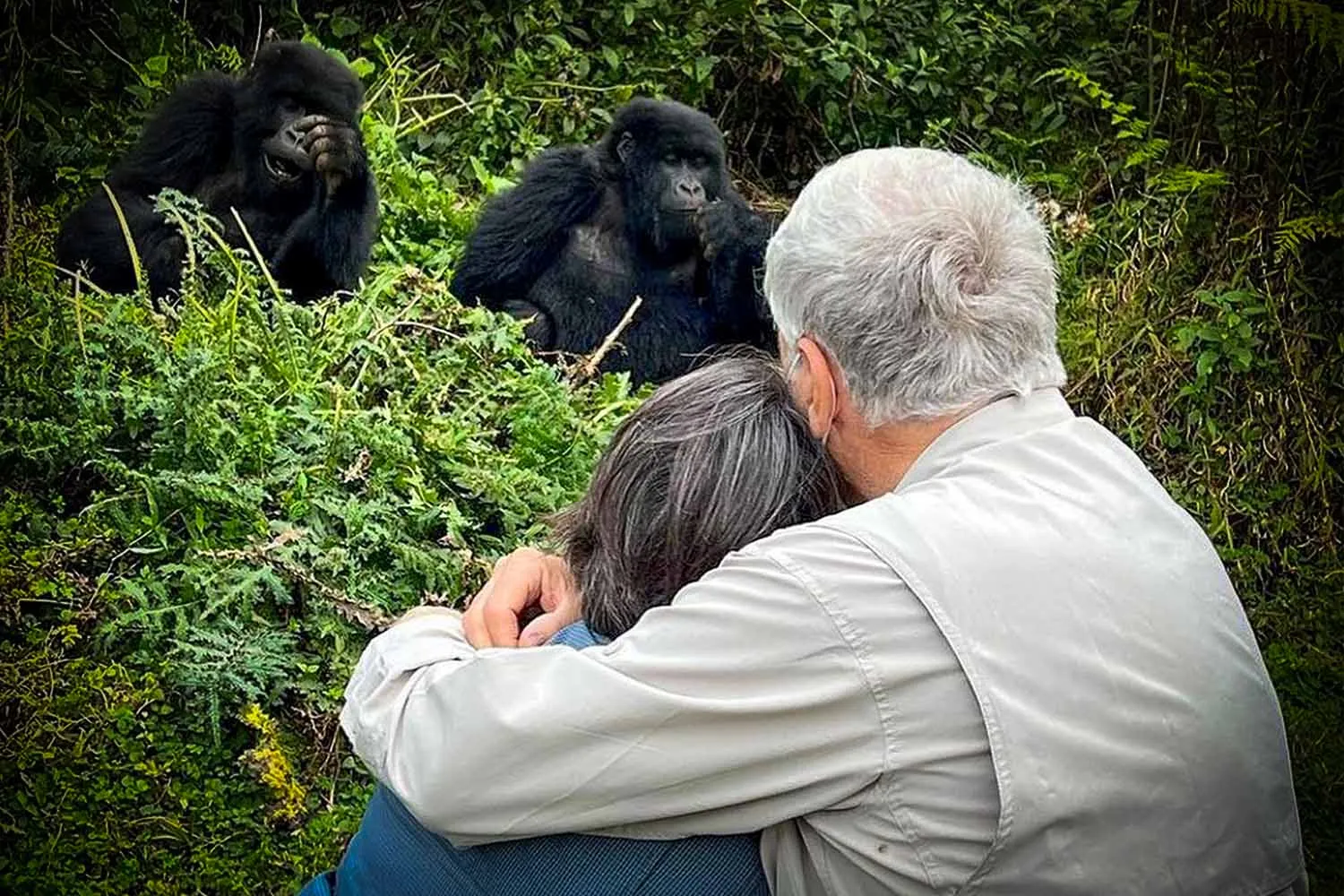
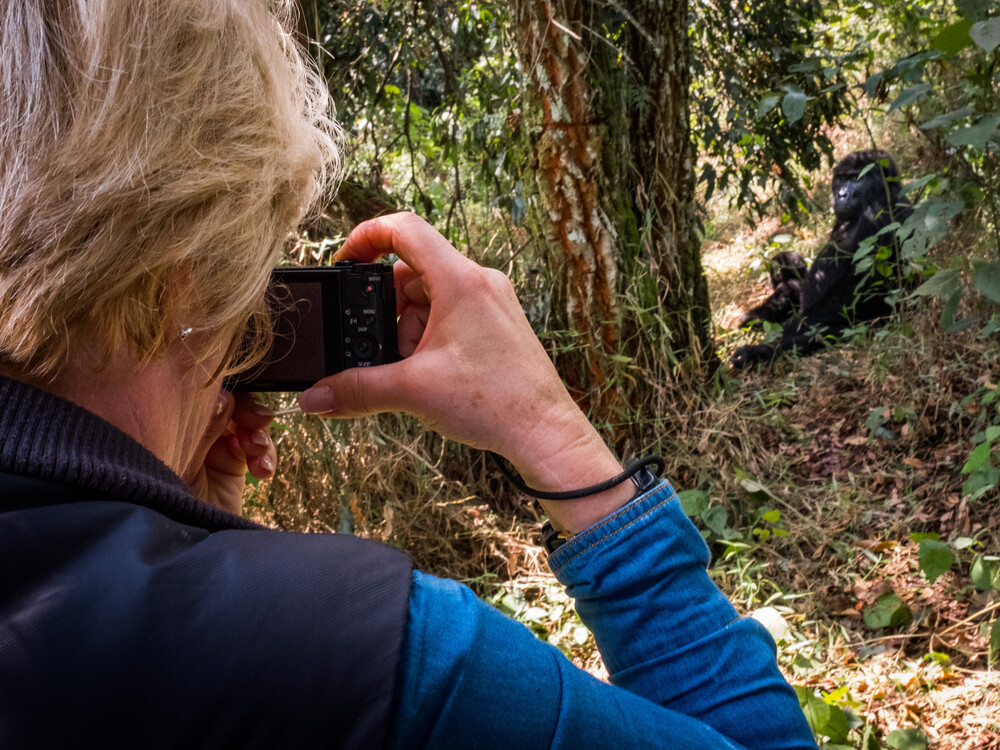
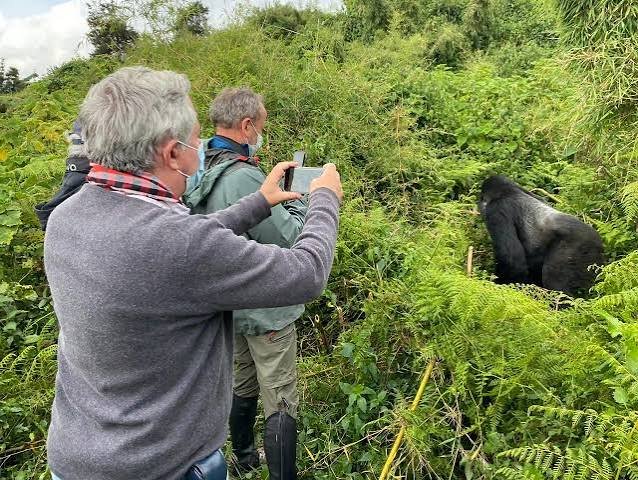
Yes, gorilla habituation can be suitable for seniors who are physically prepared for an extended rainforest trek. Uganda does not establish a maximum age for participating in the gorilla habituation experience, meaning travellers in their 60s, 70s and beyond may be eligible. However, suitability depends on an individual’s health, stamina, balance, mobility and ability to navigate the challenging terrain of Bwindi Impenetrable National Park. Age alone should neither automatically exclude a visitor nor be used as evidence that the activity will be manageable.
Gorilla Habituation for Seniors offers an extraordinary opportunity to observe endangered mountain gorillas during the ongoing process of becoming accustomed to carefully managed human presence. Unlike standard gorilla trekking, which permits a maximum of one hour with a habituated gorilla family, the specialised habituation experience allows up to four hours of observation once the participating family has been located. This additional time provides opportunities to appreciate gorilla behaviour, family relationships and conservation work, although it also creates a longer and potentially more demanding forest experience.
For older travellers, understanding the difference between general eligibility and physical readiness is essential. Some seniors regularly hike mountainous trails and may comfortably manage the experience with minimal assistance. Others may prefer a shorter activity or need additional support because of reduced mobility, joint discomfort or medical concerns. Anyone considering the experience should examine the practical challenges before reserving a permit. Our detailed Gorilla Habituation Experience in Uganda guide explains what visitors can expect from this specialised conservation activity.
This comprehensive guide explores whether gorilla habituation is suitable for older adults, including travellers over 60, 70 and 80. It covers the official age requirements, physical demands, porter assistance, mobility considerations, weather conditions, accommodation choices, medical preparation and alternative wildlife experiences. The objective is to help senior travellers make realistic, informed decisions while preserving the excitement of a once-in-a-lifetime encounter with mountain gorillas.
Is There a Maximum Age Limit for Gorilla Habituation in Uganda?
Uganda Wildlife Authority’s published gorilla tracking and tourism guidelines establish a minimum age of 15 years but do not specify a general maximum age. This means older travellers are not automatically excluded from gorilla habituation simply because they have reached a particular birthday. A healthy, active visitor in their seventies may be better prepared for a demanding forest excursion than a much younger traveller who rarely exercises. Physical capability, medical suitability and willingness to follow conservation instructions are therefore more useful considerations than chronological age alone.
Understanding Gorilla Habituation for Seniors begins with recognising that eligibility does not guarantee an easy experience. Gorilla habituation takes place in a natural rainforest where organisers cannot promise level pathways, short walking distances or predictable return times. Older visitors should discuss any limitations with their safari organiser before purchasing permits. They should also review the official conditions for participating in the activity, including the requirements explained in our Uganda Wildlife Authority gorilla habituation permit guide.
Why Gorilla Habituation Can Be Challenging for Older Travellers
The main challenge associated with gorilla habituation is the physical environment rather than age itself. Bwindi Impenetrable National Park contains densely forested hills, valleys, exposed roots, thick vegetation and steep terrain. Rainfall can make the ground slippery, while uneven surfaces may require careful foot placement and frequent adjustments in balance. Visitors may also encounter sections without clearly defined walking paths, particularly when trackers follow a gorilla family that has moved away from the previous day’s location.

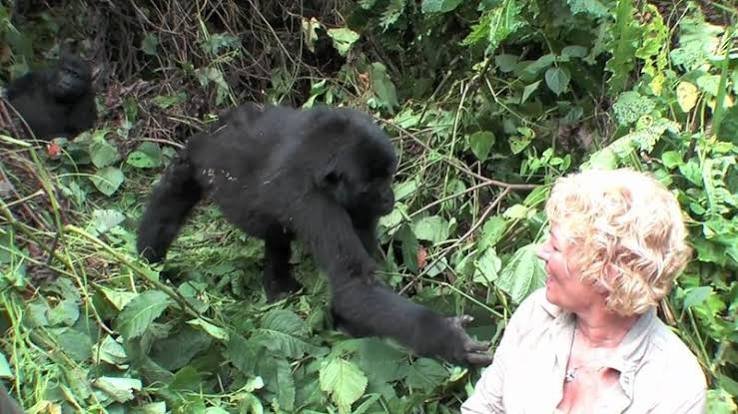
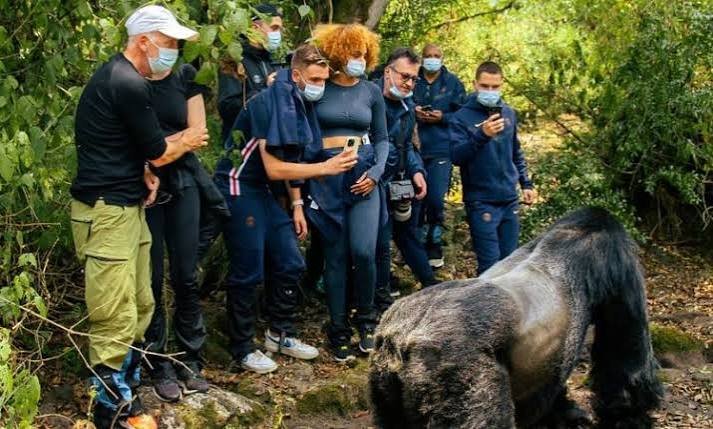
For these reasons, Gorilla Habituation for Seniors requires an honest assessment of walking endurance, strength and confidence on uneven ground. The approach hike can be substantial, and participants may spend extended periods standing or walking during the observation phase. Unlike a conventional nature walk, the route is determined largely by gorilla movements and conservation requirements. Our gorilla habituation trek duration guide provides additional insight into why the total time spent in the forest varies between different days.
Can People Over 60 Participate in Gorilla Habituation?
Many travellers over 60 remain physically active and enjoy hiking, wildlife photography and outdoor exploration. For an older adult who regularly walks long distances, maintains reasonable cardiovascular fitness and is comfortable navigating slopes, gorilla habituation may be a realistic adventure. The experience is particularly appealing to retirees who have more time to appreciate wildlife conservation and prefer immersive activities rather than brief sightseeing stops.
Nevertheless, Gorilla Habituation for Seniors should never be treated as automatically suitable for everyone over 60. Two travellers of the same age can have very different levels of endurance and mobility. Someone who comfortably walks for several hours on hilly terrain may be well prepared, while a person who struggles with short uphill walks may find the rainforest considerably more demanding. The most useful approach is to evaluate current fitness, obtain medical advice where appropriate and plan sufficient rest around the safari.
Is Gorilla Habituation Possible for Visitors Over 70?
Gorilla habituation may be possible for travellers over 70 who remain physically capable of completing the activity. Many older adults continue to enjoy active holidays, nature walks and mountain hiking well into their seventies. However, the additional observation time during habituation makes it important to distinguish between an individual’s desire to see mountain gorillas and their capacity to manage an extended outing in a remote forest environment.
When planning Gorilla Habituation for Seniors over 70, travellers should discuss their normal walking capacity, balance, joint health and ability to recover after exertion. The presence of experienced guides and porters can improve comfort, but it does not eliminate the physical demands of the activity. Older visitors with uncertainty about their endurance may prefer to consider standard gorilla trekking, which has a shorter viewing period. Our gorilla habituation trekking tours provide useful background for comparing different ways to experience Uganda’s mountain gorillas.
Can an 80-Year-Old Do Gorilla Habituation in Bwindi?
An 80-year-old is not automatically excluded by a published maximum-age rule, but participation requires especially careful individual consideration. Some people in their eighties remain remarkably active, while others may have mobility limitations or health conditions that make extended forest trekking unsuitable. It would be misleading to promise that gorilla habituation is accessible to every visitor simply because no upper age limit is specified.
For travellers in this age group, Gorilla Habituation for Seniors should be assessed through a combination of medical advice, realistic physical evaluation and direct consultation with the safari organiser. Travellers should describe their abilities accurately, including whether they can walk uphill, descend uneven paths and remain active for several hours. If the activity appears too demanding, standard gorilla trekking with verified accessibility support or another wildlife experience may provide a more comfortable and responsible alternative.
How Physically Fit Must a Senior Be for Gorilla Habituation?
A senior considering gorilla habituation should ideally be comfortable walking for several hours on uneven and sometimes steep ground. Good balance, reasonable leg strength, cardiovascular endurance and the ability to recover after physical exertion are particularly valuable. Participants should be prepared for both uphill and downhill sections, as descending slippery slopes can sometimes place considerable strain on knees and ankles.
The physical demands of Gorilla Habituation for Seniors also extend beyond reaching the animals. After the gorilla family is located, visitors may need to remain standing, change viewing positions or follow the group’s movements under ranger supervision. The return journey still has to be completed after the observation period. Seniors should therefore evaluate their endurance across a full day rather than considering only the initial walk. Appropriate preparation can help, but it cannot make unpredictable rainforest terrain completely risk-free.
How Long Does Gorilla Habituation Take for Senior Travellers?
Gorilla habituation is an extended wildlife activity. The Uganda Wildlife Authority permits a maximum of four hours of gorilla observation once visitors reach the participating family. This allowance is separate from the time required to walk into the forest and return to the briefing area. Consequently, the complete experience may occupy much of the day, depending on the animals’ movements, weather and terrain.
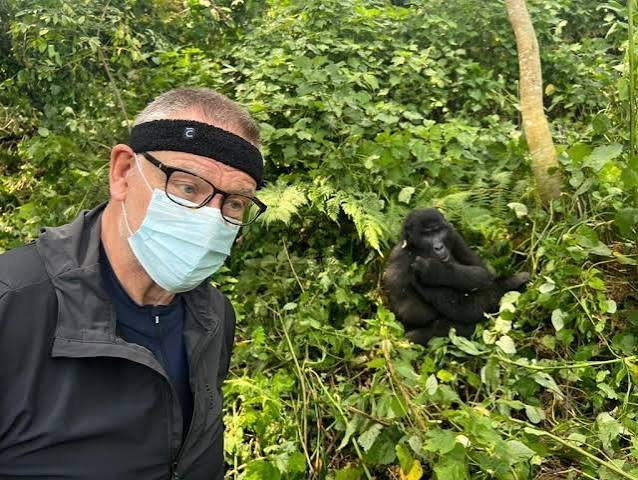
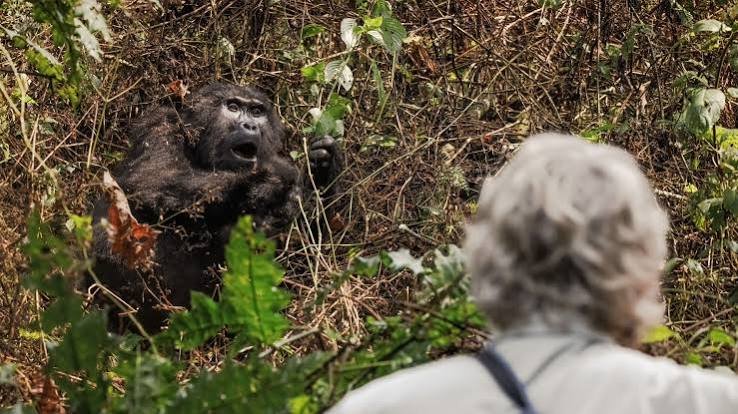
For Gorilla Habituation for Seniors, this distinction is especially important. Four hours is the maximum permitted observation period, not a guarantee that the entire excursion will last only four hours or that all four hours will be achieved. The responsible conservation team determines how the encounter proceeds. Senior travellers should be ready for a variable schedule, pack sufficient supplies and avoid arranging demanding activities immediately afterward. Visitors can learn more about the Bwindi gorilla habituation experience before deciding whether the duration suits their expectations.
Where Does Gorilla Habituation for Seniors Take Place?
The specialised gorilla habituation experience is undertaken in the Rushaga sector of Bwindi Impenetrable National Park in southwestern Uganda. Rushaga is known for its mountainous rainforest habitat and its role in mountain gorilla conservation. Visitors travel to the designated briefing location before entering the forest with authorised personnel involved in tracking and habituation activities.
Although Rushaga is a well-established gorilla tourism area, it should not be described as uniformly easy or accessible. Gorilla Habituation for Seniors takes place in terrain where the difficulty of each day’s activity depends on the location and movements of the participating gorilla family. A route that is manageable on one occasion may be considerably more demanding on another. Senior travellers should therefore request accurate information about the Rushaga gorilla habituation access arrangements rather than assuming that all trekking routes offer similar conditions.
Can Seniors Hire a Porter During Gorilla Habituation?
Yes. Local porters can generally be arranged to help visitors carry personal belongings and provide practical assistance on difficult sections of the trail. Porter services are especially useful for senior travellers because reducing the weight of a backpack can make climbing and descending forest slopes more manageable. Even visitors who are confident walkers may appreciate having assistance available when the terrain becomes wet, muddy or uneven.
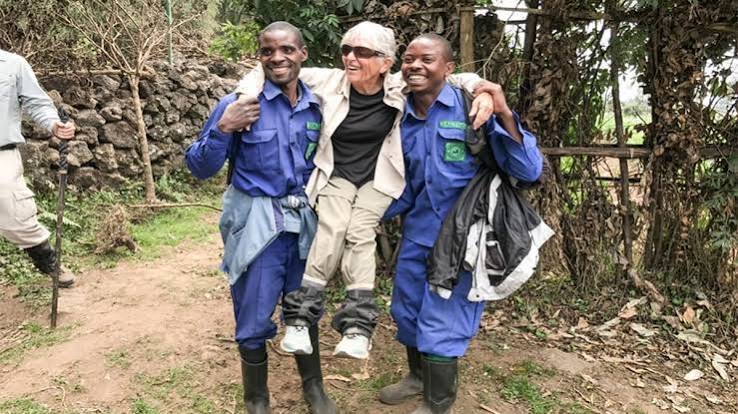
For Gorilla Habituation for Seniors, a porter can improve comfort and reduce unnecessary physical strain, but porter assistance should not be confused with a guarantee that an unsuitable participant can safely complete the activity. A porter cannot eliminate steep terrain, unpredictable walking distances or the need to follow the conservation team’s instructions. Seniors should discuss their mobility needs honestly and arrange appropriate assistance before the trekking day. Hiring local porters also helps generate income for communities surrounding Bwindi.
Are Sedan Chairs or Stretchers Available for Gorilla Habituation?
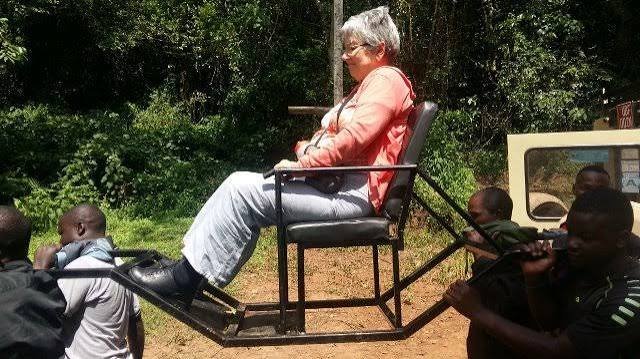
Porter-carried sedan chairs and stretcher-style transport arrangements are used in some conventional gorilla trekking operations in Bwindi to assist visitors who cannot walk the full route. However, senior travellers should not assume that these services are automatically available, authorised or practical for the specialised gorilla habituation experience. Habituation may involve longer movement with conservation personnel and different operational conditions from standard trekking.
Anyone considering Gorilla Habituation for Seniors with significant mobility limitations should obtain specific confirmation about accessibility support before booking. The organiser should verify the requested arrangements with the responsible park personnel, including whether assisted transport can be provided for the actual habituation activity. If an appropriate arrangement cannot be confirmed, conventional gorilla trekking may be a more realistic choice. It is better to make this distinction before purchasing permits than to discover on the trekking morning that the required assistance is unavailable.
Is Gorilla Habituation More Difficult Than Standard Gorilla Trekking?
Gorilla habituation is often more demanding than standard gorilla trekking because it involves a longer permitted observation period and participation in an ongoing conservation process. A conventional gorilla trek involves locating a fully habituated family and observing it for a maximum of one hour. Gorilla habituation, by comparison, provides up to four hours with a participating family that is still becoming accustomed to carefully managed human presence.
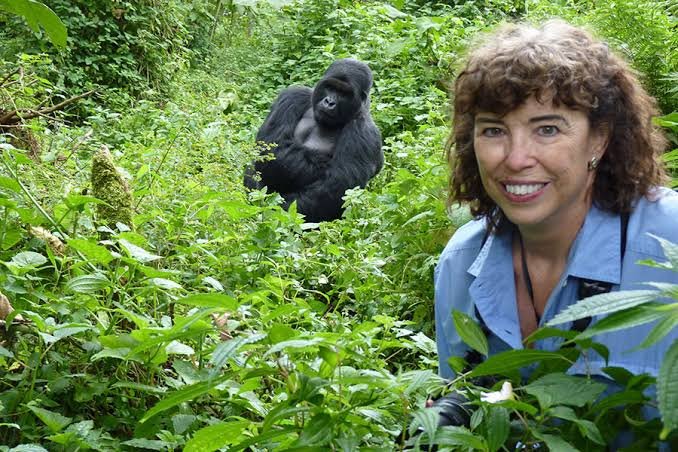
For some visitors, Gorilla Habituation for Seniors offers exceptional value because the extended encounter allows more time for observation and photography. However, the longer activity should be considered carefully by anyone with limited endurance. Standard trekking may provide a more appropriate alternative for older adults seeking a shorter wildlife encounter, although even standard gorilla trekking can involve demanding hikes. Travellers can compare experiences through our gorilla habituation safari tours before selecting their preferred activity.
What Health Precautions Should Seniors Take Before Booking?
Senior travellers should evaluate their health and physical readiness well before travelling to Bwindi. Anyone with a significant cardiovascular or respiratory condition, reduced mobility, joint problems, or recent surgery should consult an appropriately qualified healthcare professional about undertaking a demanding forest hike. This discussion is particularly important because the rainforest setting can be remote, and immediate access to advanced medical care may be limited.
Planning Gorilla Habituation for Seniors also involves preparing an appropriate supply of prescribed medication, keeping essential medicines accessible and understanding personal medical limitations. Travellers should avoid making assumptions that a particular condition automatically prevents participation or that a doctor’s approval guarantees success on the trail. Instead, medical guidance should be combined with an honest description of the terrain and expected activity. Travel organisers should be informed of relevant practical requirements so they can assess whether suitable arrangements are possible.
How Does Bwindi’s Altitude Affect Older Travellers?
Bwindi is situated in a mountainous landscape at elevations considerably higher than many visitors’ home environments. Walking uphill at altitude can increase the perceived effort of physical activity, particularly when combined with humid conditions and difficult terrain. Although the park’s altitude is not equivalent to that of the world’s highest trekking mountains, visitors who are unaccustomed to hills may still become tired more quickly than expected.
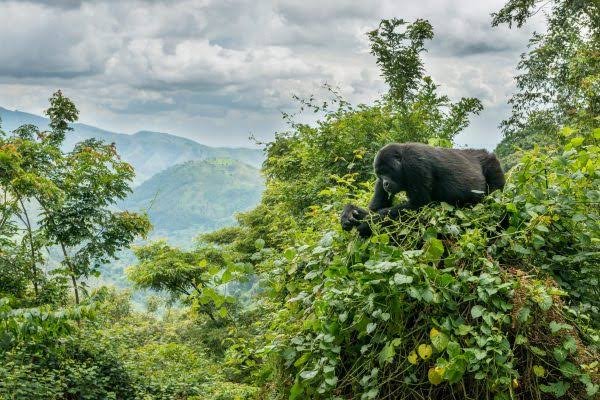
For Gorilla Habituation for Seniors, gradual preparation and adequate rest before the trek can be valuable. Seniors who live at low elevations should avoid assuming that their normal walking routine will feel identical in the forest. Those with respiratory or cardiovascular concerns should seek individual medical guidance. Planning a comfortable night near the departure point, drinking sufficient water and walking at a sustainable pace may help visitors manage the demands of the activity more effectively.
What Happens if a Senior Becomes Tired During Gorilla Habituation?
Fatigue can occur during any prolonged wilderness activity, especially where trails are steep, wet or uneven. A senior visitor who becomes unusually tired should inform the ranger or responsible guide promptly rather than attempting to conceal the problem. The team can assess the circumstances and determine what assistance or changes are appropriate, subject to safety and conservation requirements.
It is important to understand that Gorilla Habituation for Seniors does not come with a guaranteed shortened route or a guaranteed opportunity to reach the gorillas after a participant becomes exhausted. Depending on the circumstances, a visitor may need to stop or return without completing the intended experience. Families and travelling companions should therefore avoid pressuring older participants to continue beyond their abilities. Prior preparation, honest communication and porter assistance can reduce some difficulties, but the visitor’s well-being must remain the priority.
What Should Seniors Wear for Gorilla Habituation?
Appropriate clothing can significantly improve comfort during a long forest excursion. Senior travellers should wear supportive, well-fitted hiking boots with dependable traction, long trousers, a long-sleeved shirt and a lightweight waterproof outer layer. Hiking boots should be comfortable before departure because unfamiliar footwear can cause blisters and make walking over difficult ground unnecessarily painful. Protective clothing also helps reduce irritation from vegetation and contact with insects.
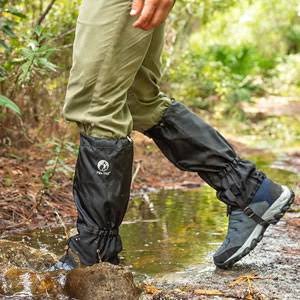
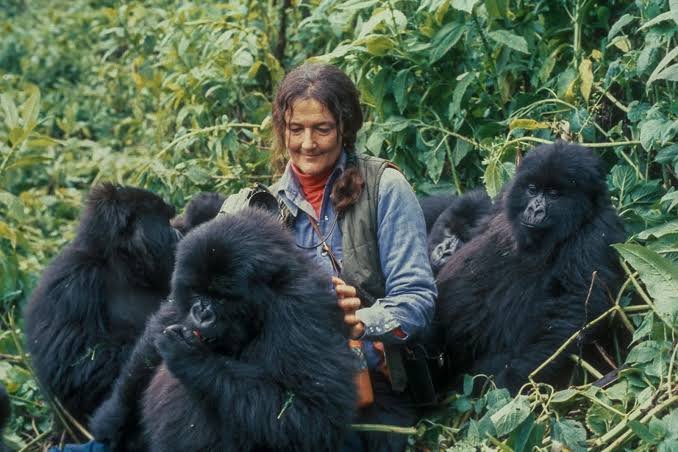
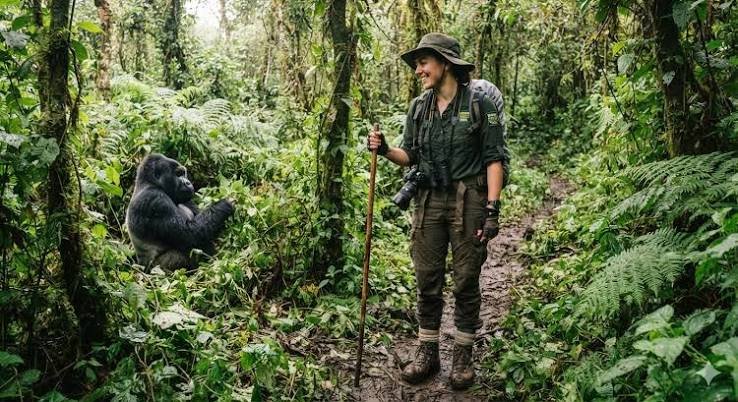
Packing appropriately for Gorilla Habituation for Seniors involves balancing protection with ease of movement. Heavy clothing and overloaded backpacks may create additional fatigue, while insufficient rain protection can leave visitors uncomfortable in wet conditions. Trekking gloves, suitable socks, a hat and an appropriately selected walking pole may be useful, subject to ranger instructions. Seniors should choose clothing that is easy to adjust and does not restrict movement, especially when stepping over roots or negotiating steep slopes.
What Is the Best Season for Senior Gorilla Habituation?
Uganda’s relatively dry periods, commonly around June to August and December to February, are often preferred by visitors seeking more comfortable trekking conditions. During these months, some forest paths may be less muddy than during wetter periods. However, Bwindi is a tropical rainforest, and rainfall can occur throughout the year. Even during favourable travel months, no operator can guarantee dry ground or an easy approach to the gorillas.
For Gorilla Habituation for Seniors, the choice of season should consider both the visitor’s physical capabilities and tolerance for slippery conditions. Travellers who have concerns about balance or knee stability may prefer to avoid periods when heavy rain is more likely, while recognising that conditions remain unpredictable. The best travel date is one that combines suitable permit availability, adequate preparation and a realistic understanding of the local weather. Our gorilla habituation Uganda safari routes can help visitors consider different travel arrangements.
How Should Seniors Prepare Physically Before Travelling?
Preparation can begin several weeks or months before departure, depending on the individual’s starting fitness level and medical circumstances. Regular walking, gradual hill practice and appropriate strengthening activities can help build confidence and endurance. Older travellers may also benefit from practising on uneven surfaces and becoming familiar with the footwear they intend to use during the safari. Any exercise programme should be suitable for the individual and adjusted according to professional medical advice where necessary.
The purpose of preparation for Gorilla Habituation for Seniors is not to achieve athletic performance but to become more comfortable with prolonged activity. A traveller who can comfortably manage hilly walks, maintain balance and recover reasonably after exertion may be better prepared for the uncertainties of the forest. Preparation should also include learning the park’s safety rules, understanding the expected duration and discussing personal limitations with the organiser.
What Accommodation Is Best for Seniors Near Rushaga?
Accommodation selection is an important part of planning a comfortable gorilla habituation safari. Lodges near Rushaga can reduce travel time on the morning of the activity, allowing visitors to begin the day without an unnecessarily long road transfer. However, proximity to the briefing point is only one consideration. Some forest lodges are built on steep hillsides with numerous steps between rooms, dining areas and communal facilities.


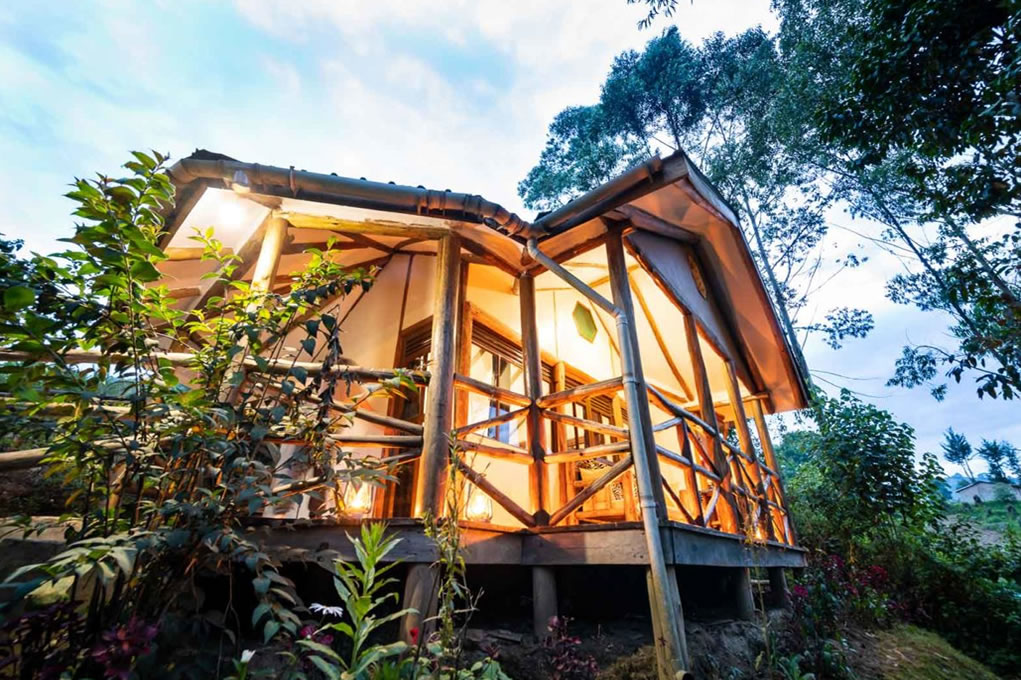
When arranging Gorilla Habituation for Seniors, travellers should ask about room access, stairs, bathroom safety, bed comfort and the distance between accommodation facilities. They may also prefer lodges with accessible ground-level rooms, reliable transport arrangements and staff who can assist with luggage. Such features should be confirmed directly because a property’s description as luxurious does not necessarily mean it is suitable for travellers with mobility difficulties. Visitors can explore our luxury lodges for gorilla habituation in Uganda while checking individual accessibility requirements.
Is It Better for Seniors to Travel From Kigali or Entebbe?
Both Kigali and Entebbe can be used as starting points for a gorilla habituation safari in Uganda. Kigali is often attractive for travellers planning a relatively short visit to southern Bwindi, while Entebbe is convenient for visitors combining habituation with other destinations throughout Uganda. The most appropriate starting point depends on flight connections, road travel preferences, border requirements and the overall safari itinerary.
For Gorilla Habituation for Seniors, avoiding unnecessary travel fatigue is particularly important. Long road journeys immediately before or after a demanding forest activity may be uncomfortable for some older visitors. Where appropriate and operationally available, domestic flights combined with private road transfers can reduce time spent travelling overland. Seniors considering alternative arrival arrangements can review our Rushaga from Entebbe guide and three-day luxury gorilla habituation safari from Kigali.
Are Domestic Flights Helpful for Senior Gorilla Habituation Safaris?
Domestic air transfers can be useful for seniors who prefer to minimise lengthy road journeys. Depending on flight schedules and the chosen safari arrangements, travellers may be able to fly towards southwestern Uganda and continue by road to their accommodation near Bwindi. This approach can make an itinerary feel less tiring, particularly for visitors who experience discomfort during prolonged periods of sitting in a vehicle.


However, Gorilla Habituation for Seniors should not be presented as physically easy simply because the journey to the park includes a flight. An air transfer reduces part of the travel burden but does not change the rainforest terrain or the demands of the habituation activity. Visitors should also consider luggage restrictions, transfer times and accessibility at smaller airstrips. The most suitable itinerary balances transport comfort with adequate rest before the forest excursion.
Can Seniors Enjoy Gorilla Photography During Habituation?
Gorilla habituation can be particularly rewarding for older wildlife photographers because the extended observation allowance creates opportunities to watch behaviour more patiently. Visitors may observe grooming, feeding, resting and family interactions while learning about conservation work from the accompanying personnel. The experience can appeal to photographers who prefer taking time to understand an animal’s behaviour rather than focusing solely on obtaining a quick photograph.
For Gorilla Habituation for Seniors, photography equipment should be selected with the physical demands of the trek in mind. Heavy camera bags, multiple lenses and complicated accessories can become tiring during a long walk, even when a porter assists with carrying equipment. A manageable camera and versatile lens may be more practical than a large collection of equipment. Flash photography is prohibited, and visitors must follow all ranger instructions regarding distance and movement. Our best camera for gorilla habituation safari guide provides additional considerations for preparing photographic equipment.
What Safety Rules Must Senior Travellers Follow?
All visitors participating in gorilla habituation must follow the conservation team’s instructions, regardless of their age or previous wildlife experience. Mountain gorillas remain wild animals, even when they become accustomed to the presence of people. Visitors should remain calm, avoid sudden movements, maintain the distance required by park personnel and never attempt to touch or approach the animals independently. Eating, drinking and other prohibited behaviour near gorillas must also be avoided.
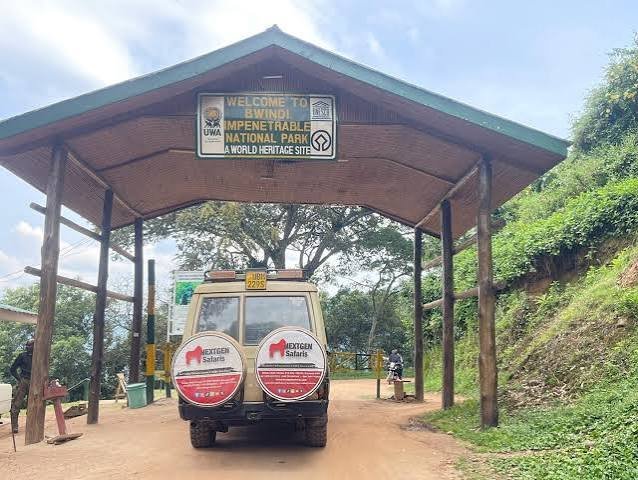
An important consideration for Gorilla Habituation for Seniors is that the encounter may require participants to adjust their position or respond promptly to changing circumstances. Anyone with limitations that could make such movement difficult should discuss those concerns in advance. Visitors should also avoid entering the forest with potentially infectious symptoms that could endanger the gorillas. Responsible behaviour supports both personal safety and the long-term protection of endangered mountain gorillas.
Is Travel Insurance Necessary for Older Gorilla Habituation Visitors?
Comprehensive travel insurance is strongly recommended for seniors planning a physically demanding wildlife safari. Policies should be reviewed carefully because some insurers impose age-related conditions, exclude particular medical circumstances or limit coverage for trekking activities. Travellers should verify whether their intended activity is covered and whether emergency medical treatment, evacuation and necessary changes to travel arrangements are included under the policy.
For Gorilla Habituation for Seniors, insurance planning should begin before finalising non-refundable arrangements. Visitors should accurately disclose relevant medical conditions and obtain written clarification from their insurer when the policy wording is unclear. Carrying insurance details, emergency contact information and a list of essential medication can also be useful during the journey. Insurance does not replace medical preparation or appropriate safety decisions, but it forms an important part of responsible travel planning.
Should Seniors Choose Gorilla Habituation or a Shorter Gorilla Trek?
Choosing between habituation and standard trekking requires understanding what the traveller values most. Someone who is physically active, interested in conservation research and eager to spend an extended period observing mountain gorillas may find habituation particularly rewarding. Conversely, a visitor who wants to encounter gorillas but is uncertain about prolonged activity may prefer conventional trekking because its permitted observation period is shorter.
The decision about Gorilla Habituation for Seniors should not be based entirely on the assumption that standard trekking is always easy. Both activities take place in challenging rainforest environments, and the approach walk for a standard trek can also be long. Nevertheless, conventional trekking generally offers more options for selecting between available trekking arrangements, and certain assisted-access services may be more readily organised. An informed decision should consider fitness, mobility, conservation interests and the actual support available on the chosen date.
Can Gorilla Habituation Be Combined With a Comfortable Uganda Safari?
Yes. Older travellers may combine their Bwindi experience with game drives, scenic destinations and comfortable lodge stays elsewhere in Uganda. Queen Elizabeth National Park is a popular complement to a gorilla safari because much of its wildlife viewing can take place from safari vehicles. Visitors may also enjoy the scenery of Lake Bunyonyi or other destinations that provide opportunities for relaxation between activities.
When planning Gorilla Habituation for Seniors, a balanced itinerary is often preferable to a rushed schedule. Travellers should allow adequate recovery after the forest excursion and avoid combining several physically demanding activities on consecutive days unless they are comfortable doing so. Our gorilla habituation and Queen Elizabeth safari, five-day Bwindi gorilla habituation safari and eight-day Uganda wildlife and gorilla habituation safari offer ideas for combining different wildlife experiences.
How Can Seniors Book a Suitable Gorilla Habituation Safari?
The first step is to decide whether the activity is appropriate for the traveller’s physical abilities and medical circumstances. Seniors should then discuss their preferred travel dates, expected walking capacity, accommodation needs and any required support with an experienced safari organiser. This information helps determine whether gorilla habituation is a realistic choice and whether additional practical arrangements may be necessary.
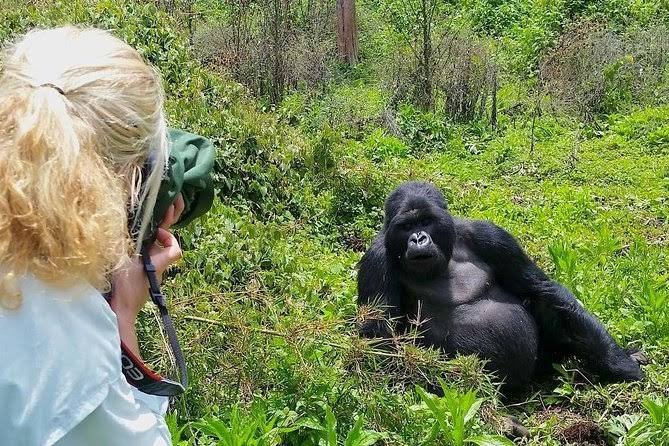
Booking Gorilla Habituation for Seniors should also involve confirming permit availability, the designated access point and any specific accessibility support being requested. Travellers should never rely on unverified promises that the gorilla family will be close to the trailhead or that a carrying chair will automatically be available. If the proposed arrangements cannot adequately accommodate the visitor, an alternative activity may provide a better experience. Our gorilla habituation permit guide explains the importance of organising the correct permit before finalising the safari.
Frequently Asked Questions About Gorilla Habituation for Seniors
1. Is Gorilla Habituation Suitable for Seniors?
Yes, it can be suitable for healthy, physically active seniors who are comfortable undertaking a potentially long and demanding rainforest trek.
2. Is There a Maximum Age for Gorilla Habituation in Uganda?
Uganda Wildlife Authority’s published guidelines do not specify a general maximum age. Suitability depends on the visitor’s circumstances and ability to participate safely.
3. Can a 70-Year-Old Do Gorilla Habituation?
Yes, a physically capable 70-year-old may participate, provided they meet the applicable requirements and are prepared for the terrain.
4. Can an 80-Year-Old Participate in Gorilla Habituation?
An 80-year-old is not automatically excluded by age, but medical suitability, stamina, mobility and the demands of the activity require careful assessment.
5. Is Gorilla Habituation Harder Than Gorilla Trekking?
It is often more demanding because the observation period is longer and the experience involves a family undergoing habituation. The difficulty of the approach walk varies.
6. Can Seniors Hire Porters During Gorilla Habituation?
Yes. Porter assistance can generally be arranged to carry belongings and provide practical support on difficult forest trails.
7. Can Seniors Use a Sedan Chair During Gorilla Habituation?
Do not assume so. Assisted carrying arrangements used for standard trekking should be specifically verified for the habituation experience before booking.
8. How Long Does Gorilla Habituation Last?
The permitted gorilla observation period is up to four hours, excluding the time required to reach the animals and return from the forest.
9. Is Gorilla Habituation Safe for Seniors With Medical Conditions?
Suitability depends on the condition and the individual. Travellers with significant medical concerns should obtain personalised medical advice and discuss the activity’s demands with their organiser.
10. What Is the Best Month for Senior Gorilla Habituation?
The relatively dry months can provide more comfortable trekking conditions, although rainfall and slippery terrain remain possible throughout the year.
11. Should Seniors Stay Near Rushaga?
Yes, staying near the departure point may reduce travel fatigue on the trekking morning. Lodge accessibility should also be checked.
12. Are Domestic Flights Available for Senior Safari Travellers?
Domestic flights may be included in suitable itineraries, subject to route availability and schedules. Road transfers are still required for reaching accommodation near Bwindi.
13. Is Standard Gorilla Trekking Better for Less Active Seniors?
It may be a more appropriate alternative because the gorilla observation period is shorter and some assisted-access arrangements may be available. The forest approach can still be difficult.
14. Can Seniors Take Photographs During Gorilla Habituation?
Yes. Visitors can take photographs while respecting park rules, maintaining required distances and avoiding flash photography.
15. Is Gorilla Habituation Worth It for Senior Travellers?
For older travellers who are physically prepared and interested in an extended conservation-focused experience, gorilla habituation can be exceptionally rewarding.
Book a Gorilla Habituation Safari Designed Around Your Needs
Every senior traveller has different expectations, interests and physical abilities. Some visitors want an adventurous forest experience with extended opportunities for wildlife observation, while others prefer a comfortable safari that includes mountain gorillas without unnecessary physical strain. The most successful itinerary is one that reflects the traveller’s actual capabilities rather than making assumptions based on age.
If you are considering Gorilla Habituation for Seniors, begin by discussing your mobility, walking experience, accommodation preferences and preferred travel dates. Appropriate planning can help you determine whether the extended habituation experience is right for you or whether standard gorilla trekking would be a better alternative.
Explore our gorilla habituation safari packages, luxury accommodation options in Bwindi and gorilla habituation itineraries to begin planning a responsible Uganda wildlife adventure.
Conclusion: Is Gorilla Habituation Suitable for Seniors?
Gorilla Habituation for Seniors is possible, but it is not automatically suitable for every older traveller. Uganda Wildlife Authority’s published guidelines do not establish a general maximum age, allowing physically capable seniors to consider the experience. However, the demanding terrain, variable trekking duration and extended gorilla observation period make health, stamina, balance and mobility more important considerations than age alone.
For active travellers in their sixties, seventies and beyond, gorilla habituation can provide a remarkable opportunity to observe endangered mountain gorillas while gaining an appreciation of conservation work in Bwindi Impenetrable National Park. Thoughtful preparation, appropriate equipment, porter assistance where needed, suitable accommodation and realistic expectations can make the experience more comfortable.
For visitors with significant mobility limitations or concerns about prolonged hiking, standard gorilla trekking or other suitable safari activities may be preferable. The best decision is one that respects the visitor’s abilities, the conservation requirements and the unpredictable nature of the rainforest.
With careful planning, Gorilla Habituation for Seniors can become an unforgettable part of a Uganda safari, offering a meaningful encounter with mountain gorillas while placing safety, comfort and responsible tourism at the centre of the journey.