

Which Location in Uganda Offers Gorilla Habituation?
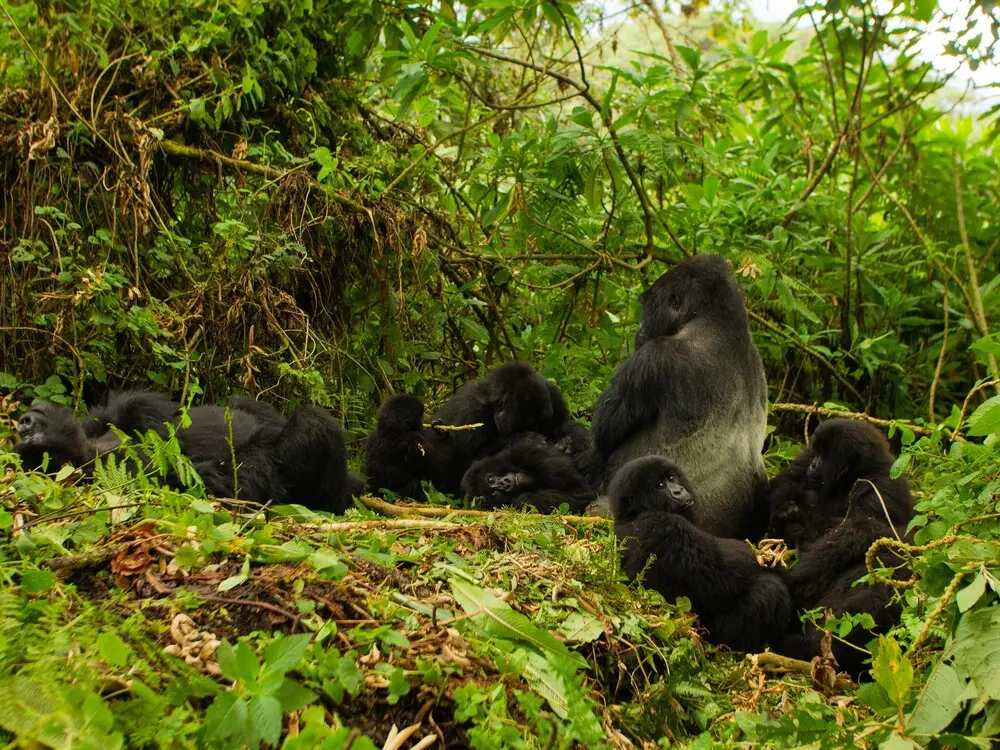
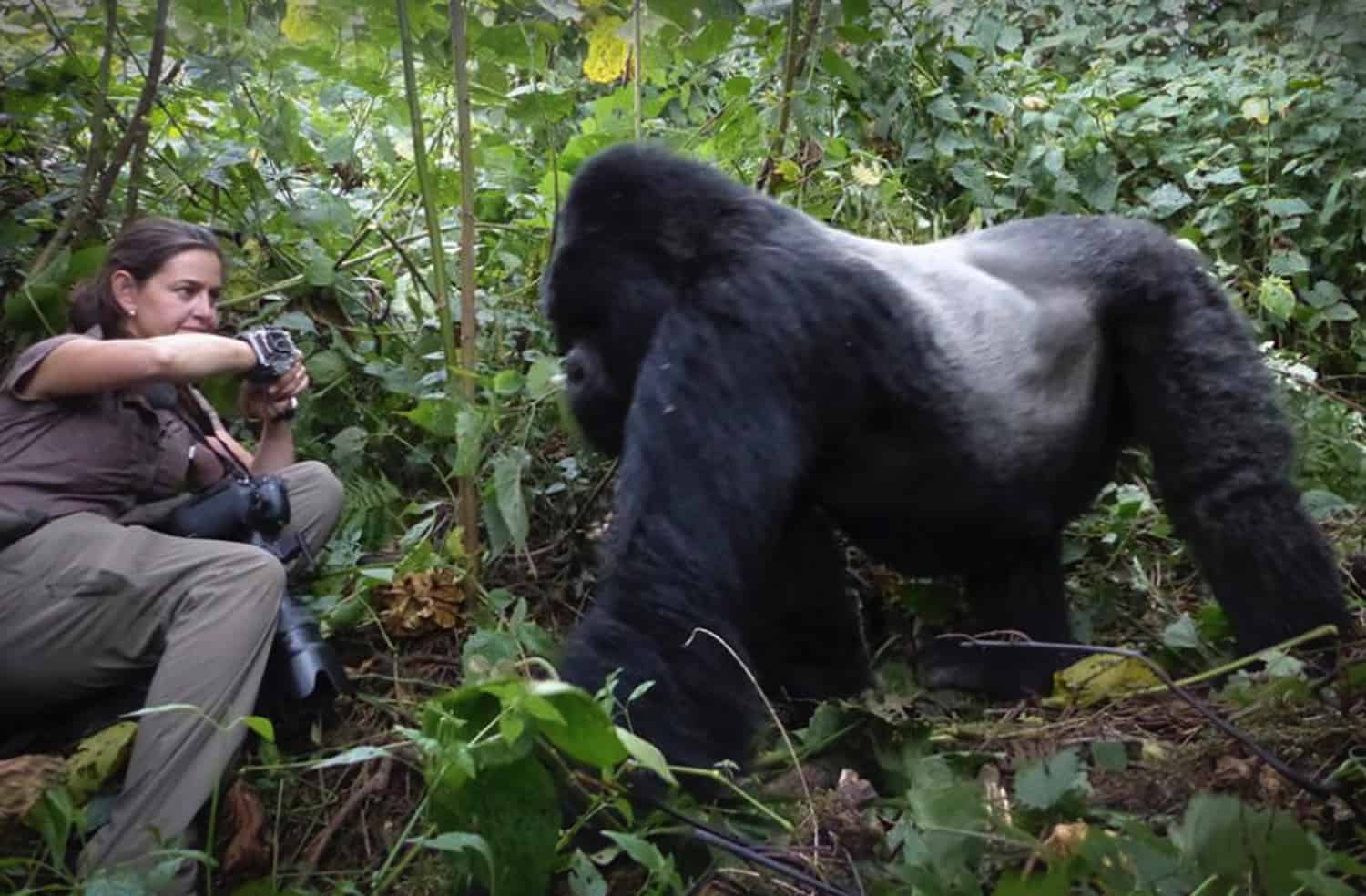
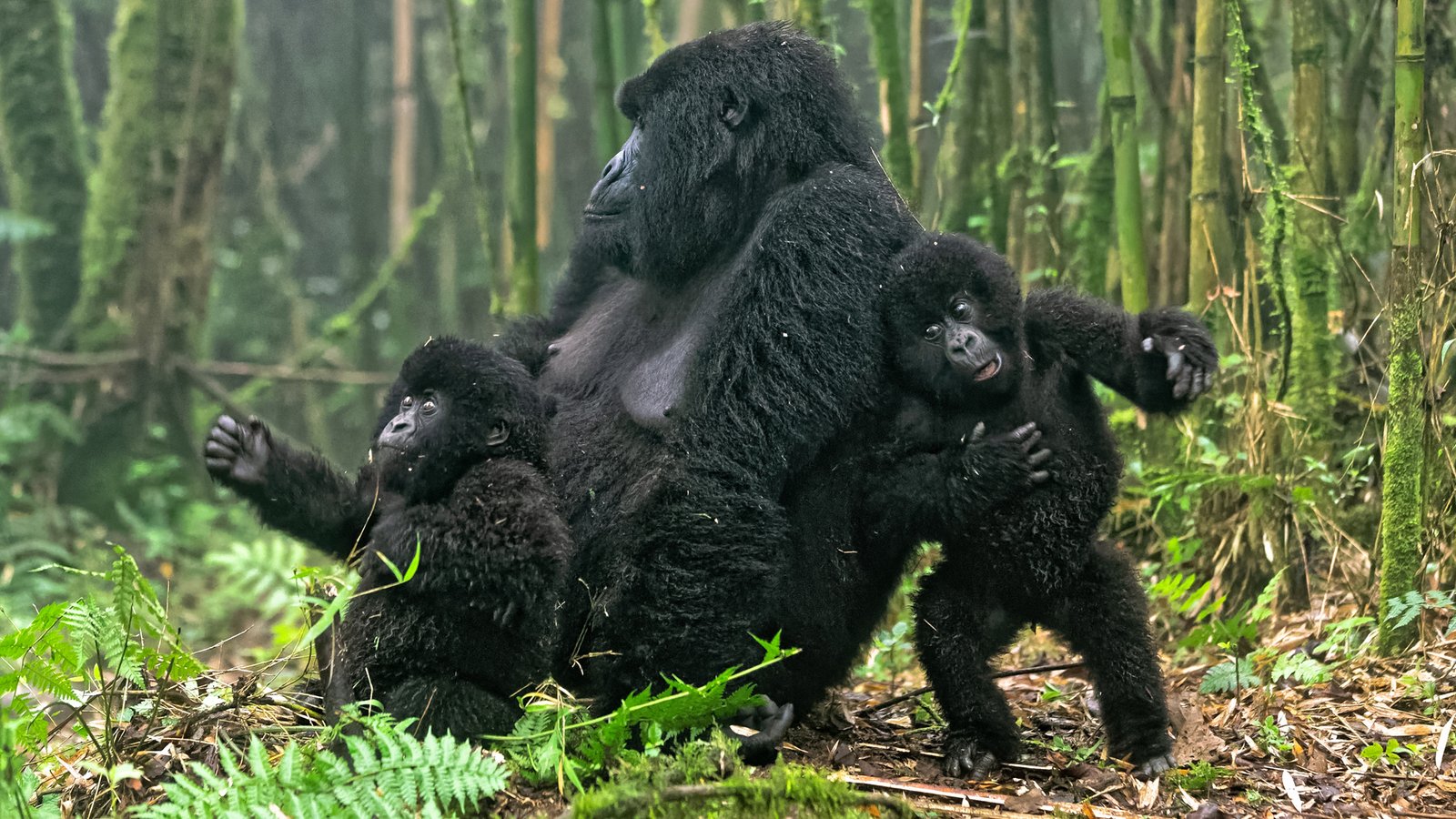
Gorilla Habituation Location Uganda is Bwindi Impenetrable National Park in southwestern Uganda, with the specialised Gorilla Habituation Experience currently associated with the Rushaga sector in southern Bwindi. Travellers who want the extended four-hour gorilla experience should therefore plan their permit, accommodation and transport around the correct southern Bwindi location rather than assuming that every gorilla sector in Uganda offers habituation. Bwindi has several gorilla tourism sectors, including Buhoma, Ruhija, Rushaga and Nkuringo, while Mgahinga Gorilla National Park also offers standard gorilla trekking, but Gorilla Habituation is a distinct activity requiring the correct permit and operational entry point. Confirming the Gorilla Habituation Location Uganda before booking your lodge is especially important because Bwindi is mountainous and travel between sectors can take considerably longer than map distances suggest.
This location is important because not every place in Uganda where mountain gorillas live offers Gorilla Habituation. Mountain gorillas occur in both Bwindi Impenetrable National Park and Mgahinga Gorilla National Park, and standard gorilla tracking is available in both protected areas. Bwindi itself is divided into Buhoma, Ruhija, Rushaga and Nkuringo gorilla tourism sectors. However, the extended Gorilla Habituation Experience should not be confused with ordinary trekking across all of those locations. For current safari planning, Rushaga in southern Bwindi is the sector associated with Gorilla Habituation, while ordinary gorilla trekking is much more widely available.
Understanding exactly where Gorilla Habituation is done becomes especially important when choosing accommodation, arranging transportation, deciding whether to travel from Entebbe or Kigali and booking your permit. Bwindi is not one small forest entrance where every visitor reports to the same headquarters. Its gorilla tourism areas are separated by mountainous roads, forest ridges and surrounding communities, and staying in the wrong sector can result in a lengthy transfer before an activity that already starts early in the morning. Your confirmed Gorilla Habituation permit and its designated entry point should therefore guide the southern Bwindi section of your safari.
Gorilla Habituation Is Done in Bwindi Impenetrable National Park
Bwindi Impenetrable National Park is Uganda’s principal mountain gorilla destination and one of the world’s most important protected habitats for the species. Uganda Wildlife Authority describes the park as a landscape of steep ridges and deep valleys, and current UWA information identifies it as one of Uganda’s two protected areas containing mountain gorillas. The park covers approximately 321 square kilometres and contains an exceptional range of tropical forest habitats across changing elevations.
The forest’s importance extends far beyond tourism. UWA reported in September 2026 that Bwindi’s last completed mountain gorilla census recorded 459 gorillas in 2018, while genetic analysis associated with the more recent census work was still awaiting final release at that time. The increase from approximately 300 gorillas recorded in the early 1990s reflects decades of conservation, law enforcement, research, veterinary support and community involvement.
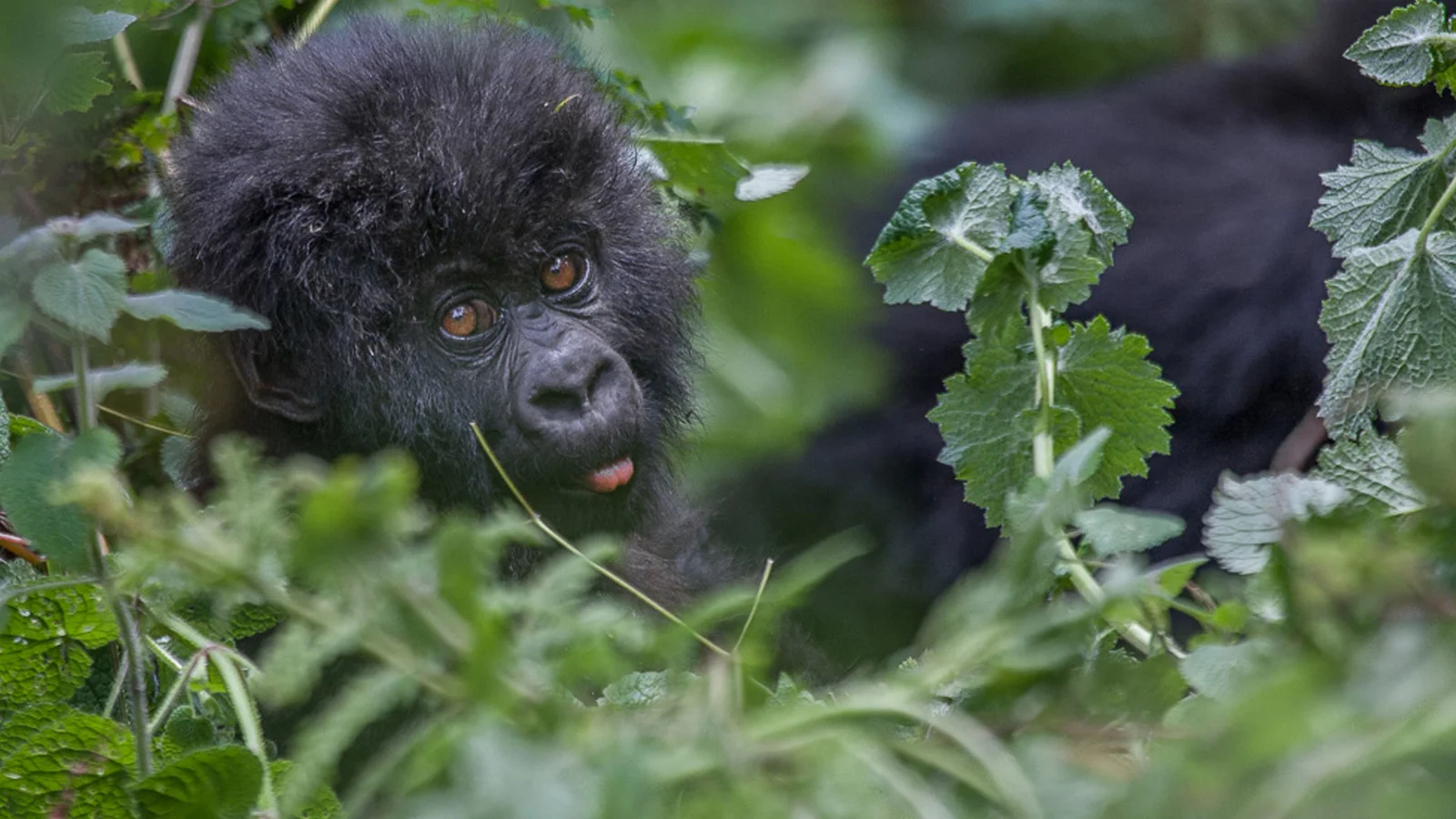
This wider conservation context is essential to understanding why Gorilla Habituation takes place here. Habituation is not an entertainment programme designed to make gorillas perform for tourists. It is the gradual process through which selected wild gorilla families become familiar with predictable, carefully managed human presence. Researchers, trackers and habituators repeatedly monitor the family, learn individual identities and observe behavioural responses while allowing the animals to continue living naturally within the forest.
Visitors purchasing a Gorilla Habituation permit are therefore entering a conservation landscape rather than merely buying additional time with gorillas. Bwindi provides the forest habitat, long-term research framework, experienced tracking teams and established gorilla conservation system necessary for this specialised experience.
Rushaga Is the Current Gorilla Habituation Sector
Within Bwindi, Rushaga is situated in the southern portion of the park and is currently the key location for travellers booking Gorilla Habituation. Multiple 2026 sources focused specifically on the experience identify Rushaga as the operational sector, including current Rushaga planning guides and habituation specialists.
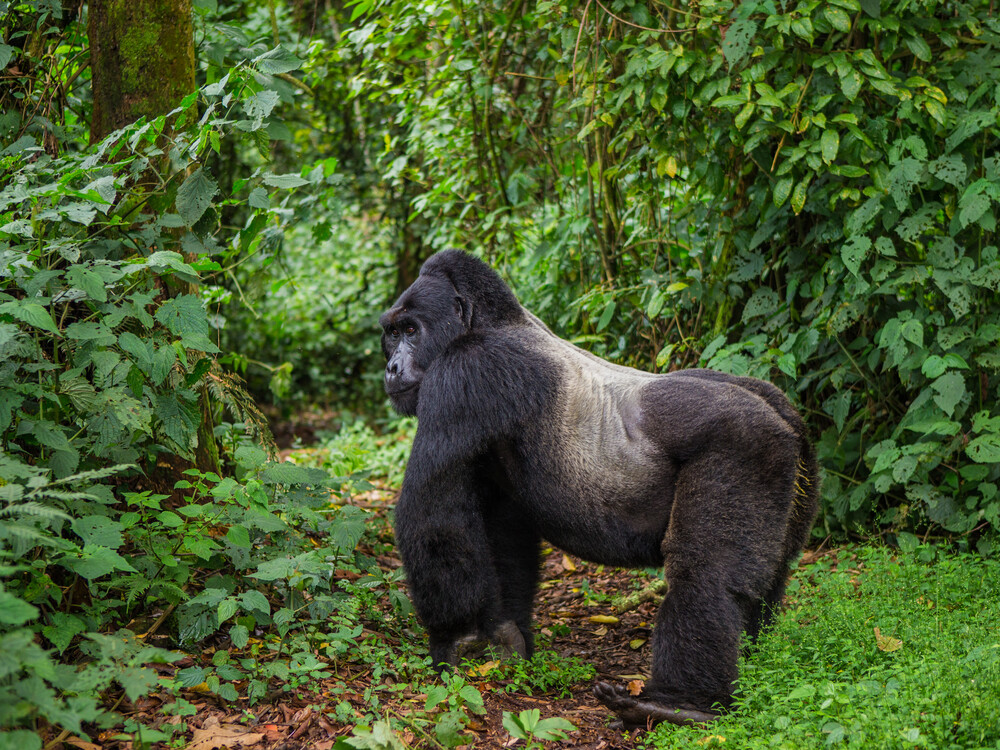
Rushaga already has a strong reputation within Uganda’s gorilla tourism industry because it supports numerous gorilla families and is one of Bwindi’s major trekking centres. Standard gorilla trekking also takes place from Rushaga, so a traveller staying in the area may encounter people preparing for either the normal one-hour gorilla trekking experience or the longer habituation activity.
The distinction lies in the permit and the family allocation rather than simply being physically present in Rushaga. You cannot arrive in the sector with an ordinary trekking permit and decide that you would prefer the four-hour Gorilla Habituation Experience once you enter the forest. The activities are booked separately and involve different permit products and operational arrangements.
For this reason, anyone whose primary objective is Gorilla Habituation should secure the correct permit before choosing the final accommodation and transport plan.
Why Some Older Information Mentions Nkuringo
Travellers researching online may encounter older articles stating that Gorilla Habituation is offered around both Rushaga and Nkuringo. This can be confusing because Bwindi’s gorilla families and conservation operations change over time as families split, move, complete habituation or are allocated differently for research and tourism.
Older tourism material does indeed refer to habituation families associated with both the Rushaga and Nkuringo sides of southern Bwindi. Some older operators still retain this language online. Current 2026 planning sources, however, consistently describe the visitor Gorilla Habituation Experience as operating from Rushaga.
Uganda Wildlife Authority‘s formal permit-management guidelines provide an important reason not to rely permanently on individual gorilla-family names or old sector descriptions. UWA identifies designated gorilla entry points including Buhoma, Ruhija, Nkuringo, Rushaga and Ntebeko/Muhavura, while also explaining that visitors are allocated to specific gorilla families operationally and that additional entry points can be established according to gorilla movements and management considerations.
The practical conclusion is that Rushaga should be used for current Gorilla Habituation trip planning, but your final permit confirmation remains the authority for exactly where you must report. This is far safer than building an expensive itinerary around an article written several years earlier.
Where Exactly Is Rushaga?
Rushaga lies in southern Bwindi, close to the Kisoro side of southwestern Uganda and relatively near the international border with Rwanda. This southern position is one reason the sector is popular with travellers who enter Uganda from Kigali as well as those approaching Bwindi from elsewhere in Uganda.
The landscape surrounding Rushaga is mountainous, green and heavily cultivated outside the protected forest. Small communities, winding roads and steep hills surround Bwindi, while the dense national park begins abruptly along parts of the agricultural landscape.
The region is visually striking because southern Bwindi also lies within a wider highland landscape influenced by the Albertine Rift and nearby Virunga region. On clear days, parts of the surrounding area can provide distant views toward volcanic landscapes, while nearby lakes and highland valleys add considerably to the scenic character of the journey.
The location feels remote even though communities surround the forest. This contrast is one of Bwindi’s defining characteristics. Mountain gorillas survive within a protected forest surrounded by a densely inhabited rural landscape, making the relationship between conservation and local livelihoods particularly important.
Rushaga Is Different From Buhoma
Buhoma is probably the most historically famous gorilla tourism sector of Bwindi because it was where Uganda’s first gorilla family was habituated for tourism. Uganda Wildlife Authority records that the Mubare group became the first Bwindi gorilla group habituated for tourism in 1993.
Because of this history, many travellers automatically associate the word “Bwindi” with Buhoma. The sector has long-established lodges and substantial tourism infrastructure, but booking accommodation there does not make it the correct location for a current Gorilla Habituation Experience in Rushaga.
Buhoma lies in northern Bwindi, while Rushaga is in the south. The distance between them should not be judged simply by looking at how close they appear around the same national park on a map. Mountainous roads can make transfers time-consuming.
This is why a traveller with a Rushaga habituation permit should normally stay in or conveniently near southern Bwindi instead of choosing a lodge in Buhoma simply because it has a famous name or attractive photographs.
Rushaga Is Different From Ruhija
Ruhija is another major Bwindi gorilla trekking sector and lies toward the eastern side of the protected area. It is particularly well known for its high-altitude forest environment and birding importance.
Standard gorilla tracking is available from Ruhija, but current Gorilla Habituation planning centres on Rushaga rather than Ruhija.
A traveller staying in Ruhija should therefore not assume that being inside the broader Bwindi tourism region automatically places them close to their habituation starting point.
The distinction may seem minor during online planning because websites frequently market accommodation simply as a “Bwindi lodge,” but on the ground the exact sector can determine whether your morning begins with a short transfer or a demanding pre-dawn journey.
Rushaga and Nkuringo Are Both in Southern Bwindi but Are Not Identical
Nkuringo lies in southwestern Bwindi and is much closer to Rushaga than Buhoma or Ruhija are in practical southern-sector planning. Some lodges around Nkuringo can therefore be used as bases for travellers participating in activities around Rushaga if road conditions, departure times and the operator’s logistics make sense.
Current information from Nkuringo-area accommodation providers, for example, describes Gorilla Habituation as being conducted in Rushaga while their lodge can still function as a base with a road transfer to the habituation area.
This distinction is useful because travellers sometimes see the word Nkuringo associated with habituation and assume the activity itself currently starts there. In some cases, what is actually being described is accommodation in the Nkuringo area combined with a transfer to Rushaga.
The safest planning method is therefore to separate three concepts clearly: where your lodge is located, where your permit requires you to report and where the gorilla family is eventually encountered inside the forest. They are related but not always identical.
Gorilla Habituation Is Not Currently Done in Mgahinga Gorilla National Park
Uganda’s other mountain gorilla destination is Mgahinga Gorilla National Park in the Virunga Mountains. UWA confirms that standard gorilla trekking is available there, and the park offers an alternative to Bwindi for conventional gorilla tracking.
However, travellers looking specifically for the four-hour Gorilla Habituation Experience should plan around Bwindi and Rushaga rather than Mgahinga.
This difference is particularly important because Mgahinga is relatively close to Kisoro and southern Bwindi. A traveller can easily assume that all gorilla activities offered around the broader Kisoro region are interchangeable.
They are not.
Mgahinga has its own extraordinary tourism appeal, including standard mountain gorilla tracking, volcanic landscapes and golden monkey activities. Gorilla Habituation involving mountain gorillas is a different product and should be booked specifically for Bwindi.
Why Rushaga Is Well Suited to Gorilla Habituation
Rushaga’s role within Bwindi’s gorilla tourism system makes it particularly suitable for a specialised experience such as habituation. The sector contains extensive mountain gorilla habitat and has long been associated with multiple gorilla families, allowing conservation teams to manage both tourism and ongoing gorilla research within the wider southern Bwindi landscape.
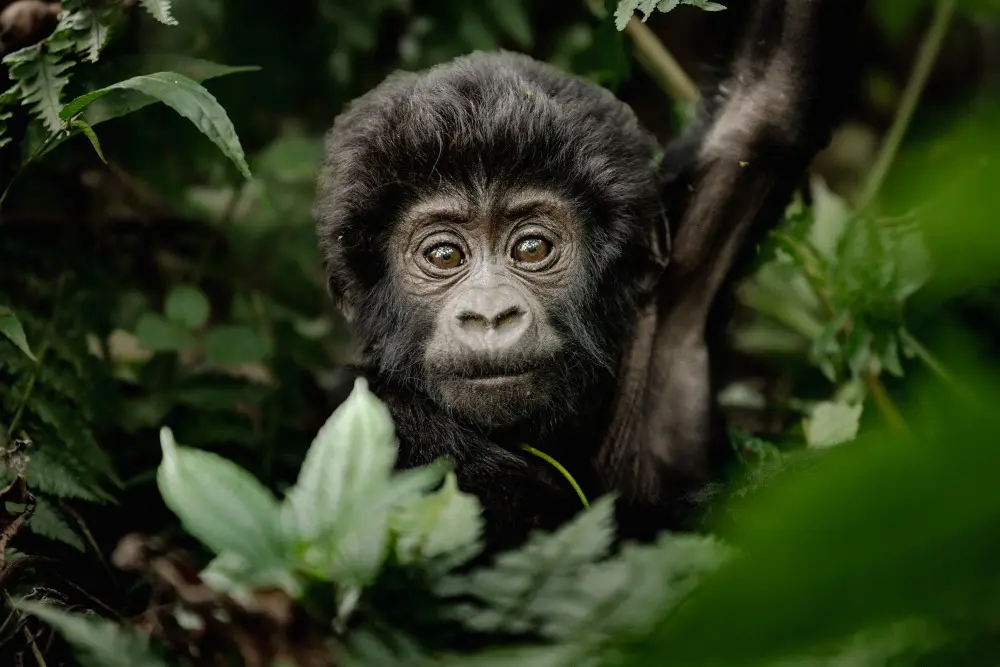
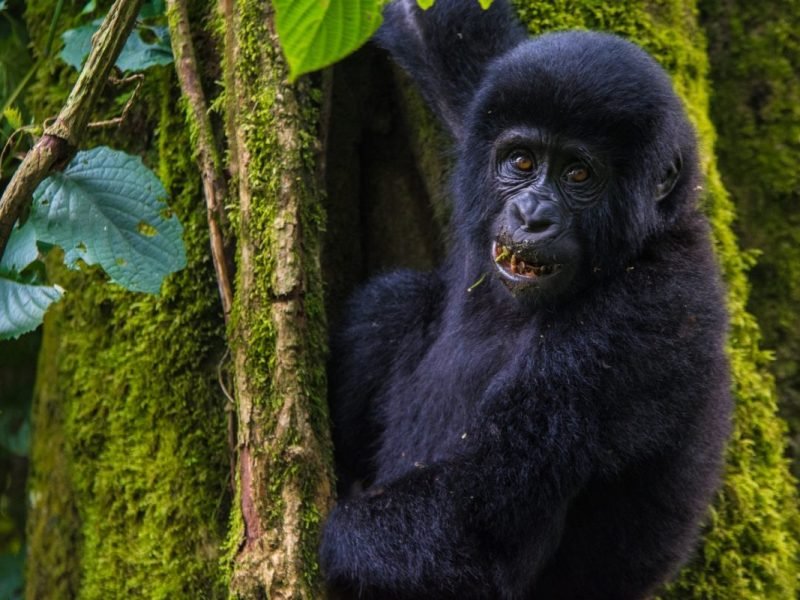
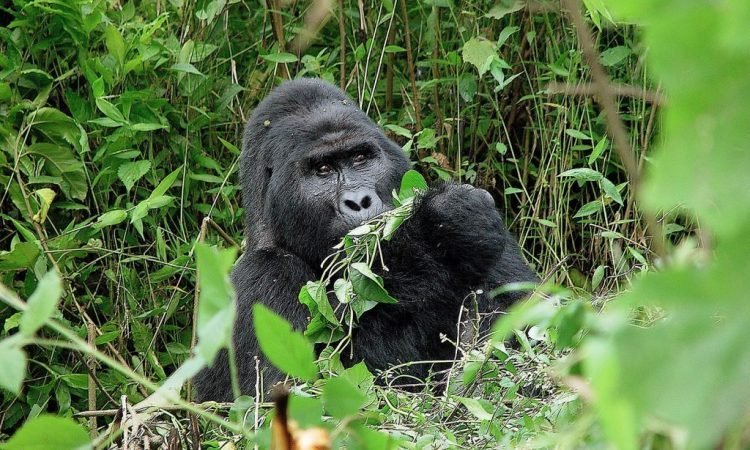
The terrain is characteristically steep and heavily forested. For visitors, this can make the experience physically demanding, but it is exactly this natural environment that gives Gorilla Habituation its authenticity.
You are not walking to a fenced observation point.
Trackers follow evidence of where the assigned gorilla family has moved, and your route may take you through slopes, valleys and dense vegetation depending on the family’s location that morning.
The unpredictability of Rushaga’s forest terrain is therefore not a logistical failure. It is the consequence of observing wild animals that move freely within a protected ecosystem.
Where Does the Experience Begin in Rushaga?
Your experience begins through the official UWA-managed activity process associated with your confirmed permit and entry point rather than at your lodge or wherever you first enter the broader Bwindi region.
Uganda Wildlife Authority requires gorilla visits to take place through designated entry points with authentic permits and official guides. Visitors are then allocated to particular gorilla family groups according to operational procedures.
This means you should know exactly where you are expected to report before the morning of your habituation experience.
Your driver-guide and lodge should confirm this during the previous evening.
The day starts early, and discovering shortly before departure that your accommodation is located far from the correct briefing point can create considerable stress.
Why Your Permit Location Matters More Than the Name of Your Lodge
Many Bwindi lodges use the park’s name prominently in their marketing. A lodge may therefore appear ideal because its website says it is located “at Bwindi,” but this does not tell you whether it is conveniently positioned for Rushaga.
The exact road transfer matters much more.
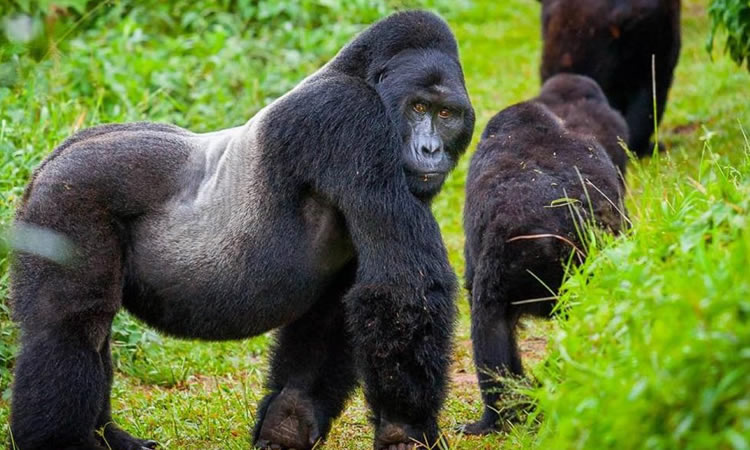
A beautiful lodge that requires a long mountain transfer before dawn can be less suitable for Gorilla Habituation than a simpler property located close to the correct activity point.
This does not mean luxury travellers need to sacrifice comfort. Southern Bwindi offers accommodation across different price levels, including high-end lodges. It simply means location should be evaluated alongside room quality, views, food and service.
For a Gorilla Habituation safari, the best lodge is one that combines the standard you want with realistic access to your confirmed permit location.
Reaching Rushaga From Entebbe or Kampala
Travelling overland from Entebbe or Kampala to southern Bwindi is a substantial journey and is normally treated as a full travel day rather than a short transfer.
Current Rushaga planning sources generally estimate road travel from Kampala or Entebbe in the region of eight to ten hours depending on route, stops, traffic and road conditions.
The route takes you southwest through changing Ugandan landscapes before entering the higher country toward Kabale and Kisoro.
For some travellers, this long road journey is part of the safari because it reveals rural communities, agricultural landscapes and the dramatic change from central Uganda toward the southwestern highlands.
Others prefer to reduce road travel by using domestic flights.
Whichever option you choose, you should arrive in the Rushaga area on the day before Gorilla Habituation rather than trying to combine the long journey from Entebbe with the early forest activity.
Flying to Kisoro for Gorilla Habituation
Kisoro Airstrip is the most convenient domestic aviation gateway for the southern Bwindi sectors, including Rushaga and Nkuringo. Current 2026 flight-planning information identifies Kisoro as the southern gateway for these areas.
A fly-in itinerary can substantially reduce the amount of time spent on Uganda’s long road journeys.
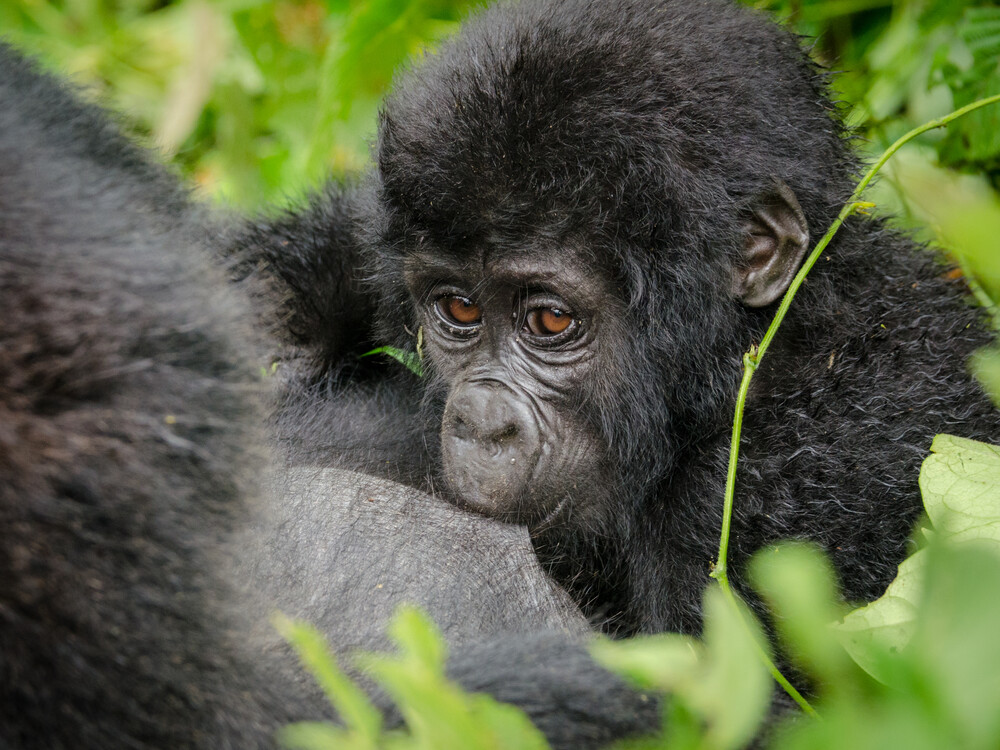
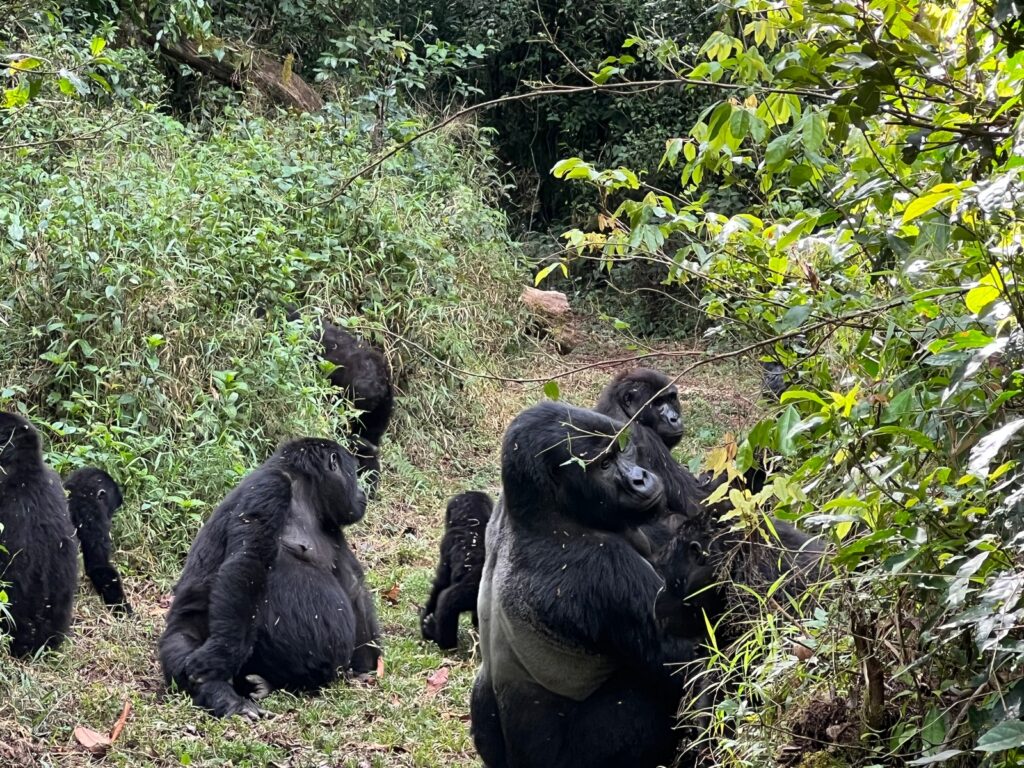
After landing at Kisoro, however, your journey is not finished. You still require a road transfer from the airstrip to your accommodation around Rushaga or another convenient southern Bwindi base.
This is an important detail because the phrase “fly to Bwindi” can create the misleading impression that an aircraft lands beside the gorilla briefing centre.
It does not.
Domestic aviation reduces the long-distance road journey, but local ground transportation remains necessary.
For luxury travellers, this combination can work particularly well because you arrive in southern Uganda with more time and energy available for the forest experience.
Reaching Rushaga From Kigali
Rushaga’s southern location also makes it attractive for travellers entering from Rwanda.
Current 2026 planning sources commonly place the road journey from Kigali to Rushaga at around four hours under favourable conditions, although border formalities, road conditions and stops can change the total time.
This route normally involves crossing from Rwanda into Uganda before continuing toward the Kisoro and southern Bwindi region.
The relatively convenient Kigali connection is one reason many short Uganda gorilla itineraries begin and end in Rwanda.
However, Gorilla Habituation starts early and should not be planned around a same-morning departure from Kigali. Even when the road distance looks manageable, international border procedures and mountain travel introduce too many variables.
The sensible structure is to cross into Uganda the previous day, stay near Rushaga and begin the habituation experience rested the following morning.
Why You Should Arrive in Rushaga the Day Before
Arriving before the activity day is one of the most important logistical decisions in a successful Gorilla Habituation safari.
The activity begins early and may occupy most of the day. You want the previous evening available for dinner, equipment preparation, permit confirmation and proper sleep.
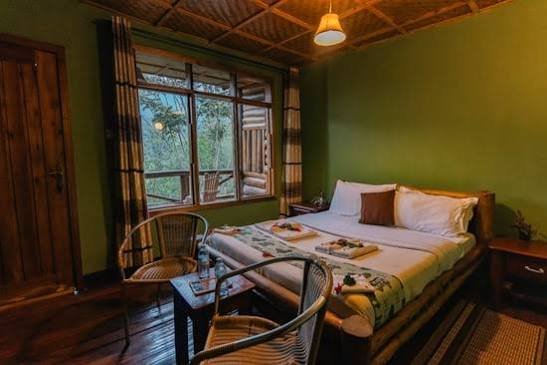
A late-night arrival after a long journey can leave you exhausted before you have even entered the forest.
The night before also provides an opportunity for your driver-guide to reconfirm the reporting location and departure time with the lodge.
This may sound like a minor detail, but good gorilla safari planning is built around eliminating avoidable stress before the trek.
What the Rushaga Landscape Is Like
Rushaga is a mountainous forest environment rather than a flat tropical jungle.
The slopes, valleys and dense vegetation of southern Bwindi create challenging trekking conditions but also contribute to some of the area’s most impressive scenery.
Rain is possible throughout the year, and even periods considered relatively dry can contain wet forest conditions.
Trails can therefore become muddy, and the terrain may require careful climbing or descending.
This natural environment is one reason travellers should wear appropriate footwear and arrive with reasonable fitness.
The landscape also explains why travelling relatively short road distances between Bwindi areas can take longer than expected.
Straight-line map distance is a poor predictor of journey time in the southwestern Ugandan highlands.
Gorilla Habituation Takes Place Inside Natural Forest Habitat
Once you begin tracking from Rushaga, the actual encounter takes place inside the gorillas’ natural habitat rather than at the tourism centre.
Trackers follow the family into the forest based on current information about its movements.
The location of your eventual encounter therefore changes from day to day.
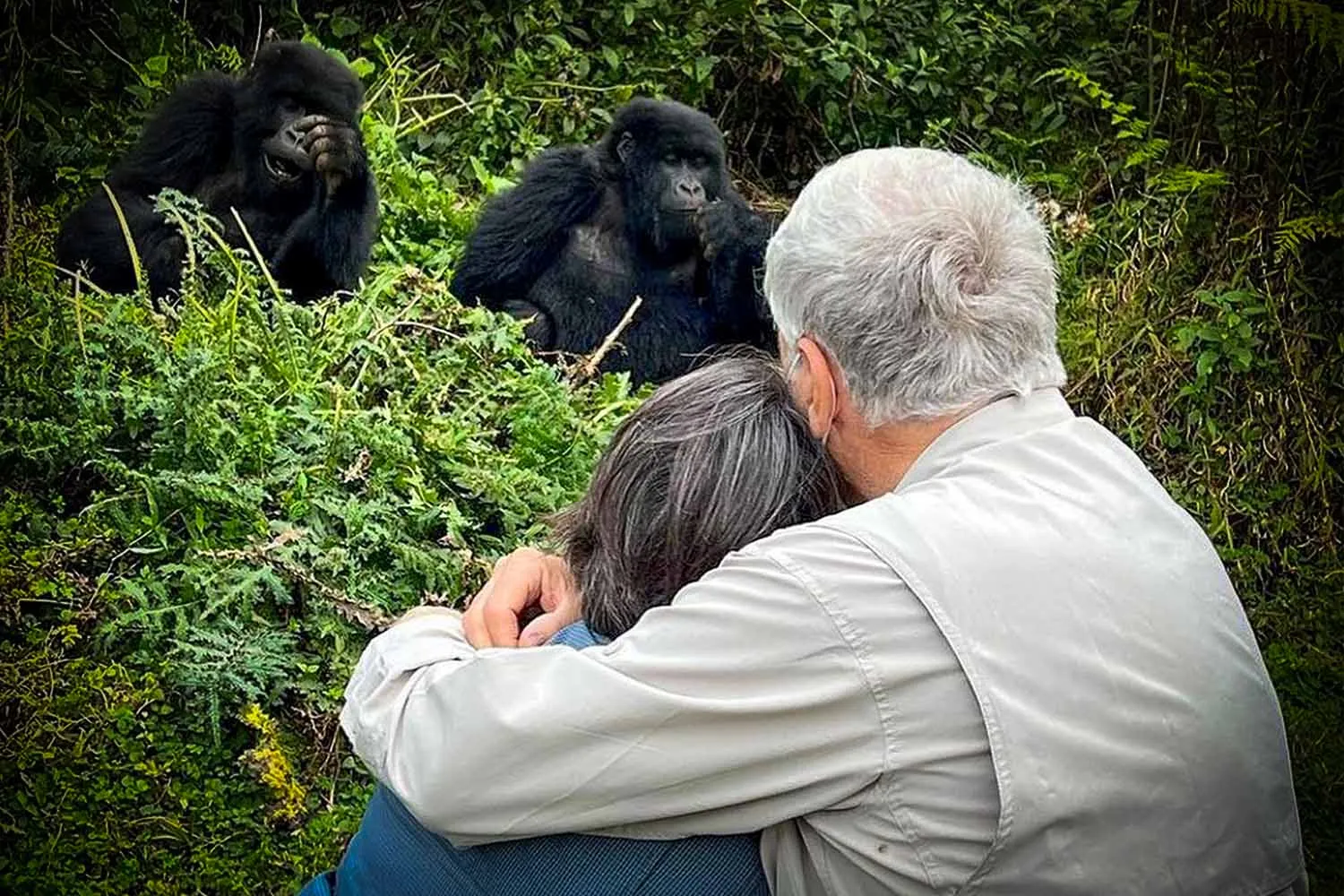
A gorilla family may be relatively accessible one morning and considerably farther away the next.
This means there is no fixed point inside Rushaga that can be marked on a tourist map as “the Gorilla Habituation location.”
Rushaga is the operational sector, but the gorillas themselves determine the actual forest location.
This distinction is fundamental to understanding wild mountain gorilla tourism.
Why the Gorilla Family Cannot Be Guaranteed in One Exact Place
Mountain gorillas move as they feed, rest and maintain their social relationships.
They do not return to a tourism platform each morning.
Trackers therefore use knowledge from previous monitoring together with physical signs in the forest to locate the family.
This movement means even repeat visitors using the same Rushaga sector may experience completely different routes.
One traveller may climb through steep forest for a substantial period while another reaches the assigned family more quickly on another date.
The variable route is part of why Gorilla Habituation should be viewed as an expedition into gorilla habitat rather than a visit to a fixed wildlife exhibit.
Rushaga and the Four-Hour Viewing Experience
Location and viewing time are closely connected because the appeal of Rushaga habituation is not simply reaching the gorillas. Uganda Wildlife Authority permits up to four hours of observation once the habituation gorillas are encountered.
The time spent tracking before you find the family is separate from this direct viewing period.
This can make the complete Rushaga day significantly longer than four hours.
After the observation period finishes, you must also return through the forest to the appropriate exit and debriefing point.
The full experience should therefore be treated as the primary activity for that day.
Why Photographers Choose Rushaga Gorilla Habituation
Wildlife photographers often find the extended Rushaga experience particularly attractive because rainforest photography is unpredictable.
The gorillas may initially remain partly hidden behind vegetation. Light can be low beneath Bwindi’s forest canopy, and individual animals may change position repeatedly.
Having an extended observation period gives these conditions time to change naturally.
A mother and infant that are difficult to photograph early in the encounter may later move into a clearer position. A silverback facing away from visitors may eventually reposition himself.
The value does not come from being allowed to interfere with the gorillas or move wherever you want. It comes from having more time to wait.
Rushaga therefore appeals particularly strongly to travellers for whom photography and behavioural observation are central reasons for visiting Uganda.
Does Rushaga Guarantee Easier Gorilla Habituation?
No.
The fact that Rushaga is the current operational location should not be interpreted as meaning the forest experience is easy.
The terrain can be demanding, and the gorillas can move considerable distances.
Your fitness, weather conditions and the family’s location all influence the difficulty of the day.
A porter can make a substantial difference by carrying water, rain protection, camera equipment and your packed meal while also helping you over challenging sections of terrain.
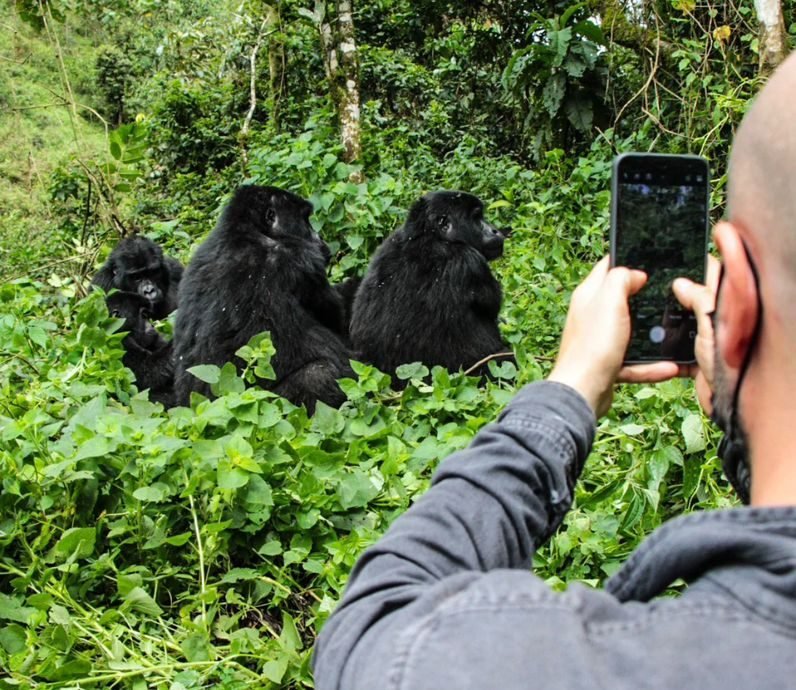
The purpose of choosing Rushaga is not to guarantee an easy trek. It is to reach the correct location for the specialised experience you have booked.
Can You Stay in Kisoro Instead of Rushaga?
Kisoro is an important gateway town for the region and may be useful within some itineraries, particularly when flights, Rwanda connections or Mgahinga activities are involved.
However, for the Gorilla Habituation morning itself, staying closer to Rushaga is generally more convenient than beginning with a longer road transfer from town.
The exact decision depends on your lodge, permit location and overall safari route.
A traveller arriving at Kisoro Airstrip, for example, may pass through or near Kisoro before continuing toward their southern Bwindi lodge.
Using Kisoro as the regional gateway and Rushaga as the activity base is a helpful way to understand the geography.
Can You Stay in Nkuringo and Travel to Rushaga?
https://ugandagorillahabituation.com/rushaga-vs-nkuringo-gorilla-habituation/Yes, some southern Bwindi itineraries use accommodation around Nkuringo while travelling to Rushaga for Gorilla Habituation, provided the lodge and operator confirm the road transfer works with the early start.
Current Nkuringo-area lodge information specifically markets this arrangement and describes Rushaga as the habituation location.
This can provide access to excellent views and lodge choices around Nkuringo without changing the actual habituation sector.
However, the transfer must be planned carefully.
You should know the expected road time before booking rather than assuming the two sectors are interchangeable simply because they lie in southern Bwindi.
Can You Stay in Buhoma and Do Gorilla Habituation in Rushaga?
Technically, road transfers around Bwindi may make many combinations physically possible, but staying in Buhoma before an early Rushaga habituation experience is generally poor itinerary design.
The northern and southern areas of the park are separated by difficult road geography.
A traveller would risk an extremely early departure and an unnecessarily tiring journey before entering the forest.
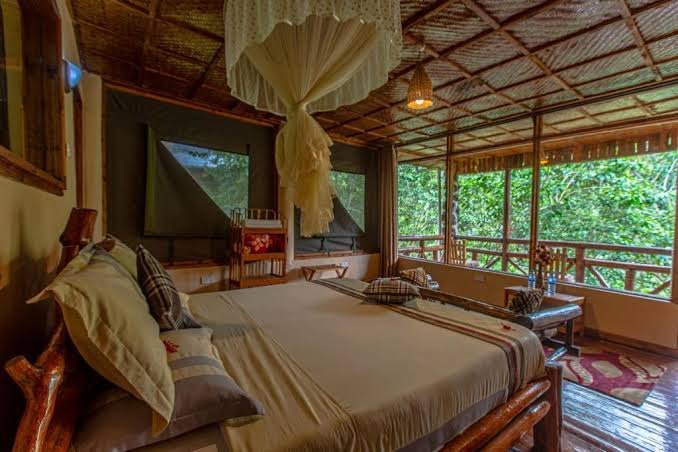
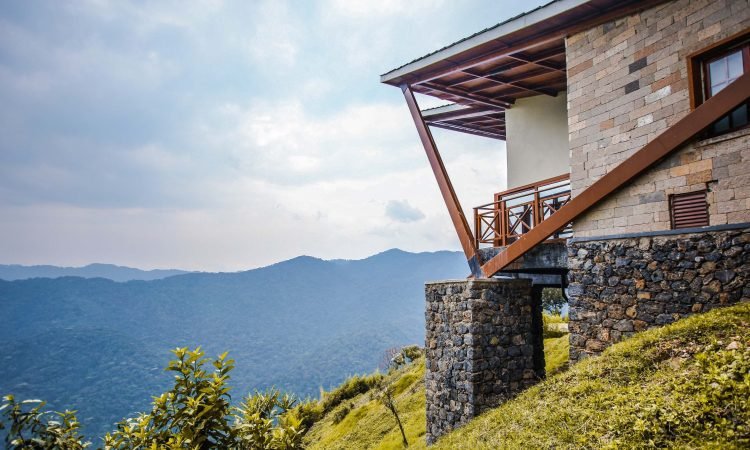
The better solution is to move to southern Bwindi the previous day.
Buhoma can still be included elsewhere in a Uganda itinerary if there is a good reason to visit the northern sector, but accommodation should be matched to the specific activity date.
Where Should You Stay After Gorilla Habituation?
Because Gorilla Habituation can occupy most of the day, staying in the same southern Bwindi area after the experience is often the most comfortable choice.
You may emerge from the forest tired, wet or muddy after several hours of tracking and observation.
Returning to a nearby lodge gives you time to shower, rest, eat and review photographs without immediately beginning another major transfer.
The following day can then be used for a domestic flight, road transfer or another Uganda destination.
This rhythm generally produces a much more enjoyable itinerary than trying to leave Rushaga immediately after the forest experience.
Can Gorilla Habituation Be Combined With Standard Trekking in Bwindi?
Yes, and southern Bwindi can work particularly well for travellers who want more than one gorilla experience.
A Gorilla Habituation day can be followed or preceded by normal gorilla trekking, subject to permit availability and the entry points attached to each permit.
This allows you to compare the extended experience with a conventional one-hour encounter involving a fully habituated tourism family.
For serious photographers and primate enthusiasts, spending more than one day around Bwindi can also reduce pressure to obtain every desired photograph during a single encounter.
However, each activity requires its own permit.
The itinerary should be built around confirmed permits rather than assuming activities can simply be arranged after arrival.
Is Gorilla Habituation Done Anywhere Else in Uganda?
For current visitor planning, the answer is no: the mountain-gorilla Gorilla Habituation Experience is associated with Rushaga in Bwindi Impenetrable National Park.
Uganda has mountain gorillas in both Bwindi and Mgahinga, but standard gorilla trekking and Gorilla Habituation are different tourism products. UWA’s standard tracking page confirms that both parks offer gorilla trekking, while current 2026 habituation sources consistently identify Rushaga as the specialised habituation location.
This is an important distinction for anyone searching broadly for “gorilla safari Uganda.” Not every Uganda gorilla itinerary includes habituation, and not every gorilla park offers the four-hour experience.
Why You Should Confirm the Location Before Paying for Accommodation
Gorilla families and park operations are dynamic, and UWA retains responsibility for permit management and family allocation.
Even though Rushaga is the current location travellers should plan around, your final trip should always be based on the details attached to the actual permit.
This is especially important when booking expensive or non-refundable accommodation.
The correct sequence is to establish suitable travel dates, check Gorilla Habituation permit availability, secure the permit through the correct process and then arrange the lodge and transportation around the confirmed entry point.
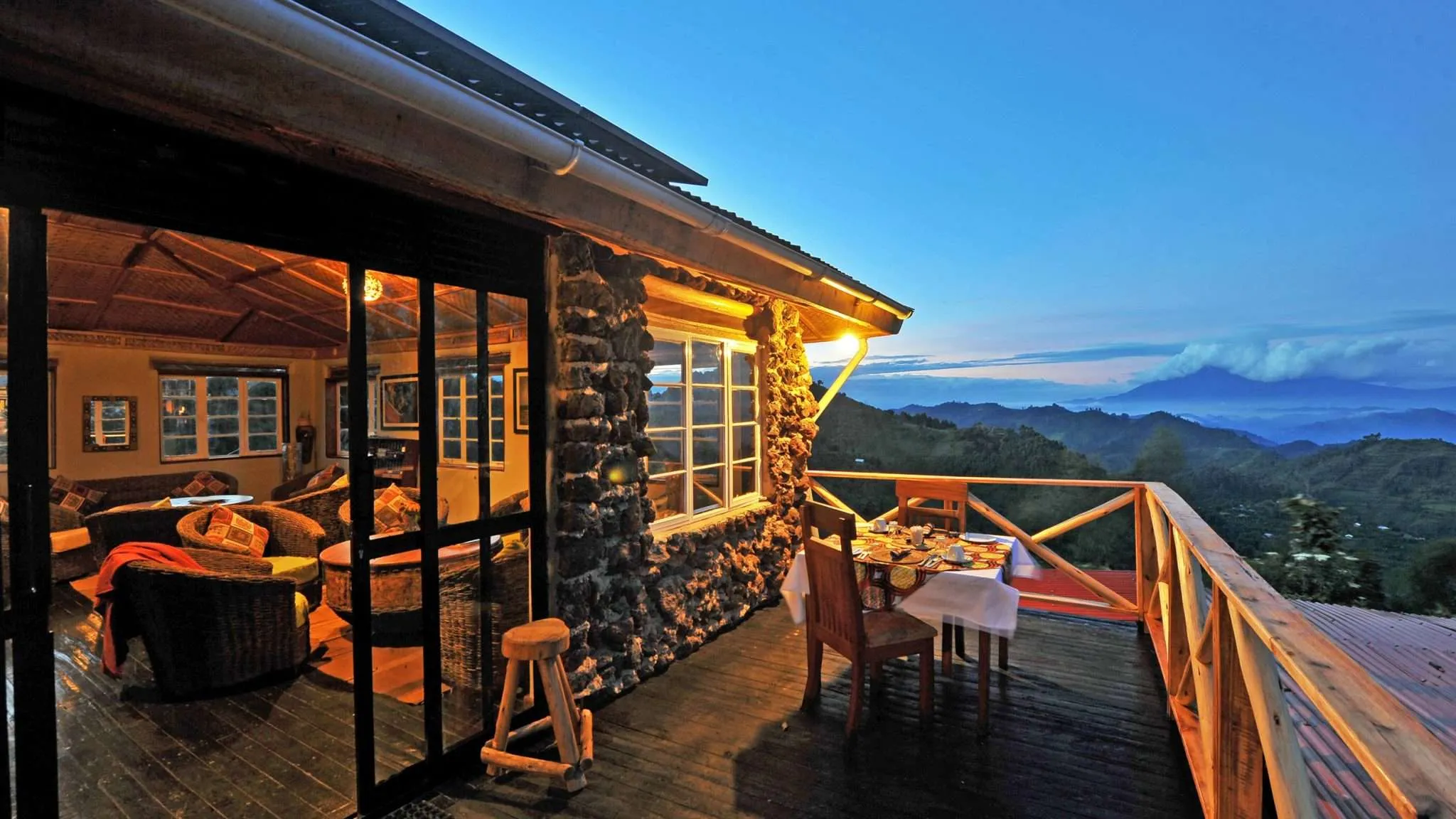

This reduces the risk of discovering later that a beautiful lodge is inconveniently positioned for the activity.
Why Old Gorilla Family Names Can Cause Confusion
Online content about Bwindi often remains available for years after publication.
During that time gorilla families can split, change range, complete habituation or move into different management categories.
An article may therefore correctly describe the situation that existed when it was written while no longer accurately representing current visitor operations.
The same applies to names of families said to be “under habituation.”
For SEO content intended to remain useful, it is safer to emphasise Rushaga as the current operational location and advise travellers to confirm current family allocation rather than building the page around names that can change.
Uganda Wildlife Authority itself books permits around date and designated entry point and allocates specific gorilla families operationally.
The Importance of Rushaga to Southern Bwindi Tourism
Gorilla Habituation has made Rushaga particularly important within Uganda’s primate tourism landscape.
The sector attracts travellers who might otherwise choose only standard trekking, including photographers, repeat gorilla visitors and people who want a deeper conservation-oriented experience.
This tourism supports a larger regional economy involving lodges, guides, drivers, porters, agricultural suppliers and surrounding communities.
At the same time, the number of visitors around gorillas remains carefully controlled.
The goal is not to turn Rushaga into a high-volume attraction. Its value depends on maintaining a balance between tourism revenue and protection of the gorillas and their forest.
Rushaga Is Part of a Larger Conservation Landscape
The forest should not be understood only as the place where tourists see gorillas.
Bwindi forms part of an ecologically important landscape containing a remarkable range of plants, birds and mammals.
Uganda Wildlife Authority‘s recent work has continued to document the park’s biodiversity. In February 2026, UWA announced results from the first dedicated Bwindi chimpanzee census, estimating 426 chimpanzees distributed across the park’s four sectors.
This wider biodiversity context makes the Gorilla Habituation experience even more meaningful.
The gorillas survive because an entire forest ecosystem has been protected.
When you trek through Rushaga, the vegetation, terrain, birds, insects and other primates are not merely scenery surrounding the main attraction. They form the habitat upon which mountain gorilla conservation depends.
Why Rushaga Should Be the Centre of Your Habituation Itinerary
If Gorilla Habituation is the primary reason for your Uganda safari, the simplest planning principle is to make Rushaga the centre of the Bwindi portion of the trip.
Your permit should determine the date.
Your accommodation should make the early activity start easy.
Your transport should place you in southern Bwindi the previous day.
Your following day should remain flexible enough that the long forest experience is not rushed.
Designing the itinerary in this order produces a far smoother safari than booking hotels and flights first and trying to fit the habituation permit into whatever space remains.
Where Is Gorilla Habituation Done in Uganda From Kigali?
For travellers beginning in Rwanda, the answer remains Rushaga in southern Bwindi.
The advantage of this route is geographical rather than administrative. You still cross an international border and enter Uganda before continuing toward Bwindi.
Current planning information commonly places Rushaga around four hours from Kigali under favourable travel conditions, making it one of the more accessible Bwindi sectors for Rwanda-based arrivals.
However, you should still travel the day before the habituation experience.
The early forest start and uncertainty of border formalities make a same-morning transfer unnecessarily risky.
Where Is Gorilla Habituation Done in Uganda for Fly-In Travellers?
For travellers flying domestically from Entebbe, Kisoro Airstrip is the practical aviation gateway to Rushaga and the southern Bwindi region.
Your driver then transfers you from the airstrip to your lodge.
Ideally, this flight takes place the day before Gorilla Habituation.
You then have the afternoon and evening to rest and prepare before the early forest activity.
After habituation, another night in the area can create an especially comfortable fly-in itinerary, allowing you to return to Kisoro for your onward flight the following day.
How Long Should You Stay Around Rushaga?
Although Gorilla Habituation itself takes one main activity day, rushing into and out of the area can diminish the experience.
A comfortable itinerary usually gives you at least the previous night near Rushaga and ideally enough flexibility after the forest day to avoid an immediate long transfer.
Travellers with more time can use additional nights for ordinary gorilla trekking, community experiences, nature walks or simply relaxing in the southwestern highlands.
The key is not to treat Rushaga as nothing more than a permit collection point.
Bwindi deserves enough time to appreciate the environment in which the gorillas live.
Why Location Is One of the Most Important Things to Get Right
Many gorilla safari mistakes are not caused by choosing the wrong country or buying the wrong flight. They happen because travellers underestimate how much the exact Bwindi sector matters.
Two hotels can both advertise themselves as Bwindi properties while serving completely different tourism areas.
Two gorilla permits can both say Bwindi while requiring visitors to report to different entry points.
For ordinary trekking this can already create logistical difficulties. For Gorilla Habituation, the early start and longer forest day make correct positioning even more important.
Your permit, lodge and transport should therefore work together as one plan.
Where Is Gorilla Habituation Done in Uganda? Final Answer
Where Is Gorilla Habituation Done in Uganda? Gorilla Habituation is done in Bwindi Impenetrable National Park in southwestern Uganda, and for current 2026 visitor planning the specialised Gorilla Habituation Experience operates from the Rushaga sector in southern Bwindi. Current Rushaga planning resources and habituation specialists consistently identify Rushaga as the operational location for the four-hour visitor experience.
Uganda Wildlife Authority confirms that Gorilla Habituation is a distinct experience in which visitors accompany researchers and habituators into the forest while gorillas are being habituated to controlled human presence. UWA also confirms that Uganda’s mountain gorillas live in Bwindi Impenetrable National Park and Mgahinga Gorilla National Park, but ordinary gorilla tracking should not be confused with the specialised habituation experience.
Bwindi has several gorilla tourism entry points, including Buhoma, Ruhija, Nkuringo and Rushaga, while Mgahinga uses the Ntebeko/Muhavura area for its gorilla operations. UWA’s permit guidelines state that permits are connected to dates and designated entry points and that visitors are allocated to specific gorilla families operationally.
This is why you should never assume that booking any lodge described as being “in Bwindi” automatically places you in the correct location for Gorilla Habituation.
Rushaga is in southern Bwindi near the Kisoro side of southwestern Uganda. It can be reached overland from Entebbe or Kampala, by domestic flight to Kisoro followed by a road transfer, or by road from Kigali after crossing into Uganda. Kisoro Airstrip is the principal aviation gateway for southern Bwindi, including Rushaga and Nkuringo.
Travellers approaching from Rwanda often choose Rushaga because southern Bwindi is considerably more accessible from Kigali than northern Bwindi. Current 2026 planning estimates commonly place Kigali to Rushaga at roughly four hours under favourable conditions, although border procedures and road conditions can change the actual journey time.
Whatever route you use, you should normally arrive near Rushaga on the day before your Gorilla Habituation Experience. The activity begins early, the tracking period is unpredictable and the extended viewing experience can occupy most of the day.
Older online articles may still mention Gorilla Habituation around both Rushaga and Nkuringo. This reflects earlier operational arrangements and the changing nature of gorilla conservation. For a current safari, Rushaga should be treated as the working habituation location, while your actual UWA permit confirmation should always determine the final reporting point.
That distinction is important because gorilla families are not permanent tourism installations. They can move, split and change management status. Uganda Wildlife Authority can also adjust operational arrangements according to conservation requirements. The confirmed permit therefore matters more than an old article naming a particular gorilla family.
Rushaga’s importance comes from more than simply being a point on a map. It gives you access to the forest environment in which the four-hour Gorilla Habituation Experience unfolds. Once you enter Bwindi, the actual location of the gorillas changes according to their natural movements, and professional trackers must locate the assigned family each day.
For travellers planning specifically around Gorilla Habituation, the most effective approach is therefore to secure the permit first, base yourself conveniently in southern Bwindi, arrive before the activity day and allow enough time afterward to recover from the forest.
The answer to where Gorilla Habituation is done in Uganda is ultimately simple: Bwindi Impenetrable National Park, currently through the Rushaga sector. But understanding that location properly can determine whether your entire safari feels smooth or unnecessarily difficult. Choosing the correct lodge, transport route and arrival schedule around Rushaga allows you to focus on what really matters once the day arrives: entering one of Africa’s most remarkable forests and spending extended time observing wild mountain gorillas within the conservation process that protects them.